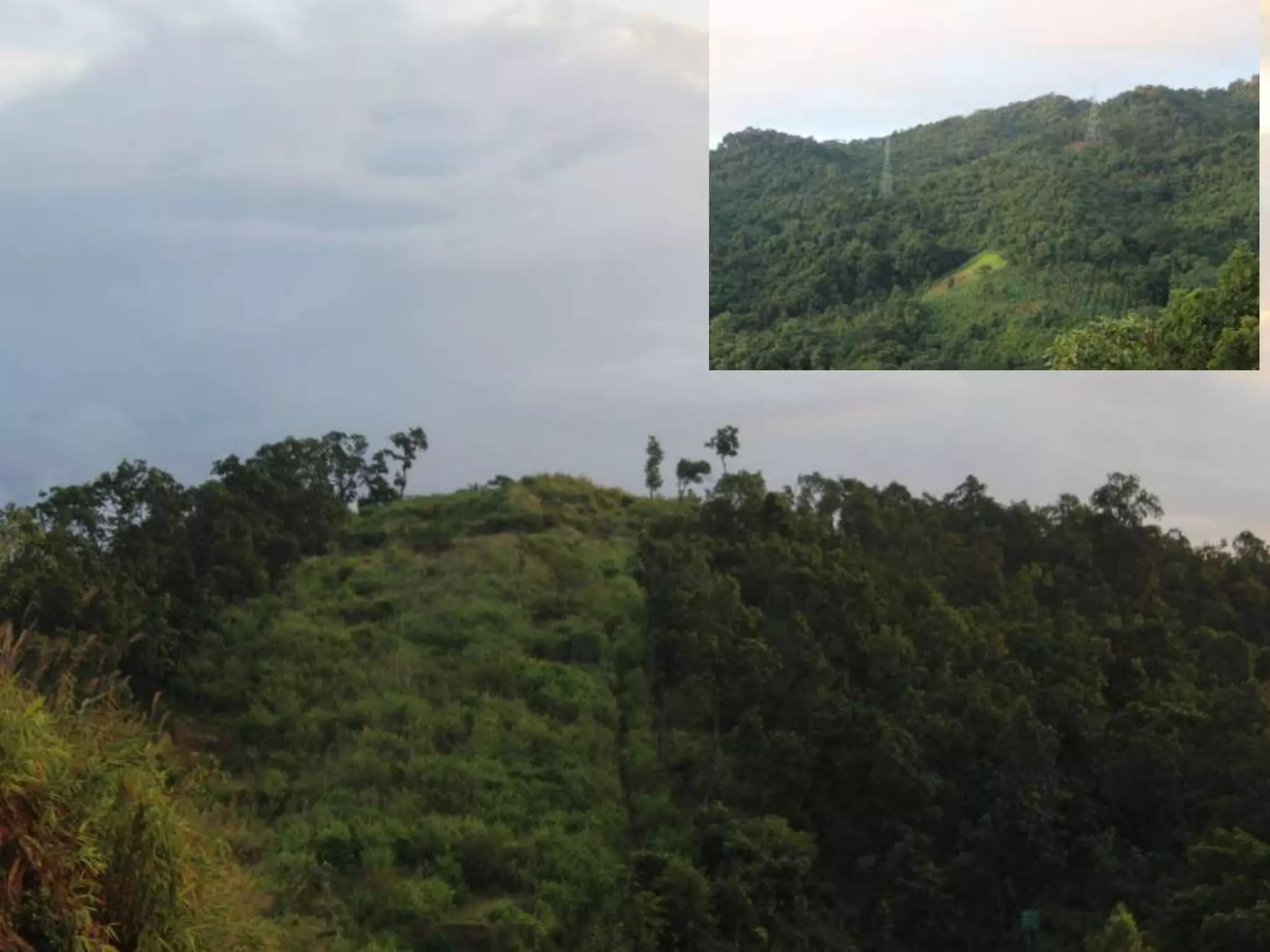

Customary Land Tenure
Documentation
(Regional Land Forum
21-23 June 2016, Hanoi Vietnam)
By Ling Houng
Background of the documentation
• millions of farmers, especially in the uplands, are
managing their land and natural resources under
customary arrangements
• No legal recognition by law but integrated in NLUP
• This exercise was conducted as part of the Learning &
Advocacy activity developed in Myanmar by 6 advocacy
groups
• In 2015, six CSO organizations in Myanmar were trained
in Participatory action Research
• Started to develop a method for local organisations to be
able to document customary tenure
• It is about the governance of land and NR under
custnmary tenure, the rules used by villages, the way
they manage collective resources.
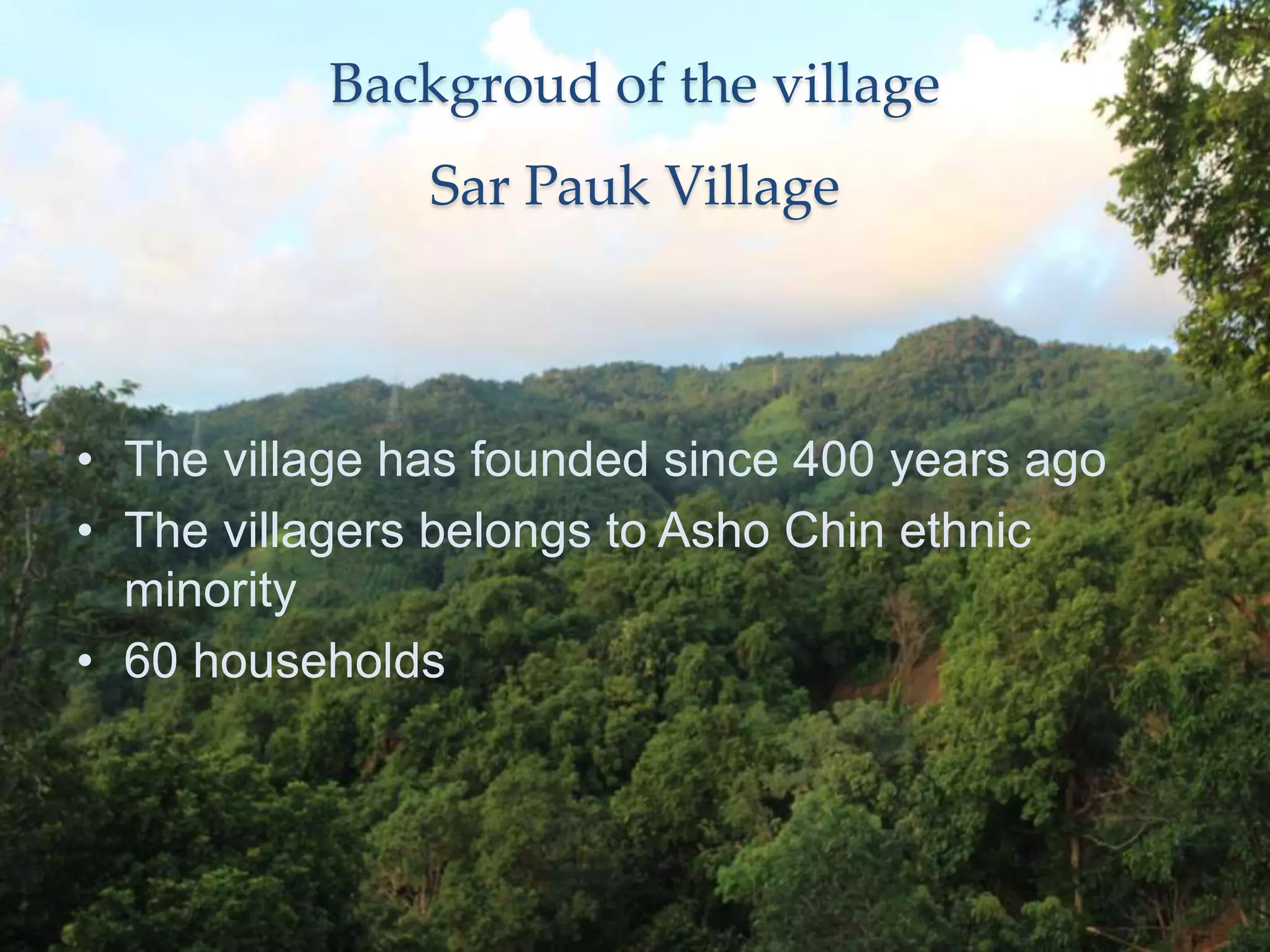
Backgroud of the village
Sar Pauk Village
• The village has founded since 400 years ago
• The villagers belongs to Asho Chin ethnic
minority
• 60 households
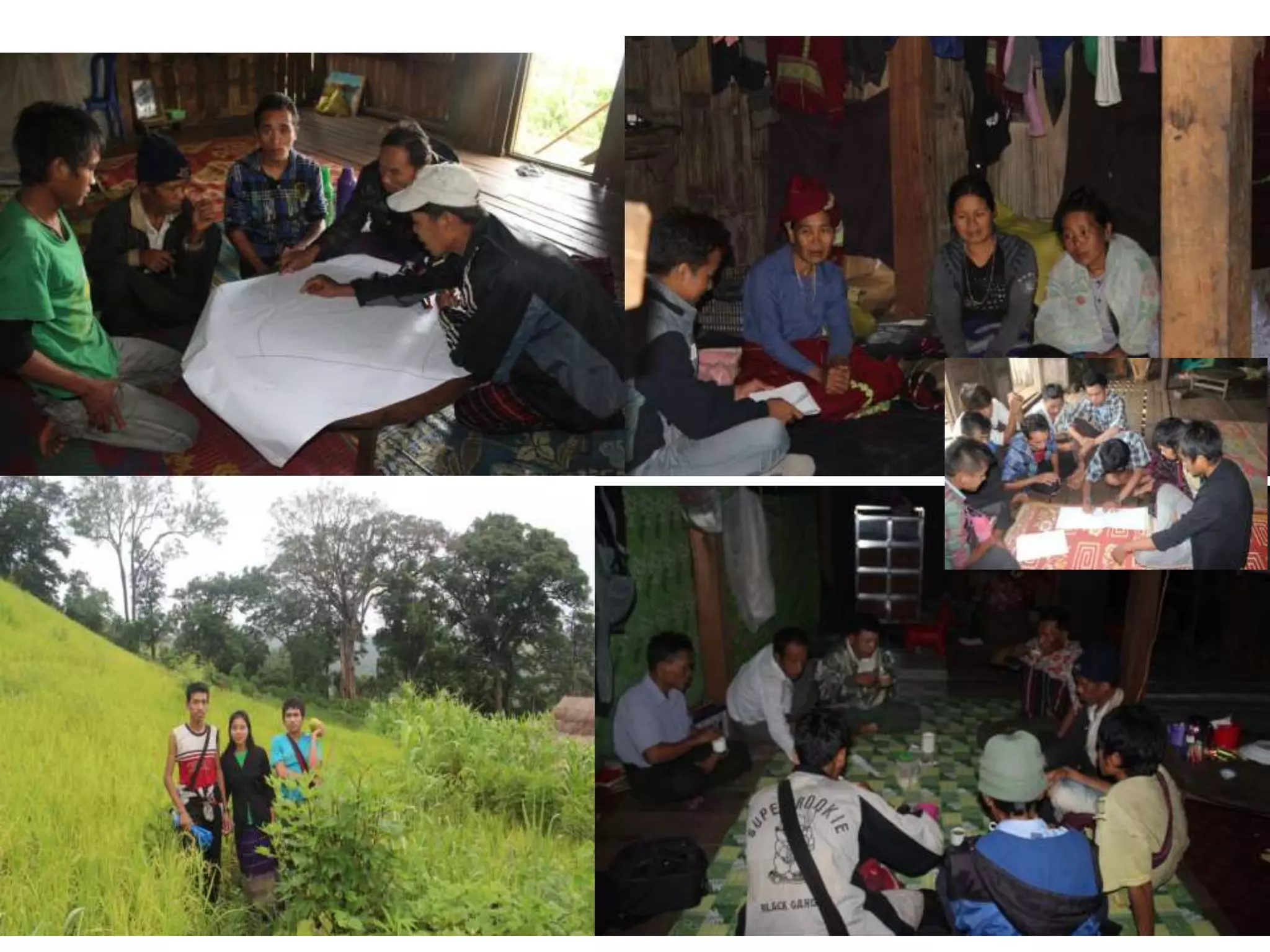
Method of documentation
1st Trip ( 23 to 25 May) 2nd Trip ( 12 to 14 September) 3rd Trip ( 11 to 13 January)
Focus Group Discussion with
community members
11 persons (6 male 4 female) 11 persons ( 9 male and 2
female)
Focus Group Discussion (Women
Group)
8 persons
Focus Group discussion (Youth
Group)
9 persons
Focus Group Discussion (Elders
Group)
7 persons
In-depth Interview 2 persons
Total 11 persons 35 persons 2 persons
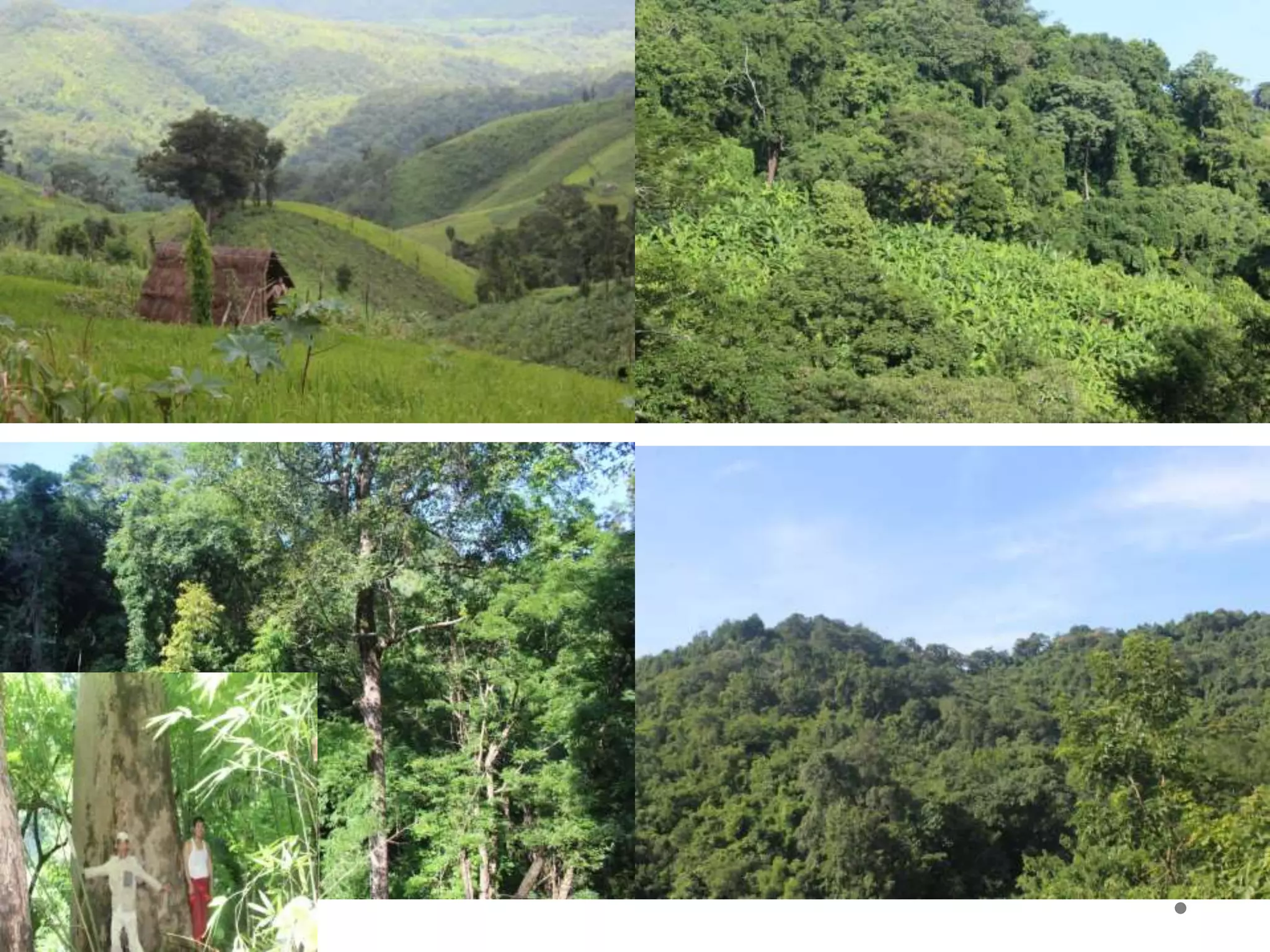
Types of land Use
• Rotational farming
• communal land(rotational farming )
• Orchard land
• Watershed areas
• Forest (used forest), reserved forest
Land Tenure / Access to the land
• Dama U Cha Principle (the first cultivator
become the owner of certain land)
• Clans: 9 clans/ the right to inherent
• Individual/ private claim but manage in
communal manner
• Immigrants/ Asho Chin people nearby the village
• Outsiders/ not sell to outsiders
Land Allocation/ Sharing
• Rotational Farming/ Sweden agriculture/ SC
• Allocate farm plots in the Village meeting ( Oct/Nov)
• Every family has the right to access the Plot for
cultivation
• Not lottery system/ but allocate the land based on
household size and size of certain plot
• For instance, big family- 2 hector, small family- 1
hector
• Immigrants has the right to access the land for
rotational farming
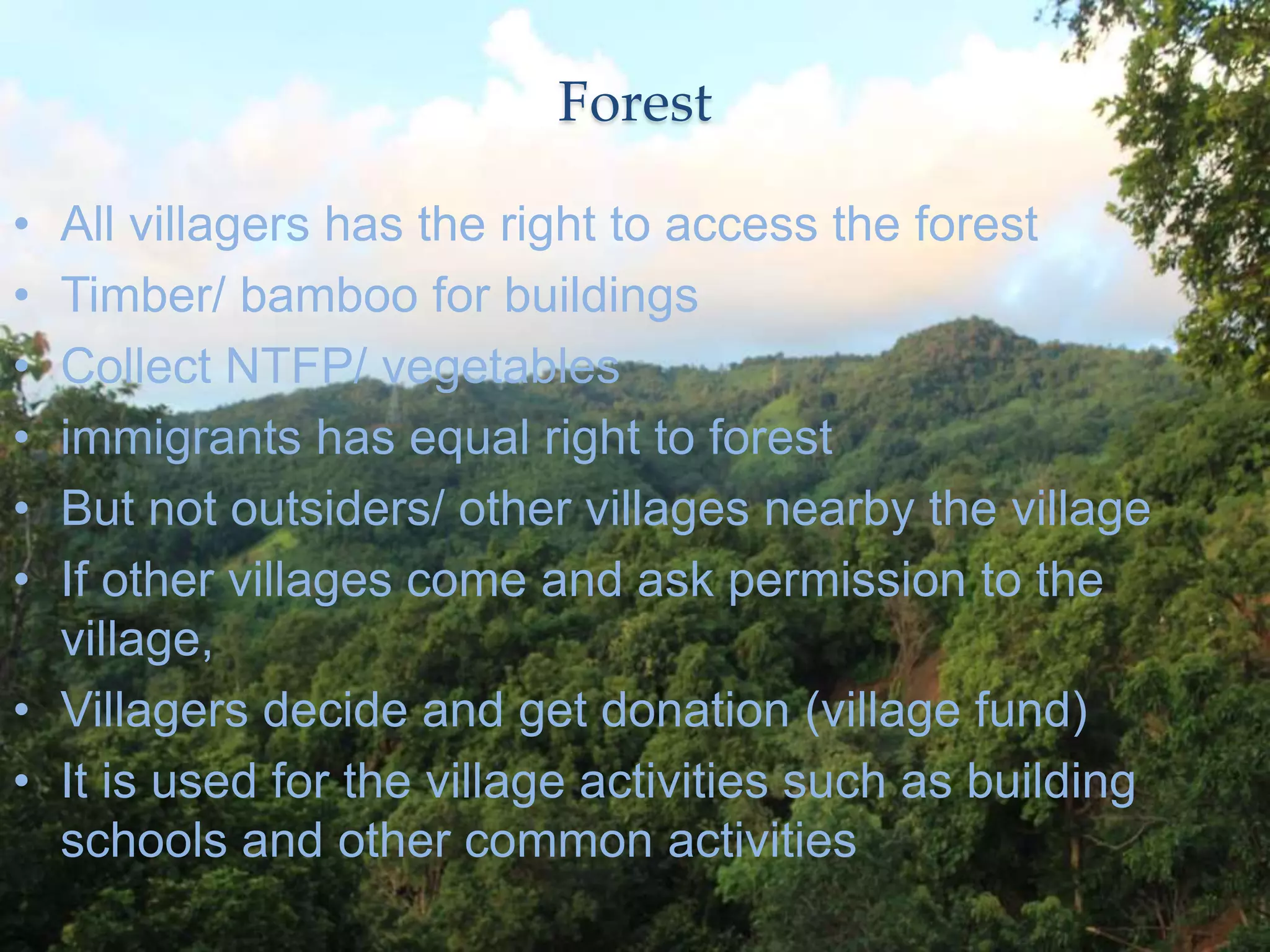
Forest
• All villagers has the right to access the forest
• Timber/ bamboo for buildings
• Collect NTFP/ vegetables
• immigrants has equal right to forest
• But not outsiders/ other villages nearby the village
• If other villages come and ask permission to the
village,
• Villagers decide and get donation (village fund)
• It is used for the village activities such as building
schools and other common activities
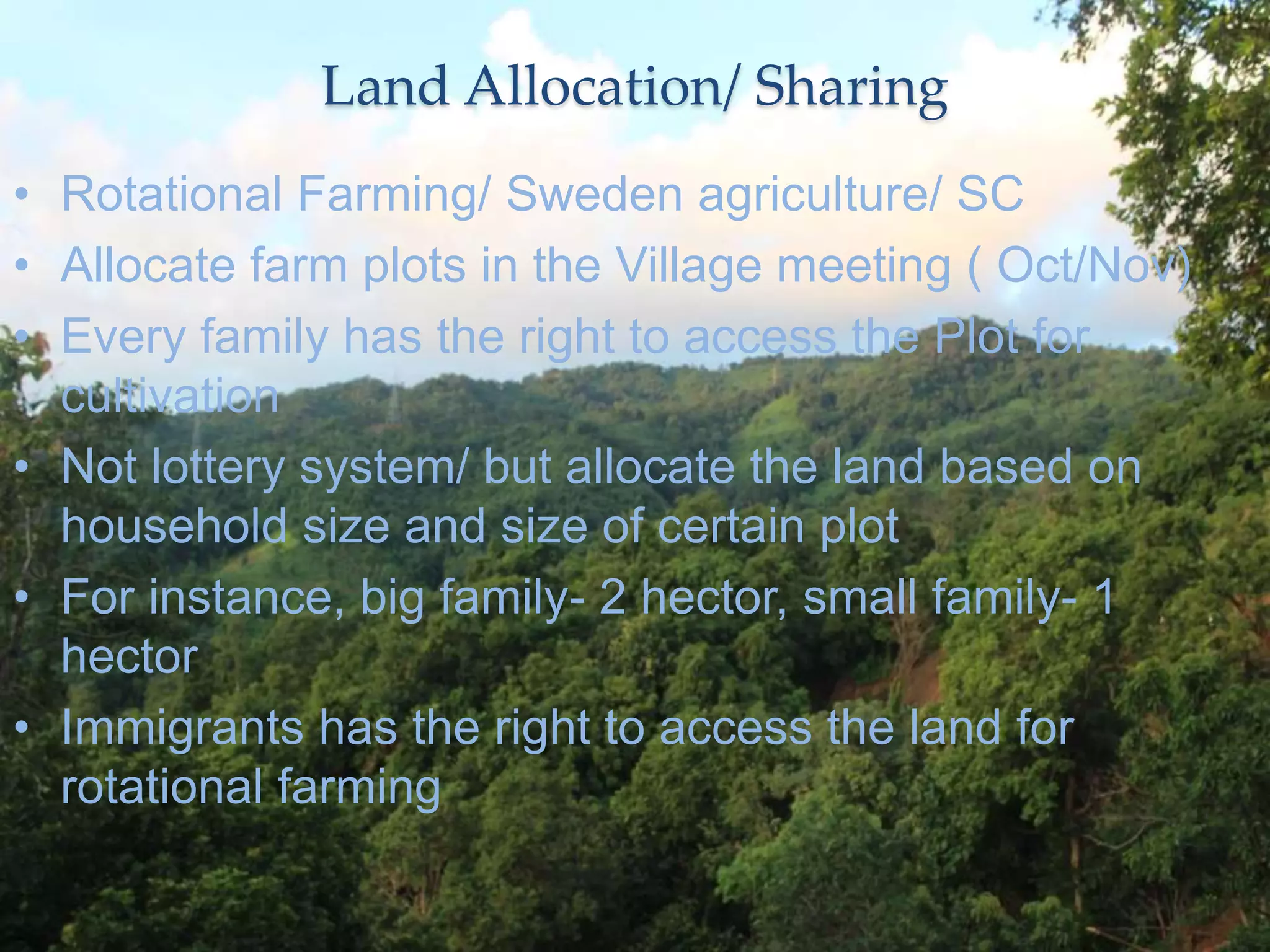
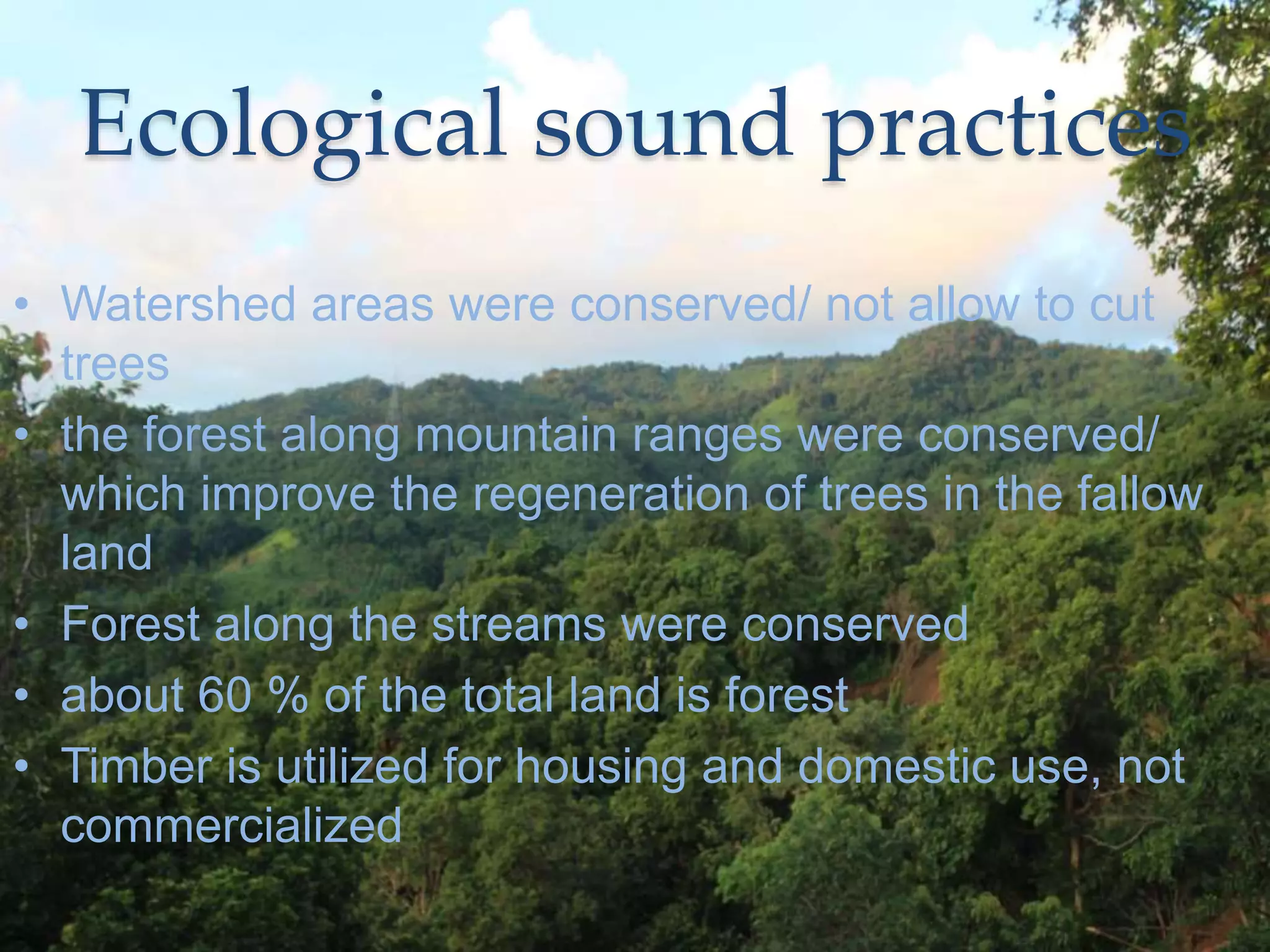
Ecological sound practices
• Watershed areas were conserved/ not allow to cut
trees
• the forest along mountain ranges were conserved/
which improve the regeneration of trees in the fallow
land
• Forest along the streams were conserved
• about 60 % of the total land is forest
• Timber is utilized for housing and domestic use, not
commercialized
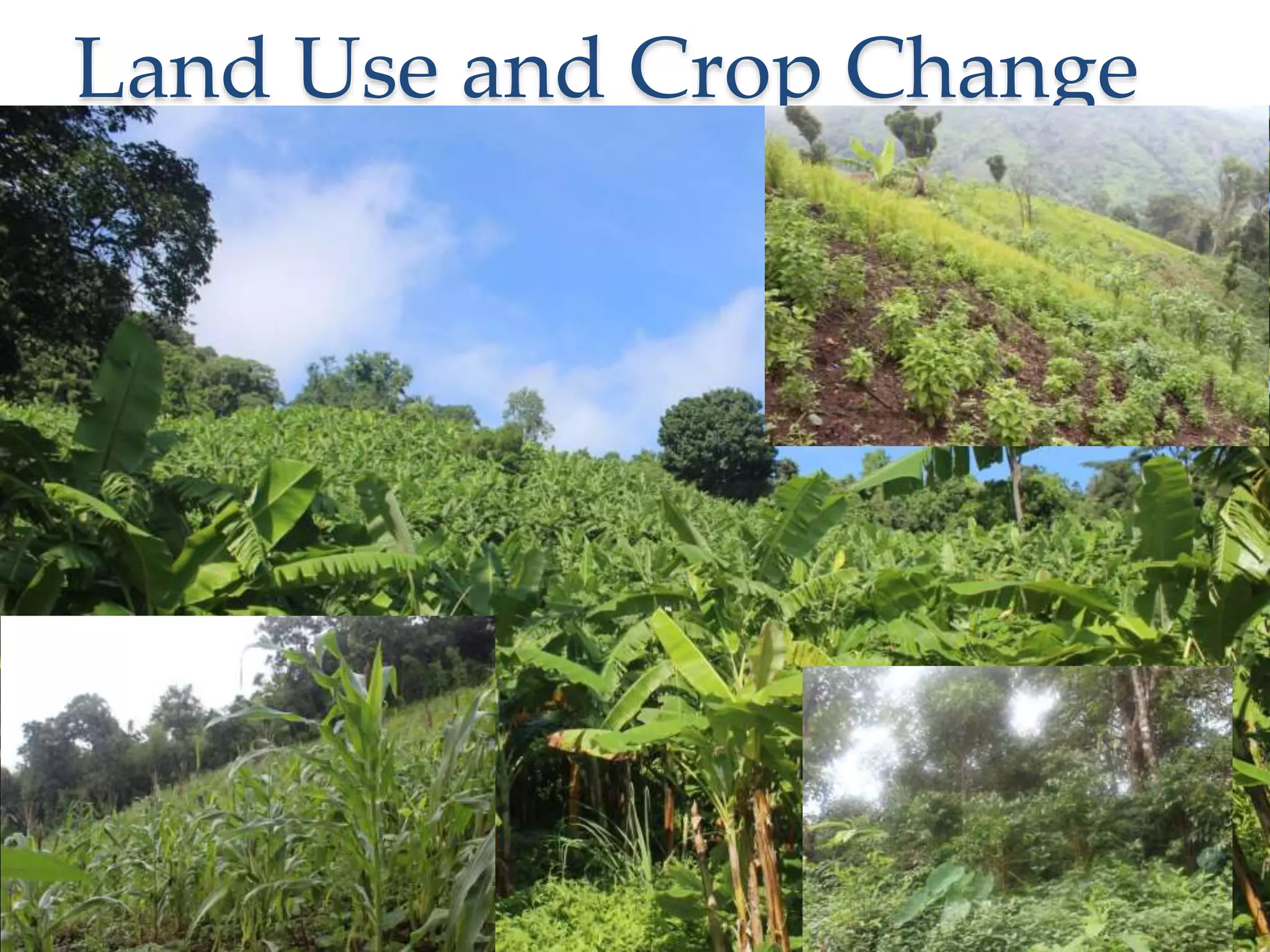
Land Use and Crop Change
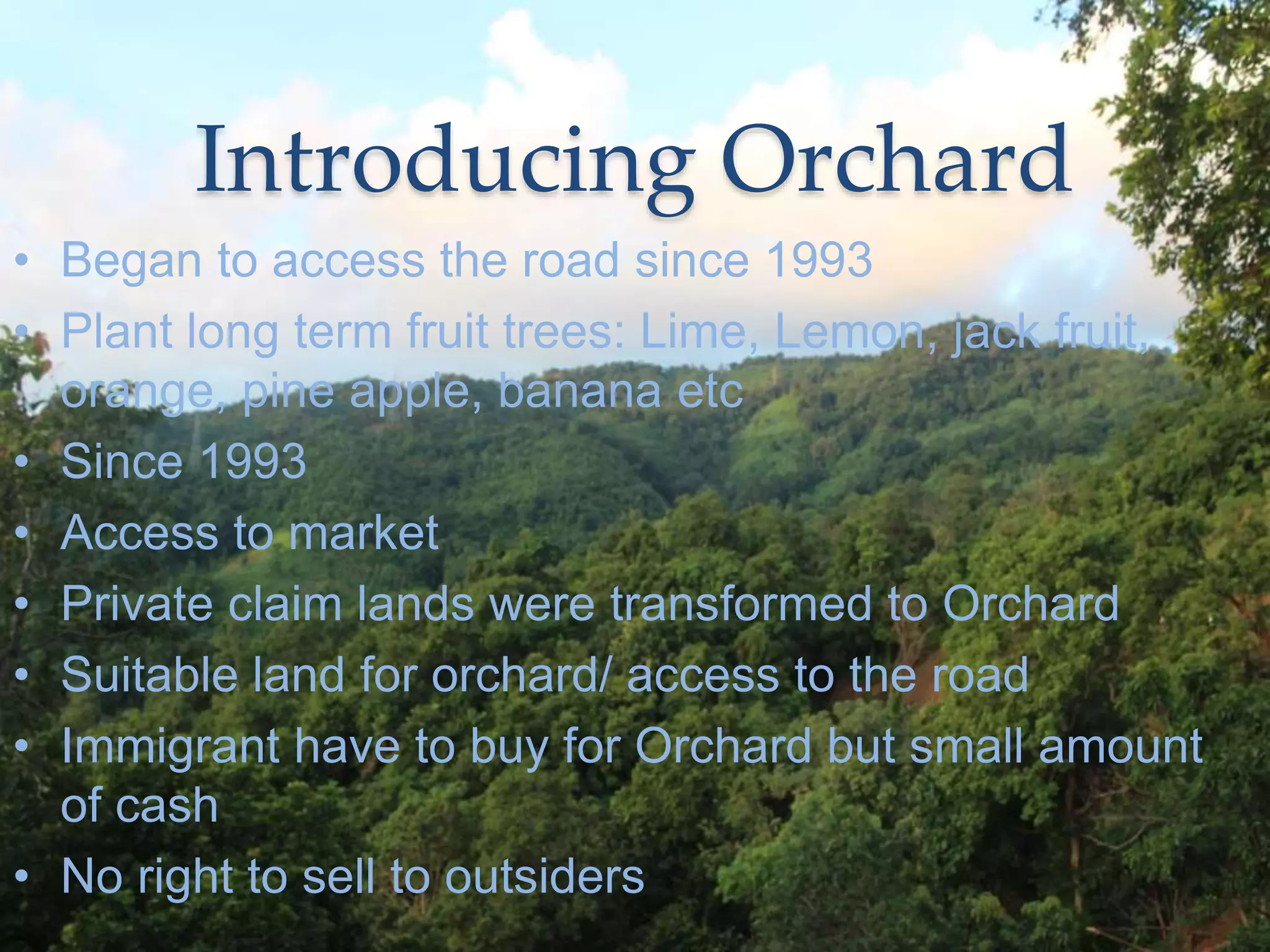
Introducing Orchard
• Began to access the road since 1993
• Plant long term fruit trees: Lime, Lemon, jack fruit,
orange, pine apple, banana etc
• Since 1993
• Access to market
• Private claim lands were transformed to Orchard
• Suitable land for orchard/ access to the road
• Immigrant have to buy for Orchard but small amount
of cash
• No right to sell to outsiders
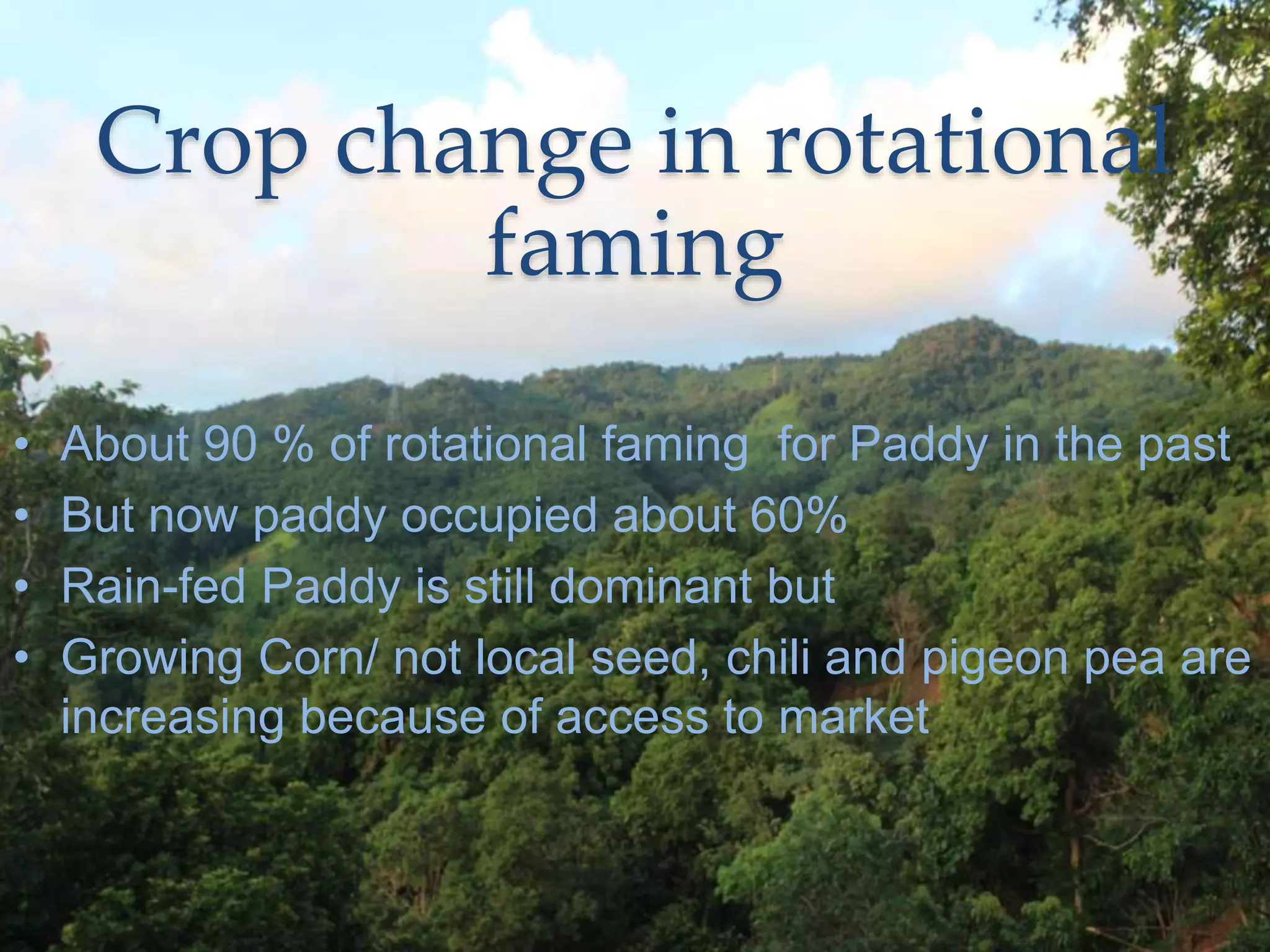
Crop change in rotational
faming
• About 90 % of rotational faming for Paddy in the past
• But now paddy occupied about 60%
• Rain-fed Paddy is still dominant but
• Growing Corn/ not local seed, chili and pigeon pea are
increasing because of access to market
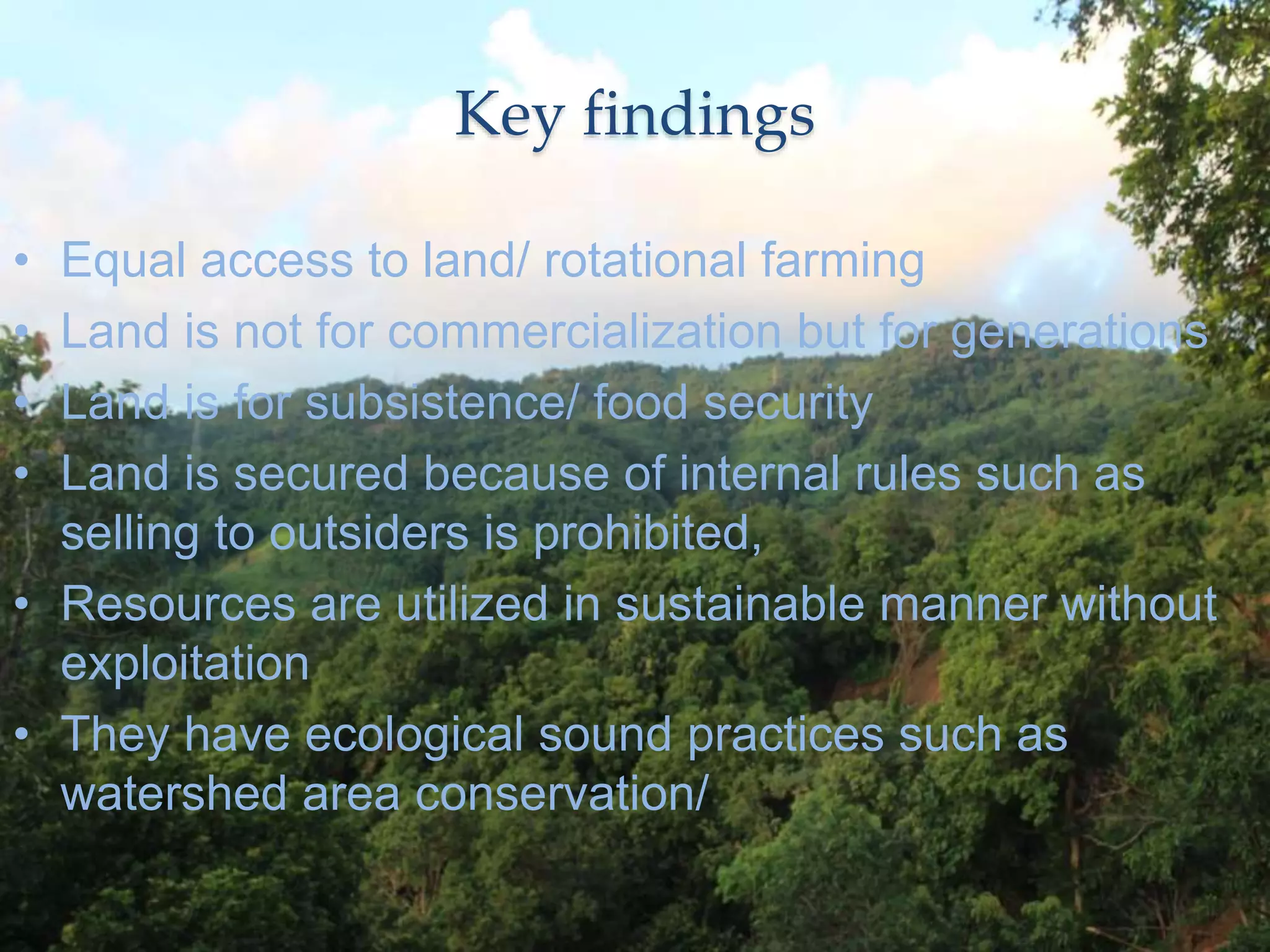
Key findings
• Equal access to land/ rotational farming
• Land is not for commercialization but for generations
• Land is for subsistence/ food security
• Land is secured because of internal rules such as
selling to outsiders is prohibited,
• Resources are utilized in sustainable manner without
exploitation
• They have ecological sound practices such as
watershed area conservation/
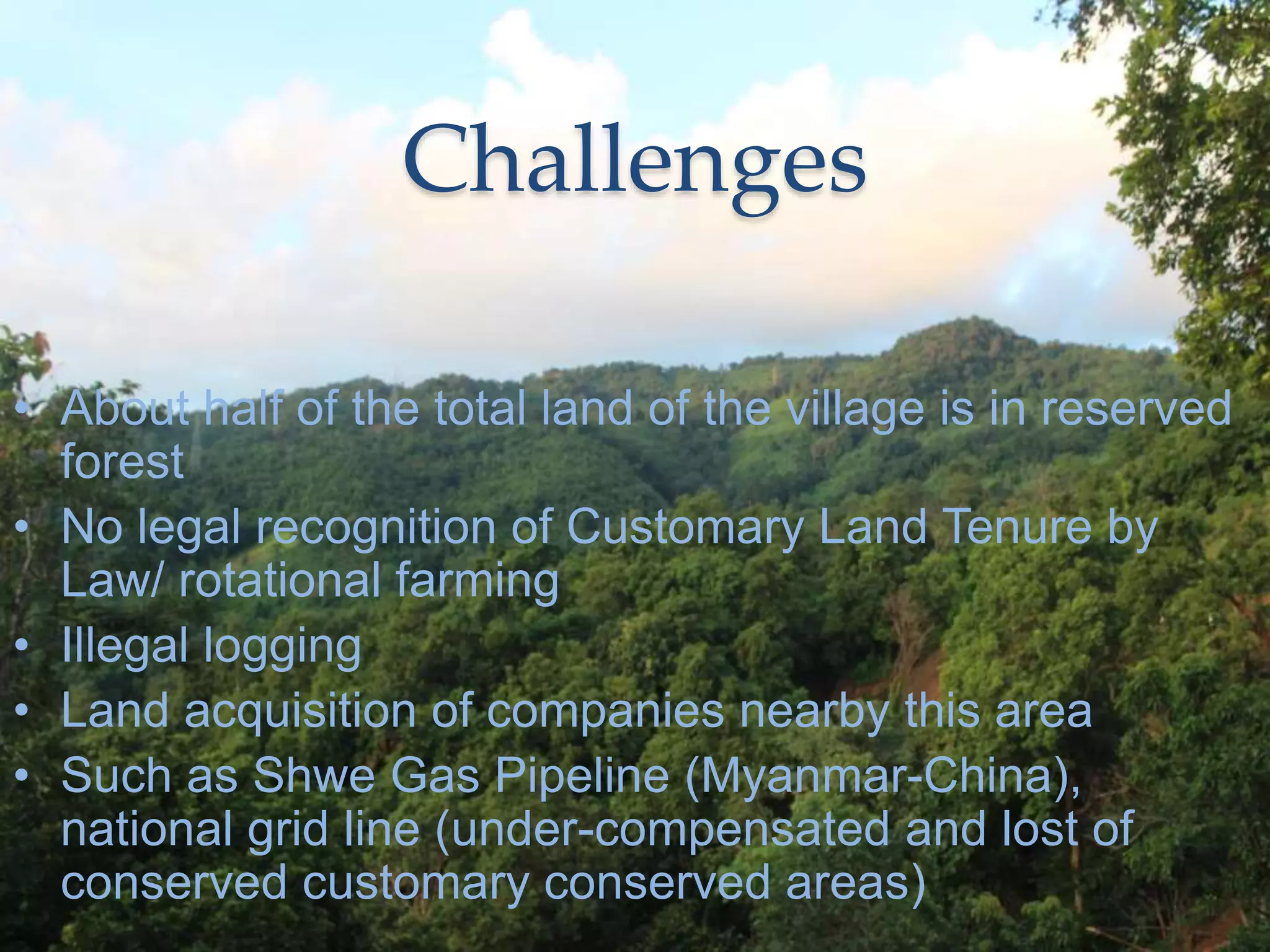
Challenges
• About half of the total land of the village is in reserved
forest
• No legal recognition of Customary Land Tenure by
Law/ rotational farming
• Illegal logging
• Land acquisition of companies nearby this area
• Such as Shwe Gas Pipeline (Myanmar-China),
national grid line (under-compensated and lost of
conserved customary conserved areas)
Thank You For Your
Attention!

Lin huang s2 recognition of customary tenure

  • 1.
    Customary Land Tenure Documentation (RegionalLand Forum 21-23 June 2016, Hanoi Vietnam) By Ling Houng
  • 2.
    Background of thedocumentation • millions of farmers, especially in the uplands, are managing their land and natural resources under customary arrangements • No legal recognition by law but integrated in NLUP • This exercise was conducted as part of the Learning & Advocacy activity developed in Myanmar by 6 advocacy groups • In 2015, six CSO organizations in Myanmar were trained in Participatory action Research • Started to develop a method for local organisations to be able to document customary tenure • It is about the governance of land and NR under custnmary tenure, the rules used by villages, the way they manage collective resources.
  • 3.
    Backgroud of thevillage Sar Pauk Village • The village has founded since 400 years ago • The villagers belongs to Asho Chin ethnic minority • 60 households
  • 4.
    Method of documentation 1stTrip ( 23 to 25 May) 2nd Trip ( 12 to 14 September) 3rd Trip ( 11 to 13 January) Focus Group Discussion with community members 11 persons (6 male 4 female) 11 persons ( 9 male and 2 female) Focus Group Discussion (Women Group) 8 persons Focus Group discussion (Youth Group) 9 persons Focus Group Discussion (Elders Group) 7 persons In-depth Interview 2 persons Total 11 persons 35 persons 2 persons
  • 6.
    Types of landUse • Rotational farming • communal land(rotational farming ) • Orchard land • Watershed areas • Forest (used forest), reserved forest
  • 8.
    Land Tenure /Access to the land • Dama U Cha Principle (the first cultivator become the owner of certain land) • Clans: 9 clans/ the right to inherent • Individual/ private claim but manage in communal manner • Immigrants/ Asho Chin people nearby the village • Outsiders/ not sell to outsiders
  • 9.
    Land Allocation/ Sharing •Rotational Farming/ Sweden agriculture/ SC • Allocate farm plots in the Village meeting ( Oct/Nov) • Every family has the right to access the Plot for cultivation • Not lottery system/ but allocate the land based on household size and size of certain plot • For instance, big family- 2 hector, small family- 1 hector • Immigrants has the right to access the land for rotational farming
  • 10.
    Forest • All villagershas the right to access the forest • Timber/ bamboo for buildings • Collect NTFP/ vegetables • immigrants has equal right to forest • But not outsiders/ other villages nearby the village • If other villages come and ask permission to the village, • Villagers decide and get donation (village fund) • It is used for the village activities such as building schools and other common activities
  • 11.
    Ecological sound practices •Watershed areas were conserved/ not allow to cut trees • the forest along mountain ranges were conserved/ which improve the regeneration of trees in the fallow land • Forest along the streams were conserved • about 60 % of the total land is forest • Timber is utilized for housing and domestic use, not commercialized
  • 12.
    Land Use andCrop Change
  • 13.
    Introducing Orchard • Beganto access the road since 1993 • Plant long term fruit trees: Lime, Lemon, jack fruit, orange, pine apple, banana etc • Since 1993 • Access to market • Private claim lands were transformed to Orchard • Suitable land for orchard/ access to the road • Immigrant have to buy for Orchard but small amount of cash • No right to sell to outsiders
  • 14.
    Crop change inrotational faming • About 90 % of rotational faming for Paddy in the past • But now paddy occupied about 60% • Rain-fed Paddy is still dominant but • Growing Corn/ not local seed, chili and pigeon pea are increasing because of access to market
  • 15.
    Key findings • Equalaccess to land/ rotational farming • Land is not for commercialization but for generations • Land is for subsistence/ food security • Land is secured because of internal rules such as selling to outsiders is prohibited, • Resources are utilized in sustainable manner without exploitation • They have ecological sound practices such as watershed area conservation/
  • 16.
    Challenges • About halfof the total land of the village is in reserved forest • No legal recognition of Customary Land Tenure by Law/ rotational farming • Illegal logging • Land acquisition of companies nearby this area • Such as Shwe Gas Pipeline (Myanmar-China), national grid line (under-compensated and lost of conserved customary conserved areas)
  • 18.
    Thank You ForYour Attention!