Soybean root traits after 24 years of different soil tillage and mineral
phosphorus fertilization management
Haixiao Lia,b,c,d
, Alain Mollierc
, Noura Ziadia,
*, Yichao Shia
, Leon-Étienne Parentb
,
Christian Morelc
a
Quebec Research and Development Centre, Agriculture and Agri-Food Canada, 2560 Hochelaga Blvd., Quebec, QC, G1V 2J3, Canada
b
Department of Soils and Agri-Food Engineering, Paul Comtois Bldg., Laval University, Quebec, QC, G1K 7P4, Canada, Canada
c
ISPA, Bordeaux Sciences Agro, INRA, 33140, Villenave d’Ornon, France
d
University of Bordeaux, 33405 Talence, France
A R T I C L E I N F O
Article history:
Received 21 June 2016
Received in revised form 2 September 2016
Accepted 3 September 2016
Available online xxx
Keywords:
No-till
Vertical root distribution
Legumes
A B S T R A C T
Legume crops are widely used in conservation agricultural systems, which are associated with minimum
soil tillage, due to their nitrogen-fixing capabilities. However, tillage and fertilization regimes may affect
the vertical distribution of legume roots and root traits, hence nutrient and water uptake by altering soil
properties in the long term. This study aimed to investigate how tillage and P fertilization affect soybean
(Glycine max, L.) root distribution and morphology in a long-term experiment.
A 24-year rain-fed corn-soybean rotation was established in 1992 on a clay loam soil in L’Acadie,
Quebec, Canada. The split-plot design (four replicates) comprised tillage systems [moldboard plough
(MP) and no-till (NT)] as main plot factors and P fertilization [0 (0 P), 17.5 (0.5 P) and 35 (1 P) kg P haÀ1
every two years during the corn (Zea mays L.) phase] as sub-plot factors. Soybean roots and shoots were
sampled in 2015, after 24 years, at flowering stage. Root samples were taken by collecting 5.25-cm
diameter cores to a depth of 60 cm at 5 cm,15 cm and 25 cm perpendicular to crop row. Soil cores were cut
into 0–5, 5–10,10–20, 20–30, 30–40 and 40–60 cm layers. After washing and separating the soil and roots,
root traits (biomass, length, surface and diameter, and the proportions of primary, secondary and tertiary
roots) were quantified using the WinRHIZO software.
Tillage and P fertilization regimes showed no significant effect on soybean root traits. Roots under NT
had a relatively higher root length density (RLD) of 1.95 cm cmÀ3
for a 60-cm soil profile compared to
roots under MP (1.55 cm cmÀ3
); RLD was relatively smaller at the highest P rate (1.57 cm cmÀ3
) compared
to the control and half rate treatment (1.82 and 1.86 cm cmÀ3
, respectively). However, the interaction
between tillage and P fertilization significantly influenced the vertical distribution of soybean roots.
Roots under NT primarily accumulated at 0–10 cm, containing 44% of the total root length (24% under
MP); by contrast, 36% of root length under MP and 21% under NT accumulated at 10–20 cm. However, the
difference in vertical root distribution between NT and MP was mitigated as P fertilization increased.
Soybean roots under NT showed higher RLD and greater root accumulation in the upper layers than MP
possibly in response to nutrient availability and stratifications with higher nutrient contents in the top
layers (0–10 cm) after 24 years of continuous NT practice.
ã 2016 Elsevier B.V. All rights reserved.
Abbreviations: MP, Moldboard plough; NT, No-till; 0 P, 05 P and 1 P, P fertilization rates of 0 17.5 and 35 kg P haÀ1
applied every two years on corn phase; RMD, Root mass
density (cm cmÀ3
); RSD, Root surface density (cm2
cmÀ3
); RLD, Root length density (cm cmÀ3
); RND, Root nodule density per root length (cmÀ1
); 3rdRLD, 2ndRLD 1stRLD root
length densities of tertiary secondary and primary roots (cm cmÀ3
); 3rdRL%, 2ndRL% 1stRL% root length proportions of tertiary secondary and primary roots; RLilr1, Isometric
log ratio transformation of root length proportions (tertiary roots vs. secondary and primary roots); RLilr2, Isometric log ratio transformation of root length proportions
(secondary roots vs. primary roots); Vilr1, Isometric log ratio transformation of vertical root length proportions (root lengths at 0–20 cm vs. roots at 20–60 cm); Vilr2, Isometric
log ratio transformation of vertical root length proportions (roots at 0–10 cm vs. roots at 10–20 cm); Vilr3, Isometric log ratio transformation of vertical root length proportions
(roots at 0–5 cm vs. roots at 5–10 cm); Vilr4, Isometric log ratio transformation of vertical root length proportions (roots at 20–40 cm vs. roots at 40–60 cm); Vilr5, Isometric log
ratio transformation of vertical root length proportions (roots at 20–30 cm vs. roots at 30–40 cm).
* Corresponding author.
E-mail address: noura.ziadi@agr.gc.ca (N. Ziadi).
http://dx.doi.org/10.1016/j.still.2016.09.002
0167-1987/ã 2016 Elsevier B.V. All rights reserved.
Soil & Tillage Research 165 (2017) 258–267
Contents lists available at ScienceDirect
Soil & Tillage Research
journal homepage: www.elsevier.com/locate/still
1. Introduction
Conservation agriculture, as defined by Kassam et al. (2012), has
been widely adopted to reduce soil erosion, decrease input costs,
and sustain long-term crop productivity (Pittelkow et al., 2015;
Soane et al., 2012). Legumes are typically implemented in
conservation agricultural systems as row crops (Vanhie et al.,
2015) or cover crops (Sainju et al., 2005) due to their roles in
nitrogen fixation and weed control. Long-term conservation
systems, especially no-till (NT) without soil inversion, result in
the alteration of soil properties (Madejón et al., 2007) and the
heterogonous distribution of relatively immobile nutrients (e.g.,
phosphorus (P)) compared to conventional tillage systems
(Messiga et al., 2011). Consequently, root growth, crop yields
and plant nutrition can be affected in legume crops (e.g., soybean)
under NT.
Greater soil bulk density and resistance usually observed under
NT (Gantzer and Blake, 1978; Guan et al., 2014; Javeed et al., 2013;
Soane et al., 2012); such soil properties can hinder root penetration
and reduce root length density (Nunes et al., 2015; Qin et al., 2005).
Lal et al. (1989) reported a 45% reduction in soybean root length
density (RLD) under NT compared with plow-till in a calcareous
soil; this was a result of the greater soil bulk density and
penetration resistance caused by wheel traffic. It was also reported
that soil compaction could affect soybean root branching and
diameter (Cesar Ramos et al., 2010; Colombi and Walter, 2016; de
Assis Valadao et al., 2015). In contrast, Micucci and Taboada (2006)
did not observe any differences in soybean RLD between
conventional and NT systems. Therefore, there is a critical soil
bulk density or resistance for successful soybean root growth
(Keisuke Sato et al., 2015). No-till usually provides a stable soil
environment for micro-organisms (Helgason et al., 2010; Scopel
et al., 2013) that is favorable for nodulation and biological nitrogen
fixation by soybean roots (Muchabi et al., 2014). Modified soil
temperature, water availability and crop residues under NT could
also influence soybean root growth and nutrient uptake (Farmaha
et al., 2012; Vanhie et al., 2015).
The morphological traits of soybean roots are also related to soil
P status. Fernandez and Rubio (2015) reported higher specific root
length and smaller average root diameter in soybean where P-
uptake efficiency increased under P deficit. Higher P concen-
trations in the topsoil under NT results in P stratification, with a
higher P concentration in the topsoil (Calegari et al., 2013; Costa
et al., 2010; Lupwayi et al., 2006; Messiga et al., 2010). Such
stratification could stimulate the growth of soybean roots
(Holanda et al., 1998). It was also reported that soybean roots
respond to local P fertility, but only under low soil P test levels
(Farmaha et al., 2012).
The effects of tillage and P fertilization on soybean root growth
are generally studied separately. In this study, however, we
evaluated the combined effects of tillage [moldboard plough (MP)
vs. no-till (NT)] and mineral P fertilization (0, 17.5 and 35 kg P haÀ1
applied every two years as triple-superphosphate) on soybean root
distribution and morphology at a long-term (24 years) corn-
soybean rotation field experimental site in Eastern Canada. We
hypothesized that soybean root distribution and morphology
would respond to P fertilization and the subsequent effects of
tillage practices on the vertical distribution of nutrients.
2. Materials and methods
2.1. Site description
The site was established in 1992 at the L’Acadie Experimental
Farm (45
180
N; 73
210
W) of Agriculture and Agri-Food Canada.
Details on this rain-fed field experiment are reported in Ziadi et al.
(2014). Briefly, the soil is a deep clay loam soil (364 g kgÀ1
of clay
and 204 g kgÀ1
of sand in the Ap horizon) and classified as Humic
Orthic Gleysol, Typic Haplaquept. From 1992–1994, the site was
planted with corn (Zea mays L.). The corn and soybean (Glycine max
L.) rotation were initiated in 1995. The experimental set-up was a
split-split-plot replicated four times with two tillage practices
[Moldboard Plough (MP) and No-Till (NT)] randomized into main
plots and nine combinations of nitrogen (N) and P levels
randomized into subplots including three N (0, 80, 160 kg N haÀ1
)
and three P (0, 17.5, and 35 kg P haÀ1
) regimes, which were applied
every two years during the corn phase. The three P rates were
referred to as 0P, 0.5 P and 1 P, which corresponded to approxi-
mately 0, 0.5 and 1 time(s) the P exported every two years by
harvest, respectively. For the purpose of this study, we only
considered the optimal N level of 160 kg N haÀ1
, the two tillage
practices (MP and NT) and the three P fertilization rates. We
therefore considered a total of 24 field-plots measuring 25-m in
length by 4.5-m in width. The moldboard plough operation to a
depth of 20 cm occurred in the fall after crops were harvested. Each
spring, the soil was tilled by disking and harrowing to 10 cm before
seeding. For the NT treatment, plots were ridge-tilled from 1992 to
1997 and then flat direct-seeded starting in 1998. For all
treatments, crop residues were left on the soil surface after
harvest. At planting, fertilizers were banded-applied (5 cm from
the seeding row with a commercial seeder). Whereas, side-dress N
was applied using a disk opener (3–4 cm deep; CRAAQ, 2003) at
approximately the 8-leaf stage of corn growth. The P fertilizers
were applied as granules of commercial triple-superphosphate (Ca
(H2PO4)2, H2O) during a single operation at seeding. Nitrogen at a
rate of 160 kg haÀ1
was applied first at seeding, as urea at
48 kg N haÀ1
; this was followed by the addition of 112 kg N haÀ1
side-dressed as ammonium nitrate. All plots received 50 kg K2O
haÀ1
, band-applied at planting in 1992 and 2007; this was based on
soil analyses and local recommendations (CRAAQ, 2003). Herbi-
cides were applied based on provincial recommendations. In
soybean years, plots were sprayed with a tank mix of bentazon
(0.72 kg ai/ha) and imazethapyr (0.074 kg ai/ha) and 2 L/ha
ammonium sulfate (28–0–0) (Légère et al., 2008). Soybean
(Pioneer 2510RY) was sown with 75-cm inter-row at a plant
density of 45 Â104
plants haÀ1
. Soybean seeds were inoculated
with a commercial formulation of Bradyrhizobium japonicum (Hi
Coat N/TS225, Becker Underwood, Saskatoon, SK, Canada). Due to
unfavorable climatic conditions, soybeans were sown on June 26,
2015; this was relatively late compared to previous growing
seasons (in which sowing occurred in early June).
2.2. Root sampling and analysis
Root samples were collected on August 19–20, 2015 (54 days
after seeding, at approximately the end of the soybean vegetative
stage). Five consecutive soybean plants were randomly selected
from the 3rd or 4th row of each field-plot to avoid side effects. The
root samples were taken using the soil core method (Bohm, 1979)
with Giddings soil coring sampler (5.25-cm inner diameter)
(Giddings Machine Company, Inc.). In each field-plot, soil cores
were sampled perpendicularly from one side of one chosen plant.
Cores were taken up to a depth of 60 cm at three horizontal
distances (5,15 and 25 cm) perpendicular to the soybean row. Core
samples were sliced as follows: 0–5, 5–10, 10–20, 20–30, 30–40
and 40–60 cm. A total of 432 root samples were collected. Root
samples were placed in plastic bags and stored at 4 
C for a few
days before soil-root separation was performed. Root samples
were first soaked in a 1 M solution of NaCl (1 L per 5-cm soil core)
for 16 h to disperse soil aggregates. Samples were then transferred
to a hydro-pneumatic elutriation washing machine (Smucker et al.,
1982). Cleaned roots were first collected on a 760 mm primary
H. Li et al. / Soil  Tillage Research 165 (2017) 258–267 259
sieve and then on a 400 mm secondary sieve (Bolinder et al., 2002).
The roots recovered on the secondary sieve were selected by hand
to remove the remaining mineral particles and organic debris.
Roots were then rinsed and placed on a transparent tray with
distilled water, dispersed with tweezers and scanned in black and
white (400 dpi, tagged image file format [TIF], white background)
using an Imagery Scan Screen (EPSON Expression 10000XL) (Sheng
et al., 2012). Root length, surface area and average diameter were
automatically analyzed using the professional image analysis
software “WinRhizo” (Regent Instruments Inc., Quebec). Root
length was classified into three diameter classes (0–0.2 mm
[tertiary roots], 0.2–0.8 mm [secondary roots] and 0.8 mm
[primary roots]). After scanning, the roots were dried with paper
towels to determine the fresh weight. Root nodules were separated
and counted. Then, roots were oven dried at 55 
C to a constant
weight to determine the dry weight. Root length density (RLD),
surface area density (RSD) and mass density (RMD) were
calculated as root length, surface area and dry mass divided by
soil core volume, respectively. Root nodule density (RND) was
calculated by dividing the root nodule number by the root length.
The root length proportions of tertiary, secondary and primary
roots (3rdRL%, 2ndRL% and 1stRL%, respectively) were calculated as
the root lengths of each root order divided by total root length in
each sample.
2.3. Soil sampling and analysis
Soils were sampled on August 19–20, 2014, using a hydraulic
power sampler (5.25–cm inner diameter; Giddings Machine
Company, Inc.). Samples were air-dried, grinded manually, sieved
through a 2-mm sieve and stored before analysis. Phosphorus
(P-M3) and potassium (K-M3) were extracted by Mehlich-3
solution (Mehlich, 1984); 2.5 g of soil with 25 mL of Mehlich-3
extractant solution was shaken for 5 min. The P concentrations
were determined based on Murphy Riley method (Murphy and
Riley,1962) with a spectrophotometer (Jenway 6320D) (at 882 nm)
with a 1–cm long optical cell. Potassium concentrations were
determined with an Inductively Coupled Plasma Optical Emission
Spectrometer (Optima 4300 DV, PerkinElmer Corp., Norwalk, CT).
Total carbon (C) and N were quantified by dry combustion with a
LECO CNS-1000 analyzer (LECO Corp., St. Joseph, MI).
2.4. Crop harvest
Crop-yield data were collected from 1992 to 2015. Crops were
harvested at maturity, generally in September for soybean and
grain yield was determined by harvesting plants over 10 m in two
middle rows of each plot. Grain was threshed and weighed, and
yields were adjusted to a moisture content of 14%. Grain P content
was measured by mineralizing 0.1 g grain ground (0.2 mm) with a
mixture of sulfuric and selenious acids, as described by Isaac and
Johson (1976). The P concentrations were measured with a
QuikChem 8000 Lachat autoanalyzer (Zellweger Analytic Inc.,
Lachat Instruments Division, Milwaukee, WI) using the Lachat
method 13-107-06-2-E (Instruments, 2008; Ziadi et al., 2007).
2.5. Statistical analysis
All root data were first subjected to a screening to identify
outliers. No outliers were found; however two samples went
missing during transportation. The screened data were tested
using the GLIMMIX procedure and transformed (if necessary)
using the transreg procedure (SAS Institute Inc., 2010) to achieve
normality of distribution and homogeneity of variance before
conducting ANOVA. Root length proportions were treated as
compositional data. To avoid biases, data were transformed into
isometric log ratios (ilr) according to sequential binary repartitions
(RLilr1: tertiary roots|(secondary and primary roots); RLilr2:
secondary roots|primary roots) and the following equation
(Eq. (1)), which was described previously (Egozcue et al., 2003):
ilri ¼
ffiffiffiffiffiffiffiffiffiffiffi
rs
r þ s
r
ln
ð
Y
þ
xjÞ
1
r
Y
À
xk
 1
s
i ¼ 1; 2; 3; . . . ; D À 1; j þ k ¼ D ð1Þ
where D is the number of all data parts in the i-th order partition; xj
and xk is the root lengths of positive and negative parts in the i-th
order position; the products P+ and PÀ only include parts coded
with + and À, and r and s are the numbers of the positive and
negative signs (parts) in the i-th order partition.
The vertical partitions of soybean root lengths were also
analyzed by compositional data analysis with sequential binary
partitions (Vilr1: root lengths at 0–5, 5–10, and 10–20 cm|root
lengths at 20–30, 30–40, and 40–60 cm; Vilr2: root lengths at 0–5
and 5–10 cm|root lengths at 10–20 cm; Vilr3: root lengths at
0–5 cm|root lengths at 5–10 cm; Vilr4: root lengths at 20–30 and
30–40 cm|root lengths at 40–60 cm; Vilr5: root lengths at
20–30 cm|root lengths at 30–40 cm). Canonical discrimination
analysis was performed using the CANDISC procedure (SAS
Institute Inc., 2010) and Vilrs root distribution values for the six
depths. Six combined tillage and P fertilization treatments ([NTand
0P], [NT and 0.5P], [NT and 1 P], [MP and 0 P], [MP and 0.5 P] and
[MP and 1 P]) were tested by discrimination analysis.
ANOVA was performed using the MIXED procedure (SAS
Institute Inc., 2010) to evaluate the fixed effects of tillage, P
fertilization, sampling depth and perpendicular distance to the
soybean row and the interactions between these factors on root
distribution and morphology and soil nutrient concentrations. The
random effects were set as blocks and block  tillage interactions.
In addition, the sampling depth and perpendicular distance to the
soybean row were repeated-measures. Crop-yield data were
subjected to ANOVA using the MIXED procedure to evaluate the
effects of tillage practice, P fertilization, and year along with the
interactions between these factors. Random effects were set as the
block and its interaction with tillage. Treatment effects were
deemed significant when P  0.05; differences among least square
means for treatment pairs were identified using the LSMEANS
(/diff) statement (t-test) (SAS Institute Inc., 2010).
3. Results and discussion
3.1. Soil nutrient stratification
Nutrient stratification refers to a distribution of nutrients that is
non-uniform with soil depth and especially to situations with
higher concentrations of nutrients near to the soil surface.
Phosphorus stratification along the soil profile with high soil P
concentrations in the upper layers was observed for the NT system
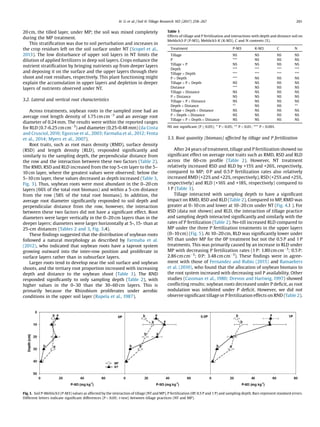
(Fig. 1). Soil under NT generally had higher P-M3 values in the
upper soil layers (0–20 cm) compared with soil under MP; several
of these differences were significant; the differences in P-M3
between NT and MP treatments increased as P rates increased
(Table 1, Fig. 1). In contrast, MP soil had significant higher P-M3
than NT soil at a depth of 20–30 cm. As P fertilization was banded
applied, soil P was significantly influenced by sampling distances
(Table 1) with greater P-M3 (20.43 mg kgÀ1
) at 5-cm distance
compared to those at 15- and 25-cm distances (15.70 and
15.84 mg kgÀ1
).
Similar vertical stratifications under NT and MP treatments
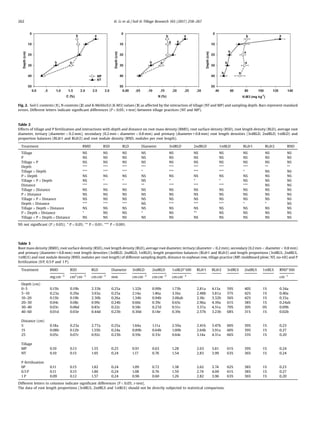
were also observed for soil C, N and K (Table 1, Fig. 2). Soil C, N and K
contents were distributed homogenously throughout the upper
260 H. Li et al. / Soil  Tillage Research 165 (2017) 258–267
20 cm, the tilled layer, under MP; the soil was mixed completely
during the MP treatment.
This stratification was due to soil perturbation and increases in
the crop residues left on the soil surface under NT (Scopel et al.,
2013). The low disturbance of upper soil layers in NT limits the
dilution of applied fertilizers in deep soil layers. Crops enhance the
nutrient stratification by bringing nutrients up from deeper layers
and deposing it on the surface and the upper layers through their
shoot and root residues, respectively. This plant functioning might
explain the accumulation in upper layers and depletion in deeper
layers of nutrients observed under NT.
3.2. Lateral and vertical root characteristics
Across treatments, soybean roots in the sampled zone had an
average root length density of 1.75 cm cmÀ3
and an average root
diameter of 0.24 mm. The results were within the reported ranges
for RLD (0.7-6.25 cm cmÀ3
) and diameter (0.25-0.48 mm) (da Costa
and Crusciol, 2016; Egozcue et al., 2003; Farmaha et al., 2012; Fenta
et al., 2014; Myers et al., 2007).
Root traits, such as root mass density (RMD), surface density
(RSD) and length density (RLD), responded significantly and
similarly to the sampling depth, the perpendicular distance from
the row and the interaction between these two factors (Table 2).
The RMD, RSD and RLD increased from the top 5-cm layer to the 5–
10 cm layer, where the greatest values were observed; below the
5–10 cm layer, these values decreased as depth increased (Table 3,
Fig. 3). Thus, soybean roots were most abundant in the 0–20 cm
layers (66% of the total root biomass) and within a 5-cm distance
from the row (58% of the total root biomass). In addition, the
average root diameter significantly responded to soil depth and
perpendicular distance from the row, however, the interaction
between these two factors did not have a significant effect. Root
diameters were larger vertically in the 0–20 cm layers than in the
deeper layers; diameters were larger horizontally at 5-, 15- than at
25-cm distances (Tables 2 and 3, Fig. 3.4).
These findings suggested that the distribution of soybean roots
followed a natural morphology as described by Farmaha et al.
(2012), who indicated that soybean roots have a taproot system
growing outward into the inter-row position and proliferate in
surface layers rather than in subsurface layers.
Larger roots tend to develop near the soil surface and soybean
shoots, and the tertiary root proportion increased with increasing
depth and distance to the soybean shoot (Table 3). The RND
responded significantly to only sampling depth (Table 2), with
higher values in the 0–30 than the 30–60 cm layers. This is
primarily because the Rhizobium proliferates under aerobic
conditions in the upper soil layer (Rupela et al., 1987).
3.3. Root quantity (biomass) affected by tillage and P fertilization
After 24 years of treatment, tillage and P fertilization showed no
significant effect on average root traits such as RMD, RSD and RLD
across the 60-cm profile (Table 2). However, NT treatment
relatively increased RSD and RLD by +15% and +26%, respectively,
compared to MP; 0 P and 0.5 P fertilization rates also relatively
increased RMD (+22% and +22%, respectively), RSD (+25% and +25%,
respectively) and RLD (+16% and +18%, respectively) compared to
1 P (Table 3).
Tillage interacted with sampling depth to have a significant
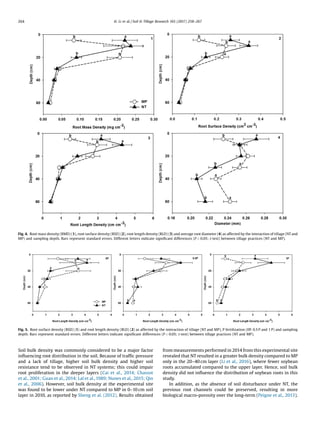
impact on RMD, RSD and RLD (Table 2). Compared to MP, RMD was
greater at 0–10 cm and lower at 10–20 cm under NT (Fig. 4.1 ). For
RSD (data not shown) and RLD, the interaction of tillage practice
and sampling depth interacted significantly and similarly with the
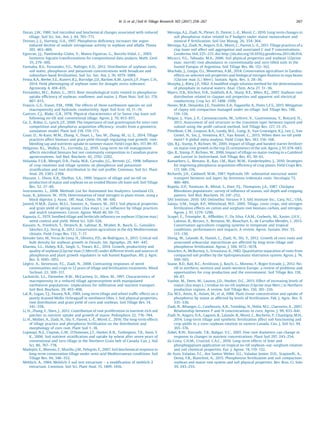
rates of P fertilization (Table 2). No-till increased RLD compared to
MP under the three P fertilization treatments in the upper layers
(0–10 cm) (Fig. 5). At 10–20 cm, RLD was significantly lower under
NT than under MP for the 0P treatment but not the 0.5 P and 1 P
treatments. This was primarily caused by an increase in RLD under
MP with decreasing P fertilization rates (1 P: 1.80 cm cmÀ3
; 0.5 P:
2.86 cm cmÀ3
; 0 P: 3.48 cm cmÀ3
). These findings were in agree-
ment with those of Fernandez and Rubio (2015) and Ramaekers
et al. (2010), who found that the allocation of soybean biomass to
the root system increased with decreasing soil P availability. Other
studies (Cassman et al., 1980; Drevon and Hartwig, 1997) showed
conflicting results; soybean roots decreased under P deficit, as root
nodulation was inhibited under P deficit. However, we did not
observe significant tillage or P fertilization effects on RND (Table 2).
Fig.1. Soil P-Mehlich3 (P-M3) values as affected by the interaction of tillage (NT and MP), P fertilization (0P, 0.5 P and 1 P) and sampling depth. Bars represent standard errors.
Different letters indicate significant differences (P  0.05; t-test) between tillage practices (NT and MP).
Table 1
Effects of tillage and P fertilization and interactions with depth and distance soil on
Mehlich3-P (P-M3), Mehlich3-K (K-M3), C and N contents (%).
Treatment P-M3 K-M3 C N
Tillage NS NS NS NS
P *** NS NS NS
Tillage  P NS NS NS NS
Depth *** *** *** ***
Tillage  Depth *** *** *** ***
P Â Depth *** NS NS NS
Tillage  P  Depth NS NS NS NS
Distance *** NS NS NS
Tillage  Distance NS NS NS NS
P Â Distance NS NS NS NS
Tillage  P  Distance NS NS NS NS
Depth  Distance ** NS NS **
Tillage  Depth  Distance NS NS NS NS
P  Depth  Distance NS NS NS NS
Tillage  P  Depth  Distance NS NS NS NS
NS not significant (P ! 0.05); * P  0.05; ** P  0.01; *** P  0.001.
H. Li et al. / Soil  Tillage Research 165 (2017) 258–267 261
Fig. 2. Soil C contents (1), N contents (2) and K-Mehlich3 (K-M3) values (3) as affected by the interaction of tillage (NT and MP) and sampling depth. Bars represent standard
errors. Different letters indicate significant differences (P  0.05; t-test) between tillage practices (NT and MP).
Table 2
Effects of tillage and P fertilization and interactions with depth and distance on root mass density (RMD), root surface density (RSD), root length density (RLD), average root
diameter, tertiary (diameter  0.2 mm), secondary (0.2 mm  diameter  0.8 mm) and primary (diameter  0.8 mm) root length densities (3rdRLD, 2ndRLD, 1stRLD) and
proportion balances (RLilr1 and RLilr2) and root nodule density (RND, nodules per root length).
Treatment RMD RSD RLD Diameter 3rdRLD 2ndRLD 1stRLD RLilr1 RLilr2 RND
Tillage NS NS NS NS NS NS NS NS NS NS
P NS NS NS NS NS NS NS NS NS NS
Tillage  P NS NS NS NS NS NS NS NS NS NS
Depth *** *** *** *** *** *** *** *** ** **
Tillage  Depth *** *** *** * *** *** *** * NS NS
P Â Depth NS NS NS NS NS NS NS NS NS NS
Tillage  P  Depth NS * * NS * * * NS NS NS
Distance *** *** *** ** *** *** *** *** NS NS
Tillage  Distance NS NS NS NS NS NS NS NS NS NS
P Â Distance NS NS NS NS NS NS NS NS NS NS
Tillage  P  Distance NS NS NS NS NS NS NS NS NS NS
Depth  Distance *** *** *** NS *** *** *** * * NS
Tillage  Depth  Distance NS NS NS NS NS NS NS NS NS NS
P  Depth  Distance * NS NS * NS ** NS NS NS NS
Tillage  P  Depth  Distance NS NS NS NS NS NS NS NS NS NS
NS not significant (P ! 0.05); * P  0.05; ** P  0.01; *** P  0.001.
Table 3
Root mass density (RMD), root surface density (RSD), root length density (RLD), average root diameter, tertiary (diameter  0.2 mm), secondary (0.2 mm  diameter  0.8 mm)
and primary (diameter  0.8 mm) root length densities (3rdRLD, 2ndRLD, 1stRLD), length proportion balances (RLilr1 and RLilr2) and length proportions (3rdRL%, 2ndRL%,
1stRL%) and root nodule density (RND, nodules per root length) of different sampling depth, distance to soybean row, tillage practice (MP, moldboard plow; NT, no-till) and P
fertilization (0 P, 0.5 P and 1 P).
Treatment RMD RSD RLD Diameter 3rdRLD 2ndRLD 1stRLD*100 RLilr1 RLilr2 3rdRL% 2ndRL% 1stRL% RND*100
mg cmÀ3
cm2
cmÀ3
cm cmÀ3
mm cm cmÀ3
cm cmÀ3
cm cmÀ3
cmÀ1
Depth (cm)
0–5 0.15b 0.19b 2.33b 0.25a 1.32b 0.99b 1.73b 2.81a 4.13a 59% 40% 1% 0.34a
5–10 0.23a 0.29a 3.63a 0.25a 2.14a 1.46a 3.16a 2.48b 3.81a 57% 42% 1% 0.40a
10–20 0.15b 0.19b 2.30b 0.26a 1.34b 0.94b 2.06ab 2.18c 3.32b 56% 42% 1% 0.33a
20–30 0.04c 0.08c 0.99c 0.24b 0.60c 0.39c 0.65c 2.96a 4.39a 61% 38% 1% 0.24ab
30–40 0.03c 0.06d 0.85c 0.22c 0.58c 0.27d 0.51c 3.37a 4.51a 70% 30% 0% 0.09b
40–60 0.01d 0.03e 0.44d 0.23b 0.30d 0.14e 0.39c 2.57b 3.23b 68% 31% 1% 0.02b
Distance (cm)
5 0.18a 0.23a 2.77a 0.25a 1.64a 1.11a 2.59a 2.41b 3.47b 60% 39% 1% 0.23
15 0.08b 0.12b 1.55b 0.24a 0.89b 0.64b 1.00b 2.64b 3.91a 60% 39% 1% 0.27
25 0.05c 0.07c 0.92c 0.23b 0.59c 0.33c 0.64c 3.14a 4.31a 66% 33% 1% 0.20
Tillage
MP 0.10 0.13 1.55 0.25 0.91 0.63 1.28 2.63 3.81 61% 39% 1% 0.24
NT 0.10 0.15 1.95 0.24 1.17 0.76 1.54 2.83 3.99 63% 36% 1% 0.24
P fertilization
0P 0.11 0.15 1.82 0.24 1.09 0.72 1.38 2.62 3.74 62% 38% 1% 0.23
0.5 P 0.11 0.15 1.86 0.24 1.08 0.76 1.59 2.74 4.00 61% 38% 1% 0.27
1 P 0.09 0.12 1.57 0.24 0.96 0.60 1.26 2.82 3.96 63% 36% 1% 0.20
Different letters in columns indicate significant differences (P  0.05; t-test).
The data of root length proportions (3rdRL%, 2ndRL% and 1stRL%) should not be directly subjected to statistical comparison.
262 H. Li et al. / Soil  Tillage Research 165 (2017) 258–267
Over the entire 60-cm soil profile, soybean roots under MP were
similar to the pattern observed at 10–20 cm (1 P: 1.14 cm cmÀ3
;
0.5 P: 1.72 cm cmÀ3
; 0 P: 1.82 cm cmÀ3
). However, soybean roots
under NT tended to increase with increasing P fertilization over the
entire soil profile (1 P: 2.05 cm cmÀ3
; 0.5 P: 2.00 cm cmÀ3
; 0P:
1.81 cm cmÀ3
). This might be caused by soil P stratification, with
high soil P status (P-M3) in upper soil layers under NT (Fig.1). Such
a soil P stratification could stimulate soybean root growth
(Holanda et al., 1998), especially in the early stage of growth
(Zia et al., 1988). However, why soybean roots responded to P
fertilization differently under NT and MP could not be fully
explained in this study.
3.4. Vertical root length proportion affected by tillage and P
fertilization
According to the RLD results above, tillage and P fertilization
affected root length proportions along the soil profile. The results
of the canonical discriminant analysis for vertical root length
proportions are shown in Fig. 6. Along the axis of Can1, which
explained 65% of the total variance, treatment [NT, 0P] was
significantly separated from treatments [MP, 0P] (P = 0.0067), [MP,
0.5P] (P = 0.0227) and [MP, 1 P] (P = 0.0191) (Fig. 6.1). Treatments
[NT, 0.5P] and [NT, 1 P] were intermediated. The balance between
the root lengths at 0–10 cm and 10–20 cm (Vilr2) contributed most
to the treatment separation (Fig. 6.2). Root lengths at 0–10 and
10–20 cm layers under [NT and 0P] accounted for 52% and 18%,
respectively, of the total root length over the entire soil profile
(Fig. 6.3). In contrast, root lengths in the 0–10 and 10–20 cm layers
accounted for 27–29% and 33–41%, respectively, of the total length
under MP.
One cause of the differential distribution of soybean roots could
be nutrient stratifications along the soil profile under NT and MP.
As crop roots tend to accumulated in nutrient-rich zones in the soil
(Li et al., 2012), increases in soil nutrients (C, N, P, K) in the top
layers under NTcould lead to a greater proportion of roots in the 0–
10 cm layer. Compared with the deep-banded P fertilization
observed under NT, Farmaha et al. (2012) reported a greater
proportion of soybean roots in the 0–5 cm layer under broad P
fertilization treatment. Farmaha et al. (2012) also observed that the
response of soybean roots to localized P resources might only occur
under low soil P levels; these findings suggest that the disparities
in soybean root length proportions along the soil profile between
NT and MP tend to be mitigated by increasing rates of P
fertilization. In our study, the treatments [NT, 0.5P] and [NT, 1 P]
could not be significantly distinguished from the MP treatments
(Fig. 6.1).
Briefly, tillage had significant effects on soybean root propor-
tions along the soil profile. Soybean roots tended to accumulate in
the 0–10 cm layer under NT, and in the 10–20 cm layer under MP.
Fig. 3. Root mass density (RMD) (1), root surface density (RSD) (2), root length density (RLD) (3) and average root diameter (4) under different sampling depths and
perpendicular distances to the corn row. Bars represent standard errors. Different letters indicate significant differences (P  0.05; t-test) among depths (0–5, 5–10,10–20, 20–
30 and 30–40 cm) for each perpendicular distance (5-cm, 15-cm and 25-cm).
H. Li et al. / Soil  Tillage Research 165 (2017) 258–267 263
Soil bulk density was commonly considered to be a major factor
influencing root distribution in the soil. Because of traffic pressure
and a lack of tillage, higher soil bulk density and higher soil
resistance tend to be observed in NT systems; this could impair
root proliferation in the deeper layers (Cai et al., 2014; Chassot
et al., 2001; Guan et al., 2014; Lal et al.,1989; Nunes et al., 2015; Qin
et al., 2006). However, soil bulk density at the experimental site
was found to be lower under NT compared to MP in 0–10 cm soil
layer in 2010, as reported by Sheng et al. (2012). Results obtained
from measurements performed in 2014 from this experimental site
revealed that NT resulted in a greater bulk density compared to MP
only in the 20–40 cm layer (Li et al., 2016), where fewer soybean
roots accumulated compared to the upper layer. Hence, soil bulk
density did not influence the distribution of soybean roots in this
study.
In addition, as the absence of soil disturbance under NT, the
previous root channels could be preserved, resulting in more
biological macro-porosity over the long-term (Peigne et al., 2013).
Fig. 4. Root mass density (RMD) (1), root surface density (RSD) (2), root length density (RLD) (3) and average root diameter (4) as affected by the interaction of tillage (NT and
MP) and sampling depth. Bars represent standard errors. Different letters indicate significant differences (P  0.05; t-test) between tillage practices (NT and MP).
Fig. 5. Root surface density (RSD) (1) and root length density (RLD) (2) as affected by the interaction of tillage (NT and MP), P fertilization (0P, 0.5 P and 1 P) and sampling
depth. Bars represent standard errors. Different letters indicate significant differences (P  0.05; t-test) between tillage practices (NT and MP).
264 H. Li et al. / Soil  Tillage Research 165 (2017) 258–267
This was reported by Messiga et al. (2011) at the experimental site.
Such a net of macro-pores could facilitate root proliferation in soil
(Calonego and Rosolem, 2013). Our study conducted in 2014
demonstrated a biomass accumulation of corn roots in the upper
layers, with 38–49% of the total root length in the 0–10 cm layer in
both NT and MP (Li et al., 2016). However, the high proportions of
macro-pores formed by previous corn roots in the 0–10 cm layer
was preserved only under NT, possibly contributing to a greater
accumulation of soybean roots in the 0–10 cm layer. It was partially
confirmed by the previous study of Messiga et al. (2011) conducted
in the same site, who observed higher macro aggregation (2000–
250 mm) content in NT (60.2% of whole soil weight) than that in MP
(48.5%) of whole soil weight, which would lead to more macro-
pores in NT. Besides, some studies (Francis and Fraser, 1998;
Lachnicht et al., 1997) mentioned that earthworms contributed to
create more macro-pores in soil. Since the activity of earthworms
tended to be intensified in relatively stable soil environment in NT
(Helgason et al., 2010), it could be another reason why soybean
roots in NT accumulated primarily at 0–10 cm depth. In contrast,
Chassot et al. (2001) and Costa et al. (2010) mentioned that more
vertical macro-pores in NT than MP could also encourage roots to
proliferate into deeper layers. Thus, further studies are needed to
clarify the relation between macro-pore and crop root distribution
in NT system.
3.5. Root morphology affected by tillage and P fertilization
In addition to root quantity and distribution, root morphologic
traits such as average root diameter and fine root proportion, are
important for crop growth. Fine roots are considered more efficient
in nutrient uptake (Bakker et al., 2009; Zobel et al., 2007).
Tillage and sampling depth interacted significantly on the
average root diameter and the root length proportions of tertiary,
secondary and primary roots (1stRL%, 2ndRL% and 3rdRL%)
(Table 2). Variations in the distribution of tertiary, secondary
and primary root lengths (1stRLD, 2ndRLD and 3rdRLD) were
similar to those of total RLD (Table 3).
Compared to MP, the average root diameter under NT was
significantly larger in the 0–5 cm layer and significantly smaller in
the 20–30, 30–40 and 40–60 cm layers (Fig. 4.4); similar variations
were observed for 1stRL%, 2ndRL% and 3rdRL%. The interaction
between tillage and sampling depth had a significant effect on root
length proportion balances (RLilr1 and RLilr2), with significant
differences observed between NT and MP in the 0–5, 10–20 and
20–30 cm layers (Table 4). Correspondingly, these results indicated
that 3rdRL% was significantly smaller under NT (54.4%) compared
with MP (63.3%) in the 0–5 cm layer, resulting in a larger average
root diameter. Smaller average root diameters were observed in
the 30–40 and 40–60 cm layers under NT, which corresponded
with a higher 3rdRL% (Table 4).
The proportion of soybean roots along the soil profile might
explain the differences in root morphology observed between NT
and MP treatments. As soybean roots primarily accumulated in the
0–10 cm layer under NT, more primary and secondary roots were
located in the upper soil layers; this results in a smaller proportion
of tertiary roots and, consequently, a larger average root diameter.
However, tillage and P fertilization had no effect on the root length
proportions of tertiary, secondary and primary roots or the average
root diameter across the entire soil profile (Table 2). Soybeans may
prefer to modify the root biomass rather than root morphology in
response to variations of soil P status (Fernandez and Rubio, 2015).
3.6. Soybean yields
Soybean yields obtained in 2015 were much smaller than those
in other years over the 24 years of experimentation. This was
Fig. 6. (1) Scatterplot for six combined treatments ([MP and 0P], [MP and 0.5 P], [MP and 1 P], [NT and 0P], [NT and 0.5 P] and [NT and 1 P]) and (2) bi-plot for five vertical root
length distribution variables (Vilr1, Vilr2, Vilr3, Vilr4 and Vilr5) of canonical discriminant analysis based on Mahalanobis distance for vertical distribution under combined
tillage and P fertilization treatments. The analysis explained 85% of the variance (Axis of Can1 and Can2), suggesting that combined treatments can be discriminated by
vertical root length distribution. (3) Vertical root length proportions in percentage of each sampled depth for six combined treatments.
Table 4
Tertiary (diameter  0.2 mm), secondary (0.2 mm  diameter  0.8 mm) and primary (diameter  0.8 mm) root length proportion balances (RLilr1 and RLilr2) and root length
proportions (3rdRL%, 2ndRL% and 1stRL%) for different sampling depth under two tillage practices (MP, moldboard plow; NT, no-till).
Depth (cm) RLilr1 RLilr2 3rdRL% 2ndRL% 1stRL%
MP NT MP NT MP NT MP NT MP NT
0–5 3.26a 2.36b 4.59 3.67 63.6% 54.4% 35.6% 43.8% 0.8% 1.9%
5–10 2.62 2.34 4.11 3.52 56.1% 58.0% 43.4% 41.2% 0.6% 0.7%
10–20 2.00 2.36 2.98b 3.66a 56.6% 56.8% 42.4% 42.5% 1.0% 0.7%
20–30 2.50b 3.42a 3.89 4.89 56.8% 65.7% 42.6% 33.9% 0.7% 0.4%
30–40 3.08 3.67 4.25 4.79 66.7% 73.5% 32.8% 26.1% 0.5% 0.4%
40–60 2.28 2.85 3.05 3.41 64.0% 71.9% 34.7% 27.2% 1.2% 0.8%
Different letters for each variable indicate significant differences (P  0.05; t-test) between tillage practices.
The data of root length proportions (3rdRL%, 2ndRL% and 1stRL%) should not be directly subjected to statistical comparison.
H. Li et al. / Soil  Tillage Research 165 (2017) 258–267 265
probably due to delayed seedling, as delayed seeding emergence
increases exposure to diseases, the likelihood of soil crusting, and
crop injury (Vanhie et al., 2015).
Phosphorus fertilization had no significant effect on soybean
yields (Table 5); however, average grain P contents increased under
0.5 P and 1 P (Table 6). These findings suggest that, even after 24
years of experimentation, the soil P status (P-M3: 9.8–27.9 mg LÀ1
across 40-cm profile) was not the limiting factor for soybean
growth. The greater grain P contents observed under 0.5 P and 1 P
indicated that increased P fertilization could improve soybean
quality traits such as protein content (Khaswa et al., 2014).
Only minor differences in soybean yields were observed
between NT and MP in 2015 (Table 6). This indicates that different
patterns of soybean root distribution under these two tillage
systems were equally efficient in nutrient uptake. Soybean roots
under NT tended to accumulate in upper layers. Indeed, the
shallow root system was considered to be efficient for nutrient
acquisition in the heterogeneous nutrient stratification observed
under NT (Ge et al., 2000). However, this shallow root distribution
might be problematic when water availability is low at the surface
layer (Farmaha et al., 2012). This could be particularly challenging
in arid or semi-arid regions, where the surface soil layers tend to be
dry (Richards and Caldwell, 1987).
Compared with MP, NT significantly reduced soybean yields by
an average of À14% over the long-term (Tables 5 and 6). Similar
observations were reported by Kapusta (1979) and Lal et al. (1989),
while Hussain et al. (1999) found NT improved long-term
productivity for soybean compared with MP. In addition to root
development, weed competition (Bhowmik and Doll, 1982; Soane
et al., 2012) and increased N immobilization due to lower rates of
crop residue mineralization and nitrification (Doran, 1980) could
reduce soybean yields under NT.
4. Conclusion
An increase in soybean root biomass up to 60-cm depth was
observed under NT compared with MP. Under MP, root biomass
decreased with increasing P fertilization, while the reverse was
observed under NT. Tillage significantly affected the distribution of
soybean roots along the soil profile. Indeed, roots accumulated in
the 0–10 cm layer under NT and in the 10–20 cm layer under MP.
These differences in root distribution were probably caused by the
adaption of soybean roots to the different stratifications of soil
nutrients including P, N, K and C under NT. Different root
distribution patterns seemed to be equally efficient in nutrient
uptake under both tillage systems, as there were no significant
differences in soybean yields between NT and MP in 2015.
However, other factors such as weeds and low residue degradation
rates could reduce soybean yield under NT over a long-term.
Acknowledgements
This study benefited from the financial support of the
University of Bordeaux, the Laval University and Agriculture and
Agri-Food Canada. This study was carried out with financial
support from the French National Research Agency (ANR) under
the Investments for the future Programme within the Cluster of
Excellence COTE (ANR-10-LABX-45). The authors acknowledge the
technical help and sound advice offered by Sylvie Michaud, Sylvie
Côté, Claude Lévesque, Bernard Gagnon, Yan Xu, Guoqi Wen and
Marie-Noëlle Thivierge. We also thank Jianwei Pu and Gaétan
Daigle for their suggestions concerning the statistical analysis of
our data.
References
Bakker, M.R., Jolicoeur, E., Trichet, P., Augusto, L., Plassard, C., Guinberteau, J.,
Loustau, D., 2009. Adaptation of fine roots to annual fertilization and irrigation
in a 13-year-old Pinus pinaster stand. Tree Physiol. 29, 229–238.
Bhowmik, P.C., Doll, J.D., 1982. Corn and soybean response to allelopathic effects of
weed and crop residues. Agron. J. 74, 601–606.
Bohm, W., 1979. Methods of studying root systems, 108. Springer Verlag, New York.
Bolinder, M.A., Angers, D.A., Belanger, G., Michaud, R., Laverdiere, M.R., 2002. Root
biomass and shoot to root ratios of perennial forage crops in eastern Canada.
Can. J. Plant Sci. 82, 731–737.
CRAAQ, 2003. Reference Guide for Crop Fertilization (In French), 1st ed. Centre de
Référence en Agriculture et Agroalimentaire du Québec, Québec, Canada, pp.
pp297.
Cai, H., Ma, W., Zhang, X., Ping, J., Yan, X., Liu, J., Yuan, J., Wang, L., Ren, J., 2014. Effect
of subsoil tillage depth on nutrient accumulation, root distribution, and grain
yield in spring maize. Crop J. 2, 297–307.
Calegari, A., Tiecher, T., Hargrove, W.L., Ralisch, R., Tessier, D., De Tourdonnet, S., de
Fátima Guimarães, M., Dos Santos, D.R., 2013. Long-term effect of different soil
management systems and winter crops on soil acidity and vertical distribution
of nutrients in a Brazilian Oxisol. Soil Tillage Res. 133, 32–39.
Calonego, J.C., Rosolem, C.A., 2013. Phosphorus and potassium balance in a corn–
soybean rotation under no-till and chiseling. Nutr. Cycl. Agroecosyst. 96,
123–131.
Cassman, K.G., Whitney, A.S., Stockinger, K.R., 1980. Root growth and dry matter
distribution of soybean as affected by phosphorus stress nodulation, and
nitrogen source. Crop Sci. 20, 239–244.
Cesar Ramos, J., Del Carmen Imhoff, S., Angel Pilatti, M., Carlos Vegetti, A., 2010.
Morphological characteristics of soybean root apexes as indicators of soil
compaction. Sci. Agric. 67, 707–712.
Chassot, A., Stamp, P., Richner, W., 2001. Root distribution and morphology of maize
seedlings as affected by tillage and fertilizer placement. Plant Soil 231,123–135.
Colombi, T., Walter, A., 2016. Root responses of triticale and soybean to soil
compaction in the field are reproducible under controlled conditions. Funct.
Plant Biol. 43, 114–128.
Costa, S., Souza, E.D., Anghinoni, I., Flores, J.P.C., Vieira, F.C.B., Martins, A.P., Ferreira,
E.V.O., 2010. Patterns in phosphorus and corn root distribution and yield in
long-term tillage systems with fertilizer application. Soil Tillage Res.109, 41–49.
Table 5
Effects of tillage and P fertilization and interactions with year on soybean yield and
grain P content at maturity.
Treatment yield grain P content
Tillage *
NS
P NS ***
Tillage  P NS NS
Year *** ***
Tillage  Year *** **
P Â Year **
NS
Tillage  P  Year NS NS
NS not significant (P ! 0.05).
*
P  0.05.
**
P  0.01.
***
P  0.001.
Table 6
Annual soybean yields and soybean grain P contents as affected by tillage (MP,
moldboard plow; NT, no-till) and P fertilization (0 P, 0.5 P, 1 P) from 1995 to 2015.
The data of soybean grain P were recorded since the year of 2003. Different letters in
a row indicate significant differences (P  0.05; t-test) between tillage practices (NT
and MP) or P fertilizations (0 P, 0.5 P and 1 P).
Year Soybean yields Soybean grain P contents
MP NT 0 P 0.5 P 1P MP NT 0 P 0.5 P 1 P
t haÀ1 %
1995 3.71a 3.32b 3.47 3.54 3.54 – – – – –
1997 3.24a 2.20b 2.86 2.59 2.70 – – – – –
1999 2.79 2.91 2.76 2.89 2.91 – – – – –
2001 1.07 1.11 1.02 1.03 1.22 – – – – –
2003 3.19a 2.57b 2.89 2.86 2.89 0.59 0.59 0.57 0.59 0.60
2005 2.97 2.78 2.86 2.98 2.79 0.56 0.56 0.55 0.56 0.57
2007 2.00a 1.20b 1.71a 1.73a 1.36b 0.51 0.53 0.50 0.52 0.53
2009 4.76a 4.34b 4.54b 4.04c 5.06a 0.55 0.54 0.54 0.56 0.57
2011 1.76 1.73 1.62 1.80 1.80 0.54b 0.58a 0.55 0.56 0.56
2013 2.67a 1.87b 2.21 2.32 2.28 0.54b 0.57a 0.55 0.54 0.56
2015 1.53 1.57 1.44 1.56 1.64 0.55 0.56 0.54 0.57 0.55
Mean 2.70a 2.33b 2.49 2.49 2.56 0.55 0.56 0.54b 0.56a 0.56a
Different letters for soybean yields indicate significant differences (P  0.05; t-test)
between tillage practices or P fertilizations in a certain year.
266 H. Li et al. / Soil  Tillage Research 165 (2017) 258–267
Doran, J.W., 1980. Soil microbial and biochemical changes associated with reduced
tillage. Soil Sci. Soc. Am. J. 44, 765–771.
Drevon, J.-J., Hartwig, U.A., 1997. Phosphorus deficiency increases the argon-
induced decline of nodule nitrogenase activity in soybean and alfalfa. Planta
201, 463–469.
Egozcue, J.J., Pawlowsky-Glahn, V., Mateu-Figueras, G., Barcelo-Vidal, C., 2003.
Isometric logratio transformations for compositional data analysis. Math. Geol.
35, 279–300.
Farmaha, B.S., Fernandez, F.G., Nafziger, E.D., 2012. Distribution of soybean roots,
soil water, phosphorus and potassium concentrations with broadcast and
subsurface-band fertilization. Soil Sci. Soc. Am. J. 76, 1079–1089.
Fenta, B.A., Beebe, S.E., Kunert, K.J., Burridge, J.D., Barlow, K.M., Lynch, J.P., Foyer, C.H.,
2014. Field phenotyping of soybean roots for drought stress tolerance.
Agronomy 4, 418–435.
Fernandez, M.C., Rubio, G., 2015. Root morphological traits related to phosphorus-
uptake efficiency of soybean, sunflower, and maize. J. Plant Nutr. Soil Sci. 178,
807–815.
Francis, G.S., Fraser, P.M., 1998. The effects of three earthworm species on soil
macroporosity and hydraulic conductivity. Appl. Soil Ecol. 10, 11–19.
Gantzer, C.J., Blake, G.R., 1978. Physical characteristics of Le Sueur clay loam soil
following no-till and conventional tillage. Agron. J. 70, 853–857.
Ge, Z., Rubio, G., Lynch, J.P., 2000. The importance of root gravitropism for inter-root
competition and phosphorus acquisition efficiency: results from a geometric
simulation model. Plant Soil 218, 159–171.
Guan, D., Al-Kaisi, M.M., Zhang, Y., Duan, L., Tan, W., Zhang, M., Li, Z., 2014. Tillage
practices affect biomass and grain yield through regulating root growth: root-
bleeding sap and nutrients uptake in summer maize. Field Crops Res.157, 89–97.
Helgason, B.L., Walley, F.L., Germida, J.J., 2010. Long-term no-till management
affects microbial biomass but not community composition in Canadian prairie
agroecosytems. Soil Biol. Biochem. 42, 2192–2202.
Holanda, F.S.R., Mengel, D.B., Paula, M.B., Carvaho, J.G., Bertoni, J.C., 1998. Influence
of crop rotations and tillage systems on phosphorus and potassium
stratification and root distribution in the soil profile. Commun. Soil Sci. Plant
Anal. 29, 2383–2394.
Hussain, I., Olson, K.R., Ebelhar, S.A., 1999. Impacts of tillage and no-till on
production of maize and soybean on an eroded Illinois silt loam soil. Soil Tillage
Res. 52, 37–49.
Instruments, L., 2008. Methods List for Automated Ion Analyzers. Loveland CO.
Isaac, R., Johnson, W., 1976. Determination of total nitrogen in plant-tissue, using a
block digestor. J. Assoc. Off. Anal. Chem. 59, 98–100.
Javeed, H.M.R., Zamir, M.S.I., Tanveer, A., Yaseen, M., 2013. Soil physical properties
and grain yield of spring maize (Zea mays L:) as influence by tillage practices
and mulch treatments. Cercet. Agron. Mold 46, 69–75.
Kapusta, G.,1979. Seedbed tillage and herbicide influence on soybean (Glycine max)
weed control and yield. Weed Sci. 520–526.
Kassam, A., Friedrich, T., Derpsch, R., Lahmar, R., Mrabet, R., Basch, G., González-
Sánchez, E.J., Serraj, R., 2012. Conservation agriculture in the dry Mediterranean
climate. Field Crops Res. 132, 7–17.
Keisuke Sato, M., Veras de Lima, H., Oliveira, P.D., de Rodrigues, S., 2015. Critical soil
bulk density for soybean growth in Oxisols. Int. Agrophys. 29, 441–447.
Khaswa, S.L., Dubey, R.K., Singh, S., Tiwari, R.C., 2014. Growth, productivity and
quality of soybean [Glycine max (l) Merrill) under different levels and sources of
phosphorus and plant growth regulators in sub humid Rajasthan. Afr. J. Agric.
Res. 9, 1045–1051.
Légère, A., Stevenson, F.C., Ziadi, N., 2008. Contrasting responses of weed
communities and crops to 12 years of tillage and fertilization treatments. Weed
Technol. 22, 309–317.
Lachnicht, S.L., Parmelee, R.W., McCartney, D., Allen, M., 1997. Characteristics of
macroporosity in a reduced tillage agroecosystem with manipulated
earthworm populations: implications for infiltration and nutrient transport.
Soil Biol. Biochem. 29, 493–498.
Lal, R., Logan, T.J., Fausey, N.R., 1989. Long-term tillage and wheel traffic effects on a
poorly drained Mollic Ochraqualf in northwest Ohio. 1. Soil physical properties,
root distribution and grain yield of corn and soybean. Soil Tillage Res. 14,
341–358.
Li, H., Zhang, F., Shen, J., 2012. Contribution of root proliferation in nutrient-rich soil
patches to nutrient uptake and growth of maize. Pedosphere 22, 776–784.
Li, H., Mollier, A., Ziadi, N., Shi, Y., Parent, L.-É., Morel, C., 2016. The long-term effects
of tillage practice and phosphorus fertilization on the distribution and
morphology of corn root. Plant Soil 1–18.
Lupwayi, N.Z., Clayton, G.W., O’Donovan, J.T., Harker, K.N., Turkington, T.K., Soon, Y.
K., 2006. Soil nutrient stratification and uptake by wheat after seven years of
conventional and zero tillage in the Northern Grain belt of Canada. Can. J. Soil
Sci. 86, 767–778.
Madejón, E., Moreno, F., Murillo, J.M., Pelegrín, F., 2007. Soil biochemical response to
long-term conservation tillage under semi-arid Mediterranean conditions. Soil
Tillage Res. 94, 346–352.
Mehlich, A., 1984. Mehlich-3 soil test extractant – a modification of mehlich-2
extractant. Commun. Soil Sci. Plant Anal. 15, 1409–1416.
Messiga, A.J., Ziadi, N., Plenet, D., Parent, L.-E., Morel, C., 2010. Long-term changes in
soil phosphorus status related to P budgets under maize monoculture and
mineral P fertilization. Soil Use Manag. 26, 354–364.
Messiga, A.J., Ziadi, N., Angers, D.A., Morel, C., Parent, L.-E., 2011. Tillage practices of a
clay loam soil affect soil aggregation and associated C and P concentrations.
Geoderma 164, 225–231. doi:http://dx.doi.org/10.1016/j.geoderma.2011.06.014.
Micucci, F.G., Taboada, M.A., 2006. Soil physical properties and soybean (Glycine
max: merrill) root abundance in conventionally-and zero-tilled soils in the
humid Pampas of Argentina. Soil Tillage Res. 86, 152–162.
Muchabi, J., Lungu, O.I., Mweetwa, A.M., 2014. Conservation agriculture in Zambia:
effects on selected soil properties and biological nitrogen fixation in soya beans
(Glycine max (L.) Merr). Sustain. Agric. Res. 3, 28–36.
Murphy, J., Riley, J.P.,1962. A modified single solution method for the determination
of phosphate in natural waters. Anal. Chim. Acta 27, 31–36.
Myers, D.B., Kitchen, N.R., Sudduth, K.A., Sharp, R.E., Miles, R.J., 2007. Soybean root
distribution related to claypan soil properties and apparent soil electrical
conductivity. Crop Sci. 47, 1498–1509.
Nunes, M.R., Denardin, J.E., Pauletto, E.A., Faganello, A., Pinto, L.F.S., 2015. Mitigation
of clayey soil compaction managed under no-tillage. Soil Tillage Res. 148,
119–126.
Peigne, J., Vian, J.-F., Cannavacciuolo, M., Lefevre, V., Gautronneau, Y., Boizard, H.,
2013. Assessment of soil structure in the transition layer between topsoil and
subsoil using the profil cultural method. Soil Tillage Res. 127, 13–25.
Pittelkow, C.M., Linquist, B.A., Lundy, M.E., Liang, X., Van Groenigen, K.J., Lee, J., Van
Gestel, N., Six, J., Venterea, R.T., Van Kessel, C., 2015. When does no-till yield
more? A global meta-analysis. Field Crops Res. 183, 156–168.
Qin, R.J., Stamp, P., Richner, W., 2005. Impact of tillage and banded starter fertilizer
on maize root growth in the top 25 centimeters of the soil. Agron. J. 97, 674–683.
Qin, R., Stamp, P., Richner, W., 2006. Impact of tillage on maize rooting in a Cambisol
and Luvisol in Switzerland. Soil Tillage Res. 85, 50–61.
Ramaekers, L., Remans, R., Rao, I.M., Blair, M.W., Vanderleyden, J., 2010. Strategies
for improving phosphorus acquisition efficiency of crop plants. Field Crops Res.
117, 169–176.
Richards, J.H., Caldwell, M.M., 1987. Hydraulic lift: substantial nocturnal water
transport between soil layers by Artemisia tridentata roots. Oecologia 73,
486–489.
Rupela, O.P., Toomsan, B., Mittal, S., Dart, P.J., Thompson, J.A., 1987. Chickpea
Rhizobium populations: survey of influence of season, soil depth and cropping
pattern. Soil Biol. Biochem. 19, 247–252.
SAS Institute, 2010. SAS OnlineDoc Version 9 3. SAS Institute Inc., Cary, N.C., USA.
Sainju, U.M., Singh, B.P., Whitehead, W.F., 2005. Tillage, cover crops, and nitrogen
fertilization effects on cotton and sorghum root biomass carbon, and nitrogen.
Agron. J. 97, 1279–1290.
Scopel, E., Triomphe, B., Affholder, F., Da Silva, F.A.M., Corbeels, M., Xavier, J.H.V.,
Lahmar, R., Recous, S., Bernoux, M., Blanchart, E., de Carvalho Mendes, I., 2013.
Conservation agriculture cropping systems in temperate and tropical
conditions, performances and impacts. A review. Agron. Sustain. Dev. 33,
113–130.
Sheng, M., Lalande, R., Hamel, C., Ziadi, N., Shi, Y., 2012. Growth of corn roots and
associated arbuscular mycorrhizae are affected by long-term tillage and
phosphorus fertilization. Agron. J. 104, 1672–1678.
Smucker, A., McBurney, S., Srivastava, A.,1982. Quantitative separation of roots from
compacted soil profiles by the hydropneumatic elutriation system. Agron. J. 74,
500–503.
Soane, B.D., Ball, B.C., Arvidsson, J., Basch, G., Moreno, F., Roger-Estrade, J., 2012. No-
till in northern, western and south-western Europe: a review of problems and
opportunities for crop production and the environment. Soil Tillage Res. 118,
66–87.
Vanhie, M., Deen, W., Lauzon, J.D., Hooker, D.C., 2015. Effect of increasing levels of
maize (Zea mays L.) residue on no-till soybean (Glycine max Merr.) in Northern
production regions. A review. Soil Tillage Res. 150, 201–210.
Zia, M.S., Amin, R., Aslam, M., et al, 1988. Plant tissue concentration and uptake of
phosphorus by maize as affected by levels of fertilization. Pak. J. Agric. Res. 9,
335–338.
Ziadi, N., Bélanger, G., Cambouris, A.N., Tremblay, N., Nolin, M.C., Claessens, A., 2007.
Relationship between P and N concentrations in corn. Agron. J. 99, 833–841.
Ziadi, N., Angers, D.A., Gagnon, B., Lalande, R., Morel, C., Rochette, P., Chantigny, M.H.,
2014. Long-term tillage and synthetic fertilization affect soil functioning and
crop yields in a corn–soybean rotation in eastern Canada. Can. J. Soil Sci. 94,
365–376.
Zobel, R.W., Kinraide, T.B., Baligar, V.C., 2007. Fine root diameters can change in
response to changes in nutrient concentrations. Plant Soil 297, 243–254.
da Costa, C.H.M., Crusciol, C.A.C., 2016. Long-term effects of lime and
phosphogypsum application on tropical no-till soybean–oat–sorghum rotation
and soil chemical properties. Eur. J. Agron. 74, 119–132.
de Assis Valadao, F.C., dos Santos Weber, O.L., Valadao Junior, D.D., Scapinelli, A.,
Deina, F.R., Bianchini, A., 2015. Phosphosrus fertilization and soil compaction:
soybean and maize root system and soil physical properties. Rev. Bras. Ci. Solo
39, 243–255.
H. Li et al. / Soil  Tillage Research 165 (2017) 258–267 267

Lietal.2016STR

  • 1.
    Soybean root traitsafter 24 years of different soil tillage and mineral phosphorus fertilization management Haixiao Lia,b,c,d , Alain Mollierc , Noura Ziadia, *, Yichao Shia , Leon-Étienne Parentb , Christian Morelc a Quebec Research and Development Centre, Agriculture and Agri-Food Canada, 2560 Hochelaga Blvd., Quebec, QC, G1V 2J3, Canada b Department of Soils and Agri-Food Engineering, Paul Comtois Bldg., Laval University, Quebec, QC, G1K 7P4, Canada, Canada c ISPA, Bordeaux Sciences Agro, INRA, 33140, Villenave d’Ornon, France d University of Bordeaux, 33405 Talence, France A R T I C L E I N F O Article history: Received 21 June 2016 Received in revised form 2 September 2016 Accepted 3 September 2016 Available online xxx Keywords: No-till Vertical root distribution Legumes A B S T R A C T Legume crops are widely used in conservation agricultural systems, which are associated with minimum soil tillage, due to their nitrogen-fixing capabilities. However, tillage and fertilization regimes may affect the vertical distribution of legume roots and root traits, hence nutrient and water uptake by altering soil properties in the long term. This study aimed to investigate how tillage and P fertilization affect soybean (Glycine max, L.) root distribution and morphology in a long-term experiment. A 24-year rain-fed corn-soybean rotation was established in 1992 on a clay loam soil in L’Acadie, Quebec, Canada. The split-plot design (four replicates) comprised tillage systems [moldboard plough (MP) and no-till (NT)] as main plot factors and P fertilization [0 (0 P), 17.5 (0.5 P) and 35 (1 P) kg P haÀ1 every two years during the corn (Zea mays L.) phase] as sub-plot factors. Soybean roots and shoots were sampled in 2015, after 24 years, at flowering stage. Root samples were taken by collecting 5.25-cm diameter cores to a depth of 60 cm at 5 cm,15 cm and 25 cm perpendicular to crop row. Soil cores were cut into 0–5, 5–10,10–20, 20–30, 30–40 and 40–60 cm layers. After washing and separating the soil and roots, root traits (biomass, length, surface and diameter, and the proportions of primary, secondary and tertiary roots) were quantified using the WinRHIZO software. Tillage and P fertilization regimes showed no significant effect on soybean root traits. Roots under NT had a relatively higher root length density (RLD) of 1.95 cm cmÀ3 for a 60-cm soil profile compared to roots under MP (1.55 cm cmÀ3 ); RLD was relatively smaller at the highest P rate (1.57 cm cmÀ3 ) compared to the control and half rate treatment (1.82 and 1.86 cm cmÀ3 , respectively). However, the interaction between tillage and P fertilization significantly influenced the vertical distribution of soybean roots. Roots under NT primarily accumulated at 0–10 cm, containing 44% of the total root length (24% under MP); by contrast, 36% of root length under MP and 21% under NT accumulated at 10–20 cm. However, the difference in vertical root distribution between NT and MP was mitigated as P fertilization increased. Soybean roots under NT showed higher RLD and greater root accumulation in the upper layers than MP possibly in response to nutrient availability and stratifications with higher nutrient contents in the top layers (0–10 cm) after 24 years of continuous NT practice. ã 2016 Elsevier B.V. All rights reserved. Abbreviations: MP, Moldboard plough; NT, No-till; 0 P, 05 P and 1 P, P fertilization rates of 0 17.5 and 35 kg P haÀ1 applied every two years on corn phase; RMD, Root mass density (cm cmÀ3 ); RSD, Root surface density (cm2 cmÀ3 ); RLD, Root length density (cm cmÀ3 ); RND, Root nodule density per root length (cmÀ1 ); 3rdRLD, 2ndRLD 1stRLD root length densities of tertiary secondary and primary roots (cm cmÀ3 ); 3rdRL%, 2ndRL% 1stRL% root length proportions of tertiary secondary and primary roots; RLilr1, Isometric log ratio transformation of root length proportions (tertiary roots vs. secondary and primary roots); RLilr2, Isometric log ratio transformation of root length proportions (secondary roots vs. primary roots); Vilr1, Isometric log ratio transformation of vertical root length proportions (root lengths at 0–20 cm vs. roots at 20–60 cm); Vilr2, Isometric log ratio transformation of vertical root length proportions (roots at 0–10 cm vs. roots at 10–20 cm); Vilr3, Isometric log ratio transformation of vertical root length proportions (roots at 0–5 cm vs. roots at 5–10 cm); Vilr4, Isometric log ratio transformation of vertical root length proportions (roots at 20–40 cm vs. roots at 40–60 cm); Vilr5, Isometric log ratio transformation of vertical root length proportions (roots at 20–30 cm vs. roots at 30–40 cm). * Corresponding author. E-mail address: noura.ziadi@agr.gc.ca (N. Ziadi). http://dx.doi.org/10.1016/j.still.2016.09.002 0167-1987/ã 2016 Elsevier B.V. All rights reserved. Soil & Tillage Research 165 (2017) 258–267 Contents lists available at ScienceDirect Soil & Tillage Research journal homepage: www.elsevier.com/locate/still
  • 2.
    1. Introduction Conservation agriculture,as defined by Kassam et al. (2012), has been widely adopted to reduce soil erosion, decrease input costs, and sustain long-term crop productivity (Pittelkow et al., 2015; Soane et al., 2012). Legumes are typically implemented in conservation agricultural systems as row crops (Vanhie et al., 2015) or cover crops (Sainju et al., 2005) due to their roles in nitrogen fixation and weed control. Long-term conservation systems, especially no-till (NT) without soil inversion, result in the alteration of soil properties (Madejón et al., 2007) and the heterogonous distribution of relatively immobile nutrients (e.g., phosphorus (P)) compared to conventional tillage systems (Messiga et al., 2011). Consequently, root growth, crop yields and plant nutrition can be affected in legume crops (e.g., soybean) under NT. Greater soil bulk density and resistance usually observed under NT (Gantzer and Blake, 1978; Guan et al., 2014; Javeed et al., 2013; Soane et al., 2012); such soil properties can hinder root penetration and reduce root length density (Nunes et al., 2015; Qin et al., 2005). Lal et al. (1989) reported a 45% reduction in soybean root length density (RLD) under NT compared with plow-till in a calcareous soil; this was a result of the greater soil bulk density and penetration resistance caused by wheel traffic. It was also reported that soil compaction could affect soybean root branching and diameter (Cesar Ramos et al., 2010; Colombi and Walter, 2016; de Assis Valadao et al., 2015). In contrast, Micucci and Taboada (2006) did not observe any differences in soybean RLD between conventional and NT systems. Therefore, there is a critical soil bulk density or resistance for successful soybean root growth (Keisuke Sato et al., 2015). No-till usually provides a stable soil environment for micro-organisms (Helgason et al., 2010; Scopel et al., 2013) that is favorable for nodulation and biological nitrogen fixation by soybean roots (Muchabi et al., 2014). Modified soil temperature, water availability and crop residues under NT could also influence soybean root growth and nutrient uptake (Farmaha et al., 2012; Vanhie et al., 2015). The morphological traits of soybean roots are also related to soil P status. Fernandez and Rubio (2015) reported higher specific root length and smaller average root diameter in soybean where P- uptake efficiency increased under P deficit. Higher P concen- trations in the topsoil under NT results in P stratification, with a higher P concentration in the topsoil (Calegari et al., 2013; Costa et al., 2010; Lupwayi et al., 2006; Messiga et al., 2010). Such stratification could stimulate the growth of soybean roots (Holanda et al., 1998). It was also reported that soybean roots respond to local P fertility, but only under low soil P test levels (Farmaha et al., 2012). The effects of tillage and P fertilization on soybean root growth are generally studied separately. In this study, however, we evaluated the combined effects of tillage [moldboard plough (MP) vs. no-till (NT)] and mineral P fertilization (0, 17.5 and 35 kg P haÀ1 applied every two years as triple-superphosphate) on soybean root distribution and morphology at a long-term (24 years) corn- soybean rotation field experimental site in Eastern Canada. We hypothesized that soybean root distribution and morphology would respond to P fertilization and the subsequent effects of tillage practices on the vertical distribution of nutrients. 2. Materials and methods 2.1. Site description The site was established in 1992 at the L’Acadie Experimental Farm (45 180 N; 73 210 W) of Agriculture and Agri-Food Canada. Details on this rain-fed field experiment are reported in Ziadi et al. (2014). Briefly, the soil is a deep clay loam soil (364 g kgÀ1 of clay and 204 g kgÀ1 of sand in the Ap horizon) and classified as Humic Orthic Gleysol, Typic Haplaquept. From 1992–1994, the site was planted with corn (Zea mays L.). The corn and soybean (Glycine max L.) rotation were initiated in 1995. The experimental set-up was a split-split-plot replicated four times with two tillage practices [Moldboard Plough (MP) and No-Till (NT)] randomized into main plots and nine combinations of nitrogen (N) and P levels randomized into subplots including three N (0, 80, 160 kg N haÀ1 ) and three P (0, 17.5, and 35 kg P haÀ1 ) regimes, which were applied every two years during the corn phase. The three P rates were referred to as 0P, 0.5 P and 1 P, which corresponded to approxi- mately 0, 0.5 and 1 time(s) the P exported every two years by harvest, respectively. For the purpose of this study, we only considered the optimal N level of 160 kg N haÀ1 , the two tillage practices (MP and NT) and the three P fertilization rates. We therefore considered a total of 24 field-plots measuring 25-m in length by 4.5-m in width. The moldboard plough operation to a depth of 20 cm occurred in the fall after crops were harvested. Each spring, the soil was tilled by disking and harrowing to 10 cm before seeding. For the NT treatment, plots were ridge-tilled from 1992 to 1997 and then flat direct-seeded starting in 1998. For all treatments, crop residues were left on the soil surface after harvest. At planting, fertilizers were banded-applied (5 cm from the seeding row with a commercial seeder). Whereas, side-dress N was applied using a disk opener (3–4 cm deep; CRAAQ, 2003) at approximately the 8-leaf stage of corn growth. The P fertilizers were applied as granules of commercial triple-superphosphate (Ca (H2PO4)2, H2O) during a single operation at seeding. Nitrogen at a rate of 160 kg haÀ1 was applied first at seeding, as urea at 48 kg N haÀ1 ; this was followed by the addition of 112 kg N haÀ1 side-dressed as ammonium nitrate. All plots received 50 kg K2O haÀ1 , band-applied at planting in 1992 and 2007; this was based on soil analyses and local recommendations (CRAAQ, 2003). Herbi- cides were applied based on provincial recommendations. In soybean years, plots were sprayed with a tank mix of bentazon (0.72 kg ai/ha) and imazethapyr (0.074 kg ai/ha) and 2 L/ha ammonium sulfate (28–0–0) (Légère et al., 2008). Soybean (Pioneer 2510RY) was sown with 75-cm inter-row at a plant density of 45 Â104 plants haÀ1 . Soybean seeds were inoculated with a commercial formulation of Bradyrhizobium japonicum (Hi Coat N/TS225, Becker Underwood, Saskatoon, SK, Canada). Due to unfavorable climatic conditions, soybeans were sown on June 26, 2015; this was relatively late compared to previous growing seasons (in which sowing occurred in early June). 2.2. Root sampling and analysis Root samples were collected on August 19–20, 2015 (54 days after seeding, at approximately the end of the soybean vegetative stage). Five consecutive soybean plants were randomly selected from the 3rd or 4th row of each field-plot to avoid side effects. The root samples were taken using the soil core method (Bohm, 1979) with Giddings soil coring sampler (5.25-cm inner diameter) (Giddings Machine Company, Inc.). In each field-plot, soil cores were sampled perpendicularly from one side of one chosen plant. Cores were taken up to a depth of 60 cm at three horizontal distances (5,15 and 25 cm) perpendicular to the soybean row. Core samples were sliced as follows: 0–5, 5–10, 10–20, 20–30, 30–40 and 40–60 cm. A total of 432 root samples were collected. Root samples were placed in plastic bags and stored at 4 C for a few days before soil-root separation was performed. Root samples were first soaked in a 1 M solution of NaCl (1 L per 5-cm soil core) for 16 h to disperse soil aggregates. Samples were then transferred to a hydro-pneumatic elutriation washing machine (Smucker et al., 1982). Cleaned roots were first collected on a 760 mm primary H. Li et al. / Soil Tillage Research 165 (2017) 258–267 259
  • 3.
    sieve and thenon a 400 mm secondary sieve (Bolinder et al., 2002). The roots recovered on the secondary sieve were selected by hand to remove the remaining mineral particles and organic debris. Roots were then rinsed and placed on a transparent tray with distilled water, dispersed with tweezers and scanned in black and white (400 dpi, tagged image file format [TIF], white background) using an Imagery Scan Screen (EPSON Expression 10000XL) (Sheng et al., 2012). Root length, surface area and average diameter were automatically analyzed using the professional image analysis software “WinRhizo” (Regent Instruments Inc., Quebec). Root length was classified into three diameter classes (0–0.2 mm [tertiary roots], 0.2–0.8 mm [secondary roots] and 0.8 mm [primary roots]). After scanning, the roots were dried with paper towels to determine the fresh weight. Root nodules were separated and counted. Then, roots were oven dried at 55 C to a constant weight to determine the dry weight. Root length density (RLD), surface area density (RSD) and mass density (RMD) were calculated as root length, surface area and dry mass divided by soil core volume, respectively. Root nodule density (RND) was calculated by dividing the root nodule number by the root length. The root length proportions of tertiary, secondary and primary roots (3rdRL%, 2ndRL% and 1stRL%, respectively) were calculated as the root lengths of each root order divided by total root length in each sample. 2.3. Soil sampling and analysis Soils were sampled on August 19–20, 2014, using a hydraulic power sampler (5.25–cm inner diameter; Giddings Machine Company, Inc.). Samples were air-dried, grinded manually, sieved through a 2-mm sieve and stored before analysis. Phosphorus (P-M3) and potassium (K-M3) were extracted by Mehlich-3 solution (Mehlich, 1984); 2.5 g of soil with 25 mL of Mehlich-3 extractant solution was shaken for 5 min. The P concentrations were determined based on Murphy Riley method (Murphy and Riley,1962) with a spectrophotometer (Jenway 6320D) (at 882 nm) with a 1–cm long optical cell. Potassium concentrations were determined with an Inductively Coupled Plasma Optical Emission Spectrometer (Optima 4300 DV, PerkinElmer Corp., Norwalk, CT). Total carbon (C) and N were quantified by dry combustion with a LECO CNS-1000 analyzer (LECO Corp., St. Joseph, MI). 2.4. Crop harvest Crop-yield data were collected from 1992 to 2015. Crops were harvested at maturity, generally in September for soybean and grain yield was determined by harvesting plants over 10 m in two middle rows of each plot. Grain was threshed and weighed, and yields were adjusted to a moisture content of 14%. Grain P content was measured by mineralizing 0.1 g grain ground (0.2 mm) with a mixture of sulfuric and selenious acids, as described by Isaac and Johson (1976). The P concentrations were measured with a QuikChem 8000 Lachat autoanalyzer (Zellweger Analytic Inc., Lachat Instruments Division, Milwaukee, WI) using the Lachat method 13-107-06-2-E (Instruments, 2008; Ziadi et al., 2007). 2.5. Statistical analysis All root data were first subjected to a screening to identify outliers. No outliers were found; however two samples went missing during transportation. The screened data were tested using the GLIMMIX procedure and transformed (if necessary) using the transreg procedure (SAS Institute Inc., 2010) to achieve normality of distribution and homogeneity of variance before conducting ANOVA. Root length proportions were treated as compositional data. To avoid biases, data were transformed into isometric log ratios (ilr) according to sequential binary repartitions (RLilr1: tertiary roots|(secondary and primary roots); RLilr2: secondary roots|primary roots) and the following equation (Eq. (1)), which was described previously (Egozcue et al., 2003): ilri ¼ ffiffiffiffiffiffiffiffiffiffiffi rs r þ s r ln ð Y þ xjÞ 1 r Y À xk 1 s i ¼ 1; 2; 3; . . . ; D À 1; j þ k ¼ D ð1Þ where D is the number of all data parts in the i-th order partition; xj and xk is the root lengths of positive and negative parts in the i-th order position; the products P+ and PÀ only include parts coded with + and À, and r and s are the numbers of the positive and negative signs (parts) in the i-th order partition. The vertical partitions of soybean root lengths were also analyzed by compositional data analysis with sequential binary partitions (Vilr1: root lengths at 0–5, 5–10, and 10–20 cm|root lengths at 20–30, 30–40, and 40–60 cm; Vilr2: root lengths at 0–5 and 5–10 cm|root lengths at 10–20 cm; Vilr3: root lengths at 0–5 cm|root lengths at 5–10 cm; Vilr4: root lengths at 20–30 and 30–40 cm|root lengths at 40–60 cm; Vilr5: root lengths at 20–30 cm|root lengths at 30–40 cm). Canonical discrimination analysis was performed using the CANDISC procedure (SAS Institute Inc., 2010) and Vilrs root distribution values for the six depths. Six combined tillage and P fertilization treatments ([NTand 0P], [NT and 0.5P], [NT and 1 P], [MP and 0 P], [MP and 0.5 P] and [MP and 1 P]) were tested by discrimination analysis. ANOVA was performed using the MIXED procedure (SAS Institute Inc., 2010) to evaluate the fixed effects of tillage, P fertilization, sampling depth and perpendicular distance to the soybean row and the interactions between these factors on root distribution and morphology and soil nutrient concentrations. The random effects were set as blocks and block  tillage interactions. In addition, the sampling depth and perpendicular distance to the soybean row were repeated-measures. Crop-yield data were subjected to ANOVA using the MIXED procedure to evaluate the effects of tillage practice, P fertilization, and year along with the interactions between these factors. Random effects were set as the block and its interaction with tillage. Treatment effects were deemed significant when P 0.05; differences among least square means for treatment pairs were identified using the LSMEANS (/diff) statement (t-test) (SAS Institute Inc., 2010). 3. Results and discussion 3.1. Soil nutrient stratification Nutrient stratification refers to a distribution of nutrients that is non-uniform with soil depth and especially to situations with higher concentrations of nutrients near to the soil surface. Phosphorus stratification along the soil profile with high soil P concentrations in the upper layers was observed for the NT system (Fig. 1). Soil under NT generally had higher P-M3 values in the upper soil layers (0–20 cm) compared with soil under MP; several of these differences were significant; the differences in P-M3 between NT and MP treatments increased as P rates increased (Table 1, Fig. 1). In contrast, MP soil had significant higher P-M3 than NT soil at a depth of 20–30 cm. As P fertilization was banded applied, soil P was significantly influenced by sampling distances (Table 1) with greater P-M3 (20.43 mg kgÀ1 ) at 5-cm distance compared to those at 15- and 25-cm distances (15.70 and 15.84 mg kgÀ1 ). Similar vertical stratifications under NT and MP treatments were also observed for soil C, N and K (Table 1, Fig. 2). Soil C, N and K contents were distributed homogenously throughout the upper 260 H. Li et al. / Soil Tillage Research 165 (2017) 258–267
  • 4.
    20 cm, thetilled layer, under MP; the soil was mixed completely during the MP treatment. This stratification was due to soil perturbation and increases in the crop residues left on the soil surface under NT (Scopel et al., 2013). The low disturbance of upper soil layers in NT limits the dilution of applied fertilizers in deep soil layers. Crops enhance the nutrient stratification by bringing nutrients up from deeper layers and deposing it on the surface and the upper layers through their shoot and root residues, respectively. This plant functioning might explain the accumulation in upper layers and depletion in deeper layers of nutrients observed under NT. 3.2. Lateral and vertical root characteristics Across treatments, soybean roots in the sampled zone had an average root length density of 1.75 cm cmÀ3 and an average root diameter of 0.24 mm. The results were within the reported ranges for RLD (0.7-6.25 cm cmÀ3 ) and diameter (0.25-0.48 mm) (da Costa and Crusciol, 2016; Egozcue et al., 2003; Farmaha et al., 2012; Fenta et al., 2014; Myers et al., 2007). Root traits, such as root mass density (RMD), surface density (RSD) and length density (RLD), responded significantly and similarly to the sampling depth, the perpendicular distance from the row and the interaction between these two factors (Table 2). The RMD, RSD and RLD increased from the top 5-cm layer to the 5– 10 cm layer, where the greatest values were observed; below the 5–10 cm layer, these values decreased as depth increased (Table 3, Fig. 3). Thus, soybean roots were most abundant in the 0–20 cm layers (66% of the total root biomass) and within a 5-cm distance from the row (58% of the total root biomass). In addition, the average root diameter significantly responded to soil depth and perpendicular distance from the row, however, the interaction between these two factors did not have a significant effect. Root diameters were larger vertically in the 0–20 cm layers than in the deeper layers; diameters were larger horizontally at 5-, 15- than at 25-cm distances (Tables 2 and 3, Fig. 3.4). These findings suggested that the distribution of soybean roots followed a natural morphology as described by Farmaha et al. (2012), who indicated that soybean roots have a taproot system growing outward into the inter-row position and proliferate in surface layers rather than in subsurface layers. Larger roots tend to develop near the soil surface and soybean shoots, and the tertiary root proportion increased with increasing depth and distance to the soybean shoot (Table 3). The RND responded significantly to only sampling depth (Table 2), with higher values in the 0–30 than the 30–60 cm layers. This is primarily because the Rhizobium proliferates under aerobic conditions in the upper soil layer (Rupela et al., 1987). 3.3. Root quantity (biomass) affected by tillage and P fertilization After 24 years of treatment, tillage and P fertilization showed no significant effect on average root traits such as RMD, RSD and RLD across the 60-cm profile (Table 2). However, NT treatment relatively increased RSD and RLD by +15% and +26%, respectively, compared to MP; 0 P and 0.5 P fertilization rates also relatively increased RMD (+22% and +22%, respectively), RSD (+25% and +25%, respectively) and RLD (+16% and +18%, respectively) compared to 1 P (Table 3). Tillage interacted with sampling depth to have a significant impact on RMD, RSD and RLD (Table 2). Compared to MP, RMD was greater at 0–10 cm and lower at 10–20 cm under NT (Fig. 4.1 ). For RSD (data not shown) and RLD, the interaction of tillage practice and sampling depth interacted significantly and similarly with the rates of P fertilization (Table 2). No-till increased RLD compared to MP under the three P fertilization treatments in the upper layers (0–10 cm) (Fig. 5). At 10–20 cm, RLD was significantly lower under NT than under MP for the 0P treatment but not the 0.5 P and 1 P treatments. This was primarily caused by an increase in RLD under MP with decreasing P fertilization rates (1 P: 1.80 cm cmÀ3 ; 0.5 P: 2.86 cm cmÀ3 ; 0 P: 3.48 cm cmÀ3 ). These findings were in agree- ment with those of Fernandez and Rubio (2015) and Ramaekers et al. (2010), who found that the allocation of soybean biomass to the root system increased with decreasing soil P availability. Other studies (Cassman et al., 1980; Drevon and Hartwig, 1997) showed conflicting results; soybean roots decreased under P deficit, as root nodulation was inhibited under P deficit. However, we did not observe significant tillage or P fertilization effects on RND (Table 2). Fig.1. Soil P-Mehlich3 (P-M3) values as affected by the interaction of tillage (NT and MP), P fertilization (0P, 0.5 P and 1 P) and sampling depth. Bars represent standard errors. Different letters indicate significant differences (P 0.05; t-test) between tillage practices (NT and MP). Table 1 Effects of tillage and P fertilization and interactions with depth and distance soil on Mehlich3-P (P-M3), Mehlich3-K (K-M3), C and N contents (%). Treatment P-M3 K-M3 C N Tillage NS NS NS NS P *** NS NS NS Tillage  P NS NS NS NS Depth *** *** *** *** Tillage  Depth *** *** *** *** P  Depth *** NS NS NS Tillage  P  Depth NS NS NS NS Distance *** NS NS NS Tillage  Distance NS NS NS NS P  Distance NS NS NS NS Tillage  P  Distance NS NS NS NS Depth  Distance ** NS NS ** Tillage  Depth  Distance NS NS NS NS P  Depth  Distance NS NS NS NS Tillage  P  Depth  Distance NS NS NS NS NS not significant (P ! 0.05); * P 0.05; ** P 0.01; *** P 0.001. H. Li et al. / Soil Tillage Research 165 (2017) 258–267 261
  • 5.
    Fig. 2. SoilC contents (1), N contents (2) and K-Mehlich3 (K-M3) values (3) as affected by the interaction of tillage (NT and MP) and sampling depth. Bars represent standard errors. Different letters indicate significant differences (P 0.05; t-test) between tillage practices (NT and MP). Table 2 Effects of tillage and P fertilization and interactions with depth and distance on root mass density (RMD), root surface density (RSD), root length density (RLD), average root diameter, tertiary (diameter 0.2 mm), secondary (0.2 mm diameter 0.8 mm) and primary (diameter 0.8 mm) root length densities (3rdRLD, 2ndRLD, 1stRLD) and proportion balances (RLilr1 and RLilr2) and root nodule density (RND, nodules per root length). Treatment RMD RSD RLD Diameter 3rdRLD 2ndRLD 1stRLD RLilr1 RLilr2 RND Tillage NS NS NS NS NS NS NS NS NS NS P NS NS NS NS NS NS NS NS NS NS Tillage  P NS NS NS NS NS NS NS NS NS NS Depth *** *** *** *** *** *** *** *** ** ** Tillage  Depth *** *** *** * *** *** *** * NS NS P  Depth NS NS NS NS NS NS NS NS NS NS Tillage  P  Depth NS * * NS * * * NS NS NS Distance *** *** *** ** *** *** *** *** NS NS Tillage  Distance NS NS NS NS NS NS NS NS NS NS P  Distance NS NS NS NS NS NS NS NS NS NS Tillage  P  Distance NS NS NS NS NS NS NS NS NS NS Depth  Distance *** *** *** NS *** *** *** * * NS Tillage  Depth  Distance NS NS NS NS NS NS NS NS NS NS P  Depth  Distance * NS NS * NS ** NS NS NS NS Tillage  P  Depth  Distance NS NS NS NS NS NS NS NS NS NS NS not significant (P ! 0.05); * P 0.05; ** P 0.01; *** P 0.001. Table 3 Root mass density (RMD), root surface density (RSD), root length density (RLD), average root diameter, tertiary (diameter 0.2 mm), secondary (0.2 mm diameter 0.8 mm) and primary (diameter 0.8 mm) root length densities (3rdRLD, 2ndRLD, 1stRLD), length proportion balances (RLilr1 and RLilr2) and length proportions (3rdRL%, 2ndRL%, 1stRL%) and root nodule density (RND, nodules per root length) of different sampling depth, distance to soybean row, tillage practice (MP, moldboard plow; NT, no-till) and P fertilization (0 P, 0.5 P and 1 P). Treatment RMD RSD RLD Diameter 3rdRLD 2ndRLD 1stRLD*100 RLilr1 RLilr2 3rdRL% 2ndRL% 1stRL% RND*100 mg cmÀ3 cm2 cmÀ3 cm cmÀ3 mm cm cmÀ3 cm cmÀ3 cm cmÀ3 cmÀ1 Depth (cm) 0–5 0.15b 0.19b 2.33b 0.25a 1.32b 0.99b 1.73b 2.81a 4.13a 59% 40% 1% 0.34a 5–10 0.23a 0.29a 3.63a 0.25a 2.14a 1.46a 3.16a 2.48b 3.81a 57% 42% 1% 0.40a 10–20 0.15b 0.19b 2.30b 0.26a 1.34b 0.94b 2.06ab 2.18c 3.32b 56% 42% 1% 0.33a 20–30 0.04c 0.08c 0.99c 0.24b 0.60c 0.39c 0.65c 2.96a 4.39a 61% 38% 1% 0.24ab 30–40 0.03c 0.06d 0.85c 0.22c 0.58c 0.27d 0.51c 3.37a 4.51a 70% 30% 0% 0.09b 40–60 0.01d 0.03e 0.44d 0.23b 0.30d 0.14e 0.39c 2.57b 3.23b 68% 31% 1% 0.02b Distance (cm) 5 0.18a 0.23a 2.77a 0.25a 1.64a 1.11a 2.59a 2.41b 3.47b 60% 39% 1% 0.23 15 0.08b 0.12b 1.55b 0.24a 0.89b 0.64b 1.00b 2.64b 3.91a 60% 39% 1% 0.27 25 0.05c 0.07c 0.92c 0.23b 0.59c 0.33c 0.64c 3.14a 4.31a 66% 33% 1% 0.20 Tillage MP 0.10 0.13 1.55 0.25 0.91 0.63 1.28 2.63 3.81 61% 39% 1% 0.24 NT 0.10 0.15 1.95 0.24 1.17 0.76 1.54 2.83 3.99 63% 36% 1% 0.24 P fertilization 0P 0.11 0.15 1.82 0.24 1.09 0.72 1.38 2.62 3.74 62% 38% 1% 0.23 0.5 P 0.11 0.15 1.86 0.24 1.08 0.76 1.59 2.74 4.00 61% 38% 1% 0.27 1 P 0.09 0.12 1.57 0.24 0.96 0.60 1.26 2.82 3.96 63% 36% 1% 0.20 Different letters in columns indicate significant differences (P 0.05; t-test). The data of root length proportions (3rdRL%, 2ndRL% and 1stRL%) should not be directly subjected to statistical comparison. 262 H. Li et al. / Soil Tillage Research 165 (2017) 258–267
  • 6.
    Over the entire60-cm soil profile, soybean roots under MP were similar to the pattern observed at 10–20 cm (1 P: 1.14 cm cmÀ3 ; 0.5 P: 1.72 cm cmÀ3 ; 0 P: 1.82 cm cmÀ3 ). However, soybean roots under NT tended to increase with increasing P fertilization over the entire soil profile (1 P: 2.05 cm cmÀ3 ; 0.5 P: 2.00 cm cmÀ3 ; 0P: 1.81 cm cmÀ3 ). This might be caused by soil P stratification, with high soil P status (P-M3) in upper soil layers under NT (Fig.1). Such a soil P stratification could stimulate soybean root growth (Holanda et al., 1998), especially in the early stage of growth (Zia et al., 1988). However, why soybean roots responded to P fertilization differently under NT and MP could not be fully explained in this study. 3.4. Vertical root length proportion affected by tillage and P fertilization According to the RLD results above, tillage and P fertilization affected root length proportions along the soil profile. The results of the canonical discriminant analysis for vertical root length proportions are shown in Fig. 6. Along the axis of Can1, which explained 65% of the total variance, treatment [NT, 0P] was significantly separated from treatments [MP, 0P] (P = 0.0067), [MP, 0.5P] (P = 0.0227) and [MP, 1 P] (P = 0.0191) (Fig. 6.1). Treatments [NT, 0.5P] and [NT, 1 P] were intermediated. The balance between the root lengths at 0–10 cm and 10–20 cm (Vilr2) contributed most to the treatment separation (Fig. 6.2). Root lengths at 0–10 and 10–20 cm layers under [NT and 0P] accounted for 52% and 18%, respectively, of the total root length over the entire soil profile (Fig. 6.3). In contrast, root lengths in the 0–10 and 10–20 cm layers accounted for 27–29% and 33–41%, respectively, of the total length under MP. One cause of the differential distribution of soybean roots could be nutrient stratifications along the soil profile under NT and MP. As crop roots tend to accumulated in nutrient-rich zones in the soil (Li et al., 2012), increases in soil nutrients (C, N, P, K) in the top layers under NTcould lead to a greater proportion of roots in the 0– 10 cm layer. Compared with the deep-banded P fertilization observed under NT, Farmaha et al. (2012) reported a greater proportion of soybean roots in the 0–5 cm layer under broad P fertilization treatment. Farmaha et al. (2012) also observed that the response of soybean roots to localized P resources might only occur under low soil P levels; these findings suggest that the disparities in soybean root length proportions along the soil profile between NT and MP tend to be mitigated by increasing rates of P fertilization. In our study, the treatments [NT, 0.5P] and [NT, 1 P] could not be significantly distinguished from the MP treatments (Fig. 6.1). Briefly, tillage had significant effects on soybean root propor- tions along the soil profile. Soybean roots tended to accumulate in the 0–10 cm layer under NT, and in the 10–20 cm layer under MP. Fig. 3. Root mass density (RMD) (1), root surface density (RSD) (2), root length density (RLD) (3) and average root diameter (4) under different sampling depths and perpendicular distances to the corn row. Bars represent standard errors. Different letters indicate significant differences (P 0.05; t-test) among depths (0–5, 5–10,10–20, 20– 30 and 30–40 cm) for each perpendicular distance (5-cm, 15-cm and 25-cm). H. Li et al. / Soil Tillage Research 165 (2017) 258–267 263
  • 7.
    Soil bulk densitywas commonly considered to be a major factor influencing root distribution in the soil. Because of traffic pressure and a lack of tillage, higher soil bulk density and higher soil resistance tend to be observed in NT systems; this could impair root proliferation in the deeper layers (Cai et al., 2014; Chassot et al., 2001; Guan et al., 2014; Lal et al.,1989; Nunes et al., 2015; Qin et al., 2006). However, soil bulk density at the experimental site was found to be lower under NT compared to MP in 0–10 cm soil layer in 2010, as reported by Sheng et al. (2012). Results obtained from measurements performed in 2014 from this experimental site revealed that NT resulted in a greater bulk density compared to MP only in the 20–40 cm layer (Li et al., 2016), where fewer soybean roots accumulated compared to the upper layer. Hence, soil bulk density did not influence the distribution of soybean roots in this study. In addition, as the absence of soil disturbance under NT, the previous root channels could be preserved, resulting in more biological macro-porosity over the long-term (Peigne et al., 2013). Fig. 4. Root mass density (RMD) (1), root surface density (RSD) (2), root length density (RLD) (3) and average root diameter (4) as affected by the interaction of tillage (NT and MP) and sampling depth. Bars represent standard errors. Different letters indicate significant differences (P 0.05; t-test) between tillage practices (NT and MP). Fig. 5. Root surface density (RSD) (1) and root length density (RLD) (2) as affected by the interaction of tillage (NT and MP), P fertilization (0P, 0.5 P and 1 P) and sampling depth. Bars represent standard errors. Different letters indicate significant differences (P 0.05; t-test) between tillage practices (NT and MP). 264 H. Li et al. / Soil Tillage Research 165 (2017) 258–267
  • 8.
    This was reportedby Messiga et al. (2011) at the experimental site. Such a net of macro-pores could facilitate root proliferation in soil (Calonego and Rosolem, 2013). Our study conducted in 2014 demonstrated a biomass accumulation of corn roots in the upper layers, with 38–49% of the total root length in the 0–10 cm layer in both NT and MP (Li et al., 2016). However, the high proportions of macro-pores formed by previous corn roots in the 0–10 cm layer was preserved only under NT, possibly contributing to a greater accumulation of soybean roots in the 0–10 cm layer. It was partially confirmed by the previous study of Messiga et al. (2011) conducted in the same site, who observed higher macro aggregation (2000– 250 mm) content in NT (60.2% of whole soil weight) than that in MP (48.5%) of whole soil weight, which would lead to more macro- pores in NT. Besides, some studies (Francis and Fraser, 1998; Lachnicht et al., 1997) mentioned that earthworms contributed to create more macro-pores in soil. Since the activity of earthworms tended to be intensified in relatively stable soil environment in NT (Helgason et al., 2010), it could be another reason why soybean roots in NT accumulated primarily at 0–10 cm depth. In contrast, Chassot et al. (2001) and Costa et al. (2010) mentioned that more vertical macro-pores in NT than MP could also encourage roots to proliferate into deeper layers. Thus, further studies are needed to clarify the relation between macro-pore and crop root distribution in NT system. 3.5. Root morphology affected by tillage and P fertilization In addition to root quantity and distribution, root morphologic traits such as average root diameter and fine root proportion, are important for crop growth. Fine roots are considered more efficient in nutrient uptake (Bakker et al., 2009; Zobel et al., 2007). Tillage and sampling depth interacted significantly on the average root diameter and the root length proportions of tertiary, secondary and primary roots (1stRL%, 2ndRL% and 3rdRL%) (Table 2). Variations in the distribution of tertiary, secondary and primary root lengths (1stRLD, 2ndRLD and 3rdRLD) were similar to those of total RLD (Table 3). Compared to MP, the average root diameter under NT was significantly larger in the 0–5 cm layer and significantly smaller in the 20–30, 30–40 and 40–60 cm layers (Fig. 4.4); similar variations were observed for 1stRL%, 2ndRL% and 3rdRL%. The interaction between tillage and sampling depth had a significant effect on root length proportion balances (RLilr1 and RLilr2), with significant differences observed between NT and MP in the 0–5, 10–20 and 20–30 cm layers (Table 4). Correspondingly, these results indicated that 3rdRL% was significantly smaller under NT (54.4%) compared with MP (63.3%) in the 0–5 cm layer, resulting in a larger average root diameter. Smaller average root diameters were observed in the 30–40 and 40–60 cm layers under NT, which corresponded with a higher 3rdRL% (Table 4). The proportion of soybean roots along the soil profile might explain the differences in root morphology observed between NT and MP treatments. As soybean roots primarily accumulated in the 0–10 cm layer under NT, more primary and secondary roots were located in the upper soil layers; this results in a smaller proportion of tertiary roots and, consequently, a larger average root diameter. However, tillage and P fertilization had no effect on the root length proportions of tertiary, secondary and primary roots or the average root diameter across the entire soil profile (Table 2). Soybeans may prefer to modify the root biomass rather than root morphology in response to variations of soil P status (Fernandez and Rubio, 2015). 3.6. Soybean yields Soybean yields obtained in 2015 were much smaller than those in other years over the 24 years of experimentation. This was Fig. 6. (1) Scatterplot for six combined treatments ([MP and 0P], [MP and 0.5 P], [MP and 1 P], [NT and 0P], [NT and 0.5 P] and [NT and 1 P]) and (2) bi-plot for five vertical root length distribution variables (Vilr1, Vilr2, Vilr3, Vilr4 and Vilr5) of canonical discriminant analysis based on Mahalanobis distance for vertical distribution under combined tillage and P fertilization treatments. The analysis explained 85% of the variance (Axis of Can1 and Can2), suggesting that combined treatments can be discriminated by vertical root length distribution. (3) Vertical root length proportions in percentage of each sampled depth for six combined treatments. Table 4 Tertiary (diameter 0.2 mm), secondary (0.2 mm diameter 0.8 mm) and primary (diameter 0.8 mm) root length proportion balances (RLilr1 and RLilr2) and root length proportions (3rdRL%, 2ndRL% and 1stRL%) for different sampling depth under two tillage practices (MP, moldboard plow; NT, no-till). Depth (cm) RLilr1 RLilr2 3rdRL% 2ndRL% 1stRL% MP NT MP NT MP NT MP NT MP NT 0–5 3.26a 2.36b 4.59 3.67 63.6% 54.4% 35.6% 43.8% 0.8% 1.9% 5–10 2.62 2.34 4.11 3.52 56.1% 58.0% 43.4% 41.2% 0.6% 0.7% 10–20 2.00 2.36 2.98b 3.66a 56.6% 56.8% 42.4% 42.5% 1.0% 0.7% 20–30 2.50b 3.42a 3.89 4.89 56.8% 65.7% 42.6% 33.9% 0.7% 0.4% 30–40 3.08 3.67 4.25 4.79 66.7% 73.5% 32.8% 26.1% 0.5% 0.4% 40–60 2.28 2.85 3.05 3.41 64.0% 71.9% 34.7% 27.2% 1.2% 0.8% Different letters for each variable indicate significant differences (P 0.05; t-test) between tillage practices. The data of root length proportions (3rdRL%, 2ndRL% and 1stRL%) should not be directly subjected to statistical comparison. H. Li et al. / Soil Tillage Research 165 (2017) 258–267 265
  • 9.
    probably due todelayed seedling, as delayed seeding emergence increases exposure to diseases, the likelihood of soil crusting, and crop injury (Vanhie et al., 2015). Phosphorus fertilization had no significant effect on soybean yields (Table 5); however, average grain P contents increased under 0.5 P and 1 P (Table 6). These findings suggest that, even after 24 years of experimentation, the soil P status (P-M3: 9.8–27.9 mg LÀ1 across 40-cm profile) was not the limiting factor for soybean growth. The greater grain P contents observed under 0.5 P and 1 P indicated that increased P fertilization could improve soybean quality traits such as protein content (Khaswa et al., 2014). Only minor differences in soybean yields were observed between NT and MP in 2015 (Table 6). This indicates that different patterns of soybean root distribution under these two tillage systems were equally efficient in nutrient uptake. Soybean roots under NT tended to accumulate in upper layers. Indeed, the shallow root system was considered to be efficient for nutrient acquisition in the heterogeneous nutrient stratification observed under NT (Ge et al., 2000). However, this shallow root distribution might be problematic when water availability is low at the surface layer (Farmaha et al., 2012). This could be particularly challenging in arid or semi-arid regions, where the surface soil layers tend to be dry (Richards and Caldwell, 1987). Compared with MP, NT significantly reduced soybean yields by an average of À14% over the long-term (Tables 5 and 6). Similar observations were reported by Kapusta (1979) and Lal et al. (1989), while Hussain et al. (1999) found NT improved long-term productivity for soybean compared with MP. In addition to root development, weed competition (Bhowmik and Doll, 1982; Soane et al., 2012) and increased N immobilization due to lower rates of crop residue mineralization and nitrification (Doran, 1980) could reduce soybean yields under NT. 4. Conclusion An increase in soybean root biomass up to 60-cm depth was observed under NT compared with MP. Under MP, root biomass decreased with increasing P fertilization, while the reverse was observed under NT. Tillage significantly affected the distribution of soybean roots along the soil profile. Indeed, roots accumulated in the 0–10 cm layer under NT and in the 10–20 cm layer under MP. These differences in root distribution were probably caused by the adaption of soybean roots to the different stratifications of soil nutrients including P, N, K and C under NT. Different root distribution patterns seemed to be equally efficient in nutrient uptake under both tillage systems, as there were no significant differences in soybean yields between NT and MP in 2015. However, other factors such as weeds and low residue degradation rates could reduce soybean yield under NT over a long-term. Acknowledgements This study benefited from the financial support of the University of Bordeaux, the Laval University and Agriculture and Agri-Food Canada. This study was carried out with financial support from the French National Research Agency (ANR) under the Investments for the future Programme within the Cluster of Excellence COTE (ANR-10-LABX-45). The authors acknowledge the technical help and sound advice offered by Sylvie Michaud, Sylvie Côté, Claude Lévesque, Bernard Gagnon, Yan Xu, Guoqi Wen and Marie-Noëlle Thivierge. We also thank Jianwei Pu and Gaétan Daigle for their suggestions concerning the statistical analysis of our data. References Bakker, M.R., Jolicoeur, E., Trichet, P., Augusto, L., Plassard, C., Guinberteau, J., Loustau, D., 2009. Adaptation of fine roots to annual fertilization and irrigation in a 13-year-old Pinus pinaster stand. Tree Physiol. 29, 229–238. Bhowmik, P.C., Doll, J.D., 1982. Corn and soybean response to allelopathic effects of weed and crop residues. Agron. J. 74, 601–606. Bohm, W., 1979. Methods of studying root systems, 108. Springer Verlag, New York. Bolinder, M.A., Angers, D.A., Belanger, G., Michaud, R., Laverdiere, M.R., 2002. Root biomass and shoot to root ratios of perennial forage crops in eastern Canada. Can. J. Plant Sci. 82, 731–737. CRAAQ, 2003. Reference Guide for Crop Fertilization (In French), 1st ed. Centre de Référence en Agriculture et Agroalimentaire du Québec, Québec, Canada, pp. pp297. Cai, H., Ma, W., Zhang, X., Ping, J., Yan, X., Liu, J., Yuan, J., Wang, L., Ren, J., 2014. Effect of subsoil tillage depth on nutrient accumulation, root distribution, and grain yield in spring maize. Crop J. 2, 297–307. Calegari, A., Tiecher, T., Hargrove, W.L., Ralisch, R., Tessier, D., De Tourdonnet, S., de Fátima Guimarães, M., Dos Santos, D.R., 2013. Long-term effect of different soil management systems and winter crops on soil acidity and vertical distribution of nutrients in a Brazilian Oxisol. Soil Tillage Res. 133, 32–39. Calonego, J.C., Rosolem, C.A., 2013. Phosphorus and potassium balance in a corn– soybean rotation under no-till and chiseling. Nutr. Cycl. Agroecosyst. 96, 123–131. Cassman, K.G., Whitney, A.S., Stockinger, K.R., 1980. Root growth and dry matter distribution of soybean as affected by phosphorus stress nodulation, and nitrogen source. Crop Sci. 20, 239–244. Cesar Ramos, J., Del Carmen Imhoff, S., Angel Pilatti, M., Carlos Vegetti, A., 2010. Morphological characteristics of soybean root apexes as indicators of soil compaction. Sci. Agric. 67, 707–712. Chassot, A., Stamp, P., Richner, W., 2001. Root distribution and morphology of maize seedlings as affected by tillage and fertilizer placement. Plant Soil 231,123–135. Colombi, T., Walter, A., 2016. Root responses of triticale and soybean to soil compaction in the field are reproducible under controlled conditions. Funct. Plant Biol. 43, 114–128. Costa, S., Souza, E.D., Anghinoni, I., Flores, J.P.C., Vieira, F.C.B., Martins, A.P., Ferreira, E.V.O., 2010. Patterns in phosphorus and corn root distribution and yield in long-term tillage systems with fertilizer application. Soil Tillage Res.109, 41–49. Table 5 Effects of tillage and P fertilization and interactions with year on soybean yield and grain P content at maturity. Treatment yield grain P content Tillage * NS P NS *** Tillage  P NS NS Year *** *** Tillage  Year *** ** P  Year ** NS Tillage  P  Year NS NS NS not significant (P ! 0.05). * P 0.05. ** P 0.01. *** P 0.001. Table 6 Annual soybean yields and soybean grain P contents as affected by tillage (MP, moldboard plow; NT, no-till) and P fertilization (0 P, 0.5 P, 1 P) from 1995 to 2015. The data of soybean grain P were recorded since the year of 2003. Different letters in a row indicate significant differences (P 0.05; t-test) between tillage practices (NT and MP) or P fertilizations (0 P, 0.5 P and 1 P). Year Soybean yields Soybean grain P contents MP NT 0 P 0.5 P 1P MP NT 0 P 0.5 P 1 P t haÀ1 % 1995 3.71a 3.32b 3.47 3.54 3.54 – – – – – 1997 3.24a 2.20b 2.86 2.59 2.70 – – – – – 1999 2.79 2.91 2.76 2.89 2.91 – – – – – 2001 1.07 1.11 1.02 1.03 1.22 – – – – – 2003 3.19a 2.57b 2.89 2.86 2.89 0.59 0.59 0.57 0.59 0.60 2005 2.97 2.78 2.86 2.98 2.79 0.56 0.56 0.55 0.56 0.57 2007 2.00a 1.20b 1.71a 1.73a 1.36b 0.51 0.53 0.50 0.52 0.53 2009 4.76a 4.34b 4.54b 4.04c 5.06a 0.55 0.54 0.54 0.56 0.57 2011 1.76 1.73 1.62 1.80 1.80 0.54b 0.58a 0.55 0.56 0.56 2013 2.67a 1.87b 2.21 2.32 2.28 0.54b 0.57a 0.55 0.54 0.56 2015 1.53 1.57 1.44 1.56 1.64 0.55 0.56 0.54 0.57 0.55 Mean 2.70a 2.33b 2.49 2.49 2.56 0.55 0.56 0.54b 0.56a 0.56a Different letters for soybean yields indicate significant differences (P 0.05; t-test) between tillage practices or P fertilizations in a certain year. 266 H. Li et al. / Soil Tillage Research 165 (2017) 258–267
  • 10.
    Doran, J.W., 1980.Soil microbial and biochemical changes associated with reduced tillage. Soil Sci. Soc. Am. J. 44, 765–771. Drevon, J.-J., Hartwig, U.A., 1997. Phosphorus deficiency increases the argon- induced decline of nodule nitrogenase activity in soybean and alfalfa. Planta 201, 463–469. Egozcue, J.J., Pawlowsky-Glahn, V., Mateu-Figueras, G., Barcelo-Vidal, C., 2003. Isometric logratio transformations for compositional data analysis. Math. Geol. 35, 279–300. Farmaha, B.S., Fernandez, F.G., Nafziger, E.D., 2012. Distribution of soybean roots, soil water, phosphorus and potassium concentrations with broadcast and subsurface-band fertilization. Soil Sci. Soc. Am. J. 76, 1079–1089. Fenta, B.A., Beebe, S.E., Kunert, K.J., Burridge, J.D., Barlow, K.M., Lynch, J.P., Foyer, C.H., 2014. Field phenotyping of soybean roots for drought stress tolerance. Agronomy 4, 418–435. Fernandez, M.C., Rubio, G., 2015. Root morphological traits related to phosphorus- uptake efficiency of soybean, sunflower, and maize. J. Plant Nutr. Soil Sci. 178, 807–815. Francis, G.S., Fraser, P.M., 1998. The effects of three earthworm species on soil macroporosity and hydraulic conductivity. Appl. Soil Ecol. 10, 11–19. Gantzer, C.J., Blake, G.R., 1978. Physical characteristics of Le Sueur clay loam soil following no-till and conventional tillage. Agron. J. 70, 853–857. Ge, Z., Rubio, G., Lynch, J.P., 2000. The importance of root gravitropism for inter-root competition and phosphorus acquisition efficiency: results from a geometric simulation model. Plant Soil 218, 159–171. Guan, D., Al-Kaisi, M.M., Zhang, Y., Duan, L., Tan, W., Zhang, M., Li, Z., 2014. Tillage practices affect biomass and grain yield through regulating root growth: root- bleeding sap and nutrients uptake in summer maize. Field Crops Res.157, 89–97. Helgason, B.L., Walley, F.L., Germida, J.J., 2010. Long-term no-till management affects microbial biomass but not community composition in Canadian prairie agroecosytems. Soil Biol. Biochem. 42, 2192–2202. Holanda, F.S.R., Mengel, D.B., Paula, M.B., Carvaho, J.G., Bertoni, J.C., 1998. Influence of crop rotations and tillage systems on phosphorus and potassium stratification and root distribution in the soil profile. Commun. Soil Sci. Plant Anal. 29, 2383–2394. Hussain, I., Olson, K.R., Ebelhar, S.A., 1999. Impacts of tillage and no-till on production of maize and soybean on an eroded Illinois silt loam soil. Soil Tillage Res. 52, 37–49. Instruments, L., 2008. Methods List for Automated Ion Analyzers. Loveland CO. Isaac, R., Johnson, W., 1976. Determination of total nitrogen in plant-tissue, using a block digestor. J. Assoc. Off. Anal. Chem. 59, 98–100. Javeed, H.M.R., Zamir, M.S.I., Tanveer, A., Yaseen, M., 2013. Soil physical properties and grain yield of spring maize (Zea mays L:) as influence by tillage practices and mulch treatments. Cercet. Agron. Mold 46, 69–75. Kapusta, G.,1979. Seedbed tillage and herbicide influence on soybean (Glycine max) weed control and yield. Weed Sci. 520–526. Kassam, A., Friedrich, T., Derpsch, R., Lahmar, R., Mrabet, R., Basch, G., González- Sánchez, E.J., Serraj, R., 2012. Conservation agriculture in the dry Mediterranean climate. Field Crops Res. 132, 7–17. Keisuke Sato, M., Veras de Lima, H., Oliveira, P.D., de Rodrigues, S., 2015. Critical soil bulk density for soybean growth in Oxisols. Int. Agrophys. 29, 441–447. Khaswa, S.L., Dubey, R.K., Singh, S., Tiwari, R.C., 2014. Growth, productivity and quality of soybean [Glycine max (l) Merrill) under different levels and sources of phosphorus and plant growth regulators in sub humid Rajasthan. Afr. J. Agric. Res. 9, 1045–1051. Légère, A., Stevenson, F.C., Ziadi, N., 2008. Contrasting responses of weed communities and crops to 12 years of tillage and fertilization treatments. Weed Technol. 22, 309–317. Lachnicht, S.L., Parmelee, R.W., McCartney, D., Allen, M., 1997. Characteristics of macroporosity in a reduced tillage agroecosystem with manipulated earthworm populations: implications for infiltration and nutrient transport. Soil Biol. Biochem. 29, 493–498. Lal, R., Logan, T.J., Fausey, N.R., 1989. Long-term tillage and wheel traffic effects on a poorly drained Mollic Ochraqualf in northwest Ohio. 1. Soil physical properties, root distribution and grain yield of corn and soybean. Soil Tillage Res. 14, 341–358. Li, H., Zhang, F., Shen, J., 2012. Contribution of root proliferation in nutrient-rich soil patches to nutrient uptake and growth of maize. Pedosphere 22, 776–784. Li, H., Mollier, A., Ziadi, N., Shi, Y., Parent, L.-É., Morel, C., 2016. The long-term effects of tillage practice and phosphorus fertilization on the distribution and morphology of corn root. Plant Soil 1–18. Lupwayi, N.Z., Clayton, G.W., O’Donovan, J.T., Harker, K.N., Turkington, T.K., Soon, Y. K., 2006. Soil nutrient stratification and uptake by wheat after seven years of conventional and zero tillage in the Northern Grain belt of Canada. Can. J. Soil Sci. 86, 767–778. Madejón, E., Moreno, F., Murillo, J.M., Pelegrín, F., 2007. Soil biochemical response to long-term conservation tillage under semi-arid Mediterranean conditions. Soil Tillage Res. 94, 346–352. Mehlich, A., 1984. Mehlich-3 soil test extractant – a modification of mehlich-2 extractant. Commun. Soil Sci. Plant Anal. 15, 1409–1416. Messiga, A.J., Ziadi, N., Plenet, D., Parent, L.-E., Morel, C., 2010. Long-term changes in soil phosphorus status related to P budgets under maize monoculture and mineral P fertilization. Soil Use Manag. 26, 354–364. Messiga, A.J., Ziadi, N., Angers, D.A., Morel, C., Parent, L.-E., 2011. Tillage practices of a clay loam soil affect soil aggregation and associated C and P concentrations. Geoderma 164, 225–231. doi:http://dx.doi.org/10.1016/j.geoderma.2011.06.014. Micucci, F.G., Taboada, M.A., 2006. Soil physical properties and soybean (Glycine max: merrill) root abundance in conventionally-and zero-tilled soils in the humid Pampas of Argentina. Soil Tillage Res. 86, 152–162. Muchabi, J., Lungu, O.I., Mweetwa, A.M., 2014. Conservation agriculture in Zambia: effects on selected soil properties and biological nitrogen fixation in soya beans (Glycine max (L.) Merr). Sustain. Agric. Res. 3, 28–36. Murphy, J., Riley, J.P.,1962. A modified single solution method for the determination of phosphate in natural waters. Anal. Chim. Acta 27, 31–36. Myers, D.B., Kitchen, N.R., Sudduth, K.A., Sharp, R.E., Miles, R.J., 2007. Soybean root distribution related to claypan soil properties and apparent soil electrical conductivity. Crop Sci. 47, 1498–1509. Nunes, M.R., Denardin, J.E., Pauletto, E.A., Faganello, A., Pinto, L.F.S., 2015. Mitigation of clayey soil compaction managed under no-tillage. Soil Tillage Res. 148, 119–126. Peigne, J., Vian, J.-F., Cannavacciuolo, M., Lefevre, V., Gautronneau, Y., Boizard, H., 2013. Assessment of soil structure in the transition layer between topsoil and subsoil using the profil cultural method. Soil Tillage Res. 127, 13–25. Pittelkow, C.M., Linquist, B.A., Lundy, M.E., Liang, X., Van Groenigen, K.J., Lee, J., Van Gestel, N., Six, J., Venterea, R.T., Van Kessel, C., 2015. When does no-till yield more? A global meta-analysis. Field Crops Res. 183, 156–168. Qin, R.J., Stamp, P., Richner, W., 2005. Impact of tillage and banded starter fertilizer on maize root growth in the top 25 centimeters of the soil. Agron. J. 97, 674–683. Qin, R., Stamp, P., Richner, W., 2006. Impact of tillage on maize rooting in a Cambisol and Luvisol in Switzerland. Soil Tillage Res. 85, 50–61. Ramaekers, L., Remans, R., Rao, I.M., Blair, M.W., Vanderleyden, J., 2010. Strategies for improving phosphorus acquisition efficiency of crop plants. Field Crops Res. 117, 169–176. Richards, J.H., Caldwell, M.M., 1987. Hydraulic lift: substantial nocturnal water transport between soil layers by Artemisia tridentata roots. Oecologia 73, 486–489. Rupela, O.P., Toomsan, B., Mittal, S., Dart, P.J., Thompson, J.A., 1987. Chickpea Rhizobium populations: survey of influence of season, soil depth and cropping pattern. Soil Biol. Biochem. 19, 247–252. SAS Institute, 2010. SAS OnlineDoc Version 9 3. SAS Institute Inc., Cary, N.C., USA. Sainju, U.M., Singh, B.P., Whitehead, W.F., 2005. Tillage, cover crops, and nitrogen fertilization effects on cotton and sorghum root biomass carbon, and nitrogen. Agron. J. 97, 1279–1290. Scopel, E., Triomphe, B., Affholder, F., Da Silva, F.A.M., Corbeels, M., Xavier, J.H.V., Lahmar, R., Recous, S., Bernoux, M., Blanchart, E., de Carvalho Mendes, I., 2013. Conservation agriculture cropping systems in temperate and tropical conditions, performances and impacts. A review. Agron. Sustain. Dev. 33, 113–130. Sheng, M., Lalande, R., Hamel, C., Ziadi, N., Shi, Y., 2012. Growth of corn roots and associated arbuscular mycorrhizae are affected by long-term tillage and phosphorus fertilization. Agron. J. 104, 1672–1678. Smucker, A., McBurney, S., Srivastava, A.,1982. Quantitative separation of roots from compacted soil profiles by the hydropneumatic elutriation system. Agron. J. 74, 500–503. Soane, B.D., Ball, B.C., Arvidsson, J., Basch, G., Moreno, F., Roger-Estrade, J., 2012. No- till in northern, western and south-western Europe: a review of problems and opportunities for crop production and the environment. Soil Tillage Res. 118, 66–87. Vanhie, M., Deen, W., Lauzon, J.D., Hooker, D.C., 2015. Effect of increasing levels of maize (Zea mays L.) residue on no-till soybean (Glycine max Merr.) in Northern production regions. A review. Soil Tillage Res. 150, 201–210. Zia, M.S., Amin, R., Aslam, M., et al, 1988. Plant tissue concentration and uptake of phosphorus by maize as affected by levels of fertilization. Pak. J. Agric. Res. 9, 335–338. Ziadi, N., Bélanger, G., Cambouris, A.N., Tremblay, N., Nolin, M.C., Claessens, A., 2007. Relationship between P and N concentrations in corn. Agron. J. 99, 833–841. Ziadi, N., Angers, D.A., Gagnon, B., Lalande, R., Morel, C., Rochette, P., Chantigny, M.H., 2014. Long-term tillage and synthetic fertilization affect soil functioning and crop yields in a corn–soybean rotation in eastern Canada. Can. J. Soil Sci. 94, 365–376. Zobel, R.W., Kinraide, T.B., Baligar, V.C., 2007. Fine root diameters can change in response to changes in nutrient concentrations. Plant Soil 297, 243–254. da Costa, C.H.M., Crusciol, C.A.C., 2016. Long-term effects of lime and phosphogypsum application on tropical no-till soybean–oat–sorghum rotation and soil chemical properties. Eur. J. Agron. 74, 119–132. de Assis Valadao, F.C., dos Santos Weber, O.L., Valadao Junior, D.D., Scapinelli, A., Deina, F.R., Bianchini, A., 2015. Phosphosrus fertilization and soil compaction: soybean and maize root system and soil physical properties. Rev. Bras. Ci. Solo 39, 243–255. H. Li et al. / Soil Tillage Research 165 (2017) 258–267 267