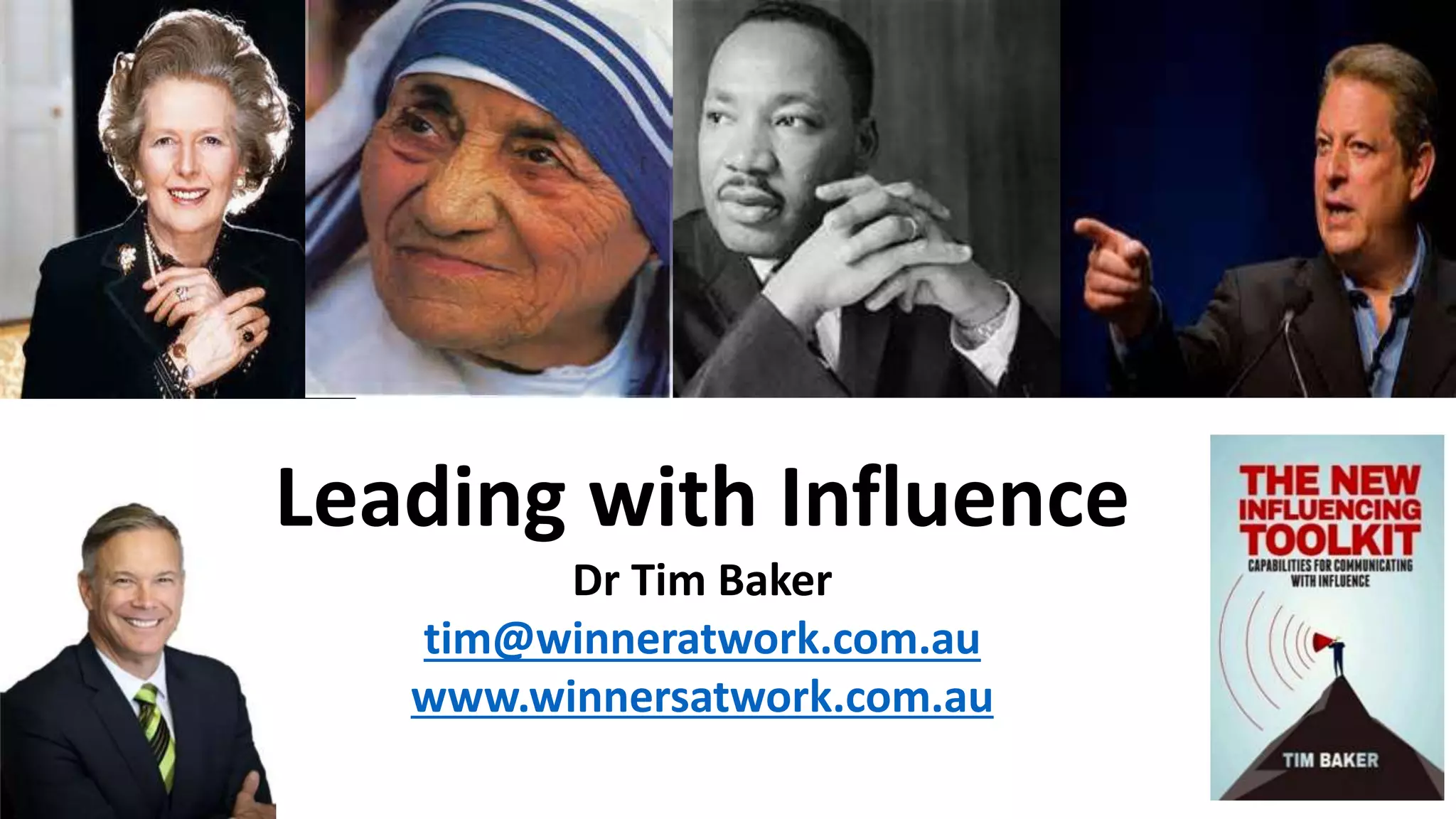
Leading with Influence
Dr Tim Baker
tim@winneratwork.com.au
www.winnersatwork.com.au
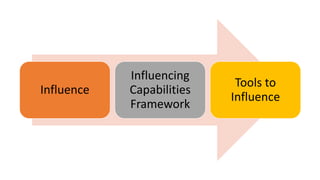
Influence
Influencing
Capabilities
Framework
Tools to
Influence
Influence is the power to make other
people agree with your opinion or get
them to do what you want willingly and
ethically (Baker, 2015)
Leaders are in the
business of
influence … YOU
are a professional
influencer
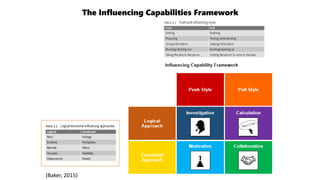
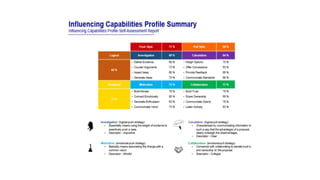
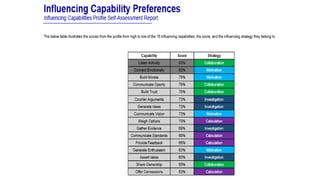
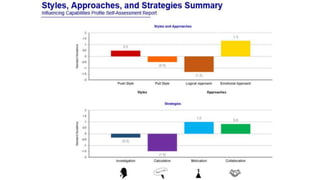
The Influencing Capabilities Framework
(Baker, 2015)
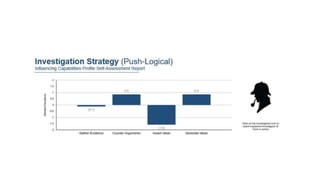
The Inquisitive Investigator
Police, scientists &
researchers
Workplace incidents such
as safety or harassment.
Generate support for a
new initiative
Change initiatives where
you want people
emotionally engaged
The Clear Calculator
 Calculators like to promote the
positives of a proposal &
highlight the weaknesses in the
current position. People know
where they stand with
calculators. They use logic to
advance their cause. Generally
calculators are good debaters.
 Margaret Thatcher
The Clear Calculator
Sales people, financial advisors,
animal trainers, teachers.
Any new change in the workplace
that will directly affect employees &
their working methods requires a
leader to sell the positives of the
change; e.g., harassment & bullying
legislation training.
Situations where working in teams is
critically important; e.g.,
cooperation between two
departments
The Mindful Motivator
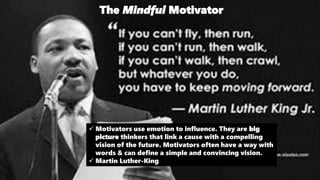
 Motivators use emotion to influence. They are big
picture thinkers that link a cause with a compelling
vision of the future. Motivators often have a way with
words & can define a simple and convincing vision.
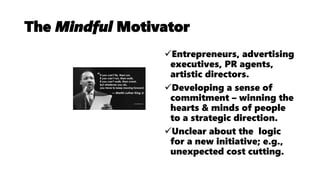
 Martin Luther-King
The Mindful Motivator
Entrepreneurs, advertising
executives, PR agents,
artistic directors.
Developing a sense of
commitment – winning the
hearts & minds of people
to a strategic direction.
Unclear about the logic
for a new initiative; e.g.,
unexpected cost cutting.
The Collegial Collaborator
Collaborators also influence using emotion. But
they persuade people by involving them in the
decision. Collaborators are great team builders.
They engage people's hearts & minds.
Mother Teresa
The Collegial Collaborator
Conductor of an orchestra, funeral
directors, choreographers.
In circumstances where their are
diverse & strongly held views or
opinions; e.g., team development.
People need to know the logic &
rationale behind a decision, e.g.,
introducing a new procedure pushed
down from above.
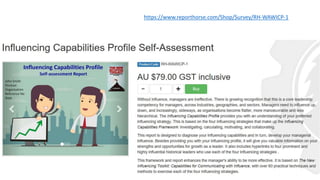
https://www.reporthorse.com/Shop/Survey/RH-WAWICP-1
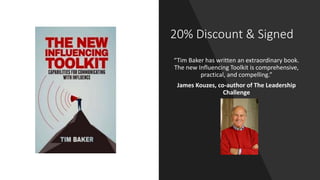
20% Discount & Signed
“Tim Baker has written an extraordinary book.
The new Influencing Toolkit is comprehensive,
practical, and compelling.”
James Kouzes, co-author of The Leadership
Challenge
Unit 1—The Ingredients of
Effective Feedback
Unit 2—Enhancing Your
Personal Influence
Unit 3—Optimising Team
Performance
Unit 4—Getting the Very
Best from People
Unit 5—Understanding
People and their
Personalities
Unit 6—Facilitating Effective
Meetings
Next program commences Friday 14th of September
tim@winnersatwork.com.au

Leading with Influence

  • 1.
    Leading with Influence DrTim Baker tim@winneratwork.com.au www.winnersatwork.com.au
  • 2.
  • 4.
    Influence is thepower to make other people agree with your opinion or get them to do what you want willingly and ethically (Baker, 2015)
  • 6.
    Leaders are inthe business of influence … YOU are a professional influencer
  • 7.
    The Influencing CapabilitiesFramework (Baker, 2015)
  • 9.
    The Inquisitive Investigator Police,scientists & researchers Workplace incidents such as safety or harassment. Generate support for a new initiative Change initiatives where you want people emotionally engaged
  • 10.
    The Clear Calculator Calculators like to promote the positives of a proposal & highlight the weaknesses in the current position. People know where they stand with calculators. They use logic to advance their cause. Generally calculators are good debaters.  Margaret Thatcher
  • 11.
    The Clear Calculator Salespeople, financial advisors, animal trainers, teachers. Any new change in the workplace that will directly affect employees & their working methods requires a leader to sell the positives of the change; e.g., harassment & bullying legislation training. Situations where working in teams is critically important; e.g., cooperation between two departments
  • 12.
    The Mindful Motivator Motivators use emotion to influence. They are big picture thinkers that link a cause with a compelling vision of the future. Motivators often have a way with words & can define a simple and convincing vision.  Martin Luther-King
  • 13.
    The Mindful Motivator Entrepreneurs,advertising executives, PR agents, artistic directors. Developing a sense of commitment – winning the hearts & minds of people to a strategic direction. Unclear about the logic for a new initiative; e.g., unexpected cost cutting.
  • 14.
    The Collegial Collaborator Collaboratorsalso influence using emotion. But they persuade people by involving them in the decision. Collaborators are great team builders. They engage people's hearts & minds. Mother Teresa
  • 15.
    The Collegial Collaborator Conductorof an orchestra, funeral directors, choreographers. In circumstances where their are diverse & strongly held views or opinions; e.g., team development. People need to know the logic & rationale behind a decision, e.g., introducing a new procedure pushed down from above.
  • 16.
  • 21.
  • 22.
    20% Discount &Signed “Tim Baker has written an extraordinary book. The new Influencing Toolkit is comprehensive, practical, and compelling.” James Kouzes, co-author of The Leadership Challenge
  • 23.
    Unit 1—The Ingredientsof Effective Feedback Unit 2—Enhancing Your Personal Influence Unit 3—Optimising Team Performance Unit 4—Getting the Very Best from People Unit 5—Understanding People and their Personalities Unit 6—Facilitating Effective Meetings Next program commences Friday 14th of September tim@winnersatwork.com.au