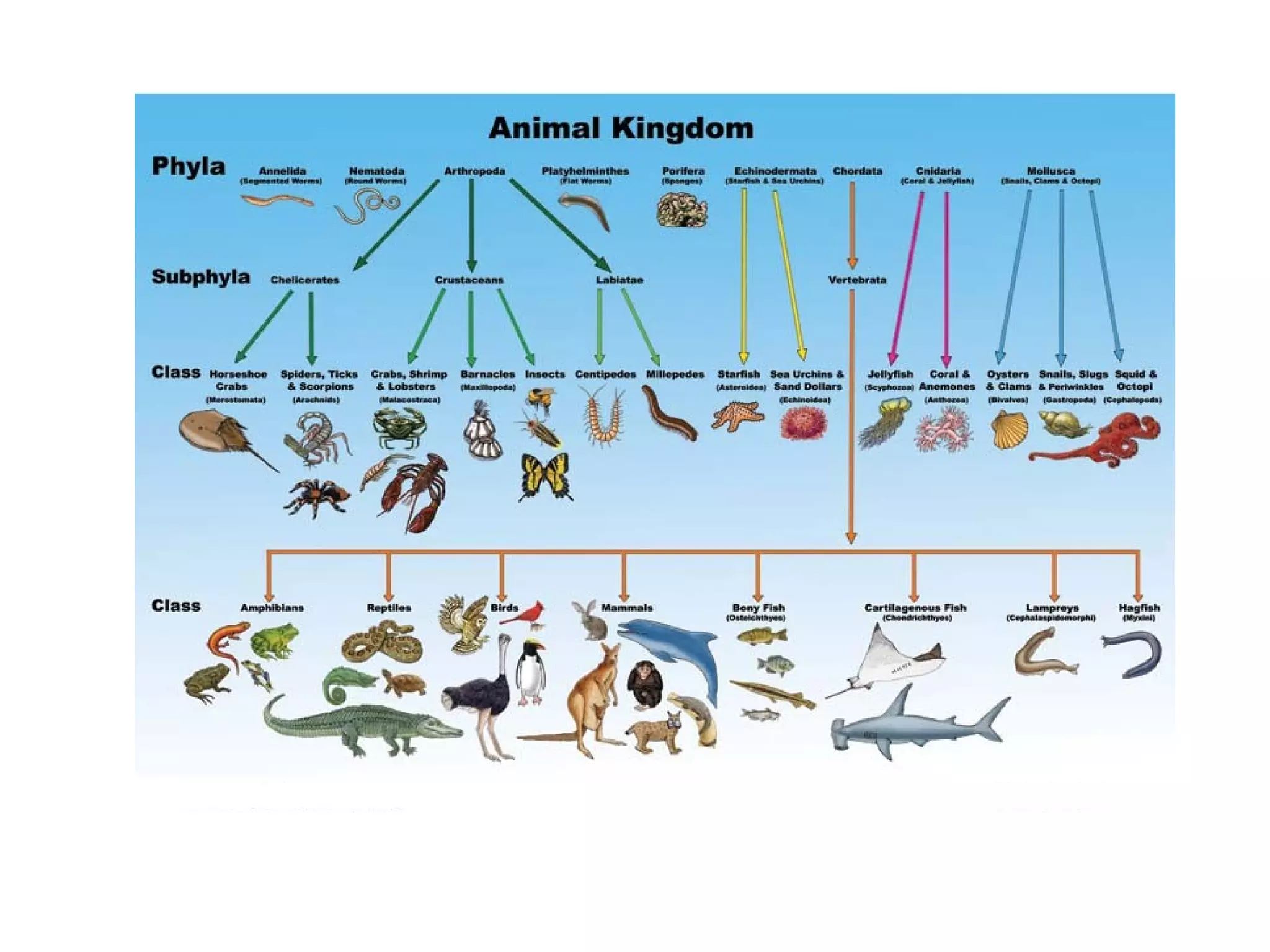
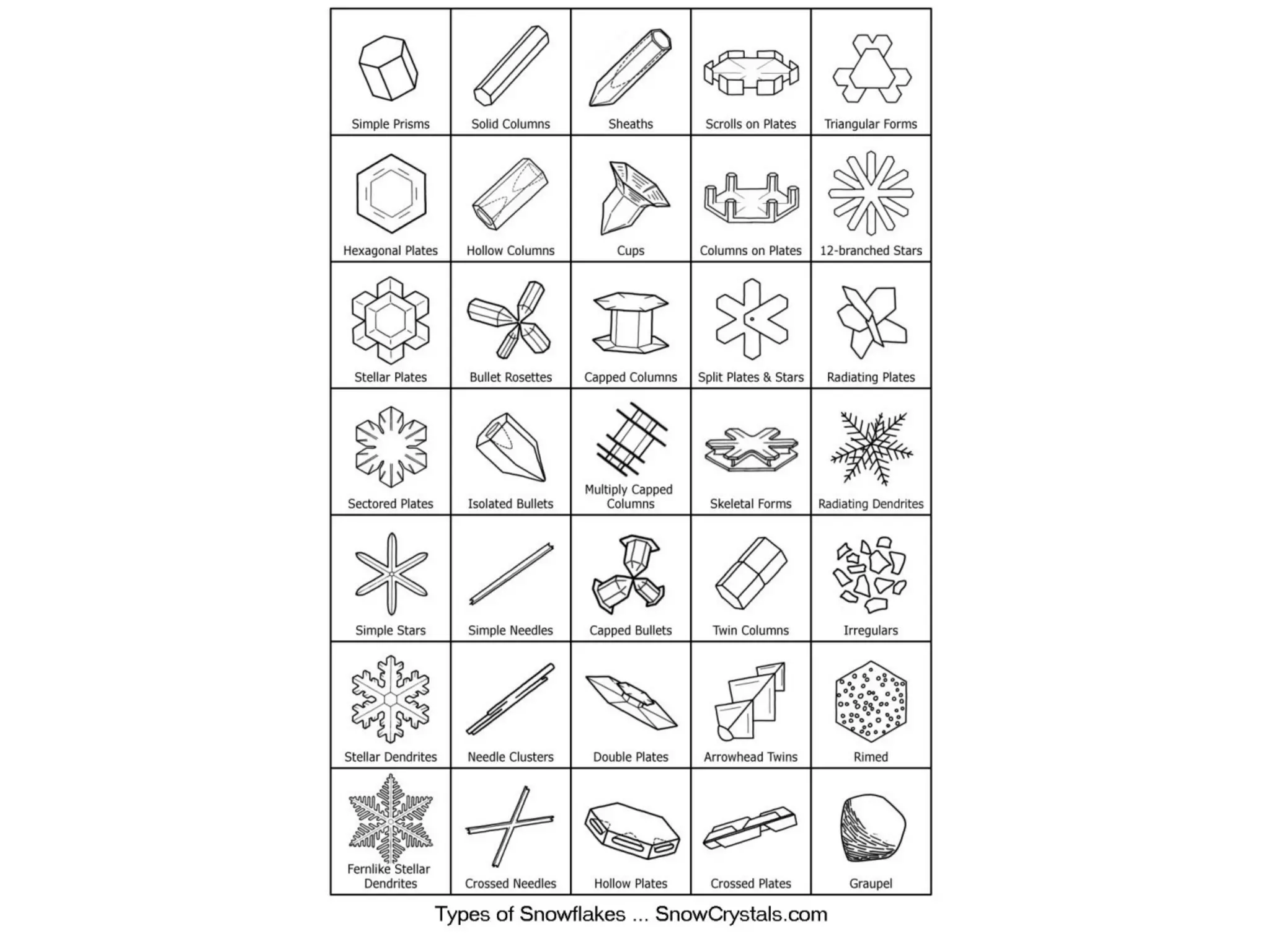
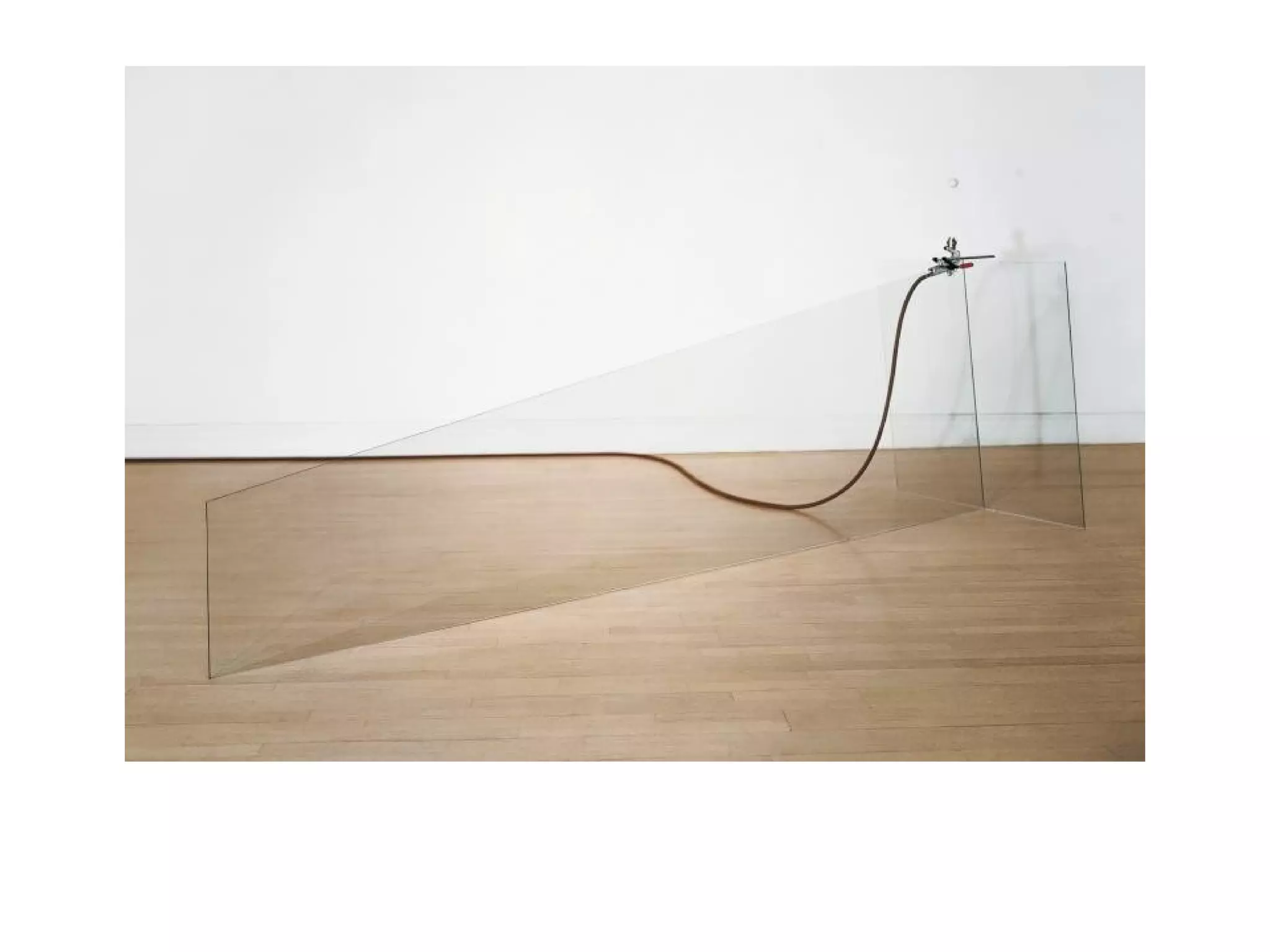
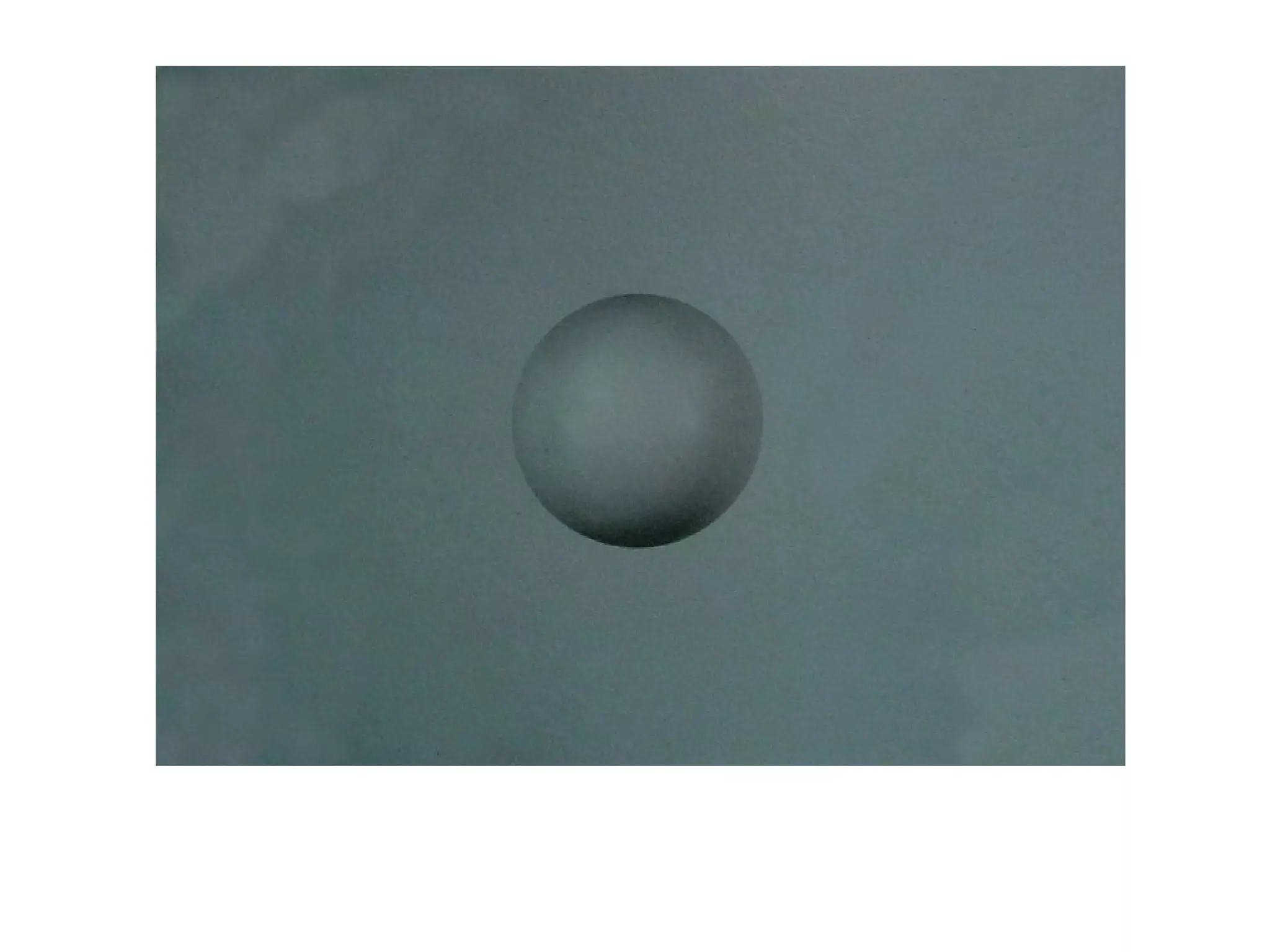
Classification -  
the process in which ideas 
and objects are 
recognized, 
differentiated, 
and understood.
titles
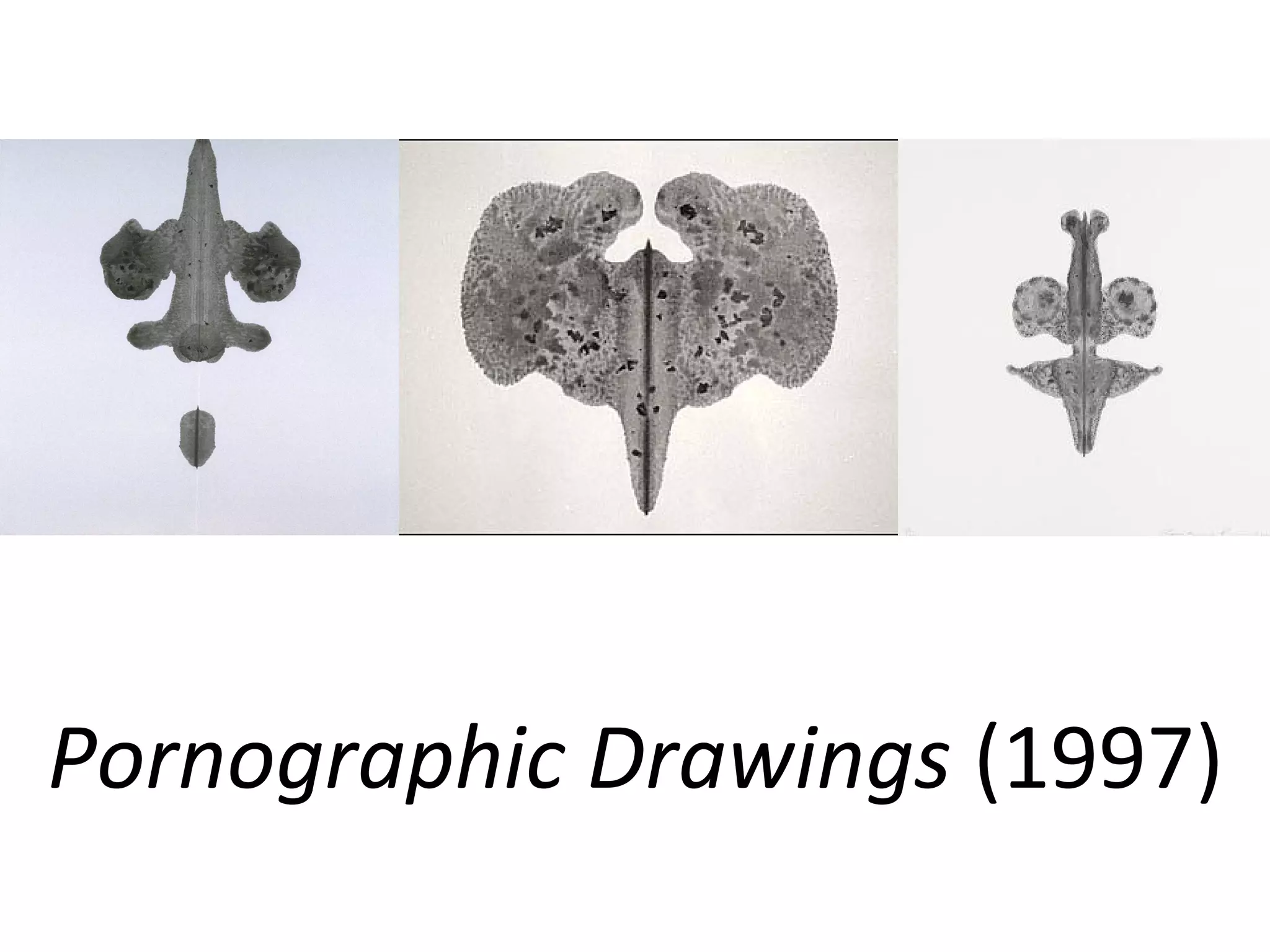
Pornographic Drawings (1997)
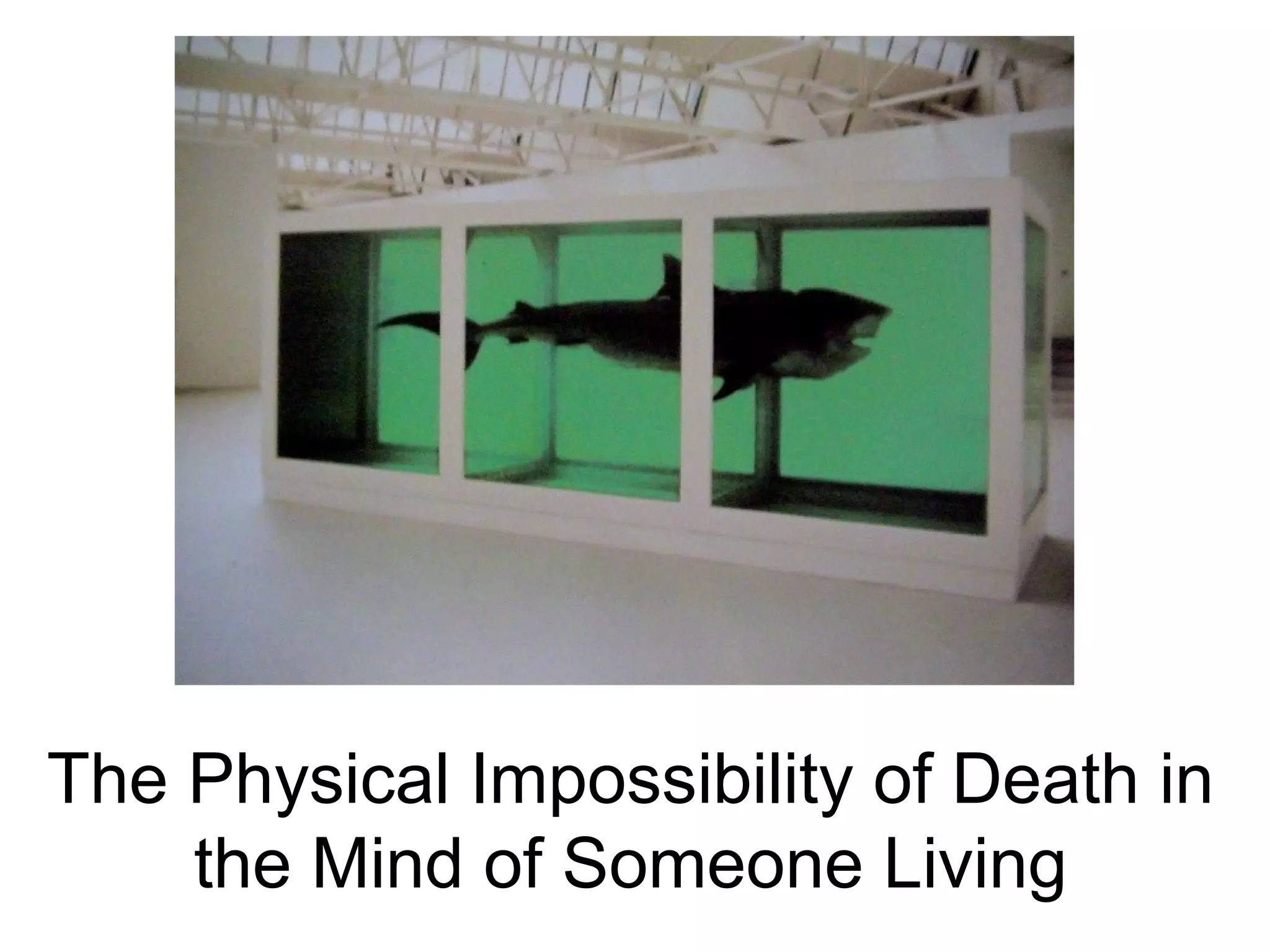
The Physical Impossibility of Death in
the Mind of Someone Living
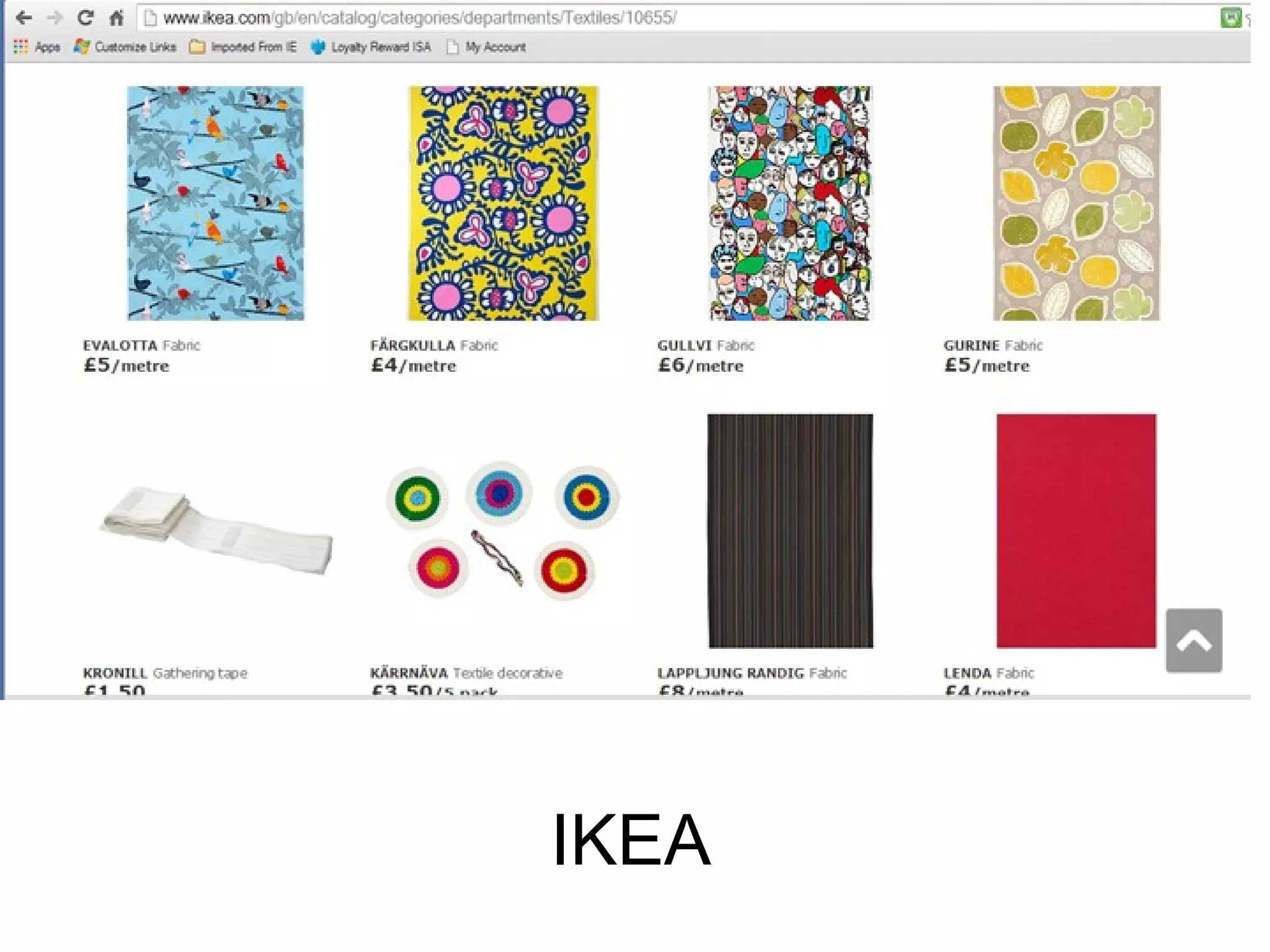
IKEA
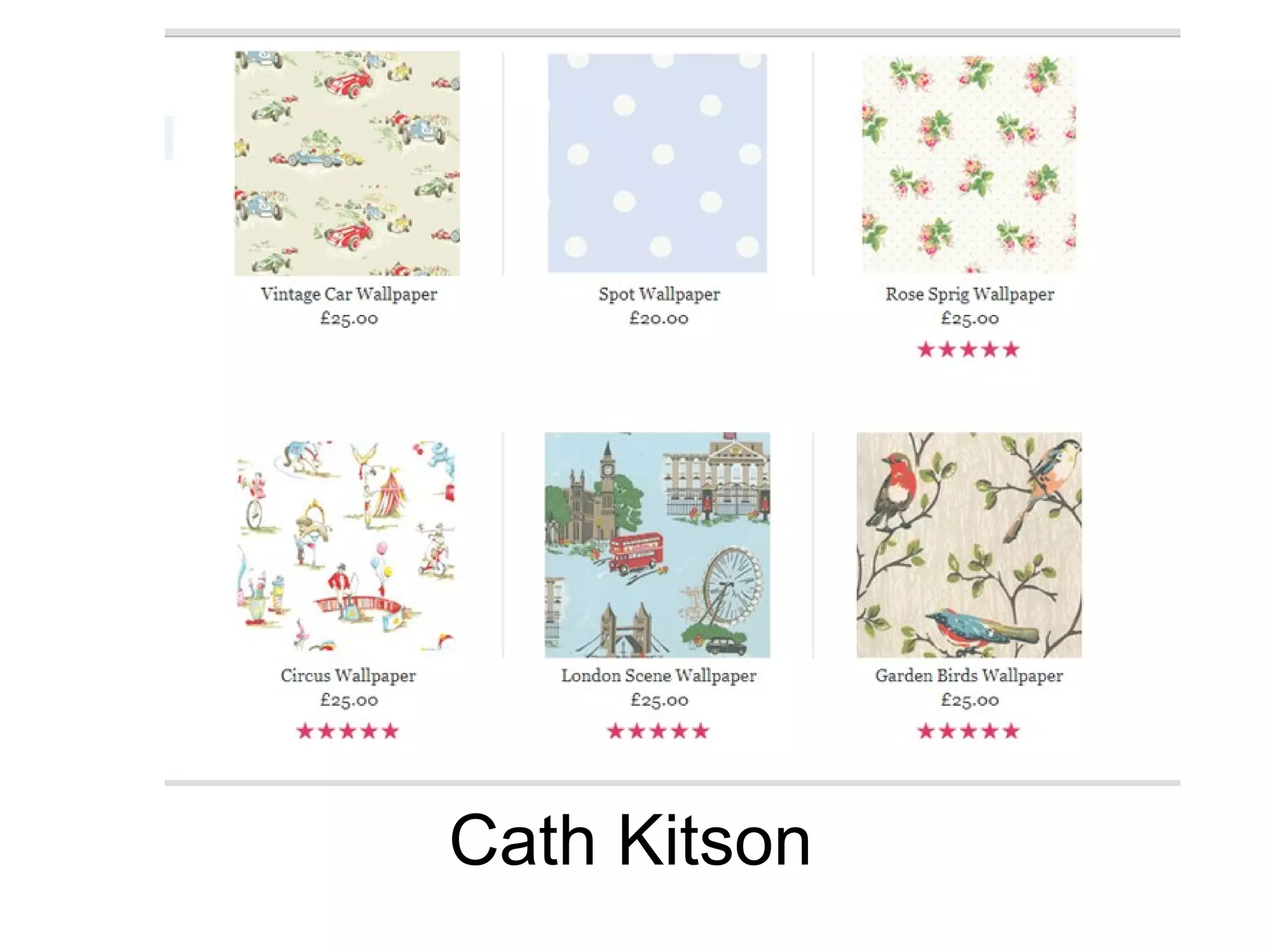
Cath Kitson
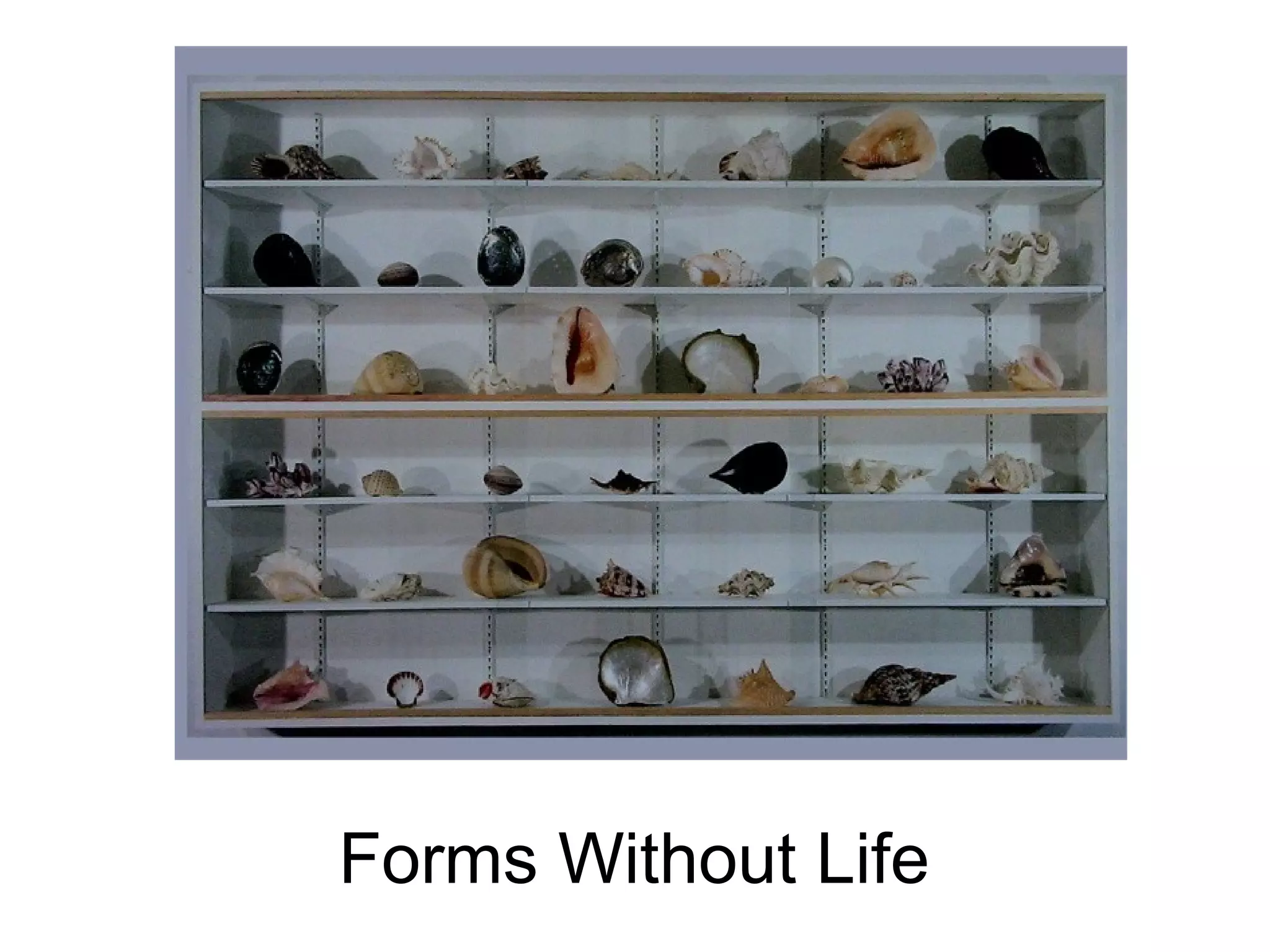
Damien
Hurst
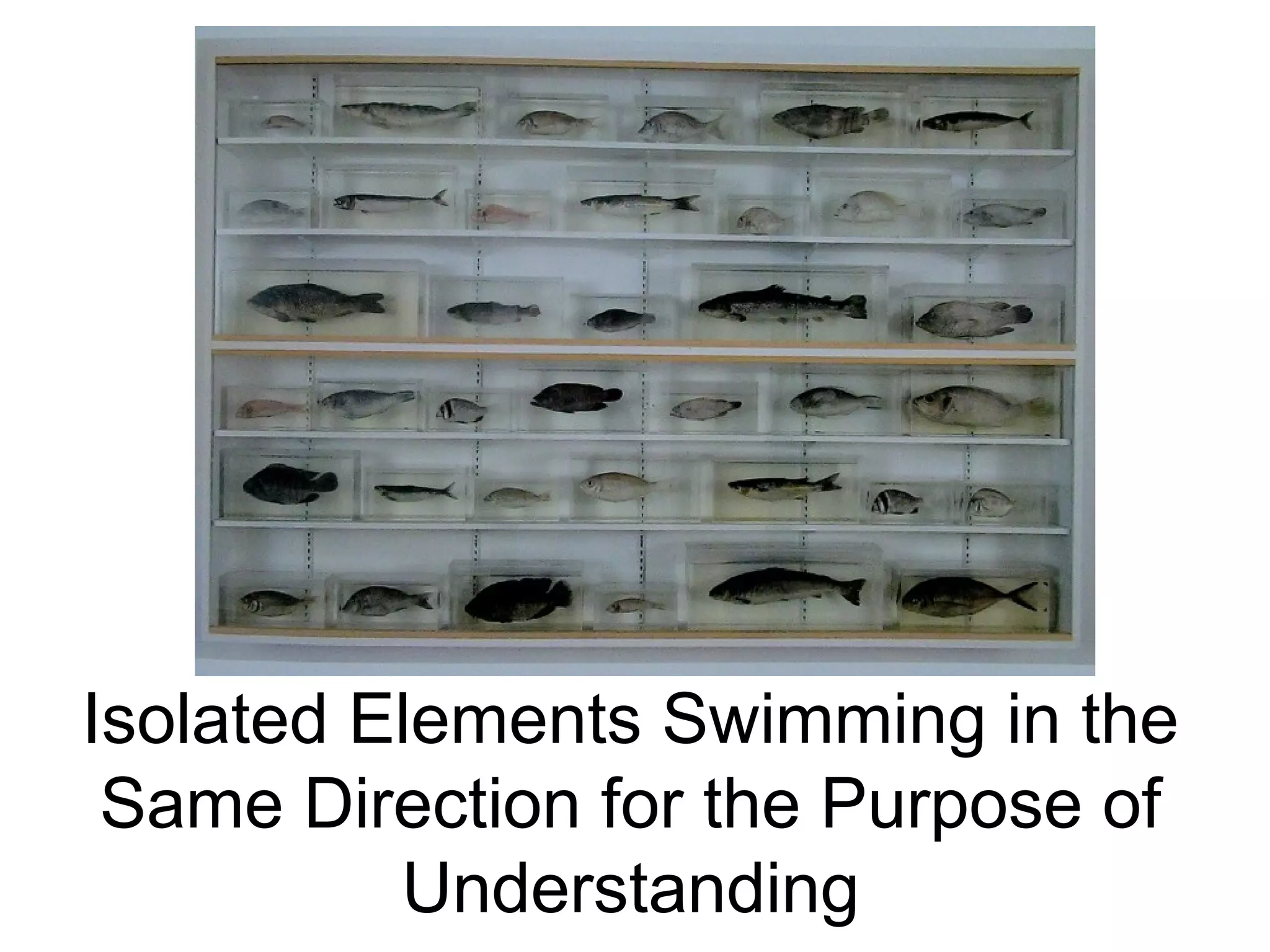
Forms Without Life
Isolated Elements Swimming in the
Same Direction for the Purpose of
Understanding
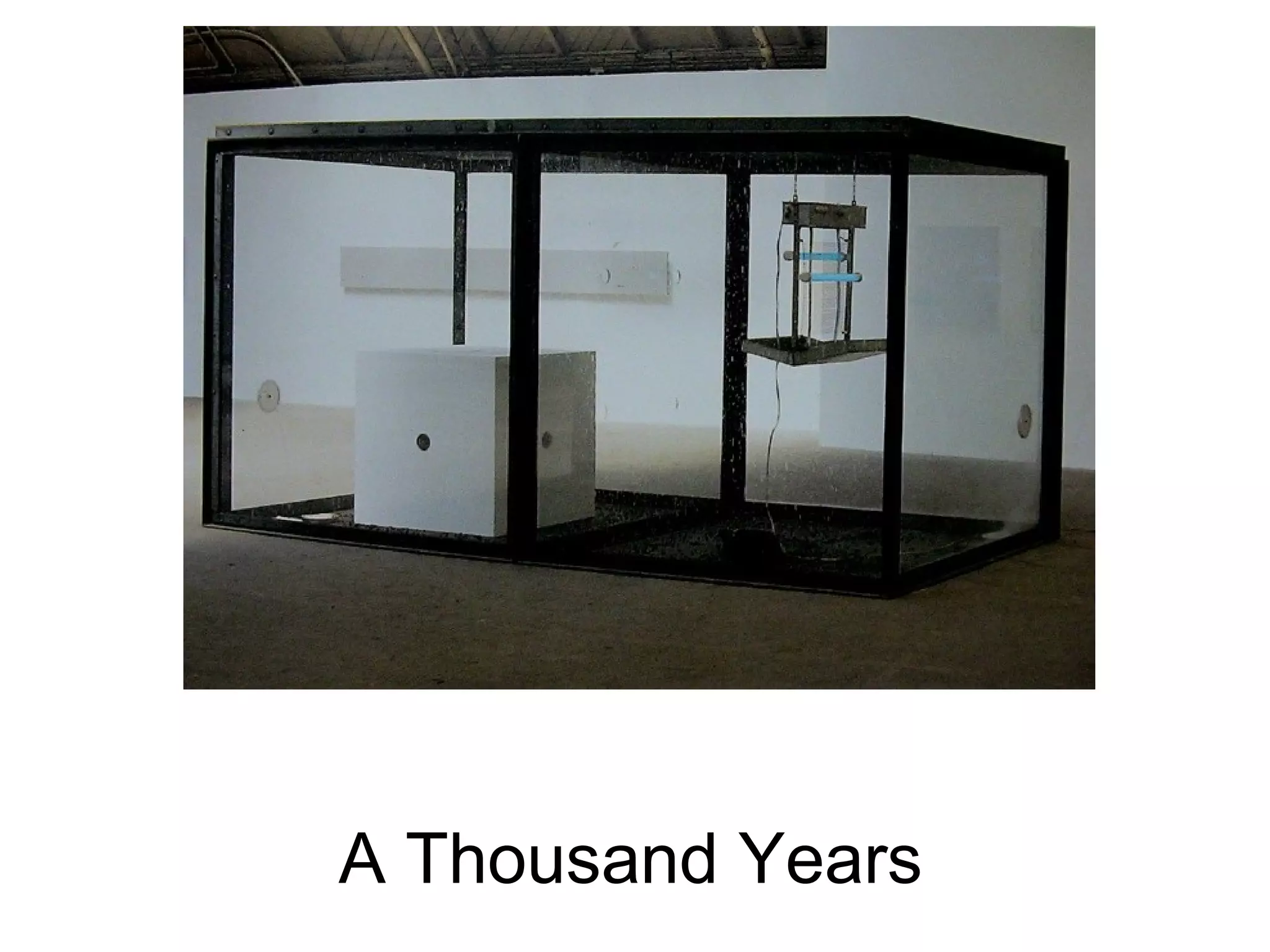
A Thousand Years
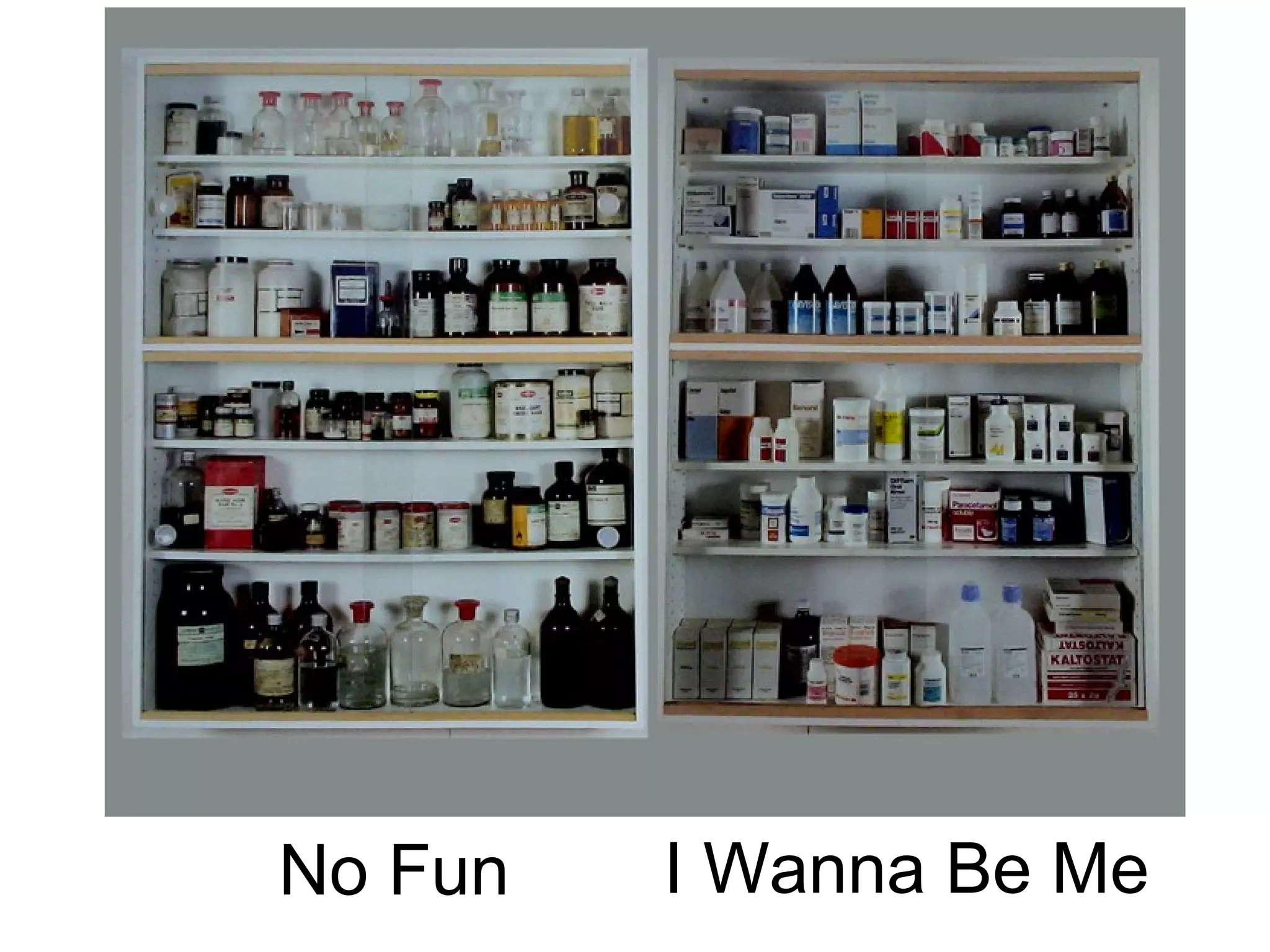
I Wanna Be MeNo Fun
Cornelia
Parker
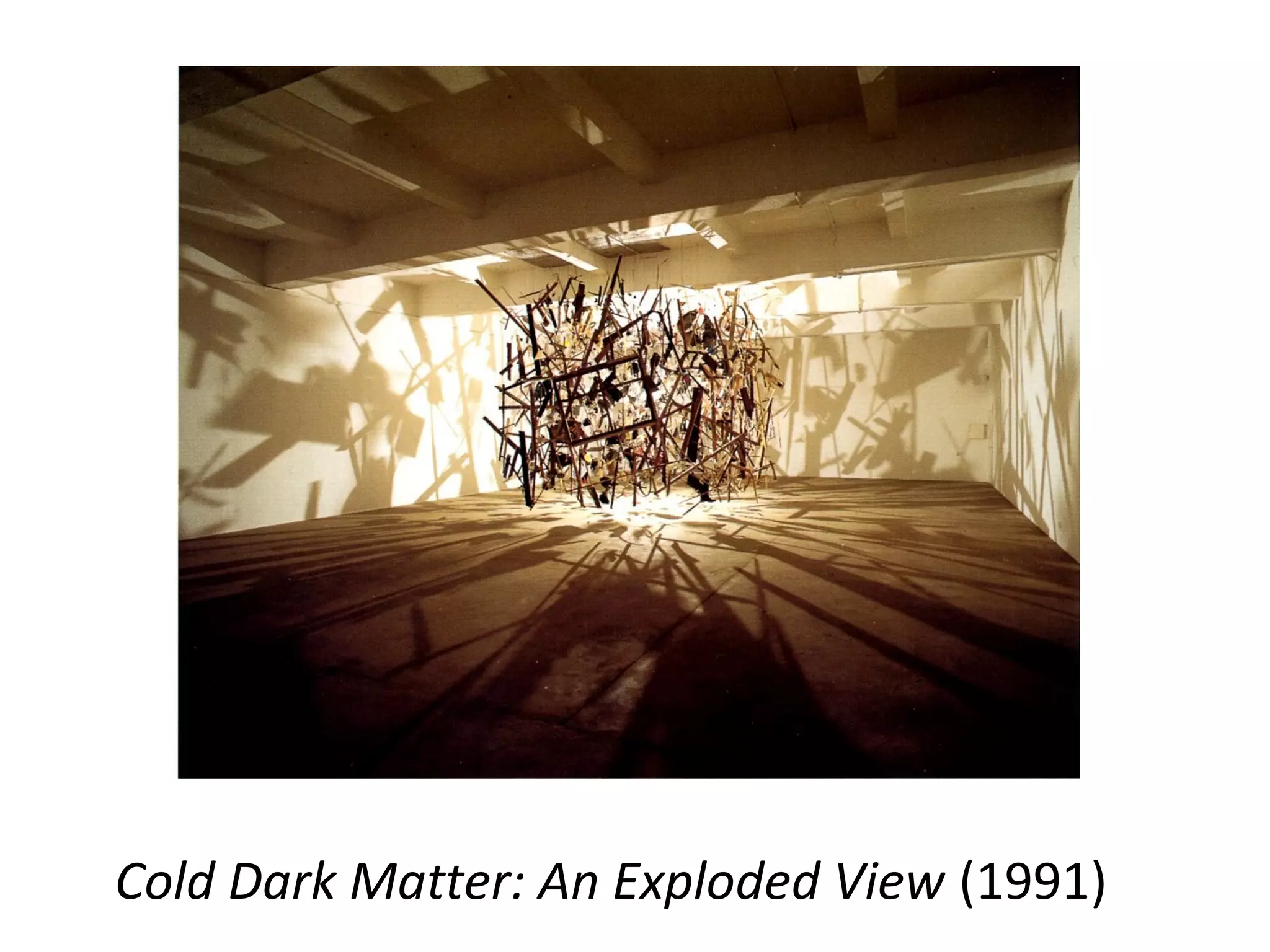
Cold Dark Matter: An Exploded View (1991)
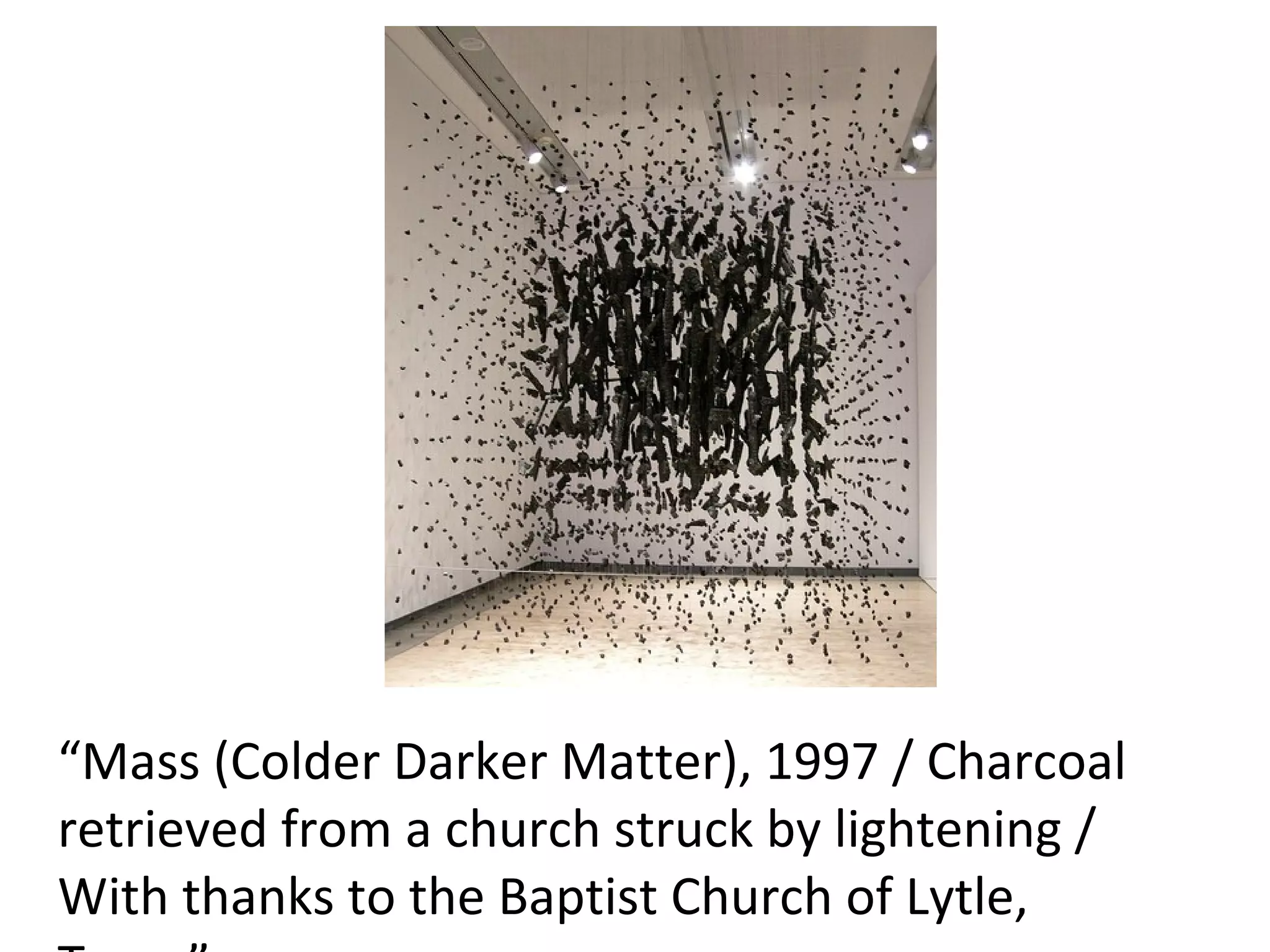
“Mass (Colder Darker Matter), 1997 / Charcoal 
retrieved from a church struck by lightening / 
With thanks to the Baptist Church of Lytle, 
Martin
Creed
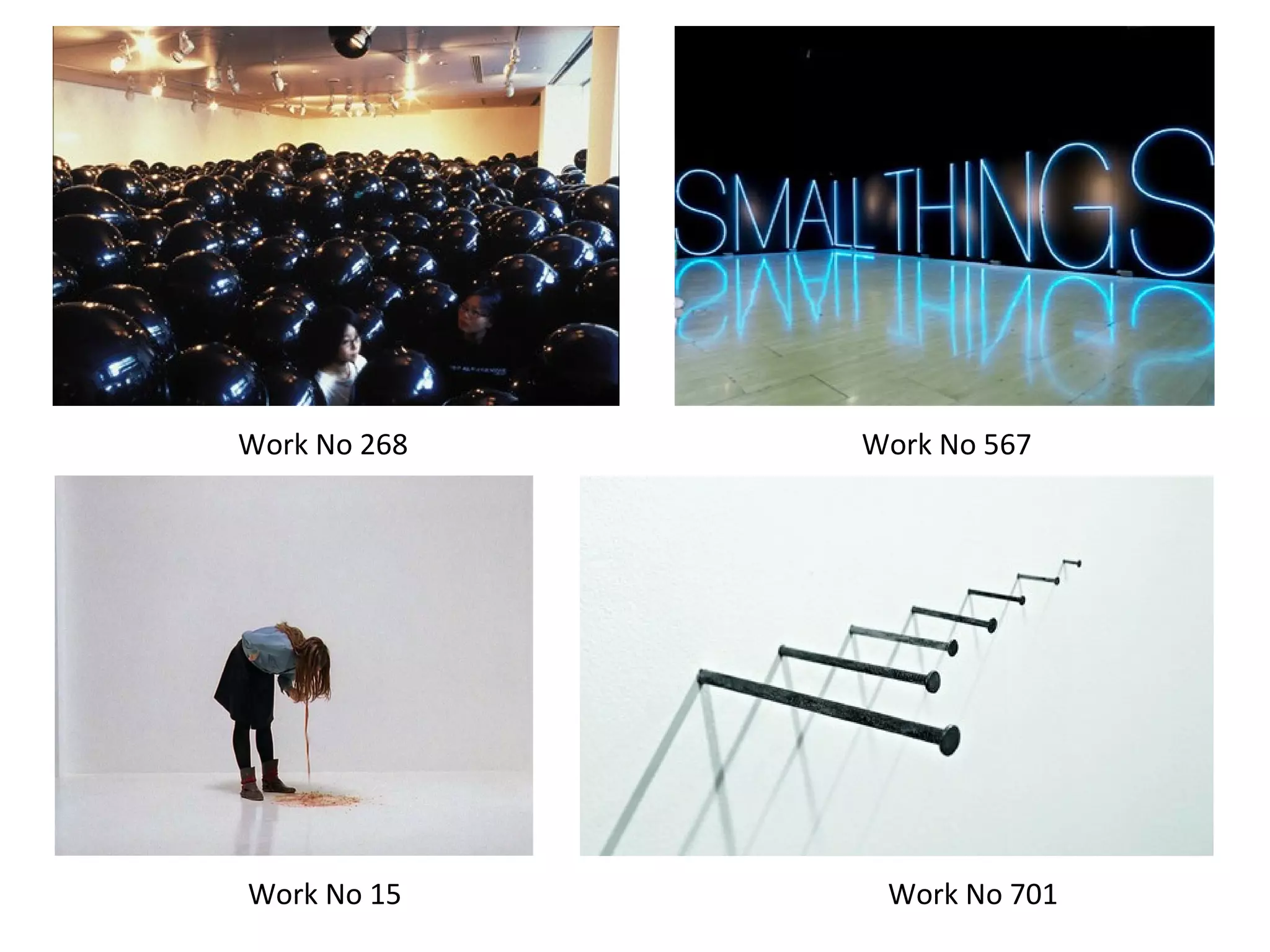
Work No 268 Work No 567
Work No 15 Work No 701
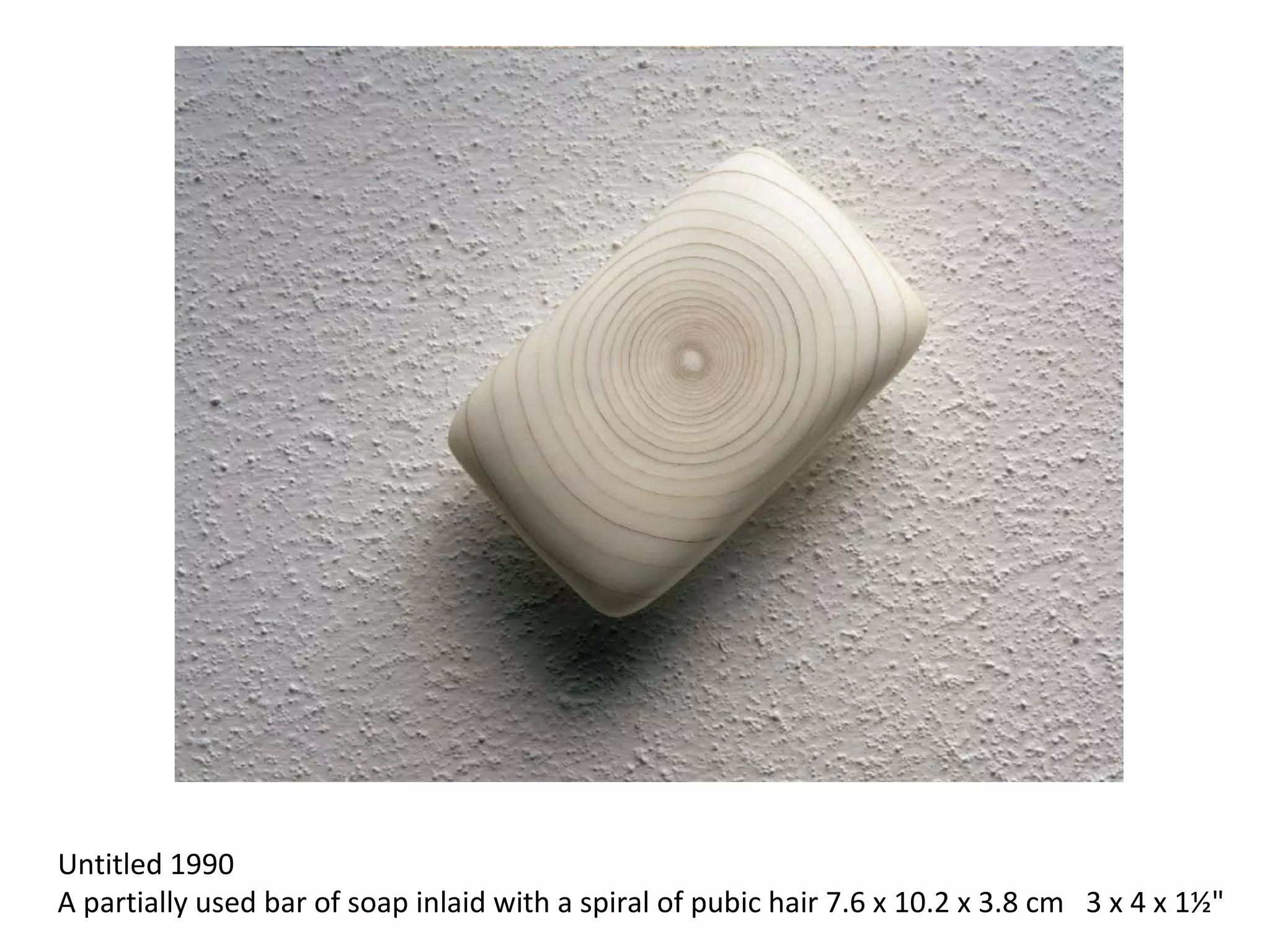
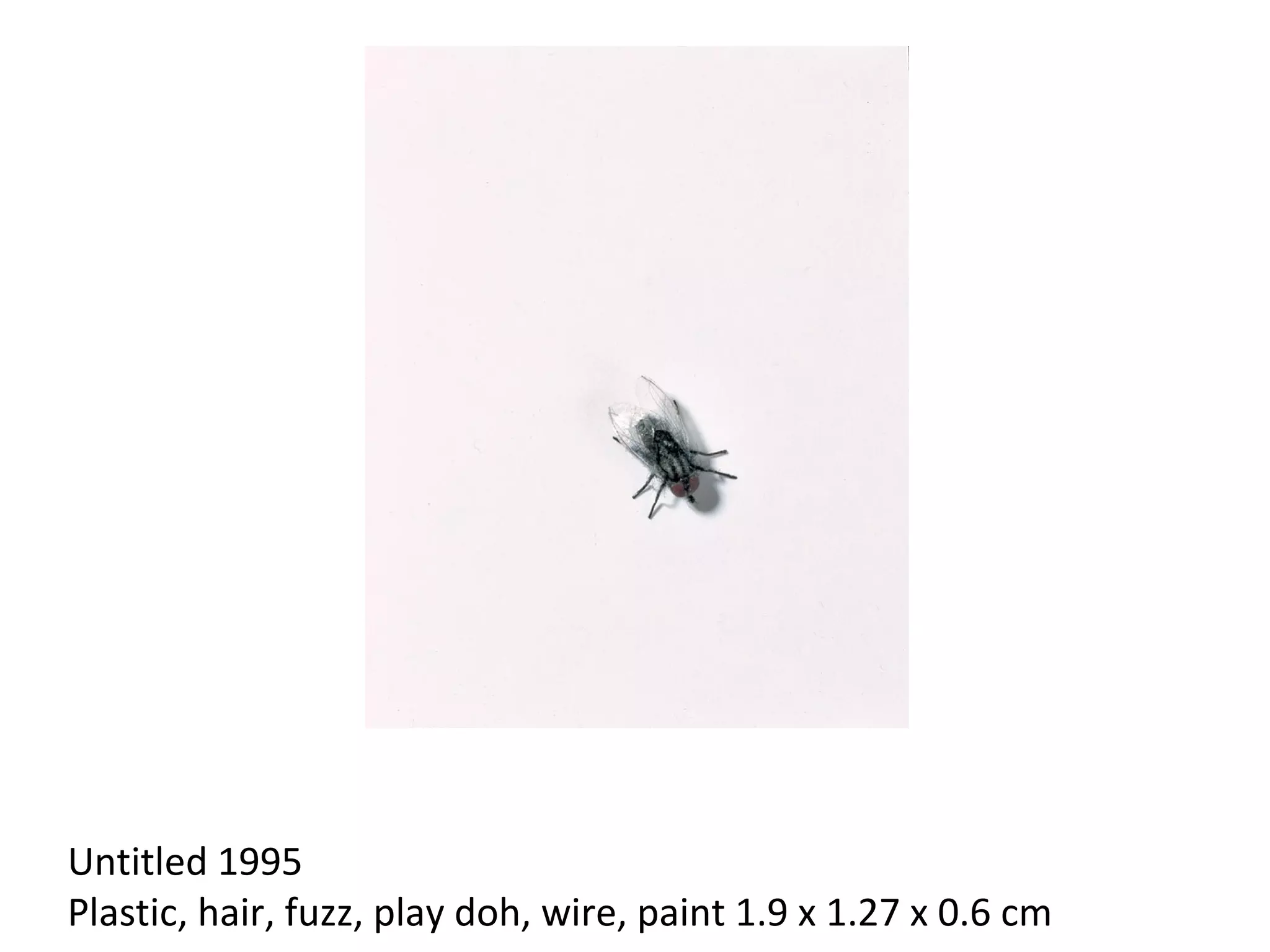
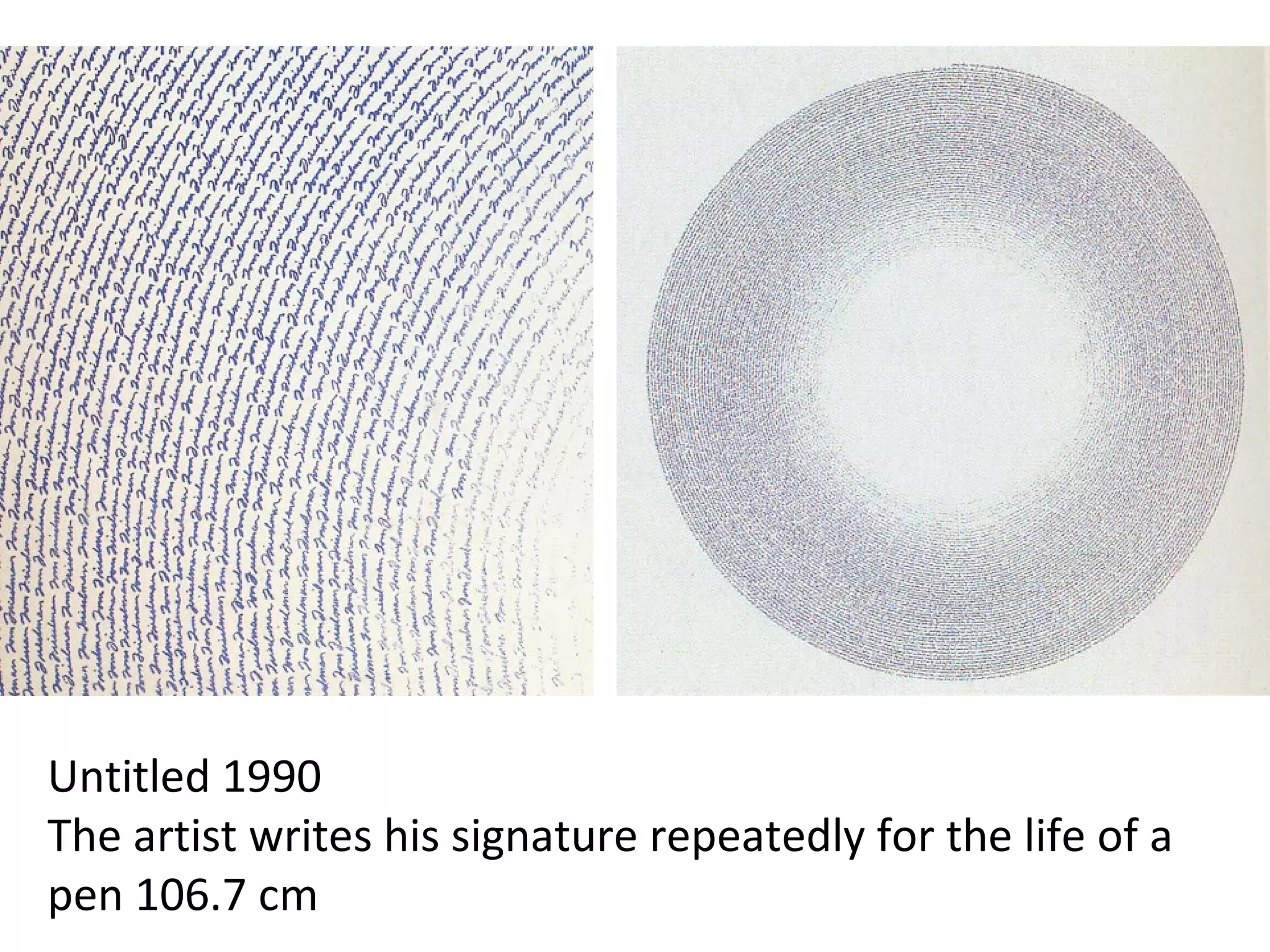
Tom
Friedman
Untitled 1990 
A partially used bar of soap inlaid with a spiral of pubic hair 7.6 x 10.2 x 3.8 cm   3 x 4 x 1½"
Untitled 1995 
Plastic, hair, fuzz, play doh, wire, paint 1.9 x 1.27 x 0.6 cm
Untitled 1990 
The artist writes his signature repeatedly for the life of a 
pen 106.7 cm
Why bother?
titles as an entry point
To your work
To the ideas behind the work
The story of you
The story of its making
Titles help your
work to be
distinguished
among numerous
works.
Titled works are
easier to find and
to file in organizing
systems.
Titled work is
easier for you to
talk about and
refer people to.
The more unique each title is,
the better.
If you have a series of
numbers, you might forget
how Green floral #1 is
different from Green floral #5.
It’s difficult to write
about untitled artworks
or designs because
readers have to be
clear about which piece
is being discussed.
When faced with
untitled work, the
writer must use a lot of
text describing which
untitled work they are
referring to.
Intriguing titles
are cause for
contemplation.
Untitled or loosely titled
works allow the viewer
more freedom to interpret,
but certain audiences and
contexts need and want
guidance.
An interesting
title might be enough
for a viewer to
stop, think,
and look back at your
work
A title gives a work a name.
That name, if unique, helps
to create an identity for the
work.
A unique name and identity is then helpful for:
establishing copyright specific to a piece of
artwork (one "untitled floral" artwork sounds
pretty much like the next)
A unique name and identity is then helpful for:
helping others to reference your work - creating
documentary records about your artwork and
filing records of your artwork
A unique name and identity is then helpful for:
writing about your work - titles make it easier for
reviewers and critics to write about your work.
A unique name and identity is then helpful for:
despatching your work to/from exhibitions and
shops with those who are storing your artwork
for you.
A unique name and identity is then helpful for:
discussions about the artwork with your
audience – galleries, shops and clients.
A unique name and identity is then helpful for:
getting the right title with the right work in
a catalogue or database.
A unique name and identity is then helpful for:
getting the right piece of artwork/object to the
right client.
A unique name and identity is then helpful for:
finding your work on the Internet - search
engines find titles.
I want to spend the
rest of my life
everywhere, with
everyone, one to
one, always, forever,
now.
so
Your work
Please take out of your mind or your bag the work
you have brought with you.
How?
Consider key words.
Description
Intention
Materials
Research -
Narrow it down – make a list.
Look at your artwork.
What were you trying to show with your piece?
Beauty
Hidden depth and meaning
A moral message
Process
History
Research
What makes the piece unique?
Strategy –
Pretend you're the viewer of the piece, not the
creator of it.
What would stand out to you most?
What would you like most?
Strategy -
Figure out what type of image you want to
convey, even before the person looks at it.
"A Sunny Day" makes you think of a clear, sunny
sky,
"Irises" makes you think of a garden, or just
flowers.
Strategy - trick
Alliteration helps titles (the repetition of a
beginning sound), as does anything that lets it roll
off the tongue.

Label work why