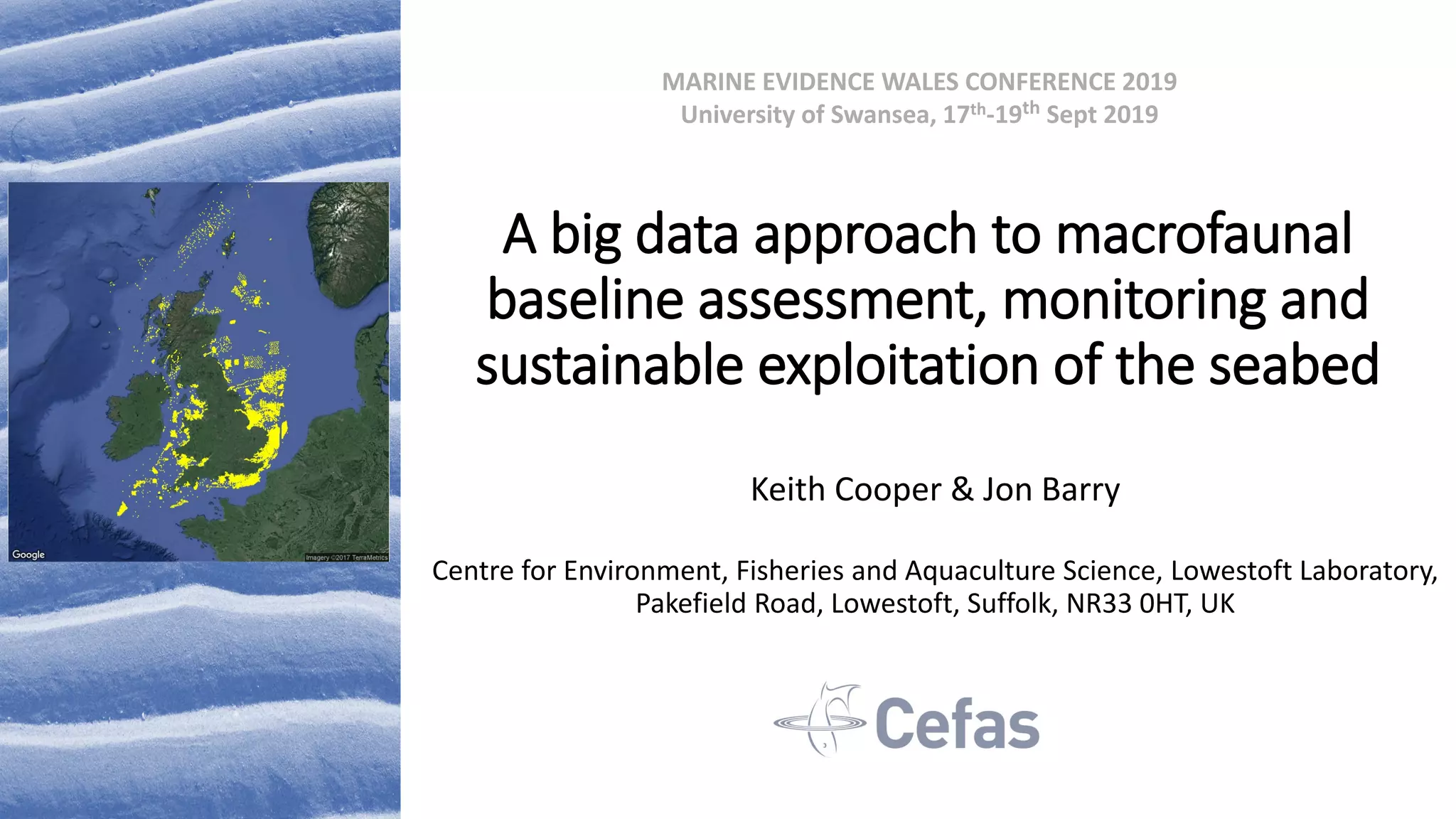
A big data approach to macrofaunal
baseline assessment, monitoring and
sustainable exploitation of the seabed
Keith Cooper & Jon Barry
Centre for Environment, Fisheries and Aquaculture Science, Lowestoft Laboratory,
Pakefield Road, Lowestoft, Suffolk, NR33 0HT, UK
MARINE EVIDENCE WALES CONFERENCE 2019
University of Swansea, 17th-19th Sept 2019
INTRODUCTION
• Increasing pressure on UK seas
• A healthy marine environment
requires activities to be undertaken
in an environmentally sustainable
way
• Aggregate dredging subject to EIA
and compliance monitoring
• Previous monitoring focused on
ongoing impacts
• Recoverability - key question for
sustainability
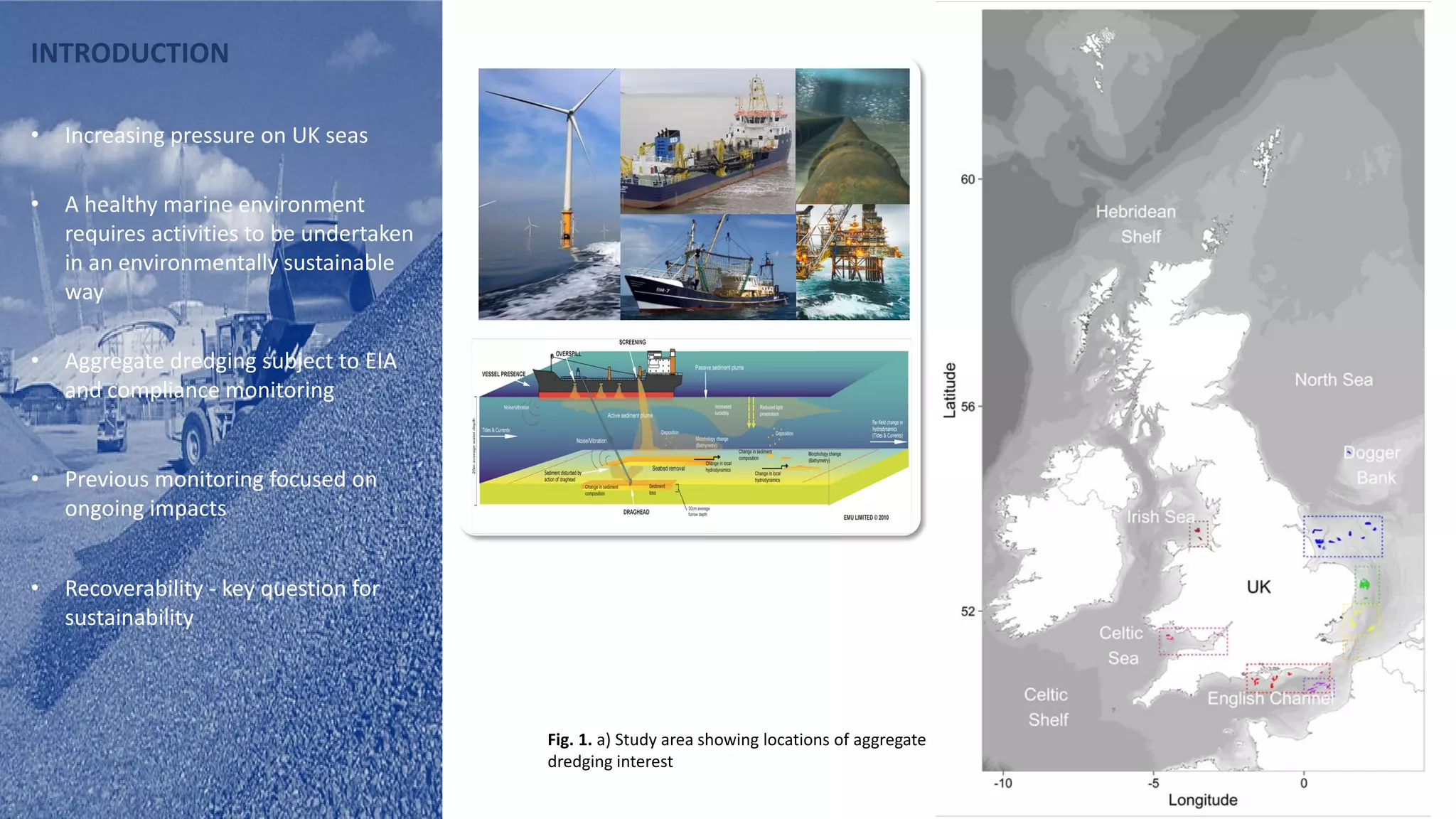
Fig. 1. a) Study area showing locations of aggregate
dredging interest
Cooper, K.M. Marine Aggregate
Dredging: A New Regional Approach
to Environmental Monitoring. Thesis
submitted for degree of PhD by
Publication, October 2013.
INTRODUCTION
The solution
• Maintenance of habitat is key to
faunal recovery
• Establish relationship between fauna
and sediments
• Use understanding to establish limits
of acceptable change
• Basis of the new approach to
monitoring (Regional Seabed
Monitoring Plan)
• Decision taken to role out across the
UK
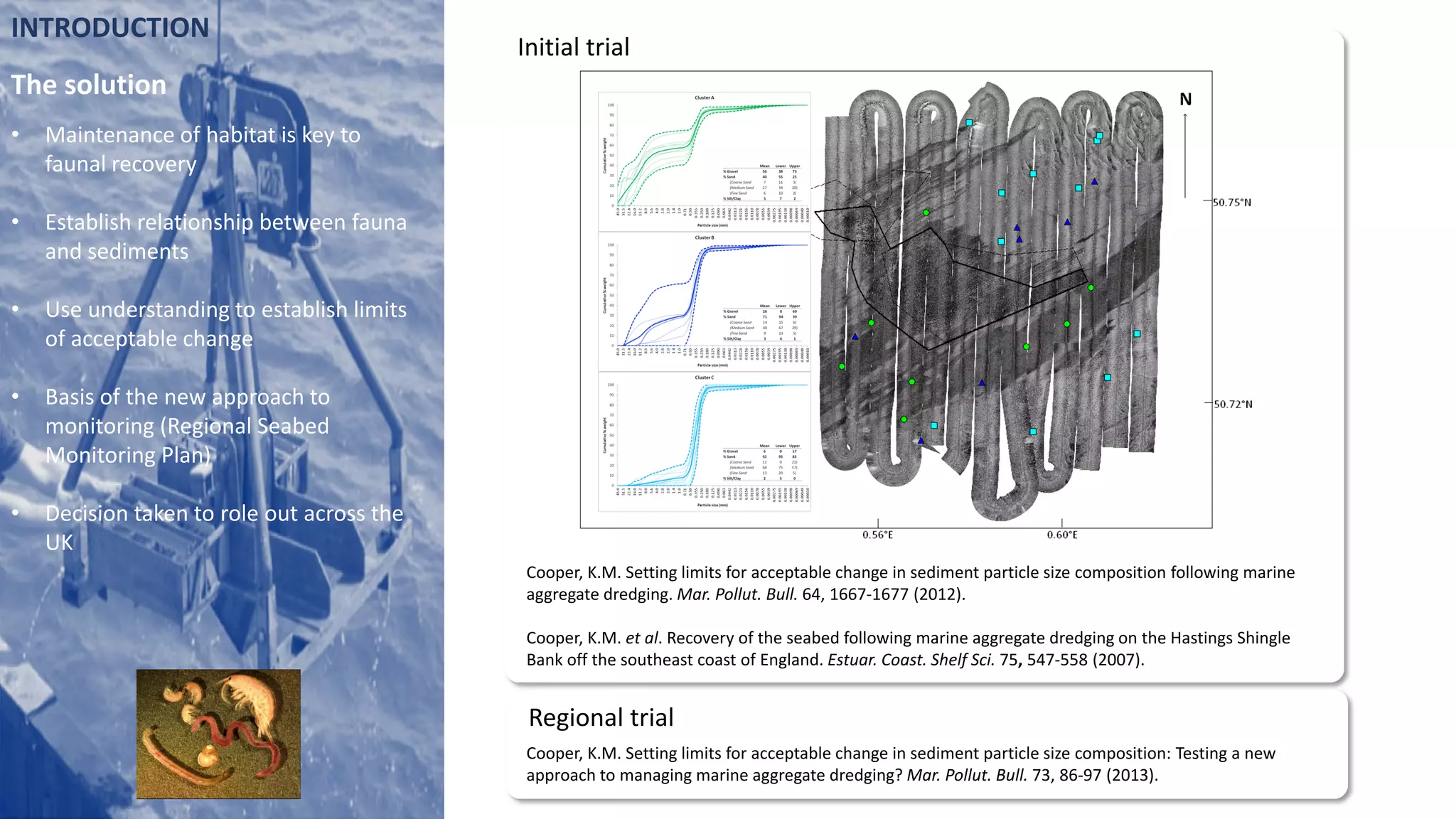
Cooper, K.M. Setting limits for acceptable change in sediment particle size composition following marine
aggregate dredging. Mar. Pollut. Bull. 64, 1667-1677 (2012).
Cooper, K.M. et al. Recovery of the seabed following marine aggregate dredging on the Hastings Shingle
Bank off the southeast coast of England. Estuar. Coast. Shelf Sci. 75, 547-558 (2007).
Cooper, K.M. Setting limits for acceptable change in sediment particle size composition: Testing a new
approach to managing marine aggregate dredging? Mar. Pollut. Bull. 73, 86-97 (2013).
Initial trial
Regional trial
INTRODUCTION
Objectives:
(1) Faunal baseline
(2) Relationship between fauna
and sediments
(3) Method for assessing
ecological significance of
sediment change
DATASET
• Collate existing data
• New sample collection
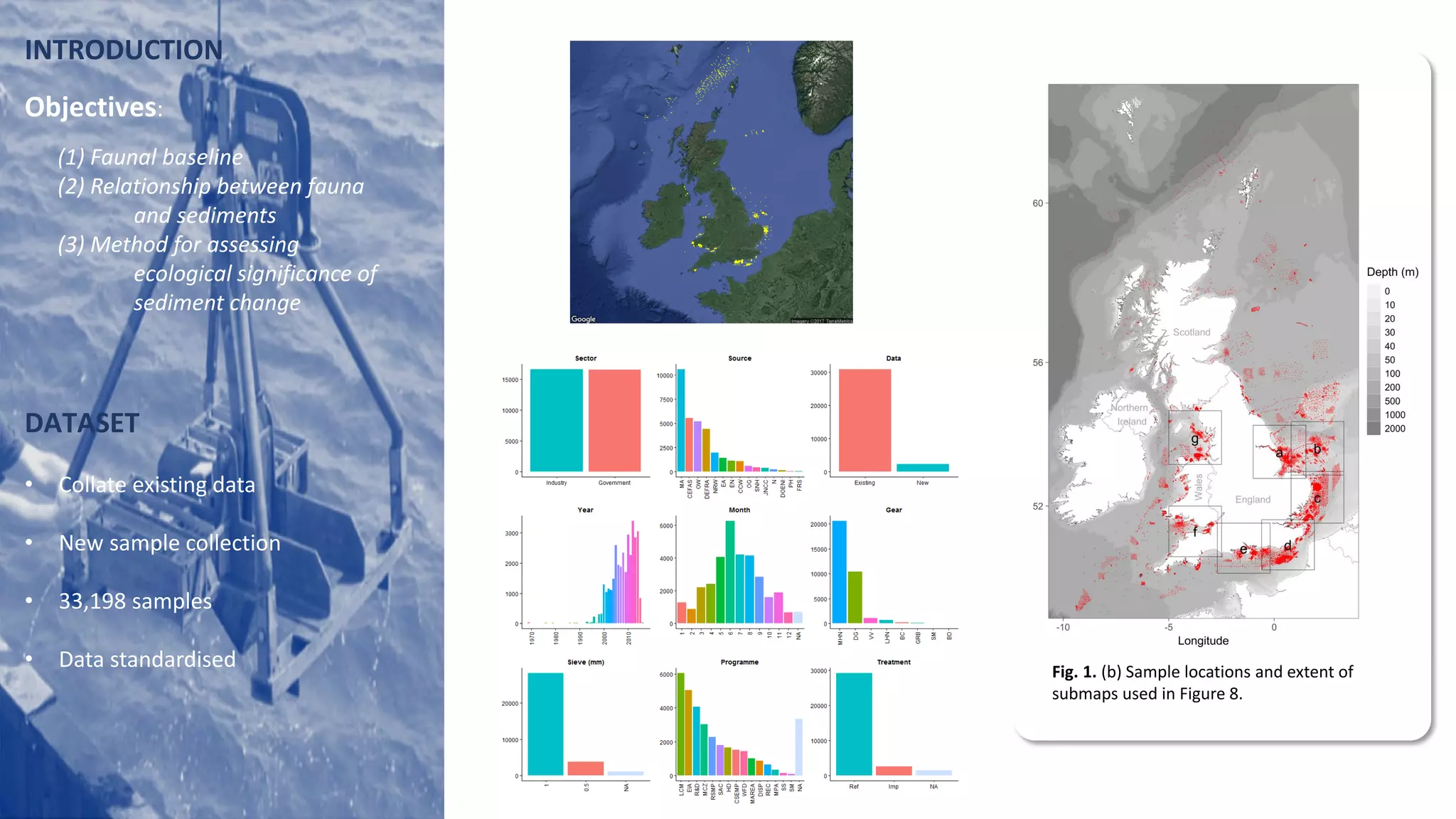
• 33,198 samples
• Data standardised Fig. 1. (b) Sample locations and extent of
submaps used in Figure 8.
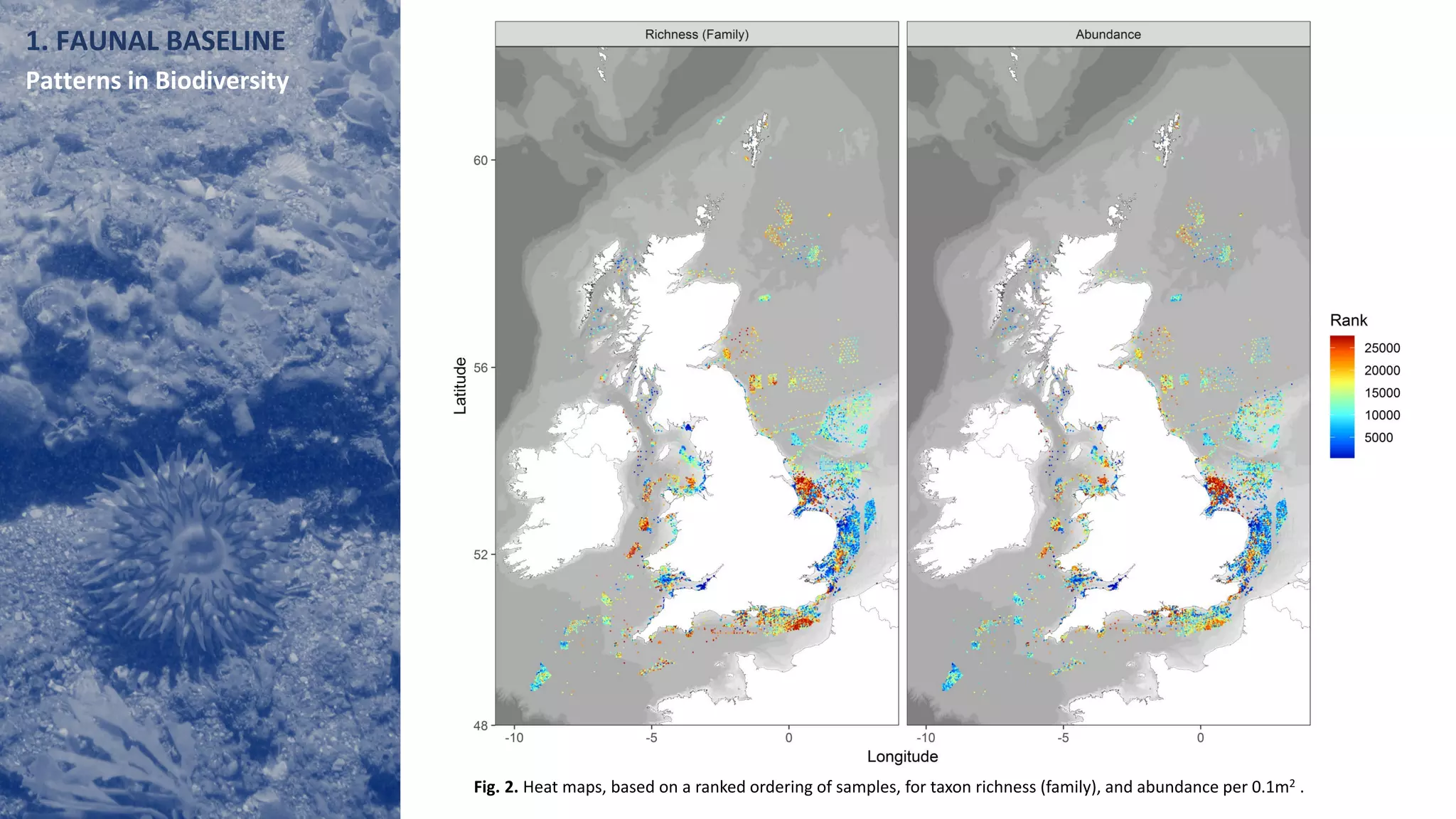
Fig. 2. Heat maps, based on a ranked ordering of samples, for taxon richness (family), and abundance per 0.1m2 .
1. FAUNAL BASELINE
Patterns in Biodiversity
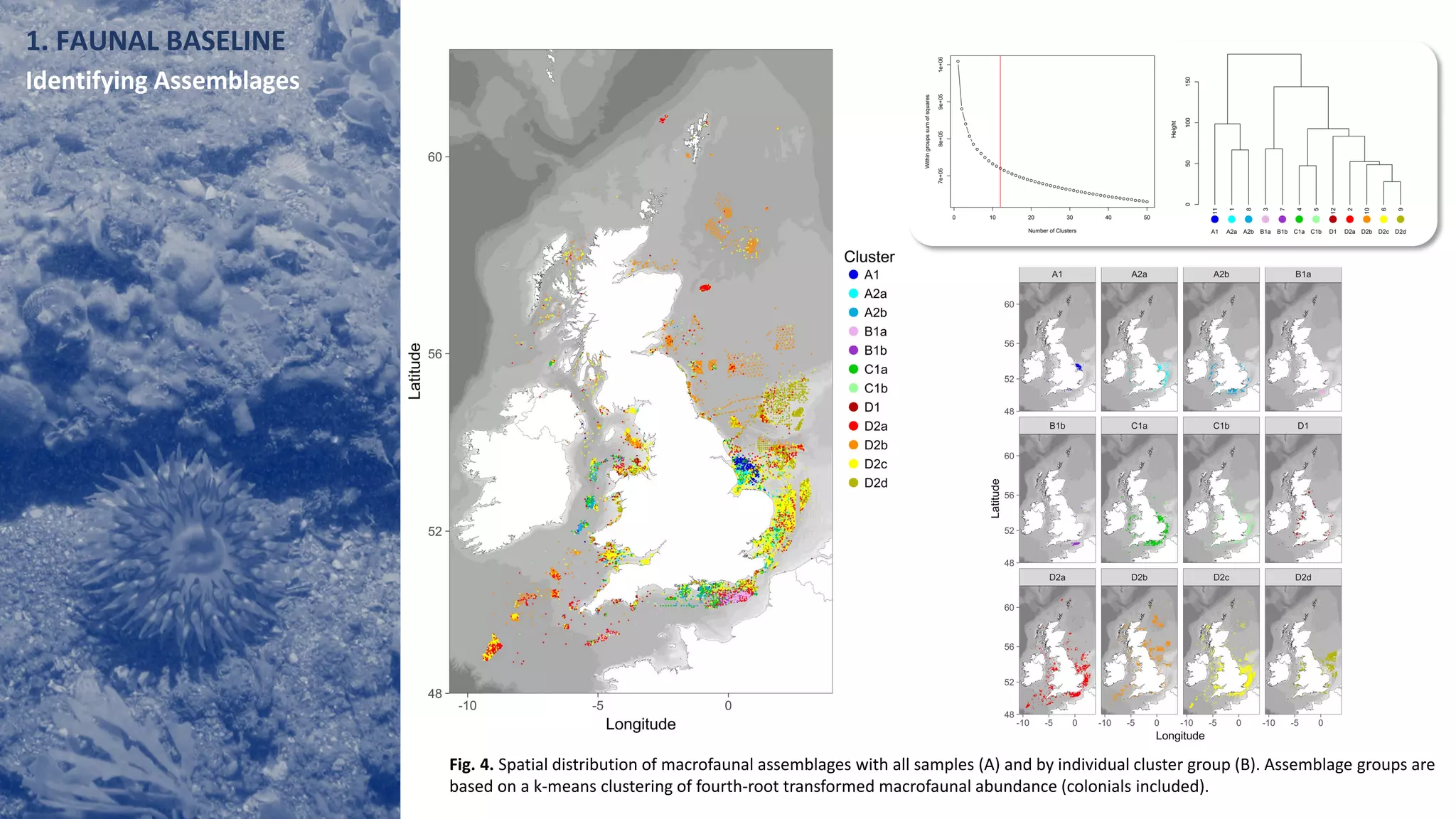
Fig. 4. Spatial distribution of macrofaunal assemblages with all samples (A) and by individual cluster group (B). Assemblage groups are
based on a k-means clustering of fourth-root transformed macrofaunal abundance (colonials included).
1. FAUNAL BASELINE
Identifying Assemblages
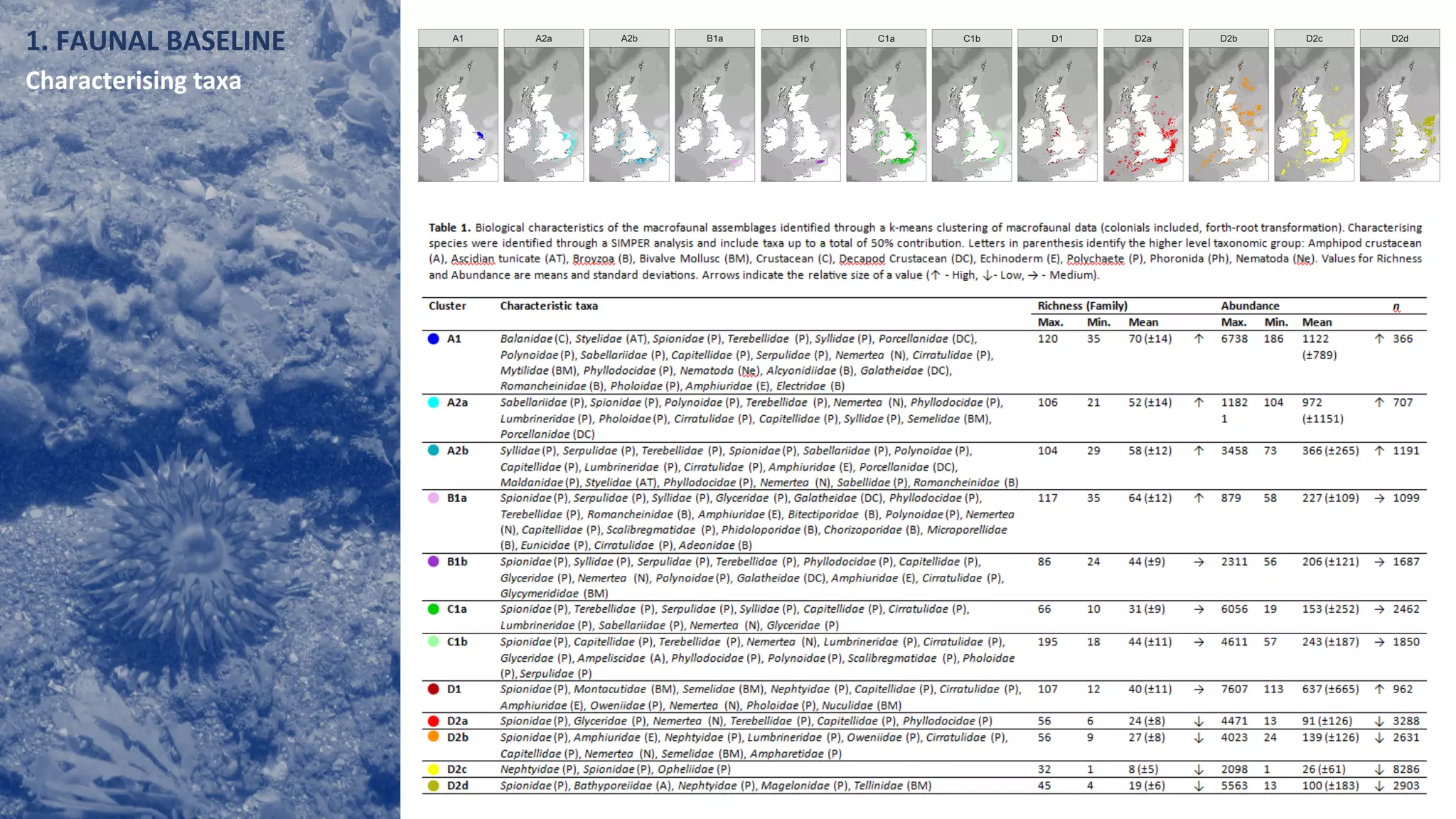
1. FAUNAL BASELINE
Characterising taxa
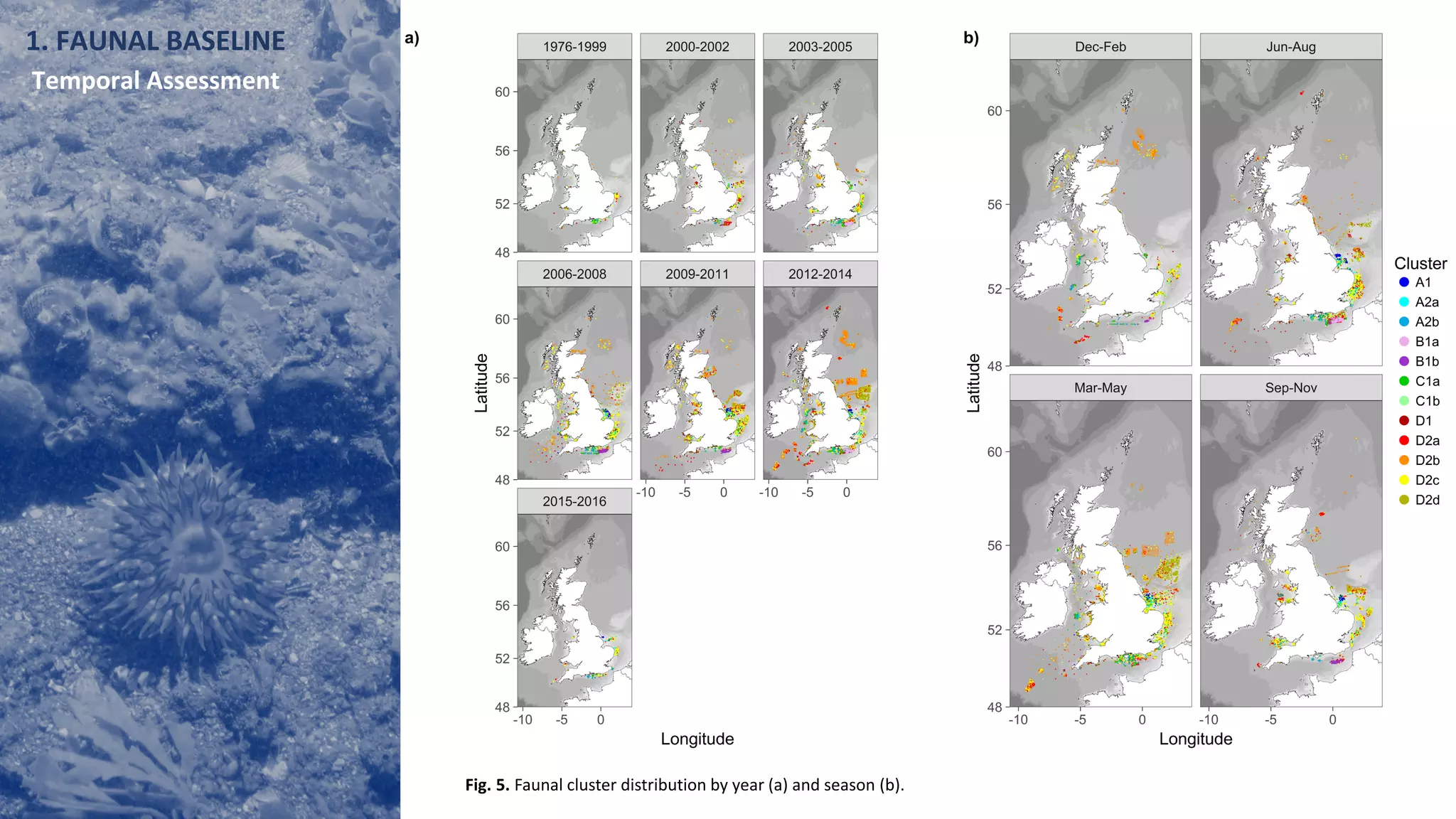
1. FAUNAL BASELINE
Temporal Assessment
Fig. 5. Faunal cluster distribution by year (a) and season (b).
1. FAUNAL BASELINE
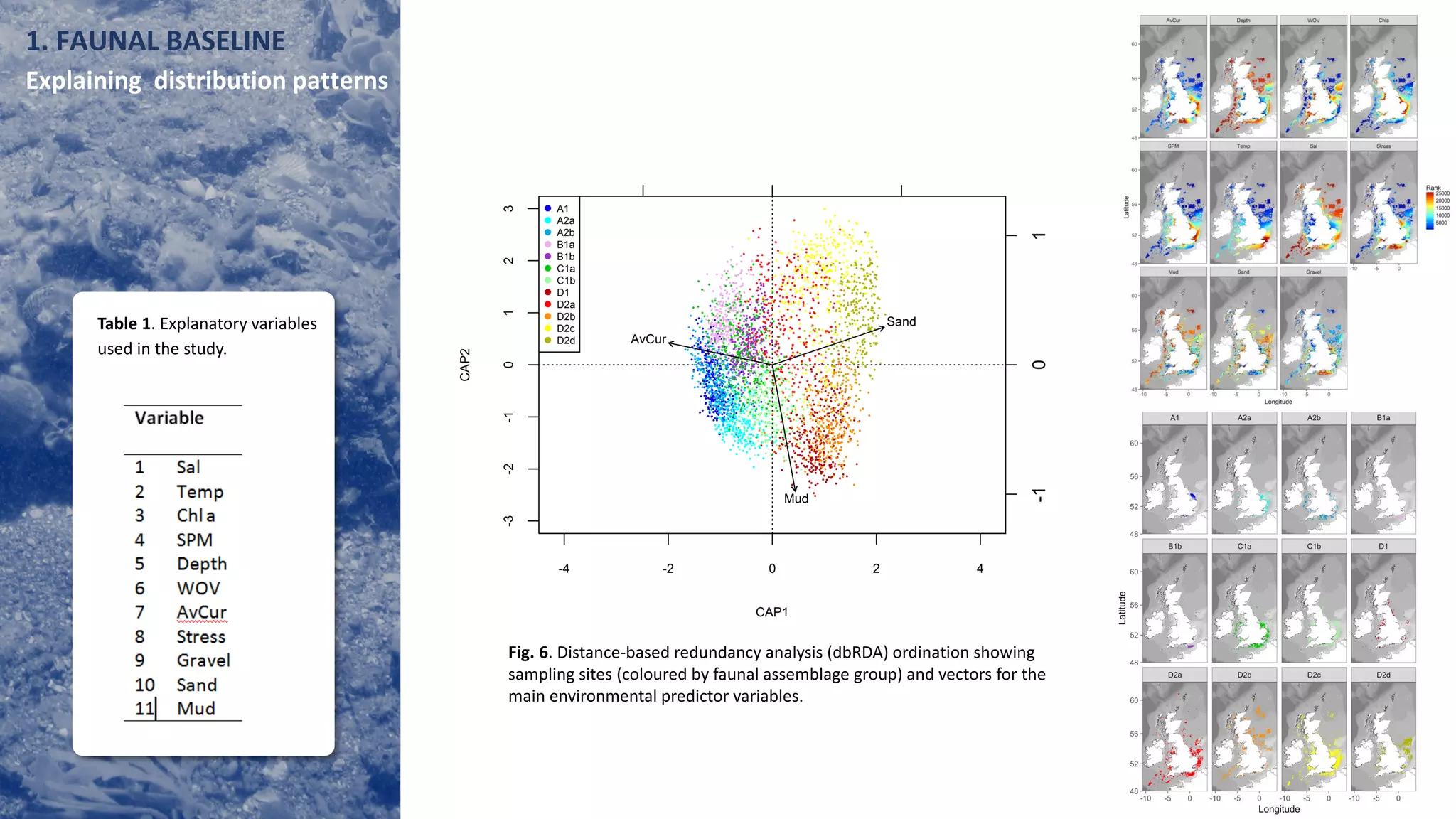
Explaining distribution patterns
Fig. 6. Distance-based redundancy analysis (dbRDA) ordination showing
sampling sites (coloured by faunal assemblage group) and vectors for the
main environmental predictor variables.
Table 1. Explanatory variables
used in the study.
1. FAUNAL BASELINE
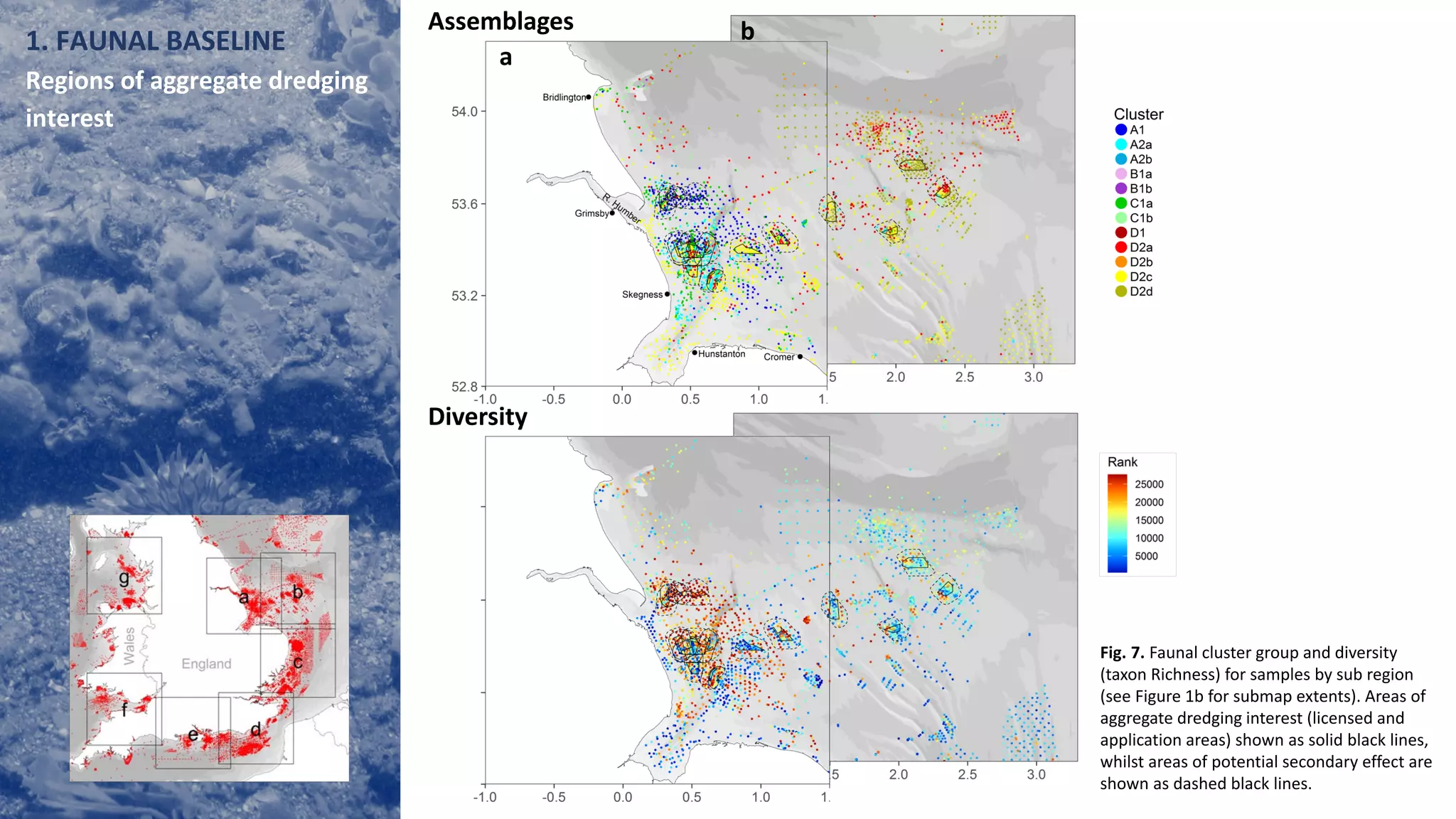
Regions of aggregate dredging
interest
Assemblages
Diversity
a
b
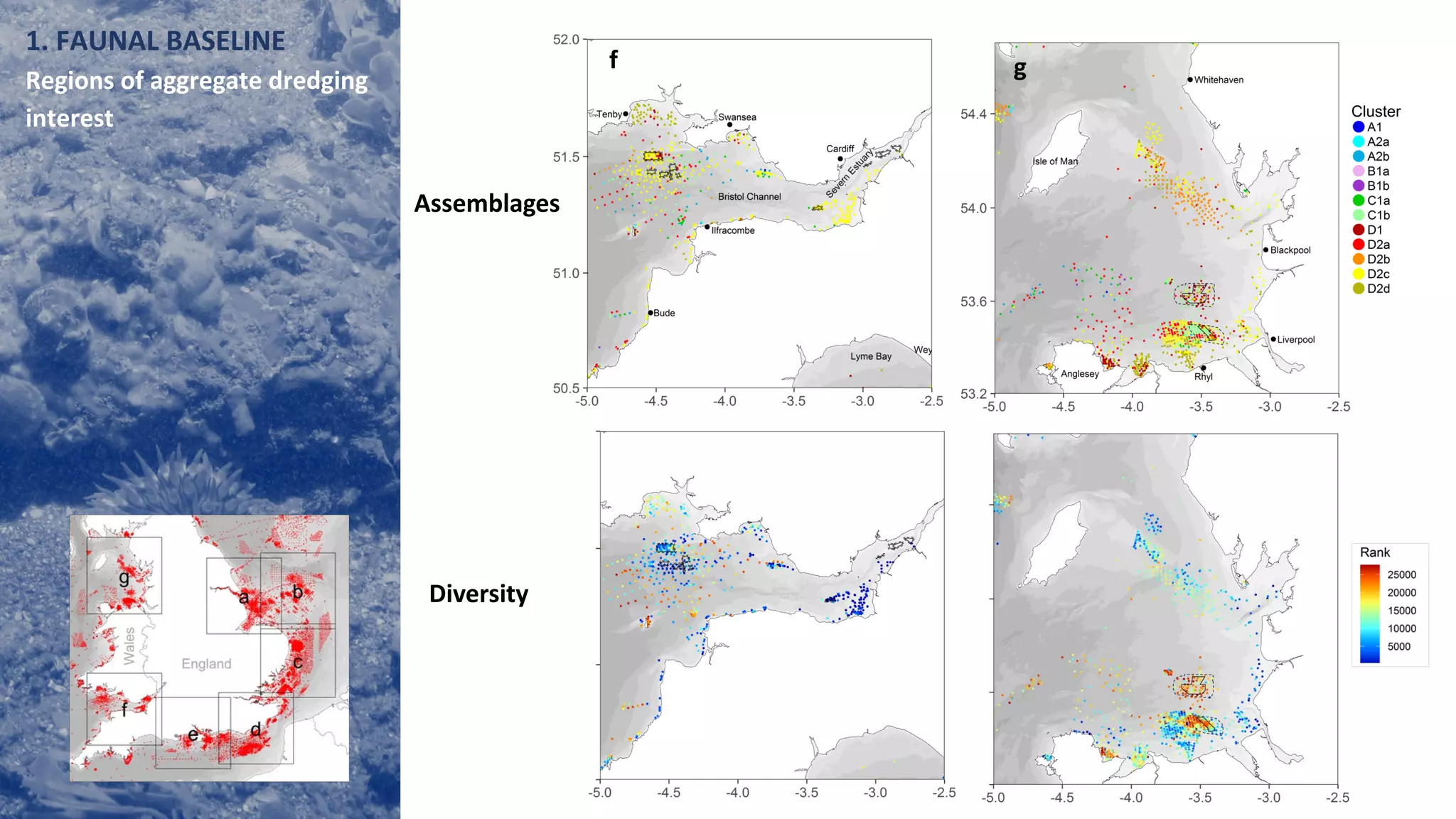
Fig. 7. Faunal cluster group and diversity
(taxon Richness) for samples by sub region
(see Figure 1b for submap extents). Areas of
aggregate dredging interest (licensed and
application areas) shown as solid black lines,
whilst areas of potential secondary effect are
shown as dashed black lines.
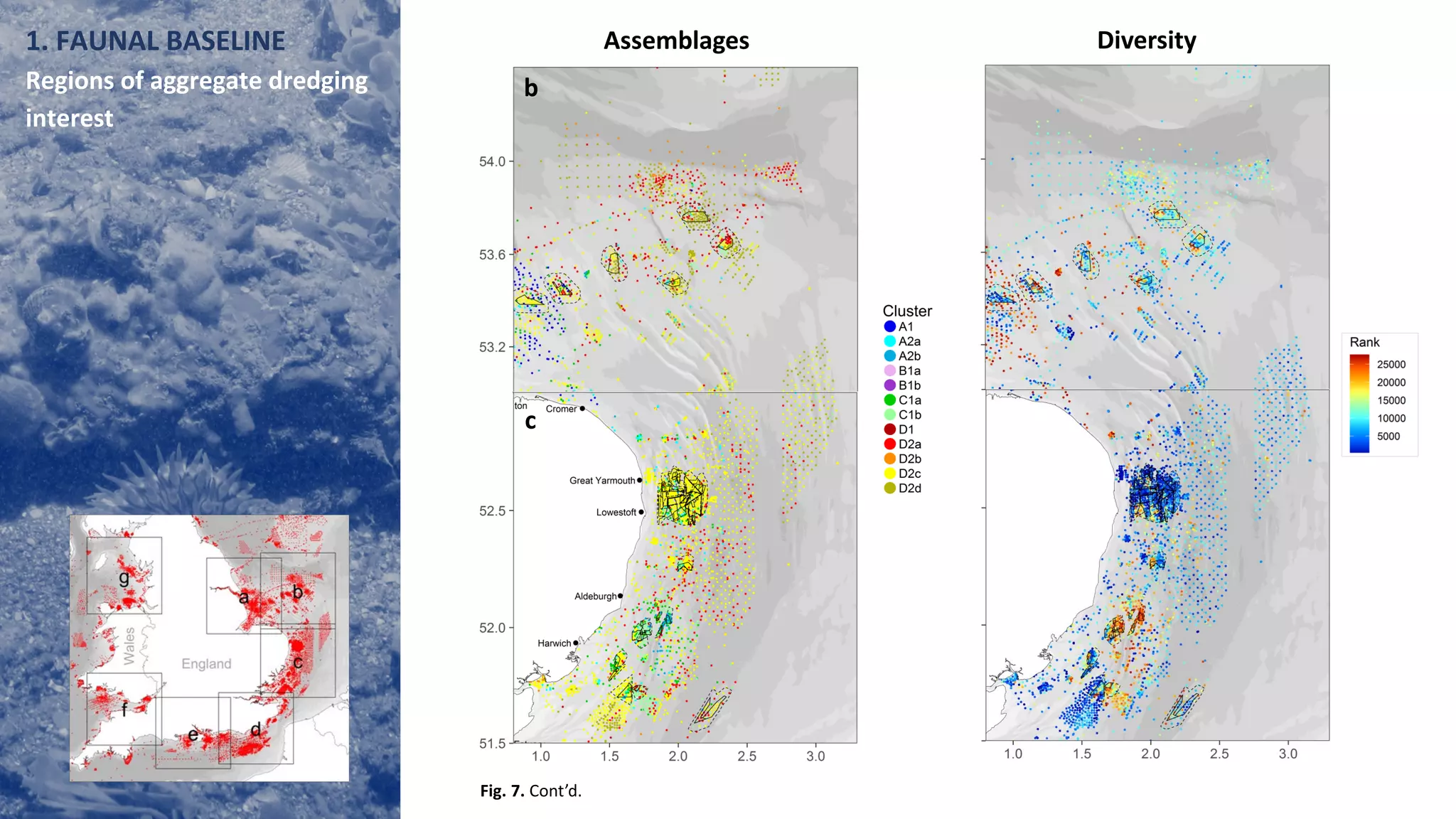
Assemblages Diversity
b
c
Fig. 7. Cont’d.
1. FAUNAL BASELINE
Regions of aggregate dredging
interest
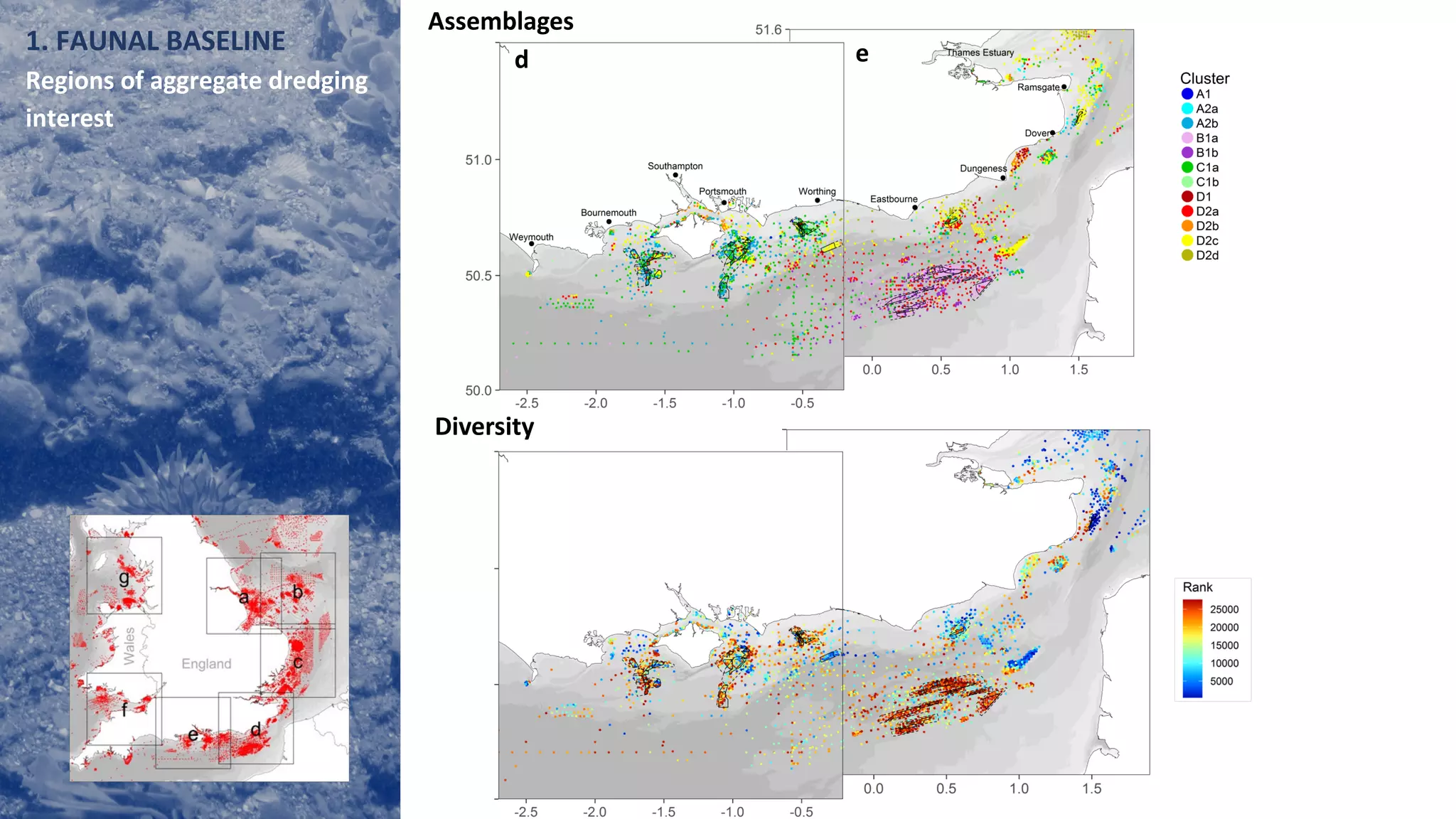
Assemblages
Diversity
d e1. FAUNAL BASELINE
Regions of aggregate dredging
interest
A
Assemblages
Diversity
Fig. 8. Cont’d
f g
1. FAUNAL BASELINE
Regions of aggregate dredging
interest
6. RSMP
(i) Faunal baseline Baseline Tool (https://openscience.cefas.co.uk/)
2. FAUNAL – SEDIMENT
RELATIONSHIPS
Sediment composition by
faunal cluster group
Fig. 9. (a) Mean
cumulative sediment
distribution plots,
with accompanying
histogram, for each
faunal cluster group.
• Use Mahalanobis distance
(MD) to assess departure
from an underlying
distribution
• Ecological vs statistical
significance
•Adaptive management to
address problems
6. RSMP
(iii) Assessing sediment
change
M-test Tool (https://openscience.cefas.co.uk/)
South Coast RSMP
6. RSMP
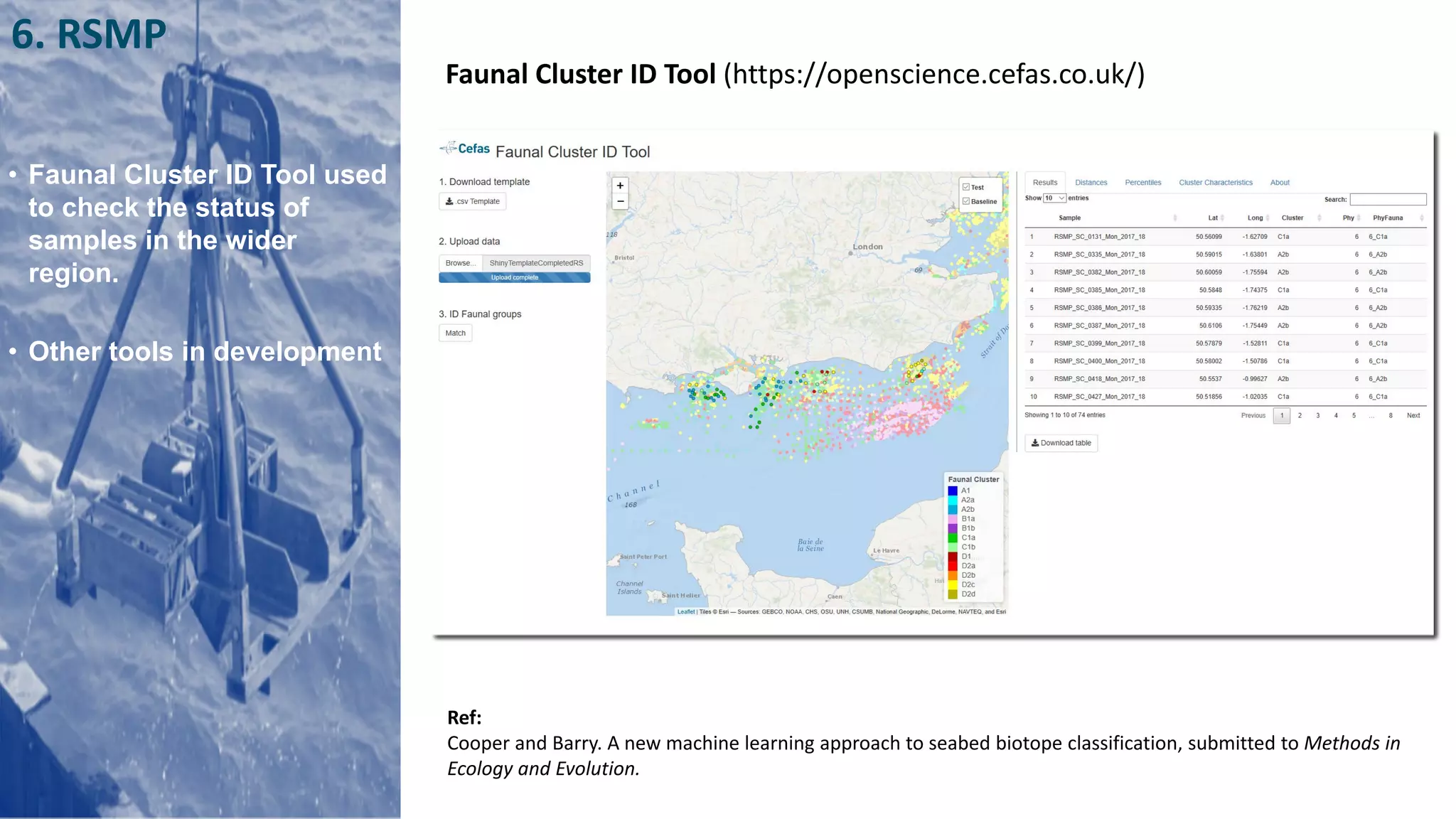
Faunal Cluster ID Tool (https://openscience.cefas.co.uk/)
Ref:
Cooper and Barry. A new machine learning approach to seabed biotope classification, submitted to Methods in
Ecology and Evolution.
• Faunal Cluster ID Tool used
to check the status of
samples in the wider
region.
• Other tools in development
A ‘big data’ approach offers valuable insights into the natural variability inherent
within ecosystems. This understanding makes it possible to differentiate
between human induced impacts which are, and are not likely to have long-
term ecological significance. This leads to more effective management,
innovative and cheaper monitoring solutions, and, ultimately, better
environmental sustainability.
CONCLUSION
Funders:
Thanks for
listening For more information see:
Cooper, K. M., & Barry, J. (2017). A big data approach to macrofaunal baseline assessment,
monitoring and sustainable exploitation of the seabed. Scientific Reports, 7, 12431.
https://doi.org/10.1038/s41598-017-11377-9
Cooper, K. M., Bolam, S. G., Downie, A-L., Barry, J. (2019) Biological- based habitat classification
approaches promote cost- efficient monitoring: An example using seabed assemblages. Journal of
Applied Ecology, 56, 1085–1098. https://doi.org/10.1111/1365-2664.13381
Interested in developing the apps for use by other sectors? Please get in touch:
keith.cooper@cefas.co.uk

Keith cooper day_3_session_7

  • 1.
    A big dataapproach to macrofaunal baseline assessment, monitoring and sustainable exploitation of the seabed Keith Cooper & Jon Barry Centre for Environment, Fisheries and Aquaculture Science, Lowestoft Laboratory, Pakefield Road, Lowestoft, Suffolk, NR33 0HT, UK MARINE EVIDENCE WALES CONFERENCE 2019 University of Swansea, 17th-19th Sept 2019
  • 2.
    INTRODUCTION • Increasing pressureon UK seas • A healthy marine environment requires activities to be undertaken in an environmentally sustainable way • Aggregate dredging subject to EIA and compliance monitoring • Previous monitoring focused on ongoing impacts • Recoverability - key question for sustainability Fig. 1. a) Study area showing locations of aggregate dredging interest Cooper, K.M. Marine Aggregate Dredging: A New Regional Approach to Environmental Monitoring. Thesis submitted for degree of PhD by Publication, October 2013.
  • 3.
    INTRODUCTION The solution • Maintenanceof habitat is key to faunal recovery • Establish relationship between fauna and sediments • Use understanding to establish limits of acceptable change • Basis of the new approach to monitoring (Regional Seabed Monitoring Plan) • Decision taken to role out across the UK Cooper, K.M. Setting limits for acceptable change in sediment particle size composition following marine aggregate dredging. Mar. Pollut. Bull. 64, 1667-1677 (2012). Cooper, K.M. et al. Recovery of the seabed following marine aggregate dredging on the Hastings Shingle Bank off the southeast coast of England. Estuar. Coast. Shelf Sci. 75, 547-558 (2007). Cooper, K.M. Setting limits for acceptable change in sediment particle size composition: Testing a new approach to managing marine aggregate dredging? Mar. Pollut. Bull. 73, 86-97 (2013). Initial trial Regional trial
  • 4.
    INTRODUCTION Objectives: (1) Faunal baseline (2)Relationship between fauna and sediments (3) Method for assessing ecological significance of sediment change DATASET • Collate existing data • New sample collection • 33,198 samples • Data standardised Fig. 1. (b) Sample locations and extent of submaps used in Figure 8.
  • 5.
    Fig. 2. Heatmaps, based on a ranked ordering of samples, for taxon richness (family), and abundance per 0.1m2 . 1. FAUNAL BASELINE Patterns in Biodiversity
  • 6.
    Fig. 4. Spatialdistribution of macrofaunal assemblages with all samples (A) and by individual cluster group (B). Assemblage groups are based on a k-means clustering of fourth-root transformed macrofaunal abundance (colonials included). 1. FAUNAL BASELINE Identifying Assemblages
  • 7.
  • 8.
    1. FAUNAL BASELINE TemporalAssessment Fig. 5. Faunal cluster distribution by year (a) and season (b).
  • 9.
    1. FAUNAL BASELINE Explainingdistribution patterns Fig. 6. Distance-based redundancy analysis (dbRDA) ordination showing sampling sites (coloured by faunal assemblage group) and vectors for the main environmental predictor variables. Table 1. Explanatory variables used in the study.
  • 10.
    1. FAUNAL BASELINE Regionsof aggregate dredging interest Assemblages Diversity a b Fig. 7. Faunal cluster group and diversity (taxon Richness) for samples by sub region (see Figure 1b for submap extents). Areas of aggregate dredging interest (licensed and application areas) shown as solid black lines, whilst areas of potential secondary effect are shown as dashed black lines.
  • 11.
    Assemblages Diversity b c Fig. 7.Cont’d. 1. FAUNAL BASELINE Regions of aggregate dredging interest
  • 12.
    Assemblages Diversity d e1. FAUNALBASELINE Regions of aggregate dredging interest
  • 13.
    A Assemblages Diversity Fig. 8. Cont’d fg 1. FAUNAL BASELINE Regions of aggregate dredging interest
  • 14.
    6. RSMP (i) Faunalbaseline Baseline Tool (https://openscience.cefas.co.uk/)
  • 15.
    2. FAUNAL –SEDIMENT RELATIONSHIPS Sediment composition by faunal cluster group Fig. 9. (a) Mean cumulative sediment distribution plots, with accompanying histogram, for each faunal cluster group.
  • 16.
    • Use Mahalanobisdistance (MD) to assess departure from an underlying distribution • Ecological vs statistical significance •Adaptive management to address problems 6. RSMP (iii) Assessing sediment change M-test Tool (https://openscience.cefas.co.uk/) South Coast RSMP
  • 17.
    6. RSMP Faunal ClusterID Tool (https://openscience.cefas.co.uk/) Ref: Cooper and Barry. A new machine learning approach to seabed biotope classification, submitted to Methods in Ecology and Evolution. • Faunal Cluster ID Tool used to check the status of samples in the wider region. • Other tools in development
  • 18.
    A ‘big data’approach offers valuable insights into the natural variability inherent within ecosystems. This understanding makes it possible to differentiate between human induced impacts which are, and are not likely to have long- term ecological significance. This leads to more effective management, innovative and cheaper monitoring solutions, and, ultimately, better environmental sustainability. CONCLUSION Funders: Thanks for listening For more information see: Cooper, K. M., & Barry, J. (2017). A big data approach to macrofaunal baseline assessment, monitoring and sustainable exploitation of the seabed. Scientific Reports, 7, 12431. https://doi.org/10.1038/s41598-017-11377-9 Cooper, K. M., Bolam, S. G., Downie, A-L., Barry, J. (2019) Biological- based habitat classification approaches promote cost- efficient monitoring: An example using seabed assemblages. Journal of Applied Ecology, 56, 1085–1098. https://doi.org/10.1111/1365-2664.13381 Interested in developing the apps for use by other sectors? Please get in touch: keith.cooper@cefas.co.uk