Dr G.Rajkumar MD
Professor of Paediatrics
CHRI
DR GRK CHRI 1
Kawasaki disease
• Epidemiology
• Etiopathogenesis
• Criteria to diagnose
• Clinical features
• Treatment
DR GRK CHRI 2
Epidemiology
• Acute febrile mucocutaneous lymph node syndrome
• Affecting infants and young children.
• More than 80% in children< 5.
• More common in boys and in Asians and Asian-Americans.
• Commonest vasculitic disorder of childhood
• Replaced acute rheumatic fever as the leading cause of acquired
heart disease in children in many countries.
• In India being increasingly recognized
DR GRK CHRI 3
• In Japan, majority of cases are clustered in January, June, and
July, whereas in the United States, winter and early spring
months account for the maximum number of patients with KD.
• At Chandigarh, clustering has been observed during the months
of October and May.
• This seasonal variation in occurrence of KD has been linked to
changes in tropospheric wind patterns but that does not explain
seasonality of KD in every country.
DR GRK CHRI 4
Etiopathogenesis
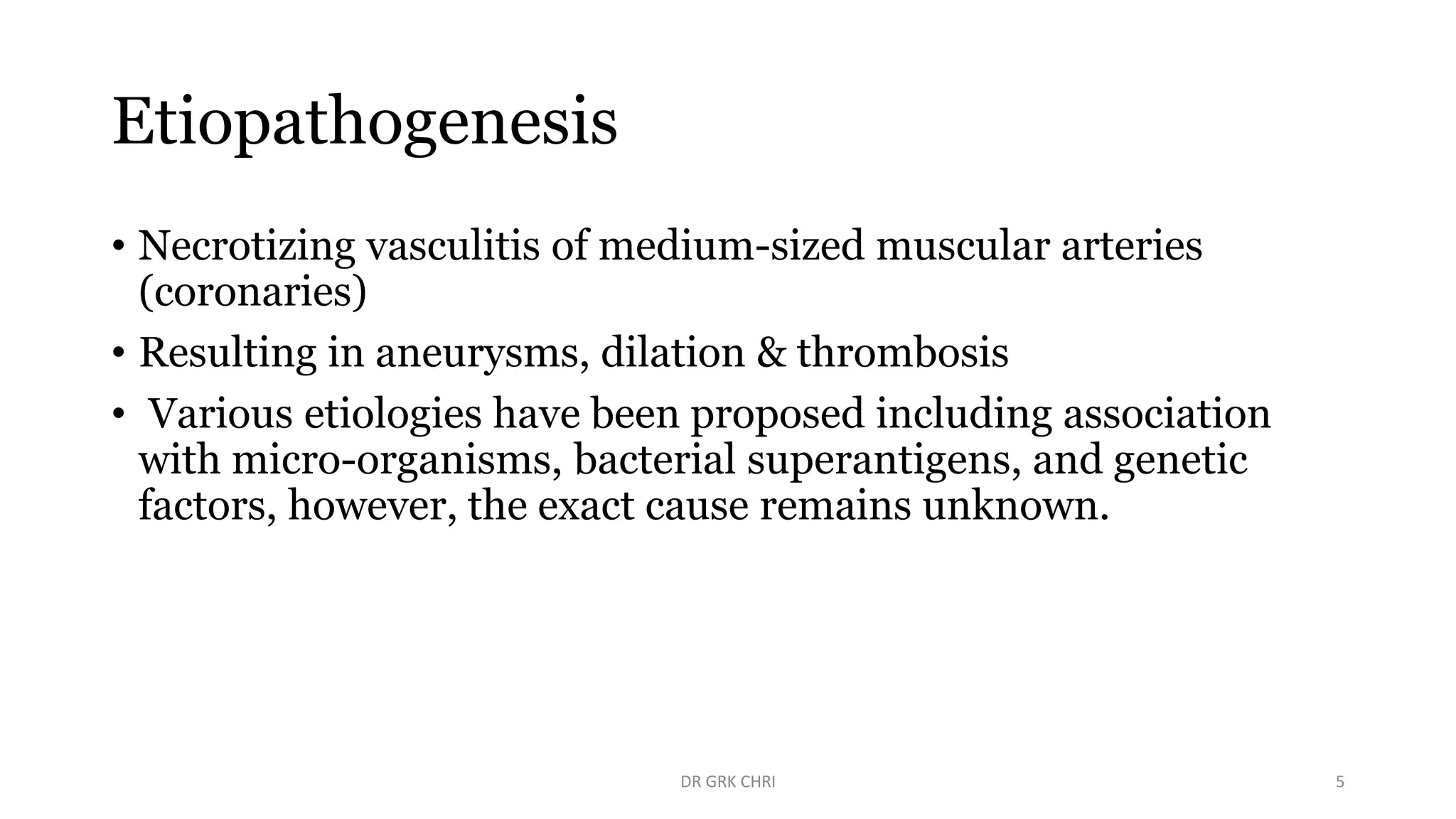
• Necrotizing vasculitis of medium-sized muscular arteries
(coronaries)
• Resulting in aneurysms, dilation & thrombosis
• Various etiologies have been proposed including association
with micro-organisms, bacterial superantigens, and genetic
factors, however, the exact cause remains unknown.
DR GRK CHRI 5
• Association with various organisms such as Streptococcus,
Staphylococcus, Epstein Barr virus, Coronavirus, and
Parvovirus
• Bacterial superantigens (staphylococcal and streptococcal) have
also been implicated d/t excess of Vβ2 and Vβ8 T-cell receptor
families in coronaries, intestinal mucosa, and blood
DR GRK CHRI 6
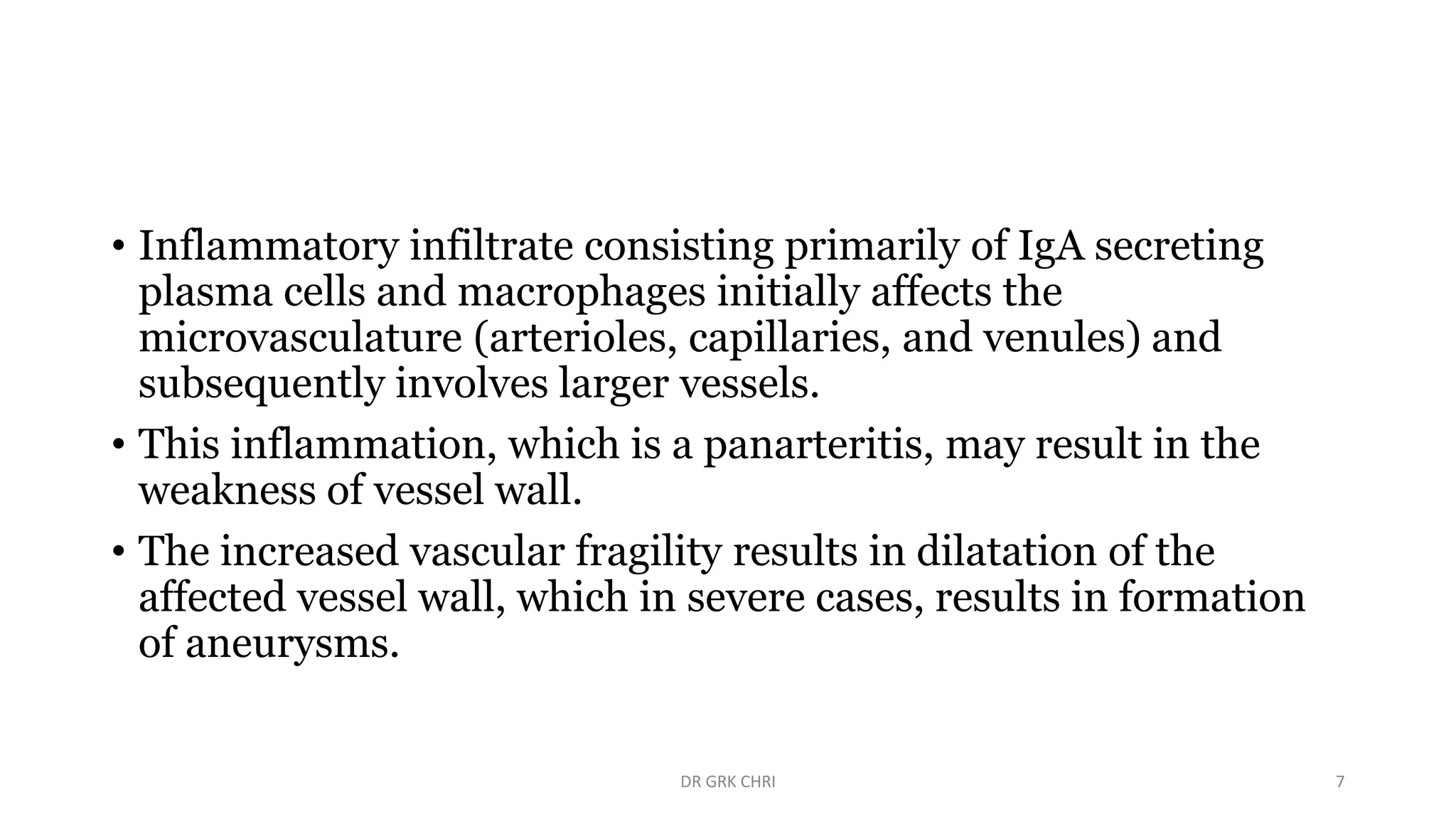
• Inflammatory infiltrate consisting primarily of IgA secreting
plasma cells and macrophages initially affects the
microvasculature (arterioles, capillaries, and venules) and
subsequently involves larger vessels.
• This inflammation, which is a panarteritis, may result in the
weakness of vessel wall.
• The increased vascular fragility results in dilatation of the
affected vessel wall, which in severe cases, results in formation
of aneurysms.
DR GRK CHRI 7
• Healing of the inflamed vessel may result in stenosis as well as
thrombosis at the affected site, resulting in myocardial
infarction at a later age.
• Histopathological findings of skin lesions in KD show edema,
dilatation of small vessels in papillary dermis, and infiltration of
CD4+T cells and CD13+ macrophages in dermis and epidermis.
• Interleukin-1α and tumor necrosis factor alpha (TNF-α)
suggesting a role in the pathogenesis of KD.
DR GRK CHRI 8
Diagnosis
• Diagnosis is entirely based on recognition of temporal sequence
of characteristic clinical findings
• No specific laboratory test.
DR GRK CHRI 9
Diagnostic criteria for KD
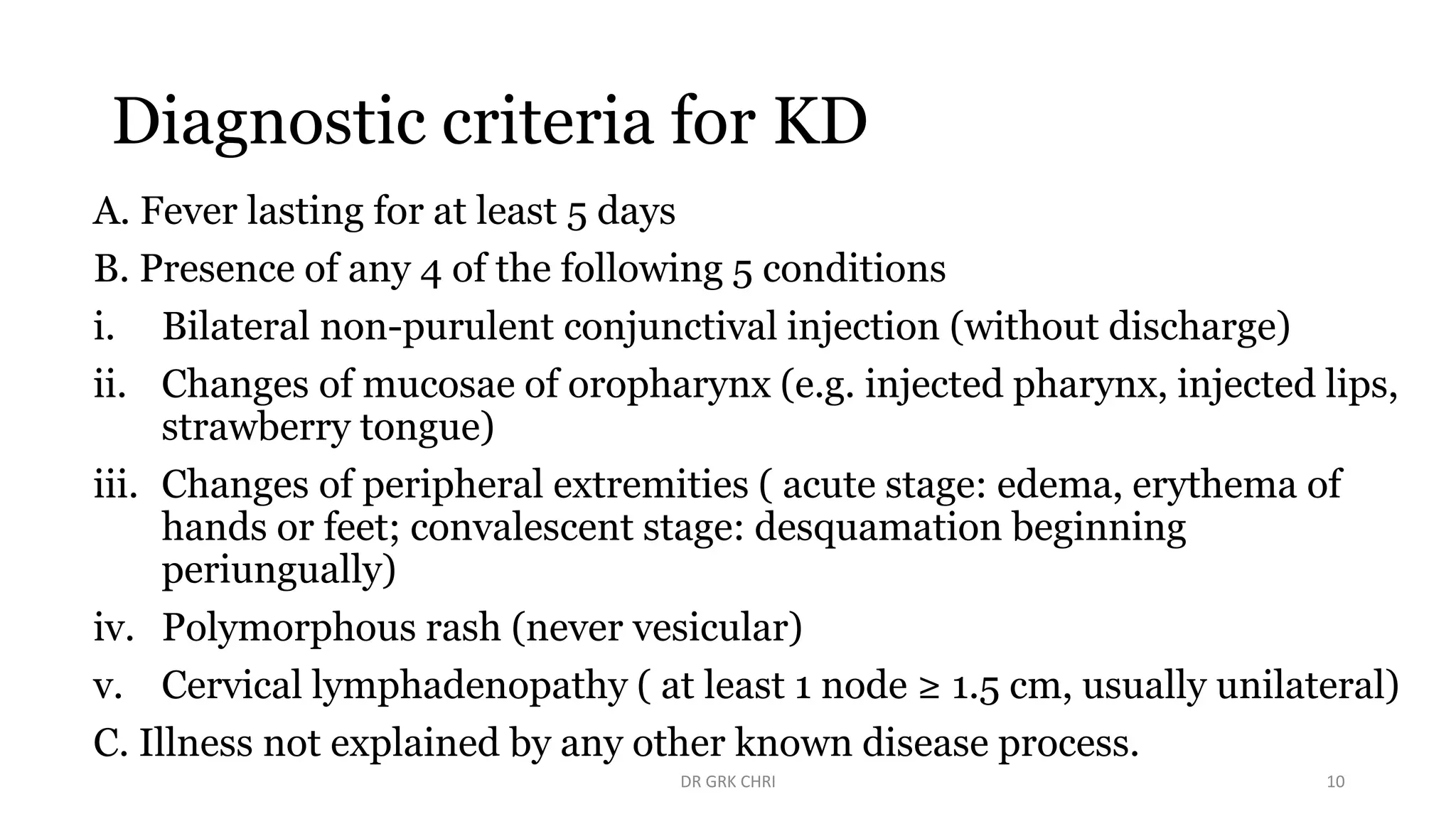
A. Fever lasting for at least 5 days
B. Presence of any 4 of the following 5 conditions
i. Bilateral non-purulent conjunctival injection (without discharge)
ii. Changes of mucosae of oropharynx (e.g. injected pharynx, injected lips,
strawberry tongue)
iii. Changes of peripheral extremities ( acute stage: edema, erythema of
hands or feet; convalescent stage: desquamation beginning
periungually)
iv. Polymorphous rash (never vesicular)
v. Cervical lymphadenopathy ( at least 1 node ≥ 1.5 cm, usually unilateral)
C. Illness not explained by any other known disease process.
DR GRK CHRI 10
• The term “incomplete KD” refers to the presence of fever and
less than four principal clinical features.
• Recognition of this group of patients is important because it is
usually seen in infants and risk of coronary abnormalities is
increased probably because of delays in diagnosis.
DR GRK CHRI 11
Atypical Kawasaki disease
• A child is said to have “atypical KD” when he/she presents with
clinical manifestations suggestive of KD along with some
unusual features.
• These atypical manifestations may include seizures, stroke,
nephritis, and acute hepatitis.[2,3,4] Infants may present more
commonly with atypical features and have increased
predilection for CAAs.
DR GRK CHRI 12
Clinical features
• These clinical features evolve sequentially over a period of days and all
need not be present together at a given point of time.
• Explains the difficulty in arriving at correct diagnosis.
DR GRK CHRI 13
Acute febrile phase
• It lasts for initial 10–14 days
• Characterized by high grade fever and are extremely irritable.
• Irritability that often provide, the first clinical clue to diagnosis.
• Redness of the eyes, inflammation of tongue (strawberry tongue)
and pharyngeal mucosa, unilateral cervical lymphadenopathy
• Dry cracked lips, edema over the extremities, and perineal
desquamation.
• Myocarditis may occur commonly during the acute phase
manifesting as tachycardia and congestive cardiac failure.
• Hydrops of gall bladder, sterile pyuria, and BCG site reactivation.
DR GRK CHRI 14
• KD is one of the DD for PUO lasting for > 5 days
• Thrombocytosis with periungual peeling- characteristic of
illness in second week
• Beau lines seen during the convalescent phase
DR GRK CHRI 15
Swelling on dorsum of
hands;
Periungual desquamation
DR GRK CHRI 16
Reactivation of BCG scar
Perianal desquamation
DR GRK CHRI 17
Subacute phase
• This phase lasts from week 2 to 4 after onset of symptoms.
• Characterized by periungual desquamation and resolution of
clinical findings seen during the acute stage.
• CAAs on echocardiography are most commonly seen during this
phase.
• A small proportion of children may also develop arthritis
involving one or more joints.
DR GRK CHRI 18
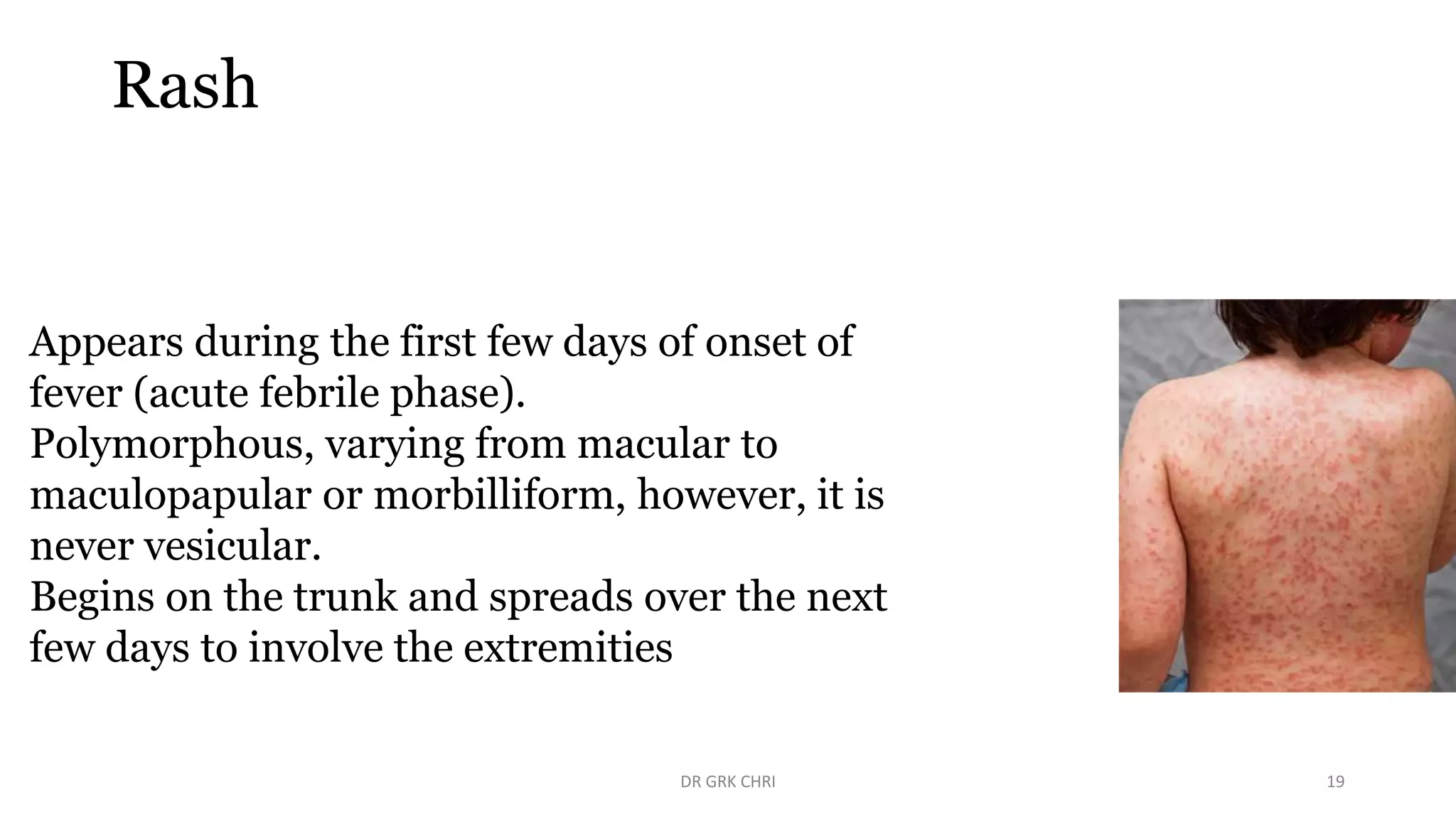
Rash
Appears during the first few days of onset of
fever (acute febrile phase).
Polymorphous, varying from macular to
maculopapular or morbilliform, however, it is
never vesicular.
Begins on the trunk and spreads over the next
few days to involve the extremities
DR GRK CHRI 19
Convalescent phase
• Characterized by disappearance of all clinical signs and most
children become asymptomatic.
• Acute phase reactants including erythrocyte sedimentation rate
(ESR), C-reactive protein (CRP), and platelet count usually
return to normal.
• Beau lines (horizontal ridging of the nails) may appear during
this phase.
DR GRK CHRI 20
DR GRK CHRI 21
DR GRK CHRI 22
Findings of the cardiovascular system
• Abnormalities of coronary arteries
• Aneurysms involving medium sized non-coronary arteries
• Congestive cardiac failure
• Myocarditis, pericarditis
• Peripheral gangrene
DR GRK CHRI 23
• Findings of the musculoskeletal system
• Arthralgia
• Arthritis
• Findings of the gastrointestinal tract
• Abdominal pain, vomiting, diarrhea
• Transaminitis, hyperbilirubinemia
• Hydrops of gallbladder
DR GRK CHRI 24
• Central nervous system findings
• Aseptic meningitis
• Irritability that is often extreme
• Cranial nerve palsies
• Genitourinary system
• Urethritis
• Sterile pyuria
• Other clinical findings
• Erythema and/or induration at BCG inoculation site (Figure 6b)
• Anterior uveitis (usually mild)
DR GRK CHRI 25
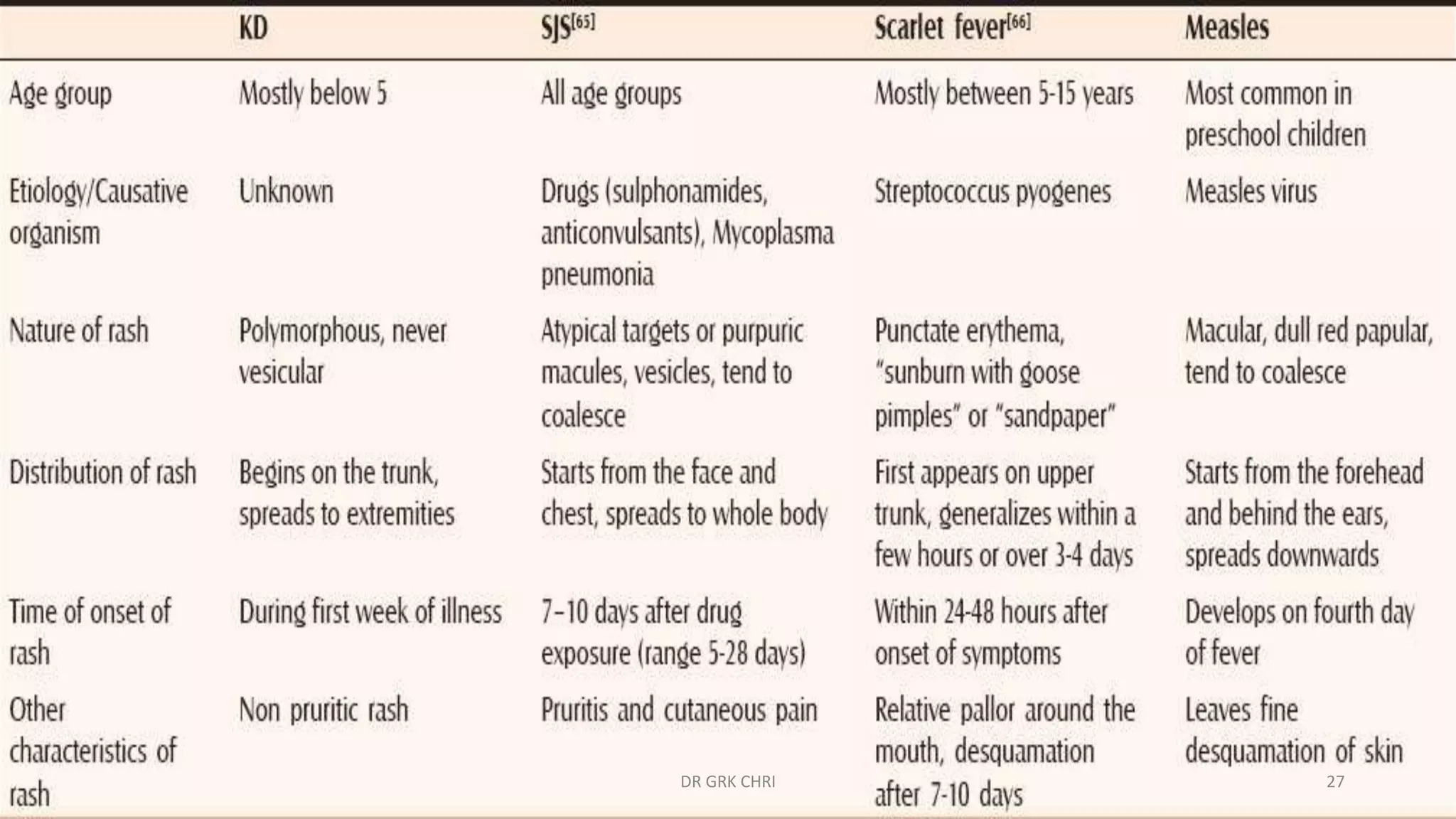
Differential diagnosis of Kawasaki disease
Infectious Conditions
• Viral: Adenovirus, measles, parvovirus, human herpes viruses (e.g.,
cytomegalovirus, herpes simplex virus)
• Rickettsial: Rocky Mountain spotted fever
• Spirochetal: Leptospira
• Bacterial: Streptococci, staphylococci
Reactions of the Immune System
• Diseases mediated by toxins (toxic shock syndrome)
• Stevens–Johnson syndrome
• Serum sickness
Rheumatic Diseases
• Systemic juvenile idiopathic arthritis
• Polyarteritis nodosa DR GRK CHRI 26
DR GRK CHRI 27
INVESTIGATIONS
• Laboratory examination
• Acute febrile phase -elevated ESR,CRP, leukocytosis with
neutrophilic predominance, and thrombocytosis as severe as
100,0000/mm3.
• Normocytic, normochromic anemia.
• Presence of anemia and thrombocytopenia may suggest the
development of macrophage activation syndrome, which can
sometimes complicate the clinical course of KD.
• Sterile pyuria of urethral origin and elevated serum transaminase
levels, with or without mild hyperbilirubinemia.
• Changes in serum lipid profile, including elevated triglycerides, and
reduced HDL (subacute phase)
DR GRK CHRI 28
Imaging in Kawasaki disease
• Two-dimensional transthoracic echocardiography used for the
assessment of CAAs in patients with KD.
• CAAs detected on echocardiography may include aneurysm
and/or dilatation of left main coronary artery (LMCA), left
anterior descending branch (LAD), and right coronary artery
(RCA)
• Abnormalities of the left circumflex artery (LCx) are more
difficult to visualize.
DR GRK CHRI 29
• Coronaries are said to be dilated if their diameter is >1.5 times that
of the adjacent vessel segment; or if the diameter is >3 mm in a child
less than 5 years old; or >4 mm in a child ≥5 years of age.
• Other corroborative findings on ECHO include loss of normal
tapering of the coronary arteries, increased brightness of the vessel
wall, and pericardial effusion.
DR GRK CHRI 30
TREATMENT
• The aim of treatment of KD in acute febrile phase is the reduction
of inflammation in walls of the coronary arteries, thereby
decreasing the risk of coronary thrombosis.
• Intravenous immunoglobulin (IVIG) is the mainstay of the
treatment and is given at a dose of 2 g/kg, preferably within 10
days of the illness.
• If patients present late during the course of the illness and there is
evidence of ongoing inflammation, IVIG should not be withheld.
• Response to IVIG is usually prompt; fever generally subsides
before the end of infusion of IVIG and irritability decreases
considerably.
DR GRK CHRI 31
• IVIG should be initiated slowly to prevent or minimize infusion
reactions.
• Aseptic meningitis presenting as headache, vomiting, and
irritability is another prominent adverse effect seen with IVIG.
• It can be prevented by slowing the rate of IVIG infusion and
increasing the intake of oral fluids.
DR GRK CHRI 32
• Acute phase treatment also consists of aspirin which is started
in anti-inflammatory doses (30–50 mg/kg/day) and is
continued for 48–72 hours after the child becomes afebrile.
• The dose of aspirin is then decreased to 3–5 mg/kg/day, which
is maintained until the child has no evidence of CAAs by week
6–8 after the disease onset.
• It needs to be continued indefinitely in children who develop
persistent CAAs.
DR GRK CHRI 33
• However, in 10–15% of patients, fever may not subside or may
recur.
• Therapeutic options that are available include a repeat dose of
IVIG, administration of infliximab (TNF α blocker),or
methylprednisolone.
DR GRK CHRI 34
Algorithm for a
classical case of
Kawasaki disease
DR GRK CHRI 35
Algorithm for
incomplete
Kawasaki disease
DR GRK CHRI 36
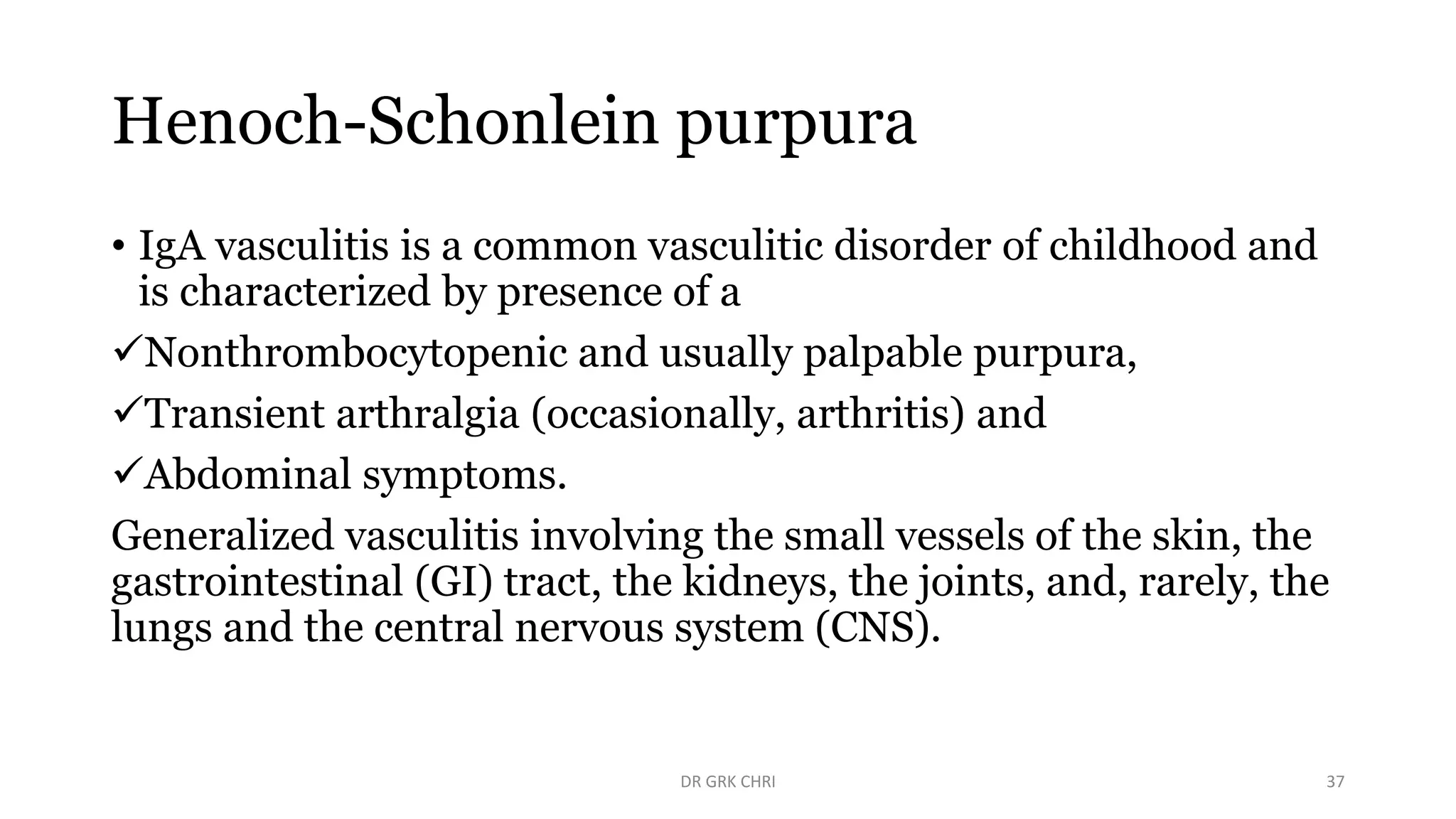
Henoch-Schonlein purpura
• IgA vasculitis is a common vasculitic disorder of childhood and
is characterized by presence of a
Nonthrombocytopenic and usually palpable purpura,
Transient arthralgia (occasionally, arthritis) and
Abdominal symptoms.
Generalized vasculitis involving the small vessels of the skin, the
gastrointestinal (GI) tract, the kidneys, the joints, and, rarely, the
lungs and the central nervous system (CNS).
DR GRK CHRI 37
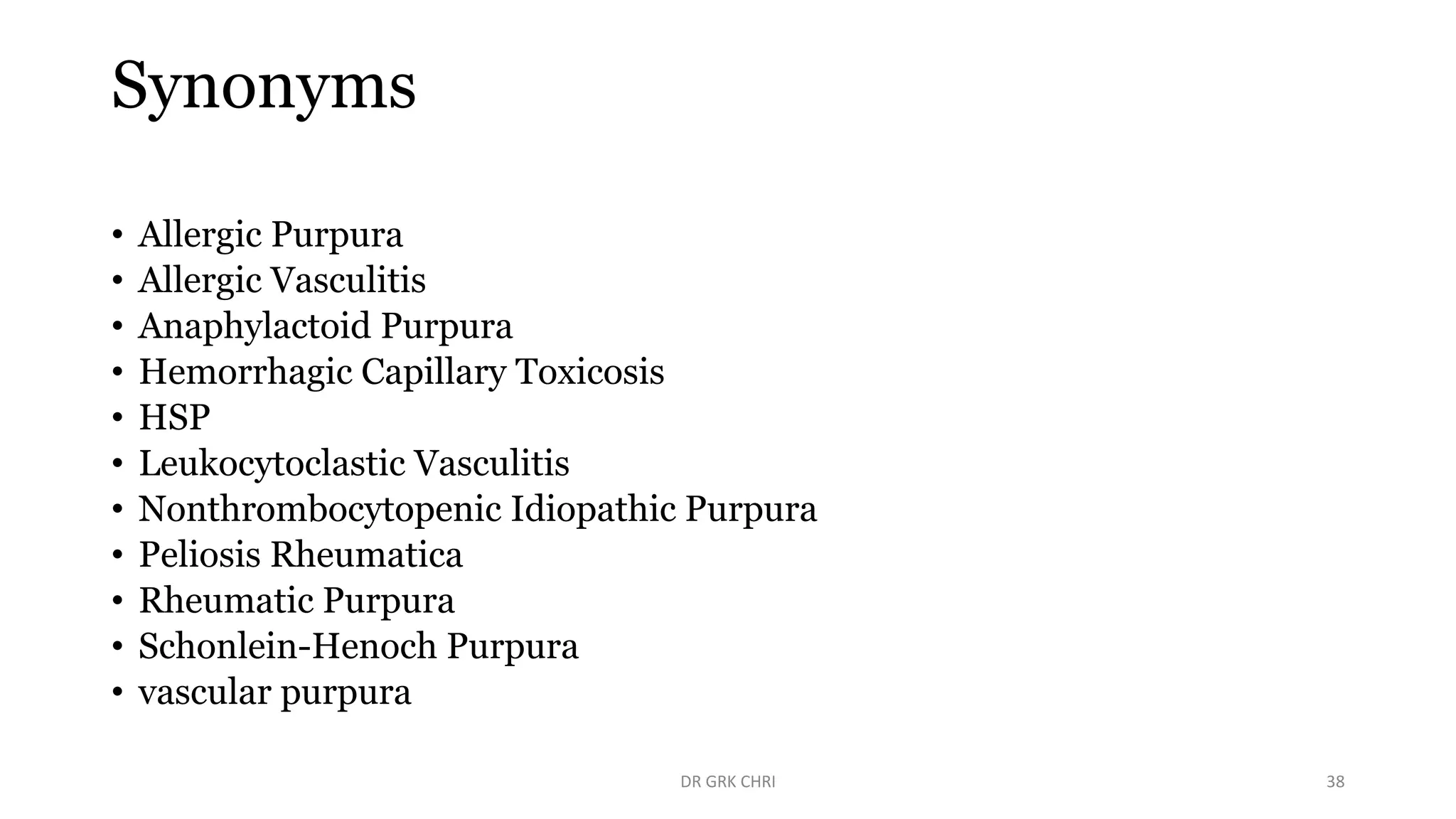
Synonyms
• Allergic Purpura
• Allergic Vasculitis
• Anaphylactoid Purpura
• Hemorrhagic Capillary Toxicosis
• HSP
• Leukocytoclastic Vasculitis
• Nonthrombocytopenic Idiopathic Purpura
• Peliosis Rheumatica
• Rheumatic Purpura
• Schonlein-Henoch Purpura
• vascular purpura
DR GRK CHRI 38
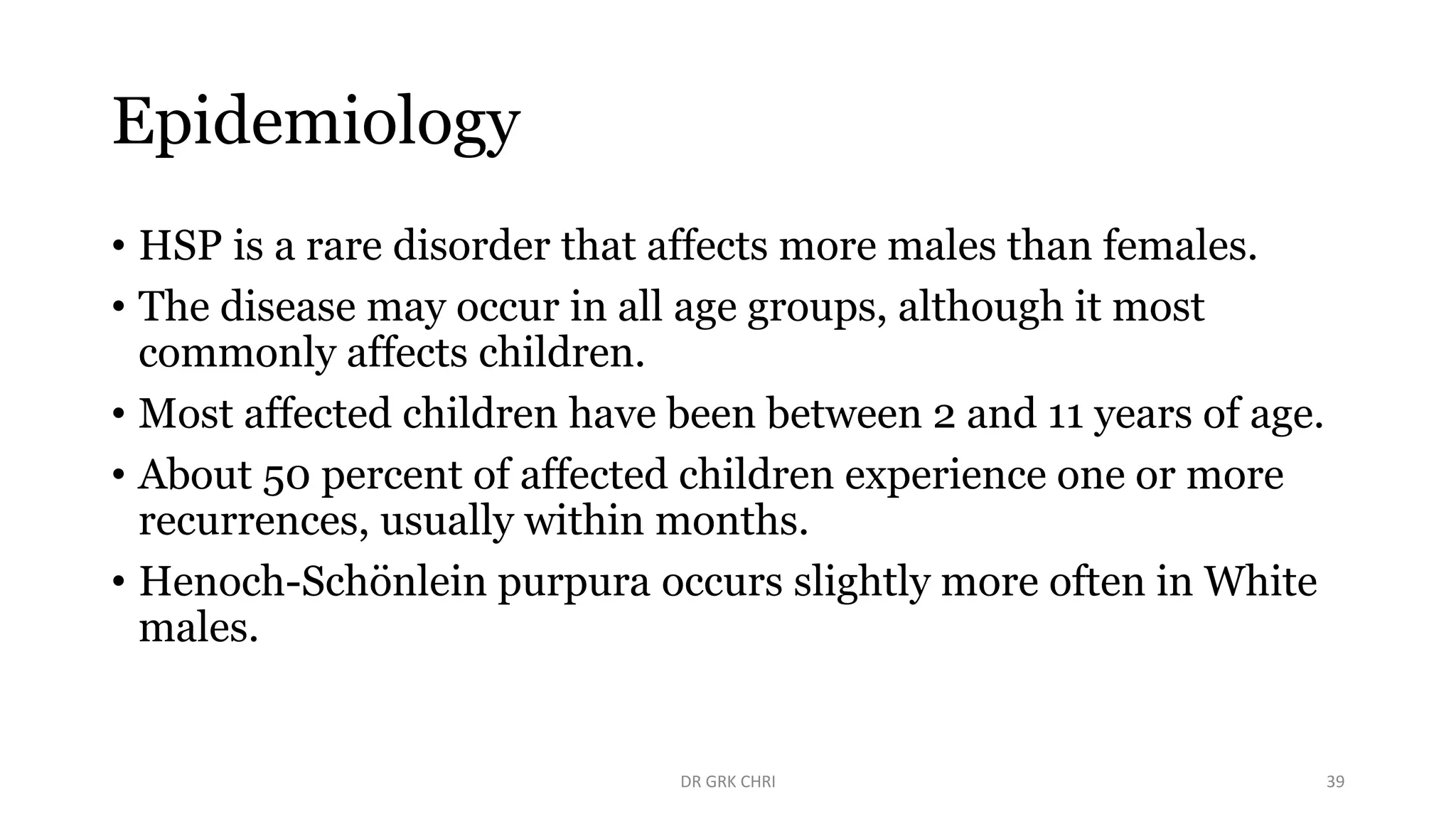
Epidemiology
• HSP is a rare disorder that affects more males than females.
• The disease may occur in all age groups, although it most
commonly affects children.
• Most affected children have been between 2 and 11 years of age.
• About 50 percent of affected children experience one or more
recurrences, usually within months.
• Henoch-Schönlein purpura occurs slightly more often in White
males.
DR GRK CHRI 39
Subdivisions
• Henoch's Purpura
• Schonlein's Purpura
DR GRK CHRI 40
• In one form of the disorder, termed Schönlein’s purpura, the
skin and joints are affected but the gastrointestinal tract is not.
• In another form, known as Henoch’s purpura, affected
individuals have purplish spots on the skin and acute abdominal
problems, such as glomerulonephritis
• People with Henoch’s purpura are not affected by joint disease.
DR GRK CHRI 41
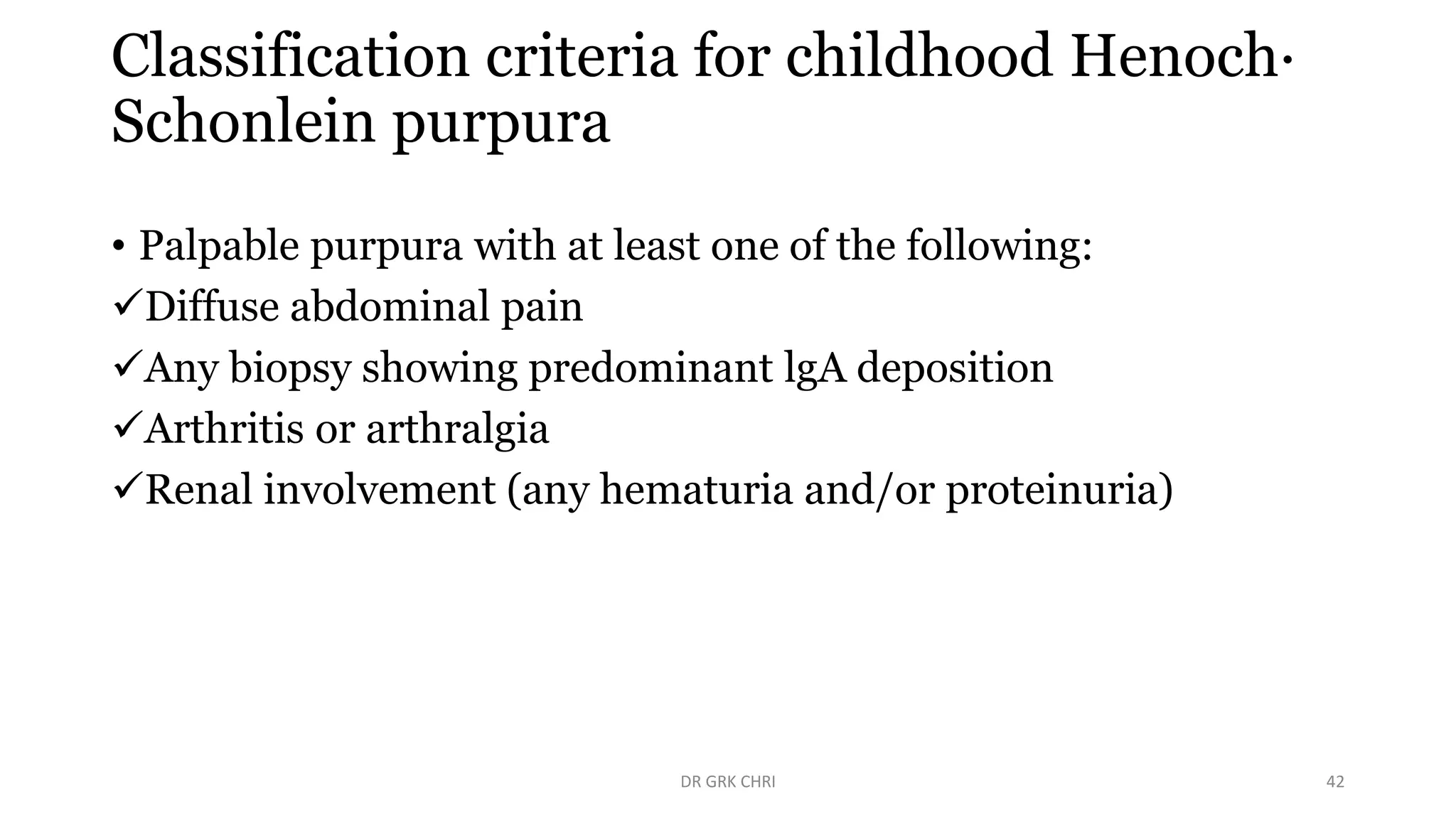
Classification criteria for childhood Henoch·
Schonlein purpura
• Palpable purpura with at least one of the following:
Diffuse abdominal pain
Any biopsy showing predominant lgA deposition
Arthritis or arthralgia
Renal involvement (any hematuria and/or proteinuria)
DR GRK CHRI 42
Etiology
• The exact cause not fully understood-an abnormal immune
response or an extreme allergic reaction to certain offending
substances (e.g., foods or drugs).
• Various drugs (e.g., nifedipine, diltiazem, cefuroxime, diclofenac,
etc.), bacteria (e.g., Streptococcus), and insect bites have also
been indicated as possible causes in some cases
• Group A Streptococcus has been found in cultures of greater than
30% of patients with Henoch-Schönlein nephritis.
• Coxsackievirus, hepatitis A, hepatitis B, Mycoplasma, parvovirus
B19, Campylobacter, Varicella, and adenoviruses.
DR GRK CHRI 43
Pathophysiology
• IgA-antibody immune complexes d/t antigenic exposure from an
infection or medication deposit in the small vessels (usually capillaries)
of the skin, joints, kidneys, and gastrointestinal tract.
• Influx of inflammatory mediators such as prostaglandins.
• Complement C3 receptor lymphocytes may bind to immune complexes
and deposit in the vessel walls contributing to the hyper-inflammatory
response.
• Immune complexes in the intestinal wall-gastrointestinal hemorrhage.
• Renal involvement of IgA-mediated immune complexes-mild
proliferative or severe crescentic glomerulonephritis.
• Immune complex in the skin-palpable purpura and petechiae.
DR GRK CHRI 44
Clinical features
• The symptoms of HSP usually begin suddenly and may include
headache, fever, loss of appetite, cramping, abdominal pain,
painful menstruation, hives, bloody diarrhea, and joint pain
DR GRK CHRI 45
Course of purpura
• The illness begins with a purpuric rash more prominent over the
extensor aspects of lower extremities and buttocks.
• It may be macular, maculopapular or even urticarial to begin
with and can be difficult to diagnose in the first few days of
illness
• These purpura spots are caused by small hemorrhages under
the skin and are not associated with abnormally low levels of
platelets (nonthrombocytopenic)
DR GRK CHRI 46
• Purpura appear particularly the extensor surfaces.
• Approximately one-third of patients experience the rash in the
upper extremities and trunk.
• The lesions have the potential to become bullous or necrotic.
• The lesions change from red to purple and then become rust-
colored before they fade.
• These changes occur over approximately ten days.
DR GRK CHRI 47
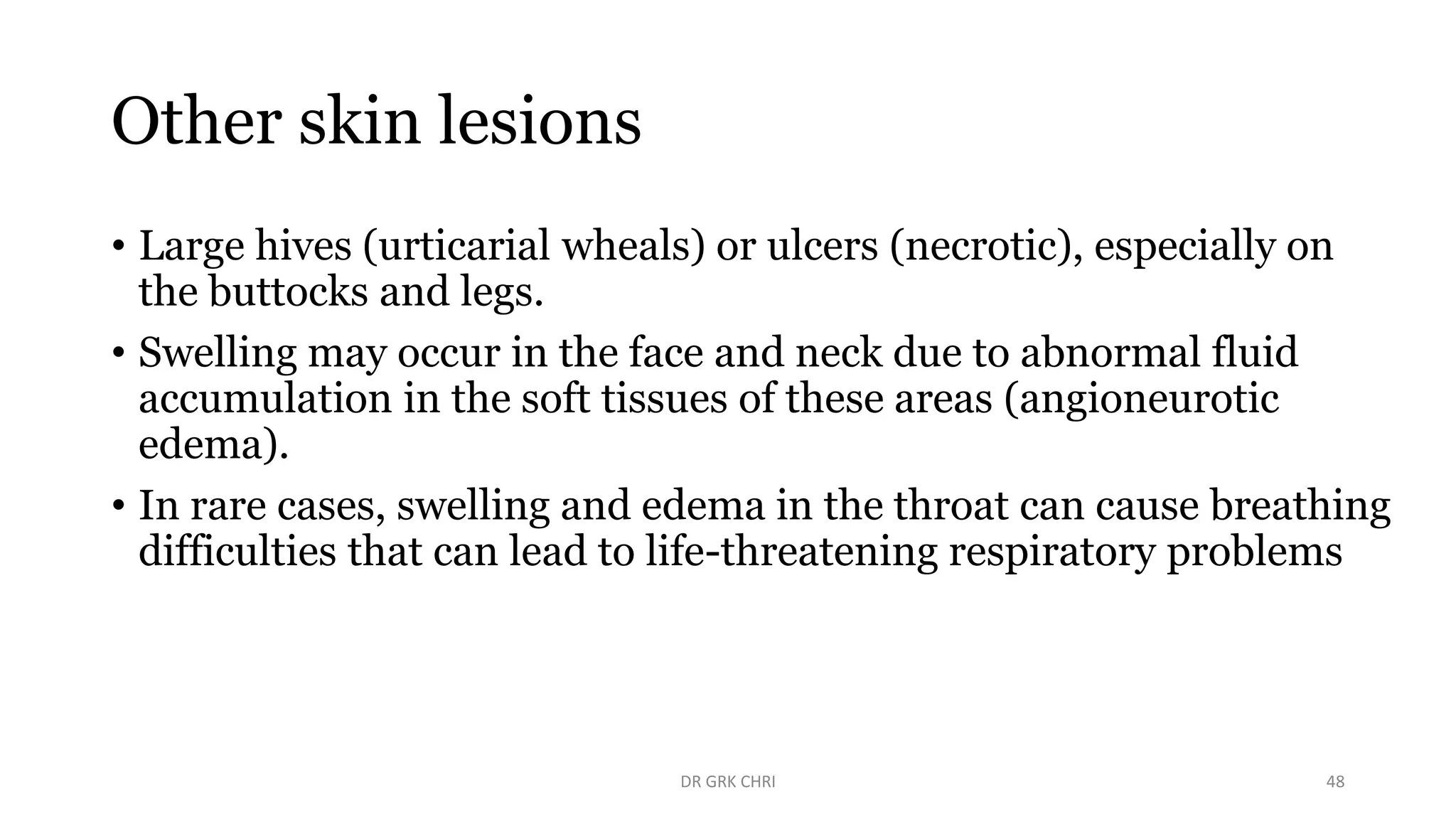
Other skin lesions
• Large hives (urticarial wheals) or ulcers (necrotic), especially on
the buttocks and legs.
• Swelling may occur in the face and neck due to abnormal fluid
accumulation in the soft tissues of these areas (angioneurotic
edema).
• In rare cases, swelling and edema in the throat can cause breathing
difficulties that can lead to life-threatening respiratory problems
DR GRK CHRI 48
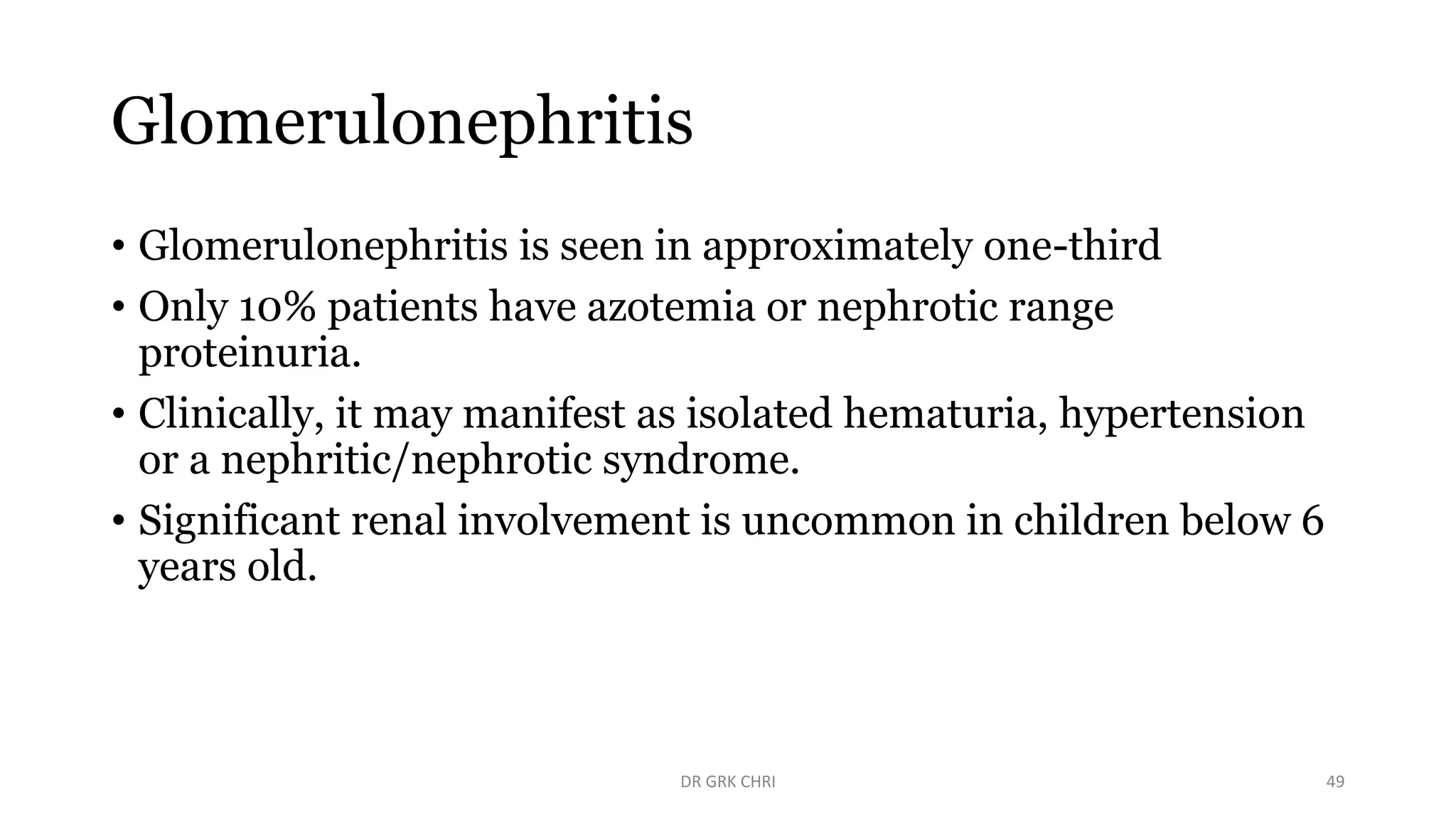
Glomerulonephritis
• Glomerulonephritis is seen in approximately one-third
• Only 10% patients have azotemia or nephrotic range
proteinuria.
• Clinically, it may manifest as isolated hematuria, hypertension
or a nephritic/nephrotic syndrome.
• Significant renal involvement is uncommon in children below 6
years old.
DR GRK CHRI 49
Gastrointestinal manifestations
• Usually occur in first 7-10 days of the illness.
• Affected children may be erroneously diagnosed as having a
'surgical abdomen’.
• Abdominal pain is usually intermittent, colicky and
periumbilical.
• Vomiting occurs in about 60% of patients but hematemesis and
Malena are relatively less common.
• Intussusception (ileoileal or ileocolic) can be seen in the acute
phase.
DR GRK CHRI 50
• Potential life-threatening complications include intussusception,
bowel perforation, bowel gangrene, and massive hemorrhage.
• Intussusception is the most common life-threatening
gastrointestinal complication, affecting 3% to 4% of patients with
Henoch Schönlein purpura.
DR GRK CHRI 51
Arthralgia/arthritis
• Approximately 15% of patients with Henoch-Schönlein purpura
present with arthritis as the initial symptom, and overall arthralgia
or arthritis occurs in 75% of children with the disorder.
• Patients often present with painful swollen joints that most
commonly involve the knees, ankles, hands, and feet.
• The arthralgias are typically transient and non-destructive.
DR GRK CHRI 52
• Most clinical features of IgA vasculitis are self-limiting and
resolve in a few days.
• Rare manifestations include CNS vasculitis, coma, Guillain-
Barre syndrome, pulmonary hemorrhage, carditis and orchitis.
DR GRK CHRI 53
Laboratory Investigations
• IgA vasculitis is a clinical diagnosis and none of the laboratory
features are pathognomonic.
• There may be a nonspecific increase in total serum IgA levels.
• Many children may have microscopic hematuria and proteinuria.
• Skin biopsy from the involved sites shows leukocytoclastic vasculitis.
• On indirect immunofluorescence, there are deposits of lgA in skin as
well as renal biopsies.
• Ultrasound examinations may need to be repeated for evolving
abdominal findings.
DR GRK CHRI 54
Differential Diagnosis
• IgA nephropathy
• Acute renal failure
• Acute glomerulonephritis
• Idiopathic thrombocytopenic purpura
• Disseminated intravascular coagulation
• Thrombotic thrombocytopenic purpura
• Hemolytic uremic syndrome
• Meningococcal meningitis
• Hypersensitivity vasculitis
• Systemic lupus erythematosus
• Polyarteritis nodosa
• Bacterial endocarditis
• Inflammatory bowel disease
• Wegener granulomatosis
• Rocky Mountain spotted fever
DR GRK CHRI 55
Complications
• Renal Failure
• Proteinuria/Hematuria
• Nephrotic syndrome
• Intussusception
• Gastrointestinal bleeding
• Bowel infarction/Bowel perforation
• CNS bleeding
• Seizures
• Neuropathy
• Pleural effusion
• Pulmonary hemorrhage
• Testicular torsion
DR GRK CHRI 56
• The management of Henoch-Schönlein purpura nephritis may
include the following:
• Corticosteroids
• Plasma exchange
• Immunosuppressants
• Angiotensin-converting enzyme inhibitors.
DR GRK CHRI 57
Treatment
• Management is generally supportive with maintenance of hydration
and pain relief.
• Prednisolone (1-1.5 mg/kg/ day) is often given in children with
gastrointestinal involvement and is usually continued for 2-3 weeks
(in gradually tapering doses) depending on the clinical response.
• No clear evidence that steroids alter the natural course of disease.
• Nephritis due to IgA vasculitis may need aggressive management
with immunosuppressants (prednisolone and azathioprine).
DR GRK CHRI 58
Prognosis
• The disease usually runs its entire course in 4 weeks and
majority of children have no permanent sequel.
• Children older than 6 years with significant renal involvement
(especially children with rapidly progressive glomerulonephritis
and crescents) need to be closely followed up; the long-term
prognosis is guarded in such situations.
• Overall 1-5% of children with nephritis due to IgA vasculitis
progress to end stage renal disease.
DR GRK CHRI 59
DR GRK CHRI 60

Kawasaki Disease and Henoch-Schonlein purpura in Children.pptx

  • 1.
    Dr G.Rajkumar MD Professorof Paediatrics CHRI DR GRK CHRI 1
  • 2.
    Kawasaki disease • Epidemiology •Etiopathogenesis • Criteria to diagnose • Clinical features • Treatment DR GRK CHRI 2
  • 3.
    Epidemiology • Acute febrilemucocutaneous lymph node syndrome • Affecting infants and young children. • More than 80% in children< 5. • More common in boys and in Asians and Asian-Americans. • Commonest vasculitic disorder of childhood • Replaced acute rheumatic fever as the leading cause of acquired heart disease in children in many countries. • In India being increasingly recognized DR GRK CHRI 3
  • 4.
    • In Japan,majority of cases are clustered in January, June, and July, whereas in the United States, winter and early spring months account for the maximum number of patients with KD. • At Chandigarh, clustering has been observed during the months of October and May. • This seasonal variation in occurrence of KD has been linked to changes in tropospheric wind patterns but that does not explain seasonality of KD in every country. DR GRK CHRI 4
  • 5.
    Etiopathogenesis • Necrotizing vasculitisof medium-sized muscular arteries (coronaries) • Resulting in aneurysms, dilation & thrombosis • Various etiologies have been proposed including association with micro-organisms, bacterial superantigens, and genetic factors, however, the exact cause remains unknown. DR GRK CHRI 5
  • 6.
    • Association withvarious organisms such as Streptococcus, Staphylococcus, Epstein Barr virus, Coronavirus, and Parvovirus • Bacterial superantigens (staphylococcal and streptococcal) have also been implicated d/t excess of Vβ2 and Vβ8 T-cell receptor families in coronaries, intestinal mucosa, and blood DR GRK CHRI 6
  • 7.
    • Inflammatory infiltrateconsisting primarily of IgA secreting plasma cells and macrophages initially affects the microvasculature (arterioles, capillaries, and venules) and subsequently involves larger vessels. • This inflammation, which is a panarteritis, may result in the weakness of vessel wall. • The increased vascular fragility results in dilatation of the affected vessel wall, which in severe cases, results in formation of aneurysms. DR GRK CHRI 7
  • 8.
    • Healing ofthe inflamed vessel may result in stenosis as well as thrombosis at the affected site, resulting in myocardial infarction at a later age. • Histopathological findings of skin lesions in KD show edema, dilatation of small vessels in papillary dermis, and infiltration of CD4+T cells and CD13+ macrophages in dermis and epidermis. • Interleukin-1α and tumor necrosis factor alpha (TNF-α) suggesting a role in the pathogenesis of KD. DR GRK CHRI 8
  • 9.
    Diagnosis • Diagnosis isentirely based on recognition of temporal sequence of characteristic clinical findings • No specific laboratory test. DR GRK CHRI 9
  • 10.
    Diagnostic criteria forKD A. Fever lasting for at least 5 days B. Presence of any 4 of the following 5 conditions i. Bilateral non-purulent conjunctival injection (without discharge) ii. Changes of mucosae of oropharynx (e.g. injected pharynx, injected lips, strawberry tongue) iii. Changes of peripheral extremities ( acute stage: edema, erythema of hands or feet; convalescent stage: desquamation beginning periungually) iv. Polymorphous rash (never vesicular) v. Cervical lymphadenopathy ( at least 1 node ≥ 1.5 cm, usually unilateral) C. Illness not explained by any other known disease process. DR GRK CHRI 10
  • 11.
    • The term“incomplete KD” refers to the presence of fever and less than four principal clinical features. • Recognition of this group of patients is important because it is usually seen in infants and risk of coronary abnormalities is increased probably because of delays in diagnosis. DR GRK CHRI 11
  • 12.
    Atypical Kawasaki disease •A child is said to have “atypical KD” when he/she presents with clinical manifestations suggestive of KD along with some unusual features. • These atypical manifestations may include seizures, stroke, nephritis, and acute hepatitis.[2,3,4] Infants may present more commonly with atypical features and have increased predilection for CAAs. DR GRK CHRI 12
  • 13.
    Clinical features • Theseclinical features evolve sequentially over a period of days and all need not be present together at a given point of time. • Explains the difficulty in arriving at correct diagnosis. DR GRK CHRI 13
  • 14.
    Acute febrile phase •It lasts for initial 10–14 days • Characterized by high grade fever and are extremely irritable. • Irritability that often provide, the first clinical clue to diagnosis. • Redness of the eyes, inflammation of tongue (strawberry tongue) and pharyngeal mucosa, unilateral cervical lymphadenopathy • Dry cracked lips, edema over the extremities, and perineal desquamation. • Myocarditis may occur commonly during the acute phase manifesting as tachycardia and congestive cardiac failure. • Hydrops of gall bladder, sterile pyuria, and BCG site reactivation. DR GRK CHRI 14
  • 15.
    • KD isone of the DD for PUO lasting for > 5 days • Thrombocytosis with periungual peeling- characteristic of illness in second week • Beau lines seen during the convalescent phase DR GRK CHRI 15
  • 16.
    Swelling on dorsumof hands; Periungual desquamation DR GRK CHRI 16
  • 17.
    Reactivation of BCGscar Perianal desquamation DR GRK CHRI 17
  • 18.
    Subacute phase • Thisphase lasts from week 2 to 4 after onset of symptoms. • Characterized by periungual desquamation and resolution of clinical findings seen during the acute stage. • CAAs on echocardiography are most commonly seen during this phase. • A small proportion of children may also develop arthritis involving one or more joints. DR GRK CHRI 18
  • 19.
    Rash Appears during thefirst few days of onset of fever (acute febrile phase). Polymorphous, varying from macular to maculopapular or morbilliform, however, it is never vesicular. Begins on the trunk and spreads over the next few days to involve the extremities DR GRK CHRI 19
  • 20.
    Convalescent phase • Characterizedby disappearance of all clinical signs and most children become asymptomatic. • Acute phase reactants including erythrocyte sedimentation rate (ESR), C-reactive protein (CRP), and platelet count usually return to normal. • Beau lines (horizontal ridging of the nails) may appear during this phase. DR GRK CHRI 20
  • 21.
  • 22.
  • 23.
    Findings of thecardiovascular system • Abnormalities of coronary arteries • Aneurysms involving medium sized non-coronary arteries • Congestive cardiac failure • Myocarditis, pericarditis • Peripheral gangrene DR GRK CHRI 23
  • 24.
    • Findings ofthe musculoskeletal system • Arthralgia • Arthritis • Findings of the gastrointestinal tract • Abdominal pain, vomiting, diarrhea • Transaminitis, hyperbilirubinemia • Hydrops of gallbladder DR GRK CHRI 24
  • 25.
    • Central nervoussystem findings • Aseptic meningitis • Irritability that is often extreme • Cranial nerve palsies • Genitourinary system • Urethritis • Sterile pyuria • Other clinical findings • Erythema and/or induration at BCG inoculation site (Figure 6b) • Anterior uveitis (usually mild) DR GRK CHRI 25
  • 26.
    Differential diagnosis ofKawasaki disease Infectious Conditions • Viral: Adenovirus, measles, parvovirus, human herpes viruses (e.g., cytomegalovirus, herpes simplex virus) • Rickettsial: Rocky Mountain spotted fever • Spirochetal: Leptospira • Bacterial: Streptococci, staphylococci Reactions of the Immune System • Diseases mediated by toxins (toxic shock syndrome) • Stevens–Johnson syndrome • Serum sickness Rheumatic Diseases • Systemic juvenile idiopathic arthritis • Polyarteritis nodosa DR GRK CHRI 26
  • 27.
  • 28.
    INVESTIGATIONS • Laboratory examination •Acute febrile phase -elevated ESR,CRP, leukocytosis with neutrophilic predominance, and thrombocytosis as severe as 100,0000/mm3. • Normocytic, normochromic anemia. • Presence of anemia and thrombocytopenia may suggest the development of macrophage activation syndrome, which can sometimes complicate the clinical course of KD. • Sterile pyuria of urethral origin and elevated serum transaminase levels, with or without mild hyperbilirubinemia. • Changes in serum lipid profile, including elevated triglycerides, and reduced HDL (subacute phase) DR GRK CHRI 28
  • 29.
    Imaging in Kawasakidisease • Two-dimensional transthoracic echocardiography used for the assessment of CAAs in patients with KD. • CAAs detected on echocardiography may include aneurysm and/or dilatation of left main coronary artery (LMCA), left anterior descending branch (LAD), and right coronary artery (RCA) • Abnormalities of the left circumflex artery (LCx) are more difficult to visualize. DR GRK CHRI 29
  • 30.
    • Coronaries aresaid to be dilated if their diameter is >1.5 times that of the adjacent vessel segment; or if the diameter is >3 mm in a child less than 5 years old; or >4 mm in a child ≥5 years of age. • Other corroborative findings on ECHO include loss of normal tapering of the coronary arteries, increased brightness of the vessel wall, and pericardial effusion. DR GRK CHRI 30
  • 31.
    TREATMENT • The aimof treatment of KD in acute febrile phase is the reduction of inflammation in walls of the coronary arteries, thereby decreasing the risk of coronary thrombosis. • Intravenous immunoglobulin (IVIG) is the mainstay of the treatment and is given at a dose of 2 g/kg, preferably within 10 days of the illness. • If patients present late during the course of the illness and there is evidence of ongoing inflammation, IVIG should not be withheld. • Response to IVIG is usually prompt; fever generally subsides before the end of infusion of IVIG and irritability decreases considerably. DR GRK CHRI 31
  • 32.
    • IVIG shouldbe initiated slowly to prevent or minimize infusion reactions. • Aseptic meningitis presenting as headache, vomiting, and irritability is another prominent adverse effect seen with IVIG. • It can be prevented by slowing the rate of IVIG infusion and increasing the intake of oral fluids. DR GRK CHRI 32
  • 33.
    • Acute phasetreatment also consists of aspirin which is started in anti-inflammatory doses (30–50 mg/kg/day) and is continued for 48–72 hours after the child becomes afebrile. • The dose of aspirin is then decreased to 3–5 mg/kg/day, which is maintained until the child has no evidence of CAAs by week 6–8 after the disease onset. • It needs to be continued indefinitely in children who develop persistent CAAs. DR GRK CHRI 33
  • 34.
    • However, in10–15% of patients, fever may not subside or may recur. • Therapeutic options that are available include a repeat dose of IVIG, administration of infliximab (TNF α blocker),or methylprednisolone. DR GRK CHRI 34
  • 35.
    Algorithm for a classicalcase of Kawasaki disease DR GRK CHRI 35
  • 36.
  • 37.
    Henoch-Schonlein purpura • IgAvasculitis is a common vasculitic disorder of childhood and is characterized by presence of a Nonthrombocytopenic and usually palpable purpura, Transient arthralgia (occasionally, arthritis) and Abdominal symptoms. Generalized vasculitis involving the small vessels of the skin, the gastrointestinal (GI) tract, the kidneys, the joints, and, rarely, the lungs and the central nervous system (CNS). DR GRK CHRI 37
  • 38.
    Synonyms • Allergic Purpura •Allergic Vasculitis • Anaphylactoid Purpura • Hemorrhagic Capillary Toxicosis • HSP • Leukocytoclastic Vasculitis • Nonthrombocytopenic Idiopathic Purpura • Peliosis Rheumatica • Rheumatic Purpura • Schonlein-Henoch Purpura • vascular purpura DR GRK CHRI 38
  • 39.
    Epidemiology • HSP isa rare disorder that affects more males than females. • The disease may occur in all age groups, although it most commonly affects children. • Most affected children have been between 2 and 11 years of age. • About 50 percent of affected children experience one or more recurrences, usually within months. • Henoch-Schönlein purpura occurs slightly more often in White males. DR GRK CHRI 39
  • 40.
    Subdivisions • Henoch's Purpura •Schonlein's Purpura DR GRK CHRI 40
  • 41.
    • In oneform of the disorder, termed Schönlein’s purpura, the skin and joints are affected but the gastrointestinal tract is not. • In another form, known as Henoch’s purpura, affected individuals have purplish spots on the skin and acute abdominal problems, such as glomerulonephritis • People with Henoch’s purpura are not affected by joint disease. DR GRK CHRI 41
  • 42.
    Classification criteria forchildhood Henoch· Schonlein purpura • Palpable purpura with at least one of the following: Diffuse abdominal pain Any biopsy showing predominant lgA deposition Arthritis or arthralgia Renal involvement (any hematuria and/or proteinuria) DR GRK CHRI 42
  • 43.
    Etiology • The exactcause not fully understood-an abnormal immune response or an extreme allergic reaction to certain offending substances (e.g., foods or drugs). • Various drugs (e.g., nifedipine, diltiazem, cefuroxime, diclofenac, etc.), bacteria (e.g., Streptococcus), and insect bites have also been indicated as possible causes in some cases • Group A Streptococcus has been found in cultures of greater than 30% of patients with Henoch-Schönlein nephritis. • Coxsackievirus, hepatitis A, hepatitis B, Mycoplasma, parvovirus B19, Campylobacter, Varicella, and adenoviruses. DR GRK CHRI 43
  • 44.
    Pathophysiology • IgA-antibody immunecomplexes d/t antigenic exposure from an infection or medication deposit in the small vessels (usually capillaries) of the skin, joints, kidneys, and gastrointestinal tract. • Influx of inflammatory mediators such as prostaglandins. • Complement C3 receptor lymphocytes may bind to immune complexes and deposit in the vessel walls contributing to the hyper-inflammatory response. • Immune complexes in the intestinal wall-gastrointestinal hemorrhage. • Renal involvement of IgA-mediated immune complexes-mild proliferative or severe crescentic glomerulonephritis. • Immune complex in the skin-palpable purpura and petechiae. DR GRK CHRI 44
  • 45.
    Clinical features • Thesymptoms of HSP usually begin suddenly and may include headache, fever, loss of appetite, cramping, abdominal pain, painful menstruation, hives, bloody diarrhea, and joint pain DR GRK CHRI 45
  • 46.
    Course of purpura •The illness begins with a purpuric rash more prominent over the extensor aspects of lower extremities and buttocks. • It may be macular, maculopapular or even urticarial to begin with and can be difficult to diagnose in the first few days of illness • These purpura spots are caused by small hemorrhages under the skin and are not associated with abnormally low levels of platelets (nonthrombocytopenic) DR GRK CHRI 46
  • 47.
    • Purpura appearparticularly the extensor surfaces. • Approximately one-third of patients experience the rash in the upper extremities and trunk. • The lesions have the potential to become bullous or necrotic. • The lesions change from red to purple and then become rust- colored before they fade. • These changes occur over approximately ten days. DR GRK CHRI 47
  • 48.
    Other skin lesions •Large hives (urticarial wheals) or ulcers (necrotic), especially on the buttocks and legs. • Swelling may occur in the face and neck due to abnormal fluid accumulation in the soft tissues of these areas (angioneurotic edema). • In rare cases, swelling and edema in the throat can cause breathing difficulties that can lead to life-threatening respiratory problems DR GRK CHRI 48
  • 49.
    Glomerulonephritis • Glomerulonephritis isseen in approximately one-third • Only 10% patients have azotemia or nephrotic range proteinuria. • Clinically, it may manifest as isolated hematuria, hypertension or a nephritic/nephrotic syndrome. • Significant renal involvement is uncommon in children below 6 years old. DR GRK CHRI 49
  • 50.
    Gastrointestinal manifestations • Usuallyoccur in first 7-10 days of the illness. • Affected children may be erroneously diagnosed as having a 'surgical abdomen’. • Abdominal pain is usually intermittent, colicky and periumbilical. • Vomiting occurs in about 60% of patients but hematemesis and Malena are relatively less common. • Intussusception (ileoileal or ileocolic) can be seen in the acute phase. DR GRK CHRI 50
  • 51.
    • Potential life-threateningcomplications include intussusception, bowel perforation, bowel gangrene, and massive hemorrhage. • Intussusception is the most common life-threatening gastrointestinal complication, affecting 3% to 4% of patients with Henoch Schönlein purpura. DR GRK CHRI 51
  • 52.
    Arthralgia/arthritis • Approximately 15%of patients with Henoch-Schönlein purpura present with arthritis as the initial symptom, and overall arthralgia or arthritis occurs in 75% of children with the disorder. • Patients often present with painful swollen joints that most commonly involve the knees, ankles, hands, and feet. • The arthralgias are typically transient and non-destructive. DR GRK CHRI 52
  • 53.
    • Most clinicalfeatures of IgA vasculitis are self-limiting and resolve in a few days. • Rare manifestations include CNS vasculitis, coma, Guillain- Barre syndrome, pulmonary hemorrhage, carditis and orchitis. DR GRK CHRI 53
  • 54.
    Laboratory Investigations • IgAvasculitis is a clinical diagnosis and none of the laboratory features are pathognomonic. • There may be a nonspecific increase in total serum IgA levels. • Many children may have microscopic hematuria and proteinuria. • Skin biopsy from the involved sites shows leukocytoclastic vasculitis. • On indirect immunofluorescence, there are deposits of lgA in skin as well as renal biopsies. • Ultrasound examinations may need to be repeated for evolving abdominal findings. DR GRK CHRI 54
  • 55.
    Differential Diagnosis • IgAnephropathy • Acute renal failure • Acute glomerulonephritis • Idiopathic thrombocytopenic purpura • Disseminated intravascular coagulation • Thrombotic thrombocytopenic purpura • Hemolytic uremic syndrome • Meningococcal meningitis • Hypersensitivity vasculitis • Systemic lupus erythematosus • Polyarteritis nodosa • Bacterial endocarditis • Inflammatory bowel disease • Wegener granulomatosis • Rocky Mountain spotted fever DR GRK CHRI 55
  • 56.
    Complications • Renal Failure •Proteinuria/Hematuria • Nephrotic syndrome • Intussusception • Gastrointestinal bleeding • Bowel infarction/Bowel perforation • CNS bleeding • Seizures • Neuropathy • Pleural effusion • Pulmonary hemorrhage • Testicular torsion DR GRK CHRI 56
  • 57.
    • The managementof Henoch-Schönlein purpura nephritis may include the following: • Corticosteroids • Plasma exchange • Immunosuppressants • Angiotensin-converting enzyme inhibitors. DR GRK CHRI 57
  • 58.
    Treatment • Management isgenerally supportive with maintenance of hydration and pain relief. • Prednisolone (1-1.5 mg/kg/ day) is often given in children with gastrointestinal involvement and is usually continued for 2-3 weeks (in gradually tapering doses) depending on the clinical response. • No clear evidence that steroids alter the natural course of disease. • Nephritis due to IgA vasculitis may need aggressive management with immunosuppressants (prednisolone and azathioprine). DR GRK CHRI 58
  • 59.
    Prognosis • The diseaseusually runs its entire course in 4 weeks and majority of children have no permanent sequel. • Children older than 6 years with significant renal involvement (especially children with rapidly progressive glomerulonephritis and crescents) need to be closely followed up; the long-term prognosis is guarded in such situations. • Overall 1-5% of children with nephritis due to IgA vasculitis progress to end stage renal disease. DR GRK CHRI 59
  • 60.