Judy Nash eTapestry What’s New Online?? Strategies to Build Success
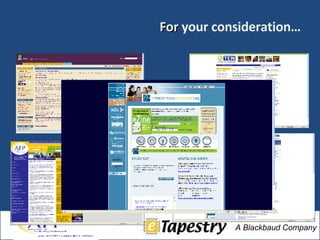
For  your consideration…
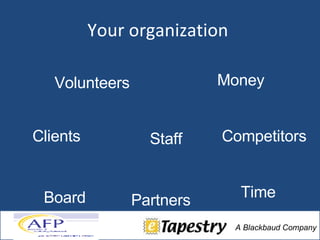
Your organization  Clients Partners Staff Board Volunteers Time Money Competitors
“ We are in the middle of a fundamental shift  from mass media to the personal media  of computers and the  Internet , and  charitable giving is a logical progression .” Paul Saffo  Director of the Institute for the Future. Photo credit: Sorin Brinzel
The Rules Still Apply (It’s all about relationships… not technology)
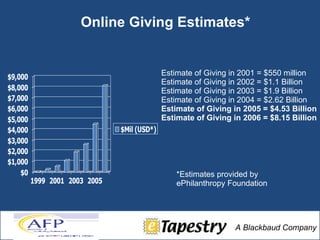
*Estimates provided by ePhilanthropy Foundation Estimate of Giving in 2001 = $550 million Estimate of Giving in 2002 = $1.1 Billion Estimate of Giving in 2003 = $1.9 Billion Estimate of Giving in 2004 = $2.62 Billion Estimate of Giving in 2005 = $4.53 Billion Estimate of Giving in 2006 = $8.15 Billion Online Giving Estimates*
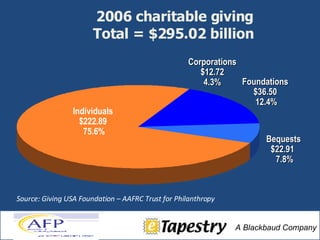
Source: Giving USA Foundation – AAFRC Trust for Philanthropy Individuals $222.89  75.6% Foundations $36.50  12.4% Bequests $22.91   7.8% Corporations $12.72 4.3% 2006 charitable giving  Total = $295.02 billion
“ If you want milk from a cow, you don’t send it a letter.” Jerry Panas
Know   the   DIFFERENCE How To Succeed Online
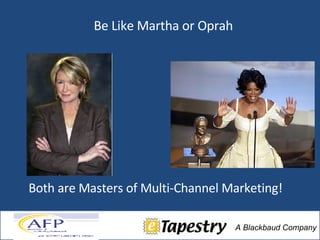
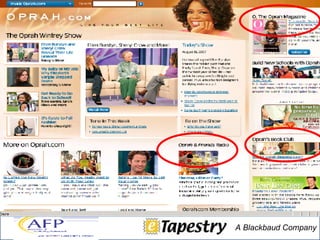
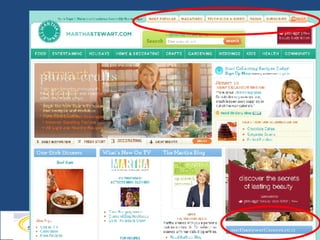
Be Like Martha or Oprah   Both are Masters of Multi-Channel Marketing!
 
 
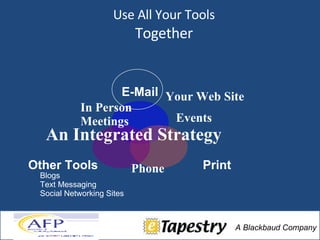
Use All Your Tools  Together An Integrated Strategy In Person Meetings Phone Events Blogs Text Messaging Social Networking Sites Your Web Site E-Mail Print Other Tools
Start With A Plan What are the goals? How will we measure success?  What are the specific tactics? Do we need any new tools or assistance? Who is responsible for what? Is everyone on the same page?
“ There’s no better, faster, easier and cheaper place to gather folks of like minds than a Web site.” Carrie Johnson, Senior Analyst  Forrester Internet Research
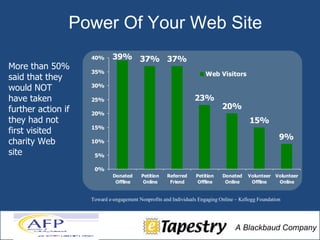
Power Of Your Web Site More than 50% said that they would NOT have taken further action if they had not first visited charity Web site Toward e-engagement Nonprofits and Individuals Engaging Online – Kellogg Foundation
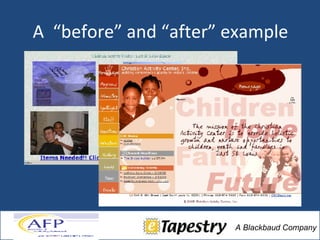
A  “before” and “after” example
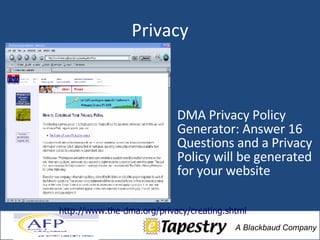
Privacy DMA Privacy Policy Generator: Answer 16 Questions and a Privacy Policy will be generated for your website http://www.the-dma.org/privacy/creating.shtml
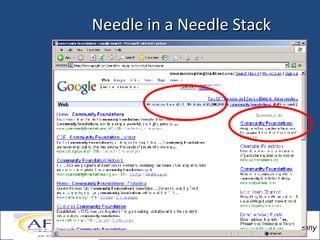
Needle in a Needle Stack
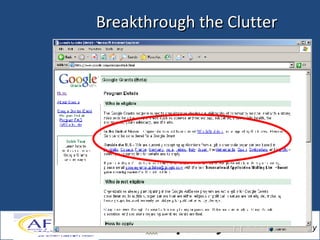
Breakthrough the Clutter
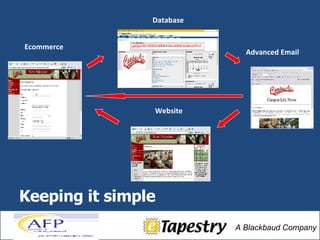
Advanced Email Database Ecommerce Website Keeping it simple
INTEGRATION is the KEY! Next Steps
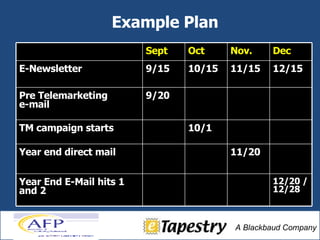
Example Plan Sept Oct Nov.  Dec E-Newsletter 9/15 10/15 11/15 12/15 Pre Telemarketing  e-mail 9/20 TM campaign starts 10/1 Year end direct mail  11/20 Year End E-Mail hits 1 and 2 12/20 / 12/28
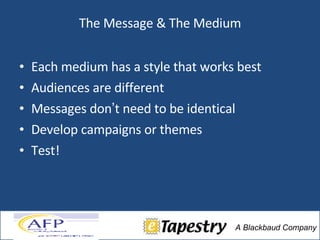
The Message & The Medium Each medium has a style that works best  Audiences are different  Messages don ’ t need to be identical Develop campaigns or themes Test!
“ He that is good with a hammer tends to think everything is a nail.”  -Abraham Maslow
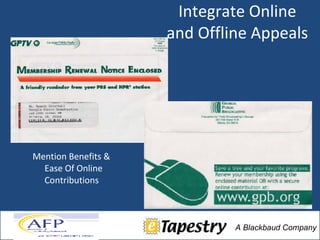
Integrate Online and Offline Appeals   Mention Benefits & Ease Of Online Contributions
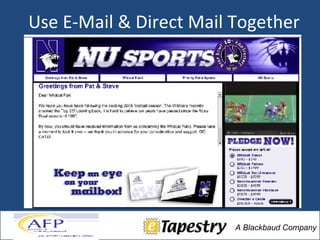
Use E-Mail & Direct Mail Together
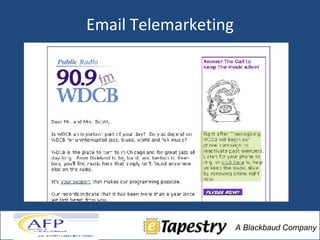
Email Telemarketing
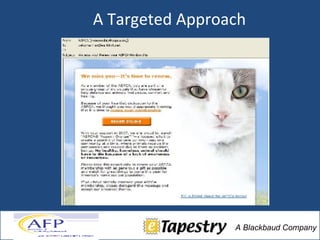
A Targeted Approach
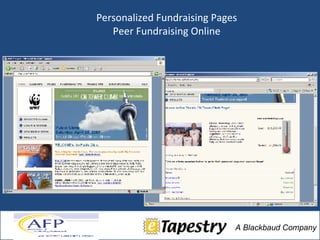
Personalized Fundraising Pages Peer Fundraising Online
Results: Personalized Event  Fundraising  Average volunteer sends over 30 emails One in four emails sent by a volunteer results in a donation Average online gift is $59 which is a 50% increase over the average off-line gift Many volunteers reach their stated FR Goal!
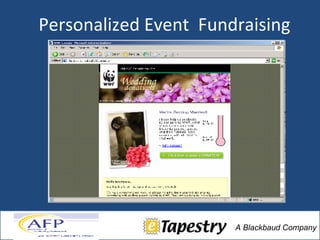
Personalized Event  Fundraising
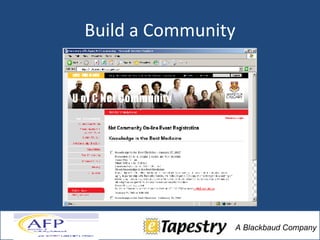
Build a Community
Keys To Success Plan Take an Integrated Approach  Timely & Focused - Act Quickly When Needed  Test Something New All The Time Get “Buy In” Organization-Wide Think Targeted One-To-One Marketing People Give to People Have Fun!!!!
What it is and What it Can Mean to Your Organization? Web   2.0
Web 1.0 vs. Web 2.0 Web 1.0 refers to first generation Web-based content that was typically one-way static communication. Web 2.0 refers to second generation Web-based services that emphasizes two-way online collaboration and sharing among users.
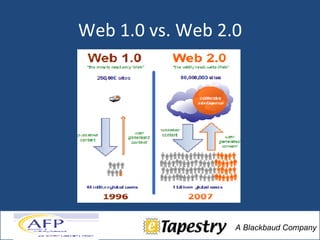
Web 1.0 vs. Web 2.0
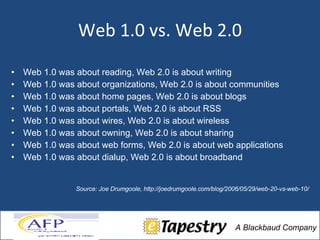
Web 1.0 vs. Web 2.0 Web 1.0 was about reading, Web 2.0 is about writing  Web 1.0 was about organizations, Web 2.0 is about communities  Web 1.0 was about home pages, Web 2.0 is about blogs  Web 1.0 was about portals, Web 2.0 is about RSS  Web 1.0 was about wires, Web 2.0 is about wireless  Web 1.0 was about owning, Web 2.0 is about sharing  Web 1.0 was about web forms, Web 2.0 is about web applications  Web 1.0 was about dialup, Web 2.0 is about broadband  Source: Joe Drumgoole, http://joedrumgoole.com/blog/2006/05/29/web-20-vs-web-10/
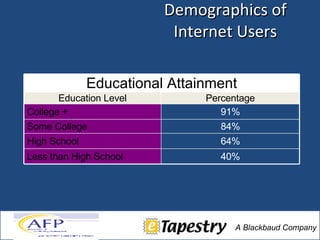
Demographics of Internet Users Source:  Pew Internet & American Life Project, 2006 Educational Attainment Education Level Percentage College + 91% Some College 84% High School 64% Less than High School 40%
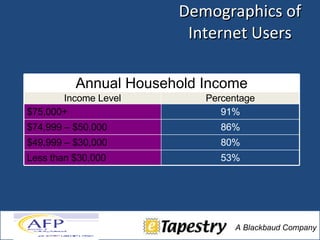
Demographics of Internet Users Source:  Pew Internet & American Life Project, 2006 Annual Household Income Income Level Percentage $75,000+ 91% $74,999 – $50,000 86% $49,999 – $30,000 80% Less than $30,000 53%
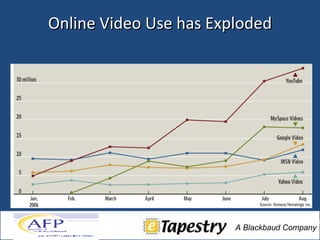
Online Video Use has Exploded Source: The Wall St. Journal , 2006
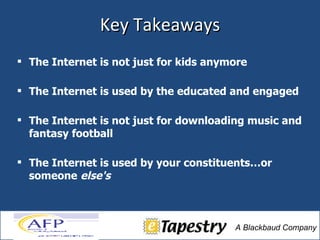
Key Takeaways The Internet is not just for kids anymore The Internet is used by the educated and engaged  The Internet is not just for downloading music and fantasy football The Internet is used by your constituents…or someone   else's
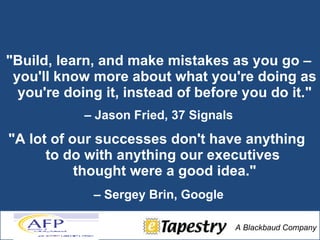
"Build, learn, and make mistakes as you go – you'll know more about what you're doing as you're doing it, instead of before you do it." –  Jason Fried, 37 Signals "A lot of our successes don't have anything  to do with anything our executives  thought were a good idea." –  Sergey Brin, Google
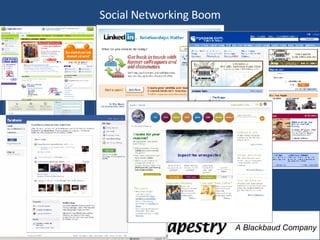
Social Networking Boom
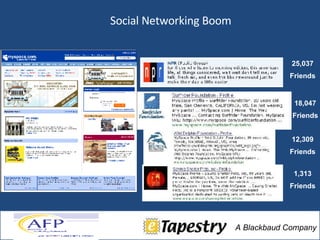
Social Networking Boom 1,313 Friends 12,309 Friends 18,047 Friends 25,037 Friends
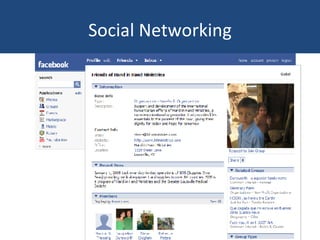
Social Networking
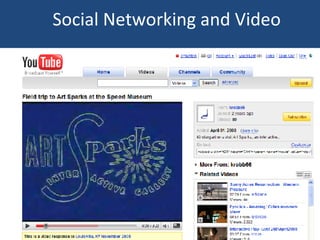
Social Networking and Video
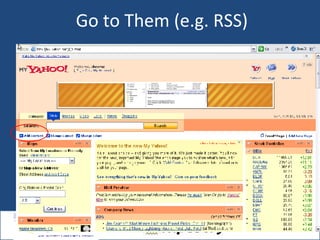
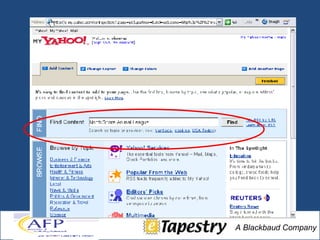
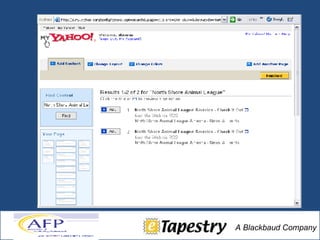
Go to Them (e.g. RSS)
 
 
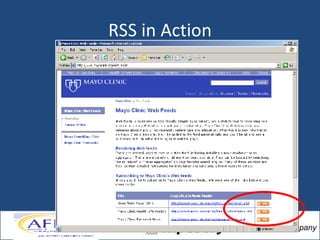
RSS in Action
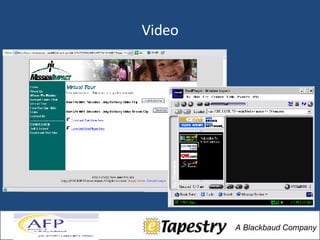
Video
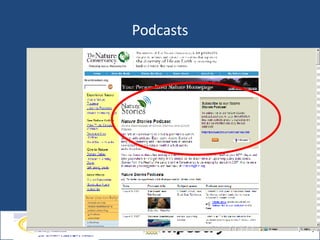
Podcasts  
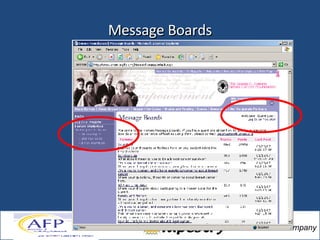
Message Boards
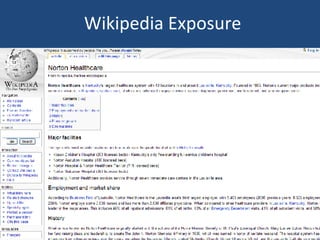
Wikipedia Exposure
"Do one thing every day that scares you." –  Eleanor Roosevelt "We have a strategic plan.  It's called doing things." –  Herb Kelleher
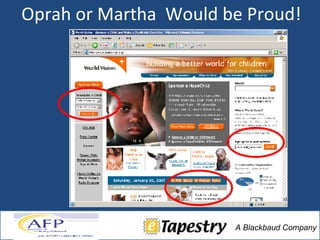
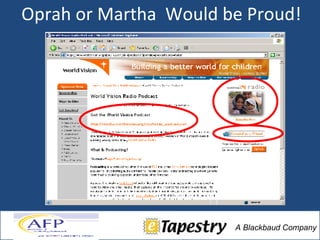
Oprah or Martha  Would be Proud!
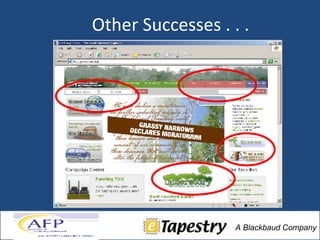
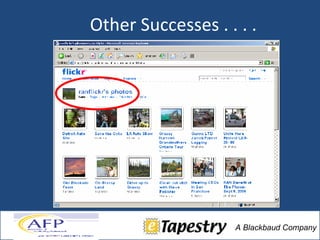
Other Successes . . .
Other Successes . . . .
"A year from now you may wish you had started today." –  Karen Lamb "If you could do tomorrow over again, would you?" –  Seth Godin
Keys To Success Plan Take an Integrated Approach  Timely & Focused - Act Quickly When Needed  Test Something New All The Time Get “Buy In” Organization-Wide Think Targeted One-To-One Marketing People Give to People Have Fun!!!!
Thank you! Judy Nash [email_address]

Judys Louisville Presentation

  • 1.
    Judy Nash eTapestryWhat’s New Online?? Strategies to Build Success
  • 2.
    For yourconsideration…
  • 3.
    Your organization Clients Partners Staff Board Volunteers Time Money Competitors
  • 4.
    “ We arein the middle of a fundamental shift from mass media to the personal media of computers and the Internet , and charitable giving is a logical progression .” Paul Saffo Director of the Institute for the Future. Photo credit: Sorin Brinzel
  • 5.
    The Rules StillApply (It’s all about relationships… not technology)
  • 6.
    *Estimates provided byePhilanthropy Foundation Estimate of Giving in 2001 = $550 million Estimate of Giving in 2002 = $1.1 Billion Estimate of Giving in 2003 = $1.9 Billion Estimate of Giving in 2004 = $2.62 Billion Estimate of Giving in 2005 = $4.53 Billion Estimate of Giving in 2006 = $8.15 Billion Online Giving Estimates*
  • 7.
    Source: Giving USAFoundation – AAFRC Trust for Philanthropy Individuals $222.89 75.6% Foundations $36.50 12.4% Bequests $22.91 7.8% Corporations $12.72 4.3% 2006 charitable giving Total = $295.02 billion
  • 8.
    “ If youwant milk from a cow, you don’t send it a letter.” Jerry Panas
  • 9.
    Know the DIFFERENCE How To Succeed Online
  • 10.
    Be Like Marthaor Oprah Both are Masters of Multi-Channel Marketing!
  • 11.
  • 12.
  • 13.
    Use All YourTools Together An Integrated Strategy In Person Meetings Phone Events Blogs Text Messaging Social Networking Sites Your Web Site E-Mail Print Other Tools
  • 14.
    Start With APlan What are the goals? How will we measure success? What are the specific tactics? Do we need any new tools or assistance? Who is responsible for what? Is everyone on the same page?
  • 15.
    “ There’s nobetter, faster, easier and cheaper place to gather folks of like minds than a Web site.” Carrie Johnson, Senior Analyst Forrester Internet Research
  • 16.
    Power Of YourWeb Site More than 50% said that they would NOT have taken further action if they had not first visited charity Web site Toward e-engagement Nonprofits and Individuals Engaging Online – Kellogg Foundation
  • 17.
    A “before”and “after” example
  • 18.
    Privacy DMA PrivacyPolicy Generator: Answer 16 Questions and a Privacy Policy will be generated for your website http://www.the-dma.org/privacy/creating.shtml
  • 19.
    Needle in aNeedle Stack
  • 20.
  • 21.
    Advanced Email DatabaseEcommerce Website Keeping it simple
  • 22.
    INTEGRATION is theKEY! Next Steps
  • 23.
    Example Plan SeptOct Nov. Dec E-Newsletter 9/15 10/15 11/15 12/15 Pre Telemarketing e-mail 9/20 TM campaign starts 10/1 Year end direct mail 11/20 Year End E-Mail hits 1 and 2 12/20 / 12/28
  • 24.
    The Message &The Medium Each medium has a style that works best Audiences are different Messages don ’ t need to be identical Develop campaigns or themes Test!
  • 25.
    “ He thatis good with a hammer tends to think everything is a nail.” -Abraham Maslow
  • 26.
    Integrate Online andOffline Appeals Mention Benefits & Ease Of Online Contributions
  • 27.
    Use E-Mail &Direct Mail Together
  • 28.
  • 29.
  • 30.
    Personalized Fundraising PagesPeer Fundraising Online
  • 31.
    Results: Personalized Event Fundraising Average volunteer sends over 30 emails One in four emails sent by a volunteer results in a donation Average online gift is $59 which is a 50% increase over the average off-line gift Many volunteers reach their stated FR Goal!
  • 32.
  • 33.
  • 34.
    Keys To SuccessPlan Take an Integrated Approach Timely & Focused - Act Quickly When Needed Test Something New All The Time Get “Buy In” Organization-Wide Think Targeted One-To-One Marketing People Give to People Have Fun!!!!
  • 35.
    What it isand What it Can Mean to Your Organization? Web 2.0
  • 36.
    Web 1.0 vs.Web 2.0 Web 1.0 refers to first generation Web-based content that was typically one-way static communication. Web 2.0 refers to second generation Web-based services that emphasizes two-way online collaboration and sharing among users.
  • 37.
    Web 1.0 vs.Web 2.0
  • 38.
    Web 1.0 vs.Web 2.0 Web 1.0 was about reading, Web 2.0 is about writing Web 1.0 was about organizations, Web 2.0 is about communities Web 1.0 was about home pages, Web 2.0 is about blogs Web 1.0 was about portals, Web 2.0 is about RSS Web 1.0 was about wires, Web 2.0 is about wireless Web 1.0 was about owning, Web 2.0 is about sharing Web 1.0 was about web forms, Web 2.0 is about web applications Web 1.0 was about dialup, Web 2.0 is about broadband Source: Joe Drumgoole, http://joedrumgoole.com/blog/2006/05/29/web-20-vs-web-10/
  • 39.
    Demographics of InternetUsers Source: Pew Internet & American Life Project, 2006 Educational Attainment Education Level Percentage College + 91% Some College 84% High School 64% Less than High School 40%
  • 40.
    Demographics of InternetUsers Source: Pew Internet & American Life Project, 2006 Annual Household Income Income Level Percentage $75,000+ 91% $74,999 – $50,000 86% $49,999 – $30,000 80% Less than $30,000 53%
  • 41.
    Online Video Usehas Exploded Source: The Wall St. Journal , 2006
  • 42.
    Key Takeaways TheInternet is not just for kids anymore The Internet is used by the educated and engaged The Internet is not just for downloading music and fantasy football The Internet is used by your constituents…or someone else's
  • 43.
    "Build, learn, andmake mistakes as you go – you'll know more about what you're doing as you're doing it, instead of before you do it." – Jason Fried, 37 Signals "A lot of our successes don't have anything to do with anything our executives thought were a good idea." – Sergey Brin, Google
  • 44.
  • 45.
    Social Networking Boom1,313 Friends 12,309 Friends 18,047 Friends 25,037 Friends
  • 46.
  • 47.
  • 48.
    Go to Them(e.g. RSS)
  • 49.
  • 50.
  • 51.
  • 52.
  • 53.
  • 54.
  • 55.
  • 56.
    "Do one thingevery day that scares you." – Eleanor Roosevelt "We have a strategic plan. It's called doing things." – Herb Kelleher
  • 57.
    Oprah or Martha Would be Proud!
  • 58.
    Oprah or Martha Would be Proud!
  • 59.
  • 60.
  • 61.
    "A year fromnow you may wish you had started today." – Karen Lamb "If you could do tomorrow over again, would you?" – Seth Godin
  • 62.
    Keys To SuccessPlan Take an Integrated Approach Timely & Focused - Act Quickly When Needed Test Something New All The Time Get “Buy In” Organization-Wide Think Targeted One-To-One Marketing People Give to People Have Fun!!!!
  • 63.
    Thank you! JudyNash [email_address]