Paul P. Huang et al.

      “Long-term Outcomes After Staged-Volume
Stereotactic Radiosurgery for Large Arteriovenous
                                  Malformations”

             Neurosurgery 71:632–644, September 2012


                   David Bervini
                     JC, ASAM
                    18.10.2012
PATIENTS AND METHODS
Prospective


Cases series, not randomized


Strong radiosurgery protocol
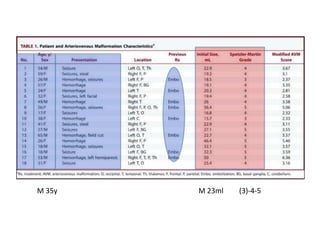
M 35y   M 23ml   (3)-4-5
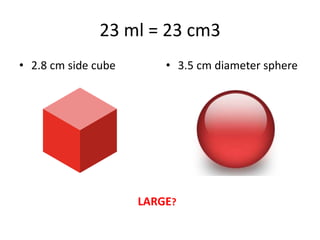
23 ml = 23 cm3
• 2.8 cm side cube       • 3.5 cm diameter sphere


                     LARGE?
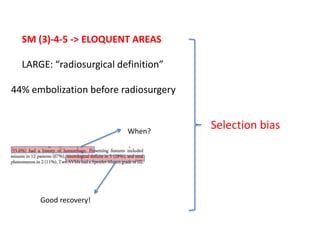
SM (3)-4-5 -> ELOQUENT AREAS

  LARGE: “radiosurgical definition”

44% embolization before radiosurgery


                          When?
                                       Selection bias


      Good recovery!
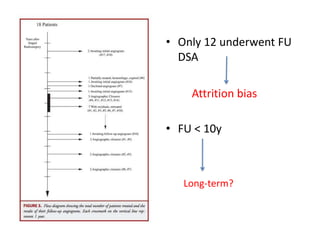
• Only 12 underwent FU
  DSA

    Attrition bias

• FU < 10y


   Long-term?
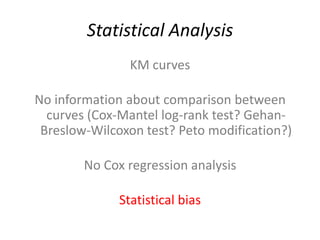
Statistical Analysis
                KM curves

No information about comparison between
  curves (Cox-Mantel log-rank test? Gehan-
 Breslow-Wilcoxon test? Peto modification?)

        No Cox regression analysis

              Statistical bias
RESULTS
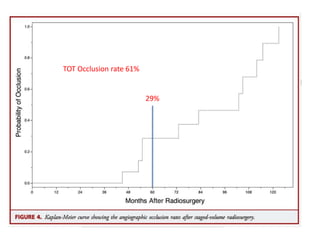
TOT Occlusion rate 61%


                         29%
Information bias
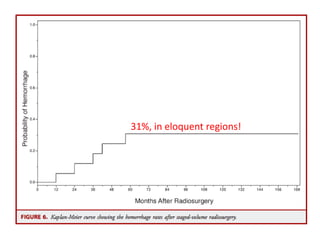
31%, in eloquent regions!
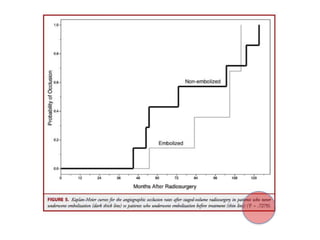
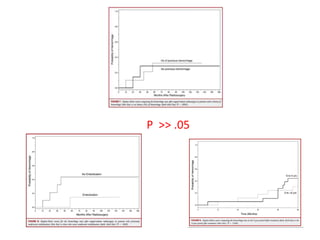
P >> .05
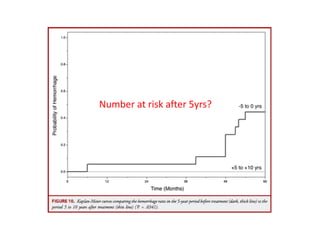
Number at risk after 5yrs?
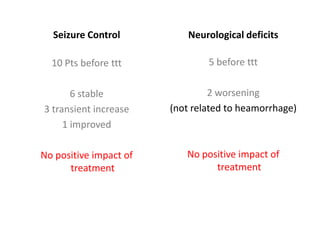
Seizure Control           Neurological deficits

  10 Pts before ttt             5 before ttt

       6 stable                  2 worsening
3 transient increase    (not related to heamorrhage)
     1 improved

No positive impact of      No positive impact of
      treatment                  treatment
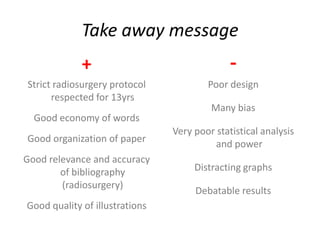
Take away message
             +                                -
Strict radiosurgery protocol            Poor design
      respected for 13yrs
                                         Many bias
  Good economy of words
                                Very poor statistical analysis
Good organization of paper               and power
Good relevance and accuracy
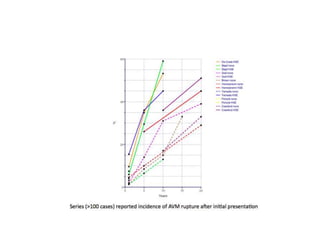
        of bibliography              Distracting graphs
        (radiosurgery)
                                     Debatable results
Good quality of illustrations
This paper does not help me to understand the
    indications and advantages of fractioned
    radiosurgery for patients presenting with
          “large”, “symptomatic” AVMs.
Jc 18.10.2012

Jc 18.10.2012

  • 1.
    Paul P. Huanget al. “Long-term Outcomes After Staged-Volume Stereotactic Radiosurgery for Large Arteriovenous Malformations” Neurosurgery 71:632–644, September 2012 David Bervini JC, ASAM 18.10.2012
  • 3.
  • 4.
    Prospective Cases series, notrandomized Strong radiosurgery protocol
  • 5.
    M 35y M 23ml (3)-4-5
  • 6.
    23 ml =23 cm3 • 2.8 cm side cube • 3.5 cm diameter sphere LARGE?
  • 7.
    SM (3)-4-5 ->ELOQUENT AREAS LARGE: “radiosurgical definition” 44% embolization before radiosurgery When? Selection bias Good recovery!
  • 8.
    • Only 12underwent FU DSA Attrition bias • FU < 10y Long-term?
  • 10.
    Statistical Analysis KM curves No information about comparison between curves (Cox-Mantel log-rank test? Gehan- Breslow-Wilcoxon test? Peto modification?) No Cox regression analysis Statistical bias
  • 11.
  • 12.
  • 15.
  • 16.
  • 18.
  • 19.
    Number at riskafter 5yrs?
  • 20.
    Seizure Control Neurological deficits 10 Pts before ttt 5 before ttt 6 stable 2 worsening 3 transient increase (not related to heamorrhage) 1 improved No positive impact of No positive impact of treatment treatment
  • 21.
    Take away message + - Strict radiosurgery protocol Poor design respected for 13yrs Many bias Good economy of words Very poor statistical analysis Good organization of paper and power Good relevance and accuracy of bibliography Distracting graphs (radiosurgery) Debatable results Good quality of illustrations
  • 22.
    This paper doesnot help me to understand the indications and advantages of fractioned radiosurgery for patients presenting with “large”, “symptomatic” AVMs.