Industry Studies 
Make, Take and Sell Challenge: 
Bringing it all together 
Topic Number: 8
Overview 
We are now getting very close to the final 
presentations where you will have the opportunity to 
present your work in front of a judging panel. 
In this workshop, you will have the opportunity to 
bring your strategy together and work out the final 
parts to your presentation. 
We will re-cap a number of the key concepts to ensure 
you have covered everything you need.
Learning outcomes for these workshops 
• Be able to amalgamate a host of concepts into a 
concise presentation 
• Develop a structured approach to illustrating a 
strategy 
• Present the key elements of your strategy to your 
peers 
• Get constructive feedback to be able to make 
amendments where required
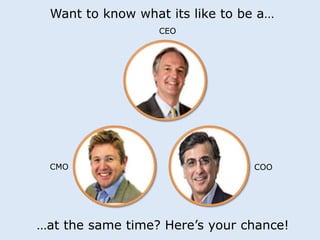
Want to know what its like to be a… 
CEO 
CMO COO 
…at the same time? Here’s your chance!
Making a 
product 
that 
resonates 
with 
consumer
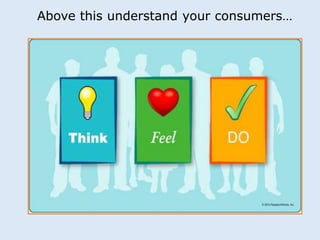
Above this understand your consumers…
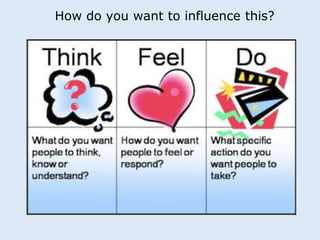
How do you want to influence this?
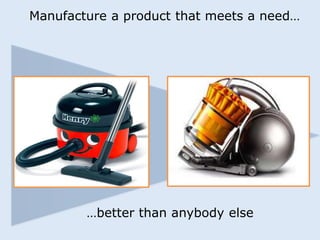
Manufacture a product that meets a need… 
…better than anybody else
Where to 
source 
your raw 
materials 
from?
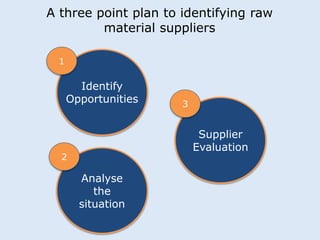
A three point plan to identifying raw 
material suppliers 
Analyse 
the 
situation 
Supplier 
Evaluation 
1 
2 
3 
Identify 
Opportunities
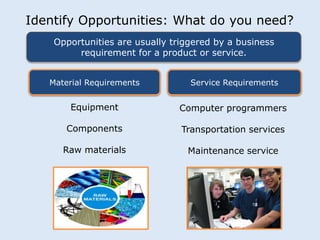
Identify Opportunities: What do you need? 
Opportunities are usually triggered by a business 
requirement for a product or service. 
Material Requirements Service Requirements 
Equipment 
Components 
Raw materials 
Computer programmers 
Transportation services 
Maintenance service
What 
manufacturing 
model do you 
deploy?
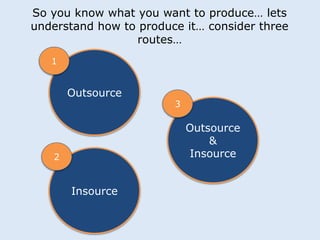
So you know what you want to produce… lets 
understand how to produce it… consider three 
routes… 
Outsource 
Insource 
Outsource 
& 
Insource 
1 
2 
3
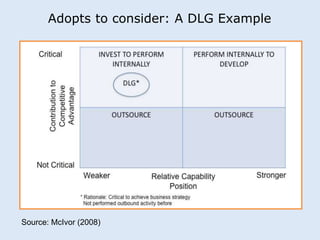
Adopts to consider: A DLG Example 
Source: McIvor (2008)
Where to 
manufacture? 
Home vs host 
country
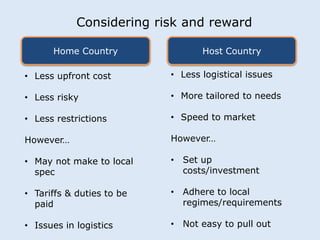
Considering risk and reward 
Home Country Host Country 
• Less upfront cost 
• Less risky 
• Less restrictions 
However… 
• May not make to local 
spec 
• Tariffs & duties to be 
paid 
• Issues in logistics 
• Less logistical issues 
• More tailored to needs 
• Speed to market 
However… 
• Set up 
costs/investment 
• Adhere to local 
regimes/requirements 
• Not easy to pull out
What 
distribution 
strategies 
can you 
use?
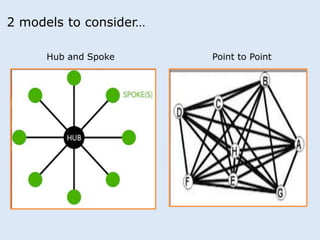
2 models to consider… 
Hub and Spoke Point to Point
Tracking & 
packaging 
your 
product
Issues with inventory 
Late 
shipments 
Breakage Theft
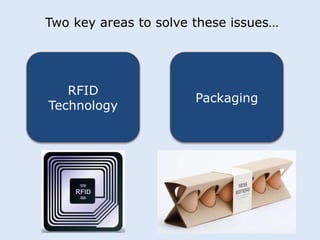
Two key areas to solve these issues… 
RFID 
Technology 
Packaging
Pricing 
your 
product
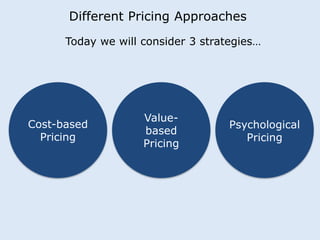
Different Pricing Approaches 
Today we will consider 3 strategies… 
Cost-based 
Pricing 
Value-based 
Pricing 
Psychological 
Pricing
Communication 
Plan
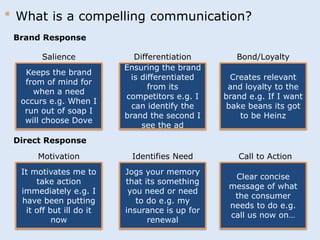
* What is a compelling communication? 
Brand Response 
Salience Differentiation Bond/Loyalty 
Keeps the brand 
from of mind for 
when a need 
occurs e.g. When I 
run out of soap I 
will choose Dove 
Direct Response 
Ensuring the brand 
is differentiated 
from its 
competitors e.g. I 
can identify the 
brand the second I 
see the ad 
Creates relevant 
and loyalty to the 
brand e.g. If I want 
bake beans its got 
to be Heinz 
Motivation Identifies Need Call to Action 
It motivates me to 
take action 
immediately e.g. I 
have been putting 
it off but ill do it 
now 
Jogs your memory 
that its something 
you need or need 
to do e.g. my 
insurance is up for 
renewal 
Clear concise 
message of what 
the consumer 
needs to do e.g. 
call us now on…
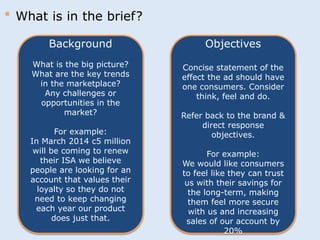
Background 
What is the big picture? 
What are the key trends 
in the marketplace? 
Any challenges or 
opportunities in the 
market? 
For example: 
In March 2014 c5 million 
will be coming to renew 
their ISA we believe 
people are looking for an 
account that values their 
loyalty so they do not 
need to keep changing 
each year our product 
does just that. 
Objectives 
Concise statement of the 
effect the ad should have 
one consumers. Consider 
think, feel and do. 
Refer back to the brand & 
direct response 
objectives. 
For example: 
We would like consumers 
to feel like they can trust 
us with their savings for 
the long-term, making 
them feel more secure 
with us and increasing 
sales of our account by 
20% 
* What is in the brief?
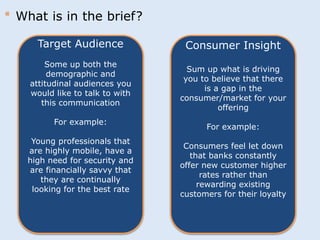
Target Audience 
Some up both the 
demographic and 
attitudinal audiences you 
would like to talk to with 
this communication 
For example: 
Young professionals that 
are highly mobile, have a 
high need for security and 
are financially savvy that 
they are continually 
looking for the best rate 
Consumer Insight 
Sum up what is driving 
you to believe that there 
is a gap in the 
consumer/market for your 
offering 
For example: 
Consumers feel let down 
that banks constantly 
offer new customer higher 
rates rather than 
rewarding existing 
customers for their loyalty 
* What is in the brief?
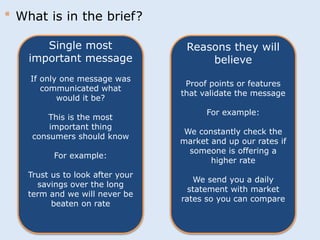
Single most 
important message 
If only one message was 
communicated what 
would it be? 
This is the most 
important thing 
consumers should know 
For example: 
Trust us to look after your 
savings over the long 
term and we will never be 
beaten on rate 
Reasons they will 
believe 
Proof points or features 
that validate the message 
For example: 
We constantly check the 
market and up our rates if 
someone is offering a 
higher rate 
We send you a daily 
statement with market 
rates so you can compare 
* What is in the brief?
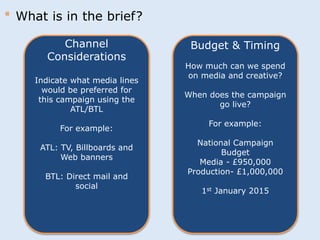
Budget & Timing 
How much can we spend 
on media and creative? 
When does the campaign 
go live? 
For example: 
National Campaign 
Budget 
Media - £950,000 
Production- £1,000,000 
1st January 2015 
* What is in the brief? 
Channel 
Considerations 
Indicate what media lines 
would be preferred for 
this campaign using the 
ATL/BTL 
For example: 
ATL: TV, Billboards and 
Web banners 
BTL: Direct mail and 
social
Any questions?
End of Workshop 
Note: This recording is for your 
personal use only and not for further 
distribution or wider review. 
© Pearson College 2013
Is1 workshop 8   make, take & sell challenge student

Is1 workshop 8 make, take & sell challenge student

  • 1.
    Industry Studies Make,Take and Sell Challenge: Bringing it all together Topic Number: 8
  • 2.
    Overview We arenow getting very close to the final presentations where you will have the opportunity to present your work in front of a judging panel. In this workshop, you will have the opportunity to bring your strategy together and work out the final parts to your presentation. We will re-cap a number of the key concepts to ensure you have covered everything you need.
  • 3.
    Learning outcomes forthese workshops • Be able to amalgamate a host of concepts into a concise presentation • Develop a structured approach to illustrating a strategy • Present the key elements of your strategy to your peers • Get constructive feedback to be able to make amendments where required
  • 4.
    Want to knowwhat its like to be a… CEO CMO COO …at the same time? Here’s your chance!
  • 5.
    Making a product that resonates with consumer
  • 6.
    Above this understandyour consumers…
  • 7.
    How do youwant to influence this?
  • 8.
    Manufacture a productthat meets a need… …better than anybody else
  • 9.
    Where to source your raw materials from?
  • 10.
    A three pointplan to identifying raw material suppliers Analyse the situation Supplier Evaluation 1 2 3 Identify Opportunities
  • 11.
    Identify Opportunities: Whatdo you need? Opportunities are usually triggered by a business requirement for a product or service. Material Requirements Service Requirements Equipment Components Raw materials Computer programmers Transportation services Maintenance service
  • 12.
  • 13.
    So you knowwhat you want to produce… lets understand how to produce it… consider three routes… Outsource Insource Outsource & Insource 1 2 3
  • 14.
    Adopts to consider:A DLG Example Source: McIvor (2008)
  • 15.
    Where to manufacture? Home vs host country
  • 16.
    Considering risk andreward Home Country Host Country • Less upfront cost • Less risky • Less restrictions However… • May not make to local spec • Tariffs & duties to be paid • Issues in logistics • Less logistical issues • More tailored to needs • Speed to market However… • Set up costs/investment • Adhere to local regimes/requirements • Not easy to pull out
  • 17.
  • 18.
    2 models toconsider… Hub and Spoke Point to Point
  • 19.
    Tracking & packaging your product
  • 20.
    Issues with inventory Late shipments Breakage Theft
  • 21.
    Two key areasto solve these issues… RFID Technology Packaging
  • 22.
  • 23.
    Different Pricing Approaches Today we will consider 3 strategies… Cost-based Pricing Value-based Pricing Psychological Pricing
  • 24.
  • 25.
    * What isa compelling communication? Brand Response Salience Differentiation Bond/Loyalty Keeps the brand from of mind for when a need occurs e.g. When I run out of soap I will choose Dove Direct Response Ensuring the brand is differentiated from its competitors e.g. I can identify the brand the second I see the ad Creates relevant and loyalty to the brand e.g. If I want bake beans its got to be Heinz Motivation Identifies Need Call to Action It motivates me to take action immediately e.g. I have been putting it off but ill do it now Jogs your memory that its something you need or need to do e.g. my insurance is up for renewal Clear concise message of what the consumer needs to do e.g. call us now on…
  • 26.
    Background What isthe big picture? What are the key trends in the marketplace? Any challenges or opportunities in the market? For example: In March 2014 c5 million will be coming to renew their ISA we believe people are looking for an account that values their loyalty so they do not need to keep changing each year our product does just that. Objectives Concise statement of the effect the ad should have one consumers. Consider think, feel and do. Refer back to the brand & direct response objectives. For example: We would like consumers to feel like they can trust us with their savings for the long-term, making them feel more secure with us and increasing sales of our account by 20% * What is in the brief?
  • 27.
    Target Audience Someup both the demographic and attitudinal audiences you would like to talk to with this communication For example: Young professionals that are highly mobile, have a high need for security and are financially savvy that they are continually looking for the best rate Consumer Insight Sum up what is driving you to believe that there is a gap in the consumer/market for your offering For example: Consumers feel let down that banks constantly offer new customer higher rates rather than rewarding existing customers for their loyalty * What is in the brief?
  • 28.
    Single most importantmessage If only one message was communicated what would it be? This is the most important thing consumers should know For example: Trust us to look after your savings over the long term and we will never be beaten on rate Reasons they will believe Proof points or features that validate the message For example: We constantly check the market and up our rates if someone is offering a higher rate We send you a daily statement with market rates so you can compare * What is in the brief?
  • 29.
    Budget & Timing How much can we spend on media and creative? When does the campaign go live? For example: National Campaign Budget Media - £950,000 Production- £1,000,000 1st January 2015 * What is in the brief? Channel Considerations Indicate what media lines would be preferred for this campaign using the ATL/BTL For example: ATL: TV, Billboards and Web banners BTL: Direct mail and social
  • 30.
  • 31.
    End of Workshop Note: This recording is for your personal use only and not for further distribution or wider review. © Pearson College 2013