Unit 1: Science of Materials
Chapter 1: The Nature of Science
1st
Quarter
Let’s test your Knowledge
1. Why is the Scientific Method an important process in doing experiments?
It ensures that the people doing the experiments are scientific.
It ensures that the results can be trusted and repeated.
It takes more work but it's worth it.
It helps the experiment to take longer and be better.
Let’s test your Knowledge
2. To gather information, we can...
read books
ask questions
use our senses to study things
do all of these
Let’s test your Knowledge
3. Our recorded observations are called...
data
control factors
hypotheses
experiments
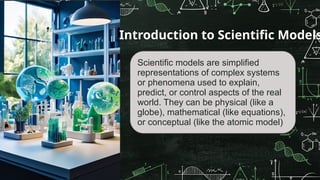
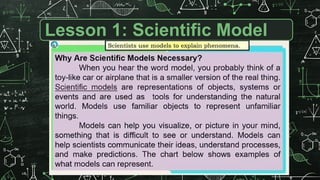
Scientific models are simplified
representations of complex systems
or phenomena used to explain,
predict, or control aspects of the real
world. They can be physical (like a
globe), mathematical (like equations),
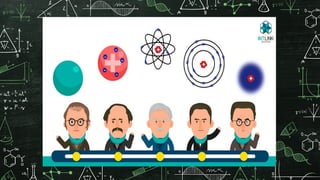
or conceptual (like the atomic model)
Introduction to Scientific Models
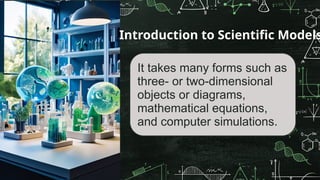
It takes many forms such as
three- or two-dimensional
objects or diagrams,
mathematical equations,
and computer simulations.
Introduction to Scientific Models
Lesson 1: Scientific Model
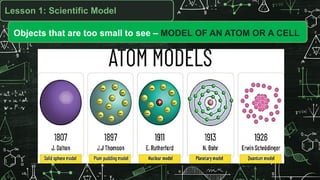
Objects that are too small to see – MODEL OF AN ATOM OR A CELL
Lesson 1: Scientific Model
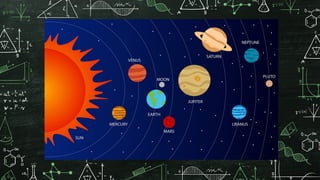
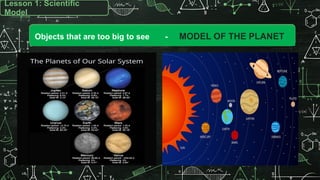
Objects that are too big to see - MODEL OF THE PLANET
Lesson 1: Scientific
Model
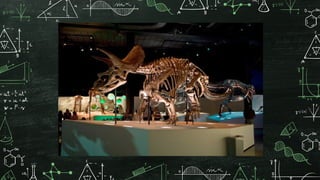
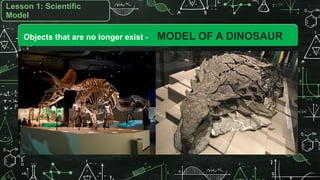
Objects that are no longer exist - MODEL OF A DINOSAUR
Lesson 1: Scientific
Model
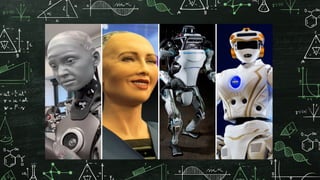
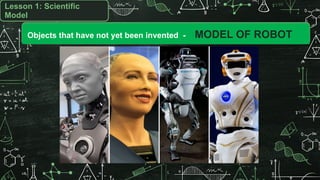
Objects that have not yet been invented - MODEL OF ROBOT
Lesson 1: Scientific
Model
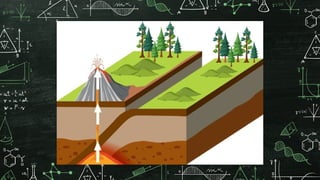
Events that occur too slowly to see- MODEL OF MOUNTAIN FORMATION
Lesson 1: Scientific
Model
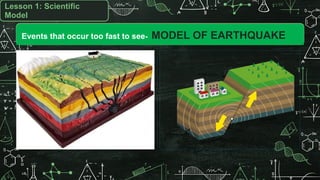
Events that occur too fast to see- MODEL OF EARTHQUAKE
Lesson 1: Scientific
Model
Categories of Scientific Model
Physical Model
Conceptual Model
Mathematical Model
Computer Model
Categories of Scientific Model
Physical Model
Conceptual Model
Mathematical Model
Computer Model
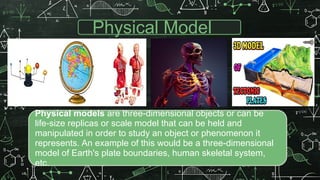
Physical Model
Physical models are three-dimensional objects or can be
life-size replicas or scale model that can be held and
manipulated in order to study an object or phenomenon it
represents. An example of this would be a three-dimensional
model of Earth's plate boundaries, human skeletal system,
etc.
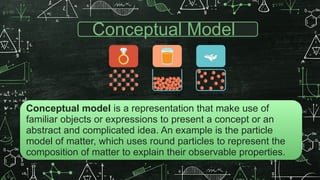
Conceptual Model
Conceptual model is a representation that make use of
familiar objects or expressions to present a concept or an
abstract and complicated idea. An example is the particle
model of matter, which uses round particles to represent the
composition of matter to explain their observable properties.
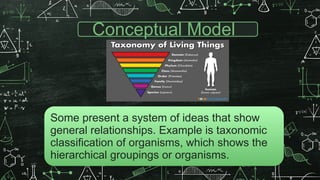
Conceptual Model
Some present a system of ideas that show
general relationships. Example is taxonomic
classification of organisms, which shows the
hierarchical groupings or organisms.
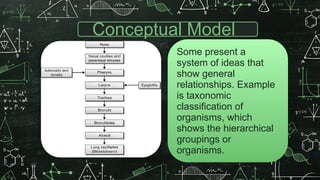
Conceptual Model
Some present a
system of ideas that
show general
relationships. Example
is taxonomic
classification of
organisms, which
shows the hierarchical
groupings or
organisms.
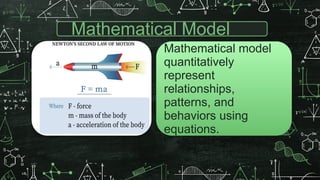
Mathematical Model
Mathematical model
quantitatively
represent
relationships,
patterns, and
behaviors using
equations.
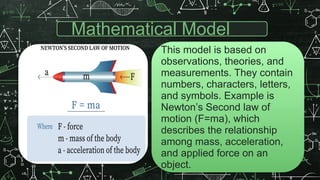
Mathematical Model
This model is based on
observations, theories, and
measurements. They contain
numbers, characters, letters,
and symbols. Example is
Newton’s Second law of
motion (F=ma), which
describes the relationship
among mass, acceleration,
and applied force on an
object.
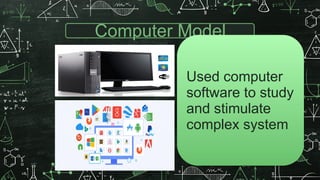
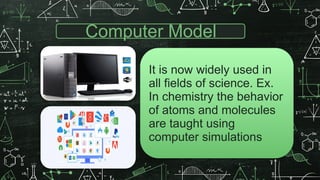
Computer Model
Used computer
software to study
and stimulate
complex system
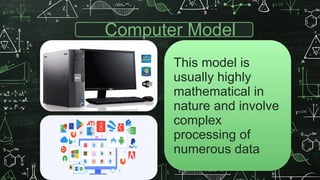
Computer Model
This model is
usually highly
mathematical in
nature and involve
complex
processing of
numerous data
Computer Model
It is now widely used in
all fields of science. Ex.
In chemistry the behavior
of atoms and molecules
are taught using
computer simulations
Consensus Models
Extensively tested and
generally accepted by
the scientific community
(e.g. Big Bang Model)
Generally held judgment,
position, and opinion of the
majority or the supermajority
of scientists in a particular
field of study at any
particular time.
How do physical and conceptual models
differ?
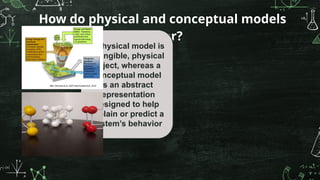
A physical model is
a tangible, physical
object, whereas a
conceptual model
is an abstract
representation
designed to help
explain or predict a
system’s behavior
How do physical and conceptual models
differ?
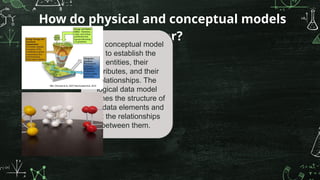
The conceptual model
is to establish the
entities, their
attributes, and their
relationships. The
logical data model
defines the structure of
the data elements and
set the relationships
between them.
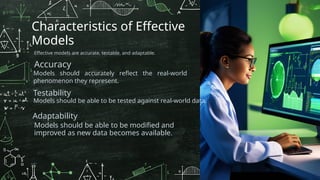
Characteristics of Effective
Models
Effective models are accurate, testable, and adaptable.
Accuracy
Models should accurately reflect the real-world
phenomenon they represent.
Models should be able to be tested against real-world data.
Testability
Adaptability
Models should be able to be modified and
improved as new data becomes available.
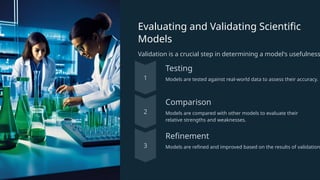
Evaluating and Validating Scientific
Models
Validation is a crucial step in determining a model's usefulness
Testing
Models are tested against real-world data to assess their accuracy.
Comparison
Models are compared with other models to evaluate their
relative strengths and weaknesses.
Refinement
Models are refined and improved based on the results of validation
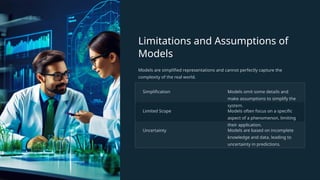
Limitations and Assumptions of
Models
Models are simplified representations and cannot perfectly capture the
complexity of the real world.
Simplification Models omit some details and
make assumptions to simplify the
system.
Limited Scope Models often focus on a specific
aspect of a phenomenon, limiting
their application.
Uncertainty Models are based on incomplete
knowledge and data, leading to
uncertainty in predictions.
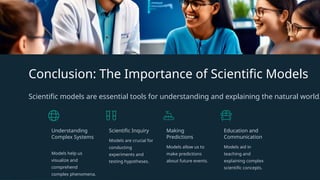
Conclusion: The Importance of Scientific Models
Scientific models are essential tools for understanding and explaining the natural world.
Understanding
Complex Systems
Models help us
visualize and
comprehend
complex phenomena.
Scientific Inquiry
Models are crucial for
conducting
experiments and
testing hypotheses.
Making
Predictions
Models allow us to
make predictions
about future events.
Education and
Communication
Models aid in
teaching and
explaining complex
scientific concepts.
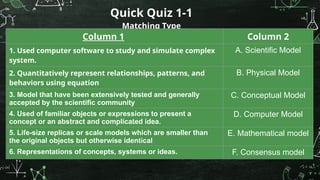
Quick Quiz 1-1
Matching Type
Column 1 Column 2
1. Used computer software to study and simulate complex
system.
A. Scientific Model
2. Quantitatively represent relationships, patterns, and
behaviors using equation
B. Physical Model
3. Model that have been extensively tested and generally
accepted by the scientific community
C. Conceptual Model
4. Used of familiar objects or expressions to present a
concept or an abstract and complicated idea.
D. Computer Model
5. Life-size replicas or scale models which are smaller than
the original objects but otherwise identical
E. Mathematical model
6. Representations of concepts, systems or ideas. F. Consensus model

Introduction to Scientific Model grade 7.pptx

  • 1.
    Unit 1: Scienceof Materials Chapter 1: The Nature of Science 1st Quarter
  • 7.
    Let’s test yourKnowledge 1. Why is the Scientific Method an important process in doing experiments? It ensures that the people doing the experiments are scientific. It ensures that the results can be trusted and repeated. It takes more work but it's worth it. It helps the experiment to take longer and be better.
  • 8.
    Let’s test yourKnowledge 2. To gather information, we can... read books ask questions use our senses to study things do all of these
  • 9.
    Let’s test yourKnowledge 3. Our recorded observations are called... data control factors hypotheses experiments
  • 10.
    Scientific models aresimplified representations of complex systems or phenomena used to explain, predict, or control aspects of the real world. They can be physical (like a globe), mathematical (like equations), or conceptual (like the atomic model) Introduction to Scientific Models
  • 11.
    It takes manyforms such as three- or two-dimensional objects or diagrams, mathematical equations, and computer simulations. Introduction to Scientific Models
  • 12.
  • 13.
    Objects that aretoo small to see – MODEL OF AN ATOM OR A CELL Lesson 1: Scientific Model
  • 14.
    Objects that aretoo big to see - MODEL OF THE PLANET Lesson 1: Scientific Model
  • 15.
    Objects that areno longer exist - MODEL OF A DINOSAUR Lesson 1: Scientific Model
  • 16.
    Objects that havenot yet been invented - MODEL OF ROBOT Lesson 1: Scientific Model
  • 17.
    Events that occurtoo slowly to see- MODEL OF MOUNTAIN FORMATION Lesson 1: Scientific Model
  • 18.
    Events that occurtoo fast to see- MODEL OF EARTHQUAKE Lesson 1: Scientific Model
  • 19.
    Categories of ScientificModel Physical Model Conceptual Model Mathematical Model Computer Model
  • 20.
    Categories of ScientificModel Physical Model Conceptual Model Mathematical Model Computer Model
  • 21.
    Physical Model Physical modelsare three-dimensional objects or can be life-size replicas or scale model that can be held and manipulated in order to study an object or phenomenon it represents. An example of this would be a three-dimensional model of Earth's plate boundaries, human skeletal system, etc.
  • 22.
    Conceptual Model Conceptual modelis a representation that make use of familiar objects or expressions to present a concept or an abstract and complicated idea. An example is the particle model of matter, which uses round particles to represent the composition of matter to explain their observable properties.
  • 23.
    Conceptual Model Some presenta system of ideas that show general relationships. Example is taxonomic classification of organisms, which shows the hierarchical groupings or organisms.
  • 24.
    Conceptual Model Some presenta system of ideas that show general relationships. Example is taxonomic classification of organisms, which shows the hierarchical groupings or organisms.
  • 25.
  • 26.
    Mathematical Model This modelis based on observations, theories, and measurements. They contain numbers, characters, letters, and symbols. Example is Newton’s Second law of motion (F=ma), which describes the relationship among mass, acceleration, and applied force on an object.
  • 27.
    Computer Model Used computer softwareto study and stimulate complex system
  • 28.
    Computer Model This modelis usually highly mathematical in nature and involve complex processing of numerous data
  • 29.
    Computer Model It isnow widely used in all fields of science. Ex. In chemistry the behavior of atoms and molecules are taught using computer simulations
  • 30.
    Consensus Models Extensively testedand generally accepted by the scientific community (e.g. Big Bang Model) Generally held judgment, position, and opinion of the majority or the supermajority of scientists in a particular field of study at any particular time.
  • 31.
    How do physicaland conceptual models differ? A physical model is a tangible, physical object, whereas a conceptual model is an abstract representation designed to help explain or predict a system’s behavior
  • 32.
    How do physicaland conceptual models differ? The conceptual model is to establish the entities, their attributes, and their relationships. The logical data model defines the structure of the data elements and set the relationships between them.
  • 33.
    Characteristics of Effective Models Effectivemodels are accurate, testable, and adaptable. Accuracy Models should accurately reflect the real-world phenomenon they represent. Models should be able to be tested against real-world data. Testability Adaptability Models should be able to be modified and improved as new data becomes available.
  • 34.
    Evaluating and ValidatingScientific Models Validation is a crucial step in determining a model's usefulness Testing Models are tested against real-world data to assess their accuracy. Comparison Models are compared with other models to evaluate their relative strengths and weaknesses. Refinement Models are refined and improved based on the results of validation
  • 35.
    Limitations and Assumptionsof Models Models are simplified representations and cannot perfectly capture the complexity of the real world. Simplification Models omit some details and make assumptions to simplify the system. Limited Scope Models often focus on a specific aspect of a phenomenon, limiting their application. Uncertainty Models are based on incomplete knowledge and data, leading to uncertainty in predictions.
  • 36.
    Conclusion: The Importanceof Scientific Models Scientific models are essential tools for understanding and explaining the natural world. Understanding Complex Systems Models help us visualize and comprehend complex phenomena. Scientific Inquiry Models are crucial for conducting experiments and testing hypotheses. Making Predictions Models allow us to make predictions about future events. Education and Communication Models aid in teaching and explaining complex scientific concepts.
  • 37.
    Quick Quiz 1-1 MatchingType Column 1 Column 2 1. Used computer software to study and simulate complex system. A. Scientific Model 2. Quantitatively represent relationships, patterns, and behaviors using equation B. Physical Model 3. Model that have been extensively tested and generally accepted by the scientific community C. Conceptual Model 4. Used of familiar objects or expressions to present a concept or an abstract and complicated idea. D. Computer Model 5. Life-size replicas or scale models which are smaller than the original objects but otherwise identical E. Mathematical model 6. Representations of concepts, systems or ideas. F. Consensus model