PLANiTULSA:  Tulsa Comprehensive Plan Update Implementing the Community’s Vision
 
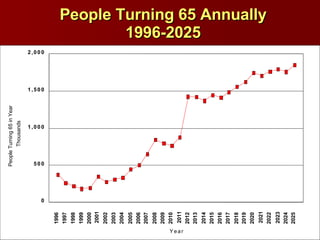
People Turning 65 Annually 1996-2025 1996 1997 1998 1999 2000 2001 2002 2003 2004 2005 2006 2007 2008 2009 2010 2011 2012 2013 2014 2015 2016 2017 2018 2019 2020 2021 2022 2023 2024 2025 Y e a r 0 5 0 0 1 , 0 0 0 1 , 5 0 0 2 , 0 0 0 Thousands People Turning 65 in Year
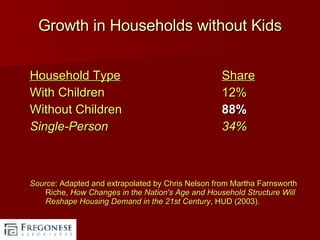
Growth in Households without Kids Household Type Share With Children 12% Without Children   88% Single-Person 34% Source : Adapted and extrapolated by Chris Nelson from Martha Farnsworth Riche,  How Changes in the Nation's Age and Household Structure Will Reshape Housing Demand in the 21st Century , HUD (2003).
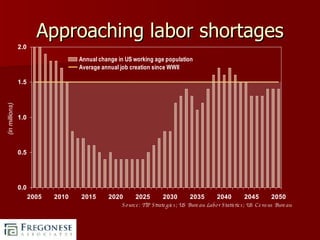
Approaching labor shortages Source: TIP Strategies; US Bureau Labor Statistics; US Census Bureau
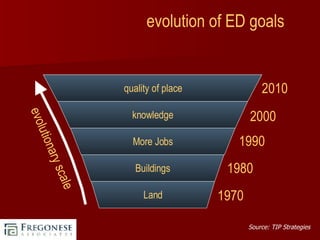
quality of place knowledge More Jobs Buildings Land 2010 2000 1990 1970 1980 evolutionary scale evolution of ED goals Source: TIP Strategies
 
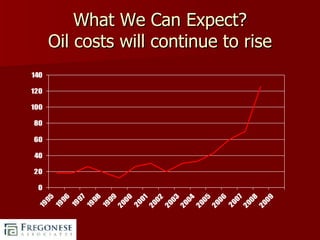
What We Can Expect? Oil costs will continue to rise
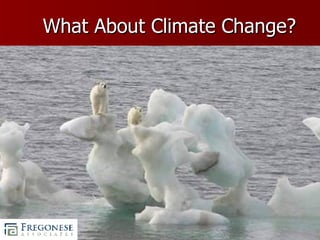
What About Climate Change?
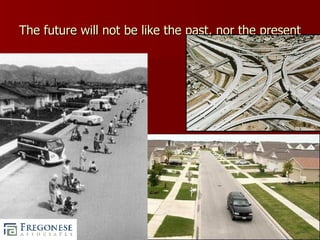
The future will not be like the past, nor the present
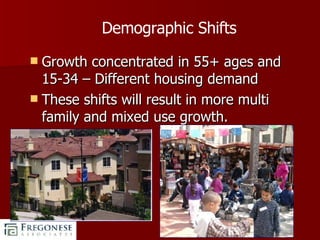
Demographic Shifts Growth concentrated in 55+ ages and 15-34 – Different housing demand These shifts will result in more multi family and mixed use growth.
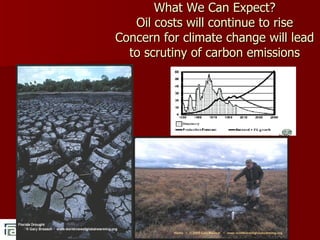
What We Can Expect? Oil costs will continue to rise Concern for climate change will lead to scrutiny of carbon emissions
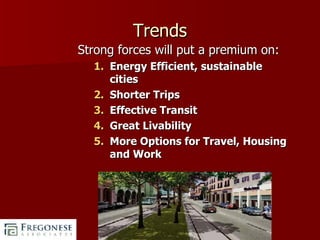
Trends Strong forces will put a premium on: Energy Efficient, sustainable cities   Shorter Trips Effective Transit Great Livability More Options for Travel, Housing and Work
The Emerging American Vision
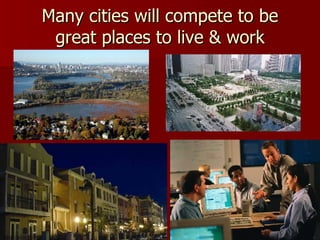
Many cities will compete to be great places to live & work Open Spaces and Parks Amenities near work
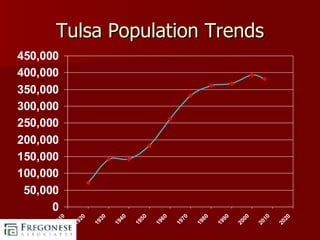
Tulsa Population Trends
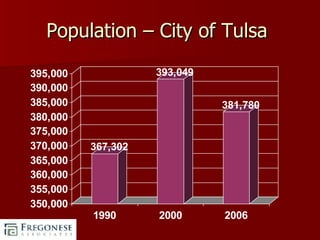
Population – City of Tulsa
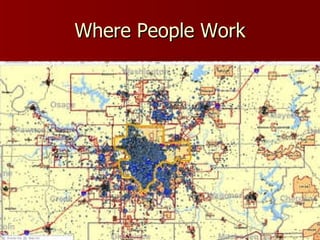
Where People Work
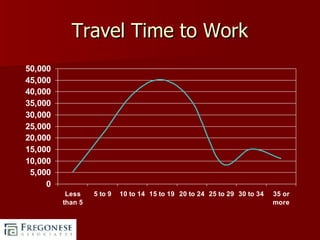
Travel Time to Work
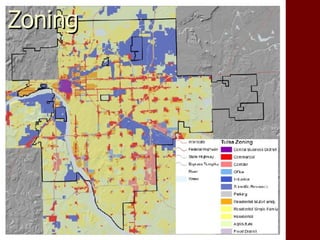
Zoning
 
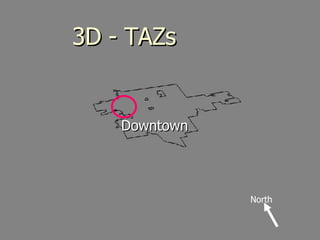
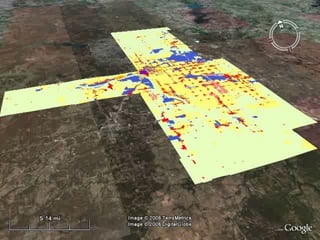
3D - TAZs Downtown North
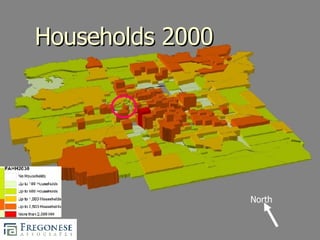
Households 2000 North
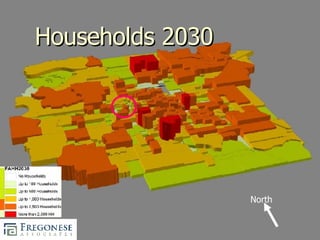
Households 2030 North
Households Delta North
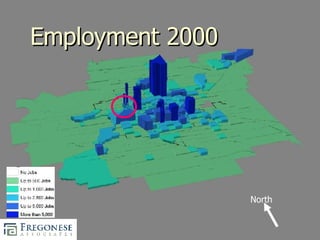
Employment 2000 North
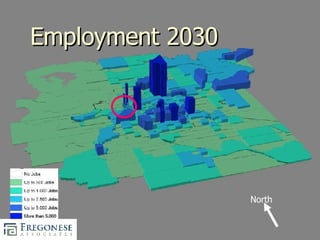
Employment 2030 North
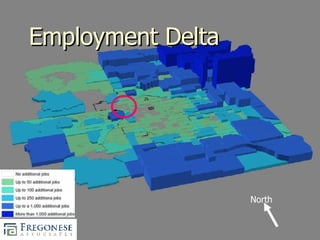
Employment Delta North
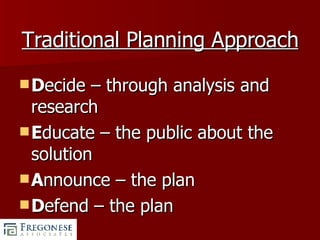
Traditional Planning Approach D ecide – through analysis and research E ducate – the public about the solution A nnounce – the plan D efend – the plan
Traditional Planning Approach D E A D
Improved Process   PLAN FUND BUILD
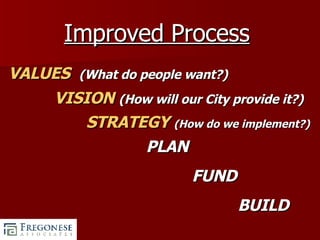
Improved Process   VALUES  (What do people want?) VISION  (How will our City provide it?)   STRATEGY  (How do we implement?) PLAN FUND BUILD
Team Organization Chart
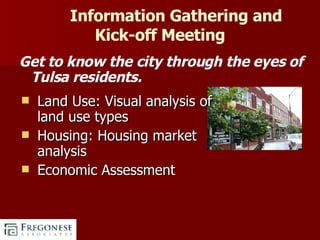
Information Gathering and Kick-off Meeting Get to know the city through the eyes of Tulsa residents.  Land Use: Visual analysis of land use types Housing: Housing market analysis Economic Assessment
Polling and Stakeholder Interviews 50 In Depth Interviews 1,000 Phone Interviews 1,000 Web Based Poll 30 “Person on the Street”
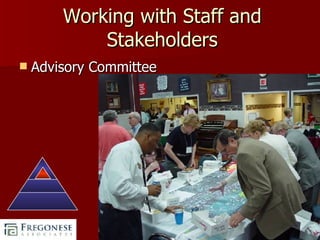
Working with Staff and Stakeholders Advisory Committee
Community Workshops 3 2
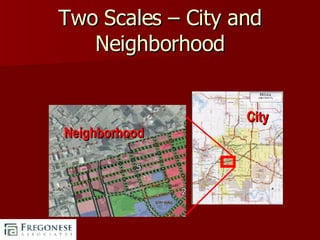
Two Scales – City and Neighborhood Neighborhood City
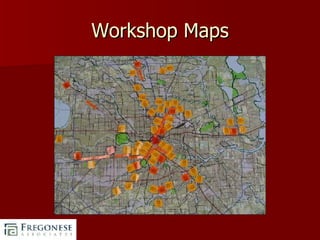
Workshop Maps
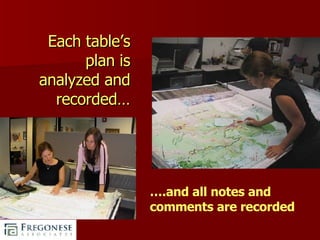
Each table’s plan is analyzed and recorded… … .and all notes and comments are recorded
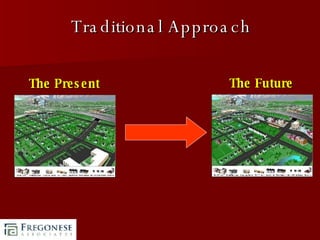
Traditional Approach The Present The Future
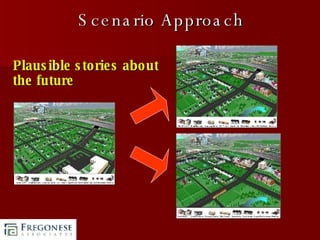
Scenario Approach Plausible stories about the future
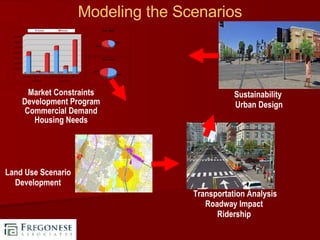
Modeling the Scenarios Transportation Analysis Roadway Impact Ridership Market Constraints Development Program Commercial Demand Housing Needs Land Use Scenario Development Sustainability  Urban Design
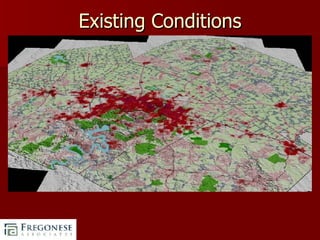
Existing Conditions
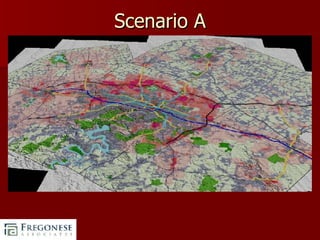
Scenario A
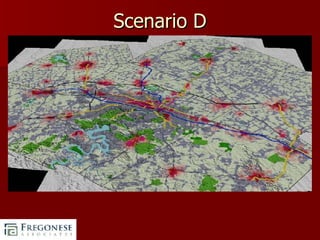
Scenario D


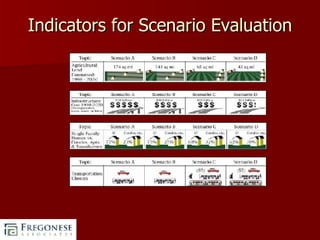
Indicators for Scenario Evaluation
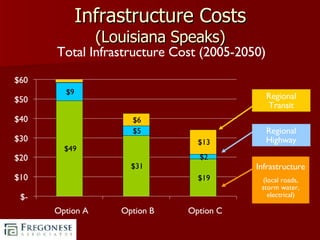
Infrastructure Costs (Louisiana Speaks) Total Infrastructure Cost (2005-2050) Regional Highway Infrastructure (local roads, storm water, electrical) Regional Transit $58.2B $42B $34B Billions of 2007 Dollars $49 $31 $19 $9 $5 $2 $6 $13 $0.2  $- $10 $20 $30 $40 $50 $60 Option A Option B Option C
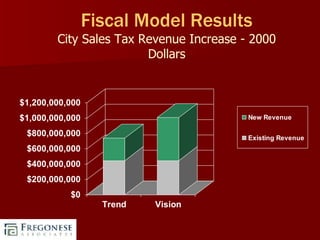
Fiscal Model Results City Sales Tax Revenue Increase - 2000 Dollars
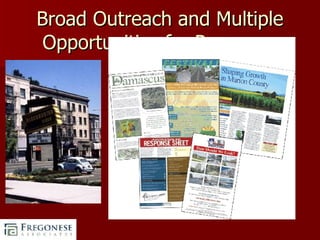
Broad Outreach and Multiple Opportunities for Response
What We’ve Learned Vision Without action Is Hallucination
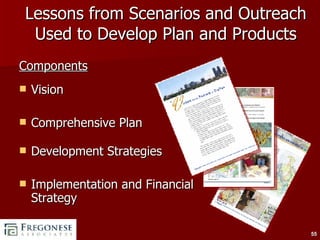
Lessons from Scenarios and Outreach Used to Develop Plan and Products Components Vision  Comprehensive Plan Development Strategies Implementation and Financial Strategy
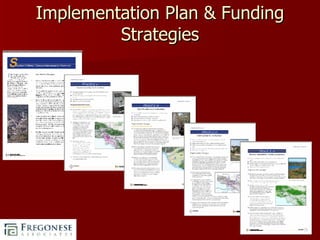
Implementation Plan & Funding Strategies
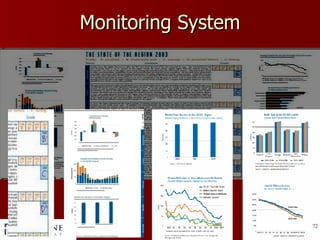
Monitoring System 72
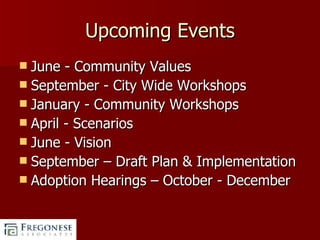
Upcoming Events June - Community Values  September - City Wide Workshops January - Community Workshops April - Scenarios June - Vision September – Draft Plan & Implementation Adoption Hearings – October - December
Thank You

Introducing PLANiTULSA, a presentation by John Fregonese