Publisher:
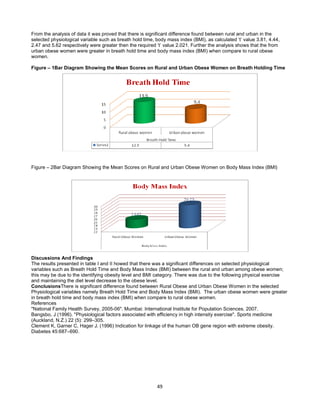
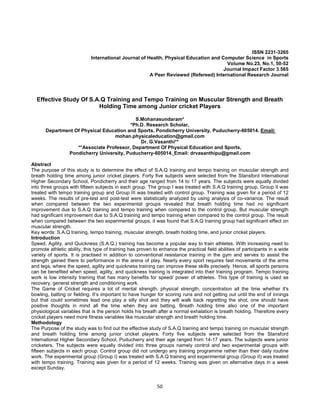
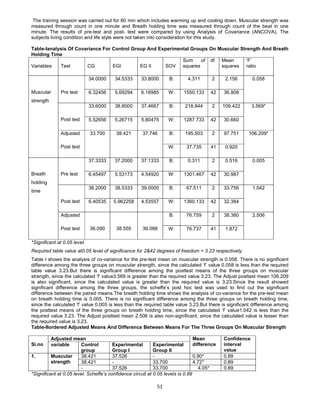
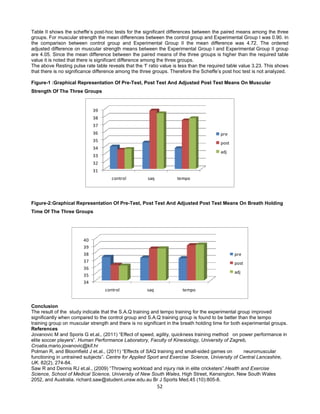
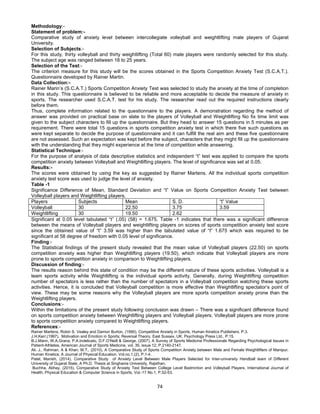
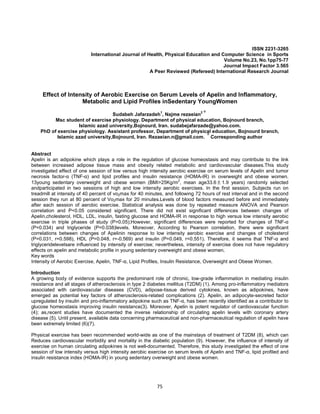
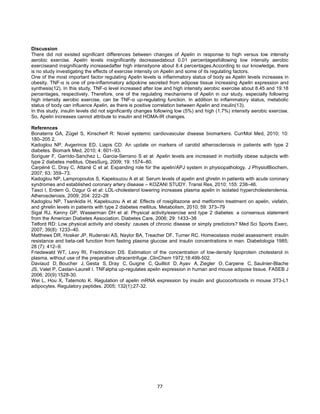
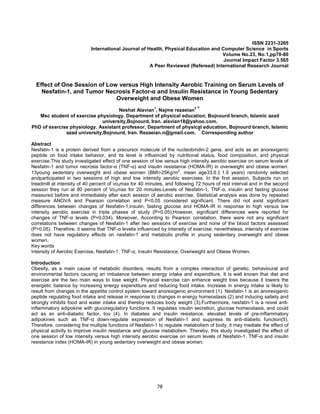
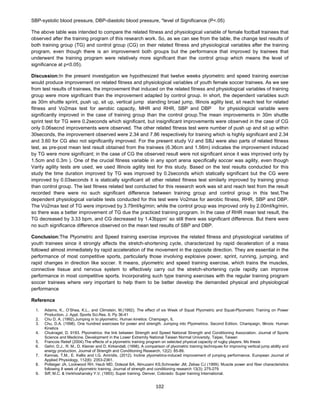
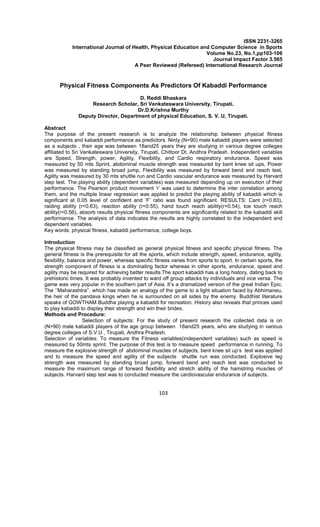
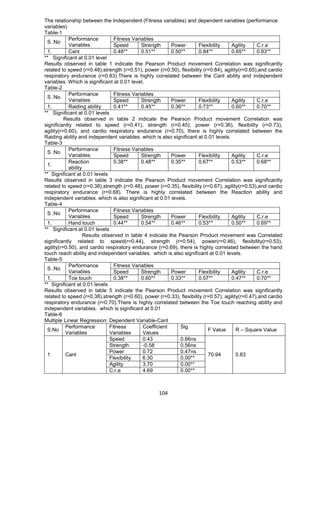
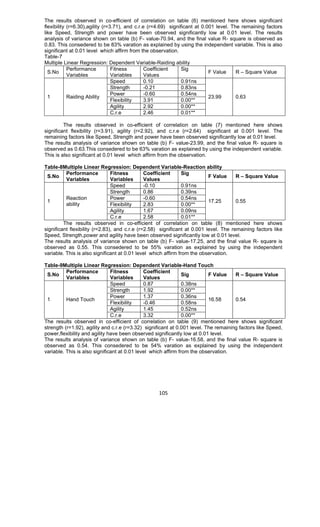
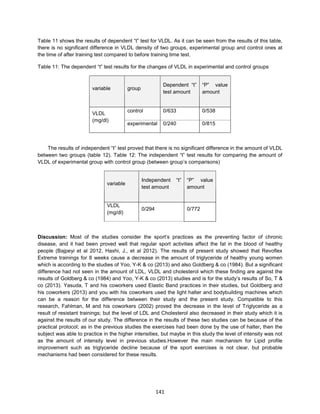
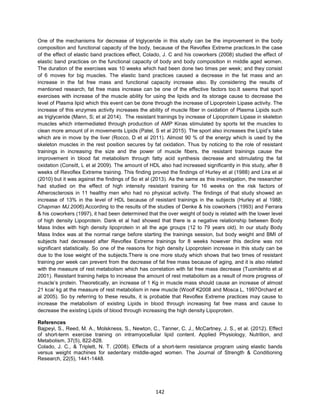
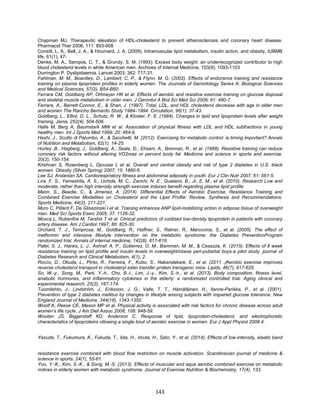
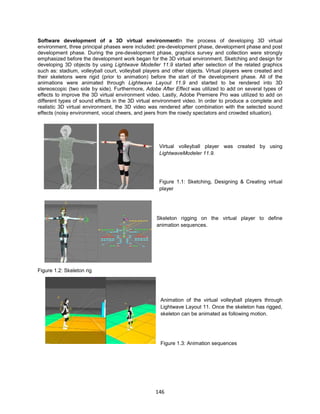
Indian Federation of Computer Science in
sports
www.ijhpecss.org and www.ifcss.in
under the auspices of
International Association of Computer
Science in sports
Email:rajesh2sports@gmail.com
International Journal of Health, Physical
Education and Computer Science in sports
ISSN 2231-3265 (On-line and Print) Journal
Impact factor is 3.565.Journal published
Quarterly for the months of March, June,
September and December. IJHPECSS is
refereed Journal.Index Journal of Directory of
Research Journal Indexing, J-Gate, 120R etc
Editorial Board
Chief Editor:
Prof. Rajesh Kumar, India
Editors:
Prof.Syed Ibrahim, Saudi Arabia
Prof.L.B.Laxmikanth Rathod, India
Associate Editors:
Prof. P.Venkat Reddy, India
Prof. J.Prabhakar Rao, India
Dr.Quadri Syed Javeed, India
Dr.Kaukab Azeem, Saudi Arabia
Members:
Prof.Lee Jong Young, Korea
Prof.Henry C.Daut, Philippines
Prof.Ma. Rosita Ampoyas-Hernani, Philippines
International Journal of Health, Physical
Education and Computer Science in Sports is
multidisciplinary peer reviewed journal,
mainly publishes original research articles on
Health, Physical Education and Computer
Science in Sports, including applied papers
on sports sciences and sports engineering,
computer and information, health
managements, sports medicine etc. The
International Journal of Health, Physical
Education and Computer Science in sports is
an open access and print International
journal devoted to the promotion of health,
fitness, physical Education and computer
sciences involved in sports. It also provides
an International forum for the communication
and evaluation of data, methods and findings
in Health, Physical education and Computer
science in sports. The Journal publishes
original research papers and all manuscripts
are peer review. . Index Journal of Directory of
Research Journal Indexing and J-Gate. The
Indian Federation of Computer Science in
Sports has been set up the objectives of
Dissemination of scientific knowledge
concerning computer science in sport and
Physical Education. Providing a forum for the
exchange of ideas among the Physical
Educationists,Coaches,Sports Experts Etc. It
is a Peer Reviewed(Refereed) International
Research Journal.
Dr. Vangie Boto-Montillano, Philippines
Dr. Lila Sabbaghian Rad, Iran
Prof. Chenlei, China.
Dr. Lim Boon Hooi, Malaysia
Dr.Le Duc Chuoung, Vietnam
Dr.Vu Viet Bao, Vietnam
Dr.Nguyen Tra Giang, Thailand
Dr. Marisa P. Na Nongkhai,Thailand
Prof.G.L.Khanna, India
Prof.V.Satyanarayana, India
Prof.C.V.Prasad Babu, India
Prof.Y.Kishore, India
Dr.K.P. Manilal, India
Dr.Y.S.Laxmeesha, India
Y.Emmanuel Shashi Kumar, India
Dr.B.Sunil Kumar, India
Dr.K.Deepla, India
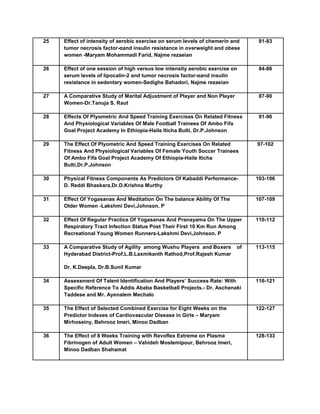
CONTENTS
S.No. Name of the Articles Page No’s
1 Relationship of Selected Anthropometrical variables to Performance of
High School Male Kabaddi Players in Mandya District-Mr. Devaraju C. T.
1-2
2 A Study on Self Concept of Sprinters, Middle & Long distance runners for
Effective Performance -Dr. K. Pravin Kumar,Mr.J.Babu Lal
3-4
3 Comparison Between Genders On Total Mood Disturbance (Tmd) Prior
To Competition -Lim Boon Hooi
5-8
4 Study of electrical activity for some of the working muscles and its
relation with some bio kinematic variables and performance of front
lifted stroke for National Badminton Team Players-Dr. Bushra Kadhim
Abdulradha, Anaam Jafar Sadiq
9-13
5 Comparison Of Athletic Ability Among Chasers, Dodgers And All
rounder Female Kho-Kho Players- Mr. Channappa C
14-15
6 Comparison Of Selected Anthropometric Measurments Between
Football And Hockey Players Of Himachal Pradesh University-Dr. Hari
Singh,Dr. Gaurav,O.L.S Kullu, H.P
16-18
7 Body composition profile of elite Indian male and female archers: a
comparative study – Dr. S.K.Dey,Monalisa Debnath, Madhurima Roy,
Subhra Chatterjee(nee Karmakar),
19-25
8 Association of Physical Activity with Mental Health among School
Teachers-Mr. Sarbjit Singh,Prof. Dalwinder Singh
26-29
9 Effects Of A 12-Week Resistance Training Program On Biomotor
Abilities Of Malaysian Sports School Athletes-Entheran
Subramaniam
,
Lim B. Hooi
30-36
10 A Comparative Study of State anxiety between team sport and
individual sport players of Swami Shardhanand College-Mohit Rana,Dr
.Inder Mohan Datta
37-40
11 Indian Cinema’s Contribution in Sports-Mrs. S. Jagadeeswari 41-43
12 Effect Of Mental Imaginary Training On Psychological Variables Among
Women Students -Ms V.Yashika, Dr.G.Vasanthi
44-46
13 Comparative Study Of Breath Hold Time And Body Mass Index (Bmi)
Between Rural And Urbanamong Obese Women-S.Monisha, Dr. R.
Venkatesan,
47-49
14 Effective Study Of S.A.Q Training and Tempo Training on Muscular
Strength and Breath Holding Time among Junior cricket Players-
S.Mohanasundaram,Dr. G.Vasanthi
50-52
15 Comparative Study Of Resting Pulse Rate And Flexibility Between Rural
And Urban among Obese Women -S.Monisha, Dr.R.Venkatesan
53-55
16 Trends And Technology In Weightlifting – A Theoretical Review
-Dr. Bharat Z. Patel
56-57
17 Effect of Plyometric training on selected physical fitness variables
among school Athletes-Dr.S.Nagarajan,Mr.J.Rajesh Kumar
58-61
18 A Study Of Sedentary People Regular Walkers And Yoga Practitioners
On Selected Body Composition Variables,Meenu Manju Chahal
62-65
19 Effects Of Yoga And Pranayama On Reductionof Stress In Teachers: A
Study -Dr. C. Kiran Chakravarthi
66-67
20 Construction of Physical Fitness Norms for University Women of
Rayalaseema Region in Andhra PradeshM. Nagaraju,Prof. Syed
Kareemulla
68-69
21 Stress and Mental Health College Students, styles of Athletes -Mr.
Nagarjuna sangem,Mr. S. Kiran Kumar Goud: Dr. P. Bhasker
70-72
22 Comparative Study Of Anxiety Level Between Inter Collegiate Volleyball
And Weightlifting Male Players -Dr. Bharat Z. Patel
73-74
23 Effect of Intensity of Aerobic Exercise on Serum Levels of Apelin and
Inflammatory, Metabolic and Lipid Profiles inSedentary YoungWomen
Sudabeh Jafarzadeh, Najme rezaeian
75-77
24 Effect of One Session of Low versus High Intensity Aerobic Training on
Serum Levels of Nesfatin-1, and Tumor Necrosis Factor-α and Insulin
Resistance in Young Sedentary Overweight and Obese Women-Neshat
Alavian
,
Najme rezaeian
78-80
25 Effect of intensity of aerobic exercise on serum levels of chemerin and
tumor necrosis factor-αand insulin resistance in overweight and obese
women -Maryam Mohammadi Farid, Najme rezaeian
81-83
26 Effect of one session of high versus low intensity aerobic exercise on
serum levels of lipocalin-2 and tumor necrosis factor-αand insulin
resistance in sedentary women-Sedighe Bahadori, Najme rezaeian
84-86
27 A Comparative Study of Marital Adjustment of Player and Non Player
Women-Dr.Tanuja S. Raut
87-90
28 Effects Of Plyometric And Speed Training Exercises On Related Fitness
And Physiological Variables Of Male Football Trainees Of Ambo Fifa
Goal Project Academy In Ethiopia-Haile Iticha Bulti, Dr.P.Johnson
91-96
29 The Effect Of Plyometric And Speed Training Exercises On Related
Fitness And Physiological Variables Of Female Youth Soccer Trainees
Of Ambo Fifa Goal Project Academy Of Ethiopia-Haile Iticha
Bulti,Dr.P.Johnson
97-102
30 Physical Fitness Components As Predictors Of Kabaddi Performance-
D. Reddi Bhaskara,Dr.D.Krishna Murthy
103-106
31 Effect Of Yogasanas And Meditation On The balance Ability Of The
Older Women -Lakshmi Devi,Johnson. P
107-109
32 Effect Of Regular Practice Of Yogasanas And Pranayama On The Upper
Respiratory Tract Infection Status Post Their First 10 Km Run Among
Recreational Young Women Runners-Lakshmi Devi,Johnson. P
110-112
33 A Comparative Study of Agility among Wushu Players and Boxers of
Hyderabad District-Prof.L.B.Laxmikanth Rathod,Prof.Rajesh Kumar
Dr. K.Deepla, Dr.B.Sunil Kumar
113-115
34 Assessment Of Talent Identification And Players’ Success Rate: With
Specific Reference To Addis Ababa Basketball Projects.- Dr. Aschenaki
Taddese and Mr. Ayenalem Mechalo
116-121
35 The Effect of Selected Combined Exercise for Eight Weeks on the
Predictor Indexes of Cardiovascular Disease in Girls – Maryam
Mirhoseiny, Behrooz Imeri, Minoo Dadban
122-127
36 The Effect of 8 Weeks Training with Revoflex Extreme on Plasma
Fibrinogen of Adult Women – Vahideh Moslemipour, Behrooz Imeri,
Minoo Dadban Shahamat
128-133
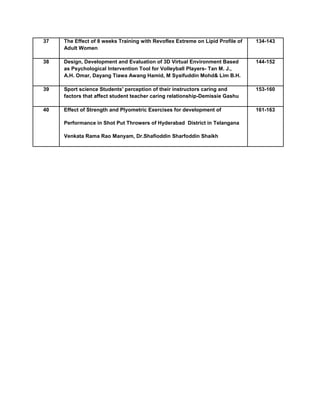
37 The Effect of 8 weeks Training with Revoflex Extreme on Lipid Profile of
Adult Women
134-143
38 Design, Development and Evaluation of 3D Virtual Environment Based
as Psychological Intervention Tool for Volleyball Players- Tan M. J.,
A.H. Omar, Dayang Tiawa Awang Hamid, M Syaifuddin Mohd& Lim B.H.
144-152
39 Sport science Students' perception of their instructors caring and
factors that affect student teacher caring relationship-Demissie Gashu
153-160
40 Effect of Strength and Plyometric Exercises for development of
Performance in Shot Put Throwers of Hyderabad District in Telangana
Venkata Rama Rao Manyam, Dr.Shafioddin Sharfoddin Shaikh
161-163
1
ISSN 2231-3265
International Journal of Health, Physical Education and Computer Science in Sports
Volume No.23, No.1pp1-2
Journal Impact Factor 3.565
A Peer Reviewed (Refereed) International Research Journal
Relationship of Selected Anthropometrical variables to Performance of High School
Male Kabaddi Players in Mandya District
Mr. Devaraju C. T.
Research Scholar, Dept. of studies in Physical Education & Sports Sciences,
University of Mysore, Mysore-570 005, Karnataka, India.
Email:devaraju.gowdact@gmail.com
Abstract
Introduction: The physical structure especially the height and leg length, arm length and the ideal weight have definite
advantage in sports. To meet the criteria for any level performance, Anthropometrical measurements demands on
Kabaddi are continuously increased. No prediction study of Kabaddi performance in Anthropometrical variables
among High School Male Kabaddi Players in Mandya District was conducted. The purpose of the study was to
predict the performance of Kabaddi players from selected Anthropometrical variables. Objectives : a)To assess the
relationship between selected Anthropometrical variables and performance among Kabaddi players . b) To know
which Anthropometrical variables majorly predict game performance among Kabaddi playersMethodology: To achieve
this purpose, 150 High School Male kabaddi players who were participated in the inter district High school kabaddi
tournaments were selected randomly from different schools of Monday district. The age of the subjects ranged from
14-16 years. In the present study anthropometrical variables Height, Weight, Arm length, Trunk length, and Leg length
were selected. The data collected has been tabulated and analyzed with the help of statistical techniques viz., mean,
standard deviation, coefficient of correlation, multiple correlation, regression equation and One-Way ANOVA (Analysis
of Variance) and scheffe’s post hoc test. Results: There is a significant relationship between standing height, Body
Weight Trunk length Arm length and Leg length to performance of the kabaddi players. Of the 05 anthropometric
variables entered into the equation, only one variable, i.e., Body weight majorly predicted the game performance of
the kabaddi players.
Introduction
The physical structure especially the height and leg length, arm length and the ideal weight have definite advantage in
sports. Similarly segmental length of individual body parts and the length specifically are of considerable advantage in
selected athletic events and certain games like Kabaddi, Volleyball, Basketball etc. To meet the criteria for any level
performance, Anthropometrical measurements demands on Kabaddi are continuously increased. No prediction study
of Kabaddi performance in Anthropometrical variables among High School Male Kabaddi Players in Monday District
was conducted. The purpose of the study was to predict the performance of Kabaddi players from selected
Anthropometrical variables.
Objectives :
To assess the relationship between selected Anthropometrical variables and performance among Kabaddi players
To know which Anthropometrical variables majorly predict game performance among Kabaddi players
Methodology
To achieve this purpose, 150 High School Male Kabaddi players who were participated in the inter district High School
Kabaddi tournaments were selected randomly from different schools of District. The age of the subjects ranged from
14-16 years. In the present study Anthropometrical variables Height, Weight, Arm length, Trunk length, and Leg length
were selected.
The data collected has been tabulated and analyzed with the help of statistical techniques viz., mean, standard
deviation, coefficient of correlation, multiple correlation, regression equation and One-Way ANOVA (Analysis of
Variance) and scheffe’s post hoc test.
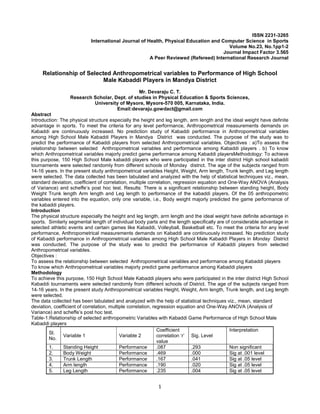
Table-1:Relationship of selected anthropometric Variables with Kabaddi Game Performance of High School Male
Kabaddi players
Sl.
No.
Variable 1 Variable 2
Coefficient
correlation ‘r’
value
Sig. Level
Interpretation
1. Standing Height Performance .087 .293 Non significant
2. Body Weight Performance .469 .000 Sig at .001 level
3. Trunk Length Performance .167 .041 Sig at .05 level
4. Arm length Performance .190 .020 Sig at .05 level
5. Leg Length Performance .235 .004 Sig at .05 level
2
*Significant at 0.01 level with df 58 is 0.174
Note: Negative significance is due to the fact that the variable correlated involved in percentage
Results
There is a significant relationship between standing height, Body Weight Trunk length Arm length and Leg length to
performance of the kabaddi players.
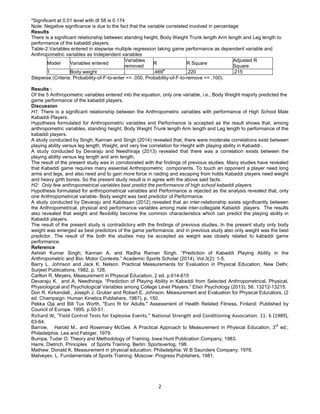
Table-2:Variables entered in stepwise multiple regression taking game performance as dependent variable and
Anthropometric variables as Independent variables
Model Variables entered
Variables
removed
R R Square
Adjusted R
Square
1 Body weight . .469a
.220 .215
Stepwise (Criteria: Probability-of-F-to-enter <= .050, Probability-of-F-to-remove >= .100).
Results :
Of the 5 Anthropometric variables entered into the equation, only one variable, i.e., Body Weight majorly predicted the
game performance of the kabaddi players.
Discussion
H1: There is a significant relationship between the Anthropometric variables with performance of High School Male
Kabaddi Players.
Hypothesis formulated for Anthropometric variables and Performance is accepted as the result shows that, among
anthropometric variables, standing height, Body Weight Trunk length Arm length and Leg length to performance of the
kabaddi players.
A study conducted by Singh; Kannan and Singh (2014) revealed that, there were moderate correlations exist between
playing ability versus leg length, Weight, and very low correlation for Height with playing ability in Kabaddi .
A study conducted by Devaraju and Needhiraja (2013) revealed that there was a correlation exists between the
playing ability versus leg length and arm length.
The result of the present study was in corroborated with the findings of previous studies. Many studies have revealed
that Kabaddi game requires many essential Anthropometric components. To touch an opponent a player need long
arms and legs, and also need and to gain more force in raiding and escaping from holds Kabaddi players need weight
and heavy girth bones. So the present study result is in agree with the above said facts.
H2: Only few anthropometrical variables best predict the performance of high school kabaddi players.
Hypothesis formulated for anthropometrical variables and Performance is rejected as the analysis revealed that, only
one Anthropometrical variable- Body weight was best predictor of Performance.
A study conducted by Devaraju and Kalidasan (2012) revealed that an inter-relationship exists significantly between
the Anthropometrical, physical and performance variables among male inter-collegiate Kabaddi players. The results
also revealed that weight and flexibility become the common characteristics which can predict the playing ability in
Kabaddi players.
The result of the present study is contradictory with the findings of previous studies. In the present study only body
weight was emerged as best predictors of the game performance, and in previous study also only weight was the best
predictor. The result of the both the studies may be accepted as weight was closely related to kabaddi game
performance.
Reference
Ashish Kumar Singh; Kannan A. and Radha Raman Singh. “Prediction of Kabaddi Playing Ability in the
Anthropometric and Bio- Motor Contexts.” Academic Sports Scholar (2014), Vol.3(2): 1-5.
Barry L. Johnson and Jack K. Nelson. Practical Measurements for Evaluation in Physical Education, New Delhi;
Surjeet Publications, 1982, p. 128.
Carlton R. Meyers, Measurement in Physical Education, 2 ed, p.614-615
Devaraju K. and A. Needhiraja. “Prediction of Playing Ability in Kabaddi from Selected Anthropometrical, Physical,
Physiological and Psychological Variables among College Level Players.” Elixir Psychology (2013), 56: 13212-13215.
Don R. Kirkendall., Joseph J. Gruber and Robert E. Johnson. Measurement and Evaluation for Physical Educators, (2
ed. Champaign: Human Kinetics Publishers, 1987), p. 150.
Pekka Oja and Bill Tux Worth, "Euro fit for Adults." Assessment of Health Related Fitness, Finland: Published by
Council of Europe. 1995, p.50-51.
Richard W, "Field Control Tests for Explosive Events." National Strength and Conditioning Association. 11: 6 (1989),
63-64.
Barrow, Harold M., and Rosemary McGee. A Practical Approach to Measurement in Physical Education, 3rd
ed.;
Philadelphia: Lea and Febiger, 1979.
Bumpa, Tudar O. Theory and Methodology of Training. lowa:Hunt Publication Company, 1983.
Harre, Dietrich. Principles of Sports Training. Berlin: Sportsverlog, 198.
Mathew, Donald K. Measurement in physical education. Philadelphia: W.B Saunders Company, 1978.
Matveyev, L. Fundamentals of Sports Training. Moscow: Progress Publishers, 1981.
3
ISSN 2231-3265
International Journal of Health, Physical Education and Computer Science in Sports
Volume No.23, No.1pp3-4
Journal Impact Factor 3.565
A Peer Reviewed (Refereed) International Research Journal
A Study on Self Concept of Sprinters, Middle & Long distance runners for
Effective Performance
Dr. K. Pravin Kumar
Physical Education Teacher, KVS, Hyderabad Region
Email:praveenkk16@gmail.com
Mr.J.Babu Lal
Former Student, University College of Physical Education,OU
Abstract:
The term self-concept is a general term used to refer to how someone thinks about or perceives themselves.
The self concept is how we think about and evaluate ourselves. To be aware of oneself is to have a concept of
oneself. Baumeister (1999) provides the self concept definition: "The individual's belief about himself or herself,
including the person's attributes and who and what the self is".Sprint involves the athlete to attempt to run at peak
speed for the complete duration of the race. In Middle distance running athlete’s involvement of muscles is more to
greater extent than compare to Heart. In Long distance running athlete’s involvement of Heart is more to greater
extent than compare to muscles to perform better performance. These are also known as Heart distance races. The
events are 5000 Mts., 10000 Mts. Marathon and cross country running. The purpose of the study is to find out the Self
concept of Sprinters, Middle and Long distance runners. The sample for the study consists of 150 Sprinters, 150
Middle distance runners and 150 Long distance runners those who have participated in the Inter District Tournaments
of Telangana state. The Standardized Dr. (Miss) Mukta Rani Rastogi’s Self concept Test is used for the study. It is
found the Long distance runners are having high Self concept than Sprinters, and Middle distance runners because
the Long distance runners should have belief of winning in the competition. They have to compete under the
Psychological stress, and physical as well as psychological fatigue. Whereas in sprints the event duration is very short
and muscle power and technique is needed.
Key words: Self Concept, athletes, sprints, Middle distance, long distance etc.
Introduction:
Sport Psychology is the scientific study of people and their behaviours in sport. The role of a sport psychologist
is to recognize how participation in sport exercise and physical activity enhances a person’s development. The term
self-concept is a general term used to refer to how someone thinks about or perceives themselves. The self concept is
how we think about and evaluate ourselves. To be aware of oneself is to have a concept of oneself. He is the winners
who have strong belief of success and who overcome psychological stress, fear, feelings of restlessness, fatigue,
concentration problems.Track and Field dominated the ancient Greek athletic festivals, and was also popular in Rome,
but declined in the Middle Ages. In England track was revived sporadically between the 12th and 19th centuries. Track
& field events are the main attraction in the modern Olympics started in the year 1896.
Purpose of the study:
The purpose of the study is to find out the Self Concept among Sprinters and Middle and Long distance runners.
Methodology:
The sample for the study consists of 150 Sprinters, 150 Middle distance runners and 150 Long distance runners those
who have participated in the Inter District Tournaments of Andhra Pradesh state of Hyderabad District. The
Standardized Self concept test of Dr. (Miss) Mukta Rani Rastogi. The test consisted of 51 Items. The subjects were
required to respond to each item in terms of ‘Strongly Agree, Agree, disagree and strongly disagree’. Reliability of the
scale by split-half method following spearman brown prophecy formula was found to be .87. and highly reliable in this
test.
Results:Middle distance runners have significantly high Self Concept than the sprinters. Long distance runners have
significantly high Self Concept than the sprinters. Long distance runners have significantly high Self Concept than the
middle distance runners.
4
Discussion:
The decision must be made by Long distance runners is final for their performance. Whereas in sprints where muscle
power and technique is needed. Self Concept level differs from event and individual.
Table No. 1.1
Sprinters, Middle and Long Distance Runners Shows the Mean, S.D, S. E. and F value of Self Concept
A = Sprinters B = Middle Distance Runners C = Long Distance Runners
Table No. 1.2:Summary of One Way ANOVA
Source Ss df MS F P
Between Groups 31424.13 2 15712.06
Error 84936.65 447 190.01
Total 116360.79 449
82.69 < .01
From the one way anova summary and graph it is seen that Mean of self concept score of the sprinters
Mean is 153.38, middle distance runners Mean is 164.54 and long distance runners mean is 173.82. The difference
between the three means is highly significant (F = 82.69, df =449, P < 0.01) It is clear that first result middle distance
runners have significantly high self concept than the sprinters. Second long distance runners have significantly high
self concept than the sprinters. Third long distance runners have significantly high self concept than the middle
distance runners. HSD[.05]=0.62; HSD[.01]=0.77.
Conclusion:
1) Middle distance runners have significantly high Self Concept than the sprinters.
2) Long distance runners have significantly high Self Concept than the sprinters.
3) Long distance runners have significantly high Self Concept than the middle distance runners.
It is concluded that Middle distance runners are having comparatively high Self Concept than the sprinters, Long
distance runners have significantly high Self Concept than the sprinters & Middle distance runners. Because they set
goals and aims to give level best performance to win the Competition, where as the Sprinters concentrate on
technique at the start & finish and muscle power to give the high level of performance. It is recommended that for all
sports persons must be trained to having Self Concept to achieve high excellence in sports. The Coaches must
prepare the athletes to thinks about or perceives themselves positively before and during competition.
Recommendations:
1. This type of Study is useful to the Coaches and Physical Education Teachers to train the Students as per the
requirements of the Psychological variables for the better performance in sports.
2. Conducting a similar study, by adding other psychological factors such as goal setting, Achievement motivation,
concentration and imagery.
3. Doing a similar study on Individual and Team Games.Comparing anxiety and Achievement motivation between elite
and non-elite athletes in different regions.
References:
Wikipaedia Sprints, Middle and Long distance running, athletics.
Sinha’s comprehensive Anxiety Test (SCAT), Natuional Psychological Corporation.1971.
Kinikema K. and Harris J.(1992) sport and the mass media, Exercise and Sport Science reviews 20,127-159.
McEvoy A. and Erikson E.(1981) Heroes and villains: A Conceptual strategy for assessing their influence.sociological
factors, 14,111-122
Gardner, Frank (2007). The Psychology of Enhancing Human Performance. Spring Publishing Co.
Dimension Group A B C Total
Mean 153.38 164.54 173.82 163.91
S. D. 20.50 11.05 5.25 16.09
S. E 1.67 0.90 0.42 0.75
Self Concept
N 150 150 150 450
5
ISSN 2231-3265
International Journal of Health, Physical Education and Computer Science in Sports
Volume No.23, No.1,pp5-8
Journal Impact Factor 3.565
A Peer Reviewed (Refereed) International Research Journal
Comparison Between Genders On Total Mood Disturbance (Tmd) Prior To Competition
Lim Boon Hooi
Sports Centre, University of Malaya, Malaysia
E-mail: lboonhooi62@gmail.com
Abstract
The promotion of mood regulation strategies among athletes is not new but evidence about the efficacy of such
strategies in sport is scarce. The objectives of the current study were to examine the effects of Autogenic Relaxation
on regulating Total Mood Disturbance (TMD) and to investigate gender differences on TMD Responses to Autogenic
Relaxation prior to competition. Participants were youth state volleyball players (N = 48; male = 24, female = 24; M
age = 16.35 yr., SD = .89 yr.) The abbreviated version of the Profile of Mood States (POMS) was employed to
examine the TMD Scores on pre and post-intervention. The intervention was carried out twice a week, 30
minutes/session for 8 weeks before training. A paired-samples t-test indicated that mean scores of the TMD were
significantly lower during post-intervention, t(47) = 9.25, p <0.05. Results of this study revealed that male players
reported significantly lower, t(46) = -2.23, p<0.05 on post-intervention TMD Scores compared to female players.
Standard Autogenic Training appears to be useful procedure to induce significant changes on TMD responses prior to
competition in current study.
Keywords: Gender Differences, Autogenic Relaxation, Total Mood Disturbance
Introduction
Although the promotion of mood regulation strategies among athletes is not new [1], evidence about the efficacy of
such strategies in sport is scarce. In the general psychology literature, there is a relative consensus that people tend
to monitor and evaluate their moods, and also that they develop and implement personal self-regulation strategies [2].
The effects of relaxation in mood regulation can be observed in a study of Japanese adults [3]. The researchers
reported positive effects of 10-minute relaxation exercises on general mood ratings using Profile of Mood States
(POMS). Furthermore, they observed a greater reduction in confusion and fatigue scores post-intervention in the
relaxation group compared with the control group [3].
One method of mood-management is self-regulation. It is suggested that individuals tend to actively monitor their
moods and develop self-regulating strategies to reduce negative mood and increase positive mood [4]. Autogenic
Relaxation technique has been used by many practitioners [5], the Autogenic Relaxation technique relaxes the mind
to relax the body. It uses both visual imagery and body awareness to move a person into a deep state of relaxation.
The person imagines a peaceful place and then focuses on different physical sensations, moving from the feet to the
head. The Autogenic Relaxation technique uses six “standard exercises “including self-suggestions of heaviness and
warmth on the limbs, a regular and rhythmic heart beat, coolness of the forehead, warmth in the solar plexus, and
autonomic breathing.
Previous study examined gender-related differences in the psychological response to weight reduction in 43 judoists.
The Total Mood Disturbance (TMD) score in POMS significantly increased after weight reduction only in weight
reduction group males. In the female weight reduction group, the anger and depression scores decreased after weight
reduction, and the pre-value of the TMD score in this group was relatively high [6].
Therefore, although we believe that a gender difference in response to Autogenic Relaxation also exists in athletes, no
studies have, however, examined this. To consider each gender appropriately after the Autogenic Relaxation
sessions, it is important to study whether any gender-related difference exists in the response to Autogenic Relaxation
on regulating TMD. This study attempt to gain an insight in this area that will be a benefit approaching to the sports
fielders.
Given the potential contribution of Autogenic Relaxation on regulating TMD, and understanding the nature of mood
may help athletes to reach optimal performance. Thus, the objectives of the current study were to examine the effects
of Autogenic Relaxation on regulating TMD and to investigate gender differences on TMD Responses to Autogenic
Relaxation prior to competition.
6
Participants
Participants were youth state volleyball players (N = 48; male = 24, female = 24; M age = 16.35 yr., SD = .89 yr.)
competing in the Under 18 National School Sport Council of Malaysia Volleyball Tournament. They were players
selected to represent two states in Malaysia (i.e., Negeri Sembilan, Malacca) in that tournament. The participants
were fully acquainted with the nature of the study prior to giving written informed consent to participate. Their selection
was based on their availability and they are competing at the national level. Participants were assured confidentiality
regarding the data collected and their personal identity. Ethical approval for the study was obtained from the University
of Malaya ethics committee.
Instrument
The abbreviated version of the POMS [7] consists of 30 items. The participants rated the 30-items using the ‘‘Right
Now’’ response set on a five-point scale ranging from 0 (Not at all) to four (Extremely) and generated six subscales of
Tension, Depression, Anger, Fatigue, Vigor, and Confusion. The scores from the six subscales were aggregated by
summing the five negative mood scales, subtracting vigor, and adding a constant of 20 to avoid negative scores; this
yielded an overall TMD. Higher TMD Scores indicated more negative mood states. The POMS is one of the most
commonly used measures of mood in exercise research [8] and has demonstrated acceptable reliability and validity
with a variety of populations [7].
Procedures
Permission to conduct the study was obtained from the relevant authorities. Specifically, permissions to involve
players in the study were obtained from the Sport Unit, State Education Department, team managers and coaches
from the participating teams. Furthermore, the study protocol was approved by the Research Ethics Committee
(Human) of the author's institution.
Pre-Intervention measures of mood states were obtained on-site during training session 8 weeks prior to official
competition. The intervention used in this study was the Standard Autogenic Training. It usually takes 8 weeks to learn
the technique, and home practice of the exercises is encouraged [9]. All the 8 weeks training sessions were carried
out at the meeting room of training venue, and it were assisted by the Sport Psychologist from National Sport Institute
of Malaysia.
The intervention was carried out twice a week, 30 minutes/session for 8 weeks before their sport skill/technical
training. After completion of the 8 weeks Standard Autogenic Training, the participants were assessed again on the
mood states one day prior to competition at the competition venue. Sessions were conducted in a meeting room with
the air conditioner temperature was set at 25○
C. Participants were seated approximately one meter from each other.
Statistical Analysis
Paired-samples t-test was employed to compare the significant difference on the mean of TMD between pre and post-
intervention for the whole group. An independent samples t-test was used to determine the gender differences on
TMD responses to Autogenic Relaxation prior to competition. Raw data were converted to corresponding t scores.
The significant value was set at P<0.05. For all statistical analyses, SPSS 19 was used.
Results
Comparison of the TMD mean Scores between Pre and Post Interventions for the whole group was presented in
Table 1. A paired-samples t-test indicated that mean scores of the TMD were significantly lower during post-
intervention (M = 30.75, SD = 2.97) than pre-intervention (M = 36.31, SD = 2.87), t(47) = 9.25, p < .001.
Table 1: Comparison of TMD Mean Scores between Pre and Post Interventions for the Whole Group
Session
TMD
Mean (SD)
t df Sig. (2-tailed)
Pre-Intervention
36.31 (2.87)
Post-Intervention
30.75 (2.97)
9.25 47 .001
7
Levene's test for homogeneity showed that the assumption of equality of variance between genders on the pre-
intervention mean scores of TMD was not violated, t(46)= 0.96, p>0.05.
The mean and standard deviation of TMD Scores between gender on Pre and Post Interventions are presented in
Table 2.Table 2: Mean and Standard Deviation of TMD Scores between Gender on Pre and Post Interventions
TMD Scores
Session Male
Mean (SD)
Female
Mean (SD)
t-value df Sig.(2-tailed)
Pre-
Intervention
36.71 (3.18) 35.92 (2.54) 0.96 46 0.35
Post-
Intervention
29.83 (2.50) 31.67 (3.17) -2.23 46 0.03
An independent-samples t-test indicated that the TMD mean Scores of the male players were significantly lower than
the female players during post-intervention, t(46) = -2.23, p<0.05.
Discussion
The first objective of the current study was to examine the effect of Autogenic Relaxation on regulating TMD Scores
prior to competition. The findings of the study indicated that TMD mean scores decreased from pre-intervention
(M=36.31 ± 2.87) to post-intervention (M=30.75 ± 2.97) for the whole group regardless of gender. It revealed that
significant difference of TMD mean scores, t(47) = 9.25, p < .001 between pre-intervention and post-intervention. This
result resemble those of previous studies by Masamoto [10] & Tachiya [11], and thus, it can be stated that the present
study illustrates the reduction on post-intervention TMD scores prior to competition typically brought about by
Autogenic Relaxation. Current results showing that Autogenic Relaxation is an effective self-regulation strategy lend
support for previous research on self-regulation strategies used by the general population [4].
In the current results, the TMD Scores significantly lower in male players, t(46) =-2.23, p<0.05 than the female players
during post-intervention. The result replicates the earlier findings of Roberta [12] where despite the similarity in
disease severity, females are reported to have greater TMD than males. Females have more TMD due to reason
quoted by Dawn [13] that cognitive and personality styles may affect mood. Family and culture bound traditions
regarding female roles emphasize responsibility toward family over self and self-direction, physical expression in work
and play. This result replicates the earlier findings that lower TMD in males when compared to female competitors [14]
in the world- ranked tennis players. However, the findings of this study contradict previous study which examined
gender-related differences in the psychological response to weight reduction in 43 judoists, the TMD scores in POMS
significantly increased after weight reduction only in weight reduction group males.
The male athletes in the present study displayed lower TMD Scores than female athletes one day prior to competition;
gender did influence TMD responses to Autogenic Relaxation. This finding preclude practical usage but indicate that
future researchers will need to consider gender when examining pre-competition TMD and implementing
psychological intervention, females need more time to practice the Autogenic Relaxation to help them handle TMD
responses more positively.
Practitioners and researchers have traditionally neglected examining individual differences for improving the coping
skills of athletes. With respect to the present study, acknowledging the unique needs and coping tendencies of
athletes as functions of their gender in regulating TMD prior to competition. Thus, using the POMS to ask youth
volleyball players to report how they feel “right now” could reveal higher TMD scores. More research with youth
athletes will further clarify these findings.
In conclusion, the psychological preparation of volleyball players must be taken into consideration during the coaching
process. Professional help and programming of the psychological preparation of the athletes and observation of their
emotional conditions before and during a game is necessary to regulate TMD and contribute to the high effectiveness
of volleyball players in Malaysia. We recommend the inclusion of Autogenic Relaxation training programs in the
training regimen for youth volleyball players in order to help them better deal with their experience of regulating TMD
prior to competition.
8
References
1. Bond, J. (1990). Learning to check and adjust your mood states for higher quality competition performances.
Belconnen, ACT: Australian Institute of Sport.
2. Wegner, D.M., & Pennebaker, J. W. (Eds.) (1993). Handbook of mental control. Englewood Cliffs, NJ: Prentice
Hall.
3. Taniguchi T, Hirokawa K, Tsuchiya M, Kawakami N. (2007). The Immediate Effects of 10-minute Relaxation
Training on Salivary Immunoglobulin A (s-IgA) and Mood State for Japanese Female Medical Co-workers. Acta
Med Okayama.
4. Thayer RE, Newman R, McClain TM. (1994). Self-regulation of mood: strategies for changing a bad mood, raising
energy, and reducing tension. Journal of Personality and Social Psychology, 67, 910-925.
5. Lehrer PM. (1996). Varieties of relaxation methods and their unique effects. International Journal Stress
Management.
6. Yoshiko, Takashi, Shigeyuki, ArataKojima, Masaru, Noriko, & Kazuo (2006). Gender Differences in the
Psychological Response to Weight Reduction in Judoists. International Journal of Sport Nutrition and Exercise
Metabolism; 16, 187-198.
7. McNair, D. M., Lorr, M., & Droppleman, L. F. (1992). Revised Manual for the Profile of Mood States. San Diego,
CA: Educational and Industrial Testing Service.
8. Berger, B. G., & Motl, R. W. (2000). Exercise and mood: A selective review and synthesis of research employing
the Profile of Mood States. Journal of Applied Sport Psychology, 12, 69-92.
9. Kanji, N. (1997). Autogenic training. Complementary Therapies in Medicine, 5, 162-167.
10. Masamoto, K., Saito, M., Yoda, A., & Kuga, R. (2003). Psychological reactions and cardiac autonomic nervous
function accompanying first-time autogenic training. Japanese Journal of Hypnosis, 47: 15-22.
11. Tachiya, Y., Mimura, S., Sugo, T., Kusumoto, Y., & Osada, K. (2005). Comparison of the physiological and
psychological results of warmth sensation formulas and warmth sensation suggestions in autogenic training in
competitive sports. Japanese Journal of Hypnosis, 49 (1): 9-17.
12. Roberta, K., Oka, Andrzej Szuba, John C., Giacomini and John P., Cooke. (2003). Gender differences in
perception of PAD: a pilot study. Journal of Vascular Medicine, Vol. 8(2): 89-94.
13. Dawm, P., Lemcke, Julie Pattison, Lorna, A., Marshall and Dieborah, S., Cowley. (2003). Current Care of Women.
Columbus: Hill Professional Publisher.
14. Meyers, M. C., Sterling, J. C., Treadwell, S., LeUnes, A., & Bourgeois, A. E. (1994). Mood and psychological skills
of elite, world-ranked female tennis players. Journal of Sport Behavior, 17, 156-165.
9
ISSN 2231-3265
International Journal of Health, Physical Education and Computer Science in Sports
Volume No.23, No.1,pp9-13
Journal Impact Factor 3.565
A Peer Reviewed (Refereed) International Research Journal
Study of electrical activity for some of the working muscles and its relation with some bio
kinematic variables and performance of front lifted stroke for National Badminton Team
Players
Dr. Bushra Kadhim Abdulradha
College of Physical Education and Sport Sciences for girls, Iraq
. Anaam Jafar Sadiq
College of Physical Education and Sport Sciences for girls, Iraq
Email:dr_suhad@yahoo.com
Abstract:The current research aiming at identifying of electrical activity for some of the working muscles and its
relation with some bio kinematic variables and performance of front lifted stroke for national badminton team players
for the year2013-2014 included(5) players and the electrical activity variables(EMG) was measured for of the straight
femoral, twin legs, dorsal spinal and ulnar wrist bend muscles at the same time when performing test of front lifted
stroke performance, for the (main) performance stage, and the two researchers have reached via results after
statistical analysis on the research sample, to the existence of liaison significance relation among variables of
electrical activity and level of skill performance with the main part, and the most important recommendations the two
researchers have reached is to make use of results of the research to set formula and training units via depending
measuring electrical planning indicators(EME) for the functional variables of muscles during performing the sport
activity.
The first category
Identification of the research
introduction of the research and its importance
in regard of the witnessed scientific advancement the world has witnessed in realizing sport achievements of various
activities and what are used of modern tools and equipment in the scientific fields amongst using (EMG) and what
these equipment provides of potentiality of measuring the measuring muscular contraction working in most of sport
game skills in away that assisted in studying characteristics of Neuromuscular system where this method depends
basically on recording the electrical activity of muscles during their contraction and the possibility of connected them
with a camera and accessing theses information to the computer via Bluetooth without electrical connections and
wires used in the past.
Where badminton is considered one of the games required from the player high level of physical and skill readiness
to reach high levels being characterized by speed in performance and continuous movement in cases required quick
kinetic response, the specialized trainers resort to the kinetic analysis and using technology to calculate of some of
bio kinematic variable's and calculate angles and speeds of various body parts during the movement.
Where the importance of the research lies in identifying the relation among variables of electrical activity of the
working muscles and level of skill performance for the front lifted stroke for the Iraqi national badminton team players.
The research problem
the skill of the front lifted stroke is considered one of defense skills in badminton and via the two researchers
observing and follow-up of the world samples, the local initiative and the Iraqi universities championship included
most of National team players , found there existed clear weakness in its performance and identifying the relation
among the electrical activity variables which effected by variables of performance, angles and general joints and this
what the two researchers aiming to realized, also this study would attempt to identify the resulted amount of muscular
contraction to perform the skill via measuring the electrical activity of the working muscles of kinetic performance and
its relation with kinematic variables for the skill and the skill level of the same player to know the effort exerted by him
that driven the two researchers to address this problem represented by recognizing strength points and enhancing
them and to avoid the weakness points and to set solutions for them, and the two researchers hope in studying this
problem to help the trainers and the players to find the guarantee methods to promote the skill level and to consider
the most important obstacles needed to be focused on and motivating the working muscles of skills during
competitions.
10
The research objectives
Identifying values of electrical activity variables for some of the working muscles during the skill performance stages
for the front lifted stroke for badminton Iraqi national team players.
Identifying the relation among variables of electrical activity(EMG) for some of the working muscles and bio kinematic
variables and skill performance level for the front lifted stroke of the for badminton Iraqi national team players.
4-1 The research hypotheses
There is liaison relation of statistical significance among variables of electrical activity(EMG) for some of the working
muscles and bio kinematic variables and skill performance level for the front lifted stroke of the for badminton Iraqi
national team players.
The research scopes
1-5-1 The human scope:(5) players of men badminton Iraqi national team players for the season 2013-2014.
1-5-2 Time scope:26/1/2016 till 2/2/2016
1-5-3 Special scope: the close hall in Al-Athori club( special court of badminton)
The second category
The research method and its field procedures
2-1 The research method
The two researchers depended the descriptive method by style of liaison for its suitability with the current research
problem.
2-2 The research community and its sample:
The research sample was chosen deliberately to include (5) players from the Iraqi national team of badminton
representing (90%) of the entire research community(6) players where the southpaw player was eliminated to
maintain the accuracy of the test, and each player was given (10) attempts and table(1) illustrating the sample
research characteristics.
Table(1)
Illustrating the research ample characteristics and the required measures.
Seq. Length/cm Weight/Kg training
age/year
Time age/ year
1 173 69 12 24
2 176 67 11 22
3 176 70 11 23
4 174 67 12 24
5 178 71 11 24
X 175.4 68.8 11.4 23.4
3-2 the equipment and tools used in the research
The Arabic and foreign sources
Observation and experiment
Measures and special tests
Personal interviews
Formulation of questionnaire form
Questionnaire form to specify the working muscles and variables of electrical activity of the working muscles (
currently under study) and are displayed to a number of experts and specialists (annex 1)
Questionnaire form to specify the most important bio kinetic variables( currently under study) and are displayed to a
number of experts and specialists (annex 2).
Laptop type(HP) Irish - made number(1) and using programs of the complete set to analysis the electrical activity of
muscles.
Special Picturing video camera of kinetic analysis type(Sony/com handy) of speed(25) photo per second, number (2).
Special Picturing video camera of kinetic analysis type(Sony/com handy) of speed(210) photo per second, number (1).
Tripod for the camera number(3).
Medical balance(Ketecto) Japan -made
Myo Research Xp program.
Equipment of electrical muscular activity(EMG) Bluetooth of weight(240 g.) type( Myotrace400) of (Inc- Noraxan) of
four channels.
superficial clips (electrodes) dual picker – nil medical alcohol(75%) for cleaning.
Shaving machines set number(1)medical cotton and adhesive medical tapes.
Rickets of badminton numbered(6).
Leather case with rubber belt to fix equipment(EMG) round the player's waist.
Legal shuttle cock type(Younix) number(10)case.
Regular badminton court provided with tools number(2).
Leather measuring tape number(1)
Adhesive tape to specify the objectives of width(5).
11
(Kinovea) program of kinetic analysis.
4-2 The field research procedures
2-4-1 specifying of the research variables
The two researchers chose the research variables( under study) of the electrical variables activity for some of the
working muscles and biomimetic variables in front lifted stroke skill in badminton effected on kinetic performance
level for the player after displaying them for discussing with the experts and the specialists( annex1) and ( annex 2)
2-4-2 measuring and tests used in the research:
2-4-2-1 the measures used in the research2-4-2-1-1 measuring the body mass
2-4-2-2 measuring the body height2-4-2 the tests used and way of measuring them
2-4-2-1 measuring the electric activity(EMG) for some of the working muscles during the skill performance:
2-4-2-2 test of progress level of the lifted stroke in badminton.
2-5 The main experiment
The two researchers performed the main experiment on the research sample players on Thursday correspondent
6/2/2016 at 10:a.m. at Al-Athori club in special badminton court after expanding the method of performance test the
skill of the lifted stroke of badminton and stipulating the special conditions of the under study tests with the assistance
of the subsidiary work team in time and place also tools and equipment and fixing the cameras of the study.
The two researchers also connected(EMG) equipment of the EEG of the working muscles in performance with the
aid of specialized work team* and for measuring the electrical activity of the muscles(understudy) and assigned the
muscles intended to be measured, and fixing the clips locations on the top of (twin leg muscle, straight femoral
muscle, dorsal spine and radial bend wrist muscle) and put the phosphoric marks to specify the anatomic points when
transferring the photo and analyzing it to extract the bio kinetic variables for study, and measuring the electrical activity
for the muscles and calculate the skill test degrees of the lifted stroke in badminton according to the conditions of this
test which put the player in similar state of playing during the competition via the assist player who represented the
competitor in the opposite field, also the testee player tried to put the shuttle cock in places of high degree with
attention to technical performance of the skill and techniques of movement, then saving the video picturing of the skill
in the computer to analysis the movement and calculating the degree of skill performance gained by each player.
3-6 statistical means
Mean Standard deviation Beer law
Third category
Analyzing and discussion of the results
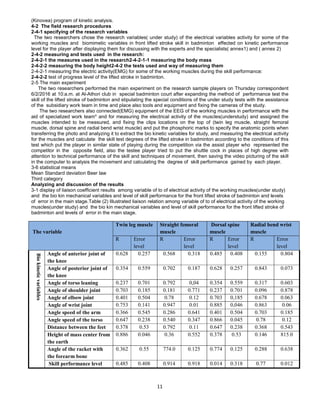
3-1 display of liaison coefficient results among variable of to of electrical activity of the working muscles(under study)
and the bio kin mechanical variables and level of skill performance for the front lifted stroke of badminton and levels
of error in the main stage.Table (2) Illustrated liaison relation among variable of to of electrical activity of the working
muscles(under study) and the bio kin mechanical variables and level of skill performance for the front lifted stroke of
badminton and levels of error in the main stage.
Twin leg muscle Straight femoral
muscle
Dorsal spine
muscle
Radial bend wrist
muscleThe variable
R Error
level
R Error
level
R Error
level
R Error
level
Angle of anterior joint of
the knee
0.628 0.257 0.568 0.318 0.485 0.408 0.155 0.804
Angle of posterior joint of
the knee
0.354 0.559 0.702 0.187 0.628 0.257 0.843 0.073
Angle of torso leaning 0.237 0.701 0.792 0,04 0.354 0.559 0.317 0.603
Angle of shoulder joint 0.703 0.185 0.181 0.771 0.237 0.701 0.096 0.878
Angle of elbow joint 0.401 0.504 0.78 0.12 0.703 0,185 0.678 0.063
Angle of wrist joint 0.753 0.141 0.947 0.01 0.885 0,046 0.863 0.06
Angle speed of the arm 0.366 0.545 0.286 0.641 0.401 0.504 0.703 0.185
Angle speed of the torso 0.647 0.238 0.540 0.347 0.866 0.045 0.78 0.12
Distance between the feet 0.378 0.53 0.792 0.11 0.647 0.238 0.368 0.543
Height of mass center from
the earth
0.886 0.046 0.36 0.552 0.378 0.53 0.146 815.0
Angle of the racket with
the forearm bone
0.362 0.55 774.0 0.125 0.774 0.125 0.288 0.638
Biokineticvariables
Skill performance level 0.485 0.408 0.914 0.918 0.014 0.318 0.77 0.012
12
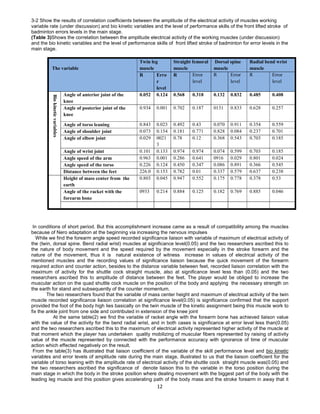
3-2 Show the results of correlation coefficients between the amplitude of the electrical activity of muscles working
variable rate (under discussion) and bio kinetic variables and the level of performance skills of the front lifted stroke of
badminton errors levels in the main stage.
(Table 3)Shows the correlation between the amplitude electrical activity of the working muscles (under discussion)
and the bio kinetic variables and the level of performance skills of front lifted stroke of badminton for error levels in the
main stage.
Twin leg
muscle
Straight femoral
muscle
Dorsal spine
muscle
Radial bend wrist
muscleThe variable
R Erro
r
level
R Error
level
R Error
level
R Error
level
Angle of anterior joint of the
knee
0.052 0.124 0.568 0.318 0.132 0.832 0.485 0.408
Angle of posterior joint of the
knee
0.934 0.001 0.702 0.187 0131 0.833 0.628 0.257
Angle of torso leaning 0.843 0.023 0.492 0.43 0.070 0.911 0.354 0.559
Angle of shoulder joint 0.073 0.154 0.181 0.771 0.828 0.084 0.237 0.701
Angle of elbow joint 0.029 0021
3
0.78 0.12 0.368 0.543 0.703 0.185
Angle of wrist joint 0.101 0.133 0.974 0.974 0.074 0.599 0.703 0.185
Angle speed of the arm 0.963 0.001 0.286 0.641 0916 0.029 0.801 0.024
Angle speed of the torso 0.226 0.124 0.450 0.347 0.086 0.891 0.366 0.545
Biokineticvariables
Distance between the feet 226.0 0.153 0.782 0.01 0.337 0.579 0.637 0.238
Height of mass center from the
earth
0.803 0.045 0.947 0.552 0.175 0.778 0.378 0.53
Angle of the racket with the
forearm bone
0933 0.214 0.884 0.125 0.182 0.769 0.885 0.046
In conditions of short period. But this accomplishment increase came as a result of compatibility among the muscles
because of Nero adaptation at the beginning via increasing the nervous impulses
While we find the forearm angle speed recorded significance liaison with variable of maximum of electrical activity of
the (twin, dorsal spine. Bend radial wrist) muscles at significance level(0.05) and the two researchers ascribed this to
the nature of body movement and the speed required by the movement especially in the stroke forearm and the
nature of the movement, thus it is natural existence of witness increase in values of electrical activity of the
mentioned muscles and the recording values of significance liaison because the quick movement of the forearm
required action and counter action, besides to the distance variable between feet, recorded liaison correlation with the
maximum of activity for the shuttle cock straight muscle, also at significance level less than (0.05) and the two
researchers ascribed this to amplitude of distance between the feet. The player would be obliged to increase the
muscular action on the quad shuttle cock muscle on the position of the body and applying the necessary strength on
the earth for stand and subsequently of the counter momentum.
The two researchers found that the variable of mass center height and maximum of electrical activity of the twin
muscle recorded significance liaison correlation at significance level(0.05) is significance confirmed that the support
provided the foot of the body high lies basically on the twin muscle of the kinetic assignment being this muscle work to
fix the ankle joint from one side and contributed in extension of the knee joint
At the same table(2) we find the variable of racket angle with the forearm bone has achieved liaison value
with the value of the activity for the bend radial wrist, and in both cases is significance at error level less than(0.05)
and the two researchers ascribed this to the maximum of electrical activity represented higher activity of the muscle at
that moment which the player has undertaken quality mobilizing of muscular fibers represented by raising of activity
value of the muscle represented by connected with the performance accuracy with ignorance of time of muscular
action which effected negatively on the result.
From the table(3) has illustrated that liaison coefficient of the variable of the skill performance level and bio kinetic
variables and error levels of amplitude rate during the main stage, illustrated to us that the liaison coefficient for the
variable of torso leaning with the amplitude rate of electrical activity of the shuttle cock straight muscle was(0.05) and
the two researchers ascribed the significance of denote liaison this to the variable in the torso position during the
main stage in which the body in the stroke position where dealing movement with the biggest part of the body with the
leading leg muscle and this position gives accelerating path of the body mass and the stroke forearm in away that it
13
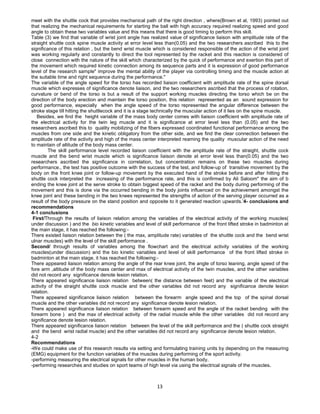
meet with the shuttle cock that provides mechanical path of the right direction , where(Brown et al, 1993) pointed out
that realizing the mechanical requirements for starting the ball with high accuracy required realizing speed and good
angle to obtain these two variables value and this means that there is good timing to perform this skill.
Table (3) we find that variable of wrist joint angle has realized value of significance liaison with amplitude rate of the
straight shuttle cock spine muscle activity at error level less than(0.05) and the two researchers ascribed this to the
significance of this relation , but the bend wrist muscle which is considered responsible of the action of the wrist joint
was working regularly and constantly to direct the tool represented by the racket and this reaction is considered of
close connection with the nature of the skill which characterized by the quick of performance and exertion this part of
the movement which required kinetic connection among its sequence parts and it is expression of good performance
level of the research sample" improve the mental ability of the player via controlling timing and the muscle action at
the suitable time and right sequence during the performance."
The variable of the angle speed for the torso has recorded liaison coefficient with amplitude rate of the spine dorsal
muscle which expresses of significance denote liaison, and the two researchers ascribed that the process of rotation,
curvature or bend of the torso is but a result of the support working muscles directing the torso which be on the
direction of the body erection and maintain the torso position, this relation represented as an sound expression for
good performance, especially when the angle speed of the torso represented the angular difference between the
stroke stage till hitting the shuttlecock and it is a stage technically the muscular action of it lies on the spine muscle.
Besides, we find the height variable of the mass body center comes with liaison coefficient with amplitude rate of
the electrical activity for the twin leg muscle and it is significance at error level less than (0.05) and the two
researchers ascribed this to quality mobilizing of the fibers expressed coordinated functional performance among the
muscles from one side and the kinetic obligatory from the other side, and we find the clear connection between the
amplitude rate of the activity and high of the mass center interpreted reaming the quality muscular action of the need
to maintain of altitude of the body mass center.
The skill performance level recorded liaison coefficient with the amplitude rate of the straight, shuttle cock
muscle and the bend wrist muscle which is significance liaison denote at error level less than(0.05) and the two
researchers ascribed the significance in correlation, but concentration remains on these two muscles during
performance., the test has positive outcome with the success of the test, and follow-up of transitive movement by the
body on the front knee joint or follow-up movement by the executed hand of the stroke before and after hitting the
shuttle cock interpreted the increasing of the performance rate, and this is confirmed by Ali Saloom" the aim of b
ending the knee joint at the serve stroke to obtain biggest speed of the racket and the body during performing of the
movement and this is done via the occurred bending in the body joints influenced on the achievement amongst the
knee joint and these bending in the two knees represented the strengths of action of the serving player occurred as a
result of the body pressure on the stand position and opposite to it generated reaction upwards.
(
4- conclusions and
recommendations
4-1 conclusions
First/Through the results of liaison relation among the variables of the electrical activity of the working muscles(
under discussion ) and the bio kinetic variables and level of skill performance of the front lifted stroke in badminton at
the main stage, it has reached the following:-
There existed liaison relation between the ( the max, amplitude rate) variables of the shuttle cock and the bend wrist
ulnar muscles) with the level of the skill performance .
Second/ through results of variables among the flowchart and the electrical activity variables of the working
muscles(under discussion) and the bio kinetic variables and level of skill performance of the front lifted stroke in
badminton at the main stage, it has reached the following:-
There appeared liaison relation among the angle of the rear knee joint, the angle of torso leaning, angle speed of the
fore arm ,altitude of the body mass center and max of electrical activity of the twin muscles, and the other variables
did not record any significance denote lesion relation.
There appeared significance liaison relation between( the distance between feet) and the variable of the electrical
activity of the straight shuttle cock muscle and the other variables did not record any significance denote lesion
relation.
There appeared significance liaison relation between the forearm angle speed and the top of the spinal dorsal
muscle and the other variables did not record any significance denote lesion relation.
There appeared significance liaison relation between forearm speed and the angle of the racket bending with the
forearm bone ) and the max of electrical activity of the radial muscle while the other variables did not record any
significance denote lesion relation.
There appeared significance liaison relation between the level of the skill performance and the ( shuttle cock straight
and the bend wrist radial muscle) and the other variables did not record any significance denote lesion relation.
4-2
Recommendations
-We could make use of this research results via setting and formulating training units by depending on the measuring
(EMG) equipment for the function variables of the muscles during performing of the sport activity.
-performing measuring the electrical signals for other muscles in the human body.
-performing researches and studies on sport teams of high level via using the electrical signals of the muscles.
14
ISSN 2231-3265
International Journal of Health, Physical Education and Computer Science in Sports
Volume No.23, No.1,pp14-15
Journal Impact Factor 3.565
A Peer Reviewed (Refereed) International Research Journal
Comparison Of Athletic Ability Among Chasers, Dodgers And All rounder Female Kho-Kho
Players
Mr. Channappa C,
Physical Education Teacher, DMS, RIE, Mysuru.
Email:channappa.channu@gmail.com
Introduction
Excellence in sports and sports competitions is not a normal phenomenon. One needs to train over years to learn
skills and perform at higher levels of competition. Superior performance in sports competitions also depends upon
many factors. Generally classified, the aspects could be physical, mental, emotional and social. One of the importance
aspects of sports performance is physical and motor characteristics and fitness. Athletic ability will be considered in
relation to physical fitness, as the components involved in physical fitness like strength, endurance speed, flexibility
etc. also involved in athletic ability.Kho-Kho, an indigenous game, is one such area which requires the players to have
high levels of athletic ability, where some fundamental skills and feats are to be performed by every player. The
performance of defensive and offensive skills undoubtedly demands the players to have a wide range of athletic
abilities like strength, power, speed, co-ordination, balance and endurance.This study is carried out to the athletic
ability among female kho-kho plays about their athletic abilities levels so that they can detect the weaknesses of their
athletic ability fitness; and the coaches can help the athletes to obtain the peak athletic performance in their future
competitions by adopting athletic ability fitness plans.
Statement of the Problem
The purpose of the study was to find the comparison of athletic ability among Chasers, Dodgers & All-rounder female
Kho-Kho players who were represented in various clubs of Mysuru and Mandya district.
Limitations:
The subjects of the present study belonged to various kho-kho clubs of Mysuru and Mandya district with different
training background.
Motivation of the subjects at the time of test performance was a limitation of the study.
The study has limited to have standardized tool for the study.
Delimitations
The study was delimited to the measurement of Athletic ability. The study was delimited to female Kho-Kho players
[Chasers (N=60), Dodgers (N=20) & All-rounder (N=40)]The study was delimited to 120 female subjects form only
certain clubs in Mysuru and Mandya district. The study was delimited to only to the administration of cozens’ athletic
ability test. The study was delimited to subjects in the age group of 18-25years.
Hypothesis
For the purpose of the present study, it was hypothesised that there may not be any significant differences in the
mean performance scores of athletic ability among Chasers, Dodgers & all-rounder female Kho-Kho players.
Review Of Related Literature
Premchand was conducted a comparative study of physical qualities of offensive and defensive football
players of college level. He compared agility, speed, strength, endurance and height, weight in offensive and
defensive players and concluded that (1) defensive players were heavier, taller and had more muscular power than
offensive players, (2) offensive players were faster and had more endurance than defensive players, (3) there was no
significant difference between offensive and defensive soccer players in agility.
Cassell A. M. Measured and compared the motor abilities and physical characteristics of 111 collegiate
soccer players by position of play. The motor ability items included an ability test, a leg-power test, a cocker ability
test, an upper body strength test, a test for speed and a test for endurance. The result showed that a difference
existed in the endomorphic component of somato type with half-back significantly (p.05) lower than all the other
position. Difference (p. 05) were also found in the height, with goal keeper and fullbacks taller than forwards. In motor
abilities, differences (p. 05) were found in leg power, with fullbacks more powerful than forwards soccer, ability with
half-backs more skilful than goal keeper. No differences were evident in the abilities of agility, upper body strength and
endurance.
15
METHODOLOGY
Selection of Subjects
120 female Kho-Kho players [Chasers (N=60), Dodgers (N=20) & All-rounder (N=40)] who are represented by various
women Kho-Kho clubs of Mysuru and Mandya districts were selected as subjects for the study. The age of the
subjects ranged between 18 to 25 years
Analysis and Interpretation Of Data
A significant difference in the mean performances scores of athletic ability among chasers, dodgers and all-rounder
female Kho-Kho players was tested using the ‘F’ test through one-way analysis of variance (ANOVA) bases on a
completely randomized design.
Table - 1
S.V D. F S. S M.SS F-ratio
Athletic ability
Error
2
117
32.624
1898.266
16.312
162.27
F=0.101<1
Total 119 19017.890
P>0.05 at 2 and 117 degrees of freedom.
Table -1 that the ‘F’ ratio calculated was 0.101. The ‘F’ value calculated was found to be lesser than the table value, at
2 and 117 degrees of freedom at 5% level of significance (P > 0.05). Hence, we accept the null hypotheses formulated
in the present study. The ‘F’ value obtained does not established any statistical significance.
Conclusions
There was no significant difference in the mean performance scores of athletic ability among Chasers,
Dodgers & all-rounder female Kho-Kho players: (P>0.05) or that there was no significant difference in athletic ability
among Chasers, Dodgers & all-rounder female Kho-Kho players.
Reference
Adraham, R “Comparative study of physical fitness of high Jumper and Long Jumper”, Unpublished Master’s theses,
Y.M.C.A college of Phy., Edu., Madras, 1974.
Barrow, Harold M and Rosemary McGee. “A Practical Approach to measurement physical education”. 2nd
edition
philodelphia lea and Febiger. 1973.
Cureton Thomas K. “Physical Fitness of Chapion Athletes”, Urbana University of Illinois press, 1979.
Cassel Allen McGarry. “A Comparison of motor abilities of physical characteristics of collegiate soccer players by
position of plya”. Dissertation abstracts international, 39 February, 1979.
Mathews Donald. K. “Measurement in Physical Education, Fourth Edition” Philadelphia W.B. Sounders company,
1973.
Premchand, “A comparative study of physical qualities of offensive and defensive football players of college level”.
Unpublished master’s project, Lakshmibai National College of physical education Jiwaji University Gwalior, 1977.
16
ISSN 2231-3265
International Journal of Health, Physical Education and Computer Science in Sports
Volume No.23, No.1,pp16-18
Journal Impact Factor 3.565
A Peer Reviewed (Refereed) International Research Journal
Comparison Of Selected Anthropometric Measurments Between Football And Hockey
Players Of Himachal Pradesh University
Dr. Hari Singh,
Assistant Professor,Department of Physical Education,
Himachal Pradesh University,
Summer hill, Shimla-171005
Email: singhhari7172@gmail.com
Dr. Gaurav,
N.I. S Coach (Football)
Physical Education Teacher,
O.L.S Kullu, H.P
Abstract
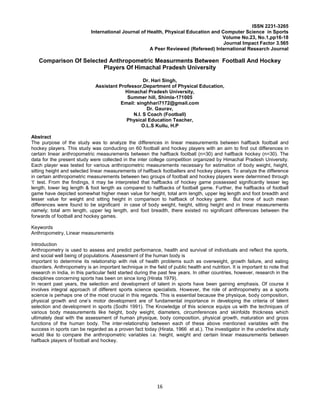
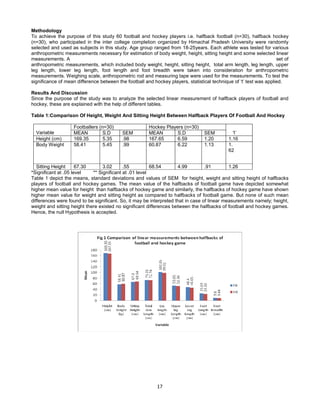
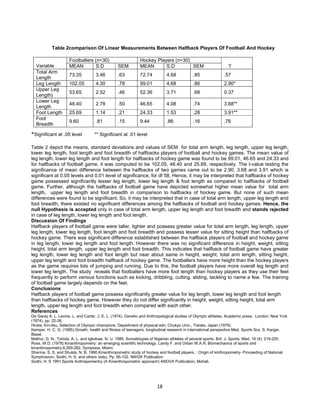
The purpose of the study was to analyze the differences in linear measurements between halfback football and
hockey players. This study was conducting on 60 football and hockey players with an aim to find out differences in
certain linear anthropometric measurements between the halfback football (n=30) and halfback hockey (n=30). The
data for the present study were collected in the inter college competition organized by Himachal Pradesh University.
Each player was tested for various anthropometric measurements necessary for estimation of body weight, height,
sitting height and selected linear measurements of halfback footballers and hockey players. To analyze the difference
in certain anthropometric measurements between two groups of football and hockey players were determined through
‘t’ test. From the findings, it may be interpreted that halfbacks of hockey game possessed significantly lesser leg
length, lower leg length & foot length as compared to halfbacks of football game. Further, the halfbacks of football
game have depicted somewhat higher mean value for height, total arm length, upper leg length and foot breadth and
lesser value for weight and sitting height in comparison to halfback of hockey game. But none of such mean
differences were found to be significant in case of body weight, height, sitting height and in linear measurements
namely; total arm length, upper leg length, and foot breadth, there existed no significant differences between the
forwards of football and hockey games.
Keywords
Anthropometry, Linear measurements
Introduction
Anthropometry is used to assess and predict performance, health and survival of individuals and reflect the sports,
and social well being of populations. Assessment of the human body is
important to determine its relationship with risk of health problems such as overweight, growth failure, and eating
disorders. Anthropometry is an important technique in the field of public health and nutrition. It is important to note that
research in India, in this particular field started during the past few years. In other countries, however, research in the
disciplines concerning sports has been on since long (Hirata 1979).
In recent past years, the selection and development of talent in sports have been gaining emphasis. Of course it
involves integral approach of different sports science specialists. However, the role of anthropometry as a sports
science is perhaps one of the most crucial in this regards. This is essential because the physique, body composition,
physical growth and one’s motor development are of fundamental importance in developing the criteria of talent
selection and development in sports (Sodhi 1991). The Knowledge of this science equips us with the techniques of
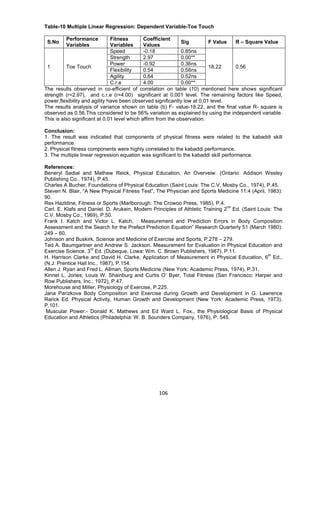
various body measurements like height, body weight, diameters, circumferences and skinfolds thickness which
ultimately deal with the assessment of human physique, body composition, physical growth, maturation and gross
functions of the human body. The inter-relationship between each of these above mentioned variables with the
success in sports can be regarded as a proven fact today (Hirata, 1966 et al.). The investigator in the underline study
would like to compare the anthropometric variables i.e. height, weight and certain linear measurements between
halfback players of football and hockey.
17
Methodology
To achieve the purpose of this study 60 football and hockey players i.e. halfback football (n=30), halfback hockey
(n=30), who participated in the inter college completion organized by Himachal Pradesh University were randomly
selected and used as subjects in this study. Age group ranged from 18-25years. Each athlete was tested for various
anthropometric measurements necessary for estimation of body weight, height, sitting height and some selected linear
measurements. A set of
anthropometric measurements, which included body weight, height, sitting height, total arm length, leg length, upper
leg length, lower leg length, foot length and foot breadth were taken into consideration for anthropometric
measurements. Weighing scale, anthropometric rod and measuring tape were used for the measurements. To test the
significance of mean difference between the football and hockey players, statistical technique of ‘t’ test was applied.
Results And Discussion
Since the purpose of the study was to analyze the selected linear measurement of halfback players of football and
hockey, these are explained with the help of different tables.
Table 1:Comparison Of Height, Weight And Sitting Height Between Halfback Players Of Football And Hockey
Footballers (n=30) Hockey Players (n=30)
Variable MEAN S.D SEM MEAN S.D SEM ‘t’
Height (cm) 169.35 5.35 .98 167.65 6.59 1.20 1.16
Body Weight 58.41 5.45 .99 60.87 6.22 1.13 1.
62
Sitting Height 67.30 3.02 .55 68.54 4.99 .91 1.26
*Significant at .05 level ** Significant at .01 level
Table 1 depict the means, standard deviations and values of SEM for height, weight and sitting height of halfbacks
players of football and hockey games. The mean value of the halfbacks of football game have depicted somewhat
higher mean value for height than halfbacks of hockey game and similarly, the halfbacks of hockey game have shown
higher mean value for weight and sitting height as compared to halfbacks of football game. But none of such mean
differences were found to be significant. So, it may be interpreted that in case of linear measurements namely; height,
weight and sitting height there existed no significant differences between the halfbacks of football and hockey games.
Hence, the null Hypothesis is accepted.
18
Table 2comparison Of Linear Measurements Between Halfback Players Of Football And Hockey
Footballers (n=30) Hockey Players (n=30)
Variable MEAN S.D SEM MEAN S.D SEM ‘t’
Total Arm
Length
73.35 3.46 .63 72.74 4.68 .85 .57
Leg Length 102.05 4.30 .78 99.01 4.68 .86 2.90*
Upper Leg
Length)
53.65 2.52 .46 52.36 3.71 .68 0.37
Lower Leg
Length
48.40 2.78 .50 46.65 4.08 .74 3.68**
Foot Length 25.69 1.14 .21 24.33 1.53 .28 3.91**
Foot
Breadth
9.60 .81 .15 9.44 .86 .16 .76
*Significant at .05 level ** Significant at .01 level
Table 2 depict the means, standard deviations and values of SEM for total arm length, leg length, upper leg length,
lower leg length, foot length and foot breadth of halfbacks players of football and hockey games. The mean value of
leg length, lower leg length and foot length for halfbacks of hockey game was found to be 99.01, 46.65 and 24.33 and
for halfbacks of football game, it was computed to be 102.05, 48.40 and 25.69, respectively. The t-value testing the
significance of mean difference between the halfbacks of two games came out to be 2.90, 3.68 and 3.91 which is
significant at 0.05 levels and 0.01 level of significance, for df 58. Hence, it may be interpreted that halfbacks of hockey
game possessed significantly lesser leg length, lower leg length & foot length as compared to halfbacks of football
game. Further, although the halfbacks of football game have depicted somewhat higher mean value for total arm
length, upper leg length and foot breadth in comparison to halfbacks of hockey game. But none of such mean
differences were found to be significant. So, it may be interpreted that in case of total arm length, upper leg length and
foot breadth, there existed no significant differences among the halfbacks of football and hockey games. Hence, the
null Hypothesis is accepted only in case of total arm length, upper leg length and foot breadth and stands rejected
in case of leg length, lower leg length and foot length.
Discussion Of Findings
Halfback players of football game were taller, lighter and possess greater value for total arm length, leg length, upper
leg length, lower leg length, foot length and foot breadth and possess lesser value for sitting height than halfbacks of
hockey game. There was significant difference established between the halfback players of football and hockey game
in leg length, lower leg length and foot length. However there was no significant difference in height, weight, sitting
height, total arm length, upper leg length and foot breadth. This indicates that halfback of football game have greater
leg length, lower leg length and foot length but near about same in height, weight, total arm length, sitting height,
upper leg length and foot breadth halfback of hockey game. The footballers have more height than the hockey players
as the game requires lots of jumping and running. Due to this, the football players have more overall leg length and
lower leg length. The study reveals that footballers have more foot length than hockey players as they use their feet
frequently to perform various functions such as kicking, dribbling, cutting, sliding, tackling to name a few. The training
of football game largely depends on the feet.
Conclusions
Halfback players of football game possess significantly greater value for leg length, lower leg length and foot length
than halfbacks of hockey game. However they do not differ significantly in height, weight, sitting height, total arm
length, upper leg length and foot breadth when compared with each other.
References
De Garay A. L. Levine, L. and Carter, J. E. L. (1974). Genetic and Anthropological studies of Olympic athletes. Academic press, London. New York
(1974), pp. 22-36.
Hirata, Kin-Itsu, Selection of Olympic champions. Department of physical edn, Chukyo Univ., Tokata, Japan (1979).
Kemper, H. C. G. (1985).Growth, health and fitness of teenagers, longitudinal research in international perspective.Med. Sports Scs. S. Karger,
Basel.
Mathur, D. N., Toriola, A. L. and Igbokwe, N. U. 1985. Somatotypes of Nigerian athletes of several sports. Brit. J. Sports. Med. 19 (4): 219-220.
Ross, W.D. (1978) Kinanthropometry: an emerging scientific technology. Landy F. and Orban W.A.R. Biomechanics of sports and
kinanthropometry.6,269-282. Symposia, Miami.
Sharma, S. S. and Shukla, N. B. 1990.Kinanthropometric study of hockey and football players. : Origin of kinthropometry- Proceeding of National
Symphosium, Sodhi, H. S. and others (eds). Pp. 95-102. NWGK Publication
Sodhi, H. S 1991.Sports Anthrapomentry (A Kinanthropometric approach) ANOVA Publication, Mohali.
19
ISSN 2231-3265
International Journal of Health, Physical Education and Computer Science in Sports
Volume No.23, No.1,pp19-25
Journal Impact Factor 3.565
A Peer Reviewed (Refereed) International Research Journal
Body composition profile of elite Indian male and female archers: a comparative study
1
Monalisa Debnath, 1
Madhurima Roy, 2
Subhra Chatterjee(nee Karmakar) & Dr. S.K.Dey*
*Dr. S. K. Dey, Senior Scientific Officer
Sports Authority of India,N. S. Eastern Center
Salt Lake CityKolkata- 700106
Email: drsk_dey@rediffmail.com
1
Monalisa Debnath, Research Fellow,
Sports Authority of India, N. S. Eastern Center, Salt Lake City, Kolkata- 700098, Email:
monalisadebnath1108@gmail.com
1
Madhurima Roy, Research Fellow,
Sports Authority of India, N. S. Eastern Center, Salt Lake City, Kolkata- 700098, Email:
madhurima.nin.icmr@gmail.com
2
Dr. Subhra Chatterjee (Nee Karmakar),
Jr. Scientific Officer, Sports Authority of India, N. S. Eastern Center, Salt Lake City, Kolkata- 700098, Email:
subhra.presi@gmail.com
Abstract
Archery, being a target sport demands attention, strength and technique. It needs unique synchronization of upper
and lower body movement in combination with muscle strength and endurance. The research study was executed
with an aim to evaluate the anthropometric and physiological profile of Indian male and female archers enrolled so as
to compare the differences in their body composition; and to correlate between the anthropometric and physiological
parameters that are significant for peak performance in archery through statistical analysis through one-way ANOVA
and Pearson Matrix Correlation respectively. 14 male and 20 female archers with an age range of 20-30 years of age
were selected through random sampling. Physical assessment included standing height, weight and BMI. Body
composition profiling was done through bioelectrical impedance (BIA) which included fat free mass (FFM), fat %, body
cell mass (BCM), muscle mass (MM), total body water (TBW), Extracellular water (ECW), intracellular water (ECW),
ECW/ICW ratio, glycogen, mineral count, total body potassium (TBK) and total body calcium (TBCa). Hand grip and
back strength (left and right) were measured using hand and back dynamometer respectively. Peak muscle power of
biceps, triceps, quadriceps and hamstring were measured using FETSYSTEMS, HOGGAN muscle tester, UTAH.
Resting heart rate (RHR) was calculated using a stop watch early morning before training. Maximum aerobic power
was assessed by predicting VO2max using beep test. There was no significant difference between the age range (p
value>0.05) of male and female archers, although that there exists a significant difference in the height, weight, FFM,
fat %, BCM, MM, hand grip strength and relative back strength of male and female subjects (p value <0.01). On
contrary, their BMI and trunk flexibility showed no significant difference (p value>0.05). It was observed that the TBW,
ECW and ECW/ICW ratio was significantly more among male archers (p value<0.01). There also exists significant
difference in the TBK (p<0.01) and TBCa (p<0.01) among them with no significant difference in their mineral count (p
value>0.05). RHR, VO2max and PMP of biceps and triceps showed significant difference among male and female
archers (p value<0.01) with no significant difference in peak muscle power of the hamstrings and the quadriceps (P
value >0.05). Findings of the present study may help to take necessary action so as to formulate the systematic
training program distinctly for archers.
Keywords: Archery, body composition, Strength, bioelectrical impedance (BIA), beep test, etc
1. INTRODUCTION
Archery, marked as one of the oldest sport is still under practise that requires greater level of concentration and
technique
[1]
. Higher scoring skill in archery is determined by the ability to precisely shoot an arrow to a given target in
a certain time span with accuracy by maintaining a stable position and posture in accordance to which bow holding,
drawing, aiming, release and follow through are very important parameters to be taken care of [2, 3, 4]
. The sequential
phases in archery represent eventual movements in the upper and lower body that can be studied through motor skill
assessment during voluntary kinematical process
[3]
.
There is not much variation in the physical and physiological characteristics of both the groups of archers i.e., recurve
and compound, although there remain some differences in the techniques of using different bows.
20
Performing body skills is greatly influenced by individual’s growth, size and body structure [5, 6]
. Survey on
anthropometric measurements and body composition having direct relationship are termed very essential for
achieving higher level of performance
[7, 8]
. Archers while competing have to repeat shooting precisely for a long time
which requires distinctive attention for good performance. Hence, experienced coaches have a big role to play to train
them with physiological and physical qualities to emphasize on [9]
. Precise information on the posture, body movement
and other shooting skills can be gathered from various biomechanical apparatus. Many other internal and external
factors may affect an archer’s performance. Internal factors constitute mental and emotional condition whereas
external factors count wind, noise and other environmental conditions, which may further affect comfort feeling and
mental attention [10]
. Archers have to play outdoors at uneven environmental conditions which bring formidable
challenge to the body’s ability to control Dehydration and hyperthermia may result in strong negative effects on
exercise performance, at least when the exercise duration exceeds a few minutes [11, 12]
. Even at modest
environmental temperatures, some reduction in exercise capacity is apparent and the performance decrement
becomes progressively greater as the environmental heat stress increases [13].
Archery, also known as mental and target sport can be organized outdoors and indoors with an aim to collect highest
scores
[14]
. This game being comparatively static demands an attention, strength and endurance of the forearm,
shoulder griddle and lower body part as well [15]
. While shooting the arrow, the entire body of the archer gets involved
in the contraction of the muscle fibres to maintain balance and resistance. The contraction and relaxation
phenomenon of muscle fibres of the forearm muscles during the release of bow string is of ample importance in this
game
[3]
.Thus, archery needs unique synchronisation of upper and lower body movement to shoot an arrow to a
distinct target [16]
. The overall stability and balance of the body is dependent on leg strength in combination with
muscle strength and endurance that should also not be neglected. The bow is placed using the pressure produced
through drawing back the bow string by the archer. Along with anthropometric measures, the strength, muscularity
and endurance are important for success in archery (Longhurst, J C et al., 1981). It has been observed that hamstring
and quadriceps strengths are related to elite performance level. Scientific studies on body composition profiling of
archers are scanty and not much research evidence are available to depict the significance of anthropometric and
physiological status of archers on their sports performance. As per the literature review, not much research work has
been done on elite Indian workers except few [17]
. Hence, it is very important to explore and predict the impact of
anthropometric and physiological endowments on the overall performance in Archery. The present study was
executed with an aim to evaluate the anthropometric and physiological profile of Indian male and female archers
enrolled into systematic and scientific training programmes, to compare the differences in the results of the two
genders and to correlate between the anthropometric and physiological parameters that are significant for peak
performance in archery.
2. Methodology
2.1. Selection of Subject
Thirty four (34) archers including 14 male and 20 female with an age range of 20-30 years representing India were
selected randomly from the national coaching camp held at Sports Authority of India, Kolkata. The subjects were
considered homogenous as they belonged to almost same socio-economic status, followed similar dietary habits and
were having training under parallel climatic condition. Prior to initial testing a complete explanation of the purposes,
procedures and potential risks and benefits of the tests were explained to all the players and signed consents were
obtained from them. The players who were found to be medically fit, healthy and with no history of any hereditary and
cardio respiratory diseases, were finally selected for the present study. Before the commencement of test, all the
players were clinically examined by the physicians of SAI, Kolkata, who are specialized in Sports Medicine following
standard procedure (SAI, 1992)
[22]
. They were evaluated for various anthropometric and physiological variables in the
Human Performance Laboratory at Sports Authority of India, Kolkata.
2.2. Training Regimen:
Formulation and implementation of systematic training program was done by the qualified coaches under the
guidance of the scientific expert from Sport Science Department, SAI, Kolkata. The training regimen included practise
interval of 4 to 5 hours every day excluding Sunday, which comes around 30 hours in a week. Both morning and
evening session comprised of physical training for one hour and skill training for about two hours. The physical training
schedule includes different strength and endurance training program along with flexibility exercises. Strength and
Endurance training was also applied according to their sports specific requirement. Warm up & cool down session
before and after starting the main practice were also included in the programme. Apart from the technical and tactical
training, the players were also provided psychological or mental training session.
2.3. Physical measurements
The physical characteristics of the subjects including height (cm) and weight (kg) were measured by anthropometric
rod and digital weighing machine respectively following standard procedure [23]
. The decimal age of all the subjects
were calculated from their date of birth recorded from original birth certificate, produced by them at the time of testing.
Body Mass Index (BMI) was calculated from body height and weight (WHO, 1995). Back strength and hand grip
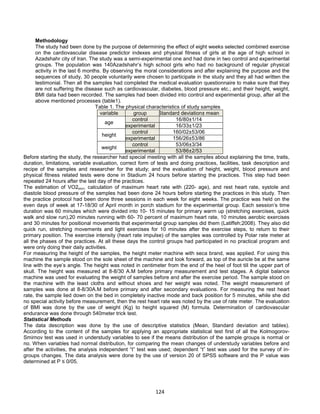
strength (both right and left hand) were measured by back and grip dynamometer (Senoh, Japan) respectively [13]
. The
hip and back flexion as well as extension of the hamstring muscles of the leg was evaluated by modified Sit-and-
Reach Test using a ‘Flexometer’ (Lafayette Instrumental co, USA) following the standard procedure [24]
. Hand grip and
back strength (left and right) were measured using hand and back dynamometer respectively.
The relative back strength was calculated in relation to the body weight. Resting heart rate (RHR) was calculated
using a stop watch early morning before training.
21
2.4. Test for measuring VO2 max:
Maximum aerobic power (VO2 max) was assessed using an indirect method of multistage fitness test which includes
progressive shuttle run test for the prediction of aerobic fitness (Beep test) (Leger et al., 1988) from where VO2 max
was predicted [25]
.
2.5. Bioelectrical Impedance Analysis (BIA):
Body composition including body mass index (BMI), fat free mass (FFM), fat mass, total muscle mass (BCM), muscle
mass (MM), body mineral content including total body calcium (TbCa), total body potassium (TbK) and body water
spaces including total body water (TBW), extracellular water (ECW), intracellular water (ICW), ECW/ICW ratio were
measured using Bioelectrical Impedance Analysis (BIA) with a multi-frequency analyzer (Maltron Bioscan 920- 2,
Made in UK)
[22]
. Total body electrical impedance to an alternate current (0.2 mA) with four different frequencies (5, 50,
100 and 200 KHz) was measured. Measurements were taken followed by the standard testing manual of Maltron
International [23]
. Before testing, the analyzer was calibrated according to the manufacturer’s instructions. Before
taking the measurement, the players were instructed according to Heyward & Stolarczyk [13]
by the following
guidelines: 1) no heavy exercise 12 h before the test; 2) no large meals 4 h before the test; and 3) consumption of
liquids limited to 1% of body weight, or, two 8-oz. glasses of water, 2 h before the test.
The laboratory tests were performed at a room temperature varying from 23ºC to 25ºC with the relative humidity
varying between 50 and 60%. The field test was performed at the maximum temperature of about 30ºC with relative
humidity of maximum about 70-80%.
2.6. Test for peak muscle power (PMP)
Peak muscle power was measured following FETSYSTEMS, HOGGAN muscle tester, UTAH. Peak muscle power of
the biceps was measured placing the transducer on the anterior surface of the fore arm proximal to the wrist, whereas
for triceps, the transducer was placed on the posterior ulnar aspects. Peak muscle power of the quadriceps was
measured placing the transducer on the anterior surface of the lower leg proximal to the ankle whereas for hamstring,
the measurement was taken from the posterior surface.
2.7. Statistical Analysis
The data were analyzed using the Statistical Program for the Social Sciences (SPSS) version 16.0 for Windows
(SPSS Inc., Chicago, Il, USA). All values are expressed as means ± standard deviation (SD). A confidence level at
95% (p < 0.05) was considered as significant. The study variables assessed among male and female archers were
statistically analysed using one-way analysis of variance (ANOVA) and matrix of correlation coefficient was calculated
To Conclude The Inter-Variable Relationship.
3. Result
Table 1 represents the results obtained from assessing the anthropometric status of archers which shows no
significant difference in the mean age. On the other hand a significant difference in the height and weight (P<0.01)
were obtained when compared between male and female archer. But BMI was found to be statistically insignificant
though the mean value of this component was more in boys as compared to their girl’s counterparts. Fat Free Mass
was found to be more in the male archers (60.19±7.43 kg) than the female (46.06±4.31 kg), whereas the body fat %
was documented to be lower among the formers. Further the body cell mass was found to be significantly more
among males (30.66±6.00 kg) when compared with the females (23.13±4.02 kg). The Muscle mass was also recorded
to be more (27.56±4.82 kg) in male archers as compared to their females counterparts (21.69±6.21kg). Both right and
left hand grip strength was also recorded to be significantly higher among male (42.69±7.47 kg; 47±4.84 kg) archers
than females (31.94±3.92 kg; 29.66±4.87 kg, P<0.05) respectively. The relative back strength showed a significant
difference when compared between male and female archers at the level of p<0.01 whereas the trunk flexibility
showed no such significant difference when compared between these groups.
Table 2 represents the body fluid status of the male and female archers. It was observed that the total body water was
significantly more among male archers (49.86±11.34 Lt/%) than female archers (36.55±7.36 Lt/%). The Extracellular
and Intracellular Water Ratio was recorded to be significantly more among male archers (0.078±0.09) than their
counterpart (0.84±0.09, F=10.281, P<0.01). There also exists significant difference in the Total Body K+ (
F=38.086,
P<0.01) and Total Body Ca+
(F=26.113, P<0.01) among male and female archers. On contrary, the total mineral
count among male (4.11±0.64kg) and female (3.88±0.82kg) subjects doesn’t show any significant difference.
Table 3 represents the assessed values for resting heart rate, VO2max and peak muscle power among male and
female archers. It was observed that male (59.7±2.83) and female archers (65.07±3.61) showed significant difference
in their resting heart rate (15.58**). VO2max was found to be more among the male archers (48.57±6.01) than the
female (39.78±4.11; 18.91**). The peak muscle power of the right (7.54**) and left (7.56**) biceps showed significant
difference among male archers and their counterparts. Peak muscle power of the right (33.36**) and left triceps
(70.46**) were delivered better among the male archers than the females. Peak muscle power of the hamstrings and
the quadriceps showed no significant difference among the two groups (P value >0.05).
Table 4a & 4b. Pearson correlation matrix for different parameters among Indian male and female archers
Pearson correlation matrix depicted that age have positive correlation with weight (.57
*
), muscle mass (.57
*
), left hand
grip strength (.55*
), peak muscle power of right (.87*
) and left (.88**
) quadriceps; and peak muscle power of biceps
(.80*
) among male archers; whereas in females it was significantly correlated with BMI (.64**
) and fat % (.51*
). Height
has been positively correlated with body cell mass (.60*
), muscle mass (.65*
), total body potassium (.60*
) and calcium
(.61
*
) and hand grip strength of left (.55
*
) and right (.60
*
) arms among male subjects. Female’s height have shown
positive correlation with weight (.78**
), fat free mass (.77**
), body cell mass (.61**
), total body potassium (.40*
) and
calcium (.53*
), mineral (.72**
), right (.65**
) and left (.54*
) hand grip strength and relative back strength (-.45*
). Male
22
archers have shown positive correlation of weight with BMI (.94**
), FFM (.90**
), fat % (.73**
), TBW (.59*
), ECW (.56*
),
ECW/CW ratio (.57
*
), BCM (.88
**
), MM (.84
**
), TBK (.89
**
), TBCa (.89
**
), hand grip strength and peak muscle power of
quadriceps of right (.65
*
; .80
*
) and left (.73
**
; .82
*
) arms respectively. Among females, weight have shown similar
correlations as in males, except negative correlation have been obtained with relative back strength (-.55*
). BMI and
FFM have shown highly significant positive correlation with fat % (.81**
; .52*
), TBW (.55*
; .66**
), BCM (.77**
; .87**
), MM
(.71
**
; .77
**
), TBK (.78
**
; .88
**
) and TBCa (.78
**
; .86
**
) among male archers respectively. Female archers have shown
strong positive correlation of BMI and FFM with fat % (.86
**
; .64
**
), BCM (.72
**
; .67
**
), TBk (.67
**
; .50
*
), TBCa (.72
**
;
.70**
) and glycogen (.48*
; .71**
) respectively. TBW and ECW have shown positive correlation with ICW and glycogen
both among male (.89**
, .88**
; .92**
, .85**
) and female (.52*
, .88**
; .49*
, .76**
) archers respectively. The ECW/ICW ratio
has been positively correlated with BCM (.75
**
), MM (.67
**
), TBK (.75
**
) and TBCa (.76
**
) among males whereas,
positively correlated with mineral count (.71**
) and negatively correlated with peak muscle power of right hamstring (-
.75*
) among female archers. BCM have shown significant positive correlation with MM (.95**
), TBK (.99**
), TBCa (.99**
)
and right (.66*
) and left (.68**
) hand grip strength among males. Same correlation have been plotted for female archers
for MM (.72
**
), TBK (.89
**
), TBCa (.97
**
), mineral (.48
*
), glycogen (.65
**
), right (.46
*
) and left (.55
*
) hand grip strength
except relative back strength (-.61
**
) showing negative correlation. TBK and TBCa have shown significant positive
correlation with right (.66*
; .72**
) and left (.69**
; .75**
) hand grip strength among male archers. On contrary, for females
it has shown positive correlation with glycogen store (.45*
; .58**
) and negative correlation with RBS (-.66**
; -.48*
). Male
archers have shown positive correlation between glycogen and peak muscle power of right (.81
*
) and left (.77
*
)
quadriceps. Among females mineral count is found to have positive correlation with right (.56
*
) and left (.55
*
) hand grip
strength whereas negative correlation with relative back strength (-.50*
). Male archers have shown positive correlation
of mineral count with right (.70**
) and left (.70**
) hand grip strength. RHR have shown positive correlation with VO2max
both among male (.88
**
) and female archers (-.67
**
).
4. Discussion And Conclusion
Studying the relative importance of various vital parameters responsible for peak performance appraisal is of great
concern as it contributes to positive sports performance [3]
. Significant correlations between physique and body
structure with physical performance have been found by Gabett et al (2007)
[18]
. Anthropometric status holds ample of
importance for excelling in sports performance [9]
. The obtained anthropometric status of male and female archers
shows convincing results with the previous research done by Dey S. K. and colleagues. Body fat % also influences
physical performance mechanically and metabolically (Boileau 1997) [25]
. It is considered as an indicator of
performance among US archers with lower fat percent predicting better performance, distinctly applied for males
[26]
.
Our study revealed statistical differences in many of the anthropometric and physiological parameters which are also
supported by a previous study done by Shyamal and Rajpreet [27]
. A study done on various sports person documented
archers to have the highest fat % than other respective fields. Our result also revealed convincing results with male
and female archers evaluated with an average of 19.18% and 22.71% body fat respectively. Furthermore, fat % was
tabulated to be significantly lower among males showing convincing results as documented in previously done studies
[28]
. Previous research has registered female archers with highest body fat % alongwith shooting, lawn bowl and
tenpin. Male archer’s alongwith tenpin recorded BMI above the normal range. Although, BMI is not considered as an
efficient indicator of fatness since athletes usually have more muscle mass than the general masses
[29]
. Although, our
study have found that the BMI of male (24.74kg/m2
) and female (22.97 kg/m2
) archers were under the normal range.
Earlier research work revealed that VO2 max among archers in comparison with general population shows no
statistically important difference. VO2max have been found to be more among other sports athletes than those involved
with archery
[30]
. The right hand grip strength was found more among females than males whereas the later showed
more of left hand grip strength. On contrary, Lander et al (1983) documented in their study that both male and female
archers showed greater arm extension in dominant right arm than non-dominant left arm [31]
.
General training regimen including running, swimming and general movement specific weight training are marked
sufficient to increase the strength and endurance
[32]
. Archery does not elicit much importance on physical size,
although physical strength and general fitness are given more importance by elite-level archery competitor [3]
. Archer’s
arrow shooting is based on their positioning on the target that further depends upon psychological, physical and
environmental factors that should be assessed [33]
. In archery, upper body limbs especially shoulder elbow, wrist and
fingers plays major roles for both muscular strength and endurance that affect archer’s performance and success
[34,
35]
. In concise, out study depicts that there was no significant difference between the age range (p value>0.05) of male
and female archers, although that there exists a significant difference in the height, weight, FFM, fat %, BCM, MM,
hand grip strength and relative back strength of male and female subjects (p value <0.01). On contrary, their BMI and
trunk flexibility showed no significant difference (p value>0.05). It was observed that the TBW, ECW and ECW/ICW
ratio was significantly more among male archers (p value<0.01). There also exists significant difference in the TBK
(p<0.01) and TBCa (p<0.01) among them with no significant difference in their mineral count (p value>0.05). RHR,
VO2max and PMP of biceps and triceps showed significant difference among male and female archers (p value<0.01).
Whereas, PMP of the hamstrings and the quadriceps showed no significant difference among the two groups (P value
>0.05).
23
5. Acknowledgement:
Sports Authority of India, Eastern centre is greatly acknowledged to provide all the facilities to complete the present
study.
6. Reference
1. Aryavart Dabas, Kumar Vinod, Sharma Dinesh P. A personality assessment of top eight interuniversity male
archers of Indian round in India. Research Journal of Physical Education Sciences. 2014; 2(3): 6-7.
2. Aryavart Dabas, Anjali, Sharma Dinesh P. A personality assessment of top eight interuniversity female recurve
archers in India. International Journal of Science and Research. 2014; 3(3): 102-103.
3. Dey S K, Manna Sujata, Neogi Tuhin Shubhra, Ghosh T K. The effect of training on anthropometric and
physiological variables with performance score of Indian national male archers (Compound & Recurve).
4. Leroyer, P, Hoecke, V, & Helal, N. Biomechanical study of the final push-pull in archery. Journal of Sports Science.
1993; 11:63-69.
5. Peters RH. 1986. The ecological implications of body size: Cambridge University Press.
6. Okely AD, Booth ML, Chey T. 2004. Relationships between body composition and fundamental movement skills
among children and adolescents. Research Quarterly for Exercise & Sport, 75(3): 238-247.
7. Mohamed H, Vaeyens R, Matthys S, Multael M, Lefevre J, Lenoir M, et al. 2009. Anthropometric and performance
measures for the development of a talent detection and identification model in youth handball. Journal of Sports
Sciences, 27(3): 257-266.
8. Vaeyens R, Lenoir M, Williams AM, Philippaerts RM. 2008. Talent identification and development programmes in
sport. Sports Medicine, 38(9): 703-714.
9. Dabas Aryavart1, Vinod Kumar2 and Dinesh P. Sharma3. A Personality Assessment of Top Eight Interuniversity
Male Archers of Indian Round in India. Research Journal of Physical Education Sciences ISSN 2320– 9011 Vol. 2(3),
6-7, March (2014)
10. http://en.wikipedia.org/wiki/Archery (2014)
11. Ron Maughan & Susan Shirreffs (2004) Exercise in the heat: challenges and opportunities, Journal of Sports
Sciences, 22:10, 917-927
12. Montain, S.J. and Coyle, E.F. (1992). Influence of graded dehydration on hyperthermia and cardiovascular drift
during exercise. Journal of Applied Physiology, 73, 1340– 1350.
13. Sawka, M.N. and Montain, S.J. (2000). Fluid and electrolyte supplementation for exercise heat stress. American
Journal of Clinical Nutrition, 72 (suppl.), 564S–572S.
14. Kolayis, I. Okçularda Sırt Egzersizlerinin Bırakıştaki EMG Aktivitelerine ve Performansa Etkisi” Doctorate thesis.
2007; Kocaeli University, Turkiye.
15. Mann, D L, Littke, N. Shoulder injuries in archery. Canadian Journal of Sports Science. 1989; 14(2), 85-92.
16. Aucland, C, Landers D, Litke N, Millar K. Trends in training theory for Archers. Level IV Technical coaching
Manual. 1984; federation of Canadian Archers, Canada.
17. Dey S K. Effect of training on selected physical and physiological profiles of Indian National Male and Female
Archers: A comparative study. Journal of Physical Education and Sports Science; 1997: 39-50.
18. SAI, National Sports Talent Contest Scheme, 1992
19. Sodhi H.S. (1991). Sports anthropometry (a kinanthropometric approach). Mohali, Chandigarh, India: ANOVA
Publications.
20. SODHI, H.S. (1991). Sports anthropometry (a kinanthropometric approach). Mohali, Chandigarh, India: ANOVA
Publications.
21. Dey, K.S.; Jana, S.; & Bandhopadhyay, A.; Chatterjee. S, (2016). Comparison of Single and Multi frequency
Bioelectrical Impedance Analysis and Skinfold Method for Estimation of Body Fat% in Young Male Indian Athletes.
IJFHPEIG. 3:37-55
22. DEY, K.S.; KAR, N.; & DEBRAY, P, (2010). Anthropometric, motor ability and physiological profiles of Indian
national club footballers: a comparative study. South African Journal for Research in Sport, Physical Education and
Recreation. 43-56
23. Bolanowski, M., & Nilsson, B. E. (2001). Assessment of human body composition using dual-energy x-ray
absorptiometry and bioelectrical impedance analysis. Medical Science Monitor, 7, 1029 –1033.
24. Gabbett, T. & Georgieff, B. (2007). Physiological and anthropometric characteristic of Australian junior national,
state and novice volleyball players. Journal of strength and Conditioning Research, 21(3), 902-908.
25. Boileau, R. A. & Lohman, T. G. (1977). The measurement of human physical and its effect on physical
performance. The Orthopedic Clinic of North America, 8(3), 563-581.
26. Anthropometric Correlates of Motor Performance. Movement, Health & Exercise, 1(1), 75-92, 2012
27. Koley Shyamal, Uppal Rajpreet. Correlations of static balance with handgrip strength and anthropometric variables
in indian inter-university archery players. International Journal of Recent Scientific Research. 2016; 7(4): 10523-
10526.
28. S. K. Dey. Effect of training on selected physical and physiological profiles of Indian National male and female
archers: A comparative study. Jour. of Phy. Edn. & sports Sci. 1997: 39-50.
29. Aucland C, Lander D, Littke N, Millar K. Trends in training theory for archers. Level iv technical coaching manual.
1984. Ferderation of Canadian Archers, Canada.
24
30. Stjepanović-Bogdanović S, S. Đorđević-Šaranović, B. Suzić-Todorović, D. Čubrilo, S.Savić. Relations of oxygen
consumption between selected sportswomen and population in general as well as differences within the group
according to sport type. Republic Institute of Sport, Belgrade, SCG
31. Lander, D.M., Daniel F.S. Report to the Canadian archery team on 19 archers tested. 1983. Level IV Technical
Coaching Manual, Federation Of Canadian Archers, Canada.
32. Longhurst, J. C. Chronic training with static and dynamic exercise: Cardiovascular Adaptation and response to
exercise. Crrc. Res. 1981; 48(6), 171-178.
33. İpek Eroglu Kolayisª*, Murat Çilliª, Hayri Ertanᵇ, J. Axel Knicker. Assessment of target performance in archery.
Procedia - Social and Behavioral Sciences 152 ( 2014 ) 451 – 456.
34. Eckert H, Wendt D. 1966. Various measures related to draw in archery. Research Quarterly American Association
for Health, Physical Education & Recreation, 37(1): 145- 147.
35. Dey, S. K., Jana, Sujata, Neogi, Tuhin Subhra, and Ghosh, T.K.,: The effect of training on various physical and
physiological profiles with performance score in Indian national male archers of Compound and Recurve categories.
Indian Journal of Physiology & Allied Sc, 66(4), 2012.
Table 1. Mean, SD and level of significance of anthropometric parameters of elite Indian male and female
archers
PARAMETER MALE ARCHERS
(n=14)
FEMALE ARCHERS
(n=20)
F VALUE
(LEVEL OF
SIGNIFICANCE)
Age (Yrs) 22.11±4.54 22.78±3.71 0.22 (ns)
Height (cm) 170.42±4.12 160.05±4.55 31.06 **
Weight (kg) 71.88±10.61 58.25±6.72 17.18 **
BMI (kg/m2
) 24.74±3.41 22.97±1.34 2.61 (ns)
Fat Free Mass (kg) 60.19±7.43 46.06±4.31 40.80 **
Fat % 19.18±4.65 22.71±1.89 8.16 **
Body Cell Mass
(kg)
30.66±6.00 23.13±4.02 19.20 **
Muscle Mass (kg) 27.56±4.82 21.69±6.21 8.75 **
Right Hand Grip
Strength (kg)
42.69±7.47 31.94±3.92 28.21 **
Left Hand Grip
Strength (kg)
47.00±4.84 29.66±4.87 102.06 **
Relative Back
Strength
1.98±0.25 1.36±0.24 49.55 **
Trunk Flexibility
(cm)
31.60±4.45 30.84±4.36 .24 (ns)
*=P value<0.05, **=P value<0.01, ns= not significant for One-way ANOVA
25
Table 2. Mean, SD and level of significance of body fluid and mineral count of elite Indian male and female
archers
PARAMETER MALE ARCHERS
(n=14)
FEMALE ARCHERS
(n=20)
F VALUE
(LEVELOF
SIGNIFICANCE)
Total Body Water (Lt/%) 49.86±11.34 36.55±7.36 13.39 **
Extra Cellular Water (Lt/%) 22.30±7.16 17.47±4.36 5.97 **
Intracellular Water (Lt/%) 29.98±7.51 21.04±6.49 10.28 **
ECW:ICW 0.078±0.09 0.84±0.09 10.28 **
Total Body K+
(gm) 148.62±28.12 100.81±17.07 38.09 **
Total Body Ca
+
(gm) 1185.14±225.38 877.40±124.68 26.11 **
Glycogen (gm) 607.07±103.39 450.49±61.85 30.52 **
Minerals (kg) 4.11±0.64 3.88±0.82 0.71 (ns)
*=P value<0.05, **=P value<0.01, ns= not significant for One-way ANOVA
Table 3. Mean, SD and level of significance of resting heart rate, VO2 max and peak muscle power of elite Indian
male and female archers
PARAMETER MALE ARCHERS
(n=14)
FEMALE ARCHERS
(n=20)
F VALUE
(LEVEL OF SIGNIFICANCE)
Back strength 117.5±29.15 80.1±14.87 17.97**
Resting heart rate 59.7±2.83 65.07±3.61 15.59**
VO2 max 48.57±6.01 39.78±4.11 18.96**
Right peak muscle power Bicep 18.75±2.31 21.57±1.52 7.55**
Left peak muscle power Bicep 19.50±2.2 22.14±1.35 7.56**
Right peak muscle power Triceps 14.87±1.46 19.28±1.49 33.36**
Left peak muscle power Triceps 14.50±1.3 19.57±0.97 70.47**
Right peak muscle power
Quadriceps
39.63±3.88 40.42±4.53 0.14 (ns)
Left peak muscle power
Quadriceps
39.13±4.16 39.50±3.62 0.04 (ns)
Right peak muscle power
Hamstring
29.63±2.83 32.35±5.75 1.85 (ns)
Left peak muscle power
Hamstring
18.75±2.31 32.57±1.52 1.73 (ns)
*=P value<0.05, **=P value<0.01, ns= not significant for One-way ANOVA
26
ISSN 2231-3265
International Journal of Health, Physical Education and Computer Science in Sports
Volume No.23, No.1,pp26-29
Journal Impact Factor 3.565
A Peer Reviewed (Refereed) International Research Journal
Association of Physical Activity with Mental Health among School Teachers
Mr. Sarbjit Singh,
Ph.D. Research Scholar, Department of Physical Education, Panjab University, Chandigarh
Email: sssaini85@gmail.com
Prof. Dalwinder Singh, Department of Physical Education, Panjab University, Chandigarh
Abstract- The present study was designed to examine the relationship of physical activity with mental health among
school teachers. A sample of three hundred (N=300)school teachers, out of which one hundred and fifty (N=150)
government and one hundred and fifty (N=150) private school teachers of Chandigarh were randomly selected to act
as subjects for the present study. Toexamine relationship of physical activity with mental health among school
teacher, the International Physical Activity Questionnaire (IPAQ) constructed by Craig et al. (2003 revised in 2005)
and RCE, Mental Health Questionnaire developed by Anand, S.P.(1992) were administered to obtain the required
information. The relationship of physical activity with mental health was evaluated by employing Pearson’s correlation
technique. Results of the study revealed significantpositive relationship between physical activity and mental health
sub- variables; personal adjustment, concept of life, perception of others, self-concept and overall mental health
among school teachers. However,no significant relationship was found with regard to mental health sub-variables
namely perception of self among others and record of achievements with physical activity.
Key Words - Physical Activity, Mental Health, School Teachers
Introduction – The physical activity has many health benefits. The U.S. Department of Health and Human Services
(2008) pointed that physical activity reduces various health risks and improves the health status of children, youth, and
adults. Engaging in regular physical activity has many benefits for one’s physical, mental health and wellbeing.
Previously conducted researches demonstrated that being physically active reduces the risk of cardiovascular
disease, diabetes, heart stroke, high blood pressure, high cholesterol, obesity, osteoporosis, falls and fractures, and
some cancers. Physical activity also contributes to promote better sleep, reduce stress and anxiety, improve
concentration, help manage pain, and reduce symptoms of depression (WHO, 2010; Australian Government
Department of Health and Ageing, 2013 and O’Donovan et al., 2010).
Physical activity enhances brain plasticity and the growth and survival of brain cells. Brain imaging studies explicated
that people who engaged in regular moderate-intensity physical activity had increased brain volume in regions
important for memory, learning, concentration and planning when compared to those who were inactive
(Lautenschlageret al., 2012).
Healthy People 2020 reported that physical activity amongst the leading indicators for sound health (USDHHS, 2010).
In turn, physical activity builds resilience to stress and provides long-term effects in preventing future stress episodes
(Nagel and Brown, 2003). Teachers who engage in both competitive and non-competitive forms of physical activity
were found to have lower levels of stress than their higher-stressed counterparts (Austin et al., 2005).
Mental, neurological, and substance use disorders are common in all regions of the world, affecting every community
and age group across all income countries. While 14% of the global burden of disease is attributed to these disorders,
most of the people affected - 75% in many low-income countries - did not have access to the treatment required by
them (WHO, 2014).
The office for National Statistics Psychiatric Morbidity (2001) report found that every year 1 out of 4 British adults
experienceat leastone mental disorder. Although mental disorders were widespread, severe cases were concentrated
among a relatively small proportion of people who often experience more than one mental health problem (Mario,
2005). WHO ( 2001) estimated that approximately 450 million people worldwide had a mental health problem and 1 in
4 families worldwide were likely to have at least one member with a behavioural or mental disorder. In India, mental
health disorders were estimated to contribute to 11.6% of the global burden of disease (WHO, 2011).
Workplace stress can frequently contribute to mental health problems. About two thirds of people with mental health
problems believe that long hours, unrealistic workloads or bad management at work caused or exacerbated their
condition (Mental Health Foundation, 2002).Mc-Auley (1996) pointed the positive correlation between exercise and
self- esteem, self- efficacy, psychological well-being, cognitive functioning, and the negative correlation between
exercise and anxiety, stress, and depression.Many researches have recommended physical activity for mental health
as an adjunct to other forms of treatment in mental illness (Biddle et al., 2000; Burbach, 1997 and Daley, 2002).
27
Association of physical activity and mental health among school teachers yet not been explored substantially,
therefore, an attempt has been made to elucidate relationship of physical activity with mental health among school
teachers.
Methodology-
A sample of three hundred (N=300) school teachers, out of which one hundred and fifty (N=150) government and one
hundred and fifty (N=150) private school teachers of Chandigarh were randomly selected to act as subjects for the
present study. To explore relationship of physical activity with mental health among school teacher, the International
Physical Activity Questionnaire (IPAQ) constructed by Craig et al. (2003 revised in 2005) and RCE, Mental Health
Questionnaire developed by Anand, S.P. (1992) were administered to obtain the required data. Pearson’s correlation
technique was employed to examine the relationship of physical activity with mental health among school teachers.
Results-The relationship of physical activity with mental health and its sub-variables among school teachers have
been presented in table-1below:
Table-1Relationship of Physical Activity with Mental Health and its sub-variable among School Teachers
Variables Correlation (r –value) p-value (Sig.)
Personal Adjustment .130* .025
Concept of Life .134* .020
Perception of Others .137* .018
Perception of Self among Others .094 .105
Record of Achievements .093 .107
Self- concept .148* .010
Overall Mental Health .143* .013
*Significant at 0.05
Table-1 indicated that physical activity demonstrated significantly positive association with mental health and its sub-
variables such as personal adjustment (r = .130, p =.025), concept of life (r =.134, p =.020), perception of others (r
=.137, p = .018), self-concept
(r=.148, p=.010) and overall mental health (r=.143, p=.013). However, statistically insignificant relationshipwas found
between physical activity and mental health sub-variables namely perception of self among others (r=.094, p=.105)
and record of achievements (r=.093, p=.107) among school teachers.
The graphical representation of relationship of physical activity with mental health and itssub- variables depicted in
figure-4.1 below:
0
50
100
150
200
250
0 1000 2000 3000 4000 5000 6000 7000
MentalHealthandItssub-
variables
Physical Activtiy (MET Minutes/Week)
Concept of Life
Personal
Adjustment
Perception of
Others
Perception of Self
Record of
Achievements
Self- concept
Overall Mental
Health
Linear (Concept of
Life)
Linear (Personal
Adjustment)
Linear (Perception
of Others)
Linear (Perception
of Self)
Figure 1: Graphical Representation of Relationship of Physical Activity with Mental Health and its sub-variables
28
Discussion:
It is evident from table-1 that statistically significant positive relationship was found between physical activity and
mental health sub-variable; personal adjustment among school teachers. It may be due to the fact that physical
activity, especially group and club activities exposean individual to variety of situations which demands an individual to
act differently as per the demand of situation, hence enables one to adjust efficiently well with others.Findings of
present study are in line with the findings of Goldfield et al. (2012) where they explicated that thoseperformed more
vigorous bouts of physical activity exhibited better psychological adjustment.
Significant positive relationship was also observed between physical activity and mental health sub-variable; concept
of life. It may be due to the fact that physical activity leads to bring positive changes, create sportsmanship, develop
positivity towards life andremove the negativities. Findings of present study are in line with the findings of Ferron et al.
(1999) in which they elucidated that sports participants had better adjusted, less nervous or anxious, more often full of
energy and happy about their lives with less suicidal thoughts.
Further, it has been noticed from table-1that physical activity contributed positive relationship in the improvement
ofmental health sub-variable;perception of others. The outcome of the study may be due to the reason that physical
activity like recreational activities and team games lead to social development, increased social contacts and more
social interactions which enables an individual to percept others more accurately.
It is indicated by table-1 that physical activity found to have significant positive correlation with mental health sub-
variable; self- concept. Self-concept depends on accurate feedback from others up to large extent, physical activity is
a social experience which provides accurate feedback of others and enables an individual to estimate himself
accurately for better self-concept.The findings of present study are supported by the findings of Annesi (2006) which
revealed significant positive effect of physical activity on self-concept.
However, table-1 exhibited statistically insignificant relationship between physical activity and mental health sub-
variables; perception of self among others and record of achievements. As the perception self among others largely
rely on the behaviors of others. Hence, it is not possible to identify the relationship of physical activity with perception
of self among others accurately. Further, the insignificant relationship between physical activity and mental health sub-
variable; record of achievements might be due to the fact that teachers had already adopted their profession and
physical activity did not have significant role in providing the opportunities to improve academic qualifications as well
as achievements, therefore, physical activity did not report any significant relationship in the improvement of mental
health sub-variable; record of achievements. Erin and Russell (2012) while reviewing different studies with regard to
relationship of physical activity with academic achievements revealed that either positive or no relationship exists and
none of the study revealed negative correlation of physical activity with record of achievements.
It has been observed from the above findings that engagement in regular physical activity found to have contributed
better towardsoverall mental health. It has been noticed that physical activity had contributed better for overall mental
health and its sub-variables;personal adjustment, concept of life, perception of others and self- concept. Secondly,
physical activity enhances the secretion of endorphin hormones which are known as happy hormones or mood
cheering hormones help to improve mental health by reducing body pains, mental stress and improves mood and
psychological well-being. The study conducted by Singh andLata (2015) explicated that the physical activity improves
mental health of adolescent school children. Similarly, the results of present study are in line with the findings of the
study conducted by Seyed et al. (2014)which revealed that physical activity has beneficial impact on mental health
and nervous system. Physically active individuals are well coordinated to prevent many mental health ailments by
improving mood, orderly life, enjoying more social relations. The findings of Kim et al. (2012) while supportingthe
present study indicated that physically active subjects had reported optimally better mental health.
Conclusion-
Mental health of school teachers found to be bettered simultaneously with their physical activity levels. The
participation in regular physical activity found to be associated with the improvement of mental health among school
teachers. Physical activity required to be used as one of the mean to improve mental health along with other physical
and psychological health benefits.
References
Anand, S.P. (1992). RCE, Mental Health Scale, In the Quest of Quality in Education. Bhuwneshwar: Shovan
Publications.
Annesi, J.J. (2006).Relations of physical self-concept and self-efficacy with frequency of voluntary physical activity in
preadolescents: implications for after-school care programming.J Psychosom Res., 61(4), 515-520.
Austin, V., Shah, S., &Muncer, S. (2005). Teacher stress and coping strategies used to reduce stress. Occupational
Therapy International, 12, 63-80.
Australian Government Department of Health and Ageing (2013).Physical Activity Guidelines.Retrieved from
http://www.health.gov.au/internet/main /publishing.nsf/ Content /health -pubhlth-strateg-phys-act-guidelines.
Retrieved on August 27, 2013.
Biddle, S.J., Fox, K.R., &Boutcher, S.H. (2000). Physical Activity and Psychological Well-Being. London, Routledge.
Burbach, F.R. (1997). The efficacy of physical activity interventions within mental health services: Anxiety and
depressive disorders. Journal of Mental Health, 6, 543–566.
Daley, A. (2002). Exercise therapy and mental health in clinical populations: Is exercise therapy a worthwhile
intervention? Advances in Psychiatric Treatment, 8, 262–270.
Erine, K.H. & Russell, R.P. (2012). Physical activity and academic achievement inchildren: A historical perspective.
Journal of Sports and Health Science,1 ,160-169.
29
Ferron, C., Narring, F., Cauderay, M. & Michaud, P. (1999). Social activity in adolescence: association with health
perceptions and experimental behaviours.HealthEduc Res, 14(2), 225-233.
Fox,K.R. (1999).The influence of physical activity on mental well-being.Public Health Nutrition, 2(3a), 411–418.
Goldfield, G.S., Henderson, K., Buchholz, A., Obeid, N., Nguyen, H. &Flament,M.F.(2011). Physical activity and
psychological adjustment in adolescents. J Phys Act Health, 8(2), 157-63.
Kim, Y.S., Park, Y.S., Allegrante, J.P., Marks, R., Ok, H., Ok, Cho. K, &Garber ,C.E. (2012). Relationship between
physical activity and general mental health.Preventive Medicine, 55 (5), 458-463. doi: 10.1016/j.ypmed.2012.08.021.
Epub 2012 Sep 7.
Lautenschlager , T.N., Cox, K., Cyarto, V.E. (2012). The influence of exercise on brain aging and dementia. Journal
BiochimicaetBiophysicaActa (BBA) Molecular Basis of Disease, 1822 (2), 474-481.
McAuley, E., Mihalko, S.L. & Bane, S.M. (1996). Acute exercise and anxiety reduction: Does the environment
matter? Journal of Sport and Exercise Psychology, 18, 408–19.
Nagel, L. & Brown, S. (2003). The ABCs of managing teacher stress. Clearing House, 76(5), 255-258.
National Statistics Psychiatric Morbidity (2000). Psychiatric Morbidity among Adults Living In Private Households 2000
London: The Stationery Office p. 32.
O’Donovan, G., Blazevich, A.J., Boreham, C., Cooper, A.R., Crank, H, Ekelund, U., Fox, K.R., Gately, P., Giles-Corti,
B., Gill, J.M., Hamer, M., McDermott, I., Murphy, M., Mutrie, N., Reilly, J.J, Saxton. J, &Stamatakis, J.M. (2010). The
ABC of physical
activity for health: a consensus statement from the British association of sport and exercise sciences. Journal of
Sports Sciences, 28(6), 573-591.
Seyed, M. T., Yadollah, A., Hamid, M., Alireza S., Fatemeh, Z., &Bahareh, G. (2014). The relationship between
physical activity and mental health in active and inactive employees.European Journal of Experimental Biology, 4(3),
366-368.
Singh, S. &Lata, A.D. (2015).Effect of physical activity on mental health among adolescence school
children.International Journal of Health, Physical Education and Computer Science in Sports, 20(1), 106-108.
U.S. Department of Health and Human Services (2008).Physical activity guidelines for American.Retrieved on May 21,
2012 from http://www.health.gov/paguidelines /default.aspx.
U.S. Department of Health and Human Services.(2010). Healthy people 2020 public meetings. Retrieved from
http://www.healthypeople.gov/ hp2020/.
World Health Organization (2001). Report on Mental Health: New Understanding, New Hope Geneva: World Health
Organization retrieved on May 30, 2015 from http://www.who.int/whr/2001/en/
World Health Organization (2010).Global recommendations on physical activity for health. WHO: Geneva
World Health Organization, Department of Mental Health and Substance Abuse (2011). Mental Health Atlas.
Retrieved on April 29, 2014 fromhttp://www.who.int/mental_health/evidence/atlas/profiles/ind_ mh_profile.
30
ISSN 2231-3265
International Journal of Health, Physical Education and Computer Science in Sports
Volume No.23, No.1,pp30-36
Journal Impact Factor 3.565
A Peer Reviewed (Refereed) International Research Journal
Effects Of A 12-Week Resistance Training Program On Biomotor Abilities Of Malaysian
Sports School Athletes
Entheran Subramaniam
1
& Lim Boon Hooi
2
1
bukit Jalil Sports School, Kuala Lumpur, Malaysia.
2
sports Centre, University Of Malaya, Kuala Lumpur, Malaysia.
Email: lboonhooi62@gmail.Com
Abstract
Training is an integral part of any coaching program. Training refers to a systematic process with a long duration of
physical and mental exertion to improve an athlete’s qualities to produce a high performance endeavors in any chosen
sports. Consequently, any designed training program should prioritize the overall development of athletes. Thus the
primary objectives of training especially for the adolescent athletes should be to obtain a multilateral condition, to build
solid foundation, to perfect the techniques of the chosen sport, to improve the specific physical abilities, to learn
affirmative needed tactics, to create an effective relationship between the coach and the athlete, to improve biomotor
abilities, to monitor the athlete’s health status and prevent injuries, and to enrich the athlete’s knowledge related to the
training. The purpose of this study was to investigate the effectiveness of a 12-week resistance training program on
biomotor abilities of Malaysian Sports School athletes. Sixty four adolescent athletes aged between 13 to 15 years
(14.32 ± 0.79) old boys and girls student athletes of the Bukit Jalil Sports School, Kuala Lumpur, Malaysia who were
randomly assigned to 2 groups based on sexual maturation status. The experimental group (n=32) performed a
resistance training via a 10 station circuit training using medicine ball twice weekly for 12 weeks whereas, the control
group (n=32) performed their normal training session for the same duration. All the participants were tested on seven
biomotor abilities for pre and post intervention. SPANOVA analysis revealed a significant difference in all the seven
biomotor abilities (p<.000) from the pre-test to post-test of the experimental group compared to the control group with
a significant level of p<.05. The findings indicated that the 12-weeks resistance training program had effectively
elicited a statistically significant effect in improving and enhancing all the seven biomotor abilities of the adolescent
athletes of the experimental group compared to the control group. In conclusion the designed resistance training
program resulted in significant effect in all seven biomotor abilities of the Malaysian Sports School athletes. Therefore
the designed resistance training program should be able to assist the Malaysian coaches who aspire to develop
adolescent athletes in terms of coaching, training and enhancing the biomotor abilities of athletes.Keywords-circuit
training; adolescent; sexual maturation
Introduction:Training is an integral part of any coaching program. Training refers to a systematic process with a long
duration of physical and mental exertion to improve an athlete’s qualities to produce a high performance endeavors in
any chosen sports. Theory and practices of the designed training programs are pertinent to be based on scientific
findings and the principles of humanism which has be in the centre of a coach’s philosophy, which can be expressed
with the following sentence: "Athlete First, Victory Second". Even though striving to win has always been important,
but the athletes’ personal development is more pertinent [27]. And with increasing participation of children in a wide
variety of youth sports across the sports and games spectrum, there is a significant need for a better physical
preparation to prevent sport-related injuries. Thus resistive strength training program has the most potential of any
physical activity that could address this need. As a result, resistance training has become a primary component of
athletic condition, injury prevention, rehabilitation, and general fitness program and it requires the consideration of
several factors including intensity, frequency, and volume of exercise, thus this leads to the great potential for
improving a child’s ability to tolerate sport stresses, improve biomotor athletic performances and avoid sports related
injuries [11,32]. Although many coaches are quite competent at designing seasonal training programs, it is essential to
look beyond a particular season and plan for the long term development of an athlete [12]. Resistance training is
defined as a specialized method of conditioning that involves the progressive use of wide range of resistive loads and
a variety of training modalities that includes usage of free weights, body weight, medicine balls, elastic tubing, and
weight training machines as means to increase one’s ability to exert and resist force [3,39]. Thus, resistance training
for young athletes has become one of the most popular and rapidly evolving modes of enhancing athletic
performances. Although early studies questioned both the safety and the efficacy of resistance training, however
recent evidence indicates that both children and adolescents can increase muscular strength due to resistance
training, and the increase in strength is largely related to the intensity and volume of loading and appears to be the
result of increased neuromuscular activation and coordination and training induced strength gains are reversible when
31
the training is discontinued. Hence, with proper supervision and appropriate designed program, young athletes
participating in resistance or strength training can increase their strength. Previous studies, literature reviews and
reports indicated that regular participation in youth resistance or strength training program increases muscle strength,
local muscular endurance [25], improve local muscular endurance, enhance bone mineral density [42], and reduce the
risk of injuries in sports and recreational activities [7,21]. Resistance training has shown to improve sport
performances, used in preventing injuries & strengthening muscles in rehabilitation of injuries, improve overall health
by increasing maximal oxygen intake, alter body composition, increases overall muscle strength and motor
performance [5,7]. Children as young as eight old can participate safely in proper supervised resistance training and
result have shown improvements in strength and coordination [45]. Therefore often the best way to include some
strengthening exercises in the overall program training of young athletes is to set a circuit training or series of
exercises to go through two or three times per week. Circuit training develops strength and endurance, thus plays a
role of an appropriate form of training for most sports and it can be adjusted to suit age, fitness and health of the
athlete, and the circuit training exercises are simple enough to make each athlete feel a sense of achievement in
completing them, thus offering a wide range of exercises to select from which will maintain the athlete’s enthusiasm. In
additional to these health benefits, resistance training has potential better tolerated by youth because of its `circuit’
format which is characterized by short periods of physical activities interspersed with brief rest periods between sets
and exercise which has been observed to be more typical of how children move and play and how a sport is played
[19,20]. Previous studies indicated that resistance training via circuit training using either untrained or recreationally
trained athletes had effectively improved and enhanced strength gains in bench press, seated row and squats [49],
sprint-agility and anaerobic endurance [47], improved strength cardiovascular and muscular fitness in six selected
FITNESSGRAM tests [18], improved VO2 max by 18% which is similar to the gains produced by traditional aerobic
programs and increased strength by 20% [38], enhanced leg power to about 14.2% to 24.5% [23], yielded 55% to
74% strength gains after 8 weeks of training [25], increased strength by 12% to 55% after 10 to 12 weeks of training
[15], and strength gains [46]. However, the existing resistance training literature focusing on adolescent based sexual
maturation status and the effects of resistance training intervention program on adolescent and sexual maturation are
limited It is unclear if the resistance training as an intervention training program via circuit training that incorporated a
mental skill training has any effect if imposed upon adolescent athletes based on sexual maturation status, thus raises
questions regarding the recommendations of the per said training modalities and intervention program for active
adolescent athletes. Consequently more research concerning sexual maturation status and resistance training
program via an intervention program, and how this intervention training program affects the biomotor abilities of
adolescent and youth athletes are paramount as to provide vital information for coaches who are coaching these age
group athletes.Thus the main purpose of the study is to establish the effectiveness of a 12-week resistance training
intervention program on the biomotor ability performances based on sexual maturation status of Malaysian Sports
School athletes and to provide mechanistic (empirical) and practioners (practical) evidence based recommendations
that can be utilize by the coaches, fitness trainers, conditioning experts, physical educators, parents, and interested
individuals to enhance the overall development of an athlete and athletic performances level of the athletes involved in
sports especially the adolescent athletes in Malaysia. Thus, the aim of this study is to enlist feasible and realistic
perspective regarding resistance training intervention program in order interventions can be designed and
implemented successfully by coaches to develop, improve and enhance the sporting performances of athletes namely
the Malaysian aspiring adolescent athletes to realize their potential in their chosen sports.
Method
PARTICIPANTS:A total of seventy, males (n=40) and females (n=30) were engaged for this study from a Malaysian
Sports School aged between 13 to 15 years old who have novice level experience of resistance training and are of
various sports namely, Track & Field, Netball, Field Hockey, Basketball, Squash, and Cricket, and following baseline
testing the subjects were randomly assigned to either experimental group, resistance training using medicine ball
(RTUMB) or control group (CON) based on sexual maturation status. Participants were volunteers and were informed
of the experimental risks and the research was approved by Ministry of Education of Malaysia and Internal Research
Committee of University of Malaya Sports Centre. All the testing and training procedure were fully explained, and
written parental consent was obtained for each participant who agreed to participate in the study due to the age of the
participants which is below 18 years old. Six participants were excluded from the study due to injuries not related to
the study. Subsequently, all subjects completed a medical screening form. The characteristics of the remaining 64
subjects who completed the study are as in Table 1.
Table 1:Participants Characteristics: Group Mean±SD
Experimental Group Control Group t-test p-values
Participants (n) 32 32
Age (years) 14.49 ± 0.78 14.37 ± 0.81 t64 = .242 .624
32
Height (cm) 1.70 ± 8.17 1.67 ± 5.34 t64 = 5.280 .025
Weight (kg) 60.23 ± 1.10 57.28 ± 9.90 t64 = 1.122 .293
Sexual Maturation
(pre-PHV or post-PHV)
1.48 ± .51 1.51 ± .51 t64 = .000 1.000
Instrument
The instruments utilized in this study consisted of Sexual Maturation Status which was determined based on a
maturation index that was calculated using the Mirwald and colleague equation. This technique is a non-evasive and
practical method of predicting years from peak height velocity (PHV) as a measure of maturity onset using
anthropometric variables, thus avoiding ethical and technical complexities found in other techniques [36], and the
seven biomotor abilities test administered to gauge the effectiveness of the resistance training intervention program
were 50-yards Dash (50-D) for speed [2], Sit & Reach (S&R) for flexibility [2], T-Drills (TD) for agility [41], Seated Two-
Hand Chest Pass Medicine Ball Put (STHMBP)for power [32], (a six pound medicine ball-Body Solid Medicine Ball,
Champ Sports, USA was used for the test), Half Squat Jump (HSJ) for muscular strength [30], Modified Sit-Ups (MS)
for abdominal strength [1], and Multistage 20M Shuttle Run (MSR) for aerobic capacity [35], and the Barnet, Chan and
Bruce equation was used to calculate and predict the estimated VO2 max of the subjects based on the score of the
MSR as this equation yields a better and appropriate results due to the considerations given to the gender and age
aspects of the participants involved [10]. All the biomotor abilities tests were done for pre and post intervention and
were conducted at the school’s gymnasium except for the 50-yards Dash test was held at the Malaysian National
Sports Council’s outdoor synthetic track surface.
Procedure
Testing-Participants underwent familiarization sessions that were designed to improve exercise technique, to ensure
consistent and accurate biomotor athletic performances during testing and training. Subsequent to familiarization, pre-
tests was conducted before the commencement of the training phase. All participants were tested on seven selected
biomotor abilities tests for pre and post intervention, and were carried out at least 24 hours after the last training
session to minimize the effects of fatigue on the results. Thus, it correlates with the purpose of this study which
focuses on the effects of the designed resistance training intervention program on biomotor abilities.
Training load-The prescribed amount of repetition or training load for each exercise were determined by the repetition
maximum (RM) test based on the maximum repetition of effort the participants could executed within 60 seconds
(1RM) with the rest between the test was set at 5 minutes permitting an adequate amount of time for recovery for all
the selected exercises [8,14] using the medicine ball (2kg for males and 3kg for females) [29,31].
Nevertheless, the repetition maximum test was done earlier before the commencement of the training intervention
program and the amount of repetition the participants needed to execute for each exercise was recorded.
Subsequently, repetitions for each exercises for each station of the circuit training was then calculated based on 70%
maximal motions load of 1RM test. Although, traditionally circuit training is considered to be a compromise between
aerobic and strength training, and 8-12 repetitions per set are generally recommended to elicit improvements in
muscular strength and endurance as well as muscle hypertrophy [3,26], however resistance or strength training that
uses higher intensity loads with longer rest periods, usually 60-90% of 1RM with 1-5 minutes of rest developed greater
strength [4,39].
Circuit Training Protocol-A 10 station circuit training with the loading of the main muscle group changes using varied
selected exercises and the participants move from one exercise station to another in a sequence upon completing the
calculated repetition. The participants performed 1-3 sets of calculated repetitions (i.e., calculated repetitions + 1-3
added repetition divided by 2 for 1 to 3 sets) based on the prior 1RM test on the subset of upper body, core muscle,
and lower body exercises using the medicine ball, for the designated sessions accordingly. The participants were
allowed to rest for 60-90 seconds [6] between exercises with exercises at each station are done at 70% maximal
motion based on prior 1RM test of concentric and eccentric muscle actions with a slow to moderate intensity that
would elicits strength gains due to the nature of the intervention training program, and the age of the participants
involved, thus adapting to the principle of progressive overloading [51,52], with the rest interval between sets is 3-5
minutes is likely enough time to uptake H+
and delay fatigue, then in turn likely will allow participants in the age
specified for the study to complete the set repetition and volume of training, therefore improve and enhance strength
gains [3,8]. Each exercise station within the circuit is numbered and the participants worked in pairs and progresses
from one station to another in sequence, completing a prescribed repetition of workout at each station which is
recorded and read aloud by the partner-B to ensure the exercising partner-A will execute the calculated number
repetition that needed to done in each exercising station, before moving on to another station, i.e. from station 1 to
station 2 and so upon completion of the 10 stations in the circuit, thus completing one circuit or one set of circuit
training than it’s the partner B’s turn to repeat the training with the assistance of partner A. The set rest for the
performer is when he is assisting his or her partner doing the training with the medicine ball by counting the partner’s
targeted dose. Thus, the rest is actually is an active rest, between 3-5 minutes upon completion of all the 10 stations,
33
thus complying the prerequisite of rest needed when training for strength gains [3,32,50,51], and in accordance with
the progressive overloading that is the continuous increase of workload on the body, tolerance in continuously
increasing charges of which is imminent for progress in a program, thus the body continuous to adapt as long as it is
given stimuli of a higher workload than of what it is used to. Therefore in the current study, after every three weeks, or
six sessions or for every ten sets of training a new RM test was conducted and a new score is gathered, and a new
amount of repetition was calculated based on 70% maximal motion of 1RM test that needed to be exercised at each of
the 10 stations, and the training sessions progressed as in the previous stage and so on for 12 weeks upon
completion of the current research [34,44].
Resistance Training Program-After baseline measurements, participants were randomly assigned to two groups-one
experimental group (RTUMB) (n=32) and one control group (CON) (n=32), based on sexual maturation status.
Subsequent to randomization, the participants of the RTUMB group (n=32) engaged in the designed resistance
training program that was divided into three sections: 1) Warming up and stretching (jogging, dynamic stretching and
ABC drills) which lasted for 10 minutes to addresses the adequate joint mobility, neuromuscular compliance and
functional range of motion capacities which is needed to carry out the intended resistance workouts that follow suit
[48]; 2) Mental Training Drills that lasted for 10 minutes includes Relaxation Techniques (2 minutes), Positive Self Talk
(3 minutes), and Imagery Techniques (5 minutes) [28,37,40]; 3) Progressive Resistance Training via 10 stations circuit
training using medicine ball of varied exercises namely, Toe Touch, Front Raise, Split Squat, Pelvic Thrust, Reverse
Lunges, Overhead Toss, Lying Trunk Twist, Chest Press, Lunges, and Squat, Toss, Bounce and Catch using
medicine ball [10,31] twice weekly 12 weeks that lasted for 60 minutes for the resistance training that was designed to
induce overall strength gains of the experimental group participants especially in the four major muscle groups
namely, leg, abdomen, arms and shoulders, back, and trunk; and 4) Limbering Down (Striding and static stretching)
that lasted for 10 minutes. Conversely, the experimental group participants through their respective coaches were
asked to refrain from any additional resistance training other than the program prescribed by the researcher, whereas,
the control group only performed their normal training session and abstain from any kind of formal or additional
resistance training throughout the duration of the study, however both groups adhered to their normal training
program, maximum of nine sessions that accumulated to 14 hours per week. The resistance training intervention
program lasted for approximately 90 minutes per session and took place at the Bukit Jalil Sports School gymnasium.
Statistical Analysis-Subsequent to randomization division of groups, an independent t-test was used to determine
any significant difference between the RTUMB and CON group. The data from the pre test and post test was treated
and analyzed using SPANOVA or known as Split-plot ANOVA. It is a ‘mixed between-within subjects’ ANOVA, and
this two-way mixed design repeated measure analysis combines between subjects and within subjects variables in
one analysis [16]. Effect sizes (ES) too were calculated to compare the magnitude of changes in between the groups
as well as the significance of the effects of the data analysis using Rhea’s equation [43]. And α level of p<0.05 was
used as the criterion to determine either significant main or interaction effects. Analysis were conducted using SPSS
16.0 statistical program
ResultsThe summary of the pre-test and post-test means, standard deviation and the SPANOVA analysis of the
biomotor abilities are presented in Table 3. Descriptive analysis indicated the RTUMB participants’ mean scores have
improved from pre to post test, and the SPANOVA analysis test of significance too indicated that there is a significant
treatment effect on all seven biomotor abilities, in addition the Hyunh-Feldt test too confirmed that there is also a
significant interaction effect due to the treatment administered, and pairwise comparison using the Bonferroni method
too yielded a significant difference on all the tested biomotor athletic performances of the experimental group (within
group) compared to the control group (between group), the 50-yards Dash, the experimental group pre-test, post-test
means and standard deviation (6.91 ± .58), (6.48 ± .56) and control group’s (6.63 ± .54), (6.58 ± .56) and the
SPANOVA analysis on 50-yards Dash (p<.000; ESs=0.74) too demonstrates that there is a significant treatment effect,
however 50-yards Dash between group was found to be not significant (p<.536); Sit & Reach, the experimental
group’s (36.75 ± 3.27), (37.55 ± 3.28), and the control group’s (37.48 ± 5.07), (37.52 ± 5.05) and the SPANOVA
analysis shows that there is a significant intervention effect on Sit & Reach (p < .000; ESs=0.24), but Sit & Reach
between group was found to be not significant (p<.742); T-Drills, the experimental group’s (11.39 ± .75), (10.66 ± .70)
whereas the control group’s (10.90 ± .86), (10.68 ± .73), and the SPANOVA on T-Drills too shows that there is a
significant intervention effect (p<.000; ESs=0.97), however T-Drills between group was found to be not significant
(p<.211); Seated Two-Hand Chest Pass Medicine Ball Put, the experimental group’s (2.88 ± .57), (4.04 ± .70)
whereas the control group’s (3.71 ± .84), (3.97 ± .82), and the SPANOVA analysis on Seated Two-Hand Chest Pass
Medicine Ball Put shows that there is a significant effect (p<.000; ESs=2.04); Half Squat Jump, of the experimental
group’s (51.88 ± 6.62), (66.63 ± 6.36), whereas the control group’s (60.25 ± 6.70), (64.56 ± 5.85) and the SPANOVA
analysis on Half Squat Jump shows that there is a significant intervention effect (p<.000; ESs=2.23); Modified Sit-Ups,
the experimental group’s (40.19 ± 5.96), (56.25 ± 5.98), whereas the control group’s (43.56 ± 6.56), (42.06 ± 5.84) and
the SPANOVA analysis on Modified Sit-Ups too indicates that there is a significant effect (p<.000; ESs=2.69); and
Multistage 20m Shuttle Run, the experimental group’s (52.18 ± 1.98), (55.89 ± 1.44) whereas the control group (53.66
± 2.42), (52.27 ± 2.37) and the SPANOVA analysis on Multistage 20m Shuttle Run showed that there is a significant
intervention effect (p<.000; ESs=1.91).
34
Table 3:Pre-test and post-test Mean, Standard Deviation, Mean Differences and SPANOVA analysis for the Biomotor
abilities tests-50-yards Dash, Sit & Reach, T-Drills, Seated Two-Hand Chest Pass Medicine Ball Put, Half Squat
Jump, Modified Sit-Ups, and Multistage 20m Shuttle Run
Experimental Group Control Group
Multivariate
Huynh-Feldt
Test
Pre-test Post-test MD Pre-test Post-test MD
F-ratio
value
at
(df=1,6
2)
P
Effect
Size
(ESs)
50-D 6.91 ± .58 6.48 ± .56
-
0.43
6.63 ± .54 6.58 ± .56
-
0.05
116.64 .000*
.074
S&R
36.75 ±
3.27
37.55 ±
3.28
.80
37.48 ±
5.07
37.52 ±
5.05
.04 73.62 .000*
0.24
TD
11.39 ±
.75
10.66 ±
.70
-
0.73
10.90 ±
.86
10.68 ±
.73
-
0.22
62.59 .000*
0.97
STHM
BP
2.88 ± .57 4.04 ± .70 1.16 3.71 ± .84 3.97 ± .82 .26 190.56 .000*
2.04
HSJ
51.88 ±
6.62
66.63 ±
6.36
14.7
5
60.25 ±
6.70
64.56 ±
5.85
4.31 132.95 .000*
2.23
MSU 40.19 ± 5.96 56.25 ± 5.98 16.06 43.56 ± 6.56 42.06 ± 5.84 -1.50 222.39 .000* 2.69
MSR 52.18 ± 1.94 55.89 ± 1.44 3.71 53.66 ± 2.42 52.27 ± 2.37 -1.39 357.82 .000* 1.91
Total 28.88 33.93 30.88 31.09 165.22 .000
Note. *p<.05
DiscussionThe findings of the study indicated that compared to a typical a non active as a control group and active
experimental group of participants in most experimental studies, the 12-week designed resistance training program
utilizing actively training participants has resulted in significant increases in mean scores in all seven biomotor ability
performances. The resistance training group demonstrated significant increase and improvements in all seven
biomotor abilities measures compared to the control group from pre-test to posttest indicating that training at varied
volume and intensity manipulation resulted in significant strength gains this then leads to improvements in biomotor
abilities thus seems to a correlation between increases in strength and performances [3]. Consequently, the results
are similar to previous studies that found that resistance training improves athletic performances [24], improvements in
sprint agility [47], where the subjects were male physical education students, improvements of the VO2 max [38],
where the subjects were college women, improvements in upper body strength [17], where the subjects were
pubescent male baseball players, and improvements in sit & reach and seated ball put [25], where the subjects were
children.Whereas, the continuum in the effect size from trivial to large may due to the lifestyle of the participants of the
current study who are student athletes of a Malaysian Sports School who actively trains nine sessions per week and
only abstain from any kind of formal resistance or strength training during the duration of the study, but they do train
other required health and motor related skills to hone their talent in the respective sports, games or events they were
identified to excel in and this is seen as the limitation of the current study whereby it was found that the 50-yards dash
test for speed, sit & reach test for flexibility, and T-drill test for agility between group was not significant. However,
based on the effect size it can be concluded that the designed resistance training program had instigated a significant
effect on certain type of biomotor ability tests in the current study namely, seated two-hand chest pass medicine ball
put test for power, half squat jump tests for muscular endurance, modified sit-ups test for strength, and multistage 20m
shuttle run test for aerobic capacity.
Nevertheless, the present study is distinct from the past research due to the combination of 2 aspects: adolescent and
sexual maturation status. Although previous studies clearly outlined the advantages of resistance or strength training,
however there’s little empirical and practical evidence related to studies with the respect to the effects of resistance
training programs on adolescents based on sexual maturation status and are limited and scare. Therefore, the
findings of this study could be useful and adopted by coaches and trainers who is working with young athletes to
improve strength, thus enhancing athletic performances. However an important word of caution is that adolescent
athletes are not encouraged to exert maximum force or support maximum load, which may trigger the risk of injury.
Conversely, training with low loads ensures the demand placed on the adolescent athlete’s anatomical structure is
less, thus improvements of their muscle and bone strength could be enhanced [13].
35
As a result, the administered 12-week resistance training program significantly has induced a positive effect and
significant difference by improving and enhancing the scores on all seven biomotor abilities tests of the experimental
group participants compared to the control group. Consequently, it can be concluded and summarized that the
administered treatment-resistance training intervention program has instigated a statistically significant effect on all the
seven biomotor abilities.
References
1. AAHPERD (1980). Health related physical fitness test manual. Reston, VA: American Alliance for Health, Physical
Education, Recreation and Dance. In Miller, D. K. (2006). Measurement by the Physical Educator-Why and How
(5th
Ed.). New York: McGraw-Hill Co., Inc.
2. AAHPERD (1976). Health related physical fitness test manual. Reston, VA: American Alliance for Health, Physical
Education, Recreation and Dance. In Miller, D. K. (2006). Measurement by the Physical Educator-Why and How
(5th
Ed.). New York: McGraw-Hill Co., Inc.
3. American College of Sports Medicine. (2009). Position Stand: Progression models in resistance training for
healthy adults. Medicine and Science in Sports and Exercise, 34:687-708.
4. American College of Sports Medicine (ACSM). (2002). Progression models in resistance training for healthy
adults. Medicine and Science in Sports and Exercise, 34(2): 364-380.
5. American Academy of Pediatrics (2008). Strength Training by Children and Adolescents. Pediatrics, 121: 835-840.
6. Arent, S. M., Landers, D., Matt, K., & Etnier, J. (2005). Dose-response and mechanistic issues in the resistance
training and affect relationship. Journal of Sport Exercise Psychology, 27: 92-110.
7. Avery, D. F., Westcott, W. L., & Micheli, L. J. (1996). The effects of strength training and detraining on children.
Journal of Strength and Conditioning Research, 10(2): 109-114.
8. Baechle, T. R, Earle, R. W., & Wathen, S. (2000). Resistance training. In Essentials of strength training and
conditioning (2nd
Ed.). National Strength and Conditioning. Beachle, T. R., & Earle, R. W. (eds.) Champaign, IL;
Human Kinetics (pp. 395-432).
9. Barnett, A, Chan, L, & Bruce, I. (1993). A preliminary study of the 20-m multistage shuttle runs as a predictor of
peak vo2 in Hong Kong Chinese students. Pediatric Exercise Science, 5: 42-50.
10. Benjamin, H. J. & Glow, K. M. (2003). Strength training for children and adolescents. What can physicians
recommend? The Physician and Sports Medicine, 31(9): 19-28.
11. Bompa, T. O. (2000). Total training for young champions. Champaign, IL: Human Kinetics (pp. 102-115).
12. Bompa, T. O. (1995). From childhood to champion athlete. Toronto: Veritas Publishing Inc.
13. Bompa, T.O. (1994). Theory and methodology of training-the key to athletic performance. New York: Kendall/Hunt
Publishing Co.
14. British Association of Sport and Exercise Science (2004). BASES position statement on guidelines for resistance
exercise in young people. Journal of Sports Science, 22: 383-390.
15. Chilibeck, P. D., Calder, A. W., Sale, D. G., & Webber, C. E. (1998). A comparison of strength muscle mass
increases during resistance training in young women. European Journal of Applied Physiology, 77: 170-175.
16. Chua, Yan Piaw. (2009). Advanced research statistical (Univariate & Multivariate Tests] (4th
Ed.). Kuala Lumpur:
McGraw-Hill.
17. DeRenne, C., Hetzler, R. K., Buxton, B. P., & Ho, K. W. (1996). Effects of training frequency on strength
maintenance in pubescent baseball players. Journal of Strength and Conditioning Research, 10(1): 8-14.
18. Dorgo, S., King, G. A., Candelaria, N. G., Bader, J. O., Brickey, G. D., & Adams, C. E. (2009). Effects of manual
resistance training on fitness in adolescents. Journal of Strength and Conditioning Research, 23(8): 2287-2294.
19. Faigenbaum, A.D. (2003). Youth resistance training. President’s Council on Physical Fitness and Sports Research
Digest, 4(3): 1-8.
20. Faigenbaum, A. D. (2000). Strength training for children and adolescents. Journal of Clinical Sports Medicine,
19(4): 593-619.
21. Faigenbaum, A. D., Kraemer, W. J., Blimkie, C., J., R., Jeffreys, I., Micheli, L. J., Nitka, M., Rowland, T. W. (2009).
Youth resistance: Updated position statement paper from the National Strength & Conditioning Association.
Journal Strength Conditioning Research, 8 (23): S1-S20.
22. Faigenbaum, A. D., & Mediate, P. (2006). The effects of medicine ball training on physical fitness in high school
physical education students. Physical Educator, 63: 160-170.
23. Faigenbaum, A. D., Miliken, L. A., Loud, R. L, Burak, B. T., Doherty, C, L, & Westcott, L. (2002). Comparison of 1
and 2 days per week of strength training in children. Research Quarterly for Exercise and Sports, 73(4): 416-424.
24. Faigenbaum, A. D., Westcott, W., LaRosa , Loud, R. , & Long, C. (1999). The effects of different resistance
training protocols on muscular strength and endurance development in children. Pediatrics, 104(1): 1-7.
25. Faigenbaum, A. D., Zaichkowsky, L.D., Westcott, W. L., Michell, L. J., & Fehlandt, A. F. (1993). The effects of a
twice-a-week strength training program on children. Pediatric Exercise Science, 5: 339-346.
26. Fleck, S.J., & Kraemer, W.J. (2004). Designing resistance training programs (3
rd
Ed.). Champaign, IL: Human
Kinetics.
27. Istvanfi, C. (1997). Training theory and methodology: From principle to practice. Hungary, Budapest: Hungary
University of Physical Education.
36
28. Jacobson, E. (1938). Progressive Relaxation. Chicago, IL: University of Chicago Press in Christine, P. (2004).
Stress Management-Dynamic Health and Human Movement. Champaign, IL: Human Kinetics.
29. Jespensen, M., & Potvin, A. N. (2003). The great medicine ball handbook (2nd
ed.). Surrey, B.C.: Productive
Fitness Products Inc.
30. Johnson, B. L., & Nelson, J. K. (1986). Practical Measurement for Evaluation in Physical Education (4
th
Ed.).
Minnesota: Burgess Publishing.
31. Jones, M. (1997). Strength conditioning with medicine balls. Leeds: The National Coaching Foundation.
32. Kraemer, W. J., & Fleck, S. J. (2007). Optimizing strength training. Champaign, IL: Human Kinetics.
33. Kraemer, W. J., & Fleck, S. J. (2005). Strength training for young athlete. Champaign, IL: Human Kinetics.
34. Lawrence, D., & Hope, B. (2007). Circuit training (2nd
Ed.). London: A & C Black.
35. Leger, L. A., & Lambert, J. A. (1982). A maximal multistage 20m shuttle run test to predict VO2 max. European
Journal of Applied Physiology, 49:1-12.
36. Mirwald, R. L., Baster-Jones, A. D., Bailey, D. A. & Beunen, G. D. (2002). An assessment of maturity from
anthropometric measurements. Medicine Sports Exercise. 2002; 34(4): 689-694.
37. Morris, T, Spittle, M, & Watt, A. P. (2005). Imagery in Sport. Champaign, IL: Human Kinetics.
38. Mosher, P. E., Underwood, S. A., Ferguson, M. A., & Arnold, R. O. (1994). Effects of 12 weeks of aerobic circuit
training on aerobic capacity, muscular strength and body composition in college-age women. Journal of Strength
and Conditioning Research, 8(3): 129-130.
39. National Strength and Conditioning Association (NSCA). (2009). Youth resistance training: Updated position
statement paper from the National Strength and Conditioning Association. Journal Strength Conditioning
Research, 23(5): S60-S79.
40. Orlick, T. (2000). In Pursuit of Excellence-How to win in sport and life through mental training (3rd
ed.).
Champaign, IL: Human Kinetics.
41. Pauole, K., Kent, M., John, G., Michael, L, & Ralph, R. (2000). Reliability and validity of the T-test as a measure of
agility, leg power, and leg speed in college-aged men and women. Journal of Strength Conditioning and
Research, 14(4): 443-450.
42. Ramsay, J. A., Blimkie, C. J. R., Smith, K., Garner, S., & Mac-Dougall, J. D., & Sale, D. G. (1990). Strength
training effects in prepubescent boys. Medicine Science and Sports Exercise, 22(5): 605-614.
43. Rhea, M. R. (2004). Determining the magnitude of treatment effects in strength training research through the use
of the effect size. Journal of Strength and Conditioning Research, 18(4): 918-920.
44. Scholich, M. (1992). Circuit training for all sports. Toronto: Sports Book Publisher.
45. Sports Medicine Institute for Young Athletes, Hospital for Special Surgery (2009). Strength training for young
athletes-What kids and their parents need to know. http://www.hss.ed/conditions_14511.asp [Accessed May 14,
2009].
46. Tanimoto, M, Sanada, K., Yamamoto, K., Kawano, H, Gando, Y, Tabata, I, Ishiii, N., & Miyachi, M. (2008). Effects
of whole-body low-intensity resistance training with slow movement and tonic generation on muscular size and
strength in young men. Journal of Strength and Conditioning Research, 22(6): 1926-1938.
47. Taskin, H. (2009). Effect of circuit training on the sprint-agility and anaerobic endurance. Journal of Strength and
Conditioning Research, 23(6): 1803-1810.
48. Thomas, M. (2000). The functional warm-up. Journal of Strength & Conditioning, 22(2): 51-53.
49. Velez, A., Golem, D. L., & Arent, S. M. (2010). The impact of a 12-week resistance training program on strength,
body composition, and self-concept of hispanic adolescents. Journal of Strength and Conditioning Research,
24(4): 1065-1073.
50. Willardson, J. M. (2008). A Brief Review: How much rest between sets? National Strength and Conditioning
Association, 30(3): 44-50.
51. Willardson, J. M. (2006). A brief review: Factors affecting the length of the rest interval between resistance training
exercise sets. Journal of Strength Conditioning Research, 20: 978-984.
52. Willardson, J. M., & Burkett, L. N. (2008). The effect of different rest intervals between sets on volume
components and strength gains. Journal of Strength Conditioning Research, 22: 146-152.
37
ISSN 2231-3265
International Journal of Health, Physical Education and Computer Science in Sports
Volume No.23, No.1,pp-37-40
Journal Impact Factor 3.565
A Peer Reviewed (Refereed) International Research Journal
A Comparative Study of State anxiety between team sport and individual sport players of
Swami Shardhanand College
Mohit Rana,
Assistant Professor, Swami Shardhanand College, University of Delhi
Email: immohitrana@gmail.com
Dr .Inder Mohan Datta
Associate Professor, Swami Shardhanand College, University of Delhi
Abstract
Dealing with competitive state anxiety is a main task for coaches because players and sport teams could not perform
when they are under stress. The researcher in the present study aimed towards comparing the Cognitive anxiety,
somatic anxiety and self confidence between the male team game and individual game players. The statistical
population used in this study contained team sports (Baseball, softball and Cricket) and individual sports (swimming,
athletics and boxing) in Swami Shardhanand College at University of Delhi. Samples were male players who had
competed in the intercollegiate competition. The total number of subjects was 120 male players (50 Team Sports & 50
Individual Sports). The age of the subjects ranged between 17-21 years, state Competitive Anxiety Inventory (CSAI-2)
for individual and team game players were administered to the subjects within 20 minutes prior to the start of the
competition, each questionnaire took approximately 5 minutes to complete. The collected data was analyzed by
computing descriptive statistics followed by one way analysis of variance, a significant difference for the cognitive and
somatic anxiety as the values are found to be 5.872 and 4.982 respectively, which are significant at 0.05 level,
whereas no significant difference is found for the self confidence.
Key words: competitive state anxiety, Somatic anxiety, cognitive anxiety, self confidence, team and individual sports.
Introduction
Competitive anxiety is one of the most thoroughly examined topics in sport psychology literature. This is mainly due to
the perceived detrimental effects anxiety has on performance, creating the negative view most individuals hold of this
concept. Anxiety is defined as feelings of nervousness and tension caused by the environment or surrounding
expectation that is related to ‘arousal’. These demands are usually stressful, indicating to the athletes a perception of
imbalance between the demand given and their abilities to fulfill the demand (Gould, 2002).Dealing with competitive
state anxiety is a main task for coaches because players and sport teams could not perform when they are under
stress. Players could not perform at their best like they usually could because of anxiety. Consequently, their
performance is affected during the competition and they seldom achieve victory (Patsiaouras, A. 2008).
State anxiety is generally regarded as an unpleasant emotional reaction related to stressful situations, in which the
arousal component is one inherent element (Woodman 2001). An important distinction between arousal and anxiety is
that anxiety involves interpretation of the situation as threatening, whereas arousal is unrelated to any such
interpretations ((Hammermeister, 2001). Moreover, anxiety has been suggested as a better predictor of the
performance outcome than arousal when the tasks are of a more complex nature and contain a higher cognitive load
(Arent, 2002).
Multidimensional theory were developed by Martens and colleagues (1990a).The multidimensional theory proposed
that anxiety three subscales cognitive anxiety, somatic anxiety and self-confidence. Cognitive anxiety is defined as
“the mental component of anxiety and is caused by negative expectations about success or by negative self-
evaluation” (Martens et al., 1990a, p. 5). Second element of anxiety is somatic anxiety, that defined by Martens et al.
(1990a), “refers to the physiological and affective elements of the anxiety experience that develop directly from
autonomic arousal” (p. 5). Martens et al. (1990b) have suggested that somatic anxiety should affect performance in a
curvilinear fashion, with both lower and higher levels of somatic anxiety being detrimental to performance. “It is likely
to reach its peak at the onset of competition and dissipate once the contest begins” (p. 124). Therefore, somatic
anxiety, due to its time course, is thought to have less of an influence on performance than does cognitive anxiety
(Martens et al., 1990b).
38
A third element of competitive state anxiety discussed by Martens et al. (1990b) is self-confidence. This encompasses
the athlete’s global perceptions of confidence. Although not originally proposed as a subcomponent of anxiety,
Martens et al. have since included self-confidence in their study of the anxiety/performance relationship. They have
proposed a positive linear relationship between self-confidence and performance.
The findings of various research works regarding competitive state anxiety in athletes have had contradictory results.
Pigozzi (2008) showed the skill level of athletes is an important factor for control of competitive state anxiety. The
research conducted by Soltani and et al (2012) confirmed that elite athletes have lower levels of competitive state
anxiety than non-elite athletes. The study of Joel et al. (2009) and Cristina (2004) showed that the kind of sport, nature
of sport (individual sport or team sport) and gender of athletes are affecting factors on their performance.
Howard ZhenhaoZeng (2002) compared the levels of cognitive State anxiety, Somatic state anxiety, and competitive
trait anxiety for varsity athletes between team sports and individual sports. Results showed that Competitive State
Anxiety scores for team sports was significantly higher than that of individual sport athletes. Mohsenpour (2002)
studied state anxiety among male athletes of individual and team sports and concluded that there was no significant
difference between somatic factor of group and individual examinable items but athletes of major group obtained lower
cognitive grades than individual athletes (Mohsenpour, 2002).
According to Hanton ,Abriyon and Malaliyo anxiety levels before and during competition are not clear due to
conflicting findings, various athletes have reported different levels of anxiety from much to low (Hanton,2000 &
Mellalieu,2005). Behzadi (2012)&AdemCivan(2010) reported significant difference in levels of competitive state
anxiety among team sports and individual sports athletes. On contrast Passand (1997); Perry and Williams (1998)
have not reported significant difference in high, moderate or low level of anxiety. It seems that the levels of competitive
state anxiety in team and individual sport athletes is not clear. With respect to the fact that every sport field has its own
special nature, and also the results of most of the researches done are not in accordance with each other, therefore
lack of a comprehensive theory in this field made the author to take action and compare competitive state anxiety
among team sport and individual sport athletes in Iran.
Objectives and Hypothesis
Keeping in mind the purpose of the study following objectives were framed:
To assess the competitive anxiety of male team game and individual game players.
To compare the Cognitive anxiety between the male team game and individual game players.
To compare the somatic anxiety between the male team game and individual game players.
To compare the self confidence between the male team game and individual game players.
Based on the objectives following hypothesis were framed:
There would be no significant difference in the cognitive anxiety of male team game and individual game players.
There would be no significant difference in the somatic anxiety of male team game and individual game players.
There would be no significant difference in the self confidence of male team game and individual game players.
Procedure and Methodology
The statistical population used in this study contained team sports (Baseball, softball and Cricket) and individual
sports (swimming, athletics and boxing) in Swami Shardhanand College at University of Delhi. Samples were male
players who had competed in the intercollegiate competition. The total number of subjects was 120 male players (50
Team Sports & 50 Individual Sports). The age of the subjects ranged between 17-21 years, state Competitive Anxiety
Inventory (CSAI-2) for individual and team game players were administered to the subjects within 20 minutes prior to
the start of the competition, each questionnaire took approximately 5 minutes to complete. The collected data was
analyzed by computing descriptive statistics followed by one way analysis of variance.
Results and Discussions
Table No. 1: Levene's Homogeneity Test
Variables Groups Levene Statistic Sig.
Cognitive Anxiety Team game and Individual game Players 0.491 0.420
Somatic Anxiety Team game and Individual game Players 0.275 0.759
State Self Confidence Team game and Individual game Players 0.455 0.242
Table No. 1 clearly depicts the amount of Levene Statistic of cognitive anxiety, somatic anxiety and self-
confidence, which are found to be 0.491, 0.275 and 0.455 respectively. The obtained p-value is 0.420, 0.759 and
0.242 respectively (P>0.05). Therefore team sports and individual sport male players are homogenous in terms of the
selected variables.
39
Table No. 2: Descriptive Analysis of the Selected Variables for male Team and Individual game players
Variable Group N Mean Standard Deviation
Individual game players 50 15.98 4.01Cognitive Anxiety
Team game players 50 15.08 2.88
Individual game players 50 15.74 4.02Somatic Anxiety
Team game players 50 14.22 2.21
Individual game players 50 25.12 2.98Self Confidence
Team game players 50 25.89 2.22
Table No. 2 clearly depicts the values for descriptive analysis of the selected variables, which shows that the mean and
standard deviation values for cognitive anxiety, somatic anxiety and self confidence for individual game players is found to
15.98±4.01, 15.74±4.02 and 25.12±2.98 respectively, whereas that for team game players is found to be 15.08±2.88, 14.22±2.21
and 25.89±2.22 respectively. The graphical representation has been shown in fig no. 1.
Fig No. 1: Graphical representation of Descriptive Analysis of the Selected Variables for male Team and Individual
game players
Table No. 2: One way analysis of variance of cognitive anxiety, somatic anxiety and self confidence between team
and individual game players
Variable Group F Sig.
Individual game playersCognitive Anxiety
Team game players
5.872
*
0.012
Individual game playersSomatic Anxiety
Team game players
4.982
*
0.022
Individual game playersSelf Confidence
Team game players
1.98 0.221
40
Table No. 2 clearly depicts the values for one way analysis of variance for the selected variables between the team
and individual game players, which shows that there is a significant difference for the cognitive and somatic anxiety as
the values are found to be 5.872 and 4.982 respectively, which are significant at 0.05 level, whereas no significant
difference is found for the self confidence.
Discussions
A significant difference in cognitive anxiety between individual game players and team game players, it may be due to
the fact that fear of failure is a stronger predictor of cognitive anxiety for individual sport players than for team sport
athletes given the potential accountability for failure placed on individual sport athletes. Athletes who participate in
individual sports have also been found to experience more anxiety than those who play team sports (Flowers, 2002).
For athletes in high-contact sports the possibility of getting hurt can also be a source of anxiety. It seems that in
individual sports, the athletes are more engaged in their own skills and abilities, while in team sports they are affected
by their team members and their performance will depend on the performance of the group. The role assigned to the
athlete in team sports may not correspond to their inner role.
A significant difference in somatic anxiety between team sport players and individual sport players, it seems that
athletes who participate in individual sports have been found to experience more anxiety than those who play team
sports. Common sense suggests that being part of a team alleviates some of the pressure experienced by those who
compete alone (Arlin and Guide, 2010).This finding is consistent with predictions that competitive situations elicit both
cognitive and somatic anxiety.
Also Martin and Hall research demonstrated that Skaters experienced grater somatic and cognitive anxiety prior to an
individual competitive event than prior to a team competition. Maybe this is because of a diffusion of responsibility that
occurs in the team framework but not in an individual framework (Shamshad, A., 2005).
Reference
Behzadi, F. (2012). "A Description and Comparison of Personality Traits of Competitive Individual and Team Athletes."
Annals of Biological Research, 2(1): 25-40.
Cristina, A., 2004. Anxiety and performance in table tennis players. J. Sport Psychol., 24: 185-204.
Flowers, R., & Brown, C. (2002). "Effects of sport context and birth order on state anxiety." Journal of Sport Behavior,
25: 41-55.
Gould, D., Greenleaf, C., &Krane, V. (2002). Araousal-anxiety and sport behavior. In T.S. Horn (Ed.), Advances in
sport Psychology (2nd ed.) Champaign, IL: Human Kinetics.:(pp. 207-280).
Hammermeister, J., & Burton, D. (2001). "Stress, appraisal, and coping revisited: Ex aminingthe antecedents of
competitive state anxiety with endurance athletes." The Sport Psychologist,15: 55-90.
Howard, z. and h. zeng (2002). "The Differences between Anxiety and self– confidence between Team and Individual
sports college varsity Athletes." International sports journal/ winter.
Martens, R., Burton, D., Vealey, R.S., Bump, L.A., & Smith, D.E. (1990b). Development and validation of the
Competitive State Anxiety Inventory-2 (CSAI-2). In R. Martens, R.S. Vealey, & D. Burton (Eds.), Competitive anxiety in
sport (pp. 192-208). Champaign, IL: Human Kinetics.
Patsiaouras A., P. Z., Haritonidis K., Nikolaidis D., & Keramidas P. J Thessaly. (2008). "The use of the person-
centered approach for the reduction of the state-trait anxiety in baseball players". Journal of Sport Psychology.
Thessaly.
Perry J.D. and Williams, J. M. (1998). "Relationship of intensity and direction of competitive trait anxiety to skill level
and gender in tennis. ."The Sport Psychologist, 12: 159-179.
Pigozzi, A. & et al,( 2004). Role of exercise stress test in master athletes. Br J. Sports Med., 29: 527-521. doi:
10.1125/bjsm.
Shamshad Ahmed (2005).Psychological basis of physical education. India., Gayan books.
Simon, J. A., and Martines, R. (1977). "SCAT as a predictor of A-states in varying competitive athletes". Psychological
Review. 74: 55-51.
Soltani, H & K. Surender, Reddy, (2012). Comparative Analysis of Competitive State Anxiety among Elite and Non-
Elite karate Athletes in Iran. Advances in Environmental Biology, 7(7): 1244-1248.
Woodman, T., & Hardy, L. (2001). Stress and anxiety. New York: John Wiley & Sons, Inc.
41
ISSN 2231-3265
International Journal of Health, Physical Education and Computer Science in Sports
Volume No.23, No.1,pp41-43
Journal Impact Factor 3.565
A Peer Reviewed (Refereed) International Research Journal
Indian Cinema’s Contribution in Sports
Mrs. S. Jagadeeswari,
Assistant Professor,
Department Of Physical Education And Sports, Pondicherry University, Puducherry, India.
Email: jags.nathi@gmail.com
Introduction
The beginning of the film business in India, sports has been a regular subject for the motion pictures. Indian
Cinema has created many movies about games for the same reason that synergistic ties have been built up amongst
motion pictures and other social structures, including theater, writing, style, TV, publicizing, and toys. From the
narrative style "news movies" of real prize-battles and the World Series that were an essential part of the early film
industry to late blockbusters, for example, Chak De! India (2007) and Paan Singh Tomar (2012), cooperation with
games has sold the motion pictures. Gamesare standard represented challenges of physical ability in which people go
up against each other. In the games film such athletic challenges assume a focal part in characterizing the primary
characters. Indian games film specifically has two imperative traditions: the world accept that any individual who
buckles down, is resolved, and plays by the principles will succeed and a requirement for believability in light of
likeness to the real games world that qualifies its viewpoint with the complexities of social contrast. In their endeavor
to depict conceivable competitors and brandishing occasions to draw in games fans, Hollywood movies regularly
incorporate recorded powers that convolute their stories, which are generally centered around individual characters as
causal specialists. The sources recorded underneath fall into three classes: instruments for educating and research,
works on the general characteristics of movies about games, and investigations of the games world appeared in such
motion pictures.
General Overviews
The force of the medium of moving pictures is unquestionable. The range is extreme. What's more, the effect
is superior to any discourse to urge youngsters to take up games as one of their standard exercises - be it by a
guardian, a primary or a needing to-look-great legislator. This force, reach, and effect are unexploited assets in getting
the inauspicious condition of games in India to the overall population's mindfulness. The accomplishment of a portion
of the games movies as of late is a confirmation to the capability of this station.
Chak De India (Hockey)
This film relies on upon Hockey which is the national session of India and the present condition of this
awesome amusement is not as regarding as it should be. Chak De India is a productive attempt to depict the diversion
in the most perfect way. Some say that the story of the movie is excited from the veritable character of Mir Ranjan
Negi. It's a striking try to reestablish the losing energy of the general masses towards the preoccupation. In this film,
Shahrukh Khan, in one of his best displays ever, plays the coach of the national women's hockey bunch. He himself
was a hockey player who had addressed the men’s gathering as a boss yet fails to make a productive calling out of it.
Without further ado he has a troublesome assignment in his grip, the most basic so far in his life, to tutor the women's
gathering of India which is disengaged on various reason. They have the best rivalry, the Hockey World Cup before
them. The title tune of the film got the chance to look like a second National Anthem of India.
Paan Singh Tomar (Athletics)
This film is a tribute to a honest to goodness legend cum contender of India, Paan Singh Tomar, who
addressed India on an overall level in the steeplechase race. Irrfan Khan delightfully accept the part of the well known
contender serving in the Indian Army. It relies on upon a honest to goodness life story where a seven time national
steeplechase champion changes into a dacoit in view of circumstances.
Lagaan (Cricket)
Aamir Khan film that won monstrous endorsement. Lagaan, which was assigned for the Academy Awards,
recounted an account of coarseness and quality in the British-ruled India. A social affair of villagers agree to play a
match of cricket against the British officers to save the town from paying amazing obligations, paying little mind to
having no idea about how the entertainment is played. The film exhibited that anything is possible in the event that
you're determined and joined in your fight for a cause.
Bhaag Milkha Bhaag (Athletics)
42
Bhaag Milkha Bhaag is a 2013 Indian consistent with life sports show film made and facilitated by Rakeysh
Omprakash Mehra from a script made by Prasoon Joshi in perspective of the life of Milkha Singh, an Indian contender
who was a national champion runner and an Olympian. The film stars Farhan Akhtar delightfully edge this part.
Aadukalam (Rooster fight)
Aadukalam is a 2011 Indian Tamil show film composed and coordinated by Vetrimaran. This motion picture
depends on chicken battles are regular in Madurai. The film won six honors at the 58th National Film Awards,
including the recompenses for Best Director, Best Screenplay and Best Actor.
Chennai 600028 (Cricket)
Chennai 600028 is a 2007 Tamil games drama film composed and coordinated by Venkat Prabhu, making his
directorial debut. The film depends on road cricket played in India, focussing on different subjects as fellowship,
affection and competition in a rural range. The story rotates around two neighborhood cricket alliance groups that
contend with each other in nearby matches and think of each as different as sworn foes.
Ethir Neechal (Athletics)
Ethir Neechal got for the most part positive audits, Behindwoods wrote:"just being a careless lighthearted
comedy, it additionally makes some legitimate focuses about the condition of poor competitors in the nation".
Dhoni (Cricket)
Dhoni is a 2012 Indian show Tamil and Telugul film composed and coordinated by Prakash Raj. The plot
delineates the irreconcilable situation of a father and his child; the father needs his child to study MBA, however his
child is more inspired by games and needs to end up a well known cricketer like Mahendra Singh Dhoni. This film
showa that the guardians ought to comprehend the youngsters point and desire.
Australia (Car race)
Aswani is a 1991 Indian Telugu true to life sports dramatization film taking into account the life of Ashwini
Nachappa, an Indian competitor who was a national champion sprinter.
Objectives of the Study
The purpose of the article was to overlook the Indian cinema’s contribution to the field sports.
It shows the current scenario of Indian film production about sports and its importance of games and sports.
It gives awareness to the public in the field of sports.
List of Indian Cinemas Based on Sports
Table-I
Sl. No. Film Language Game
Aadukalam Tamil Rooster Fight
Aryan (2014 film) Kannada Athletics
Aswani (film) Telugu Athletics
Australia (1992 film) Malayalam Car race
Awwal Number(1990) Hindi Cricket
Badri (2001 film) Tamil Boxing
Bhaag Milkha Bhaag Hindi Athletics
Chak De! India Hindi Hockey
Chennai 600028 Tamil Cricket
Dhan Dhana Dhan Goal Hindi
Dhoni (film) Tamil & Telungu Cricket
Ethir Neechal (2013 film) Tamil Athletics
Goal (2007 film) Malayalam Football
Hip Hip Hurray (film) Hindi Football
M. Kumaran S/o Mahalakshmi Tamil Boxing
Jo Jeeta Wohi Sikandar Hindi Boxing
Kaand: Black Scandal Hindi
Kai Po Che! Hindi Cricket
Kony (film) Bengali Swimming
Mary Kom (film) Hindi Boxing
Mazhavillinattam Vare Malayalam Cricket
Paan Singh Tomar (film) Hindi Athletics
Patiala House (film) Hindi Cricket
Rok Sako To Rok Lo Hindi Athletics
Speed Track Malayalam Athletics
Sye (2004 film) Telugu rugby
Thammudu (film) Telugu Boxing
Vallinam Tamil Basketball
Vennila Kabadi Kuzhu Tamil Kabaddi
Yuvaraja (film) Telugu Boxing
43
Diagram Showing the Sports Based Films in India
Benefits of Sports Films
"Advancing the Benefits of Sport", a gathering of scientists found that empowering sports from a youthful age
tremendously affects the people, as well as on the nation general.
Educational benefits of sports
Right from basic (essential) instruction, completely through college level, various studies have demonstrated
that there is an immediate connection between's drawing in understudies in games and their improvement in training.
Health benefits of sports
Motion pictures convey to the general population how to lead a sound life in their future and it concentrates
more on the physical side.
Conclusion
Motion pictures go back and forth. Often, one motion picture comes and leaves an imprint, a staggering impression.
Media organizations pay for the rights to demonstrate a brandishing occasion. Likewise, dons appeared on the
television produce more sponsorship
Individuals take in the tenets of the game from watching Sports movies.
Seeing great games individuals on movies and in daily papers makes them a good example for individuals to turn
upward to
Film conveys game to individuals who may not typically get the opportunity to experience it generally. This can urge
individuals to get required in games.
Watching experts on the movies can help how a method ought to be performed which could help your execution.
Speculations of games movies would give great salary to the maker
References
http://en.wikipedia.org/wiki/Category:Indian_sports_films
http://www.pandolin.com/hindi-cinemas-most-inspiring-sports-movies/
http://indiatoday.intoday.in/gallery/bollywood-movies-based-on-sports
http://www.thenational.ae/arts-culture/film/indias-growing-film-industry-focusing-on-sports
http://wogma.com/article/sports-cinema/#sthash.Cppi0d20.dpuf
44
ISSN 2231-3265
International Journal of Health, Physical Education and Computer Science in Sports
Volume No.23, No.1,pp44-46
Journal Impact Factor 3.565
A Peer Reviewed (Refereed) International Research Journal
Effect Of Mental Imaginary Training On Psychological Variables Among Women Students
Ms V.Yashika*, Dr.G.Vasanthi**
*PhD Research Scholar Department of Physical Education and Sports
**Associate Professor Department of Physical Education and Sports
Pondicherry University, Pondicherry
Email: yazhsport92@gmail.com
Abstract
The purpose of this study is to find out the effect of mental imaginary training on competitive anxietyamong physical
education women students. A total of fifteensubjects were selected from the department of Physical Education,
Pondicherry University. Their age ranged between 21 to 25 years. The subjects were given mental imaginary training
for eight weeks and data on competitive anxietywas collected by questionnaire method before and after the
completion of training period. The objective ofthis training is to predict the significance of psychological variable
namely competitive anxietydue to mental imaginary training. The data was statistically analyzed by t ratio and the
result revealed that there is significant effect on competitive anxiety due to the mental imaginary training.
Introduction
Imagination is a place where all important answer lives. A man who has no imagination has no wings. A mental
image or mental picture is the representation in a person's mind of the physical world outside of that person. It is an
experience that, on most occasions, significantly resembles the experience of perceiving some object, event, or
scene, but occurs when the relevant object, event, or scene is not actually present to the senses. The true sign of
intelligence is not knowledge but imagination.Imagination helps make knowledge applicable in solving problems and is
fundamental to integrating experience and the learning process.Imagining is the ability to form new images and
sensations in the mind that are not perceived through senses such as sight, hearing, or other senses.
A basic training for imagination is listening to storytelling in which the exactness of the chosen words is the
fundamental factor to "evoke world. A person may imagine according to their mood, it may be good or bad depending
on the situation. Some people imagine in a state of tension or gloominess in order to calm themselves. Psychology is
currently elaborating a view of imagination as a higher mental function involved in a number of everyday activities,
both at the individual and collective level that enables people to manipulate complex meanings of linguistic and iconic
forms in the process of experiencing. Imagination is a term technically used in psychology for the process of reviving
in the mind, percepts of objects formerly given in sense perception. Since this use of the term conflicts with that of
ordinary language, some psychologists have preferred to describe this process as "imaging" or "imagery" or to speak
of it as "reproductive" as opposed to "productive" or "constructive" imagination. Imagined images are seen with the
"mind's eye".
THE POWER OF IMAGINATION IN SPORTS
Imagery is one of the greatest tools used in sport psychology to enhance performance. Imagery means using all of
your senses (e.g., see, feel, hear, taste, smell) to rehearse your sport in your mind. This is done by enhancing motor
skills and muscle memory and it is also used for motivation. Mental Imagery can help Familiarize the athlete with a
competition siteMotivate the athlete by recalling images of their goals for that session, or of success in a past
competition or beating a competitor in competition, Perfect skills, Reduce negative thoughts by focusing on positive
outcomes, Refocus the athlete when the need arises, See success where the athlete sees themselves performing
skills correctly and the desired outcomes, Set the stage for performance with a complete mental run through of the key
elements of their performance to set the athlete's desired pre-competition feelings and focus. Imagery is most
beneficial when it is:
Vivid and detailedIncorporates all senses (see, feel, hear, smell, and taste)
Occurs in "real-time"Has positive focus
45
Competitive Anxiety
Sport is littered with the broken dreams of those who wavered when they most needed to be in control of themselves
and focused on the task at hand. Costas Karageorghis explores the nature of anxiety and its common symptoms,
reviews the latest competition anxiety research, and provides five techniques that either control anxiety or channel it
positively into the performance.When a competitor ‘freezes’ in the big moment or commits an inexplicable error,
anxiety, in one of its many guises, is very often the root cause. The precise impact of anxiety on sporting performance
depends on how you interpret your world. Unfortunately, far too many athletes accept high levels of anxiety as an
inevitable part of the total sporting experience and fail to reach their potential.Competition can cause athletes to react
both physically (somatic) and mentally (cognitive) in a manner which can negatively affect their performance abilities.
Stress, arousal and anxiety are terms used to describe this condition. The major problem in competition is letting your
mind work against you rather than for you. You must accept anxiety symptoms as part and parcel of the competition
experience; only then will anxiety begin to facilitate your performance.
Competitive anxiety is something that nearly every athlete faces some time in his or her career. It is often linked to
the fear of failure, and an athlete's perception of his or her abilities may be based on a previous performance, or
beliefs regarding the opposition or the perceived importance of the competition. The athlete’s perception can also
vary greatly from event to event, depending on his or her perceived state of physical and mental preparation in each
case. The more important the contest the greater the stress, and the more likely it is that a competitor will be prone to
anxiety. Participants in individual sports tend to suffer more greatly before, during, and after competition than
participants in team sports. This is related to greater the sense of isolation and exposure as compared to the relative
anonymity of athletes in team sports.Therefore, a person with an anxious personality may find many different
everyday tasks stressful compared to someone who only gets nervous in extreme situations.
Methodology
Initially twenty novice female students were selected as subjects group. They were given general imagery training for
one week, so as to orient and prepare them for the specific imagery training after which they were tested for
their imagery ability following the MIQ-R (Hall). For this15women students were selected as subject for eight weeks
training program and they were new to this type of training.The psychological variable namely competitive anxietywas
selected for this study. Training was given five days in a week between 6.30 to 7.30am. The data was collected by
means of questionnaire before and after the training period.T-test is used for finding the result between single grouped
data.
Analysis Of Data And Results Of The Study
The analyses of data related to the effect of mental imagery training programme on competitive anxiety are
given below. The results pertaining to the analysis done and the graphical representation of relevant results
are presented in this chapter. The results of the t-test for the pre-test scores and the final post test scores for single
group after eight weeks duration of the experimental programme on competitive anxiety are presented in table.
Table 1comparison Of Mean, Standard Deviation, Standard Error Of Mean, Mean Difference And ‘T’ Ratio Of
Competitive Anxiety
Competitive
anxiety
Total number
of the sample
mean Standard
deviation
Df T test
Pre test 61.73 1.03 28
Post test
15
65.13 0.83 28
5.73*
SIGNIFICANT AT O.O5 LEVEL OF CONFIDENCE.N.S= NOT SIGNIFICANT
DEGREE OF FREEDOM 30-2 =28 0.05 LEVEL= 1.98
The below Table-1 indicates that there is significant difference in Competitive Anxiety. The‘t’ value required to
be significant at 0.05 level of confidence at 28 degree of freedom is 1.98 but the calculated value is 5.73 which is
greater than the tabulated value at 0.05 level of confidence. So there is significant difference at this level. The mean
difference in Competitive Anxiety are the shown in the bar diagram. (Figure 1),
46
Figure 1
PRE AND POST-TEST SCORES OF COMPETITIVE ANXIETY
61.73
65.13
60
61
62
63
64
65
66
Pre Test Post Test
MeanScore
Competitive Anxiety
Conclusion
The result predicted that there was significant difference in cognitive anxiety due to eight weeks of training program
among the students. In case of beginners or novice sportspersons, mental imagery can aid in learning skills by helping
to develop the appropriate mental blueprint of the skill.
References
Callow, N., & Roberts, R (2010). Imagery research: An investigation of three issues. Psychology of Sport &
Exercise11, 325-329.
Malouin F, Richards CL, Durand A, Doyon J. Reliability of mental chronometry for assessing motor imagery ability
after stroke. Archives of Physical Medicine and Rehabilitation. 2008; 89(2):311–319. [PubMed]
Roberts, S. M. (2011). The Impact of Mental Imagery on the Confidence of Student-Athletes (Doctoral dissertation,
Defiance College).
Rainer Martens, Robin Vealey, Damon Burton. Competitive Anxiety in Sport.
HALE, B. (1998) Imagery Training. UK; The National Coach Foundation.
MARTENS, R. et al.(1990) The Development of the Competitive State Anxiety Inventory-2 (CSAI-2). Human Kinetics.
SPIELBERGER, C.D. (1966) Anxiety and behaviour. Academic Press, New York.
SCAT, Martens, Vealey, & Burton, 1990. Sport Competition Anxiety TestIntra-individual variability in state anxiety and
Self-Confidence in elite golfers.
Egan, Kieran (1992). Imagination in Teaching and Learning. Chicago: University of Chicago Press.
Block, N. (1983). Mental Pictures and Cognitive Science. Philosophical Review 92: 499-539.
Marks, D.F. (1973). Visual imagery differences in the recall of pictures. British Journal of Psychology, 64, 17-24.
ELLIOT, D. et al. (2014) The effects of relaxing music for anxiety control on competitive sport anxiety. European
journal of sport science, 14 (sup1), p. S296-S301
HANIN, Y. L. (2010) Coping with anxiety in sport. Coping in sport: Theory, methods, and related constructs, p. 159-
175.
47
ISSN 2231-3265
International Journal of Health, Physical Education and Computer Science in Sports
Volume No.23, No.1, 47-49
Journal Impact Factor 3.565
A Peer Reviewed (Refereed) International Research Journal
Comparative Study Of Breath Hold Time And Body Mass Index (Bmi) Between Rural And Urbanamong Obese
Women
S.Monisha, M.Phil Scholar,
Department Of Exercise Physiology and Biomechanics
Tamil Nadu Physical Education and Sports UniversityChennai-600127.
Dr. R. Venkatesan,
Assistant Professor, Department of Exercise Physiology and Biomechanics, Tamil Nadu Physical Education
and Sports University, Chennai –600127.
Email: ar.venkate@gmail.com
Abstract
PURPOSE: The purpose of the present study was find out the comparative study of breath hold time and body mass
index (BMI) between rural and urban among obese women. To achieve the purpose of the study, the investigator
selected 40 obese women in Chennai. METHODOLOGY: Their age ranged between 18 to 24 years. The physiological
variables namely breath hold time and body mass index (BMI) were selected. The selected subject were test with
nose clip stop watch, weight in kilogram/height in meter test respectively. RESULT: The ''t'' ratio was used to assess
the collected data. From the analysis of data it was proved that there is significant difference found between rural and
obese women in selected physiological variables namely breath hold time and body mass index (BMI). Further the
analysis shows that the urban obese women were greater in breath hold time and body mass index (BMI).
STATEMENT OF THE PROBLEM: The purpose of the study was to find out the comparative study of breath hold time
and body mass index (BMI) between rural and urban among obese women. CONCLUSIONS: There is significant
difference found between Rural Obese and Urban Obese Women in the selected Physiological variables namely
Breath Hold Time and Body Mass Index (BMI). The urban obese women were greater in breath hold time and body
mass index (BMI) when compare to rural obese women.
Key Words: Rural and Urban Obese Women, Breath Holding Time and Body Mass Index (BMI).
Introduction:
Obesity and overweight have become a global epidemic now. According to the World Health Organization (WHO),
there will be about 2.3 billion overweight people aged 15 years and above and over 700 million obese people
worldwide in 2015. Overweight and obesity are the fifth leading risk of deaths, resulting in around 2.8 million deaths of
adults globally every year. In addition, 44% of the diabetes burden, 23% of the ischaemic heart disease, and between
7% and 41% of certain cancer burdens are attributable to overweight or obesity. The causes and co-morbidities of
overweight or obesity are rampant and have many commonalities among populations. Although identifying firm causes
of this epidemic is a difficult task, the most obvious factors leading to overweight or obesity are excessive intake of
energy-dense food, sedentary lifestyle, and lack of physical activity. The problem is more acute among women than
men. In urban India, more than 23% of women are either overweight or obese, which is higher than the prevalence
among men (20%). Thus, the country is burdened with two different nutrition-related health problems. It has to grapple
with the problem of under nutrition and anaemia in one hand and overweight or obesity on the other. Unlike the
developed countries where obesity is generally concentrated among the low/middle-income groups, elevated adiposity
levels in developing countries are more associated with women from the richer sections of the society, noticeably in
urban areas. India has more than 30% of the urban population, which is projected to increase to 900 million or 55% by
2050.
Statement of the Problem
The purpose of the study was to find out the comparative study of selected physiological variables between rural and
urban among obese women.
Hypothesis
It was hypothesized that there would be significant differences on selected physiological variables between rural and
urban among obese women.
Review of the Literature
Amit Banerjee (2015). The conducted study on Comparative Study of selected Physiological and Body Composition
Variables of Runners Jumpers and Throwers. The purpose of the study was to compare the selected physiological
and body composition variables of runners, jumpers and throwers. For the purpose of this study three different athletic
48
groups consisted of total seventy five (75) athletes (25 Runners, 25 Jumpers and 25 Throwers) were randomly
selected from the North Kolkata District Athletic Championship. Selected physiological and body composition variables
such as heart rate, Vital capacity, Respiratory rate, Total body weight, Percentage of body fat from selected four sites
skinfold thickness namely biceps, triceps, subscapula and suprailiac was measured. One Way Analysis of Variance
(F-ratio) was applied to find out the significant mean difference among the group for each variables. The result shows
that the throwers had significantly lower heart rate than the runners and jumpers. But no significant difference was
found in between runners and jumpers. No significant difference was found among the runners, jumpers and throwers
in Respiratory Rate. In vital capacity runners had the greater efficiency than the jumpers and throwers and, jumpers
are superior than throwers. In Fat weight throwers had the greater amount than the jumpers and runners, but
insignificant difference was found in between runner and jumpers. In the lean body weight throwers had the greater
amount than the runners and jumpers. But no significance difference was found between runners and jumpers.
Brown GA., et al, (2010), conducted a study on oxygen consumption, heart rate, and blood lactate responses to an
acute bout of depth jumps in college-aged men and women. Although plyometrics are widely used in athletic
conditioning, the acute physiologic responses to plyometrics have not been described. The purpose of this study was
to investigate the oxygen consumption, heart rate, and blood lactate responses to a single session of plyometric depth
jumps. Twenty recreationally trained college-aged subjects (10 men, 10 women) participated in a single session of 8
sets of 10 box depth jumps from a height of 0.8m with 3minutes of passive recovery between each set. Plyometric
depth jumping elicited 82.5 +/- 3.1% and 77.8+/-3.1% of the measured maximal oxygen consumption (O2max) for
women and men, respectively, with no difference in oxygen consumption in ml/kg/min or percent O2max between
sexes or sets. Heart rate significantly increased (p<0.05) from 68.1+/-2.9 beatsxmin-1 at rest to 169.6+/-1.2
beatsxmin-1 during depth jumping. Sets 5 to 8 elicited a higher (p<0.05) heart rate (173.3+/-1.3 beatsxmin-1) than
sets 1 to 4 (164.6+/- 1.8 beatsxmin-1). Women exhibited a higher heart rate (p<0.05) during sets 1 and 2 (169.9+/-2.8
beatsxmin-1) than men (150.7+/-4.4 beatsxmin-1).The blood lactate concentrations were significantly (p<0.05)
increase above resting throughout all sets (1.0+/-0.2 mmolxL-1 compared with 2.9 +/-0.1 mmolxL-1), with no
differences between sexes or sets, Plyometric depth jumping significantly increased oxygen consumption, heart rate,
and blood lactate in both men and women, but no significant difference was found between the sexes. Plyometric
depth jumping from a height of 0.8m has similar energy system requirements to what Wilmore and Costal termed
“Aerobic Power” training, which should enhance O2max, lactate tolerance, oxidative enzymes, and lactate threshold.
Methodology
To achieve the purposes of the study, the investigated selected 40 obese women from variables rural and urban in
Chennai age ranged between 18 to 24 years. The following physiological variables namely Breath hold time and body
mass index (BMI) were selected. They were tested with nose clip, stop watch and weight in kilogram/height in meter
test respectively, the ‘t’ ratio was used to assess the calculated data.
Analysis of Data
The test is statistically was used for ‘t’ test. Then the level of signification was fixed at 0.05 level of confidence.
Results And Discussion:
Table – IShowing the Mean, Standard Deviation, Standard Error of Mean, Mean Difference and t Value on the Breath
Hold Time Body Mass Index (BMI)
Variables
Group Mean SD SEM MD t
Rural obese
women
13.90 4.48 1.00
Breath Hold Time
Urban obese
women
9.40 2.80 0.63
4.50 3.81*
Rural obese
women
24.62 2.90 0.65
Body Mass Index
(BMI)
Urban obese
women
29.23 3.62 0.81
4.60 4.44*
49
From the analysis of data it was proved that there is significant difference found between rural and urban in the
selected physiological variable such as breath hold time, body mass index (BMI), as calculated ‘t’ value 3.81, 4.44,
2.47 and 5.62 respectively were greater then the required ‘t’ value 2.021. Further the analysis shows that the from
urban obese women were greater in breath hold time and body mass index (BMI) when compare to rural obese
women.
Figure – 1Bar Diagram Showing the Mean Scores on Rural and Urban Obese Women on Breath Holding Time
Figure – 2Bar Diagram Showing the Mean Scores on Rural and Urban Obese Women on Body Mass Index (BMI)
Discussions And Findings
The results presented in table I and II howed that there was a significant differences on selected physiological
variables such as Breath Hold Time and Body Mass Index (BMI) between the rural and urban among obese women;
this may be due to the identifying obesity level and BMI category. There was due to the following physical exercise
and maintaining the diet level decrease to the obese level.
ConclusionsThere is significant difference found between Rural Obese and Urban Obese Women in the selected
Physiological variables namely Breath Hold Time and Body Mass Index (BMI). The urban obese women were greater
in breath hold time and body mass index (BMI) when compare to rural obese women.
References
"National Family Health Survey, 2005-06". Mumbai: International Institute for Population Sciences. 2007.
Bangsbo, J (1996). "Physiological factors associated with efficiency in high intensity exercise". Sports medicine
(Auckland, N.Z.) 22 (5): 299–305.
Clement K, Garner C, Hager J. (1996) Indication for linkage of the human OB gene region with extreme obesity.
Diabetes 45:687–690.
50
ISSN 2231-3265
International Journal of Health, Physical Education and Computer Science in Sports
Volume No.23, No.1, 50-52
Journal Impact Factor 3.565
A Peer Reviewed (Refereed) International Research Journal
Effective Study Of S.A.Q Training and Tempo Training on Muscular Strength and Breath
Holding Time among Junior cricket Players
S.Mohanasundaram*
*Ph.D. Research Scholar,
Department Of Physical Education and Sports, Pondicherry University, Puducherry-605014. Email:
mohan.physicaleducation@gmail.com
Dr. G.Vasanthi**
**Associate Professor, Department Of Physical Education and Sports,
Pondicherry University, Puducherry-605014. Email: drvasanthipu@gmail.com
Abstract
The purpose of this study is to determine the effect of S.A.Q training and tempo training on muscular strength and
breath holding time among junior cricket players. Forty five subjects were selected from the Stansford International
Higher Secondary School, Pondicherry and their age ranged from 14 to 17 years. The subjects were equally divided
into three groups with fifteen subjects in each group. The group I was treated with S.A.Q training group, Group II was
treated with tempo training group and Group III was treated with control group. Training was given for a period of 12
weeks. The results of pre-test and post-test were statistically analyzed by using analysis of co-variance. The result
when compared between the two experimental groups revealed that breath holding time had no significant
improvement due to S.A.Q training and tempo training when compared to the control group. But muscular strength
had significant improvement due to S.A.Q training and tempo training when compared to the control group. The result
when compared between the two experimental groups, it was found that S.A.Q training group had significant effect on
muscular strength.
Key words: S.A.Q training, tempo training, muscular strength, breath holding time, and junior cricket players.
Introduction
Speed, Agility, and Quickness (S.A.Q.) training has become a popular way to train athletes. With increasing need to
promote athletic ability, this type of training has proven to enhance the practical field abilities of participants in a wide
variety of sports. It is practised in addition to conventional resistance training in the gym and serves to assist the
strength gained there to performance in the arena of play. Nearly every sport requires fast movements of the arms
and legs, where the speed, agility and quickness training can improve these skills precisely. Hence, all sports persons
can be benefited when speed, agility, and quickness training is integrated into their training program. Tempo training
work is low intensity training that has many benefits for speed/ power of athletes. This type of training is used as
recovery, general strength and conditioning work.
The Game of Cricket requires a lot of mental strength, physical strength, concentration all the time whether it's
bowling, batting or fielding. It’s important to have hunger for scoring runs and not getting out until the end of innings
but that could sometimes lead one play a silly shot and they will walk back regretting the shot, one should have
positive thoughts in mind all the time when they are batting, Breath holding time also one of the important
physiological variables that is the person holds his breath after a normal exhalation is breath holding. Therefore every
cricket players need more fitness variables like muscular strength and breath holding time.
Methodology
The Purpose of the study was to find out the effective study of S.A.Q training and tempo training on muscular strength
and breath holding time among junior cricket players. Forty five subjects were selected from the Stansford
International Higher Secondary School, Puducherry and their age ranged from 14-17 years. The subjects were junior
cricketers. The subjects were equally divided into three groups namely control and two experimental groups with
fifteen subjects in each group. Control group did not undergo any training programme rather than their daily routine
work. The experimental group (Group I) was treated with S.A.Q training and experimental group (Group II) was treated
with tempo training. Training was given for a period of 12 weeks. Training was given on alternative days in a week
except Sunday.
51
The training session was carried out for 60 min which includes warming up and cooling down. Muscular strength was
measured through count in one minute and Breath holding time was measured through count of the beat in one
minute. The results of pre-test and post- test were compared by using Analysis of Covariance (ANCOVA). The
subjects living condition and life style were not taken into consideration for this study.
Table-Ianalysis Of Covariance For Control Group And Experimental Groups On Muscular Strength And Breath
Holding Time
Variables Test CG EGI EG II SOV
Sum of
squares
df Mean
squares
‘F’
ratio
34.0000 34.5333 33.8000 B: 4.311 2 2.156
Pre test 6.32456 5.69294 6.18985 W: 1550.133 42 36.908
0.058
33.6000 38.8000 37.4667 B: 218.844 2 109.422
Post test 5.52656 5.26715 5.80475 W: 1287.733 42 30.660
3.569*
B: 195.503 2 97.751
Muscular
strength
Adjusted
Post test
33.700 38.421 37.746
W: 37.735 41 0.920
106.209*
37.3333 37.2000 37.1333 B: 0.311 2 0.516
Pre test 6.45497 5.53173 4.54920 W: 1301.467 42 30.987
0.005
36.2000 38.5333 39.0000 B: 67.511 2 33.756
Post test 6.40535 5.962258 4.53557 W: 1360.133 42 32.384
1.042
B: 76.759 2 38.380
Breath
holding
time
Adjusted
Post test 36.090 38.555 39.088 W: 76.737 41 1.872
2.506
*Significant at 0.05 level.
Required table value at0.05 level of significance for 2&42 degrees of freedom = 3.23 respectively.
Table I shows the analysis of co-variance for the pre-test mean on muscular strength is 0.058. There is no significant
difference among the three groups on muscular strength, since the calculated ‘f’ value 0.058 is less than the required
table value 3.23.But there is significant difference among the posttest means of the three groups on muscular
strength, since the calculated ‘f’ value3.569 is greater than the required value 3.23. The Adjust posttest mean 106.209
is also significant, since the calculated value is greater than the required value is 3.23.Since the result showed
significant difference among the three groups, the scheffe’s post hoc test was used to find out the significant
difference between the paired means.The breath holding time shows the analysis of co-variance for the pre-test mean
on breath holding time is 0.005. There is no significant difference among the three groups on breath holding time,
since the calculated ‘f’ value 0.005 is less than the required table value 3.23.But there is significant difference among
the posttest means of the three groups on breath holding time, since the calculated ‘f’ value1.042 is less than the
required value 3.23. The Adjust posttest mean 2.506 is also non-significant, since the calculated value is lesser than
the required value is 3.23.
Table-IIordered Adjusted Means And Difference Between Means For The Three Groups On Muscular Strength
Adjusted mean
Si.no variable Control
group
Experimental
Group I
Experimental
Group II
Mean
difference
Confidence
interval
value
38.421 37.526 - 0.90* 0.89
38.421 - 33.700 4.72* 0.89
1. Muscular
strength
- 37.526 33.700 4.05* 0.89
*Significant at 0.05 level. Scheffe’s confidence circuit at 0.05 levels is 0.89
52
Table II shows the scheffe’s post-hoc tests for the significant differences between the paired means among the three
groups. For muscular strength the mean differences between the control group and Experimental Group I was 0.90. In
the comparison between control group and Experimental Group II the mean difference was 4.72. The ordered
adjusted difference on muscular strength means between the Experimental Group I and Experimental Group II group
are 4.05. Since the mean difference between the paired means of the three groups is higher than the required table
value it is noted that there is significant difference among the three groups.
The above Resting pulse rate table reveals that the ‘f’ ratio value is less than the required table value 3.23. This shows
that there is no significance difference among the three groups. Therefore the Scheffe’s post hoc test is not analyzed.
Figure-1 :Graphical Representation Of Pre-Test, Post Test And Adjusted Post Test Means On Muscular
Strength Of The Three Groups
31
32
33
34
35
36
37
38
39
control saq tempo
pre
post
adj
Figure-2:Graphical Representation Of Pre-Test, Post Test And Adjusted Post Test Means On Breath Holding
Time Of The Three Groups
34
35
36
37
38
39
40
control saq tempo
pre
post
adj
Conclusion
The result of the study indicate that the S.A.Q training and tempo training for the experimental group improved
significantly when compared to the control group and S.A.Q training group is found to be better than the tempo
training group on muscular strength and there is no significant in the breath holding time for both experimental groups.
References
Jovanovic M and Sporis G et.al., (2011) “Effect of speed, agility, quickness training method on power performance in
elite soccer players”. Human Performance Laboratory, Faculty of Kinesiology, University of Zagreb,
Croatia.mario.jovanovic@kif.hr
Polman R, and Bloomfield J et.al., (2011) “Effects of SAQ training and small-sided games on neuromuscular
functioning in untrained subjects”. Centre for Applied Sport and Exercise Science, University of Central Lancashire,
UK. 82(2), 274-84.
Saw R and Dennis RJ et.al., (2009) “Throwing workload and injury risk in elite cricketers”.Health and Exercise
Science, School of Medical Science, University of New South Wales, High Street, Kensington, New South Wales
2052, and Australia. richard.saw@student.unsw.edu.au Br J Sports Med.45 (10):805-8.
53
ISSN 2231-3265
International Journal of Health, Physical Education and Computer Science in Sports
Volume No.23, No.1,pp 53-55
Journal Impact Factor 3.565
A Peer Reviewed (Refereed) International Research Journal
Comparative Study Of Resting Pulse Rate And Flexibility Between Rural And Urban among
Obese Women
S.Monisha, M.Phil Scholar,
Department Of Exercise Physiology And Nutrition,
Tamil Nadu Physical Education And Sports University , Chennai – 127.
Dr.R.Venkatesan,
Assistant Professor, Department Of Exercise Physiology And Biomechanics,
Tamil Nadu Physical Education And Sports University , Chennai – 127.
ar.venkate@gmail.com
Abstract
Purpose: The Purpose Of The Present Study Was Find Out The Comparative Study Of Resting Pulse Rate And
Flexibility Between Rural And Urban Among Obese Women. To Achieve The Purpose Of The Study, The Investigator
Selected 40 Obese Women In Chennai. Methodology: Their Age Ranged Between 18 To 24 Years. The Physiological
Variables Namely Resting Pulse Rate And Flexibility Were Selected. The Selected Subject Were Test With Stop
Watch, Flexibility Tape. Results: The ''T'' Ratio Was Used To Assess The Collected Data. From The Analysis Of Data
It Was Proved That There Is Significant Difference Found Between Obese Women Of Chennai In The Selected
Physiological Variables Namely Resting Pulse Rate And Flexibility. Further The Analysis Shows That The Urban
Obese Women Were Greater In Resting Pulse Rate And Flexibility. Statement Of The Proble: The Purpose Of The
Study Was To Find Out The Comparative Study Of Resting Pulse Rate And Flexibility Between Rural And Urban
Among Obese Women. Conclusions: There Is Significant Difference Found Between Rural Obese And Urban Obese
Women In The Selected Physiological Variables Namely Breath Hold Time And Body Mass Index (Bmi). The Urban
Obese Women Were Greater In Breath Hold Time And Body Mass Index (Bmi) When Compare To Rural Obese
Women.
Key Words: Rural And Urban Obese Women, Resting Pulse Rate And Flexibility.
Introduction:
Obesity and overweight have become a global epidemic now. According to the World Health Organization (WHO),
there will be about 2.3 billion overweight people aged 15 years and above and over 700 million obese people
worldwide in 2015. Overweight and obesity are the fifth leading risk of deaths, resulting in around 2.8 million deaths of
adults globally every year. In addition, 44% of the diabetes burden, 23% of the ischemic heart disease, and between
7% and 41% of certain cancer burdens are attributable to overweight or obesity. The causes and co-morbidities of
overweight or obesity are rampant and have many commonalities among populations. Although identifying firm causes
of this epidemic is a difficult task, the most obvious factors leading to overweight or obesity are excessive intake of
energy-dense food, sedentary lifestyle, and lack of physical activity. The problem is more acute among women than
men. In urban India, more than 23% of women are either overweight or obese, which is higher than the prevalence
among men (20%). Thus, the country is burdened with two different nutrition-related health problems. It has to grapple
with the problem of under nutrition and anaemia in one hand and overweight or obesity on the other. Unlike the
developed countries where obesity is generally concentrated among the low/middle-income groups, elevated adiposity
levels in developing countries are more associated with women from the richer sections of the society, noticeably in
urban areas. India has more than 30% of the urban population, which is projected to increase to 900 million or 55% by
2050.
Statement of the Problem
The purpose of the study was to find out the comparative study of resting pulse rate and flexibility between rural and
urban among obese women.
Hypothesis
It was hypothesized that there would be significant differences on resting pulse rate and flexibilitybetween rural and
urban among obese women.
Review of the Literature
DujicZ,et. Al(2012) Human underwater breath-hold diving is a fascinating example of applied
environmental physiology. In combination with swimming, it is one of the most popular forms of summer outdoor
physical activities. It is performed by a variety of individuals ranging from elite breath-hold divers, under water
54
hockey and rugby players, synchronized and sprint swimmers, spear fishermen, sponge harvesters and up to
recreational swimmers. Very few data currently exist concerning the influence of regular breath holding on possible
health risks such as cerebrovascular, cardiovascular and respiratory diseases. A literature search of the PubMed
electronic search engine using keywords 'breath-hold diving' and 'apnoea diving' was performed. This review focuses
on recent advances in knowledge regarding possibly harmful physiological changes and/or potential health risks
associated with breath-hold diving. Available evidence indicates that deep breath-hold dives can be very dangerous
and can cause serious acute health problems such a collapse of the lungs, barotrauma at descent and ascent,
pulmonary oedema and alveolar hemorrhage, cardiac arrest, blackouts, nitrogen narcosis, decompression sickness
and death. Moreover, even shallow apnoea dives, which are far more frequent, can present a significant health risk.
The state of affairs is disturbing as athletes, as well as recreational individuals, practice voluntary apnoea on a regular
basis. Long-term health risks of frequent maximal breath holds are at present unknown, but should be addressed in
future research. Clearly, further studies are needed to better understand the mechanisms related to the possible
development or worsening of different clinical disorders in recreational or competitive breath holding and to determine
the potential changes in training/competition regimens in order to prevent these adverse events.
Amandeep Singh, VishawGaurav and Manju , (2011). The conducted study on Comparison of selected physiological
variables among the university level female players of individual and team sports.For this purpose, sixty female
players (individual sports: 30 and team sports: 30) of 18-25 years age were randomly selected from different colleges
affiliated to Guru Nanak Dev University, Amritsar, Punjab, India. The subjects volunteered to participate in the study.
The age of each subject was considered from the date of birth as recorded in the respective institute. The height,
weight, heart rate, systolic and diastolic blood pressures of the subjects was measured by using respective techniques
and equipments. The between-group differences were assessed by using an independent samples t-test. The level of
p≤0.05 was considered significant. An independent samples t-test revealed that team sports players had significantly
higher resting heart rate (p<0.05) than individual sports players. No statistically significant difference was observed in
body mass index, systolic and diastolic blood pressure among the players of the two groups
Methodology
To achive the purposes of the study, the investigated selected 40 obese women from varies rural and urban in
Chennai age ranged between 18 to 24 years. The following physiological variables namely Resting Pulse Rate and
Flexibility were selected. They were tested with stop watch, Flexibility table the ‘t’ ratio was used to assess the
calculated data.
Results And Discussion:
The data pertaining to the variables collected from two groups before and after the training period were statistically
analyzed by using ‘t’ test to determine the significant difference and tested at 0.05 level of significant.
The analysis of ( ‘t’ test) on physiological variables and presented in table I
Table – I
Showing the Mean, Standard Deviation, Standard Error of Mean, Mean Difference and t Value on the Breath
Hold Time Body Mass Index (BMI)
Variables
Group Mean SD SEM MD T
Rural obese
women
71.00 0.89 0.20Resting Pulse Rate
Urban obese
women
71.70 0.90 0.20
0.70 2.47*
Rural obese
women
16.25 6.02 1.35Flexibility
Urban obese
women
8.15 2.31 0.52
8.10 5.62*
Table t ratio at 0.05 level of confidence for 38 (df) = 2.021. *Significant
From the analysis of data it was proved that there is significant difference found between rural and urban in the
selected physiological variable such as Resting Pulse Rate and Flexibility as calculated ‘t’ value 2.47 and 5.62
respectively were greater then the required ‘t’ value 2.021. Further the analysis shows that the from urban obese
women were greater in Resting Pulse Rate and Flexibility when compare to rural obese women.
55
Figure – 1Bar Diagram Showing the Mean Scores on Rural and Urban Obese Women on Resting Pulse Rate
Figure – 2
Bar Diagram Showing the Mean Scores on Rural and Urban Obese Women on Flexibility
Discussions And Findings
The results presented in table I and II showed that there was a significant difference on selected physiological
variables such as Resting Pulse Rate and Flexibility between the rural and urban among obese women; this may be
due to the identifying obesity level and BMI category. There was due to the following physical exercise and
maintaining the diet level decrease to the obese level.
Conclusions
There is significant difference found between Rural Obese and Urban Obese Women in Resting Pulse Rate and
flexibility on selected Physiological variables namely
The urban obese women were greater in Resting Pulse Rate and flexibility when compare to rural obese women.
References
"National Family Health Survey, 2005-06". Mumbai: International Institute for Population Sciences. 2007.
Bangsbo, J (1996). "Physiological factors associated with efficiency in high intensity exercise". Sports medicine
(Auckland, N.Z.) 22 (5): 299–305.
Clement K, Garner C, Hager J. (1996) Indication for linkage of the human OB gene region with extreme obesity.
Diabetes 45:687–690.
56
ISSN 2231-3265
International Journal of Health, Physical Education and Computer Science in Sports
Volume No.23, No.1,pp56-57
Journal Impact Factor 3.565
A Peer Reviewed (Refereed) International Research Journal
Trends And Technology In Weightlifting – A Theoretical Review
Dr. Bharat Z. Patel
Associate Professor In Physical Education
K. K. Arts And Commerce College, Dhandhuka
Ahmedabad. (Gujarat)
Email:- bharatpatel02@Yahoo.In
Introduction:-
In today’s world the technological advanced has reached its zenith. Without the help of technology sports cannot
prosper in its systematization. The success of any competition in the present day world go’s to the use of new
technology. It plays a prominent role in sports and physical educations. Strength is considered as one of the fitness
components and its importance is the bane of contention in present day. New programmes and schedules are
developed to gain strength. Strength has been the bane of contention from the past generations. New schedules
and programmes have been systematically utilized to develop the most sought after fitness variables i.e. strength. The
best way to evaluate the strength is the competition. Power lifting and Weightlifting came into prominence in testing
the strength of individuals. To gain maximum performance sportsman have been training under watchful eyes of the
fitness experts.
At past time, man has been displaying his strength from time immemorial by throwing stones, lifting heavy logs of
wood, etc. With passage of time, events like weightlifting throw events evolved. Going further on this line, in the event
of weightlifting players have to lift a weight by the means of games like (1) Two hands snatch and (2) Two hands clean
& jerk, which fall in the group of body weight. It is a game in which there are two events. In each of the event three lifts
are given for these lifters. The best lift from these three lifts taken as the final score. Player total score is final score of
Two hands snatch and final score of Two hands clean & Jerk are added. If the total score of both the player is equal
then the player with less body weight is declared as the winner. Result in such games shows evaluation of strength
and capacity of muscles of players.
Technology has been of great help in the training and judgment in Weightlifting and most of the sporting events. The
importance of the technology can be greatly felt in the present scenario for the Weightlifting. Athletes are attracted to
this game and it believed that it may over take many other strength sports in future. To prepare an athlete for such a
sports precise technique and training has to be imparted. It is at this phase of the preparation that technology comes
in training and competition cannot be dispensed rather it holds sway and can make difference. Hence there are some
of the ways and means where technology can make the difference. So, the use of the IT in training as well in judgment
is clearly brought out in the study and how the prospect of its use help in educating the coaches, trainers, judges and
in the evaluation of Weightlifting event.
What is Technology:-
Technology is a term with origins in the Greek “technologia”,--“techne”. In short most popular word refers to English is
“technique”. We can easily define the word as a skill or the method to achieve the specific task. Thus we can say that.
Technology Used During a Competition:-
(1) Electronic Weighing Machine
(2) Electronic Lamp
(3) Electronic Judging Lamp
(4) Electronic Clock
(5) Electronic Attempt Board
(6) Electronic Result Board
57
(7) Video and Computer technology is being used more and more is competition to reduce player error.
Technology Used During Coaching and Training:-
The scenario in the sports has been to make use of the objectified equipment in coaching, training and preparation of
a player. The following modalities have to be utilized for the above purpose.
(1) Video Recording
(2) Power Point Presentation
(3) Over head Projector
(4) Cameras and Mobile
(5) Internet and E-Sports
(6) Computer Software for Weightlifting action plays
(7) Simulation Techniques
(8) Remedial and Diagnosis measures
Feed back
One of the earliest areas of application of Computer science in sports is coaching. Techniques are discussed, which
enable a coach to prepare better and to control the performance of the player through selected software tools.
Benefits of Technology:-
To help design and evaluate training plan
Store and provide fast access to databases
Support the coach’s administration
Facilitate tactical analysis
Facilitate analysis of training and competition data
Facilitate the biomechanical analysis
Improvement in level of the Weightlifting
Easy to understand and interpret
Very precise and it motivates and creates interest
Since weightlifting is an event where there are many situations where there is scope for favouriseing by the referees.
The use of technology where the progress of the event can be relayed live recorded by the hawk eye, video graphed
and can be stored. If a problem of disagreement on the part of the referee on the award of the places then the event
can be replayed, reviewed and a correct decision can be achieved. Even if the weightlifter feels that he has been
unfairly ignored then he can appeal and the decision can be reviewed if the event has been video graphed. For each
of the events, the video can be taken and the decision can be monitored after reviewing it again.
Conclusions:-
The present technology can be used with advantage for not only organizing but the most important being helpful in
judgment of the performance of weightlifters. It aids the judges and also the players alike in keeping transparency. The
quality of judgment can be improved drastically. But however technology should not be misused in any improper way.
The technique should be analyzed in a slow motion from the hawk eye know whether the correct procedure was
adopted for judgment of weightlifting.
Further the association or federation at the state or national level can develop a package where the correct technique
of judgment for the referee can be taught. Since the presentation is an audio visual aid it will definitely help in learning
process of the referees.
References:-
Mori G Efros, A. & Malik J. (2003), “Recognizing Action at a Distance” International Conference on Computer Vision,
Vol.2, P.726-733.
Azeem Kaukab, (2009),” Trend and Technology in Sports–A Theoretical Review of Power lifting”, Asian Journal of
Physical Education & Computer Science in Sports, Vol. 1, No. 1. P. 69-71.
Ali Meer Tauseef, and Azeem Seemab, (2009), “Usage of Computer in Sports A Theoretical Review of Cricket”, Asian
Journal of Physical Education & Computer Science in Sports, Vol. 1, No. 1. P. 72-74.
Sudakar K, (2009),“Use of Computer Technologies in Sports’, Asian Journal of Physical Education & Computer
Science in Sports, Vol. 1, No. 1. P. 166-167.
Raja Nipa H, and Bhavna P. Parekh, (2009), “ICT in Sports”, Asian Journal of Physical Education & Computer
Science in Sports, Vol. 1, No. 1. P. 291-292.
Patel Bharat Z, (2010), “A Comparative Study of All India Inter University Powelifters”, Asian Journal of Physical
Education & Computer Science in Sports, Vol. 2, No. 1. P. 144-148.
58
ISSN 2231-3265
International Journal of Health, Physical Education and Computer Science in Sports
Volume No.23, No.1,pp58-61
Journal Impact Factor 3.565
A Peer Reviewed (Refereed) International Research Journal
Effect of Plyometric training on selected physical fitness variables among school Athletes
Dr.S.Nagarajan
Assistant Professor,
Alagappa College of Physical Education, Karaikudi.
Mr.J.Rajesh Kumar,
Research scholar ,
Alagappa College of Physical Education, Karaikudi.
Abstract
The purpose of the study was to find out the effect of plyometric training on selected physical fitnessvariables among
school Athletes. For the purpose of the study thirty from Campion Anglo-Indian School athletes were selected. The
subjects were aged between fourteen to eighteen years. The subjects chosen for the study were divided into two
equal groups called control and experimental group, each group consists of fifteen students. Plyometric training was
given to the experimental group. The control group was not allowed to participate in any of the special training
program except their routine practices. Data for the selected variables were taken at the beginning (pre-test) and at
the end of the experimental period (post-test). Speed, Strength and Explosive power were selected as variables and
measured with the reliable test namely 50 meters run, Sit-ups and Vertical jump to assess changes due to the
influence ofplyometric training. Analysis of covariance (ANCOVA) was used for interpreting the results. On the basis of
the results the effects of plyometric training have significantly contributed to improve the selected physical fitness
variables namely speed, strength and explosive power.
Key Words:
Plyometric Training, Speed, Strength and Explosive Power.
INTRODUCTION:
Plyometrics are training techniques used by athletes in all types of sports to increase strength and explosiveness
(Chu, 1998). Plyometrics consists of a rapid stretching of a muscle (eccentric action) immediately followed by a
concentric or shortening action of the same muscle and connective tissue
(Baechle and Earle, 2000). Plyometrics are exercises that evolved from old Soviet training methods created by Yuri
Verkhoshansky around the 60’s and 70’s. It was originally called shock training, and this training method started
getting popular because East European athletes began dominating the sports world in the 1970’s. They were
outclassing athletes from other countries in the Olympics, winning medal after medal. Their success was largely
attributed to their unique training method. The term "Plyometrics" is believed to have been coined in 1975 by an
American track and field coach called Fred Wilt. Plyometric training may improve physical performance in the following
ways. Elastic strengthening loads the elastic components of the Muscular system and thereby increases in the tension
of the resulted. (Bosco and Komi, 1979)..
METHODOLOGY:
The purpose of the study was to find out the effect of plyometric training on selected physical fitness variables among
school Athletes. For this purpose thirty school Athletes from Campion Anglo-Indian School were selected with their
willingness. The subjects were aged between fourteen to eighteen years. The subjects chosen for the study were
divided into two equal groups called control and experimental group consisting of thirty students, each group consists
of fifteen students. Plyometric training was given to the experimental group. The control group was not allowed to
participate in any of the special training programme except their routine practices. Data for the selected variables were
taken at the beginning (pretest) and at the end of the experimental period (post-test).
Statistical Analysis
The data collected from two groups were statistically examined for significant differences. Analysis of covariance was
used for interpreting the results. The level of confidence was fixed at 0.05 level of confidence.
59
Results And Discussion
Table – I: Analysis of Covariance for the Data on Speed for Control Group and Experimental Group
Mean Control
group
Experimental
group
Sum of
squares
df Ms F Ratio
0.275 1 0.275Pre test 7.82
+0.32
-
7.78
+0.31 6.356 28 0.227
1.21
1.33 1 1.33Post test 7.80
+0.33
7.64
+0.42 8.561 28 0.306
4.35*
0.376 1 0.376Adjusted
Test
7.78 7.62
0.711 27 0.026
14.26*
* Significant at 0.05 level.
Table-I shows that the pre-test means in speed of control group was 7. 82 ± 0.32 and experimental group
was 7.78 ± 0.31, resulted in an ‘F’ ratio of 1.21 which indicates statistically no significant difference between the pre-
test means at 0.05 level of confidence. Table-I shows that the post-test means in speed of control group was 7.8 ±
0.33 and experimental group was 7.64 ± 0.42 resulted in an ‘F’ ratio of 4.35 which indicates statistically significant
difference between the post-test means at 0.05 level of confidence. The adjusted posttest means of control group was
7.78 and experimental group was 7.62 resulted in an ‘F’ ratio of 14.26 which indicates statistically significant difference
between the adjusted post-test means at 0.05 level of confidence. The results of the above statistical analysis reveal
that there was a significant difference in speed between the two groups after the training period. Details of the pre,
post and adjusted posttest mean value of speed for control and experimental group have been presented in Fig – 1.
7.5
7.55
7.6
7.65
7.7
7.75
7.8
7.85
Pre-test Post-test ad Post test
Control group
Experimental group
Fig - 1 : Pre, Post and Adjusted Post Test Mean Value of Speed for Control and Experimental Group
Table – II: Analysis of Covariance on Strength for Control Group and Experimental Group
Mean Control
group
Experimental
group
Sum of
squares
df Ms F Ratio
5.31 1 52.34Pre test 35.4
+3.12
35.62
+3.28 1110.24 28 39.65
1.32
Post test 35.63 40.65 85.29 1 85.29 4.56*
60
+3.21 +3.56 523.71 28 18.70
5.68 1 5.68Adjusted
Test
35.62 40.32
5.44 27 020
28.15*
** Significant at 0.05 level.
Table-II shows that the pre-test means in strength of control group was 35.4 ± 3.12 and experimental group was 35.62
± 3.28, resulted in an ‘F’ ratio of 1.32 which indicates statistically no significant difference between the pre-test means
at 0.05 level of confidence. Table-II shows that the post-test means in strength of control group was 35.63 ± 3.21 and
experimental group was 40.65 ± 3.56 resulted in an ‘F’ ratio of 4.56 which indicates statistically significant difference
between the post-test means at 0.05 level of confidence. The adjusted post-test means of control group was 35.62
and experimental group was 40.32 resulted in an ‘F’ ratio of 28.15 which indicates statistically significant difference
between the adjusted post-test means at 0.05 level of confidence. The results of the above statistical analysis reveal
that there was a significant difference in strength between the two groups after the training period. Details of the pre,
post and adjusted posttest mean value of strength for control and experimental group have been presented in Fig – 2.
32
33
34
35
36
37
38
39
40
41
42
Pre-test Post-test ad post-test
Control group
Experimental group
Fig - 2 : Pre, Post and Adjusted Post Test Mean Value of Strength For Control and Expt. Group
Table – III: Analysis of Covariance on Explosive Power for Control Group and Experimental Group
Mean Control
group
Experimental
group
Sum of
squares
df Ms F Ratio
152.23 1 152.2Pre test 46.52
+1.82
46.65
+2.32 2304.02 28 82.29
1.85
356.62 1 356.62Post test 46.62
+2.12
52.36
+
2.86
2133.62 28 76.201
4.68*
54.78 1 54.78Adjusted
Test
46.64 52.28
152.8 28 5.65
9.68*
* Significant at 0.05 level.
Table-III shows that the pre-test means in explosive power of control group was 46.52 ± 1.82 and
experimental group was 46.65 ± 2.32, resulted in an ‘F’ ratio of 1.85 which indicates statistically no
significant difference between the pre-test means at 0.05 level of confidence. Table-III shows that the posttest
means in explosive power of control group was 46.62 ± 2.12 and experimental group was 52.36 ± 2.86
resulted in an ‘F’ ratio of 4.68 which indicates statistically significant difference between the post-test means
at 0.05 level of confidence. The results of the above statistical analysis reveal that there was a significant
61
difference in explosive power between the two groups after the training period.Details of the pre, post and
adjusted posttest mean value of explosive power for control and experimental group have been presented in Fig – 3.
43
44
45
46
47
48
49
50
51
52
53
Pre-test Post-test ad post-test
Controlgroup
Experimental group
Discussion On Findings
The result of the study indicated that there was a significant improvement in the experimental group in speed, strength
and explosive power as compared with the control group.
Conclusion
On the basis of the results obtained from the statistically analysed data on physical fitness variables, the effects of
plyometric training have significantly contributed to improve selected physical fitness variables namely speed, strength
and explosive power.
References
Adams, K., O’Shea, J.P., O’Shea, K.L. and Climstein, M. (1992) The effects of six weeks of squat, plyometrics, and
squat plyometric training on power production. Journal of Applied Sports Science Research 6, 36-41.
Anderst, W.J., Eksten, F. and Koceja, D.M. (1994) Effects of plyometric and explosive resistance training on lower
body power. Medicine and Science in Sport and Exercise 26, S31.
Asmussen, E. and Bonde-Peterson, F. (1974) Apparent efficiency and storage of elastic energy in human muscles
during exercise. Acta Physiologica Scandinavica 92, 537-545.
Baechle, T.R. and Earle, R.W. (2000) Essentials of strength training and conditioning. 2nd edition. Champaign, IL:
Bebi, J., Cresswell, A., Engel, T. and Nicoi, S. (1987) Increase in jumping height associated with maximal effort
vertical depth jumps. Research Quarterly for Exercise and Sport 58, 11-15.
Bobbert, M. (1990) Drop jumping as a training method for jumping ability. Sports Medicine 9, 7-22. Brown, M.E.,
Mayhew, J.L. and Boleach, L.W. (1986)
Effects of plyometric training on vertical jump performance in high school basketball players. Journal of Sports
Medicine and Physical Fitness 26, 1-4.
Cavagna, G. (1977) Storage and utilization of elastic energy in skeletal muscle. Exercise and Sports Sciences
Reviews 5, 89-129.
.
62
ISSN 2231-3265
International Journal of Health, Physical Education and Computer Science in Sports
Volume No.23, No.1pp 62-65
Journal Impact Factor 3.565
A Peer Reviewed (Refereed) International Research Journal
A Study Of Sedentary People Regular Walkers And Yoga Practitioners On Selected Body
Composition Variables
Meenu (Research Scholar)
Department of physical education, C.D.L.U., Sirsa, Haryana
E- mail – meenumanjeet88@gmail.com
Manju Chahal (Research Scholar)
Department of physical education, Punjab University, Chandigarh,
E- mail – manjuchahal86@gmail.com
Abstract
The purpose of the study was to compare the selected Body composition variables among sedentary people, Regular
walkers and Yoga practitioners. The Body composition variables- Body weight, percentage of body fat and body fat
weight were selected as independent variable. For these study 30 subjects from each group (sedentary people,
regular walkers and yoga practitioners) making a total of ninty subjects was selected. The age of the subject range
from 50 to 55 years. Body weight was measured by weighing machine, percentage of body fat was measured by Skin
fold caliper (Durnin and Rehaman Chart) and body fat weight was calculated by using formula. Data were statistically
analyzed by descriptive statistic and the application of analysis of variance (ANOVA). Then obtained „F‟ ratio was
tested at 0.05 level of significance.
Keywords
Body composition variables, Sedentary people, Regular walkers, Yoga practitioners.
Introduction
Man today needs movement to survive in a different sense. Man ‟s work diverced from strenuous muscle effort. This
way of life is taking its tall, because man is still a biological being who needs to be physically active in order to function
effectively, there is no substitute for exercise. It is just as important today as when primitive man roamed the plain of
Syria Jenneras, (1984).
One is physically fit when he/she is free from disease having normal body structure or function, possessing
sufficient strength, speed, agility, endurance and skill to do the maximum tasks of daily life, is mentally and
emotionally adjusted and has high moral and spiritual concept. Such persons can do their daily task effectively and
efficiently without undue fatigue, strain or boredom. He/she is buoyant, happy and contributive to his/her family as well
as to his/her community. An exercise, or sports and games regularly played are the foundation upon which such
fitness rests Vanneir & Paindextor, (1960).
Objective of the study
The following objectives were set for the present study-
To find out the effect of sedentary people on selected body composition variables.
To find out the effect of yogic exercises on selected body composition variables.
To find out the effect of regular walking on selected body composition variables.
To find out which of the exercise pattern is more beneficial in relation to selected body composition variables.
Methodology
Subjects
To achieve the set objective total 90 male subjects (30 from each group) were randomly selected from the
Bhiwani district of Haryana. Only those regular walkers and yoga practitioners are selected who were being walking
and doing yoga since last 3 years. The age of the subjects are ranged from 50-55 years.
63
Selection of Variables
The study was also delimited to following selected Body composition variables-
Table-1
Variables Tests
Body weight Weight machine
Percentage of body fat Skin fold caliper
Body fat weight % of body fat
Statistical procedure
Data were statistically analyzed by descriptive statistic and the application of analysis of variance (ANOVA). Then
obtained „F‟ ratio was tested at 0.05 level of significance
Result and analysis
Table-2Analysis of Variance of sedentary people, regular walkers and yoga Practitioners in relation to Body weight
S.V Sum of Squares df Mean Squares F Sig.
Between Group 627.668 22 28.53
Within Group 110.625 6 18.43
Total 1472.534 28 60.98
1.547 .307
Significant at 0.05 level of confidence
Table- 2 revealed that there was insignificant difference among sedentary people, regular walkers and yoga
practitioners in relation to Body weight, as obtained F-ratio 1.547, was lesser than the tabulated value of 3.06,
required for F-ratio to be significant at 0.05 level with (2,147) degree of freedom.
Figure 1Graphical representation of the Comparison of Means of sedentary people, regular walkers and yoga
practitioners in relation to Body weight
Table-2Analysis of Variance of sedentary people, regular walkers and yogaPractitioners in relation to
percentage of body fat
S.V Sum of Squares df Mean Squares F Sig.
Between Group 78.349 13 6.027
Within Group 163.530 15 10.902
Total 281.879 28 8.270
0.711 0.729
Significant at 0.05 level of confidence
64
Table- 3 revealed that there was insignificant difference among sedentary people, regular walkers and yoga
practitioners in relation to Body fat, as obtained F-ratio 0.711, was lesser than the tabulated value of 3.06, required for
F-ratio to be significant at 0.05 level with (2,147) degree of freedom.
Figure 2Graphical representation of the Comparison of Means of sedentarypeople, regular walkers and yoga
practitioners inrelation to percentage of Body fat
Table-3Analysis of Variance of sedentary people, regular walkers and yogaPractitioners in relation to
percentage of body fat weight
Sum of Squares df Mean Squares F Sig.
Between Group 269.745 27 9.991
Within Group 2.226 1 2.226
Total 434.289 28 9.116
1.727 0.547
Significant at 0.05 level of confidence
Table- 3 revealed that there was significant difference among sedentary people, regular walkers and yoga
practitioners in relation to percentage of body fat, as obtained F-ratio was 1.727, which was higher than the tabulated
value of 3.06, required for F-ratio to be significant at 0.05 level with (2,117) degree of freedom significant .
Figure 3Graphical representation of the Comparison of Means amongsedentary people, regular walkers and
yoga practitionersin relation to percentage of body fat weight
65
Conclusion
On the basis of the interpretation of data the following conclusion were drawn from this study. Insignificant difference
exists among sedentary people, Regular walkers and Yoga practitioners in relation to body weight. As compared to
sedentary people and Yoga practitioners, Regular walkers have higher mean value on body weight.
Insignificant difference exists among sedentary people, Regular walkers and Yoga practitioners in relation to
percentage of body fat. As compared to sedentary people and Yoga practitioners, Regular walkers have higher mean
value on percentage of body fat.
Insignificant difference exists among sedentary people, Regular walkers and Yoga practitioners in relation to body fat
weight. As compared to sedentary people and Yoga practitioners, Regular walkers have higher mean value on body
fat weight.
Biblography
Anand, Sri, The Complete Book of Yoga Harmony of Body & Mind, Orient Paperbacks publications, New Delhi,
1981.
Bruce Jenneras, The athletic body- A complete fitness guide for teen ager’s sports, Strength, Health and agility,
(U.S.A.: Simon and Schuster, 1984), P.15
Carlton R. Meyers, Measurement in Physical Education, New York: The Ronald Press Company, 1974.
Das, Tapan, Why Astrology is Science: Five Good Reasons, iUniverse Library Drive, Bloomington, 2009.
Jenneras, Bruce, The athletic body- A complete fitness guide for teen ager’s sports, Strength, Health and agility
(U.S.A.: Simon and Schuster, 1984), p.15
Kansal, K. Devinder, Test and Measurement in Sports and Physical Education, D.V.S. Publications, New Delhi,
1996, p.112.
Kansal, D.K., Applied Measurement Evaluation & Sports Selection, SSS Publication, New Delhi, 2008, p 517
Kuvalyananda, Swami, Asana, Popular Prakashan, Bombay 1971. Rarick Lawrence,G., Physical Activity,
Human Growth and Development, New York: Academic Press Inc. 1973, p 12 110.
Maryhelen Vannier and Hally Beth Paindextor, “Individual and Team Sports for Girls and Women”, (Philadelphia:
W.B. Saunders Company, 1960), P. 4.
66
ISSN 2231-3265
International Journal of Health, Physical Education and Computer Science in Sports
Volume No.23, No.1,pp66-67
Journal Impact Factor 3.565
A Peer Reviewed (Refereed) International Research Journal
Effects Of Yoga And Pranayama On Reductionof Stress In Teachers: A Study
Dr. C. Kiran Chakravarthi,
Teaching Assistant, Department of Physical Education and Sports Sciences,
Sri Krishnadevaraya University, Anantapuramu.
Email Id: kiranchakravarthi9@gmail.com
Abstract:
Thousands of years ago yoga originated in India, and in present day and age, an alarming awareness was observed
in health and natural remedies among people by yoga and pranayama which has been proven an effective method for
improving health in addition to prevention and management of diseases. With increasing scientific research in yoga,
its therapeutic aspects are also being explored. Yoga is reported to reduce stress and anxiety, improves autonomic
functions by triggering neurohormonal mechanisms by the suppression of sympathetic activity, and even, now-a-days,
several reports suggested yoga is beneficial for physical health of cancer patients. Such global recognition of yoga
also testifies to India's growing cultural influence.
Keywords: Anxiety, cancer, hypertension, pranayama, stress, yoga
Introduction:
Yoga is an ancient discipline designed to bring balance and health to the physical, mental, emotional, and spiritual
dimensions of the individual. It is long popular practice in India that has become increasingly more common in
Western society. “Yoga” means union of our individual consciousness with the Universal Divine Consciousness in a
super-conscious state known as Samadhi. The first book of humankind, Rigveda, mentions about yogic meditation by
the wise, while Yajurveda exhorts us to practice yoga for enhancing mental health, physical strength, and prosperity.
Upanishads are replete with yogic concepts. In addition, yoga-related terms like pranayama and samadhi occur
repeatedly in Bhagavad-Gita.
Yoga and Pranayama:
Many people in the USA today claim to practice yoga for its health benefits without consciously adopting Hindu
religious perspectives which underlies the practice and usually become apparent in more advanced stages of
instruction. Elementary courses of hatha yoga focus on physical exercises consisting of various postures and
breathing techniques. A growing body of research evidence supports the belief that certain yoga techniques may
improve physical and mental health through down-regulation of the hypothalamo pituitary adrenal (HPA) axis and the
sympathetic nervous system.
The stress and stress-induced disorders like hypertension and angina and metobolic disorders like Diabetics, are fast
growing epidemics and bane of “modern” society especially in Teachers. The holistic science of yoga is the best
method for prevention as well as management of stress and stress-induced disorders. It was found that brief yoga-
based relaxation training normalizes the function of the autonomic nervous system by deviating both sympathetic and
parasympathetic indices toward more “normal” middle region of the reference values. Studies show that yoga
decreases levels of salivary cortisol, blood glucose, as well as plasma rennin levels, and 24-h urine nor-epinephrine
and epinephrine levels. Yoga significantly decreases heart rate and systolic and diastolic blood pressures. These
studies suggest that yoga has an immediate quieting effect on the HPA axis response to stress. While the precise
mechanism of action has not been determined, it has been hypothesized that some yoga exercises cause a shift
toward parasympathetic nervous system dominance, possibly via direct vagal stimulation. Shapiro et al., noted
significant reductions in low-frequency heart rate variability – a sign of sympathetic nervous system activation – in
depressed patients following an 8-week yoga intervention.
Hypertension:
In teachers, it is well known that many antihypertensive agents have been associated with numerous undesirable side
effects. In addition to medication, moderately intense aerobic exercise is well known to lower blood pressure. The
mechanism of yoga-induced blood pressure reduction may be attributed to its beneficial effects on the autonomic
neurological function. Impaired bar reflex sensitivity has been increasingly postulated to be one of the major causative
factors of essential hypertension. The practice of yogic postures has been shown to restore baroreflex sensitivity.
Yogic asanas that are equivalent to head-up or head-down tilt were discovered to be particularly beneficial in this
regard. Tests proved a progressive attenuation of sympathy-adrenal and renin-angiotensin activity with yogic practice.
Yogic practice, through the restoration of bar receptor sensitivity, caused a significant reduction in the blood pressure
of patients who participated in yoga exercise.
67
Yoga has proven efficacy in managing secondary cardiac complications due to chronic hypertension.. Cardiovascular
response to head-down-body-up postural exercise (Sarvangasana) has been shown to be particularly beneficial in
preventing and treating hypertension-associated left ventricular hypertrophy and diastolic dysfunction
Diabetes mellitus:
Diabetic Mellitus is a metabolic disorder caused by Hyper glycemia and Glycosuria. This is two types, they are Type I
(Isuline Depandant Diabetic Mellitus IDDM) and Type II (non insulin dependant diabetes mellitus (NIDDM) )Yoga has
been shown to be a simple and economical therapeutic modality that may be considered as a beneficial adjuvant for
non insulin dependant diabetes mellitus (NIDDM) patients. In a group of diabetics who practiced yoga regularly, there
was a significant reduction in the frequency of hyperglycemia and area index total under the oral glucose tolerance
test curve. This experimental study showed that there was also a decrease in the need for oral hypoglycemic to
maintain adequate blood sugar control in the population that practiced yoga.
Stress and anxiety:
Since the 1970s, meditation and other stress-reduction techniques have been studied as possible treatments for
depression and anxiety. One such practice, yoga, has received less attention in the medica literature though it has
become increasingly popular in recent decades. Available reviews of a wide range of yoga practices suggest they can
reduce the impact of exaggerated stress responses and may be helpful for both anxiety and depression.
Conclusion:
In summary, this review postulates that mind-body exercise such as yoga couples sustained muscular activity with
internally directed focus, producing a temporary self-contemplative mental state. It also triggers neuro-hormonal
mechanisms that bring about health benefits, evidenced by the suppression of sympathetic activity. Thus, it reduces
stress and anxiety, improves autonomic and higher neural center functioning and even, as shown in some studies,
improves physical health of cancer patients. However, there is a definite need for more directed scientific work to be
carried out to elucidate the effects and the mechanisms of such effects of yoga on the human body in health and
disease
References:
1. Vivekananda S. Raja Yoga (34th
Impression) Advaita Asrama. 2007
2. Madanmohan Role of Yoga and Ayurveda in Cardiovascular Disease. [Last accessed on 2011 Sept 11
3. Ankerberg J, Weldon J. In: ‘Yoga’ in Encyclopedia of New Age Belief. Eugene OR, editor. United States: Harvest
House Publishers; 1996. pp. 593–610.
4. Bowker J. The Oxford Dictionary of World Religions. New York: Oxford University Press; 1997. pp. 1058–9.
5. Chopra D. In: The Seven Spiritual Laws of Yoga. Hoboken NJ, editor. United States: John Wiley and Sons; 2004.
68
ISSN 2231-3265
International Journal of Health, Physical Education and Computer Science in Sports
Volume No.23, No.1,68-69
Journal Impact Factor 3.565
A Peer Reviewed (Refereed) International Research Journal
Construction of Physical Fitness Norms for University Women
of Rayalaseema Region in Andhra Pradesh
M. Nagaraju, Research Scholar, (Ph.D – Part time)
Department of Physical Education, Dravidian University, Kuppam.
Prof. Syed Kareemulla,
Director of Physical Education, Dravidian University, Kuppam.
Abstract
The purpose of the study was to construct the Physical Fitness Norms for university women of Rayalaseema Region
in Andhra Pradesh. For this study The subjects for this study nearly 350 women students were selected randonly, the
age in between 18 - 25 years, studying in the different universities in Andhra Pradesh, India, have been tested and
AAHPERD youth fitness test was conducted to them. AAHPERD youth fitness test battery has been administered to
total 350 college women students.
Introduction
Physical fitness has been defined as the development and maintenance of a sound physique and soundly functioning
organs, to the end that the individual realizes in an optimum measure his capacity for physical activity as well as for
mental accomplishment unhampered by physical drains or by a body lacking in physical strength and vitality.
The term physical fitness in view of a coach or a sports trainer is something different. In their view the term physical
fitness denotes the physical capacity to tackle the external load that is placed by various exercises and excel in
physical performances of the various sports and games situations.
Physical Fitness
Physical Fitness is of two types, they are:
Skill related physical fitness,
Health related physical fitness
Skill related fitness components are:
Speed Power Agility
Balance Co-ordination Reaction time
Health related Physical fitness Components are:
Muscular Strength Muscular Endurance
Cardio -Vascualar Endurance Flexibility Body Composition
Methods and Materials
The study has been designed to construct the norms for youth physical fitness of University women students in
Rayalaseema region in Andhra Pradesh. The subjects for this study nearly 350 women students were selected
randonly, the age in between 18 - 25 years, studying in the various Universities of Andhra Pradesh, India.
The skill related physical fitness test has six items that are, flexed arm hang, sit-ups, shuttle run, standing broad jump,
50 yards dash and 600 yard run/walk.
S.No Variables Co-efficient of Correlation
1. Standing Broad Jump Explosive power
2. Bent knee Sit – ups Muscular endurance
3. Shuttle Run Agility
4. Pull – ups Strength
5. 50 Yard Run Speed
6. 600 Yard Run / Walk Cardio respiratory endurance
Total 350 women college students from different universities in Rayalaseema Region of Andhra Pradesh, India have
been tested and AAHPERD youth fitness test was conducted to them. AAHPERD youth fitness test battery has been
administered to total 350 college women students..
Results and Discussion
One the basis of the hull scale norms in the performance of AAHPERD youth physical fitness test of sit-ups, pull-ups,
shuttle run, 50 yard dash, 600 yard run / walk test and standing board jump tests for university women, the following
conclusions were drawn.
69
Pull-ups
In the construction of norms, for pull- ups test 40 subjects were poor, 60 subjects were fair, 100 subjects were
average, 50 subjects were good and 60 subjects were very good and 40 subjects were excellent.
Bent knee Sit-Ups
In the construction of norms, for sit - ups 28 subjects were poor, 32 subjects were fair, 76 subjects were
average, 54 subjects were good and 110 subjects were very good and 50 subjects were excellent.
Standing Broad Jump
In the construction of norms for standing broad jump test 35 subjects were poor, 55 subjects were fair, 70
subjects were average, 85subjects were good, 60 subjects were very good and 45 subjects were excellent.
Shuttle Run
In for the construction of norms for shuttle run test 30 subjects were poor, 40 subjects were fair, 60 subjects
were average, 70 subjects were good, 100 subjects were very good and 35 were excellent.
50 Yard Dash
In the construction of norms for 50 yard run test, 50 subjects were poor, 75 subjects were fair, 105 subjects
were average 70 subjects were good, 50 subjects were very good 5 subjects were only excellent.
600 Yard Run / Walk
In the construction of norms for 600 yard run / walk test 20 subjects were poor, 40Subjects were Fair, 60
Subjects Average, 100 subjects were Good, 80 subjects were Very Good and 50 subjects were excellent.
References:
Aggawal Education Research, New Delhi, Arya Book Depot, (1975), P. 109.
Barroa Harold, M. and Rose Marry McGee. A Practical Approach to Measurement in Physical Education, Philadelphia
: Lea dn Febiger, (1971).
Coutts Kennth, D. Application of Run and Walk Test to Young Males, Research Quarterly in Exercise and Sports (1971),
P. 42.
Donald Mathews, Measurement in Physical Education, P. 5-6.
H. Harrison Clarke, Advanced Statistics with Application to Physical Education, Engle wood cliffs, N.J. Prentice-Hall Inc.,
(1972).
70
ISSN 2231-3265
International Journal of Health, Physical Education and Computer Science in Sports
Volume No.23, No.1,pp70-72
Journal Impact Factor 3.565
A Peer Reviewed (Refereed) International Research Journal
Stress and Mental Health College Students, styles of Athletes
*Mr. Nagarjuna sangem: Lecturer in Physical Education, University College of Physical Education, Kakatiya
University, Warangal, Telangana State. India – Email Id:nagarjunasangem@gmail.com
Mr. S. Kiran Kumar Goud: Lecturer in Physical Education, University College of Physical Education, Kakatiya
University, Warangal, Telangana State. India
Dr. P. Bhasker: Asst. Professor (c)Physical Education, University College of Physical Education, Kakatiya
University, Warangal, Telangana State. India
Introduction:
Physical Health :It is an important component of total health. The signs of physical health of an individual are, Clean
skin, bright eyes, body with firm flesh, smooth breath, good appetite, sound sleep, coordinated movements, controlled
blood pressure etc., the major tools to asses the physical health are Anthropometrical, and Clinical examinations.
Mental health:Mental health and physical health are inter related “Poor mental health effects physical health and vice
versa physiological factors are considered to play a major role in disorders are Hypertension, Peptic ulcers, Asthma.
Mental health enables the individuals to understand the mind, the emotions, the instincts and the tendencies.
Social health:Social health is expressed in the form of good conduct. A healthy is optimistic, confident and
adventurous. He facts the life cheerfully with courage and confidence. He does not grumble against deficiency or
weakness. He maintain positive attitude of life. Social health means interaction with the society in a sociable way.
Spiritual health :Spiritual health is something that transcends physiology and psychology i.e., “the spirit of the man”
maintenance of an even, cheerful and hopeful spirit is one of the prime requisites to good health.
Factors influencing the health
Health is the matter of commonsense. Health consciousness is a boon. Care of health is rewarding. Maintain the
sound health is an individual’s own responsibility. Some important factors influencing the health are
Heredity,Mental attitudes,Environment (Internal and external),Socio cultural influences
Personal habits.
Meaning of health education
Health education is therefore an essential component in the educational process:
According the dictionary of education, health education is that part of education which if followed, enables us to
maintain health.
According to Thomas Wood Health Education is defined, as “Health education is the sum of experiences, which
favorably influence habits, attitudes and knowledge, relating to individual, community and social health.
According to the dictionary of education “Health education is that part of education which, if followed enables us to
maintain health”.
It is necessary for a prosperous country to have healthy citizens. Health education has very significant role to play
comprise health knowledge, health habits and health attitudes. It can be improve the individual family and community
life for a bright and prosperous future.
The following are the some points of need and importance of the health education to a physical educators;
It develops sound attitudes towards the importance of good health and safety practices at home and in community.It
provides direct learning experiences to encourage the practice of healthy habits in daily living.It introduces the
students to the areas of health knowledge, enabling them to better understand and cope up with individual and
community health problems.It gives the knowledge of the body and its organs and their functions.It gives wide health
information in the biological, social and physical sciences which leads to establishing the total health concept.It helps
students to achieve deeper insight into the nature of social relationship and family life.
It furnishes a setting for learning which enables the students to realize their fullest potentialities.
It encourages the development of personality and cooperation among the students.
It helps to give the proper counseling and guidance.
It provides the means to design the curriculum for the physical challenged people.
71
Scope of health education
Health education is the very vast term. It has very wide scope. It is closely related to many other aspects. Besides
health it related to housing, economic conditions, occupation etc.It gives the knowledge about the balanced and
nutritive diet and how it should be prepared.The need for fresh air, water, ventilation, light, physical exercise,
recreations, rest and sleep etc. It gives the habit of cleanliness with regard to body, bodily organs, and dress.It gives
knowledge of the various organs of the body.It gives knowledge of the various system of the body.It gives the
knowledge of various common diseases, their causes, symptoms, pre cautionary measures and the cure.Sanitation of
the home, school, neighborhood community, slums, over crowded cities, factory areas, markets, villages etc.
The garbage, sewage, fresh water supply, the sanitary arrangements in the city, health centers and their functioning.
The aims of health education
To provide information about health and its values as a community asset. It aims at acquainting the pupils and
teachers with the rules of health and hygiene, functioning of the body, precautionary measures towards diseases and
working for common good.
To maintain the norms of good health i.e adequate ventilation, proper temperature, good sanitation and all round
cleanliness etc.
To take pre cautionary and preventive measures against communicable diseases. It aims to take adequate
precautions against contamination and spread of disease, precautionary and preventive measures which helps the
society in improving the standards.To assistance to school going children in understanding the nature and purpose of
health services and facilities.To develop and promote mental and emotional health.To develop a sense of civic
responsibility.
The objectives of health education
To enable the students to develop a scientific point of view of health.
Enable the students to identify the health problems and understanding their own role of health and medical agencies
in meeting those problems.
To enables the students to take interest in current events related to health.
To enables the students to arrive at suitable conclusions based on the scientific knowledge of first aid.
To enable the students to set an example of desirable health behavior.
To enable the students to understands the cause of the pollution of air, water, soil and food as well as means of
prevention of pollution.
To enable the students to gain scientific knowledge of first aid.
To provide the desirable about marriage, sex and family planning to the students.
To help the students to understanding the importance of physical training, sports games and yogic exercises and their
relationship with health education programme.
To emphasize the students about the effects of bad habits like smoking and alcohol consumption.
Principles of Health Education
College Health programme & Opportunities for students participation
The program of health education includes all aspects which may helps in health program of community as a whole.
The college health program can be followed under three heads.
Health instruction,Health services,Health supervision
Health instruction
The following are the fundamental principles of effective health instruction.
The basic principles of sciences like anatomy and physiology should given to the students in relation with the
developing the hygiene. Here hygine includes Food, Digestion process, Water and air, Rest and sleep, Exercise and
work, Healthful surroundings etc.
The instructor should pay individual attention in forming the habits rather than giving the theoretical knowledge
because the age of the college is easily prone to delinquency.
The instruction should be given in the positive way, emphasizing Do’s than the Don’ts.
Instructor should keep in mind that health is an end to be achieved and not an academic subject.
A number of audio visual aids should be used while teaching health education.
Chances to the students should be given to discuss about the current health problems, social problems, diseases etc.
Health services
These services includes the periodical medical examinations, maintaining the records, treatment, emergency and first
aid services, provision of the nutrious food, awareness of the communicable diseases and vaccination, awareness of
the cardiovascular diseases and obesity, their preventive measures. By participating in these services the students
may attain good levels of in their life.
Health supervision
In the college level the supervision should be self motivated. The instructor should motivate his students to participate
in the all sort of health related programmes in and around so that they motivate themselves to be a healthy citizen.
The participation of college students in the health education programme.
Healthful environment of the institutions.Systematic instruction.Incidental teaching.
Lectures and talks by experts.Printed material,Films and filmstrips.Radio and television talks.
Educational and field trips.Health weeksHealth clubs.Health books and journals.
72
Mental health as name suggests is the branch or aspects of health education, which deals with the psychological
aspects of the individual. Ion the physical health we deals with the causes of the physical illness or diseases and their
preventions, curative measures, also the principles and techniques for maintaining proper physical health. Like the
same mental health deals with the prevention and treatment of mental illness, balance and efficiency and therefore
helps us in the mental, intellectual growth and development of an individual. The terms mental health can be named
after mental hygiene.
According to D.B. Klien “Mental hygiene as its name suggests, is concerned with the realization and maintenance of
minds health and efficiency.”
Factors influencing the mental health
We can divide the factors influencing the mental health in to three main categories:
Hereditary factors:
Sometimes the roots of the mental ailments and diseases are found in the defective genes inherdited from the
parents. Moreover, the inhered potentialities in terms of intellectual abilities, physiological structure and appearance
etc. these characteristics will influence the individuals mental health.
Constitutional and physiological factors:
Physiological constitution and appearance and physical health may influence his mental health. A sound body is said
to posses a sound mind and is capable of making adjustment in his life. On the other side poor health, physical
defects, ailments and diseases brings deterioration in one’s strength and mental complexes that create serious
adjustment problems. In this way the physiological conditions influence the mental health.
Environmental factors:
Many research works shows the influence of the environmental forces on the mental health. These forces are family,
school and society has more influence on the mental health than the other factors. If the individual doesn’t have good
relation with his family, if one is not able to given with sufficient chances to prove him in the school, if an individual is
not able to interact with his society then the maladjustment will takes place. Maladjustment is the root cause for the
mental ill health.
These factors also include the environmental conditions at the home, in the school, neighborhood, community and the
society. The behavior of the parents and elder people of the family, the family atmosphere, the peer group
relationship, the school and its atmosphere, mental health of the teachers and classmates, the environmental prevails
in the neighborhood, community and society these all aspects has their influence on the individual.
Characteristics of the mentally healthy personality
A mentally healthy individual can be distinguished from the other easily through his mode of living, behavior and
personality characteristics can be summarized as follows:
He knows himself well and is in a position to evolve his strengths and weakness. Therefore he always chooses a task
that is of limited to his abilities.
He has an adequate ability to make adjustment in the changed circumstances and situations.
He is emotionally mature and stable as he is asked to express his emotions in a desirable way and exercise proper
control over them.
He is socially adjustable as he posses an adequate ability to get along well with himself and with others.
His intellectual powers are adequately developed. He is able to think independently and to take proper decision at a
proper time.
He always lives in the world of reality, rather than that of imagination and fantasy.
He posses enough courage and power of tolerance for facing failures in his life. He never repents and worries over his
failures and mistakes.
He feels quite safe and secure in his respective group and environment. He likes other and liked by them. He posses
and adequate sense of belongingness and loyalty towards the group he belongs.
Although he tries to accomplish his work as nicely as possible yet he does not prove himself an extremist by becoming
a perfectionist.
He is free from undesirable mental disturbances, disorders, conflicts, anxieties, frustrations, ailments and diseases.
He posse’s desirable social and health habits. He is regular and punctual in performing this duties and does not suffer
from forgetfulness.
He is self confident and optimistic. He does not exhibit undue fear and anxiety for any new assigned accomplishment.
He has an adequate sex adjustment and does not suffer from sex abnormalities and dissatisfaction
He posses and adequate philosophy of life that governs his conduct and activities.
He possess socially desirable healthy interest and aptitudes.
He leads a well balanced life of work, rest and recreations.
He is satisfied with his profession or occupation.
The above listed characteristics should not be taken as an essential and necessary conditions for the maintenance of
proper mental health and this absence of one or the other characteristics does not mean that there is a negation or no
mental health in the individual. Acquisition of complete mental health as reflected by above characteristics. Also we
can say above are the idealistic therefore, although we should aim to reach close to the ideal, we should not worried
about to reach perfection.
73
ISSN 2231-3265
International Journal of Health, Physical Education and Computer Science in Sports
Volume No.23, No.1pp73-74
Journal Impact Factor 3.565
A Peer Reviewed (Refereed) International Research Journal
Comparative Study Of Anxiety Level Between Inter Collegiate Volleyball And Weightlifting
Male Players
Dr. Bharat Z. Patel
Associate Professor in Physical Educations
K. K. Arts & Commerce College, Dhandhuka
Ahmedabad. Gujarat.
Abstract:-
The purpose of this study was to compare the sports competition anxiety test between college level Volleyball and
Weightlifting male players. For the purpose of the study, thirty players each of Volleyball and Weightlifting (Total 60)
were randomly selected as subjects for this study. The subject’s age ranged between 18 to 25 years. For this study
sports competition anxiety test (Martin Rainer 1990 –SCAT) questionnaire was used to measure sports competition
anxiety. SCAT questionnaire was distributed between the subjects 30 minutes before the competition. The hypothesis
selected for this study was that there would be no significant difference between Volleyball and Weightlifting players.
For analysis of the data independent “t” test was used. The level of significance was set at 0.05. The mean score of
Volleyball players was 22.50 and Weightlifting players was 19.50. The calculated “t” value was 3.95 which showed
that significant difference was found between Volleyball players and Weightlifting players. The calculated “t” 3.95 >
tabulated “t” 1.675.
Keywords:- Volleyball, Weightlifting, Sports Competition Anxiety test (SCAT), Anxiety.
INTRODUCTION:-
Sports bring out the best qualities in every individual. Every faculty of the human body, whether physical or mental, is
stretched to its limits while playing a competitive game. In today’s world, the standard of all games has increased
considerably. Elite sports persons are finding it increasingly difficult to sustain their dominance in their respective
sports. The mental state of a sports person plays a vital role in his or her performance. Anxiety sets in when an
individual begins to doubt his or her capacity to deal with the situation which builds stress. Sports psychology has
become an area of deep study and research. The competition, especially at the national and international level has
induced great deal of anxiety related problems. The game is played on two fields; the playing field and the mental
field. Self confidence, strong resolve, humility to accept defeat and experience are the best tools to counter the effects
of anxiety. Anxiety is not a disease that a sports person can get rid of, once and for all. It has to be used as a booster
to improve performance, to achieve sporting glory.
It is very important that we understand the circumstances of sports anxiety, and how to decrease the commonality of
it. There are many possible dangers of sports anxiety; “Given the myriad physical and psychological health
consequences on a non-active lifestyle, valid assessment of social anxiety and avoidance in this domain is warranted
(Norton, Hope, & Weeks, 2004).” The idea here is that if we don’t identify those who are faced with sports anxiety they
will not be healthy as they should be.
Sports psychology has become an area of deep study and research. The competition, especially at inter collegiate,
inter university, National and international level has induced great deal of anxiety related problems. The game is
played on two fields; the playing field and the mental field. Experts believe and it has been proved that talent and
ability can take you only to a certain level in sports. In fact, after you cross a certain threshold of performance, talent
becomes almost a ‘useless’ virtue to possess, because it breeds pride, complacency and hence ignorance. It is only
the hard working and the most stable minds with only a spark of talent, who rule sports. Performing to the best of
abilities has become more relevant in today’s sports, because of the extensive media exposure. Sports are at the
peak of their popularity all throughout the world, cutting across the barriers of richness or poverty, nationality, race or
religion. In order to sustain the tremendous expectations of the fans and also to maintain a high ranking in inter
collegiate, inter university, national and international arena, it is important to perform well. Self-confidence, strong
resolve, humility to accept defeat and experience are the best tools to counter the effects of anxiety. Anxiety is not a
disease that a sports person can get rid of, once and for all. It has to be used as a booster to improve performance, to
achieve sporting glory.
74
Methodology:-
Statement of problem:-
Comparative study of anxiety level between intercollegiate volleyball and weightlifting male players of Gujarat
University.
Selection of Subjects:-
For this study, thirty volleyball and thirty weightlifting (Total 60) male players were randomly selected for this study.
The subject age was ranged between 18 to 25 years.
Selection of the Test:-
The criterion measure for this study will be the scores obtained in the Sports Competition Anxiety Test (S.C.A.T.).
Questionnaire developed by Rainer Martin.
Data Collection:-
Rainer Marin’s (S.C.A.T.) Sports Competition Anxiety Test was selected to study the anxiety at the time of completion
in this study. This questionnaire is believed to be reliable and more acceptable to decide the measure of anxiety in
sports. The researcher used S.C.A.T. test for his study. The researcher read out the required instructions clearly
before them.
Thus, complete information related to the questionnaire to the players. A demonstration regarding the method of
answer was provided on practical base on slate to the players of Volleyball and Weightlifting No fix time limit was
given to the subject characters to fill up the questionnaire. But they head to answer 15 questions in 5 minutes as per
requirement. There were total 15 questions in sports competition anxiety test in which there five such questions as
were kept separate to decide the purpose of questionnaire and it can fulfill the real aim and these five questionnaire
are not assessed. Such an expectation was kept before the subject, characters that they might fill up the questionnaire
with the understanding that they might experience at the time of competition while answering.
Statistical Technique:-
For the purpose of analysis of data descriptive statistics and independent “t” test was applied to compare the sports
competition anxiety between Volleyball and Weightlifting players. The level of significance was set at 0.05.
Results:-
The scores were obtained by using the key as suggested by Rainer Martens. All the individual sports competition
anxiety test score was used to judge the level of anxiety.
Table -1
Significance Difference of Mean, Standard Deviation and “t” Value on Sports Competition Anxiety Test between
Volleyball players and Weightlifting players.
Players Subjects Mean S. D. “t” Value
Volleyball 30 22.50 3.75 3.59
Weightlifting 30 19.50 2.62
Significant at 0.05 level tabulated “t” (.05) (58) = 1.675. Table -1 indicates that there was a significant difference
between the means of Volleyball players and weightlifting players on scores of sports competition anxiety test score
since the obtained value of “t” 3.59 was higher than the tabulated value of “t” 1.675 which was required to be
significant at 58 degree of freedom with 0.05 level of significance.
Finding:-
The Statistical findings of the present study revealed that the mean value of Volleyball players (22.50) on sports
competition anxiety was higher than Weightlifting players (19.50), which indicate that Volleyball players are more
prone to sports competition anxiety in comparison to Weightlifting players.
Discussion of finding:-
The results reason behind this state of condition may be the different nature of these sports activities. Volleyball is a
team sports activity while Weightlifting is the individual sports activity. Generally, during Weightlifting competition
number of spectators is less rather than the number of spectators in a Volleyball competition watching these sports
activities. Hence, it is concluded that Volleyball competition is more effective than Weightlifting spectator’s point of
view. These may be some reasons why the Volleyball players are more sports competition anxiety prone than the
Weightlifting players.
Conclusions:-
Within the limitations of the present study following conclusion was drawn – There was a significant difference found
on sports competition anxiety between Weightlifting players and Volleyball players. Volleyball players are more prone
to sports competition anxiety compared to Weightlifting players.
References:-
Rainer Martens, Robin S. Vealey and Damon Burton, (1990), Competitive Anxiety in Sports, Human Kinetics Publishers. P.3.
J.H.Kerr,(1997), Motivation and Emotion in Sports; Reversal Theory, East Sussex, UK; Psychology Press Ltd., P.15.
B.J.Mann, W.A.Grana, P.A.Indelicato, D.F.O’Neill & George, (2007), A Survey of Sports Medicine Professionals Regarding Psychological Issues in
Patient-Athletes, American Journal of Sports Medicine, vol. 35, issue 12, P.2140-2147.
Ali. J., Rahman, A & Khan, M.T., (2010), A Comparative Study of Sports Competition Anxiety between Male and Female Weightlifters of Manipur.
Human Kinetics; A Journal of Physical Education. Vol.no.1.(2), P.1-4.
Patel, Manish, (2014), Comparative Study of Anxiety Level Between Male Players Selected for Inter-university Handball team of Different
University of Gujarat State, A Ph.D. Thesis at Singhania University, Rajsthan.
Buchha, Abhay, (2015), Comparative Study of Anxiety Test Between College Level Badminton and Volleyball Players, International Journal of
Health, Physical Education & Computer Science in Sports, Vol.-17 No.1, P.52-53.
75
ISSN 2231-3265
International Journal of Health, Physical Education and Computer Science in Sports
Volume No.23, No.1pp75-77
Journal Impact Factor 3.565
A Peer Reviewed (Refereed) International Research Journal
Effect of Intensity of Aerobic Exercise on Serum Levels of Apelin and Inflammatory,
Metabolic and Lipid Profiles inSedentary YoungWomen
Sudabeh Jafarzadeh1
, Najme rezaeian2 ∗
Msc student of exercise physiology. Department of physical education, Bojnourd branch,
Islamic azad university,Bojnourd, Iran. sudabejafarzade@yahoo.com.
PhD of exercise physiology. Assistant professor, Department of physical education, Bojnourd branch,
Islamic azad university,Bojnourd, Iran. Rezaeian.n@gmail.com. ∗Corresponding author
Abstract
Apelin is an adipokine which plays a role in the regulation of glucose homeostasis and may contribute to the link
between increased adipose tissue mass and obesity related metabolic and cardiovascular diseases.This study
investigated effect of one session of low versus high intensity aerobic exercise on serum levels of Apelin and tumor
necrosis factor-α (TNF-α) and lipid profiles and insulin resistance (HOMA-IR) in overweight and obese women.
13young sedentary overweight and obese women (BMI>25Kg/m
2
, mean age33.6 ± 1.9 years) randomly selected
andparticipated in two sessions of high and low intensity aerobic exercises. In the first session, Subjects run on
treadmill at intensity of 40 percent of vo2max for 40 minutes, and following 72 hours of rest interval and in the second
session they run at 80 percent of Vo2max for 20 minutes.Levels of blood factors measured before and immediately
after each session of aerobic exercise. Statistical analysis was done by repeated measure ANOVA and Pearson
correlation and P<0.05 considered significant. There did not exist significant differences between changes of
Apelin,cholesterol, HDL, LDL, insulin, fasting glucose and HOMA-IR in response to high versus low intensity aerobic
exercise in triple phases of study (P>0.05);However, significant differences were reported for changes of TNF-α
(P=0.034) and triglyceride (P=0.038)levels. Moreover, According to Pearson correlation, there were significant
correlations between changes of Apelinin response to low intensity aerobic exercise and changes of cholesterol
(P=0.031, r=0.598), HDL (P=0.048, r=-0.569) and insulin (P=0.049, r=0.551). Therefore, it seems that TNF-α and
triglyceridelevelsare influenced by intensity of exercise; nevertheless, intensity of exercise does not have regulatory
effects on apelin and metabolic profile in young sedentary overweight and obese women.
Key words
Intensity of Aerobic Exercise, Apelin, TNF-α, Lipid Profiles, Insulin Resistance, Overweight and Obese Women.
Introduction
A growing body of evidence supports the predominant role of chronic, low-grade inflammation in mediating insulin
resistance and all stages of atherosclerosis in type 2 diabetes mellitus (T2DM) (1). Among pro-inflammatory mediators
associated with cardiovascular diseases (CVD), adipose-tissue derived cytokines, known as adipokines, have
emerged as potential key factors of atherosclerosis-related complications (2). Apelin, an adipocyte-secreted factor
upregulated by insulin and pro-inflammatory adipokine such as TNF-α, has been recently identified as a contributor to
glucose homeostasis improving insulin resistance(3). Moreover, Apelin is potent regulator of cardiovascular function
(4); as,recent studies have documented the inverse relationship of circulating apelin levels with coronary artery
disease (5). Until present, available data concerning pharmaceutical and non-pharmaceutical regulation of apelin have
been extremely limited (6)(7).
Physical exercise has been recommended world-wide as one of the mainstays of treatment of T2DM (8), which can
Reduces cardiovascular morbidity and mortality in the diabetic population (9). However, the influence of intensity of
exercise on human circulating adipokines is not well-documented. Therefore, this study investigated the effect of one
session of low intensity versus high intensity aerobic exercise on serum levels of Apelin and TNF-α, lipid profiled and
insulin resistance index (HOMA-IR) in young sedentary overweight and obese women.
76
Methodology
Thirteen young overweight and obese (BMI ≥25 kg/m2
) women (30-35 years), were randomly selected. All women
were premenopausal and had not been on hormone replacement therapy for at least one year before enrollment in the
study. In addition, they were non-smoker and had no history of diabetes, cardiovascular and neurological diseases. To
detect cardiovascular, pulmonary or other diseases, subjects were examined by a physician. Medical history and
physical activity questionnaires were filled by all participants. Participants were informed of the procedures and risks
of the study and signed a written informed. This study was approved by the University’s Ethic Committee. Subject
Participated in two sessions of high and low intensity aerobic exercises. In the first session, Subjects run on treadmill
at intensity of 40 percent of vo2max for 40 minutes, and following 72 hours of rest interval, in the second session, they
run at 80 percent of Vo2max for 20 minutes.
Three blood samples (5 ml) from anticubital vein were obtained with minimum stasis before and immediately following
exercise sessions at the same time of day (morning). The samples were separated by centrifugation (3000 g for 15
min) and sera were stored in a -80°C freezer for la ter analyses. Apelin (Eastbiopharm, China) and TNF-α
(ImmunoBoster, USA) concentrations were determined using ELISA. Fasting serum glucose concentrations were
measured by the glucose oxidase method using a Beckman Glucose Analyzer (Beckman Instruments, Irvine, CA).
Insulin was measured by using radioimmunoassay with commercial kits (ImmunoNucleo, Stillwater, MN). The
homeostasis model assessment of insulin resistance (HOMA-IR) was calculated using the HOMA-IR equation ([fasting
insulin (µU mL
-1
) × fasting glucose (mmol L
-1
)]/ 22.5)(10).Total cholesterol (TC), triglyceride (TG), and HDL-C levels
were measured by using the enzymatic method (Hamburg, Germany). LDL-C level was calculated by Friedwald’s
equation(11).
Data were assessed for normality using Shapiro- wilk test. The differences among pre- and post- exercise values were
compared among three steps by using repeated measure analysis of variance (ANOVA). When repeated measure
ANOVA indicated the presence of a significant difference, post-hoc comparisons using Bonferroni’s method were
applied to identify which mean differences were statistically significant. The relationships between pre-exercises
variables and in response to exercises were determined using Pearson’s correlation test. The level of significance in
all statistical analyses was set at P<0.05.All statistical analyses were performed with SPSS 16.0 software package for
Windows.
Results
There did not exist significant differences between changes of Apelin(P=0.318), cholesterol(P=0.464), HDL(P=0.480),
LDL(P=0.169), insulin(P=0.810), fasting glucose (P=0.219)and HOMA-IR (P=0.298)in response to high versus low
intensity aerobic exercise in triple phases of study (P>0.05); However, significant differences were reported for
changes of TNF-α (P=0.034) and triglyceride (P=0.038)levels. As, bonferroni's correction showed thatTNF-α changes
were significant in pre-test compared to high intensity aerobic exercise(P=0.031) and triglyceride chenges were
significantly difference in pre-test compared to low intensity aerobic exercise(P=0.010).Moreover, According to
Pearson correlation, there were significant correlations between changes of Apelinin response to low intensity aerobic
exercise and changes of cholesterol (P=0.031, r=0.598), HDL (P=0.048, r=-0.569) and insulin (P=0.049, r=0.551).
Table 1. mean ± SD of factors assessed before and after high and low
session of aerobic exercise
Pre- test Low intensity High intensity
Apelin 514.92 ± 146.5 514.85 ± 151.61 558.1 ± 142.1
TNF-α 17.8 ± 26.8 195 ± 30.8 214.3 ± 16.2∗
Triglyceride 114.4 ± 32.42 144.84 ± 46.7 128.8 ± 44.2
Cholesterol 205.8 ± 24 210.2 ± 19.1 201.31 ± 29.2
HDL 39.31 ± 8.9 38.31 ± 8.34 37.31 ± 6.3
LDL 138.15 ± 20.2 130 ± 21.6 126.6 ± 25.1
Insulin 6 ± 1.45 6.3 ± 2.3 6.1 ± 1.4
Fasting
Glucose
84.1 ± 9.4 91.1 ± 14.4 85.31 ± 10.2
HOMA-IR 1.3 ± 0.4 1.43 ± 0.6 1.3 ± 0.34
∗ indicates significant difference (P<0.05)
77
Discussion
There did not existed significant differences between changes of Apelin in response to high versus low intensity
aerobic exercise. Apelin levels insignificantly decreasedabout 0.01 percentagesfollowing low intensity aerobic
exerciseand insignificantly increasedafter high intensityone about 8.4 percentages.According to our knowledge, there
is no study investigating the effects of exercise intensity on Apelin and some of its regulating factors.
One of the most important factor regulating Apelin levels is inflammatory status of body as Apelin levels increases in
obesity. TNF-α is one of pre-inflammatory adipokine secreted from adipose tissue increasing Apelin expression and
synthesis(12). In this study, TNF-α level increased after low and high intensity aerobic exercise about 8.45 and 19.18
percentages, respectively. Therefore, one of the regulating mechanisms of Apelin in our study, especially following
high intensity aerobic exercise, can be TNF-α up-regulating function. In addition to inflammatory status, metabolic
status of body can influence Apelin, as there is positive correlation between Apelin and insulin(13).
In this study, insulin levels did not significantly changes following low (5%) and high (1.7%) intensity aerobic exercise.
So, Apelin increases cannot attribute to insulin and HOMA-IR changes.
References
Bonaterra GA, Zügel S, Kinscherf R: Novel systemic cardiovascular disease biomarkers. CurrMol Med, 2010; 10:
180–205 2.
Kadoglou NP, Avgerinos ED, Liapis CD: An update on markers of carotid atherosclerosis in patients with type 2
diabetes. Biomark Med, 2010; 4: 601–93.
Soriguer F, Garrido-Sanchez L, Garcia-Serrano S et al: Apelin levels are increased in morbidly obese subjects with
type 2 diabetes mellitus. ObesSurg, 2009; 19: 1574–80.
Carpéné C, Dray C, Attané C et al: Expanding role for the apelin/APJ system in physiopathology. J PhysiolBiochem,
2007; 63: 359–73.
Kadoglou NP, Lampropoulos S, Kapelouzou A et al: Serum levels of apelin and ghrelin in patients with acute coronary
syndromes and established coronary artery disease – KOZANI STUDY. Transl Res, 2010; 155: 238–46.
Tasci I, Erdem G, Ozgur G et al: LDL-cholesterol lowering increases plasma apelin in isolated hypercholesterolemia.
Atherosclerosis, 2009; 204: 222–28
Kadoglou NP, Tsanikidis H, Kapelouzou A et al: Effects of rosiglitazone and metformin treatment on apelin, visfatin,
and ghrelin levels in patients with type 2 diabetes mellitus. Metabolism, 2010; 59: 373–79
Sigal RJ, Kenny GP, Wasserman DH et al: Physical activity/exercise and type 2 diabetes: a consensus statement
from the American Diabetes Association. Diabetes Care, 2006; 29: 1433–38
Telford RD: Low physical activity and obesity: causes of chronic disease or simply predictors? Med Sci Sports Exerc,
2007; 39(8): 1233–40.
Matthews DR, Hosker JP, Rudenski AS, Naylor BA, Treacher DF, Turner RC. Homeostasis model assessment: insulin
resistance and beta-cell function from fasting plasma glucose and insulin concentrations in man. Diabetologia 1985;
28 (7): 412–9.
Friedewald WT, Levy RI, Fredrickson DS. Estimation of the concentration of low-density lipoprotein cholesterol in
plasma, without use of the preparative ultracentrifuge .ClinChem 1972;18:499-502.
Daviaud D, Boucher J, Gesta S, Dray C, Guigne C, Quilliot D, Ayav A, Ziegler O, Carpene C, Saulnier-Blache
JS, Valet P, Castan-Laurell I. TNFalpha up-regulates apelin expression in human and mouse adipose tissue. FASEB J
2006; 20(9):1528-30.
Wei L, Hou X, Tatemoto K. Regulation of apelin mRNA expression by insulin and glucocorticoids in mouse 3T3-L1
adipocytes. Regulatory peptides. 2005; 132(1):27-32.
78
ISSN 2231-3265
International Journal of Health, Physical Education and Computer Science in Sports
Volume No.23, No.1,pp78-80
Journal Impact Factor 3.565
A Peer Reviewed (Refereed) International Research Journal
Effect of One Session of Low versus High Intensity Aerobic Training on Serum Levels of
Nesfatin-1, and Tumor Necrosis Factor-α and Insulin Resistance in Young Sedentary
Overweight and Obese Women
Neshat Alavian1
, Najme rezaeian2 ∗
Msc student of exercise physiology. Department of physical education, Bojnourd branch, Islamic azad
university,Bojnourd, Iran. alavian18@yahoo.com.
PhD of exercise physiology. Assistant professor, Department of physical education, Bojnourd branch, Islamic
azad university,Bojnourd, Iran. Rezaeian.n@gmail.com. ∗Corresponding author
Abstract
Nesfatin-1 is a protein derived from a precursor molecule of the nucleobindin-2 gene, and acts as an anorexigenic
peptide on food intake behavior, and its level is influenced by nutritional status, food composition, and physical
exercise.This study investigated effect of one session of low versus high intensity aerobic exercise on serum levels of
Nesfatin-1 and tumor necrosis factor-α (TNF-α) and insulin resistance (HOMA-IR) in overweight and obese women.
13young sedentary overweight and obese women (BMI>25Kg/m
2
, mean age33.6 ± 1.9 years) randomly selected
andparticipated in two sessions of high and low intensity aerobic exercises. In the first session, Subjects run on
treadmill at intensity of 40 percent of vo2max for 40 minutes, and following 72 hours of rest interval and in the second
session they run at 80 percent of Vo2max for 20 minutes.Levels of Nesfatin-1, TNF-α, insulin and fasting glucose
measured before and immediately after each session of aerobic exercise. Statistical analysis was done by repeated
measure ANOVA and Pearson correlation and P<0.05 considered significant. There did not exist significant
differences between changes of Nesfatin-1,insulin, fasting glucose and HOMA-IR in response to high versus low
intensity aerobic exercise in triple phases of study (P>0.05);However, significant differences were reported for
changes of TNF-α levels (P=0.034). Moreover, According to Pearson correlation, there were not any significant
correlations between changes of Nesfatin-1 after two sessions of exercise and none of the blood factors assessed
(P>0.05). Therefore, it seems that TNF-α levelis influenced by intensity of exercise; nevertheless, intensity of exercise
does not have regulatory effects on nesfatin-1 and metabolic profile in young sedentary overweight and obese
women.
Key words
Intensity of Aerobic Exercise, Nesfatin-1, TNF-α, Insulin Resistance, Overweight and Obese Women.
Introduction
Obesity, as a main cause of metabolic disorders, results from a complex interaction of genetic, behavioural and
environmental factors causing an imbalance between energy intake and expenditure. It is well known that diet and
exercise are the two main ways to lose weight. Physical exercise can enhance weight loss because it lowers the
energetic balance by increasing energy expenditure and reducing food intake. Increase in energy intake is likely to
result from changes in the appetite control system toward anorexigenic environment (1). Nesfatin-1 is an anorexigenic
peptide regulating food intake and release in response to changes in energy homeostasis (2) and inducing satiety and
strongly inhibits food and water intake and thereby reduces body weight (3).Furthermore, nesfatin-1 is a novel anti-
inflammatory adipokine with glucoregulatory functions. It regulates insulin secretion, glucose homeostasis, and could
act as an anti-diabetic factor, too (4). In diabetes and insulin resistance, elevated levels of pre-inflammatory
adipokines such as TNF-α down-regulate expression of Nesfatin-1 and suppress its anti-diabetic function(5).
Therefore, considering the multiple functions of Nesfatin-1 to regulate metabolism of body, it may mediate the effect of
physical activity to improve insulin resistance and glucose metabolism. Thereby, this study investigated the effect of
one session of low intensity versus high intensity aerobic exercise on serum levels of Nesfatin-1, TNF-α and insulin
resistance index (HOMA-IR) in young sedentary overweight and obese women.
79
Methodology
Thirteen young overweight and obese (BMI ≥25 kg/m
2
) women (30-35 years), were randomly selected. All women
were premenopausal and had not been on hormone replacement therapy for at least one year before enrollment in the
study. In addition, they were non-smoker and had no history of diabetes, cardiovascular and neurological diseases. To
detect cardiovascular, pulmonary or other diseases, subjects were examined by a physician. Medical history and
physical activity questionnaires were filled by all participants. Participants were informed of the procedures and risks
of the study and signed a written informed. This study was approved by the University’s Ethic Committee. Subject
Participated in two sessions of high and low intensity aerobic exercises. In the first session, Subjects run on treadmill
at intensity of 40 percent of vo2max for 40 minutes, and following 72 hours of rest interval, in the second session, they
run at 80 percent of Vo2max for 20 minutes.
Three blood samples (5 ml) from anticubital vein were obtained with minimum stasis before and immediately following
exercise sessions at the same time of day (morning). The samples were separated by centrifugation (3000 g for 15
min) and sera were stored in a -80°C freezer for la ter analyses. Nesfatin-1 (Eastbiopharm, China) and TNF-α
(ImmunoBoster, USA) concentrations were determined using ELISA. Fasting serum glucose concentrations were
measured by the glucose oxidase method using a Beckman Glucose Analyzer (Beckman Instruments, Irvine, CA).
Insulin was measured by using radioimmunoassay with commercial kits (ImmunoNucleo, Stillwater, MN). The
homeostasis model assessment of insulin resistance (HOMA-IR) was calculated using the HOMA-IR equation ([fasting
insulin (µU mL
-1
) × fasting glucose (mmol L
-1
)]/ 22.5)(5).
Data were assessed for normality using Shapiro- wilk test. The differences among pre- and post- exercise values were
compared among three steps by using repeated measure analysis of variance (ANOVA). When repeated measure
ANOVA indicated the presence of a significant difference, post-hoc comparisons using Bonferroni’s method were
applied to identify which mean differences were statistically significant. The relationships between pre-exercises
variables and in response to exercises were determined using Pearson’s correlation test. The level of significance in
all statistical analyses was set at P<0.05.All statistical analyses were performed with SPSS 16.0 software package for
Windows.
Results
There did not exist significant differences between changes of Nesfatin-1(P=0.357), insulin(P=0.810), fasting glucose
(P=0.219)and HOMA-IR(P=0.298) in response to high versus low intensity aerobic exercise in triple phases of study.
However, significant differences were reported for changes of TNF-α levels (P=0.034). As, bonferroni's correction
showed that TNF-αchanges were significant in pre-test compared to high intensity aerobic exercise(P=0.031).
However, no significant differences reported for changes of insulin, fasting glucose and HOMA-IR (P>0.05). Moreover,
According to Pearson correlation, there were not any significant correlations between changes of Nesfatin-1 after two
sessions of exercise and changes of none of the blood factors assessed (P>0.05).
Discussion
There did not existed significant differences between changes of Nesfatin-1 in response to high versus low intensity
aerobic exercise. Nesfatin-1 levels insignificantly increasedfollowing low and high intensity aerobic exerciseabout 7.63
and 2.74percentages, respectively.According to our knowledge, there is no study investigating the effects of exercise
intensity on Nesfatin-1 and some of its regulating factors.
One of the most important factor regulating Nesfatin-1 levels is inflammatory status of body as Nesfatin-1 levels
increases in obesity. TNF-α is one of pre-inflammatory adipokine secreted from adipose tissue decreasing Nesfatin-1
expression and synthesis(5). In this study, TNF-α level increased after low and high intensity aerobic exercise about
8.45 and 19.18 percentages, respectively. Therefore, one of the regulating mechanisms of Nesfatin-1 in our study,
especially following high intensity aerobic exercise, can be TNF-α up-regulating function. In addition to inflammatory
status, metabolic status of body can influence Nesfatin-1, as there is positive correlation between Nesfatin-1 and
insulin(7).
Table 1. mean ± SD of factors assessed before and after high and low
session of aerobic exercise
Pre- test Low intensity High intensity
Nesfatin-1 10.22 ± 2.5 11 ± 1.5 10.5 ± 2.1
TNF-α 17.8 ± 26.8 195 ± 30.8 214.3 ± 16.2∗
Insulin 6 ± 1.45 6.3 ± 2.3 6.1 ± 1.4
Fasting
Glucose
84.1 ± 9.4 91.1 ± 14.4 85.31 ± 10.2
HOMA-IR 1.3 ± 0.4 1.43 ± 0.6 1.3 ± 0.34
∗ indicates significant difference (P<0.05)
80
In this study, insulin levels did not significantly changes following low (5%) and high (1.7%) intensity aerobic exercise.
So, Nesfatin-1 increases cannot attribute to insulin and HOMA-IR changes.
Therefore, other regulatory factor influences Nesfatin changes in response to different intensity of exercise training.
References
Ebal E, Cavalie H, Michaux O, Lac G. Effect of a moderate exercise on the regulatory hormones of food intake in
rats. Appetite. 2007;49:521–524.
Pałasz A, Krzystanek M, Worthington J, Czajkowska B, Kostro K, Wiaderkiewicz R, et al. Nesfatin-1, a unique
regulatory neuropeptide of the brain. Neuropeptides. 2012;46:105–112.
Haghshenas R, Jafari M, Ravasi AA, Kordi MR, Gilani N, Shariatzadeh M, Hedayati M, Rahimi M. The effect of eight
weeks endurance training and high-fat diet on appetite-regulating hormones in rat plasma. Iran J Basic Med Sci 2014;
17(4): 237–243.
Mohebbi H, Nourshahi M, Ghasemikaram M, Safarimosavi S. Effects of exercise at individual anaerobic threshold and
maximal fat oxidation intensities on plasma levels of nesfatin-1 and metabolic health biomarkers. J
PhysiolBiochem. 2015; 71(1):79-88.
Ramanjaneya M, Chen J, Brown JE, Tripathi G, Hallschmid M, Patel S, Kern W, Hillhouse EW, Lehnert H, Tan
BK, Randeva HS. Identificationofnesfatin-1inhumanandmurineadiposetissue: anoveldepot-
specificadipokinewithincreasedlevelsinobesity. Endocrinology 2010; 151(7):3169-80.
Matthews DR, Hosker JP, Rudenski AS, Naylor BA, Treacher DF, Turner RC. Homeostasis model assessment: insulin
resistance and beta-cell function from fasting plasma glucose and insulin concentrations in man. Diabetologia 1985;
28 (7): 412–9.
Nakata M, Manaka K, Yamamoto S, Mori M, Yada T. Nesfatin-1 enhances glucose-induced insulin secretion by
promoting Ca2+ influx through L-type channels in mouse islet. BETA.-cells. Endocrine journal. 2011;58(4):305-13.
81
ISSN 2231-3265
International Journal of Health, Physical Education and Computer Science in Sports
Volume No.23, No.1,81-83
Journal Impact Factor 3.565
A Peer Reviewed (Refereed) International Research Journal
Effect of intensity of aerobic exercise on serum levels of chemerin and tumor necrosis
factor-αand insulin resistance in overweight and obese women
Maryam Mohammadi Farid1
, Najme rezaeian2 ∗
Msc student of exercise physiology. Department of physical education, Bojnourd branch,
Islamic azad university,Bojnourd, Iran. maryamfarid.mf@gmail.com.
PhD of exercise physiology. Assistant professor, Department of physical education, Bojnourd branch,
Islamic azad university,Bojnourd, Iran. Rezaeian.n@gmail.com. ∗Corresponding author
Abstract
Chemerin is an adipokine that affects adipogenesis and glucose homeostasis in adipocytes and increases with BMI in
humans. The response of this protein to intensity of exercise has not been evaluated yet. This study investigated
effect of one session of low versus high intensity aerobic exercise on serum levels of Chemerin and tumor necrosis
factor-α (TNF-α) and insulin resistance (HOMA-IR) in overweight and obese women. 13young sedentary overweight
and obese women (BMI>25Kg/m2
, mean age33.6 ± 1.9 years) randomly selected andparticipated in two sessions of
high and low intensity aerobic exercises. In the first session, Subjects run on treadmill at intensity of 40 percent of
vo2max for 40 minutes, and following 72 hours of rest interval and in the second session they run at 80 percent of
Vo2max for 20 minutes.Levels of Chemerin, TNF-α, insulin and fasting glucose measured before and immediately
after each session of aerobic exercise. Statistical analysis was done by repeated measure ANOVA and Pearson
correlation and P<0.05 considered significant. There did not exist significant differences between changes of
Chemerin,insulin, fasting glucose and HOMA-IR in response to high versus low intensity aerobic exercise in triple
phases of study (P>0.05);However, significant differences were reported for changes of TNF-α levels (P=0.034).
Moreover, According to Pearson correlation, there were not any significant correlations between changes of Chemerin
after two sessions of exercise and none of the blood factors assessed (P>0.05). Therefore, it seems that TNF-α levelis
influenced by intensity of exercise; nevertheless, intensity of exercise does not have regulatory effects on chemerin
and metabolic profile in young sedentary overweight and obese women.
Key words
Intensity of Aerobic Exercise, Chemerin, TNF-α, Insulin Resistance, Overweight and Obese Women.
Introduction
The prevalence of obesity increases dramatically and has attained the characteristics of an epidemic (1). Obesity is a
state of low-grade, chronic inflammation, characterized by elevated circulating pro-inflammatory molecules produced
predominantly from enlarged adipocytes and activated macrophages in adipose tissue (2). In fact, chronic
inflammation in adipose tissue per se plays a key role in the development of obesity and associated metabolic
disorders, such as type 2 diabetes(2). Various proinflammatoryadipokines, including tumor necrosis factor-α (TNF-α)
directly antagonize the metabolicactions of insulin and cause decreased insulin sensitivity (3). Recently, the rapidly
growing adipokine family was expanded by chemerin, a secreted chemoattractant protein(4). Initially discovered in
body fluids associated with inflammatory processes, chemerin and its receptor, chemokine-like receptor 1 (CMKLR1,
or ChemR23) are also highly expressed in adipose tissue and are necessary for adipogenesis(4). In vivo data
revealed that chemerin is elevated in adipose tissue of diabetic Psammomysobesus compared with control subjects
(4).The positive correlations of serum Chemerin with fasting glucose, homeostasis model assessment of insulin
resistance (HOMA-IR) index are significant, suggesting that it is an independent risk factor for insulin resistance,
diabetes, and inflammation. Expressionand synthesis of chemerin can be induced by various inflammatory stimuli,
including TNF-α(5). As exercise and physical activity are one of the best non pharmacological procedure advised for
prevention and treatment of obesity and its related disorder such as insulin resistance and diabetes(6), this study
investigated the effect of one session of low intensity versus high intensity aerobic exercise on serum levels of
Chemerin, TNF-α and insulin resistance index (HOMA-IR) in young sedentary overweight and obese women.
82
Methodology
Thirteen young overweight and obese (BMI ≥25 kg/m
2
) women (30-35 years), were randomly selected. All women
were premenopausal and had not been on hormone replacement therapy for at least one year before enrollment in the
study. In addition, they were non-smoker and had no history of diabetes, cardiovascular and neurological diseases. To
detect cardiovascular, pulmonary or other diseases, subjects were examined by a physician. Medical history and
physical activity questionnaires were filled by all participants. Participants were informed of the procedures and risks
of the study and signed a written informed. This study was approved by the University’s Ethic Committee. Subject
Participated in two sessions of high and low intensity aerobic exercises. In the first session, Subjects run on treadmill
at intensity of 40 percent of vo2max for 40 minutes, and following 72 hours of rest interval, in the second session, they
run at 80 percent of Vo2max for 20 minutes.
Three blood samples (5 ml) from anticubital vein were obtained with minimum stasis before and immediately following
exercise sessions at the same time of day (morning). The samples were separated by centrifugation (3000 g for 15
min) and sera were stored in a -80°C freezer for la ter analyses. Chemerin (Eastbiopharm, China) and TNF-α
(ImmunoBoster, USA) concentrations were determined using ELISA. Fasting serum glucose concentrations were
measured by the glucose oxidase method using a Beckman Glucose Analyzer (Beckman Instruments, Irvine, CA).
Insulin was measured by using radioimmunoassay with commercial kits (ImmunoNucleo, Stillwater, MN). The
homeostasis model assessment of insulin resistance (HOMA-IR) was calculated using the HOMA-IR equation ([fasting
insulin (µU mL
-1
) × fasting glucose (mmol L
-1
)]/ 22.5)(7).
Data were assessed for normality using Shapiro- wilk test. The differences among pre- and post- exercise values were
compared among three steps by using repeated measure analysis of variance (ANOVA). When repeated measure
ANOVA indicated the presence of a significant difference, post-hoc comparisons using Bonferroni’s method were
applied to identify which mean differences were statistically significant. The relationships between pre-exercises
variables and in response to exercises were determined using Pearson’s correlation test. The level of significance in
all statistical analyses was set at P<0.05.All statistical analyses were performed with SPSS 16.0 software package for
Windows.
Results
There did not exist significant differences between changes of Chemerin(P=0.034), insulin(P=0.034), fasting glucose
(P=0.034)and HOMA-IR(P=0.034) in response to high versus low intensity aerobic exercise in triple phases of study.
However, significant differences were reported for changes of TNF-α levels (P=0.034). As, bonferroni's correction
showed that TNF-αchanges were significant in pre-test compared to high intensity aerobic exercise(P=0.031).
However, no significant differences reported for changes of insulin, fasting glucose and HOMA-IR (P>0.05). Moreover,
According to Pearson correlation, there were not any significant correlations between changes of Chemerin after two
sessions of exercise and changes of none of the blood factors assessed (P>0.05).
Discussion
There did not existed significant differences between changes of Chemerin in response to high versus low intensity
aerobic exercise. Chemerin levels insignificantly increasedfollowing low and high intensity aerobic exerciseabout 0.5
and 7.41percentages, respectively.According to our knowledge, there is no study investigating the effects of exercise
intensity on Chemerin and some of its regulating factors.
One of the most important factor regulating Chemerin levels is inflammatory status of body as Chemerin levels
increases in obesity. TNF-α is one of pre-inflammatory adipokine secreted from adipose tissue increasing Chemerin
expression and synthesis(5). In this study, TNF-α level increased after low and high intensity aerobic exercise about
8.45 and 19.18 percentages, respectively. Therefore, one of the regulating mechanisms of Chemerin in our study,
especially following high intensity aerobic exercise, can be TNF-α up-regulating function. In addition to inflammatory
status, metabolic status of body can influence Chemerin, as there is positive correlation between Chemerin and
insulin(8).
Table 1. mean ± SD of factors assessed before and after high and low
session of aerobic exercise
Pre- test Low intensity High intensity
Chemerin 308.92 ± 121.66 310.31 ± 52.1 331.8 ± 61.3
TNF-α 17.8 ± 26.8 195 ± 30.8 214.3 ± 16.2∗
Insulin 6 ± 1.45 6.3 ± 2.3 6.1 ± 1.4
Fasting
Glucose
84.1 ± 9.4 91.1 ± 14.4 85.31 ± 10.2
HOMA-IR 1.3 ± 0.4 1.43 ± 0.6 1.3 ± 0.34
∗ indicates significant difference (P<0.05)
83
In this study, insulin levels did not significantly changes following low (5%) and high (1.7%) intensity aerobic exercise.
So, Chemerin increases cannot attribute to insulin and HOMA-IR changes.
References
Runge CF. Economic consequences of the obese. Diabetes 2007; 56: 2668– 2672.
Tilg H, Moschen AR. Adipocytokines: mediators linking adipose tissue, inflammation and immunity. Nat Rev Immunol
2006; 6: 772–783.
Hotamisligil GS. Inflammatory pathways and insulin action. Int J ObesRelatMetabDisord 2003; 27(Suppl 3.):S53–S55.
Sell H, Laurencikiene J, Taube A, Eckardt K, Cramer A, Horrighs A, Arner P, EckelJ. Chemerin Is a Novel Adipocyte-
Derived Factor Inducing Insulin Resistance in Primary Human Skeletal Muscle Cells. Diabetes 2009 Dec; 58(12):
2731–2740.
Yu S, Zhang Y, Li MZ, Xu H, Wang Q, Song J, Lin P, Zhang L, Liu Q, Huang QX, Wang K, Hou WK. Chemerin and
apelin are positively correlated with inflammation in obese type 2 diabetic patients. Chin Med J (Engl) 2012;
125(19):3440-4.
Sigal RJ, Kenny GP, Wasserman DH, Castaneda-Sceppa C, White RD. Physical activity/exercise and type 2
diabetes:a consensus statement from the American Diabetes Association. Diabetes Care 2006; 29(6): 1433–1438.
Matthews DR, Hosker JP, Rudenski AS, Naylor BA, Treacher DF, Turner RC. Homeostasis model assessment: insulin
resistance and beta-cell function from fasting plasma glucose and insulin concentrations in man. Diabetologia 1985;
28 (7): 412–9.
Tan BK, Chen J, Farhatullah S, Adya R, Kaur J, Heutling D, Lewandowski KC, O'Hare JP, Lehnert H, Randeva HS.
Insulin and Metformin Regulate Circulating and Adipose Tissue Chemerin. Diabetes 2009; 58(9): 1971–1977.
84
ISSN 2231-3265
International Journal of Health, Physical Education and Computer Science in Sports
Volume No.23, No.1,pp84-86
Journal Impact Factor 3.565
A Peer Reviewed (Refereed) International Research Journal
Effect of one session of high versus low intensity aerobic exercise on serum levels of
lipocalin-2 and tumor necrosis factor-αand insulin resistance in sedentary women
Sedighe Bahadori
1
, Najme rezaeian
2
Msc student of exercise physiology. Department of physical education, Bojnourd branch,
Islamic azad university,Bojnourd, Iran. sedegheh.bahadori@gmail.com.
PhD of of exercise physiology. Assistant professor, Department of physical education, Bojnourd branch,
Islamic azad university,Bojnourd, Iran. Rezaeian.n@gmail.com.
Abstract
Lipocalin-2 (Lcn2), a newer adipocyte-secreted acute phase protein, was recently reported to be correlated with
potential effects on obesity and inflammation. The reaction of this protein to intensity of exercise has not been
evaluated yet. This study investigated effect of one session of high versus low intensity aerobic exercise on serum
levels of lipocalin-2 and tumor necrosis factor-α (TNF-α) and insulin resistance (HOMA-IR) in sedentary women.
13young sedentary overweight and obese women (BMI>25Kg/m2
, mean age33.6 ± 1.9 years) randomly selected
participated in two sessions of high and low intensity aerobic exercises. In the first session, Subjects run on treadmill
at intensity of 40 percent of vo2max for 40 minutes, and following 72 hours of rest interval and in the second session
they run at 80 percent of Vo2max for 20 minutes.Levels of lipocalin-2, TNF-α, insulin and fasting glucose measured
before and immediately after each session of aerobic exercise. Statistical analysis was done by repeated measure
ANOVA and Pearson correlation and P<0.05 considered significant. There existed significant differences between
changes of lipocalin-2 (P=0.048) and TNF-α (P=0.034) in response to high versus low intensity aerobic exercise in
triple phases of study. However, no significant differences reported for changes of insulin, fasting glucose and HOMA-
IR (P>0.05). Moreover, According to Pearson correlation, there were not any significant correlations between changes
of lipocalin-2 after two sessions of exercise and changes of none of the blood factors assessed (P>0.05). Therefore, it
seems that inflammatory status of body is influenced by intensity of exercise; nevertheless, intensity of exercise does
not have regulatory effects on metabolic profile in young sedentary overweight and obese women.
Key words
Intensity of Aerobic Exercise, Lipocalin-2, TNF-α, Insulin Resistance, Obese Women.
Introduction
The prevalence of obesity increases dramatically and has attained the characteristics of an epidemic (1). obesity is a
state of low-grade, chronic inflammation, characterized by elevated circulating pro-inflammatory molecules produced
predominantly from enlarged adipocytes and activated macrophages in adipose tissue (2). In fact, chronic
inflammation in adipose tissue per se plays a key role in the development of obesity and associated metabolic
disorders, such as type 2 diabetes(2). Various proinflammatoryadipokines, including tumor necrosis factor-α (TNF-α)
directly antagonize the metabolicactions of insulin and cause decreased insulin sensitivity (3). Lipocalin-2, also called
growth factor–stimulated superinducible protein 24 (4), neutrophil gelatinase-associated lipocalin(5), 24p3, or
oncogene neu-related lipocalin(6), belongs to the lipocalin superfamily. Lipocalin-2 is abundantly produced from
adipocytes (7). The expression and secretion of this protein increases sharply after conversion of preadipocytes to
mature adipocytes. Its expression can be induced by various inflammatory stimuli, including TNF-α(8). On the other
hand, evidence suggests that lipocalin-2 may participate in inflammation-related disorders. Expression of lipocalin-2 in
adipose tissue is elevated in various experimental models of obesity and is associated closely with obesity-related
anthropometric and biochemical variables (9). The positive correlations of serum lipocalin-2 with fasting glucose,
homeostasis model assessment of insulin resistance (HOMA-IR) index are significant even after adjustment for BMI,
suggesting that it is an independent risk factor for insulin resistance, diabetes, and inflammation. As exercise and
physical activity are one of the best non pharmacological procedure advised for prevention and treatment of obesity
and its related disorder such as insulin resistance and diabetes(7), this study investigated the effect of one session of
low intensity versus high intensity aerobic exercise on serum levels of lipocalin-2, TNF-α and insulin resistance index
(HOMA-IR) in young sedentary overweight and obese women.
85
Methodology
Thirteen young overweight and obese (BMI ≥25 kg/m2
) women (30-35 years), were randomly selected. All women
were premenopausal and had not been on hormone replacement therapy for at least one year before enrollment in the
study. In addition, they were non-smoker and had no history of diabetes, cardiovascular and neurological diseases. To
detect cardiovascular, pulmonary or other diseases, subjects were examined by a physician. Medical history and
physical activity questionnaires were filled by all participants. Participants were informed of the procedures and risks
of the study and signed a written informed. This study was approved by the University’s Ethic Committee. Subject
Participated in two sessions of high and low intensity aerobic exercises. In the first session, Subjects run on treadmill
at intensity of 40 percent of vo2max for 40 minutes, and following 72 hours of rest interval, in the second session, they
run at 80 percent of Vo2max for 20 minutes.
Three blood samples (5 ml) from anticubital vein were obtained with minimum stasis before and immediately following
exercise sessions at the same time of day (morning). The samples were separated by centrifugation (3000 g for 15
min) and sera were stored in a -80°C freezer for la ter analyses. Lipocalin-2 (Eastbiopharm, China) and TNF-α
(ImmunoBoster, USA) concentrations were determined using ELISA. Fasting serum glucose concentrations were
measured by the glucose oxidase method using a Beckman Glucose Analyzer (Beckman Instruments, Irvine, CA).
Insulin was measured by using radioimmunoassay with commercial kits (ImmunoNucleo, Stillwater, MN). The
homeostasis model assessment of insulin resistance (HOMA-IR) was calculated using the HOMA-IR equation ([fasting
insulin (µU mL
-1
) × fasting glucose (mmol L
-1
)]/ 22.5)(11).
Data were assessed for normality using Shapiro- wilk test. The differences among pre- and post- exercise values were
compared among three steps by using repeated measure analysis of variance (ANOVA). When repeated measure
ANOVA indicated the presence of a significant difference, post-hoc comparisons using Bonferroni’s method were
applied to identify which mean differences were statistically significant. The relationships between pre-exercises
variables and in response to exercises were determined using Pearson’s correlation test. The level of significance in
all statistical analyses was set at P<0.05.All statistical analyses were performed with SPSS 16.0 software package for
Windows.
Results
There existed significant differences between changes of lipocalin-2 (P=0.048) and TNF-α (P=0.034) in response to
high versus low intensity aerobic exercise in triple phases of study. As, bonferroni's correction showed that lipocalin-2
changes in response to low intensity aerobic exercise compared to high intensity aerobic exercise were significant
(P=0.021) and for TNF-α, its changes were significant in pre-test compared to high intensity aerobic
exercise(P=0.031). However, no significant differences reported for changes of insulin, fasting glucose and HOMA-IR
(P>0.05). Moreover, According to Pearson correlation, there were not any significant correlations between changes of
lipocalin-2 after two sessions of exercise and changes of none of the blood factors assessed (P>0.05).
Discussion
There existed significant differences between changes of lipocalin-2 in response to high versus low intensity aerobic
exercise. Lipocalin-2 levels insignificantly decreased about 8.4 percentage following low intensity aerobic exercise;
however, its levels significantly increased around 14.2 percentage after high intensity one.According to our
knowledge, there is no study investigating the effects of exercise intensity on lipocalin-2 and some of its regulating
factors.
One of the most important factor regulating lipocalin-2 levels is inflammatory status of body as lipocalin-2 levels
increases in obesity. TNF-α is one of pre-inflammatory adipokine secreted from adipose tissue not only increasing
lipocalin-2 expression and synthesis(8), its expression is up-regulated by lipocalin-2 treatment(12). In this study, TNF-
α level increased after low and high intensity aerobic exercise about 8.45 and 19.18 percentages, respectively.
Therefore, one of the regulating mechanisms of lipocalin-2 in our study, especially following high intensity aerobic
exercise, can be TNF-α up-regulating function. In addition to inflammatory status, metabolic status of body can
influence lipocalin-2, as there is positive correlation between lipocalin-2 and insulin(13).
In this study, insulin levels did not significantly changes following low (5%) and high (1.7%) intensity aerobic exercise.
So, lipocalin-2 increases cannot attribute to insulin and HOMA-IR changes.
Table 1. mean ± SD of factors assessed before and after high and low
session of aerobic exercise
Pre- test Low intensity High intensity
Lipocalin-2 801.4 ± 222.21 734.14 ± 147.1 915.23 ± 211.81∗
TNF-α 17.8 ± 26.8 195 ± 30.8 214.3 ± 16.2∗
Insulin 6 ± 1.45 6.3 ± 2.3 6.1 ± 1.4
Fasting
Glucose
84.1 ± 9.4 91.1 ± 14.4 85.31 ± 10.2
HOMA-IR 1.3 ± 0.4 1.43 ± 0.6 1.3 ± 0.34
∗ indicates significant difference (P<0.05)
86
References
Runge CF. Economic consequences of the obese. Diabetes 2007; 56: 2668– 2672.
Tilg H, Moschen AR. Adipocytokines: mediators linking adipose tissue, inflammation and immunity. Nat Rev Immunol
2006;6: 772–783.
Hotamisligil GS. Inflammatory pathways and insulin action. Int J ObesRelatMetabDisord 2003; 27(Suppl 3.):S53–S55.
Davis TR, Tabatabai L, Bruns K, Hamilton RT, Nilsen-Hamilton M. Basic fibroblast growth factor induces 3T3
fibroblasts to synthesize and secrete a cyclophilin-like protein and beta 2-microglobulin. BiochimBiophysActa 1991;
1095:145–152.
Kjeldsen L, Johnsen AH, Sengeløv H, Borregaard N. Isolation and primary structure of NGAL, a novel protein
associated with human neutrophil gelatinase. J BiolChem 1993; 268:10425–10432.
Hraba-Renevey S, Turler H, Kress M, Salomon C, Weil R. SV40-induced expression of mouse gene 24p3 involves a
post-transcriptional mechanism. Oncogene 1989; 4:601–608.
Jessen BA, Stevens GJ. Expression profiling during adipocyte differentiation of 3T3-L1 fibroblasts. Gene 2002;
299:95–100.
Meheus LA, Fransen LM, Raymackers JG, Blockx HA, Van Beeumen JJ, Van Bun SM, Van de Voorde A.
Identification by microsequencing of lipopolysaccharide-induced proteins secreted by mouse macrophages. J Immunol
1993; 151:1535–1547.
Wang Y, Lam KS, Kraegen EW, Sweeney G, Zhang J, Tso AW, Chow WS, Wat NM, Xu JY, Hoo RL, Xu A. Lipocalin-
2 is an inflammatory marker closely associated with obesity, insulin resistance, and hyperglycemia in humans.
ClinChem 2007;53:34–41.
Sigal RJ, Kenny GP, Wasserman DH, Castaneda-Sceppa C, White RD. Physical activity/exercise and type 2
diabetes:a consensus statement from the American Diabetes Association. Diabetes Care 2006; 29(6): 1433–1438.
Matthews DR, Hosker JP, Rudenski AS, Naylor BA, Treacher DF, Turner RC. Homeostasis model assessment: insulin
resistance and beta-cell function from fasting plasma glucose and insulin concentrations in man. Diabetologia 1985;
28 (7): 412–9.
Law IK, Xu A, Lam KS, Berger T, Mak TW, Vanhoutte PM, Liu JT, Sweeney G, Zhou M, Yang B, Wang Y.Lipocalin-2
deficiency attenuates insulin resistance associated with aging and obesity. Diabetes 2010;59(4):872-82.
Yan QW, Yang Q, Mody N, Graham TE, Hsu CH, Xu Z, et al. Adipocytokines and insulin resistance: the possible role
of lipocalin-2
87
ISSN 2231-3265
International Journal of Health, Physical Education and Computer Science in Sports
Volume No.23, No.1pp87-90
Journal Impact Factor 3.565
A Peer Reviewed (Refereed) International Research Journal
A Comparative Study of Marital Adjustment of Player and Non Player Women
Dr.Tanuja S. Raut
Asst. Professor, PGTD Physical Education,
SGB, Amravati University,
Email Id :tanuja_kathilkar@yahoo.co.in
Mob No. 8275068780
Abstract:-
The purpose of the study to compare between marital status of player and non player women. For this purpose
survey method was used. Data were gathered with the help of test inventory “Marital Adjustment inventory” Which is
standard inventory constructed by Har Mohan Singh. 60 subjects were selected as a sample. Out of 60, Thirty (30)
were married women players and 30 were married nonplayer women aged from 25 to 40 years out of 30 women
player 8 were 25 to 30 years old and 22 player women were more than 31 years, out of 30 nonplayer women 10 were
from 25 to 30 years range and remaining 20 were more than 31 years. All above were selected on the available
sampling method. All the subjects were from the under jurisdiction of SGB Amravati University (Amravati, Akola,
Buldhana, Yawatmal, Washim Districts) All subjects were working Women. Statistical treatment was done. Result
shows that there was mean in marital adjustment level of player and non player women .This difference is not
significant at 0.05 level of confidence at df 58.
Key Words: Marital Adjustment, Player, Non Player
Introduction
Life presents a continuous chain of struggle for existence and survivals “Says Darwin The observation is very
correct as we find in our day to day life. Every one of us strives hard for the satisfaction of his needs. In struggling to
achieve something if one finds that results are not satisfactory, one either changes one’s goal or the procedure.
Adjustment is a signal of harmonious relationship between a man and his environment. One has to fit oneself
in the prevailing circumstance. When we adjust ourselves by ourselves in order to fit certain demands of our
environment. The conditions in the environment are in a continuous chain of changes. We change our nature in order
to fit certain demands of our environment. The conduction in the environment are in a continuous chain of changes.
Thus the process of adjustment is continuous process. We try to change or modify our behaviors for bringing a perfect
understanding between ourselves and our environment. For example if an urban girl is married to rural boy and made
to live a village life she has to change her behavior, her habits and her way of life for accommodating herself in the
changed circumstances. According to R.P.Taneja“Adjustment refers to process of adapting behavior to a changed
environment”
Marital Adjustment:
Married family life is the main part of human being, in that part women is playing various important roles. For
the satisfactory married life flexibly, adjustment, co-ordination, satisfaction, co-operation are the important factors.
Success in other important areas of life is depend upon the in family life, so that this area is most important area.
Marriage life is the complex process, as two person with different environment, different background, different
thinking power are comes together to fulfill their predetermined objects. While facing the new situation she have to
adjust with new role new arising problems. At that time some things happens like her mind but some are opposite of it.
In a family life when some one is thinking about her, she must think about the happiness of her remaining family
members. If both success in the entire process, we should say it’s a happy marriage life that means Marital
adjustment.
Generally we knows that players try to adjust themselves in any situation and try hard to win and get over the
situation. 0n the basis of above statement the adjustment level in women players are greater than non player women.
Marriage is the important part of women’s of and she should have adjust in various aspect of married life. Adjustment
in any field whether it is social, economical, family or cultural it is expected by our society that women should adjusted.
88
Researcher think that due to sports women players are more adjustable in all aspects of life. To find out the reality of
this thinks researcher take keen interest in A comparative study of Marital status of players and non players women.
Methodology:
The method adopted for the study was survey method for this study researcher selected test inventory
“Marital Adjustment inventory” Which is standard inventory constructed by Har Mohan Singh. 60 subjects were
selected as a sample. Out of 60, Thirty (30) were married women players and 30 were married nonplayer women
aged from 25 to 40 years out of 30 women player 8 were 25 to 30 years old and 22 player women were more than 31
years out of Nonplayer women 10 were from 25 to 30 years range and remaining 20 were more than 31 years. All
above samples were selected on the basis of available sampling method. All the subjects were from the under
jurisdiction of SGB Amravati University (Amravati, Akola, Buldhana, Yawatmal, Washim Districts). All subjects were
working Women and their nature of work also different from each other. The purpose of the study was to compare
marital adjustment level between player and Nonpayer women.
Administration of Test:
For the data collection marital adjustment inventory was personally given to the subjects. This inventory is in two parts
A part is for husband and B Part is for l wife. Each part includes 10 questions. After giving the inventory direction were
given to the subjects for how to fill the inventory. The subjects were asked to mark Yes or No on the place provided on
the inventory. Rating scales ranges from 1 to 10 on positive and negative side of each question. Each Yes or No item
is to be answered by placing mark on only one point out of 10 point rating scale ranging from +1 ( least favorable and
+10 (most favorable) only selected answers are recorded and scored. The final result was drawn from scoring key
supplied with inventory.
Statistical Analysis and Discussion:
After collecting a data statistical analysis was performed. Researcher used‘t’ test to compare the marital adjustment
level between players and Nonplayer women.
Table 1:Comparison of Marital adjustment level of players nonplayer women
S.No. Name of
Group
Mean SD MD Calculated
‘t’
Tabulated
‘t’
1 Player 71 2.97
2 Nonplayer 64 3.01
7 0.74 2.00
Level of significance 0.05 at 58 df=2.00
Above table shows that there is difference between mean of marital adjustment level of players and non-player
women, player women were found more adjustable than non player women. To find this difference is significant or not
at the significant level 0.05 researcher further calculated‘t’ test. There was no significant difference because calculated
t-value is lesser than tabulated t-value of 2.00 at 0.05 level of confidence.
Graph;-1
On the basis of standard norms (Which is available with inventory) how many player and Nonplayer women
lies in different categories which is shown below.
89
Table No.2:Classification of marital adjustment of player and non player women on the basis of norms
Norms Players Non-players
No. Score Percentage No. Score Percentage
Excellent 6 20% 2 6.6%
Good 7 23.33% 3 10.0%
Average 13 43.33% 17 56.6%
Unsatisfactory 4 13.33% 8 26.6%
Very
Unsatisfactory
0 0% 0 0
Above table shows that 20% women’s player marital adjustment level is excellent, whereas only 6.6% non player
women lines on excellent category 23.33% women players marital adjustment is good & only 10% non players women
marital adjustment is good. 43.33% women players’ marital adjustment is in average & 56.55% non player women
marital adjustment is in average category. 26.66% non player women marital adjust women marital adjustment is
unsatisfactory category. It has been seen that no one women’s marital adjustment is in very unsatisfactory category.
Players
Excellent
Good
Average
Unsatisfactory
Very Unsatisfactory
90
Non-Player
Excellent
Good
Average
Unsatisfactory
Very Unsatisfactory
Conclusion:
On the basis of above discussion it is concluded that there is no signification difference in the marital adjustment level
of women players & non player women but on the basis of mean, players marital adjustment level is greater than non
player women on the category basis women players are good and only 5 non player women are in good category of
adjustment from the above conclusion researcher think that for the adjustment one should know his or her own
strength & weakness, an adequate level of aspiration, does not possess critical or fault finding attitude, flexibility in
behavior capable to struggle with odd circumstances & all these qualities are developed by sports therefore it may be
possible percentage of marital adjustment in player women are more than that of non players women.
References :
S.K. mangal, education psychology, Tandon publications, ludhiana.
C.T. Morgan, Introduction to psychology, mc Graw hill Book company, 1961 (2
nd
edi.)
Kuppuswamy, B.; An Introduction to social psychology Bombay, Asia publishing house, 1971.
Dumville, Benjamin; The fundamentals of psychology London, university Tutorial press ltd. 1938 (3rd
ed.)
91
ISSN 2231-3265
International Journal of Health, Physical Education and Computer Science in Sports
Volume No.23, No.1,pp91-96
Journal Impact Factor 3.565
A Peer Reviewed (Refereed) International Research Journal
Effects Of Plyometric And Speed Training Exercises On Related Fitness And Physiological
Variables Of Male Football Trainees Of Ambo Fifa Goal Project Academy In Ethiopia
*
Haile Iticha Bulti **
Dr.P.Johnson
*
Research Scholar, University College of Physical Education & Sport Science,
Acharya Nagarjuna University Guntur AP., India. bultihaile@gmail.com
**
Principal,University College of Physical Education & Sport Science,
Acharya Nagarjuna University Guntur -522510,AP., India
Abstract
Football is a team sport that most people are enthused to play in every corner of our today’s world and it is an
intermittent, intensive sport game that needs players to perform repeated high intensity bouts over the course of a
game in sprints, jumps, run and other explosive actions throughout the game. The purpose of the study was to
investigate the effects of twelve weeks plyometric and speed training exercise on related fitness and physiological
variable of youth male football trainees. The total subject for the study were thirty (n=30) male football trainees of
Ambo FIFA goal project academy in Ethiopia entry 2013/14. Through simple random sampling trainees segregated in
to two groups, a plyometric and speed training group (n=15) and a control group (n=15). The plyometric and speed
training group (TG) performed a twelve week plyometric and speed training exercise 2-days per week for at least
45mint to 60mint and the control group (CG) did not perform any plyometric and speed training that designed for this
study. Pre and post training program all subjects participated on related fitness test of dependent variables like 30m
shuttle sprint, number of push up & sit up within 30secons, height and distance of Vertical and standing jump, duration
of time to complete Illinois agility test, and length of sit reach test; similarly physiological variable test on Vo2max,
resting heart rate, systolic and diastolic blood pressure tests were conducted. Both pre and post testes were analyzed
by using Paired t-test and Independent t-test. The paired t-test revealed that, the pre-post test performance of TG
were significantly improved in all dependent variables than the CG, at the level of significance ( p<0.05); similarly the
independent t-test shows the post test performance of TG where significantly more improved than pots CG group
tests. The TG had more performance post-test compared to their pre training program performance than the CG
improvements in all variables. The plyometric and speed training group improve the related fitness and physiological
variables of trainees through reduced time on the ground contact and resting heart rate, induce explosive power,
better speed agility, quickness (SAQ) and aerobic capacity cont on the post-test compared to the control group. The
results of this study show that plyometric and speed training can be an effective training exercise to improve related
fitness and physiological variables of young soccer trainees.Key words: Plyometric & speed training, related fitness,
physiological variable, youth trainees, and academy
Introduction
Football is a team sport that enthused by most people in every corner of our today’s world. Because of it have so
many benefits like to induce physical and physiological fitness, as a means of better income and social interaction,
and political superiority etc. To realize these needs for their citizens’ governments of numerous countries, scientist,
researchers, and professionals from different sectors sweat a lot for looking different strategies through which they
equip their youth with likely physical and physiological performance. So the most important and vital to achieve this
need is the training methods that arranged for the trainees. Training methods is one of the most fundamental and
backbone of any sport activities as individually or in group. Therefore; different types of sport training methods are
formulated by scientists and researchers on the bases of excepted physical and physiological fitness of trainees.
Plyometric and speed training methods are parts of these sport training methods that help to improve explosive power,
jumping and sprint ability, speed, quickness, and agility of trainees. Then most professional coaches, sport trainers
and trainees are included these training methods in their training program starting from infant training age of trainees
especially for football trainees. Plyometric and speed training exercise are thought to stimulate various changes in the
neuromuscular system, enhancing the ability of the muscle groups to respond more quickly and powerfully to slight
and rapid changes in muscular length (Johnson.B.,Salzberg,C.,Stevensen,D. 2011). The fundamental reason to train
with plyometics and speed exercises are specifically to reduce the ground contact time that an athlete spends when
running or jumping.
92
This reduced as the athlete matures, gets stronger, and practices the skills of their game. Not only this, the other
important feature of plyometric and speed training exercise were the conditioning of the neuromuscular system to
allow for faster and more powerful muscular response during and movement activities (Markovic, G., Jukic, I.,
Milanovic, D., &Metiko, D. 2007).The literature reveals that football trainees running speed can be improved following
several types of training interventions such as sprints training, towing, over speed and specific plyometric
exercises.Over all this study is intended to find out the integrated effects of plyometric and speed training exercises on
the related fitness and physiological variables of youth male football trainees in parallel with their regular training
program.
Statement of the Problem:The ultimate goal of designing and practicing any sport training program were primarily to
improve the physical and physiological fitness performance of trainees. Naturally the trainees have their own innate
performance which they get genetically form their ancestors to practice the sport activities; but the key problem here
is, arranging the training programs that relevant with the over status of trainees to bring out their natural talent and
ability that they have in to the phonetic (physical). It is not easy task to prepare the training program that induces the
expected change on the physical and physiological performance of trainees. The focus of this study was find out the
effect of plyometric and speed training exercises; science both training techniques were used by most coaches,
athletes and trainers in all types of sports to increase sprint ability, strength and explosiveness. Plyometric consists of
a rapid stretching of a muscle (eccentric action) immediately followed by a concentric or shortening action of the same
muscle and connective tissue (Baechle and Earle, 200). Speed is the proper technique done very quickly. All we do
when we are making players faster is teach them the proper mechanics (techniques) that has them run and move
faster, this is physical speed. In football specific speed training we do all this in relation to the demands and specific
situations of the actual game.
Hypothesis :There would be statistically significant improvement on related fitness and physiological variables of
youth football trainees due to integrated plyometric and speed training exercise.It was hypothesized that there could
be significant difference between training and control group on sprint, explosive power, jumping, speed, agility&
quickness performance, & aerobic capacity.
Delimitation:Thirty (n=30) male football trainees were selected and segregated in two groups training and control
group. The trainees were selected from Ambo FIFA goal project football academy in Ethiopia entry 2013/14. The
related fitness and physiological variable selected as criterion variables for the study were only: 30m shuttle sprint,
Push up, Sit up, Stand Broad Jump, Illinois agility test, Sit-Reach test, for related fitness and Vo2max, resting heart
rate, systolic and diastolic blood pressure are considered as physiological variables.
Limitation:Absence of training manual, curriculum and syllabus arranged by academy for the regular training program
of trainees for adjustment. The heterogeneity, motivation, awareness and interest of trainees are some factors
considered as limitation of this study
Significance of the Study
Plyometric and speed training exercises inducing the elastic properties of the muscle fibers and connective tissue in a
way that allows the muscle to store energy during the deceleration phase and release that energy during the
acceleration period ( Asmussen, 1974; Bosco, et.al., 1982; Kaneko, et. al., 1983). They are an effective mode of
training as they improves motor learning and neuromuscular efficiency promoting the excitability, sensitivity, and
reactivity of the neuromuscular system to increase the rate of force production (power), sprint ability, motor unit
recruitment, firin frequency (rate of coding), and synchronization. So, these overall effects that influence our body
performance bring out these training methods significantly appropriate for football trainees especially at early training
age in academy, school and related training center.
Methods and Procedures of the Study
In football, spritning and explosive actions such as jumping, springing, running forward-backward, throwing and
changes of directions are essential to optimal performance not only in elit, but also in childrens and youth trainees. For
the purpose of this study, thrity (n=30) trainees age(16±0.6 years), height(1.68±0.2cm), body mass( 62±0.8kg ) of
male youth football trainees of Ambo FIFA goal project academy of Ethiopia were selected. Fifiteen (n=15) were taken
as training group(TG) and fifteen (n=15) of them also taken as control group (TG) by simple random sampling
techniques. All trainees are from the same group 2013/14 entery and attending three days training program and one
day game per weeks in the acadmey. The TG particpated on twelve weeks intgrated plyometric and speed training
93
exercise for 45mint to 60mint 2-days per week in parallel with their regular training prgram while the CG group
participate only on their football training program arranged by their academy coach.
Pre-and immedatly after training , the related fitness and physiological variable performance of all trainees were tested
and analysed on the following dependent variables: 30m shuttle for sprint abilty, number of push up and sit up with 30
seconds for their upper and trunk strength, height and disatnce of vertical and standing broad jump respectively for
upper and lower extrimity explosive power and strenght, duration of time elsped to complete Illinois agility test for
SQA and sit reach test for flxbility; beside to this Vo2max test for for areboic capacity using beep test, Resting Heart
rate per mint, systollic and distolic blood pressure in mmHg were also tested to see the improvement obsrved.
Design and Procedure of the Study :The trainees had two trainings per week had included plyometric and speed
training exercises. Training duration was 45-60minutes. Prior to each training session, all subjects participated in a 10
minute warm-up period which included jogging at a self-selected comfortable pace followed by calisthenics. After
warming up session trainees performed plyometric and speed training and after finishing starts with their usual
training. All trainees have got instructions how to make exercises correctly before starting training program.
Statistical Analysis:Following data collection and analyses of mean and standard deviations were calculated for all
dependent variables test results. A paired t-test for the same group before and after the duration of training program
and independent t-test for different group after training were used to determine if there were a significant difference
between pre and post training program. Statistical analysis was conducted using SPSS v 16.0 statistical software
package Inc. Chicago, IL) with a statistical significance level set at p<0.05.
Result of the Study
The purpose of this study was to determine the combined effects of twelve weeks plyometric and speed training
exercise on related fitness and physiological variables of football trainees in Ambo youth FIFA goal project academy of
Ethiopia. A paired samples t-test and independent t-test showed after training program improves statistically
significant of related fitness and physiological variables performance of trainees (P<0.05). The mean and SD of the
pre test on related fitness were 5.51secon sprint, 18 and 21 pushup and sit up within 30 second, 21cm and 2.54m VJ
and SBJ, 17.05 second to complete Illinois Agility test and 25cm sit reach test and the mean and SD after the
completion of arranged training program for training program, A significant improvement from pre test to post test was
found.
Tabe-2: Related Fitness test results of plyometric and speed training program
Variable Training Group Control group
Pre Post Pre Post
M SD M SD P M SD M SD P
30m shuttle sprint (sec) 4.77 0.15 4.33 0.11 .000* 4.81 0.15 4.69 0.13 0.01
Push Up test (No) 17.20 3.23 22.46 3.41 .000* 17.06 2.12 18.53 2.26 0.013
Sit up Test (No) 20.80 2.58 25.00 3.07 .000* 20.20 1.78 21.60 1.57 0.000
Vertical Jump test (cm) 22.14 2.65 33.59 4.53 .000* 25.69 7.51 26.67 5.41 0.521
Stand Broad Jump Test (m) 2.18 0.15 2.62 0.17 .000* 2.09 0.81 2.26 0.41 0.000
Illinois Agility Test (sec) 17.02 0.46 16.25 0.49 .000* 17.10 0.54 17.52 0.57 0.25
Sit reach test (cm) 11.43 0.95 18.53 0.37 .000* 9.88 6.55 13.31 6.54 0.001
*indicate the level of significance set at p< 0.05
94
Table -3: Physiological test results of youth male soccer trainees
Variable Training Group Control group
Pre Post Pre Post
M SD M SD P M SD M SD P
Vo2max.Test (ml/kg/mint) 48.83 1.47 52.67 1.72 .00* 48.42 2.07 49.65 1.96 0.014
Resting Heart Rate(bpm) 66.13 6.98 59.53 3.99 .00* 64.20 6.16 64.33 5.12 0.806
SBP (mmHg) 108.00 10.14 100.00 10.00 .005 112.00 9.41 106.67 8.12 0.056
DBP (mmHg) 65.00 6.81 60.00 5.00 .000 65.00 7.31 63.33 4.49 0.465
SBP-systolic blood pressure, DBP- diastolic blood pressure*Level of Significance set at (p<0.05)
As we can see from the above table -2 & 3, the pre-post paired t-test statistical analyses reveal the significance
difference were observed on the related fitness and some physiological variables performance of trainees as the
consequences of the arranged training program for his study the difference were significantly more among the pre-
post performance of training group than the control group
Table-4: The test results of Independent t-test for post-training program arranged for training group
95% CI of the Diff.Related fitness Variables Subjects
(TG=15,TC=15)
Mean SD Sig.(2-
tailed)
Lower Upper
TG 4.33 0.11 .000* -.450 -.26830m shuttle Sprint Test (sec)
CG 4.68 0.12 .
TG 22.46 3.41 .001* 1.764 6.102Push up Test (No)
CG 18.53 2.26
TG 25.00 3.07 .001* 1.570 5.229Sit Up test (No)
CG 21.60 1.59
TG 33.59 1.17 .000* 4.188 11.656Vertical Jump Test (cm)
CG 25.67 1.39
Stand Broad Jump Test (m) TG 2.62 0.79 .000* .239 .485
95
CG 2.26 0.14
TG 16.25 .49 .000* -1.233 -.453Illinois Agility Test(sec)
CG 17.10 .54
TG 18.53 8.37 .068 -.403 10.837Sit –Reach test (cm)
CG 13.31 6.54
Physiological Variables
TG 52.67 1.72 .000* 1.638 4.401Vo2max Test (ml/kg/min)
CG 49.65 1.96
TG 59.53 3.99 .008 -8.236 -1.363Resting Heart Rate (bmp)
CG 64.33 5.12
TG 106.00 8.28 .475 -7.654 3.654Systolic Blood Pressure
(mmHg)
TC 108.00 6.76
TG 60.00 5.00 .065 -6.890 .223Diastolic Blood Pressure
(mmHg)
TC 63.33 4.49
TG=Training Group, CG= Control Group, *level significance among the dependent variables at p<0.05
Tabl-4 shows that there is a significant improvement on the related fitness and physiological variables of training
group in relation to the control group except some dependent variables like sit reach test, systolic and diastolic blood
pressure because of the training program.
Discussion
In this discussion section the main findings of this study was that integrating plyometric and speed training exercise
with the regular training program of youth football trainees for twelve weeks brings significant improvement on their
related physical fitness and physiological variables. As we can see form tables above, the paired t-test analyses on
pre and post training test results of the dependent variables of related fitness were as follows; 30m shuttle sprint
improved for TG by 0.44sec&for CG by 0.12se, Push up test were improved for TG by 5.26 & for CG by 1.47, Sit
ups test improved for TG by 4.2& for CG by 1.4, Vertical Jump test of TG improved by 11.45cm & for CG BY
0.98cm, Standing Broad Jump test improved for TG by 0. 44m & for CG by 0.17m, Illinois agility test improved by
0.77 second &but for CG by 0.42sec), and sit-reach test improved by 6.9cm & for CG by 3.43cm. Similarly the pre-
post test were also conducted on physiological test variables of the trainees and analyses by using paired t-test then
the change observed were as follows, Vo2max test for TG improved by 3.84ml/kg/min & for CG by 1.23 ml/kg/min,
Resting Heart rate for TG improved by 6.6bpm & for CG by 1.2bpm, systolic blood pressure test improved for TG by
8mmHg & for CG by 5.33mmHg and Diastolic blood pressure test improved by 5mmHg and for CG by 1.7mmHg. For
further explanation, the post training program of both group (TG, and CG) from table- 4, were analyzed by using
independent t-test, the results reveals the significance improvement of training group on all dependent variables.
Beside to this as we can see form table- 4, the independent t-tests were applied to analyzes the significance
improvement between the related fitness and physiological performance of training group and control group after the
training group complete their training program, then the mean value of test results of all dependent variable of TG
significantly improved than the CG which strengthen the paired t-test results.
96
Conclusion
On the basis of findings of the study, the following conclusions can be drawn:
The results of the study indicates that the significant difference were found in pre and post test of training group on all
related fitness tests (P<0.05), but insignificant difference was found in pre and post test results of control group in all
related fitness variables included for this study (P>0.05).
The results of the study indicate that the significant difference was found in pre and post tests of training group in
some physiological variable like Vo2max, Resting heart rate (p<0.05) and insignificant difference in some other test
results like systolic and Diastolic blood pressure (P<0.05). The tests results of the study indicate that the insignificant
difference was found in pre-and post tests on the physiological variable of control group (P>0.05). On the base of this
finding it was concluded that the integrated twelve weeks plyometric and speed training exercises are responsible for
the improvement of related fitness and physiological variables of youth football trainees in academy.
References
1. Asmussen E &F.Bond (1974) Storage of elastic energy in skeletal muscles in man . Acta Physiol. Scand. 1974.
91.385-392.
2. Bosco C. et.al., (1982) The effects of pre-stretch on skeletal muscle behavior. Journal of Applied physiology: 72,
805-810
3. Bonde, Peterson (2002) The effects of a six-week plyometric training program on agility. Jouranl of sport science
and medicine (2006) 5, 459-465.
4. Cotello, F. (1985) Training for speed using resisted and assisted methods. Natl. Strength Cond. Ass. J7:74-75 .
5. Chu, D. A., Jumping into Plyometrics; 2nd edition, 1999 Human Kinetics
6. J.Bangabo (2002) The effects of two speed endurance training regimes on the performance of soccer players.
Scand. J medicn.sport
7. J.Bangabo (2010) Speed endurance training is a powerful stimulus for physiological adaptation and performance
improvement of athletes. Scand.J.Med.Sci.Sport 221-223
8. Gunnar Elling Mathisen, Svein Arne Pettersen (2015) The effects of speed training on sprint and agility
performance in 15-year old female soccer players.. Lase Journal of sport sceinc
9. Jovanovic, M., Spois, G., Omrcen, D. , & Fiorentini (2011) Effectss of speed Agility quickness training methods on
power performance in Elite soccer players. Journal of strenfht and conditioning Reseaarch 25: 5 1285-1292
10. Kotzamanidisk, C., (2006) Effect of plyometric training on running performance and vertical jumping in prepubertal
.Journal of strength and conditioning research. 20(2) 441-445.
11. Johnson.B.,Salzberg,C.,Stevensen,D.,(2011) A systematic review:Plyometric training programmes for young
children. Journal of strength and conditioning research. 25(9) 
12. Lloyd, R., Meyers, R., Oliver,J., (2011) The Natural Development and Trainability of Plyometric ability During
Childhood. Strength and conditioning journal. 33(2).
13. Markovic, G., Jukic, I., Milanovic, D., & Metikos, D.(2007) Effects of sprint and plyometric training on muscle
function and athletic performance. Jouranla of strength and conditioning Resrach 21:2, 543-549
14. Mathisen, G., & Danielsen, K.H (2014) Effects of speed exercise on acceleration and agility performance in 13-
year-old female soccer players. Journal of Physical education and sport, 14 (4), 471-4774.
15. Pottiiger, J, et al (1999) “Muscle Power and Fiber Characteristics Following 8 Weeks of Plyometric Training”,
Journal of Strength and Conditioning Research, 13(3) 275-279.
97
ISSN 2231-3265
International Journal of Health, Physical Education and Computer Science in Sports
Volume No.23, No.1,pp97-102
Journal Impact Factor 3.565
A Peer Reviewed (Refereed) International Research Journal
The Effect Of Plyometric And Speed Training Exercises On Related Fitness And Physiological Variables Of
Female Youth Soccer Trainees Of Ambo Fifa Goal Project Academy Of Ethiopia
*Haile Iticha Bulti ** Dr.P.Johnson
*Ph.D Research Scholar at University College of Physical Education and Sport Science,
Acharya Nagarjuna University, Guntur, AP., India. E-mail: bultihaile@gmail.com
**The Principal, University College of Physical Education and Sport Science ,
Acharya Nagarjuna University Guntur -522510,AP., India
Abstract:The purpose of this study was to investigate the effects of plyometric and speed training exercises on
related fitness and physiological variables of female soccer trainees of Ambo FIFA goal project academy in Ethiopia.
To achieve the objective of the study, total number of female soccer trainees in the academy (n=24) were grouped in
to training group (n=12) and control group (n=12). The training group (TG) underwent the training program for twelve
weeks 45mint to 60mint 2-days per-week, while the control group (CG) was not exposed to such training program
even during their regular training session. pre-post test were conducted and analyzed by paired T-tests shows the
difference of both group on 30m-shuttle sprint, push up, sit up, VJ, SBJ, Illinois agility tests, and sit reach test for
related physical fitness, Vo2max test, RHR,SBP and DBP for physiological variable test were taken. Then the mean
of related fitness tests of both group were improved as followers, 30m shuttle sprint improved 0.2second for TG &
0.03second for CG, number of push up and sit up within 30second improved by 3.41 and 2.75 for TG & 0.66 and 1.42
for CG respectively, height and distance of vertical Jump and standing broad jump improved by 5.25cm and 0.232m
for TG &0.74cm and 0.065m for CG respectively, time elapsed for Illinois Agility test improved by 0.39secnd for TG
and 0.14second for CG and sit-reach test reach test improved by 7.49cm for TG and 1.77cm for CG. Similarly,
Vo2max test improved by 3.79ml/kg/min for TG & 2.13ml/kg/min for CG, RHR decreased by 3.33bpm, for TG &
1.4bpm for CG, finally SBP and DBP were improved by 7.5mmhg, 7.07mmhg for TG and 2.5mmhg, 2.08mmhg
respectively. All the test result revels that there was significant difference (p< 0.05) in performance improvement
between TG and CG because of the practiced training program. So it was recommended to use this training program
in a systematic manner for its benefit and plyometric and speed training exercise can be effective training technique to
improve performance an athlete’s any sport events.
Key words: plyometric training, related fitness, physiological variables, and youth female
Introduction
Sport training is a process of preparing athletes of all sport event individually as well as in group Today number of
sport training strategies are designed and practiced by athletes of different sport events in order to outplay the
challenges of their opponents. Soccer is the one and the most widely practiced sport events in almost all parts of our
world and it is the dream of present youth to become the efficient and skillful soccer player. To realize this different
strategy were designed and practiced individually as well as in group by government and privet sectors through variety
approaches like establishing clubs opening sport schools & academies etc. and arranging scientific training program
by incorporating variety contents of training exercise. So, from variety training methods, polymeric and speed training
exercise are the most fundamentals which induce performance change on the physical fitness and physiological
variables particularly when they are integrated each other for youth soccer trainees in the academy. Different research
works indicate that plyometric training is used to develop an athlete’s power, increase response time from stationary,
98
promote agility, and increase acceleration and therewith, ultimate speed (Blazevich, 2003). Speed specific exercise,
when combined with plyometric training, have been shown to effectively correspond with power training (Chu, 1992;
Siff& Verkhoshansky, 1993). The neuromuscular adaptations generated through this type of training are specific to the
sprint ability and force producing characteristics of the eccentric / concentric muscle action which is basic for the
effectiveness of any sport events. plyometric exercise do-they stretch muscles rapidly and then immediately demand a
powerful contraction which was demanded always by soccer players starting from their early training arena in all
environment. Although plyometric and speed training exercise has been shown to increase performance variables,
little scientific information is available to determine it to be effective practicable.
Statement of the Problem:Improving the capacity of related fitness and physiological variables of soccer trainees in
academy can led to several positive effects on their future soccer arena like increasing sprint ability, explosive power,
jumping and more speed, quickness, and agility. Similarly increasing parameters of strength and power can influence
performance through increasing ability to hitting kicking, shooting and throwing the ball during the game. These
variables should be assessed at different time points across the season to examine the effectiveness of our training
program, monitor fitness and to provide details of any seasonal variation in fitness and physiological variables.
Therefore, the purpose of this study was to find out the effects of a 12-week plyometric and speed training exercise
program on related physical fitness and physiological variables of female soccer trainees through the integration of
their regular training program.
Hypotheses:It was hypothesized that significant difference on related fitness and physiological variables would exist
between training and control group youth female soccer trainees in Ambo FIFA goal project academy of Ethiopia
before and after twelve weeks plyometric and speed training exercise. There would be statistically significant
performance improvement on the related fitness and physiological variables of training group than control group after
training program
Limitation of the Study;This study cannot be claimed to be perfect but has its own limitations. One of the limitations
of the study was integrating and articulating training program with the regular training program of trainees, beside to
this there are different circumstances which affects the fitness and physiological performance of youth football trainees
like genetics, motivation, attitude and interests, feeding habit and religion of the trainees.
Delimitation of the Study
This study is limited in its scope with youth football trainees of female (n=24) joining Ambo FIFA goal project academy
of Ethiopia in 2013/14. Beside to this, the study is supposed to test related fitness and physiological variables of
trainees such as 30m sprint, push up, sit up, vertical jump, standing broad jump, Illinois agility and sit reach test and
Vo2 max, RHR, systolic and diastolic blood pressure respectively pre –post twelve weeks of plyometric and speed
exercise.
Significance of the Study:Plyometric and speed exercises are the type of exercise training designed to produce fast,
powerful movements, improve the functions of the nervous system and performance of several sport events ability.
Plyometric combined with sprinting movements, in which a muscle is loaded and then contracted in rapid sequence,
use the strength, elasticity and innervations of muscle and surrounding tissues of muscle and surrounding tissues to
jump higher, run faster, throw farther, or hit harder, depending on the desired training goal. The significance of this
particular study was to point out how plyometric and speed training effectively and efficiently improves both
neuromuscular efficiency and the range of speeds set by the central nervous system.
Materials and Methods:For this study, the total number of twenty four (n=24) youth female soccer trainees from
Ambo FIFA goal project soccer academy of Ethiopia were taken as the subject. The mean age, height and body
weight of trainees were 16.50 years, 158.80cm, 56.45kg respectively. For the purpose this study the trainees were
randomly grouped in to two equal groups of twelve (12) in each. The training group (TG) underwent plyometric and
speed training exercise for a period of 12-weeks for 45mint to 60mint 2-days per week; while the control group (CG)
without plyometric and speed training exercise even during their regular training program.
Designed and Procedure of Training Program
The duration of the training program was for 12 weeks parallel with their regular training exercise of trainees, more
specifically the subjects performed different type of jumping then sprinting exercise, including push up and medicine
ball throwing exercises. The training programs were performed for two days per week Monday and Wednesday.
The total plyometric and Speed exercise Protocol for 12-weeks.
Weeks Plyometric and speed training Exercises Duration of
Training time
Sets X Reps Training
Intensity
99
1st
& 2nd
• Different sanding jump
• Footwork, Skipping Rope
• Arm swing,20m to 40m Sprint
• pushups and pushing wall
• Ankling &High knee run
• Medicine ball throw
• Bounds on standing &moving
2-days per week
for 45min.
3xeach drills Low
50-70%
3rd
&4th
• Squat and Split squat jump
• Side-Side Over box step jump
• Lunge &leg bound jump
• Butt kicks and Tuck jump
• Set-up medicine ball throw
• 10-15m zigzag run,30m sprint
2-days per week
for 50min.
3xeach drills Low
50-70%
5
th
&6
th
• Depth and squat jump
• long jump and bounding
• leg bounds&40m shuttle run
• Running-jumping over cones
• Depth jump to sprinting
2-days per week
for 50min.
3Xeach Medium
70-90%
7
th
&8
th
• Depth & cross jump sprinting
• Bounding with rings
• Side bridge, left –right, Push-up
• Alternate leg &sled Pull
• Moderate ladder exercise
2-days per week
for 60min.
3xeach drills Medium
70-90%
9th
&10th
• Box drills with multiple ground cont
• Single leg box Jumps
• Double tap & double ladder
• Over arm medicine ball throwing
• Box drop jump & sprint
• Barrier Jumping and Sprint
• Box Step Up and Jump
2-days per week
for 50min.
3xeach drills High
90-100%
11th
&12th
• Drop Jump and Sprint
• Jump over barrier
• Hurdle jump then sprint
• Partner-resisted Sprinting& towing
• Hurdle jump to bounding
• Clap and Depth push-up
2-days per week
for 60min.
3xeach drills High
90-100%
Result and Discussion of the Study
Before training all baseline anthropometric characteristics were similar between TG and CG. See the table. The
training program did not significantly affect the participant’s anthropometric profile after training program
Tabl1-1: Demographic measurements of female youth soccer trainees of Ambo FIFA goal project academy of Ethiopia
Age Height Body Weight BMIVariables
Mean SD Mean SD p-value Men SD P-value Mean SD P-
Value
Pre 16.16 0.71 1.58 0.05 0.017 53.83 3.90 .000 21.07 1.53 .000Training
Group(12)
post
16.16
0.71 1.59 0.05 55.33 4.03 21.60 1.68
Pre 16.33 0.65 1.60 0.36 0.166 54.16 3.21 .007 21.02 2.01 0.005Control
Group(12)
Post 16.33 0.65 1.60 0.38 54.67 3.49 21.49 2.34
Source: primacy Data
100
From the above table, the Mean and SD value of trainees’ age and height before and after training program were not
indicate significant difference, in the cause of their body weight and BMI, slight improvement were obtained. The mean
value of experimental group improved from-53.83,21.07 to 55.33, 21.60 in body weight and BMI respectively , while
the mean value of control group were improved form 54.16, 21.02 to 54.67,21.49 in body mass weight and BMI
respectively. This implies that, the training program improves the performance of body weight and BMI of training
group than the control group with the level of significant at (P<0.005).
Table- 2. Related fitness performance of trainees per and post training program
Experimental Group Control GroupFitness Variable N
Mean SD P-value Mean SD P-value
Pre-Training 5.51 .23 .000* 5.51 .184 .006Speed Test 12
Post-Training 5.31 .300 5.48 .189
Pre-Test 13.50 2.74 .000* 13.67 2.57 .087Push Up test 12
Post-Test 16.91 3.60 14.33 1.77
Pre-Training 16.83 2.08 .000* 17.83 1.85 .171Sit up test 12
Post-Training 19.58 2.23 18.41 2.53
Pre-Training 22.75 5.59 .000* 22.06 3.34 .074Vertical Jump
test
12
Post-Training 28.00 6.72 22.80 2.98
Pre-Training 1.916 .126 .000* 1.983 .054 .031Standing Broad
Jump Test
12
Post-training 2.148 .092 2.048 .062
Pre-Training 18.32 .457 .000* 18.27 .60 .012Illinois Agility
Test
12
Post-Training 17.93 .421 18.13 .58
Pre-Training 18.23 3.90 18.41 3.61Sit reach test 12
Post-Training 25.72 6.33
.000*
20.18 3.75
.007*
Level of Significance (P<.005)
As we can see from the above table, the related fitness test results of youth female football trainees, on 30m sprint
ability were improved from the average of 5.51seconds to 5.31seconds with the improved mean difference of
0.2seconds among experimental group but in the case of control group it was improved from 5.51seconds to
5.48seconds seconds with the improved average difference of 0.03 seconds only. The number of push up were
increased from 13.50 to 16.91 for experimental group with the mean difference of 3.41 and the push-up test
performance of control group 13.67 to 14.33 with the mean difference of 0.66. The sit up fitness performance of
experimental group were improved from 16.83 to 19.58 with the mean average difference of 2.75, for control group the
sit up test were improved from 17.83 to 18.41 with the mean difference of 0.58. Similarly the height and distance of
vertical jump and standing broad jump performance of experimental group were improved from 22.75cm to 28.00cm
and 1.916m to2.14m the mean difference of 5.25cm and 0.232cm respectively, where as the vertical jump and
standing broad jump tests of control group were improved from22.06 to22.86cm, and 1.98 to 2.048 only by 0.75 and
0.065m only by the control group. Finally the Illinois agility test and sit-reach test were improved from 18.32seconds to
17.93 seconds, 18.23cm to 25.75cm with mean difference of 0.39second and 7.52cm for experimental group
respectively and improved from 18.27seconds to 18.13 seconds, 18.41cm to 20.18cm with the mean difference of
0.14seocnd and 1.77cm for the control group respectively.
101
Table -3. Test results of related fitness of trainees’ pre and post designed training program
Experimental Group Control GroupVariable N
Mean SD P-value Mean SD P-value
Pre-Training 42.83 1.57 .000* 42.32 1.56 .001*Vo2max.Test 12
Post-Training 46.62 1.69 44.45 1.33
Pre-Training 63.33 3.82 .000* 63.50 5.55 .431RHR Test 12
Post-Training 60.00 3.49 62.08 4. 31
Pre-Training 114.17 6.68 .005* 114.17 5.14 .191Systolic Blood
Pressure Test
12
Post-Training 106.67 4.92 111.67 5.77
Pre-Training 63.33 4.43 .000* 64.58 4.98 .241Diastolic Blood
pressure Test
12
Post-training 56.25 3.76 62.50 4.52
*P<0.005 significant The above table shows that, physiological variables test results of the youth female football
trainees were presented on the bases of recorded tests pre and post training program, then Vo2max tests result were
improved from 42.82 to 46.62 with the mean difference of 3.8ml/kg/min for training group; similarly the Vo2max. of
control group improved from 42.32ml//kg/min to 44.45ml/kg/min with a mean of 2.3ml/kg/min. The other variable which
shows the significant difference were the resting heart rate, improved from 63.33bpm to 60.00bpm with the mean
difference of 3.33bpm for experimental group; while this value were improved from 63.50bpm to 62.08bpm by control
group with the mean difference of 1.42bpm. Blood pressure is one of the physiological variable which can be improved
through this training program, especially diastolic blood pressure shows significant changes for TG.
Table-4: Related fitness and physiological variables of female youth soccer trainees of FIFA Goal project academy of
Ethiopia (using independent t-test)
Test Variables Both (EG)& (CG) after Training Program
Experimental Group (n=12) Control Group(n=12)
Mean SD Mean SD P-Value
3Om Shuttle Sprint Test (sec) 5.14 .27 5.50 .14 .001*
Pushup Test (No) 18.00 2.89 14.33 1.77 .001*
Sit-up Test (No) 21.41 1.92 17.67 2.70 .001*
Vertical jump Test (cm) 26.69 5.22 22.80 2.98 .036,
Standin Broad Jump Test (me) 2.19 0.08 2.04 0.06 .000*
Illinois Agility Test (sec) 18.02 0.34 18.71 0.73 .007*
Sit-Reach Test (cm) 25.27 6.33 20.18 3.75 0.025
Vo2max Test (ml/kg/m2) 46.62 1.69 44.45 1.33 0.002*
Resting Heart Rate Test (bpm) 59.33 3.42 63.16 4.19 .023
SBP (mmHg) 106.67 4.92 111.67 5.77 .032
DBP (mmHg) 56.25 3.76 62.50 4.52 .001*
102
SBP-systolic blood pressure, DBP-diastolic blood pressure, *level of Significance (P<.05)
The above table was intended to compare the related fitness and physiological variable of female football trainees that
observed after the training program of this research work. So, as we can see from the table, the change test results of
both training group (TG) and control group (CG) on their related fitness and physiological variables after the training
program, even though there is an improvement both groups but the performance that improved by trainees that
underwent the training program were relatively more significant than the control group which means the level of
significance at p<0.05).
Discussion:In the present investigation we hypothesized that twelve weeks plyometric and speed training exercise
would produce improvement on related fitness and physiological variables of youth female soccer trainees. As we see
from test results of trainees, the improvement that induced on the related fitness and physiological variables of training
group were more significant than the improvement adapted by control group. In short, the dependent variables such
as 30m shuttle sprint, push up, sit up, vertical jump standing broad jump, Illinois agility test, sit reach test for related
fitness and Vo2max test for aerobic capacity, MHR and RHR, SBP and DBP for physiological variable were
significantly improved in the case of training group than the control group.The mean improvements in 30m shuttle
sprint test for TG were 0.2seconds which significant, but insignificant improvements were observed in the case of CG
only 0.06secnd improvements were observed. The other related fitness test were number of push up and sit up within
30seconds, the improvement observed were 2.34 and 7.86 respectively for training which is highly significant and 2.34
and 3.60 for CG also not significantly improved. For the present study VJ and SBJ were also parts of related fitness
test, as pre-post mean test result obtained from the trainees (6.36cm and 1.56m) indicates the improvement induced
by TG were more significant; in the case of CG the observed result were not significant since it was improved only by
1.5cm and 0.3m ). One of the crucial fitness variable in any sport arena specifically soccer was agility, even though
Varity agility tests are used, we used Illinois agility test for this study. Based on the test results conducted for this
study the time duration improved by TG was improved by 0.2seconds which statically significant but the CG were
improved by 0.03seconds it is statically significant all other related fitness test similarly improved by training group
than control group. The last fitness related test conducted for this research work was sit and reach test from the result
recorded there were no such significant difference between training group and control group in this test.The
dependent physiological variable tests conducted for this test were Vo2max for aerobic fitness, RHR, SBP and DBP.
The Vo2max test of TG were improved by 3.79ml/kg/min; while the control group was improved only by 2.00ml/kg/min,
so there was a better improvement of TG due the practiced training program. In the case of RHR mean test result, the
TG decreased by 3.33 bpm, and CG decreased by 1.43bppm’ so still there was significant difference. But there were
no such significance difference observed on the mean test results of SBP and DBP.
Conclusion:The Plyometric and Speed training exercise improves the related fitness and physiological variables of
youth trainees since it strongly affects the stretch-shortening cycle, characterized by rapid deceleration of a mass
followed almost immediately by rapid acceleration of the movement in the opposite direction. They are essential in the
performance of most competitive sports, particularly those involving explosive power, sprint, running, jumping, and
rapid changes in direction like soccer. It means, plyometric and speed training exercise, which trains the muscles,
connective tissue and nervous system to effectively carry out the stretch-shortening cycle rapidly can improve
performance in most competitive sports. Incorporating such type training exercises with the regular training program
soccer trainees where very important to help them to be better develop the demanded physical and physiological
performance
Reference
1. Adams, K., O’Shea, K.L., and Climstein, M.(1992). The effect of six Week of Squat Plyometric and Squat-Plyometric Training on Power
Production. J. Appl. Sports Sci.Res. 6. Pp 36-41
2. Chu D. A. (1992).Jumping in to plyometric. Human kinetics: Champagn, IL
3. Chu, D.A. (1998). One hundred exercises for power and strength. Jumping into Plyometrics. Second Edition. Champaign, Illinois: Human
Kinetics
4. Chukragel, D. 9183. Plyometrics: the link between Strength and Speed National Strength and Conditioning Association. Journal of Sports
Science and Medicine. Development in the Lower Extremity National Taiwan Normal University, Taipei, Taiwan
5. Francois Retief (2004).The effects of a plyometric training program on selected physical capacity of rugby players. Ms thesis
6. Gehri, D.J., R. M., D. Kleiner and D. Kirkendall, (1998). A comparison of plyometric training techniques for improving vertical jump ability and
energy production. Journal of Strength and Conditioning Research, 12(2): 85-89.
7. Kannas, T.M., E. Kellis and I.G. Amiridis, (2012). Incline plyometrics-induced improvement of jumping performance. European Journal of
Applied Physiology, 112(6): 2353-2361.
8. Potteiger JA, Lockwood RH, Haub MD, Dolezal BA, Almuzaini KS,Schroeder JM, Zebas CJ (1999). Muscle power and fiber characteristics
following 8 week of plyometric training. Journal of strength and conditioning research 13(3); 275-279
9. Siff, M.C. & Verkhoshansky Y.V. (1993). Super training. Denver, Colorado: Super training International.
103
ISSN 2231-3265
International Journal of Health, Physical Education and Computer Science in Sports
Volume No.23, No.1,pp103-106
Journal Impact Factor 3.565
A Peer Reviewed (Refereed) International Research Journal
Physical Fitness Components As Predictors Of Kabaddi Performance
D. Reddi Bhaskara
Research Scholar, Sri Venkateswara University, Tirupati.
Dr.D.Krishna Murthy
Deputy Director, Department of physical Education, S. V. U, Tirupati.
Abstract
The purpose of the present research is to analyze the relationship between physical fitness
components and kabaddi performance as predictors. Ninty (N=90) male kabaddi players were selected
as a subjects , their age was between 18and25 years they are studying in various degree colleges
affiliated to Sri Venkateswara University, Tirupati, Chittoor Dt. Andhra Pradesh. Independent variables
are Speed, Strength, power, Agility, Flexibility, and Cardio respiratory endurance. Speed was
measured by 50 mts Sprint, abdominal muscle strength was measured by bent knee sit ups, Power
was measured by standing broad jump, Flexibility was measured by forward bend and reach test,
Agility was measured by 30 mts shuttle run and Cardio vascular endurance was measured by Harvard
step test. The playing ability (dependent variables) was measured depending up on execution of their
performance. The Pearson product movement ‘r’ was used to determine the inter correlation among
them, and the multiple linear regression was applied to predict the playing ability of kabaddi which is
significant at 0.05 level of confident and ‘F’ ratio was found significant. RESULTS: Cant (r=0.83),
raiding ability (r=0.63), reaction ability (r=0.55), hand touch reach ability(r=0.54), toe touch reach
ability(r=0.56), absorb results physical fitness components are significantly related to the kabaddi skill
performance. The analysis of data indicates the results are highly correlated to the independent and
dependent variables.
Key words: physical fitness, kabaddi performance, college boys.
Introduction
The physical fitness may be classified as general physical fitness and specific physical fitness. The
general fitness is the prerequisite for all the sports, which include strength, speed, endurance, agility,
flexibility, balance and power, whereas specific fitness varies from sports to sport. In certain sports, the
strength component of fitness is a dominating factor whereas in other sports, endurance, speed and
agility may be required for achieving better results.The sport kabaddi has a long history, dating back to
prehistoric times. It was probably invented to ward off group attacks by individuals and vice versa. The
game was very popular in the southern part of Asia. It’s a dramatized version of the great Indian Epic,
The ‘’Maharashtra’’, which has made an analogy of the game to a light situation faced by Abhimaneu,
the heir of the pandava kings when he is surrounded on all sides by the enemy. Buddhist literature
speaks of GOWTHAM Buddha playing a kabaddi for recreation. History also reveals that princes used
to play kabaddi to display their strength and win their brides.
Methods and Procedure:
Selection of subjects: For the study of present research the collected data is on
(N=90) male kabaddi players of the age group between 18and25 years, who are studying in various
degree colleges of S.V.U , Tirupati, Andhra Pradesh.
Selection of variables: To measure the Fitness variables(independent variables) such as speed is
measured by 50mts sprint. The purpose of this test is to measure speed performance in running. To
measure the explosive strength of abdominal muscles of subjects, bent knee sit up‘s test was applied
and to measure the speed and agility of the subjects shuttle run was conducted. Explosive leg
strength was measured by standing broad jump, forward bend and reach test was conducted to
measure the maximum range of forward flexibility and stretch ability of the hamstring muscles of
subjects. Harvard step test was to conducted measure the cardiovascular endurance of subjects.
104
The relationship between the Independent (Fitness variables) and dependent variables (performance
variables)
Table-1
Fitness Variables
S .No
Performance
Variables Speed Strength Power Flexibility Agility C.r.e
1. Cant 0.48** 0.51** 0.50** 0.84** 0.65** 0.83**
** Significant at 0.01 level
Results observed in table 1 indicate the Pearson Product movement Correlation was significantly
related to speed (r=0.48),strength (r=0.51), power (r=0.50), flexibility (r=0.84), agility(r=0.65),and cardio
respiratory endurance (r=0.83).There is highly correlated between the Cant ability and independent
variables. Which is significant at 0.01 level.
Table-2
Fitness Variables
S .No
Performance
Variables Speed Strength Power Flexibility Agility C.r.e
1. Raiding ability 0.41** 0.45** 0.36** 0.73** 0.60** 0.70**
** Significant at 0.01 levels
Results observed in table 2 indicate the Pearson Product movement Correlation was
significantly related to speed (r=0.41), strength (r=0.45), power (r=0.36), flexibility (r=0.73),
agility(r=0.60), and cardio respiratory endurance (r=0.70), there is highly correlated between the
Raiding ability and independent variables. which is also significant at 0.01 levels.
Table-3
Fitness Variables
S .No
Performance
Variables Speed Strength Power Flexibility Agility C.r.e
1.
Reaction
ability
0.38** 0.48** 0.35** 0.67** 0.53** 0.68**
** Significant at 0.01 levels
Results observed in table 3 indicate the Pearson Product movement Correlation was significantly
related to speed (r=0.38),strength (r=0.48), power (r=0.35), flexibility (r=0.67), agility(r=0.53),and cardio
respiratory endurance (r=0.68). There is highly correlated between the Reaction ability and
independent variables. which is also significant at 0.01 levels.
Table-4
Fitness Variables
S .No
Performance
Variables Speed Strength Power Flexibility Agility C.r.e
1. Hand touch 0.44** 0.54** 0.46** 0.53** 0.50** 0.69**
** Significant at 0.01 levels
Results observed in table 4 indicate the Pearson Product movement was Correlated
significantly related to speed(r=0.44), strength (r=0.54), power(r=0.46), flexibility(r=0.53),
agility(r=0.50), and cardio respiratory endurance (r=0.69), there is highly correlated between the hand
touch reach ability and independent variables. which is also significant at 0.01 levels.
Table-5
Fitness Variables
S .No
Performance
Variables Speed Strength Power Flexibility Agility C.r.e
1. Toe touch 0.38** 0.60** 0.33** 0.57** 0.47** 0.70**
** Significant at 0.01 levels
Results observed in table 5 indicate the Pearson Product movement Correlation was significantly
related to speed (r=0.38),strength (r=0.60), power (r=0.33), flexibility (r=0.57), agility(r=0.47),and cardio
respiratory endurance (r=0.70).There is highly correlated between the Toe touch reaching ability and
independent variables. which is significant at 0.01
Table-6
Multiple Linear Regression: Dependent Variable-Cant
S.No
Performance
Variables
Fitness
Variables
Coefficient
Values
Sig
F Value R – Square Value
Speed 0.43 0.66ns
Strength -0.58 0.56ns
Power 0.72 0.47ns
Flexibility 6.30 0.00**
Agility 3.70 0.00**
1 Cant
C.r.e 4.69 0.00**
70.94 0.83
105
The results observed in co-efficient of correlation on table (6) mentioned here shows significant
flexibility (r=6.30),agility (r=3.71), and c.r.e (r=4.69) significant at 0.001 level. The remaining factors
like Speed, Strength and power have been observed significantly low at 0.01 level. The results
analysis of variance shown on table (b) F- value-70.94, and the final value R- square is observed as
0.83. This consedered to be 83% varation as explained by using the independent variable. This is also
significant at 0.01 level which affirm from the observation.
Table-7
Multiple Linear Regression: Dependent Variable-Raiding ability
S.No
Performance
Variables
Fitness
Variables
Coefficient
Values
Sig
F Value R – Square Value
Speed 0.10 0.91ns
Strength -0.21 0.83ns
Power -0.60 0.54ns
Flexibility 3.91 0.00**
Agility 2.92 0.00**
1 Raiding Ability
C.r.e 2.46 0.01**
23.99 0.63
The results observed in co-efficient of correlation on table (7) mentioned here shows
significant flexibility (r=3.91), agility (r=2.92), and c.r.e (r=2.64) significant at 0.001 level. The
remaining factors like Speed, Strength and power have been observed significantly low at 0.01 level.
The results analysis of variance shown on table (b) F- value-23.99, and the final value R- square is
observed as 0.63.This consedered to be 63% varation as explained by using the independent variable.
This is also significant at 0.01 level which affirm from the observation.
Table-8Multiple Linear Regression: Dependent Variable-Reaction ability
S.No
Performance
Variables
Fitness
Variables
Coefficient
Values
Sig
F Value R – Square Value
Speed -0.10 0.91ns
Strength 0.86 0.39ns
Power -0.60 0.54ns
Flexibility 2.83 0.00**
Agility 1.67 0.09ns
1
Reaction
ability
C.r.e 2.58 0.01**
17.25 0.55
The results observed in co-efficient of correlation on table (8) mentioned here shows
significant flexibility (r=2.83), and c.r.e (r=2.58) significant at 0.001 level. The remaining factors like
Speed, Strength,power and agility have been observed significantly low at 0.01 level.
The results analysis of variance shown on table (b) F- value-17.25, and the final value R- square is
observed as 0.55. This consedered to be 55% varation as explained by using the independent
variable. This is also significant at 0.01 level which affirm from the observation.
Table-9Multiple Linear Regression: Dependent Variable-Hand Touch
S.No
Performance
Variables
Fitness
Variables
Coefficient
Values
Sig F Value R – Square Value
Speed 0.87 0.38ns
Strength 1.92 0.00**
Power 1.37 0.36ns
Flexibility -0.46 0.58ns
Agility 1.45 0.52ns
1 Hand Touch
C.r.e 3.32 0.00**
16.58 0.54
The results observed in co-efficient of correlation on table (9) mentioned here shows significant
strength (r=1.92), agility and c.r.e (r=3.32) significant at 0.001 level. The remaining factors like Speed,
power,flexibility and agility have been observed significantly low at 0.01 level.
The results analysis of variance shown on table (b) F- value-16.58, and the final value R- square is
observed as 0.54. This consedered to be 54% varation as explained by using the independent
variable. This is also significant at 0.01 level which affirm from the observation.
106
Table-10 Multiple Linear Regression: Dependent Variable-Toe Touch
S.No
Performance
Variables
Fitness
Variables
Coefficient
Values
Sig F Value R – Square Value
Speed -0.18 0.85ns
Strength 2.97 0.00**
Power -0.92 0.36ns
Flexibility 0.54 0.58ns
Agility 0.64 0.52ns
1 Toe Touch
C.r.e 4.00 0.00**
18.22 0.56
The results observed in co-efficient of correlation on table (10) mentioned here shows significant
strength (r=2.97), and c.r.e (r=4.00) significant at 0.001 level. The remaining factors like Speed,
power,flexibility and agility have been observed significantly low at 0.01 level.
The results analysis of variance shown on table (b) F- value-18.22, and the final value R- square is
observed as 0.56.This considered to be 56% variation as explained by using the independent variable.
This is also significant at 0.01 level which affirm from the observation.
Conclusion:
1. The result was indicated that components of physical fitness were related to the kabaddi skill
performance.
2. Physical fitness components were highly correlated to the kabaddi performance.
3. The multiple linear regression equation was significant to the kabaddi skill performance.
References:
Beneryl Sedial and Mathew Reick, Physical Education, An Overveiw. (Ontario: Addison Wesley
Publishing Co., 1974), P.45.
Charles A Bucher, Foundations of Physical Education (Saint Louis: The C.V. Mosby Co., 1974), P.45.
Steven N. Blair, “A New Physical Fitness Test”, The Physician and Sports Medicine 11:4 (April, 1983):
90.
Rex Hazldine, Fitness or Sports (Marlborough: The Crowoo Press, 1985), P.4.
Carl. E. Klafs and Daniel. D. Arukein, Modern Principles of Athletic Training 2
nd
Ed. (Saint Louis: The
C.V. Mosby Co., 1969), P.50.
Frank I. Katch and Victor L. Katch, : Measurement and Prediction Errors in Body Composition
Assessment and the Search for the Prefect Prediction Equation” Research Quarterly 51 (March 1980):
249 – 60.
Johnson and Buskirk, Science and Medicine of Exercise and Sports, P.278 – 279.
Ted A. Baumgartner and Andrew S. Jackson. Measurement for Evaluation in Physical Education and
Exercise Science. 3
rd
Ed. (Dubeque, Lowa: Wm. C. Brown Publishers, 1987), P.11.
H. Harrison Clarke and David H. Clarke, Application of Measurement in Physical Education, 6
th
Ed.,
(N.J: Prentice Hall Inc., 1987), P.154.
Allen J. Ryan and Fred L. Allman, Sports Medicine (New York: Academic Press, 1974), P.31.
Kinnet L. Jones; Louis W. Shainburg and Curtis O’ Byer, Total Fitness (San Francisco: Harper and
Row Publishers, Inc., 1972), P.47.
Morehouse and Miller, Physiology of Exercise, P.225.
Jana Parizkova Body Composition and Exercise during Growth and Development in G. Lawrence
Rarick Ed. Physical Activity, Human Growth and Development (New York: Academic Press, 1973),
P.101.
Muscular Power:- Donald K. Mathews and Ed Ward L. Fox., the Physiological Basis of Physical
Education and Athletics (Philadelphia: W. B. Sounders Company, 1976), P. 545.
107
ISSN 2231-3265
International Journal of Health, Physical Education and Computer Science in Sports
Volume No.23, No.1,pp107-109
Journal Impact Factor 3.565
A Peer Reviewed (Refereed) International Research Journal
Effect Of Yogasanas And Meditation On Thebalance Ability Of The Older
Women
1
Lakshmi Devi
2
Johnson. P
1Lecturer in Physical Education, Pragathi Engineering College, Surampalem, A.P.
, 2 Principal, University College of physical Education & Sports sciences
, Acharya Nagarjuna University, Guntur, A.P
Abstract
Background: Balance ability is essential to avoid fall accidents during dialy activities and
keeping in view of the raising concern over the increasing fall injuries among older individuals, a
feasible form of exercise is important to prevent further problems with respect to the fall injuries and fall
accidents. Yoga seems a feasible form of physical activity form, especially for older individuals and
hence Yogasanas and meditation are included as intervention programs for this study. Methodology: A
total of sixty elderly women who are beyond sixty years participated in this study. Thirty women who
agreed to undergo Yogasanas and meditation intervention were called as yoga group and the other
thirty women acted as control group. Balance ability of the women was measured by applying the Berg
Balance Scale and the pre test and post test balance scores of both the groups were compared and
analyzed with Covariance analysis (ANCOVA) at 0.05 level o f significance. Results: Covariance
analysis indicated that the groups of the study showed significant difference (P = <0.0001 at F of
129.44) in their balance scores post the yoga intervention of the study.Conclusion: Selected standing
Yogasanasas and meditation intervention of the study for one month caused for the significant
enhancement in the balance ability of the older women of the study.
Keywords: Balance, fall injuries, physical activity, older individuals, meditation
Introduction :
Background For The Study:
Proper balance and orientation ability is a pre-requisite for prevention of fall injuries and fall accidents.
This is more significantly specific to older or geriatric population. Global trend in health issues indicate
that there has been significant increase in the fall accidents and consequent injuries among the elderly
populations across the globe and lack of proper exercise is a cause for this trend. Exercise with proper
physical movements protects the orientation and balance ability of individuals and thereby the
individuals can be able to maintain proper posture during all physical activities. In biomechanics,
balance is an ability to maintain the line of gravity (vertical line from centre of mass) of a body within
the base of support with minimal postural sway. Sway is the horizontal movement of the centre of
gravity even when a person is standing still or during active movement. Though it is simple to explain
the ability of balance, the physiological mechanism that controls this ability among human beings is
very complex in nature. This is a complex circuit which involve several mechanisms starting from
proprioceptors (receptor neurons for various sensations) like muscles spindles, Golgi tendon organs,
pascinion corpuscles, vestibular apparatus etc and the effectiveness of these receptors in receiving
and organising the sensations arising from the various segments of the body and sending the
information to the appropriate central nervous system apparatus where the appropriate processes are
involved and necessary signals are sent to the various segments to keep those segments of the body
in orientation and in balanced condition. This complex phenomenon of balance ability of an individual
need to be improved effectively during the early to late childhood. Though it is essential that this ability
should be effectively improved during the childhood, regular training to these sensory mechanisms
through proper and appropriate physical movements also protects the balance mechanism even
among adults and elderly people. Though there are many forms of exercises are there for improving
and protecting this ability of balance among individuals, it is very important to identify feasible form of
exercise for elderly people, especially in terms of time and physical difficulty. Yoga with its true
essence of integral effect on the health status of individuals may be considered for such purposes
(Kuntsevich V, Bushell WC et.al. 2010).
108
Hence, yoga may be tried for enhancing and protecting this balance ability among the elderly
individuals without much difficulty and with utmost safety (Balaji P.A, Smitha R.V et.al. 2012 and
Brown RP, Gerbarg PL. 2007). Safety during the exercise is very important factor while the elderly
people are exercising (Hariprasad VR, Varambally S, Varambally PT et.al. 2013). Hence, the present
study tried to evaluate the effect of the selected yogasanas (mostly the standing yogasanas which
might foster the balance ability) and meditation on the balance ability of the older women
Methodology:
A total of sixty women who are beyond sixty years but not beyond seventy years were included into the
study on voluntary basis. Thirty volunteer women who were willing to take up Yogasana and
Meditation practice for one month were included as Yogasana group and the other thirty women who
were not willing to practice yogasanas and meditation were included as Control group. They were all
explained about the importance of the research study and proper written acknowledgements from all
the volunteer participating women were obtained before start of the experimentation. Yoga group
practiced selected standing asanas for one hour for four times a week under the supervision of the
researcher. After the yogasanas practice, the participants also practiced Meditation for ten minutes.
The yogasanas selected for the study are Utkatasana, Natarajasana, Utkata Konasana, Uttita
Parsvakonasana, Prapadasana, Vrikshasana, Trikonasana, Virabhadrasana, Garudasana, and
Parsvothanasana. But, the participants were also helped by the researcher physically in case of
difficulty and also those who could not perform certain asanas were not insisted upon. Most of the
participants practiced most of the asanas of the experimentations for most of the days during the
month of experimentation. Balance ability of the participants was measured by using the Berg Balance
Scale, which is specially developed for measuring the balance ability of older individuals. Balance
ability scores of the individuals of the two groups was measured twice, initially before the
commencement of the experimentation and finally after the conclusion of the experimentation. Berg
Balance scale has fourteen items with five point scale (0-4) and the maximum score comes to 56. The
balance scores of the two groups were compared and analysed by using the Analysis of Covariance
(ANCOVA) at 0.05 level of significance with proper homogeneity test. Descriptive mean analysis is
also presented for proper explanation of the results.
Results Of The Study:
Covariance analysis which is depicted in table II clearly indicates that the two groups significantly differ
(at P = <0.0001 and F = 129.44) in their balance ability scores and this indicates that Yoga intervention
proved effective in terms of the balance ability of the Yogasana group when compared to the control
group of the study. Test for homogeneity of
Table IPre experimental, Post exp and adjusted post exp means for Berg Balance scale score
Groups/Means Pre-exp Post-exp Adjusted Post-
exp
Yoga group 27.83 33.5 32.84
Control group 26.13 26.07 26.75
Table II:Analysis of Covariance for Balance score
Source SS df MS F P
Adjusted 545.38 1 545.38 129.44 <.0001
means 240.16 57 4.21
Adjusted error 785.54 58
109
Table III:Test for Homogeneity of regression
Source SS df MS F P
Betweenregressions 10.39 1 10.39 2.53 0.117330
Remainder 229.77 56 4.1
Adjusted error 240.16 57
Graph –I:Pre.Exp, Post.Exp and Adjusted Post exp means for Berg Balance score
regression as indicated in table III indicates that the groups show insignificant levels of regression of
homogeneity and hence the statistic used was appropriate and correct for interpretation and derivation
of results.
Discussion On Results: Yogasana and meditation group gained statistically significant increase in
their balance scores post their experimentation period in this controlled experimental study. This
indicates that the selected yogasanas especially the standing yogasanas like Vrikshasana etc helped
stabilizing and improving the balance sensations and the relevant receptors more significantly and
caused for the improvement in the balance ability of the older women of the study. Meditation coupled
with yogasanas derived significant results in the study. Meditation improves general perception and the
concentration ability of the individuals (Bushell WC, 2009. ). Hence, standing yogasanas coupled with
meditation proved effective in enhancing the balance ability of the older women involved in the study.
Conclusion from the study: Older women, who practiced selected standing yogasanas and meditation
for one month period, gained significantly in their balance ability and hence standing yogasanas and
meditation, may be used as feasible physical activity forms for the development and protection
ofbalance ability among the older women.
References:
1.Balaji P.A, Smitha R.V et.al. 2012. Physiological Effects of Yogic Practices and Transcendental
Meditation in Health and Disease, N Am J Med Sci. 4(10): 442-448.
2.Bushell WC, 2009. Longevity: Potential life span and health span enhancement through practice of the
basic yoga meditation regimen, Annals of the Newyork Academy of Sciences, 1172: 20-27.
3.Brown RP, Gerbarg PL. 2007, Yoga breathing, meditation and longevity, Ann N Y Acad Sci. 1172: 54
4.Hariprasad VR, Varambally S, Varambally PT et.al. 2013. Designing, validation and feasibility of a yoga
based intervention for elderly. 55(3): S344-49. 5.Kuntsevich V, Bushell WC et.al. 2010, Mechanisms
110
ISSN 2231-3265
International Journal of Health, Physical Education and Computer Science in Sports
Volume No.23, No.1,pp110--112
Journal Impact Factor 3.565
A Peer Reviewed (Refereed) International Research Journal
Effect Of Regular Practice Of Yogasanas And Pranayama On The Upper
Respiratory Tract Infection Status Post Their First 10 Km Run Among
Recreational Young Women Runners
1
Lakshmi Devi
2
Johnson. P
1Lecturer in Physical Education, Pragathi Engineering College, Surampalem, A.P.
, 2 Principal, University College of physical Education & Sports sciences
, Acharya Nagarjuna University, Guntur, A.P
Abstract
Background: Regular physical activity improves the general immunity and also certain specific types of
immunities, however, severe and high intensity exercises like long distance running especially by
beginners might induce certain inflammatory conditions leading to immunosuppression temporarily
causing Upper Respiratory Infections to the runners. There may be possible resources like probiotic
diets, regular training, yoga etc to counter the negative effects of high intensity sustained aerobic
running. Methodology: Sixty women runners in the age 25 to 30 were included for the study. Thirty
were regular yogasana and pranayama practioners and the other thiry did not practice any yoga before
they participated in their first 10 k run of their life. The Upper Respiratory Tract Infection sysmptoms
were measured throuh the WURSS-44 and the scores were analysed applying the Covariance
technique. Results: ANCOVA indicated that the groups differ significantly (p= 0.006 and obtained F =
8.03) with homegeneity of slopes showing non significant levels. Conclusion: Yoga practiced group of
women better protected agaisnt the URTI symptoms post their first 10 k run activity when compared to
the non yoga women group of the study.
KEYWORDS : Regular physical activity, immunosuppression
Introduction
Back ground for the study: Exercise in general is recognised as healthful and would also enhance the
immune status of individuals who regularly participate in physical activity programs (Walsh NP,
Gleeson M, Shephard RJ, Gleeson M,et.al. 2011). Several studies recognised the importance of
physical activity intervention for the prevention of several non communicable diseases (Matthews CE,
Ockene IS, Freedson PS, et.al. 2002). As the immunity enhances, individuals tend to gain more
preventive capacity from the communicable diseases also. Exercise immunologists agree that the
physical activity would enhance the immunity of individuals both mucosal and T cell mediated. There
have been several contentious issues in this area, especially with respect to the intensity (Gleeson M,
Williams C. 2013), duration of sustained exercise and its effects on the immunity and the inflammatory
status of the individuals. Medium intensity aerobic exercise may be good for the indiviudals in terms of
immunity, but very high intensity sustained long duration aerobic exercises like marathon running may
be detrimental to the immunity levels of the individuals (Kakanis MW, Peake J, Brenu EW, et.al. 2010).
It has been identified that very high intensity sustained aerobic running could cause for the temporary
suppression of cell mediated and also mucosal immunity making the athlete infection prone
temporarily soon after the termination of such high intensity aerobic running like half marathon and
marathon running. This may be due to imbalance in the pro and anti-inflammatory cytokines (Gleeson
M, Bishop N, et.al. 2013) during such kind of stress condition, as the extreme physial stress could
cause for the secretion ofseveral cytokines and myokines. Reduced T cell proliferation is also seen
during high intensity long duration running causing reduced cell mediated immunity temporarily.
Mucosal immunoglobulins were seen suppressed significantly during the high intensity exercise
programs and this is seen even among the well trained individuals.
111
Temporary loss in mucosal immunity due to reduction in the sysnthesis of salivary immunoglobulins
could cause for the respiratory tract infections and sometimes these infections could be fatal to
individuals. Bronchial airway inflammatory conditions during high intensity aerobic running (Couto M,
Silva D, et.al. 2013) could lead to airway infection especiall the Upper Respiratory Tract infections
(Bermon S. 2007). These infections could cause for disturbance in the training program and many a
time they may cause severe loss of function in lungs (Ahmadinejad Z, Alijani N, et.al.2014). Hence, it is
essential for indivduals to be vigilant about these exercise related problems before being involved in
high intensity sustained aerobic activities like 10 K runs, half marathon and marathons etc. Though
there may be varaibility with respect to these immunosuppression and pro inflammatory status through
the high intensity exercise among different individuals, it is always ideal to keep necessary safeguards
like nutrition, lifestyle modifications etc before involving in such high stress activities (Moreira A,
Delgado L, et.al. 2009). There are several nutrition programs which can prevent oxidative stress,
inflammatory stress etc and likewise yoga may be useful in enhancing the immune function, anti-
inflammatory status of individuals if practiced regularly. Hence, the present study was envisaged to
know if regular yoga practice would be able to provide protection from the oxidative, pro-inflammatory
and immunosuppression effects of high intensity long duration running by recreational runners.
Recreational runners may not train regularly like professional runners(Gleeson M.2006), who may be
at a high risk ofthese immunosuppression due to their low level of physical condition for such high
intensity long duration activities and may be prone forfrequentUpper Respiratory TractInfections
Methodology:
Women runners who participated in recently concluded 10 k run in hyderabad were contacted and
included into the study. Thirty women who have been regularly practicing yogasanas and pranayama
and thirty women runners who never practiced yogasanas and pranayama were included in two
groups for the study. The age range of the runners was between 25 and 30 years. Most of them are
recreational runners only were participating in a long run for the first time in their life. Though the
intensity of the run was not monitored for the sake of the study, the women runners tried to complete
the 10 k course in a descent time and with good effort. The URTI symptoms of the runners of both the
groups was collected through the Wisconsin Upper Respiratory Symptom Survey - 44 (WURSS- 44),
which was downloaded from the Website of the Department of Family Medicine and Community
Health, of University of Wisconsin with proper permission and acknowledgement. The WURSS-44 was
applied both before the start of the 10 k event and after one day of the conclusion of the event. The
miniumum is zero (for no symptom of the URTI) and maximum is 224 (complete symptoms of URTI in
every factor analysed). Higher score indicates higher infection rate and vice versa. The pre run and
post run scores of both the groups (Yoga group and non yoga group) were analysed with the help of
Analysis of Covariance (ANCOVA) with proper test of homogeneity of slopes. Descriptive mean
analysis was also done to explain the final results of the study. Results of the study: Table I indicates
that the post run means for both yoga group ( 45) and non Yoga groups (58.1) increased, signifying
the effect of the 10 k run on the URTI status of the women runners of both groups. Analysis of
Covariance as depicted in table II indicates that both groups significantly differ in their post run URTI
score when comapred to their respective pre run URTI scores (at P = 0.0063). Test for homogeneity
Interpretation results
Table I: Pre-run, Post-run and Adjusted Post-run means for URTI symptom score
Group /Means Pre-
Run
Post –Run Adjusted post-Run
Yoga group 29.43 45 45.86
Non-Yoga Group 31.13 58.1 57.24
Table II:Analysis of Co-variance for URTI symptom score
Source SS df MS F P
Adjusted mean
s
1912.88 1 1912.88 8.03 0.00635
2Adjusted erro
r
13583.69 57 238.31
Adjusted total 15496.57 58
112
Table III
Test for Homogeneity of regression
of regression (table III) indicates that there was no significant difference ( P= 0.72 and F= 0.13) among
the groups and they were found as non hetegogeneous and the statistics was proper, hence the
results of the study is significant. The results of the study is also depicted in Graph I for easier
Interpretation results
Graph –I:Pre.run , Post-nm and Adjusted Post run- means for URTI score
0
10
20
30
40
50
60
Yoga Group Non Yoga group
Pre.Run
Post.Run
AdjPost.Run
Discussion on results: The results indicate that the Yoga group was able to resist the URTI
symptoms better when compared to the non yoga group after their first 10 k run of their life. Yoga
seems to be protective in terms of mucosal immunity especially in terms of providing resistance to the
Upper Respiratory Tract Infections of the runners post their high intensity sustained aerobic long
distance activities like 10 k run. Yoga seems an effective tool in terms of providing anti-inflammatory
capacity especially with respect to bronchial mucosal inflammations. Other issues like the efficacy of
yoga as anti-oxidative needs to be studied further. Conclusion from the study: Women who have been
practicing Yogasanas and pranayama regularly experienced better protection from Upper Repiratory
Tract Infection symptoms when compared to women who had not practiced yogasanas and
pranayama regularly, post their first 10k running activity.
References:
1. Ahmadinejad Z, Alijani N, et.al.2014, Common Sports-Related Infections: A Review on Clinical Pictures, Management and
Time to Return to Sports. Asian J Sports Med. Vol. 5(1):1-9.
2. Bermon S. 2007, Airway inflammation and upper respiratory tract infection in athletes: is there a link? Exerc Immunol Rev.
vol. 13:6-14.
3. Couto M, Silva D, et.al. 2013, Exercise and airway injury in athletes. Acta Med Port. Vol. 26(1):56-60. 4. Gleeson M, Williams
C. 2013, Intense exercise training and immune function. Nestle Nutr Inst Workshop Ser. Vol. 76:39-50.
5. Gleeson M.2006, Immune system adaptation in elite athletes. Curr Opin Clin Nutr Metab Care. Vol. 9(6):659-65.
6. Gleeson M, Bishop N, et.al. 2013, Influence of training load on upper respiratory tract infection incidence and antigen-
stimulated cytokine production. Scand J Med Sci Sports. 2013 Aug;23(4):451-7.
7. Kakanis MW, Peake J, Brenu EW, et.al. 2010, The open window of susceptibility to infection after acute exercise in healthy
young male elite athletes. Exerc Immunol Rev. vol. 16:119-37.
8. Matthews CE, Ockene IS, Freedson PS, et.al. 2002, Moderate to vigorous physical activity and risk of
upper-respiratory tract infection. Med Sci Sports Exerc. Vol. 34(8):1242-8.
9. Moreira A, Delgado L, et.al. 2009. Does exercise increase the risk of upper respiratory tract infections? Br Med Bull. Vol.
90:111-31.
10. Walsh NP, Gleeson M, Shephard RJ, Gleeson M,et.al. 2011. Position statement. Part one: Immune function and exercise,
Exerc Immunol Rev. Vol. 17: 6-63.
Source SS df MS F P
Between regression
s
31.73 1 31.73 0.13 0.719789
Remainder 13551.96 56 242
Adjusted error 13583.69 57
113
ISSN 2231-3265
International Journal of Health, Physical Education and Computer Science in Sports
Volume No.23, No.1,pp113-115
Journal Impact Factor 3.565
A Peer Reviewed (Refereed) International Research Journal
A Comparative Study of Agility among Wushu Players and Boxers of
Hyderabad District
Prof.L.B.Laxmikanth Rathod
Principal, University College of Physical Education,OU
Prof.Rajesh Kumar
Secretary, Boc, IUT, OU
Dr. K.Deepla, Secretary, ICT, Women, OU
Dr.B.Sunil Kumar
Secretary, ICT, Men, OU
Abstract:
The purpose of the study is to find the speed and agility among Wushu Players and Boxers of
Hyderabad The sample for the present study consists of 20 Male Wushu Players and 20 Male
Boxers of Hyderabad District. The Shuttle Run is used to assess the Agility.The results of the
Study shows that Wushu Players are having the good Agility compare to boxers. The important
motor qualities required in Boxing and Wushu are speed, Strength, Agility, power, co-ordination,
reaction time, Kinaesthetic awareness etc. Agility is very important quality for better performance.
Key words:
agility, motor qualities etc
Introduction:
Wushu is both an exhibition and a full-contact sport derived from traditional Chinese martial arts. It
was developed in China after 1949, in an effort to standardize the practice of traditional Chinese
martial arts, although attempts to structure the various decentralized martial arts traditions date back
earlier, when the Central Guoshu Institute was established at Nanking in 1928. The term wushu
is Chinese for "martial arts" (武 "Wu" = military or martial, 术 "Shu" = art). In contemporary times,
wushu has become an international sport through the International Wushu Federation (IWUF), which
holds the World Wushu Championships every two years; the first World Championships were held in
1991 in Beijing and won byYuan Wen Qing. Competitive wushu is composed of two disciplines: taolu
( forms) and sanda (sparring).
Taolu involves martial art patterns and maneuvers for which competitors are judged and given points
according to specific rules. The forms comprise basic movements (stances, kicks, punches, balances,
jumps, sweeps and throws) based on aggregate categories of traditional Chinese martial art styles and
can be changed for competitions to highlight one's strengths. Competitive forms have time limits that
can range from 1 minute, 20 seconds for some external styles to over five minutes for internal styles.
Modern wushu competitors are increasingly training in aerial techniques such as 540-, 720-, and even
900-degree jumps and kicks to add more difficulty and style to their forms.
Sanda (sometimes called sanshou) is a modern fighting method and sport influenced by
traditional Chinese boxing, Chinese wrestling methods called Shuai jiao and other Chinese grappling
techniques such as Chin Na. It has all the combat aspects of wushu. Sanda appears much
like Kickboxing or Muay Thai, but includes many more grappling techniques. Sanda fighting
competitions are often held alongside taolu or form competitions.
Boxing is a combat sport in which two people wearing protective gloves throw punches at each other
for a predetermined set of time in a boxing ring.
114
Amateur boxing is both an Olympic and Commonwealth Games sport and is a common fixture in most
international games—it also has its own World Championships. Boxing is supervised by a referee over
a series of one- to three-minute intervals called rounds. The result is decided when an opponent is
deemed incapable to continue by a referee, is disqualified for breaking a rule, resigns by throwing in a
towel, or is pronounced the winner or loser based on the judges' scorecards at the end of the contest.
In the event that both fighters gain equal scores from the judges, the fight is considered a draw
(professional boxing). In Olympic boxing, due to the fact that a winner must be declared, in the case of
a draw - the judges use technical criteria to choose the most deserving winner of the bout.
While people have fought in hand-to-hand combat since before the dawn of history, the origin of
boxing as an organized sport may be its acceptance by the ancient Greeks as an Olympic game in BC
688. Boxing evolved from 16th- and 18th-century prizefights, largely in Great Britain and later in the
United States.
The important motor qualities required in Boxing and Wushu are speed, Strength, Agility, power, co-
ordination, reaction time, Kinaesthetic awareness etc. Agility is very important quality for better
performance.
Wushu Boxing
Methodology:
AIM: To find out the agility between Male Wushu Players and Male Boxers of Hyderabad District,
Telangana, India.
SAMPLE: The sample for present study consists of 20 Male wushu Sanshou Players and 20 Male
Boxers between the age group of 19 to 22 years of Osmania University those who have participated in
the State Level Competitions in Wushu and Boxing.
TOOLS: Shuttle Run is used to collect the data for the agility.
Shuttle Run:
purpose: this is a test of speed and agility, which is important in many sports.
equipment required: wooden blocks, marker cones, measurement tape, stopwatch, non-slip surface.
procedure: This test requires the person to run back and forth between two parallel lines as fast as
possible. Set up two lines of cones 30 feet apart or use line markings, and place two blocks of wood or
a similar object behind one of the lines. Starting at the line opposite the blocks, on the signal "Ready?
115
Go!" the participant runs to the other line, picks up a block and returns to place it behind the starting
line, then returns to pick up the second block, then runs with it back across the line.
Scoring: Two or more trails may be performed, and the quickest time is recorded. Results are
recorded to the nearest tenth of a second.
Results and Discussion:
Table 1 :showing the Mean values and Independent Samples Test of shuttle run test for agility
between Wushu Players and Boxers
Variables Group Mean SD t
Boxers 12.18 1.737
Shuttle Run
Wushu Players 11.89 1.114
2.216
*Significant at 0.05 level
In Table –I the Mean Values of Boxers is 12.18 and wushu Players is 11.89. The Standard Deviation
of Boxers is 1.737 and wushu Players is 1.114 and t is 2.216.The Mean values of Wushu Players
are in Shuttle Run is 11.89 and Boxers is 12.18. The wushu players are more agile than Boxers.
Conclusions:
Fitness is a very important in the success of a boxers and Wushu players . Boxers and Wushu players
need excellent levels stamina, speed, agility and power. In order to improve as a boxers and wushu
players , you should be testing and monitoring your fitness levels and adjusting your training so you
can fully reach your potential.
The components that are most highly rated are analytic ability and motivation along with the physical
attributes in wushu and boxing.
Recommendations:
Similar Studies can be conducted among females and in other sports and games . This type of studies
is useful for preparing the coaching and condition program for improvement of motor qualities among
combat sports.
Acknowlegements:
I am very thankful to Mr. Abbas Kirmani, Wushu Coach and Mr.K.R.Steven, Boxing Coach for their
help in accomplishment in this study.
References:
Wikipaedia, Wushu and Boxing
www.topendsports
116
ISSN 2231-3265
International Journal of Health, Physical Education and Computer Science in Sports
Volume No.23, No.1,pp116-121
Journal Impact Factor 3.565
A Peer Reviewed (Refereed) International Research Journal
Assessment Of Talent Identification And Players’ Success Rate: With Specific
Reference To Addis Ababa Basketball Projects.
By: Dr. Aschenaki Taddese and Mr. Ayenalem Mechalo
Abstract
The purpose of this investigation was to assess talent identification and players’ success rate of
basketball projects in Addis Ababa, Ethiopia. Cross-sectional research design, qualitative and
quantitative research methods were employed. The total populations of this study were 200 players
and 10 coaches. Among them 100 (50%) project participants were selected using simple random
sampling method and 10 (100%) coaches were selected using census. In addition to this document
analysis was employed to observe personal profile of players. Questionnaire of talent identification
developed by Rutten et al (2005) and Wegnear et al (2011), as well as structured interview were the
main information gathering tools. Statistical analysis was carried out by using SPSS. Therefore
quantitatively collected data were analyzed through descriptive statistics, mean, standard deviation
and data gathered through structured interview were analyzed by organizing similar verbatim in to
common themes. Independent sample t-test was carried out to determine the mean score difference
between the project coaches and players regarding to goal of talent identification, target of talent
identification, the availability of sufficient personnel to carry out talent identification, cooperative work,
financial resources and Infrastructure and support from family and government. The independent
sample t-test indicated that there was statistically significance mean difference between players and
coaches regarding talent identification, availability of sufficient qualified personnel, cooperative work,
financial resources and infrastructure (p<0.05). The results show that, limited number of expertise
(qualified personnel), financial problem, low concern from the government body and absence of
equipment were the major problems that hinder to identify talents. The common method of talent
identification in most projects was visual assessment. This caused low rate of players’ participation in
higher league or clubs after completing project engagement.
Key word: Talent, goal, target, success rate, visual assessment.
Statement of the problem
An effective talent identification method is an essential precursor to talent development, as it will direct
and support to those individuals who have the greatest potential to achieve success in different sports.
There is a very few research conducted in the area regarding talent identification and development.
The absence of selecting players using scientific talent identification method at the grass root level
may lead to low performance improvement. Therefore the researchers intended to examine the
practice of talent identification method employed under Addis Ababa city basketball clubs.
Research question
Do basketball coaches select project participants based on the success oriented goal?
How basketball coaches identify player’s talent at grass root level?
Does previous success rate of basketball project participants go in line with expected out come
from offered talent identification method?
Is their family, government and other stakeholder contribution in talent identification?
What are the major factors that hider talent identification in Addis Ababa basketball projects?
117
General objective: The general objective of this study is to assess talent identification and success
rate of player with specific reference to Addis Ababa youth basketball projects.
Research design and method: Cross sectional study design, quantitative and qualitative research
methods were employed. To select the sample group of the study the researcher used krejice and
Morgan sampling size determination method. Using simple random sampling technique 100 (50%)
players were selected and 10 (100%) coaches were targeted Using census method. The data
collection instruments of this study were questionnaire, interview and document analysis. Among
which the main instrument was questionnaire of talent identification developed by Rutten et al (2005)
as well as by Wegnear et al (2011). Demographic data of the respondents such as age, educational
background, and experience were analyzed by using descriptive statistics. Mean score of the
respondents and standard deviation also helped the researchers to know how the score of the
respondents can deviate each other. Statistical package of social science version 20 was used to
compute the data. Independent sample t test was used to determine the significance mean difference
between project participants score and their coaches.
Data analysis and interpretation:
Goal of previous talent identification: Group Statistics: the goal of previously used talent
identification method was indicated that, the mean score of project participants regarding to pursuing
of concrete goal of coaches, appeared to be better than the mean score of project coaches such
as (M= 4.26, SD, 1.0) and (M=3.9, SD=1.1) respectively. This implies that, project players have
better agreement to item 1. The second item shown that, project coaches have better mean score
regarding to the availability of talent identification goal in written form with (M= 4.10 SD= 0.73)
and (M=3.6, SD= 1.12) respectively. Regarding to item 3 the mean score of project players found to be
greater than project coaches with (M=4.0, SD= 0.88) and (M=3.7, SD= 1.2) respectively. From this one
can understand that, players participating in basketball project know about the goal of talent
identification that, they are identified early. The 4
th
item similarly indicated that, project participant
youths have greater mean score than project coaches with (M= 4.28, SD= 1.05) and (M=3.80,
SD=1.22) respectively. This implies that, according to players understanding the goal of talent
identification was laid out for the long term.
Comparative analyses of project participants and project coaches mean score regarding
goal of talent identification: there was certain mean difference on each item of responses between
project players and project coaches. To ensure the truth appeared mean score difference,
independent sample t-test was revealed that, there was no statistically significant mean difference
between project participant youths and their coaches regarding to goal of talent identification
method. This implies, both groups on the items raised on the goal of talent identification have
approximately the same idea and agreement.
Descriptive statistics of targets of talent identifications: Group Statistics: the descriptive
statistics such as mean and standard deviation of the responses of project participants and coaches
regarding to the main targets of previously used talent identification methods in the basketball
projects. Project participants have better mean score than their coaches with (M= 4.60, SD= 0.73)
and (M=3.80, SD= 1.03) respectively. The 2
nd
item shown that, project coaches have higher mean
score than players regarding to targeting exclusively adults who have previous experience in sport
with (M= 3.70, SD= 1.05) and (M= 2.47, SD=1.38) respectively. Regarding to the 3
rd
item similarly
project coaches have higher mean score than project participants with (M= 3.0 SD= 1.24,) and
(M= 2.65, SD= 1.46) respectively.
118
Comparative analyses of project participants and project coaches mean score on target
talent identification method. Independent Samples Test: the comparison of project coaches and
their players mean score regarding to the main targets of previously used talent identification method.
As indicated on the item 1, independent sample t-test was carried out to compare the mean score of
project coaches and their players regarding to each items. Therefore, regarding to item 1, there
was a significant mean difference in score for project participants (M= 4.60, SD= 0.73) and
coaches (M= 3.80, SD= 1.03). t (108)= 3.14, p< .05. This implies that, there was certain
disagreement between coaches and players regarding to the special targets of talent identification on
children.
Regarding to item 2, similarly independent sample t-test was carried out to compare the mean score
of project coaches and their players. Therefore, there was a significant mean difference in score for
project coaches (M= 3.70, SD= 1.05) and players (M= 2.47, SD=1.38). t(108)= -2.71, p< .05. From
this one can understand that, there was some bias or unclear situation on the exclusive target of
adults who have previous experience in sport during talent identification between coaches and
players.Regarding items 3 and 4, the independent sample t-test displayed there was no statistically
significant mean difference between project coaches and players responses.
According to item 5, independent sample t-test was carried out to compare the mean score of project
coaches and their players. As indicated, similarly there was a significant mean difference in score for
project coaches (M=4.4, SD=0.7) and players (M= 2.32, SD= 1.2). t(108)= -5.28, p< .05. This
implies that, there was also certain miscommunication between players regarding to the selection
based on the characteristics of their physical build.Regarding item 6, independent sample t-test was
carried out to compare the mean score of project coaches and their players. As indicated, similarly
there was a significant mean difference in score for project coaches (M=3.9, SD=0.9) and players
(M=2.6, SD= 1.4). t(108) = -2.89, p< .05. From this we can understand that, there was real variation
of idea between coaches and players regarding targeting to exclusive people who meet appropriate
psychological capability during talent identification.
Expertise to carryout talent identification: the descriptive statistics such as mean and standard
deviation of coaches and project players’ score regarding to expertise to carryout talent identification
was displayed. Therefore, regarding to item 1, sufficient number of coaches to identify talent, players
indicate higher rate of agreement than coaches respectively with (M=4.18, SD= 1.15) and (M=
3.10, SD= 0.1). concerning item 2, about the qualification of responsible coaches to identify talent,
similarly project players rated better agreement than coaches with (M=4.20, SD= 1.21) and (M=
3.50, SD= 0.97) respectively. Regarding item 3, coaches shown their better agreement than
project participants with (M= 3.40, SD= 0.7) and (M=3.36, SD= 1.3). Regarding to item 4, for the
presence of a number of coaches having coaching license, project participants rated their higher
agreement than coaches with (M= 4.18, SD= 1.2) and (M= 3.8, SD = 0.63). Regarding the
competency of officials responsible for talent identification, coaches shown higher rate of agreement
than project players with (M= 4.0, SD=0.8) and (M= 3.9, SD = 1.17) respectively. According to item,
project coaches appeared better agreement than project players with (M= 4.0,SD= 1.15) and(M= 2.7,
SD= 1.38) respectively.
Comparative analyses of project participants and project coaches mean score on expertise to
carryout talent identification. Independent Samples Test: the response of coaches and
players regarding to the availability of sufficient number of personnel were revealed that, the mean
score of project participants were greater than project coaches with (M= 4.18, SD= 1.15) and (M=
3.10, SD= 0.1) respectively. Independent sample t-test was carried out to compare the mean score of
project coaches and their players, therefore there was a significant mean difference in score for
project players (M= 4.18, SD= 1.15) and coaches (M= 3.10, SD= 0.1). t (108) = 2.843, p< .05.
Regarding to item 2-5, the independent sample t-test indicated that, there was no statistically
significant mean difference between the response of project participants and project coaches. this
119
implies that, both coaches and players were more or less have the same understanding on those
items raised to ask the availability of sufficient number of personnel to identify talented players
properly.Independent sample t-test was carried out to compare the mean score of project coaches
and their players. Therefore, there was a significant mean difference in score for project coaches (M=
4.00, SD= 1.15) and players (M= 2.71, SD= 1.38). t(108)= 3.30, p< .05. from this one can
understand that, there was wide difference of idea between players and coaches regarding to
the competency of physicians and therapists at hospitals rehabilitation centers for talent
identification.
Descriptive analysis o f project participants and p r o j e c t coaches regarding
cooperative work of talent identification: Group Statistics: the descriptive statistics of players
and coaches responses regarding to cooperative work to identify player’s talent. Therefore according
to item 1, for the competency of physical education teachers for talent identification, project coaches
rated their better agreement than project players with (M= 3.90, SD= 0.8) and (M= 3.11, SD=1.3)
respectively. Regarding to item 2, the cooperative involvement of schools in talent identification,
similarly project coaches have higher agreement than project coaches with (M= 4.60, SD=0.7) and
(M= 3.9, SD= 1.0) respectively. Similarly for item, project coaches have better agreement than
players with (M= 4.0, SD= 1.15) and (M= 2.55, SD =1.16) respectively. Regarding to item 5 project
coaches have higher mean score than project participants with mean (M= 3.30, SD= 0.82) and (M=
2.90, SD= 1.4) respectively.
Comparative analyses o f project participants and p ro je ct co ach es mean score on
cooperative work of talent identification. Independent Samples Test: there was statistically
significance mean difference regarding item 3 in score for project coaches (M= 4.60, SD=0.7) and
players (M= 3.9, SD= 1.0). t (108) = -2.14, p< .05. Similarly regarding to the involvement of with
hospitals and Rehabilitation centers cooperatively in talent identification, there was statistically
significant mean difference in score of coaches (M= 4.0, SD= 1.15) and players (M= 2.55, SD =
1.16). t(108) = -3.75, P < 0.05.
Descriptive statistics of support from family, schools and government: Group Statistics:
descriptive analysis of score of project coaches and players regarding support from family, schools as
well as from government. Therefore regarding to item 1, players rated their level of agreement with
mean score (M= 4.16, SD= 0.94) and coaches (M=3.9, SD= 0.99). Regarding to the 2
nd
item of
same table, players indicated their level of agreement with mean score (M= 4.17, SD= 1.08) and
coaches (M= 3.7, SD= 0.67). Concerning item number 3, coaches rated their level of agreement with
mean score (M=3.9, SD= 0.99) and players (M= 2.88, SD= 1.31). As indicated on the item 4, coaches
indicated their level of agreement with mean score of (M= 4.2, SD= 0.78) and player (M= 3.2, SD=
1.4). For the last item of same table coaches rated their level of agreement with mean score of (M=
3.2, SD= 1.03) and players (M= 2.9, SD= 1.5).
Comparative analyses of project participants and project coaches mean score on support
from family, school and government. Independent Samples Test: independent sample t-test
identified statistically significant mean score difference between project coaches and project
participants regarding supports from family, schools and government during talent identification.
Therefore regarding to item number 3, there was statistically significant mean difference in score for
project coaches (M= 3.9, SD= 0.99) and players (M= 2.88, SD= 1.31). t (108)= -2.3, P < 0.05.
Similarly regarding to item number 4, there was also statistically significant mean difference between
the score of coaches (M= 4.2, SD= 0.78) and players (M= 3.2, SD= 1.4). t(108) = -2.2, P< 0.05.
Regarding to item 1, 2 and 5 of the there was no statistically significant mean difference between
project coaches and players. This means they have approximately similar responses for those items.
Descriptive analysis on the availability financial resource and infrastructures to carryout talent
identification: Group Statistics: the descriptive statistics of the response of coaches and project
120
participants regarding the availability of financial resource and infrastructures to carryout talent
identification. regarding to item 1, coaches rated their level of agreement with mean score of
(M= 3.6, SD= 1.07) and players (M= 3.2, SD= 1.25). According to item number 2, coaches rated their
agreement with mean score (M= 4.10, SD= 1.19) and players (M= 2.89, SD= 1.25). For the 3
rd item
of players indicated their agreement with mean score of (M= 3.48, SD= 1.31) and coaches (M= 3.10,
SD= 1.10). Similarly for the last item number 4, players rated their level of agreement with mean score
(M= 3.69, SD= 1.22) and coaches (M= 3.50, SD= 1.08).
Comparative analyses of project participants and project coaches mean score on the
availability financial resource and infrastructures to carryout talent identification: the
independent sample t-test result of the mean score of project coaches and players regarding to four
items those intended to ask the availability financial resource and infrastructures to carryout talent
identification. Therefore from those items, there was statistically significant mean difference was
appeared regarding to item 2, in score for coaches (M= 4.10, SD= 1.19) and players (M= 2.89,
SD= 1.25). t(108)= -2.9,P < 0.05. Regarding to item 1, 3 and 4, there was no statistically significant
mean difference was appeared. This indicated that, almost all coaches and players of basketball
projects have approximately similar idea for those items.
Progressive change and improvements on the talent identification methods: Group Statistics:
descriptive statistics of coaches and players score for three items directly related with Progressive
change and improvements on the talent identification methods. Therefore regarding to item number 1,
players rated their agreement with mean score (M= 3.93, SD= 1.10) and coaches (M= 3.70, SD=
0.94). Concerning item number 2 of the above table players rated their agreement with mean score
(M= 3.21, SD= 1.28) and coaches (M= 2.90, SD= 1.10). For the last item coaches indicated their
agreement with mean score of (M=3.50, SD= 0.97) and players (M= 3.42, SD= 1.27).
Comparative analyses of project participants and project coaches mean score on Progressive
change and improvements on the talent identification methods: Independent Samples Test:
the independent sample t-test displayed that, there was no statistically significant mean difference
appeared between project coaches and players regarding the above three items. From this one
can understand that, both coaches and players involved under basketball projects have similar idea
regarding to those items.
Qualitative analysis of data: Bogdan and Biklen (1992) suggested that, analysis involves working
with data organizing it, breaking it into manageable unit and searching for pattern of theme to
discover what is important to tell other. A central theme of the transcribed verbatim was organized
after deep understanding of similar concept or opinion and those similar transcripts was categorized
under the same groups. Therefore the data from structured interviews was analyzed based on
five discovered themes.
Methods used to select project participants: As data obtained from the interview coaches used
methods to identify talents were looking the technical knowledge of basketball, academic
achievement, appearance, height of players and their parents, interest of players, and willingness
to participate in the projects. The responsible personnel and other contributor in talent
identification: Most of the time different projects used neutral individuals in talent identification; this is
done to ensure the reliability of talent identification regarding unfair selection of players due to relatives
and parent domination. In addition to these teachers from school, school administrator professional
from sport office were involved in talent identification.The views of coaches about players those
are identified as talented regarding to their coach ability: As obtained data from coaches
regarding the above theme, the coach ability of players those are identified as talented was viewed
as very small number of talented players was very active to actively understand the training given by
coaches. This implies that talent identification method was not considering the predictable talent
concerning the trainability of players at early beginning.
121
The major obstacle in talent identification: Equipments used in talent identification were cons,
ball, and stopwatches. Most coaches revealed that the major obstacles in identifying talents were
limited materials, expertise and no interest.
Document analysis
The main objective of document analysis was to see personal data of previous project participants.
This helped the researchers to examine youth who are previously under basketball project
successfully joined the higher league of basketball clubs.
The list and highest duration of engagement in the project: As data obtained from personal
file of project participants from different basketball projects. Very few numbers of basketball projects
had organized data of players’ personal profile. Then least duration is one month engagement in the
project and a few number of project participants were four years. The reason why players withdrew
from the project was shortage of materials and clashes with their school time.
The rate of success with joining to higher league of basketball competition: Very limited
numbers of players were joined in higher league of basketball competition. This implies that,
basketball projects were not working with specific objectives.
Conclusion: Based on the major findings of the study the following conclusions were drawn: There
was no written form of success oriented talent identification goal in most basketball projects.
Talent identification of project participants considered the relative age of youths during early talent
selection. There was low rate of success of players to participate in higher league or clubs after
completing project engagement. Visual assessment method of talent identification such as looking
technical ability, body size and height were used by most basketball projects during talent selection.
Low contribution of family and other stakeholders in talent identification limited its effectiveness.
Previousl y selected players as talented appeared to be low level o f p e r f o r m a n c e and
ineffective. Problems related with infrastructure, fields and equipments made difficulty to provide
appropriate training for youths. Also it is neglected to organize personal profile of project participants
under most basketball projects.
Recommendation: Talent should be identified and developed at early age. Coaches should have to
plan achievable goal and organize it in written form to follow up the progressive change of their
trainee. Basketball projects should know their contribution to higher league or clubs are
immense. In addition to visual assessment, ant hrop om etri ca l, p h ys i o log i ca l and
ps yc h ol og ic al par am eter s sho ul d be t ak en in t o co ns id erat i on t o se le ct t he
pot ent ia l. G o vern me nt, Cl ub ma na ger s, Coaches, Players, family should aware the
value of talent identification and development of basketball players at the grass root level.
Reference:
Bogdan, R. C. , and Biklen, S. K. (1992). Qualitative research for education: An introduction to theory
and methods (2nd edition). London: Allyn and Bacon.
Sample Size Table Krejcie and Morgan (1970). Educational and Psychological Measurement
Brhanu G. (2005). Talent identification and development of basketball, the case of male and
female first and second division basketball clubs in Addis Ababa
Russell, K. (1989). Athletic Talent: From detection to perfection. Sports –Science periodical on
research and technology in sport, 9(1), 80.
122
ISSN 2231-3265
International Journal of Health, Physical Education and Computer Science in Sports
Volume No.23, No.1,pp 122-127
Journal Impact Factor 3.565
A Peer Reviewed (Refereed) International Research Journal
The Effect of Selected Combined Exercise for Eight Weeks on the Predictor Indexes of
Cardiovascular Disease in Girls
Maryam mirhoseiny
1
Master of Physical Education, Azadshahr’s Islamic Azad University
Behrooz Imeri
2
Faculty member of Human and sport science’s Gonbad Kavoos University.
behrooz.imeri@gmail.com
Minoo Dadban
3
Physical Education department, Azadshahr Branch,
Islamic Azad University, Azadshahr, Iran
Abstract
In this survey, effect of eight weeks selected combine activity on cardiovascular predictor factors of high
school girls was studied. For participating in this study, 30 girls were selected voluntary from the 140high
school students who were living in Azadshahr city of Iran and had no regular physical activity in the last 6
months. The selected subjects had divided into two groups: experimental and control group; after explaining
purpose and the condition of process implementation of the study. The experimental group did a set of
selected combined exercise for eight weeks. The descriptive statistical methods (Mean, Standard Deviation,
Table drawings) were used for describing the data. For applying an appropriate statistical test according to
the content of the samples, the Kolmogorov- Smirnov test was applied first in understudy variables to see if
the means distribution of the sample groups is normal or no. When the variables were normal, analysis
independent “t” test was used to compare the mean changes of understudy variables before and after the
activities; and dependent “t” test was used for the survey of in-groups mean changes. The results of in- group
study showed that the amount of rest heart rate, systole & diastole blood pressure, cardiovascular respiratory
endurance, body mass index and the waist to hip ratio in experimental group decreased significantly. While
this amounts had no meaningful changes in control group. The within groups study results also showed that
there is significant difference in the amounts of rest heart rate, diastole blood pressure, body mass index and
the waist to hip ratio in the samples of experimental group. The findings prove that eight weeks selected
combined exercise has significant effect on predictor factors of cardiovascular disease (rest heart rate, systole
and diastole blood pressure, body mass index and waist to hip ratio).
Key words: Combined Exercise, Rest Heart Rate, Blood Pressure
Introduction:
Keeping appropriate level of physical fitness factors related with health as cardiovascular endurance and
body composition are very effective in decreasing the danger of heart ills, blood pressure, diabetes,
osteoporosis, fat and psychological disorders. Also the people who have physical activity are more aged
compared to non-active people. The infants and adolescents physical fitness reports support the necessity of
continuum physical fitness movement all over the life. This edification should start from the first years of life
and the basic skills for continuous participation in activities should learn in the school programs. It is important
that the physical fitness readiness beliefs and physical activity values in health reform improve (Nang, 2010).
High blood pressure is one of popular chronic disease in Unites States.
1
. Master of Physical Education, Azadshahr’s Islamic Azad University
2
. Faculty member of Human and sport science’s Gonbad Kavoos University. behrooz.imeri@gmail.com
3
. Faculty member of Physical Education department, Azadshahr’s Islamic Azad University
123
The physical activity can protect people from afflicting high blood pressure in two ways and can be introduced
as an effective treatment remedy. Physical activity firstly does it through decreasing the resistance against
blood flow by increasing the number of available capillaries in skeleton muscle, secondly by improving the
neurotic conduction of blood vessels which causes the environmental resistance decrease or the heart work
decrease at the rest time and physical activity (Hovanloo, 2013). It had been shown lately that sport has such
an important effect in women who are healthy. The sport can also be an effective factor in preventing
women’s precocious senility; regular sport can be important and basic way in preventing the old hurt and
damage of them. The necessity for having healthy body is continuous and regular physical activity and sport;
so there should be done extensive studies on the kind and time of physical activity which the people do
(Maeasomi et.al 2008).
Several studies show that gaining weight is an independent factor to predict the cardiovascular disease
affliction in human. They prove, most of the adolescents (boys and girls) have less physical activity and
mostly do the non-physical activities such as computer games; and this event causes the obesity in this group
of people especially in girls. The increasing prevalence of overweight and obesity in children and adolescents
is an important issue in public health. Overweight and obesity affect countries across the globe and involve
different ethnic and socioeconomic groups (Agha-alinejad; 2015). The situation has worsened since the
1970s (3). Brazil has a high prevalence of overweight and obesity, and adolescents in industrialized regions
of a country have a higher risk for overweight than adolescents in less-developed regions.
According to the literature, 35% of children transition from a normal weight range during childhood to
overweight in adolescence, and 62% of children in the highest body mass index (BMI) quartile remains in this
range when they become young adults (Vroup; 2016).
Moreover, this association between high BMI values in childhood and high values in adulthood has been
reported by other authors. Four cohort studies involving 6,328 individuals showed that overweight or obese
children who became obese adults had an increased risk of developing type 2 diabetes, hypertension,
dyslipidemia and carotid artery atherosclerosis. Additionally, these studies showed that the risk of these
outcomes among overweight and obese children who became no obese adults was similar to the risk of
individuals who had never been overweight. Some authors consider obesity as an independent risk factor for
increased blood pressure (BP) in adulthood. Because children and adolescents spend much time in school,
this environment should be conducive to the use of interventions aimed at promoting healthy lifestyles and
practices that prevent illness.
Expanding physical education programs in schools should be considered as effective means of children
overweight prevention, especially girls (Latiffeh; 2008). A study indicated that earlier involvement in physical
activity was associated with greater effectiveness in preventing increased BMI. Additionally, a 2-year
intervention program that combined physical activity and nutritional education was effective in reducing weight
gain in no obese students.
The growing importance of this issue has resulted to remarkable increase in the number of studies on
interventions aimed at reducing overweight of children. Childhood obesity is an increasing problem in Turkey
(Tuna, 2003). Effective early strategies for prevention of obesity are needed. Although the physical activity is
one of the widely accepted strategies for treatment of obesity; the role of physical activity in preventing
obesity is still unclear (Steinbeck, 2001). Pediatric obesity tends to be more severe and is associated with
more extreme psychosocial and physical morbidity, which may contribute disproportionately to the cost of
adult obesity. Earlier prevention strategies for kids may decrease obesity in their later life (Fisher, 2015).
Obesity is associated with increased systemic blood pressure, decreased aerobic fitness, cardiopulmonary
function, increased rate of Type 2 diabetes Mellitus and cardiovascular diseases (Agha-alinejad et al., 2015;
caella-Filho, 2011). Earlier studies showed that highly active children had higher HDL cholesterol and/or lower
total cholesterol levels when compared to their inactive peers. Although there are several reports in the
literature regarding the effects of exercise on health related physical components and blood lipids in obese
girls (Karastoft, 2013), the effect of exercise on preventing obesity should be highlighted with more specific
research.Thus as the obesity can be a predictor of cardiovascular disease in future, having physical activity
and leaving no activity life is necessity for each person’s life. By considering these points, the aim of this study
was to find the effect of eight weeks selected combined exercise on predictor indexes of cardiovascular
disease and physical fitness of high school girls in Azadshahr city of Iran.
124
Methodology
The study had been done by the purpose of determining the effect of eight weeks selected combined exercise
on the cardiovascular disease predictor indexes and physical fitness of girls at the age of high school in
Azadshahr city of Iran. The study was a semi-experimental one and had done in two control and experimental
groups. The population was 140Azadshahr’s high school girls who had no background of regular physical
activity in the last 6 months. By observing the moral considerations and after explaining the purpose and the
sequences of study, 30 people voluntarily were chosen to participate in the study and they all had written the
testimonial. Then all the samples had completed the medical evaluation questionnaire to make sure that they
are not suffering the disease such as cardiovascular, diabetes, blood pressure etc.; and their height, weight,
BMI data had been recorded. The samples had been divided into control and experimental group, after all the
above mentioned processes (table1).
Table 1. The physical characteristics of study samples
Standard deviation± meangroupvariable
14/1±80/16control
23/1±33/16experimental
age
06/53±02/160control
86/53±26/156experimental
height
34/3±06/53control
53/2±86/53experimental
weight
Before starting the study, the researcher had special meeting with all the samples about explaining the time, traits,
duration, limitations, variable evaluation, correct form of tests and doing practices, facilities, task description and
recipe of the samples and researcher for the study; and the evaluation of height, weight, blood pressure and
physical fitness related tests were done in Stadium 24 hours before starting the practices. This step had been
repeated 24 hours after the last day of the practices.
The estimation of VO2MAX, calculation of maximum heart rate with (220- age), and rest heart rate, systole and
diastole blood pressure of the samples had been done 24 hours before starting the practices in this study. Then
the practice protocol had been done three sessions in each week for eight weeks. The practice was held on the
even days of week at 17-18/30 of April month in porch stadium for the experimental group. Each session’s time
duration was 60 minutes which were divided into 10- 15 minutes for primary warm up (stretching exercises, quick
walk and slow run),20 minutes running with 60- 70 percent of maximum heart rate, 10 minutes aerobic exercises
and 30 minutes for positional movements that experimental group samples did them (Latiffeh;2008). They also did
quick run, stretching movements and light exercises for 10 minutes after the exercise steps, to return to their
primary position. The exercise intensity (heart rate impulse) of the samples was controlled by Polar rate meter at
all the phases of the practices. At all these days the control groups had participated in no practical program and
were only doing their daily activities.
For measuring the height of the samples, the height meter machine with seca brand, was applied. For using this
machine the sample stood on the sole sheet of the machine and look forward, as top of the auricle be at the same
line with the eye’s angle. The height was noted in centimeter from the end of the heel of foot till the upper part of
skull. The height was measured at 8-8/30 A.M before primary measurement and test stages. A digital balance
machine was used for evaluating the weight of samples before and after the exercise period. The sample stood on
the machine with the least cloths and without shoes and her weight was noted. The weight measurement of
samples was done at 8-8/30A.M before primary and after secondary evaluations. For measuring the rest heart
rate, the sample lied down on the bed in completely inactive mode and back position for 5 minutes, while she did
no special activity before measurement, then the rest heart rate was noted by the use of rate meter. The evaluation
of BMI was done by the use of weight (Kg) to height squared (M) formula. Determination of cardiovascular
endurance was done through 540meter trick test.
Statistical Methods
The data description was done by the use of descriptive statistics (Mean, Standard deviation and tables).
According to the content of the samples for applying an appropriate statistical test first of all the Kolmogorov-
Smirnov test was used in understudy variables to see if the means distribution of the sample groups is normal or
no. When variables had normal distribution, for comparing the mean changes of understudy variables before and
after the activities, the analysis independent “t” test was used; dependent “t” test was used for the survey of in-
groups changes. The data analysis were done by the use of version 20 of SPSS software and the P value was
determined at P 05/0≤ .
125
Study results
In table 2, dependent “t” test result showed significant decrease in the amount of rest heart rate of practice group
after exercise compared to before exercise, but not such a change in control group.
Table2. The within and between group heart rate changes (the before and after exercise difference comparison) in
experimental and control group (M± SD: Mean ± Standard deviation).
On the
other hand, the comparison of independent “t” test results for before and after practice data between experimental
and control group showed that there is a significant difference in the rest heart rate amount of experimental group
samples compared to control ones. It means that selected combined exercises for eight weeks affect the rest heart
rate of high school girls of Azadshahr. In table 3, the results of dependent “t” test showed that the amounts of
Systole blood pressure in experimental group had significant decrease in the after practice period in relation to
before exercise period, while there was no such a change in control group.
Table 3. In-group and within group changes (the comparison of difference in before practice period and after
practice period) of Systole Blood Pressure in experimental and control group.
Within groupsIn- groups
PTPT
After practice
period
SD±M
Before practice
period
SD±M
Time
groups
variable
802/0255/031/3±48/11424/3±76/114control
212/1236/0
041/0*880/168/1±75/11153/3±94/113experimental
Systole blood
pressure
(hg mm)
M± SD: Mean ± Standard deviation
The results of independent “t” test between experimental groups before test and after test compared to control
groups before test and after test in table 3, showed the significant difference in the Systole blood pressure levels of
experimental group samples compared to the control ones.
According to table 4, the results of dependent “t” test showed that the amounts of Diastole blood pressure in
experimental group had significant decrease in the after practice period in relation to before exercise period, while
there was no such a change in control group.
Table 4. In-group and within group changes (the comparison of difference in before practice period and after
practice period) of Diastole Blood Pressure in experimental and control group.
Within groupsIn- groups
PTPT
After practice
period
SD±M
Before practice
period
SD±M
Time
groups
variable
470/0742/026/3±58/8227/6±39/81control
000/0*585/0
000/0*102/660/3±53/7502/4±16/84experimental
Diastole blood
pressure
(hg mm)
M± SD: Mean ± Standard deviation
Also in table 4, the independent “t” test results between experimental groups before and after practice compared to
control groups before and after practice, showed a significant difference in the Diastole blood pressure levels of
experimental group samples in relation to control ones. In table 5, the results of dependent “t” test for
cardiovascular respiratory endurance had been shown. It showed that the levels of cardiovascular respiratory
endurance (540 meter trick) in experimental group had significantly decreased after the exercise period compared
to before the exercise one, but there was not such a change in control group.
Within groupsIn- groups
PTPT
After practice
period
SD±M
Before practice
period
SD±M
Time
groups
variable
383/0900/073/3±73/8384/5±80/84control
006/0*967/2
001/0*094/452/5±26/7808/8±86/85experimental
Rest heart rate
(b/min)
126
Table 5. The within and between groups changes (the before and after exercise difference comparison) of
540meter trick in experimental and control groups.
M± SD: Mean ± Standard deviation
The results of independent “t” test in table 5 showed no significant difference in the cardiovascular
respiratory endurance levels (540meter trick) of experimental group compared to control one.
Discussion
The findings of this study showed significant decrease in the amounts of experimental group’s Systole and
Diastole blood pressure, after practice related to before practice. In-group survey found significant difference
in the practice samples diastole blood pressure compared to control ones. While the practice group systole
blood pressure change was not significant related to control ones. The results of this study were confirmed by
the study of Brusigni and coworkers (2015). In this study they found considerable changes in the
anthropometric variables and systolic blood pressure after eight weeks of aerobic interval practice and
resistant practice.
In low intensity sports, a decrease happens in the environmental resistance of vessels which causes blood
pressure, before a considerable increase in the heart output as a result of high work pressure. The other
effect of sports in decreasing the blood pressure is its effect on sympatric tissues ratio. The other finding of
the study showed that the amount of rest heart rate in practice group at the period of after training had
significantly decreased compared to the before training period; within group data also showed significant
difference between the rest heart rate of experimental samples with control samples. They are also according
to the findings of Brusigni and his coworkers (2015).
The study results show that as a practice period get longer, the decrease of rest heart rate because of the
physical practices get higher and more significant. It seems, its effect mechanism is in the way that aerobic
activity causes the heart sinus node be more affected by Acetyl Colin, par sympatric hormones with decrease
effect on the heart rate (Hoovallo & co 2013). At the present study the rest heart rate decrease is probably
associated with simultaneous decrease of rest sympatric neurons activity. The practice adjustment can
explain the rest heart rate somewhat. On the other hand, the endurance exercise make the heart muscles
more powered and will produce more powerful hit with each contraction and make more hit mass in each
pulse. It will cause the arrival of more blood to the active muscles with making the heart rate better.
The significant decrease in the cardiovascular respiratory endurance level of the experimental group and the
significant increase of stomach muscle endurance level and flexibility after eight weeks of combined selected
exercise was the other result of this study, while such a significant change was not seen in the control group.
Between groups data also shows that the changes in the cardiovascular respiratory endurance level of
experimental group was not significant in front of the control group. While the level of stomach muscle
endurance changes in practice group were significant related to the control ones. Theodorou and his
coworkers (2016) in their study reported favorable effects mostly on the consumed Oxygen, cardiovascular
endurance and blood pressure of obese women after a period of aerobic high and medium intensity practices.
Vroup and his coworkers (2016) also in their study reported that cardiovascular endurance improvement in
the endurance runners is the result of a period of endurance physical practices. It had been also reported that
after the aerobic exercise the maximum level of consumed Oxygen in obese mature adolescents had
increased (Alberga & co 2016). In the other survey the improvement in the maximum consumed Oxygen level
had showed too after a period of high intensity alternative practice in front of the medium intensity of that in
men with weight excess (Fisher & co 2015).
According to present study, it can be expressed totally that eight weeks selected combined practices have
significant effect on the predictor factors of cardiovascular disease (systole and diastole blood pressure, rest
heart rate, body mass index and the ratio of waist to hip). Thus, attending in physical activity is the necessity
of preventing cardiovascular disease.
Within groupsIn- groups
PTPT
After practice
period
SD±M
Before practice
period
SD±M
Time
groups
variable
730/0352/016/18±50/16325/13±13/162control
189/0348/1
004/0*491/335/13±53/15367/14±93/164experimental
540 meter trick
(s)
127
References:
-Agha-Alinejad H, Farzad B, Salari M, Kamjoo S, Harbaugh BL, Peeri M. (2015). Prevalence of overweight
and obesity among Iranian preschoolers: Interrelationship with physical fitness. J Res Med Sci. 20(4):334-41.
-Alberga AS, Prud'homme D, Sigal RJ, Goldfield GS, Hadjiyannakis S, Phillips P, et al. (2016). Effects of
aerobic training, resistance training, or both on cardiorespiratory and musculoskeletal fitness in adolescents
with obesity: the HEARTY trial. Appl Physiol Nutr Metab. 41(3):255-65.
-Bruseghini P, Calabria E, Tam E, Milanese C, Oliboni E, Pezzato A, Pogliaghi S, Salvagno GL, Schena F,
Mucelli RP, Capelli C. (2015). Effects of eight weeks of aerobic interval training and of isoinertial resistance
training on risk factors of cardiometabolic diseases and exercise capacity in healthy elderly subjects.
Oncotarget. 6(19):16998-7015.
-Casella-Filho, A. Chagas, Ac. Maranhão ,Rc. And et al. (2011). Effect Of Exercise Training On Plasma
Levels And Functional Properties Of High-Density Lipoprotein Cholesterol In The Metabolic Syndrome. Amj
Cardiol. 107(8):1168- 72.
-Fisher G, Brown AW, Bohan Brown MM, Alcorn A, Noles C, Winwood L, et al. (2015). High Intensity Interval-
vs Moderate Intensity- Training for Improving Cardiometabolic Health in Overweight or Obese Males: A
Randomized Controlled Trial. PLoS One. 10(10):e0138853.
-Hovanloo Fariborz, Arefirad Tahereh, Ahmadizad Sajad. (2013). Effects of sprint interval and continuous
endurance training on serum levels of inflammatory biomarkers. J Diabetes Metab Disord. 12: 22.
-Karstoft K, Winding K, Knudsen SH, et al. (2013). The Effects of Free-Living Interval-Walking Training on
Glycemic Control, Body Composition, and Physical Fitness in Type 2 Diabetic Patients. Diabetes Care. 36(2),
228-36.
-Latiffah, L. Hanachi, P. (2008). To Investigate The Relation Of Hypertension And Anthropometric
Measurement. J Appl Sci. 8:3963-3968.
-Maeasomi H, (2008). The effects of select exercise on the capacity physiology and body composition boys in
the rang of age 16-17. Hara J Tehr Univ. 3(9): 12-21
-Marandi SM, Minasian V, Kelishadi R, Khalighinejad P, Borojeni MM, Borghi SH. (2014). Short-term Effects
of a Physical Activity Intervention on Obesity and Cardiovascular Fitness of 12-14-year-old Boy Students. Int
J Prev Med. 5(Suppl 2):S114-9.
-Theodorou AA, Panayiotou G, Volaklis KA, Douda HT, Paschalis V, Nikolaidis MG, Smilios I and et al.
(2016). Aerobic, resistance and combined training and detraining on body composition, muscle strength, lipid
profile and inflammation in coronary artery disease patients. Res Sports Med. 1-14. [Epub ahead of print]
-Vorup J, Tybirk J, Gunnarsson TP, Ravnholt T, Dalsgaard S, Bangsbo J. (2016). Effect of speed endurance
and strength training on performance, running economy and muscular adaptations in endurance-trained
runners. Eur J Appl Physiol. [Epub ahead of print].
-Wang,Z.Nakayama,T. (2010). Inflammation,Alink Between Obesity And Cardiovascular Disease. Division Of
Laboratory Medicine Tokyo. 173-8610.
-World Health Organization. (2006). BMI Classification". Global Database on Body Mass Index. Retrieved. 27,
2012.
128
ISSN 2231-3265
International Journal of Health, Physical Education and Computer Science in Sports
Volume No.23, No.1,pp128-133
Journal Impact Factor 3.565
A Peer Reviewed (Refereed) International Research Journal
The Effect of 8-Weeks Training with Revoflex Extreme on Plasma Fibrinogen of
Adult Women
Vahideh Moslemipour
4
Behrooz Imeri
5
Minoo Dadban shahamat
6
Abstract
The purpose of this study was to see the effect of 8-weeks training with Revoflex extreme on Plasma
Fibrinogen in adult women. For this study 30 healthy women selected by the researcher, it should be
mention that they were all volunteer for participating in the study, and they had randomly divided into two
groups as control group (n: 15) and Revoflex Extreme experimental group(n: 15). Because of the
sample’s individual problems, the number of samples decreased during the study. A person of control
group and three persons of experimental group had left the study. Then the number of control group
samples had become 14 and the number of experimental group samples had changed to 12, thus the
final number of all the samples decreased to 26 people. The age range of the samples of the study was
25-40 years who all were healthy women. The subjects of training group performed 8 weeks Revoflex
Extreme Training (3 times per week) while the samples of control group were free of any kind of activity.
The blood samples were taken 24 hours before and 24 hours after training protocols and the Fibrinogen
analysis was done. Independent t- was used to evaluate the changes between groups and dependent t-
test was used to measure the significant changes within group’s subjects. The significance level was
considered at p ≤0/05. The level of Fibrinogen had significantly decreased in the training group compared
to the control group. The results of study showed that Revoflex Extreme trainings for 8 weeks causes a
reduction in the level of Fibrinogen in adult women.
Keywords: Revoflex Extreme training, Fibrinogen.
Introduction:
The exercise physiologists study the effect of exercise on the mechanisms by which the exercise can
reduce or prevent the diseases. The cardiovascular diseases and coronary problems are the main causes
of death in the new century and the leading causes of death in Iranian patients (Rana et al. 2009and
Ernst, E. 1993). Recently, many studies have shown a link between inflammation and atherosclerosis.
Researchers have found inflammatory markers such as fibrinogen that are useful predictors for
cardiovascular diseases (Danesh et al. 2005; Ernest, 1993; Lominadze et al. 2010). Fibrinogen is known
as an inflammatory marker and increases the risk of cardiovascular diseases (Ernest, 1993; Woodward et
al. 1998; Lominadze et al. 2010andGhanbari–Niaki,2015). It seems that the effect of fibrinogen on
cardiovascular diseases is similar to cholesterol effects (Ernest, 1993). People with high fibrinogen level
4
. Master of Physical Education, . Department of Physical Education, Azadshahr Branch, Islamic Azad
University, Azadshahr, Iran.
5
. Faculty member of Human and sport science’s Gonbad Kavoos University. behrooz.imeri@gmail.com
6
. Department of Physical Education, Azadshahr Branch, Islamic Azad University, Azadshahr, Iran.
129
in their blood have cardiovascular diseases more (2-3 times) than those with low fibrinogen level
(Lominadze et al. 2010). Fibrinogen is a protein with a high molecular weight and 100-700 mg/dl Plasma
concentration. It is one of the blood coagulation factors and is made in the liver (Lominadze et al. 2010).
Fibrinogen is a large molecule; therefore a very small amount of it crosses the blood vessels into the
interstitial fluid normally.
If the permeability of vessels increases due to disease, fibrinogen will enter the interstitial fluid and cause
blood to clot (Desouza et al. 1997 and Klimcakova, E; 2006). Although fibrinogen high level is
accompanied with coronary artery diseases risk factors such as age, smoking, hypertension, elevated
blood lipids and diabetes, the fibrinogen is an independent risk factor in the pathogenesis of
atherosclerosis. Indeed, importance of elevated plasma fibrinogen in coronary diseases is similar to other
elevated risk factors such as hypertension and Hyperlipidemia (Sumaray, 1999 and Ghanbari–Niaki
2015). It is unclear how the fibrinogen level can reduce the risk of cardiovascular diseases. Lifestyle
modification affects fibrinogen levels (Danesh et al. 2005; Smith et al. 2003). It seems that some of the
ways that may reduce fibrinogen levels are physical activity and lifestyle change (Danesh et al. 2005;
Smith et al. 2003; Ernest, 1993). Some studies have shown a significant inverse association between
physical activity and fibrinogen (Desouza et al. 1997; Danesh et al. 2005; Ernest, 1993). They also shown
that people with sedentary lifestyle have higher fibrinogen than those are physically more active
(Desouza, et al. 1997; Ernest, 1993Tzotzas, T., Evangelou, P., & Kiortsis, D. (2011). The increase in the
elderly population in the 21st century is considered as one of the major challenges of social, economic
and health (Lominadze et al. 2010) and the sedentary elderly causes many problems such as high
strength blood clotting and interstitial fluid that can lead to increased cardiovascular risk factors (Desouza
et al. 1997; Lambert & Evans, 2005). Research on older women also indicated that all female athletes
and non-athletes with increasing age have a significant increase in plasma fibrinogen levels. However,
this increase is lower in women who are doing regular physical activity (Desouza et al. 1997 and Smith,
D. L., & Fernhall, B. (2011). Decrease in fibrinogen level may cause desirable changes in the blood
viscosity, adhesion and platelets aggregation and reduction of fibrin formation could decrease the risk of
arteriosclerosis, thrombosis and cardiovascular diseases.
Mechanism by which physical activity could reduce age-related plasma fibrinogen is not clear, but some
studies have shown diverse correlation between plasma fibrinogen and regular physical activity (Desouza
et al. 1997). Aerobic activities using music to extra motivation could encourage all people (especially the
elderly) to exercise regularly (Dehghan& Faramarzi 2013, Dehghan, et al.2009). Today women are
interested in aerobic exercises and low impact rhythmic aerobic in Iran (Mazzeo, 2001). Results of this
study can be useful and can be applied to older women, retirement centers and aerobic clubs.
Research Methodology
The population of the study was 150 women who had referred to the Youth and Sport ministration of
Azadshahr city of Iran for participating in physical activity. The samples of the study were 30 women out
of this population which were chosen on the basis of accessibility, they participated voluntarily, their age
range was between 25-40 years, they had no disease background and they were according to the study
criteria and standards. We had assessed the health condition and physical activity posture of samples
through a questionnaire which were disposed to the samples. These samples were randomly divided into
two groups as Control group and Experimental group and their anthropometrical parameters had been
shown in table 1.
All the samples had gone under the blood sampling 24 hours before the training protocol and 24 hours
after the training protocol (24 hours after the last practice session of 8 weeks). This blood sampling had
been done at 8 A.M while the subjects were not eaten their breakfast and they were empty of any kind of
foods and through the left arms vessels. The blood samples had been sent to the laboratory for
evaluating the determined variables.
The practice session had been started at the beginning of month of January and it had continued till the
beginning of month of March 2016. The duration of exercise protocol was 8 weeks, and the practices
were resistant ones with Revoflex Extreme which had been done 3 times per week in the university
stadium of Azad shahr 4 P.M. In the period of this study there was no change in the life style (physical
activity and nutrition) of the samples and all the subjects of both groups had continued their usual
nutrition. It should be mention that 1 subject of control group and 3 samples of experimental group had
lapsed to continue the study because of their individual problems during the study.
130
When the experimental group had gone under the practical protocol, the control group had no activity
related to the physical practices.
Table 1. The anthropometrical characteristics of the samples
Control group
(n:14)
Experimental
group (n:12)
Mean ±
Standard
deviation
Mean ± Standard
deviation
Variable
73/3±57/2957/3±58/30Age
86/4±64/16023/6±83/161Height
70/7±24/6921/12±22/68Weight
16/3±85/2616/5±08/26BMI
1/89±3/16234/130±9/1609RMR
09/77±6/140718/122±4/1397BMR
Practical protocol
The exercise program had been done by the use of Revoflex Extreme Bands with 35 selected actions.
The exercises had been done 3 times per week and 60 minutes (15 minutes warm up, 40 minutes
exercises, 5 minutes cooling down) in each session. In figure 1 the complete practiced protocol by the
experimental group had been shown.
Figure1. Study’s practical protocol
131
Statistical Methods:The data description had been done by the use of descriptive statistical methods
(Mean, Standard Deviation, graphs and tables drawings). In order to use the appropriate statistical test
with considering the samples volume, first we tried the normality of distribution and variance congruence
of understudy variables through Kolmogorov- Smirnov test. When the distribution of variables were
normal, the independent “t” test was used to compare the mean of the changes of understudy variables
between two groups and dependent “t” test was applied for comparing the before exercise and after
exercise changes in each group (in-group). The data analysis was done through the version 18 of SPSS
statistical software and drawing of the tables was done by the use of EXCELL software. The significance
level was considered at p ≤0/05.
Results:According to the results of descriptive statistics survey of study variables, mean and standard
deviation of Fibrinogen variable had been described in table 2.
Table 2. The descriptive statistics of study variable (mean ± standard deviation)
Experimental groupControl group
After practiceBefore practiceAfter practiceBefore practiceVariable
58/8±86/6521/12±22/6851/11±90/6970/7±24/69Weight (kg)
24/4±26/2516/5±08/2658/4±13/2716/3±85/26BMI (kg/ m2)
90/24±79/26036/23±62/28834/31±55/28796/26±89/278Fibrinogen (mg/dl)
The next table shows the comparison in the amount of Fibrinogen in two groups which had been studied.
(Table 3)Table3: The results of dependent “t” test related to Fibrinogen changes in control group and
experimental group (before practice and after practice differences of each group; in-group assessment)
P value
amount
Dependent “ t” test
amount
groupvariable
440/0796/0-control
02/0*726/2experimental
Fibrinogen (mg/dl)
* It is significant at the level of P ≤ 0/05
According to table 3, the dependent “t” test determined a significant difference in the amount of
Fibrinogen of experimental group after the exercises session when compared to before exercises
sessions. The same test (dependent “t” test) also showed that the amount of Fibrinogen had not
experienced a significant change statistically in control group at the time of after practice session when
compared to before practice session.Table 4: The independent “t” test results related to the comparison
of Fibrinogen amount in control group with experimental group (between group comparisons)
P value
amount
Standard
deviation
difference
Mean
difference
Variable
024/0*08/1548/36-
Fibrinogen
(mg/dl)
* It is significant at the level of P ≤ 0/05
132
Table 4 shows the results of independent “t” test for between group’s comparisons. The amount of
Fibrinogen (differences in the scores) for experimental group and control group had been expressed.
According to this table and the results of independent “t” test it got clear that there is significant difference
between two groups statistically (P = 0/024).
Discussion
The results of present study stated that Revoflex Extreme trainings for 8 weeks causes a decrease in
the Fibrinogen density of adult healthy women which proves the studies of Ghanbari Niaki et al (2015),
Ernest E. et al (1993), Dehghan Sh,, Faramarzi M. (2009).Ghanbari Niaki and his coworkers (2015)
showed that circular resistant training for two weeks with medium intensity cause decrease in the
Fibrinogen of adult healthy men.
It had also been reported that the intensity of sport activity is also included as an effective factor on the
decline amount of Fibrinogen level. As it had been reported the amount of decrease in the level of
Fibrinogen is higher in more intense activities (Ernest & Resich 1995). So the level of Fibrinogen in
practiced people is less than unpracticed people (Ernest 1987).
Compatible to this research, Klimcakova, E and his coworkers (2006) surveyed the effect of elastic band
practices versus the practices with halter on the functional capacity and body composition of middle aged
women. The duration of the exercises was 10 weeks which had been done two times per week; and the
practices consist of 6 moves for big muscles. Both the practices caused fat mass to decrease and fat free
mass to increase. Both kind of practices also caused an increase in the functional capacity of samples.
In other study also, Kullo and his coworkers (2005) studied the effect of a period of resistant trainings
with elastic band on the functional capacity and the cardiovascular functional indicator of menopausal
healthy women. The results of this study showed the significant decrease of fat mass. The decrease had
also been seen in the body composition index, Wrist to hip ratio and systole blood pressure but the
increase had seen in the fat free mass. By considering the significant decrease of body weight and body
composition index of samples in this study and by attending to the relationship between physical fitness
and Fibrinogen level, it is probable that functional capacity of the samples had increased and for this
reason caused the decrease in the level of Fibrinogen.
The same as this study, Ghanbari–Niaki and his coworkers (2015) had tried to find the effect of
progressive resistant training on blood hematology. The results had showed a decrease of Fibrinogen in
the third week.
However in the present study we didn’t study the inflammation related proteins, but one of the
mechanisms of plasma fibrinogen decrease after Revoflex Extreme trainings in this study may be the
improvement of the inflammation related proteins, because hematologists know the different cytokines as
the main regulator of plasma fibrinogen amount which increases up to 4 times in inflammatory responses
(Danesh 1998).
Some studies tried to study the effect of resistant trainings on some inflammatory indexes. In one
study the effect of one year resistant training with medium intensity on some indexes of inflammation of
overweight women was surveyed and the results showed that medium intensity resistant training keep
low the levels of inflammation indexes (Olson et al 2007). On the other hand the resistant trainings cause
the improvement of body composition and metabolic factors correspondingly by fat amount decrease and
muscle mass amount increase. While some studies prove the positive effect of losing weight on
Fibrinogen level (Ditschuneit et al 1995, Marckmann et al 1998), some others found no effect between
them. Considerable lose weight, more than 10% of primary weight, is needed for making the considerable
decrease in the level of Fibrinogen, can be the probable explanation for this event (Tezotezas et al 2011).
The other probable mechanism for decreasing the level of fibrinogen may be as a result of plasma
volume increase and cardiovascular system improvement. The other probable mechanisms for Fibrinogen
decline can be the neurotic system activity increase and lipid profile change (Smith et al 2003, 2004 and
2011). The decrease of lipid profile have role in fibrinogen decrease, because fibrinogen is in relation with
lipid profile.
In general the results of present study showed decrease in fibrinogen levels after 8 weeks of Revoflex
Extreme trainings, with considering the fact that decrease of fibrinogen level may cause favorite changes
on blood viscosity, placket’s cohesion and aggregation and can decrease the danger of Arthrosclerosis,
Thrombus and cardiovascular disease.
133
References:
Danesh J. (2005). Plasma Fibrinogen Level and the Risk of Major Cardiovascular Diseases and Nonvascular Mortality. Journal of
American Medical Association, 294(14), 1799-1809.
Dehghan Sh, Faramarzi M. (2013). The relationship between central and general obesity indices with acute phase proteins (APP)
after a period of low impact rhythmic aerobic exercises in older women. Annals of Biological Research, 4(6)140-143.
Dehghan Sh, Sharifi GH, Faramarzi M. (2009). The effect of eight week low impact rhythmic aerobic training on total plasma
homocysteine concentration in older non-athlete women. Journal of Mazandaran University of Medical Sciences, 19(72) 53-59.
Desouza C A, Dengel D R, Rogers M A, Cox K, & Macko R F. (1997). Fibrinolytic responses to acute physical activity in older
hypertensive men. Journal of Applied Physiology, 82:1765-1770.
Ditschuneit, H. H., Flechtner‐Mors, M., & Adler, G. (1995). Fibrinogen in obesity before and after weight reduction. Obesity research,
3(1), 43-48.
Mazzeo K S. (2001). Fitness through Aerobics& step training. USA: Wands Worth.
Ernst, E. (1987). Influence of regular physical activity on blood rheology. European heart journal, 8(suppl G), 59-62.
Ernst, E. (1993). Fibrinogen as a cardiovascular risk factor--interrelationship with infections and inflammation. European heart
journal, 14, 82-87.
Ernst, E. (1994). Fibrinogen: an important risk factor for atherothrombotic diseases. Annals of medicine, 26(1), 15-22.
Ernest E. (1993). Regular exercise reduces fibrinogen levels: a review of longitudinal studies. British journal of sport medicine, 27(3)
175.
Ernst, E. (1994). Fibrinogen: an important risk factor for atherothrombotic diseases. Annals of medicine, 26(1), 15-22.
Ernst, E., & Resch, K. (1995). Therapeutic interventions to lower plasma fibrinogen concentration. European heart journal, 16(suppl
A), 47-53.
Ghanbari–Niaki, A., Saeidi, A., Aliakbari-Beydokhti, M., Ardeshiri, S., Kolahdouzi, S., Chaichi, M. J., et al. (2015). Effects of Circuit
Resistance Training with Crocus Sativus (Saffron) Supplementation on Plasma Viscosity and Fibrinogen. Annals of Applied Sport
Science, 3(2), 1-10.
Klimcakova, E., Polak, J., Moro, C., Hejnova, J., Majercik, M., Viguerie, N., et al. (2006). Dynamic strength training improves insulin
sensitivity without altering plasma levels and gene expression of adipokines in subcutaneous adipose tissue in obese men. The
Journalof Clinical Endocrinology & Metabolism, 91(12), 5107-5112.
Kullo, I. J., & Ballantyne, C. M. (2005). Conditional risk factors for atherosclerosis. Paper presented at the Mayo Clinic Proceedings.
Lambert C P, & Evans W J. (2005). Adaptations to Aerobic and Resistance Exercise in the Elderly. Endocrine & Metabolic
Disorders, 6,137–143.
Lominadze D, Dean W, Tyag S, & Roberts A. (2010). Mechanisms of fibrinogen-induced microvascular dysfunction during
cardiovascular disease. Acta Physiolgica, 198, 1–13.
Marckmann, P., Toubro, S., & Astrup, A. (1998). Sustained improvement in blood lipids, coagulation, and fibrinolysis after major
weight loss in obese subjects. European journal of clinical nutrition, 52(5), 329-333.
Olson, T., Dengel, D., Leon, A., & Schmitz, K. (2007). Changes in inflammatory biomarkers following one-year of moderate
resistance training in overweight women. International journal of obesity, 31(6), 996-1003.
Rana J s, Arsenault B j, Despres J P, Cote M, Talmud P j, Ninio E, et al. (2009). Inflammatory biomarkers, physical activity,
waistcircumference, and risk of future coronary heart disease in healthy men and women. European Heart Journal, 1-9.
Smith, D. L., & Fernhall, B. (2011). Advanced cardiovascular exercise physiology: Human Kinetics.
Smith, J. (2003). Effects of strenuous exercise on haemostasis. British journal of sports medicine, 37(5), 433-435.
Smith, J., Garbutt, G., Lopes, P., & Pedoe, D. T. (2004). Effects of prolonged strenuous exercise (marathon running) on biochemical
and haematological markers used in the investigation of patients in the emergency department. British journal of sports medicine,
38(3), 292-294.
Smith D T, Hoetzer G L, Greiner J J, Stauffer B L, & DeSouza C A. (2003). Effects of ageing and regular aerobic exercise on
endothelial fibrinolytic capacity in humans. Journal of Physiology, 546(1), 289-298.
Sumaray M S. (1999). Beyond Coagulation: Fibrinogen as a cause of cardiovascular surgical disease. Cardiovascular Drug
Treatments, 12(3), 261-265.
Tzotzas, T., Evangelou, P., & Kiortsis, D. (2011). Obesity, weight loss and conditional cardiovascular risk factors. Obesity reviews,
12(5), e282-e289.
Woodward N E, Lowe O, Rumley A, & Tunstall H. (1998). Fibrinogen as a risk factor for coronary heart disease and mortality in
middle-aged men and women. European Heart Journal, 19, 55–62.
134
ISSN 2231-3265
International Journal of Health, Physical Education and Computer Science in Sports
Volume No.23, No.1,pp134-143
Journal Impact Factor 3.565
A Peer Reviewed (Refereed) International Research Journal
The Effect of 8-WeeksTraining with Revoflex Extreme on Lipid Profile of Adult
Women
Sepideh Seifi
7
Behrooz Imeri
8
Minoo Dadban shahamat
9
Abstract
The purpose of this study was to assess the effect of 8-weekstraining with Revoflex Extreme on Lipid
Profile, C Reactive Protein (CRP) and Body Composition in Adult Women. For this reason 30 healthy
women who were volunteer were selected by the researcher and they had randomly divided into two
groups as control (n: 15) and Revoflex Extreme experimental group (n: 15).These amounts of samples
had decreased during the study because of the sample’s individual problems. The control group had
become 14 and the experimental group had changed to 12, and the amount of all the samples decreased
to 26 people. The subjects in training group performed 8 weeks Revoflex Extreme training (3 times per
week) but the control group samples did no activity. Blood samples were taken 24 hours before and 24
hours after training protocols and their Lipid profile was assessed. Independent t- was used to evaluate
the changes between groups and paired t-test was used to measure within subject’s significant changes.
The significance level was considered at p ≤0/05. The Plasma levels of triglyceride decreased
significantly and the level of HDL increased significantly in the training group after the activities compared
to the control group. But there was no significant difference in cholesterol (CHOL), Low Density
Lipoprotein (LDL) and Very Low Density Lipoprotein (VLDL) between the two groups. The results showed
that 8 weeks Revoflex Extreme cause improvement in the level of lipid profile in adult women.
Keywords: Revoflex Extreme training, lipid profile, CRP, body composition
Introduction:
Cardiovascular disease is a major risk factor for chronic disease, specifically cardiovascular disease and
diabetes. Obesity is defined by the use of body mass index (BMI), which is calculated as weight (kg)
divided by height squared (m2). Despite the benefits of using BMI as it is simple measure to characterize
individual’s body composition, it does not provide a good indication of the location of fat deposition, which
has been found to be more closely related to cardiovascular health risk than total fat mass, specifically
excess accumulation of adipose tissue within the abdominal cavity (Peiris AN1, 1991; Krishnan S,
7
. Master of Physical Education, . Department of Physical Education, Azadshahr Branch, Islamic Azad
University, Azadshahr, Iran.
8
. Faculty member of Human and sport science’s Gonbad Kavoos University. behrooz.imeri@gmail.com
9
. Department of Physical Education, Azadshahr Branch, Islamic Azad University, Azadshahr, Iran.
135
2007and Orchard2005).Hyperlipidemia is a well-documented risk factor for cardiovascular disease, and is
the leading cause of death in men and women in the United States (Peiris AN1, 1991; Krishnan S,
2007and So2013).Several epidemiological studies have shown that low concentrations of CHOL and LDL
CHOL, as well as a normal body fat percentage, are associated with decreased cardiovascular disease
morbidity and mortality. (Wooten JS, 2008; Durrington; 2003, Chapman MJ.2006 and Halle M, 1999 and
Patel 2015).Dyslipidemia characterize by elevated levels of blood lipid LDL, CHOL and triglycerides which
is also another major risk factor for coronary heart disease (CHD) (Wooten JS, 2008). Previous
researches have demonstrated that high level of cholesterol in blood can lead to secondary
cardiovascular disease, while high level of High density lipoprotein (HDL) can prevent atherosclerosis and
CHD; elevated concentration of LDL has shown to be associated with CHD (Durrington P. 2003;
Chapman MJ.2006 and Halle M, 1999 and Yasuda 2014).Considerable researches have also been
devoted to the effect of exercise on lipid metabolism. Regular physical activity has been shown to
improve lipid and glucose metabolism by increasing insulin sensitivity and serum high density lipoprotein
(HDL) cholesterol, and decreasing serum LDL cholesterol and triglycerides. (Halle M, 1999; Woolf K;
2008; Mosca L; 1997and Yoo2013).
Acute exercises have also been shown to improve lipid profiles. Therefore, the therapeutic effect of
exercise is a widely recognized strategy to reduce the risk of cardiovascular disease.( Ferrara CM ,2006;
Lee SJ; 2007and Lee SJ, 2007 ).
Positive associations have been found between body fat and lipid profile, even it has been suggested that
an increased percent body fat can predict an increase in LDL. However, it is not clear how changes in soft
tissues body composition affect lipid profile of healthy young men. (Woolf K2008 and Mosca L, 1997and
Bajpeyi 2012).One of the main recommendations in preventing cardiovascular disease is engaging
people for regular physical activity, which is important in maintaining and improving health.( Ferrara CM,
2006 and Lee SJ, 2007 ) Specific training programs have shown to change body composition; endurance
training can improve body composition by decreasing fat mass, and resistance training can also decrease
fat mass and increase total lean mass.(Moro C; 2005) Many women take part in resistance training, either
as a supplement or alternative to aerobic training. High intensity resistance training has been reported to
improve body composition and strength (18–20), with no significant change in aerobic capacity. (Woolf K;
2008 and Mosca L, 1997).The effect of light resistance training specialty exercise with Revoflex Extreme
(elastic band) on lipid profile changes has been studied less than other trainings, but there are reports of
improved lipid profiles in both men and women after high intensity resistance training (Halle M, 1999;
Woolf K2008; Mosca L, 1997).However, there is a dearth of well controlled studies on the effect of
resistance training on lipid profile of adult women. Reductions in the level of total and LDL cholesterol
have been reported in women after resistance training (Chapman MJ.2006).The results of some studies
are difficult to interpret owing to design weaknesses, inadequate control of factors known to influence lipid
profile and lack of statistical power. Therefore, the purpose of this investigation was to study the effects of
8-Weeks training with Revoflex Extreme on Lipid Profile of Adult Women.
Research Methodology
The population of the study was 150 women who had referred to the Youth and Sport ministration of
Azadshahr city of Iran for participating in physical activity. The samples of the study were 30 women out
of this population which were chosen on the basis of accessibility, they participated voluntarily, their age
range was between 25-40 years, they had no disease background and they were according to the study
criteria and standards. We had assessed the health condition and physical activity posture of samples
through a questionnaire which were disposed the samples. These samples were randomly divided into
two groups as Control group and Experimental group according to the anthropometrical parameters of
them (table 1).
136
All the samples had gone under the blood sampling 24 hours before the training protocol and 24 hours
after the training protocol (24 hours after the last practice session of 8 weeks). This blood sampling had
been done at 8 A.M while the subjects were not eaten their breakfast and they were empty of any kind of
foods and through the left arms vessels. The blood samples had been sent to the laboratory for
evaluating the determined variables.The practices had been started at the beginning of month of January
and it had continued till the beginning of month of March 2016. The duration of exercise protocol was 8
weeks, and the practices were resistant ones with Revoflex Extreme which had been done 3 times per
week at the university stadium at 4 P.M. In the period of this study there was no change in the life style
(physical activity and nutrition) of the samples and all the subjects of both groups had continued their
usual nutrition. It should be mention that 1 subject of control group and 3 samples of experimental group
had lapsed to continue the study because of their individual problems during the study.
When the experimental group had gone under the practical protocol, the control group had no activity
related to the physical practice
Table 1. The anthropometrical characteristics of the samples
Control group (n:12)Experimental group (n:12)
Mean± Standard deviationMean± Standard deviationVariable
73/3±57/2957/3±58/30Age (Year)
86/4±64/16023/6±83/161Height (cm)
70/7±24/6921/12±22/68Weight (kg)
16/3±85/2616/5±08/26BMI (kg/m2)
1/89±3/16234/130±9/1609RMR (kca in a day)
09/77±6/140718/122±4/1397BMR (kca in a day)
Practice protocol
The exercise program had been done by the use of Revoflex Extreme Bands with 35 selected actions.
The exercises had been done 3 times per week and 60 minutes (15 minutes warm up, 40 minutes
exercises, 5 minutes cooling down) in each session. In figure 1 the complete practiced protocol by the
experimental group had been shown.
137
Figure1. Study’s practical protocol
Statistical Methods
The data description had been done by the use of descriptive statistical methods (Mean, Standard
Deviation, graphs and tables drawings). In order to use the appropriate statistical test with considering the
samples volume, first we tried the normality of distribution and variance congruence of understudy
variables through Kolmogorov- Smirnov test. When the distribution of variables were normal, the
independent “t” test was used to compare the mean of the changes of understudy variables between two
groups and dependent “t” test was applied for comparing the before exercise and after exercise changes
in each group (in-group). The data analysis was done through the version 18 of SPSS statistical software
and drawing of the tables was done by the use of EXCELL software. The significance level was
considered at p ≤0/05.
Results:According to the results of descriptive statistics survey of study variables, mean and standard
deviation of these variables had been described in table 2.Table 2. The descriptive statistics of study
variables (mean ± standard deviation)
138
Experimental groupControl group
After practiceBefore practiceAfter practiceBefore practiceVariable
24/4±26/2516/5±08/2658/4±13/2716/3±85/26BMI (kg/ m2)
10/3±43/2503/5±19/2866/4±84/2869/4±23/28Body Fat Index
77/25±33/15627/33±33/16347/27±21/16171/26±35/150Cholesterol (mg/dcl)
17/23±83/12677/30±91/16904/22±42/12806/40±57/131Triglyceride (mg/dcl)
53/10±75/8850/9±91/8977/10±42/8118/11±14/83LDL (mg/dcl)
48/3±83/4947/4±00/4509/4±85/4861/4±28/50HDL (mg/dcl)
15/5±26/3173/7±86/3151/5±62/2401/8±31/26VLDL (mg/dcl)
In table 3 the level of cholesterol density in two control and experimental groups were studied and its
results had shown there. It can been seen from the results of dependent “t” test that there is no significant
difference in the amount of Cholesterol density of both groups.Table3: The results of dependent “t” test
related to Cholesterol density in control and experimental group (before and after practice differences of
each group; in-group assessment)
P value
amount
Dependent “ t”
test amount
groupvariable
319/0037/1-control
622/0508/0experimental
Cholesterol
(mg/dl)
In table 4 the results of independent “t” test shows that there had seen no significant difference
statistically between two groups (P = 0/305). Table4: The independent “t” test related to the amount of
cholesterol comparison of experimental group with control group (between group’s comparisons)
“P” value
amount
Independent “t”
test amount
variable
305/0047/1-
Cholesterol
(mg/dl)
139
The data shows that Triglyceride’s density in experimental group had decreased significantly after the
exercises period compared to before exercise period (P = 0/001). The results of dependent “t” test also
showed no significant change statistically in the density of triglyceride of control group at the time of after
practice compared to the before practice one (P = 0/804) (table5& graph1).
Table 5: The dependent “t” test results related to triglyceride changes of experimental and control groups
“P” value
amount
Dependent “ t”
test amount
groupvariable
804/0253/0control
001/0*288/5experimental
Triglyceride
(mg/dl)
* It is significant at the level of P ≤ 0/05
The statistical independent “t” test’s results also showed a significant decrease in the amount of
triglyceride density of experimental group after 8 weeks of resistant training in comparison to control
group (P = 0/016) (table 6).Table 6: The independent “t” tests results dependent to the triglyceride density
comparison of control group and experimental group (between group’s comparisons)
“P” value
amount
Independent “t”
test amount
variable
016/0*589/2-
Triglyceride
(mg/dl)
* It is significant at the level of P ≤ 0/05
The results of statistical dependent “t” test proved that there is no significant change in the amount of LDL
density of control group and experimental one (table 7). Table 7: The dependent “t” test results related to
the LDL changes in experimental and control groups
“P” value
amount
Dependent “ t”
test amount
groupvariable
688/0411/0control
789/0274/0experimental
LDL (mg/dl)
140
In the between group’s difference’s study, the results of independent “t” test showed that there had been
appeared no difference in the amount of LDL density of experimental group when compared to control
group (table 8).
Table 8: The Independent “t” test results dependent to the comparison of the amount of LDL in
experimental group with control group (between group’s comparisons)
“P” value
amount
Independent “t”
test amount
variable
928/0091/0LDL(mg/dl)
According to the represented results of dependent “t” test in table 9, it is characterized that HDL
density had increased significantly in experimental group, after the training period compared to before
training time. But there had not seen change in control group (p = 0/420).
Table 9: dependent “t” test results about HDL changes in experimental and control groups
“P” value
amount
Dependent “ t”
test amount
groupvariable
420/0833/0control
018/0*785/2-experimental
HDL (mg/dl)
* It is significant at the level of P ≤ 0/05
From studying the between group changes of HDL density by the use of statistical independent “t” test, it
was denoted that the amount of this variable in the subjects of experimental group was significantly more
than the control group’s samples at the time of after training (p = 0/017) (table 10).Table 10: The
independent “t” test results about the comparison of HDL amount between experimental and control
group (between group’s comparisons)
“P” value
amount
Independent “t”
test amount
variable
017/0*553/2HDL (mg/dl)
* It is significant at the level of P ≤ 0/05
141
Table 11 shows the results of dependent “t” test for VLDL. As it can be seen from the results of this table,
there is no significant difference in VLDL density of two groups, experimental group and control ones at
the time of after training test compared to before training time test.
Table 11: The dependent “t” test results for the changes of VLDL in experimental and control groups
“P” value
amount
Dependent “t”
test amount
groupvariable
538/0633/0control
815/0240/0experimental
VLDL
(mg/dl)
The results of independent “t” test proved that there is no significant difference in the amount of VLDL
between two groups (table 12). Table 12: The independent “t” test results for comparing the amount of
VLDL of experimental group with control group (between group’s comparisons)
“P” value
amount
Independent “t”
test amount
variable
772/0294/0
VLDL
(mg/dl)
Discussion: Most of the studies consider the sport’s practices as the preventing factor of chronic
disease, and it had been proved well that regular sport activities affect the fat in the blood of healthy
people (Bajpeyi et al 2012, Haxhi, J., et al 2012). The results of present study showed that Revoflex
Extreme trainings for 8 weeks cause a decrease in the amount of triglyceride of healthy young women
which is according to the studies of Yoo, Y-K & co (2013) and also Goldberg & co (1984). But a significant
difference had not seen in the amount of LDL, VLDL and cholesterol which these finding are against the
results of Goldberg & co (1984) and Yoo, Y-K & co (2013) studies and is for the study’s results of So, T &
co (2013). Yasuda, T and his coworkers used Elastic Band practices in their studies, but Goldberg and
his coworkers (2013) and you with his coworkers used the light halter and bodybuilding machines which
can be a reason for the difference between their study and the present study. Compatible to this
research, Fahlman, M and his coworkers (2002) proved the decrease in the level of Triglyceride as a
result of resistant trainings; but the level of LDL and Cholesterol also decreased in their study which it is
against the results of our study. The difference in the results of these two studies can be because of the
practical protocol; as in the previous studies the exercises had been done by the use of halter, then the
subject was able to practice in the higher intensities, but maybe in this study the level of intensity was not
as the amount of intensity level in previous studies.However the main mechanism for Lipid profile
improvement such as triglyceride decline because of the sport exercises is not clear, but probable
mechanisms had been considered for these results.
142
One of the mechanisms for decrease of triglyceride in this study can be the improvement in the body
composition and functional capacity of the body, because of the Revoflex Extreme practices.In the case
of the effect of elastic band practices effect, Colado, J. C and his coworkers (2008) studied the effect of
elastic band practices on the functional capacity of body and body composition in middle aged women.
The duration of the exercises was 10 weeks which had been done two times per week; and they consist
of 6 moves for big muscles. The elastic band practices caused a decrease in the fat mass and an
increase in the fat free mass and functional capacity increase also. By considering the results of
mentioned research, fat free mass increase can be one of the effective factors too.It seems that sport
exercises with increase of the muscle ability for using the lipids and its storage cause to decrease the
level of Plasma lipid which this event can be done through the increase of Lipoprotein Lipase activity. The
increase of this enzymes activity increases the ability of muscle fiber in oxidation of Plasma Lipids such
as triglyceride (Mann, S; et al 2014). The resistant trainings by increase of Lipoprotein Lipase in skeleton
muscles which intermediated through production of AMP Kinas stimulated by sports let the muscles to
clean more amount of in movements Lipids (Patel, S et al 2015). The sport also increases the Lipid’s take
which are in move by the liver (Rocco, D et al 2011). Almost 90 % of the energy which is used by the
skeleton muscles in the rest position secures by fat oxidation. Thus by noticing to the role of resistant
trainings in increasing the size and the power of muscle fibers, the resistant trainings cause the
improvement in blood fat metabolism through fatty acid synthesis decrease and stimulating the fat
oxidation (Consitt, L et al 2009). The amount of HDL also had increased significantly in this study, after 8
weeks of Revoflex Extreme training. This finding proved the findings of Hurley et al (1988) and Lira et al
(2010) but it was against the findings of So et al (2013). As the same as this investigation, the researcher
had studied on the effect of high intensity resistant training for 16 weeks on the risk factors of
Atherosclerosis in 11 healthy men who had no physical activity. The findings of that study showed an
increase of 13% in the level of HDL because of resistant trainings in the subjects (Hurley et al 1988;
Chapman MJ.2006).According to the results of the studies of Denke & his coworkers (1993) and Ferrara
& his coworkers (1997), it had been determined that the over weight of body is related with the lower level
of high density Lipoprotein. Dank et al had showed that there is a negative relationship between Body
Mass Index with high density lipoprotein in all the age groups (12 to 79 years old). In our study Body
Mass Index was at the normal range before starting the trainings session, but body weight and BMI of
subjects had decreased after Revoflex Extreme trainings for 8 weeks however this decline was not
significant statistically. So one of the reasons for high density Lipoprotein increase in this study can be
due to the lose weight of the subjects.There is one more study which shows that two times of resistant
training per week can prevent from the decrease of fat free mass because of aging, and it is also related
with the measure of rest metabolism which has correlation with fat free mass decrease (Tuomilehto et al
2001). Resistant training helps to increase the amount of rest metabolism as a result of more progress of
muscle’s protein. Theoretically, an increase of 1 Kg in muscle mass should cause an increase of almost
21 kca/ kg at the measure of rest metabolism in new muscle (Woolf K2008 and Mosca L, 1997Orchard et
al 2005). So by referring to these results, it is probable that Revoflex Extreme practices may cause to
increase the metabolism of existing Lipids in blood through increasing fat free mass and cause to
decrease the existing Lipids of blood through increasing the high density Lipoprotein.
References
Bajpeyi, S., Reed, M. A., Molskness, S., Newton, C., Tanner, C. J., McCartney, J. S., et al. (2012). Effect
of short-term exercise training on intramyocellular lipid content. Applied Physiology, Nutrition, and
Metabolism, 37(5), 822-828.
Colado, J. C., & Triplett, N. T. (2008). Effects of a short-term resistance program using elastic bands
versus weight machines for sedentary middle-aged women. The Journal of Strength & Conditioning
Research, 22(5), 1441-1448.
143
Chapman MJ. Therapeutic elevation of HDL-cholesterol to prevent atherosclerosis and coronary heart disease.
Pharmacol Ther 2006; 111: 893-908
Consitt, L. A., Bell, J. A., & Houmard, J. A. (2009). Intramuscular lipid metabolism, insulin action, and obesity. IUBMB
life, 61(1), 47-
Denke, M. A., Sempos, C. T., & Grundy, S. M. (1993). Excess body weight: an underrecognized contributor to high
blood cholesterol levels in white American men. Archives of Internal Medicine, 153(9), 1093-1103
Durrington P. Dyslipidaemia. Lancet 2003; 362: 717-31.
Fahlman, M. M., Boardley, D., Lambert, C. P., & Flynn, M. G. (2002). Effects of endurance training and resistance
training on plasma lipoprotein profiles in elderly women. The Journals of Gerontology Series A: Biological Sciences
and Medical Sciences, 57(2), B54-B60.
Ferrara CM, Goldberg AP, Ortmeyer HK et al. Effects of aerobic and resistive exercise training on glucose disposal
and skeletal muscle metabolism in older men. J Gerontol A Biol Sci Med Sci 2006; 61: 480-7.
Ferrara, A., Barrett-Connor, E., & Shan, J. (1997). Total, LDL, and HDL cholesterol decrease with age in older men
and women The Rancho Bernardo Study 1984–1994. Circulation, 96(1), 37-43.
Goldberg, L., Elliot, D. L., Schutz, R. W., & Kloster, F. E. (1984). Changes in lipid and lipoprotein levels after weight
training. Jama, 252(4), 504-506.
Halle M, Berg A, Baumstark MW et al. Association of physical fitness with LDL and HDL subfractions in young
healthy men. Int J Sports Med 1999; 20: 464-9.
Haxhi, J., Scotto di Palumbo, A., & Sacchetti, M. (2012). Exercising for metabolic control: is timing important? Annals
of Nutrition and Metabolism, 62(1), 14-25.
Hurley ,B., Hagberg, J., Goldberg, A., Seals, D., Ehsani, A., Brennan, R., et al. (1988). Resistive training can reduce
coronary risk factors without altering VO2max or percent body fat. Medicine and science in sports and exercise,
20(2), 150-154.
Krishnan S, Rosenberg L, Djousse L et al. Overall and central obesity and risk of type 2 diabetes in U.S. black
women. Obesity (Silver Spring) 2007; 15: 1860-6.
Lee SJ, Arslanian SA. Cardiorespiratory fitness and abdominal adiposity in youth. Eur J Clin Nutr 2007; 61: 561-5.
Lira, F. S., Yamashita, A. S., Uchida, M. C., Zanchi, N. E., Gualano, B., Jr, E. M., et al. (2010). Research Low and
moderate, rather than high intensity strength exercise induces benefit regarding plasma lipid profile
Mann, S., Beedie, C., & Jimenez, A. (2014). Differential Effects of Aerobic Exercise, Resistance Training and
Combined Exercise Modalities on Cholesterol and the Lipid Profile: Review, Synthesis and Recommendations.
Sports Medicine, 44(2), 211-221.
Moro C, Pillard F, De Glisezinski I et al. Training enhances ANP lipid-mobilizing action in adipose tissue of overweight
men. Med Sci Sports Exerc 2005; 37: 1126-32.
Mosca L, Rubenfire M, Tarshis T et al. Clinical predictors of oxidized low-density lipoprotein in patients with coronary
artery disease. Am J Cardiol 1997; 80: 825-30.
Orchard, T. J., Temprosa, M., Goldberg, R., Haffner, S., Ratner, R., Marcovina, S., et al. (2005). The effect of
metformin and intensive lifestyle intervention on the metabolic syndrome: the Diabetes PreventionProgram
randomized trial. Annals of internal medicine, 142(8), 611-619.
Patel, S. J., Hanks, L. J., Ashraf, A. P., Gutierrez, O. M., Bamman, M. M., & Casazza, K. (2015). Effects of 8 week
resistance training on lipid profile and insulin levels in overweight/obese peri-pubertal boys-a pilot study. journal of
Diabetes Research and Clinical Metabolism, 4(1), 2.
Rocco, D., Okuda, L., Pinto, R., Ferreira, F., Kubo, S., Nakandakare, E., et al. (2011 .(Aerobic exercise improves
reverse cholesterol transport in cholesteryl ester transfer protein transgenic mice. Lipids, 46(7), 617-625.
So, W.-y., Song, M., Park, Y.-h., Cho, B.-l., Lim, J.-y., Kim, S.-h., et al. (2013). Body composition, fitness level,
anabolic hormones, and inflammatory cytokines in the elderly: a randomized controlled trial. Aging clinical and
experimental research, 25(2), 167-174.
Tuomilehto, J., Lindström, J., Eriksson, J. G., Valle, T. T., Hämäläinen, H., Ilanne-Parikka, P., et al. (2001).
Prevention of type 2 diabetes mellitus by changes in lifestyle among subjects with impaired glucose tolerance. New
England Journal of Medicine, 344(18), 1343-1350.
Woolf K, Reese CE, Mason MP et al. Physical activity is associated with risk factors for chronic disease across adult
women’s life cycle. J Am Diet Assoc 2008; 108: 948-59.
Wooten JS, Biggerstaff KD, Anderson C. Response of lipid, lipoprotein-cholesterol, and electrophoretic
characteristics of lipoproteins ollowing a single bout of aerobic exercise in women. Eur J Appl Physiol 2008.4.
Yasuda, T., Fukumura, K., Fukuda, T., Iida, H., Imuta, H., Sato, Y., et al. (2014). Effects of low‐intensity, elastic band
resistance exercise combined with blood flow restriction on muscle activation. Scandinavian journal of medicine &
science in sports, 24(1), 55-61.
Yoo, Y.-K., Kim, S.-K., & Song, M.-S. (2013). Effects of muscular and aqua aerobic combined exercise on metabolic
indices in elderly women with metabolic syndrome. Journal of Exercise Nutrition & Biochemistry, 17(4), 133.
144
ISSN 2231-3265
International Journal of Health, Physical Education and Computer Science in Sports
Volume No.23, No.1pp,144-152
Journal Impact Factor 3.565
A Peer Reviewed (Refereed) International Research Journal
Design, Development and Evaluation of 3D Virtual Environment Based as
Psychological Intervention Tool for Volleyball Players
Tan M. J.
1
, A.H. Omar
2
, Dayang Tiawa Awang Hamid
2
, M Syaifuddin Mohd
3
& Lim B.H.
4
1
Faculty of Bioscience and Medical Engineering, Universiti Teknologi Malaysia
2
Sports Innovation and Technology Centre, Universiti Teknologi Malaysia
3
Department of Mechanical Engineering, Universiti Teknologi PETRONAS
4
Sports Centre, Universiti Malaya
Abstract
This paper describes design and development of a 3D immersive environment as a psychological
intervention tool for volleyball players. Players with good mental strength typically able to control their
performance while facing high pressure situations. One of the main issues for athletes’ failure to achieve
peak performance in actual competition is due to internal factors such as anxieties and external factors
such as the high pressure competition environment. Most coaches preferred to use the tried and tested
method of video playback to improve the mental strength and sport performance of their athletes.
However, the inherent disadvantages of the video playback method are fairly obvious due to i. Heavy
requirements to subjective feedback and post mortem discussion from coaches and ii. Lack of feeling of
being in the real situation by athletes. Therefore, a new high impact sport technology in the form of Virtual
Environment (VE) was developed to address these limitations for mental training of volleyball players.
Hereby, a 3D immersive environment was implemented in this study to deal and intervene with the pre-
competitive anxiety of volleyball players. This 3D immersive environment is able to provide a real games
situation and allows players to experience the competition environment.At the same time; it also provides
players the motion sequences of volleyball skills. A Google Cardboard HMD was used as a hardware
device to deliver the VE content, provide more presence feeling and help players to visualize themselves
in immersive conditions. Exploratory work and initial development of the 3D immersive environment and
implementation of the prototype is discussed and explained. The pilot program involving a group of
volleyball players had validated the VE intervention tool where the players had shown positive results in
reducing the pre-competition anxieties and increasing the self confidence levels.
Keywords: 3D immersive environment, Google Cardboard HMD, volleyball players, virtual environment.
Introduction
Virtual reality was first developed in early 1960s and has been widely utilized as a research tool in
psychology [1]. One of the studies from medical science revealed that, virtual reality can help patients to
increase their muscle movement repetitions by walking in immersive environment and grabbing virtual
objects in a type of treatment to help recovery from stroke illness. Moreover, with creation of realistic
environment in virtual reality, this allows better interaction and immersive training for the sport
practitioners. Virtual reality is one of the technologies that was breaking through the ground of
psychological treatments and had shown effectiveness in many fields including surgical training, flight
simulator training, medicine science, education, civil engineering, phobia therapy, military training and
sports. Previous researcher revealed that immersive VR can provide athletes with the feeling of presence
and extremely important information through interactive environment [2].
145
Recently, researchers discovered that VR system can be used to display realistic 3D environment to
induce anxiety, allowing players to perform resilience training, and familiarize themselves with the high-
pressure competition situation [2]. Virtual reality may be interchanged with video systems to enhance the
sports training experience of players because it is a computer-generated environment that is able to drum
up the user’s senses in the real world or imaginary world [3,4]. Volleyball is recognised as a competitive
team sport and it involves the psychological skills elements to develop the concentration of a winner,
learn to manage emotions under pressure resilience, and quick recovery from mistakes [5]. In sport
psychology, there are various types of psychology skills to manage anxiety level such as: imagery, self-
talk, relaxation, and concentration breathing. At present, most coaches prefer to use intervention of video
technology as imagery lesson on their players. With reference to video technology system may be
replaced by virtual reality (VR). Therefore, these days, advanced technology such as VR is being
developed and has experienced a rapid growth in the field of sports psychology. However, there is a lack
of useful, VR technologies being developed for mental training of volleyball athletes, therefore create an
opportunity for exploratory development work of virtual reality or virtual environment psychological
intervention tool for the sport.
Problem Statement
The most important issues which are of great concerns for coaches and sport psychologists are the
recognition of the important reasons affecting sports performance of an athlete. Pre-competitive state
anxiety must be treated in order to avoid from bad influence on athletes’ performance and reduction in the
level of self-confidence. Previous researcher piloted an experiment during a MASUM intervarsity
competition and the results have shown that, the female volleyball players displayed higher pre-
competitive state anxiety level compared to their self-confidence level [6]. Another researcher
recommended utilization of sport psychology training to decrease the pre-competitive state anxiety level
of players [7].The conventional method of video playback is considered as a limited method to enhance
athlete’s performance due to the fixed viewpoint of the camera position during recording. Because of this
limitation of video playback, immersion of the new virtual environment technology is proposed to be used
to overcome this limitation in order to help players in their training. In addition, application of video
playback analysis often requires the post-mortem team discussion and most for the training heavily
depended upon subjective feedback from coaches. Knowledge of majority of the coaches is limited and
this limit potential growth of players [2]. Immersive virtual reality can provide the feeling of presence and
extremely important information thru interactive environment to all players [2]. The development of a 3D
virtual environment is developed based on real situations of volleyball competition environment. A custom
made “Google Cardboard” was utilized to ensure that users can be immersed in the real environment
which is displayed inside the device. The exposure levels during the 3D imagery training are controlled
and increased gradually throughout the treatment program. The proposed intervention program can
perhaps be addressed during crucial skill development phase of amateur and novice players or during
mental rehearsal for competition conditions.If all the problems identified due to lack of mental training are
not resolved, volleyball players will further find their performance will never improve and reach the point of
stagnation at the higher levels or even the international stage althoughphysically and talent wise they are
on par with foreign athletes. Most often, at the highest level in sports, often the winning championship
points are won through sheer determination and will power of the players which is a testimony to both
their physical hard work and mental strength. At the lower level of sports, amateur or novice players will
often find it difficult to break through the invisible mental barriers, which prevent them from performing
their best at crucial times in tournament and stunted their progress to reach their full potential.
Design and Development
Before the design process, all the requirements had to be established in an analysis phase. Therefore, a
preliminary study was conducted to identify the pre-competition state anxiety level among Malaysia
volleyball players. The findings from this study indicated that the pre-competition state anxiety level
among Malaysia volleyball players were high. Additionally, most of these players had never been involved
in sport psychology training sessions other than the conventional video playback method. Therefore,
there is an opportunity to create a 3D virtual environmentas a tool to overcome pre-competition state
anxiety based on the results revealed in the preliminary study. The purpose of the development stage is
to design, develop and validate a 3D virtual environment as a psychological training tool. The work
consists with two types of development in this stage: a) software development of a 3D virtual
environment, b) development of a custom “Google Cardboard” HMD device as the display hardware.
146
Software development of a 3D virtual environmentIn the process of developing 3D virtual
environment, three principal phases were included: pre-development phase, development phase and post
development phase. During the pre-development phase, graphics survey and collection were strongly
emphasized before the development work began for the 3D virtual environment. Sketching and design for
developing 3D objects by using Lightwave Modeller 11.9 started after selection of the related graphics
such as: stadium, volleyball court, volleyball players and other objects. Virtual players were created and
their skeletons were rigid (prior to animation) before the start of the development phase. All of the
animations were animated through Lightwave Layout 11.9 and started to be rendered into 3D
stereoscopic (two side by side). Furthermore, Adobe After Effect was utilized to add on several types of
effects to improve the 3D virtual environment video. Lastly, Adobe Premiere Pro was utilized to add on
different types of sound effects in the 3D virtual environment video. In order to produce a complete and
realistic 3D virtual environment, the 3D video was rendered after combination with the selected sound
effects (noisy environment, vocal cheers, and jeers from the rowdy spectators and crowded situation).
Virtual volleyball player was created by using
LightwaveModeler 11.9.
Figure 1.1: Sketching, Designing & Creating virtual
player
Skeleton rigging on the virtual player to define
animation sequences.
Figure 1.2: Skeleton rig
Animation of the virtual volleyball players through
Lightwave Layout 11. Once the skeleton has rigged,
skeleton can be animated as following motion.
Figure 1.3: Animation sequences
147
Rendering video to side-by side by using
Adobe After Effect.
Figure 1.4: Addon effect and render into 3D stereoscopic file.
Combination of 3D video and audio
(sound effect) by using Adobe Premier
Pro.
Figure 1.5:Add on for the sound effect to make 3D more realistic
3D virtual environment production:
Figure 1.12: Virtual players show the blocking skills in slow motion and step by step.
148
Figure 1.13: 3D stereoscopic top view of setting skills.
Underpinning theories in orders to develop a 3D immersive environment
There are a few important theoretical
frameworks (shown in Figure 1.6),
which were included in the
development processes with: i.
utilization of cognitive behaviour
therapy (CBT), virtual reality exposure
therapy (VRET) and Paivio analytic
model as the underlying theories
applied. The underlying theories are
applied within various parts of the
content such as deep breathing
technique applied at the beginning of
the content to neutralize variations in
daily emotional levels, gradual increase
in the visual and aural stimulations to
increase the levels of exposure and
different imagery scenes to assist
players in adapting to competition
conditions and acquisition of specific
skills or in better understanding of
match strategies.
Figure 1.6 Theoretical Frameworks
149
Development of a custom Google Cardboard HMD device as the display hardware.
Figure 1.7: Front
isometric view of
HMD device and features
Figure 1.7 shows frontal isometric view of the HMD device based on the basic design of Google
Cardboard, which was developed and fabricated for the project. The basic design feature is the usage
of a pair of biconvex lenses to view side-by-side (SBS) video on a smartphone, which provide the
user with a 3D larger immersive experience. However, the modified design added new features such
as earphone access, USB port access, camera hole, speaker hole and mountings for head strap. By
providing access to earphone jack, the user will be isolated from the background noise and this will
help enhance immersive feeling as compared with the original Google Cardboard design, which
utilizes only the speaker of the smartphone. Access to USB port allows for quicker transfer of video
files and charging of the smartphone. The HMD device is also fabricated from laser cut acrylic, which
improved durability and finishing quality. A head strap was created using a 1 inch wide rubber band
with 2 sizes adjustment to help with better fitting around user’s head. Figure 1.8 shows the rear
isometric view of the HMD device.
Figur1.8:Rear isometric view of
HMD device
Figure 1.9: Completed prototype HMD device
with smart phone and both
earphone and USB ports
being used
150
Two HMD prototypes were fabricated and utilized during the
duration of the project. Figure 1.7 shows one of the
completed HMD devices. Figure 1.8 shows the same device
with a smartphone inside and with both earphone and USB
port being accessed. Figure 1.10 shows both devices being
used by respondents during pilot test sessions. Figure 1.11
shows basic dimensions in millimetres.
Figure 1.10: Pilot Test after the
fabrication ofHMD completed
Figure 1.11: Basic dimensions of the HMD device (in millimetres)
151
Validation of the 3D Immersive Environment.
A pilot study was conducted after the 3D virtual environment was completely developed. The pilot study is
considered as an important step as it is able to certify the functions of the 3D virtual environment to be
tested in order to ensure the 3D virtual environment functioned well and could meet the objectives of the
research.
In this research, reliability was tested by distributing a set of Sport Imagery Questionnaire (SIQ) to a total
of 30 elite volleyball players who are still active in volleyball and were not involved as real sample. Those
respondents completed the SIQ forms after utilization of the 3D virtual environment. The same test was
repeated after a week. After test re-test, results demonstrated the value of the Pearson’s correlation
coefficient (r) for cognitive general (CG) of 0.911, however cognitive specific (CS) showed 0.922. The
Pearson’s correlation coefficient (r) values are greater than 0.75 indicates good results in terms of
reliability.
For the validation of the instruments, the questionnaire (inventory) was validated by 3 experts with years
of experiences from different fields. Hereby, Table 1.1 shows the suggestion and feedback by experts.
Table 1.1: Suggestion and feedback by experts.
Expert’s field Suggestions and Feedback by Expert
Sport Psychologist
(> 15 years experience)
This 3D immersive environment able to help the volleyball players to
enhance their skills and strategies during competitive. It is also able
to reduce the pre-competition anxiety of the players prior to
competition by repeated watching the 3D immersive environment.
Volleyball Coach
(>10 years experience)
Overall of the 3D content, volleyball skills and environment is good;
it could be a starting point for advanced technology in future.
Virtual Reality Expert
(> 10 years experience)
HMD is a good choice available for full immersion compared to 3D
TV or 3D projector. 3D Cave could be better, but none was
available.
Using adjustable pupil distance to reduce dizziness.
Conclusions
The 3D Virtual Environment based psychological intervention tool for volleyball players was successfully
developed and demonstrated in this project. The design and development processes of this exploratory
work is described in details, which mainly includes the software development, hardware development and
the theoretical framework utilized during the overall development.
152
Evaluation of the tool revealed high levels of reliability and furthermore, feedbacks from experts from
related fields also indicated effectiveness in reducing the pre-competition anxiety levels, good contents for
volleyball skills and good choice of using HMD for better user immersion.Additionally, there are several
areas that can be further explored and improved upon based on the findings of this work such as; i. Real
time head tracking and response of the virtual environment to user’s physical movement of their body and
head, and ii. New development of haptic feedback hardware on specific body parts (in contact with the
moving projectile) such as forearms, fingers and palm of the hand to increase realism and increase
presence of the 3D virtual environment.
References
[1] Rose, F. D. and Foreman, N. P. (1999). Virtual reality. The Psychologist, 12, 550-554.
[2]Benoit Bideau et al., (2010) Bull, S. J. (1995). Reflections on a 5-year consultancy program with the
England women's cricket team. The Sport Psychologist, 9, 148-163.
[3]Williams, A. M. and Grant, A. (1999). Training perceptual skill in sport. International Journal of Sport
Psychology, 30, 194-220.
[4]Lee, T. D., Chamberlin, C. J. and Hodges, N. J. (2001). Practice. In Singer, R. N., Hausenblas, H. A. &
Janelle, C. M. (Eds.), Handbook of sport psychology (2nd ed., pp. 115–143). New York: Wiley.
[5] Goldberg, A. S. (2015). Volleyball player and peak performance. Retrieved 13 July, 2015, from
http://www.competitivedge.com/catalog/volleyball
[6] Jilun.S.L.H. (2004). Perbezaan tahap kebimbangan sebelum pertandingan dikalangan pemain bola
tampar lelaki dan wanita Universiti Pendidikan Sultan Idris, semasa pemilihan pemain untuk menyertai
MASUM pada Oktober 2003. Thesis. Universiti Pendidikan Sultan Idris, Tanjung Malim.
[7] Kassim,Z. (2003). Perbandingan tahap kebimbangan seketika dan keyakinan diri sebelum
pertandingan dikalangan pemain bola tampar UPSI dalam kejohanan sukan MASUM 2002. Thesis.
Universiti Pendidikan Sultan Idris, Tanjung Malim.
153
ISSN 2231-3265
International Journal of Health, Physical Education and Computer Science in Sports
Volume No.23, No.1pp153-160
Journal Impact Factor 3.565
A Peer Reviewed (Refereed) International Research Journal
Sport science Students' perception of their instructors caring and factors
that affect student teacher caring relationship
Demissie Gashu
Lecturer in Bahir Dar University, Sport Academy,Ethiopia
Abstract
The purpose of this inquiry is designed to examine the perceptions of students regarding their instructors
caring behavior. Besides, factors that affect student teacher caring relationship. A questionnaire was
administered to all 65 second and third year sport science undergraduate students. 12 students purposely
selected for interview based on their cumulative grade point. The results suggest that almost all
participants’ perceptions of caring was limited to egocentric view. Instead of saying support each other,
most of them said give support, help etc No particular participant have mentioned the name of a
particularly instructor with wonderful caring behavior. 13% of students perceived good and above for the
caring behavior of their instructors. Nearly half of the students (47. 7 %) believed that their academic
achievement was negatively affected by the nature of caring behavior exhibited by their sport science
instructors. Female students perceived less caring behavior from their instructors than the males, though
the result was not significant (Chi-squire test was above 0.05). Absence of clear and transparent
mechanizes to reinforce caring instructors; personalities of students and instructor, luck of equipments
were mentioned as barrier for their instructors to demonstrate sufficient caring behaviors. Finally, the
results of the study did not indicate a clear pattern of responses based on the academic achievements
level of each participant Future researchers should examine experienced and beginner instructors
perceptions of caring to conceptualize caring in a better way and to further explore factors that promote or
hinder the caring relationship of instructors and students in different academic level.Key words: Students'
perception, instructors caring, academic achievement
Introduction
Scholars have produced broad definitions of caring utilizing words such as relationships, interpersonal
interactions and concern of teachers for well-being (Hastie, 1996) According to Nodding (1992) Caring
behavior is an interpersonal interaction in which the instructor is concerned for the well-being of the
student. Caring behavior is a kind of support or treatments or help towards a student from the sport science
instructors for their well-being and for their academic achievements as well as for their all rounded
developmentLiterature over the last 30 years has increasingly documented the importance of caring teacher
-student relationship to improve the student motivation for learning and achievement. Student that perceive
their teachers as caring tend to engage more with the content, take intellectual possibility and persist in the
face of failure .(Larson, 2004) High school Students who had caring teachers were good academic
achievements and exhibits acceptable behavioral patterns .Moreover, collage students who perceive their
instructors as caring are more likely to connect with more classrooms (Larson, 2004) According to Wetzel
(1997) caring instructor can create different class room environment that feel warm, encourage student to
behave in social responsible ways, motivate the learner and emphasize learning by performing. Students
reported a more positive school experience when taught by caring teachers Students who perceive their
teachers as caring reported a more positive attitude on their instructors and course content. (Weinstein,
1998)
154
According to Murray, C. & Maligner, K. (2005) absence of caring relationship between student and teacher
caused for decrease interest and enjoyment in the class and as the result it affects their academic
achievement.
Statement of the problem
Caring relationships play a vital role in the education process. There is value in the examination of the
concept of caring relationship as it occurs within interpersonal interactions between instructors and
students. It is generally thought that caring behaviors exhibited by instructors towards their students can
positively impact a student’s university experience.In Bahir Dar University, sport Academy, there are about
77 regular undergraduate students and 19 instructors at different level of specialization and rank. There is
also standard sport facility found in the academy. But during every annual meeting of students, they
reflected their perception about their instructors overall behavior.This situation persist every year even
thought there are a lot of progressive changes made among instructors and management body of the
academy The concept of caring within the instructor-student relationship and factors that affect students
instructors caring relationships in the context of sport science has not been explored before. As per the
experience of the researcher there is little or no study conducted to see the caring relationship between
student and their instructors in the Ethiopian literature. Therefore, the purpose of this inquiry is to describe
the perceptions of students regarding the caring behavior of their instructor and factors that affect students
instructors caring relationship
General objective
The general objective of the study is to investigate students’ perceptions of caring behavior exhibited by
sport science instructors and factors that affect student’s instructors caring relationships
Specific objectives
The specific objectives of the study were: Examine how students describe the concept of caring.Indicate the
level of caring behavior exhibited by sport science instructors. Indicate the relationship between student’s
perception of their instructors caring behavior and academic achievement.Identify factors influencing
student and teachers caring relationship.
Research questions
Specific questions that will guide this research are:How students describe the concept of caring?How do
students perceive their instructors caring behavior? Is their relationship between students perception of their
instructors caring behavior and academic achievement..What are the factors influencing student - teachers
caring relationship?
Methods
Research design
A mixed method research is employed to investigate student’s perceptions of their instructors caring
behaviors and its relation with academic achievement. A mixed method research is a design to mixes
quantitative and qualitative approach concurrently at different stages of the research process that is in the
formulation of the research question, review of literature, selecting data collection tools, and in the analysis
process. The data is both qualitative and quantitative. The advantage of applying mixed method of research
is to recognize the balancing strength of the qualitative method in generating a breadth of data as well as
the strength of quantitative data in producing independent numerical evidence that allows making statistical
understanding about social phenomena.(Johnson & Onwuegbuzie, 2007)
Sampling and Participant Selection
Data is collected undergraduate sport science students bahir dar University. All 2
nd
and 3
rd
year students
were involved for quantitative data. For qualitative study 12 students were purposely selected based on
their academic achievements. Patton (2002) described a purposeful sample as “the selecting of information-
rich cases for in-depth study from which one can learn a great deal about issues of central importance to
the purpose of the research” (p. 46).
155
Setting
In bahir dar sport academy there was Standards properly maintained mini stadium having all infrastructures
for football and athletic sport. There are also 3 volleyball and 3 basketballs, 3 tennis court and 2
multipurpose courts. In addition to that, there is also one gym like room.
(Table 1) Bahir Dar University sport academy.
sport science instructors and technical
assistance
undergraduate
students
Post graduate
students (MSC&
PhD)
BSC/BA MA/MSC phD
Total
Sex sex Total
M F M F M F M F M F
2 2 7 1 6 - 20 37 40 15 6 98
Data collection tools
To collect quantitative data questionnaire were administered to students. Questionnaire was employed to
examine the level of caring behavior exhibited by sport science instructors as perceived by the students.
They were also asked to mark either the caring behaviors of their instructors has negatively affected their
academic achievement or not.
Document analysis and in-depth interview were also used to collect students’ academic achievement and
their perception of caring behavior of their instructors. During document analyzing period each second &
third year sport science students cumulative grade point average (CGPA) were observed and listed by
the researcher into one of the three categories: 1) Distinguished students: CGPA > 3. 20, 2) Average
students: 2.50 < CGPA < 3.20 and 3) relatively lower-achieved students: CGPA < 2.50. In addition, the
researcher given a list of student names to their respective sport science teachers and asked them to
categorized them as distinguished, Average and as relatively lower-achieved students without knowing
the category that were given by the researcher. The ratings were highly consistent and there were no any
disagreement.The number of students participant selected for interview was 12 (4 distinguished, 4
average and 4 low achiever). Participants were asked questions consisted of three open-ended items: 1)
how do you describe the term care? 2. Who is someone that you believe cares about you in your life? 3)
Describe how your sport science instructors care about you? Then, the interview focused on exploring
barriers for caring behavior of sport science instructors. A questionnaire was adapted from Dean M.
Ravizza (2005).
Data Organization
The researcher transcribed each individual interview and independently studied and categorized them
after the completion of document analysis. Then, the researcher created a folder for each participant with
the pseudonym printed on the front cover. The copies of interviews and academic achievement were
used for coding, cutting and pasting and reading
156
Analysis procedures
After data were collected to provide adequate and appropriate interpretative material in accordance with
the research questions, the strategies the researcher used for data analysis are described as follows.In
this study, researcher used qualitative and quantitative methods confirmatory data analysis approach that
involves performing chi-square analyses of the quantitative data. Although the data sources for this study
were quantitative and qualitative, the researcher used a consistent, integrated and triangulated and then
presented. In the process of performing a mixed methods research analysis procedures, researcher
followed three interrelated processes to ensure interpretive consistency as well as to come up with a well
integrated data. First, the analysis was made on the quantitative and qualitative data separately. Second,
we made comparisons and perform triangulation to ensure interpretive strictness and come up with a
credible and valid data. Finally, the research came up with one single, coherent integrated data.
Pilot study
The pilot study required to test the questionnaire & interview procedure as an instrument suitable for
meeting the research objectives of the study. Ten first year sport science students of Bahir Dar University
were randomly chosen to test the questionnaire &interview guide. Six interviewees considered an
average student about academic achievements while the other three and one interviewees were average
& low achiever as evidenced by grade.The responses from the pilot questionnaire and interviews were
determined that these methods of data collection and procedures for data analysis provide descriptive
responses and explanatory data to the research questions. The researcher checked the reliability of
quantitative data (correlation coefficient of 0.85) On the top of that, the researcher edited the interview
procedure to increase the clarity and appropriateness of each question to produce a final interview
procedure and questionnaire
.
Data Trustworthines
To ensure the credibility and dependability of the data, the researcher engaged in document
analysis, triangulates the data and held member check. To ensure transferability and conformability
of the data, purposive sampling was employed to select participants and thick description of
information was provided
Data analysis Background of the respondent
Table 2, Demography of the study Population
Male Female TotalParticipant Age
Freq. % Freq. % Freq. %
Under 22 19 29. 23 16 24.61 35 53. 84
22 – 23 23 35. 38 2 3. 07 25 38. 46
Sport
science
student
24 – 27 5 7. 70 -- -- 5 7. 70
Total 47 72. 31 18 27. 69 65 100. 00
There were 65 second and third year (2016) Sport science student of Bahir Dar Universities. All
the students were participated in the study. Nearly 28 % of the student was female. (Table 2) The
minimum and maximum age level of the student was 19 and 27 respectively. The majority
(53.84%) of respondents were under 22 years of age.
157
Concept of caring
To explored students opinion on the concept of caring. The researcher asked each participant an initial
question, “When I say the word ‘caring' what comes to your mind?” Different dimensions of caring
behaviors were given by students. The researcher categorized the responses to this question as one,
two, or three dimensional (Bosworth et al., 1994, Nodding, 1992). A one-dimensional response was
described as a response by the participant that encompasses one thought or attempt at defining the
concept of caring with no elaboration. The two - dimensional definition means one dimension with an
elaboration. Three dimension response was includes more than two distinct ideas (Bosworth et al., 1994).
The majority of students provided a very simple one-dimensional understanding of the concept of caring.
Responses that were determined to be one-dimensional included, “being nice,”, “respect”, “Someone that
does things for you” and “someone who fixes things.” Etc
Some students provided two-dimensional definitions of caring. By pseudonym, Alemayehu and kassech
said that: ‟Someone who is thinking of you, Support you with all aspect of your life”. Another participant
Tefera responded that “Someone ready to help others, Support with supplies, equipment, idea and
money.”
Table 3. Dimensions of Caring Behaviors as explained by the Students
One-Dimensional Two-Dimensional Three-Dimensional
• being nice
• Fulfilling someone’s
needs
• Takes care of you
safety
• Fixes things
• Helping someone
• Someone that does
things for you
• Support with supplies,
equipment ,idea and
money:
• Thinking for someone,
being positive thinker,
open minded and
someone to rely on.
• Someone who is thinking
of you, Support you with all
aspect of your life
• Someone wants you to feel
good about yourself. They also
want you to have a good time
with you. They want you to be
enjoying yourself and provide
material like that.
• They are also looking out for
you. If something bad happens
to you, they are going to be
able to come and help
By psudoname, Befekadu described the word caring as: ‟Thinking for someone, being positive thinker,
open minded and someone to rely on. Another participant, Almaz described caring in a multi-dimensional
fashion as “Caring is when someone wants you to feel good about yourself. They also want you to have a
good time with you. They want you to be enjoying yourself and provide material like that. They are also
looking out for you. If something bad happens to you, they are going to be able to come and help.”
Typical Caring Individuals in the lives of participant
These significant individuals included parents, close family members and friends. The caring individuals
listed here are those were multiple caring opportunities .Mothers typical caring individual for most of the
participant. No one mentioned a particular instructor with his/her special caring behavior. This indicates
that much more remaining from instructors related to their to caring behavior. To show the minimum
caring behavior of the instructors one participant saying ‟when you ask a question, instead of treating us
like their own child or brother ,they try to say something that makes us to shut down,.” The following
statement from another participant is also an indicator as to how some instructors are treating students in
class ‟ some instructors are not caring, they would just say, here is the activity/assignment. Do it and we
will go through it latter, without giving us a clue they order as to do something., So, we just sit around and
talking about our own irrelevant issues ”.
158
Student Perception of their science sport instructors caring behaviors
From the study findings seven caring behaviors of sport science instructors were discovered as
perceived by the students such as: material support, Solve any difficulty while learning skill , Arranging
training with a convenient time, Educational support by arranging tutor class, Sharing their experiences
related to skill acquisition and Financial support.
Table 4. Cross tabulation of caring behavior between male and female students
Sex
Male FemaleCaring
behavior
Score
Freq. % Freq. %
Row Total
Good
and
above
obs. Score
Exp.
score
8
7
12.3
10.8
1
3
1.5
4.6
9 (13.8%)
15.4
Fair obs. score
Exp. score
27
27
41.5
41.5
10
10
15.4
15.4
37(56.9%)
37
Poor obs. score
Exp. score
12
14
18.5
21.5
7
5
10.8
7.7
19(29.2%)
29.1
Column Total 47 72.3 18 27.7 65
As the table shows, nearly 57 % and 29 % of students indicated as their instructors caring
behavior were fair and poor respectively. Out of 65 students only 9 (13%) marked Good and
above for caring behavior of sport science instructors. This indicates that the majority of sport
science students perceive fair caring behavior from their instructors So, This quantitative data
also go along with the qualitative descriptions. As we can see from the above table, there was a
difference between male and female perception about their sport science instructors caring
behavior about 7 male and 3 female students would be expected to have good and above caring
behavior respectively. In observational fact, 8 male and 1 female students had good and above
caring behavior. So that it can be concluded that female students perceived less caring behavior
from their instructors, though the result was not significant (Chi-squire test was above 0.05).
Table 5. Student respond concerned either their grade /CGPA negatively affected by caring behavior of
their teacher or not
Response Frequency Percentage
Yes 31 47.7
No 34 52.3
Total 65 100
As the above table shown, 52.3 % of students perceived as the caring behavior of their instructors
did not affect their grade or CGPA. Nearly half of students (47.7%) confirmed as their academic
achievement negatively affected by their instructors caring behavior.
This may be due to the reason instructors' loosely caring their students related to interpersonal
relationship as previously indicated in the qualitative data. Why sport science instructors unable to
159
exhibit caring behavior as expected to increase closeness and interpersonal relationship with their
students? Is still a question remained to be answered?
Factors influencing caring behavior of instructors
Despite the inherent opportunities for sport science teacher to demonstrate caring behaviors, certain
factors presented obstacles for them to perform them. As students responded Absence of clear and
transparent mechanizes to reinforce caring teachers. Teachers background, their experience and
personality. Student’s background and personality Luck of material are mentioned as barrier for their
sport Science instructors to demonstrate sufficient caring behaviors
Discussion
Conceptions of Caring
Students who participated in this study provided a multitude of responses when asked to describe
their concept of caring. These responses were categorized as one-, two-, or three-dimensional
responses the majority of the students posed one-dimensional responses when asked about their
general conceptions of caring. “Being nice, respect towards others, someone that does things for
you and someone who fixes things” were ideas came into their mind related to the word ‟caring”.
There were also student who broadly described the word caring in a multi-dimensional. In a study by
Van Sickle and Specter (1996), definitions of caring imply a relationship where mutuality or
reciprocity exists. In the study at hand almost all participants’ perceptions of caring was limited to
egocentric view. Instead of saying " support each other” most of them said” give support help" etc.
There were no indications of “reciprocal caring” from the responses of students.
Typical Caring Individuals in the lives of participant
Typical Caring Individuals in the lives of participant were parents, siblings, close family members, and
friends. The caring individuals listed here are those with whom they have established a long-term
relationship and thus created multiple caring opportunities.No particular participant have mentioned the
name of a particularly instructor with wonderful caring behavior at any educational level. The absence of a
particular student who mentioned a particular instructor with his/her special caring behavior indicates that
much more is remaining from instructors to improve the caring behavior.
Student Perception of their sport science instructors caring behaviors
Seven caring behaviors of sport science instructors were discovered as perceived by the students such
as: material support, Solve any difficulty while learning skill , Arranging training with a convenient time,
Educational support by arranging tutor class, Sharing their experiences related to skill acquisition and
financial support.
According to Ferreira and Bosworth (2001) any perception of teachers caring behavior can be classified
into two: caring behavior related to content/pedagogy B. caring behavior that foster interpersonal
relationship. Based on this classification, from the seven caring behaviors of the sport science instructor
as perceived by students, only one of them were related to foster interpersonal relationship where as the
rest six caring behaviors were related to content or pedagogy. This indicated that most of the sport
science instructors did not exhibit caring behavior that foster interpersonal relationship. This finding was
inconsistent with similar study conducted by Patrician (2011) who found caring behavior dominated by
fostering interpersonal relationship that includes friendly approach, motivation and encouragement, fair
treatment, flexibility, concern for my health and wellbeing, personal interest and close attendance to my
injury during field practice. Finally, the results of this study did not indicate a clear pattern of responses
based on the academic achievements level of each participant. That is, the student academic
achievements level was not determined as influencing their perceptions of sport science teachers’ caring.
Students at various academic achievements levels may find certain caring behaviors to be slightly more
relevant in their perceptions.
160
Conclusion
Sport science instruction by its nature provides a more opportunistic for displaying different caring
behaviors. The instruction process which is mainly supported by field practice provides a fertile land to
share caring behaviors through encouragement, feedback and help with practical skill development. but,
this study took the first step to understand how the caring relationship between instructors and their
students looks in Ethiopian higher academic setting. The participant initially provided narrowly defined
conceptions of caring. These conceptions broadened when applied to their sport science instructors. The
researcher required to describe the perceptions students had regarding caring behaviors of their
instructors. The results indicated that multiple opportunities existed that were related to content or
pedagogy.The actual caring behavior of the instructors as perceived by the student was fair. Caring
behavior that could foster interpersonal relationships between instructors and student were ignored by
most of the instructors. The research has also determined those barriers that influence the caring process
in sport science. These barriers should be alleviated in order for further enhancement of the caring
process
Implication & Recommendation
The study finding provided a richer explanation of caring from the opinions of students and its relation
with the academic achievement. The voices of the study participant hopefully add an important element in
the slowly growing body of sport science research in Ethiopia. It will also help the sport science
instructors to identify and demonstrate caring behaviors that provide a positive influence on students’
academic achievement. Moreover, instructors may not be able to show caring behaviors all the time to
each student. It is difficult for instructors to interact with each student in every class throughout the day.
Thus, it is important for instructors to exhibit behaviors consistent with caring in order to be perceived as
caring instructor by their students.Further investigations regarding the concept of caring in sport science
should be take place to examine experienced and beginner instructors in relation to their caring behavior
and to further explore factors that promote or hinder the caring relationship of instructors and students .
Reference
Bosworth, K., Smith, G., Ferreira, M., & Smith, D. (1994). Urban and Suburban Teens ‘Perceptions of
Caring. Paper presented at the annual meeting of the American Educational Research Association, New
Orleans, LA. (Eric Document Reproduction Service No. E378 489).
Ferreira, M. M., & Bosworth, K. (2001). Defining caring teachers: Adolescent’s perspectives. Journal of
Classroom Interaction, 36, 24-30.
Hastie, P. (1996). Student role involvement during a unit of sport education. Journal of Teaching in Sport
science, 16, 88-103.
Larson, A. A. (2004). Students’ perceptions of caring teaching in sport science. Research Quarterly for
Exercise and Sports, Supplement, 76, A-65
Murray, C., & Maligner, K. (2005). Implementing a teacher–student relationship program in a high-poverty
urban school: Effects on social, emotional, and academic adjustment and lessons learned. Journal of
School Psychology,
Nodding, N. (1992). The challenge to care in schools. New York: Teachers College Press
Patton, M.Q. (2002). Qualitative research and evaluation methods (3rd ed.). Thousand Oaks
Weinstein, C. S. (1998). “I want to be nice, but I have to be meant”: Exploring prospective teachers’
conceptions of caring and order. Teaching and Teacher Education, 14, 153-163.
Wetzel, K. R. (1997). Student motivation in middle school: The role of perceived pedagogical caring.
Journal of Educational Psychology, 89, 411-419
161
ISSN 2231-3265
International Journal of Health, Physical Education and Computer Science in Sports
Volume No.23, No.1pp161-163
Journal Impact Factor 3.565
A Peer Reviewed (Refereed) International Research Journal
Effect of Strength and Plyometric Exercises for development of
Performance in Shot Put Throwers of Hyderabad District in Telangana
Venkata Rama Rao Manyam
Ph.D Scholar, Dept. of Physical Education
Dr.Baba Saheb Ambedkar Marathwada University, Aurangabad
Dr.Shafioddin Sharfoddin Shaikh
Research Guide, Dept. of Physical Education
Dr.Baba Saheb Ambedkar Marathwada University, Aurangabad,India
Introduction:
Strength training is a type of physical exercise specializing in the use of resistance to
induce muscular contraction which builds the strength, anaerobic endurance, and size of muscles.
When properly performed, strength training can provide significant functional benefits and
improvement in overall health and well-being, including increased bone, muscle, tendon
and ligament strength and toughness, improved joint function, reduced potential for
injury, increased bone density, increased metabolism, increased fitness, improved cardiac function,
and improved lipoprotein lipid profiles, including elevated HDL cholesterol. Training commonly uses
the technique of progressively increasing the force output of the muscle through incremental weight
increases and uses a variety of exercises and types of equipment to target specific muscle groups.
Strength training is primarily an anaerobic activity, although some proponents have adapted it to
provide the benefits of aerobic exercise through training. Sports where strength training is central
are bodybuilding, weightlifting, powerlifting, strongman, Highland games, shotput, discus throw,
and javelin throw. Many other sports use strength training as part of their training regimen,
notably American football, wrestling, track and field, rowing, lacrosse, basketball, pole
dancing, hockey, professional wrestling,rugby union, rugby league and soccer. Strength training for
other sports and physical activities is becoming increasingly popular.
The shot put is a track and field event involving "throwing"/"putting" a heavy spherical object —
the shot—as far as possible. The shot put competition for men has been a part of the modern
Olympics since their revival in 1896, and women's competition began in 1948.
162
The current world record holders are:
Type Athlete Distance Venue Date
Men
Outdoor Randy Barnes 23.12 m (75 ft 10 in)
Westwood, Los Angeles,
California, USA
May 20, 1990
Indoor Randy Barnes 22.66 m (74 ft 4 in) Los Angeles, California, USA
January 20,
1989
Women
Outdoor
Natalya
Lisovskaya
22.63 m (74 ft 2
3
⁄4 in) Moscow, USSR June 7, 1987
Indoor
Helena
Fibingerová
22.50 m (73 ft 9
3
⁄4 in) Jablonec, CZE
Methods and Materials:
The sample for the present study consists of 30 Male Shot Put Throwers out of which 15 are
experimental group and 15 are controlled group between the age group of 18-21 Years.Strength
training exercises and Plyometric Exercises are given Three times a week for eight weeks for
experimental group and controlled group were given general training of shot put.
The strength and Plyometrice exercises were given three times a week for eight weeks to the
experimental group of shot put throwersThe Training is given as per the requirement in the three
sessions in a week. The controlled group were given general training of Shot put
To assess the Performance the Performance of the shotput throwers. The Throwers has given best of
six chances to throw with full Technique in Pre Test and Post Test.
Results and Discussion:
The results of the study shows that Shot Put Throwers of Experimental group has increased in
Performance due to strength and Plyometric Exercises compare to shot put Throwers Control group
which does the general training of shot put throw.
163
Mean values and Independent Samples Test of shot put between experimental and control
groups
Variables Group
Pre Test
Mean ± SD
Post Test
Mean ± SD
t P - Value
Experimental 13.12±1.26 13.30±1.23Shot Put Test
With full glide
technique
Control 13.06±1.22 12.90±1.20
1.22 0.231
*Significant at 0.05
The Mean Performance of Experimental Shot Put Group is 13.12 in Pre Test and It is improved to
13.30 in the Post Test due to the Strength Training. The Mean Performance of the Control Group in
Pre Test is 13.06 it has slighty reduced to 12.90 in the Post Test due to the General Training.
Conclusions:
It is concluded that due to the Strength Exercises and Plyometric exercise improves the Performance
among the Shot Put Throwers.
Recommendations:
It is recommended that similar studies can be conducted on other events in athletics and also female
Shot Put throwers.This type of study is useful to coaches to give proper coaching for development of
motor qualities for improvement of performance among Throwers.
Acknowledgements:
Special Thanks to Prof.Rajesh Kumar, President, Hyderabad District Athletics Association and
Mr.A.Xavier Athletics Coach, OU for their help in accomplishment in the Study
References:
Wikipaedia, Weight Training, Strength Training
Wikipaedia, Shot Put Throwers.
International Journal of Health, Physical Education and Computer Science in sports
Asian Journal of Physical Education and computer science in sports.

International_Journal_Volume_23

  • 2.
    Publisher: Indian Federation ofComputer Science in sports www.ijhpecss.org and www.ifcss.in under the auspices of International Association of Computer Science in sports Email:rajesh2sports@gmail.com International Journal of Health, Physical Education and Computer Science in sports ISSN 2231-3265 (On-line and Print) Journal Impact factor is 3.565.Journal published Quarterly for the months of March, June, September and December. IJHPECSS is refereed Journal.Index Journal of Directory of Research Journal Indexing, J-Gate, 120R etc Editorial Board Chief Editor: Prof. Rajesh Kumar, India Editors: Prof.Syed Ibrahim, Saudi Arabia Prof.L.B.Laxmikanth Rathod, India Associate Editors: Prof. P.Venkat Reddy, India Prof. J.Prabhakar Rao, India Dr.Quadri Syed Javeed, India Dr.Kaukab Azeem, Saudi Arabia Members: Prof.Lee Jong Young, Korea Prof.Henry C.Daut, Philippines Prof.Ma. Rosita Ampoyas-Hernani, Philippines International Journal of Health, Physical Education and Computer Science in Sports is multidisciplinary peer reviewed journal, mainly publishes original research articles on Health, Physical Education and Computer Science in Sports, including applied papers on sports sciences and sports engineering, computer and information, health managements, sports medicine etc. The International Journal of Health, Physical Education and Computer Science in sports is an open access and print International journal devoted to the promotion of health, fitness, physical Education and computer sciences involved in sports. It also provides an International forum for the communication and evaluation of data, methods and findings in Health, Physical education and Computer science in sports. The Journal publishes original research papers and all manuscripts are peer review. . Index Journal of Directory of Research Journal Indexing and J-Gate. The Indian Federation of Computer Science in Sports has been set up the objectives of Dissemination of scientific knowledge concerning computer science in sport and Physical Education. Providing a forum for the exchange of ideas among the Physical Educationists,Coaches,Sports Experts Etc. It is a Peer Reviewed(Refereed) International Research Journal.
  • 3.
    Dr. Vangie Boto-Montillano,Philippines Dr. Lila Sabbaghian Rad, Iran Prof. Chenlei, China. Dr. Lim Boon Hooi, Malaysia Dr.Le Duc Chuoung, Vietnam Dr.Vu Viet Bao, Vietnam Dr.Nguyen Tra Giang, Thailand Dr. Marisa P. Na Nongkhai,Thailand Prof.G.L.Khanna, India Prof.V.Satyanarayana, India Prof.C.V.Prasad Babu, India Prof.Y.Kishore, India Dr.K.P. Manilal, India Dr.Y.S.Laxmeesha, India Y.Emmanuel Shashi Kumar, India Dr.B.Sunil Kumar, India Dr.K.Deepla, India
  • 4.
    CONTENTS S.No. Name ofthe Articles Page No’s 1 Relationship of Selected Anthropometrical variables to Performance of High School Male Kabaddi Players in Mandya District-Mr. Devaraju C. T. 1-2 2 A Study on Self Concept of Sprinters, Middle & Long distance runners for Effective Performance -Dr. K. Pravin Kumar,Mr.J.Babu Lal 3-4 3 Comparison Between Genders On Total Mood Disturbance (Tmd) Prior To Competition -Lim Boon Hooi 5-8 4 Study of electrical activity for some of the working muscles and its relation with some bio kinematic variables and performance of front lifted stroke for National Badminton Team Players-Dr. Bushra Kadhim Abdulradha, Anaam Jafar Sadiq 9-13 5 Comparison Of Athletic Ability Among Chasers, Dodgers And All rounder Female Kho-Kho Players- Mr. Channappa C 14-15 6 Comparison Of Selected Anthropometric Measurments Between Football And Hockey Players Of Himachal Pradesh University-Dr. Hari Singh,Dr. Gaurav,O.L.S Kullu, H.P 16-18 7 Body composition profile of elite Indian male and female archers: a comparative study – Dr. S.K.Dey,Monalisa Debnath, Madhurima Roy, Subhra Chatterjee(nee Karmakar), 19-25 8 Association of Physical Activity with Mental Health among School Teachers-Mr. Sarbjit Singh,Prof. Dalwinder Singh 26-29 9 Effects Of A 12-Week Resistance Training Program On Biomotor Abilities Of Malaysian Sports School Athletes-Entheran Subramaniam , Lim B. Hooi 30-36 10 A Comparative Study of State anxiety between team sport and individual sport players of Swami Shardhanand College-Mohit Rana,Dr .Inder Mohan Datta 37-40 11 Indian Cinema’s Contribution in Sports-Mrs. S. Jagadeeswari 41-43
  • 5.
    12 Effect OfMental Imaginary Training On Psychological Variables Among Women Students -Ms V.Yashika, Dr.G.Vasanthi 44-46 13 Comparative Study Of Breath Hold Time And Body Mass Index (Bmi) Between Rural And Urbanamong Obese Women-S.Monisha, Dr. R. Venkatesan, 47-49 14 Effective Study Of S.A.Q Training and Tempo Training on Muscular Strength and Breath Holding Time among Junior cricket Players- S.Mohanasundaram,Dr. G.Vasanthi 50-52 15 Comparative Study Of Resting Pulse Rate And Flexibility Between Rural And Urban among Obese Women -S.Monisha, Dr.R.Venkatesan 53-55 16 Trends And Technology In Weightlifting – A Theoretical Review -Dr. Bharat Z. Patel 56-57 17 Effect of Plyometric training on selected physical fitness variables among school Athletes-Dr.S.Nagarajan,Mr.J.Rajesh Kumar 58-61 18 A Study Of Sedentary People Regular Walkers And Yoga Practitioners On Selected Body Composition Variables,Meenu Manju Chahal 62-65 19 Effects Of Yoga And Pranayama On Reductionof Stress In Teachers: A Study -Dr. C. Kiran Chakravarthi 66-67 20 Construction of Physical Fitness Norms for University Women of Rayalaseema Region in Andhra PradeshM. Nagaraju,Prof. Syed Kareemulla 68-69 21 Stress and Mental Health College Students, styles of Athletes -Mr. Nagarjuna sangem,Mr. S. Kiran Kumar Goud: Dr. P. Bhasker 70-72 22 Comparative Study Of Anxiety Level Between Inter Collegiate Volleyball And Weightlifting Male Players -Dr. Bharat Z. Patel 73-74 23 Effect of Intensity of Aerobic Exercise on Serum Levels of Apelin and Inflammatory, Metabolic and Lipid Profiles inSedentary YoungWomen Sudabeh Jafarzadeh, Najme rezaeian 75-77 24 Effect of One Session of Low versus High Intensity Aerobic Training on Serum Levels of Nesfatin-1, and Tumor Necrosis Factor-α and Insulin Resistance in Young Sedentary Overweight and Obese Women-Neshat Alavian , Najme rezaeian 78-80
  • 6.
    25 Effect ofintensity of aerobic exercise on serum levels of chemerin and tumor necrosis factor-αand insulin resistance in overweight and obese women -Maryam Mohammadi Farid, Najme rezaeian 81-83 26 Effect of one session of high versus low intensity aerobic exercise on serum levels of lipocalin-2 and tumor necrosis factor-αand insulin resistance in sedentary women-Sedighe Bahadori, Najme rezaeian 84-86 27 A Comparative Study of Marital Adjustment of Player and Non Player Women-Dr.Tanuja S. Raut 87-90 28 Effects Of Plyometric And Speed Training Exercises On Related Fitness And Physiological Variables Of Male Football Trainees Of Ambo Fifa Goal Project Academy In Ethiopia-Haile Iticha Bulti, Dr.P.Johnson 91-96 29 The Effect Of Plyometric And Speed Training Exercises On Related Fitness And Physiological Variables Of Female Youth Soccer Trainees Of Ambo Fifa Goal Project Academy Of Ethiopia-Haile Iticha Bulti,Dr.P.Johnson 97-102 30 Physical Fitness Components As Predictors Of Kabaddi Performance- D. Reddi Bhaskara,Dr.D.Krishna Murthy 103-106 31 Effect Of Yogasanas And Meditation On The balance Ability Of The Older Women -Lakshmi Devi,Johnson. P 107-109 32 Effect Of Regular Practice Of Yogasanas And Pranayama On The Upper Respiratory Tract Infection Status Post Their First 10 Km Run Among Recreational Young Women Runners-Lakshmi Devi,Johnson. P 110-112 33 A Comparative Study of Agility among Wushu Players and Boxers of Hyderabad District-Prof.L.B.Laxmikanth Rathod,Prof.Rajesh Kumar Dr. K.Deepla, Dr.B.Sunil Kumar 113-115 34 Assessment Of Talent Identification And Players’ Success Rate: With Specific Reference To Addis Ababa Basketball Projects.- Dr. Aschenaki Taddese and Mr. Ayenalem Mechalo 116-121 35 The Effect of Selected Combined Exercise for Eight Weeks on the Predictor Indexes of Cardiovascular Disease in Girls – Maryam Mirhoseiny, Behrooz Imeri, Minoo Dadban 122-127 36 The Effect of 8 Weeks Training with Revoflex Extreme on Plasma Fibrinogen of Adult Women – Vahideh Moslemipour, Behrooz Imeri, Minoo Dadban Shahamat 128-133
  • 7.
    37 The Effectof 8 weeks Training with Revoflex Extreme on Lipid Profile of Adult Women 134-143 38 Design, Development and Evaluation of 3D Virtual Environment Based as Psychological Intervention Tool for Volleyball Players- Tan M. J., A.H. Omar, Dayang Tiawa Awang Hamid, M Syaifuddin Mohd& Lim B.H. 144-152 39 Sport science Students' perception of their instructors caring and factors that affect student teacher caring relationship-Demissie Gashu 153-160 40 Effect of Strength and Plyometric Exercises for development of Performance in Shot Put Throwers of Hyderabad District in Telangana Venkata Rama Rao Manyam, Dr.Shafioddin Sharfoddin Shaikh 161-163
  • 8.
    1 ISSN 2231-3265 International Journalof Health, Physical Education and Computer Science in Sports Volume No.23, No.1pp1-2 Journal Impact Factor 3.565 A Peer Reviewed (Refereed) International Research Journal Relationship of Selected Anthropometrical variables to Performance of High School Male Kabaddi Players in Mandya District Mr. Devaraju C. T. Research Scholar, Dept. of studies in Physical Education & Sports Sciences, University of Mysore, Mysore-570 005, Karnataka, India. Email:devaraju.gowdact@gmail.com Abstract Introduction: The physical structure especially the height and leg length, arm length and the ideal weight have definite advantage in sports. To meet the criteria for any level performance, Anthropometrical measurements demands on Kabaddi are continuously increased. No prediction study of Kabaddi performance in Anthropometrical variables among High School Male Kabaddi Players in Mandya District was conducted. The purpose of the study was to predict the performance of Kabaddi players from selected Anthropometrical variables. Objectives : a)To assess the relationship between selected Anthropometrical variables and performance among Kabaddi players . b) To know which Anthropometrical variables majorly predict game performance among Kabaddi playersMethodology: To achieve this purpose, 150 High School Male kabaddi players who were participated in the inter district High school kabaddi tournaments were selected randomly from different schools of Monday district. The age of the subjects ranged from 14-16 years. In the present study anthropometrical variables Height, Weight, Arm length, Trunk length, and Leg length were selected. The data collected has been tabulated and analyzed with the help of statistical techniques viz., mean, standard deviation, coefficient of correlation, multiple correlation, regression equation and One-Way ANOVA (Analysis of Variance) and scheffe’s post hoc test. Results: There is a significant relationship between standing height, Body Weight Trunk length Arm length and Leg length to performance of the kabaddi players. Of the 05 anthropometric variables entered into the equation, only one variable, i.e., Body weight majorly predicted the game performance of the kabaddi players. Introduction The physical structure especially the height and leg length, arm length and the ideal weight have definite advantage in sports. Similarly segmental length of individual body parts and the length specifically are of considerable advantage in selected athletic events and certain games like Kabaddi, Volleyball, Basketball etc. To meet the criteria for any level performance, Anthropometrical measurements demands on Kabaddi are continuously increased. No prediction study of Kabaddi performance in Anthropometrical variables among High School Male Kabaddi Players in Monday District was conducted. The purpose of the study was to predict the performance of Kabaddi players from selected Anthropometrical variables. Objectives : To assess the relationship between selected Anthropometrical variables and performance among Kabaddi players To know which Anthropometrical variables majorly predict game performance among Kabaddi players Methodology To achieve this purpose, 150 High School Male Kabaddi players who were participated in the inter district High School Kabaddi tournaments were selected randomly from different schools of District. The age of the subjects ranged from 14-16 years. In the present study Anthropometrical variables Height, Weight, Arm length, Trunk length, and Leg length were selected. The data collected has been tabulated and analyzed with the help of statistical techniques viz., mean, standard deviation, coefficient of correlation, multiple correlation, regression equation and One-Way ANOVA (Analysis of Variance) and scheffe’s post hoc test. Table-1:Relationship of selected anthropometric Variables with Kabaddi Game Performance of High School Male Kabaddi players Sl. No. Variable 1 Variable 2 Coefficient correlation ‘r’ value Sig. Level Interpretation 1. Standing Height Performance .087 .293 Non significant 2. Body Weight Performance .469 .000 Sig at .001 level 3. Trunk Length Performance .167 .041 Sig at .05 level 4. Arm length Performance .190 .020 Sig at .05 level 5. Leg Length Performance .235 .004 Sig at .05 level
  • 9.
    2 *Significant at 0.01level with df 58 is 0.174 Note: Negative significance is due to the fact that the variable correlated involved in percentage Results There is a significant relationship between standing height, Body Weight Trunk length Arm length and Leg length to performance of the kabaddi players. Table-2:Variables entered in stepwise multiple regression taking game performance as dependent variable and Anthropometric variables as Independent variables Model Variables entered Variables removed R R Square Adjusted R Square 1 Body weight . .469a .220 .215 Stepwise (Criteria: Probability-of-F-to-enter <= .050, Probability-of-F-to-remove >= .100). Results : Of the 5 Anthropometric variables entered into the equation, only one variable, i.e., Body Weight majorly predicted the game performance of the kabaddi players. Discussion H1: There is a significant relationship between the Anthropometric variables with performance of High School Male Kabaddi Players. Hypothesis formulated for Anthropometric variables and Performance is accepted as the result shows that, among anthropometric variables, standing height, Body Weight Trunk length Arm length and Leg length to performance of the kabaddi players. A study conducted by Singh; Kannan and Singh (2014) revealed that, there were moderate correlations exist between playing ability versus leg length, Weight, and very low correlation for Height with playing ability in Kabaddi . A study conducted by Devaraju and Needhiraja (2013) revealed that there was a correlation exists between the playing ability versus leg length and arm length. The result of the present study was in corroborated with the findings of previous studies. Many studies have revealed that Kabaddi game requires many essential Anthropometric components. To touch an opponent a player need long arms and legs, and also need and to gain more force in raiding and escaping from holds Kabaddi players need weight and heavy girth bones. So the present study result is in agree with the above said facts. H2: Only few anthropometrical variables best predict the performance of high school kabaddi players. Hypothesis formulated for anthropometrical variables and Performance is rejected as the analysis revealed that, only one Anthropometrical variable- Body weight was best predictor of Performance. A study conducted by Devaraju and Kalidasan (2012) revealed that an inter-relationship exists significantly between the Anthropometrical, physical and performance variables among male inter-collegiate Kabaddi players. The results also revealed that weight and flexibility become the common characteristics which can predict the playing ability in Kabaddi players. The result of the present study is contradictory with the findings of previous studies. In the present study only body weight was emerged as best predictors of the game performance, and in previous study also only weight was the best predictor. The result of the both the studies may be accepted as weight was closely related to kabaddi game performance. Reference Ashish Kumar Singh; Kannan A. and Radha Raman Singh. “Prediction of Kabaddi Playing Ability in the Anthropometric and Bio- Motor Contexts.” Academic Sports Scholar (2014), Vol.3(2): 1-5. Barry L. Johnson and Jack K. Nelson. Practical Measurements for Evaluation in Physical Education, New Delhi; Surjeet Publications, 1982, p. 128. Carlton R. Meyers, Measurement in Physical Education, 2 ed, p.614-615 Devaraju K. and A. Needhiraja. “Prediction of Playing Ability in Kabaddi from Selected Anthropometrical, Physical, Physiological and Psychological Variables among College Level Players.” Elixir Psychology (2013), 56: 13212-13215. Don R. Kirkendall., Joseph J. Gruber and Robert E. Johnson. Measurement and Evaluation for Physical Educators, (2 ed. Champaign: Human Kinetics Publishers, 1987), p. 150. Pekka Oja and Bill Tux Worth, "Euro fit for Adults." Assessment of Health Related Fitness, Finland: Published by Council of Europe. 1995, p.50-51. Richard W, "Field Control Tests for Explosive Events." National Strength and Conditioning Association. 11: 6 (1989), 63-64. Barrow, Harold M., and Rosemary McGee. A Practical Approach to Measurement in Physical Education, 3rd ed.; Philadelphia: Lea and Febiger, 1979. Bumpa, Tudar O. Theory and Methodology of Training. lowa:Hunt Publication Company, 1983. Harre, Dietrich. Principles of Sports Training. Berlin: Sportsverlog, 198. Mathew, Donald K. Measurement in physical education. Philadelphia: W.B Saunders Company, 1978. Matveyev, L. Fundamentals of Sports Training. Moscow: Progress Publishers, 1981.
  • 10.
    3 ISSN 2231-3265 International Journalof Health, Physical Education and Computer Science in Sports Volume No.23, No.1pp3-4 Journal Impact Factor 3.565 A Peer Reviewed (Refereed) International Research Journal A Study on Self Concept of Sprinters, Middle & Long distance runners for Effective Performance Dr. K. Pravin Kumar Physical Education Teacher, KVS, Hyderabad Region Email:praveenkk16@gmail.com Mr.J.Babu Lal Former Student, University College of Physical Education,OU Abstract: The term self-concept is a general term used to refer to how someone thinks about or perceives themselves. The self concept is how we think about and evaluate ourselves. To be aware of oneself is to have a concept of oneself. Baumeister (1999) provides the self concept definition: "The individual's belief about himself or herself, including the person's attributes and who and what the self is".Sprint involves the athlete to attempt to run at peak speed for the complete duration of the race. In Middle distance running athlete’s involvement of muscles is more to greater extent than compare to Heart. In Long distance running athlete’s involvement of Heart is more to greater extent than compare to muscles to perform better performance. These are also known as Heart distance races. The events are 5000 Mts., 10000 Mts. Marathon and cross country running. The purpose of the study is to find out the Self concept of Sprinters, Middle and Long distance runners. The sample for the study consists of 150 Sprinters, 150 Middle distance runners and 150 Long distance runners those who have participated in the Inter District Tournaments of Telangana state. The Standardized Dr. (Miss) Mukta Rani Rastogi’s Self concept Test is used for the study. It is found the Long distance runners are having high Self concept than Sprinters, and Middle distance runners because the Long distance runners should have belief of winning in the competition. They have to compete under the Psychological stress, and physical as well as psychological fatigue. Whereas in sprints the event duration is very short and muscle power and technique is needed. Key words: Self Concept, athletes, sprints, Middle distance, long distance etc. Introduction: Sport Psychology is the scientific study of people and their behaviours in sport. The role of a sport psychologist is to recognize how participation in sport exercise and physical activity enhances a person’s development. The term self-concept is a general term used to refer to how someone thinks about or perceives themselves. The self concept is how we think about and evaluate ourselves. To be aware of oneself is to have a concept of oneself. He is the winners who have strong belief of success and who overcome psychological stress, fear, feelings of restlessness, fatigue, concentration problems.Track and Field dominated the ancient Greek athletic festivals, and was also popular in Rome, but declined in the Middle Ages. In England track was revived sporadically between the 12th and 19th centuries. Track & field events are the main attraction in the modern Olympics started in the year 1896. Purpose of the study: The purpose of the study is to find out the Self Concept among Sprinters and Middle and Long distance runners. Methodology: The sample for the study consists of 150 Sprinters, 150 Middle distance runners and 150 Long distance runners those who have participated in the Inter District Tournaments of Andhra Pradesh state of Hyderabad District. The Standardized Self concept test of Dr. (Miss) Mukta Rani Rastogi. The test consisted of 51 Items. The subjects were required to respond to each item in terms of ‘Strongly Agree, Agree, disagree and strongly disagree’. Reliability of the scale by split-half method following spearman brown prophecy formula was found to be .87. and highly reliable in this test. Results:Middle distance runners have significantly high Self Concept than the sprinters. Long distance runners have significantly high Self Concept than the sprinters. Long distance runners have significantly high Self Concept than the middle distance runners.
  • 11.
    4 Discussion: The decision mustbe made by Long distance runners is final for their performance. Whereas in sprints where muscle power and technique is needed. Self Concept level differs from event and individual. Table No. 1.1 Sprinters, Middle and Long Distance Runners Shows the Mean, S.D, S. E. and F value of Self Concept A = Sprinters B = Middle Distance Runners C = Long Distance Runners Table No. 1.2:Summary of One Way ANOVA Source Ss df MS F P Between Groups 31424.13 2 15712.06 Error 84936.65 447 190.01 Total 116360.79 449 82.69 < .01 From the one way anova summary and graph it is seen that Mean of self concept score of the sprinters Mean is 153.38, middle distance runners Mean is 164.54 and long distance runners mean is 173.82. The difference between the three means is highly significant (F = 82.69, df =449, P < 0.01) It is clear that first result middle distance runners have significantly high self concept than the sprinters. Second long distance runners have significantly high self concept than the sprinters. Third long distance runners have significantly high self concept than the middle distance runners. HSD[.05]=0.62; HSD[.01]=0.77. Conclusion: 1) Middle distance runners have significantly high Self Concept than the sprinters. 2) Long distance runners have significantly high Self Concept than the sprinters. 3) Long distance runners have significantly high Self Concept than the middle distance runners. It is concluded that Middle distance runners are having comparatively high Self Concept than the sprinters, Long distance runners have significantly high Self Concept than the sprinters & Middle distance runners. Because they set goals and aims to give level best performance to win the Competition, where as the Sprinters concentrate on technique at the start & finish and muscle power to give the high level of performance. It is recommended that for all sports persons must be trained to having Self Concept to achieve high excellence in sports. The Coaches must prepare the athletes to thinks about or perceives themselves positively before and during competition. Recommendations: 1. This type of Study is useful to the Coaches and Physical Education Teachers to train the Students as per the requirements of the Psychological variables for the better performance in sports. 2. Conducting a similar study, by adding other psychological factors such as goal setting, Achievement motivation, concentration and imagery. 3. Doing a similar study on Individual and Team Games.Comparing anxiety and Achievement motivation between elite and non-elite athletes in different regions. References: Wikipaedia Sprints, Middle and Long distance running, athletics. Sinha’s comprehensive Anxiety Test (SCAT), Natuional Psychological Corporation.1971. Kinikema K. and Harris J.(1992) sport and the mass media, Exercise and Sport Science reviews 20,127-159. McEvoy A. and Erikson E.(1981) Heroes and villains: A Conceptual strategy for assessing their influence.sociological factors, 14,111-122 Gardner, Frank (2007). The Psychology of Enhancing Human Performance. Spring Publishing Co. Dimension Group A B C Total Mean 153.38 164.54 173.82 163.91 S. D. 20.50 11.05 5.25 16.09 S. E 1.67 0.90 0.42 0.75 Self Concept N 150 150 150 450
  • 12.
    5 ISSN 2231-3265 International Journalof Health, Physical Education and Computer Science in Sports Volume No.23, No.1,pp5-8 Journal Impact Factor 3.565 A Peer Reviewed (Refereed) International Research Journal Comparison Between Genders On Total Mood Disturbance (Tmd) Prior To Competition Lim Boon Hooi Sports Centre, University of Malaya, Malaysia E-mail: lboonhooi62@gmail.com Abstract The promotion of mood regulation strategies among athletes is not new but evidence about the efficacy of such strategies in sport is scarce. The objectives of the current study were to examine the effects of Autogenic Relaxation on regulating Total Mood Disturbance (TMD) and to investigate gender differences on TMD Responses to Autogenic Relaxation prior to competition. Participants were youth state volleyball players (N = 48; male = 24, female = 24; M age = 16.35 yr., SD = .89 yr.) The abbreviated version of the Profile of Mood States (POMS) was employed to examine the TMD Scores on pre and post-intervention. The intervention was carried out twice a week, 30 minutes/session for 8 weeks before training. A paired-samples t-test indicated that mean scores of the TMD were significantly lower during post-intervention, t(47) = 9.25, p <0.05. Results of this study revealed that male players reported significantly lower, t(46) = -2.23, p<0.05 on post-intervention TMD Scores compared to female players. Standard Autogenic Training appears to be useful procedure to induce significant changes on TMD responses prior to competition in current study. Keywords: Gender Differences, Autogenic Relaxation, Total Mood Disturbance Introduction Although the promotion of mood regulation strategies among athletes is not new [1], evidence about the efficacy of such strategies in sport is scarce. In the general psychology literature, there is a relative consensus that people tend to monitor and evaluate their moods, and also that they develop and implement personal self-regulation strategies [2]. The effects of relaxation in mood regulation can be observed in a study of Japanese adults [3]. The researchers reported positive effects of 10-minute relaxation exercises on general mood ratings using Profile of Mood States (POMS). Furthermore, they observed a greater reduction in confusion and fatigue scores post-intervention in the relaxation group compared with the control group [3]. One method of mood-management is self-regulation. It is suggested that individuals tend to actively monitor their moods and develop self-regulating strategies to reduce negative mood and increase positive mood [4]. Autogenic Relaxation technique has been used by many practitioners [5], the Autogenic Relaxation technique relaxes the mind to relax the body. It uses both visual imagery and body awareness to move a person into a deep state of relaxation. The person imagines a peaceful place and then focuses on different physical sensations, moving from the feet to the head. The Autogenic Relaxation technique uses six “standard exercises “including self-suggestions of heaviness and warmth on the limbs, a regular and rhythmic heart beat, coolness of the forehead, warmth in the solar plexus, and autonomic breathing. Previous study examined gender-related differences in the psychological response to weight reduction in 43 judoists. The Total Mood Disturbance (TMD) score in POMS significantly increased after weight reduction only in weight reduction group males. In the female weight reduction group, the anger and depression scores decreased after weight reduction, and the pre-value of the TMD score in this group was relatively high [6]. Therefore, although we believe that a gender difference in response to Autogenic Relaxation also exists in athletes, no studies have, however, examined this. To consider each gender appropriately after the Autogenic Relaxation sessions, it is important to study whether any gender-related difference exists in the response to Autogenic Relaxation on regulating TMD. This study attempt to gain an insight in this area that will be a benefit approaching to the sports fielders. Given the potential contribution of Autogenic Relaxation on regulating TMD, and understanding the nature of mood may help athletes to reach optimal performance. Thus, the objectives of the current study were to examine the effects of Autogenic Relaxation on regulating TMD and to investigate gender differences on TMD Responses to Autogenic Relaxation prior to competition.
  • 13.
    6 Participants Participants were youthstate volleyball players (N = 48; male = 24, female = 24; M age = 16.35 yr., SD = .89 yr.) competing in the Under 18 National School Sport Council of Malaysia Volleyball Tournament. They were players selected to represent two states in Malaysia (i.e., Negeri Sembilan, Malacca) in that tournament. The participants were fully acquainted with the nature of the study prior to giving written informed consent to participate. Their selection was based on their availability and they are competing at the national level. Participants were assured confidentiality regarding the data collected and their personal identity. Ethical approval for the study was obtained from the University of Malaya ethics committee. Instrument The abbreviated version of the POMS [7] consists of 30 items. The participants rated the 30-items using the ‘‘Right Now’’ response set on a five-point scale ranging from 0 (Not at all) to four (Extremely) and generated six subscales of Tension, Depression, Anger, Fatigue, Vigor, and Confusion. The scores from the six subscales were aggregated by summing the five negative mood scales, subtracting vigor, and adding a constant of 20 to avoid negative scores; this yielded an overall TMD. Higher TMD Scores indicated more negative mood states. The POMS is one of the most commonly used measures of mood in exercise research [8] and has demonstrated acceptable reliability and validity with a variety of populations [7]. Procedures Permission to conduct the study was obtained from the relevant authorities. Specifically, permissions to involve players in the study were obtained from the Sport Unit, State Education Department, team managers and coaches from the participating teams. Furthermore, the study protocol was approved by the Research Ethics Committee (Human) of the author's institution. Pre-Intervention measures of mood states were obtained on-site during training session 8 weeks prior to official competition. The intervention used in this study was the Standard Autogenic Training. It usually takes 8 weeks to learn the technique, and home practice of the exercises is encouraged [9]. All the 8 weeks training sessions were carried out at the meeting room of training venue, and it were assisted by the Sport Psychologist from National Sport Institute of Malaysia. The intervention was carried out twice a week, 30 minutes/session for 8 weeks before their sport skill/technical training. After completion of the 8 weeks Standard Autogenic Training, the participants were assessed again on the mood states one day prior to competition at the competition venue. Sessions were conducted in a meeting room with the air conditioner temperature was set at 25○ C. Participants were seated approximately one meter from each other. Statistical Analysis Paired-samples t-test was employed to compare the significant difference on the mean of TMD between pre and post- intervention for the whole group. An independent samples t-test was used to determine the gender differences on TMD responses to Autogenic Relaxation prior to competition. Raw data were converted to corresponding t scores. The significant value was set at P<0.05. For all statistical analyses, SPSS 19 was used. Results Comparison of the TMD mean Scores between Pre and Post Interventions for the whole group was presented in Table 1. A paired-samples t-test indicated that mean scores of the TMD were significantly lower during post- intervention (M = 30.75, SD = 2.97) than pre-intervention (M = 36.31, SD = 2.87), t(47) = 9.25, p < .001. Table 1: Comparison of TMD Mean Scores between Pre and Post Interventions for the Whole Group Session TMD Mean (SD) t df Sig. (2-tailed) Pre-Intervention 36.31 (2.87) Post-Intervention 30.75 (2.97) 9.25 47 .001
  • 14.
    7 Levene's test forhomogeneity showed that the assumption of equality of variance between genders on the pre- intervention mean scores of TMD was not violated, t(46)= 0.96, p>0.05. The mean and standard deviation of TMD Scores between gender on Pre and Post Interventions are presented in Table 2.Table 2: Mean and Standard Deviation of TMD Scores between Gender on Pre and Post Interventions TMD Scores Session Male Mean (SD) Female Mean (SD) t-value df Sig.(2-tailed) Pre- Intervention 36.71 (3.18) 35.92 (2.54) 0.96 46 0.35 Post- Intervention 29.83 (2.50) 31.67 (3.17) -2.23 46 0.03 An independent-samples t-test indicated that the TMD mean Scores of the male players were significantly lower than the female players during post-intervention, t(46) = -2.23, p<0.05. Discussion The first objective of the current study was to examine the effect of Autogenic Relaxation on regulating TMD Scores prior to competition. The findings of the study indicated that TMD mean scores decreased from pre-intervention (M=36.31 ± 2.87) to post-intervention (M=30.75 ± 2.97) for the whole group regardless of gender. It revealed that significant difference of TMD mean scores, t(47) = 9.25, p < .001 between pre-intervention and post-intervention. This result resemble those of previous studies by Masamoto [10] & Tachiya [11], and thus, it can be stated that the present study illustrates the reduction on post-intervention TMD scores prior to competition typically brought about by Autogenic Relaxation. Current results showing that Autogenic Relaxation is an effective self-regulation strategy lend support for previous research on self-regulation strategies used by the general population [4]. In the current results, the TMD Scores significantly lower in male players, t(46) =-2.23, p<0.05 than the female players during post-intervention. The result replicates the earlier findings of Roberta [12] where despite the similarity in disease severity, females are reported to have greater TMD than males. Females have more TMD due to reason quoted by Dawn [13] that cognitive and personality styles may affect mood. Family and culture bound traditions regarding female roles emphasize responsibility toward family over self and self-direction, physical expression in work and play. This result replicates the earlier findings that lower TMD in males when compared to female competitors [14] in the world- ranked tennis players. However, the findings of this study contradict previous study which examined gender-related differences in the psychological response to weight reduction in 43 judoists, the TMD scores in POMS significantly increased after weight reduction only in weight reduction group males. The male athletes in the present study displayed lower TMD Scores than female athletes one day prior to competition; gender did influence TMD responses to Autogenic Relaxation. This finding preclude practical usage but indicate that future researchers will need to consider gender when examining pre-competition TMD and implementing psychological intervention, females need more time to practice the Autogenic Relaxation to help them handle TMD responses more positively. Practitioners and researchers have traditionally neglected examining individual differences for improving the coping skills of athletes. With respect to the present study, acknowledging the unique needs and coping tendencies of athletes as functions of their gender in regulating TMD prior to competition. Thus, using the POMS to ask youth volleyball players to report how they feel “right now” could reveal higher TMD scores. More research with youth athletes will further clarify these findings. In conclusion, the psychological preparation of volleyball players must be taken into consideration during the coaching process. Professional help and programming of the psychological preparation of the athletes and observation of their emotional conditions before and during a game is necessary to regulate TMD and contribute to the high effectiveness of volleyball players in Malaysia. We recommend the inclusion of Autogenic Relaxation training programs in the training regimen for youth volleyball players in order to help them better deal with their experience of regulating TMD prior to competition.
  • 15.
    8 References 1. Bond, J.(1990). Learning to check and adjust your mood states for higher quality competition performances. Belconnen, ACT: Australian Institute of Sport. 2. Wegner, D.M., & Pennebaker, J. W. (Eds.) (1993). Handbook of mental control. Englewood Cliffs, NJ: Prentice Hall. 3. Taniguchi T, Hirokawa K, Tsuchiya M, Kawakami N. (2007). The Immediate Effects of 10-minute Relaxation Training on Salivary Immunoglobulin A (s-IgA) and Mood State for Japanese Female Medical Co-workers. Acta Med Okayama. 4. Thayer RE, Newman R, McClain TM. (1994). Self-regulation of mood: strategies for changing a bad mood, raising energy, and reducing tension. Journal of Personality and Social Psychology, 67, 910-925. 5. Lehrer PM. (1996). Varieties of relaxation methods and their unique effects. International Journal Stress Management. 6. Yoshiko, Takashi, Shigeyuki, ArataKojima, Masaru, Noriko, & Kazuo (2006). Gender Differences in the Psychological Response to Weight Reduction in Judoists. International Journal of Sport Nutrition and Exercise Metabolism; 16, 187-198. 7. McNair, D. M., Lorr, M., & Droppleman, L. F. (1992). Revised Manual for the Profile of Mood States. San Diego, CA: Educational and Industrial Testing Service. 8. Berger, B. G., & Motl, R. W. (2000). Exercise and mood: A selective review and synthesis of research employing the Profile of Mood States. Journal of Applied Sport Psychology, 12, 69-92. 9. Kanji, N. (1997). Autogenic training. Complementary Therapies in Medicine, 5, 162-167. 10. Masamoto, K., Saito, M., Yoda, A., & Kuga, R. (2003). Psychological reactions and cardiac autonomic nervous function accompanying first-time autogenic training. Japanese Journal of Hypnosis, 47: 15-22. 11. Tachiya, Y., Mimura, S., Sugo, T., Kusumoto, Y., & Osada, K. (2005). Comparison of the physiological and psychological results of warmth sensation formulas and warmth sensation suggestions in autogenic training in competitive sports. Japanese Journal of Hypnosis, 49 (1): 9-17. 12. Roberta, K., Oka, Andrzej Szuba, John C., Giacomini and John P., Cooke. (2003). Gender differences in perception of PAD: a pilot study. Journal of Vascular Medicine, Vol. 8(2): 89-94. 13. Dawm, P., Lemcke, Julie Pattison, Lorna, A., Marshall and Dieborah, S., Cowley. (2003). Current Care of Women. Columbus: Hill Professional Publisher. 14. Meyers, M. C., Sterling, J. C., Treadwell, S., LeUnes, A., & Bourgeois, A. E. (1994). Mood and psychological skills of elite, world-ranked female tennis players. Journal of Sport Behavior, 17, 156-165.
  • 16.
    9 ISSN 2231-3265 International Journalof Health, Physical Education and Computer Science in Sports Volume No.23, No.1,pp9-13 Journal Impact Factor 3.565 A Peer Reviewed (Refereed) International Research Journal Study of electrical activity for some of the working muscles and its relation with some bio kinematic variables and performance of front lifted stroke for National Badminton Team Players Dr. Bushra Kadhim Abdulradha College of Physical Education and Sport Sciences for girls, Iraq . Anaam Jafar Sadiq College of Physical Education and Sport Sciences for girls, Iraq Email:dr_suhad@yahoo.com Abstract:The current research aiming at identifying of electrical activity for some of the working muscles and its relation with some bio kinematic variables and performance of front lifted stroke for national badminton team players for the year2013-2014 included(5) players and the electrical activity variables(EMG) was measured for of the straight femoral, twin legs, dorsal spinal and ulnar wrist bend muscles at the same time when performing test of front lifted stroke performance, for the (main) performance stage, and the two researchers have reached via results after statistical analysis on the research sample, to the existence of liaison significance relation among variables of electrical activity and level of skill performance with the main part, and the most important recommendations the two researchers have reached is to make use of results of the research to set formula and training units via depending measuring electrical planning indicators(EME) for the functional variables of muscles during performing the sport activity. The first category Identification of the research introduction of the research and its importance in regard of the witnessed scientific advancement the world has witnessed in realizing sport achievements of various activities and what are used of modern tools and equipment in the scientific fields amongst using (EMG) and what these equipment provides of potentiality of measuring the measuring muscular contraction working in most of sport game skills in away that assisted in studying characteristics of Neuromuscular system where this method depends basically on recording the electrical activity of muscles during their contraction and the possibility of connected them with a camera and accessing theses information to the computer via Bluetooth without electrical connections and wires used in the past. Where badminton is considered one of the games required from the player high level of physical and skill readiness to reach high levels being characterized by speed in performance and continuous movement in cases required quick kinetic response, the specialized trainers resort to the kinetic analysis and using technology to calculate of some of bio kinematic variable's and calculate angles and speeds of various body parts during the movement. Where the importance of the research lies in identifying the relation among variables of electrical activity of the working muscles and level of skill performance for the front lifted stroke for the Iraqi national badminton team players. The research problem the skill of the front lifted stroke is considered one of defense skills in badminton and via the two researchers observing and follow-up of the world samples, the local initiative and the Iraqi universities championship included most of National team players , found there existed clear weakness in its performance and identifying the relation among the electrical activity variables which effected by variables of performance, angles and general joints and this what the two researchers aiming to realized, also this study would attempt to identify the resulted amount of muscular contraction to perform the skill via measuring the electrical activity of the working muscles of kinetic performance and its relation with kinematic variables for the skill and the skill level of the same player to know the effort exerted by him that driven the two researchers to address this problem represented by recognizing strength points and enhancing them and to avoid the weakness points and to set solutions for them, and the two researchers hope in studying this problem to help the trainers and the players to find the guarantee methods to promote the skill level and to consider the most important obstacles needed to be focused on and motivating the working muscles of skills during competitions.
  • 17.
    10 The research objectives Identifyingvalues of electrical activity variables for some of the working muscles during the skill performance stages for the front lifted stroke for badminton Iraqi national team players. Identifying the relation among variables of electrical activity(EMG) for some of the working muscles and bio kinematic variables and skill performance level for the front lifted stroke of the for badminton Iraqi national team players. 4-1 The research hypotheses There is liaison relation of statistical significance among variables of electrical activity(EMG) for some of the working muscles and bio kinematic variables and skill performance level for the front lifted stroke of the for badminton Iraqi national team players. The research scopes 1-5-1 The human scope:(5) players of men badminton Iraqi national team players for the season 2013-2014. 1-5-2 Time scope:26/1/2016 till 2/2/2016 1-5-3 Special scope: the close hall in Al-Athori club( special court of badminton) The second category The research method and its field procedures 2-1 The research method The two researchers depended the descriptive method by style of liaison for its suitability with the current research problem. 2-2 The research community and its sample: The research sample was chosen deliberately to include (5) players from the Iraqi national team of badminton representing (90%) of the entire research community(6) players where the southpaw player was eliminated to maintain the accuracy of the test, and each player was given (10) attempts and table(1) illustrating the sample research characteristics. Table(1) Illustrating the research ample characteristics and the required measures. Seq. Length/cm Weight/Kg training age/year Time age/ year 1 173 69 12 24 2 176 67 11 22 3 176 70 11 23 4 174 67 12 24 5 178 71 11 24 X 175.4 68.8 11.4 23.4 3-2 the equipment and tools used in the research The Arabic and foreign sources Observation and experiment Measures and special tests Personal interviews Formulation of questionnaire form Questionnaire form to specify the working muscles and variables of electrical activity of the working muscles ( currently under study) and are displayed to a number of experts and specialists (annex 1) Questionnaire form to specify the most important bio kinetic variables( currently under study) and are displayed to a number of experts and specialists (annex 2). Laptop type(HP) Irish - made number(1) and using programs of the complete set to analysis the electrical activity of muscles. Special Picturing video camera of kinetic analysis type(Sony/com handy) of speed(25) photo per second, number (2). Special Picturing video camera of kinetic analysis type(Sony/com handy) of speed(210) photo per second, number (1). Tripod for the camera number(3). Medical balance(Ketecto) Japan -made Myo Research Xp program. Equipment of electrical muscular activity(EMG) Bluetooth of weight(240 g.) type( Myotrace400) of (Inc- Noraxan) of four channels. superficial clips (electrodes) dual picker – nil medical alcohol(75%) for cleaning. Shaving machines set number(1)medical cotton and adhesive medical tapes. Rickets of badminton numbered(6). Leather case with rubber belt to fix equipment(EMG) round the player's waist. Legal shuttle cock type(Younix) number(10)case. Regular badminton court provided with tools number(2). Leather measuring tape number(1) Adhesive tape to specify the objectives of width(5).
  • 18.
    11 (Kinovea) program ofkinetic analysis. 4-2 The field research procedures 2-4-1 specifying of the research variables The two researchers chose the research variables( under study) of the electrical variables activity for some of the working muscles and biomimetic variables in front lifted stroke skill in badminton effected on kinetic performance level for the player after displaying them for discussing with the experts and the specialists( annex1) and ( annex 2) 2-4-2 measuring and tests used in the research: 2-4-2-1 the measures used in the research2-4-2-1-1 measuring the body mass 2-4-2-2 measuring the body height2-4-2 the tests used and way of measuring them 2-4-2-1 measuring the electric activity(EMG) for some of the working muscles during the skill performance: 2-4-2-2 test of progress level of the lifted stroke in badminton. 2-5 The main experiment The two researchers performed the main experiment on the research sample players on Thursday correspondent 6/2/2016 at 10:a.m. at Al-Athori club in special badminton court after expanding the method of performance test the skill of the lifted stroke of badminton and stipulating the special conditions of the under study tests with the assistance of the subsidiary work team in time and place also tools and equipment and fixing the cameras of the study. The two researchers also connected(EMG) equipment of the EEG of the working muscles in performance with the aid of specialized work team* and for measuring the electrical activity of the muscles(understudy) and assigned the muscles intended to be measured, and fixing the clips locations on the top of (twin leg muscle, straight femoral muscle, dorsal spine and radial bend wrist muscle) and put the phosphoric marks to specify the anatomic points when transferring the photo and analyzing it to extract the bio kinetic variables for study, and measuring the electrical activity for the muscles and calculate the skill test degrees of the lifted stroke in badminton according to the conditions of this test which put the player in similar state of playing during the competition via the assist player who represented the competitor in the opposite field, also the testee player tried to put the shuttle cock in places of high degree with attention to technical performance of the skill and techniques of movement, then saving the video picturing of the skill in the computer to analysis the movement and calculating the degree of skill performance gained by each player. 3-6 statistical means Mean Standard deviation Beer law Third category Analyzing and discussion of the results 3-1 display of liaison coefficient results among variable of to of electrical activity of the working muscles(under study) and the bio kin mechanical variables and level of skill performance for the front lifted stroke of badminton and levels of error in the main stage.Table (2) Illustrated liaison relation among variable of to of electrical activity of the working muscles(under study) and the bio kin mechanical variables and level of skill performance for the front lifted stroke of badminton and levels of error in the main stage. Twin leg muscle Straight femoral muscle Dorsal spine muscle Radial bend wrist muscleThe variable R Error level R Error level R Error level R Error level Angle of anterior joint of the knee 0.628 0.257 0.568 0.318 0.485 0.408 0.155 0.804 Angle of posterior joint of the knee 0.354 0.559 0.702 0.187 0.628 0.257 0.843 0.073 Angle of torso leaning 0.237 0.701 0.792 0,04 0.354 0.559 0.317 0.603 Angle of shoulder joint 0.703 0.185 0.181 0.771 0.237 0.701 0.096 0.878 Angle of elbow joint 0.401 0.504 0.78 0.12 0.703 0,185 0.678 0.063 Angle of wrist joint 0.753 0.141 0.947 0.01 0.885 0,046 0.863 0.06 Angle speed of the arm 0.366 0.545 0.286 0.641 0.401 0.504 0.703 0.185 Angle speed of the torso 0.647 0.238 0.540 0.347 0.866 0.045 0.78 0.12 Distance between the feet 0.378 0.53 0.792 0.11 0.647 0.238 0.368 0.543 Height of mass center from the earth 0.886 0.046 0.36 0.552 0.378 0.53 0.146 815.0 Angle of the racket with the forearm bone 0.362 0.55 774.0 0.125 0.774 0.125 0.288 0.638 Biokineticvariables Skill performance level 0.485 0.408 0.914 0.918 0.014 0.318 0.77 0.012
  • 19.
    12 3-2 Show theresults of correlation coefficients between the amplitude of the electrical activity of muscles working variable rate (under discussion) and bio kinetic variables and the level of performance skills of the front lifted stroke of badminton errors levels in the main stage. (Table 3)Shows the correlation between the amplitude electrical activity of the working muscles (under discussion) and the bio kinetic variables and the level of performance skills of front lifted stroke of badminton for error levels in the main stage. Twin leg muscle Straight femoral muscle Dorsal spine muscle Radial bend wrist muscleThe variable R Erro r level R Error level R Error level R Error level Angle of anterior joint of the knee 0.052 0.124 0.568 0.318 0.132 0.832 0.485 0.408 Angle of posterior joint of the knee 0.934 0.001 0.702 0.187 0131 0.833 0.628 0.257 Angle of torso leaning 0.843 0.023 0.492 0.43 0.070 0.911 0.354 0.559 Angle of shoulder joint 0.073 0.154 0.181 0.771 0.828 0.084 0.237 0.701 Angle of elbow joint 0.029 0021 3 0.78 0.12 0.368 0.543 0.703 0.185 Angle of wrist joint 0.101 0.133 0.974 0.974 0.074 0.599 0.703 0.185 Angle speed of the arm 0.963 0.001 0.286 0.641 0916 0.029 0.801 0.024 Angle speed of the torso 0.226 0.124 0.450 0.347 0.086 0.891 0.366 0.545 Biokineticvariables Distance between the feet 226.0 0.153 0.782 0.01 0.337 0.579 0.637 0.238 Height of mass center from the earth 0.803 0.045 0.947 0.552 0.175 0.778 0.378 0.53 Angle of the racket with the forearm bone 0933 0.214 0.884 0.125 0.182 0.769 0.885 0.046 In conditions of short period. But this accomplishment increase came as a result of compatibility among the muscles because of Nero adaptation at the beginning via increasing the nervous impulses While we find the forearm angle speed recorded significance liaison with variable of maximum of electrical activity of the (twin, dorsal spine. Bend radial wrist) muscles at significance level(0.05) and the two researchers ascribed this to the nature of body movement and the speed required by the movement especially in the stroke forearm and the nature of the movement, thus it is natural existence of witness increase in values of electrical activity of the mentioned muscles and the recording values of significance liaison because the quick movement of the forearm required action and counter action, besides to the distance variable between feet, recorded liaison correlation with the maximum of activity for the shuttle cock straight muscle, also at significance level less than (0.05) and the two researchers ascribed this to amplitude of distance between the feet. The player would be obliged to increase the muscular action on the quad shuttle cock muscle on the position of the body and applying the necessary strength on the earth for stand and subsequently of the counter momentum. The two researchers found that the variable of mass center height and maximum of electrical activity of the twin muscle recorded significance liaison correlation at significance level(0.05) is significance confirmed that the support provided the foot of the body high lies basically on the twin muscle of the kinetic assignment being this muscle work to fix the ankle joint from one side and contributed in extension of the knee joint At the same table(2) we find the variable of racket angle with the forearm bone has achieved liaison value with the value of the activity for the bend radial wrist, and in both cases is significance at error level less than(0.05) and the two researchers ascribed this to the maximum of electrical activity represented higher activity of the muscle at that moment which the player has undertaken quality mobilizing of muscular fibers represented by raising of activity value of the muscle represented by connected with the performance accuracy with ignorance of time of muscular action which effected negatively on the result. From the table(3) has illustrated that liaison coefficient of the variable of the skill performance level and bio kinetic variables and error levels of amplitude rate during the main stage, illustrated to us that the liaison coefficient for the variable of torso leaning with the amplitude rate of electrical activity of the shuttle cock straight muscle was(0.05) and the two researchers ascribed the significance of denote liaison this to the variable in the torso position during the main stage in which the body in the stroke position where dealing movement with the biggest part of the body with the leading leg muscle and this position gives accelerating path of the body mass and the stroke forearm in away that it
  • 20.
    13 meet with theshuttle cock that provides mechanical path of the right direction , where(Brown et al, 1993) pointed out that realizing the mechanical requirements for starting the ball with high accuracy required realizing speed and good angle to obtain these two variables value and this means that there is good timing to perform this skill. Table (3) we find that variable of wrist joint angle has realized value of significance liaison with amplitude rate of the straight shuttle cock spine muscle activity at error level less than(0.05) and the two researchers ascribed this to the significance of this relation , but the bend wrist muscle which is considered responsible of the action of the wrist joint was working regularly and constantly to direct the tool represented by the racket and this reaction is considered of close connection with the nature of the skill which characterized by the quick of performance and exertion this part of the movement which required kinetic connection among its sequence parts and it is expression of good performance level of the research sample" improve the mental ability of the player via controlling timing and the muscle action at the suitable time and right sequence during the performance." The variable of the angle speed for the torso has recorded liaison coefficient with amplitude rate of the spine dorsal muscle which expresses of significance denote liaison, and the two researchers ascribed that the process of rotation, curvature or bend of the torso is but a result of the support working muscles directing the torso which be on the direction of the body erection and maintain the torso position, this relation represented as an sound expression for good performance, especially when the angle speed of the torso represented the angular difference between the stroke stage till hitting the shuttlecock and it is a stage technically the muscular action of it lies on the spine muscle. Besides, we find the height variable of the mass body center comes with liaison coefficient with amplitude rate of the electrical activity for the twin leg muscle and it is significance at error level less than (0.05) and the two researchers ascribed this to quality mobilizing of the fibers expressed coordinated functional performance among the muscles from one side and the kinetic obligatory from the other side, and we find the clear connection between the amplitude rate of the activity and high of the mass center interpreted reaming the quality muscular action of the need to maintain of altitude of the body mass center. The skill performance level recorded liaison coefficient with the amplitude rate of the straight, shuttle cock muscle and the bend wrist muscle which is significance liaison denote at error level less than(0.05) and the two researchers ascribed the significance in correlation, but concentration remains on these two muscles during performance., the test has positive outcome with the success of the test, and follow-up of transitive movement by the body on the front knee joint or follow-up movement by the executed hand of the stroke before and after hitting the shuttle cock interpreted the increasing of the performance rate, and this is confirmed by Ali Saloom" the aim of b ending the knee joint at the serve stroke to obtain biggest speed of the racket and the body during performing of the movement and this is done via the occurred bending in the body joints influenced on the achievement amongst the knee joint and these bending in the two knees represented the strengths of action of the serving player occurred as a result of the body pressure on the stand position and opposite to it generated reaction upwards. ( 4- conclusions and recommendations 4-1 conclusions First/Through the results of liaison relation among the variables of the electrical activity of the working muscles( under discussion ) and the bio kinetic variables and level of skill performance of the front lifted stroke in badminton at the main stage, it has reached the following:- There existed liaison relation between the ( the max, amplitude rate) variables of the shuttle cock and the bend wrist ulnar muscles) with the level of the skill performance . Second/ through results of variables among the flowchart and the electrical activity variables of the working muscles(under discussion) and the bio kinetic variables and level of skill performance of the front lifted stroke in badminton at the main stage, it has reached the following:- There appeared liaison relation among the angle of the rear knee joint, the angle of torso leaning, angle speed of the fore arm ,altitude of the body mass center and max of electrical activity of the twin muscles, and the other variables did not record any significance denote lesion relation. There appeared significance liaison relation between( the distance between feet) and the variable of the electrical activity of the straight shuttle cock muscle and the other variables did not record any significance denote lesion relation. There appeared significance liaison relation between the forearm angle speed and the top of the spinal dorsal muscle and the other variables did not record any significance denote lesion relation. There appeared significance liaison relation between forearm speed and the angle of the racket bending with the forearm bone ) and the max of electrical activity of the radial muscle while the other variables did not record any significance denote lesion relation. There appeared significance liaison relation between the level of the skill performance and the ( shuttle cock straight and the bend wrist radial muscle) and the other variables did not record any significance denote lesion relation. 4-2 Recommendations -We could make use of this research results via setting and formulating training units by depending on the measuring (EMG) equipment for the function variables of the muscles during performing of the sport activity. -performing measuring the electrical signals for other muscles in the human body. -performing researches and studies on sport teams of high level via using the electrical signals of the muscles.
  • 21.
    14 ISSN 2231-3265 International Journalof Health, Physical Education and Computer Science in Sports Volume No.23, No.1,pp14-15 Journal Impact Factor 3.565 A Peer Reviewed (Refereed) International Research Journal Comparison Of Athletic Ability Among Chasers, Dodgers And All rounder Female Kho-Kho Players Mr. Channappa C, Physical Education Teacher, DMS, RIE, Mysuru. Email:channappa.channu@gmail.com Introduction Excellence in sports and sports competitions is not a normal phenomenon. One needs to train over years to learn skills and perform at higher levels of competition. Superior performance in sports competitions also depends upon many factors. Generally classified, the aspects could be physical, mental, emotional and social. One of the importance aspects of sports performance is physical and motor characteristics and fitness. Athletic ability will be considered in relation to physical fitness, as the components involved in physical fitness like strength, endurance speed, flexibility etc. also involved in athletic ability.Kho-Kho, an indigenous game, is one such area which requires the players to have high levels of athletic ability, where some fundamental skills and feats are to be performed by every player. The performance of defensive and offensive skills undoubtedly demands the players to have a wide range of athletic abilities like strength, power, speed, co-ordination, balance and endurance.This study is carried out to the athletic ability among female kho-kho plays about their athletic abilities levels so that they can detect the weaknesses of their athletic ability fitness; and the coaches can help the athletes to obtain the peak athletic performance in their future competitions by adopting athletic ability fitness plans. Statement of the Problem The purpose of the study was to find the comparison of athletic ability among Chasers, Dodgers & All-rounder female Kho-Kho players who were represented in various clubs of Mysuru and Mandya district. Limitations: The subjects of the present study belonged to various kho-kho clubs of Mysuru and Mandya district with different training background. Motivation of the subjects at the time of test performance was a limitation of the study. The study has limited to have standardized tool for the study. Delimitations The study was delimited to the measurement of Athletic ability. The study was delimited to female Kho-Kho players [Chasers (N=60), Dodgers (N=20) & All-rounder (N=40)]The study was delimited to 120 female subjects form only certain clubs in Mysuru and Mandya district. The study was delimited to only to the administration of cozens’ athletic ability test. The study was delimited to subjects in the age group of 18-25years. Hypothesis For the purpose of the present study, it was hypothesised that there may not be any significant differences in the mean performance scores of athletic ability among Chasers, Dodgers & all-rounder female Kho-Kho players. Review Of Related Literature Premchand was conducted a comparative study of physical qualities of offensive and defensive football players of college level. He compared agility, speed, strength, endurance and height, weight in offensive and defensive players and concluded that (1) defensive players were heavier, taller and had more muscular power than offensive players, (2) offensive players were faster and had more endurance than defensive players, (3) there was no significant difference between offensive and defensive soccer players in agility. Cassell A. M. Measured and compared the motor abilities and physical characteristics of 111 collegiate soccer players by position of play. The motor ability items included an ability test, a leg-power test, a cocker ability test, an upper body strength test, a test for speed and a test for endurance. The result showed that a difference existed in the endomorphic component of somato type with half-back significantly (p.05) lower than all the other position. Difference (p. 05) were also found in the height, with goal keeper and fullbacks taller than forwards. In motor abilities, differences (p. 05) were found in leg power, with fullbacks more powerful than forwards soccer, ability with half-backs more skilful than goal keeper. No differences were evident in the abilities of agility, upper body strength and endurance.
  • 22.
    15 METHODOLOGY Selection of Subjects 120female Kho-Kho players [Chasers (N=60), Dodgers (N=20) & All-rounder (N=40)] who are represented by various women Kho-Kho clubs of Mysuru and Mandya districts were selected as subjects for the study. The age of the subjects ranged between 18 to 25 years Analysis and Interpretation Of Data A significant difference in the mean performances scores of athletic ability among chasers, dodgers and all-rounder female Kho-Kho players was tested using the ‘F’ test through one-way analysis of variance (ANOVA) bases on a completely randomized design. Table - 1 S.V D. F S. S M.SS F-ratio Athletic ability Error 2 117 32.624 1898.266 16.312 162.27 F=0.101<1 Total 119 19017.890 P>0.05 at 2 and 117 degrees of freedom. Table -1 that the ‘F’ ratio calculated was 0.101. The ‘F’ value calculated was found to be lesser than the table value, at 2 and 117 degrees of freedom at 5% level of significance (P > 0.05). Hence, we accept the null hypotheses formulated in the present study. The ‘F’ value obtained does not established any statistical significance. Conclusions There was no significant difference in the mean performance scores of athletic ability among Chasers, Dodgers & all-rounder female Kho-Kho players: (P>0.05) or that there was no significant difference in athletic ability among Chasers, Dodgers & all-rounder female Kho-Kho players. Reference Adraham, R “Comparative study of physical fitness of high Jumper and Long Jumper”, Unpublished Master’s theses, Y.M.C.A college of Phy., Edu., Madras, 1974. Barrow, Harold M and Rosemary McGee. “A Practical Approach to measurement physical education”. 2nd edition philodelphia lea and Febiger. 1973. Cureton Thomas K. “Physical Fitness of Chapion Athletes”, Urbana University of Illinois press, 1979. Cassel Allen McGarry. “A Comparison of motor abilities of physical characteristics of collegiate soccer players by position of plya”. Dissertation abstracts international, 39 February, 1979. Mathews Donald. K. “Measurement in Physical Education, Fourth Edition” Philadelphia W.B. Sounders company, 1973. Premchand, “A comparative study of physical qualities of offensive and defensive football players of college level”. Unpublished master’s project, Lakshmibai National College of physical education Jiwaji University Gwalior, 1977.
  • 23.
    16 ISSN 2231-3265 International Journalof Health, Physical Education and Computer Science in Sports Volume No.23, No.1,pp16-18 Journal Impact Factor 3.565 A Peer Reviewed (Refereed) International Research Journal Comparison Of Selected Anthropometric Measurments Between Football And Hockey Players Of Himachal Pradesh University Dr. Hari Singh, Assistant Professor,Department of Physical Education, Himachal Pradesh University, Summer hill, Shimla-171005 Email: singhhari7172@gmail.com Dr. Gaurav, N.I. S Coach (Football) Physical Education Teacher, O.L.S Kullu, H.P Abstract The purpose of the study was to analyze the differences in linear measurements between halfback football and hockey players. This study was conducting on 60 football and hockey players with an aim to find out differences in certain linear anthropometric measurements between the halfback football (n=30) and halfback hockey (n=30). The data for the present study were collected in the inter college competition organized by Himachal Pradesh University. Each player was tested for various anthropometric measurements necessary for estimation of body weight, height, sitting height and selected linear measurements of halfback footballers and hockey players. To analyze the difference in certain anthropometric measurements between two groups of football and hockey players were determined through ‘t’ test. From the findings, it may be interpreted that halfbacks of hockey game possessed significantly lesser leg length, lower leg length & foot length as compared to halfbacks of football game. Further, the halfbacks of football game have depicted somewhat higher mean value for height, total arm length, upper leg length and foot breadth and lesser value for weight and sitting height in comparison to halfback of hockey game. But none of such mean differences were found to be significant in case of body weight, height, sitting height and in linear measurements namely; total arm length, upper leg length, and foot breadth, there existed no significant differences between the forwards of football and hockey games. Keywords Anthropometry, Linear measurements Introduction Anthropometry is used to assess and predict performance, health and survival of individuals and reflect the sports, and social well being of populations. Assessment of the human body is important to determine its relationship with risk of health problems such as overweight, growth failure, and eating disorders. Anthropometry is an important technique in the field of public health and nutrition. It is important to note that research in India, in this particular field started during the past few years. In other countries, however, research in the disciplines concerning sports has been on since long (Hirata 1979). In recent past years, the selection and development of talent in sports have been gaining emphasis. Of course it involves integral approach of different sports science specialists. However, the role of anthropometry as a sports science is perhaps one of the most crucial in this regards. This is essential because the physique, body composition, physical growth and one’s motor development are of fundamental importance in developing the criteria of talent selection and development in sports (Sodhi 1991). The Knowledge of this science equips us with the techniques of various body measurements like height, body weight, diameters, circumferences and skinfolds thickness which ultimately deal with the assessment of human physique, body composition, physical growth, maturation and gross functions of the human body. The inter-relationship between each of these above mentioned variables with the success in sports can be regarded as a proven fact today (Hirata, 1966 et al.). The investigator in the underline study would like to compare the anthropometric variables i.e. height, weight and certain linear measurements between halfback players of football and hockey.
  • 24.
    17 Methodology To achieve thepurpose of this study 60 football and hockey players i.e. halfback football (n=30), halfback hockey (n=30), who participated in the inter college completion organized by Himachal Pradesh University were randomly selected and used as subjects in this study. Age group ranged from 18-25years. Each athlete was tested for various anthropometric measurements necessary for estimation of body weight, height, sitting height and some selected linear measurements. A set of anthropometric measurements, which included body weight, height, sitting height, total arm length, leg length, upper leg length, lower leg length, foot length and foot breadth were taken into consideration for anthropometric measurements. Weighing scale, anthropometric rod and measuring tape were used for the measurements. To test the significance of mean difference between the football and hockey players, statistical technique of ‘t’ test was applied. Results And Discussion Since the purpose of the study was to analyze the selected linear measurement of halfback players of football and hockey, these are explained with the help of different tables. Table 1:Comparison Of Height, Weight And Sitting Height Between Halfback Players Of Football And Hockey Footballers (n=30) Hockey Players (n=30) Variable MEAN S.D SEM MEAN S.D SEM ‘t’ Height (cm) 169.35 5.35 .98 167.65 6.59 1.20 1.16 Body Weight 58.41 5.45 .99 60.87 6.22 1.13 1. 62 Sitting Height 67.30 3.02 .55 68.54 4.99 .91 1.26 *Significant at .05 level ** Significant at .01 level Table 1 depict the means, standard deviations and values of SEM for height, weight and sitting height of halfbacks players of football and hockey games. The mean value of the halfbacks of football game have depicted somewhat higher mean value for height than halfbacks of hockey game and similarly, the halfbacks of hockey game have shown higher mean value for weight and sitting height as compared to halfbacks of football game. But none of such mean differences were found to be significant. So, it may be interpreted that in case of linear measurements namely; height, weight and sitting height there existed no significant differences between the halfbacks of football and hockey games. Hence, the null Hypothesis is accepted.
  • 25.
    18 Table 2comparison OfLinear Measurements Between Halfback Players Of Football And Hockey Footballers (n=30) Hockey Players (n=30) Variable MEAN S.D SEM MEAN S.D SEM ‘t’ Total Arm Length 73.35 3.46 .63 72.74 4.68 .85 .57 Leg Length 102.05 4.30 .78 99.01 4.68 .86 2.90* Upper Leg Length) 53.65 2.52 .46 52.36 3.71 .68 0.37 Lower Leg Length 48.40 2.78 .50 46.65 4.08 .74 3.68** Foot Length 25.69 1.14 .21 24.33 1.53 .28 3.91** Foot Breadth 9.60 .81 .15 9.44 .86 .16 .76 *Significant at .05 level ** Significant at .01 level Table 2 depict the means, standard deviations and values of SEM for total arm length, leg length, upper leg length, lower leg length, foot length and foot breadth of halfbacks players of football and hockey games. The mean value of leg length, lower leg length and foot length for halfbacks of hockey game was found to be 99.01, 46.65 and 24.33 and for halfbacks of football game, it was computed to be 102.05, 48.40 and 25.69, respectively. The t-value testing the significance of mean difference between the halfbacks of two games came out to be 2.90, 3.68 and 3.91 which is significant at 0.05 levels and 0.01 level of significance, for df 58. Hence, it may be interpreted that halfbacks of hockey game possessed significantly lesser leg length, lower leg length & foot length as compared to halfbacks of football game. Further, although the halfbacks of football game have depicted somewhat higher mean value for total arm length, upper leg length and foot breadth in comparison to halfbacks of hockey game. But none of such mean differences were found to be significant. So, it may be interpreted that in case of total arm length, upper leg length and foot breadth, there existed no significant differences among the halfbacks of football and hockey games. Hence, the null Hypothesis is accepted only in case of total arm length, upper leg length and foot breadth and stands rejected in case of leg length, lower leg length and foot length. Discussion Of Findings Halfback players of football game were taller, lighter and possess greater value for total arm length, leg length, upper leg length, lower leg length, foot length and foot breadth and possess lesser value for sitting height than halfbacks of hockey game. There was significant difference established between the halfback players of football and hockey game in leg length, lower leg length and foot length. However there was no significant difference in height, weight, sitting height, total arm length, upper leg length and foot breadth. This indicates that halfback of football game have greater leg length, lower leg length and foot length but near about same in height, weight, total arm length, sitting height, upper leg length and foot breadth halfback of hockey game. The footballers have more height than the hockey players as the game requires lots of jumping and running. Due to this, the football players have more overall leg length and lower leg length. The study reveals that footballers have more foot length than hockey players as they use their feet frequently to perform various functions such as kicking, dribbling, cutting, sliding, tackling to name a few. The training of football game largely depends on the feet. Conclusions Halfback players of football game possess significantly greater value for leg length, lower leg length and foot length than halfbacks of hockey game. However they do not differ significantly in height, weight, sitting height, total arm length, upper leg length and foot breadth when compared with each other. References De Garay A. L. Levine, L. and Carter, J. E. L. (1974). Genetic and Anthropological studies of Olympic athletes. Academic press, London. New York (1974), pp. 22-36. Hirata, Kin-Itsu, Selection of Olympic champions. Department of physical edn, Chukyo Univ., Tokata, Japan (1979). Kemper, H. C. G. (1985).Growth, health and fitness of teenagers, longitudinal research in international perspective.Med. Sports Scs. S. Karger, Basel. Mathur, D. N., Toriola, A. L. and Igbokwe, N. U. 1985. Somatotypes of Nigerian athletes of several sports. Brit. J. Sports. Med. 19 (4): 219-220. Ross, W.D. (1978) Kinanthropometry: an emerging scientific technology. Landy F. and Orban W.A.R. Biomechanics of sports and kinanthropometry.6,269-282. Symposia, Miami. Sharma, S. S. and Shukla, N. B. 1990.Kinanthropometric study of hockey and football players. : Origin of kinthropometry- Proceeding of National Symphosium, Sodhi, H. S. and others (eds). Pp. 95-102. NWGK Publication Sodhi, H. S 1991.Sports Anthrapomentry (A Kinanthropometric approach) ANOVA Publication, Mohali.
  • 26.
    19 ISSN 2231-3265 International Journalof Health, Physical Education and Computer Science in Sports Volume No.23, No.1,pp19-25 Journal Impact Factor 3.565 A Peer Reviewed (Refereed) International Research Journal Body composition profile of elite Indian male and female archers: a comparative study 1 Monalisa Debnath, 1 Madhurima Roy, 2 Subhra Chatterjee(nee Karmakar) & Dr. S.K.Dey* *Dr. S. K. Dey, Senior Scientific Officer Sports Authority of India,N. S. Eastern Center Salt Lake CityKolkata- 700106 Email: drsk_dey@rediffmail.com 1 Monalisa Debnath, Research Fellow, Sports Authority of India, N. S. Eastern Center, Salt Lake City, Kolkata- 700098, Email: monalisadebnath1108@gmail.com 1 Madhurima Roy, Research Fellow, Sports Authority of India, N. S. Eastern Center, Salt Lake City, Kolkata- 700098, Email: madhurima.nin.icmr@gmail.com 2 Dr. Subhra Chatterjee (Nee Karmakar), Jr. Scientific Officer, Sports Authority of India, N. S. Eastern Center, Salt Lake City, Kolkata- 700098, Email: subhra.presi@gmail.com Abstract Archery, being a target sport demands attention, strength and technique. It needs unique synchronization of upper and lower body movement in combination with muscle strength and endurance. The research study was executed with an aim to evaluate the anthropometric and physiological profile of Indian male and female archers enrolled so as to compare the differences in their body composition; and to correlate between the anthropometric and physiological parameters that are significant for peak performance in archery through statistical analysis through one-way ANOVA and Pearson Matrix Correlation respectively. 14 male and 20 female archers with an age range of 20-30 years of age were selected through random sampling. Physical assessment included standing height, weight and BMI. Body composition profiling was done through bioelectrical impedance (BIA) which included fat free mass (FFM), fat %, body cell mass (BCM), muscle mass (MM), total body water (TBW), Extracellular water (ECW), intracellular water (ECW), ECW/ICW ratio, glycogen, mineral count, total body potassium (TBK) and total body calcium (TBCa). Hand grip and back strength (left and right) were measured using hand and back dynamometer respectively. Peak muscle power of biceps, triceps, quadriceps and hamstring were measured using FETSYSTEMS, HOGGAN muscle tester, UTAH. Resting heart rate (RHR) was calculated using a stop watch early morning before training. Maximum aerobic power was assessed by predicting VO2max using beep test. There was no significant difference between the age range (p value>0.05) of male and female archers, although that there exists a significant difference in the height, weight, FFM, fat %, BCM, MM, hand grip strength and relative back strength of male and female subjects (p value <0.01). On contrary, their BMI and trunk flexibility showed no significant difference (p value>0.05). It was observed that the TBW, ECW and ECW/ICW ratio was significantly more among male archers (p value<0.01). There also exists significant difference in the TBK (p<0.01) and TBCa (p<0.01) among them with no significant difference in their mineral count (p value>0.05). RHR, VO2max and PMP of biceps and triceps showed significant difference among male and female archers (p value<0.01) with no significant difference in peak muscle power of the hamstrings and the quadriceps (P value >0.05). Findings of the present study may help to take necessary action so as to formulate the systematic training program distinctly for archers. Keywords: Archery, body composition, Strength, bioelectrical impedance (BIA), beep test, etc 1. INTRODUCTION Archery, marked as one of the oldest sport is still under practise that requires greater level of concentration and technique [1] . Higher scoring skill in archery is determined by the ability to precisely shoot an arrow to a given target in a certain time span with accuracy by maintaining a stable position and posture in accordance to which bow holding, drawing, aiming, release and follow through are very important parameters to be taken care of [2, 3, 4] . The sequential phases in archery represent eventual movements in the upper and lower body that can be studied through motor skill assessment during voluntary kinematical process [3] . There is not much variation in the physical and physiological characteristics of both the groups of archers i.e., recurve and compound, although there remain some differences in the techniques of using different bows.
  • 27.
    20 Performing body skillsis greatly influenced by individual’s growth, size and body structure [5, 6] . Survey on anthropometric measurements and body composition having direct relationship are termed very essential for achieving higher level of performance [7, 8] . Archers while competing have to repeat shooting precisely for a long time which requires distinctive attention for good performance. Hence, experienced coaches have a big role to play to train them with physiological and physical qualities to emphasize on [9] . Precise information on the posture, body movement and other shooting skills can be gathered from various biomechanical apparatus. Many other internal and external factors may affect an archer’s performance. Internal factors constitute mental and emotional condition whereas external factors count wind, noise and other environmental conditions, which may further affect comfort feeling and mental attention [10] . Archers have to play outdoors at uneven environmental conditions which bring formidable challenge to the body’s ability to control Dehydration and hyperthermia may result in strong negative effects on exercise performance, at least when the exercise duration exceeds a few minutes [11, 12] . Even at modest environmental temperatures, some reduction in exercise capacity is apparent and the performance decrement becomes progressively greater as the environmental heat stress increases [13]. Archery, also known as mental and target sport can be organized outdoors and indoors with an aim to collect highest scores [14] . This game being comparatively static demands an attention, strength and endurance of the forearm, shoulder griddle and lower body part as well [15] . While shooting the arrow, the entire body of the archer gets involved in the contraction of the muscle fibres to maintain balance and resistance. The contraction and relaxation phenomenon of muscle fibres of the forearm muscles during the release of bow string is of ample importance in this game [3] .Thus, archery needs unique synchronisation of upper and lower body movement to shoot an arrow to a distinct target [16] . The overall stability and balance of the body is dependent on leg strength in combination with muscle strength and endurance that should also not be neglected. The bow is placed using the pressure produced through drawing back the bow string by the archer. Along with anthropometric measures, the strength, muscularity and endurance are important for success in archery (Longhurst, J C et al., 1981). It has been observed that hamstring and quadriceps strengths are related to elite performance level. Scientific studies on body composition profiling of archers are scanty and not much research evidence are available to depict the significance of anthropometric and physiological status of archers on their sports performance. As per the literature review, not much research work has been done on elite Indian workers except few [17] . Hence, it is very important to explore and predict the impact of anthropometric and physiological endowments on the overall performance in Archery. The present study was executed with an aim to evaluate the anthropometric and physiological profile of Indian male and female archers enrolled into systematic and scientific training programmes, to compare the differences in the results of the two genders and to correlate between the anthropometric and physiological parameters that are significant for peak performance in archery. 2. Methodology 2.1. Selection of Subject Thirty four (34) archers including 14 male and 20 female with an age range of 20-30 years representing India were selected randomly from the national coaching camp held at Sports Authority of India, Kolkata. The subjects were considered homogenous as they belonged to almost same socio-economic status, followed similar dietary habits and were having training under parallel climatic condition. Prior to initial testing a complete explanation of the purposes, procedures and potential risks and benefits of the tests were explained to all the players and signed consents were obtained from them. The players who were found to be medically fit, healthy and with no history of any hereditary and cardio respiratory diseases, were finally selected for the present study. Before the commencement of test, all the players were clinically examined by the physicians of SAI, Kolkata, who are specialized in Sports Medicine following standard procedure (SAI, 1992) [22] . They were evaluated for various anthropometric and physiological variables in the Human Performance Laboratory at Sports Authority of India, Kolkata. 2.2. Training Regimen: Formulation and implementation of systematic training program was done by the qualified coaches under the guidance of the scientific expert from Sport Science Department, SAI, Kolkata. The training regimen included practise interval of 4 to 5 hours every day excluding Sunday, which comes around 30 hours in a week. Both morning and evening session comprised of physical training for one hour and skill training for about two hours. The physical training schedule includes different strength and endurance training program along with flexibility exercises. Strength and Endurance training was also applied according to their sports specific requirement. Warm up & cool down session before and after starting the main practice were also included in the programme. Apart from the technical and tactical training, the players were also provided psychological or mental training session. 2.3. Physical measurements The physical characteristics of the subjects including height (cm) and weight (kg) were measured by anthropometric rod and digital weighing machine respectively following standard procedure [23] . The decimal age of all the subjects were calculated from their date of birth recorded from original birth certificate, produced by them at the time of testing. Body Mass Index (BMI) was calculated from body height and weight (WHO, 1995). Back strength and hand grip strength (both right and left hand) were measured by back and grip dynamometer (Senoh, Japan) respectively [13] . The hip and back flexion as well as extension of the hamstring muscles of the leg was evaluated by modified Sit-and- Reach Test using a ‘Flexometer’ (Lafayette Instrumental co, USA) following the standard procedure [24] . Hand grip and back strength (left and right) were measured using hand and back dynamometer respectively. The relative back strength was calculated in relation to the body weight. Resting heart rate (RHR) was calculated using a stop watch early morning before training.
  • 28.
    21 2.4. Test formeasuring VO2 max: Maximum aerobic power (VO2 max) was assessed using an indirect method of multistage fitness test which includes progressive shuttle run test for the prediction of aerobic fitness (Beep test) (Leger et al., 1988) from where VO2 max was predicted [25] . 2.5. Bioelectrical Impedance Analysis (BIA): Body composition including body mass index (BMI), fat free mass (FFM), fat mass, total muscle mass (BCM), muscle mass (MM), body mineral content including total body calcium (TbCa), total body potassium (TbK) and body water spaces including total body water (TBW), extracellular water (ECW), intracellular water (ICW), ECW/ICW ratio were measured using Bioelectrical Impedance Analysis (BIA) with a multi-frequency analyzer (Maltron Bioscan 920- 2, Made in UK) [22] . Total body electrical impedance to an alternate current (0.2 mA) with four different frequencies (5, 50, 100 and 200 KHz) was measured. Measurements were taken followed by the standard testing manual of Maltron International [23] . Before testing, the analyzer was calibrated according to the manufacturer’s instructions. Before taking the measurement, the players were instructed according to Heyward & Stolarczyk [13] by the following guidelines: 1) no heavy exercise 12 h before the test; 2) no large meals 4 h before the test; and 3) consumption of liquids limited to 1% of body weight, or, two 8-oz. glasses of water, 2 h before the test. The laboratory tests were performed at a room temperature varying from 23ºC to 25ºC with the relative humidity varying between 50 and 60%. The field test was performed at the maximum temperature of about 30ºC with relative humidity of maximum about 70-80%. 2.6. Test for peak muscle power (PMP) Peak muscle power was measured following FETSYSTEMS, HOGGAN muscle tester, UTAH. Peak muscle power of the biceps was measured placing the transducer on the anterior surface of the fore arm proximal to the wrist, whereas for triceps, the transducer was placed on the posterior ulnar aspects. Peak muscle power of the quadriceps was measured placing the transducer on the anterior surface of the lower leg proximal to the ankle whereas for hamstring, the measurement was taken from the posterior surface. 2.7. Statistical Analysis The data were analyzed using the Statistical Program for the Social Sciences (SPSS) version 16.0 for Windows (SPSS Inc., Chicago, Il, USA). All values are expressed as means ± standard deviation (SD). A confidence level at 95% (p < 0.05) was considered as significant. The study variables assessed among male and female archers were statistically analysed using one-way analysis of variance (ANOVA) and matrix of correlation coefficient was calculated To Conclude The Inter-Variable Relationship. 3. Result Table 1 represents the results obtained from assessing the anthropometric status of archers which shows no significant difference in the mean age. On the other hand a significant difference in the height and weight (P<0.01) were obtained when compared between male and female archer. But BMI was found to be statistically insignificant though the mean value of this component was more in boys as compared to their girl’s counterparts. Fat Free Mass was found to be more in the male archers (60.19±7.43 kg) than the female (46.06±4.31 kg), whereas the body fat % was documented to be lower among the formers. Further the body cell mass was found to be significantly more among males (30.66±6.00 kg) when compared with the females (23.13±4.02 kg). The Muscle mass was also recorded to be more (27.56±4.82 kg) in male archers as compared to their females counterparts (21.69±6.21kg). Both right and left hand grip strength was also recorded to be significantly higher among male (42.69±7.47 kg; 47±4.84 kg) archers than females (31.94±3.92 kg; 29.66±4.87 kg, P<0.05) respectively. The relative back strength showed a significant difference when compared between male and female archers at the level of p<0.01 whereas the trunk flexibility showed no such significant difference when compared between these groups. Table 2 represents the body fluid status of the male and female archers. It was observed that the total body water was significantly more among male archers (49.86±11.34 Lt/%) than female archers (36.55±7.36 Lt/%). The Extracellular and Intracellular Water Ratio was recorded to be significantly more among male archers (0.078±0.09) than their counterpart (0.84±0.09, F=10.281, P<0.01). There also exists significant difference in the Total Body K+ ( F=38.086, P<0.01) and Total Body Ca+ (F=26.113, P<0.01) among male and female archers. On contrary, the total mineral count among male (4.11±0.64kg) and female (3.88±0.82kg) subjects doesn’t show any significant difference. Table 3 represents the assessed values for resting heart rate, VO2max and peak muscle power among male and female archers. It was observed that male (59.7±2.83) and female archers (65.07±3.61) showed significant difference in their resting heart rate (15.58**). VO2max was found to be more among the male archers (48.57±6.01) than the female (39.78±4.11; 18.91**). The peak muscle power of the right (7.54**) and left (7.56**) biceps showed significant difference among male archers and their counterparts. Peak muscle power of the right (33.36**) and left triceps (70.46**) were delivered better among the male archers than the females. Peak muscle power of the hamstrings and the quadriceps showed no significant difference among the two groups (P value >0.05). Table 4a & 4b. Pearson correlation matrix for different parameters among Indian male and female archers Pearson correlation matrix depicted that age have positive correlation with weight (.57 * ), muscle mass (.57 * ), left hand grip strength (.55* ), peak muscle power of right (.87* ) and left (.88** ) quadriceps; and peak muscle power of biceps (.80* ) among male archers; whereas in females it was significantly correlated with BMI (.64** ) and fat % (.51* ). Height has been positively correlated with body cell mass (.60* ), muscle mass (.65* ), total body potassium (.60* ) and calcium (.61 * ) and hand grip strength of left (.55 * ) and right (.60 * ) arms among male subjects. Female’s height have shown positive correlation with weight (.78** ), fat free mass (.77** ), body cell mass (.61** ), total body potassium (.40* ) and calcium (.53* ), mineral (.72** ), right (.65** ) and left (.54* ) hand grip strength and relative back strength (-.45* ). Male
  • 29.
    22 archers have shownpositive correlation of weight with BMI (.94** ), FFM (.90** ), fat % (.73** ), TBW (.59* ), ECW (.56* ), ECW/CW ratio (.57 * ), BCM (.88 ** ), MM (.84 ** ), TBK (.89 ** ), TBCa (.89 ** ), hand grip strength and peak muscle power of quadriceps of right (.65 * ; .80 * ) and left (.73 ** ; .82 * ) arms respectively. Among females, weight have shown similar correlations as in males, except negative correlation have been obtained with relative back strength (-.55* ). BMI and FFM have shown highly significant positive correlation with fat % (.81** ; .52* ), TBW (.55* ; .66** ), BCM (.77** ; .87** ), MM (.71 ** ; .77 ** ), TBK (.78 ** ; .88 ** ) and TBCa (.78 ** ; .86 ** ) among male archers respectively. Female archers have shown strong positive correlation of BMI and FFM with fat % (.86 ** ; .64 ** ), BCM (.72 ** ; .67 ** ), TBk (.67 ** ; .50 * ), TBCa (.72 ** ; .70** ) and glycogen (.48* ; .71** ) respectively. TBW and ECW have shown positive correlation with ICW and glycogen both among male (.89** , .88** ; .92** , .85** ) and female (.52* , .88** ; .49* , .76** ) archers respectively. The ECW/ICW ratio has been positively correlated with BCM (.75 ** ), MM (.67 ** ), TBK (.75 ** ) and TBCa (.76 ** ) among males whereas, positively correlated with mineral count (.71** ) and negatively correlated with peak muscle power of right hamstring (- .75* ) among female archers. BCM have shown significant positive correlation with MM (.95** ), TBK (.99** ), TBCa (.99** ) and right (.66* ) and left (.68** ) hand grip strength among males. Same correlation have been plotted for female archers for MM (.72 ** ), TBK (.89 ** ), TBCa (.97 ** ), mineral (.48 * ), glycogen (.65 ** ), right (.46 * ) and left (.55 * ) hand grip strength except relative back strength (-.61 ** ) showing negative correlation. TBK and TBCa have shown significant positive correlation with right (.66* ; .72** ) and left (.69** ; .75** ) hand grip strength among male archers. On contrary, for females it has shown positive correlation with glycogen store (.45* ; .58** ) and negative correlation with RBS (-.66** ; -.48* ). Male archers have shown positive correlation between glycogen and peak muscle power of right (.81 * ) and left (.77 * ) quadriceps. Among females mineral count is found to have positive correlation with right (.56 * ) and left (.55 * ) hand grip strength whereas negative correlation with relative back strength (-.50* ). Male archers have shown positive correlation of mineral count with right (.70** ) and left (.70** ) hand grip strength. RHR have shown positive correlation with VO2max both among male (.88 ** ) and female archers (-.67 ** ). 4. Discussion And Conclusion Studying the relative importance of various vital parameters responsible for peak performance appraisal is of great concern as it contributes to positive sports performance [3] . Significant correlations between physique and body structure with physical performance have been found by Gabett et al (2007) [18] . Anthropometric status holds ample of importance for excelling in sports performance [9] . The obtained anthropometric status of male and female archers shows convincing results with the previous research done by Dey S. K. and colleagues. Body fat % also influences physical performance mechanically and metabolically (Boileau 1997) [25] . It is considered as an indicator of performance among US archers with lower fat percent predicting better performance, distinctly applied for males [26] . Our study revealed statistical differences in many of the anthropometric and physiological parameters which are also supported by a previous study done by Shyamal and Rajpreet [27] . A study done on various sports person documented archers to have the highest fat % than other respective fields. Our result also revealed convincing results with male and female archers evaluated with an average of 19.18% and 22.71% body fat respectively. Furthermore, fat % was tabulated to be significantly lower among males showing convincing results as documented in previously done studies [28] . Previous research has registered female archers with highest body fat % alongwith shooting, lawn bowl and tenpin. Male archer’s alongwith tenpin recorded BMI above the normal range. Although, BMI is not considered as an efficient indicator of fatness since athletes usually have more muscle mass than the general masses [29] . Although, our study have found that the BMI of male (24.74kg/m2 ) and female (22.97 kg/m2 ) archers were under the normal range. Earlier research work revealed that VO2 max among archers in comparison with general population shows no statistically important difference. VO2max have been found to be more among other sports athletes than those involved with archery [30] . The right hand grip strength was found more among females than males whereas the later showed more of left hand grip strength. On contrary, Lander et al (1983) documented in their study that both male and female archers showed greater arm extension in dominant right arm than non-dominant left arm [31] . General training regimen including running, swimming and general movement specific weight training are marked sufficient to increase the strength and endurance [32] . Archery does not elicit much importance on physical size, although physical strength and general fitness are given more importance by elite-level archery competitor [3] . Archer’s arrow shooting is based on their positioning on the target that further depends upon psychological, physical and environmental factors that should be assessed [33] . In archery, upper body limbs especially shoulder elbow, wrist and fingers plays major roles for both muscular strength and endurance that affect archer’s performance and success [34, 35] . In concise, out study depicts that there was no significant difference between the age range (p value>0.05) of male and female archers, although that there exists a significant difference in the height, weight, FFM, fat %, BCM, MM, hand grip strength and relative back strength of male and female subjects (p value <0.01). On contrary, their BMI and trunk flexibility showed no significant difference (p value>0.05). It was observed that the TBW, ECW and ECW/ICW ratio was significantly more among male archers (p value<0.01). There also exists significant difference in the TBK (p<0.01) and TBCa (p<0.01) among them with no significant difference in their mineral count (p value>0.05). RHR, VO2max and PMP of biceps and triceps showed significant difference among male and female archers (p value<0.01). Whereas, PMP of the hamstrings and the quadriceps showed no significant difference among the two groups (P value >0.05).
  • 30.
    23 5. Acknowledgement: Sports Authorityof India, Eastern centre is greatly acknowledged to provide all the facilities to complete the present study. 6. Reference 1. Aryavart Dabas, Kumar Vinod, Sharma Dinesh P. A personality assessment of top eight interuniversity male archers of Indian round in India. Research Journal of Physical Education Sciences. 2014; 2(3): 6-7. 2. Aryavart Dabas, Anjali, Sharma Dinesh P. A personality assessment of top eight interuniversity female recurve archers in India. International Journal of Science and Research. 2014; 3(3): 102-103. 3. Dey S K, Manna Sujata, Neogi Tuhin Shubhra, Ghosh T K. The effect of training on anthropometric and physiological variables with performance score of Indian national male archers (Compound & Recurve). 4. Leroyer, P, Hoecke, V, & Helal, N. Biomechanical study of the final push-pull in archery. Journal of Sports Science. 1993; 11:63-69. 5. Peters RH. 1986. The ecological implications of body size: Cambridge University Press. 6. Okely AD, Booth ML, Chey T. 2004. Relationships between body composition and fundamental movement skills among children and adolescents. Research Quarterly for Exercise & Sport, 75(3): 238-247. 7. Mohamed H, Vaeyens R, Matthys S, Multael M, Lefevre J, Lenoir M, et al. 2009. Anthropometric and performance measures for the development of a talent detection and identification model in youth handball. Journal of Sports Sciences, 27(3): 257-266. 8. Vaeyens R, Lenoir M, Williams AM, Philippaerts RM. 2008. Talent identification and development programmes in sport. Sports Medicine, 38(9): 703-714. 9. Dabas Aryavart1, Vinod Kumar2 and Dinesh P. Sharma3. A Personality Assessment of Top Eight Interuniversity Male Archers of Indian Round in India. Research Journal of Physical Education Sciences ISSN 2320– 9011 Vol. 2(3), 6-7, March (2014) 10. http://en.wikipedia.org/wiki/Archery (2014) 11. Ron Maughan & Susan Shirreffs (2004) Exercise in the heat: challenges and opportunities, Journal of Sports Sciences, 22:10, 917-927 12. Montain, S.J. and Coyle, E.F. (1992). Influence of graded dehydration on hyperthermia and cardiovascular drift during exercise. Journal of Applied Physiology, 73, 1340– 1350. 13. Sawka, M.N. and Montain, S.J. (2000). Fluid and electrolyte supplementation for exercise heat stress. American Journal of Clinical Nutrition, 72 (suppl.), 564S–572S. 14. Kolayis, I. Okçularda Sırt Egzersizlerinin Bırakıştaki EMG Aktivitelerine ve Performansa Etkisi” Doctorate thesis. 2007; Kocaeli University, Turkiye. 15. Mann, D L, Littke, N. Shoulder injuries in archery. Canadian Journal of Sports Science. 1989; 14(2), 85-92. 16. Aucland, C, Landers D, Litke N, Millar K. Trends in training theory for Archers. Level IV Technical coaching Manual. 1984; federation of Canadian Archers, Canada. 17. Dey S K. Effect of training on selected physical and physiological profiles of Indian National Male and Female Archers: A comparative study. Journal of Physical Education and Sports Science; 1997: 39-50. 18. SAI, National Sports Talent Contest Scheme, 1992 19. Sodhi H.S. (1991). Sports anthropometry (a kinanthropometric approach). Mohali, Chandigarh, India: ANOVA Publications. 20. SODHI, H.S. (1991). Sports anthropometry (a kinanthropometric approach). Mohali, Chandigarh, India: ANOVA Publications. 21. Dey, K.S.; Jana, S.; & Bandhopadhyay, A.; Chatterjee. S, (2016). Comparison of Single and Multi frequency Bioelectrical Impedance Analysis and Skinfold Method for Estimation of Body Fat% in Young Male Indian Athletes. IJFHPEIG. 3:37-55 22. DEY, K.S.; KAR, N.; & DEBRAY, P, (2010). Anthropometric, motor ability and physiological profiles of Indian national club footballers: a comparative study. South African Journal for Research in Sport, Physical Education and Recreation. 43-56 23. Bolanowski, M., & Nilsson, B. E. (2001). Assessment of human body composition using dual-energy x-ray absorptiometry and bioelectrical impedance analysis. Medical Science Monitor, 7, 1029 –1033. 24. Gabbett, T. & Georgieff, B. (2007). Physiological and anthropometric characteristic of Australian junior national, state and novice volleyball players. Journal of strength and Conditioning Research, 21(3), 902-908. 25. Boileau, R. A. & Lohman, T. G. (1977). The measurement of human physical and its effect on physical performance. The Orthopedic Clinic of North America, 8(3), 563-581. 26. Anthropometric Correlates of Motor Performance. Movement, Health & Exercise, 1(1), 75-92, 2012 27. Koley Shyamal, Uppal Rajpreet. Correlations of static balance with handgrip strength and anthropometric variables in indian inter-university archery players. International Journal of Recent Scientific Research. 2016; 7(4): 10523- 10526. 28. S. K. Dey. Effect of training on selected physical and physiological profiles of Indian National male and female archers: A comparative study. Jour. of Phy. Edn. & sports Sci. 1997: 39-50. 29. Aucland C, Lander D, Littke N, Millar K. Trends in training theory for archers. Level iv technical coaching manual. 1984. Ferderation of Canadian Archers, Canada.
  • 31.
    24 30. Stjepanović-Bogdanović S,S. Đorđević-Šaranović, B. Suzić-Todorović, D. Čubrilo, S.Savić. Relations of oxygen consumption between selected sportswomen and population in general as well as differences within the group according to sport type. Republic Institute of Sport, Belgrade, SCG 31. Lander, D.M., Daniel F.S. Report to the Canadian archery team on 19 archers tested. 1983. Level IV Technical Coaching Manual, Federation Of Canadian Archers, Canada. 32. Longhurst, J. C. Chronic training with static and dynamic exercise: Cardiovascular Adaptation and response to exercise. Crrc. Res. 1981; 48(6), 171-178. 33. İpek Eroglu Kolayisª*, Murat Çilliª, Hayri Ertanᵇ, J. Axel Knicker. Assessment of target performance in archery. Procedia - Social and Behavioral Sciences 152 ( 2014 ) 451 – 456. 34. Eckert H, Wendt D. 1966. Various measures related to draw in archery. Research Quarterly American Association for Health, Physical Education & Recreation, 37(1): 145- 147. 35. Dey, S. K., Jana, Sujata, Neogi, Tuhin Subhra, and Ghosh, T.K.,: The effect of training on various physical and physiological profiles with performance score in Indian national male archers of Compound and Recurve categories. Indian Journal of Physiology & Allied Sc, 66(4), 2012. Table 1. Mean, SD and level of significance of anthropometric parameters of elite Indian male and female archers PARAMETER MALE ARCHERS (n=14) FEMALE ARCHERS (n=20) F VALUE (LEVEL OF SIGNIFICANCE) Age (Yrs) 22.11±4.54 22.78±3.71 0.22 (ns) Height (cm) 170.42±4.12 160.05±4.55 31.06 ** Weight (kg) 71.88±10.61 58.25±6.72 17.18 ** BMI (kg/m2 ) 24.74±3.41 22.97±1.34 2.61 (ns) Fat Free Mass (kg) 60.19±7.43 46.06±4.31 40.80 ** Fat % 19.18±4.65 22.71±1.89 8.16 ** Body Cell Mass (kg) 30.66±6.00 23.13±4.02 19.20 ** Muscle Mass (kg) 27.56±4.82 21.69±6.21 8.75 ** Right Hand Grip Strength (kg) 42.69±7.47 31.94±3.92 28.21 ** Left Hand Grip Strength (kg) 47.00±4.84 29.66±4.87 102.06 ** Relative Back Strength 1.98±0.25 1.36±0.24 49.55 ** Trunk Flexibility (cm) 31.60±4.45 30.84±4.36 .24 (ns) *=P value<0.05, **=P value<0.01, ns= not significant for One-way ANOVA
  • 32.
    25 Table 2. Mean,SD and level of significance of body fluid and mineral count of elite Indian male and female archers PARAMETER MALE ARCHERS (n=14) FEMALE ARCHERS (n=20) F VALUE (LEVELOF SIGNIFICANCE) Total Body Water (Lt/%) 49.86±11.34 36.55±7.36 13.39 ** Extra Cellular Water (Lt/%) 22.30±7.16 17.47±4.36 5.97 ** Intracellular Water (Lt/%) 29.98±7.51 21.04±6.49 10.28 ** ECW:ICW 0.078±0.09 0.84±0.09 10.28 ** Total Body K+ (gm) 148.62±28.12 100.81±17.07 38.09 ** Total Body Ca + (gm) 1185.14±225.38 877.40±124.68 26.11 ** Glycogen (gm) 607.07±103.39 450.49±61.85 30.52 ** Minerals (kg) 4.11±0.64 3.88±0.82 0.71 (ns) *=P value<0.05, **=P value<0.01, ns= not significant for One-way ANOVA Table 3. Mean, SD and level of significance of resting heart rate, VO2 max and peak muscle power of elite Indian male and female archers PARAMETER MALE ARCHERS (n=14) FEMALE ARCHERS (n=20) F VALUE (LEVEL OF SIGNIFICANCE) Back strength 117.5±29.15 80.1±14.87 17.97** Resting heart rate 59.7±2.83 65.07±3.61 15.59** VO2 max 48.57±6.01 39.78±4.11 18.96** Right peak muscle power Bicep 18.75±2.31 21.57±1.52 7.55** Left peak muscle power Bicep 19.50±2.2 22.14±1.35 7.56** Right peak muscle power Triceps 14.87±1.46 19.28±1.49 33.36** Left peak muscle power Triceps 14.50±1.3 19.57±0.97 70.47** Right peak muscle power Quadriceps 39.63±3.88 40.42±4.53 0.14 (ns) Left peak muscle power Quadriceps 39.13±4.16 39.50±3.62 0.04 (ns) Right peak muscle power Hamstring 29.63±2.83 32.35±5.75 1.85 (ns) Left peak muscle power Hamstring 18.75±2.31 32.57±1.52 1.73 (ns) *=P value<0.05, **=P value<0.01, ns= not significant for One-way ANOVA
  • 33.
    26 ISSN 2231-3265 International Journalof Health, Physical Education and Computer Science in Sports Volume No.23, No.1,pp26-29 Journal Impact Factor 3.565 A Peer Reviewed (Refereed) International Research Journal Association of Physical Activity with Mental Health among School Teachers Mr. Sarbjit Singh, Ph.D. Research Scholar, Department of Physical Education, Panjab University, Chandigarh Email: sssaini85@gmail.com Prof. Dalwinder Singh, Department of Physical Education, Panjab University, Chandigarh Abstract- The present study was designed to examine the relationship of physical activity with mental health among school teachers. A sample of three hundred (N=300)school teachers, out of which one hundred and fifty (N=150) government and one hundred and fifty (N=150) private school teachers of Chandigarh were randomly selected to act as subjects for the present study. Toexamine relationship of physical activity with mental health among school teacher, the International Physical Activity Questionnaire (IPAQ) constructed by Craig et al. (2003 revised in 2005) and RCE, Mental Health Questionnaire developed by Anand, S.P.(1992) were administered to obtain the required information. The relationship of physical activity with mental health was evaluated by employing Pearson’s correlation technique. Results of the study revealed significantpositive relationship between physical activity and mental health sub- variables; personal adjustment, concept of life, perception of others, self-concept and overall mental health among school teachers. However,no significant relationship was found with regard to mental health sub-variables namely perception of self among others and record of achievements with physical activity. Key Words - Physical Activity, Mental Health, School Teachers Introduction – The physical activity has many health benefits. The U.S. Department of Health and Human Services (2008) pointed that physical activity reduces various health risks and improves the health status of children, youth, and adults. Engaging in regular physical activity has many benefits for one’s physical, mental health and wellbeing. Previously conducted researches demonstrated that being physically active reduces the risk of cardiovascular disease, diabetes, heart stroke, high blood pressure, high cholesterol, obesity, osteoporosis, falls and fractures, and some cancers. Physical activity also contributes to promote better sleep, reduce stress and anxiety, improve concentration, help manage pain, and reduce symptoms of depression (WHO, 2010; Australian Government Department of Health and Ageing, 2013 and O’Donovan et al., 2010). Physical activity enhances brain plasticity and the growth and survival of brain cells. Brain imaging studies explicated that people who engaged in regular moderate-intensity physical activity had increased brain volume in regions important for memory, learning, concentration and planning when compared to those who were inactive (Lautenschlageret al., 2012). Healthy People 2020 reported that physical activity amongst the leading indicators for sound health (USDHHS, 2010). In turn, physical activity builds resilience to stress and provides long-term effects in preventing future stress episodes (Nagel and Brown, 2003). Teachers who engage in both competitive and non-competitive forms of physical activity were found to have lower levels of stress than their higher-stressed counterparts (Austin et al., 2005). Mental, neurological, and substance use disorders are common in all regions of the world, affecting every community and age group across all income countries. While 14% of the global burden of disease is attributed to these disorders, most of the people affected - 75% in many low-income countries - did not have access to the treatment required by them (WHO, 2014). The office for National Statistics Psychiatric Morbidity (2001) report found that every year 1 out of 4 British adults experienceat leastone mental disorder. Although mental disorders were widespread, severe cases were concentrated among a relatively small proportion of people who often experience more than one mental health problem (Mario, 2005). WHO ( 2001) estimated that approximately 450 million people worldwide had a mental health problem and 1 in 4 families worldwide were likely to have at least one member with a behavioural or mental disorder. In India, mental health disorders were estimated to contribute to 11.6% of the global burden of disease (WHO, 2011). Workplace stress can frequently contribute to mental health problems. About two thirds of people with mental health problems believe that long hours, unrealistic workloads or bad management at work caused or exacerbated their condition (Mental Health Foundation, 2002).Mc-Auley (1996) pointed the positive correlation between exercise and self- esteem, self- efficacy, psychological well-being, cognitive functioning, and the negative correlation between exercise and anxiety, stress, and depression.Many researches have recommended physical activity for mental health as an adjunct to other forms of treatment in mental illness (Biddle et al., 2000; Burbach, 1997 and Daley, 2002).
  • 34.
    27 Association of physicalactivity and mental health among school teachers yet not been explored substantially, therefore, an attempt has been made to elucidate relationship of physical activity with mental health among school teachers. Methodology- A sample of three hundred (N=300) school teachers, out of which one hundred and fifty (N=150) government and one hundred and fifty (N=150) private school teachers of Chandigarh were randomly selected to act as subjects for the present study. To explore relationship of physical activity with mental health among school teacher, the International Physical Activity Questionnaire (IPAQ) constructed by Craig et al. (2003 revised in 2005) and RCE, Mental Health Questionnaire developed by Anand, S.P. (1992) were administered to obtain the required data. Pearson’s correlation technique was employed to examine the relationship of physical activity with mental health among school teachers. Results-The relationship of physical activity with mental health and its sub-variables among school teachers have been presented in table-1below: Table-1Relationship of Physical Activity with Mental Health and its sub-variable among School Teachers Variables Correlation (r –value) p-value (Sig.) Personal Adjustment .130* .025 Concept of Life .134* .020 Perception of Others .137* .018 Perception of Self among Others .094 .105 Record of Achievements .093 .107 Self- concept .148* .010 Overall Mental Health .143* .013 *Significant at 0.05 Table-1 indicated that physical activity demonstrated significantly positive association with mental health and its sub- variables such as personal adjustment (r = .130, p =.025), concept of life (r =.134, p =.020), perception of others (r =.137, p = .018), self-concept (r=.148, p=.010) and overall mental health (r=.143, p=.013). However, statistically insignificant relationshipwas found between physical activity and mental health sub-variables namely perception of self among others (r=.094, p=.105) and record of achievements (r=.093, p=.107) among school teachers. The graphical representation of relationship of physical activity with mental health and itssub- variables depicted in figure-4.1 below: 0 50 100 150 200 250 0 1000 2000 3000 4000 5000 6000 7000 MentalHealthandItssub- variables Physical Activtiy (MET Minutes/Week) Concept of Life Personal Adjustment Perception of Others Perception of Self Record of Achievements Self- concept Overall Mental Health Linear (Concept of Life) Linear (Personal Adjustment) Linear (Perception of Others) Linear (Perception of Self) Figure 1: Graphical Representation of Relationship of Physical Activity with Mental Health and its sub-variables
  • 35.
    28 Discussion: It is evidentfrom table-1 that statistically significant positive relationship was found between physical activity and mental health sub-variable; personal adjustment among school teachers. It may be due to the fact that physical activity, especially group and club activities exposean individual to variety of situations which demands an individual to act differently as per the demand of situation, hence enables one to adjust efficiently well with others.Findings of present study are in line with the findings of Goldfield et al. (2012) where they explicated that thoseperformed more vigorous bouts of physical activity exhibited better psychological adjustment. Significant positive relationship was also observed between physical activity and mental health sub-variable; concept of life. It may be due to the fact that physical activity leads to bring positive changes, create sportsmanship, develop positivity towards life andremove the negativities. Findings of present study are in line with the findings of Ferron et al. (1999) in which they elucidated that sports participants had better adjusted, less nervous or anxious, more often full of energy and happy about their lives with less suicidal thoughts. Further, it has been noticed from table-1that physical activity contributed positive relationship in the improvement ofmental health sub-variable;perception of others. The outcome of the study may be due to the reason that physical activity like recreational activities and team games lead to social development, increased social contacts and more social interactions which enables an individual to percept others more accurately. It is indicated by table-1 that physical activity found to have significant positive correlation with mental health sub- variable; self- concept. Self-concept depends on accurate feedback from others up to large extent, physical activity is a social experience which provides accurate feedback of others and enables an individual to estimate himself accurately for better self-concept.The findings of present study are supported by the findings of Annesi (2006) which revealed significant positive effect of physical activity on self-concept. However, table-1 exhibited statistically insignificant relationship between physical activity and mental health sub- variables; perception of self among others and record of achievements. As the perception self among others largely rely on the behaviors of others. Hence, it is not possible to identify the relationship of physical activity with perception of self among others accurately. Further, the insignificant relationship between physical activity and mental health sub- variable; record of achievements might be due to the fact that teachers had already adopted their profession and physical activity did not have significant role in providing the opportunities to improve academic qualifications as well as achievements, therefore, physical activity did not report any significant relationship in the improvement of mental health sub-variable; record of achievements. Erin and Russell (2012) while reviewing different studies with regard to relationship of physical activity with academic achievements revealed that either positive or no relationship exists and none of the study revealed negative correlation of physical activity with record of achievements. It has been observed from the above findings that engagement in regular physical activity found to have contributed better towardsoverall mental health. It has been noticed that physical activity had contributed better for overall mental health and its sub-variables;personal adjustment, concept of life, perception of others and self- concept. Secondly, physical activity enhances the secretion of endorphin hormones which are known as happy hormones or mood cheering hormones help to improve mental health by reducing body pains, mental stress and improves mood and psychological well-being. The study conducted by Singh andLata (2015) explicated that the physical activity improves mental health of adolescent school children. Similarly, the results of present study are in line with the findings of the study conducted by Seyed et al. (2014)which revealed that physical activity has beneficial impact on mental health and nervous system. Physically active individuals are well coordinated to prevent many mental health ailments by improving mood, orderly life, enjoying more social relations. The findings of Kim et al. (2012) while supportingthe present study indicated that physically active subjects had reported optimally better mental health. Conclusion- Mental health of school teachers found to be bettered simultaneously with their physical activity levels. The participation in regular physical activity found to be associated with the improvement of mental health among school teachers. Physical activity required to be used as one of the mean to improve mental health along with other physical and psychological health benefits. References Anand, S.P. (1992). RCE, Mental Health Scale, In the Quest of Quality in Education. Bhuwneshwar: Shovan Publications. Annesi, J.J. (2006).Relations of physical self-concept and self-efficacy with frequency of voluntary physical activity in preadolescents: implications for after-school care programming.J Psychosom Res., 61(4), 515-520. Austin, V., Shah, S., &Muncer, S. (2005). Teacher stress and coping strategies used to reduce stress. Occupational Therapy International, 12, 63-80. Australian Government Department of Health and Ageing (2013).Physical Activity Guidelines.Retrieved from http://www.health.gov.au/internet/main /publishing.nsf/ Content /health -pubhlth-strateg-phys-act-guidelines. Retrieved on August 27, 2013. Biddle, S.J., Fox, K.R., &Boutcher, S.H. (2000). Physical Activity and Psychological Well-Being. London, Routledge. Burbach, F.R. (1997). The efficacy of physical activity interventions within mental health services: Anxiety and depressive disorders. Journal of Mental Health, 6, 543–566. Daley, A. (2002). Exercise therapy and mental health in clinical populations: Is exercise therapy a worthwhile intervention? Advances in Psychiatric Treatment, 8, 262–270. Erine, K.H. & Russell, R.P. (2012). Physical activity and academic achievement inchildren: A historical perspective. Journal of Sports and Health Science,1 ,160-169.
  • 36.
    29 Ferron, C., Narring,F., Cauderay, M. & Michaud, P. (1999). Social activity in adolescence: association with health perceptions and experimental behaviours.HealthEduc Res, 14(2), 225-233. Fox,K.R. (1999).The influence of physical activity on mental well-being.Public Health Nutrition, 2(3a), 411–418. Goldfield, G.S., Henderson, K., Buchholz, A., Obeid, N., Nguyen, H. &Flament,M.F.(2011). Physical activity and psychological adjustment in adolescents. J Phys Act Health, 8(2), 157-63. Kim, Y.S., Park, Y.S., Allegrante, J.P., Marks, R., Ok, H., Ok, Cho. K, &Garber ,C.E. (2012). Relationship between physical activity and general mental health.Preventive Medicine, 55 (5), 458-463. doi: 10.1016/j.ypmed.2012.08.021. Epub 2012 Sep 7. Lautenschlager , T.N., Cox, K., Cyarto, V.E. (2012). The influence of exercise on brain aging and dementia. Journal BiochimicaetBiophysicaActa (BBA) Molecular Basis of Disease, 1822 (2), 474-481. McAuley, E., Mihalko, S.L. & Bane, S.M. (1996). Acute exercise and anxiety reduction: Does the environment matter? Journal of Sport and Exercise Psychology, 18, 408–19. Nagel, L. & Brown, S. (2003). The ABCs of managing teacher stress. Clearing House, 76(5), 255-258. National Statistics Psychiatric Morbidity (2000). Psychiatric Morbidity among Adults Living In Private Households 2000 London: The Stationery Office p. 32. O’Donovan, G., Blazevich, A.J., Boreham, C., Cooper, A.R., Crank, H, Ekelund, U., Fox, K.R., Gately, P., Giles-Corti, B., Gill, J.M., Hamer, M., McDermott, I., Murphy, M., Mutrie, N., Reilly, J.J, Saxton. J, &Stamatakis, J.M. (2010). The ABC of physical activity for health: a consensus statement from the British association of sport and exercise sciences. Journal of Sports Sciences, 28(6), 573-591. Seyed, M. T., Yadollah, A., Hamid, M., Alireza S., Fatemeh, Z., &Bahareh, G. (2014). The relationship between physical activity and mental health in active and inactive employees.European Journal of Experimental Biology, 4(3), 366-368. Singh, S. &Lata, A.D. (2015).Effect of physical activity on mental health among adolescence school children.International Journal of Health, Physical Education and Computer Science in Sports, 20(1), 106-108. U.S. Department of Health and Human Services (2008).Physical activity guidelines for American.Retrieved on May 21, 2012 from http://www.health.gov/paguidelines /default.aspx. U.S. Department of Health and Human Services.(2010). Healthy people 2020 public meetings. Retrieved from http://www.healthypeople.gov/ hp2020/. World Health Organization (2001). Report on Mental Health: New Understanding, New Hope Geneva: World Health Organization retrieved on May 30, 2015 from http://www.who.int/whr/2001/en/ World Health Organization (2010).Global recommendations on physical activity for health. WHO: Geneva World Health Organization, Department of Mental Health and Substance Abuse (2011). Mental Health Atlas. Retrieved on April 29, 2014 fromhttp://www.who.int/mental_health/evidence/atlas/profiles/ind_ mh_profile.
  • 37.
    30 ISSN 2231-3265 International Journalof Health, Physical Education and Computer Science in Sports Volume No.23, No.1,pp30-36 Journal Impact Factor 3.565 A Peer Reviewed (Refereed) International Research Journal Effects Of A 12-Week Resistance Training Program On Biomotor Abilities Of Malaysian Sports School Athletes Entheran Subramaniam 1 & Lim Boon Hooi 2 1 bukit Jalil Sports School, Kuala Lumpur, Malaysia. 2 sports Centre, University Of Malaya, Kuala Lumpur, Malaysia. Email: lboonhooi62@gmail.Com Abstract Training is an integral part of any coaching program. Training refers to a systematic process with a long duration of physical and mental exertion to improve an athlete’s qualities to produce a high performance endeavors in any chosen sports. Consequently, any designed training program should prioritize the overall development of athletes. Thus the primary objectives of training especially for the adolescent athletes should be to obtain a multilateral condition, to build solid foundation, to perfect the techniques of the chosen sport, to improve the specific physical abilities, to learn affirmative needed tactics, to create an effective relationship between the coach and the athlete, to improve biomotor abilities, to monitor the athlete’s health status and prevent injuries, and to enrich the athlete’s knowledge related to the training. The purpose of this study was to investigate the effectiveness of a 12-week resistance training program on biomotor abilities of Malaysian Sports School athletes. Sixty four adolescent athletes aged between 13 to 15 years (14.32 ± 0.79) old boys and girls student athletes of the Bukit Jalil Sports School, Kuala Lumpur, Malaysia who were randomly assigned to 2 groups based on sexual maturation status. The experimental group (n=32) performed a resistance training via a 10 station circuit training using medicine ball twice weekly for 12 weeks whereas, the control group (n=32) performed their normal training session for the same duration. All the participants were tested on seven biomotor abilities for pre and post intervention. SPANOVA analysis revealed a significant difference in all the seven biomotor abilities (p<.000) from the pre-test to post-test of the experimental group compared to the control group with a significant level of p<.05. The findings indicated that the 12-weeks resistance training program had effectively elicited a statistically significant effect in improving and enhancing all the seven biomotor abilities of the adolescent athletes of the experimental group compared to the control group. In conclusion the designed resistance training program resulted in significant effect in all seven biomotor abilities of the Malaysian Sports School athletes. Therefore the designed resistance training program should be able to assist the Malaysian coaches who aspire to develop adolescent athletes in terms of coaching, training and enhancing the biomotor abilities of athletes.Keywords-circuit training; adolescent; sexual maturation Introduction:Training is an integral part of any coaching program. Training refers to a systematic process with a long duration of physical and mental exertion to improve an athlete’s qualities to produce a high performance endeavors in any chosen sports. Theory and practices of the designed training programs are pertinent to be based on scientific findings and the principles of humanism which has be in the centre of a coach’s philosophy, which can be expressed with the following sentence: "Athlete First, Victory Second". Even though striving to win has always been important, but the athletes’ personal development is more pertinent [27]. And with increasing participation of children in a wide variety of youth sports across the sports and games spectrum, there is a significant need for a better physical preparation to prevent sport-related injuries. Thus resistive strength training program has the most potential of any physical activity that could address this need. As a result, resistance training has become a primary component of athletic condition, injury prevention, rehabilitation, and general fitness program and it requires the consideration of several factors including intensity, frequency, and volume of exercise, thus this leads to the great potential for improving a child’s ability to tolerate sport stresses, improve biomotor athletic performances and avoid sports related injuries [11,32]. Although many coaches are quite competent at designing seasonal training programs, it is essential to look beyond a particular season and plan for the long term development of an athlete [12]. Resistance training is defined as a specialized method of conditioning that involves the progressive use of wide range of resistive loads and a variety of training modalities that includes usage of free weights, body weight, medicine balls, elastic tubing, and weight training machines as means to increase one’s ability to exert and resist force [3,39]. Thus, resistance training for young athletes has become one of the most popular and rapidly evolving modes of enhancing athletic performances. Although early studies questioned both the safety and the efficacy of resistance training, however recent evidence indicates that both children and adolescents can increase muscular strength due to resistance training, and the increase in strength is largely related to the intensity and volume of loading and appears to be the result of increased neuromuscular activation and coordination and training induced strength gains are reversible when
  • 38.
    31 the training isdiscontinued. Hence, with proper supervision and appropriate designed program, young athletes participating in resistance or strength training can increase their strength. Previous studies, literature reviews and reports indicated that regular participation in youth resistance or strength training program increases muscle strength, local muscular endurance [25], improve local muscular endurance, enhance bone mineral density [42], and reduce the risk of injuries in sports and recreational activities [7,21]. Resistance training has shown to improve sport performances, used in preventing injuries & strengthening muscles in rehabilitation of injuries, improve overall health by increasing maximal oxygen intake, alter body composition, increases overall muscle strength and motor performance [5,7]. Children as young as eight old can participate safely in proper supervised resistance training and result have shown improvements in strength and coordination [45]. Therefore often the best way to include some strengthening exercises in the overall program training of young athletes is to set a circuit training or series of exercises to go through two or three times per week. Circuit training develops strength and endurance, thus plays a role of an appropriate form of training for most sports and it can be adjusted to suit age, fitness and health of the athlete, and the circuit training exercises are simple enough to make each athlete feel a sense of achievement in completing them, thus offering a wide range of exercises to select from which will maintain the athlete’s enthusiasm. In additional to these health benefits, resistance training has potential better tolerated by youth because of its `circuit’ format which is characterized by short periods of physical activities interspersed with brief rest periods between sets and exercise which has been observed to be more typical of how children move and play and how a sport is played [19,20]. Previous studies indicated that resistance training via circuit training using either untrained or recreationally trained athletes had effectively improved and enhanced strength gains in bench press, seated row and squats [49], sprint-agility and anaerobic endurance [47], improved strength cardiovascular and muscular fitness in six selected FITNESSGRAM tests [18], improved VO2 max by 18% which is similar to the gains produced by traditional aerobic programs and increased strength by 20% [38], enhanced leg power to about 14.2% to 24.5% [23], yielded 55% to 74% strength gains after 8 weeks of training [25], increased strength by 12% to 55% after 10 to 12 weeks of training [15], and strength gains [46]. However, the existing resistance training literature focusing on adolescent based sexual maturation status and the effects of resistance training intervention program on adolescent and sexual maturation are limited It is unclear if the resistance training as an intervention training program via circuit training that incorporated a mental skill training has any effect if imposed upon adolescent athletes based on sexual maturation status, thus raises questions regarding the recommendations of the per said training modalities and intervention program for active adolescent athletes. Consequently more research concerning sexual maturation status and resistance training program via an intervention program, and how this intervention training program affects the biomotor abilities of adolescent and youth athletes are paramount as to provide vital information for coaches who are coaching these age group athletes.Thus the main purpose of the study is to establish the effectiveness of a 12-week resistance training intervention program on the biomotor ability performances based on sexual maturation status of Malaysian Sports School athletes and to provide mechanistic (empirical) and practioners (practical) evidence based recommendations that can be utilize by the coaches, fitness trainers, conditioning experts, physical educators, parents, and interested individuals to enhance the overall development of an athlete and athletic performances level of the athletes involved in sports especially the adolescent athletes in Malaysia. Thus, the aim of this study is to enlist feasible and realistic perspective regarding resistance training intervention program in order interventions can be designed and implemented successfully by coaches to develop, improve and enhance the sporting performances of athletes namely the Malaysian aspiring adolescent athletes to realize their potential in their chosen sports. Method PARTICIPANTS:A total of seventy, males (n=40) and females (n=30) were engaged for this study from a Malaysian Sports School aged between 13 to 15 years old who have novice level experience of resistance training and are of various sports namely, Track & Field, Netball, Field Hockey, Basketball, Squash, and Cricket, and following baseline testing the subjects were randomly assigned to either experimental group, resistance training using medicine ball (RTUMB) or control group (CON) based on sexual maturation status. Participants were volunteers and were informed of the experimental risks and the research was approved by Ministry of Education of Malaysia and Internal Research Committee of University of Malaya Sports Centre. All the testing and training procedure were fully explained, and written parental consent was obtained for each participant who agreed to participate in the study due to the age of the participants which is below 18 years old. Six participants were excluded from the study due to injuries not related to the study. Subsequently, all subjects completed a medical screening form. The characteristics of the remaining 64 subjects who completed the study are as in Table 1. Table 1:Participants Characteristics: Group Mean±SD Experimental Group Control Group t-test p-values Participants (n) 32 32 Age (years) 14.49 ± 0.78 14.37 ± 0.81 t64 = .242 .624
  • 39.
    32 Height (cm) 1.70± 8.17 1.67 ± 5.34 t64 = 5.280 .025 Weight (kg) 60.23 ± 1.10 57.28 ± 9.90 t64 = 1.122 .293 Sexual Maturation (pre-PHV or post-PHV) 1.48 ± .51 1.51 ± .51 t64 = .000 1.000 Instrument The instruments utilized in this study consisted of Sexual Maturation Status which was determined based on a maturation index that was calculated using the Mirwald and colleague equation. This technique is a non-evasive and practical method of predicting years from peak height velocity (PHV) as a measure of maturity onset using anthropometric variables, thus avoiding ethical and technical complexities found in other techniques [36], and the seven biomotor abilities test administered to gauge the effectiveness of the resistance training intervention program were 50-yards Dash (50-D) for speed [2], Sit & Reach (S&R) for flexibility [2], T-Drills (TD) for agility [41], Seated Two- Hand Chest Pass Medicine Ball Put (STHMBP)for power [32], (a six pound medicine ball-Body Solid Medicine Ball, Champ Sports, USA was used for the test), Half Squat Jump (HSJ) for muscular strength [30], Modified Sit-Ups (MS) for abdominal strength [1], and Multistage 20M Shuttle Run (MSR) for aerobic capacity [35], and the Barnet, Chan and Bruce equation was used to calculate and predict the estimated VO2 max of the subjects based on the score of the MSR as this equation yields a better and appropriate results due to the considerations given to the gender and age aspects of the participants involved [10]. All the biomotor abilities tests were done for pre and post intervention and were conducted at the school’s gymnasium except for the 50-yards Dash test was held at the Malaysian National Sports Council’s outdoor synthetic track surface. Procedure Testing-Participants underwent familiarization sessions that were designed to improve exercise technique, to ensure consistent and accurate biomotor athletic performances during testing and training. Subsequent to familiarization, pre- tests was conducted before the commencement of the training phase. All participants were tested on seven selected biomotor abilities tests for pre and post intervention, and were carried out at least 24 hours after the last training session to minimize the effects of fatigue on the results. Thus, it correlates with the purpose of this study which focuses on the effects of the designed resistance training intervention program on biomotor abilities. Training load-The prescribed amount of repetition or training load for each exercise were determined by the repetition maximum (RM) test based on the maximum repetition of effort the participants could executed within 60 seconds (1RM) with the rest between the test was set at 5 minutes permitting an adequate amount of time for recovery for all the selected exercises [8,14] using the medicine ball (2kg for males and 3kg for females) [29,31]. Nevertheless, the repetition maximum test was done earlier before the commencement of the training intervention program and the amount of repetition the participants needed to execute for each exercise was recorded. Subsequently, repetitions for each exercises for each station of the circuit training was then calculated based on 70% maximal motions load of 1RM test. Although, traditionally circuit training is considered to be a compromise between aerobic and strength training, and 8-12 repetitions per set are generally recommended to elicit improvements in muscular strength and endurance as well as muscle hypertrophy [3,26], however resistance or strength training that uses higher intensity loads with longer rest periods, usually 60-90% of 1RM with 1-5 minutes of rest developed greater strength [4,39]. Circuit Training Protocol-A 10 station circuit training with the loading of the main muscle group changes using varied selected exercises and the participants move from one exercise station to another in a sequence upon completing the calculated repetition. The participants performed 1-3 sets of calculated repetitions (i.e., calculated repetitions + 1-3 added repetition divided by 2 for 1 to 3 sets) based on the prior 1RM test on the subset of upper body, core muscle, and lower body exercises using the medicine ball, for the designated sessions accordingly. The participants were allowed to rest for 60-90 seconds [6] between exercises with exercises at each station are done at 70% maximal motion based on prior 1RM test of concentric and eccentric muscle actions with a slow to moderate intensity that would elicits strength gains due to the nature of the intervention training program, and the age of the participants involved, thus adapting to the principle of progressive overloading [51,52], with the rest interval between sets is 3-5 minutes is likely enough time to uptake H+ and delay fatigue, then in turn likely will allow participants in the age specified for the study to complete the set repetition and volume of training, therefore improve and enhance strength gains [3,8]. Each exercise station within the circuit is numbered and the participants worked in pairs and progresses from one station to another in sequence, completing a prescribed repetition of workout at each station which is recorded and read aloud by the partner-B to ensure the exercising partner-A will execute the calculated number repetition that needed to done in each exercising station, before moving on to another station, i.e. from station 1 to station 2 and so upon completion of the 10 stations in the circuit, thus completing one circuit or one set of circuit training than it’s the partner B’s turn to repeat the training with the assistance of partner A. The set rest for the performer is when he is assisting his or her partner doing the training with the medicine ball by counting the partner’s targeted dose. Thus, the rest is actually is an active rest, between 3-5 minutes upon completion of all the 10 stations,
  • 40.
    33 thus complying theprerequisite of rest needed when training for strength gains [3,32,50,51], and in accordance with the progressive overloading that is the continuous increase of workload on the body, tolerance in continuously increasing charges of which is imminent for progress in a program, thus the body continuous to adapt as long as it is given stimuli of a higher workload than of what it is used to. Therefore in the current study, after every three weeks, or six sessions or for every ten sets of training a new RM test was conducted and a new score is gathered, and a new amount of repetition was calculated based on 70% maximal motion of 1RM test that needed to be exercised at each of the 10 stations, and the training sessions progressed as in the previous stage and so on for 12 weeks upon completion of the current research [34,44]. Resistance Training Program-After baseline measurements, participants were randomly assigned to two groups-one experimental group (RTUMB) (n=32) and one control group (CON) (n=32), based on sexual maturation status. Subsequent to randomization, the participants of the RTUMB group (n=32) engaged in the designed resistance training program that was divided into three sections: 1) Warming up and stretching (jogging, dynamic stretching and ABC drills) which lasted for 10 minutes to addresses the adequate joint mobility, neuromuscular compliance and functional range of motion capacities which is needed to carry out the intended resistance workouts that follow suit [48]; 2) Mental Training Drills that lasted for 10 minutes includes Relaxation Techniques (2 minutes), Positive Self Talk (3 minutes), and Imagery Techniques (5 minutes) [28,37,40]; 3) Progressive Resistance Training via 10 stations circuit training using medicine ball of varied exercises namely, Toe Touch, Front Raise, Split Squat, Pelvic Thrust, Reverse Lunges, Overhead Toss, Lying Trunk Twist, Chest Press, Lunges, and Squat, Toss, Bounce and Catch using medicine ball [10,31] twice weekly 12 weeks that lasted for 60 minutes for the resistance training that was designed to induce overall strength gains of the experimental group participants especially in the four major muscle groups namely, leg, abdomen, arms and shoulders, back, and trunk; and 4) Limbering Down (Striding and static stretching) that lasted for 10 minutes. Conversely, the experimental group participants through their respective coaches were asked to refrain from any additional resistance training other than the program prescribed by the researcher, whereas, the control group only performed their normal training session and abstain from any kind of formal or additional resistance training throughout the duration of the study, however both groups adhered to their normal training program, maximum of nine sessions that accumulated to 14 hours per week. The resistance training intervention program lasted for approximately 90 minutes per session and took place at the Bukit Jalil Sports School gymnasium. Statistical Analysis-Subsequent to randomization division of groups, an independent t-test was used to determine any significant difference between the RTUMB and CON group. The data from the pre test and post test was treated and analyzed using SPANOVA or known as Split-plot ANOVA. It is a ‘mixed between-within subjects’ ANOVA, and this two-way mixed design repeated measure analysis combines between subjects and within subjects variables in one analysis [16]. Effect sizes (ES) too were calculated to compare the magnitude of changes in between the groups as well as the significance of the effects of the data analysis using Rhea’s equation [43]. And α level of p<0.05 was used as the criterion to determine either significant main or interaction effects. Analysis were conducted using SPSS 16.0 statistical program ResultsThe summary of the pre-test and post-test means, standard deviation and the SPANOVA analysis of the biomotor abilities are presented in Table 3. Descriptive analysis indicated the RTUMB participants’ mean scores have improved from pre to post test, and the SPANOVA analysis test of significance too indicated that there is a significant treatment effect on all seven biomotor abilities, in addition the Hyunh-Feldt test too confirmed that there is also a significant interaction effect due to the treatment administered, and pairwise comparison using the Bonferroni method too yielded a significant difference on all the tested biomotor athletic performances of the experimental group (within group) compared to the control group (between group), the 50-yards Dash, the experimental group pre-test, post-test means and standard deviation (6.91 ± .58), (6.48 ± .56) and control group’s (6.63 ± .54), (6.58 ± .56) and the SPANOVA analysis on 50-yards Dash (p<.000; ESs=0.74) too demonstrates that there is a significant treatment effect, however 50-yards Dash between group was found to be not significant (p<.536); Sit & Reach, the experimental group’s (36.75 ± 3.27), (37.55 ± 3.28), and the control group’s (37.48 ± 5.07), (37.52 ± 5.05) and the SPANOVA analysis shows that there is a significant intervention effect on Sit & Reach (p < .000; ESs=0.24), but Sit & Reach between group was found to be not significant (p<.742); T-Drills, the experimental group’s (11.39 ± .75), (10.66 ± .70) whereas the control group’s (10.90 ± .86), (10.68 ± .73), and the SPANOVA on T-Drills too shows that there is a significant intervention effect (p<.000; ESs=0.97), however T-Drills between group was found to be not significant (p<.211); Seated Two-Hand Chest Pass Medicine Ball Put, the experimental group’s (2.88 ± .57), (4.04 ± .70) whereas the control group’s (3.71 ± .84), (3.97 ± .82), and the SPANOVA analysis on Seated Two-Hand Chest Pass Medicine Ball Put shows that there is a significant effect (p<.000; ESs=2.04); Half Squat Jump, of the experimental group’s (51.88 ± 6.62), (66.63 ± 6.36), whereas the control group’s (60.25 ± 6.70), (64.56 ± 5.85) and the SPANOVA analysis on Half Squat Jump shows that there is a significant intervention effect (p<.000; ESs=2.23); Modified Sit-Ups, the experimental group’s (40.19 ± 5.96), (56.25 ± 5.98), whereas the control group’s (43.56 ± 6.56), (42.06 ± 5.84) and the SPANOVA analysis on Modified Sit-Ups too indicates that there is a significant effect (p<.000; ESs=2.69); and Multistage 20m Shuttle Run, the experimental group’s (52.18 ± 1.98), (55.89 ± 1.44) whereas the control group (53.66 ± 2.42), (52.27 ± 2.37) and the SPANOVA analysis on Multistage 20m Shuttle Run showed that there is a significant intervention effect (p<.000; ESs=1.91).
  • 41.
    34 Table 3:Pre-test andpost-test Mean, Standard Deviation, Mean Differences and SPANOVA analysis for the Biomotor abilities tests-50-yards Dash, Sit & Reach, T-Drills, Seated Two-Hand Chest Pass Medicine Ball Put, Half Squat Jump, Modified Sit-Ups, and Multistage 20m Shuttle Run Experimental Group Control Group Multivariate Huynh-Feldt Test Pre-test Post-test MD Pre-test Post-test MD F-ratio value at (df=1,6 2) P Effect Size (ESs) 50-D 6.91 ± .58 6.48 ± .56 - 0.43 6.63 ± .54 6.58 ± .56 - 0.05 116.64 .000* .074 S&R 36.75 ± 3.27 37.55 ± 3.28 .80 37.48 ± 5.07 37.52 ± 5.05 .04 73.62 .000* 0.24 TD 11.39 ± .75 10.66 ± .70 - 0.73 10.90 ± .86 10.68 ± .73 - 0.22 62.59 .000* 0.97 STHM BP 2.88 ± .57 4.04 ± .70 1.16 3.71 ± .84 3.97 ± .82 .26 190.56 .000* 2.04 HSJ 51.88 ± 6.62 66.63 ± 6.36 14.7 5 60.25 ± 6.70 64.56 ± 5.85 4.31 132.95 .000* 2.23 MSU 40.19 ± 5.96 56.25 ± 5.98 16.06 43.56 ± 6.56 42.06 ± 5.84 -1.50 222.39 .000* 2.69 MSR 52.18 ± 1.94 55.89 ± 1.44 3.71 53.66 ± 2.42 52.27 ± 2.37 -1.39 357.82 .000* 1.91 Total 28.88 33.93 30.88 31.09 165.22 .000 Note. *p<.05 DiscussionThe findings of the study indicated that compared to a typical a non active as a control group and active experimental group of participants in most experimental studies, the 12-week designed resistance training program utilizing actively training participants has resulted in significant increases in mean scores in all seven biomotor ability performances. The resistance training group demonstrated significant increase and improvements in all seven biomotor abilities measures compared to the control group from pre-test to posttest indicating that training at varied volume and intensity manipulation resulted in significant strength gains this then leads to improvements in biomotor abilities thus seems to a correlation between increases in strength and performances [3]. Consequently, the results are similar to previous studies that found that resistance training improves athletic performances [24], improvements in sprint agility [47], where the subjects were male physical education students, improvements of the VO2 max [38], where the subjects were college women, improvements in upper body strength [17], where the subjects were pubescent male baseball players, and improvements in sit & reach and seated ball put [25], where the subjects were children.Whereas, the continuum in the effect size from trivial to large may due to the lifestyle of the participants of the current study who are student athletes of a Malaysian Sports School who actively trains nine sessions per week and only abstain from any kind of formal resistance or strength training during the duration of the study, but they do train other required health and motor related skills to hone their talent in the respective sports, games or events they were identified to excel in and this is seen as the limitation of the current study whereby it was found that the 50-yards dash test for speed, sit & reach test for flexibility, and T-drill test for agility between group was not significant. However, based on the effect size it can be concluded that the designed resistance training program had instigated a significant effect on certain type of biomotor ability tests in the current study namely, seated two-hand chest pass medicine ball put test for power, half squat jump tests for muscular endurance, modified sit-ups test for strength, and multistage 20m shuttle run test for aerobic capacity. Nevertheless, the present study is distinct from the past research due to the combination of 2 aspects: adolescent and sexual maturation status. Although previous studies clearly outlined the advantages of resistance or strength training, however there’s little empirical and practical evidence related to studies with the respect to the effects of resistance training programs on adolescents based on sexual maturation status and are limited and scare. Therefore, the findings of this study could be useful and adopted by coaches and trainers who is working with young athletes to improve strength, thus enhancing athletic performances. However an important word of caution is that adolescent athletes are not encouraged to exert maximum force or support maximum load, which may trigger the risk of injury. Conversely, training with low loads ensures the demand placed on the adolescent athlete’s anatomical structure is less, thus improvements of their muscle and bone strength could be enhanced [13].
  • 42.
    35 As a result,the administered 12-week resistance training program significantly has induced a positive effect and significant difference by improving and enhancing the scores on all seven biomotor abilities tests of the experimental group participants compared to the control group. Consequently, it can be concluded and summarized that the administered treatment-resistance training intervention program has instigated a statistically significant effect on all the seven biomotor abilities. References 1. AAHPERD (1980). Health related physical fitness test manual. Reston, VA: American Alliance for Health, Physical Education, Recreation and Dance. In Miller, D. K. (2006). Measurement by the Physical Educator-Why and How (5th Ed.). New York: McGraw-Hill Co., Inc. 2. AAHPERD (1976). Health related physical fitness test manual. Reston, VA: American Alliance for Health, Physical Education, Recreation and Dance. In Miller, D. K. (2006). Measurement by the Physical Educator-Why and How (5th Ed.). New York: McGraw-Hill Co., Inc. 3. American College of Sports Medicine. (2009). Position Stand: Progression models in resistance training for healthy adults. Medicine and Science in Sports and Exercise, 34:687-708. 4. American College of Sports Medicine (ACSM). (2002). Progression models in resistance training for healthy adults. Medicine and Science in Sports and Exercise, 34(2): 364-380. 5. American Academy of Pediatrics (2008). Strength Training by Children and Adolescents. Pediatrics, 121: 835-840. 6. Arent, S. M., Landers, D., Matt, K., & Etnier, J. (2005). Dose-response and mechanistic issues in the resistance training and affect relationship. Journal of Sport Exercise Psychology, 27: 92-110. 7. Avery, D. F., Westcott, W. L., & Micheli, L. J. (1996). The effects of strength training and detraining on children. Journal of Strength and Conditioning Research, 10(2): 109-114. 8. Baechle, T. R, Earle, R. W., & Wathen, S. (2000). Resistance training. In Essentials of strength training and conditioning (2nd Ed.). National Strength and Conditioning. Beachle, T. R., & Earle, R. W. (eds.) Champaign, IL; Human Kinetics (pp. 395-432). 9. Barnett, A, Chan, L, & Bruce, I. (1993). A preliminary study of the 20-m multistage shuttle runs as a predictor of peak vo2 in Hong Kong Chinese students. Pediatric Exercise Science, 5: 42-50. 10. Benjamin, H. J. & Glow, K. M. (2003). Strength training for children and adolescents. What can physicians recommend? The Physician and Sports Medicine, 31(9): 19-28. 11. Bompa, T. O. (2000). Total training for young champions. Champaign, IL: Human Kinetics (pp. 102-115). 12. Bompa, T. O. (1995). From childhood to champion athlete. Toronto: Veritas Publishing Inc. 13. Bompa, T.O. (1994). Theory and methodology of training-the key to athletic performance. New York: Kendall/Hunt Publishing Co. 14. British Association of Sport and Exercise Science (2004). BASES position statement on guidelines for resistance exercise in young people. Journal of Sports Science, 22: 383-390. 15. Chilibeck, P. D., Calder, A. W., Sale, D. G., & Webber, C. E. (1998). A comparison of strength muscle mass increases during resistance training in young women. European Journal of Applied Physiology, 77: 170-175. 16. Chua, Yan Piaw. (2009). Advanced research statistical (Univariate & Multivariate Tests] (4th Ed.). Kuala Lumpur: McGraw-Hill. 17. DeRenne, C., Hetzler, R. K., Buxton, B. P., & Ho, K. W. (1996). Effects of training frequency on strength maintenance in pubescent baseball players. Journal of Strength and Conditioning Research, 10(1): 8-14. 18. Dorgo, S., King, G. A., Candelaria, N. G., Bader, J. O., Brickey, G. D., & Adams, C. E. (2009). Effects of manual resistance training on fitness in adolescents. Journal of Strength and Conditioning Research, 23(8): 2287-2294. 19. Faigenbaum, A.D. (2003). Youth resistance training. President’s Council on Physical Fitness and Sports Research Digest, 4(3): 1-8. 20. Faigenbaum, A. D. (2000). Strength training for children and adolescents. Journal of Clinical Sports Medicine, 19(4): 593-619. 21. Faigenbaum, A. D., Kraemer, W. J., Blimkie, C., J., R., Jeffreys, I., Micheli, L. J., Nitka, M., Rowland, T. W. (2009). Youth resistance: Updated position statement paper from the National Strength & Conditioning Association. Journal Strength Conditioning Research, 8 (23): S1-S20. 22. Faigenbaum, A. D., & Mediate, P. (2006). The effects of medicine ball training on physical fitness in high school physical education students. Physical Educator, 63: 160-170. 23. Faigenbaum, A. D., Miliken, L. A., Loud, R. L, Burak, B. T., Doherty, C, L, & Westcott, L. (2002). Comparison of 1 and 2 days per week of strength training in children. Research Quarterly for Exercise and Sports, 73(4): 416-424. 24. Faigenbaum, A. D., Westcott, W., LaRosa , Loud, R. , & Long, C. (1999). The effects of different resistance training protocols on muscular strength and endurance development in children. Pediatrics, 104(1): 1-7. 25. Faigenbaum, A. D., Zaichkowsky, L.D., Westcott, W. L., Michell, L. J., & Fehlandt, A. F. (1993). The effects of a twice-a-week strength training program on children. Pediatric Exercise Science, 5: 339-346. 26. Fleck, S.J., & Kraemer, W.J. (2004). Designing resistance training programs (3 rd Ed.). Champaign, IL: Human Kinetics. 27. Istvanfi, C. (1997). Training theory and methodology: From principle to practice. Hungary, Budapest: Hungary University of Physical Education.
  • 43.
    36 28. Jacobson, E.(1938). Progressive Relaxation. Chicago, IL: University of Chicago Press in Christine, P. (2004). Stress Management-Dynamic Health and Human Movement. Champaign, IL: Human Kinetics. 29. Jespensen, M., & Potvin, A. N. (2003). The great medicine ball handbook (2nd ed.). Surrey, B.C.: Productive Fitness Products Inc. 30. Johnson, B. L., & Nelson, J. K. (1986). Practical Measurement for Evaluation in Physical Education (4 th Ed.). Minnesota: Burgess Publishing. 31. Jones, M. (1997). Strength conditioning with medicine balls. Leeds: The National Coaching Foundation. 32. Kraemer, W. J., & Fleck, S. J. (2007). Optimizing strength training. Champaign, IL: Human Kinetics. 33. Kraemer, W. J., & Fleck, S. J. (2005). Strength training for young athlete. Champaign, IL: Human Kinetics. 34. Lawrence, D., & Hope, B. (2007). Circuit training (2nd Ed.). London: A & C Black. 35. Leger, L. A., & Lambert, J. A. (1982). A maximal multistage 20m shuttle run test to predict VO2 max. European Journal of Applied Physiology, 49:1-12. 36. Mirwald, R. L., Baster-Jones, A. D., Bailey, D. A. & Beunen, G. D. (2002). An assessment of maturity from anthropometric measurements. Medicine Sports Exercise. 2002; 34(4): 689-694. 37. Morris, T, Spittle, M, & Watt, A. P. (2005). Imagery in Sport. Champaign, IL: Human Kinetics. 38. Mosher, P. E., Underwood, S. A., Ferguson, M. A., & Arnold, R. O. (1994). Effects of 12 weeks of aerobic circuit training on aerobic capacity, muscular strength and body composition in college-age women. Journal of Strength and Conditioning Research, 8(3): 129-130. 39. National Strength and Conditioning Association (NSCA). (2009). Youth resistance training: Updated position statement paper from the National Strength and Conditioning Association. Journal Strength Conditioning Research, 23(5): S60-S79. 40. Orlick, T. (2000). In Pursuit of Excellence-How to win in sport and life through mental training (3rd ed.). Champaign, IL: Human Kinetics. 41. Pauole, K., Kent, M., John, G., Michael, L, & Ralph, R. (2000). Reliability and validity of the T-test as a measure of agility, leg power, and leg speed in college-aged men and women. Journal of Strength Conditioning and Research, 14(4): 443-450. 42. Ramsay, J. A., Blimkie, C. J. R., Smith, K., Garner, S., & Mac-Dougall, J. D., & Sale, D. G. (1990). Strength training effects in prepubescent boys. Medicine Science and Sports Exercise, 22(5): 605-614. 43. Rhea, M. R. (2004). Determining the magnitude of treatment effects in strength training research through the use of the effect size. Journal of Strength and Conditioning Research, 18(4): 918-920. 44. Scholich, M. (1992). Circuit training for all sports. Toronto: Sports Book Publisher. 45. Sports Medicine Institute for Young Athletes, Hospital for Special Surgery (2009). Strength training for young athletes-What kids and their parents need to know. http://www.hss.ed/conditions_14511.asp [Accessed May 14, 2009]. 46. Tanimoto, M, Sanada, K., Yamamoto, K., Kawano, H, Gando, Y, Tabata, I, Ishiii, N., & Miyachi, M. (2008). Effects of whole-body low-intensity resistance training with slow movement and tonic generation on muscular size and strength in young men. Journal of Strength and Conditioning Research, 22(6): 1926-1938. 47. Taskin, H. (2009). Effect of circuit training on the sprint-agility and anaerobic endurance. Journal of Strength and Conditioning Research, 23(6): 1803-1810. 48. Thomas, M. (2000). The functional warm-up. Journal of Strength & Conditioning, 22(2): 51-53. 49. Velez, A., Golem, D. L., & Arent, S. M. (2010). The impact of a 12-week resistance training program on strength, body composition, and self-concept of hispanic adolescents. Journal of Strength and Conditioning Research, 24(4): 1065-1073. 50. Willardson, J. M. (2008). A Brief Review: How much rest between sets? National Strength and Conditioning Association, 30(3): 44-50. 51. Willardson, J. M. (2006). A brief review: Factors affecting the length of the rest interval between resistance training exercise sets. Journal of Strength Conditioning Research, 20: 978-984. 52. Willardson, J. M., & Burkett, L. N. (2008). The effect of different rest intervals between sets on volume components and strength gains. Journal of Strength Conditioning Research, 22: 146-152.
  • 44.
    37 ISSN 2231-3265 International Journalof Health, Physical Education and Computer Science in Sports Volume No.23, No.1,pp-37-40 Journal Impact Factor 3.565 A Peer Reviewed (Refereed) International Research Journal A Comparative Study of State anxiety between team sport and individual sport players of Swami Shardhanand College Mohit Rana, Assistant Professor, Swami Shardhanand College, University of Delhi Email: immohitrana@gmail.com Dr .Inder Mohan Datta Associate Professor, Swami Shardhanand College, University of Delhi Abstract Dealing with competitive state anxiety is a main task for coaches because players and sport teams could not perform when they are under stress. The researcher in the present study aimed towards comparing the Cognitive anxiety, somatic anxiety and self confidence between the male team game and individual game players. The statistical population used in this study contained team sports (Baseball, softball and Cricket) and individual sports (swimming, athletics and boxing) in Swami Shardhanand College at University of Delhi. Samples were male players who had competed in the intercollegiate competition. The total number of subjects was 120 male players (50 Team Sports & 50 Individual Sports). The age of the subjects ranged between 17-21 years, state Competitive Anxiety Inventory (CSAI-2) for individual and team game players were administered to the subjects within 20 minutes prior to the start of the competition, each questionnaire took approximately 5 minutes to complete. The collected data was analyzed by computing descriptive statistics followed by one way analysis of variance, a significant difference for the cognitive and somatic anxiety as the values are found to be 5.872 and 4.982 respectively, which are significant at 0.05 level, whereas no significant difference is found for the self confidence. Key words: competitive state anxiety, Somatic anxiety, cognitive anxiety, self confidence, team and individual sports. Introduction Competitive anxiety is one of the most thoroughly examined topics in sport psychology literature. This is mainly due to the perceived detrimental effects anxiety has on performance, creating the negative view most individuals hold of this concept. Anxiety is defined as feelings of nervousness and tension caused by the environment or surrounding expectation that is related to ‘arousal’. These demands are usually stressful, indicating to the athletes a perception of imbalance between the demand given and their abilities to fulfill the demand (Gould, 2002).Dealing with competitive state anxiety is a main task for coaches because players and sport teams could not perform when they are under stress. Players could not perform at their best like they usually could because of anxiety. Consequently, their performance is affected during the competition and they seldom achieve victory (Patsiaouras, A. 2008). State anxiety is generally regarded as an unpleasant emotional reaction related to stressful situations, in which the arousal component is one inherent element (Woodman 2001). An important distinction between arousal and anxiety is that anxiety involves interpretation of the situation as threatening, whereas arousal is unrelated to any such interpretations ((Hammermeister, 2001). Moreover, anxiety has been suggested as a better predictor of the performance outcome than arousal when the tasks are of a more complex nature and contain a higher cognitive load (Arent, 2002). Multidimensional theory were developed by Martens and colleagues (1990a).The multidimensional theory proposed that anxiety three subscales cognitive anxiety, somatic anxiety and self-confidence. Cognitive anxiety is defined as “the mental component of anxiety and is caused by negative expectations about success or by negative self- evaluation” (Martens et al., 1990a, p. 5). Second element of anxiety is somatic anxiety, that defined by Martens et al. (1990a), “refers to the physiological and affective elements of the anxiety experience that develop directly from autonomic arousal” (p. 5). Martens et al. (1990b) have suggested that somatic anxiety should affect performance in a curvilinear fashion, with both lower and higher levels of somatic anxiety being detrimental to performance. “It is likely to reach its peak at the onset of competition and dissipate once the contest begins” (p. 124). Therefore, somatic anxiety, due to its time course, is thought to have less of an influence on performance than does cognitive anxiety (Martens et al., 1990b).
  • 45.
    38 A third elementof competitive state anxiety discussed by Martens et al. (1990b) is self-confidence. This encompasses the athlete’s global perceptions of confidence. Although not originally proposed as a subcomponent of anxiety, Martens et al. have since included self-confidence in their study of the anxiety/performance relationship. They have proposed a positive linear relationship between self-confidence and performance. The findings of various research works regarding competitive state anxiety in athletes have had contradictory results. Pigozzi (2008) showed the skill level of athletes is an important factor for control of competitive state anxiety. The research conducted by Soltani and et al (2012) confirmed that elite athletes have lower levels of competitive state anxiety than non-elite athletes. The study of Joel et al. (2009) and Cristina (2004) showed that the kind of sport, nature of sport (individual sport or team sport) and gender of athletes are affecting factors on their performance. Howard ZhenhaoZeng (2002) compared the levels of cognitive State anxiety, Somatic state anxiety, and competitive trait anxiety for varsity athletes between team sports and individual sports. Results showed that Competitive State Anxiety scores for team sports was significantly higher than that of individual sport athletes. Mohsenpour (2002) studied state anxiety among male athletes of individual and team sports and concluded that there was no significant difference between somatic factor of group and individual examinable items but athletes of major group obtained lower cognitive grades than individual athletes (Mohsenpour, 2002). According to Hanton ,Abriyon and Malaliyo anxiety levels before and during competition are not clear due to conflicting findings, various athletes have reported different levels of anxiety from much to low (Hanton,2000 & Mellalieu,2005). Behzadi (2012)&AdemCivan(2010) reported significant difference in levels of competitive state anxiety among team sports and individual sports athletes. On contrast Passand (1997); Perry and Williams (1998) have not reported significant difference in high, moderate or low level of anxiety. It seems that the levels of competitive state anxiety in team and individual sport athletes is not clear. With respect to the fact that every sport field has its own special nature, and also the results of most of the researches done are not in accordance with each other, therefore lack of a comprehensive theory in this field made the author to take action and compare competitive state anxiety among team sport and individual sport athletes in Iran. Objectives and Hypothesis Keeping in mind the purpose of the study following objectives were framed: To assess the competitive anxiety of male team game and individual game players. To compare the Cognitive anxiety between the male team game and individual game players. To compare the somatic anxiety between the male team game and individual game players. To compare the self confidence between the male team game and individual game players. Based on the objectives following hypothesis were framed: There would be no significant difference in the cognitive anxiety of male team game and individual game players. There would be no significant difference in the somatic anxiety of male team game and individual game players. There would be no significant difference in the self confidence of male team game and individual game players. Procedure and Methodology The statistical population used in this study contained team sports (Baseball, softball and Cricket) and individual sports (swimming, athletics and boxing) in Swami Shardhanand College at University of Delhi. Samples were male players who had competed in the intercollegiate competition. The total number of subjects was 120 male players (50 Team Sports & 50 Individual Sports). The age of the subjects ranged between 17-21 years, state Competitive Anxiety Inventory (CSAI-2) for individual and team game players were administered to the subjects within 20 minutes prior to the start of the competition, each questionnaire took approximately 5 minutes to complete. The collected data was analyzed by computing descriptive statistics followed by one way analysis of variance. Results and Discussions Table No. 1: Levene's Homogeneity Test Variables Groups Levene Statistic Sig. Cognitive Anxiety Team game and Individual game Players 0.491 0.420 Somatic Anxiety Team game and Individual game Players 0.275 0.759 State Self Confidence Team game and Individual game Players 0.455 0.242 Table No. 1 clearly depicts the amount of Levene Statistic of cognitive anxiety, somatic anxiety and self- confidence, which are found to be 0.491, 0.275 and 0.455 respectively. The obtained p-value is 0.420, 0.759 and 0.242 respectively (P>0.05). Therefore team sports and individual sport male players are homogenous in terms of the selected variables.
  • 46.
    39 Table No. 2:Descriptive Analysis of the Selected Variables for male Team and Individual game players Variable Group N Mean Standard Deviation Individual game players 50 15.98 4.01Cognitive Anxiety Team game players 50 15.08 2.88 Individual game players 50 15.74 4.02Somatic Anxiety Team game players 50 14.22 2.21 Individual game players 50 25.12 2.98Self Confidence Team game players 50 25.89 2.22 Table No. 2 clearly depicts the values for descriptive analysis of the selected variables, which shows that the mean and standard deviation values for cognitive anxiety, somatic anxiety and self confidence for individual game players is found to 15.98±4.01, 15.74±4.02 and 25.12±2.98 respectively, whereas that for team game players is found to be 15.08±2.88, 14.22±2.21 and 25.89±2.22 respectively. The graphical representation has been shown in fig no. 1. Fig No. 1: Graphical representation of Descriptive Analysis of the Selected Variables for male Team and Individual game players Table No. 2: One way analysis of variance of cognitive anxiety, somatic anxiety and self confidence between team and individual game players Variable Group F Sig. Individual game playersCognitive Anxiety Team game players 5.872 * 0.012 Individual game playersSomatic Anxiety Team game players 4.982 * 0.022 Individual game playersSelf Confidence Team game players 1.98 0.221
  • 47.
    40 Table No. 2clearly depicts the values for one way analysis of variance for the selected variables between the team and individual game players, which shows that there is a significant difference for the cognitive and somatic anxiety as the values are found to be 5.872 and 4.982 respectively, which are significant at 0.05 level, whereas no significant difference is found for the self confidence. Discussions A significant difference in cognitive anxiety between individual game players and team game players, it may be due to the fact that fear of failure is a stronger predictor of cognitive anxiety for individual sport players than for team sport athletes given the potential accountability for failure placed on individual sport athletes. Athletes who participate in individual sports have also been found to experience more anxiety than those who play team sports (Flowers, 2002). For athletes in high-contact sports the possibility of getting hurt can also be a source of anxiety. It seems that in individual sports, the athletes are more engaged in their own skills and abilities, while in team sports they are affected by their team members and their performance will depend on the performance of the group. The role assigned to the athlete in team sports may not correspond to their inner role. A significant difference in somatic anxiety between team sport players and individual sport players, it seems that athletes who participate in individual sports have been found to experience more anxiety than those who play team sports. Common sense suggests that being part of a team alleviates some of the pressure experienced by those who compete alone (Arlin and Guide, 2010).This finding is consistent with predictions that competitive situations elicit both cognitive and somatic anxiety. Also Martin and Hall research demonstrated that Skaters experienced grater somatic and cognitive anxiety prior to an individual competitive event than prior to a team competition. Maybe this is because of a diffusion of responsibility that occurs in the team framework but not in an individual framework (Shamshad, A., 2005). Reference Behzadi, F. (2012). "A Description and Comparison of Personality Traits of Competitive Individual and Team Athletes." Annals of Biological Research, 2(1): 25-40. Cristina, A., 2004. Anxiety and performance in table tennis players. J. Sport Psychol., 24: 185-204. Flowers, R., & Brown, C. (2002). "Effects of sport context and birth order on state anxiety." Journal of Sport Behavior, 25: 41-55. Gould, D., Greenleaf, C., &Krane, V. (2002). Araousal-anxiety and sport behavior. In T.S. Horn (Ed.), Advances in sport Psychology (2nd ed.) Champaign, IL: Human Kinetics.:(pp. 207-280). Hammermeister, J., & Burton, D. (2001). "Stress, appraisal, and coping revisited: Ex aminingthe antecedents of competitive state anxiety with endurance athletes." The Sport Psychologist,15: 55-90. Howard, z. and h. zeng (2002). "The Differences between Anxiety and self– confidence between Team and Individual sports college varsity Athletes." International sports journal/ winter. Martens, R., Burton, D., Vealey, R.S., Bump, L.A., & Smith, D.E. (1990b). Development and validation of the Competitive State Anxiety Inventory-2 (CSAI-2). In R. Martens, R.S. Vealey, & D. Burton (Eds.), Competitive anxiety in sport (pp. 192-208). Champaign, IL: Human Kinetics. Patsiaouras A., P. Z., Haritonidis K., Nikolaidis D., & Keramidas P. J Thessaly. (2008). "The use of the person- centered approach for the reduction of the state-trait anxiety in baseball players". Journal of Sport Psychology. Thessaly. Perry J.D. and Williams, J. M. (1998). "Relationship of intensity and direction of competitive trait anxiety to skill level and gender in tennis. ."The Sport Psychologist, 12: 159-179. Pigozzi, A. & et al,( 2004). Role of exercise stress test in master athletes. Br J. Sports Med., 29: 527-521. doi: 10.1125/bjsm. Shamshad Ahmed (2005).Psychological basis of physical education. India., Gayan books. Simon, J. A., and Martines, R. (1977). "SCAT as a predictor of A-states in varying competitive athletes". Psychological Review. 74: 55-51. Soltani, H & K. Surender, Reddy, (2012). Comparative Analysis of Competitive State Anxiety among Elite and Non- Elite karate Athletes in Iran. Advances in Environmental Biology, 7(7): 1244-1248. Woodman, T., & Hardy, L. (2001). Stress and anxiety. New York: John Wiley & Sons, Inc.
  • 48.
    41 ISSN 2231-3265 International Journalof Health, Physical Education and Computer Science in Sports Volume No.23, No.1,pp41-43 Journal Impact Factor 3.565 A Peer Reviewed (Refereed) International Research Journal Indian Cinema’s Contribution in Sports Mrs. S. Jagadeeswari, Assistant Professor, Department Of Physical Education And Sports, Pondicherry University, Puducherry, India. Email: jags.nathi@gmail.com Introduction The beginning of the film business in India, sports has been a regular subject for the motion pictures. Indian Cinema has created many movies about games for the same reason that synergistic ties have been built up amongst motion pictures and other social structures, including theater, writing, style, TV, publicizing, and toys. From the narrative style "news movies" of real prize-battles and the World Series that were an essential part of the early film industry to late blockbusters, for example, Chak De! India (2007) and Paan Singh Tomar (2012), cooperation with games has sold the motion pictures. Gamesare standard represented challenges of physical ability in which people go up against each other. In the games film such athletic challenges assume a focal part in characterizing the primary characters. Indian games film specifically has two imperative traditions: the world accept that any individual who buckles down, is resolved, and plays by the principles will succeed and a requirement for believability in light of likeness to the real games world that qualifies its viewpoint with the complexities of social contrast. In their endeavor to depict conceivable competitors and brandishing occasions to draw in games fans, Hollywood movies regularly incorporate recorded powers that convolute their stories, which are generally centered around individual characters as causal specialists. The sources recorded underneath fall into three classes: instruments for educating and research, works on the general characteristics of movies about games, and investigations of the games world appeared in such motion pictures. General Overviews The force of the medium of moving pictures is unquestionable. The range is extreme. What's more, the effect is superior to any discourse to urge youngsters to take up games as one of their standard exercises - be it by a guardian, a primary or a needing to-look-great legislator. This force, reach, and effect are unexploited assets in getting the inauspicious condition of games in India to the overall population's mindfulness. The accomplishment of a portion of the games movies as of late is a confirmation to the capability of this station. Chak De India (Hockey) This film relies on upon Hockey which is the national session of India and the present condition of this awesome amusement is not as regarding as it should be. Chak De India is a productive attempt to depict the diversion in the most perfect way. Some say that the story of the movie is excited from the veritable character of Mir Ranjan Negi. It's a striking try to reestablish the losing energy of the general masses towards the preoccupation. In this film, Shahrukh Khan, in one of his best displays ever, plays the coach of the national women's hockey bunch. He himself was a hockey player who had addressed the men’s gathering as a boss yet fails to make a productive calling out of it. Without further ado he has a troublesome assignment in his grip, the most basic so far in his life, to tutor the women's gathering of India which is disengaged on various reason. They have the best rivalry, the Hockey World Cup before them. The title tune of the film got the chance to look like a second National Anthem of India. Paan Singh Tomar (Athletics) This film is a tribute to a honest to goodness legend cum contender of India, Paan Singh Tomar, who addressed India on an overall level in the steeplechase race. Irrfan Khan delightfully accept the part of the well known contender serving in the Indian Army. It relies on upon a honest to goodness life story where a seven time national steeplechase champion changes into a dacoit in view of circumstances. Lagaan (Cricket) Aamir Khan film that won monstrous endorsement. Lagaan, which was assigned for the Academy Awards, recounted an account of coarseness and quality in the British-ruled India. A social affair of villagers agree to play a match of cricket against the British officers to save the town from paying amazing obligations, paying little mind to having no idea about how the entertainment is played. The film exhibited that anything is possible in the event that you're determined and joined in your fight for a cause. Bhaag Milkha Bhaag (Athletics)
  • 49.
    42 Bhaag Milkha Bhaagis a 2013 Indian consistent with life sports show film made and facilitated by Rakeysh Omprakash Mehra from a script made by Prasoon Joshi in perspective of the life of Milkha Singh, an Indian contender who was a national champion runner and an Olympian. The film stars Farhan Akhtar delightfully edge this part. Aadukalam (Rooster fight) Aadukalam is a 2011 Indian Tamil show film composed and coordinated by Vetrimaran. This motion picture depends on chicken battles are regular in Madurai. The film won six honors at the 58th National Film Awards, including the recompenses for Best Director, Best Screenplay and Best Actor. Chennai 600028 (Cricket) Chennai 600028 is a 2007 Tamil games drama film composed and coordinated by Venkat Prabhu, making his directorial debut. The film depends on road cricket played in India, focussing on different subjects as fellowship, affection and competition in a rural range. The story rotates around two neighborhood cricket alliance groups that contend with each other in nearby matches and think of each as different as sworn foes. Ethir Neechal (Athletics) Ethir Neechal got for the most part positive audits, Behindwoods wrote:"just being a careless lighthearted comedy, it additionally makes some legitimate focuses about the condition of poor competitors in the nation". Dhoni (Cricket) Dhoni is a 2012 Indian show Tamil and Telugul film composed and coordinated by Prakash Raj. The plot delineates the irreconcilable situation of a father and his child; the father needs his child to study MBA, however his child is more inspired by games and needs to end up a well known cricketer like Mahendra Singh Dhoni. This film showa that the guardians ought to comprehend the youngsters point and desire. Australia (Car race) Aswani is a 1991 Indian Telugu true to life sports dramatization film taking into account the life of Ashwini Nachappa, an Indian competitor who was a national champion sprinter. Objectives of the Study The purpose of the article was to overlook the Indian cinema’s contribution to the field sports. It shows the current scenario of Indian film production about sports and its importance of games and sports. It gives awareness to the public in the field of sports. List of Indian Cinemas Based on Sports Table-I Sl. No. Film Language Game Aadukalam Tamil Rooster Fight Aryan (2014 film) Kannada Athletics Aswani (film) Telugu Athletics Australia (1992 film) Malayalam Car race Awwal Number(1990) Hindi Cricket Badri (2001 film) Tamil Boxing Bhaag Milkha Bhaag Hindi Athletics Chak De! India Hindi Hockey Chennai 600028 Tamil Cricket Dhan Dhana Dhan Goal Hindi Dhoni (film) Tamil & Telungu Cricket Ethir Neechal (2013 film) Tamil Athletics Goal (2007 film) Malayalam Football Hip Hip Hurray (film) Hindi Football M. Kumaran S/o Mahalakshmi Tamil Boxing Jo Jeeta Wohi Sikandar Hindi Boxing Kaand: Black Scandal Hindi Kai Po Che! Hindi Cricket Kony (film) Bengali Swimming Mary Kom (film) Hindi Boxing Mazhavillinattam Vare Malayalam Cricket Paan Singh Tomar (film) Hindi Athletics Patiala House (film) Hindi Cricket Rok Sako To Rok Lo Hindi Athletics Speed Track Malayalam Athletics Sye (2004 film) Telugu rugby Thammudu (film) Telugu Boxing Vallinam Tamil Basketball Vennila Kabadi Kuzhu Tamil Kabaddi Yuvaraja (film) Telugu Boxing
  • 50.
    43 Diagram Showing theSports Based Films in India Benefits of Sports Films "Advancing the Benefits of Sport", a gathering of scientists found that empowering sports from a youthful age tremendously affects the people, as well as on the nation general. Educational benefits of sports Right from basic (essential) instruction, completely through college level, various studies have demonstrated that there is an immediate connection between's drawing in understudies in games and their improvement in training. Health benefits of sports Motion pictures convey to the general population how to lead a sound life in their future and it concentrates more on the physical side. Conclusion Motion pictures go back and forth. Often, one motion picture comes and leaves an imprint, a staggering impression. Media organizations pay for the rights to demonstrate a brandishing occasion. Likewise, dons appeared on the television produce more sponsorship Individuals take in the tenets of the game from watching Sports movies. Seeing great games individuals on movies and in daily papers makes them a good example for individuals to turn upward to Film conveys game to individuals who may not typically get the opportunity to experience it generally. This can urge individuals to get required in games. Watching experts on the movies can help how a method ought to be performed which could help your execution. Speculations of games movies would give great salary to the maker References http://en.wikipedia.org/wiki/Category:Indian_sports_films http://www.pandolin.com/hindi-cinemas-most-inspiring-sports-movies/ http://indiatoday.intoday.in/gallery/bollywood-movies-based-on-sports http://www.thenational.ae/arts-culture/film/indias-growing-film-industry-focusing-on-sports http://wogma.com/article/sports-cinema/#sthash.Cppi0d20.dpuf
  • 51.
    44 ISSN 2231-3265 International Journalof Health, Physical Education and Computer Science in Sports Volume No.23, No.1,pp44-46 Journal Impact Factor 3.565 A Peer Reviewed (Refereed) International Research Journal Effect Of Mental Imaginary Training On Psychological Variables Among Women Students Ms V.Yashika*, Dr.G.Vasanthi** *PhD Research Scholar Department of Physical Education and Sports **Associate Professor Department of Physical Education and Sports Pondicherry University, Pondicherry Email: yazhsport92@gmail.com Abstract The purpose of this study is to find out the effect of mental imaginary training on competitive anxietyamong physical education women students. A total of fifteensubjects were selected from the department of Physical Education, Pondicherry University. Their age ranged between 21 to 25 years. The subjects were given mental imaginary training for eight weeks and data on competitive anxietywas collected by questionnaire method before and after the completion of training period. The objective ofthis training is to predict the significance of psychological variable namely competitive anxietydue to mental imaginary training. The data was statistically analyzed by t ratio and the result revealed that there is significant effect on competitive anxiety due to the mental imaginary training. Introduction Imagination is a place where all important answer lives. A man who has no imagination has no wings. A mental image or mental picture is the representation in a person's mind of the physical world outside of that person. It is an experience that, on most occasions, significantly resembles the experience of perceiving some object, event, or scene, but occurs when the relevant object, event, or scene is not actually present to the senses. The true sign of intelligence is not knowledge but imagination.Imagination helps make knowledge applicable in solving problems and is fundamental to integrating experience and the learning process.Imagining is the ability to form new images and sensations in the mind that are not perceived through senses such as sight, hearing, or other senses. A basic training for imagination is listening to storytelling in which the exactness of the chosen words is the fundamental factor to "evoke world. A person may imagine according to their mood, it may be good or bad depending on the situation. Some people imagine in a state of tension or gloominess in order to calm themselves. Psychology is currently elaborating a view of imagination as a higher mental function involved in a number of everyday activities, both at the individual and collective level that enables people to manipulate complex meanings of linguistic and iconic forms in the process of experiencing. Imagination is a term technically used in psychology for the process of reviving in the mind, percepts of objects formerly given in sense perception. Since this use of the term conflicts with that of ordinary language, some psychologists have preferred to describe this process as "imaging" or "imagery" or to speak of it as "reproductive" as opposed to "productive" or "constructive" imagination. Imagined images are seen with the "mind's eye". THE POWER OF IMAGINATION IN SPORTS Imagery is one of the greatest tools used in sport psychology to enhance performance. Imagery means using all of your senses (e.g., see, feel, hear, taste, smell) to rehearse your sport in your mind. This is done by enhancing motor skills and muscle memory and it is also used for motivation. Mental Imagery can help Familiarize the athlete with a competition siteMotivate the athlete by recalling images of their goals for that session, or of success in a past competition or beating a competitor in competition, Perfect skills, Reduce negative thoughts by focusing on positive outcomes, Refocus the athlete when the need arises, See success where the athlete sees themselves performing skills correctly and the desired outcomes, Set the stage for performance with a complete mental run through of the key elements of their performance to set the athlete's desired pre-competition feelings and focus. Imagery is most beneficial when it is: Vivid and detailedIncorporates all senses (see, feel, hear, smell, and taste) Occurs in "real-time"Has positive focus
  • 52.
    45 Competitive Anxiety Sport islittered with the broken dreams of those who wavered when they most needed to be in control of themselves and focused on the task at hand. Costas Karageorghis explores the nature of anxiety and its common symptoms, reviews the latest competition anxiety research, and provides five techniques that either control anxiety or channel it positively into the performance.When a competitor ‘freezes’ in the big moment or commits an inexplicable error, anxiety, in one of its many guises, is very often the root cause. The precise impact of anxiety on sporting performance depends on how you interpret your world. Unfortunately, far too many athletes accept high levels of anxiety as an inevitable part of the total sporting experience and fail to reach their potential.Competition can cause athletes to react both physically (somatic) and mentally (cognitive) in a manner which can negatively affect their performance abilities. Stress, arousal and anxiety are terms used to describe this condition. The major problem in competition is letting your mind work against you rather than for you. You must accept anxiety symptoms as part and parcel of the competition experience; only then will anxiety begin to facilitate your performance. Competitive anxiety is something that nearly every athlete faces some time in his or her career. It is often linked to the fear of failure, and an athlete's perception of his or her abilities may be based on a previous performance, or beliefs regarding the opposition or the perceived importance of the competition. The athlete’s perception can also vary greatly from event to event, depending on his or her perceived state of physical and mental preparation in each case. The more important the contest the greater the stress, and the more likely it is that a competitor will be prone to anxiety. Participants in individual sports tend to suffer more greatly before, during, and after competition than participants in team sports. This is related to greater the sense of isolation and exposure as compared to the relative anonymity of athletes in team sports.Therefore, a person with an anxious personality may find many different everyday tasks stressful compared to someone who only gets nervous in extreme situations. Methodology Initially twenty novice female students were selected as subjects group. They were given general imagery training for one week, so as to orient and prepare them for the specific imagery training after which they were tested for their imagery ability following the MIQ-R (Hall). For this15women students were selected as subject for eight weeks training program and they were new to this type of training.The psychological variable namely competitive anxietywas selected for this study. Training was given five days in a week between 6.30 to 7.30am. The data was collected by means of questionnaire before and after the training period.T-test is used for finding the result between single grouped data. Analysis Of Data And Results Of The Study The analyses of data related to the effect of mental imagery training programme on competitive anxiety are given below. The results pertaining to the analysis done and the graphical representation of relevant results are presented in this chapter. The results of the t-test for the pre-test scores and the final post test scores for single group after eight weeks duration of the experimental programme on competitive anxiety are presented in table. Table 1comparison Of Mean, Standard Deviation, Standard Error Of Mean, Mean Difference And ‘T’ Ratio Of Competitive Anxiety Competitive anxiety Total number of the sample mean Standard deviation Df T test Pre test 61.73 1.03 28 Post test 15 65.13 0.83 28 5.73* SIGNIFICANT AT O.O5 LEVEL OF CONFIDENCE.N.S= NOT SIGNIFICANT DEGREE OF FREEDOM 30-2 =28 0.05 LEVEL= 1.98 The below Table-1 indicates that there is significant difference in Competitive Anxiety. The‘t’ value required to be significant at 0.05 level of confidence at 28 degree of freedom is 1.98 but the calculated value is 5.73 which is greater than the tabulated value at 0.05 level of confidence. So there is significant difference at this level. The mean difference in Competitive Anxiety are the shown in the bar diagram. (Figure 1),
  • 53.
    46 Figure 1 PRE ANDPOST-TEST SCORES OF COMPETITIVE ANXIETY 61.73 65.13 60 61 62 63 64 65 66 Pre Test Post Test MeanScore Competitive Anxiety Conclusion The result predicted that there was significant difference in cognitive anxiety due to eight weeks of training program among the students. In case of beginners or novice sportspersons, mental imagery can aid in learning skills by helping to develop the appropriate mental blueprint of the skill. References Callow, N., & Roberts, R (2010). Imagery research: An investigation of three issues. Psychology of Sport & Exercise11, 325-329. Malouin F, Richards CL, Durand A, Doyon J. Reliability of mental chronometry for assessing motor imagery ability after stroke. Archives of Physical Medicine and Rehabilitation. 2008; 89(2):311–319. [PubMed] Roberts, S. M. (2011). The Impact of Mental Imagery on the Confidence of Student-Athletes (Doctoral dissertation, Defiance College). Rainer Martens, Robin Vealey, Damon Burton. Competitive Anxiety in Sport. HALE, B. (1998) Imagery Training. UK; The National Coach Foundation. MARTENS, R. et al.(1990) The Development of the Competitive State Anxiety Inventory-2 (CSAI-2). Human Kinetics. SPIELBERGER, C.D. (1966) Anxiety and behaviour. Academic Press, New York. SCAT, Martens, Vealey, & Burton, 1990. Sport Competition Anxiety TestIntra-individual variability in state anxiety and Self-Confidence in elite golfers. Egan, Kieran (1992). Imagination in Teaching and Learning. Chicago: University of Chicago Press. Block, N. (1983). Mental Pictures and Cognitive Science. Philosophical Review 92: 499-539. Marks, D.F. (1973). Visual imagery differences in the recall of pictures. British Journal of Psychology, 64, 17-24. ELLIOT, D. et al. (2014) The effects of relaxing music for anxiety control on competitive sport anxiety. European journal of sport science, 14 (sup1), p. S296-S301 HANIN, Y. L. (2010) Coping with anxiety in sport. Coping in sport: Theory, methods, and related constructs, p. 159- 175.
  • 54.
    47 ISSN 2231-3265 International Journalof Health, Physical Education and Computer Science in Sports Volume No.23, No.1, 47-49 Journal Impact Factor 3.565 A Peer Reviewed (Refereed) International Research Journal Comparative Study Of Breath Hold Time And Body Mass Index (Bmi) Between Rural And Urbanamong Obese Women S.Monisha, M.Phil Scholar, Department Of Exercise Physiology and Biomechanics Tamil Nadu Physical Education and Sports UniversityChennai-600127. Dr. R. Venkatesan, Assistant Professor, Department of Exercise Physiology and Biomechanics, Tamil Nadu Physical Education and Sports University, Chennai –600127. Email: ar.venkate@gmail.com Abstract PURPOSE: The purpose of the present study was find out the comparative study of breath hold time and body mass index (BMI) between rural and urban among obese women. To achieve the purpose of the study, the investigator selected 40 obese women in Chennai. METHODOLOGY: Their age ranged between 18 to 24 years. The physiological variables namely breath hold time and body mass index (BMI) were selected. The selected subject were test with nose clip stop watch, weight in kilogram/height in meter test respectively. RESULT: The ''t'' ratio was used to assess the collected data. From the analysis of data it was proved that there is significant difference found between rural and obese women in selected physiological variables namely breath hold time and body mass index (BMI). Further the analysis shows that the urban obese women were greater in breath hold time and body mass index (BMI). STATEMENT OF THE PROBLEM: The purpose of the study was to find out the comparative study of breath hold time and body mass index (BMI) between rural and urban among obese women. CONCLUSIONS: There is significant difference found between Rural Obese and Urban Obese Women in the selected Physiological variables namely Breath Hold Time and Body Mass Index (BMI). The urban obese women were greater in breath hold time and body mass index (BMI) when compare to rural obese women. Key Words: Rural and Urban Obese Women, Breath Holding Time and Body Mass Index (BMI). Introduction: Obesity and overweight have become a global epidemic now. According to the World Health Organization (WHO), there will be about 2.3 billion overweight people aged 15 years and above and over 700 million obese people worldwide in 2015. Overweight and obesity are the fifth leading risk of deaths, resulting in around 2.8 million deaths of adults globally every year. In addition, 44% of the diabetes burden, 23% of the ischaemic heart disease, and between 7% and 41% of certain cancer burdens are attributable to overweight or obesity. The causes and co-morbidities of overweight or obesity are rampant and have many commonalities among populations. Although identifying firm causes of this epidemic is a difficult task, the most obvious factors leading to overweight or obesity are excessive intake of energy-dense food, sedentary lifestyle, and lack of physical activity. The problem is more acute among women than men. In urban India, more than 23% of women are either overweight or obese, which is higher than the prevalence among men (20%). Thus, the country is burdened with two different nutrition-related health problems. It has to grapple with the problem of under nutrition and anaemia in one hand and overweight or obesity on the other. Unlike the developed countries where obesity is generally concentrated among the low/middle-income groups, elevated adiposity levels in developing countries are more associated with women from the richer sections of the society, noticeably in urban areas. India has more than 30% of the urban population, which is projected to increase to 900 million or 55% by 2050. Statement of the Problem The purpose of the study was to find out the comparative study of selected physiological variables between rural and urban among obese women. Hypothesis It was hypothesized that there would be significant differences on selected physiological variables between rural and urban among obese women. Review of the Literature Amit Banerjee (2015). The conducted study on Comparative Study of selected Physiological and Body Composition Variables of Runners Jumpers and Throwers. The purpose of the study was to compare the selected physiological and body composition variables of runners, jumpers and throwers. For the purpose of this study three different athletic
  • 55.
    48 groups consisted oftotal seventy five (75) athletes (25 Runners, 25 Jumpers and 25 Throwers) were randomly selected from the North Kolkata District Athletic Championship. Selected physiological and body composition variables such as heart rate, Vital capacity, Respiratory rate, Total body weight, Percentage of body fat from selected four sites skinfold thickness namely biceps, triceps, subscapula and suprailiac was measured. One Way Analysis of Variance (F-ratio) was applied to find out the significant mean difference among the group for each variables. The result shows that the throwers had significantly lower heart rate than the runners and jumpers. But no significant difference was found in between runners and jumpers. No significant difference was found among the runners, jumpers and throwers in Respiratory Rate. In vital capacity runners had the greater efficiency than the jumpers and throwers and, jumpers are superior than throwers. In Fat weight throwers had the greater amount than the jumpers and runners, but insignificant difference was found in between runner and jumpers. In the lean body weight throwers had the greater amount than the runners and jumpers. But no significance difference was found between runners and jumpers. Brown GA., et al, (2010), conducted a study on oxygen consumption, heart rate, and blood lactate responses to an acute bout of depth jumps in college-aged men and women. Although plyometrics are widely used in athletic conditioning, the acute physiologic responses to plyometrics have not been described. The purpose of this study was to investigate the oxygen consumption, heart rate, and blood lactate responses to a single session of plyometric depth jumps. Twenty recreationally trained college-aged subjects (10 men, 10 women) participated in a single session of 8 sets of 10 box depth jumps from a height of 0.8m with 3minutes of passive recovery between each set. Plyometric depth jumping elicited 82.5 +/- 3.1% and 77.8+/-3.1% of the measured maximal oxygen consumption (O2max) for women and men, respectively, with no difference in oxygen consumption in ml/kg/min or percent O2max between sexes or sets. Heart rate significantly increased (p<0.05) from 68.1+/-2.9 beatsxmin-1 at rest to 169.6+/-1.2 beatsxmin-1 during depth jumping. Sets 5 to 8 elicited a higher (p<0.05) heart rate (173.3+/-1.3 beatsxmin-1) than sets 1 to 4 (164.6+/- 1.8 beatsxmin-1). Women exhibited a higher heart rate (p<0.05) during sets 1 and 2 (169.9+/-2.8 beatsxmin-1) than men (150.7+/-4.4 beatsxmin-1).The blood lactate concentrations were significantly (p<0.05) increase above resting throughout all sets (1.0+/-0.2 mmolxL-1 compared with 2.9 +/-0.1 mmolxL-1), with no differences between sexes or sets, Plyometric depth jumping significantly increased oxygen consumption, heart rate, and blood lactate in both men and women, but no significant difference was found between the sexes. Plyometric depth jumping from a height of 0.8m has similar energy system requirements to what Wilmore and Costal termed “Aerobic Power” training, which should enhance O2max, lactate tolerance, oxidative enzymes, and lactate threshold. Methodology To achieve the purposes of the study, the investigated selected 40 obese women from variables rural and urban in Chennai age ranged between 18 to 24 years. The following physiological variables namely Breath hold time and body mass index (BMI) were selected. They were tested with nose clip, stop watch and weight in kilogram/height in meter test respectively, the ‘t’ ratio was used to assess the calculated data. Analysis of Data The test is statistically was used for ‘t’ test. Then the level of signification was fixed at 0.05 level of confidence. Results And Discussion: Table – IShowing the Mean, Standard Deviation, Standard Error of Mean, Mean Difference and t Value on the Breath Hold Time Body Mass Index (BMI) Variables Group Mean SD SEM MD t Rural obese women 13.90 4.48 1.00 Breath Hold Time Urban obese women 9.40 2.80 0.63 4.50 3.81* Rural obese women 24.62 2.90 0.65 Body Mass Index (BMI) Urban obese women 29.23 3.62 0.81 4.60 4.44*
  • 56.
    49 From the analysisof data it was proved that there is significant difference found between rural and urban in the selected physiological variable such as breath hold time, body mass index (BMI), as calculated ‘t’ value 3.81, 4.44, 2.47 and 5.62 respectively were greater then the required ‘t’ value 2.021. Further the analysis shows that the from urban obese women were greater in breath hold time and body mass index (BMI) when compare to rural obese women. Figure – 1Bar Diagram Showing the Mean Scores on Rural and Urban Obese Women on Breath Holding Time Figure – 2Bar Diagram Showing the Mean Scores on Rural and Urban Obese Women on Body Mass Index (BMI) Discussions And Findings The results presented in table I and II howed that there was a significant differences on selected physiological variables such as Breath Hold Time and Body Mass Index (BMI) between the rural and urban among obese women; this may be due to the identifying obesity level and BMI category. There was due to the following physical exercise and maintaining the diet level decrease to the obese level. ConclusionsThere is significant difference found between Rural Obese and Urban Obese Women in the selected Physiological variables namely Breath Hold Time and Body Mass Index (BMI). The urban obese women were greater in breath hold time and body mass index (BMI) when compare to rural obese women. References "National Family Health Survey, 2005-06". Mumbai: International Institute for Population Sciences. 2007. Bangsbo, J (1996). "Physiological factors associated with efficiency in high intensity exercise". Sports medicine (Auckland, N.Z.) 22 (5): 299–305. Clement K, Garner C, Hager J. (1996) Indication for linkage of the human OB gene region with extreme obesity. Diabetes 45:687–690.
  • 57.
    50 ISSN 2231-3265 International Journalof Health, Physical Education and Computer Science in Sports Volume No.23, No.1, 50-52 Journal Impact Factor 3.565 A Peer Reviewed (Refereed) International Research Journal Effective Study Of S.A.Q Training and Tempo Training on Muscular Strength and Breath Holding Time among Junior cricket Players S.Mohanasundaram* *Ph.D. Research Scholar, Department Of Physical Education and Sports, Pondicherry University, Puducherry-605014. Email: mohan.physicaleducation@gmail.com Dr. G.Vasanthi** **Associate Professor, Department Of Physical Education and Sports, Pondicherry University, Puducherry-605014. Email: drvasanthipu@gmail.com Abstract The purpose of this study is to determine the effect of S.A.Q training and tempo training on muscular strength and breath holding time among junior cricket players. Forty five subjects were selected from the Stansford International Higher Secondary School, Pondicherry and their age ranged from 14 to 17 years. The subjects were equally divided into three groups with fifteen subjects in each group. The group I was treated with S.A.Q training group, Group II was treated with tempo training group and Group III was treated with control group. Training was given for a period of 12 weeks. The results of pre-test and post-test were statistically analyzed by using analysis of co-variance. The result when compared between the two experimental groups revealed that breath holding time had no significant improvement due to S.A.Q training and tempo training when compared to the control group. But muscular strength had significant improvement due to S.A.Q training and tempo training when compared to the control group. The result when compared between the two experimental groups, it was found that S.A.Q training group had significant effect on muscular strength. Key words: S.A.Q training, tempo training, muscular strength, breath holding time, and junior cricket players. Introduction Speed, Agility, and Quickness (S.A.Q.) training has become a popular way to train athletes. With increasing need to promote athletic ability, this type of training has proven to enhance the practical field abilities of participants in a wide variety of sports. It is practised in addition to conventional resistance training in the gym and serves to assist the strength gained there to performance in the arena of play. Nearly every sport requires fast movements of the arms and legs, where the speed, agility and quickness training can improve these skills precisely. Hence, all sports persons can be benefited when speed, agility, and quickness training is integrated into their training program. Tempo training work is low intensity training that has many benefits for speed/ power of athletes. This type of training is used as recovery, general strength and conditioning work. The Game of Cricket requires a lot of mental strength, physical strength, concentration all the time whether it's bowling, batting or fielding. It’s important to have hunger for scoring runs and not getting out until the end of innings but that could sometimes lead one play a silly shot and they will walk back regretting the shot, one should have positive thoughts in mind all the time when they are batting, Breath holding time also one of the important physiological variables that is the person holds his breath after a normal exhalation is breath holding. Therefore every cricket players need more fitness variables like muscular strength and breath holding time. Methodology The Purpose of the study was to find out the effective study of S.A.Q training and tempo training on muscular strength and breath holding time among junior cricket players. Forty five subjects were selected from the Stansford International Higher Secondary School, Puducherry and their age ranged from 14-17 years. The subjects were junior cricketers. The subjects were equally divided into three groups namely control and two experimental groups with fifteen subjects in each group. Control group did not undergo any training programme rather than their daily routine work. The experimental group (Group I) was treated with S.A.Q training and experimental group (Group II) was treated with tempo training. Training was given for a period of 12 weeks. Training was given on alternative days in a week except Sunday.
  • 58.
    51 The training sessionwas carried out for 60 min which includes warming up and cooling down. Muscular strength was measured through count in one minute and Breath holding time was measured through count of the beat in one minute. The results of pre-test and post- test were compared by using Analysis of Covariance (ANCOVA). The subjects living condition and life style were not taken into consideration for this study. Table-Ianalysis Of Covariance For Control Group And Experimental Groups On Muscular Strength And Breath Holding Time Variables Test CG EGI EG II SOV Sum of squares df Mean squares ‘F’ ratio 34.0000 34.5333 33.8000 B: 4.311 2 2.156 Pre test 6.32456 5.69294 6.18985 W: 1550.133 42 36.908 0.058 33.6000 38.8000 37.4667 B: 218.844 2 109.422 Post test 5.52656 5.26715 5.80475 W: 1287.733 42 30.660 3.569* B: 195.503 2 97.751 Muscular strength Adjusted Post test 33.700 38.421 37.746 W: 37.735 41 0.920 106.209* 37.3333 37.2000 37.1333 B: 0.311 2 0.516 Pre test 6.45497 5.53173 4.54920 W: 1301.467 42 30.987 0.005 36.2000 38.5333 39.0000 B: 67.511 2 33.756 Post test 6.40535 5.962258 4.53557 W: 1360.133 42 32.384 1.042 B: 76.759 2 38.380 Breath holding time Adjusted Post test 36.090 38.555 39.088 W: 76.737 41 1.872 2.506 *Significant at 0.05 level. Required table value at0.05 level of significance for 2&42 degrees of freedom = 3.23 respectively. Table I shows the analysis of co-variance for the pre-test mean on muscular strength is 0.058. There is no significant difference among the three groups on muscular strength, since the calculated ‘f’ value 0.058 is less than the required table value 3.23.But there is significant difference among the posttest means of the three groups on muscular strength, since the calculated ‘f’ value3.569 is greater than the required value 3.23. The Adjust posttest mean 106.209 is also significant, since the calculated value is greater than the required value is 3.23.Since the result showed significant difference among the three groups, the scheffe’s post hoc test was used to find out the significant difference between the paired means.The breath holding time shows the analysis of co-variance for the pre-test mean on breath holding time is 0.005. There is no significant difference among the three groups on breath holding time, since the calculated ‘f’ value 0.005 is less than the required table value 3.23.But there is significant difference among the posttest means of the three groups on breath holding time, since the calculated ‘f’ value1.042 is less than the required value 3.23. The Adjust posttest mean 2.506 is also non-significant, since the calculated value is lesser than the required value is 3.23. Table-IIordered Adjusted Means And Difference Between Means For The Three Groups On Muscular Strength Adjusted mean Si.no variable Control group Experimental Group I Experimental Group II Mean difference Confidence interval value 38.421 37.526 - 0.90* 0.89 38.421 - 33.700 4.72* 0.89 1. Muscular strength - 37.526 33.700 4.05* 0.89 *Significant at 0.05 level. Scheffe’s confidence circuit at 0.05 levels is 0.89
  • 59.
    52 Table II showsthe scheffe’s post-hoc tests for the significant differences between the paired means among the three groups. For muscular strength the mean differences between the control group and Experimental Group I was 0.90. In the comparison between control group and Experimental Group II the mean difference was 4.72. The ordered adjusted difference on muscular strength means between the Experimental Group I and Experimental Group II group are 4.05. Since the mean difference between the paired means of the three groups is higher than the required table value it is noted that there is significant difference among the three groups. The above Resting pulse rate table reveals that the ‘f’ ratio value is less than the required table value 3.23. This shows that there is no significance difference among the three groups. Therefore the Scheffe’s post hoc test is not analyzed. Figure-1 :Graphical Representation Of Pre-Test, Post Test And Adjusted Post Test Means On Muscular Strength Of The Three Groups 31 32 33 34 35 36 37 38 39 control saq tempo pre post adj Figure-2:Graphical Representation Of Pre-Test, Post Test And Adjusted Post Test Means On Breath Holding Time Of The Three Groups 34 35 36 37 38 39 40 control saq tempo pre post adj Conclusion The result of the study indicate that the S.A.Q training and tempo training for the experimental group improved significantly when compared to the control group and S.A.Q training group is found to be better than the tempo training group on muscular strength and there is no significant in the breath holding time for both experimental groups. References Jovanovic M and Sporis G et.al., (2011) “Effect of speed, agility, quickness training method on power performance in elite soccer players”. Human Performance Laboratory, Faculty of Kinesiology, University of Zagreb, Croatia.mario.jovanovic@kif.hr Polman R, and Bloomfield J et.al., (2011) “Effects of SAQ training and small-sided games on neuromuscular functioning in untrained subjects”. Centre for Applied Sport and Exercise Science, University of Central Lancashire, UK. 82(2), 274-84. Saw R and Dennis RJ et.al., (2009) “Throwing workload and injury risk in elite cricketers”.Health and Exercise Science, School of Medical Science, University of New South Wales, High Street, Kensington, New South Wales 2052, and Australia. richard.saw@student.unsw.edu.au Br J Sports Med.45 (10):805-8.
  • 60.
    53 ISSN 2231-3265 International Journalof Health, Physical Education and Computer Science in Sports Volume No.23, No.1,pp 53-55 Journal Impact Factor 3.565 A Peer Reviewed (Refereed) International Research Journal Comparative Study Of Resting Pulse Rate And Flexibility Between Rural And Urban among Obese Women S.Monisha, M.Phil Scholar, Department Of Exercise Physiology And Nutrition, Tamil Nadu Physical Education And Sports University , Chennai – 127. Dr.R.Venkatesan, Assistant Professor, Department Of Exercise Physiology And Biomechanics, Tamil Nadu Physical Education And Sports University , Chennai – 127. ar.venkate@gmail.com Abstract Purpose: The Purpose Of The Present Study Was Find Out The Comparative Study Of Resting Pulse Rate And Flexibility Between Rural And Urban Among Obese Women. To Achieve The Purpose Of The Study, The Investigator Selected 40 Obese Women In Chennai. Methodology: Their Age Ranged Between 18 To 24 Years. The Physiological Variables Namely Resting Pulse Rate And Flexibility Were Selected. The Selected Subject Were Test With Stop Watch, Flexibility Tape. Results: The ''T'' Ratio Was Used To Assess The Collected Data. From The Analysis Of Data It Was Proved That There Is Significant Difference Found Between Obese Women Of Chennai In The Selected Physiological Variables Namely Resting Pulse Rate And Flexibility. Further The Analysis Shows That The Urban Obese Women Were Greater In Resting Pulse Rate And Flexibility. Statement Of The Proble: The Purpose Of The Study Was To Find Out The Comparative Study Of Resting Pulse Rate And Flexibility Between Rural And Urban Among Obese Women. Conclusions: There Is Significant Difference Found Between Rural Obese And Urban Obese Women In The Selected Physiological Variables Namely Breath Hold Time And Body Mass Index (Bmi). The Urban Obese Women Were Greater In Breath Hold Time And Body Mass Index (Bmi) When Compare To Rural Obese Women. Key Words: Rural And Urban Obese Women, Resting Pulse Rate And Flexibility. Introduction: Obesity and overweight have become a global epidemic now. According to the World Health Organization (WHO), there will be about 2.3 billion overweight people aged 15 years and above and over 700 million obese people worldwide in 2015. Overweight and obesity are the fifth leading risk of deaths, resulting in around 2.8 million deaths of adults globally every year. In addition, 44% of the diabetes burden, 23% of the ischemic heart disease, and between 7% and 41% of certain cancer burdens are attributable to overweight or obesity. The causes and co-morbidities of overweight or obesity are rampant and have many commonalities among populations. Although identifying firm causes of this epidemic is a difficult task, the most obvious factors leading to overweight or obesity are excessive intake of energy-dense food, sedentary lifestyle, and lack of physical activity. The problem is more acute among women than men. In urban India, more than 23% of women are either overweight or obese, which is higher than the prevalence among men (20%). Thus, the country is burdened with two different nutrition-related health problems. It has to grapple with the problem of under nutrition and anaemia in one hand and overweight or obesity on the other. Unlike the developed countries where obesity is generally concentrated among the low/middle-income groups, elevated adiposity levels in developing countries are more associated with women from the richer sections of the society, noticeably in urban areas. India has more than 30% of the urban population, which is projected to increase to 900 million or 55% by 2050. Statement of the Problem The purpose of the study was to find out the comparative study of resting pulse rate and flexibility between rural and urban among obese women. Hypothesis It was hypothesized that there would be significant differences on resting pulse rate and flexibilitybetween rural and urban among obese women. Review of the Literature DujicZ,et. Al(2012) Human underwater breath-hold diving is a fascinating example of applied environmental physiology. In combination with swimming, it is one of the most popular forms of summer outdoor physical activities. It is performed by a variety of individuals ranging from elite breath-hold divers, under water
  • 61.
    54 hockey and rugbyplayers, synchronized and sprint swimmers, spear fishermen, sponge harvesters and up to recreational swimmers. Very few data currently exist concerning the influence of regular breath holding on possible health risks such as cerebrovascular, cardiovascular and respiratory diseases. A literature search of the PubMed electronic search engine using keywords 'breath-hold diving' and 'apnoea diving' was performed. This review focuses on recent advances in knowledge regarding possibly harmful physiological changes and/or potential health risks associated with breath-hold diving. Available evidence indicates that deep breath-hold dives can be very dangerous and can cause serious acute health problems such a collapse of the lungs, barotrauma at descent and ascent, pulmonary oedema and alveolar hemorrhage, cardiac arrest, blackouts, nitrogen narcosis, decompression sickness and death. Moreover, even shallow apnoea dives, which are far more frequent, can present a significant health risk. The state of affairs is disturbing as athletes, as well as recreational individuals, practice voluntary apnoea on a regular basis. Long-term health risks of frequent maximal breath holds are at present unknown, but should be addressed in future research. Clearly, further studies are needed to better understand the mechanisms related to the possible development or worsening of different clinical disorders in recreational or competitive breath holding and to determine the potential changes in training/competition regimens in order to prevent these adverse events. Amandeep Singh, VishawGaurav and Manju , (2011). The conducted study on Comparison of selected physiological variables among the university level female players of individual and team sports.For this purpose, sixty female players (individual sports: 30 and team sports: 30) of 18-25 years age were randomly selected from different colleges affiliated to Guru Nanak Dev University, Amritsar, Punjab, India. The subjects volunteered to participate in the study. The age of each subject was considered from the date of birth as recorded in the respective institute. The height, weight, heart rate, systolic and diastolic blood pressures of the subjects was measured by using respective techniques and equipments. The between-group differences were assessed by using an independent samples t-test. The level of p≤0.05 was considered significant. An independent samples t-test revealed that team sports players had significantly higher resting heart rate (p<0.05) than individual sports players. No statistically significant difference was observed in body mass index, systolic and diastolic blood pressure among the players of the two groups Methodology To achive the purposes of the study, the investigated selected 40 obese women from varies rural and urban in Chennai age ranged between 18 to 24 years. The following physiological variables namely Resting Pulse Rate and Flexibility were selected. They were tested with stop watch, Flexibility table the ‘t’ ratio was used to assess the calculated data. Results And Discussion: The data pertaining to the variables collected from two groups before and after the training period were statistically analyzed by using ‘t’ test to determine the significant difference and tested at 0.05 level of significant. The analysis of ( ‘t’ test) on physiological variables and presented in table I Table – I Showing the Mean, Standard Deviation, Standard Error of Mean, Mean Difference and t Value on the Breath Hold Time Body Mass Index (BMI) Variables Group Mean SD SEM MD T Rural obese women 71.00 0.89 0.20Resting Pulse Rate Urban obese women 71.70 0.90 0.20 0.70 2.47* Rural obese women 16.25 6.02 1.35Flexibility Urban obese women 8.15 2.31 0.52 8.10 5.62* Table t ratio at 0.05 level of confidence for 38 (df) = 2.021. *Significant From the analysis of data it was proved that there is significant difference found between rural and urban in the selected physiological variable such as Resting Pulse Rate and Flexibility as calculated ‘t’ value 2.47 and 5.62 respectively were greater then the required ‘t’ value 2.021. Further the analysis shows that the from urban obese women were greater in Resting Pulse Rate and Flexibility when compare to rural obese women.
  • 62.
    55 Figure – 1BarDiagram Showing the Mean Scores on Rural and Urban Obese Women on Resting Pulse Rate Figure – 2 Bar Diagram Showing the Mean Scores on Rural and Urban Obese Women on Flexibility Discussions And Findings The results presented in table I and II showed that there was a significant difference on selected physiological variables such as Resting Pulse Rate and Flexibility between the rural and urban among obese women; this may be due to the identifying obesity level and BMI category. There was due to the following physical exercise and maintaining the diet level decrease to the obese level. Conclusions There is significant difference found between Rural Obese and Urban Obese Women in Resting Pulse Rate and flexibility on selected Physiological variables namely The urban obese women were greater in Resting Pulse Rate and flexibility when compare to rural obese women. References "National Family Health Survey, 2005-06". Mumbai: International Institute for Population Sciences. 2007. Bangsbo, J (1996). "Physiological factors associated with efficiency in high intensity exercise". Sports medicine (Auckland, N.Z.) 22 (5): 299–305. Clement K, Garner C, Hager J. (1996) Indication for linkage of the human OB gene region with extreme obesity. Diabetes 45:687–690.
  • 63.
    56 ISSN 2231-3265 International Journalof Health, Physical Education and Computer Science in Sports Volume No.23, No.1,pp56-57 Journal Impact Factor 3.565 A Peer Reviewed (Refereed) International Research Journal Trends And Technology In Weightlifting – A Theoretical Review Dr. Bharat Z. Patel Associate Professor In Physical Education K. K. Arts And Commerce College, Dhandhuka Ahmedabad. (Gujarat) Email:- bharatpatel02@Yahoo.In Introduction:- In today’s world the technological advanced has reached its zenith. Without the help of technology sports cannot prosper in its systematization. The success of any competition in the present day world go’s to the use of new technology. It plays a prominent role in sports and physical educations. Strength is considered as one of the fitness components and its importance is the bane of contention in present day. New programmes and schedules are developed to gain strength. Strength has been the bane of contention from the past generations. New schedules and programmes have been systematically utilized to develop the most sought after fitness variables i.e. strength. The best way to evaluate the strength is the competition. Power lifting and Weightlifting came into prominence in testing the strength of individuals. To gain maximum performance sportsman have been training under watchful eyes of the fitness experts. At past time, man has been displaying his strength from time immemorial by throwing stones, lifting heavy logs of wood, etc. With passage of time, events like weightlifting throw events evolved. Going further on this line, in the event of weightlifting players have to lift a weight by the means of games like (1) Two hands snatch and (2) Two hands clean & jerk, which fall in the group of body weight. It is a game in which there are two events. In each of the event three lifts are given for these lifters. The best lift from these three lifts taken as the final score. Player total score is final score of Two hands snatch and final score of Two hands clean & Jerk are added. If the total score of both the player is equal then the player with less body weight is declared as the winner. Result in such games shows evaluation of strength and capacity of muscles of players. Technology has been of great help in the training and judgment in Weightlifting and most of the sporting events. The importance of the technology can be greatly felt in the present scenario for the Weightlifting. Athletes are attracted to this game and it believed that it may over take many other strength sports in future. To prepare an athlete for such a sports precise technique and training has to be imparted. It is at this phase of the preparation that technology comes in training and competition cannot be dispensed rather it holds sway and can make difference. Hence there are some of the ways and means where technology can make the difference. So, the use of the IT in training as well in judgment is clearly brought out in the study and how the prospect of its use help in educating the coaches, trainers, judges and in the evaluation of Weightlifting event. What is Technology:- Technology is a term with origins in the Greek “technologia”,--“techne”. In short most popular word refers to English is “technique”. We can easily define the word as a skill or the method to achieve the specific task. Thus we can say that. Technology Used During a Competition:- (1) Electronic Weighing Machine (2) Electronic Lamp (3) Electronic Judging Lamp (4) Electronic Clock (5) Electronic Attempt Board (6) Electronic Result Board
  • 64.
    57 (7) Video andComputer technology is being used more and more is competition to reduce player error. Technology Used During Coaching and Training:- The scenario in the sports has been to make use of the objectified equipment in coaching, training and preparation of a player. The following modalities have to be utilized for the above purpose. (1) Video Recording (2) Power Point Presentation (3) Over head Projector (4) Cameras and Mobile (5) Internet and E-Sports (6) Computer Software for Weightlifting action plays (7) Simulation Techniques (8) Remedial and Diagnosis measures Feed back One of the earliest areas of application of Computer science in sports is coaching. Techniques are discussed, which enable a coach to prepare better and to control the performance of the player through selected software tools. Benefits of Technology:- To help design and evaluate training plan Store and provide fast access to databases Support the coach’s administration Facilitate tactical analysis Facilitate analysis of training and competition data Facilitate the biomechanical analysis Improvement in level of the Weightlifting Easy to understand and interpret Very precise and it motivates and creates interest Since weightlifting is an event where there are many situations where there is scope for favouriseing by the referees. The use of technology where the progress of the event can be relayed live recorded by the hawk eye, video graphed and can be stored. If a problem of disagreement on the part of the referee on the award of the places then the event can be replayed, reviewed and a correct decision can be achieved. Even if the weightlifter feels that he has been unfairly ignored then he can appeal and the decision can be reviewed if the event has been video graphed. For each of the events, the video can be taken and the decision can be monitored after reviewing it again. Conclusions:- The present technology can be used with advantage for not only organizing but the most important being helpful in judgment of the performance of weightlifters. It aids the judges and also the players alike in keeping transparency. The quality of judgment can be improved drastically. But however technology should not be misused in any improper way. The technique should be analyzed in a slow motion from the hawk eye know whether the correct procedure was adopted for judgment of weightlifting. Further the association or federation at the state or national level can develop a package where the correct technique of judgment for the referee can be taught. Since the presentation is an audio visual aid it will definitely help in learning process of the referees. References:- Mori G Efros, A. & Malik J. (2003), “Recognizing Action at a Distance” International Conference on Computer Vision, Vol.2, P.726-733. Azeem Kaukab, (2009),” Trend and Technology in Sports–A Theoretical Review of Power lifting”, Asian Journal of Physical Education & Computer Science in Sports, Vol. 1, No. 1. P. 69-71. Ali Meer Tauseef, and Azeem Seemab, (2009), “Usage of Computer in Sports A Theoretical Review of Cricket”, Asian Journal of Physical Education & Computer Science in Sports, Vol. 1, No. 1. P. 72-74. Sudakar K, (2009),“Use of Computer Technologies in Sports’, Asian Journal of Physical Education & Computer Science in Sports, Vol. 1, No. 1. P. 166-167. Raja Nipa H, and Bhavna P. Parekh, (2009), “ICT in Sports”, Asian Journal of Physical Education & Computer Science in Sports, Vol. 1, No. 1. P. 291-292. Patel Bharat Z, (2010), “A Comparative Study of All India Inter University Powelifters”, Asian Journal of Physical Education & Computer Science in Sports, Vol. 2, No. 1. P. 144-148.
  • 65.
    58 ISSN 2231-3265 International Journalof Health, Physical Education and Computer Science in Sports Volume No.23, No.1,pp58-61 Journal Impact Factor 3.565 A Peer Reviewed (Refereed) International Research Journal Effect of Plyometric training on selected physical fitness variables among school Athletes Dr.S.Nagarajan Assistant Professor, Alagappa College of Physical Education, Karaikudi. Mr.J.Rajesh Kumar, Research scholar , Alagappa College of Physical Education, Karaikudi. Abstract The purpose of the study was to find out the effect of plyometric training on selected physical fitnessvariables among school Athletes. For the purpose of the study thirty from Campion Anglo-Indian School athletes were selected. The subjects were aged between fourteen to eighteen years. The subjects chosen for the study were divided into two equal groups called control and experimental group, each group consists of fifteen students. Plyometric training was given to the experimental group. The control group was not allowed to participate in any of the special training program except their routine practices. Data for the selected variables were taken at the beginning (pre-test) and at the end of the experimental period (post-test). Speed, Strength and Explosive power were selected as variables and measured with the reliable test namely 50 meters run, Sit-ups and Vertical jump to assess changes due to the influence ofplyometric training. Analysis of covariance (ANCOVA) was used for interpreting the results. On the basis of the results the effects of plyometric training have significantly contributed to improve the selected physical fitness variables namely speed, strength and explosive power. Key Words: Plyometric Training, Speed, Strength and Explosive Power. INTRODUCTION: Plyometrics are training techniques used by athletes in all types of sports to increase strength and explosiveness (Chu, 1998). Plyometrics consists of a rapid stretching of a muscle (eccentric action) immediately followed by a concentric or shortening action of the same muscle and connective tissue (Baechle and Earle, 2000). Plyometrics are exercises that evolved from old Soviet training methods created by Yuri Verkhoshansky around the 60’s and 70’s. It was originally called shock training, and this training method started getting popular because East European athletes began dominating the sports world in the 1970’s. They were outclassing athletes from other countries in the Olympics, winning medal after medal. Their success was largely attributed to their unique training method. The term "Plyometrics" is believed to have been coined in 1975 by an American track and field coach called Fred Wilt. Plyometric training may improve physical performance in the following ways. Elastic strengthening loads the elastic components of the Muscular system and thereby increases in the tension of the resulted. (Bosco and Komi, 1979).. METHODOLOGY: The purpose of the study was to find out the effect of plyometric training on selected physical fitness variables among school Athletes. For this purpose thirty school Athletes from Campion Anglo-Indian School were selected with their willingness. The subjects were aged between fourteen to eighteen years. The subjects chosen for the study were divided into two equal groups called control and experimental group consisting of thirty students, each group consists of fifteen students. Plyometric training was given to the experimental group. The control group was not allowed to participate in any of the special training programme except their routine practices. Data for the selected variables were taken at the beginning (pretest) and at the end of the experimental period (post-test). Statistical Analysis The data collected from two groups were statistically examined for significant differences. Analysis of covariance was used for interpreting the results. The level of confidence was fixed at 0.05 level of confidence.
  • 66.
    59 Results And Discussion Table– I: Analysis of Covariance for the Data on Speed for Control Group and Experimental Group Mean Control group Experimental group Sum of squares df Ms F Ratio 0.275 1 0.275Pre test 7.82 +0.32 - 7.78 +0.31 6.356 28 0.227 1.21 1.33 1 1.33Post test 7.80 +0.33 7.64 +0.42 8.561 28 0.306 4.35* 0.376 1 0.376Adjusted Test 7.78 7.62 0.711 27 0.026 14.26* * Significant at 0.05 level. Table-I shows that the pre-test means in speed of control group was 7. 82 ± 0.32 and experimental group was 7.78 ± 0.31, resulted in an ‘F’ ratio of 1.21 which indicates statistically no significant difference between the pre- test means at 0.05 level of confidence. Table-I shows that the post-test means in speed of control group was 7.8 ± 0.33 and experimental group was 7.64 ± 0.42 resulted in an ‘F’ ratio of 4.35 which indicates statistically significant difference between the post-test means at 0.05 level of confidence. The adjusted posttest means of control group was 7.78 and experimental group was 7.62 resulted in an ‘F’ ratio of 14.26 which indicates statistically significant difference between the adjusted post-test means at 0.05 level of confidence. The results of the above statistical analysis reveal that there was a significant difference in speed between the two groups after the training period. Details of the pre, post and adjusted posttest mean value of speed for control and experimental group have been presented in Fig – 1. 7.5 7.55 7.6 7.65 7.7 7.75 7.8 7.85 Pre-test Post-test ad Post test Control group Experimental group Fig - 1 : Pre, Post and Adjusted Post Test Mean Value of Speed for Control and Experimental Group Table – II: Analysis of Covariance on Strength for Control Group and Experimental Group Mean Control group Experimental group Sum of squares df Ms F Ratio 5.31 1 52.34Pre test 35.4 +3.12 35.62 +3.28 1110.24 28 39.65 1.32 Post test 35.63 40.65 85.29 1 85.29 4.56*
  • 67.
    60 +3.21 +3.56 523.7128 18.70 5.68 1 5.68Adjusted Test 35.62 40.32 5.44 27 020 28.15* ** Significant at 0.05 level. Table-II shows that the pre-test means in strength of control group was 35.4 ± 3.12 and experimental group was 35.62 ± 3.28, resulted in an ‘F’ ratio of 1.32 which indicates statistically no significant difference between the pre-test means at 0.05 level of confidence. Table-II shows that the post-test means in strength of control group was 35.63 ± 3.21 and experimental group was 40.65 ± 3.56 resulted in an ‘F’ ratio of 4.56 which indicates statistically significant difference between the post-test means at 0.05 level of confidence. The adjusted post-test means of control group was 35.62 and experimental group was 40.32 resulted in an ‘F’ ratio of 28.15 which indicates statistically significant difference between the adjusted post-test means at 0.05 level of confidence. The results of the above statistical analysis reveal that there was a significant difference in strength between the two groups after the training period. Details of the pre, post and adjusted posttest mean value of strength for control and experimental group have been presented in Fig – 2. 32 33 34 35 36 37 38 39 40 41 42 Pre-test Post-test ad post-test Control group Experimental group Fig - 2 : Pre, Post and Adjusted Post Test Mean Value of Strength For Control and Expt. Group Table – III: Analysis of Covariance on Explosive Power for Control Group and Experimental Group Mean Control group Experimental group Sum of squares df Ms F Ratio 152.23 1 152.2Pre test 46.52 +1.82 46.65 +2.32 2304.02 28 82.29 1.85 356.62 1 356.62Post test 46.62 +2.12 52.36 + 2.86 2133.62 28 76.201 4.68* 54.78 1 54.78Adjusted Test 46.64 52.28 152.8 28 5.65 9.68* * Significant at 0.05 level. Table-III shows that the pre-test means in explosive power of control group was 46.52 ± 1.82 and experimental group was 46.65 ± 2.32, resulted in an ‘F’ ratio of 1.85 which indicates statistically no significant difference between the pre-test means at 0.05 level of confidence. Table-III shows that the posttest means in explosive power of control group was 46.62 ± 2.12 and experimental group was 52.36 ± 2.86 resulted in an ‘F’ ratio of 4.68 which indicates statistically significant difference between the post-test means at 0.05 level of confidence. The results of the above statistical analysis reveal that there was a significant
  • 68.
    61 difference in explosivepower between the two groups after the training period.Details of the pre, post and adjusted posttest mean value of explosive power for control and experimental group have been presented in Fig – 3. 43 44 45 46 47 48 49 50 51 52 53 Pre-test Post-test ad post-test Controlgroup Experimental group Discussion On Findings The result of the study indicated that there was a significant improvement in the experimental group in speed, strength and explosive power as compared with the control group. Conclusion On the basis of the results obtained from the statistically analysed data on physical fitness variables, the effects of plyometric training have significantly contributed to improve selected physical fitness variables namely speed, strength and explosive power. References Adams, K., O’Shea, J.P., O’Shea, K.L. and Climstein, M. (1992) The effects of six weeks of squat, plyometrics, and squat plyometric training on power production. Journal of Applied Sports Science Research 6, 36-41. Anderst, W.J., Eksten, F. and Koceja, D.M. (1994) Effects of plyometric and explosive resistance training on lower body power. Medicine and Science in Sport and Exercise 26, S31. Asmussen, E. and Bonde-Peterson, F. (1974) Apparent efficiency and storage of elastic energy in human muscles during exercise. Acta Physiologica Scandinavica 92, 537-545. Baechle, T.R. and Earle, R.W. (2000) Essentials of strength training and conditioning. 2nd edition. Champaign, IL: Bebi, J., Cresswell, A., Engel, T. and Nicoi, S. (1987) Increase in jumping height associated with maximal effort vertical depth jumps. Research Quarterly for Exercise and Sport 58, 11-15. Bobbert, M. (1990) Drop jumping as a training method for jumping ability. Sports Medicine 9, 7-22. Brown, M.E., Mayhew, J.L. and Boleach, L.W. (1986) Effects of plyometric training on vertical jump performance in high school basketball players. Journal of Sports Medicine and Physical Fitness 26, 1-4. Cavagna, G. (1977) Storage and utilization of elastic energy in skeletal muscle. Exercise and Sports Sciences Reviews 5, 89-129. .
  • 69.
    62 ISSN 2231-3265 International Journalof Health, Physical Education and Computer Science in Sports Volume No.23, No.1pp 62-65 Journal Impact Factor 3.565 A Peer Reviewed (Refereed) International Research Journal A Study Of Sedentary People Regular Walkers And Yoga Practitioners On Selected Body Composition Variables Meenu (Research Scholar) Department of physical education, C.D.L.U., Sirsa, Haryana E- mail – meenumanjeet88@gmail.com Manju Chahal (Research Scholar) Department of physical education, Punjab University, Chandigarh, E- mail – manjuchahal86@gmail.com Abstract The purpose of the study was to compare the selected Body composition variables among sedentary people, Regular walkers and Yoga practitioners. The Body composition variables- Body weight, percentage of body fat and body fat weight were selected as independent variable. For these study 30 subjects from each group (sedentary people, regular walkers and yoga practitioners) making a total of ninty subjects was selected. The age of the subject range from 50 to 55 years. Body weight was measured by weighing machine, percentage of body fat was measured by Skin fold caliper (Durnin and Rehaman Chart) and body fat weight was calculated by using formula. Data were statistically analyzed by descriptive statistic and the application of analysis of variance (ANOVA). Then obtained „F‟ ratio was tested at 0.05 level of significance. Keywords Body composition variables, Sedentary people, Regular walkers, Yoga practitioners. Introduction Man today needs movement to survive in a different sense. Man ‟s work diverced from strenuous muscle effort. This way of life is taking its tall, because man is still a biological being who needs to be physically active in order to function effectively, there is no substitute for exercise. It is just as important today as when primitive man roamed the plain of Syria Jenneras, (1984). One is physically fit when he/she is free from disease having normal body structure or function, possessing sufficient strength, speed, agility, endurance and skill to do the maximum tasks of daily life, is mentally and emotionally adjusted and has high moral and spiritual concept. Such persons can do their daily task effectively and efficiently without undue fatigue, strain or boredom. He/she is buoyant, happy and contributive to his/her family as well as to his/her community. An exercise, or sports and games regularly played are the foundation upon which such fitness rests Vanneir & Paindextor, (1960). Objective of the study The following objectives were set for the present study- To find out the effect of sedentary people on selected body composition variables. To find out the effect of yogic exercises on selected body composition variables. To find out the effect of regular walking on selected body composition variables. To find out which of the exercise pattern is more beneficial in relation to selected body composition variables. Methodology Subjects To achieve the set objective total 90 male subjects (30 from each group) were randomly selected from the Bhiwani district of Haryana. Only those regular walkers and yoga practitioners are selected who were being walking and doing yoga since last 3 years. The age of the subjects are ranged from 50-55 years.
  • 70.
    63 Selection of Variables Thestudy was also delimited to following selected Body composition variables- Table-1 Variables Tests Body weight Weight machine Percentage of body fat Skin fold caliper Body fat weight % of body fat Statistical procedure Data were statistically analyzed by descriptive statistic and the application of analysis of variance (ANOVA). Then obtained „F‟ ratio was tested at 0.05 level of significance Result and analysis Table-2Analysis of Variance of sedentary people, regular walkers and yoga Practitioners in relation to Body weight S.V Sum of Squares df Mean Squares F Sig. Between Group 627.668 22 28.53 Within Group 110.625 6 18.43 Total 1472.534 28 60.98 1.547 .307 Significant at 0.05 level of confidence Table- 2 revealed that there was insignificant difference among sedentary people, regular walkers and yoga practitioners in relation to Body weight, as obtained F-ratio 1.547, was lesser than the tabulated value of 3.06, required for F-ratio to be significant at 0.05 level with (2,147) degree of freedom. Figure 1Graphical representation of the Comparison of Means of sedentary people, regular walkers and yoga practitioners in relation to Body weight Table-2Analysis of Variance of sedentary people, regular walkers and yogaPractitioners in relation to percentage of body fat S.V Sum of Squares df Mean Squares F Sig. Between Group 78.349 13 6.027 Within Group 163.530 15 10.902 Total 281.879 28 8.270 0.711 0.729 Significant at 0.05 level of confidence
  • 71.
    64 Table- 3 revealedthat there was insignificant difference among sedentary people, regular walkers and yoga practitioners in relation to Body fat, as obtained F-ratio 0.711, was lesser than the tabulated value of 3.06, required for F-ratio to be significant at 0.05 level with (2,147) degree of freedom. Figure 2Graphical representation of the Comparison of Means of sedentarypeople, regular walkers and yoga practitioners inrelation to percentage of Body fat Table-3Analysis of Variance of sedentary people, regular walkers and yogaPractitioners in relation to percentage of body fat weight Sum of Squares df Mean Squares F Sig. Between Group 269.745 27 9.991 Within Group 2.226 1 2.226 Total 434.289 28 9.116 1.727 0.547 Significant at 0.05 level of confidence Table- 3 revealed that there was significant difference among sedentary people, regular walkers and yoga practitioners in relation to percentage of body fat, as obtained F-ratio was 1.727, which was higher than the tabulated value of 3.06, required for F-ratio to be significant at 0.05 level with (2,117) degree of freedom significant . Figure 3Graphical representation of the Comparison of Means amongsedentary people, regular walkers and yoga practitionersin relation to percentage of body fat weight
  • 72.
    65 Conclusion On the basisof the interpretation of data the following conclusion were drawn from this study. Insignificant difference exists among sedentary people, Regular walkers and Yoga practitioners in relation to body weight. As compared to sedentary people and Yoga practitioners, Regular walkers have higher mean value on body weight. Insignificant difference exists among sedentary people, Regular walkers and Yoga practitioners in relation to percentage of body fat. As compared to sedentary people and Yoga practitioners, Regular walkers have higher mean value on percentage of body fat. Insignificant difference exists among sedentary people, Regular walkers and Yoga practitioners in relation to body fat weight. As compared to sedentary people and Yoga practitioners, Regular walkers have higher mean value on body fat weight. Biblography Anand, Sri, The Complete Book of Yoga Harmony of Body & Mind, Orient Paperbacks publications, New Delhi, 1981. Bruce Jenneras, The athletic body- A complete fitness guide for teen ager’s sports, Strength, Health and agility, (U.S.A.: Simon and Schuster, 1984), P.15 Carlton R. Meyers, Measurement in Physical Education, New York: The Ronald Press Company, 1974. Das, Tapan, Why Astrology is Science: Five Good Reasons, iUniverse Library Drive, Bloomington, 2009. Jenneras, Bruce, The athletic body- A complete fitness guide for teen ager’s sports, Strength, Health and agility (U.S.A.: Simon and Schuster, 1984), p.15 Kansal, K. Devinder, Test and Measurement in Sports and Physical Education, D.V.S. Publications, New Delhi, 1996, p.112. Kansal, D.K., Applied Measurement Evaluation & Sports Selection, SSS Publication, New Delhi, 2008, p 517 Kuvalyananda, Swami, Asana, Popular Prakashan, Bombay 1971. Rarick Lawrence,G., Physical Activity, Human Growth and Development, New York: Academic Press Inc. 1973, p 12 110. Maryhelen Vannier and Hally Beth Paindextor, “Individual and Team Sports for Girls and Women”, (Philadelphia: W.B. Saunders Company, 1960), P. 4.
  • 73.
    66 ISSN 2231-3265 International Journalof Health, Physical Education and Computer Science in Sports Volume No.23, No.1,pp66-67 Journal Impact Factor 3.565 A Peer Reviewed (Refereed) International Research Journal Effects Of Yoga And Pranayama On Reductionof Stress In Teachers: A Study Dr. C. Kiran Chakravarthi, Teaching Assistant, Department of Physical Education and Sports Sciences, Sri Krishnadevaraya University, Anantapuramu. Email Id: kiranchakravarthi9@gmail.com Abstract: Thousands of years ago yoga originated in India, and in present day and age, an alarming awareness was observed in health and natural remedies among people by yoga and pranayama which has been proven an effective method for improving health in addition to prevention and management of diseases. With increasing scientific research in yoga, its therapeutic aspects are also being explored. Yoga is reported to reduce stress and anxiety, improves autonomic functions by triggering neurohormonal mechanisms by the suppression of sympathetic activity, and even, now-a-days, several reports suggested yoga is beneficial for physical health of cancer patients. Such global recognition of yoga also testifies to India's growing cultural influence. Keywords: Anxiety, cancer, hypertension, pranayama, stress, yoga Introduction: Yoga is an ancient discipline designed to bring balance and health to the physical, mental, emotional, and spiritual dimensions of the individual. It is long popular practice in India that has become increasingly more common in Western society. “Yoga” means union of our individual consciousness with the Universal Divine Consciousness in a super-conscious state known as Samadhi. The first book of humankind, Rigveda, mentions about yogic meditation by the wise, while Yajurveda exhorts us to practice yoga for enhancing mental health, physical strength, and prosperity. Upanishads are replete with yogic concepts. In addition, yoga-related terms like pranayama and samadhi occur repeatedly in Bhagavad-Gita. Yoga and Pranayama: Many people in the USA today claim to practice yoga for its health benefits without consciously adopting Hindu religious perspectives which underlies the practice and usually become apparent in more advanced stages of instruction. Elementary courses of hatha yoga focus on physical exercises consisting of various postures and breathing techniques. A growing body of research evidence supports the belief that certain yoga techniques may improve physical and mental health through down-regulation of the hypothalamo pituitary adrenal (HPA) axis and the sympathetic nervous system. The stress and stress-induced disorders like hypertension and angina and metobolic disorders like Diabetics, are fast growing epidemics and bane of “modern” society especially in Teachers. The holistic science of yoga is the best method for prevention as well as management of stress and stress-induced disorders. It was found that brief yoga- based relaxation training normalizes the function of the autonomic nervous system by deviating both sympathetic and parasympathetic indices toward more “normal” middle region of the reference values. Studies show that yoga decreases levels of salivary cortisol, blood glucose, as well as plasma rennin levels, and 24-h urine nor-epinephrine and epinephrine levels. Yoga significantly decreases heart rate and systolic and diastolic blood pressures. These studies suggest that yoga has an immediate quieting effect on the HPA axis response to stress. While the precise mechanism of action has not been determined, it has been hypothesized that some yoga exercises cause a shift toward parasympathetic nervous system dominance, possibly via direct vagal stimulation. Shapiro et al., noted significant reductions in low-frequency heart rate variability – a sign of sympathetic nervous system activation – in depressed patients following an 8-week yoga intervention. Hypertension: In teachers, it is well known that many antihypertensive agents have been associated with numerous undesirable side effects. In addition to medication, moderately intense aerobic exercise is well known to lower blood pressure. The mechanism of yoga-induced blood pressure reduction may be attributed to its beneficial effects on the autonomic neurological function. Impaired bar reflex sensitivity has been increasingly postulated to be one of the major causative factors of essential hypertension. The practice of yogic postures has been shown to restore baroreflex sensitivity. Yogic asanas that are equivalent to head-up or head-down tilt were discovered to be particularly beneficial in this regard. Tests proved a progressive attenuation of sympathy-adrenal and renin-angiotensin activity with yogic practice. Yogic practice, through the restoration of bar receptor sensitivity, caused a significant reduction in the blood pressure of patients who participated in yoga exercise.
  • 74.
    67 Yoga has provenefficacy in managing secondary cardiac complications due to chronic hypertension.. Cardiovascular response to head-down-body-up postural exercise (Sarvangasana) has been shown to be particularly beneficial in preventing and treating hypertension-associated left ventricular hypertrophy and diastolic dysfunction Diabetes mellitus: Diabetic Mellitus is a metabolic disorder caused by Hyper glycemia and Glycosuria. This is two types, they are Type I (Isuline Depandant Diabetic Mellitus IDDM) and Type II (non insulin dependant diabetes mellitus (NIDDM) )Yoga has been shown to be a simple and economical therapeutic modality that may be considered as a beneficial adjuvant for non insulin dependant diabetes mellitus (NIDDM) patients. In a group of diabetics who practiced yoga regularly, there was a significant reduction in the frequency of hyperglycemia and area index total under the oral glucose tolerance test curve. This experimental study showed that there was also a decrease in the need for oral hypoglycemic to maintain adequate blood sugar control in the population that practiced yoga. Stress and anxiety: Since the 1970s, meditation and other stress-reduction techniques have been studied as possible treatments for depression and anxiety. One such practice, yoga, has received less attention in the medica literature though it has become increasingly popular in recent decades. Available reviews of a wide range of yoga practices suggest they can reduce the impact of exaggerated stress responses and may be helpful for both anxiety and depression. Conclusion: In summary, this review postulates that mind-body exercise such as yoga couples sustained muscular activity with internally directed focus, producing a temporary self-contemplative mental state. It also triggers neuro-hormonal mechanisms that bring about health benefits, evidenced by the suppression of sympathetic activity. Thus, it reduces stress and anxiety, improves autonomic and higher neural center functioning and even, as shown in some studies, improves physical health of cancer patients. However, there is a definite need for more directed scientific work to be carried out to elucidate the effects and the mechanisms of such effects of yoga on the human body in health and disease References: 1. Vivekananda S. Raja Yoga (34th Impression) Advaita Asrama. 2007 2. Madanmohan Role of Yoga and Ayurveda in Cardiovascular Disease. [Last accessed on 2011 Sept 11 3. Ankerberg J, Weldon J. In: ‘Yoga’ in Encyclopedia of New Age Belief. Eugene OR, editor. United States: Harvest House Publishers; 1996. pp. 593–610. 4. Bowker J. The Oxford Dictionary of World Religions. New York: Oxford University Press; 1997. pp. 1058–9. 5. Chopra D. In: The Seven Spiritual Laws of Yoga. Hoboken NJ, editor. United States: John Wiley and Sons; 2004.
  • 75.
    68 ISSN 2231-3265 International Journalof Health, Physical Education and Computer Science in Sports Volume No.23, No.1,68-69 Journal Impact Factor 3.565 A Peer Reviewed (Refereed) International Research Journal Construction of Physical Fitness Norms for University Women of Rayalaseema Region in Andhra Pradesh M. Nagaraju, Research Scholar, (Ph.D – Part time) Department of Physical Education, Dravidian University, Kuppam. Prof. Syed Kareemulla, Director of Physical Education, Dravidian University, Kuppam. Abstract The purpose of the study was to construct the Physical Fitness Norms for university women of Rayalaseema Region in Andhra Pradesh. For this study The subjects for this study nearly 350 women students were selected randonly, the age in between 18 - 25 years, studying in the different universities in Andhra Pradesh, India, have been tested and AAHPERD youth fitness test was conducted to them. AAHPERD youth fitness test battery has been administered to total 350 college women students. Introduction Physical fitness has been defined as the development and maintenance of a sound physique and soundly functioning organs, to the end that the individual realizes in an optimum measure his capacity for physical activity as well as for mental accomplishment unhampered by physical drains or by a body lacking in physical strength and vitality. The term physical fitness in view of a coach or a sports trainer is something different. In their view the term physical fitness denotes the physical capacity to tackle the external load that is placed by various exercises and excel in physical performances of the various sports and games situations. Physical Fitness Physical Fitness is of two types, they are: Skill related physical fitness, Health related physical fitness Skill related fitness components are: Speed Power Agility Balance Co-ordination Reaction time Health related Physical fitness Components are: Muscular Strength Muscular Endurance Cardio -Vascualar Endurance Flexibility Body Composition Methods and Materials The study has been designed to construct the norms for youth physical fitness of University women students in Rayalaseema region in Andhra Pradesh. The subjects for this study nearly 350 women students were selected randonly, the age in between 18 - 25 years, studying in the various Universities of Andhra Pradesh, India. The skill related physical fitness test has six items that are, flexed arm hang, sit-ups, shuttle run, standing broad jump, 50 yards dash and 600 yard run/walk. S.No Variables Co-efficient of Correlation 1. Standing Broad Jump Explosive power 2. Bent knee Sit – ups Muscular endurance 3. Shuttle Run Agility 4. Pull – ups Strength 5. 50 Yard Run Speed 6. 600 Yard Run / Walk Cardio respiratory endurance Total 350 women college students from different universities in Rayalaseema Region of Andhra Pradesh, India have been tested and AAHPERD youth fitness test was conducted to them. AAHPERD youth fitness test battery has been administered to total 350 college women students.. Results and Discussion One the basis of the hull scale norms in the performance of AAHPERD youth physical fitness test of sit-ups, pull-ups, shuttle run, 50 yard dash, 600 yard run / walk test and standing board jump tests for university women, the following conclusions were drawn.
  • 76.
    69 Pull-ups In the constructionof norms, for pull- ups test 40 subjects were poor, 60 subjects were fair, 100 subjects were average, 50 subjects were good and 60 subjects were very good and 40 subjects were excellent. Bent knee Sit-Ups In the construction of norms, for sit - ups 28 subjects were poor, 32 subjects were fair, 76 subjects were average, 54 subjects were good and 110 subjects were very good and 50 subjects were excellent. Standing Broad Jump In the construction of norms for standing broad jump test 35 subjects were poor, 55 subjects were fair, 70 subjects were average, 85subjects were good, 60 subjects were very good and 45 subjects were excellent. Shuttle Run In for the construction of norms for shuttle run test 30 subjects were poor, 40 subjects were fair, 60 subjects were average, 70 subjects were good, 100 subjects were very good and 35 were excellent. 50 Yard Dash In the construction of norms for 50 yard run test, 50 subjects were poor, 75 subjects were fair, 105 subjects were average 70 subjects were good, 50 subjects were very good 5 subjects were only excellent. 600 Yard Run / Walk In the construction of norms for 600 yard run / walk test 20 subjects were poor, 40Subjects were Fair, 60 Subjects Average, 100 subjects were Good, 80 subjects were Very Good and 50 subjects were excellent. References: Aggawal Education Research, New Delhi, Arya Book Depot, (1975), P. 109. Barroa Harold, M. and Rose Marry McGee. A Practical Approach to Measurement in Physical Education, Philadelphia : Lea dn Febiger, (1971). Coutts Kennth, D. Application of Run and Walk Test to Young Males, Research Quarterly in Exercise and Sports (1971), P. 42. Donald Mathews, Measurement in Physical Education, P. 5-6. H. Harrison Clarke, Advanced Statistics with Application to Physical Education, Engle wood cliffs, N.J. Prentice-Hall Inc., (1972).
  • 77.
    70 ISSN 2231-3265 International Journalof Health, Physical Education and Computer Science in Sports Volume No.23, No.1,pp70-72 Journal Impact Factor 3.565 A Peer Reviewed (Refereed) International Research Journal Stress and Mental Health College Students, styles of Athletes *Mr. Nagarjuna sangem: Lecturer in Physical Education, University College of Physical Education, Kakatiya University, Warangal, Telangana State. India – Email Id:nagarjunasangem@gmail.com Mr. S. Kiran Kumar Goud: Lecturer in Physical Education, University College of Physical Education, Kakatiya University, Warangal, Telangana State. India Dr. P. Bhasker: Asst. Professor (c)Physical Education, University College of Physical Education, Kakatiya University, Warangal, Telangana State. India Introduction: Physical Health :It is an important component of total health. The signs of physical health of an individual are, Clean skin, bright eyes, body with firm flesh, smooth breath, good appetite, sound sleep, coordinated movements, controlled blood pressure etc., the major tools to asses the physical health are Anthropometrical, and Clinical examinations. Mental health:Mental health and physical health are inter related “Poor mental health effects physical health and vice versa physiological factors are considered to play a major role in disorders are Hypertension, Peptic ulcers, Asthma. Mental health enables the individuals to understand the mind, the emotions, the instincts and the tendencies. Social health:Social health is expressed in the form of good conduct. A healthy is optimistic, confident and adventurous. He facts the life cheerfully with courage and confidence. He does not grumble against deficiency or weakness. He maintain positive attitude of life. Social health means interaction with the society in a sociable way. Spiritual health :Spiritual health is something that transcends physiology and psychology i.e., “the spirit of the man” maintenance of an even, cheerful and hopeful spirit is one of the prime requisites to good health. Factors influencing the health Health is the matter of commonsense. Health consciousness is a boon. Care of health is rewarding. Maintain the sound health is an individual’s own responsibility. Some important factors influencing the health are Heredity,Mental attitudes,Environment (Internal and external),Socio cultural influences Personal habits. Meaning of health education Health education is therefore an essential component in the educational process: According the dictionary of education, health education is that part of education which if followed, enables us to maintain health. According to Thomas Wood Health Education is defined, as “Health education is the sum of experiences, which favorably influence habits, attitudes and knowledge, relating to individual, community and social health. According to the dictionary of education “Health education is that part of education which, if followed enables us to maintain health”. It is necessary for a prosperous country to have healthy citizens. Health education has very significant role to play comprise health knowledge, health habits and health attitudes. It can be improve the individual family and community life for a bright and prosperous future. The following are the some points of need and importance of the health education to a physical educators; It develops sound attitudes towards the importance of good health and safety practices at home and in community.It provides direct learning experiences to encourage the practice of healthy habits in daily living.It introduces the students to the areas of health knowledge, enabling them to better understand and cope up with individual and community health problems.It gives the knowledge of the body and its organs and their functions.It gives wide health information in the biological, social and physical sciences which leads to establishing the total health concept.It helps students to achieve deeper insight into the nature of social relationship and family life. It furnishes a setting for learning which enables the students to realize their fullest potentialities. It encourages the development of personality and cooperation among the students. It helps to give the proper counseling and guidance. It provides the means to design the curriculum for the physical challenged people.
  • 78.
    71 Scope of healtheducation Health education is the very vast term. It has very wide scope. It is closely related to many other aspects. Besides health it related to housing, economic conditions, occupation etc.It gives the knowledge about the balanced and nutritive diet and how it should be prepared.The need for fresh air, water, ventilation, light, physical exercise, recreations, rest and sleep etc. It gives the habit of cleanliness with regard to body, bodily organs, and dress.It gives knowledge of the various organs of the body.It gives knowledge of the various system of the body.It gives the knowledge of various common diseases, their causes, symptoms, pre cautionary measures and the cure.Sanitation of the home, school, neighborhood community, slums, over crowded cities, factory areas, markets, villages etc. The garbage, sewage, fresh water supply, the sanitary arrangements in the city, health centers and their functioning. The aims of health education To provide information about health and its values as a community asset. It aims at acquainting the pupils and teachers with the rules of health and hygiene, functioning of the body, precautionary measures towards diseases and working for common good. To maintain the norms of good health i.e adequate ventilation, proper temperature, good sanitation and all round cleanliness etc. To take pre cautionary and preventive measures against communicable diseases. It aims to take adequate precautions against contamination and spread of disease, precautionary and preventive measures which helps the society in improving the standards.To assistance to school going children in understanding the nature and purpose of health services and facilities.To develop and promote mental and emotional health.To develop a sense of civic responsibility. The objectives of health education To enable the students to develop a scientific point of view of health. Enable the students to identify the health problems and understanding their own role of health and medical agencies in meeting those problems. To enables the students to take interest in current events related to health. To enables the students to arrive at suitable conclusions based on the scientific knowledge of first aid. To enable the students to set an example of desirable health behavior. To enable the students to understands the cause of the pollution of air, water, soil and food as well as means of prevention of pollution. To enable the students to gain scientific knowledge of first aid. To provide the desirable about marriage, sex and family planning to the students. To help the students to understanding the importance of physical training, sports games and yogic exercises and their relationship with health education programme. To emphasize the students about the effects of bad habits like smoking and alcohol consumption. Principles of Health Education College Health programme & Opportunities for students participation The program of health education includes all aspects which may helps in health program of community as a whole. The college health program can be followed under three heads. Health instruction,Health services,Health supervision Health instruction The following are the fundamental principles of effective health instruction. The basic principles of sciences like anatomy and physiology should given to the students in relation with the developing the hygiene. Here hygine includes Food, Digestion process, Water and air, Rest and sleep, Exercise and work, Healthful surroundings etc. The instructor should pay individual attention in forming the habits rather than giving the theoretical knowledge because the age of the college is easily prone to delinquency. The instruction should be given in the positive way, emphasizing Do’s than the Don’ts. Instructor should keep in mind that health is an end to be achieved and not an academic subject. A number of audio visual aids should be used while teaching health education. Chances to the students should be given to discuss about the current health problems, social problems, diseases etc. Health services These services includes the periodical medical examinations, maintaining the records, treatment, emergency and first aid services, provision of the nutrious food, awareness of the communicable diseases and vaccination, awareness of the cardiovascular diseases and obesity, their preventive measures. By participating in these services the students may attain good levels of in their life. Health supervision In the college level the supervision should be self motivated. The instructor should motivate his students to participate in the all sort of health related programmes in and around so that they motivate themselves to be a healthy citizen. The participation of college students in the health education programme. Healthful environment of the institutions.Systematic instruction.Incidental teaching. Lectures and talks by experts.Printed material,Films and filmstrips.Radio and television talks. Educational and field trips.Health weeksHealth clubs.Health books and journals.
  • 79.
    72 Mental health asname suggests is the branch or aspects of health education, which deals with the psychological aspects of the individual. Ion the physical health we deals with the causes of the physical illness or diseases and their preventions, curative measures, also the principles and techniques for maintaining proper physical health. Like the same mental health deals with the prevention and treatment of mental illness, balance and efficiency and therefore helps us in the mental, intellectual growth and development of an individual. The terms mental health can be named after mental hygiene. According to D.B. Klien “Mental hygiene as its name suggests, is concerned with the realization and maintenance of minds health and efficiency.” Factors influencing the mental health We can divide the factors influencing the mental health in to three main categories: Hereditary factors: Sometimes the roots of the mental ailments and diseases are found in the defective genes inherdited from the parents. Moreover, the inhered potentialities in terms of intellectual abilities, physiological structure and appearance etc. these characteristics will influence the individuals mental health. Constitutional and physiological factors: Physiological constitution and appearance and physical health may influence his mental health. A sound body is said to posses a sound mind and is capable of making adjustment in his life. On the other side poor health, physical defects, ailments and diseases brings deterioration in one’s strength and mental complexes that create serious adjustment problems. In this way the physiological conditions influence the mental health. Environmental factors: Many research works shows the influence of the environmental forces on the mental health. These forces are family, school and society has more influence on the mental health than the other factors. If the individual doesn’t have good relation with his family, if one is not able to given with sufficient chances to prove him in the school, if an individual is not able to interact with his society then the maladjustment will takes place. Maladjustment is the root cause for the mental ill health. These factors also include the environmental conditions at the home, in the school, neighborhood, community and the society. The behavior of the parents and elder people of the family, the family atmosphere, the peer group relationship, the school and its atmosphere, mental health of the teachers and classmates, the environmental prevails in the neighborhood, community and society these all aspects has their influence on the individual. Characteristics of the mentally healthy personality A mentally healthy individual can be distinguished from the other easily through his mode of living, behavior and personality characteristics can be summarized as follows: He knows himself well and is in a position to evolve his strengths and weakness. Therefore he always chooses a task that is of limited to his abilities. He has an adequate ability to make adjustment in the changed circumstances and situations. He is emotionally mature and stable as he is asked to express his emotions in a desirable way and exercise proper control over them. He is socially adjustable as he posses an adequate ability to get along well with himself and with others. His intellectual powers are adequately developed. He is able to think independently and to take proper decision at a proper time. He always lives in the world of reality, rather than that of imagination and fantasy. He posses enough courage and power of tolerance for facing failures in his life. He never repents and worries over his failures and mistakes. He feels quite safe and secure in his respective group and environment. He likes other and liked by them. He posses and adequate sense of belongingness and loyalty towards the group he belongs. Although he tries to accomplish his work as nicely as possible yet he does not prove himself an extremist by becoming a perfectionist. He is free from undesirable mental disturbances, disorders, conflicts, anxieties, frustrations, ailments and diseases. He posse’s desirable social and health habits. He is regular and punctual in performing this duties and does not suffer from forgetfulness. He is self confident and optimistic. He does not exhibit undue fear and anxiety for any new assigned accomplishment. He has an adequate sex adjustment and does not suffer from sex abnormalities and dissatisfaction He posses and adequate philosophy of life that governs his conduct and activities. He possess socially desirable healthy interest and aptitudes. He leads a well balanced life of work, rest and recreations. He is satisfied with his profession or occupation. The above listed characteristics should not be taken as an essential and necessary conditions for the maintenance of proper mental health and this absence of one or the other characteristics does not mean that there is a negation or no mental health in the individual. Acquisition of complete mental health as reflected by above characteristics. Also we can say above are the idealistic therefore, although we should aim to reach close to the ideal, we should not worried about to reach perfection.
  • 80.
    73 ISSN 2231-3265 International Journalof Health, Physical Education and Computer Science in Sports Volume No.23, No.1pp73-74 Journal Impact Factor 3.565 A Peer Reviewed (Refereed) International Research Journal Comparative Study Of Anxiety Level Between Inter Collegiate Volleyball And Weightlifting Male Players Dr. Bharat Z. Patel Associate Professor in Physical Educations K. K. Arts & Commerce College, Dhandhuka Ahmedabad. Gujarat. Abstract:- The purpose of this study was to compare the sports competition anxiety test between college level Volleyball and Weightlifting male players. For the purpose of the study, thirty players each of Volleyball and Weightlifting (Total 60) were randomly selected as subjects for this study. The subject’s age ranged between 18 to 25 years. For this study sports competition anxiety test (Martin Rainer 1990 –SCAT) questionnaire was used to measure sports competition anxiety. SCAT questionnaire was distributed between the subjects 30 minutes before the competition. The hypothesis selected for this study was that there would be no significant difference between Volleyball and Weightlifting players. For analysis of the data independent “t” test was used. The level of significance was set at 0.05. The mean score of Volleyball players was 22.50 and Weightlifting players was 19.50. The calculated “t” value was 3.95 which showed that significant difference was found between Volleyball players and Weightlifting players. The calculated “t” 3.95 > tabulated “t” 1.675. Keywords:- Volleyball, Weightlifting, Sports Competition Anxiety test (SCAT), Anxiety. INTRODUCTION:- Sports bring out the best qualities in every individual. Every faculty of the human body, whether physical or mental, is stretched to its limits while playing a competitive game. In today’s world, the standard of all games has increased considerably. Elite sports persons are finding it increasingly difficult to sustain their dominance in their respective sports. The mental state of a sports person plays a vital role in his or her performance. Anxiety sets in when an individual begins to doubt his or her capacity to deal with the situation which builds stress. Sports psychology has become an area of deep study and research. The competition, especially at the national and international level has induced great deal of anxiety related problems. The game is played on two fields; the playing field and the mental field. Self confidence, strong resolve, humility to accept defeat and experience are the best tools to counter the effects of anxiety. Anxiety is not a disease that a sports person can get rid of, once and for all. It has to be used as a booster to improve performance, to achieve sporting glory. It is very important that we understand the circumstances of sports anxiety, and how to decrease the commonality of it. There are many possible dangers of sports anxiety; “Given the myriad physical and psychological health consequences on a non-active lifestyle, valid assessment of social anxiety and avoidance in this domain is warranted (Norton, Hope, & Weeks, 2004).” The idea here is that if we don’t identify those who are faced with sports anxiety they will not be healthy as they should be. Sports psychology has become an area of deep study and research. The competition, especially at inter collegiate, inter university, National and international level has induced great deal of anxiety related problems. The game is played on two fields; the playing field and the mental field. Experts believe and it has been proved that talent and ability can take you only to a certain level in sports. In fact, after you cross a certain threshold of performance, talent becomes almost a ‘useless’ virtue to possess, because it breeds pride, complacency and hence ignorance. It is only the hard working and the most stable minds with only a spark of talent, who rule sports. Performing to the best of abilities has become more relevant in today’s sports, because of the extensive media exposure. Sports are at the peak of their popularity all throughout the world, cutting across the barriers of richness or poverty, nationality, race or religion. In order to sustain the tremendous expectations of the fans and also to maintain a high ranking in inter collegiate, inter university, national and international arena, it is important to perform well. Self-confidence, strong resolve, humility to accept defeat and experience are the best tools to counter the effects of anxiety. Anxiety is not a disease that a sports person can get rid of, once and for all. It has to be used as a booster to improve performance, to achieve sporting glory.
  • 81.
    74 Methodology:- Statement of problem:- Comparativestudy of anxiety level between intercollegiate volleyball and weightlifting male players of Gujarat University. Selection of Subjects:- For this study, thirty volleyball and thirty weightlifting (Total 60) male players were randomly selected for this study. The subject age was ranged between 18 to 25 years. Selection of the Test:- The criterion measure for this study will be the scores obtained in the Sports Competition Anxiety Test (S.C.A.T.). Questionnaire developed by Rainer Martin. Data Collection:- Rainer Marin’s (S.C.A.T.) Sports Competition Anxiety Test was selected to study the anxiety at the time of completion in this study. This questionnaire is believed to be reliable and more acceptable to decide the measure of anxiety in sports. The researcher used S.C.A.T. test for his study. The researcher read out the required instructions clearly before them. Thus, complete information related to the questionnaire to the players. A demonstration regarding the method of answer was provided on practical base on slate to the players of Volleyball and Weightlifting No fix time limit was given to the subject characters to fill up the questionnaire. But they head to answer 15 questions in 5 minutes as per requirement. There were total 15 questions in sports competition anxiety test in which there five such questions as were kept separate to decide the purpose of questionnaire and it can fulfill the real aim and these five questionnaire are not assessed. Such an expectation was kept before the subject, characters that they might fill up the questionnaire with the understanding that they might experience at the time of competition while answering. Statistical Technique:- For the purpose of analysis of data descriptive statistics and independent “t” test was applied to compare the sports competition anxiety between Volleyball and Weightlifting players. The level of significance was set at 0.05. Results:- The scores were obtained by using the key as suggested by Rainer Martens. All the individual sports competition anxiety test score was used to judge the level of anxiety. Table -1 Significance Difference of Mean, Standard Deviation and “t” Value on Sports Competition Anxiety Test between Volleyball players and Weightlifting players. Players Subjects Mean S. D. “t” Value Volleyball 30 22.50 3.75 3.59 Weightlifting 30 19.50 2.62 Significant at 0.05 level tabulated “t” (.05) (58) = 1.675. Table -1 indicates that there was a significant difference between the means of Volleyball players and weightlifting players on scores of sports competition anxiety test score since the obtained value of “t” 3.59 was higher than the tabulated value of “t” 1.675 which was required to be significant at 58 degree of freedom with 0.05 level of significance. Finding:- The Statistical findings of the present study revealed that the mean value of Volleyball players (22.50) on sports competition anxiety was higher than Weightlifting players (19.50), which indicate that Volleyball players are more prone to sports competition anxiety in comparison to Weightlifting players. Discussion of finding:- The results reason behind this state of condition may be the different nature of these sports activities. Volleyball is a team sports activity while Weightlifting is the individual sports activity. Generally, during Weightlifting competition number of spectators is less rather than the number of spectators in a Volleyball competition watching these sports activities. Hence, it is concluded that Volleyball competition is more effective than Weightlifting spectator’s point of view. These may be some reasons why the Volleyball players are more sports competition anxiety prone than the Weightlifting players. Conclusions:- Within the limitations of the present study following conclusion was drawn – There was a significant difference found on sports competition anxiety between Weightlifting players and Volleyball players. Volleyball players are more prone to sports competition anxiety compared to Weightlifting players. References:- Rainer Martens, Robin S. Vealey and Damon Burton, (1990), Competitive Anxiety in Sports, Human Kinetics Publishers. P.3. J.H.Kerr,(1997), Motivation and Emotion in Sports; Reversal Theory, East Sussex, UK; Psychology Press Ltd., P.15. B.J.Mann, W.A.Grana, P.A.Indelicato, D.F.O’Neill & George, (2007), A Survey of Sports Medicine Professionals Regarding Psychological Issues in Patient-Athletes, American Journal of Sports Medicine, vol. 35, issue 12, P.2140-2147. Ali. J., Rahman, A & Khan, M.T., (2010), A Comparative Study of Sports Competition Anxiety between Male and Female Weightlifters of Manipur. Human Kinetics; A Journal of Physical Education. Vol.no.1.(2), P.1-4. Patel, Manish, (2014), Comparative Study of Anxiety Level Between Male Players Selected for Inter-university Handball team of Different University of Gujarat State, A Ph.D. Thesis at Singhania University, Rajsthan. Buchha, Abhay, (2015), Comparative Study of Anxiety Test Between College Level Badminton and Volleyball Players, International Journal of Health, Physical Education & Computer Science in Sports, Vol.-17 No.1, P.52-53.
  • 82.
    75 ISSN 2231-3265 International Journalof Health, Physical Education and Computer Science in Sports Volume No.23, No.1pp75-77 Journal Impact Factor 3.565 A Peer Reviewed (Refereed) International Research Journal Effect of Intensity of Aerobic Exercise on Serum Levels of Apelin and Inflammatory, Metabolic and Lipid Profiles inSedentary YoungWomen Sudabeh Jafarzadeh1 , Najme rezaeian2 ∗ Msc student of exercise physiology. Department of physical education, Bojnourd branch, Islamic azad university,Bojnourd, Iran. sudabejafarzade@yahoo.com. PhD of exercise physiology. Assistant professor, Department of physical education, Bojnourd branch, Islamic azad university,Bojnourd, Iran. Rezaeian.n@gmail.com. ∗Corresponding author Abstract Apelin is an adipokine which plays a role in the regulation of glucose homeostasis and may contribute to the link between increased adipose tissue mass and obesity related metabolic and cardiovascular diseases.This study investigated effect of one session of low versus high intensity aerobic exercise on serum levels of Apelin and tumor necrosis factor-α (TNF-α) and lipid profiles and insulin resistance (HOMA-IR) in overweight and obese women. 13young sedentary overweight and obese women (BMI>25Kg/m 2 , mean age33.6 ± 1.9 years) randomly selected andparticipated in two sessions of high and low intensity aerobic exercises. In the first session, Subjects run on treadmill at intensity of 40 percent of vo2max for 40 minutes, and following 72 hours of rest interval and in the second session they run at 80 percent of Vo2max for 20 minutes.Levels of blood factors measured before and immediately after each session of aerobic exercise. Statistical analysis was done by repeated measure ANOVA and Pearson correlation and P<0.05 considered significant. There did not exist significant differences between changes of Apelin,cholesterol, HDL, LDL, insulin, fasting glucose and HOMA-IR in response to high versus low intensity aerobic exercise in triple phases of study (P>0.05);However, significant differences were reported for changes of TNF-α (P=0.034) and triglyceride (P=0.038)levels. Moreover, According to Pearson correlation, there were significant correlations between changes of Apelinin response to low intensity aerobic exercise and changes of cholesterol (P=0.031, r=0.598), HDL (P=0.048, r=-0.569) and insulin (P=0.049, r=0.551). Therefore, it seems that TNF-α and triglyceridelevelsare influenced by intensity of exercise; nevertheless, intensity of exercise does not have regulatory effects on apelin and metabolic profile in young sedentary overweight and obese women. Key words Intensity of Aerobic Exercise, Apelin, TNF-α, Lipid Profiles, Insulin Resistance, Overweight and Obese Women. Introduction A growing body of evidence supports the predominant role of chronic, low-grade inflammation in mediating insulin resistance and all stages of atherosclerosis in type 2 diabetes mellitus (T2DM) (1). Among pro-inflammatory mediators associated with cardiovascular diseases (CVD), adipose-tissue derived cytokines, known as adipokines, have emerged as potential key factors of atherosclerosis-related complications (2). Apelin, an adipocyte-secreted factor upregulated by insulin and pro-inflammatory adipokine such as TNF-α, has been recently identified as a contributor to glucose homeostasis improving insulin resistance(3). Moreover, Apelin is potent regulator of cardiovascular function (4); as,recent studies have documented the inverse relationship of circulating apelin levels with coronary artery disease (5). Until present, available data concerning pharmaceutical and non-pharmaceutical regulation of apelin have been extremely limited (6)(7). Physical exercise has been recommended world-wide as one of the mainstays of treatment of T2DM (8), which can Reduces cardiovascular morbidity and mortality in the diabetic population (9). However, the influence of intensity of exercise on human circulating adipokines is not well-documented. Therefore, this study investigated the effect of one session of low intensity versus high intensity aerobic exercise on serum levels of Apelin and TNF-α, lipid profiled and insulin resistance index (HOMA-IR) in young sedentary overweight and obese women.
  • 83.
    76 Methodology Thirteen young overweightand obese (BMI ≥25 kg/m2 ) women (30-35 years), were randomly selected. All women were premenopausal and had not been on hormone replacement therapy for at least one year before enrollment in the study. In addition, they were non-smoker and had no history of diabetes, cardiovascular and neurological diseases. To detect cardiovascular, pulmonary or other diseases, subjects were examined by a physician. Medical history and physical activity questionnaires were filled by all participants. Participants were informed of the procedures and risks of the study and signed a written informed. This study was approved by the University’s Ethic Committee. Subject Participated in two sessions of high and low intensity aerobic exercises. In the first session, Subjects run on treadmill at intensity of 40 percent of vo2max for 40 minutes, and following 72 hours of rest interval, in the second session, they run at 80 percent of Vo2max for 20 minutes. Three blood samples (5 ml) from anticubital vein were obtained with minimum stasis before and immediately following exercise sessions at the same time of day (morning). The samples were separated by centrifugation (3000 g for 15 min) and sera were stored in a -80°C freezer for la ter analyses. Apelin (Eastbiopharm, China) and TNF-α (ImmunoBoster, USA) concentrations were determined using ELISA. Fasting serum glucose concentrations were measured by the glucose oxidase method using a Beckman Glucose Analyzer (Beckman Instruments, Irvine, CA). Insulin was measured by using radioimmunoassay with commercial kits (ImmunoNucleo, Stillwater, MN). The homeostasis model assessment of insulin resistance (HOMA-IR) was calculated using the HOMA-IR equation ([fasting insulin (µU mL -1 ) × fasting glucose (mmol L -1 )]/ 22.5)(10).Total cholesterol (TC), triglyceride (TG), and HDL-C levels were measured by using the enzymatic method (Hamburg, Germany). LDL-C level was calculated by Friedwald’s equation(11). Data were assessed for normality using Shapiro- wilk test. The differences among pre- and post- exercise values were compared among three steps by using repeated measure analysis of variance (ANOVA). When repeated measure ANOVA indicated the presence of a significant difference, post-hoc comparisons using Bonferroni’s method were applied to identify which mean differences were statistically significant. The relationships between pre-exercises variables and in response to exercises were determined using Pearson’s correlation test. The level of significance in all statistical analyses was set at P<0.05.All statistical analyses were performed with SPSS 16.0 software package for Windows. Results There did not exist significant differences between changes of Apelin(P=0.318), cholesterol(P=0.464), HDL(P=0.480), LDL(P=0.169), insulin(P=0.810), fasting glucose (P=0.219)and HOMA-IR (P=0.298)in response to high versus low intensity aerobic exercise in triple phases of study (P>0.05); However, significant differences were reported for changes of TNF-α (P=0.034) and triglyceride (P=0.038)levels. As, bonferroni's correction showed thatTNF-α changes were significant in pre-test compared to high intensity aerobic exercise(P=0.031) and triglyceride chenges were significantly difference in pre-test compared to low intensity aerobic exercise(P=0.010).Moreover, According to Pearson correlation, there were significant correlations between changes of Apelinin response to low intensity aerobic exercise and changes of cholesterol (P=0.031, r=0.598), HDL (P=0.048, r=-0.569) and insulin (P=0.049, r=0.551). Table 1. mean ± SD of factors assessed before and after high and low session of aerobic exercise Pre- test Low intensity High intensity Apelin 514.92 ± 146.5 514.85 ± 151.61 558.1 ± 142.1 TNF-α 17.8 ± 26.8 195 ± 30.8 214.3 ± 16.2∗ Triglyceride 114.4 ± 32.42 144.84 ± 46.7 128.8 ± 44.2 Cholesterol 205.8 ± 24 210.2 ± 19.1 201.31 ± 29.2 HDL 39.31 ± 8.9 38.31 ± 8.34 37.31 ± 6.3 LDL 138.15 ± 20.2 130 ± 21.6 126.6 ± 25.1 Insulin 6 ± 1.45 6.3 ± 2.3 6.1 ± 1.4 Fasting Glucose 84.1 ± 9.4 91.1 ± 14.4 85.31 ± 10.2 HOMA-IR 1.3 ± 0.4 1.43 ± 0.6 1.3 ± 0.34 ∗ indicates significant difference (P<0.05)
  • 84.
    77 Discussion There did notexisted significant differences between changes of Apelin in response to high versus low intensity aerobic exercise. Apelin levels insignificantly decreasedabout 0.01 percentagesfollowing low intensity aerobic exerciseand insignificantly increasedafter high intensityone about 8.4 percentages.According to our knowledge, there is no study investigating the effects of exercise intensity on Apelin and some of its regulating factors. One of the most important factor regulating Apelin levels is inflammatory status of body as Apelin levels increases in obesity. TNF-α is one of pre-inflammatory adipokine secreted from adipose tissue increasing Apelin expression and synthesis(12). In this study, TNF-α level increased after low and high intensity aerobic exercise about 8.45 and 19.18 percentages, respectively. Therefore, one of the regulating mechanisms of Apelin in our study, especially following high intensity aerobic exercise, can be TNF-α up-regulating function. In addition to inflammatory status, metabolic status of body can influence Apelin, as there is positive correlation between Apelin and insulin(13). In this study, insulin levels did not significantly changes following low (5%) and high (1.7%) intensity aerobic exercise. So, Apelin increases cannot attribute to insulin and HOMA-IR changes. References Bonaterra GA, Zügel S, Kinscherf R: Novel systemic cardiovascular disease biomarkers. CurrMol Med, 2010; 10: 180–205 2. Kadoglou NP, Avgerinos ED, Liapis CD: An update on markers of carotid atherosclerosis in patients with type 2 diabetes. Biomark Med, 2010; 4: 601–93. Soriguer F, Garrido-Sanchez L, Garcia-Serrano S et al: Apelin levels are increased in morbidly obese subjects with type 2 diabetes mellitus. ObesSurg, 2009; 19: 1574–80. Carpéné C, Dray C, Attané C et al: Expanding role for the apelin/APJ system in physiopathology. J PhysiolBiochem, 2007; 63: 359–73. Kadoglou NP, Lampropoulos S, Kapelouzou A et al: Serum levels of apelin and ghrelin in patients with acute coronary syndromes and established coronary artery disease – KOZANI STUDY. Transl Res, 2010; 155: 238–46. Tasci I, Erdem G, Ozgur G et al: LDL-cholesterol lowering increases plasma apelin in isolated hypercholesterolemia. Atherosclerosis, 2009; 204: 222–28 Kadoglou NP, Tsanikidis H, Kapelouzou A et al: Effects of rosiglitazone and metformin treatment on apelin, visfatin, and ghrelin levels in patients with type 2 diabetes mellitus. Metabolism, 2010; 59: 373–79 Sigal RJ, Kenny GP, Wasserman DH et al: Physical activity/exercise and type 2 diabetes: a consensus statement from the American Diabetes Association. Diabetes Care, 2006; 29: 1433–38 Telford RD: Low physical activity and obesity: causes of chronic disease or simply predictors? Med Sci Sports Exerc, 2007; 39(8): 1233–40. Matthews DR, Hosker JP, Rudenski AS, Naylor BA, Treacher DF, Turner RC. Homeostasis model assessment: insulin resistance and beta-cell function from fasting plasma glucose and insulin concentrations in man. Diabetologia 1985; 28 (7): 412–9. Friedewald WT, Levy RI, Fredrickson DS. Estimation of the concentration of low-density lipoprotein cholesterol in plasma, without use of the preparative ultracentrifuge .ClinChem 1972;18:499-502. Daviaud D, Boucher J, Gesta S, Dray C, Guigne C, Quilliot D, Ayav A, Ziegler O, Carpene C, Saulnier-Blache JS, Valet P, Castan-Laurell I. TNFalpha up-regulates apelin expression in human and mouse adipose tissue. FASEB J 2006; 20(9):1528-30. Wei L, Hou X, Tatemoto K. Regulation of apelin mRNA expression by insulin and glucocorticoids in mouse 3T3-L1 adipocytes. Regulatory peptides. 2005; 132(1):27-32.
  • 85.
    78 ISSN 2231-3265 International Journalof Health, Physical Education and Computer Science in Sports Volume No.23, No.1,pp78-80 Journal Impact Factor 3.565 A Peer Reviewed (Refereed) International Research Journal Effect of One Session of Low versus High Intensity Aerobic Training on Serum Levels of Nesfatin-1, and Tumor Necrosis Factor-α and Insulin Resistance in Young Sedentary Overweight and Obese Women Neshat Alavian1 , Najme rezaeian2 ∗ Msc student of exercise physiology. Department of physical education, Bojnourd branch, Islamic azad university,Bojnourd, Iran. alavian18@yahoo.com. PhD of exercise physiology. Assistant professor, Department of physical education, Bojnourd branch, Islamic azad university,Bojnourd, Iran. Rezaeian.n@gmail.com. ∗Corresponding author Abstract Nesfatin-1 is a protein derived from a precursor molecule of the nucleobindin-2 gene, and acts as an anorexigenic peptide on food intake behavior, and its level is influenced by nutritional status, food composition, and physical exercise.This study investigated effect of one session of low versus high intensity aerobic exercise on serum levels of Nesfatin-1 and tumor necrosis factor-α (TNF-α) and insulin resistance (HOMA-IR) in overweight and obese women. 13young sedentary overweight and obese women (BMI>25Kg/m 2 , mean age33.6 ± 1.9 years) randomly selected andparticipated in two sessions of high and low intensity aerobic exercises. In the first session, Subjects run on treadmill at intensity of 40 percent of vo2max for 40 minutes, and following 72 hours of rest interval and in the second session they run at 80 percent of Vo2max for 20 minutes.Levels of Nesfatin-1, TNF-α, insulin and fasting glucose measured before and immediately after each session of aerobic exercise. Statistical analysis was done by repeated measure ANOVA and Pearson correlation and P<0.05 considered significant. There did not exist significant differences between changes of Nesfatin-1,insulin, fasting glucose and HOMA-IR in response to high versus low intensity aerobic exercise in triple phases of study (P>0.05);However, significant differences were reported for changes of TNF-α levels (P=0.034). Moreover, According to Pearson correlation, there were not any significant correlations between changes of Nesfatin-1 after two sessions of exercise and none of the blood factors assessed (P>0.05). Therefore, it seems that TNF-α levelis influenced by intensity of exercise; nevertheless, intensity of exercise does not have regulatory effects on nesfatin-1 and metabolic profile in young sedentary overweight and obese women. Key words Intensity of Aerobic Exercise, Nesfatin-1, TNF-α, Insulin Resistance, Overweight and Obese Women. Introduction Obesity, as a main cause of metabolic disorders, results from a complex interaction of genetic, behavioural and environmental factors causing an imbalance between energy intake and expenditure. It is well known that diet and exercise are the two main ways to lose weight. Physical exercise can enhance weight loss because it lowers the energetic balance by increasing energy expenditure and reducing food intake. Increase in energy intake is likely to result from changes in the appetite control system toward anorexigenic environment (1). Nesfatin-1 is an anorexigenic peptide regulating food intake and release in response to changes in energy homeostasis (2) and inducing satiety and strongly inhibits food and water intake and thereby reduces body weight (3).Furthermore, nesfatin-1 is a novel anti- inflammatory adipokine with glucoregulatory functions. It regulates insulin secretion, glucose homeostasis, and could act as an anti-diabetic factor, too (4). In diabetes and insulin resistance, elevated levels of pre-inflammatory adipokines such as TNF-α down-regulate expression of Nesfatin-1 and suppress its anti-diabetic function(5). Therefore, considering the multiple functions of Nesfatin-1 to regulate metabolism of body, it may mediate the effect of physical activity to improve insulin resistance and glucose metabolism. Thereby, this study investigated the effect of one session of low intensity versus high intensity aerobic exercise on serum levels of Nesfatin-1, TNF-α and insulin resistance index (HOMA-IR) in young sedentary overweight and obese women.
  • 86.
    79 Methodology Thirteen young overweightand obese (BMI ≥25 kg/m 2 ) women (30-35 years), were randomly selected. All women were premenopausal and had not been on hormone replacement therapy for at least one year before enrollment in the study. In addition, they were non-smoker and had no history of diabetes, cardiovascular and neurological diseases. To detect cardiovascular, pulmonary or other diseases, subjects were examined by a physician. Medical history and physical activity questionnaires were filled by all participants. Participants were informed of the procedures and risks of the study and signed a written informed. This study was approved by the University’s Ethic Committee. Subject Participated in two sessions of high and low intensity aerobic exercises. In the first session, Subjects run on treadmill at intensity of 40 percent of vo2max for 40 minutes, and following 72 hours of rest interval, in the second session, they run at 80 percent of Vo2max for 20 minutes. Three blood samples (5 ml) from anticubital vein were obtained with minimum stasis before and immediately following exercise sessions at the same time of day (morning). The samples were separated by centrifugation (3000 g for 15 min) and sera were stored in a -80°C freezer for la ter analyses. Nesfatin-1 (Eastbiopharm, China) and TNF-α (ImmunoBoster, USA) concentrations were determined using ELISA. Fasting serum glucose concentrations were measured by the glucose oxidase method using a Beckman Glucose Analyzer (Beckman Instruments, Irvine, CA). Insulin was measured by using radioimmunoassay with commercial kits (ImmunoNucleo, Stillwater, MN). The homeostasis model assessment of insulin resistance (HOMA-IR) was calculated using the HOMA-IR equation ([fasting insulin (µU mL -1 ) × fasting glucose (mmol L -1 )]/ 22.5)(5). Data were assessed for normality using Shapiro- wilk test. The differences among pre- and post- exercise values were compared among three steps by using repeated measure analysis of variance (ANOVA). When repeated measure ANOVA indicated the presence of a significant difference, post-hoc comparisons using Bonferroni’s method were applied to identify which mean differences were statistically significant. The relationships between pre-exercises variables and in response to exercises were determined using Pearson’s correlation test. The level of significance in all statistical analyses was set at P<0.05.All statistical analyses were performed with SPSS 16.0 software package for Windows. Results There did not exist significant differences between changes of Nesfatin-1(P=0.357), insulin(P=0.810), fasting glucose (P=0.219)and HOMA-IR(P=0.298) in response to high versus low intensity aerobic exercise in triple phases of study. However, significant differences were reported for changes of TNF-α levels (P=0.034). As, bonferroni's correction showed that TNF-αchanges were significant in pre-test compared to high intensity aerobic exercise(P=0.031). However, no significant differences reported for changes of insulin, fasting glucose and HOMA-IR (P>0.05). Moreover, According to Pearson correlation, there were not any significant correlations between changes of Nesfatin-1 after two sessions of exercise and changes of none of the blood factors assessed (P>0.05). Discussion There did not existed significant differences between changes of Nesfatin-1 in response to high versus low intensity aerobic exercise. Nesfatin-1 levels insignificantly increasedfollowing low and high intensity aerobic exerciseabout 7.63 and 2.74percentages, respectively.According to our knowledge, there is no study investigating the effects of exercise intensity on Nesfatin-1 and some of its regulating factors. One of the most important factor regulating Nesfatin-1 levels is inflammatory status of body as Nesfatin-1 levels increases in obesity. TNF-α is one of pre-inflammatory adipokine secreted from adipose tissue decreasing Nesfatin-1 expression and synthesis(5). In this study, TNF-α level increased after low and high intensity aerobic exercise about 8.45 and 19.18 percentages, respectively. Therefore, one of the regulating mechanisms of Nesfatin-1 in our study, especially following high intensity aerobic exercise, can be TNF-α up-regulating function. In addition to inflammatory status, metabolic status of body can influence Nesfatin-1, as there is positive correlation between Nesfatin-1 and insulin(7). Table 1. mean ± SD of factors assessed before and after high and low session of aerobic exercise Pre- test Low intensity High intensity Nesfatin-1 10.22 ± 2.5 11 ± 1.5 10.5 ± 2.1 TNF-α 17.8 ± 26.8 195 ± 30.8 214.3 ± 16.2∗ Insulin 6 ± 1.45 6.3 ± 2.3 6.1 ± 1.4 Fasting Glucose 84.1 ± 9.4 91.1 ± 14.4 85.31 ± 10.2 HOMA-IR 1.3 ± 0.4 1.43 ± 0.6 1.3 ± 0.34 ∗ indicates significant difference (P<0.05)
  • 87.
    80 In this study,insulin levels did not significantly changes following low (5%) and high (1.7%) intensity aerobic exercise. So, Nesfatin-1 increases cannot attribute to insulin and HOMA-IR changes. Therefore, other regulatory factor influences Nesfatin changes in response to different intensity of exercise training. References Ebal E, Cavalie H, Michaux O, Lac G. Effect of a moderate exercise on the regulatory hormones of food intake in rats. Appetite. 2007;49:521–524. Pałasz A, Krzystanek M, Worthington J, Czajkowska B, Kostro K, Wiaderkiewicz R, et al. Nesfatin-1, a unique regulatory neuropeptide of the brain. Neuropeptides. 2012;46:105–112. Haghshenas R, Jafari M, Ravasi AA, Kordi MR, Gilani N, Shariatzadeh M, Hedayati M, Rahimi M. The effect of eight weeks endurance training and high-fat diet on appetite-regulating hormones in rat plasma. Iran J Basic Med Sci 2014; 17(4): 237–243. Mohebbi H, Nourshahi M, Ghasemikaram M, Safarimosavi S. Effects of exercise at individual anaerobic threshold and maximal fat oxidation intensities on plasma levels of nesfatin-1 and metabolic health biomarkers. J PhysiolBiochem. 2015; 71(1):79-88. Ramanjaneya M, Chen J, Brown JE, Tripathi G, Hallschmid M, Patel S, Kern W, Hillhouse EW, Lehnert H, Tan BK, Randeva HS. Identificationofnesfatin-1inhumanandmurineadiposetissue: anoveldepot- specificadipokinewithincreasedlevelsinobesity. Endocrinology 2010; 151(7):3169-80. Matthews DR, Hosker JP, Rudenski AS, Naylor BA, Treacher DF, Turner RC. Homeostasis model assessment: insulin resistance and beta-cell function from fasting plasma glucose and insulin concentrations in man. Diabetologia 1985; 28 (7): 412–9. Nakata M, Manaka K, Yamamoto S, Mori M, Yada T. Nesfatin-1 enhances glucose-induced insulin secretion by promoting Ca2+ influx through L-type channels in mouse islet. BETA.-cells. Endocrine journal. 2011;58(4):305-13.
  • 88.
    81 ISSN 2231-3265 International Journalof Health, Physical Education and Computer Science in Sports Volume No.23, No.1,81-83 Journal Impact Factor 3.565 A Peer Reviewed (Refereed) International Research Journal Effect of intensity of aerobic exercise on serum levels of chemerin and tumor necrosis factor-αand insulin resistance in overweight and obese women Maryam Mohammadi Farid1 , Najme rezaeian2 ∗ Msc student of exercise physiology. Department of physical education, Bojnourd branch, Islamic azad university,Bojnourd, Iran. maryamfarid.mf@gmail.com. PhD of exercise physiology. Assistant professor, Department of physical education, Bojnourd branch, Islamic azad university,Bojnourd, Iran. Rezaeian.n@gmail.com. ∗Corresponding author Abstract Chemerin is an adipokine that affects adipogenesis and glucose homeostasis in adipocytes and increases with BMI in humans. The response of this protein to intensity of exercise has not been evaluated yet. This study investigated effect of one session of low versus high intensity aerobic exercise on serum levels of Chemerin and tumor necrosis factor-α (TNF-α) and insulin resistance (HOMA-IR) in overweight and obese women. 13young sedentary overweight and obese women (BMI>25Kg/m2 , mean age33.6 ± 1.9 years) randomly selected andparticipated in two sessions of high and low intensity aerobic exercises. In the first session, Subjects run on treadmill at intensity of 40 percent of vo2max for 40 minutes, and following 72 hours of rest interval and in the second session they run at 80 percent of Vo2max for 20 minutes.Levels of Chemerin, TNF-α, insulin and fasting glucose measured before and immediately after each session of aerobic exercise. Statistical analysis was done by repeated measure ANOVA and Pearson correlation and P<0.05 considered significant. There did not exist significant differences between changes of Chemerin,insulin, fasting glucose and HOMA-IR in response to high versus low intensity aerobic exercise in triple phases of study (P>0.05);However, significant differences were reported for changes of TNF-α levels (P=0.034). Moreover, According to Pearson correlation, there were not any significant correlations between changes of Chemerin after two sessions of exercise and none of the blood factors assessed (P>0.05). Therefore, it seems that TNF-α levelis influenced by intensity of exercise; nevertheless, intensity of exercise does not have regulatory effects on chemerin and metabolic profile in young sedentary overweight and obese women. Key words Intensity of Aerobic Exercise, Chemerin, TNF-α, Insulin Resistance, Overweight and Obese Women. Introduction The prevalence of obesity increases dramatically and has attained the characteristics of an epidemic (1). Obesity is a state of low-grade, chronic inflammation, characterized by elevated circulating pro-inflammatory molecules produced predominantly from enlarged adipocytes and activated macrophages in adipose tissue (2). In fact, chronic inflammation in adipose tissue per se plays a key role in the development of obesity and associated metabolic disorders, such as type 2 diabetes(2). Various proinflammatoryadipokines, including tumor necrosis factor-α (TNF-α) directly antagonize the metabolicactions of insulin and cause decreased insulin sensitivity (3). Recently, the rapidly growing adipokine family was expanded by chemerin, a secreted chemoattractant protein(4). Initially discovered in body fluids associated with inflammatory processes, chemerin and its receptor, chemokine-like receptor 1 (CMKLR1, or ChemR23) are also highly expressed in adipose tissue and are necessary for adipogenesis(4). In vivo data revealed that chemerin is elevated in adipose tissue of diabetic Psammomysobesus compared with control subjects (4).The positive correlations of serum Chemerin with fasting glucose, homeostasis model assessment of insulin resistance (HOMA-IR) index are significant, suggesting that it is an independent risk factor for insulin resistance, diabetes, and inflammation. Expressionand synthesis of chemerin can be induced by various inflammatory stimuli, including TNF-α(5). As exercise and physical activity are one of the best non pharmacological procedure advised for prevention and treatment of obesity and its related disorder such as insulin resistance and diabetes(6), this study investigated the effect of one session of low intensity versus high intensity aerobic exercise on serum levels of Chemerin, TNF-α and insulin resistance index (HOMA-IR) in young sedentary overweight and obese women.
  • 89.
    82 Methodology Thirteen young overweightand obese (BMI ≥25 kg/m 2 ) women (30-35 years), were randomly selected. All women were premenopausal and had not been on hormone replacement therapy for at least one year before enrollment in the study. In addition, they were non-smoker and had no history of diabetes, cardiovascular and neurological diseases. To detect cardiovascular, pulmonary or other diseases, subjects were examined by a physician. Medical history and physical activity questionnaires were filled by all participants. Participants were informed of the procedures and risks of the study and signed a written informed. This study was approved by the University’s Ethic Committee. Subject Participated in two sessions of high and low intensity aerobic exercises. In the first session, Subjects run on treadmill at intensity of 40 percent of vo2max for 40 minutes, and following 72 hours of rest interval, in the second session, they run at 80 percent of Vo2max for 20 minutes. Three blood samples (5 ml) from anticubital vein were obtained with minimum stasis before and immediately following exercise sessions at the same time of day (morning). The samples were separated by centrifugation (3000 g for 15 min) and sera were stored in a -80°C freezer for la ter analyses. Chemerin (Eastbiopharm, China) and TNF-α (ImmunoBoster, USA) concentrations were determined using ELISA. Fasting serum glucose concentrations were measured by the glucose oxidase method using a Beckman Glucose Analyzer (Beckman Instruments, Irvine, CA). Insulin was measured by using radioimmunoassay with commercial kits (ImmunoNucleo, Stillwater, MN). The homeostasis model assessment of insulin resistance (HOMA-IR) was calculated using the HOMA-IR equation ([fasting insulin (µU mL -1 ) × fasting glucose (mmol L -1 )]/ 22.5)(7). Data were assessed for normality using Shapiro- wilk test. The differences among pre- and post- exercise values were compared among three steps by using repeated measure analysis of variance (ANOVA). When repeated measure ANOVA indicated the presence of a significant difference, post-hoc comparisons using Bonferroni’s method were applied to identify which mean differences were statistically significant. The relationships between pre-exercises variables and in response to exercises were determined using Pearson’s correlation test. The level of significance in all statistical analyses was set at P<0.05.All statistical analyses were performed with SPSS 16.0 software package for Windows. Results There did not exist significant differences between changes of Chemerin(P=0.034), insulin(P=0.034), fasting glucose (P=0.034)and HOMA-IR(P=0.034) in response to high versus low intensity aerobic exercise in triple phases of study. However, significant differences were reported for changes of TNF-α levels (P=0.034). As, bonferroni's correction showed that TNF-αchanges were significant in pre-test compared to high intensity aerobic exercise(P=0.031). However, no significant differences reported for changes of insulin, fasting glucose and HOMA-IR (P>0.05). Moreover, According to Pearson correlation, there were not any significant correlations between changes of Chemerin after two sessions of exercise and changes of none of the blood factors assessed (P>0.05). Discussion There did not existed significant differences between changes of Chemerin in response to high versus low intensity aerobic exercise. Chemerin levels insignificantly increasedfollowing low and high intensity aerobic exerciseabout 0.5 and 7.41percentages, respectively.According to our knowledge, there is no study investigating the effects of exercise intensity on Chemerin and some of its regulating factors. One of the most important factor regulating Chemerin levels is inflammatory status of body as Chemerin levels increases in obesity. TNF-α is one of pre-inflammatory adipokine secreted from adipose tissue increasing Chemerin expression and synthesis(5). In this study, TNF-α level increased after low and high intensity aerobic exercise about 8.45 and 19.18 percentages, respectively. Therefore, one of the regulating mechanisms of Chemerin in our study, especially following high intensity aerobic exercise, can be TNF-α up-regulating function. In addition to inflammatory status, metabolic status of body can influence Chemerin, as there is positive correlation between Chemerin and insulin(8). Table 1. mean ± SD of factors assessed before and after high and low session of aerobic exercise Pre- test Low intensity High intensity Chemerin 308.92 ± 121.66 310.31 ± 52.1 331.8 ± 61.3 TNF-α 17.8 ± 26.8 195 ± 30.8 214.3 ± 16.2∗ Insulin 6 ± 1.45 6.3 ± 2.3 6.1 ± 1.4 Fasting Glucose 84.1 ± 9.4 91.1 ± 14.4 85.31 ± 10.2 HOMA-IR 1.3 ± 0.4 1.43 ± 0.6 1.3 ± 0.34 ∗ indicates significant difference (P<0.05)
  • 90.
    83 In this study,insulin levels did not significantly changes following low (5%) and high (1.7%) intensity aerobic exercise. So, Chemerin increases cannot attribute to insulin and HOMA-IR changes. References Runge CF. Economic consequences of the obese. Diabetes 2007; 56: 2668– 2672. Tilg H, Moschen AR. Adipocytokines: mediators linking adipose tissue, inflammation and immunity. Nat Rev Immunol 2006; 6: 772–783. Hotamisligil GS. Inflammatory pathways and insulin action. Int J ObesRelatMetabDisord 2003; 27(Suppl 3.):S53–S55. Sell H, Laurencikiene J, Taube A, Eckardt K, Cramer A, Horrighs A, Arner P, EckelJ. Chemerin Is a Novel Adipocyte- Derived Factor Inducing Insulin Resistance in Primary Human Skeletal Muscle Cells. Diabetes 2009 Dec; 58(12): 2731–2740. Yu S, Zhang Y, Li MZ, Xu H, Wang Q, Song J, Lin P, Zhang L, Liu Q, Huang QX, Wang K, Hou WK. Chemerin and apelin are positively correlated with inflammation in obese type 2 diabetic patients. Chin Med J (Engl) 2012; 125(19):3440-4. Sigal RJ, Kenny GP, Wasserman DH, Castaneda-Sceppa C, White RD. Physical activity/exercise and type 2 diabetes:a consensus statement from the American Diabetes Association. Diabetes Care 2006; 29(6): 1433–1438. Matthews DR, Hosker JP, Rudenski AS, Naylor BA, Treacher DF, Turner RC. Homeostasis model assessment: insulin resistance and beta-cell function from fasting plasma glucose and insulin concentrations in man. Diabetologia 1985; 28 (7): 412–9. Tan BK, Chen J, Farhatullah S, Adya R, Kaur J, Heutling D, Lewandowski KC, O'Hare JP, Lehnert H, Randeva HS. Insulin and Metformin Regulate Circulating and Adipose Tissue Chemerin. Diabetes 2009; 58(9): 1971–1977.
  • 91.
    84 ISSN 2231-3265 International Journalof Health, Physical Education and Computer Science in Sports Volume No.23, No.1,pp84-86 Journal Impact Factor 3.565 A Peer Reviewed (Refereed) International Research Journal Effect of one session of high versus low intensity aerobic exercise on serum levels of lipocalin-2 and tumor necrosis factor-αand insulin resistance in sedentary women Sedighe Bahadori 1 , Najme rezaeian 2 Msc student of exercise physiology. Department of physical education, Bojnourd branch, Islamic azad university,Bojnourd, Iran. sedegheh.bahadori@gmail.com. PhD of of exercise physiology. Assistant professor, Department of physical education, Bojnourd branch, Islamic azad university,Bojnourd, Iran. Rezaeian.n@gmail.com. Abstract Lipocalin-2 (Lcn2), a newer adipocyte-secreted acute phase protein, was recently reported to be correlated with potential effects on obesity and inflammation. The reaction of this protein to intensity of exercise has not been evaluated yet. This study investigated effect of one session of high versus low intensity aerobic exercise on serum levels of lipocalin-2 and tumor necrosis factor-α (TNF-α) and insulin resistance (HOMA-IR) in sedentary women. 13young sedentary overweight and obese women (BMI>25Kg/m2 , mean age33.6 ± 1.9 years) randomly selected participated in two sessions of high and low intensity aerobic exercises. In the first session, Subjects run on treadmill at intensity of 40 percent of vo2max for 40 minutes, and following 72 hours of rest interval and in the second session they run at 80 percent of Vo2max for 20 minutes.Levels of lipocalin-2, TNF-α, insulin and fasting glucose measured before and immediately after each session of aerobic exercise. Statistical analysis was done by repeated measure ANOVA and Pearson correlation and P<0.05 considered significant. There existed significant differences between changes of lipocalin-2 (P=0.048) and TNF-α (P=0.034) in response to high versus low intensity aerobic exercise in triple phases of study. However, no significant differences reported for changes of insulin, fasting glucose and HOMA- IR (P>0.05). Moreover, According to Pearson correlation, there were not any significant correlations between changes of lipocalin-2 after two sessions of exercise and changes of none of the blood factors assessed (P>0.05). Therefore, it seems that inflammatory status of body is influenced by intensity of exercise; nevertheless, intensity of exercise does not have regulatory effects on metabolic profile in young sedentary overweight and obese women. Key words Intensity of Aerobic Exercise, Lipocalin-2, TNF-α, Insulin Resistance, Obese Women. Introduction The prevalence of obesity increases dramatically and has attained the characteristics of an epidemic (1). obesity is a state of low-grade, chronic inflammation, characterized by elevated circulating pro-inflammatory molecules produced predominantly from enlarged adipocytes and activated macrophages in adipose tissue (2). In fact, chronic inflammation in adipose tissue per se plays a key role in the development of obesity and associated metabolic disorders, such as type 2 diabetes(2). Various proinflammatoryadipokines, including tumor necrosis factor-α (TNF-α) directly antagonize the metabolicactions of insulin and cause decreased insulin sensitivity (3). Lipocalin-2, also called growth factor–stimulated superinducible protein 24 (4), neutrophil gelatinase-associated lipocalin(5), 24p3, or oncogene neu-related lipocalin(6), belongs to the lipocalin superfamily. Lipocalin-2 is abundantly produced from adipocytes (7). The expression and secretion of this protein increases sharply after conversion of preadipocytes to mature adipocytes. Its expression can be induced by various inflammatory stimuli, including TNF-α(8). On the other hand, evidence suggests that lipocalin-2 may participate in inflammation-related disorders. Expression of lipocalin-2 in adipose tissue is elevated in various experimental models of obesity and is associated closely with obesity-related anthropometric and biochemical variables (9). The positive correlations of serum lipocalin-2 with fasting glucose, homeostasis model assessment of insulin resistance (HOMA-IR) index are significant even after adjustment for BMI, suggesting that it is an independent risk factor for insulin resistance, diabetes, and inflammation. As exercise and physical activity are one of the best non pharmacological procedure advised for prevention and treatment of obesity and its related disorder such as insulin resistance and diabetes(7), this study investigated the effect of one session of low intensity versus high intensity aerobic exercise on serum levels of lipocalin-2, TNF-α and insulin resistance index (HOMA-IR) in young sedentary overweight and obese women.
  • 92.
    85 Methodology Thirteen young overweightand obese (BMI ≥25 kg/m2 ) women (30-35 years), were randomly selected. All women were premenopausal and had not been on hormone replacement therapy for at least one year before enrollment in the study. In addition, they were non-smoker and had no history of diabetes, cardiovascular and neurological diseases. To detect cardiovascular, pulmonary or other diseases, subjects were examined by a physician. Medical history and physical activity questionnaires were filled by all participants. Participants were informed of the procedures and risks of the study and signed a written informed. This study was approved by the University’s Ethic Committee. Subject Participated in two sessions of high and low intensity aerobic exercises. In the first session, Subjects run on treadmill at intensity of 40 percent of vo2max for 40 minutes, and following 72 hours of rest interval, in the second session, they run at 80 percent of Vo2max for 20 minutes. Three blood samples (5 ml) from anticubital vein were obtained with minimum stasis before and immediately following exercise sessions at the same time of day (morning). The samples were separated by centrifugation (3000 g for 15 min) and sera were stored in a -80°C freezer for la ter analyses. Lipocalin-2 (Eastbiopharm, China) and TNF-α (ImmunoBoster, USA) concentrations were determined using ELISA. Fasting serum glucose concentrations were measured by the glucose oxidase method using a Beckman Glucose Analyzer (Beckman Instruments, Irvine, CA). Insulin was measured by using radioimmunoassay with commercial kits (ImmunoNucleo, Stillwater, MN). The homeostasis model assessment of insulin resistance (HOMA-IR) was calculated using the HOMA-IR equation ([fasting insulin (µU mL -1 ) × fasting glucose (mmol L -1 )]/ 22.5)(11). Data were assessed for normality using Shapiro- wilk test. The differences among pre- and post- exercise values were compared among three steps by using repeated measure analysis of variance (ANOVA). When repeated measure ANOVA indicated the presence of a significant difference, post-hoc comparisons using Bonferroni’s method were applied to identify which mean differences were statistically significant. The relationships between pre-exercises variables and in response to exercises were determined using Pearson’s correlation test. The level of significance in all statistical analyses was set at P<0.05.All statistical analyses were performed with SPSS 16.0 software package for Windows. Results There existed significant differences between changes of lipocalin-2 (P=0.048) and TNF-α (P=0.034) in response to high versus low intensity aerobic exercise in triple phases of study. As, bonferroni's correction showed that lipocalin-2 changes in response to low intensity aerobic exercise compared to high intensity aerobic exercise were significant (P=0.021) and for TNF-α, its changes were significant in pre-test compared to high intensity aerobic exercise(P=0.031). However, no significant differences reported for changes of insulin, fasting glucose and HOMA-IR (P>0.05). Moreover, According to Pearson correlation, there were not any significant correlations between changes of lipocalin-2 after two sessions of exercise and changes of none of the blood factors assessed (P>0.05). Discussion There existed significant differences between changes of lipocalin-2 in response to high versus low intensity aerobic exercise. Lipocalin-2 levels insignificantly decreased about 8.4 percentage following low intensity aerobic exercise; however, its levels significantly increased around 14.2 percentage after high intensity one.According to our knowledge, there is no study investigating the effects of exercise intensity on lipocalin-2 and some of its regulating factors. One of the most important factor regulating lipocalin-2 levels is inflammatory status of body as lipocalin-2 levels increases in obesity. TNF-α is one of pre-inflammatory adipokine secreted from adipose tissue not only increasing lipocalin-2 expression and synthesis(8), its expression is up-regulated by lipocalin-2 treatment(12). In this study, TNF- α level increased after low and high intensity aerobic exercise about 8.45 and 19.18 percentages, respectively. Therefore, one of the regulating mechanisms of lipocalin-2 in our study, especially following high intensity aerobic exercise, can be TNF-α up-regulating function. In addition to inflammatory status, metabolic status of body can influence lipocalin-2, as there is positive correlation between lipocalin-2 and insulin(13). In this study, insulin levels did not significantly changes following low (5%) and high (1.7%) intensity aerobic exercise. So, lipocalin-2 increases cannot attribute to insulin and HOMA-IR changes. Table 1. mean ± SD of factors assessed before and after high and low session of aerobic exercise Pre- test Low intensity High intensity Lipocalin-2 801.4 ± 222.21 734.14 ± 147.1 915.23 ± 211.81∗ TNF-α 17.8 ± 26.8 195 ± 30.8 214.3 ± 16.2∗ Insulin 6 ± 1.45 6.3 ± 2.3 6.1 ± 1.4 Fasting Glucose 84.1 ± 9.4 91.1 ± 14.4 85.31 ± 10.2 HOMA-IR 1.3 ± 0.4 1.43 ± 0.6 1.3 ± 0.34 ∗ indicates significant difference (P<0.05)
  • 93.
    86 References Runge CF. Economicconsequences of the obese. Diabetes 2007; 56: 2668– 2672. Tilg H, Moschen AR. Adipocytokines: mediators linking adipose tissue, inflammation and immunity. Nat Rev Immunol 2006;6: 772–783. Hotamisligil GS. Inflammatory pathways and insulin action. Int J ObesRelatMetabDisord 2003; 27(Suppl 3.):S53–S55. Davis TR, Tabatabai L, Bruns K, Hamilton RT, Nilsen-Hamilton M. Basic fibroblast growth factor induces 3T3 fibroblasts to synthesize and secrete a cyclophilin-like protein and beta 2-microglobulin. BiochimBiophysActa 1991; 1095:145–152. Kjeldsen L, Johnsen AH, Sengeløv H, Borregaard N. Isolation and primary structure of NGAL, a novel protein associated with human neutrophil gelatinase. J BiolChem 1993; 268:10425–10432. Hraba-Renevey S, Turler H, Kress M, Salomon C, Weil R. SV40-induced expression of mouse gene 24p3 involves a post-transcriptional mechanism. Oncogene 1989; 4:601–608. Jessen BA, Stevens GJ. Expression profiling during adipocyte differentiation of 3T3-L1 fibroblasts. Gene 2002; 299:95–100. Meheus LA, Fransen LM, Raymackers JG, Blockx HA, Van Beeumen JJ, Van Bun SM, Van de Voorde A. Identification by microsequencing of lipopolysaccharide-induced proteins secreted by mouse macrophages. J Immunol 1993; 151:1535–1547. Wang Y, Lam KS, Kraegen EW, Sweeney G, Zhang J, Tso AW, Chow WS, Wat NM, Xu JY, Hoo RL, Xu A. Lipocalin- 2 is an inflammatory marker closely associated with obesity, insulin resistance, and hyperglycemia in humans. ClinChem 2007;53:34–41. Sigal RJ, Kenny GP, Wasserman DH, Castaneda-Sceppa C, White RD. Physical activity/exercise and type 2 diabetes:a consensus statement from the American Diabetes Association. Diabetes Care 2006; 29(6): 1433–1438. Matthews DR, Hosker JP, Rudenski AS, Naylor BA, Treacher DF, Turner RC. Homeostasis model assessment: insulin resistance and beta-cell function from fasting plasma glucose and insulin concentrations in man. Diabetologia 1985; 28 (7): 412–9. Law IK, Xu A, Lam KS, Berger T, Mak TW, Vanhoutte PM, Liu JT, Sweeney G, Zhou M, Yang B, Wang Y.Lipocalin-2 deficiency attenuates insulin resistance associated with aging and obesity. Diabetes 2010;59(4):872-82. Yan QW, Yang Q, Mody N, Graham TE, Hsu CH, Xu Z, et al. Adipocytokines and insulin resistance: the possible role of lipocalin-2
  • 94.
    87 ISSN 2231-3265 International Journalof Health, Physical Education and Computer Science in Sports Volume No.23, No.1pp87-90 Journal Impact Factor 3.565 A Peer Reviewed (Refereed) International Research Journal A Comparative Study of Marital Adjustment of Player and Non Player Women Dr.Tanuja S. Raut Asst. Professor, PGTD Physical Education, SGB, Amravati University, Email Id :tanuja_kathilkar@yahoo.co.in Mob No. 8275068780 Abstract:- The purpose of the study to compare between marital status of player and non player women. For this purpose survey method was used. Data were gathered with the help of test inventory “Marital Adjustment inventory” Which is standard inventory constructed by Har Mohan Singh. 60 subjects were selected as a sample. Out of 60, Thirty (30) were married women players and 30 were married nonplayer women aged from 25 to 40 years out of 30 women player 8 were 25 to 30 years old and 22 player women were more than 31 years, out of 30 nonplayer women 10 were from 25 to 30 years range and remaining 20 were more than 31 years. All above were selected on the available sampling method. All the subjects were from the under jurisdiction of SGB Amravati University (Amravati, Akola, Buldhana, Yawatmal, Washim Districts) All subjects were working Women. Statistical treatment was done. Result shows that there was mean in marital adjustment level of player and non player women .This difference is not significant at 0.05 level of confidence at df 58. Key Words: Marital Adjustment, Player, Non Player Introduction Life presents a continuous chain of struggle for existence and survivals “Says Darwin The observation is very correct as we find in our day to day life. Every one of us strives hard for the satisfaction of his needs. In struggling to achieve something if one finds that results are not satisfactory, one either changes one’s goal or the procedure. Adjustment is a signal of harmonious relationship between a man and his environment. One has to fit oneself in the prevailing circumstance. When we adjust ourselves by ourselves in order to fit certain demands of our environment. The conditions in the environment are in a continuous chain of changes. We change our nature in order to fit certain demands of our environment. The conduction in the environment are in a continuous chain of changes. Thus the process of adjustment is continuous process. We try to change or modify our behaviors for bringing a perfect understanding between ourselves and our environment. For example if an urban girl is married to rural boy and made to live a village life she has to change her behavior, her habits and her way of life for accommodating herself in the changed circumstances. According to R.P.Taneja“Adjustment refers to process of adapting behavior to a changed environment” Marital Adjustment: Married family life is the main part of human being, in that part women is playing various important roles. For the satisfactory married life flexibly, adjustment, co-ordination, satisfaction, co-operation are the important factors. Success in other important areas of life is depend upon the in family life, so that this area is most important area. Marriage life is the complex process, as two person with different environment, different background, different thinking power are comes together to fulfill their predetermined objects. While facing the new situation she have to adjust with new role new arising problems. At that time some things happens like her mind but some are opposite of it. In a family life when some one is thinking about her, she must think about the happiness of her remaining family members. If both success in the entire process, we should say it’s a happy marriage life that means Marital adjustment. Generally we knows that players try to adjust themselves in any situation and try hard to win and get over the situation. 0n the basis of above statement the adjustment level in women players are greater than non player women. Marriage is the important part of women’s of and she should have adjust in various aspect of married life. Adjustment in any field whether it is social, economical, family or cultural it is expected by our society that women should adjusted.
  • 95.
    88 Researcher think thatdue to sports women players are more adjustable in all aspects of life. To find out the reality of this thinks researcher take keen interest in A comparative study of Marital status of players and non players women. Methodology: The method adopted for the study was survey method for this study researcher selected test inventory “Marital Adjustment inventory” Which is standard inventory constructed by Har Mohan Singh. 60 subjects were selected as a sample. Out of 60, Thirty (30) were married women players and 30 were married nonplayer women aged from 25 to 40 years out of 30 women player 8 were 25 to 30 years old and 22 player women were more than 31 years out of Nonplayer women 10 were from 25 to 30 years range and remaining 20 were more than 31 years. All above samples were selected on the basis of available sampling method. All the subjects were from the under jurisdiction of SGB Amravati University (Amravati, Akola, Buldhana, Yawatmal, Washim Districts). All subjects were working Women and their nature of work also different from each other. The purpose of the study was to compare marital adjustment level between player and Nonpayer women. Administration of Test: For the data collection marital adjustment inventory was personally given to the subjects. This inventory is in two parts A part is for husband and B Part is for l wife. Each part includes 10 questions. After giving the inventory direction were given to the subjects for how to fill the inventory. The subjects were asked to mark Yes or No on the place provided on the inventory. Rating scales ranges from 1 to 10 on positive and negative side of each question. Each Yes or No item is to be answered by placing mark on only one point out of 10 point rating scale ranging from +1 ( least favorable and +10 (most favorable) only selected answers are recorded and scored. The final result was drawn from scoring key supplied with inventory. Statistical Analysis and Discussion: After collecting a data statistical analysis was performed. Researcher used‘t’ test to compare the marital adjustment level between players and Nonplayer women. Table 1:Comparison of Marital adjustment level of players nonplayer women S.No. Name of Group Mean SD MD Calculated ‘t’ Tabulated ‘t’ 1 Player 71 2.97 2 Nonplayer 64 3.01 7 0.74 2.00 Level of significance 0.05 at 58 df=2.00 Above table shows that there is difference between mean of marital adjustment level of players and non-player women, player women were found more adjustable than non player women. To find this difference is significant or not at the significant level 0.05 researcher further calculated‘t’ test. There was no significant difference because calculated t-value is lesser than tabulated t-value of 2.00 at 0.05 level of confidence. Graph;-1 On the basis of standard norms (Which is available with inventory) how many player and Nonplayer women lies in different categories which is shown below.
  • 96.
    89 Table No.2:Classification ofmarital adjustment of player and non player women on the basis of norms Norms Players Non-players No. Score Percentage No. Score Percentage Excellent 6 20% 2 6.6% Good 7 23.33% 3 10.0% Average 13 43.33% 17 56.6% Unsatisfactory 4 13.33% 8 26.6% Very Unsatisfactory 0 0% 0 0 Above table shows that 20% women’s player marital adjustment level is excellent, whereas only 6.6% non player women lines on excellent category 23.33% women players marital adjustment is good & only 10% non players women marital adjustment is good. 43.33% women players’ marital adjustment is in average & 56.55% non player women marital adjustment is in average category. 26.66% non player women marital adjust women marital adjustment is unsatisfactory category. It has been seen that no one women’s marital adjustment is in very unsatisfactory category. Players Excellent Good Average Unsatisfactory Very Unsatisfactory
  • 97.
    90 Non-Player Excellent Good Average Unsatisfactory Very Unsatisfactory Conclusion: On thebasis of above discussion it is concluded that there is no signification difference in the marital adjustment level of women players & non player women but on the basis of mean, players marital adjustment level is greater than non player women on the category basis women players are good and only 5 non player women are in good category of adjustment from the above conclusion researcher think that for the adjustment one should know his or her own strength & weakness, an adequate level of aspiration, does not possess critical or fault finding attitude, flexibility in behavior capable to struggle with odd circumstances & all these qualities are developed by sports therefore it may be possible percentage of marital adjustment in player women are more than that of non players women. References : S.K. mangal, education psychology, Tandon publications, ludhiana. C.T. Morgan, Introduction to psychology, mc Graw hill Book company, 1961 (2 nd edi.) Kuppuswamy, B.; An Introduction to social psychology Bombay, Asia publishing house, 1971. Dumville, Benjamin; The fundamentals of psychology London, university Tutorial press ltd. 1938 (3rd ed.)
  • 98.
    91 ISSN 2231-3265 International Journalof Health, Physical Education and Computer Science in Sports Volume No.23, No.1,pp91-96 Journal Impact Factor 3.565 A Peer Reviewed (Refereed) International Research Journal Effects Of Plyometric And Speed Training Exercises On Related Fitness And Physiological Variables Of Male Football Trainees Of Ambo Fifa Goal Project Academy In Ethiopia * Haile Iticha Bulti ** Dr.P.Johnson * Research Scholar, University College of Physical Education & Sport Science, Acharya Nagarjuna University Guntur AP., India. bultihaile@gmail.com ** Principal,University College of Physical Education & Sport Science, Acharya Nagarjuna University Guntur -522510,AP., India Abstract Football is a team sport that most people are enthused to play in every corner of our today’s world and it is an intermittent, intensive sport game that needs players to perform repeated high intensity bouts over the course of a game in sprints, jumps, run and other explosive actions throughout the game. The purpose of the study was to investigate the effects of twelve weeks plyometric and speed training exercise on related fitness and physiological variable of youth male football trainees. The total subject for the study were thirty (n=30) male football trainees of Ambo FIFA goal project academy in Ethiopia entry 2013/14. Through simple random sampling trainees segregated in to two groups, a plyometric and speed training group (n=15) and a control group (n=15). The plyometric and speed training group (TG) performed a twelve week plyometric and speed training exercise 2-days per week for at least 45mint to 60mint and the control group (CG) did not perform any plyometric and speed training that designed for this study. Pre and post training program all subjects participated on related fitness test of dependent variables like 30m shuttle sprint, number of push up & sit up within 30secons, height and distance of Vertical and standing jump, duration of time to complete Illinois agility test, and length of sit reach test; similarly physiological variable test on Vo2max, resting heart rate, systolic and diastolic blood pressure tests were conducted. Both pre and post testes were analyzed by using Paired t-test and Independent t-test. The paired t-test revealed that, the pre-post test performance of TG were significantly improved in all dependent variables than the CG, at the level of significance ( p<0.05); similarly the independent t-test shows the post test performance of TG where significantly more improved than pots CG group tests. The TG had more performance post-test compared to their pre training program performance than the CG improvements in all variables. The plyometric and speed training group improve the related fitness and physiological variables of trainees through reduced time on the ground contact and resting heart rate, induce explosive power, better speed agility, quickness (SAQ) and aerobic capacity cont on the post-test compared to the control group. The results of this study show that plyometric and speed training can be an effective training exercise to improve related fitness and physiological variables of young soccer trainees.Key words: Plyometric & speed training, related fitness, physiological variable, youth trainees, and academy Introduction Football is a team sport that enthused by most people in every corner of our today’s world. Because of it have so many benefits like to induce physical and physiological fitness, as a means of better income and social interaction, and political superiority etc. To realize these needs for their citizens’ governments of numerous countries, scientist, researchers, and professionals from different sectors sweat a lot for looking different strategies through which they equip their youth with likely physical and physiological performance. So the most important and vital to achieve this need is the training methods that arranged for the trainees. Training methods is one of the most fundamental and backbone of any sport activities as individually or in group. Therefore; different types of sport training methods are formulated by scientists and researchers on the bases of excepted physical and physiological fitness of trainees. Plyometric and speed training methods are parts of these sport training methods that help to improve explosive power, jumping and sprint ability, speed, quickness, and agility of trainees. Then most professional coaches, sport trainers and trainees are included these training methods in their training program starting from infant training age of trainees especially for football trainees. Plyometric and speed training exercise are thought to stimulate various changes in the neuromuscular system, enhancing the ability of the muscle groups to respond more quickly and powerfully to slight and rapid changes in muscular length (Johnson.B.,Salzberg,C.,Stevensen,D. 2011). The fundamental reason to train with plyometics and speed exercises are specifically to reduce the ground contact time that an athlete spends when running or jumping.
  • 99.
    92 This reduced asthe athlete matures, gets stronger, and practices the skills of their game. Not only this, the other important feature of plyometric and speed training exercise were the conditioning of the neuromuscular system to allow for faster and more powerful muscular response during and movement activities (Markovic, G., Jukic, I., Milanovic, D., &Metiko, D. 2007).The literature reveals that football trainees running speed can be improved following several types of training interventions such as sprints training, towing, over speed and specific plyometric exercises.Over all this study is intended to find out the integrated effects of plyometric and speed training exercises on the related fitness and physiological variables of youth male football trainees in parallel with their regular training program. Statement of the Problem:The ultimate goal of designing and practicing any sport training program were primarily to improve the physical and physiological fitness performance of trainees. Naturally the trainees have their own innate performance which they get genetically form their ancestors to practice the sport activities; but the key problem here is, arranging the training programs that relevant with the over status of trainees to bring out their natural talent and ability that they have in to the phonetic (physical). It is not easy task to prepare the training program that induces the expected change on the physical and physiological performance of trainees. The focus of this study was find out the effect of plyometric and speed training exercises; science both training techniques were used by most coaches, athletes and trainers in all types of sports to increase sprint ability, strength and explosiveness. Plyometric consists of a rapid stretching of a muscle (eccentric action) immediately followed by a concentric or shortening action of the same muscle and connective tissue (Baechle and Earle, 200). Speed is the proper technique done very quickly. All we do when we are making players faster is teach them the proper mechanics (techniques) that has them run and move faster, this is physical speed. In football specific speed training we do all this in relation to the demands and specific situations of the actual game. Hypothesis :There would be statistically significant improvement on related fitness and physiological variables of youth football trainees due to integrated plyometric and speed training exercise.It was hypothesized that there could be significant difference between training and control group on sprint, explosive power, jumping, speed, agility& quickness performance, & aerobic capacity. Delimitation:Thirty (n=30) male football trainees were selected and segregated in two groups training and control group. The trainees were selected from Ambo FIFA goal project football academy in Ethiopia entry 2013/14. The related fitness and physiological variable selected as criterion variables for the study were only: 30m shuttle sprint, Push up, Sit up, Stand Broad Jump, Illinois agility test, Sit-Reach test, for related fitness and Vo2max, resting heart rate, systolic and diastolic blood pressure are considered as physiological variables. Limitation:Absence of training manual, curriculum and syllabus arranged by academy for the regular training program of trainees for adjustment. The heterogeneity, motivation, awareness and interest of trainees are some factors considered as limitation of this study Significance of the Study Plyometric and speed training exercises inducing the elastic properties of the muscle fibers and connective tissue in a way that allows the muscle to store energy during the deceleration phase and release that energy during the acceleration period ( Asmussen, 1974; Bosco, et.al., 1982; Kaneko, et. al., 1983). They are an effective mode of training as they improves motor learning and neuromuscular efficiency promoting the excitability, sensitivity, and reactivity of the neuromuscular system to increase the rate of force production (power), sprint ability, motor unit recruitment, firin frequency (rate of coding), and synchronization. So, these overall effects that influence our body performance bring out these training methods significantly appropriate for football trainees especially at early training age in academy, school and related training center. Methods and Procedures of the Study In football, spritning and explosive actions such as jumping, springing, running forward-backward, throwing and changes of directions are essential to optimal performance not only in elit, but also in childrens and youth trainees. For the purpose of this study, thrity (n=30) trainees age(16±0.6 years), height(1.68±0.2cm), body mass( 62±0.8kg ) of male youth football trainees of Ambo FIFA goal project academy of Ethiopia were selected. Fifiteen (n=15) were taken as training group(TG) and fifteen (n=15) of them also taken as control group (TG) by simple random sampling techniques. All trainees are from the same group 2013/14 entery and attending three days training program and one day game per weeks in the acadmey. The TG particpated on twelve weeks intgrated plyometric and speed training
  • 100.
    93 exercise for 45mintto 60mint 2-days per week in parallel with their regular training prgram while the CG group participate only on their football training program arranged by their academy coach. Pre-and immedatly after training , the related fitness and physiological variable performance of all trainees were tested and analysed on the following dependent variables: 30m shuttle for sprint abilty, number of push up and sit up with 30 seconds for their upper and trunk strength, height and disatnce of vertical and standing broad jump respectively for upper and lower extrimity explosive power and strenght, duration of time elsped to complete Illinois agility test for SQA and sit reach test for flxbility; beside to this Vo2max test for for areboic capacity using beep test, Resting Heart rate per mint, systollic and distolic blood pressure in mmHg were also tested to see the improvement obsrved. Design and Procedure of the Study :The trainees had two trainings per week had included plyometric and speed training exercises. Training duration was 45-60minutes. Prior to each training session, all subjects participated in a 10 minute warm-up period which included jogging at a self-selected comfortable pace followed by calisthenics. After warming up session trainees performed plyometric and speed training and after finishing starts with their usual training. All trainees have got instructions how to make exercises correctly before starting training program. Statistical Analysis:Following data collection and analyses of mean and standard deviations were calculated for all dependent variables test results. A paired t-test for the same group before and after the duration of training program and independent t-test for different group after training were used to determine if there were a significant difference between pre and post training program. Statistical analysis was conducted using SPSS v 16.0 statistical software package Inc. Chicago, IL) with a statistical significance level set at p<0.05. Result of the Study The purpose of this study was to determine the combined effects of twelve weeks plyometric and speed training exercise on related fitness and physiological variables of football trainees in Ambo youth FIFA goal project academy of Ethiopia. A paired samples t-test and independent t-test showed after training program improves statistically significant of related fitness and physiological variables performance of trainees (P<0.05). The mean and SD of the pre test on related fitness were 5.51secon sprint, 18 and 21 pushup and sit up within 30 second, 21cm and 2.54m VJ and SBJ, 17.05 second to complete Illinois Agility test and 25cm sit reach test and the mean and SD after the completion of arranged training program for training program, A significant improvement from pre test to post test was found. Tabe-2: Related Fitness test results of plyometric and speed training program Variable Training Group Control group Pre Post Pre Post M SD M SD P M SD M SD P 30m shuttle sprint (sec) 4.77 0.15 4.33 0.11 .000* 4.81 0.15 4.69 0.13 0.01 Push Up test (No) 17.20 3.23 22.46 3.41 .000* 17.06 2.12 18.53 2.26 0.013 Sit up Test (No) 20.80 2.58 25.00 3.07 .000* 20.20 1.78 21.60 1.57 0.000 Vertical Jump test (cm) 22.14 2.65 33.59 4.53 .000* 25.69 7.51 26.67 5.41 0.521 Stand Broad Jump Test (m) 2.18 0.15 2.62 0.17 .000* 2.09 0.81 2.26 0.41 0.000 Illinois Agility Test (sec) 17.02 0.46 16.25 0.49 .000* 17.10 0.54 17.52 0.57 0.25 Sit reach test (cm) 11.43 0.95 18.53 0.37 .000* 9.88 6.55 13.31 6.54 0.001 *indicate the level of significance set at p< 0.05
  • 101.
    94 Table -3: Physiologicaltest results of youth male soccer trainees Variable Training Group Control group Pre Post Pre Post M SD M SD P M SD M SD P Vo2max.Test (ml/kg/mint) 48.83 1.47 52.67 1.72 .00* 48.42 2.07 49.65 1.96 0.014 Resting Heart Rate(bpm) 66.13 6.98 59.53 3.99 .00* 64.20 6.16 64.33 5.12 0.806 SBP (mmHg) 108.00 10.14 100.00 10.00 .005 112.00 9.41 106.67 8.12 0.056 DBP (mmHg) 65.00 6.81 60.00 5.00 .000 65.00 7.31 63.33 4.49 0.465 SBP-systolic blood pressure, DBP- diastolic blood pressure*Level of Significance set at (p<0.05) As we can see from the above table -2 & 3, the pre-post paired t-test statistical analyses reveal the significance difference were observed on the related fitness and some physiological variables performance of trainees as the consequences of the arranged training program for his study the difference were significantly more among the pre- post performance of training group than the control group Table-4: The test results of Independent t-test for post-training program arranged for training group 95% CI of the Diff.Related fitness Variables Subjects (TG=15,TC=15) Mean SD Sig.(2- tailed) Lower Upper TG 4.33 0.11 .000* -.450 -.26830m shuttle Sprint Test (sec) CG 4.68 0.12 . TG 22.46 3.41 .001* 1.764 6.102Push up Test (No) CG 18.53 2.26 TG 25.00 3.07 .001* 1.570 5.229Sit Up test (No) CG 21.60 1.59 TG 33.59 1.17 .000* 4.188 11.656Vertical Jump Test (cm) CG 25.67 1.39 Stand Broad Jump Test (m) TG 2.62 0.79 .000* .239 .485
  • 102.
    95 CG 2.26 0.14 TG16.25 .49 .000* -1.233 -.453Illinois Agility Test(sec) CG 17.10 .54 TG 18.53 8.37 .068 -.403 10.837Sit –Reach test (cm) CG 13.31 6.54 Physiological Variables TG 52.67 1.72 .000* 1.638 4.401Vo2max Test (ml/kg/min) CG 49.65 1.96 TG 59.53 3.99 .008 -8.236 -1.363Resting Heart Rate (bmp) CG 64.33 5.12 TG 106.00 8.28 .475 -7.654 3.654Systolic Blood Pressure (mmHg) TC 108.00 6.76 TG 60.00 5.00 .065 -6.890 .223Diastolic Blood Pressure (mmHg) TC 63.33 4.49 TG=Training Group, CG= Control Group, *level significance among the dependent variables at p<0.05 Tabl-4 shows that there is a significant improvement on the related fitness and physiological variables of training group in relation to the control group except some dependent variables like sit reach test, systolic and diastolic blood pressure because of the training program. Discussion In this discussion section the main findings of this study was that integrating plyometric and speed training exercise with the regular training program of youth football trainees for twelve weeks brings significant improvement on their related physical fitness and physiological variables. As we can see form tables above, the paired t-test analyses on pre and post training test results of the dependent variables of related fitness were as follows; 30m shuttle sprint improved for TG by 0.44sec&for CG by 0.12se, Push up test were improved for TG by 5.26 & for CG by 1.47, Sit ups test improved for TG by 4.2& for CG by 1.4, Vertical Jump test of TG improved by 11.45cm & for CG BY 0.98cm, Standing Broad Jump test improved for TG by 0. 44m & for CG by 0.17m, Illinois agility test improved by 0.77 second &but for CG by 0.42sec), and sit-reach test improved by 6.9cm & for CG by 3.43cm. Similarly the pre- post test were also conducted on physiological test variables of the trainees and analyses by using paired t-test then the change observed were as follows, Vo2max test for TG improved by 3.84ml/kg/min & for CG by 1.23 ml/kg/min, Resting Heart rate for TG improved by 6.6bpm & for CG by 1.2bpm, systolic blood pressure test improved for TG by 8mmHg & for CG by 5.33mmHg and Diastolic blood pressure test improved by 5mmHg and for CG by 1.7mmHg. For further explanation, the post training program of both group (TG, and CG) from table- 4, were analyzed by using independent t-test, the results reveals the significance improvement of training group on all dependent variables. Beside to this as we can see form table- 4, the independent t-tests were applied to analyzes the significance improvement between the related fitness and physiological performance of training group and control group after the training group complete their training program, then the mean value of test results of all dependent variable of TG significantly improved than the CG which strengthen the paired t-test results.
  • 103.
    96 Conclusion On the basisof findings of the study, the following conclusions can be drawn: The results of the study indicates that the significant difference were found in pre and post test of training group on all related fitness tests (P<0.05), but insignificant difference was found in pre and post test results of control group in all related fitness variables included for this study (P>0.05). The results of the study indicate that the significant difference was found in pre and post tests of training group in some physiological variable like Vo2max, Resting heart rate (p<0.05) and insignificant difference in some other test results like systolic and Diastolic blood pressure (P<0.05). The tests results of the study indicate that the insignificant difference was found in pre-and post tests on the physiological variable of control group (P>0.05). On the base of this finding it was concluded that the integrated twelve weeks plyometric and speed training exercises are responsible for the improvement of related fitness and physiological variables of youth football trainees in academy. References 1. Asmussen E &F.Bond (1974) Storage of elastic energy in skeletal muscles in man . Acta Physiol. Scand. 1974. 91.385-392. 2. Bosco C. et.al., (1982) The effects of pre-stretch on skeletal muscle behavior. Journal of Applied physiology: 72, 805-810 3. Bonde, Peterson (2002) The effects of a six-week plyometric training program on agility. Jouranl of sport science and medicine (2006) 5, 459-465. 4. Cotello, F. (1985) Training for speed using resisted and assisted methods. Natl. Strength Cond. Ass. J7:74-75 . 5. Chu, D. A., Jumping into Plyometrics; 2nd edition, 1999 Human Kinetics 6. J.Bangabo (2002) The effects of two speed endurance training regimes on the performance of soccer players. Scand. J medicn.sport 7. J.Bangabo (2010) Speed endurance training is a powerful stimulus for physiological adaptation and performance improvement of athletes. Scand.J.Med.Sci.Sport 221-223 8. Gunnar Elling Mathisen, Svein Arne Pettersen (2015) The effects of speed training on sprint and agility performance in 15-year old female soccer players.. Lase Journal of sport sceinc 9. Jovanovic, M., Spois, G., Omrcen, D. , & Fiorentini (2011) Effectss of speed Agility quickness training methods on power performance in Elite soccer players. Journal of strenfht and conditioning Reseaarch 25: 5 1285-1292 10. Kotzamanidisk, C., (2006) Effect of plyometric training on running performance and vertical jumping in prepubertal .Journal of strength and conditioning research. 20(2) 441-445. 11. Johnson.B.,Salzberg,C.,Stevensen,D.,(2011) A systematic review:Plyometric training programmes for young children. Journal of strength and conditioning research. 25(9) 12. Lloyd, R., Meyers, R., Oliver,J., (2011) The Natural Development and Trainability of Plyometric ability During Childhood. Strength and conditioning journal. 33(2). 13. Markovic, G., Jukic, I., Milanovic, D., & Metikos, D.(2007) Effects of sprint and plyometric training on muscle function and athletic performance. Jouranla of strength and conditioning Resrach 21:2, 543-549 14. Mathisen, G., & Danielsen, K.H (2014) Effects of speed exercise on acceleration and agility performance in 13- year-old female soccer players. Journal of Physical education and sport, 14 (4), 471-4774. 15. Pottiiger, J, et al (1999) “Muscle Power and Fiber Characteristics Following 8 Weeks of Plyometric Training”, Journal of Strength and Conditioning Research, 13(3) 275-279.
  • 104.
    97 ISSN 2231-3265 International Journalof Health, Physical Education and Computer Science in Sports Volume No.23, No.1,pp97-102 Journal Impact Factor 3.565 A Peer Reviewed (Refereed) International Research Journal The Effect Of Plyometric And Speed Training Exercises On Related Fitness And Physiological Variables Of Female Youth Soccer Trainees Of Ambo Fifa Goal Project Academy Of Ethiopia *Haile Iticha Bulti ** Dr.P.Johnson *Ph.D Research Scholar at University College of Physical Education and Sport Science, Acharya Nagarjuna University, Guntur, AP., India. E-mail: bultihaile@gmail.com **The Principal, University College of Physical Education and Sport Science , Acharya Nagarjuna University Guntur -522510,AP., India Abstract:The purpose of this study was to investigate the effects of plyometric and speed training exercises on related fitness and physiological variables of female soccer trainees of Ambo FIFA goal project academy in Ethiopia. To achieve the objective of the study, total number of female soccer trainees in the academy (n=24) were grouped in to training group (n=12) and control group (n=12). The training group (TG) underwent the training program for twelve weeks 45mint to 60mint 2-days per-week, while the control group (CG) was not exposed to such training program even during their regular training session. pre-post test were conducted and analyzed by paired T-tests shows the difference of both group on 30m-shuttle sprint, push up, sit up, VJ, SBJ, Illinois agility tests, and sit reach test for related physical fitness, Vo2max test, RHR,SBP and DBP for physiological variable test were taken. Then the mean of related fitness tests of both group were improved as followers, 30m shuttle sprint improved 0.2second for TG & 0.03second for CG, number of push up and sit up within 30second improved by 3.41 and 2.75 for TG & 0.66 and 1.42 for CG respectively, height and distance of vertical Jump and standing broad jump improved by 5.25cm and 0.232m for TG &0.74cm and 0.065m for CG respectively, time elapsed for Illinois Agility test improved by 0.39secnd for TG and 0.14second for CG and sit-reach test reach test improved by 7.49cm for TG and 1.77cm for CG. Similarly, Vo2max test improved by 3.79ml/kg/min for TG & 2.13ml/kg/min for CG, RHR decreased by 3.33bpm, for TG & 1.4bpm for CG, finally SBP and DBP were improved by 7.5mmhg, 7.07mmhg for TG and 2.5mmhg, 2.08mmhg respectively. All the test result revels that there was significant difference (p< 0.05) in performance improvement between TG and CG because of the practiced training program. So it was recommended to use this training program in a systematic manner for its benefit and plyometric and speed training exercise can be effective training technique to improve performance an athlete’s any sport events. Key words: plyometric training, related fitness, physiological variables, and youth female Introduction Sport training is a process of preparing athletes of all sport event individually as well as in group Today number of sport training strategies are designed and practiced by athletes of different sport events in order to outplay the challenges of their opponents. Soccer is the one and the most widely practiced sport events in almost all parts of our world and it is the dream of present youth to become the efficient and skillful soccer player. To realize this different strategy were designed and practiced individually as well as in group by government and privet sectors through variety approaches like establishing clubs opening sport schools & academies etc. and arranging scientific training program by incorporating variety contents of training exercise. So, from variety training methods, polymeric and speed training exercise are the most fundamentals which induce performance change on the physical fitness and physiological variables particularly when they are integrated each other for youth soccer trainees in the academy. Different research works indicate that plyometric training is used to develop an athlete’s power, increase response time from stationary,
  • 105.
    98 promote agility, andincrease acceleration and therewith, ultimate speed (Blazevich, 2003). Speed specific exercise, when combined with plyometric training, have been shown to effectively correspond with power training (Chu, 1992; Siff& Verkhoshansky, 1993). The neuromuscular adaptations generated through this type of training are specific to the sprint ability and force producing characteristics of the eccentric / concentric muscle action which is basic for the effectiveness of any sport events. plyometric exercise do-they stretch muscles rapidly and then immediately demand a powerful contraction which was demanded always by soccer players starting from their early training arena in all environment. Although plyometric and speed training exercise has been shown to increase performance variables, little scientific information is available to determine it to be effective practicable. Statement of the Problem:Improving the capacity of related fitness and physiological variables of soccer trainees in academy can led to several positive effects on their future soccer arena like increasing sprint ability, explosive power, jumping and more speed, quickness, and agility. Similarly increasing parameters of strength and power can influence performance through increasing ability to hitting kicking, shooting and throwing the ball during the game. These variables should be assessed at different time points across the season to examine the effectiveness of our training program, monitor fitness and to provide details of any seasonal variation in fitness and physiological variables. Therefore, the purpose of this study was to find out the effects of a 12-week plyometric and speed training exercise program on related physical fitness and physiological variables of female soccer trainees through the integration of their regular training program. Hypotheses:It was hypothesized that significant difference on related fitness and physiological variables would exist between training and control group youth female soccer trainees in Ambo FIFA goal project academy of Ethiopia before and after twelve weeks plyometric and speed training exercise. There would be statistically significant performance improvement on the related fitness and physiological variables of training group than control group after training program Limitation of the Study;This study cannot be claimed to be perfect but has its own limitations. One of the limitations of the study was integrating and articulating training program with the regular training program of trainees, beside to this there are different circumstances which affects the fitness and physiological performance of youth football trainees like genetics, motivation, attitude and interests, feeding habit and religion of the trainees. Delimitation of the Study This study is limited in its scope with youth football trainees of female (n=24) joining Ambo FIFA goal project academy of Ethiopia in 2013/14. Beside to this, the study is supposed to test related fitness and physiological variables of trainees such as 30m sprint, push up, sit up, vertical jump, standing broad jump, Illinois agility and sit reach test and Vo2 max, RHR, systolic and diastolic blood pressure respectively pre –post twelve weeks of plyometric and speed exercise. Significance of the Study:Plyometric and speed exercises are the type of exercise training designed to produce fast, powerful movements, improve the functions of the nervous system and performance of several sport events ability. Plyometric combined with sprinting movements, in which a muscle is loaded and then contracted in rapid sequence, use the strength, elasticity and innervations of muscle and surrounding tissues of muscle and surrounding tissues to jump higher, run faster, throw farther, or hit harder, depending on the desired training goal. The significance of this particular study was to point out how plyometric and speed training effectively and efficiently improves both neuromuscular efficiency and the range of speeds set by the central nervous system. Materials and Methods:For this study, the total number of twenty four (n=24) youth female soccer trainees from Ambo FIFA goal project soccer academy of Ethiopia were taken as the subject. The mean age, height and body weight of trainees were 16.50 years, 158.80cm, 56.45kg respectively. For the purpose this study the trainees were randomly grouped in to two equal groups of twelve (12) in each. The training group (TG) underwent plyometric and speed training exercise for a period of 12-weeks for 45mint to 60mint 2-days per week; while the control group (CG) without plyometric and speed training exercise even during their regular training program. Designed and Procedure of Training Program The duration of the training program was for 12 weeks parallel with their regular training exercise of trainees, more specifically the subjects performed different type of jumping then sprinting exercise, including push up and medicine ball throwing exercises. The training programs were performed for two days per week Monday and Wednesday. The total plyometric and Speed exercise Protocol for 12-weeks. Weeks Plyometric and speed training Exercises Duration of Training time Sets X Reps Training Intensity
  • 106.
    99 1st & 2nd • Differentsanding jump • Footwork, Skipping Rope • Arm swing,20m to 40m Sprint • pushups and pushing wall • Ankling &High knee run • Medicine ball throw • Bounds on standing &moving 2-days per week for 45min. 3xeach drills Low 50-70% 3rd &4th • Squat and Split squat jump • Side-Side Over box step jump • Lunge &leg bound jump • Butt kicks and Tuck jump • Set-up medicine ball throw • 10-15m zigzag run,30m sprint 2-days per week for 50min. 3xeach drills Low 50-70% 5 th &6 th • Depth and squat jump • long jump and bounding • leg bounds&40m shuttle run • Running-jumping over cones • Depth jump to sprinting 2-days per week for 50min. 3Xeach Medium 70-90% 7 th &8 th • Depth & cross jump sprinting • Bounding with rings • Side bridge, left –right, Push-up • Alternate leg &sled Pull • Moderate ladder exercise 2-days per week for 60min. 3xeach drills Medium 70-90% 9th &10th • Box drills with multiple ground cont • Single leg box Jumps • Double tap & double ladder • Over arm medicine ball throwing • Box drop jump & sprint • Barrier Jumping and Sprint • Box Step Up and Jump 2-days per week for 50min. 3xeach drills High 90-100% 11th &12th • Drop Jump and Sprint • Jump over barrier • Hurdle jump then sprint • Partner-resisted Sprinting& towing • Hurdle jump to bounding • Clap and Depth push-up 2-days per week for 60min. 3xeach drills High 90-100% Result and Discussion of the Study Before training all baseline anthropometric characteristics were similar between TG and CG. See the table. The training program did not significantly affect the participant’s anthropometric profile after training program Tabl1-1: Demographic measurements of female youth soccer trainees of Ambo FIFA goal project academy of Ethiopia Age Height Body Weight BMIVariables Mean SD Mean SD p-value Men SD P-value Mean SD P- Value Pre 16.16 0.71 1.58 0.05 0.017 53.83 3.90 .000 21.07 1.53 .000Training Group(12) post 16.16 0.71 1.59 0.05 55.33 4.03 21.60 1.68 Pre 16.33 0.65 1.60 0.36 0.166 54.16 3.21 .007 21.02 2.01 0.005Control Group(12) Post 16.33 0.65 1.60 0.38 54.67 3.49 21.49 2.34 Source: primacy Data
  • 107.
    100 From the abovetable, the Mean and SD value of trainees’ age and height before and after training program were not indicate significant difference, in the cause of their body weight and BMI, slight improvement were obtained. The mean value of experimental group improved from-53.83,21.07 to 55.33, 21.60 in body weight and BMI respectively , while the mean value of control group were improved form 54.16, 21.02 to 54.67,21.49 in body mass weight and BMI respectively. This implies that, the training program improves the performance of body weight and BMI of training group than the control group with the level of significant at (P<0.005). Table- 2. Related fitness performance of trainees per and post training program Experimental Group Control GroupFitness Variable N Mean SD P-value Mean SD P-value Pre-Training 5.51 .23 .000* 5.51 .184 .006Speed Test 12 Post-Training 5.31 .300 5.48 .189 Pre-Test 13.50 2.74 .000* 13.67 2.57 .087Push Up test 12 Post-Test 16.91 3.60 14.33 1.77 Pre-Training 16.83 2.08 .000* 17.83 1.85 .171Sit up test 12 Post-Training 19.58 2.23 18.41 2.53 Pre-Training 22.75 5.59 .000* 22.06 3.34 .074Vertical Jump test 12 Post-Training 28.00 6.72 22.80 2.98 Pre-Training 1.916 .126 .000* 1.983 .054 .031Standing Broad Jump Test 12 Post-training 2.148 .092 2.048 .062 Pre-Training 18.32 .457 .000* 18.27 .60 .012Illinois Agility Test 12 Post-Training 17.93 .421 18.13 .58 Pre-Training 18.23 3.90 18.41 3.61Sit reach test 12 Post-Training 25.72 6.33 .000* 20.18 3.75 .007* Level of Significance (P<.005) As we can see from the above table, the related fitness test results of youth female football trainees, on 30m sprint ability were improved from the average of 5.51seconds to 5.31seconds with the improved mean difference of 0.2seconds among experimental group but in the case of control group it was improved from 5.51seconds to 5.48seconds seconds with the improved average difference of 0.03 seconds only. The number of push up were increased from 13.50 to 16.91 for experimental group with the mean difference of 3.41 and the push-up test performance of control group 13.67 to 14.33 with the mean difference of 0.66. The sit up fitness performance of experimental group were improved from 16.83 to 19.58 with the mean average difference of 2.75, for control group the sit up test were improved from 17.83 to 18.41 with the mean difference of 0.58. Similarly the height and distance of vertical jump and standing broad jump performance of experimental group were improved from 22.75cm to 28.00cm and 1.916m to2.14m the mean difference of 5.25cm and 0.232cm respectively, where as the vertical jump and standing broad jump tests of control group were improved from22.06 to22.86cm, and 1.98 to 2.048 only by 0.75 and 0.065m only by the control group. Finally the Illinois agility test and sit-reach test were improved from 18.32seconds to 17.93 seconds, 18.23cm to 25.75cm with mean difference of 0.39second and 7.52cm for experimental group respectively and improved from 18.27seconds to 18.13 seconds, 18.41cm to 20.18cm with the mean difference of 0.14seocnd and 1.77cm for the control group respectively.
  • 108.
    101 Table -3. Testresults of related fitness of trainees’ pre and post designed training program Experimental Group Control GroupVariable N Mean SD P-value Mean SD P-value Pre-Training 42.83 1.57 .000* 42.32 1.56 .001*Vo2max.Test 12 Post-Training 46.62 1.69 44.45 1.33 Pre-Training 63.33 3.82 .000* 63.50 5.55 .431RHR Test 12 Post-Training 60.00 3.49 62.08 4. 31 Pre-Training 114.17 6.68 .005* 114.17 5.14 .191Systolic Blood Pressure Test 12 Post-Training 106.67 4.92 111.67 5.77 Pre-Training 63.33 4.43 .000* 64.58 4.98 .241Diastolic Blood pressure Test 12 Post-training 56.25 3.76 62.50 4.52 *P<0.005 significant The above table shows that, physiological variables test results of the youth female football trainees were presented on the bases of recorded tests pre and post training program, then Vo2max tests result were improved from 42.82 to 46.62 with the mean difference of 3.8ml/kg/min for training group; similarly the Vo2max. of control group improved from 42.32ml//kg/min to 44.45ml/kg/min with a mean of 2.3ml/kg/min. The other variable which shows the significant difference were the resting heart rate, improved from 63.33bpm to 60.00bpm with the mean difference of 3.33bpm for experimental group; while this value were improved from 63.50bpm to 62.08bpm by control group with the mean difference of 1.42bpm. Blood pressure is one of the physiological variable which can be improved through this training program, especially diastolic blood pressure shows significant changes for TG. Table-4: Related fitness and physiological variables of female youth soccer trainees of FIFA Goal project academy of Ethiopia (using independent t-test) Test Variables Both (EG)& (CG) after Training Program Experimental Group (n=12) Control Group(n=12) Mean SD Mean SD P-Value 3Om Shuttle Sprint Test (sec) 5.14 .27 5.50 .14 .001* Pushup Test (No) 18.00 2.89 14.33 1.77 .001* Sit-up Test (No) 21.41 1.92 17.67 2.70 .001* Vertical jump Test (cm) 26.69 5.22 22.80 2.98 .036, Standin Broad Jump Test (me) 2.19 0.08 2.04 0.06 .000* Illinois Agility Test (sec) 18.02 0.34 18.71 0.73 .007* Sit-Reach Test (cm) 25.27 6.33 20.18 3.75 0.025 Vo2max Test (ml/kg/m2) 46.62 1.69 44.45 1.33 0.002* Resting Heart Rate Test (bpm) 59.33 3.42 63.16 4.19 .023 SBP (mmHg) 106.67 4.92 111.67 5.77 .032 DBP (mmHg) 56.25 3.76 62.50 4.52 .001*
  • 109.
    102 SBP-systolic blood pressure,DBP-diastolic blood pressure, *level of Significance (P<.05) The above table was intended to compare the related fitness and physiological variable of female football trainees that observed after the training program of this research work. So, as we can see from the table, the change test results of both training group (TG) and control group (CG) on their related fitness and physiological variables after the training program, even though there is an improvement both groups but the performance that improved by trainees that underwent the training program were relatively more significant than the control group which means the level of significance at p<0.05). Discussion:In the present investigation we hypothesized that twelve weeks plyometric and speed training exercise would produce improvement on related fitness and physiological variables of youth female soccer trainees. As we see from test results of trainees, the improvement that induced on the related fitness and physiological variables of training group were more significant than the improvement adapted by control group. In short, the dependent variables such as 30m shuttle sprint, push up, sit up, vertical jump standing broad jump, Illinois agility test, sit reach test for related fitness and Vo2max test for aerobic capacity, MHR and RHR, SBP and DBP for physiological variable were significantly improved in the case of training group than the control group.The mean improvements in 30m shuttle sprint test for TG were 0.2seconds which significant, but insignificant improvements were observed in the case of CG only 0.06secnd improvements were observed. The other related fitness test were number of push up and sit up within 30seconds, the improvement observed were 2.34 and 7.86 respectively for training which is highly significant and 2.34 and 3.60 for CG also not significantly improved. For the present study VJ and SBJ were also parts of related fitness test, as pre-post mean test result obtained from the trainees (6.36cm and 1.56m) indicates the improvement induced by TG were more significant; in the case of CG the observed result were not significant since it was improved only by 1.5cm and 0.3m ). One of the crucial fitness variable in any sport arena specifically soccer was agility, even though Varity agility tests are used, we used Illinois agility test for this study. Based on the test results conducted for this study the time duration improved by TG was improved by 0.2seconds which statically significant but the CG were improved by 0.03seconds it is statically significant all other related fitness test similarly improved by training group than control group. The last fitness related test conducted for this research work was sit and reach test from the result recorded there were no such significant difference between training group and control group in this test.The dependent physiological variable tests conducted for this test were Vo2max for aerobic fitness, RHR, SBP and DBP. The Vo2max test of TG were improved by 3.79ml/kg/min; while the control group was improved only by 2.00ml/kg/min, so there was a better improvement of TG due the practiced training program. In the case of RHR mean test result, the TG decreased by 3.33 bpm, and CG decreased by 1.43bppm’ so still there was significant difference. But there were no such significance difference observed on the mean test results of SBP and DBP. Conclusion:The Plyometric and Speed training exercise improves the related fitness and physiological variables of youth trainees since it strongly affects the stretch-shortening cycle, characterized by rapid deceleration of a mass followed almost immediately by rapid acceleration of the movement in the opposite direction. They are essential in the performance of most competitive sports, particularly those involving explosive power, sprint, running, jumping, and rapid changes in direction like soccer. It means, plyometric and speed training exercise, which trains the muscles, connective tissue and nervous system to effectively carry out the stretch-shortening cycle rapidly can improve performance in most competitive sports. Incorporating such type training exercises with the regular training program soccer trainees where very important to help them to be better develop the demanded physical and physiological performance Reference 1. Adams, K., O’Shea, K.L., and Climstein, M.(1992). The effect of six Week of Squat Plyometric and Squat-Plyometric Training on Power Production. J. Appl. Sports Sci.Res. 6. Pp 36-41 2. Chu D. A. (1992).Jumping in to plyometric. Human kinetics: Champagn, IL 3. Chu, D.A. (1998). One hundred exercises for power and strength. Jumping into Plyometrics. Second Edition. Champaign, Illinois: Human Kinetics 4. Chukragel, D. 9183. Plyometrics: the link between Strength and Speed National Strength and Conditioning Association. Journal of Sports Science and Medicine. Development in the Lower Extremity National Taiwan Normal University, Taipei, Taiwan 5. Francois Retief (2004).The effects of a plyometric training program on selected physical capacity of rugby players. Ms thesis 6. Gehri, D.J., R. M., D. Kleiner and D. Kirkendall, (1998). A comparison of plyometric training techniques for improving vertical jump ability and energy production. Journal of Strength and Conditioning Research, 12(2): 85-89. 7. Kannas, T.M., E. Kellis and I.G. Amiridis, (2012). Incline plyometrics-induced improvement of jumping performance. European Journal of Applied Physiology, 112(6): 2353-2361. 8. Potteiger JA, Lockwood RH, Haub MD, Dolezal BA, Almuzaini KS,Schroeder JM, Zebas CJ (1999). Muscle power and fiber characteristics following 8 week of plyometric training. Journal of strength and conditioning research 13(3); 275-279 9. Siff, M.C. & Verkhoshansky Y.V. (1993). Super training. Denver, Colorado: Super training International.
  • 110.
    103 ISSN 2231-3265 International Journalof Health, Physical Education and Computer Science in Sports Volume No.23, No.1,pp103-106 Journal Impact Factor 3.565 A Peer Reviewed (Refereed) International Research Journal Physical Fitness Components As Predictors Of Kabaddi Performance D. Reddi Bhaskara Research Scholar, Sri Venkateswara University, Tirupati. Dr.D.Krishna Murthy Deputy Director, Department of physical Education, S. V. U, Tirupati. Abstract The purpose of the present research is to analyze the relationship between physical fitness components and kabaddi performance as predictors. Ninty (N=90) male kabaddi players were selected as a subjects , their age was between 18and25 years they are studying in various degree colleges affiliated to Sri Venkateswara University, Tirupati, Chittoor Dt. Andhra Pradesh. Independent variables are Speed, Strength, power, Agility, Flexibility, and Cardio respiratory endurance. Speed was measured by 50 mts Sprint, abdominal muscle strength was measured by bent knee sit ups, Power was measured by standing broad jump, Flexibility was measured by forward bend and reach test, Agility was measured by 30 mts shuttle run and Cardio vascular endurance was measured by Harvard step test. The playing ability (dependent variables) was measured depending up on execution of their performance. The Pearson product movement ‘r’ was used to determine the inter correlation among them, and the multiple linear regression was applied to predict the playing ability of kabaddi which is significant at 0.05 level of confident and ‘F’ ratio was found significant. RESULTS: Cant (r=0.83), raiding ability (r=0.63), reaction ability (r=0.55), hand touch reach ability(r=0.54), toe touch reach ability(r=0.56), absorb results physical fitness components are significantly related to the kabaddi skill performance. The analysis of data indicates the results are highly correlated to the independent and dependent variables. Key words: physical fitness, kabaddi performance, college boys. Introduction The physical fitness may be classified as general physical fitness and specific physical fitness. The general fitness is the prerequisite for all the sports, which include strength, speed, endurance, agility, flexibility, balance and power, whereas specific fitness varies from sports to sport. In certain sports, the strength component of fitness is a dominating factor whereas in other sports, endurance, speed and agility may be required for achieving better results.The sport kabaddi has a long history, dating back to prehistoric times. It was probably invented to ward off group attacks by individuals and vice versa. The game was very popular in the southern part of Asia. It’s a dramatized version of the great Indian Epic, The ‘’Maharashtra’’, which has made an analogy of the game to a light situation faced by Abhimaneu, the heir of the pandava kings when he is surrounded on all sides by the enemy. Buddhist literature speaks of GOWTHAM Buddha playing a kabaddi for recreation. History also reveals that princes used to play kabaddi to display their strength and win their brides. Methods and Procedure: Selection of subjects: For the study of present research the collected data is on (N=90) male kabaddi players of the age group between 18and25 years, who are studying in various degree colleges of S.V.U , Tirupati, Andhra Pradesh. Selection of variables: To measure the Fitness variables(independent variables) such as speed is measured by 50mts sprint. The purpose of this test is to measure speed performance in running. To measure the explosive strength of abdominal muscles of subjects, bent knee sit up‘s test was applied and to measure the speed and agility of the subjects shuttle run was conducted. Explosive leg strength was measured by standing broad jump, forward bend and reach test was conducted to measure the maximum range of forward flexibility and stretch ability of the hamstring muscles of subjects. Harvard step test was to conducted measure the cardiovascular endurance of subjects.
  • 111.
    104 The relationship betweenthe Independent (Fitness variables) and dependent variables (performance variables) Table-1 Fitness Variables S .No Performance Variables Speed Strength Power Flexibility Agility C.r.e 1. Cant 0.48** 0.51** 0.50** 0.84** 0.65** 0.83** ** Significant at 0.01 level Results observed in table 1 indicate the Pearson Product movement Correlation was significantly related to speed (r=0.48),strength (r=0.51), power (r=0.50), flexibility (r=0.84), agility(r=0.65),and cardio respiratory endurance (r=0.83).There is highly correlated between the Cant ability and independent variables. Which is significant at 0.01 level. Table-2 Fitness Variables S .No Performance Variables Speed Strength Power Flexibility Agility C.r.e 1. Raiding ability 0.41** 0.45** 0.36** 0.73** 0.60** 0.70** ** Significant at 0.01 levels Results observed in table 2 indicate the Pearson Product movement Correlation was significantly related to speed (r=0.41), strength (r=0.45), power (r=0.36), flexibility (r=0.73), agility(r=0.60), and cardio respiratory endurance (r=0.70), there is highly correlated between the Raiding ability and independent variables. which is also significant at 0.01 levels. Table-3 Fitness Variables S .No Performance Variables Speed Strength Power Flexibility Agility C.r.e 1. Reaction ability 0.38** 0.48** 0.35** 0.67** 0.53** 0.68** ** Significant at 0.01 levels Results observed in table 3 indicate the Pearson Product movement Correlation was significantly related to speed (r=0.38),strength (r=0.48), power (r=0.35), flexibility (r=0.67), agility(r=0.53),and cardio respiratory endurance (r=0.68). There is highly correlated between the Reaction ability and independent variables. which is also significant at 0.01 levels. Table-4 Fitness Variables S .No Performance Variables Speed Strength Power Flexibility Agility C.r.e 1. Hand touch 0.44** 0.54** 0.46** 0.53** 0.50** 0.69** ** Significant at 0.01 levels Results observed in table 4 indicate the Pearson Product movement was Correlated significantly related to speed(r=0.44), strength (r=0.54), power(r=0.46), flexibility(r=0.53), agility(r=0.50), and cardio respiratory endurance (r=0.69), there is highly correlated between the hand touch reach ability and independent variables. which is also significant at 0.01 levels. Table-5 Fitness Variables S .No Performance Variables Speed Strength Power Flexibility Agility C.r.e 1. Toe touch 0.38** 0.60** 0.33** 0.57** 0.47** 0.70** ** Significant at 0.01 levels Results observed in table 5 indicate the Pearson Product movement Correlation was significantly related to speed (r=0.38),strength (r=0.60), power (r=0.33), flexibility (r=0.57), agility(r=0.47),and cardio respiratory endurance (r=0.70).There is highly correlated between the Toe touch reaching ability and independent variables. which is significant at 0.01 Table-6 Multiple Linear Regression: Dependent Variable-Cant S.No Performance Variables Fitness Variables Coefficient Values Sig F Value R – Square Value Speed 0.43 0.66ns Strength -0.58 0.56ns Power 0.72 0.47ns Flexibility 6.30 0.00** Agility 3.70 0.00** 1 Cant C.r.e 4.69 0.00** 70.94 0.83
  • 112.
    105 The results observedin co-efficient of correlation on table (6) mentioned here shows significant flexibility (r=6.30),agility (r=3.71), and c.r.e (r=4.69) significant at 0.001 level. The remaining factors like Speed, Strength and power have been observed significantly low at 0.01 level. The results analysis of variance shown on table (b) F- value-70.94, and the final value R- square is observed as 0.83. This consedered to be 83% varation as explained by using the independent variable. This is also significant at 0.01 level which affirm from the observation. Table-7 Multiple Linear Regression: Dependent Variable-Raiding ability S.No Performance Variables Fitness Variables Coefficient Values Sig F Value R – Square Value Speed 0.10 0.91ns Strength -0.21 0.83ns Power -0.60 0.54ns Flexibility 3.91 0.00** Agility 2.92 0.00** 1 Raiding Ability C.r.e 2.46 0.01** 23.99 0.63 The results observed in co-efficient of correlation on table (7) mentioned here shows significant flexibility (r=3.91), agility (r=2.92), and c.r.e (r=2.64) significant at 0.001 level. The remaining factors like Speed, Strength and power have been observed significantly low at 0.01 level. The results analysis of variance shown on table (b) F- value-23.99, and the final value R- square is observed as 0.63.This consedered to be 63% varation as explained by using the independent variable. This is also significant at 0.01 level which affirm from the observation. Table-8Multiple Linear Regression: Dependent Variable-Reaction ability S.No Performance Variables Fitness Variables Coefficient Values Sig F Value R – Square Value Speed -0.10 0.91ns Strength 0.86 0.39ns Power -0.60 0.54ns Flexibility 2.83 0.00** Agility 1.67 0.09ns 1 Reaction ability C.r.e 2.58 0.01** 17.25 0.55 The results observed in co-efficient of correlation on table (8) mentioned here shows significant flexibility (r=2.83), and c.r.e (r=2.58) significant at 0.001 level. The remaining factors like Speed, Strength,power and agility have been observed significantly low at 0.01 level. The results analysis of variance shown on table (b) F- value-17.25, and the final value R- square is observed as 0.55. This consedered to be 55% varation as explained by using the independent variable. This is also significant at 0.01 level which affirm from the observation. Table-9Multiple Linear Regression: Dependent Variable-Hand Touch S.No Performance Variables Fitness Variables Coefficient Values Sig F Value R – Square Value Speed 0.87 0.38ns Strength 1.92 0.00** Power 1.37 0.36ns Flexibility -0.46 0.58ns Agility 1.45 0.52ns 1 Hand Touch C.r.e 3.32 0.00** 16.58 0.54 The results observed in co-efficient of correlation on table (9) mentioned here shows significant strength (r=1.92), agility and c.r.e (r=3.32) significant at 0.001 level. The remaining factors like Speed, power,flexibility and agility have been observed significantly low at 0.01 level. The results analysis of variance shown on table (b) F- value-16.58, and the final value R- square is observed as 0.54. This consedered to be 54% varation as explained by using the independent variable. This is also significant at 0.01 level which affirm from the observation.
  • 113.
    106 Table-10 Multiple LinearRegression: Dependent Variable-Toe Touch S.No Performance Variables Fitness Variables Coefficient Values Sig F Value R – Square Value Speed -0.18 0.85ns Strength 2.97 0.00** Power -0.92 0.36ns Flexibility 0.54 0.58ns Agility 0.64 0.52ns 1 Toe Touch C.r.e 4.00 0.00** 18.22 0.56 The results observed in co-efficient of correlation on table (10) mentioned here shows significant strength (r=2.97), and c.r.e (r=4.00) significant at 0.001 level. The remaining factors like Speed, power,flexibility and agility have been observed significantly low at 0.01 level. The results analysis of variance shown on table (b) F- value-18.22, and the final value R- square is observed as 0.56.This considered to be 56% variation as explained by using the independent variable. This is also significant at 0.01 level which affirm from the observation. Conclusion: 1. The result was indicated that components of physical fitness were related to the kabaddi skill performance. 2. Physical fitness components were highly correlated to the kabaddi performance. 3. The multiple linear regression equation was significant to the kabaddi skill performance. References: Beneryl Sedial and Mathew Reick, Physical Education, An Overveiw. (Ontario: Addison Wesley Publishing Co., 1974), P.45. Charles A Bucher, Foundations of Physical Education (Saint Louis: The C.V. Mosby Co., 1974), P.45. Steven N. Blair, “A New Physical Fitness Test”, The Physician and Sports Medicine 11:4 (April, 1983): 90. Rex Hazldine, Fitness or Sports (Marlborough: The Crowoo Press, 1985), P.4. Carl. E. Klafs and Daniel. D. Arukein, Modern Principles of Athletic Training 2 nd Ed. (Saint Louis: The C.V. Mosby Co., 1969), P.50. Frank I. Katch and Victor L. Katch, : Measurement and Prediction Errors in Body Composition Assessment and the Search for the Prefect Prediction Equation” Research Quarterly 51 (March 1980): 249 – 60. Johnson and Buskirk, Science and Medicine of Exercise and Sports, P.278 – 279. Ted A. Baumgartner and Andrew S. Jackson. Measurement for Evaluation in Physical Education and Exercise Science. 3 rd Ed. (Dubeque, Lowa: Wm. C. Brown Publishers, 1987), P.11. H. Harrison Clarke and David H. Clarke, Application of Measurement in Physical Education, 6 th Ed., (N.J: Prentice Hall Inc., 1987), P.154. Allen J. Ryan and Fred L. Allman, Sports Medicine (New York: Academic Press, 1974), P.31. Kinnet L. Jones; Louis W. Shainburg and Curtis O’ Byer, Total Fitness (San Francisco: Harper and Row Publishers, Inc., 1972), P.47. Morehouse and Miller, Physiology of Exercise, P.225. Jana Parizkova Body Composition and Exercise during Growth and Development in G. Lawrence Rarick Ed. Physical Activity, Human Growth and Development (New York: Academic Press, 1973), P.101. Muscular Power:- Donald K. Mathews and Ed Ward L. Fox., the Physiological Basis of Physical Education and Athletics (Philadelphia: W. B. Sounders Company, 1976), P. 545.
  • 114.
    107 ISSN 2231-3265 International Journalof Health, Physical Education and Computer Science in Sports Volume No.23, No.1,pp107-109 Journal Impact Factor 3.565 A Peer Reviewed (Refereed) International Research Journal Effect Of Yogasanas And Meditation On Thebalance Ability Of The Older Women 1 Lakshmi Devi 2 Johnson. P 1Lecturer in Physical Education, Pragathi Engineering College, Surampalem, A.P. , 2 Principal, University College of physical Education & Sports sciences , Acharya Nagarjuna University, Guntur, A.P Abstract Background: Balance ability is essential to avoid fall accidents during dialy activities and keeping in view of the raising concern over the increasing fall injuries among older individuals, a feasible form of exercise is important to prevent further problems with respect to the fall injuries and fall accidents. Yoga seems a feasible form of physical activity form, especially for older individuals and hence Yogasanas and meditation are included as intervention programs for this study. Methodology: A total of sixty elderly women who are beyond sixty years participated in this study. Thirty women who agreed to undergo Yogasanas and meditation intervention were called as yoga group and the other thirty women acted as control group. Balance ability of the women was measured by applying the Berg Balance Scale and the pre test and post test balance scores of both the groups were compared and analyzed with Covariance analysis (ANCOVA) at 0.05 level o f significance. Results: Covariance analysis indicated that the groups of the study showed significant difference (P = <0.0001 at F of 129.44) in their balance scores post the yoga intervention of the study.Conclusion: Selected standing Yogasanasas and meditation intervention of the study for one month caused for the significant enhancement in the balance ability of the older women of the study. Keywords: Balance, fall injuries, physical activity, older individuals, meditation Introduction : Background For The Study: Proper balance and orientation ability is a pre-requisite for prevention of fall injuries and fall accidents. This is more significantly specific to older or geriatric population. Global trend in health issues indicate that there has been significant increase in the fall accidents and consequent injuries among the elderly populations across the globe and lack of proper exercise is a cause for this trend. Exercise with proper physical movements protects the orientation and balance ability of individuals and thereby the individuals can be able to maintain proper posture during all physical activities. In biomechanics, balance is an ability to maintain the line of gravity (vertical line from centre of mass) of a body within the base of support with minimal postural sway. Sway is the horizontal movement of the centre of gravity even when a person is standing still or during active movement. Though it is simple to explain the ability of balance, the physiological mechanism that controls this ability among human beings is very complex in nature. This is a complex circuit which involve several mechanisms starting from proprioceptors (receptor neurons for various sensations) like muscles spindles, Golgi tendon organs, pascinion corpuscles, vestibular apparatus etc and the effectiveness of these receptors in receiving and organising the sensations arising from the various segments of the body and sending the information to the appropriate central nervous system apparatus where the appropriate processes are involved and necessary signals are sent to the various segments to keep those segments of the body in orientation and in balanced condition. This complex phenomenon of balance ability of an individual need to be improved effectively during the early to late childhood. Though it is essential that this ability should be effectively improved during the childhood, regular training to these sensory mechanisms through proper and appropriate physical movements also protects the balance mechanism even among adults and elderly people. Though there are many forms of exercises are there for improving and protecting this ability of balance among individuals, it is very important to identify feasible form of exercise for elderly people, especially in terms of time and physical difficulty. Yoga with its true essence of integral effect on the health status of individuals may be considered for such purposes (Kuntsevich V, Bushell WC et.al. 2010).
  • 115.
    108 Hence, yoga maybe tried for enhancing and protecting this balance ability among the elderly individuals without much difficulty and with utmost safety (Balaji P.A, Smitha R.V et.al. 2012 and Brown RP, Gerbarg PL. 2007). Safety during the exercise is very important factor while the elderly people are exercising (Hariprasad VR, Varambally S, Varambally PT et.al. 2013). Hence, the present study tried to evaluate the effect of the selected yogasanas (mostly the standing yogasanas which might foster the balance ability) and meditation on the balance ability of the older women Methodology: A total of sixty women who are beyond sixty years but not beyond seventy years were included into the study on voluntary basis. Thirty volunteer women who were willing to take up Yogasana and Meditation practice for one month were included as Yogasana group and the other thirty women who were not willing to practice yogasanas and meditation were included as Control group. They were all explained about the importance of the research study and proper written acknowledgements from all the volunteer participating women were obtained before start of the experimentation. Yoga group practiced selected standing asanas for one hour for four times a week under the supervision of the researcher. After the yogasanas practice, the participants also practiced Meditation for ten minutes. The yogasanas selected for the study are Utkatasana, Natarajasana, Utkata Konasana, Uttita Parsvakonasana, Prapadasana, Vrikshasana, Trikonasana, Virabhadrasana, Garudasana, and Parsvothanasana. But, the participants were also helped by the researcher physically in case of difficulty and also those who could not perform certain asanas were not insisted upon. Most of the participants practiced most of the asanas of the experimentations for most of the days during the month of experimentation. Balance ability of the participants was measured by using the Berg Balance Scale, which is specially developed for measuring the balance ability of older individuals. Balance ability scores of the individuals of the two groups was measured twice, initially before the commencement of the experimentation and finally after the conclusion of the experimentation. Berg Balance scale has fourteen items with five point scale (0-4) and the maximum score comes to 56. The balance scores of the two groups were compared and analysed by using the Analysis of Covariance (ANCOVA) at 0.05 level of significance with proper homogeneity test. Descriptive mean analysis is also presented for proper explanation of the results. Results Of The Study: Covariance analysis which is depicted in table II clearly indicates that the two groups significantly differ (at P = <0.0001 and F = 129.44) in their balance ability scores and this indicates that Yoga intervention proved effective in terms of the balance ability of the Yogasana group when compared to the control group of the study. Test for homogeneity of Table IPre experimental, Post exp and adjusted post exp means for Berg Balance scale score Groups/Means Pre-exp Post-exp Adjusted Post- exp Yoga group 27.83 33.5 32.84 Control group 26.13 26.07 26.75 Table II:Analysis of Covariance for Balance score Source SS df MS F P Adjusted 545.38 1 545.38 129.44 <.0001 means 240.16 57 4.21 Adjusted error 785.54 58
  • 116.
    109 Table III:Test forHomogeneity of regression Source SS df MS F P Betweenregressions 10.39 1 10.39 2.53 0.117330 Remainder 229.77 56 4.1 Adjusted error 240.16 57 Graph –I:Pre.Exp, Post.Exp and Adjusted Post exp means for Berg Balance score regression as indicated in table III indicates that the groups show insignificant levels of regression of homogeneity and hence the statistic used was appropriate and correct for interpretation and derivation of results. Discussion On Results: Yogasana and meditation group gained statistically significant increase in their balance scores post their experimentation period in this controlled experimental study. This indicates that the selected yogasanas especially the standing yogasanas like Vrikshasana etc helped stabilizing and improving the balance sensations and the relevant receptors more significantly and caused for the improvement in the balance ability of the older women of the study. Meditation coupled with yogasanas derived significant results in the study. Meditation improves general perception and the concentration ability of the individuals (Bushell WC, 2009. ). Hence, standing yogasanas coupled with meditation proved effective in enhancing the balance ability of the older women involved in the study. Conclusion from the study: Older women, who practiced selected standing yogasanas and meditation for one month period, gained significantly in their balance ability and hence standing yogasanas and meditation, may be used as feasible physical activity forms for the development and protection ofbalance ability among the older women. References: 1.Balaji P.A, Smitha R.V et.al. 2012. Physiological Effects of Yogic Practices and Transcendental Meditation in Health and Disease, N Am J Med Sci. 4(10): 442-448. 2.Bushell WC, 2009. Longevity: Potential life span and health span enhancement through practice of the basic yoga meditation regimen, Annals of the Newyork Academy of Sciences, 1172: 20-27. 3.Brown RP, Gerbarg PL. 2007, Yoga breathing, meditation and longevity, Ann N Y Acad Sci. 1172: 54 4.Hariprasad VR, Varambally S, Varambally PT et.al. 2013. Designing, validation and feasibility of a yoga based intervention for elderly. 55(3): S344-49. 5.Kuntsevich V, Bushell WC et.al. 2010, Mechanisms
  • 117.
    110 ISSN 2231-3265 International Journalof Health, Physical Education and Computer Science in Sports Volume No.23, No.1,pp110--112 Journal Impact Factor 3.565 A Peer Reviewed (Refereed) International Research Journal Effect Of Regular Practice Of Yogasanas And Pranayama On The Upper Respiratory Tract Infection Status Post Their First 10 Km Run Among Recreational Young Women Runners 1 Lakshmi Devi 2 Johnson. P 1Lecturer in Physical Education, Pragathi Engineering College, Surampalem, A.P. , 2 Principal, University College of physical Education & Sports sciences , Acharya Nagarjuna University, Guntur, A.P Abstract Background: Regular physical activity improves the general immunity and also certain specific types of immunities, however, severe and high intensity exercises like long distance running especially by beginners might induce certain inflammatory conditions leading to immunosuppression temporarily causing Upper Respiratory Infections to the runners. There may be possible resources like probiotic diets, regular training, yoga etc to counter the negative effects of high intensity sustained aerobic running. Methodology: Sixty women runners in the age 25 to 30 were included for the study. Thirty were regular yogasana and pranayama practioners and the other thiry did not practice any yoga before they participated in their first 10 k run of their life. The Upper Respiratory Tract Infection sysmptoms were measured throuh the WURSS-44 and the scores were analysed applying the Covariance technique. Results: ANCOVA indicated that the groups differ significantly (p= 0.006 and obtained F = 8.03) with homegeneity of slopes showing non significant levels. Conclusion: Yoga practiced group of women better protected agaisnt the URTI symptoms post their first 10 k run activity when compared to the non yoga women group of the study. KEYWORDS : Regular physical activity, immunosuppression Introduction Back ground for the study: Exercise in general is recognised as healthful and would also enhance the immune status of individuals who regularly participate in physical activity programs (Walsh NP, Gleeson M, Shephard RJ, Gleeson M,et.al. 2011). Several studies recognised the importance of physical activity intervention for the prevention of several non communicable diseases (Matthews CE, Ockene IS, Freedson PS, et.al. 2002). As the immunity enhances, individuals tend to gain more preventive capacity from the communicable diseases also. Exercise immunologists agree that the physical activity would enhance the immunity of individuals both mucosal and T cell mediated. There have been several contentious issues in this area, especially with respect to the intensity (Gleeson M, Williams C. 2013), duration of sustained exercise and its effects on the immunity and the inflammatory status of the individuals. Medium intensity aerobic exercise may be good for the indiviudals in terms of immunity, but very high intensity sustained long duration aerobic exercises like marathon running may be detrimental to the immunity levels of the individuals (Kakanis MW, Peake J, Brenu EW, et.al. 2010). It has been identified that very high intensity sustained aerobic running could cause for the temporary suppression of cell mediated and also mucosal immunity making the athlete infection prone temporarily soon after the termination of such high intensity aerobic running like half marathon and marathon running. This may be due to imbalance in the pro and anti-inflammatory cytokines (Gleeson M, Bishop N, et.al. 2013) during such kind of stress condition, as the extreme physial stress could cause for the secretion ofseveral cytokines and myokines. Reduced T cell proliferation is also seen during high intensity long duration running causing reduced cell mediated immunity temporarily. Mucosal immunoglobulins were seen suppressed significantly during the high intensity exercise programs and this is seen even among the well trained individuals.
  • 118.
    111 Temporary loss inmucosal immunity due to reduction in the sysnthesis of salivary immunoglobulins could cause for the respiratory tract infections and sometimes these infections could be fatal to individuals. Bronchial airway inflammatory conditions during high intensity aerobic running (Couto M, Silva D, et.al. 2013) could lead to airway infection especiall the Upper Respiratory Tract infections (Bermon S. 2007). These infections could cause for disturbance in the training program and many a time they may cause severe loss of function in lungs (Ahmadinejad Z, Alijani N, et.al.2014). Hence, it is essential for indivduals to be vigilant about these exercise related problems before being involved in high intensity sustained aerobic activities like 10 K runs, half marathon and marathons etc. Though there may be varaibility with respect to these immunosuppression and pro inflammatory status through the high intensity exercise among different individuals, it is always ideal to keep necessary safeguards like nutrition, lifestyle modifications etc before involving in such high stress activities (Moreira A, Delgado L, et.al. 2009). There are several nutrition programs which can prevent oxidative stress, inflammatory stress etc and likewise yoga may be useful in enhancing the immune function, anti- inflammatory status of individuals if practiced regularly. Hence, the present study was envisaged to know if regular yoga practice would be able to provide protection from the oxidative, pro-inflammatory and immunosuppression effects of high intensity long duration running by recreational runners. Recreational runners may not train regularly like professional runners(Gleeson M.2006), who may be at a high risk ofthese immunosuppression due to their low level of physical condition for such high intensity long duration activities and may be prone forfrequentUpper Respiratory TractInfections Methodology: Women runners who participated in recently concluded 10 k run in hyderabad were contacted and included into the study. Thirty women who have been regularly practicing yogasanas and pranayama and thirty women runners who never practiced yogasanas and pranayama were included in two groups for the study. The age range of the runners was between 25 and 30 years. Most of them are recreational runners only were participating in a long run for the first time in their life. Though the intensity of the run was not monitored for the sake of the study, the women runners tried to complete the 10 k course in a descent time and with good effort. The URTI symptoms of the runners of both the groups was collected through the Wisconsin Upper Respiratory Symptom Survey - 44 (WURSS- 44), which was downloaded from the Website of the Department of Family Medicine and Community Health, of University of Wisconsin with proper permission and acknowledgement. The WURSS-44 was applied both before the start of the 10 k event and after one day of the conclusion of the event. The miniumum is zero (for no symptom of the URTI) and maximum is 224 (complete symptoms of URTI in every factor analysed). Higher score indicates higher infection rate and vice versa. The pre run and post run scores of both the groups (Yoga group and non yoga group) were analysed with the help of Analysis of Covariance (ANCOVA) with proper test of homogeneity of slopes. Descriptive mean analysis was also done to explain the final results of the study. Results of the study: Table I indicates that the post run means for both yoga group ( 45) and non Yoga groups (58.1) increased, signifying the effect of the 10 k run on the URTI status of the women runners of both groups. Analysis of Covariance as depicted in table II indicates that both groups significantly differ in their post run URTI score when comapred to their respective pre run URTI scores (at P = 0.0063). Test for homogeneity Interpretation results Table I: Pre-run, Post-run and Adjusted Post-run means for URTI symptom score Group /Means Pre- Run Post –Run Adjusted post-Run Yoga group 29.43 45 45.86 Non-Yoga Group 31.13 58.1 57.24 Table II:Analysis of Co-variance for URTI symptom score Source SS df MS F P Adjusted mean s 1912.88 1 1912.88 8.03 0.00635 2Adjusted erro r 13583.69 57 238.31 Adjusted total 15496.57 58
  • 119.
    112 Table III Test forHomogeneity of regression of regression (table III) indicates that there was no significant difference ( P= 0.72 and F= 0.13) among the groups and they were found as non hetegogeneous and the statistics was proper, hence the results of the study is significant. The results of the study is also depicted in Graph I for easier Interpretation results Graph –I:Pre.run , Post-nm and Adjusted Post run- means for URTI score 0 10 20 30 40 50 60 Yoga Group Non Yoga group Pre.Run Post.Run AdjPost.Run Discussion on results: The results indicate that the Yoga group was able to resist the URTI symptoms better when compared to the non yoga group after their first 10 k run of their life. Yoga seems to be protective in terms of mucosal immunity especially in terms of providing resistance to the Upper Respiratory Tract Infections of the runners post their high intensity sustained aerobic long distance activities like 10 k run. Yoga seems an effective tool in terms of providing anti-inflammatory capacity especially with respect to bronchial mucosal inflammations. Other issues like the efficacy of yoga as anti-oxidative needs to be studied further. Conclusion from the study: Women who have been practicing Yogasanas and pranayama regularly experienced better protection from Upper Repiratory Tract Infection symptoms when compared to women who had not practiced yogasanas and pranayama regularly, post their first 10k running activity. References: 1. Ahmadinejad Z, Alijani N, et.al.2014, Common Sports-Related Infections: A Review on Clinical Pictures, Management and Time to Return to Sports. Asian J Sports Med. Vol. 5(1):1-9. 2. Bermon S. 2007, Airway inflammation and upper respiratory tract infection in athletes: is there a link? Exerc Immunol Rev. vol. 13:6-14. 3. Couto M, Silva D, et.al. 2013, Exercise and airway injury in athletes. Acta Med Port. Vol. 26(1):56-60. 4. Gleeson M, Williams C. 2013, Intense exercise training and immune function. Nestle Nutr Inst Workshop Ser. Vol. 76:39-50. 5. Gleeson M.2006, Immune system adaptation in elite athletes. Curr Opin Clin Nutr Metab Care. Vol. 9(6):659-65. 6. Gleeson M, Bishop N, et.al. 2013, Influence of training load on upper respiratory tract infection incidence and antigen- stimulated cytokine production. Scand J Med Sci Sports. 2013 Aug;23(4):451-7. 7. Kakanis MW, Peake J, Brenu EW, et.al. 2010, The open window of susceptibility to infection after acute exercise in healthy young male elite athletes. Exerc Immunol Rev. vol. 16:119-37. 8. Matthews CE, Ockene IS, Freedson PS, et.al. 2002, Moderate to vigorous physical activity and risk of upper-respiratory tract infection. Med Sci Sports Exerc. Vol. 34(8):1242-8. 9. Moreira A, Delgado L, et.al. 2009. Does exercise increase the risk of upper respiratory tract infections? Br Med Bull. Vol. 90:111-31. 10. Walsh NP, Gleeson M, Shephard RJ, Gleeson M,et.al. 2011. Position statement. Part one: Immune function and exercise, Exerc Immunol Rev. Vol. 17: 6-63. Source SS df MS F P Between regression s 31.73 1 31.73 0.13 0.719789 Remainder 13551.96 56 242 Adjusted error 13583.69 57
  • 120.
    113 ISSN 2231-3265 International Journalof Health, Physical Education and Computer Science in Sports Volume No.23, No.1,pp113-115 Journal Impact Factor 3.565 A Peer Reviewed (Refereed) International Research Journal A Comparative Study of Agility among Wushu Players and Boxers of Hyderabad District Prof.L.B.Laxmikanth Rathod Principal, University College of Physical Education,OU Prof.Rajesh Kumar Secretary, Boc, IUT, OU Dr. K.Deepla, Secretary, ICT, Women, OU Dr.B.Sunil Kumar Secretary, ICT, Men, OU Abstract: The purpose of the study is to find the speed and agility among Wushu Players and Boxers of Hyderabad The sample for the present study consists of 20 Male Wushu Players and 20 Male Boxers of Hyderabad District. The Shuttle Run is used to assess the Agility.The results of the Study shows that Wushu Players are having the good Agility compare to boxers. The important motor qualities required in Boxing and Wushu are speed, Strength, Agility, power, co-ordination, reaction time, Kinaesthetic awareness etc. Agility is very important quality for better performance. Key words: agility, motor qualities etc Introduction: Wushu is both an exhibition and a full-contact sport derived from traditional Chinese martial arts. It was developed in China after 1949, in an effort to standardize the practice of traditional Chinese martial arts, although attempts to structure the various decentralized martial arts traditions date back earlier, when the Central Guoshu Institute was established at Nanking in 1928. The term wushu is Chinese for "martial arts" (武 "Wu" = military or martial, 术 "Shu" = art). In contemporary times, wushu has become an international sport through the International Wushu Federation (IWUF), which holds the World Wushu Championships every two years; the first World Championships were held in 1991 in Beijing and won byYuan Wen Qing. Competitive wushu is composed of two disciplines: taolu ( forms) and sanda (sparring). Taolu involves martial art patterns and maneuvers for which competitors are judged and given points according to specific rules. The forms comprise basic movements (stances, kicks, punches, balances, jumps, sweeps and throws) based on aggregate categories of traditional Chinese martial art styles and can be changed for competitions to highlight one's strengths. Competitive forms have time limits that can range from 1 minute, 20 seconds for some external styles to over five minutes for internal styles. Modern wushu competitors are increasingly training in aerial techniques such as 540-, 720-, and even 900-degree jumps and kicks to add more difficulty and style to their forms. Sanda (sometimes called sanshou) is a modern fighting method and sport influenced by traditional Chinese boxing, Chinese wrestling methods called Shuai jiao and other Chinese grappling techniques such as Chin Na. It has all the combat aspects of wushu. Sanda appears much like Kickboxing or Muay Thai, but includes many more grappling techniques. Sanda fighting competitions are often held alongside taolu or form competitions. Boxing is a combat sport in which two people wearing protective gloves throw punches at each other for a predetermined set of time in a boxing ring.
  • 121.
    114 Amateur boxing isboth an Olympic and Commonwealth Games sport and is a common fixture in most international games—it also has its own World Championships. Boxing is supervised by a referee over a series of one- to three-minute intervals called rounds. The result is decided when an opponent is deemed incapable to continue by a referee, is disqualified for breaking a rule, resigns by throwing in a towel, or is pronounced the winner or loser based on the judges' scorecards at the end of the contest. In the event that both fighters gain equal scores from the judges, the fight is considered a draw (professional boxing). In Olympic boxing, due to the fact that a winner must be declared, in the case of a draw - the judges use technical criteria to choose the most deserving winner of the bout. While people have fought in hand-to-hand combat since before the dawn of history, the origin of boxing as an organized sport may be its acceptance by the ancient Greeks as an Olympic game in BC 688. Boxing evolved from 16th- and 18th-century prizefights, largely in Great Britain and later in the United States. The important motor qualities required in Boxing and Wushu are speed, Strength, Agility, power, co- ordination, reaction time, Kinaesthetic awareness etc. Agility is very important quality for better performance. Wushu Boxing Methodology: AIM: To find out the agility between Male Wushu Players and Male Boxers of Hyderabad District, Telangana, India. SAMPLE: The sample for present study consists of 20 Male wushu Sanshou Players and 20 Male Boxers between the age group of 19 to 22 years of Osmania University those who have participated in the State Level Competitions in Wushu and Boxing. TOOLS: Shuttle Run is used to collect the data for the agility. Shuttle Run: purpose: this is a test of speed and agility, which is important in many sports. equipment required: wooden blocks, marker cones, measurement tape, stopwatch, non-slip surface. procedure: This test requires the person to run back and forth between two parallel lines as fast as possible. Set up two lines of cones 30 feet apart or use line markings, and place two blocks of wood or a similar object behind one of the lines. Starting at the line opposite the blocks, on the signal "Ready?
  • 122.
    115 Go!" the participantruns to the other line, picks up a block and returns to place it behind the starting line, then returns to pick up the second block, then runs with it back across the line. Scoring: Two or more trails may be performed, and the quickest time is recorded. Results are recorded to the nearest tenth of a second. Results and Discussion: Table 1 :showing the Mean values and Independent Samples Test of shuttle run test for agility between Wushu Players and Boxers Variables Group Mean SD t Boxers 12.18 1.737 Shuttle Run Wushu Players 11.89 1.114 2.216 *Significant at 0.05 level In Table –I the Mean Values of Boxers is 12.18 and wushu Players is 11.89. The Standard Deviation of Boxers is 1.737 and wushu Players is 1.114 and t is 2.216.The Mean values of Wushu Players are in Shuttle Run is 11.89 and Boxers is 12.18. The wushu players are more agile than Boxers. Conclusions: Fitness is a very important in the success of a boxers and Wushu players . Boxers and Wushu players need excellent levels stamina, speed, agility and power. In order to improve as a boxers and wushu players , you should be testing and monitoring your fitness levels and adjusting your training so you can fully reach your potential. The components that are most highly rated are analytic ability and motivation along with the physical attributes in wushu and boxing. Recommendations: Similar Studies can be conducted among females and in other sports and games . This type of studies is useful for preparing the coaching and condition program for improvement of motor qualities among combat sports. Acknowlegements: I am very thankful to Mr. Abbas Kirmani, Wushu Coach and Mr.K.R.Steven, Boxing Coach for their help in accomplishment in this study. References: Wikipaedia, Wushu and Boxing www.topendsports
  • 123.
    116 ISSN 2231-3265 International Journalof Health, Physical Education and Computer Science in Sports Volume No.23, No.1,pp116-121 Journal Impact Factor 3.565 A Peer Reviewed (Refereed) International Research Journal Assessment Of Talent Identification And Players’ Success Rate: With Specific Reference To Addis Ababa Basketball Projects. By: Dr. Aschenaki Taddese and Mr. Ayenalem Mechalo Abstract The purpose of this investigation was to assess talent identification and players’ success rate of basketball projects in Addis Ababa, Ethiopia. Cross-sectional research design, qualitative and quantitative research methods were employed. The total populations of this study were 200 players and 10 coaches. Among them 100 (50%) project participants were selected using simple random sampling method and 10 (100%) coaches were selected using census. In addition to this document analysis was employed to observe personal profile of players. Questionnaire of talent identification developed by Rutten et al (2005) and Wegnear et al (2011), as well as structured interview were the main information gathering tools. Statistical analysis was carried out by using SPSS. Therefore quantitatively collected data were analyzed through descriptive statistics, mean, standard deviation and data gathered through structured interview were analyzed by organizing similar verbatim in to common themes. Independent sample t-test was carried out to determine the mean score difference between the project coaches and players regarding to goal of talent identification, target of talent identification, the availability of sufficient personnel to carry out talent identification, cooperative work, financial resources and Infrastructure and support from family and government. The independent sample t-test indicated that there was statistically significance mean difference between players and coaches regarding talent identification, availability of sufficient qualified personnel, cooperative work, financial resources and infrastructure (p<0.05). The results show that, limited number of expertise (qualified personnel), financial problem, low concern from the government body and absence of equipment were the major problems that hinder to identify talents. The common method of talent identification in most projects was visual assessment. This caused low rate of players’ participation in higher league or clubs after completing project engagement. Key word: Talent, goal, target, success rate, visual assessment. Statement of the problem An effective talent identification method is an essential precursor to talent development, as it will direct and support to those individuals who have the greatest potential to achieve success in different sports. There is a very few research conducted in the area regarding talent identification and development. The absence of selecting players using scientific talent identification method at the grass root level may lead to low performance improvement. Therefore the researchers intended to examine the practice of talent identification method employed under Addis Ababa city basketball clubs. Research question Do basketball coaches select project participants based on the success oriented goal? How basketball coaches identify player’s talent at grass root level? Does previous success rate of basketball project participants go in line with expected out come from offered talent identification method? Is their family, government and other stakeholder contribution in talent identification? What are the major factors that hider talent identification in Addis Ababa basketball projects?
  • 124.
    117 General objective: Thegeneral objective of this study is to assess talent identification and success rate of player with specific reference to Addis Ababa youth basketball projects. Research design and method: Cross sectional study design, quantitative and qualitative research methods were employed. To select the sample group of the study the researcher used krejice and Morgan sampling size determination method. Using simple random sampling technique 100 (50%) players were selected and 10 (100%) coaches were targeted Using census method. The data collection instruments of this study were questionnaire, interview and document analysis. Among which the main instrument was questionnaire of talent identification developed by Rutten et al (2005) as well as by Wegnear et al (2011). Demographic data of the respondents such as age, educational background, and experience were analyzed by using descriptive statistics. Mean score of the respondents and standard deviation also helped the researchers to know how the score of the respondents can deviate each other. Statistical package of social science version 20 was used to compute the data. Independent sample t test was used to determine the significance mean difference between project participants score and their coaches. Data analysis and interpretation: Goal of previous talent identification: Group Statistics: the goal of previously used talent identification method was indicated that, the mean score of project participants regarding to pursuing of concrete goal of coaches, appeared to be better than the mean score of project coaches such as (M= 4.26, SD, 1.0) and (M=3.9, SD=1.1) respectively. This implies that, project players have better agreement to item 1. The second item shown that, project coaches have better mean score regarding to the availability of talent identification goal in written form with (M= 4.10 SD= 0.73) and (M=3.6, SD= 1.12) respectively. Regarding to item 3 the mean score of project players found to be greater than project coaches with (M=4.0, SD= 0.88) and (M=3.7, SD= 1.2) respectively. From this one can understand that, players participating in basketball project know about the goal of talent identification that, they are identified early. The 4 th item similarly indicated that, project participant youths have greater mean score than project coaches with (M= 4.28, SD= 1.05) and (M=3.80, SD=1.22) respectively. This implies that, according to players understanding the goal of talent identification was laid out for the long term. Comparative analyses of project participants and project coaches mean score regarding goal of talent identification: there was certain mean difference on each item of responses between project players and project coaches. To ensure the truth appeared mean score difference, independent sample t-test was revealed that, there was no statistically significant mean difference between project participant youths and their coaches regarding to goal of talent identification method. This implies, both groups on the items raised on the goal of talent identification have approximately the same idea and agreement. Descriptive statistics of targets of talent identifications: Group Statistics: the descriptive statistics such as mean and standard deviation of the responses of project participants and coaches regarding to the main targets of previously used talent identification methods in the basketball projects. Project participants have better mean score than their coaches with (M= 4.60, SD= 0.73) and (M=3.80, SD= 1.03) respectively. The 2 nd item shown that, project coaches have higher mean score than players regarding to targeting exclusively adults who have previous experience in sport with (M= 3.70, SD= 1.05) and (M= 2.47, SD=1.38) respectively. Regarding to the 3 rd item similarly project coaches have higher mean score than project participants with (M= 3.0 SD= 1.24,) and (M= 2.65, SD= 1.46) respectively.
  • 125.
    118 Comparative analyses ofproject participants and project coaches mean score on target talent identification method. Independent Samples Test: the comparison of project coaches and their players mean score regarding to the main targets of previously used talent identification method. As indicated on the item 1, independent sample t-test was carried out to compare the mean score of project coaches and their players regarding to each items. Therefore, regarding to item 1, there was a significant mean difference in score for project participants (M= 4.60, SD= 0.73) and coaches (M= 3.80, SD= 1.03). t (108)= 3.14, p< .05. This implies that, there was certain disagreement between coaches and players regarding to the special targets of talent identification on children. Regarding to item 2, similarly independent sample t-test was carried out to compare the mean score of project coaches and their players. Therefore, there was a significant mean difference in score for project coaches (M= 3.70, SD= 1.05) and players (M= 2.47, SD=1.38). t(108)= -2.71, p< .05. From this one can understand that, there was some bias or unclear situation on the exclusive target of adults who have previous experience in sport during talent identification between coaches and players.Regarding items 3 and 4, the independent sample t-test displayed there was no statistically significant mean difference between project coaches and players responses. According to item 5, independent sample t-test was carried out to compare the mean score of project coaches and their players. As indicated, similarly there was a significant mean difference in score for project coaches (M=4.4, SD=0.7) and players (M= 2.32, SD= 1.2). t(108)= -5.28, p< .05. This implies that, there was also certain miscommunication between players regarding to the selection based on the characteristics of their physical build.Regarding item 6, independent sample t-test was carried out to compare the mean score of project coaches and their players. As indicated, similarly there was a significant mean difference in score for project coaches (M=3.9, SD=0.9) and players (M=2.6, SD= 1.4). t(108) = -2.89, p< .05. From this we can understand that, there was real variation of idea between coaches and players regarding targeting to exclusive people who meet appropriate psychological capability during talent identification. Expertise to carryout talent identification: the descriptive statistics such as mean and standard deviation of coaches and project players’ score regarding to expertise to carryout talent identification was displayed. Therefore, regarding to item 1, sufficient number of coaches to identify talent, players indicate higher rate of agreement than coaches respectively with (M=4.18, SD= 1.15) and (M= 3.10, SD= 0.1). concerning item 2, about the qualification of responsible coaches to identify talent, similarly project players rated better agreement than coaches with (M=4.20, SD= 1.21) and (M= 3.50, SD= 0.97) respectively. Regarding item 3, coaches shown their better agreement than project participants with (M= 3.40, SD= 0.7) and (M=3.36, SD= 1.3). Regarding to item 4, for the presence of a number of coaches having coaching license, project participants rated their higher agreement than coaches with (M= 4.18, SD= 1.2) and (M= 3.8, SD = 0.63). Regarding the competency of officials responsible for talent identification, coaches shown higher rate of agreement than project players with (M= 4.0, SD=0.8) and (M= 3.9, SD = 1.17) respectively. According to item, project coaches appeared better agreement than project players with (M= 4.0,SD= 1.15) and(M= 2.7, SD= 1.38) respectively. Comparative analyses of project participants and project coaches mean score on expertise to carryout talent identification. Independent Samples Test: the response of coaches and players regarding to the availability of sufficient number of personnel were revealed that, the mean score of project participants were greater than project coaches with (M= 4.18, SD= 1.15) and (M= 3.10, SD= 0.1) respectively. Independent sample t-test was carried out to compare the mean score of project coaches and their players, therefore there was a significant mean difference in score for project players (M= 4.18, SD= 1.15) and coaches (M= 3.10, SD= 0.1). t (108) = 2.843, p< .05. Regarding to item 2-5, the independent sample t-test indicated that, there was no statistically significant mean difference between the response of project participants and project coaches. this
  • 126.
    119 implies that, bothcoaches and players were more or less have the same understanding on those items raised to ask the availability of sufficient number of personnel to identify talented players properly.Independent sample t-test was carried out to compare the mean score of project coaches and their players. Therefore, there was a significant mean difference in score for project coaches (M= 4.00, SD= 1.15) and players (M= 2.71, SD= 1.38). t(108)= 3.30, p< .05. from this one can understand that, there was wide difference of idea between players and coaches regarding to the competency of physicians and therapists at hospitals rehabilitation centers for talent identification. Descriptive analysis o f project participants and p r o j e c t coaches regarding cooperative work of talent identification: Group Statistics: the descriptive statistics of players and coaches responses regarding to cooperative work to identify player’s talent. Therefore according to item 1, for the competency of physical education teachers for talent identification, project coaches rated their better agreement than project players with (M= 3.90, SD= 0.8) and (M= 3.11, SD=1.3) respectively. Regarding to item 2, the cooperative involvement of schools in talent identification, similarly project coaches have higher agreement than project coaches with (M= 4.60, SD=0.7) and (M= 3.9, SD= 1.0) respectively. Similarly for item, project coaches have better agreement than players with (M= 4.0, SD= 1.15) and (M= 2.55, SD =1.16) respectively. Regarding to item 5 project coaches have higher mean score than project participants with mean (M= 3.30, SD= 0.82) and (M= 2.90, SD= 1.4) respectively. Comparative analyses o f project participants and p ro je ct co ach es mean score on cooperative work of talent identification. Independent Samples Test: there was statistically significance mean difference regarding item 3 in score for project coaches (M= 4.60, SD=0.7) and players (M= 3.9, SD= 1.0). t (108) = -2.14, p< .05. Similarly regarding to the involvement of with hospitals and Rehabilitation centers cooperatively in talent identification, there was statistically significant mean difference in score of coaches (M= 4.0, SD= 1.15) and players (M= 2.55, SD = 1.16). t(108) = -3.75, P < 0.05. Descriptive statistics of support from family, schools and government: Group Statistics: descriptive analysis of score of project coaches and players regarding support from family, schools as well as from government. Therefore regarding to item 1, players rated their level of agreement with mean score (M= 4.16, SD= 0.94) and coaches (M=3.9, SD= 0.99). Regarding to the 2 nd item of same table, players indicated their level of agreement with mean score (M= 4.17, SD= 1.08) and coaches (M= 3.7, SD= 0.67). Concerning item number 3, coaches rated their level of agreement with mean score (M=3.9, SD= 0.99) and players (M= 2.88, SD= 1.31). As indicated on the item 4, coaches indicated their level of agreement with mean score of (M= 4.2, SD= 0.78) and player (M= 3.2, SD= 1.4). For the last item of same table coaches rated their level of agreement with mean score of (M= 3.2, SD= 1.03) and players (M= 2.9, SD= 1.5). Comparative analyses of project participants and project coaches mean score on support from family, school and government. Independent Samples Test: independent sample t-test identified statistically significant mean score difference between project coaches and project participants regarding supports from family, schools and government during talent identification. Therefore regarding to item number 3, there was statistically significant mean difference in score for project coaches (M= 3.9, SD= 0.99) and players (M= 2.88, SD= 1.31). t (108)= -2.3, P < 0.05. Similarly regarding to item number 4, there was also statistically significant mean difference between the score of coaches (M= 4.2, SD= 0.78) and players (M= 3.2, SD= 1.4). t(108) = -2.2, P< 0.05. Regarding to item 1, 2 and 5 of the there was no statistically significant mean difference between project coaches and players. This means they have approximately similar responses for those items. Descriptive analysis on the availability financial resource and infrastructures to carryout talent identification: Group Statistics: the descriptive statistics of the response of coaches and project
  • 127.
    120 participants regarding theavailability of financial resource and infrastructures to carryout talent identification. regarding to item 1, coaches rated their level of agreement with mean score of (M= 3.6, SD= 1.07) and players (M= 3.2, SD= 1.25). According to item number 2, coaches rated their agreement with mean score (M= 4.10, SD= 1.19) and players (M= 2.89, SD= 1.25). For the 3 rd item of players indicated their agreement with mean score of (M= 3.48, SD= 1.31) and coaches (M= 3.10, SD= 1.10). Similarly for the last item number 4, players rated their level of agreement with mean score (M= 3.69, SD= 1.22) and coaches (M= 3.50, SD= 1.08). Comparative analyses of project participants and project coaches mean score on the availability financial resource and infrastructures to carryout talent identification: the independent sample t-test result of the mean score of project coaches and players regarding to four items those intended to ask the availability financial resource and infrastructures to carryout talent identification. Therefore from those items, there was statistically significant mean difference was appeared regarding to item 2, in score for coaches (M= 4.10, SD= 1.19) and players (M= 2.89, SD= 1.25). t(108)= -2.9,P < 0.05. Regarding to item 1, 3 and 4, there was no statistically significant mean difference was appeared. This indicated that, almost all coaches and players of basketball projects have approximately similar idea for those items. Progressive change and improvements on the talent identification methods: Group Statistics: descriptive statistics of coaches and players score for three items directly related with Progressive change and improvements on the talent identification methods. Therefore regarding to item number 1, players rated their agreement with mean score (M= 3.93, SD= 1.10) and coaches (M= 3.70, SD= 0.94). Concerning item number 2 of the above table players rated their agreement with mean score (M= 3.21, SD= 1.28) and coaches (M= 2.90, SD= 1.10). For the last item coaches indicated their agreement with mean score of (M=3.50, SD= 0.97) and players (M= 3.42, SD= 1.27). Comparative analyses of project participants and project coaches mean score on Progressive change and improvements on the talent identification methods: Independent Samples Test: the independent sample t-test displayed that, there was no statistically significant mean difference appeared between project coaches and players regarding the above three items. From this one can understand that, both coaches and players involved under basketball projects have similar idea regarding to those items. Qualitative analysis of data: Bogdan and Biklen (1992) suggested that, analysis involves working with data organizing it, breaking it into manageable unit and searching for pattern of theme to discover what is important to tell other. A central theme of the transcribed verbatim was organized after deep understanding of similar concept or opinion and those similar transcripts was categorized under the same groups. Therefore the data from structured interviews was analyzed based on five discovered themes. Methods used to select project participants: As data obtained from the interview coaches used methods to identify talents were looking the technical knowledge of basketball, academic achievement, appearance, height of players and their parents, interest of players, and willingness to participate in the projects. The responsible personnel and other contributor in talent identification: Most of the time different projects used neutral individuals in talent identification; this is done to ensure the reliability of talent identification regarding unfair selection of players due to relatives and parent domination. In addition to these teachers from school, school administrator professional from sport office were involved in talent identification.The views of coaches about players those are identified as talented regarding to their coach ability: As obtained data from coaches regarding the above theme, the coach ability of players those are identified as talented was viewed as very small number of talented players was very active to actively understand the training given by coaches. This implies that talent identification method was not considering the predictable talent concerning the trainability of players at early beginning.
  • 128.
    121 The major obstaclein talent identification: Equipments used in talent identification were cons, ball, and stopwatches. Most coaches revealed that the major obstacles in identifying talents were limited materials, expertise and no interest. Document analysis The main objective of document analysis was to see personal data of previous project participants. This helped the researchers to examine youth who are previously under basketball project successfully joined the higher league of basketball clubs. The list and highest duration of engagement in the project: As data obtained from personal file of project participants from different basketball projects. Very few numbers of basketball projects had organized data of players’ personal profile. Then least duration is one month engagement in the project and a few number of project participants were four years. The reason why players withdrew from the project was shortage of materials and clashes with their school time. The rate of success with joining to higher league of basketball competition: Very limited numbers of players were joined in higher league of basketball competition. This implies that, basketball projects were not working with specific objectives. Conclusion: Based on the major findings of the study the following conclusions were drawn: There was no written form of success oriented talent identification goal in most basketball projects. Talent identification of project participants considered the relative age of youths during early talent selection. There was low rate of success of players to participate in higher league or clubs after completing project engagement. Visual assessment method of talent identification such as looking technical ability, body size and height were used by most basketball projects during talent selection. Low contribution of family and other stakeholders in talent identification limited its effectiveness. Previousl y selected players as talented appeared to be low level o f p e r f o r m a n c e and ineffective. Problems related with infrastructure, fields and equipments made difficulty to provide appropriate training for youths. Also it is neglected to organize personal profile of project participants under most basketball projects. Recommendation: Talent should be identified and developed at early age. Coaches should have to plan achievable goal and organize it in written form to follow up the progressive change of their trainee. Basketball projects should know their contribution to higher league or clubs are immense. In addition to visual assessment, ant hrop om etri ca l, p h ys i o log i ca l and ps yc h ol og ic al par am eter s sho ul d be t ak en in t o co ns id erat i on t o se le ct t he pot ent ia l. G o vern me nt, Cl ub ma na ger s, Coaches, Players, family should aware the value of talent identification and development of basketball players at the grass root level. Reference: Bogdan, R. C. , and Biklen, S. K. (1992). Qualitative research for education: An introduction to theory and methods (2nd edition). London: Allyn and Bacon. Sample Size Table Krejcie and Morgan (1970). Educational and Psychological Measurement Brhanu G. (2005). Talent identification and development of basketball, the case of male and female first and second division basketball clubs in Addis Ababa Russell, K. (1989). Athletic Talent: From detection to perfection. Sports –Science periodical on research and technology in sport, 9(1), 80.
  • 129.
    122 ISSN 2231-3265 International Journalof Health, Physical Education and Computer Science in Sports Volume No.23, No.1,pp 122-127 Journal Impact Factor 3.565 A Peer Reviewed (Refereed) International Research Journal The Effect of Selected Combined Exercise for Eight Weeks on the Predictor Indexes of Cardiovascular Disease in Girls Maryam mirhoseiny 1 Master of Physical Education, Azadshahr’s Islamic Azad University Behrooz Imeri 2 Faculty member of Human and sport science’s Gonbad Kavoos University. behrooz.imeri@gmail.com Minoo Dadban 3 Physical Education department, Azadshahr Branch, Islamic Azad University, Azadshahr, Iran Abstract In this survey, effect of eight weeks selected combine activity on cardiovascular predictor factors of high school girls was studied. For participating in this study, 30 girls were selected voluntary from the 140high school students who were living in Azadshahr city of Iran and had no regular physical activity in the last 6 months. The selected subjects had divided into two groups: experimental and control group; after explaining purpose and the condition of process implementation of the study. The experimental group did a set of selected combined exercise for eight weeks. The descriptive statistical methods (Mean, Standard Deviation, Table drawings) were used for describing the data. For applying an appropriate statistical test according to the content of the samples, the Kolmogorov- Smirnov test was applied first in understudy variables to see if the means distribution of the sample groups is normal or no. When the variables were normal, analysis independent “t” test was used to compare the mean changes of understudy variables before and after the activities; and dependent “t” test was used for the survey of in-groups mean changes. The results of in- group study showed that the amount of rest heart rate, systole & diastole blood pressure, cardiovascular respiratory endurance, body mass index and the waist to hip ratio in experimental group decreased significantly. While this amounts had no meaningful changes in control group. The within groups study results also showed that there is significant difference in the amounts of rest heart rate, diastole blood pressure, body mass index and the waist to hip ratio in the samples of experimental group. The findings prove that eight weeks selected combined exercise has significant effect on predictor factors of cardiovascular disease (rest heart rate, systole and diastole blood pressure, body mass index and waist to hip ratio). Key words: Combined Exercise, Rest Heart Rate, Blood Pressure Introduction: Keeping appropriate level of physical fitness factors related with health as cardiovascular endurance and body composition are very effective in decreasing the danger of heart ills, blood pressure, diabetes, osteoporosis, fat and psychological disorders. Also the people who have physical activity are more aged compared to non-active people. The infants and adolescents physical fitness reports support the necessity of continuum physical fitness movement all over the life. This edification should start from the first years of life and the basic skills for continuous participation in activities should learn in the school programs. It is important that the physical fitness readiness beliefs and physical activity values in health reform improve (Nang, 2010). High blood pressure is one of popular chronic disease in Unites States. 1 . Master of Physical Education, Azadshahr’s Islamic Azad University 2 . Faculty member of Human and sport science’s Gonbad Kavoos University. behrooz.imeri@gmail.com 3 . Faculty member of Physical Education department, Azadshahr’s Islamic Azad University
  • 130.
    123 The physical activitycan protect people from afflicting high blood pressure in two ways and can be introduced as an effective treatment remedy. Physical activity firstly does it through decreasing the resistance against blood flow by increasing the number of available capillaries in skeleton muscle, secondly by improving the neurotic conduction of blood vessels which causes the environmental resistance decrease or the heart work decrease at the rest time and physical activity (Hovanloo, 2013). It had been shown lately that sport has such an important effect in women who are healthy. The sport can also be an effective factor in preventing women’s precocious senility; regular sport can be important and basic way in preventing the old hurt and damage of them. The necessity for having healthy body is continuous and regular physical activity and sport; so there should be done extensive studies on the kind and time of physical activity which the people do (Maeasomi et.al 2008). Several studies show that gaining weight is an independent factor to predict the cardiovascular disease affliction in human. They prove, most of the adolescents (boys and girls) have less physical activity and mostly do the non-physical activities such as computer games; and this event causes the obesity in this group of people especially in girls. The increasing prevalence of overweight and obesity in children and adolescents is an important issue in public health. Overweight and obesity affect countries across the globe and involve different ethnic and socioeconomic groups (Agha-alinejad; 2015). The situation has worsened since the 1970s (3). Brazil has a high prevalence of overweight and obesity, and adolescents in industrialized regions of a country have a higher risk for overweight than adolescents in less-developed regions. According to the literature, 35% of children transition from a normal weight range during childhood to overweight in adolescence, and 62% of children in the highest body mass index (BMI) quartile remains in this range when they become young adults (Vroup; 2016). Moreover, this association between high BMI values in childhood and high values in adulthood has been reported by other authors. Four cohort studies involving 6,328 individuals showed that overweight or obese children who became obese adults had an increased risk of developing type 2 diabetes, hypertension, dyslipidemia and carotid artery atherosclerosis. Additionally, these studies showed that the risk of these outcomes among overweight and obese children who became no obese adults was similar to the risk of individuals who had never been overweight. Some authors consider obesity as an independent risk factor for increased blood pressure (BP) in adulthood. Because children and adolescents spend much time in school, this environment should be conducive to the use of interventions aimed at promoting healthy lifestyles and practices that prevent illness. Expanding physical education programs in schools should be considered as effective means of children overweight prevention, especially girls (Latiffeh; 2008). A study indicated that earlier involvement in physical activity was associated with greater effectiveness in preventing increased BMI. Additionally, a 2-year intervention program that combined physical activity and nutritional education was effective in reducing weight gain in no obese students. The growing importance of this issue has resulted to remarkable increase in the number of studies on interventions aimed at reducing overweight of children. Childhood obesity is an increasing problem in Turkey (Tuna, 2003). Effective early strategies for prevention of obesity are needed. Although the physical activity is one of the widely accepted strategies for treatment of obesity; the role of physical activity in preventing obesity is still unclear (Steinbeck, 2001). Pediatric obesity tends to be more severe and is associated with more extreme psychosocial and physical morbidity, which may contribute disproportionately to the cost of adult obesity. Earlier prevention strategies for kids may decrease obesity in their later life (Fisher, 2015). Obesity is associated with increased systemic blood pressure, decreased aerobic fitness, cardiopulmonary function, increased rate of Type 2 diabetes Mellitus and cardiovascular diseases (Agha-alinejad et al., 2015; caella-Filho, 2011). Earlier studies showed that highly active children had higher HDL cholesterol and/or lower total cholesterol levels when compared to their inactive peers. Although there are several reports in the literature regarding the effects of exercise on health related physical components and blood lipids in obese girls (Karastoft, 2013), the effect of exercise on preventing obesity should be highlighted with more specific research.Thus as the obesity can be a predictor of cardiovascular disease in future, having physical activity and leaving no activity life is necessity for each person’s life. By considering these points, the aim of this study was to find the effect of eight weeks selected combined exercise on predictor indexes of cardiovascular disease and physical fitness of high school girls in Azadshahr city of Iran.
  • 131.
    124 Methodology The study hadbeen done by the purpose of determining the effect of eight weeks selected combined exercise on the cardiovascular disease predictor indexes and physical fitness of girls at the age of high school in Azadshahr city of Iran. The study was a semi-experimental one and had done in two control and experimental groups. The population was 140Azadshahr’s high school girls who had no background of regular physical activity in the last 6 months. By observing the moral considerations and after explaining the purpose and the sequences of study, 30 people voluntarily were chosen to participate in the study and they all had written the testimonial. Then all the samples had completed the medical evaluation questionnaire to make sure that they are not suffering the disease such as cardiovascular, diabetes, blood pressure etc.; and their height, weight, BMI data had been recorded. The samples had been divided into control and experimental group, after all the above mentioned processes (table1). Table 1. The physical characteristics of study samples Standard deviation± meangroupvariable 14/1±80/16control 23/1±33/16experimental age 06/53±02/160control 86/53±26/156experimental height 34/3±06/53control 53/2±86/53experimental weight Before starting the study, the researcher had special meeting with all the samples about explaining the time, traits, duration, limitations, variable evaluation, correct form of tests and doing practices, facilities, task description and recipe of the samples and researcher for the study; and the evaluation of height, weight, blood pressure and physical fitness related tests were done in Stadium 24 hours before starting the practices. This step had been repeated 24 hours after the last day of the practices. The estimation of VO2MAX, calculation of maximum heart rate with (220- age), and rest heart rate, systole and diastole blood pressure of the samples had been done 24 hours before starting the practices in this study. Then the practice protocol had been done three sessions in each week for eight weeks. The practice was held on the even days of week at 17-18/30 of April month in porch stadium for the experimental group. Each session’s time duration was 60 minutes which were divided into 10- 15 minutes for primary warm up (stretching exercises, quick walk and slow run),20 minutes running with 60- 70 percent of maximum heart rate, 10 minutes aerobic exercises and 30 minutes for positional movements that experimental group samples did them (Latiffeh;2008). They also did quick run, stretching movements and light exercises for 10 minutes after the exercise steps, to return to their primary position. The exercise intensity (heart rate impulse) of the samples was controlled by Polar rate meter at all the phases of the practices. At all these days the control groups had participated in no practical program and were only doing their daily activities. For measuring the height of the samples, the height meter machine with seca brand, was applied. For using this machine the sample stood on the sole sheet of the machine and look forward, as top of the auricle be at the same line with the eye’s angle. The height was noted in centimeter from the end of the heel of foot till the upper part of skull. The height was measured at 8-8/30 A.M before primary measurement and test stages. A digital balance machine was used for evaluating the weight of samples before and after the exercise period. The sample stood on the machine with the least cloths and without shoes and her weight was noted. The weight measurement of samples was done at 8-8/30A.M before primary and after secondary evaluations. For measuring the rest heart rate, the sample lied down on the bed in completely inactive mode and back position for 5 minutes, while she did no special activity before measurement, then the rest heart rate was noted by the use of rate meter. The evaluation of BMI was done by the use of weight (Kg) to height squared (M) formula. Determination of cardiovascular endurance was done through 540meter trick test. Statistical Methods The data description was done by the use of descriptive statistics (Mean, Standard deviation and tables). According to the content of the samples for applying an appropriate statistical test first of all the Kolmogorov- Smirnov test was used in understudy variables to see if the means distribution of the sample groups is normal or no. When variables had normal distribution, for comparing the mean changes of understudy variables before and after the activities, the analysis independent “t” test was used; dependent “t” test was used for the survey of in- groups changes. The data analysis were done by the use of version 20 of SPSS software and the P value was determined at P 05/0≤ .
  • 132.
    125 Study results In table2, dependent “t” test result showed significant decrease in the amount of rest heart rate of practice group after exercise compared to before exercise, but not such a change in control group. Table2. The within and between group heart rate changes (the before and after exercise difference comparison) in experimental and control group (M± SD: Mean ± Standard deviation). On the other hand, the comparison of independent “t” test results for before and after practice data between experimental and control group showed that there is a significant difference in the rest heart rate amount of experimental group samples compared to control ones. It means that selected combined exercises for eight weeks affect the rest heart rate of high school girls of Azadshahr. In table 3, the results of dependent “t” test showed that the amounts of Systole blood pressure in experimental group had significant decrease in the after practice period in relation to before exercise period, while there was no such a change in control group. Table 3. In-group and within group changes (the comparison of difference in before practice period and after practice period) of Systole Blood Pressure in experimental and control group. Within groupsIn- groups PTPT After practice period SD±M Before practice period SD±M Time groups variable 802/0255/031/3±48/11424/3±76/114control 212/1236/0 041/0*880/168/1±75/11153/3±94/113experimental Systole blood pressure (hg mm) M± SD: Mean ± Standard deviation The results of independent “t” test between experimental groups before test and after test compared to control groups before test and after test in table 3, showed the significant difference in the Systole blood pressure levels of experimental group samples compared to the control ones. According to table 4, the results of dependent “t” test showed that the amounts of Diastole blood pressure in experimental group had significant decrease in the after practice period in relation to before exercise period, while there was no such a change in control group. Table 4. In-group and within group changes (the comparison of difference in before practice period and after practice period) of Diastole Blood Pressure in experimental and control group. Within groupsIn- groups PTPT After practice period SD±M Before practice period SD±M Time groups variable 470/0742/026/3±58/8227/6±39/81control 000/0*585/0 000/0*102/660/3±53/7502/4±16/84experimental Diastole blood pressure (hg mm) M± SD: Mean ± Standard deviation Also in table 4, the independent “t” test results between experimental groups before and after practice compared to control groups before and after practice, showed a significant difference in the Diastole blood pressure levels of experimental group samples in relation to control ones. In table 5, the results of dependent “t” test for cardiovascular respiratory endurance had been shown. It showed that the levels of cardiovascular respiratory endurance (540 meter trick) in experimental group had significantly decreased after the exercise period compared to before the exercise one, but there was not such a change in control group. Within groupsIn- groups PTPT After practice period SD±M Before practice period SD±M Time groups variable 383/0900/073/3±73/8384/5±80/84control 006/0*967/2 001/0*094/452/5±26/7808/8±86/85experimental Rest heart rate (b/min)
  • 133.
    126 Table 5. Thewithin and between groups changes (the before and after exercise difference comparison) of 540meter trick in experimental and control groups. M± SD: Mean ± Standard deviation The results of independent “t” test in table 5 showed no significant difference in the cardiovascular respiratory endurance levels (540meter trick) of experimental group compared to control one. Discussion The findings of this study showed significant decrease in the amounts of experimental group’s Systole and Diastole blood pressure, after practice related to before practice. In-group survey found significant difference in the practice samples diastole blood pressure compared to control ones. While the practice group systole blood pressure change was not significant related to control ones. The results of this study were confirmed by the study of Brusigni and coworkers (2015). In this study they found considerable changes in the anthropometric variables and systolic blood pressure after eight weeks of aerobic interval practice and resistant practice. In low intensity sports, a decrease happens in the environmental resistance of vessels which causes blood pressure, before a considerable increase in the heart output as a result of high work pressure. The other effect of sports in decreasing the blood pressure is its effect on sympatric tissues ratio. The other finding of the study showed that the amount of rest heart rate in practice group at the period of after training had significantly decreased compared to the before training period; within group data also showed significant difference between the rest heart rate of experimental samples with control samples. They are also according to the findings of Brusigni and his coworkers (2015). The study results show that as a practice period get longer, the decrease of rest heart rate because of the physical practices get higher and more significant. It seems, its effect mechanism is in the way that aerobic activity causes the heart sinus node be more affected by Acetyl Colin, par sympatric hormones with decrease effect on the heart rate (Hoovallo & co 2013). At the present study the rest heart rate decrease is probably associated with simultaneous decrease of rest sympatric neurons activity. The practice adjustment can explain the rest heart rate somewhat. On the other hand, the endurance exercise make the heart muscles more powered and will produce more powerful hit with each contraction and make more hit mass in each pulse. It will cause the arrival of more blood to the active muscles with making the heart rate better. The significant decrease in the cardiovascular respiratory endurance level of the experimental group and the significant increase of stomach muscle endurance level and flexibility after eight weeks of combined selected exercise was the other result of this study, while such a significant change was not seen in the control group. Between groups data also shows that the changes in the cardiovascular respiratory endurance level of experimental group was not significant in front of the control group. While the level of stomach muscle endurance changes in practice group were significant related to the control ones. Theodorou and his coworkers (2016) in their study reported favorable effects mostly on the consumed Oxygen, cardiovascular endurance and blood pressure of obese women after a period of aerobic high and medium intensity practices. Vroup and his coworkers (2016) also in their study reported that cardiovascular endurance improvement in the endurance runners is the result of a period of endurance physical practices. It had been also reported that after the aerobic exercise the maximum level of consumed Oxygen in obese mature adolescents had increased (Alberga & co 2016). In the other survey the improvement in the maximum consumed Oxygen level had showed too after a period of high intensity alternative practice in front of the medium intensity of that in men with weight excess (Fisher & co 2015). According to present study, it can be expressed totally that eight weeks selected combined practices have significant effect on the predictor factors of cardiovascular disease (systole and diastole blood pressure, rest heart rate, body mass index and the ratio of waist to hip). Thus, attending in physical activity is the necessity of preventing cardiovascular disease. Within groupsIn- groups PTPT After practice period SD±M Before practice period SD±M Time groups variable 730/0352/016/18±50/16325/13±13/162control 189/0348/1 004/0*491/335/13±53/15367/14±93/164experimental 540 meter trick (s)
  • 134.
    127 References: -Agha-Alinejad H, FarzadB, Salari M, Kamjoo S, Harbaugh BL, Peeri M. (2015). Prevalence of overweight and obesity among Iranian preschoolers: Interrelationship with physical fitness. J Res Med Sci. 20(4):334-41. -Alberga AS, Prud'homme D, Sigal RJ, Goldfield GS, Hadjiyannakis S, Phillips P, et al. (2016). Effects of aerobic training, resistance training, or both on cardiorespiratory and musculoskeletal fitness in adolescents with obesity: the HEARTY trial. Appl Physiol Nutr Metab. 41(3):255-65. -Bruseghini P, Calabria E, Tam E, Milanese C, Oliboni E, Pezzato A, Pogliaghi S, Salvagno GL, Schena F, Mucelli RP, Capelli C. (2015). Effects of eight weeks of aerobic interval training and of isoinertial resistance training on risk factors of cardiometabolic diseases and exercise capacity in healthy elderly subjects. Oncotarget. 6(19):16998-7015. -Casella-Filho, A. Chagas, Ac. Maranhão ,Rc. And et al. (2011). Effect Of Exercise Training On Plasma Levels And Functional Properties Of High-Density Lipoprotein Cholesterol In The Metabolic Syndrome. Amj Cardiol. 107(8):1168- 72. -Fisher G, Brown AW, Bohan Brown MM, Alcorn A, Noles C, Winwood L, et al. (2015). High Intensity Interval- vs Moderate Intensity- Training for Improving Cardiometabolic Health in Overweight or Obese Males: A Randomized Controlled Trial. PLoS One. 10(10):e0138853. -Hovanloo Fariborz, Arefirad Tahereh, Ahmadizad Sajad. (2013). Effects of sprint interval and continuous endurance training on serum levels of inflammatory biomarkers. J Diabetes Metab Disord. 12: 22. -Karstoft K, Winding K, Knudsen SH, et al. (2013). The Effects of Free-Living Interval-Walking Training on Glycemic Control, Body Composition, and Physical Fitness in Type 2 Diabetic Patients. Diabetes Care. 36(2), 228-36. -Latiffah, L. Hanachi, P. (2008). To Investigate The Relation Of Hypertension And Anthropometric Measurement. J Appl Sci. 8:3963-3968. -Maeasomi H, (2008). The effects of select exercise on the capacity physiology and body composition boys in the rang of age 16-17. Hara J Tehr Univ. 3(9): 12-21 -Marandi SM, Minasian V, Kelishadi R, Khalighinejad P, Borojeni MM, Borghi SH. (2014). Short-term Effects of a Physical Activity Intervention on Obesity and Cardiovascular Fitness of 12-14-year-old Boy Students. Int J Prev Med. 5(Suppl 2):S114-9. -Theodorou AA, Panayiotou G, Volaklis KA, Douda HT, Paschalis V, Nikolaidis MG, Smilios I and et al. (2016). Aerobic, resistance and combined training and detraining on body composition, muscle strength, lipid profile and inflammation in coronary artery disease patients. Res Sports Med. 1-14. [Epub ahead of print] -Vorup J, Tybirk J, Gunnarsson TP, Ravnholt T, Dalsgaard S, Bangsbo J. (2016). Effect of speed endurance and strength training on performance, running economy and muscular adaptations in endurance-trained runners. Eur J Appl Physiol. [Epub ahead of print]. -Wang,Z.Nakayama,T. (2010). Inflammation,Alink Between Obesity And Cardiovascular Disease. Division Of Laboratory Medicine Tokyo. 173-8610. -World Health Organization. (2006). BMI Classification". Global Database on Body Mass Index. Retrieved. 27, 2012.
  • 135.
    128 ISSN 2231-3265 International Journalof Health, Physical Education and Computer Science in Sports Volume No.23, No.1,pp128-133 Journal Impact Factor 3.565 A Peer Reviewed (Refereed) International Research Journal The Effect of 8-Weeks Training with Revoflex Extreme on Plasma Fibrinogen of Adult Women Vahideh Moslemipour 4 Behrooz Imeri 5 Minoo Dadban shahamat 6 Abstract The purpose of this study was to see the effect of 8-weeks training with Revoflex extreme on Plasma Fibrinogen in adult women. For this study 30 healthy women selected by the researcher, it should be mention that they were all volunteer for participating in the study, and they had randomly divided into two groups as control group (n: 15) and Revoflex Extreme experimental group(n: 15). Because of the sample’s individual problems, the number of samples decreased during the study. A person of control group and three persons of experimental group had left the study. Then the number of control group samples had become 14 and the number of experimental group samples had changed to 12, thus the final number of all the samples decreased to 26 people. The age range of the samples of the study was 25-40 years who all were healthy women. The subjects of training group performed 8 weeks Revoflex Extreme Training (3 times per week) while the samples of control group were free of any kind of activity. The blood samples were taken 24 hours before and 24 hours after training protocols and the Fibrinogen analysis was done. Independent t- was used to evaluate the changes between groups and dependent t- test was used to measure the significant changes within group’s subjects. The significance level was considered at p ≤0/05. The level of Fibrinogen had significantly decreased in the training group compared to the control group. The results of study showed that Revoflex Extreme trainings for 8 weeks causes a reduction in the level of Fibrinogen in adult women. Keywords: Revoflex Extreme training, Fibrinogen. Introduction: The exercise physiologists study the effect of exercise on the mechanisms by which the exercise can reduce or prevent the diseases. The cardiovascular diseases and coronary problems are the main causes of death in the new century and the leading causes of death in Iranian patients (Rana et al. 2009and Ernst, E. 1993). Recently, many studies have shown a link between inflammation and atherosclerosis. Researchers have found inflammatory markers such as fibrinogen that are useful predictors for cardiovascular diseases (Danesh et al. 2005; Ernest, 1993; Lominadze et al. 2010). Fibrinogen is known as an inflammatory marker and increases the risk of cardiovascular diseases (Ernest, 1993; Woodward et al. 1998; Lominadze et al. 2010andGhanbari–Niaki,2015). It seems that the effect of fibrinogen on cardiovascular diseases is similar to cholesterol effects (Ernest, 1993). People with high fibrinogen level 4 . Master of Physical Education, . Department of Physical Education, Azadshahr Branch, Islamic Azad University, Azadshahr, Iran. 5 . Faculty member of Human and sport science’s Gonbad Kavoos University. behrooz.imeri@gmail.com 6 . Department of Physical Education, Azadshahr Branch, Islamic Azad University, Azadshahr, Iran.
  • 136.
    129 in their bloodhave cardiovascular diseases more (2-3 times) than those with low fibrinogen level (Lominadze et al. 2010). Fibrinogen is a protein with a high molecular weight and 100-700 mg/dl Plasma concentration. It is one of the blood coagulation factors and is made in the liver (Lominadze et al. 2010). Fibrinogen is a large molecule; therefore a very small amount of it crosses the blood vessels into the interstitial fluid normally. If the permeability of vessels increases due to disease, fibrinogen will enter the interstitial fluid and cause blood to clot (Desouza et al. 1997 and Klimcakova, E; 2006). Although fibrinogen high level is accompanied with coronary artery diseases risk factors such as age, smoking, hypertension, elevated blood lipids and diabetes, the fibrinogen is an independent risk factor in the pathogenesis of atherosclerosis. Indeed, importance of elevated plasma fibrinogen in coronary diseases is similar to other elevated risk factors such as hypertension and Hyperlipidemia (Sumaray, 1999 and Ghanbari–Niaki 2015). It is unclear how the fibrinogen level can reduce the risk of cardiovascular diseases. Lifestyle modification affects fibrinogen levels (Danesh et al. 2005; Smith et al. 2003). It seems that some of the ways that may reduce fibrinogen levels are physical activity and lifestyle change (Danesh et al. 2005; Smith et al. 2003; Ernest, 1993). Some studies have shown a significant inverse association between physical activity and fibrinogen (Desouza et al. 1997; Danesh et al. 2005; Ernest, 1993). They also shown that people with sedentary lifestyle have higher fibrinogen than those are physically more active (Desouza, et al. 1997; Ernest, 1993Tzotzas, T., Evangelou, P., & Kiortsis, D. (2011). The increase in the elderly population in the 21st century is considered as one of the major challenges of social, economic and health (Lominadze et al. 2010) and the sedentary elderly causes many problems such as high strength blood clotting and interstitial fluid that can lead to increased cardiovascular risk factors (Desouza et al. 1997; Lambert & Evans, 2005). Research on older women also indicated that all female athletes and non-athletes with increasing age have a significant increase in plasma fibrinogen levels. However, this increase is lower in women who are doing regular physical activity (Desouza et al. 1997 and Smith, D. L., & Fernhall, B. (2011). Decrease in fibrinogen level may cause desirable changes in the blood viscosity, adhesion and platelets aggregation and reduction of fibrin formation could decrease the risk of arteriosclerosis, thrombosis and cardiovascular diseases. Mechanism by which physical activity could reduce age-related plasma fibrinogen is not clear, but some studies have shown diverse correlation between plasma fibrinogen and regular physical activity (Desouza et al. 1997). Aerobic activities using music to extra motivation could encourage all people (especially the elderly) to exercise regularly (Dehghan& Faramarzi 2013, Dehghan, et al.2009). Today women are interested in aerobic exercises and low impact rhythmic aerobic in Iran (Mazzeo, 2001). Results of this study can be useful and can be applied to older women, retirement centers and aerobic clubs. Research Methodology The population of the study was 150 women who had referred to the Youth and Sport ministration of Azadshahr city of Iran for participating in physical activity. The samples of the study were 30 women out of this population which were chosen on the basis of accessibility, they participated voluntarily, their age range was between 25-40 years, they had no disease background and they were according to the study criteria and standards. We had assessed the health condition and physical activity posture of samples through a questionnaire which were disposed to the samples. These samples were randomly divided into two groups as Control group and Experimental group and their anthropometrical parameters had been shown in table 1. All the samples had gone under the blood sampling 24 hours before the training protocol and 24 hours after the training protocol (24 hours after the last practice session of 8 weeks). This blood sampling had been done at 8 A.M while the subjects were not eaten their breakfast and they were empty of any kind of foods and through the left arms vessels. The blood samples had been sent to the laboratory for evaluating the determined variables. The practice session had been started at the beginning of month of January and it had continued till the beginning of month of March 2016. The duration of exercise protocol was 8 weeks, and the practices were resistant ones with Revoflex Extreme which had been done 3 times per week in the university stadium of Azad shahr 4 P.M. In the period of this study there was no change in the life style (physical activity and nutrition) of the samples and all the subjects of both groups had continued their usual nutrition. It should be mention that 1 subject of control group and 3 samples of experimental group had lapsed to continue the study because of their individual problems during the study.
  • 137.
    130 When the experimentalgroup had gone under the practical protocol, the control group had no activity related to the physical practices. Table 1. The anthropometrical characteristics of the samples Control group (n:14) Experimental group (n:12) Mean ± Standard deviation Mean ± Standard deviation Variable 73/3±57/2957/3±58/30Age 86/4±64/16023/6±83/161Height 70/7±24/6921/12±22/68Weight 16/3±85/2616/5±08/26BMI 1/89±3/16234/130±9/1609RMR 09/77±6/140718/122±4/1397BMR Practical protocol The exercise program had been done by the use of Revoflex Extreme Bands with 35 selected actions. The exercises had been done 3 times per week and 60 minutes (15 minutes warm up, 40 minutes exercises, 5 minutes cooling down) in each session. In figure 1 the complete practiced protocol by the experimental group had been shown. Figure1. Study’s practical protocol
  • 138.
    131 Statistical Methods:The datadescription had been done by the use of descriptive statistical methods (Mean, Standard Deviation, graphs and tables drawings). In order to use the appropriate statistical test with considering the samples volume, first we tried the normality of distribution and variance congruence of understudy variables through Kolmogorov- Smirnov test. When the distribution of variables were normal, the independent “t” test was used to compare the mean of the changes of understudy variables between two groups and dependent “t” test was applied for comparing the before exercise and after exercise changes in each group (in-group). The data analysis was done through the version 18 of SPSS statistical software and drawing of the tables was done by the use of EXCELL software. The significance level was considered at p ≤0/05. Results:According to the results of descriptive statistics survey of study variables, mean and standard deviation of Fibrinogen variable had been described in table 2. Table 2. The descriptive statistics of study variable (mean ± standard deviation) Experimental groupControl group After practiceBefore practiceAfter practiceBefore practiceVariable 58/8±86/6521/12±22/6851/11±90/6970/7±24/69Weight (kg) 24/4±26/2516/5±08/2658/4±13/2716/3±85/26BMI (kg/ m2) 90/24±79/26036/23±62/28834/31±55/28796/26±89/278Fibrinogen (mg/dl) The next table shows the comparison in the amount of Fibrinogen in two groups which had been studied. (Table 3)Table3: The results of dependent “t” test related to Fibrinogen changes in control group and experimental group (before practice and after practice differences of each group; in-group assessment) P value amount Dependent “ t” test amount groupvariable 440/0796/0-control 02/0*726/2experimental Fibrinogen (mg/dl) * It is significant at the level of P ≤ 0/05 According to table 3, the dependent “t” test determined a significant difference in the amount of Fibrinogen of experimental group after the exercises session when compared to before exercises sessions. The same test (dependent “t” test) also showed that the amount of Fibrinogen had not experienced a significant change statistically in control group at the time of after practice session when compared to before practice session.Table 4: The independent “t” test results related to the comparison of Fibrinogen amount in control group with experimental group (between group comparisons) P value amount Standard deviation difference Mean difference Variable 024/0*08/1548/36- Fibrinogen (mg/dl) * It is significant at the level of P ≤ 0/05
  • 139.
    132 Table 4 showsthe results of independent “t” test for between group’s comparisons. The amount of Fibrinogen (differences in the scores) for experimental group and control group had been expressed. According to this table and the results of independent “t” test it got clear that there is significant difference between two groups statistically (P = 0/024). Discussion The results of present study stated that Revoflex Extreme trainings for 8 weeks causes a decrease in the Fibrinogen density of adult healthy women which proves the studies of Ghanbari Niaki et al (2015), Ernest E. et al (1993), Dehghan Sh,, Faramarzi M. (2009).Ghanbari Niaki and his coworkers (2015) showed that circular resistant training for two weeks with medium intensity cause decrease in the Fibrinogen of adult healthy men. It had also been reported that the intensity of sport activity is also included as an effective factor on the decline amount of Fibrinogen level. As it had been reported the amount of decrease in the level of Fibrinogen is higher in more intense activities (Ernest & Resich 1995). So the level of Fibrinogen in practiced people is less than unpracticed people (Ernest 1987). Compatible to this research, Klimcakova, E and his coworkers (2006) surveyed the effect of elastic band practices versus the practices with halter on the functional capacity and body composition of middle aged women. The duration of the exercises was 10 weeks which had been done two times per week; and the practices consist of 6 moves for big muscles. Both the practices caused fat mass to decrease and fat free mass to increase. Both kind of practices also caused an increase in the functional capacity of samples. In other study also, Kullo and his coworkers (2005) studied the effect of a period of resistant trainings with elastic band on the functional capacity and the cardiovascular functional indicator of menopausal healthy women. The results of this study showed the significant decrease of fat mass. The decrease had also been seen in the body composition index, Wrist to hip ratio and systole blood pressure but the increase had seen in the fat free mass. By considering the significant decrease of body weight and body composition index of samples in this study and by attending to the relationship between physical fitness and Fibrinogen level, it is probable that functional capacity of the samples had increased and for this reason caused the decrease in the level of Fibrinogen. The same as this study, Ghanbari–Niaki and his coworkers (2015) had tried to find the effect of progressive resistant training on blood hematology. The results had showed a decrease of Fibrinogen in the third week. However in the present study we didn’t study the inflammation related proteins, but one of the mechanisms of plasma fibrinogen decrease after Revoflex Extreme trainings in this study may be the improvement of the inflammation related proteins, because hematologists know the different cytokines as the main regulator of plasma fibrinogen amount which increases up to 4 times in inflammatory responses (Danesh 1998). Some studies tried to study the effect of resistant trainings on some inflammatory indexes. In one study the effect of one year resistant training with medium intensity on some indexes of inflammation of overweight women was surveyed and the results showed that medium intensity resistant training keep low the levels of inflammation indexes (Olson et al 2007). On the other hand the resistant trainings cause the improvement of body composition and metabolic factors correspondingly by fat amount decrease and muscle mass amount increase. While some studies prove the positive effect of losing weight on Fibrinogen level (Ditschuneit et al 1995, Marckmann et al 1998), some others found no effect between them. Considerable lose weight, more than 10% of primary weight, is needed for making the considerable decrease in the level of Fibrinogen, can be the probable explanation for this event (Tezotezas et al 2011). The other probable mechanism for decreasing the level of fibrinogen may be as a result of plasma volume increase and cardiovascular system improvement. The other probable mechanisms for Fibrinogen decline can be the neurotic system activity increase and lipid profile change (Smith et al 2003, 2004 and 2011). The decrease of lipid profile have role in fibrinogen decrease, because fibrinogen is in relation with lipid profile. In general the results of present study showed decrease in fibrinogen levels after 8 weeks of Revoflex Extreme trainings, with considering the fact that decrease of fibrinogen level may cause favorite changes on blood viscosity, placket’s cohesion and aggregation and can decrease the danger of Arthrosclerosis, Thrombus and cardiovascular disease.
  • 140.
    133 References: Danesh J. (2005).Plasma Fibrinogen Level and the Risk of Major Cardiovascular Diseases and Nonvascular Mortality. Journal of American Medical Association, 294(14), 1799-1809. Dehghan Sh, Faramarzi M. (2013). The relationship between central and general obesity indices with acute phase proteins (APP) after a period of low impact rhythmic aerobic exercises in older women. Annals of Biological Research, 4(6)140-143. Dehghan Sh, Sharifi GH, Faramarzi M. (2009). The effect of eight week low impact rhythmic aerobic training on total plasma homocysteine concentration in older non-athlete women. Journal of Mazandaran University of Medical Sciences, 19(72) 53-59. Desouza C A, Dengel D R, Rogers M A, Cox K, & Macko R F. (1997). Fibrinolytic responses to acute physical activity in older hypertensive men. Journal of Applied Physiology, 82:1765-1770. Ditschuneit, H. H., Flechtner‐Mors, M., & Adler, G. (1995). Fibrinogen in obesity before and after weight reduction. Obesity research, 3(1), 43-48. Mazzeo K S. (2001). Fitness through Aerobics& step training. USA: Wands Worth. Ernst, E. (1987). Influence of regular physical activity on blood rheology. European heart journal, 8(suppl G), 59-62. Ernst, E. (1993). Fibrinogen as a cardiovascular risk factor--interrelationship with infections and inflammation. European heart journal, 14, 82-87. Ernst, E. (1994). Fibrinogen: an important risk factor for atherothrombotic diseases. Annals of medicine, 26(1), 15-22. Ernest E. (1993). Regular exercise reduces fibrinogen levels: a review of longitudinal studies. British journal of sport medicine, 27(3) 175. Ernst, E. (1994). Fibrinogen: an important risk factor for atherothrombotic diseases. Annals of medicine, 26(1), 15-22. Ernst, E., & Resch, K. (1995). Therapeutic interventions to lower plasma fibrinogen concentration. European heart journal, 16(suppl A), 47-53. Ghanbari–Niaki, A., Saeidi, A., Aliakbari-Beydokhti, M., Ardeshiri, S., Kolahdouzi, S., Chaichi, M. J., et al. (2015). Effects of Circuit Resistance Training with Crocus Sativus (Saffron) Supplementation on Plasma Viscosity and Fibrinogen. Annals of Applied Sport Science, 3(2), 1-10. Klimcakova, E., Polak, J., Moro, C., Hejnova, J., Majercik, M., Viguerie, N., et al. (2006). Dynamic strength training improves insulin sensitivity without altering plasma levels and gene expression of adipokines in subcutaneous adipose tissue in obese men. The Journalof Clinical Endocrinology & Metabolism, 91(12), 5107-5112. Kullo, I. J., & Ballantyne, C. M. (2005). Conditional risk factors for atherosclerosis. Paper presented at the Mayo Clinic Proceedings. Lambert C P, & Evans W J. (2005). Adaptations to Aerobic and Resistance Exercise in the Elderly. Endocrine & Metabolic Disorders, 6,137–143. Lominadze D, Dean W, Tyag S, & Roberts A. (2010). Mechanisms of fibrinogen-induced microvascular dysfunction during cardiovascular disease. Acta Physiolgica, 198, 1–13. Marckmann, P., Toubro, S., & Astrup, A. (1998). Sustained improvement in blood lipids, coagulation, and fibrinolysis after major weight loss in obese subjects. European journal of clinical nutrition, 52(5), 329-333. Olson, T., Dengel, D., Leon, A., & Schmitz, K. (2007). Changes in inflammatory biomarkers following one-year of moderate resistance training in overweight women. International journal of obesity, 31(6), 996-1003. Rana J s, Arsenault B j, Despres J P, Cote M, Talmud P j, Ninio E, et al. (2009). Inflammatory biomarkers, physical activity, waistcircumference, and risk of future coronary heart disease in healthy men and women. European Heart Journal, 1-9. Smith, D. L., & Fernhall, B. (2011). Advanced cardiovascular exercise physiology: Human Kinetics. Smith, J. (2003). Effects of strenuous exercise on haemostasis. British journal of sports medicine, 37(5), 433-435. Smith, J., Garbutt, G., Lopes, P., & Pedoe, D. T. (2004). Effects of prolonged strenuous exercise (marathon running) on biochemical and haematological markers used in the investigation of patients in the emergency department. British journal of sports medicine, 38(3), 292-294. Smith D T, Hoetzer G L, Greiner J J, Stauffer B L, & DeSouza C A. (2003). Effects of ageing and regular aerobic exercise on endothelial fibrinolytic capacity in humans. Journal of Physiology, 546(1), 289-298. Sumaray M S. (1999). Beyond Coagulation: Fibrinogen as a cause of cardiovascular surgical disease. Cardiovascular Drug Treatments, 12(3), 261-265. Tzotzas, T., Evangelou, P., & Kiortsis, D. (2011). Obesity, weight loss and conditional cardiovascular risk factors. Obesity reviews, 12(5), e282-e289. Woodward N E, Lowe O, Rumley A, & Tunstall H. (1998). Fibrinogen as a risk factor for coronary heart disease and mortality in middle-aged men and women. European Heart Journal, 19, 55–62.
  • 141.
    134 ISSN 2231-3265 International Journalof Health, Physical Education and Computer Science in Sports Volume No.23, No.1,pp134-143 Journal Impact Factor 3.565 A Peer Reviewed (Refereed) International Research Journal The Effect of 8-WeeksTraining with Revoflex Extreme on Lipid Profile of Adult Women Sepideh Seifi 7 Behrooz Imeri 8 Minoo Dadban shahamat 9 Abstract The purpose of this study was to assess the effect of 8-weekstraining with Revoflex Extreme on Lipid Profile, C Reactive Protein (CRP) and Body Composition in Adult Women. For this reason 30 healthy women who were volunteer were selected by the researcher and they had randomly divided into two groups as control (n: 15) and Revoflex Extreme experimental group (n: 15).These amounts of samples had decreased during the study because of the sample’s individual problems. The control group had become 14 and the experimental group had changed to 12, and the amount of all the samples decreased to 26 people. The subjects in training group performed 8 weeks Revoflex Extreme training (3 times per week) but the control group samples did no activity. Blood samples were taken 24 hours before and 24 hours after training protocols and their Lipid profile was assessed. Independent t- was used to evaluate the changes between groups and paired t-test was used to measure within subject’s significant changes. The significance level was considered at p ≤0/05. The Plasma levels of triglyceride decreased significantly and the level of HDL increased significantly in the training group after the activities compared to the control group. But there was no significant difference in cholesterol (CHOL), Low Density Lipoprotein (LDL) and Very Low Density Lipoprotein (VLDL) between the two groups. The results showed that 8 weeks Revoflex Extreme cause improvement in the level of lipid profile in adult women. Keywords: Revoflex Extreme training, lipid profile, CRP, body composition Introduction: Cardiovascular disease is a major risk factor for chronic disease, specifically cardiovascular disease and diabetes. Obesity is defined by the use of body mass index (BMI), which is calculated as weight (kg) divided by height squared (m2). Despite the benefits of using BMI as it is simple measure to characterize individual’s body composition, it does not provide a good indication of the location of fat deposition, which has been found to be more closely related to cardiovascular health risk than total fat mass, specifically excess accumulation of adipose tissue within the abdominal cavity (Peiris AN1, 1991; Krishnan S, 7 . Master of Physical Education, . Department of Physical Education, Azadshahr Branch, Islamic Azad University, Azadshahr, Iran. 8 . Faculty member of Human and sport science’s Gonbad Kavoos University. behrooz.imeri@gmail.com 9 . Department of Physical Education, Azadshahr Branch, Islamic Azad University, Azadshahr, Iran.
  • 142.
    135 2007and Orchard2005).Hyperlipidemia isa well-documented risk factor for cardiovascular disease, and is the leading cause of death in men and women in the United States (Peiris AN1, 1991; Krishnan S, 2007and So2013).Several epidemiological studies have shown that low concentrations of CHOL and LDL CHOL, as well as a normal body fat percentage, are associated with decreased cardiovascular disease morbidity and mortality. (Wooten JS, 2008; Durrington; 2003, Chapman MJ.2006 and Halle M, 1999 and Patel 2015).Dyslipidemia characterize by elevated levels of blood lipid LDL, CHOL and triglycerides which is also another major risk factor for coronary heart disease (CHD) (Wooten JS, 2008). Previous researches have demonstrated that high level of cholesterol in blood can lead to secondary cardiovascular disease, while high level of High density lipoprotein (HDL) can prevent atherosclerosis and CHD; elevated concentration of LDL has shown to be associated with CHD (Durrington P. 2003; Chapman MJ.2006 and Halle M, 1999 and Yasuda 2014).Considerable researches have also been devoted to the effect of exercise on lipid metabolism. Regular physical activity has been shown to improve lipid and glucose metabolism by increasing insulin sensitivity and serum high density lipoprotein (HDL) cholesterol, and decreasing serum LDL cholesterol and triglycerides. (Halle M, 1999; Woolf K; 2008; Mosca L; 1997and Yoo2013). Acute exercises have also been shown to improve lipid profiles. Therefore, the therapeutic effect of exercise is a widely recognized strategy to reduce the risk of cardiovascular disease.( Ferrara CM ,2006; Lee SJ; 2007and Lee SJ, 2007 ). Positive associations have been found between body fat and lipid profile, even it has been suggested that an increased percent body fat can predict an increase in LDL. However, it is not clear how changes in soft tissues body composition affect lipid profile of healthy young men. (Woolf K2008 and Mosca L, 1997and Bajpeyi 2012).One of the main recommendations in preventing cardiovascular disease is engaging people for regular physical activity, which is important in maintaining and improving health.( Ferrara CM, 2006 and Lee SJ, 2007 ) Specific training programs have shown to change body composition; endurance training can improve body composition by decreasing fat mass, and resistance training can also decrease fat mass and increase total lean mass.(Moro C; 2005) Many women take part in resistance training, either as a supplement or alternative to aerobic training. High intensity resistance training has been reported to improve body composition and strength (18–20), with no significant change in aerobic capacity. (Woolf K; 2008 and Mosca L, 1997).The effect of light resistance training specialty exercise with Revoflex Extreme (elastic band) on lipid profile changes has been studied less than other trainings, but there are reports of improved lipid profiles in both men and women after high intensity resistance training (Halle M, 1999; Woolf K2008; Mosca L, 1997).However, there is a dearth of well controlled studies on the effect of resistance training on lipid profile of adult women. Reductions in the level of total and LDL cholesterol have been reported in women after resistance training (Chapman MJ.2006).The results of some studies are difficult to interpret owing to design weaknesses, inadequate control of factors known to influence lipid profile and lack of statistical power. Therefore, the purpose of this investigation was to study the effects of 8-Weeks training with Revoflex Extreme on Lipid Profile of Adult Women. Research Methodology The population of the study was 150 women who had referred to the Youth and Sport ministration of Azadshahr city of Iran for participating in physical activity. The samples of the study were 30 women out of this population which were chosen on the basis of accessibility, they participated voluntarily, their age range was between 25-40 years, they had no disease background and they were according to the study criteria and standards. We had assessed the health condition and physical activity posture of samples through a questionnaire which were disposed the samples. These samples were randomly divided into two groups as Control group and Experimental group according to the anthropometrical parameters of them (table 1).
  • 143.
    136 All the sampleshad gone under the blood sampling 24 hours before the training protocol and 24 hours after the training protocol (24 hours after the last practice session of 8 weeks). This blood sampling had been done at 8 A.M while the subjects were not eaten their breakfast and they were empty of any kind of foods and through the left arms vessels. The blood samples had been sent to the laboratory for evaluating the determined variables.The practices had been started at the beginning of month of January and it had continued till the beginning of month of March 2016. The duration of exercise protocol was 8 weeks, and the practices were resistant ones with Revoflex Extreme which had been done 3 times per week at the university stadium at 4 P.M. In the period of this study there was no change in the life style (physical activity and nutrition) of the samples and all the subjects of both groups had continued their usual nutrition. It should be mention that 1 subject of control group and 3 samples of experimental group had lapsed to continue the study because of their individual problems during the study. When the experimental group had gone under the practical protocol, the control group had no activity related to the physical practice Table 1. The anthropometrical characteristics of the samples Control group (n:12)Experimental group (n:12) Mean± Standard deviationMean± Standard deviationVariable 73/3±57/2957/3±58/30Age (Year) 86/4±64/16023/6±83/161Height (cm) 70/7±24/6921/12±22/68Weight (kg) 16/3±85/2616/5±08/26BMI (kg/m2) 1/89±3/16234/130±9/1609RMR (kca in a day) 09/77±6/140718/122±4/1397BMR (kca in a day) Practice protocol The exercise program had been done by the use of Revoflex Extreme Bands with 35 selected actions. The exercises had been done 3 times per week and 60 minutes (15 minutes warm up, 40 minutes exercises, 5 minutes cooling down) in each session. In figure 1 the complete practiced protocol by the experimental group had been shown.
  • 144.
    137 Figure1. Study’s practicalprotocol Statistical Methods The data description had been done by the use of descriptive statistical methods (Mean, Standard Deviation, graphs and tables drawings). In order to use the appropriate statistical test with considering the samples volume, first we tried the normality of distribution and variance congruence of understudy variables through Kolmogorov- Smirnov test. When the distribution of variables were normal, the independent “t” test was used to compare the mean of the changes of understudy variables between two groups and dependent “t” test was applied for comparing the before exercise and after exercise changes in each group (in-group). The data analysis was done through the version 18 of SPSS statistical software and drawing of the tables was done by the use of EXCELL software. The significance level was considered at p ≤0/05. Results:According to the results of descriptive statistics survey of study variables, mean and standard deviation of these variables had been described in table 2.Table 2. The descriptive statistics of study variables (mean ± standard deviation)
  • 145.
    138 Experimental groupControl group AfterpracticeBefore practiceAfter practiceBefore practiceVariable 24/4±26/2516/5±08/2658/4±13/2716/3±85/26BMI (kg/ m2) 10/3±43/2503/5±19/2866/4±84/2869/4±23/28Body Fat Index 77/25±33/15627/33±33/16347/27±21/16171/26±35/150Cholesterol (mg/dcl) 17/23±83/12677/30±91/16904/22±42/12806/40±57/131Triglyceride (mg/dcl) 53/10±75/8850/9±91/8977/10±42/8118/11±14/83LDL (mg/dcl) 48/3±83/4947/4±00/4509/4±85/4861/4±28/50HDL (mg/dcl) 15/5±26/3173/7±86/3151/5±62/2401/8±31/26VLDL (mg/dcl) In table 3 the level of cholesterol density in two control and experimental groups were studied and its results had shown there. It can been seen from the results of dependent “t” test that there is no significant difference in the amount of Cholesterol density of both groups.Table3: The results of dependent “t” test related to Cholesterol density in control and experimental group (before and after practice differences of each group; in-group assessment) P value amount Dependent “ t” test amount groupvariable 319/0037/1-control 622/0508/0experimental Cholesterol (mg/dl) In table 4 the results of independent “t” test shows that there had seen no significant difference statistically between two groups (P = 0/305). Table4: The independent “t” test related to the amount of cholesterol comparison of experimental group with control group (between group’s comparisons) “P” value amount Independent “t” test amount variable 305/0047/1- Cholesterol (mg/dl)
  • 146.
    139 The data showsthat Triglyceride’s density in experimental group had decreased significantly after the exercises period compared to before exercise period (P = 0/001). The results of dependent “t” test also showed no significant change statistically in the density of triglyceride of control group at the time of after practice compared to the before practice one (P = 0/804) (table5& graph1). Table 5: The dependent “t” test results related to triglyceride changes of experimental and control groups “P” value amount Dependent “ t” test amount groupvariable 804/0253/0control 001/0*288/5experimental Triglyceride (mg/dl) * It is significant at the level of P ≤ 0/05 The statistical independent “t” test’s results also showed a significant decrease in the amount of triglyceride density of experimental group after 8 weeks of resistant training in comparison to control group (P = 0/016) (table 6).Table 6: The independent “t” tests results dependent to the triglyceride density comparison of control group and experimental group (between group’s comparisons) “P” value amount Independent “t” test amount variable 016/0*589/2- Triglyceride (mg/dl) * It is significant at the level of P ≤ 0/05 The results of statistical dependent “t” test proved that there is no significant change in the amount of LDL density of control group and experimental one (table 7). Table 7: The dependent “t” test results related to the LDL changes in experimental and control groups “P” value amount Dependent “ t” test amount groupvariable 688/0411/0control 789/0274/0experimental LDL (mg/dl)
  • 147.
    140 In the betweengroup’s difference’s study, the results of independent “t” test showed that there had been appeared no difference in the amount of LDL density of experimental group when compared to control group (table 8). Table 8: The Independent “t” test results dependent to the comparison of the amount of LDL in experimental group with control group (between group’s comparisons) “P” value amount Independent “t” test amount variable 928/0091/0LDL(mg/dl) According to the represented results of dependent “t” test in table 9, it is characterized that HDL density had increased significantly in experimental group, after the training period compared to before training time. But there had not seen change in control group (p = 0/420). Table 9: dependent “t” test results about HDL changes in experimental and control groups “P” value amount Dependent “ t” test amount groupvariable 420/0833/0control 018/0*785/2-experimental HDL (mg/dl) * It is significant at the level of P ≤ 0/05 From studying the between group changes of HDL density by the use of statistical independent “t” test, it was denoted that the amount of this variable in the subjects of experimental group was significantly more than the control group’s samples at the time of after training (p = 0/017) (table 10).Table 10: The independent “t” test results about the comparison of HDL amount between experimental and control group (between group’s comparisons) “P” value amount Independent “t” test amount variable 017/0*553/2HDL (mg/dl) * It is significant at the level of P ≤ 0/05
  • 148.
    141 Table 11 showsthe results of dependent “t” test for VLDL. As it can be seen from the results of this table, there is no significant difference in VLDL density of two groups, experimental group and control ones at the time of after training test compared to before training time test. Table 11: The dependent “t” test results for the changes of VLDL in experimental and control groups “P” value amount Dependent “t” test amount groupvariable 538/0633/0control 815/0240/0experimental VLDL (mg/dl) The results of independent “t” test proved that there is no significant difference in the amount of VLDL between two groups (table 12). Table 12: The independent “t” test results for comparing the amount of VLDL of experimental group with control group (between group’s comparisons) “P” value amount Independent “t” test amount variable 772/0294/0 VLDL (mg/dl) Discussion: Most of the studies consider the sport’s practices as the preventing factor of chronic disease, and it had been proved well that regular sport activities affect the fat in the blood of healthy people (Bajpeyi et al 2012, Haxhi, J., et al 2012). The results of present study showed that Revoflex Extreme trainings for 8 weeks cause a decrease in the amount of triglyceride of healthy young women which is according to the studies of Yoo, Y-K & co (2013) and also Goldberg & co (1984). But a significant difference had not seen in the amount of LDL, VLDL and cholesterol which these finding are against the results of Goldberg & co (1984) and Yoo, Y-K & co (2013) studies and is for the study’s results of So, T & co (2013). Yasuda, T and his coworkers used Elastic Band practices in their studies, but Goldberg and his coworkers (2013) and you with his coworkers used the light halter and bodybuilding machines which can be a reason for the difference between their study and the present study. Compatible to this research, Fahlman, M and his coworkers (2002) proved the decrease in the level of Triglyceride as a result of resistant trainings; but the level of LDL and Cholesterol also decreased in their study which it is against the results of our study. The difference in the results of these two studies can be because of the practical protocol; as in the previous studies the exercises had been done by the use of halter, then the subject was able to practice in the higher intensities, but maybe in this study the level of intensity was not as the amount of intensity level in previous studies.However the main mechanism for Lipid profile improvement such as triglyceride decline because of the sport exercises is not clear, but probable mechanisms had been considered for these results.
  • 149.
    142 One of themechanisms for decrease of triglyceride in this study can be the improvement in the body composition and functional capacity of the body, because of the Revoflex Extreme practices.In the case of the effect of elastic band practices effect, Colado, J. C and his coworkers (2008) studied the effect of elastic band practices on the functional capacity of body and body composition in middle aged women. The duration of the exercises was 10 weeks which had been done two times per week; and they consist of 6 moves for big muscles. The elastic band practices caused a decrease in the fat mass and an increase in the fat free mass and functional capacity increase also. By considering the results of mentioned research, fat free mass increase can be one of the effective factors too.It seems that sport exercises with increase of the muscle ability for using the lipids and its storage cause to decrease the level of Plasma lipid which this event can be done through the increase of Lipoprotein Lipase activity. The increase of this enzymes activity increases the ability of muscle fiber in oxidation of Plasma Lipids such as triglyceride (Mann, S; et al 2014). The resistant trainings by increase of Lipoprotein Lipase in skeleton muscles which intermediated through production of AMP Kinas stimulated by sports let the muscles to clean more amount of in movements Lipids (Patel, S et al 2015). The sport also increases the Lipid’s take which are in move by the liver (Rocco, D et al 2011). Almost 90 % of the energy which is used by the skeleton muscles in the rest position secures by fat oxidation. Thus by noticing to the role of resistant trainings in increasing the size and the power of muscle fibers, the resistant trainings cause the improvement in blood fat metabolism through fatty acid synthesis decrease and stimulating the fat oxidation (Consitt, L et al 2009). The amount of HDL also had increased significantly in this study, after 8 weeks of Revoflex Extreme training. This finding proved the findings of Hurley et al (1988) and Lira et al (2010) but it was against the findings of So et al (2013). As the same as this investigation, the researcher had studied on the effect of high intensity resistant training for 16 weeks on the risk factors of Atherosclerosis in 11 healthy men who had no physical activity. The findings of that study showed an increase of 13% in the level of HDL because of resistant trainings in the subjects (Hurley et al 1988; Chapman MJ.2006).According to the results of the studies of Denke & his coworkers (1993) and Ferrara & his coworkers (1997), it had been determined that the over weight of body is related with the lower level of high density Lipoprotein. Dank et al had showed that there is a negative relationship between Body Mass Index with high density lipoprotein in all the age groups (12 to 79 years old). In our study Body Mass Index was at the normal range before starting the trainings session, but body weight and BMI of subjects had decreased after Revoflex Extreme trainings for 8 weeks however this decline was not significant statistically. So one of the reasons for high density Lipoprotein increase in this study can be due to the lose weight of the subjects.There is one more study which shows that two times of resistant training per week can prevent from the decrease of fat free mass because of aging, and it is also related with the measure of rest metabolism which has correlation with fat free mass decrease (Tuomilehto et al 2001). Resistant training helps to increase the amount of rest metabolism as a result of more progress of muscle’s protein. Theoretically, an increase of 1 Kg in muscle mass should cause an increase of almost 21 kca/ kg at the measure of rest metabolism in new muscle (Woolf K2008 and Mosca L, 1997Orchard et al 2005). So by referring to these results, it is probable that Revoflex Extreme practices may cause to increase the metabolism of existing Lipids in blood through increasing fat free mass and cause to decrease the existing Lipids of blood through increasing the high density Lipoprotein. References Bajpeyi, S., Reed, M. A., Molskness, S., Newton, C., Tanner, C. J., McCartney, J. S., et al. (2012). Effect of short-term exercise training on intramyocellular lipid content. Applied Physiology, Nutrition, and Metabolism, 37(5), 822-828. Colado, J. C., & Triplett, N. T. (2008). Effects of a short-term resistance program using elastic bands versus weight machines for sedentary middle-aged women. The Journal of Strength & Conditioning Research, 22(5), 1441-1448.
  • 150.
    143 Chapman MJ. Therapeuticelevation of HDL-cholesterol to prevent atherosclerosis and coronary heart disease. Pharmacol Ther 2006; 111: 893-908 Consitt, L. A., Bell, J. A., & Houmard, J. A. (2009). Intramuscular lipid metabolism, insulin action, and obesity. IUBMB life, 61(1), 47- Denke, M. A., Sempos, C. T., & Grundy, S. M. (1993). Excess body weight: an underrecognized contributor to high blood cholesterol levels in white American men. Archives of Internal Medicine, 153(9), 1093-1103 Durrington P. Dyslipidaemia. Lancet 2003; 362: 717-31. Fahlman, M. M., Boardley, D., Lambert, C. P., & Flynn, M. G. (2002). Effects of endurance training and resistance training on plasma lipoprotein profiles in elderly women. The Journals of Gerontology Series A: Biological Sciences and Medical Sciences, 57(2), B54-B60. Ferrara CM, Goldberg AP, Ortmeyer HK et al. Effects of aerobic and resistive exercise training on glucose disposal and skeletal muscle metabolism in older men. J Gerontol A Biol Sci Med Sci 2006; 61: 480-7. Ferrara, A., Barrett-Connor, E., & Shan, J. (1997). Total, LDL, and HDL cholesterol decrease with age in older men and women The Rancho Bernardo Study 1984–1994. Circulation, 96(1), 37-43. Goldberg, L., Elliot, D. L., Schutz, R. W., & Kloster, F. E. (1984). Changes in lipid and lipoprotein levels after weight training. Jama, 252(4), 504-506. Halle M, Berg A, Baumstark MW et al. Association of physical fitness with LDL and HDL subfractions in young healthy men. Int J Sports Med 1999; 20: 464-9. Haxhi, J., Scotto di Palumbo, A., & Sacchetti, M. (2012). Exercising for metabolic control: is timing important? Annals of Nutrition and Metabolism, 62(1), 14-25. Hurley ,B., Hagberg, J., Goldberg, A., Seals, D., Ehsani, A., Brennan, R., et al. (1988). Resistive training can reduce coronary risk factors without altering VO2max or percent body fat. Medicine and science in sports and exercise, 20(2), 150-154. Krishnan S, Rosenberg L, Djousse L et al. Overall and central obesity and risk of type 2 diabetes in U.S. black women. Obesity (Silver Spring) 2007; 15: 1860-6. Lee SJ, Arslanian SA. Cardiorespiratory fitness and abdominal adiposity in youth. Eur J Clin Nutr 2007; 61: 561-5. Lira, F. S., Yamashita, A. S., Uchida, M. C., Zanchi, N. E., Gualano, B., Jr, E. M., et al. (2010). Research Low and moderate, rather than high intensity strength exercise induces benefit regarding plasma lipid profile Mann, S., Beedie, C., & Jimenez, A. (2014). Differential Effects of Aerobic Exercise, Resistance Training and Combined Exercise Modalities on Cholesterol and the Lipid Profile: Review, Synthesis and Recommendations. Sports Medicine, 44(2), 211-221. Moro C, Pillard F, De Glisezinski I et al. Training enhances ANP lipid-mobilizing action in adipose tissue of overweight men. Med Sci Sports Exerc 2005; 37: 1126-32. Mosca L, Rubenfire M, Tarshis T et al. Clinical predictors of oxidized low-density lipoprotein in patients with coronary artery disease. Am J Cardiol 1997; 80: 825-30. Orchard, T. J., Temprosa, M., Goldberg, R., Haffner, S., Ratner, R., Marcovina, S., et al. (2005). The effect of metformin and intensive lifestyle intervention on the metabolic syndrome: the Diabetes PreventionProgram randomized trial. Annals of internal medicine, 142(8), 611-619. Patel, S. J., Hanks, L. J., Ashraf, A. P., Gutierrez, O. M., Bamman, M. M., & Casazza, K. (2015). Effects of 8 week resistance training on lipid profile and insulin levels in overweight/obese peri-pubertal boys-a pilot study. journal of Diabetes Research and Clinical Metabolism, 4(1), 2. Rocco, D., Okuda, L., Pinto, R., Ferreira, F., Kubo, S., Nakandakare, E., et al. (2011 .(Aerobic exercise improves reverse cholesterol transport in cholesteryl ester transfer protein transgenic mice. Lipids, 46(7), 617-625. So, W.-y., Song, M., Park, Y.-h., Cho, B.-l., Lim, J.-y., Kim, S.-h., et al. (2013). Body composition, fitness level, anabolic hormones, and inflammatory cytokines in the elderly: a randomized controlled trial. Aging clinical and experimental research, 25(2), 167-174. Tuomilehto, J., Lindström, J., Eriksson, J. G., Valle, T. T., Hämäläinen, H., Ilanne-Parikka, P., et al. (2001). Prevention of type 2 diabetes mellitus by changes in lifestyle among subjects with impaired glucose tolerance. New England Journal of Medicine, 344(18), 1343-1350. Woolf K, Reese CE, Mason MP et al. Physical activity is associated with risk factors for chronic disease across adult women’s life cycle. J Am Diet Assoc 2008; 108: 948-59. Wooten JS, Biggerstaff KD, Anderson C. Response of lipid, lipoprotein-cholesterol, and electrophoretic characteristics of lipoproteins ollowing a single bout of aerobic exercise in women. Eur J Appl Physiol 2008.4. Yasuda, T., Fukumura, K., Fukuda, T., Iida, H., Imuta, H., Sato, Y., et al. (2014). Effects of low‐intensity, elastic band resistance exercise combined with blood flow restriction on muscle activation. Scandinavian journal of medicine & science in sports, 24(1), 55-61. Yoo, Y.-K., Kim, S.-K., & Song, M.-S. (2013). Effects of muscular and aqua aerobic combined exercise on metabolic indices in elderly women with metabolic syndrome. Journal of Exercise Nutrition & Biochemistry, 17(4), 133.
  • 151.
    144 ISSN 2231-3265 International Journalof Health, Physical Education and Computer Science in Sports Volume No.23, No.1pp,144-152 Journal Impact Factor 3.565 A Peer Reviewed (Refereed) International Research Journal Design, Development and Evaluation of 3D Virtual Environment Based as Psychological Intervention Tool for Volleyball Players Tan M. J. 1 , A.H. Omar 2 , Dayang Tiawa Awang Hamid 2 , M Syaifuddin Mohd 3 & Lim B.H. 4 1 Faculty of Bioscience and Medical Engineering, Universiti Teknologi Malaysia 2 Sports Innovation and Technology Centre, Universiti Teknologi Malaysia 3 Department of Mechanical Engineering, Universiti Teknologi PETRONAS 4 Sports Centre, Universiti Malaya Abstract This paper describes design and development of a 3D immersive environment as a psychological intervention tool for volleyball players. Players with good mental strength typically able to control their performance while facing high pressure situations. One of the main issues for athletes’ failure to achieve peak performance in actual competition is due to internal factors such as anxieties and external factors such as the high pressure competition environment. Most coaches preferred to use the tried and tested method of video playback to improve the mental strength and sport performance of their athletes. However, the inherent disadvantages of the video playback method are fairly obvious due to i. Heavy requirements to subjective feedback and post mortem discussion from coaches and ii. Lack of feeling of being in the real situation by athletes. Therefore, a new high impact sport technology in the form of Virtual Environment (VE) was developed to address these limitations for mental training of volleyball players. Hereby, a 3D immersive environment was implemented in this study to deal and intervene with the pre- competitive anxiety of volleyball players. This 3D immersive environment is able to provide a real games situation and allows players to experience the competition environment.At the same time; it also provides players the motion sequences of volleyball skills. A Google Cardboard HMD was used as a hardware device to deliver the VE content, provide more presence feeling and help players to visualize themselves in immersive conditions. Exploratory work and initial development of the 3D immersive environment and implementation of the prototype is discussed and explained. The pilot program involving a group of volleyball players had validated the VE intervention tool where the players had shown positive results in reducing the pre-competition anxieties and increasing the self confidence levels. Keywords: 3D immersive environment, Google Cardboard HMD, volleyball players, virtual environment. Introduction Virtual reality was first developed in early 1960s and has been widely utilized as a research tool in psychology [1]. One of the studies from medical science revealed that, virtual reality can help patients to increase their muscle movement repetitions by walking in immersive environment and grabbing virtual objects in a type of treatment to help recovery from stroke illness. Moreover, with creation of realistic environment in virtual reality, this allows better interaction and immersive training for the sport practitioners. Virtual reality is one of the technologies that was breaking through the ground of psychological treatments and had shown effectiveness in many fields including surgical training, flight simulator training, medicine science, education, civil engineering, phobia therapy, military training and sports. Previous researcher revealed that immersive VR can provide athletes with the feeling of presence and extremely important information through interactive environment [2].
  • 152.
    145 Recently, researchers discoveredthat VR system can be used to display realistic 3D environment to induce anxiety, allowing players to perform resilience training, and familiarize themselves with the high- pressure competition situation [2]. Virtual reality may be interchanged with video systems to enhance the sports training experience of players because it is a computer-generated environment that is able to drum up the user’s senses in the real world or imaginary world [3,4]. Volleyball is recognised as a competitive team sport and it involves the psychological skills elements to develop the concentration of a winner, learn to manage emotions under pressure resilience, and quick recovery from mistakes [5]. In sport psychology, there are various types of psychology skills to manage anxiety level such as: imagery, self- talk, relaxation, and concentration breathing. At present, most coaches prefer to use intervention of video technology as imagery lesson on their players. With reference to video technology system may be replaced by virtual reality (VR). Therefore, these days, advanced technology such as VR is being developed and has experienced a rapid growth in the field of sports psychology. However, there is a lack of useful, VR technologies being developed for mental training of volleyball athletes, therefore create an opportunity for exploratory development work of virtual reality or virtual environment psychological intervention tool for the sport. Problem Statement The most important issues which are of great concerns for coaches and sport psychologists are the recognition of the important reasons affecting sports performance of an athlete. Pre-competitive state anxiety must be treated in order to avoid from bad influence on athletes’ performance and reduction in the level of self-confidence. Previous researcher piloted an experiment during a MASUM intervarsity competition and the results have shown that, the female volleyball players displayed higher pre- competitive state anxiety level compared to their self-confidence level [6]. Another researcher recommended utilization of sport psychology training to decrease the pre-competitive state anxiety level of players [7].The conventional method of video playback is considered as a limited method to enhance athlete’s performance due to the fixed viewpoint of the camera position during recording. Because of this limitation of video playback, immersion of the new virtual environment technology is proposed to be used to overcome this limitation in order to help players in their training. In addition, application of video playback analysis often requires the post-mortem team discussion and most for the training heavily depended upon subjective feedback from coaches. Knowledge of majority of the coaches is limited and this limit potential growth of players [2]. Immersive virtual reality can provide the feeling of presence and extremely important information thru interactive environment to all players [2]. The development of a 3D virtual environment is developed based on real situations of volleyball competition environment. A custom made “Google Cardboard” was utilized to ensure that users can be immersed in the real environment which is displayed inside the device. The exposure levels during the 3D imagery training are controlled and increased gradually throughout the treatment program. The proposed intervention program can perhaps be addressed during crucial skill development phase of amateur and novice players or during mental rehearsal for competition conditions.If all the problems identified due to lack of mental training are not resolved, volleyball players will further find their performance will never improve and reach the point of stagnation at the higher levels or even the international stage althoughphysically and talent wise they are on par with foreign athletes. Most often, at the highest level in sports, often the winning championship points are won through sheer determination and will power of the players which is a testimony to both their physical hard work and mental strength. At the lower level of sports, amateur or novice players will often find it difficult to break through the invisible mental barriers, which prevent them from performing their best at crucial times in tournament and stunted their progress to reach their full potential. Design and Development Before the design process, all the requirements had to be established in an analysis phase. Therefore, a preliminary study was conducted to identify the pre-competition state anxiety level among Malaysia volleyball players. The findings from this study indicated that the pre-competition state anxiety level among Malaysia volleyball players were high. Additionally, most of these players had never been involved in sport psychology training sessions other than the conventional video playback method. Therefore, there is an opportunity to create a 3D virtual environmentas a tool to overcome pre-competition state anxiety based on the results revealed in the preliminary study. The purpose of the development stage is to design, develop and validate a 3D virtual environment as a psychological training tool. The work consists with two types of development in this stage: a) software development of a 3D virtual environment, b) development of a custom “Google Cardboard” HMD device as the display hardware.
  • 153.
    146 Software development ofa 3D virtual environmentIn the process of developing 3D virtual environment, three principal phases were included: pre-development phase, development phase and post development phase. During the pre-development phase, graphics survey and collection were strongly emphasized before the development work began for the 3D virtual environment. Sketching and design for developing 3D objects by using Lightwave Modeller 11.9 started after selection of the related graphics such as: stadium, volleyball court, volleyball players and other objects. Virtual players were created and their skeletons were rigid (prior to animation) before the start of the development phase. All of the animations were animated through Lightwave Layout 11.9 and started to be rendered into 3D stereoscopic (two side by side). Furthermore, Adobe After Effect was utilized to add on several types of effects to improve the 3D virtual environment video. Lastly, Adobe Premiere Pro was utilized to add on different types of sound effects in the 3D virtual environment video. In order to produce a complete and realistic 3D virtual environment, the 3D video was rendered after combination with the selected sound effects (noisy environment, vocal cheers, and jeers from the rowdy spectators and crowded situation). Virtual volleyball player was created by using LightwaveModeler 11.9. Figure 1.1: Sketching, Designing & Creating virtual player Skeleton rigging on the virtual player to define animation sequences. Figure 1.2: Skeleton rig Animation of the virtual volleyball players through Lightwave Layout 11. Once the skeleton has rigged, skeleton can be animated as following motion. Figure 1.3: Animation sequences
  • 154.
    147 Rendering video toside-by side by using Adobe After Effect. Figure 1.4: Addon effect and render into 3D stereoscopic file. Combination of 3D video and audio (sound effect) by using Adobe Premier Pro. Figure 1.5:Add on for the sound effect to make 3D more realistic 3D virtual environment production: Figure 1.12: Virtual players show the blocking skills in slow motion and step by step.
  • 155.
    148 Figure 1.13: 3Dstereoscopic top view of setting skills. Underpinning theories in orders to develop a 3D immersive environment There are a few important theoretical frameworks (shown in Figure 1.6), which were included in the development processes with: i. utilization of cognitive behaviour therapy (CBT), virtual reality exposure therapy (VRET) and Paivio analytic model as the underlying theories applied. The underlying theories are applied within various parts of the content such as deep breathing technique applied at the beginning of the content to neutralize variations in daily emotional levels, gradual increase in the visual and aural stimulations to increase the levels of exposure and different imagery scenes to assist players in adapting to competition conditions and acquisition of specific skills or in better understanding of match strategies. Figure 1.6 Theoretical Frameworks
  • 156.
    149 Development of acustom Google Cardboard HMD device as the display hardware. Figure 1.7: Front isometric view of HMD device and features Figure 1.7 shows frontal isometric view of the HMD device based on the basic design of Google Cardboard, which was developed and fabricated for the project. The basic design feature is the usage of a pair of biconvex lenses to view side-by-side (SBS) video on a smartphone, which provide the user with a 3D larger immersive experience. However, the modified design added new features such as earphone access, USB port access, camera hole, speaker hole and mountings for head strap. By providing access to earphone jack, the user will be isolated from the background noise and this will help enhance immersive feeling as compared with the original Google Cardboard design, which utilizes only the speaker of the smartphone. Access to USB port allows for quicker transfer of video files and charging of the smartphone. The HMD device is also fabricated from laser cut acrylic, which improved durability and finishing quality. A head strap was created using a 1 inch wide rubber band with 2 sizes adjustment to help with better fitting around user’s head. Figure 1.8 shows the rear isometric view of the HMD device. Figur1.8:Rear isometric view of HMD device Figure 1.9: Completed prototype HMD device with smart phone and both earphone and USB ports being used
  • 157.
    150 Two HMD prototypeswere fabricated and utilized during the duration of the project. Figure 1.7 shows one of the completed HMD devices. Figure 1.8 shows the same device with a smartphone inside and with both earphone and USB port being accessed. Figure 1.10 shows both devices being used by respondents during pilot test sessions. Figure 1.11 shows basic dimensions in millimetres. Figure 1.10: Pilot Test after the fabrication ofHMD completed Figure 1.11: Basic dimensions of the HMD device (in millimetres)
  • 158.
    151 Validation of the3D Immersive Environment. A pilot study was conducted after the 3D virtual environment was completely developed. The pilot study is considered as an important step as it is able to certify the functions of the 3D virtual environment to be tested in order to ensure the 3D virtual environment functioned well and could meet the objectives of the research. In this research, reliability was tested by distributing a set of Sport Imagery Questionnaire (SIQ) to a total of 30 elite volleyball players who are still active in volleyball and were not involved as real sample. Those respondents completed the SIQ forms after utilization of the 3D virtual environment. The same test was repeated after a week. After test re-test, results demonstrated the value of the Pearson’s correlation coefficient (r) for cognitive general (CG) of 0.911, however cognitive specific (CS) showed 0.922. The Pearson’s correlation coefficient (r) values are greater than 0.75 indicates good results in terms of reliability. For the validation of the instruments, the questionnaire (inventory) was validated by 3 experts with years of experiences from different fields. Hereby, Table 1.1 shows the suggestion and feedback by experts. Table 1.1: Suggestion and feedback by experts. Expert’s field Suggestions and Feedback by Expert Sport Psychologist (> 15 years experience) This 3D immersive environment able to help the volleyball players to enhance their skills and strategies during competitive. It is also able to reduce the pre-competition anxiety of the players prior to competition by repeated watching the 3D immersive environment. Volleyball Coach (>10 years experience) Overall of the 3D content, volleyball skills and environment is good; it could be a starting point for advanced technology in future. Virtual Reality Expert (> 10 years experience) HMD is a good choice available for full immersion compared to 3D TV or 3D projector. 3D Cave could be better, but none was available. Using adjustable pupil distance to reduce dizziness. Conclusions The 3D Virtual Environment based psychological intervention tool for volleyball players was successfully developed and demonstrated in this project. The design and development processes of this exploratory work is described in details, which mainly includes the software development, hardware development and the theoretical framework utilized during the overall development.
  • 159.
    152 Evaluation of thetool revealed high levels of reliability and furthermore, feedbacks from experts from related fields also indicated effectiveness in reducing the pre-competition anxiety levels, good contents for volleyball skills and good choice of using HMD for better user immersion.Additionally, there are several areas that can be further explored and improved upon based on the findings of this work such as; i. Real time head tracking and response of the virtual environment to user’s physical movement of their body and head, and ii. New development of haptic feedback hardware on specific body parts (in contact with the moving projectile) such as forearms, fingers and palm of the hand to increase realism and increase presence of the 3D virtual environment. References [1] Rose, F. D. and Foreman, N. P. (1999). Virtual reality. The Psychologist, 12, 550-554. [2]Benoit Bideau et al., (2010) Bull, S. J. (1995). Reflections on a 5-year consultancy program with the England women's cricket team. The Sport Psychologist, 9, 148-163. [3]Williams, A. M. and Grant, A. (1999). Training perceptual skill in sport. International Journal of Sport Psychology, 30, 194-220. [4]Lee, T. D., Chamberlin, C. J. and Hodges, N. J. (2001). Practice. In Singer, R. N., Hausenblas, H. A. & Janelle, C. M. (Eds.), Handbook of sport psychology (2nd ed., pp. 115–143). New York: Wiley. [5] Goldberg, A. S. (2015). Volleyball player and peak performance. Retrieved 13 July, 2015, from http://www.competitivedge.com/catalog/volleyball [6] Jilun.S.L.H. (2004). Perbezaan tahap kebimbangan sebelum pertandingan dikalangan pemain bola tampar lelaki dan wanita Universiti Pendidikan Sultan Idris, semasa pemilihan pemain untuk menyertai MASUM pada Oktober 2003. Thesis. Universiti Pendidikan Sultan Idris, Tanjung Malim. [7] Kassim,Z. (2003). Perbandingan tahap kebimbangan seketika dan keyakinan diri sebelum pertandingan dikalangan pemain bola tampar UPSI dalam kejohanan sukan MASUM 2002. Thesis. Universiti Pendidikan Sultan Idris, Tanjung Malim.
  • 160.
    153 ISSN 2231-3265 International Journalof Health, Physical Education and Computer Science in Sports Volume No.23, No.1pp153-160 Journal Impact Factor 3.565 A Peer Reviewed (Refereed) International Research Journal Sport science Students' perception of their instructors caring and factors that affect student teacher caring relationship Demissie Gashu Lecturer in Bahir Dar University, Sport Academy,Ethiopia Abstract The purpose of this inquiry is designed to examine the perceptions of students regarding their instructors caring behavior. Besides, factors that affect student teacher caring relationship. A questionnaire was administered to all 65 second and third year sport science undergraduate students. 12 students purposely selected for interview based on their cumulative grade point. The results suggest that almost all participants’ perceptions of caring was limited to egocentric view. Instead of saying support each other, most of them said give support, help etc No particular participant have mentioned the name of a particularly instructor with wonderful caring behavior. 13% of students perceived good and above for the caring behavior of their instructors. Nearly half of the students (47. 7 %) believed that their academic achievement was negatively affected by the nature of caring behavior exhibited by their sport science instructors. Female students perceived less caring behavior from their instructors than the males, though the result was not significant (Chi-squire test was above 0.05). Absence of clear and transparent mechanizes to reinforce caring instructors; personalities of students and instructor, luck of equipments were mentioned as barrier for their instructors to demonstrate sufficient caring behaviors. Finally, the results of the study did not indicate a clear pattern of responses based on the academic achievements level of each participant Future researchers should examine experienced and beginner instructors perceptions of caring to conceptualize caring in a better way and to further explore factors that promote or hinder the caring relationship of instructors and students in different academic level.Key words: Students' perception, instructors caring, academic achievement Introduction Scholars have produced broad definitions of caring utilizing words such as relationships, interpersonal interactions and concern of teachers for well-being (Hastie, 1996) According to Nodding (1992) Caring behavior is an interpersonal interaction in which the instructor is concerned for the well-being of the student. Caring behavior is a kind of support or treatments or help towards a student from the sport science instructors for their well-being and for their academic achievements as well as for their all rounded developmentLiterature over the last 30 years has increasingly documented the importance of caring teacher -student relationship to improve the student motivation for learning and achievement. Student that perceive their teachers as caring tend to engage more with the content, take intellectual possibility and persist in the face of failure .(Larson, 2004) High school Students who had caring teachers were good academic achievements and exhibits acceptable behavioral patterns .Moreover, collage students who perceive their instructors as caring are more likely to connect with more classrooms (Larson, 2004) According to Wetzel (1997) caring instructor can create different class room environment that feel warm, encourage student to behave in social responsible ways, motivate the learner and emphasize learning by performing. Students reported a more positive school experience when taught by caring teachers Students who perceive their teachers as caring reported a more positive attitude on their instructors and course content. (Weinstein, 1998)
  • 161.
    154 According to Murray,C. & Maligner, K. (2005) absence of caring relationship between student and teacher caused for decrease interest and enjoyment in the class and as the result it affects their academic achievement. Statement of the problem Caring relationships play a vital role in the education process. There is value in the examination of the concept of caring relationship as it occurs within interpersonal interactions between instructors and students. It is generally thought that caring behaviors exhibited by instructors towards their students can positively impact a student’s university experience.In Bahir Dar University, sport Academy, there are about 77 regular undergraduate students and 19 instructors at different level of specialization and rank. There is also standard sport facility found in the academy. But during every annual meeting of students, they reflected their perception about their instructors overall behavior.This situation persist every year even thought there are a lot of progressive changes made among instructors and management body of the academy The concept of caring within the instructor-student relationship and factors that affect students instructors caring relationships in the context of sport science has not been explored before. As per the experience of the researcher there is little or no study conducted to see the caring relationship between student and their instructors in the Ethiopian literature. Therefore, the purpose of this inquiry is to describe the perceptions of students regarding the caring behavior of their instructor and factors that affect students instructors caring relationship General objective The general objective of the study is to investigate students’ perceptions of caring behavior exhibited by sport science instructors and factors that affect student’s instructors caring relationships Specific objectives The specific objectives of the study were: Examine how students describe the concept of caring.Indicate the level of caring behavior exhibited by sport science instructors. Indicate the relationship between student’s perception of their instructors caring behavior and academic achievement.Identify factors influencing student and teachers caring relationship. Research questions Specific questions that will guide this research are:How students describe the concept of caring?How do students perceive their instructors caring behavior? Is their relationship between students perception of their instructors caring behavior and academic achievement..What are the factors influencing student - teachers caring relationship? Methods Research design A mixed method research is employed to investigate student’s perceptions of their instructors caring behaviors and its relation with academic achievement. A mixed method research is a design to mixes quantitative and qualitative approach concurrently at different stages of the research process that is in the formulation of the research question, review of literature, selecting data collection tools, and in the analysis process. The data is both qualitative and quantitative. The advantage of applying mixed method of research is to recognize the balancing strength of the qualitative method in generating a breadth of data as well as the strength of quantitative data in producing independent numerical evidence that allows making statistical understanding about social phenomena.(Johnson & Onwuegbuzie, 2007) Sampling and Participant Selection Data is collected undergraduate sport science students bahir dar University. All 2 nd and 3 rd year students were involved for quantitative data. For qualitative study 12 students were purposely selected based on their academic achievements. Patton (2002) described a purposeful sample as “the selecting of information- rich cases for in-depth study from which one can learn a great deal about issues of central importance to the purpose of the research” (p. 46).
  • 162.
    155 Setting In bahir darsport academy there was Standards properly maintained mini stadium having all infrastructures for football and athletic sport. There are also 3 volleyball and 3 basketballs, 3 tennis court and 2 multipurpose courts. In addition to that, there is also one gym like room. (Table 1) Bahir Dar University sport academy. sport science instructors and technical assistance undergraduate students Post graduate students (MSC& PhD) BSC/BA MA/MSC phD Total Sex sex Total M F M F M F M F M F 2 2 7 1 6 - 20 37 40 15 6 98 Data collection tools To collect quantitative data questionnaire were administered to students. Questionnaire was employed to examine the level of caring behavior exhibited by sport science instructors as perceived by the students. They were also asked to mark either the caring behaviors of their instructors has negatively affected their academic achievement or not. Document analysis and in-depth interview were also used to collect students’ academic achievement and their perception of caring behavior of their instructors. During document analyzing period each second & third year sport science students cumulative grade point average (CGPA) were observed and listed by the researcher into one of the three categories: 1) Distinguished students: CGPA > 3. 20, 2) Average students: 2.50 < CGPA < 3.20 and 3) relatively lower-achieved students: CGPA < 2.50. In addition, the researcher given a list of student names to their respective sport science teachers and asked them to categorized them as distinguished, Average and as relatively lower-achieved students without knowing the category that were given by the researcher. The ratings were highly consistent and there were no any disagreement.The number of students participant selected for interview was 12 (4 distinguished, 4 average and 4 low achiever). Participants were asked questions consisted of three open-ended items: 1) how do you describe the term care? 2. Who is someone that you believe cares about you in your life? 3) Describe how your sport science instructors care about you? Then, the interview focused on exploring barriers for caring behavior of sport science instructors. A questionnaire was adapted from Dean M. Ravizza (2005). Data Organization The researcher transcribed each individual interview and independently studied and categorized them after the completion of document analysis. Then, the researcher created a folder for each participant with the pseudonym printed on the front cover. The copies of interviews and academic achievement were used for coding, cutting and pasting and reading
  • 163.
    156 Analysis procedures After datawere collected to provide adequate and appropriate interpretative material in accordance with the research questions, the strategies the researcher used for data analysis are described as follows.In this study, researcher used qualitative and quantitative methods confirmatory data analysis approach that involves performing chi-square analyses of the quantitative data. Although the data sources for this study were quantitative and qualitative, the researcher used a consistent, integrated and triangulated and then presented. In the process of performing a mixed methods research analysis procedures, researcher followed three interrelated processes to ensure interpretive consistency as well as to come up with a well integrated data. First, the analysis was made on the quantitative and qualitative data separately. Second, we made comparisons and perform triangulation to ensure interpretive strictness and come up with a credible and valid data. Finally, the research came up with one single, coherent integrated data. Pilot study The pilot study required to test the questionnaire & interview procedure as an instrument suitable for meeting the research objectives of the study. Ten first year sport science students of Bahir Dar University were randomly chosen to test the questionnaire &interview guide. Six interviewees considered an average student about academic achievements while the other three and one interviewees were average & low achiever as evidenced by grade.The responses from the pilot questionnaire and interviews were determined that these methods of data collection and procedures for data analysis provide descriptive responses and explanatory data to the research questions. The researcher checked the reliability of quantitative data (correlation coefficient of 0.85) On the top of that, the researcher edited the interview procedure to increase the clarity and appropriateness of each question to produce a final interview procedure and questionnaire . Data Trustworthines To ensure the credibility and dependability of the data, the researcher engaged in document analysis, triangulates the data and held member check. To ensure transferability and conformability of the data, purposive sampling was employed to select participants and thick description of information was provided Data analysis Background of the respondent Table 2, Demography of the study Population Male Female TotalParticipant Age Freq. % Freq. % Freq. % Under 22 19 29. 23 16 24.61 35 53. 84 22 – 23 23 35. 38 2 3. 07 25 38. 46 Sport science student 24 – 27 5 7. 70 -- -- 5 7. 70 Total 47 72. 31 18 27. 69 65 100. 00 There were 65 second and third year (2016) Sport science student of Bahir Dar Universities. All the students were participated in the study. Nearly 28 % of the student was female. (Table 2) The minimum and maximum age level of the student was 19 and 27 respectively. The majority (53.84%) of respondents were under 22 years of age.
  • 164.
    157 Concept of caring Toexplored students opinion on the concept of caring. The researcher asked each participant an initial question, “When I say the word ‘caring' what comes to your mind?” Different dimensions of caring behaviors were given by students. The researcher categorized the responses to this question as one, two, or three dimensional (Bosworth et al., 1994, Nodding, 1992). A one-dimensional response was described as a response by the participant that encompasses one thought or attempt at defining the concept of caring with no elaboration. The two - dimensional definition means one dimension with an elaboration. Three dimension response was includes more than two distinct ideas (Bosworth et al., 1994). The majority of students provided a very simple one-dimensional understanding of the concept of caring. Responses that were determined to be one-dimensional included, “being nice,”, “respect”, “Someone that does things for you” and “someone who fixes things.” Etc Some students provided two-dimensional definitions of caring. By pseudonym, Alemayehu and kassech said that: ‟Someone who is thinking of you, Support you with all aspect of your life”. Another participant Tefera responded that “Someone ready to help others, Support with supplies, equipment, idea and money.” Table 3. Dimensions of Caring Behaviors as explained by the Students One-Dimensional Two-Dimensional Three-Dimensional • being nice • Fulfilling someone’s needs • Takes care of you safety • Fixes things • Helping someone • Someone that does things for you • Support with supplies, equipment ,idea and money: • Thinking for someone, being positive thinker, open minded and someone to rely on. • Someone who is thinking of you, Support you with all aspect of your life • Someone wants you to feel good about yourself. They also want you to have a good time with you. They want you to be enjoying yourself and provide material like that. • They are also looking out for you. If something bad happens to you, they are going to be able to come and help By psudoname, Befekadu described the word caring as: ‟Thinking for someone, being positive thinker, open minded and someone to rely on. Another participant, Almaz described caring in a multi-dimensional fashion as “Caring is when someone wants you to feel good about yourself. They also want you to have a good time with you. They want you to be enjoying yourself and provide material like that. They are also looking out for you. If something bad happens to you, they are going to be able to come and help.” Typical Caring Individuals in the lives of participant These significant individuals included parents, close family members and friends. The caring individuals listed here are those were multiple caring opportunities .Mothers typical caring individual for most of the participant. No one mentioned a particular instructor with his/her special caring behavior. This indicates that much more remaining from instructors related to their to caring behavior. To show the minimum caring behavior of the instructors one participant saying ‟when you ask a question, instead of treating us like their own child or brother ,they try to say something that makes us to shut down,.” The following statement from another participant is also an indicator as to how some instructors are treating students in class ‟ some instructors are not caring, they would just say, here is the activity/assignment. Do it and we will go through it latter, without giving us a clue they order as to do something., So, we just sit around and talking about our own irrelevant issues ”.
  • 165.
    158 Student Perception oftheir science sport instructors caring behaviors From the study findings seven caring behaviors of sport science instructors were discovered as perceived by the students such as: material support, Solve any difficulty while learning skill , Arranging training with a convenient time, Educational support by arranging tutor class, Sharing their experiences related to skill acquisition and Financial support. Table 4. Cross tabulation of caring behavior between male and female students Sex Male FemaleCaring behavior Score Freq. % Freq. % Row Total Good and above obs. Score Exp. score 8 7 12.3 10.8 1 3 1.5 4.6 9 (13.8%) 15.4 Fair obs. score Exp. score 27 27 41.5 41.5 10 10 15.4 15.4 37(56.9%) 37 Poor obs. score Exp. score 12 14 18.5 21.5 7 5 10.8 7.7 19(29.2%) 29.1 Column Total 47 72.3 18 27.7 65 As the table shows, nearly 57 % and 29 % of students indicated as their instructors caring behavior were fair and poor respectively. Out of 65 students only 9 (13%) marked Good and above for caring behavior of sport science instructors. This indicates that the majority of sport science students perceive fair caring behavior from their instructors So, This quantitative data also go along with the qualitative descriptions. As we can see from the above table, there was a difference between male and female perception about their sport science instructors caring behavior about 7 male and 3 female students would be expected to have good and above caring behavior respectively. In observational fact, 8 male and 1 female students had good and above caring behavior. So that it can be concluded that female students perceived less caring behavior from their instructors, though the result was not significant (Chi-squire test was above 0.05). Table 5. Student respond concerned either their grade /CGPA negatively affected by caring behavior of their teacher or not Response Frequency Percentage Yes 31 47.7 No 34 52.3 Total 65 100 As the above table shown, 52.3 % of students perceived as the caring behavior of their instructors did not affect their grade or CGPA. Nearly half of students (47.7%) confirmed as their academic achievement negatively affected by their instructors caring behavior. This may be due to the reason instructors' loosely caring their students related to interpersonal relationship as previously indicated in the qualitative data. Why sport science instructors unable to
  • 166.
    159 exhibit caring behavioras expected to increase closeness and interpersonal relationship with their students? Is still a question remained to be answered? Factors influencing caring behavior of instructors Despite the inherent opportunities for sport science teacher to demonstrate caring behaviors, certain factors presented obstacles for them to perform them. As students responded Absence of clear and transparent mechanizes to reinforce caring teachers. Teachers background, their experience and personality. Student’s background and personality Luck of material are mentioned as barrier for their sport Science instructors to demonstrate sufficient caring behaviors Discussion Conceptions of Caring Students who participated in this study provided a multitude of responses when asked to describe their concept of caring. These responses were categorized as one-, two-, or three-dimensional responses the majority of the students posed one-dimensional responses when asked about their general conceptions of caring. “Being nice, respect towards others, someone that does things for you and someone who fixes things” were ideas came into their mind related to the word ‟caring”. There were also student who broadly described the word caring in a multi-dimensional. In a study by Van Sickle and Specter (1996), definitions of caring imply a relationship where mutuality or reciprocity exists. In the study at hand almost all participants’ perceptions of caring was limited to egocentric view. Instead of saying " support each other” most of them said” give support help" etc. There were no indications of “reciprocal caring” from the responses of students. Typical Caring Individuals in the lives of participant Typical Caring Individuals in the lives of participant were parents, siblings, close family members, and friends. The caring individuals listed here are those with whom they have established a long-term relationship and thus created multiple caring opportunities.No particular participant have mentioned the name of a particularly instructor with wonderful caring behavior at any educational level. The absence of a particular student who mentioned a particular instructor with his/her special caring behavior indicates that much more is remaining from instructors to improve the caring behavior. Student Perception of their sport science instructors caring behaviors Seven caring behaviors of sport science instructors were discovered as perceived by the students such as: material support, Solve any difficulty while learning skill , Arranging training with a convenient time, Educational support by arranging tutor class, Sharing their experiences related to skill acquisition and financial support. According to Ferreira and Bosworth (2001) any perception of teachers caring behavior can be classified into two: caring behavior related to content/pedagogy B. caring behavior that foster interpersonal relationship. Based on this classification, from the seven caring behaviors of the sport science instructor as perceived by students, only one of them were related to foster interpersonal relationship where as the rest six caring behaviors were related to content or pedagogy. This indicated that most of the sport science instructors did not exhibit caring behavior that foster interpersonal relationship. This finding was inconsistent with similar study conducted by Patrician (2011) who found caring behavior dominated by fostering interpersonal relationship that includes friendly approach, motivation and encouragement, fair treatment, flexibility, concern for my health and wellbeing, personal interest and close attendance to my injury during field practice. Finally, the results of this study did not indicate a clear pattern of responses based on the academic achievements level of each participant. That is, the student academic achievements level was not determined as influencing their perceptions of sport science teachers’ caring. Students at various academic achievements levels may find certain caring behaviors to be slightly more relevant in their perceptions.
  • 167.
    160 Conclusion Sport science instructionby its nature provides a more opportunistic for displaying different caring behaviors. The instruction process which is mainly supported by field practice provides a fertile land to share caring behaviors through encouragement, feedback and help with practical skill development. but, this study took the first step to understand how the caring relationship between instructors and their students looks in Ethiopian higher academic setting. The participant initially provided narrowly defined conceptions of caring. These conceptions broadened when applied to their sport science instructors. The researcher required to describe the perceptions students had regarding caring behaviors of their instructors. The results indicated that multiple opportunities existed that were related to content or pedagogy.The actual caring behavior of the instructors as perceived by the student was fair. Caring behavior that could foster interpersonal relationships between instructors and student were ignored by most of the instructors. The research has also determined those barriers that influence the caring process in sport science. These barriers should be alleviated in order for further enhancement of the caring process Implication & Recommendation The study finding provided a richer explanation of caring from the opinions of students and its relation with the academic achievement. The voices of the study participant hopefully add an important element in the slowly growing body of sport science research in Ethiopia. It will also help the sport science instructors to identify and demonstrate caring behaviors that provide a positive influence on students’ academic achievement. Moreover, instructors may not be able to show caring behaviors all the time to each student. It is difficult for instructors to interact with each student in every class throughout the day. Thus, it is important for instructors to exhibit behaviors consistent with caring in order to be perceived as caring instructor by their students.Further investigations regarding the concept of caring in sport science should be take place to examine experienced and beginner instructors in relation to their caring behavior and to further explore factors that promote or hinder the caring relationship of instructors and students . Reference Bosworth, K., Smith, G., Ferreira, M., & Smith, D. (1994). Urban and Suburban Teens ‘Perceptions of Caring. Paper presented at the annual meeting of the American Educational Research Association, New Orleans, LA. (Eric Document Reproduction Service No. E378 489). Ferreira, M. M., & Bosworth, K. (2001). Defining caring teachers: Adolescent’s perspectives. Journal of Classroom Interaction, 36, 24-30. Hastie, P. (1996). Student role involvement during a unit of sport education. Journal of Teaching in Sport science, 16, 88-103. Larson, A. A. (2004). Students’ perceptions of caring teaching in sport science. Research Quarterly for Exercise and Sports, Supplement, 76, A-65 Murray, C., & Maligner, K. (2005). Implementing a teacher–student relationship program in a high-poverty urban school: Effects on social, emotional, and academic adjustment and lessons learned. Journal of School Psychology, Nodding, N. (1992). The challenge to care in schools. New York: Teachers College Press Patton, M.Q. (2002). Qualitative research and evaluation methods (3rd ed.). Thousand Oaks Weinstein, C. S. (1998). “I want to be nice, but I have to be meant”: Exploring prospective teachers’ conceptions of caring and order. Teaching and Teacher Education, 14, 153-163. Wetzel, K. R. (1997). Student motivation in middle school: The role of perceived pedagogical caring. Journal of Educational Psychology, 89, 411-419
  • 168.
    161 ISSN 2231-3265 International Journalof Health, Physical Education and Computer Science in Sports Volume No.23, No.1pp161-163 Journal Impact Factor 3.565 A Peer Reviewed (Refereed) International Research Journal Effect of Strength and Plyometric Exercises for development of Performance in Shot Put Throwers of Hyderabad District in Telangana Venkata Rama Rao Manyam Ph.D Scholar, Dept. of Physical Education Dr.Baba Saheb Ambedkar Marathwada University, Aurangabad Dr.Shafioddin Sharfoddin Shaikh Research Guide, Dept. of Physical Education Dr.Baba Saheb Ambedkar Marathwada University, Aurangabad,India Introduction: Strength training is a type of physical exercise specializing in the use of resistance to induce muscular contraction which builds the strength, anaerobic endurance, and size of muscles. When properly performed, strength training can provide significant functional benefits and improvement in overall health and well-being, including increased bone, muscle, tendon and ligament strength and toughness, improved joint function, reduced potential for injury, increased bone density, increased metabolism, increased fitness, improved cardiac function, and improved lipoprotein lipid profiles, including elevated HDL cholesterol. Training commonly uses the technique of progressively increasing the force output of the muscle through incremental weight increases and uses a variety of exercises and types of equipment to target specific muscle groups. Strength training is primarily an anaerobic activity, although some proponents have adapted it to provide the benefits of aerobic exercise through training. Sports where strength training is central are bodybuilding, weightlifting, powerlifting, strongman, Highland games, shotput, discus throw, and javelin throw. Many other sports use strength training as part of their training regimen, notably American football, wrestling, track and field, rowing, lacrosse, basketball, pole dancing, hockey, professional wrestling,rugby union, rugby league and soccer. Strength training for other sports and physical activities is becoming increasingly popular. The shot put is a track and field event involving "throwing"/"putting" a heavy spherical object — the shot—as far as possible. The shot put competition for men has been a part of the modern Olympics since their revival in 1896, and women's competition began in 1948.
  • 169.
    162 The current worldrecord holders are: Type Athlete Distance Venue Date Men Outdoor Randy Barnes 23.12 m (75 ft 10 in) Westwood, Los Angeles, California, USA May 20, 1990 Indoor Randy Barnes 22.66 m (74 ft 4 in) Los Angeles, California, USA January 20, 1989 Women Outdoor Natalya Lisovskaya 22.63 m (74 ft 2 3 ⁄4 in) Moscow, USSR June 7, 1987 Indoor Helena Fibingerová 22.50 m (73 ft 9 3 ⁄4 in) Jablonec, CZE Methods and Materials: The sample for the present study consists of 30 Male Shot Put Throwers out of which 15 are experimental group and 15 are controlled group between the age group of 18-21 Years.Strength training exercises and Plyometric Exercises are given Three times a week for eight weeks for experimental group and controlled group were given general training of shot put. The strength and Plyometrice exercises were given three times a week for eight weeks to the experimental group of shot put throwersThe Training is given as per the requirement in the three sessions in a week. The controlled group were given general training of Shot put To assess the Performance the Performance of the shotput throwers. The Throwers has given best of six chances to throw with full Technique in Pre Test and Post Test. Results and Discussion: The results of the study shows that Shot Put Throwers of Experimental group has increased in Performance due to strength and Plyometric Exercises compare to shot put Throwers Control group which does the general training of shot put throw.
  • 170.
    163 Mean values andIndependent Samples Test of shot put between experimental and control groups Variables Group Pre Test Mean ± SD Post Test Mean ± SD t P - Value Experimental 13.12±1.26 13.30±1.23Shot Put Test With full glide technique Control 13.06±1.22 12.90±1.20 1.22 0.231 *Significant at 0.05 The Mean Performance of Experimental Shot Put Group is 13.12 in Pre Test and It is improved to 13.30 in the Post Test due to the Strength Training. The Mean Performance of the Control Group in Pre Test is 13.06 it has slighty reduced to 12.90 in the Post Test due to the General Training. Conclusions: It is concluded that due to the Strength Exercises and Plyometric exercise improves the Performance among the Shot Put Throwers. Recommendations: It is recommended that similar studies can be conducted on other events in athletics and also female Shot Put throwers.This type of study is useful to coaches to give proper coaching for development of motor qualities for improvement of performance among Throwers. Acknowledgements: Special Thanks to Prof.Rajesh Kumar, President, Hyderabad District Athletics Association and Mr.A.Xavier Athletics Coach, OU for their help in accomplishment in the Study References: Wikipaedia, Weight Training, Strength Training Wikipaedia, Shot Put Throwers. International Journal of Health, Physical Education and Computer Science in sports Asian Journal of Physical Education and computer science in sports.