338
ORIGINAL RESEARCH
International Journal of Sport Nutrition and Exercise Metabolism, 2016, 26, 338  -346
http://dx.doi.org/10.1123/ijsnem.2015-0289
© 2016 Human Kinetics, Inc.
Doering and Reaburn are with the School of Medical and
Applied Sciences, Central Queensland University, Rockhamp-
ton, Queensland, Australia. Cox is with the Dept. of Sports
Nutrition,Australian Institute of Sport, Gold Coast, Queensland,
Australia. Jenkins is with the School of Human Movement and
Nutrition Sciences, The University of Queensland, St. Lucia,
Queensland, Australia. Address author correspondence to
Thomas M. Doering at t.doering@cqu.edu.au.
Comparison of Postexercise Nutrition Knowledge and
Postexercise Carbohydrate and Protein Intake Between
Australian Masters and Younger Triathletes
Thomas M. Doering, Peter R. Reaburn, Gregory Cox, David G. Jenkins
Postexercise nutrition is a critical component of an athlete’s recovery from training and competition. How-
ever, little is known about athletes’ postexercise dietary practices or knowledge of dietary recommendations,
particularly among masters athletes. The purpose of this study was to compare and contrast the knowledge
of postexercise nutritional recommendations, and typical postexercise intakes of carbohydrate and protein,
between masters and younger triathletes. 182 triathletes (Male = 101, Female = 81) completed an online
survey distributed by Triathlon Australia. Knowledge of postexercise nutrition recommendations for protein
and carbohydrate intake were assessed as a group, and contrasted between subgroups of masters (≥50 years)
and younger triathletes (≤30 years). Using dietary recall, postexercise intakes of carbohydrate and protein
were examined and contrasted between masters and younger triathletes. As a group, 43.1% and 43.9% of
all triathletes answered, “I don’t know” when asked to identify the recommended postexercise carbohydrate
and protein intakes, respectively. Dietary analysis revealed masters triathletes consumed significantly less
carbohydrate (0.7 ± 0.4 g.kg-1) postexercise than recommended (1.0 g.kg-1; p = .001), and in comparison with
younger triathletes (1.1 ± 0.6 g.kg-1; p = .01). Postexercise protein intakes were similar between masters (19.6
± 13.5 g) and younger (26.4 ± 15.8 g) triathletes. However, relative to body mass, masters triathletes consumed
significantly less protein (0.3 ± 0.2 g.kg-1) than younger triathletes (0.4 ± 0.2 g.kg-1; p = .03), and consumed
significantly less energy postexercise (22.7 ± 11.7 kJ.kg-1) than younger triathletes (37.8 ± 19.2 kJ.kg-1; p =
.01). The present data suggests triathletes have poor knowledge of recommendations for postexercise carbo-
hydrate and protein intakes. Furthermore, low postexercise intakes of carbohydrate and protein by masters
athletes may impair acute recovery.
Keywords: survey, triathlon, dietary recommendations, nutrition, older adults
Masters triathletes are one of the most rapidly
expanding cohorts in the sport of triathlon. This is
particularly evident in long-distance triathlon, in which
participation rates of masters triathletes have increased
significantly. For example, over a 16 year period from
1995 to 2010, the percentage of male race finishers
over 40 years of age has increased from 23% to 48% at
Ironman Switzerland (Stiefel et al., 2014). Furthermore,
over a 25 year period from 1986 to 2010, the percentage
of male masters triathletes (>40 years) completing the
Hawaii Ironman world championships has increased from
31% to 56% (Lepers et al., 2013).
To complete such events, high training volumes are
commonly reported among masters endurance athletes
(Peiffer et al., 2008). However, previous research has
observed a delay in recovery from muscle-damaging
exercise in this cohort (Doering et al., 2016; Easthope et
al., 2010). Moreover, masters athletes appear poor users
of recovery practices, including nutritional recovery
strategies (Reaburn et al., 2013). Taken together, these
factors highlight the importance of postexercise nutrition
for masters athletes.
Postexercise nutrition is a critical factor influenc-
ing postexercise recovery following endurance exercise
(Beelen et al., 2010). Currently, sports nutrition guide-
lines recommend that athletes consume 1.0–1.2 g.kg-
1.h-1 of carbohydrate during the immediate postexercise
period to replenish both muscle and liver glycogen stores
(Beelen et al., 2010). Indeed, the rate of muscle glycogen
resynthesis following exercise has been suggested as a
primary determinant of the duration required to recover
from prior exercise (Beelen et al., 2010). Postexercise
protein intake is also vital for skeletal muscle repair and
remodeling following exercise (Moore, 2015). Indeed,
IJSNEM Vol. 26, No. 4, 2016
Postexercise Nutrition Knowledge and Practices   339
together with carbohydrate, protein intake is increasingly
being accepted as an essential element of postexercise
recovery nutrition for endurance athletes (Moore et al.,
2014). Currently, athletes are recommended to consume
~20 g of protein during the immediate postexercise period
(van Loon, 2013).
To date there has been limited research examining the
dietary practices of masters athletes during the immedi-
ate postexercise period (Beshgetoor & Nichols, 2003).
Furthermore, research is yet to compare the knowledge
of postexercise nutritional recommendations, or examine
the actual postexercise nutritional practices of masters
and younger endurance athletes. Therefore, the purpose
of the current study was to investigate the knowledge of
postexercise nutritional recommendations amongAustra-
lian triathletes, and compare and contrast the postexercise
nutritional practices of masters and younger triathletes. It
was hypothesized that regardless of age, amateur triath-
letes would have poor knowledge of postexercise nutri-
tion recommendations, and would consume inadequate
carbohydrate and protein postexercise.
Methods
Participants
101 male and 81 female competitiveAustralian triathletes
responded to an online survey. Younger triathletes were
defined as triathletes 30 years of age or less (“Interna-
tional Masters GamesAssociation,” 2010), while masters
triathletes were defined as triathletes 50 years of age or
older. Demographics of all participating triathletes, as
well as subcategories of masters and younger triathletes
are shown in Table 1.
Survey Design and Implementation
The online survey (SurveyMonkey) was designed to cap-
ture both the knowledge of postexercise nutritional rec-
ommendations and the postexercise nutritional practices
of triathletes. The survey was tested for face and content
validity by expert consensus, with a panel including two
Advanced Sports Dietitians/Fellows of Sports Dietitians
Australia, and two Sports Scientists. Furthermore, the
survey was piloted within a similar cohort to that being
tested to ensure face validity. Participants were recruited
by Triathlon Australia via e-mail using their 2014 mem-
bership database, and social media. The survey was
released in October 2014, leading to Australia’s most
participated triathlon and remained open until February
2015. Triathletes participated via an opt-in approach and
were provided with an information sheet to be read and
acknowledged before proceeding to the survey questions.
The research was approved by the Central Queensland
University Human Research Ethics Committee.
Knowledge of Postexercise Nutritional
Recommendations
Triathletes were initially asked to provide their gender
via multiple-choice, their age and body mass via open
text box, and hours trained per discipline via drop-down
menu. Triathletes were asked to identify how many grams
of carbohydrate (g.kg-1), and protein (g) an endurance
athlete should consume in their postexercise snack/meal
to optimize recovery. Two separate multiple choice ques-
tions were provided in drop-down menus with answers
increasing in 0.1 g.kg-1 increments for carbohydrate, and
5 g increments for protein intake. An option of “I don’t
know” was also provided. Correct responses were con-
sidered within the range of 1.0–1.2 g.kg-1, and 20–25 g
for carbohydrate and protein intake, respectively. Finally,
athletes were asked via single answer multiple choice,
“What is the primary source of your information about
post-exercise nutrition for recovery?”
Postexercise Nutrition Practices
Postexercise nutrition practices of only masters and
younger triathletes were analyzed (Table 1). Triathletes
were asked to describe a scheduled meal, a prepared
snack, a sports supplement/s, or a combination of each
that they ‘typically’ consume postexercise with as much
detail as possible. Descriptions of each meal/snack were
provided by triathletes in an open text box, with examples
provided as to the level of detail required. The typical
Table 1  Participant Demographics (Mean± SD)
Demographics All triathletes Masters (≥ 50 years) Younger (≤ 30 years)
Number (n) 182 51 30
Male (n) 101 34 11
Female (n) 81 17 19
Age (y) 42.5 ± 12.3 57.7 ± 6.5* 24.3 ± 3.8
Mass (kg) 70.9 ± 12.2 72.8 ± 13.0* 64.0 ± 9.2
Swimming (h.week-1)# 4.0 ± 1.8 4.2 ± 2.0 3.9 ± 2.5
Cycling (h.week-1)# 7.4 ± 2.9 7.7 ± 2.8 7.1 ± 3.3
Running (h.week-1)# 4.4 ± 1.7 4.4 ± 1.8 4.7 ± 1.6
*Significantly different to younger triathletes. #n = 159, 46, and 27 for All triathletes, Masters and Younger triathletes, respectively.
DownloadedbyNorthernIllinoisUniversityon09/17/16,Volume26,ArticleNumber4
IJSNEM Vol. 26, No. 4, 2016
340  Doering et al.
duration between the completion of exercise and the
intake of each postexercise food option was provided
by single answer multiple choice. On a Likert scale,
triathletes were asked the likelihood which they would
consume each food option reported (never, rarely, some-
times, often, always). The most likely consumed postex-
ercise food option was then analyzed for macronutrient
contribution using dietary analysis software (Foodworks
7.0, Xyris, Australia) and expressed relative to body
mass (g.kg-1) for subsequent data analysis. When a lack
of detail or absence of description inhibited analysis,
the next most frequently used option was analyzed. If
limited or vague detail was provided in all descriptions,
the response was not included.
Statistical Analysis
Data were analyzed using SPSS (SPSS, Version 22.0.
Armonk, NY). Chi-square analysis was used to deter-
mine any between-group differences in the frequency
of responses to multiple-choice questions. Answers
were grouped where appropriate. Independent and one
sample t tests was used to compare carbohydrate, protein
and energy intake between groups and to recommenda-
tions, respectively. Data are mean± SD unless otherwise
stated. Outliers were considered values two standard
deviations from the mean, and were excluded. Normal-
ity was assessed by Shapiro-Wilk’s test. Data that was
not normally distributed was square root transformed to
assume normality; however, transformation had no effect
on statistical outcomes. Thus, parametric statistics on
original data are presented. Alpha was set at 0.05.
Results
Knowledge of Postexercise Nutritional
Recommendations
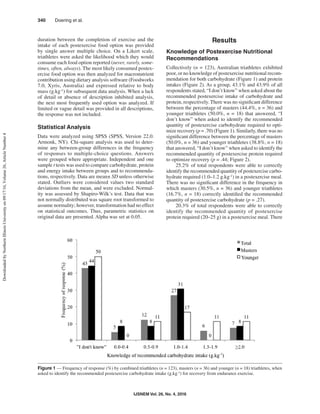
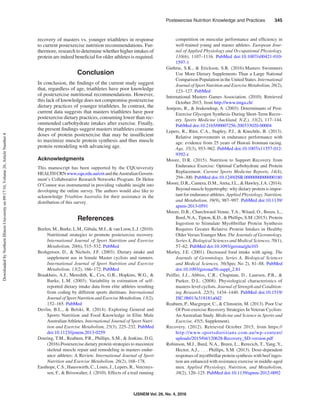
Collectively (n = 123), Australian triathletes exhibited
poor, or no knowledge of postexercise nutritional recom-
mendation for both carbohydrate (Figure 1) and protein
intakes (Figure 2). As a group, 43.1% and 43.9% of all
respondents stated, “I don’t know” when asked about the
recommended postexercise intake of carbohydrate and
protein, respectively. There was no significant difference
between the percentage of masters (44.4%, n = 36) and
younger triathletes (50.0%, n = 18) that answered, “I
don’t know” when asked to identify the recommended
quantity of postexercise carbohydrate required to opti-
mize recovery (p = .70) (Figure 1). Similarly, there was no
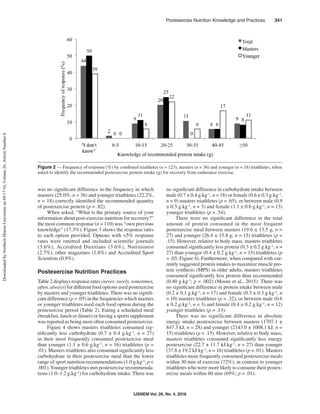
significant difference between the percentage of masters
(50.0%, n = 36) and younger triathletes (38.8%, n = 18)
that answered, “I don’t know” when asked to identify the
recommended quantity of postexercise protein required
to optimize recovery (p = .44; Figure 2).
25.2% of total respondents were able to correctly
identify the recommended quantity of postexercise carbo-
hydrate required (1.0–1.2 g.kg-1) in a postexercise meal.
There was no significant difference in the frequency in
which masters (30.5%, n = 36) and younger triathletes
(16.7%, n = 18) correctly identified the recommended
quantity of postexercise carbohydrate (p = .27).
20.3% of total respondents were able to correctly
identify the recommended quantity of postexercise
protein required (20–25 g) in a postexercise meal. There
Figure 1 — Frequency of response (%) by combined triathletes (n = 123), masters (n = 36) and younger (n = 18) triathletes, when
asked to identify the recommended postexercise carbohydrate intake (g.kg-1) for recovery from endurance exercise.
DownloadedbyNorthernIllinoisUniversityon09/17/16,Volume26,ArticleNumber4
IJSNEM Vol. 26, No. 4, 2016
Postexercise Nutrition Knowledge and Practices   341
was no significant difference in the frequency in which
masters (25.0%, n = 36) and younger triathletes (22.2%,
n = 18) correctly identified the recommended quantity
of postexercise protein (p = .82).
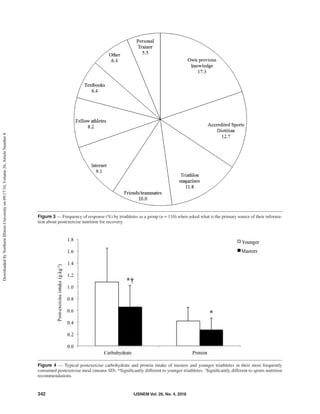
When asked, “What is the primary source of your
information about post-exercise nutrition for recovery?”
the most common response (n = 110) was “own previous
knowledge” (17.3%). Figure 3 shows the response rates
to each option provided. Options with <5% response
rates were omitted and included scientific journals
(3.6%), Accredited Dietitians (3.6%), Nutritionist
(2.7%), other magazines (1.8%) and Accredited Sport
Scientists (0.9%).
Postexercise Nutrition Practices
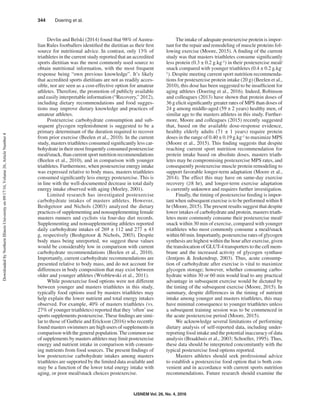
Table 2 displays response rates (never, rarely, sometimes,
often, always) for different food options used postexercise
by masters and younger triathletes. There was no signifi-
cant difference (p > .05) in the frequencies which masters
or younger triathletes used each food option during the
postexercise period (Table 2). Eating a scheduled meal
(breakfast, lunch or dinner) or having a sports supplement
was reported as being most often consumed postexercise.
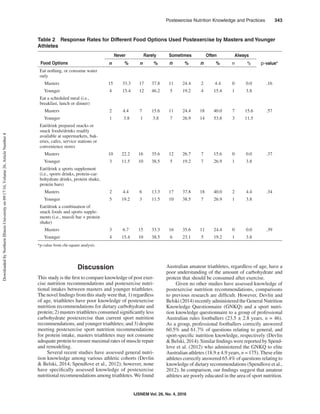
Figure 4 shows masters triathletes consumed sig-
nificantly less carbohydrate (0.7 ± 0.4 g.kg-1, n = 27)
in their most frequently consumed postexercise meal
than younger (1.1 ± 0.6 g.kg-1, n = 16) triathletes (p =
.01). Masters triathletes also consumed significantly less
carbohydrate in their postexercise meal than the lower
range of sport nutrition recommendations (1.0 g.kg-1; p <
.001).Younger triathletes met postexercise recommenda-
tions (1.0–1.2 g.kg-1) for carbohydrate intake. There was
no significant difference in carbohydrate intake between
male (0.7 ± 0.4 g.kg-1, n = 18) or female (0.6 ± 0.3 g.kg-1,
n = 9) masters triathletes (p = .65), or between male (0.9
± 0.3 g.kg-1, n = 3) and female (1.1 ± 0.6 g.kg-1, n = 13)
younger triathletes (p = .54).
There were no significant difference in the total
amount of protein consumed in the most frequent
postexercise meal between masters (19.6 ± 13.5 g, n =
27) and younger (26.4 ± 15.8 g, n = 15) triathletes (p =
.15). However, relative to body mass, masters triathletes
consumed significantly less protein (0.3 ± 0.2 g.kg-1, n =
27) than younger (0.4 ± 0.2 g.kg-1, n = 15) triathletes (p
= .03; Figure 4). Furthermore, when compared with cur-
rently suggested protein intakes to maximize muscle pro-
tein synthesis (MPS) in older adults, masters triathletes
consumed significantly less protein than recommended
(0.40 g.kg-1; p = .002) (Moore et al., 2015). There was
no significant difference in protein intake between male
(0.2 ± 0.1 g.kg-1, n = 17) and female (0.3 ± 0.3 g.kg-1, n
= 10) masters triathletes (p = .32), or between male (0.6
± 0.2 g.kg-1, n = 3) and female (0.4 ± 0.2 g.kg-1, n = 12)
younger triathletes (p = .13).
There was no significant difference in absolute
energy intake postexercise between masters (1707.1 ±
847.3 kJ, n = 28) and younger (2143.0 ± 1008.1 kJ, n =
15) triathletes (p = .15). However, relative to body mass,
masters triathletes consumed significantly less energy
postexercise (22.7 ± 11.7 kJ.kg-1, n = 27) than younger
(37.8 ± 19.2 kJ.kg-1, n = 16) triathletes (p = .01). Masters
triathletes more frequently consumed postexercise meals
within 30 min of exercise (72%), in contrast to younger
triathletes who were more likely to consume their postex-
ercise meals within 60 min (69%; p = .01).
Figure 2 — Frequency of response (%) by combined triathletes (n = 123), masters (n = 36) and younger (n = 18) triathletes, when
asked to identify the recommended postexercise protein intake (g) for recovery from endurance exercise.
DownloadedbyNorthernIllinoisUniversityon09/17/16,Volume26,ArticleNumber4
342 IJSNEM Vol. 26, No. 4, 2016
Figure 3 — Frequency of response (%) by triathletes as a group (n = 110) when asked what is the primary source of their informa-
tion about postexercise nutrition for recovery.
Figure 4 — Typical postexercise carbohydrate and protein intake of masters and younger triathletes in their most frequently
consumed postexercise meal (mean± SD). *Significantly different to younger triathletes. †Significantly different to sports nutrition
recommendations.
DownloadedbyNorthernIllinoisUniversityon09/17/16,Volume26,ArticleNumber4
IJSNEM Vol. 26, No. 4, 2016
Postexercise Nutrition Knowledge and Practices   343
Discussion
This study is the first to compare knowledge of post exer-
cise nutrition recommendations and postexercise nutri-
tional intakes between masters and younger triathletes.
The novel findings from this study were that, 1) regardless
of age, triathletes have poor knowledge of postexercise
nutrition recommendations for dietary carbohydrate and
protein; 2) masters triathletes consumed significantly less
carbohydrate postexercise than current sport nutrition
recommendations, and younger triathletes; and 3) despite
meeting postexercise sport nutrition recommendations
for protein intake, masters triathletes may not consume
adequate protein to ensure maximal rates of muscle repair
and remodeling.
Several recent studies have assessed general nutri-
tion knowledge among various athletic cohorts (Devlin
& Belski, 2014; Spendlove et al., 2012); however, none
have specifically assessed knowledge of postexercise
nutritional recommendations among triathletes.We found
Australian amateur triathletes, regardless of age, have a
poor understanding of the amount of carbohydrate and
protein that should be consumed after exercise.
Given no other studies have assessed knowledge of
postexercise nutrition recommendations, comparisons
to previous research are difficult. However, Devlin and
Belski (2014) recently administered the General Nutrition
Knowledge Questionnaire (GNKQ) and a sport nutri-
tion knowledge questionnaire to a group of professional
Australian rules footballers (23.5 ± 2.8 years, n = 46).
As a group, professional footballers correctly answered
60.5% and 61.7% of questions relating to general, and
sport-specific nutrition knowledge, respectively (Devlin
& Belski, 2014). Similar findings were reported by Spend-
love et al. (2012) who administered the GNKQ to elite
Australian athletes (18.9 ± 4.9 years, n = 175). These elite
athletes correctly answered 65.4% of questions relating to
knowledge of dietary recommendations (Spendlove et al.,
2012). In comparison, our findings suggest that amateur
athletes are poorly educated in the area of sport nutrition.
Table 2  Response Rates for Different Food Options Used Postexercise by Masters and Younger
Athletes
Never Rarely Sometimes Often Always
p-value*Food Options n % n % n % n % n %
Eat nothing, or consume water
only
 Masters 15 33.3 17 37.8 11 24.4 2 4.4 0 0.0 .16
 Younger 4 15.4 12 46.2 5 19.2 4 15.4 1 3.8
Eat a scheduled meal (i.e.,
breakfast, lunch or dinner)
 Masters 2 4.4 7 15.6 11 24.4 18 40.0 7 15.6 .57
 Younger 1 3.8 1 3.8 7 26.9 14 53.8 3 11.5
Eat/drink prepared snacks or
snack foods/drinks readily
available at supermarkets, bak-
eries, cafes, service stations or
convenience stores
 Masters 10 22.2 16 35.6 12 26.7 7 15.6 0 0.0 .37
 Younger 3 11.5 10 38.5 5 19.2 7 26.9 1 3.8
Eat/drink a sports supplement
(i.e., sports drinks, protein-car-
bohydrate drinks, protein shake,
protein bars)
 Masters 2 4.4 6 13.3 17 37.8 18 40.0 2 4.4 .34
 Younger 5 19.2 3 11.5 10 38.5 7 26.9 1 3.8
Eat/drink a combination of
snack foods and sports supple-
ments (i.e., muesli bar + protein
shake)
 Masters 3 6.7 15 33.3 16 35.6 11 24.4 0 0.0 .39
 Younger 4 15.4 10 38.5 6 23.1 5 19.2 1 3.8
*p-value from chi-square analysis.
DownloadedbyNorthernIllinoisUniversityon09/17/16,Volume26,ArticleNumber4
IJSNEM Vol. 26, No. 4, 2016
344  Doering et al.
Devlin and Belski (2014) found that 98% ofAustra-
lian Rules footballers identified the dietitian as their first
source for nutritional advice. In contrast, only 13% of
triathletes in the current study reported that an accredited
sports dietitian was the most commonly used source to
obtain nutritional information, with the most frequent
response being “own previous knowledge”. It’s likely
that accredited sports dietitians are not as readily acces-
sible, nor are seen as a cost-effective option for amateur
athletes. Therefore, the promotion of publicly available
and easily interpretable information (“Recovery,” 2012),
including dietary recommendations and food sugges-
tions may improve dietary knowledge and practices of
amateur athletes.
Postexercise carbohydrate consumption and sub-
sequent glycogen replenishment is suggested to be a
primary determinant of the duration required to recover
from prior exercise (Beelen et al., 2010). In the current
study, masters triathletes consumed significantly less car-
bohydrate in their most frequently consumed postexercise
meal/snack, than current sport nutrition recommendations
(Beelen et al., 2010), and in comparison with younger
triathletes. Furthermore, when postexercise energy intake
was expressed relative to body mass, masters triathletes
consumed significantly less energy postexercise. This is
in line with the well-documented decrease in total daily
energy intake observed with aging (Morley, 2001).
Limited research has investigated postexercise
carbohydrate intakes of masters athletes. However,
Beshgetoor and Nichols (2003) analyzed the dietary
practices of supplementing and nonsupplementing female
masters runners and cyclists via four-day diet records.
Supplementing and nonsupplementing athletes reported
daily carbohydrate intakes of 269 ± 112 and 277 ± 43
g, respectively (Beshgetoor & Nichols, 2003). Despite
body mass being unreported, we suggest these values
would be considerably low in comparison with current
carbohydrate recommendations (Beelen et al., 2010).
Importantly, current carbohydrate recommendations are
presented relative to body mass, and do not account for
differences in body composition that may exist between
older and younger athletes (Wroblewski et al., 2011).
While postexercise food options were not different
between younger and masters triathletes in this study,
typically food options used by masters triathletes may
help explain the lower nutrient and total energy intakes
observed. For example, 40% of masters triathletes (vs.
27% of younger triathletes) reported that they ‘often’ use
sports supplements postexercise. These findings are simi-
lar to those of Guthrie and Erickson (2016) who recently
found masters swimmers are high users of supplements in
comparison with the general population.The common use
of supplements by masters athletes may limit postexercise
energy and nutrient intake in comparison with consum-
ing nutrients from food sources. The present findings of
low postexercise carbohydrate intakes among masters
triathletes are supported by the limited data available and
may be a function of the lower total energy intake with
aging, or poor meal/snack choices postexercise.
The intake of adequate postexercise protein is impor-
tant for the repair and remodeling of muscle proteins fol-
lowing exercise (Moore, 2015). A finding of the current
study was that masters triathletes consume significantly
less protein (0.3 ± 0.2 g.kg-1) in their postexercise meal/
snack compared with younger triathletes (0.4 ± 0.2 g.kg-
1). Despite meeting current sport nutrition recommenda-
tions for postexercise protein intake (20 g) (Beelen et al.,
2010), this dose has been suggested to be insufficient for
aging athletes (Doering et al., 2016). Indeed, Robinson
and colleagues (2013) have shown that protein doses of
36 g elicit significantly greater rates of MPS than doses of
24 g among middle-aged (59 ± 2 years) healthy men, of
similar age to the masters athletes in this study. Further-
more, Moore and colleagues (2015) recently suggested
that, based on the available dose-response evidence,
healthy elderly adults (71 ± 1 years) require protein
doses in the range of 0.40 ± 0.19 g.kg-1 to maximize MPS
(Moore et al., 2015). This finding suggests that despite
reaching current sport nutrition recommendation for
protein intake based on absolute doses, masters triath-
letes may be compromising postexercise MPS rates, and
consequently postexercise muscle protein remodeling to
support favorable longer-term adaptation (Moore et al.,
2014). The effect this may have on same-day exercise
recovery (≥8 hr), and longer-term exercise adaptation
is currently unknown and requires further investigation.
Finally, the timing of postexercise feeding is impor-
tant when subsequent exercise is to be performed within 8
hr (Moore, 2015). The present results suggest that despite
lower intakes of carbohydrate and protein, masters triath-
letes more commonly consume their postexercise meal/
snack within 30 min of exercise, compared with younger
triathletes who most commonly consume a meal/snack
within 60 min. Importantly, postexercise rates of glycogen
synthesis are highest within the hour after exercise, given
the translocation of GLUT-4 transporters to the cell mem-
brane and the increased activity of glycogen synthase
(Jentjens & Jeukendrup, 2003). Thus, acute consump-
tion of carbohydrate after exercise is vital to maximize
glycogen storage; however, whether consuming carbo-
hydrate within 30 or 60 min would lead to any practical
advantage in subsequent exercise would be dictated by
the timing of the subsequent exercise (Moore, 2015). In
summary, despite differences in the timing of nutrient
intake among younger and masters triathletes, this may
have minimal consequence to younger triathletes unless
a subsequent training session was to be commenced in
the acute postexercise period (Moore, 2015).
We acknowledge several limitations of performing
dietary analysis of self-reported data, including under-
reporting food intake and the potential inaccuracy of data
analysis (Braakhuis et al., 2003; Schoeller, 1995). Thus,
these data should be interpreted concomitantly with the
typical postexercise food options reported.
Masters athletes should seek professional advice
to establish a postexercise food option that is both con-
venient and in accordance with current sports nutrition
recommendations. Future research should examine the
DownloadedbyNorthernIllinoisUniversityon09/17/16,Volume26,ArticleNumber4
IJSNEM Vol. 26, No. 4, 2016
Postexercise Nutrition Knowledge and Practices   345
recovery of masters vs. younger triathletes in response
to current postexercise nutrition recommendations. Fur-
thermore, research to determine whether higher intakes of
protein are indeed beneficial for older athletes is required.
Conclusion
In conclusion, the findings of the current study suggest
that, regardless of age, triathletes have poor knowledge
of postexercise nutritional recommendations. However,
this lack of knowledge does not compromise postexercise
dietary practices of younger triathletes. In contrast, the
current data suggests that masters triathletes have poor
postexercise dietary practices, consuming lower than rec-
ommended carbohydrate intakes after exercise. Finally,
the present findings suggest masters triathletes consume
doses of protein postexercise that may be insufficient
to maximize muscle protein synthesis and thus muscle
protein remodeling with advancing age.
Acknowledgments
This manuscript has been supported by the CQUniversity
HEALTH CRN www.cqu.edu.au/crn and theAustralian Govern-
ment’s Collaborative Research Networks Program. Dr Helen
O’Connor was instrumental in providing valuable insight into
developing the online survey. The authors would also like to
acknowledge Triathlon Australia for their assistance in the
distribution of this survey.
References
Beelen, M., Burke, L.M., Gibala, M.J., & van Loon, L.J. (2010).
Nutritional strategies to promote postexercise recovery.
International Journal of Sport Nutrition and Exercise
Metabolism, 20(6), 515–532. PubMed
Beshgetoor, D., & Nichols, J.F. (2003). Dietary intake and
supplement use in female Master cyclists and runners.
International Journal of Sport Nutrition and Exercise
Metabolism, 13(2), 166–172. PubMed
Braakhuis, A.J., Meredith, K., Cox, G.R., Hopkins, W.G., &
Burke, L.M. (2003). Variability in estimation of self-
reported dietary intake data from elite athletes resulting
from coding by different sports dietitians. International
Journal of Sport Nutrition and Exercise Metabolism, 13(2),
152–165. PubMed
Devlin, B.L., & Belski, R. (2014). Exploring General and
Sports Nutrition and Food Knowledge in Elite Male
AustralianAthletes. International Journal of Sport Nutri-
tion and Exercise Metabolism, 25(3), 225–232. PubMed
doi:10.1123/ijsnem.2013-0259
Doering, T.M., Reaburn, P.R., Phillips, S.M., & Jenkins, D.G.
(2016).Postexercise dietary protein strategies to maximize
skeletal muscle repair and remodeling in masters endur-
ance athletes: A Review. International Journal of Sport
Nutrition and Exercise Metabolism, 26(2), 168–178.
Easthope, C.S., Hausswirth, C., Louis, J., Lepers, R.,Vercruys-
sen, F., & Brisswalter, J. (2010). Effects of a trail running
competition on muscular performance and efficiency in
well-trained young and master athletes. European Jour-
nal of Applied Physiology and Occupational Physiology,
110(6), 1107–1116. PubMed doi:10.1007/s00421-010-
1597-1
Guthrie, S.K., & Erickson, S.R. (2016).Masters Swimmers
Use More Dietary Supplements Than a Large National
Comparison Population in the United States. International
Journal of Sport Nutrition and Exercise Metabolism, 26(2),
123–127. PubMed
International Masters Games Association. (2010). Retrieved
October 2015, from http://www.imga.ch/
Jentjens, R., & Jeukendrup, A. (2003). Determinants of Post-
Exercise Glycogen Synthesis During Short-Term Recov-
ery. Sports Medicine (Auckland, N.Z.), 33(2), 117–144.
PubMed doi:10.2165/00007256-200333020-00004
Lepers, R., Rüst, C.A., Stapley, P.J., & Knechtle, B. (2013).
Relative improvements in endurance performance with
age: evidence from 25 years of Hawaii Ironman racing.
Age, 35(3), 953–962. PubMed doi:10.1007/s11357-012-
9392-z
Moore, D.R. (2015). Nutrition to Support Recovery from
Endurance Exercise: Optimal Carbohydrate and Protein
Replacement. Current Sports Medicine Reports, 14(4),
294–300. PubMed doi:10.1249/JSR.0000000000000180
Moore, D.R., Camera, D.M.,Areta, J.L., & Hawley, J.A. (2014).
Beyond muscle hypertrophy: why dietary protein is impor-
tant for endurance athletes. Applied Physiology, Nutrition,
and Metabolism, 39(9), 987–997. PubMed doi:10.1139/
apnm-2013-0591
Moore, D.R., Churchward-Venne, T.A., Witard, O., Breen, L.,
Burd, N.A., Tipton, K.D., & Phillips, S.M. (2015). Protein
Ingestion to Stimulate Myofibrillar Protein Synthesis
Requires Greater Relative Protein Intakes in Healthy
Older VersusYounger Men. The Journals of Gerontology.
Series A, Biological Sciences and Medical Sciences, 70(1),
57–62. PubMed doi:10.1093/gerona/glu103
Morley, J.E. (2001). Decreased food intake with aging. The
Journals of Gerontology. Series A, Biological Sciences
and Medical Sciences, 56(Spec No 2), 81–88. PubMed
doi:10.1093/gerona/56.suppl_2.81
Peiffer, J.J., Abbiss, C.R., Chapman, D., Laursen, P.B., &
Parker, D.L. (2008). Physiological characteristics of
masters-level cyclists. Journal of Strength and Condition-
ing Research, 22(5), 1434–1440. PubMed doi:10.1519/
JSC.0b013e318181a0d2
Reaburn, P., Macgregor, C., & Climstein, M. (2013). Poor Use
Of Post-exercise Recovery Strategies In Veteran Cyclists:
An Australian Study. Medicine and Science in Sports and
Exercise, 45(5, Supplement).
Recovery. (2012). Retrieved October 2015, from https://
http://www.sportsdietitians.com.au/wp-content/
uploads/2015/04/120628-Recovery_SD-version.pdf
Robinson, M.J., Burd, N.A., Breen, L., Rerecich, T., Yang, Y.,
Hector, A.J., . . . Phillips, S.M. (2013). Dose-dependent
responses of myofibrillar protein synthesis with beef inges-
tion are enhanced with resistance exercise in middle-aged
men. Applied Physiology, Nutrition, and Metabolism,
38(2), 120–125. PubMed doi:10.1139/apnm-2012-0092
DownloadedbyNorthernIllinoisUniversityon09/17/16,Volume26,ArticleNumber4
IJSNEM Vol. 26, No. 4, 2016
346  Doering et al.
Schoeller, D.A. (1995). Limitations in the assessment of
dietary energy intake by self-report. Metabolism: Clini-
cal and Experimental, 44(2, Suppl. 2) 18–22. PubMed
doi:10.1016/0026-0495(95)90204-X
Spendlove, J.K., Heaney, S.E., Gifford, J.A., Prvan, T., Denyer,
G.S., & O’Connor, H.T. (2012). Evaluation of general
nutrition knowledge in elite Australian athletes. Brit-
ish Journal of Nutrition, 107(12), 1871–1880. PubMed
doi:10.1017/S0007114511005125
Stiefel, M., Knechtle, B., & Lepers, R. (2014). Master triath-
letes have not reached limits in their Ironman triathlon
performance. Scandinavian Journal of Medicine & Science
in Sports, 24(1), 89–97. PubMed doi:10.1111/j.1600-
0838.2012.01473.x
van Loon, L.J. (2013). Role of dietary protein in post-exercise
muscle reconditioning. Nestlé Nutrition InstituteWorkshop
Series, 75, 73–83. PubMed doi:10.1159/000345821
Wroblewski, A.P., Amati, F., Smiley, M.A., Goodpaster, B.,
& Wright, V. (2011). Chronic exercise preserves lean
muscle mass in masters athletes. The Physician and
Sportsmedicine, 39(3), 172–178. PubMed doi:10.3810/
psm.2011.09.1933
DownloadedbyNorthernIllinoisUniversityon09/17/16,Volume26,ArticleNumber4

Comparison of postexercise nutrition

  • 1.
    338 ORIGINAL RESEARCH International Journalof Sport Nutrition and Exercise Metabolism, 2016, 26, 338  -346 http://dx.doi.org/10.1123/ijsnem.2015-0289 © 2016 Human Kinetics, Inc. Doering and Reaburn are with the School of Medical and Applied Sciences, Central Queensland University, Rockhamp- ton, Queensland, Australia. Cox is with the Dept. of Sports Nutrition,Australian Institute of Sport, Gold Coast, Queensland, Australia. Jenkins is with the School of Human Movement and Nutrition Sciences, The University of Queensland, St. Lucia, Queensland, Australia. Address author correspondence to Thomas M. Doering at t.doering@cqu.edu.au. Comparison of Postexercise Nutrition Knowledge and Postexercise Carbohydrate and Protein Intake Between Australian Masters and Younger Triathletes Thomas M. Doering, Peter R. Reaburn, Gregory Cox, David G. Jenkins Postexercise nutrition is a critical component of an athlete’s recovery from training and competition. How- ever, little is known about athletes’ postexercise dietary practices or knowledge of dietary recommendations, particularly among masters athletes. The purpose of this study was to compare and contrast the knowledge of postexercise nutritional recommendations, and typical postexercise intakes of carbohydrate and protein, between masters and younger triathletes. 182 triathletes (Male = 101, Female = 81) completed an online survey distributed by Triathlon Australia. Knowledge of postexercise nutrition recommendations for protein and carbohydrate intake were assessed as a group, and contrasted between subgroups of masters (≥50 years) and younger triathletes (≤30 years). Using dietary recall, postexercise intakes of carbohydrate and protein were examined and contrasted between masters and younger triathletes. As a group, 43.1% and 43.9% of all triathletes answered, “I don’t know” when asked to identify the recommended postexercise carbohydrate and protein intakes, respectively. Dietary analysis revealed masters triathletes consumed significantly less carbohydrate (0.7 ± 0.4 g.kg-1) postexercise than recommended (1.0 g.kg-1; p = .001), and in comparison with younger triathletes (1.1 ± 0.6 g.kg-1; p = .01). Postexercise protein intakes were similar between masters (19.6 ± 13.5 g) and younger (26.4 ± 15.8 g) triathletes. However, relative to body mass, masters triathletes consumed significantly less protein (0.3 ± 0.2 g.kg-1) than younger triathletes (0.4 ± 0.2 g.kg-1; p = .03), and consumed significantly less energy postexercise (22.7 ± 11.7 kJ.kg-1) than younger triathletes (37.8 ± 19.2 kJ.kg-1; p = .01). The present data suggests triathletes have poor knowledge of recommendations for postexercise carbo- hydrate and protein intakes. Furthermore, low postexercise intakes of carbohydrate and protein by masters athletes may impair acute recovery. Keywords: survey, triathlon, dietary recommendations, nutrition, older adults Masters triathletes are one of the most rapidly expanding cohorts in the sport of triathlon. This is particularly evident in long-distance triathlon, in which participation rates of masters triathletes have increased significantly. For example, over a 16 year period from 1995 to 2010, the percentage of male race finishers over 40 years of age has increased from 23% to 48% at Ironman Switzerland (Stiefel et al., 2014). Furthermore, over a 25 year period from 1986 to 2010, the percentage of male masters triathletes (>40 years) completing the Hawaii Ironman world championships has increased from 31% to 56% (Lepers et al., 2013). To complete such events, high training volumes are commonly reported among masters endurance athletes (Peiffer et al., 2008). However, previous research has observed a delay in recovery from muscle-damaging exercise in this cohort (Doering et al., 2016; Easthope et al., 2010). Moreover, masters athletes appear poor users of recovery practices, including nutritional recovery strategies (Reaburn et al., 2013). Taken together, these factors highlight the importance of postexercise nutrition for masters athletes. Postexercise nutrition is a critical factor influenc- ing postexercise recovery following endurance exercise (Beelen et al., 2010). Currently, sports nutrition guide- lines recommend that athletes consume 1.0–1.2 g.kg- 1.h-1 of carbohydrate during the immediate postexercise period to replenish both muscle and liver glycogen stores (Beelen et al., 2010). Indeed, the rate of muscle glycogen resynthesis following exercise has been suggested as a primary determinant of the duration required to recover from prior exercise (Beelen et al., 2010). Postexercise protein intake is also vital for skeletal muscle repair and remodeling following exercise (Moore, 2015). Indeed,
  • 2.
    IJSNEM Vol. 26,No. 4, 2016 Postexercise Nutrition Knowledge and Practices   339 together with carbohydrate, protein intake is increasingly being accepted as an essential element of postexercise recovery nutrition for endurance athletes (Moore et al., 2014). Currently, athletes are recommended to consume ~20 g of protein during the immediate postexercise period (van Loon, 2013). To date there has been limited research examining the dietary practices of masters athletes during the immedi- ate postexercise period (Beshgetoor & Nichols, 2003). Furthermore, research is yet to compare the knowledge of postexercise nutritional recommendations, or examine the actual postexercise nutritional practices of masters and younger endurance athletes. Therefore, the purpose of the current study was to investigate the knowledge of postexercise nutritional recommendations amongAustra- lian triathletes, and compare and contrast the postexercise nutritional practices of masters and younger triathletes. It was hypothesized that regardless of age, amateur triath- letes would have poor knowledge of postexercise nutri- tion recommendations, and would consume inadequate carbohydrate and protein postexercise. Methods Participants 101 male and 81 female competitiveAustralian triathletes responded to an online survey. Younger triathletes were defined as triathletes 30 years of age or less (“Interna- tional Masters GamesAssociation,” 2010), while masters triathletes were defined as triathletes 50 years of age or older. Demographics of all participating triathletes, as well as subcategories of masters and younger triathletes are shown in Table 1. Survey Design and Implementation The online survey (SurveyMonkey) was designed to cap- ture both the knowledge of postexercise nutritional rec- ommendations and the postexercise nutritional practices of triathletes. The survey was tested for face and content validity by expert consensus, with a panel including two Advanced Sports Dietitians/Fellows of Sports Dietitians Australia, and two Sports Scientists. Furthermore, the survey was piloted within a similar cohort to that being tested to ensure face validity. Participants were recruited by Triathlon Australia via e-mail using their 2014 mem- bership database, and social media. The survey was released in October 2014, leading to Australia’s most participated triathlon and remained open until February 2015. Triathletes participated via an opt-in approach and were provided with an information sheet to be read and acknowledged before proceeding to the survey questions. The research was approved by the Central Queensland University Human Research Ethics Committee. Knowledge of Postexercise Nutritional Recommendations Triathletes were initially asked to provide their gender via multiple-choice, their age and body mass via open text box, and hours trained per discipline via drop-down menu. Triathletes were asked to identify how many grams of carbohydrate (g.kg-1), and protein (g) an endurance athlete should consume in their postexercise snack/meal to optimize recovery. Two separate multiple choice ques- tions were provided in drop-down menus with answers increasing in 0.1 g.kg-1 increments for carbohydrate, and 5 g increments for protein intake. An option of “I don’t know” was also provided. Correct responses were con- sidered within the range of 1.0–1.2 g.kg-1, and 20–25 g for carbohydrate and protein intake, respectively. Finally, athletes were asked via single answer multiple choice, “What is the primary source of your information about post-exercise nutrition for recovery?” Postexercise Nutrition Practices Postexercise nutrition practices of only masters and younger triathletes were analyzed (Table 1). Triathletes were asked to describe a scheduled meal, a prepared snack, a sports supplement/s, or a combination of each that they ‘typically’ consume postexercise with as much detail as possible. Descriptions of each meal/snack were provided by triathletes in an open text box, with examples provided as to the level of detail required. The typical Table 1  Participant Demographics (Mean± SD) Demographics All triathletes Masters (≥ 50 years) Younger (≤ 30 years) Number (n) 182 51 30 Male (n) 101 34 11 Female (n) 81 17 19 Age (y) 42.5 ± 12.3 57.7 ± 6.5* 24.3 ± 3.8 Mass (kg) 70.9 ± 12.2 72.8 ± 13.0* 64.0 ± 9.2 Swimming (h.week-1)# 4.0 ± 1.8 4.2 ± 2.0 3.9 ± 2.5 Cycling (h.week-1)# 7.4 ± 2.9 7.7 ± 2.8 7.1 ± 3.3 Running (h.week-1)# 4.4 ± 1.7 4.4 ± 1.8 4.7 ± 1.6 *Significantly different to younger triathletes. #n = 159, 46, and 27 for All triathletes, Masters and Younger triathletes, respectively. DownloadedbyNorthernIllinoisUniversityon09/17/16,Volume26,ArticleNumber4
  • 3.
    IJSNEM Vol. 26,No. 4, 2016 340  Doering et al. duration between the completion of exercise and the intake of each postexercise food option was provided by single answer multiple choice. On a Likert scale, triathletes were asked the likelihood which they would consume each food option reported (never, rarely, some- times, often, always). The most likely consumed postex- ercise food option was then analyzed for macronutrient contribution using dietary analysis software (Foodworks 7.0, Xyris, Australia) and expressed relative to body mass (g.kg-1) for subsequent data analysis. When a lack of detail or absence of description inhibited analysis, the next most frequently used option was analyzed. If limited or vague detail was provided in all descriptions, the response was not included. Statistical Analysis Data were analyzed using SPSS (SPSS, Version 22.0. Armonk, NY). Chi-square analysis was used to deter- mine any between-group differences in the frequency of responses to multiple-choice questions. Answers were grouped where appropriate. Independent and one sample t tests was used to compare carbohydrate, protein and energy intake between groups and to recommenda- tions, respectively. Data are mean± SD unless otherwise stated. Outliers were considered values two standard deviations from the mean, and were excluded. Normal- ity was assessed by Shapiro-Wilk’s test. Data that was not normally distributed was square root transformed to assume normality; however, transformation had no effect on statistical outcomes. Thus, parametric statistics on original data are presented. Alpha was set at 0.05. Results Knowledge of Postexercise Nutritional Recommendations Collectively (n = 123), Australian triathletes exhibited poor, or no knowledge of postexercise nutritional recom- mendation for both carbohydrate (Figure 1) and protein intakes (Figure 2). As a group, 43.1% and 43.9% of all respondents stated, “I don’t know” when asked about the recommended postexercise intake of carbohydrate and protein, respectively. There was no significant difference between the percentage of masters (44.4%, n = 36) and younger triathletes (50.0%, n = 18) that answered, “I don’t know” when asked to identify the recommended quantity of postexercise carbohydrate required to opti- mize recovery (p = .70) (Figure 1). Similarly, there was no significant difference between the percentage of masters (50.0%, n = 36) and younger triathletes (38.8%, n = 18) that answered, “I don’t know” when asked to identify the recommended quantity of postexercise protein required to optimize recovery (p = .44; Figure 2). 25.2% of total respondents were able to correctly identify the recommended quantity of postexercise carbo- hydrate required (1.0–1.2 g.kg-1) in a postexercise meal. There was no significant difference in the frequency in which masters (30.5%, n = 36) and younger triathletes (16.7%, n = 18) correctly identified the recommended quantity of postexercise carbohydrate (p = .27). 20.3% of total respondents were able to correctly identify the recommended quantity of postexercise protein required (20–25 g) in a postexercise meal. There Figure 1 — Frequency of response (%) by combined triathletes (n = 123), masters (n = 36) and younger (n = 18) triathletes, when asked to identify the recommended postexercise carbohydrate intake (g.kg-1) for recovery from endurance exercise. DownloadedbyNorthernIllinoisUniversityon09/17/16,Volume26,ArticleNumber4
  • 4.
    IJSNEM Vol. 26,No. 4, 2016 Postexercise Nutrition Knowledge and Practices   341 was no significant difference in the frequency in which masters (25.0%, n = 36) and younger triathletes (22.2%, n = 18) correctly identified the recommended quantity of postexercise protein (p = .82). When asked, “What is the primary source of your information about post-exercise nutrition for recovery?” the most common response (n = 110) was “own previous knowledge” (17.3%). Figure 3 shows the response rates to each option provided. Options with <5% response rates were omitted and included scientific journals (3.6%), Accredited Dietitians (3.6%), Nutritionist (2.7%), other magazines (1.8%) and Accredited Sport Scientists (0.9%). Postexercise Nutrition Practices Table 2 displays response rates (never, rarely, sometimes, often, always) for different food options used postexercise by masters and younger triathletes. There was no signifi- cant difference (p > .05) in the frequencies which masters or younger triathletes used each food option during the postexercise period (Table 2). Eating a scheduled meal (breakfast, lunch or dinner) or having a sports supplement was reported as being most often consumed postexercise. Figure 4 shows masters triathletes consumed sig- nificantly less carbohydrate (0.7 ± 0.4 g.kg-1, n = 27) in their most frequently consumed postexercise meal than younger (1.1 ± 0.6 g.kg-1, n = 16) triathletes (p = .01). Masters triathletes also consumed significantly less carbohydrate in their postexercise meal than the lower range of sport nutrition recommendations (1.0 g.kg-1; p < .001).Younger triathletes met postexercise recommenda- tions (1.0–1.2 g.kg-1) for carbohydrate intake. There was no significant difference in carbohydrate intake between male (0.7 ± 0.4 g.kg-1, n = 18) or female (0.6 ± 0.3 g.kg-1, n = 9) masters triathletes (p = .65), or between male (0.9 ± 0.3 g.kg-1, n = 3) and female (1.1 ± 0.6 g.kg-1, n = 13) younger triathletes (p = .54). There were no significant difference in the total amount of protein consumed in the most frequent postexercise meal between masters (19.6 ± 13.5 g, n = 27) and younger (26.4 ± 15.8 g, n = 15) triathletes (p = .15). However, relative to body mass, masters triathletes consumed significantly less protein (0.3 ± 0.2 g.kg-1, n = 27) than younger (0.4 ± 0.2 g.kg-1, n = 15) triathletes (p = .03; Figure 4). Furthermore, when compared with cur- rently suggested protein intakes to maximize muscle pro- tein synthesis (MPS) in older adults, masters triathletes consumed significantly less protein than recommended (0.40 g.kg-1; p = .002) (Moore et al., 2015). There was no significant difference in protein intake between male (0.2 ± 0.1 g.kg-1, n = 17) and female (0.3 ± 0.3 g.kg-1, n = 10) masters triathletes (p = .32), or between male (0.6 ± 0.2 g.kg-1, n = 3) and female (0.4 ± 0.2 g.kg-1, n = 12) younger triathletes (p = .13). There was no significant difference in absolute energy intake postexercise between masters (1707.1 ± 847.3 kJ, n = 28) and younger (2143.0 ± 1008.1 kJ, n = 15) triathletes (p = .15). However, relative to body mass, masters triathletes consumed significantly less energy postexercise (22.7 ± 11.7 kJ.kg-1, n = 27) than younger (37.8 ± 19.2 kJ.kg-1, n = 16) triathletes (p = .01). Masters triathletes more frequently consumed postexercise meals within 30 min of exercise (72%), in contrast to younger triathletes who were more likely to consume their postex- ercise meals within 60 min (69%; p = .01). Figure 2 — Frequency of response (%) by combined triathletes (n = 123), masters (n = 36) and younger (n = 18) triathletes, when asked to identify the recommended postexercise protein intake (g) for recovery from endurance exercise. DownloadedbyNorthernIllinoisUniversityon09/17/16,Volume26,ArticleNumber4
  • 5.
    342 IJSNEM Vol.26, No. 4, 2016 Figure 3 — Frequency of response (%) by triathletes as a group (n = 110) when asked what is the primary source of their informa- tion about postexercise nutrition for recovery. Figure 4 — Typical postexercise carbohydrate and protein intake of masters and younger triathletes in their most frequently consumed postexercise meal (mean± SD). *Significantly different to younger triathletes. †Significantly different to sports nutrition recommendations. DownloadedbyNorthernIllinoisUniversityon09/17/16,Volume26,ArticleNumber4
  • 6.
    IJSNEM Vol. 26,No. 4, 2016 Postexercise Nutrition Knowledge and Practices   343 Discussion This study is the first to compare knowledge of post exer- cise nutrition recommendations and postexercise nutri- tional intakes between masters and younger triathletes. The novel findings from this study were that, 1) regardless of age, triathletes have poor knowledge of postexercise nutrition recommendations for dietary carbohydrate and protein; 2) masters triathletes consumed significantly less carbohydrate postexercise than current sport nutrition recommendations, and younger triathletes; and 3) despite meeting postexercise sport nutrition recommendations for protein intake, masters triathletes may not consume adequate protein to ensure maximal rates of muscle repair and remodeling. Several recent studies have assessed general nutri- tion knowledge among various athletic cohorts (Devlin & Belski, 2014; Spendlove et al., 2012); however, none have specifically assessed knowledge of postexercise nutritional recommendations among triathletes.We found Australian amateur triathletes, regardless of age, have a poor understanding of the amount of carbohydrate and protein that should be consumed after exercise. Given no other studies have assessed knowledge of postexercise nutrition recommendations, comparisons to previous research are difficult. However, Devlin and Belski (2014) recently administered the General Nutrition Knowledge Questionnaire (GNKQ) and a sport nutri- tion knowledge questionnaire to a group of professional Australian rules footballers (23.5 ± 2.8 years, n = 46). As a group, professional footballers correctly answered 60.5% and 61.7% of questions relating to general, and sport-specific nutrition knowledge, respectively (Devlin & Belski, 2014). Similar findings were reported by Spend- love et al. (2012) who administered the GNKQ to elite Australian athletes (18.9 ± 4.9 years, n = 175). These elite athletes correctly answered 65.4% of questions relating to knowledge of dietary recommendations (Spendlove et al., 2012). In comparison, our findings suggest that amateur athletes are poorly educated in the area of sport nutrition. Table 2  Response Rates for Different Food Options Used Postexercise by Masters and Younger Athletes Never Rarely Sometimes Often Always p-value*Food Options n % n % n % n % n % Eat nothing, or consume water only  Masters 15 33.3 17 37.8 11 24.4 2 4.4 0 0.0 .16  Younger 4 15.4 12 46.2 5 19.2 4 15.4 1 3.8 Eat a scheduled meal (i.e., breakfast, lunch or dinner)  Masters 2 4.4 7 15.6 11 24.4 18 40.0 7 15.6 .57  Younger 1 3.8 1 3.8 7 26.9 14 53.8 3 11.5 Eat/drink prepared snacks or snack foods/drinks readily available at supermarkets, bak- eries, cafes, service stations or convenience stores  Masters 10 22.2 16 35.6 12 26.7 7 15.6 0 0.0 .37  Younger 3 11.5 10 38.5 5 19.2 7 26.9 1 3.8 Eat/drink a sports supplement (i.e., sports drinks, protein-car- bohydrate drinks, protein shake, protein bars)  Masters 2 4.4 6 13.3 17 37.8 18 40.0 2 4.4 .34  Younger 5 19.2 3 11.5 10 38.5 7 26.9 1 3.8 Eat/drink a combination of snack foods and sports supple- ments (i.e., muesli bar + protein shake)  Masters 3 6.7 15 33.3 16 35.6 11 24.4 0 0.0 .39  Younger 4 15.4 10 38.5 6 23.1 5 19.2 1 3.8 *p-value from chi-square analysis. DownloadedbyNorthernIllinoisUniversityon09/17/16,Volume26,ArticleNumber4
  • 7.
    IJSNEM Vol. 26,No. 4, 2016 344  Doering et al. Devlin and Belski (2014) found that 98% ofAustra- lian Rules footballers identified the dietitian as their first source for nutritional advice. In contrast, only 13% of triathletes in the current study reported that an accredited sports dietitian was the most commonly used source to obtain nutritional information, with the most frequent response being “own previous knowledge”. It’s likely that accredited sports dietitians are not as readily acces- sible, nor are seen as a cost-effective option for amateur athletes. Therefore, the promotion of publicly available and easily interpretable information (“Recovery,” 2012), including dietary recommendations and food sugges- tions may improve dietary knowledge and practices of amateur athletes. Postexercise carbohydrate consumption and sub- sequent glycogen replenishment is suggested to be a primary determinant of the duration required to recover from prior exercise (Beelen et al., 2010). In the current study, masters triathletes consumed significantly less car- bohydrate in their most frequently consumed postexercise meal/snack, than current sport nutrition recommendations (Beelen et al., 2010), and in comparison with younger triathletes. Furthermore, when postexercise energy intake was expressed relative to body mass, masters triathletes consumed significantly less energy postexercise. This is in line with the well-documented decrease in total daily energy intake observed with aging (Morley, 2001). Limited research has investigated postexercise carbohydrate intakes of masters athletes. However, Beshgetoor and Nichols (2003) analyzed the dietary practices of supplementing and nonsupplementing female masters runners and cyclists via four-day diet records. Supplementing and nonsupplementing athletes reported daily carbohydrate intakes of 269 ± 112 and 277 ± 43 g, respectively (Beshgetoor & Nichols, 2003). Despite body mass being unreported, we suggest these values would be considerably low in comparison with current carbohydrate recommendations (Beelen et al., 2010). Importantly, current carbohydrate recommendations are presented relative to body mass, and do not account for differences in body composition that may exist between older and younger athletes (Wroblewski et al., 2011). While postexercise food options were not different between younger and masters triathletes in this study, typically food options used by masters triathletes may help explain the lower nutrient and total energy intakes observed. For example, 40% of masters triathletes (vs. 27% of younger triathletes) reported that they ‘often’ use sports supplements postexercise. These findings are simi- lar to those of Guthrie and Erickson (2016) who recently found masters swimmers are high users of supplements in comparison with the general population.The common use of supplements by masters athletes may limit postexercise energy and nutrient intake in comparison with consum- ing nutrients from food sources. The present findings of low postexercise carbohydrate intakes among masters triathletes are supported by the limited data available and may be a function of the lower total energy intake with aging, or poor meal/snack choices postexercise. The intake of adequate postexercise protein is impor- tant for the repair and remodeling of muscle proteins fol- lowing exercise (Moore, 2015). A finding of the current study was that masters triathletes consume significantly less protein (0.3 ± 0.2 g.kg-1) in their postexercise meal/ snack compared with younger triathletes (0.4 ± 0.2 g.kg- 1). Despite meeting current sport nutrition recommenda- tions for postexercise protein intake (20 g) (Beelen et al., 2010), this dose has been suggested to be insufficient for aging athletes (Doering et al., 2016). Indeed, Robinson and colleagues (2013) have shown that protein doses of 36 g elicit significantly greater rates of MPS than doses of 24 g among middle-aged (59 ± 2 years) healthy men, of similar age to the masters athletes in this study. Further- more, Moore and colleagues (2015) recently suggested that, based on the available dose-response evidence, healthy elderly adults (71 ± 1 years) require protein doses in the range of 0.40 ± 0.19 g.kg-1 to maximize MPS (Moore et al., 2015). This finding suggests that despite reaching current sport nutrition recommendation for protein intake based on absolute doses, masters triath- letes may be compromising postexercise MPS rates, and consequently postexercise muscle protein remodeling to support favorable longer-term adaptation (Moore et al., 2014). The effect this may have on same-day exercise recovery (≥8 hr), and longer-term exercise adaptation is currently unknown and requires further investigation. Finally, the timing of postexercise feeding is impor- tant when subsequent exercise is to be performed within 8 hr (Moore, 2015). The present results suggest that despite lower intakes of carbohydrate and protein, masters triath- letes more commonly consume their postexercise meal/ snack within 30 min of exercise, compared with younger triathletes who most commonly consume a meal/snack within 60 min. Importantly, postexercise rates of glycogen synthesis are highest within the hour after exercise, given the translocation of GLUT-4 transporters to the cell mem- brane and the increased activity of glycogen synthase (Jentjens & Jeukendrup, 2003). Thus, acute consump- tion of carbohydrate after exercise is vital to maximize glycogen storage; however, whether consuming carbo- hydrate within 30 or 60 min would lead to any practical advantage in subsequent exercise would be dictated by the timing of the subsequent exercise (Moore, 2015). In summary, despite differences in the timing of nutrient intake among younger and masters triathletes, this may have minimal consequence to younger triathletes unless a subsequent training session was to be commenced in the acute postexercise period (Moore, 2015). We acknowledge several limitations of performing dietary analysis of self-reported data, including under- reporting food intake and the potential inaccuracy of data analysis (Braakhuis et al., 2003; Schoeller, 1995). Thus, these data should be interpreted concomitantly with the typical postexercise food options reported. Masters athletes should seek professional advice to establish a postexercise food option that is both con- venient and in accordance with current sports nutrition recommendations. Future research should examine the DownloadedbyNorthernIllinoisUniversityon09/17/16,Volume26,ArticleNumber4
  • 8.
    IJSNEM Vol. 26,No. 4, 2016 Postexercise Nutrition Knowledge and Practices   345 recovery of masters vs. younger triathletes in response to current postexercise nutrition recommendations. Fur- thermore, research to determine whether higher intakes of protein are indeed beneficial for older athletes is required. Conclusion In conclusion, the findings of the current study suggest that, regardless of age, triathletes have poor knowledge of postexercise nutritional recommendations. However, this lack of knowledge does not compromise postexercise dietary practices of younger triathletes. In contrast, the current data suggests that masters triathletes have poor postexercise dietary practices, consuming lower than rec- ommended carbohydrate intakes after exercise. Finally, the present findings suggest masters triathletes consume doses of protein postexercise that may be insufficient to maximize muscle protein synthesis and thus muscle protein remodeling with advancing age. Acknowledgments This manuscript has been supported by the CQUniversity HEALTH CRN www.cqu.edu.au/crn and theAustralian Govern- ment’s Collaborative Research Networks Program. Dr Helen O’Connor was instrumental in providing valuable insight into developing the online survey. The authors would also like to acknowledge Triathlon Australia for their assistance in the distribution of this survey. References Beelen, M., Burke, L.M., Gibala, M.J., & van Loon, L.J. (2010). Nutritional strategies to promote postexercise recovery. International Journal of Sport Nutrition and Exercise Metabolism, 20(6), 515–532. PubMed Beshgetoor, D., & Nichols, J.F. (2003). Dietary intake and supplement use in female Master cyclists and runners. International Journal of Sport Nutrition and Exercise Metabolism, 13(2), 166–172. PubMed Braakhuis, A.J., Meredith, K., Cox, G.R., Hopkins, W.G., & Burke, L.M. (2003). Variability in estimation of self- reported dietary intake data from elite athletes resulting from coding by different sports dietitians. International Journal of Sport Nutrition and Exercise Metabolism, 13(2), 152–165. PubMed Devlin, B.L., & Belski, R. (2014). Exploring General and Sports Nutrition and Food Knowledge in Elite Male AustralianAthletes. International Journal of Sport Nutri- tion and Exercise Metabolism, 25(3), 225–232. PubMed doi:10.1123/ijsnem.2013-0259 Doering, T.M., Reaburn, P.R., Phillips, S.M., & Jenkins, D.G. (2016).Postexercise dietary protein strategies to maximize skeletal muscle repair and remodeling in masters endur- ance athletes: A Review. International Journal of Sport Nutrition and Exercise Metabolism, 26(2), 168–178. Easthope, C.S., Hausswirth, C., Louis, J., Lepers, R.,Vercruys- sen, F., & Brisswalter, J. (2010). Effects of a trail running competition on muscular performance and efficiency in well-trained young and master athletes. European Jour- nal of Applied Physiology and Occupational Physiology, 110(6), 1107–1116. PubMed doi:10.1007/s00421-010- 1597-1 Guthrie, S.K., & Erickson, S.R. (2016).Masters Swimmers Use More Dietary Supplements Than a Large National Comparison Population in the United States. International Journal of Sport Nutrition and Exercise Metabolism, 26(2), 123–127. PubMed International Masters Games Association. (2010). Retrieved October 2015, from http://www.imga.ch/ Jentjens, R., & Jeukendrup, A. (2003). Determinants of Post- Exercise Glycogen Synthesis During Short-Term Recov- ery. Sports Medicine (Auckland, N.Z.), 33(2), 117–144. PubMed doi:10.2165/00007256-200333020-00004 Lepers, R., Rüst, C.A., Stapley, P.J., & Knechtle, B. (2013). Relative improvements in endurance performance with age: evidence from 25 years of Hawaii Ironman racing. Age, 35(3), 953–962. PubMed doi:10.1007/s11357-012- 9392-z Moore, D.R. (2015). Nutrition to Support Recovery from Endurance Exercise: Optimal Carbohydrate and Protein Replacement. Current Sports Medicine Reports, 14(4), 294–300. PubMed doi:10.1249/JSR.0000000000000180 Moore, D.R., Camera, D.M.,Areta, J.L., & Hawley, J.A. (2014). Beyond muscle hypertrophy: why dietary protein is impor- tant for endurance athletes. Applied Physiology, Nutrition, and Metabolism, 39(9), 987–997. PubMed doi:10.1139/ apnm-2013-0591 Moore, D.R., Churchward-Venne, T.A., Witard, O., Breen, L., Burd, N.A., Tipton, K.D., & Phillips, S.M. (2015). Protein Ingestion to Stimulate Myofibrillar Protein Synthesis Requires Greater Relative Protein Intakes in Healthy Older VersusYounger Men. The Journals of Gerontology. Series A, Biological Sciences and Medical Sciences, 70(1), 57–62. PubMed doi:10.1093/gerona/glu103 Morley, J.E. (2001). Decreased food intake with aging. The Journals of Gerontology. Series A, Biological Sciences and Medical Sciences, 56(Spec No 2), 81–88. PubMed doi:10.1093/gerona/56.suppl_2.81 Peiffer, J.J., Abbiss, C.R., Chapman, D., Laursen, P.B., & Parker, D.L. (2008). Physiological characteristics of masters-level cyclists. Journal of Strength and Condition- ing Research, 22(5), 1434–1440. PubMed doi:10.1519/ JSC.0b013e318181a0d2 Reaburn, P., Macgregor, C., & Climstein, M. (2013). Poor Use Of Post-exercise Recovery Strategies In Veteran Cyclists: An Australian Study. Medicine and Science in Sports and Exercise, 45(5, Supplement). Recovery. (2012). Retrieved October 2015, from https:// http://www.sportsdietitians.com.au/wp-content/ uploads/2015/04/120628-Recovery_SD-version.pdf Robinson, M.J., Burd, N.A., Breen, L., Rerecich, T., Yang, Y., Hector, A.J., . . . Phillips, S.M. (2013). Dose-dependent responses of myofibrillar protein synthesis with beef inges- tion are enhanced with resistance exercise in middle-aged men. Applied Physiology, Nutrition, and Metabolism, 38(2), 120–125. PubMed doi:10.1139/apnm-2012-0092 DownloadedbyNorthernIllinoisUniversityon09/17/16,Volume26,ArticleNumber4
  • 9.
    IJSNEM Vol. 26,No. 4, 2016 346  Doering et al. Schoeller, D.A. (1995). Limitations in the assessment of dietary energy intake by self-report. Metabolism: Clini- cal and Experimental, 44(2, Suppl. 2) 18–22. PubMed doi:10.1016/0026-0495(95)90204-X Spendlove, J.K., Heaney, S.E., Gifford, J.A., Prvan, T., Denyer, G.S., & O’Connor, H.T. (2012). Evaluation of general nutrition knowledge in elite Australian athletes. Brit- ish Journal of Nutrition, 107(12), 1871–1880. PubMed doi:10.1017/S0007114511005125 Stiefel, M., Knechtle, B., & Lepers, R. (2014). Master triath- letes have not reached limits in their Ironman triathlon performance. Scandinavian Journal of Medicine & Science in Sports, 24(1), 89–97. PubMed doi:10.1111/j.1600- 0838.2012.01473.x van Loon, L.J. (2013). Role of dietary protein in post-exercise muscle reconditioning. Nestlé Nutrition InstituteWorkshop Series, 75, 73–83. PubMed doi:10.1159/000345821 Wroblewski, A.P., Amati, F., Smiley, M.A., Goodpaster, B., & Wright, V. (2011). Chronic exercise preserves lean muscle mass in masters athletes. The Physician and Sportsmedicine, 39(3), 172–178. PubMed doi:10.3810/ psm.2011.09.1933 DownloadedbyNorthernIllinoisUniversityon09/17/16,Volume26,ArticleNumber4