

Induction Heating in the Powertrain
            Industry


   Valentin Nemkov, Robert Ruffini, Robert Goldstein
          Centre for Induction Technology, Inc.

           Chester Grant, Shekhar Wakade
                   GM Powertrain
Overview
• Advantages of Induction Heating
• Status of Induction Heating in the Powertrain
  Industry
• Advancements in the Induction Technique
• Education in Induction Heating
• Need for Cooperative Efforts
Advantages of Induction Heating


•   Short Heating Cycles and High Production Rates
•   Better Metallurgical Results
•   Good Control and High Repeatability
•   Small Surface Oxidation and Decarburization
•   Low Distortion
•   Favorable to the Industrial Environment
Status of Induction Heating
•   Widely Used in Powertrain Industry
•   Relatively Old Equipment and Technology
•   Relatively Short Coil Lifetimes
•   Depletion of Experienced People
•   Demand for Improved Induction Technique
Major Applications of Induction
                 Heating
• Surface Heat Treating
    – Hardening
    – Tempering
•   Sintering
•   Shrink Fitting
•   Forging and Forming
•   Brazing
Demand for Improved Induction
               Technique
•   Existing Equipment is Relatively Old
•   Tighter Product Requirements
•   Faster “Time to Market”
•   Continuously Changing Requirements
•   Tougher Environmental Standards
Advancements in Induction Technique
•   DFIH Strategy
•   Power Supplies and Control Systems
•   Computer Simulation Tools
•   Induction Heating Coils
•   New and Emerging Technologies
DFIH Strategy
•   Material Selection
•   Part Geometry
•   Heat Treatment Specification
•   Sequence of Operations
•   Material Handling Equipment
Power Supplies and Controls
•   Solid State Power Supplies
•   Small Size and Weight
•   Higher Efficiency
•   Greater Adaptability and Controllability
•   Faster Response Times
•   Intelligent Control Systems
•   Process Monitoring and Recording
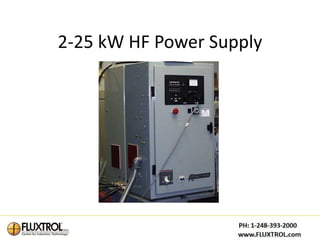
2-25 kW HF Power Supply
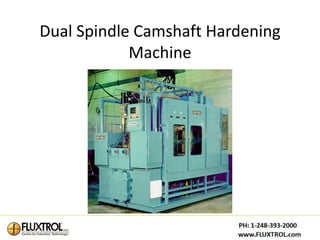
Dual Spindle Camshaft Hardening
            Machine
50 kW Power Supply with Portable
         Transformer
Benefits of Computer Simulation
• Faster Process Development
• Accurate Results
• Demonstration of the Entire Dynamics of the
  Process
• Leaves Records for Future Study
• Improves Knowledge Base
• “Human Factor”
Computer Simulation Uses
•   Education and Self-Education
•   Research and Development
•   Case Studies
•   Process and Equipment Design
•   Advertisements and Business Presentations
    – See more about software on www.induction.org
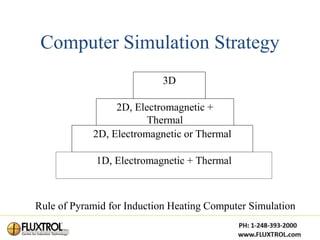
Computer Simulation Strategy
                           3D

                 2D, Electromagnetic +
                        Thermal
            2D, Electromagnetic or Thermal

             1D, Electromagnetic + Thermal


Rule of Pyramid for Induction Heating Computer Simulation
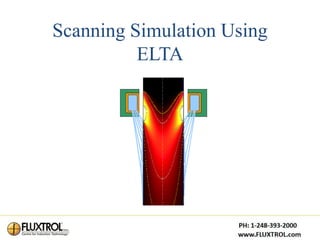
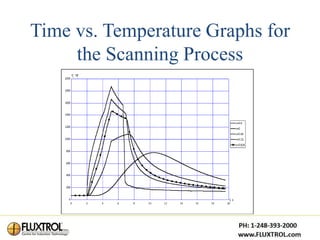
Scanning Simulation Using
          ELTA
Time vs. Temperature Graphs for
     the Scanning Process
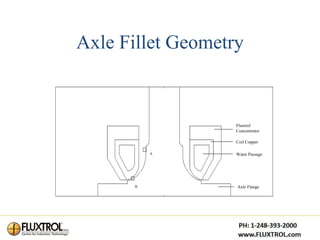
Axle Fillet Geometry


                   Fluxtrol
                   Concentrator

                   Coil Copper

          A        Water Passage


      B            Axle Flange
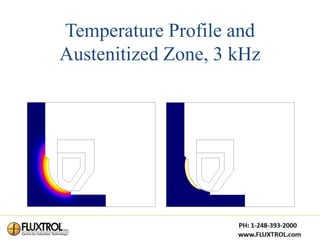
Temperature Profile and
Austenitized Zone, 3 kHz
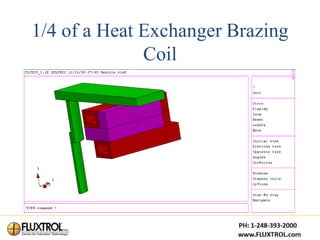
1/4 of a Heat Exchanger Brazing
              Coil
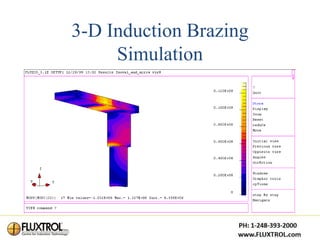
3-D Induction Brazing
     Simulation
Induction Heating Coils
•   Better Coil and Process Efficiency
•   More Precise Heat Pattern Control
•   New Materials for Magnetic Flux Control
•   Longer Coil Lifetimes
•   Coil Manufacturing Technology
•   Computer Assisted Design
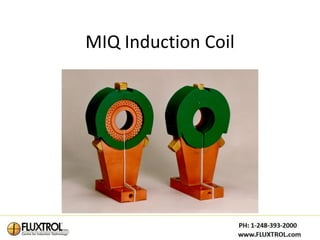
MIQ Induction Coil
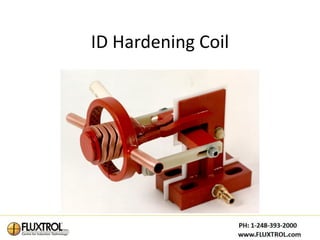
ID Hardening Coil
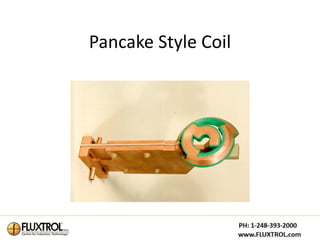
Pancake Style Coil
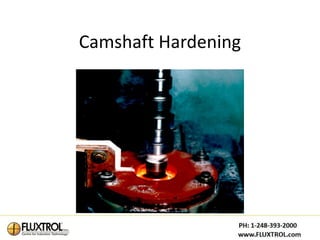
Camshaft Hardening
Status of Education in the Induction
                 Technique
•   No University Curriculum
•   Mainly Self Education
•   In-Plant Training
•   Generic Induction Heating Seminars
•   Emerging New Opportunities
New Opportunities for Education
•   Computer Simulation and Educational Tools
•   Modern Courses and Course Books
•   Remote Education via Internet
•   International Networking
Industry Collaboration
• Group Development of Basic Technologies
• Development of System for Education
• Development of Teaching Tools
• Development of Focused Computer
  Simulation Programs
• Development of Material Property Database
  for Induction Heating
Conclusions
• Induction Heating Is Not Being Used to It’s Full
  Potential
• Many Old Processes and Equipment are Obsolete
• Induction Personnel Require Education and
  Knowledge Updating
• Cooperative Efforts are Required in:
   – Education
   – Material Property Database
   – Improved Induction Coil and Process Design

Induction Heating in the Powertrain Industry

  • 1.
    Induction Heating inthe Powertrain Industry Valentin Nemkov, Robert Ruffini, Robert Goldstein Centre for Induction Technology, Inc. Chester Grant, Shekhar Wakade GM Powertrain
  • 2.
    Overview • Advantages ofInduction Heating • Status of Induction Heating in the Powertrain Industry • Advancements in the Induction Technique • Education in Induction Heating • Need for Cooperative Efforts
  • 3.
    Advantages of InductionHeating • Short Heating Cycles and High Production Rates • Better Metallurgical Results • Good Control and High Repeatability • Small Surface Oxidation and Decarburization • Low Distortion • Favorable to the Industrial Environment
  • 4.
    Status of InductionHeating • Widely Used in Powertrain Industry • Relatively Old Equipment and Technology • Relatively Short Coil Lifetimes • Depletion of Experienced People • Demand for Improved Induction Technique
  • 5.
    Major Applications ofInduction Heating • Surface Heat Treating – Hardening – Tempering • Sintering • Shrink Fitting • Forging and Forming • Brazing
  • 6.
    Demand for ImprovedInduction Technique • Existing Equipment is Relatively Old • Tighter Product Requirements • Faster “Time to Market” • Continuously Changing Requirements • Tougher Environmental Standards
  • 7.
    Advancements in InductionTechnique • DFIH Strategy • Power Supplies and Control Systems • Computer Simulation Tools • Induction Heating Coils • New and Emerging Technologies
  • 8.
    DFIH Strategy • Material Selection • Part Geometry • Heat Treatment Specification • Sequence of Operations • Material Handling Equipment
  • 9.
    Power Supplies andControls • Solid State Power Supplies • Small Size and Weight • Higher Efficiency • Greater Adaptability and Controllability • Faster Response Times • Intelligent Control Systems • Process Monitoring and Recording
  • 10.
    2-25 kW HFPower Supply
  • 11.
    Dual Spindle CamshaftHardening Machine
  • 12.
    50 kW PowerSupply with Portable Transformer
  • 13.
    Benefits of ComputerSimulation • Faster Process Development • Accurate Results • Demonstration of the Entire Dynamics of the Process • Leaves Records for Future Study • Improves Knowledge Base • “Human Factor”
  • 14.
    Computer Simulation Uses • Education and Self-Education • Research and Development • Case Studies • Process and Equipment Design • Advertisements and Business Presentations – See more about software on www.induction.org
  • 15.
    Computer Simulation Strategy 3D 2D, Electromagnetic + Thermal 2D, Electromagnetic or Thermal 1D, Electromagnetic + Thermal Rule of Pyramid for Induction Heating Computer Simulation
  • 16.
  • 17.
    Time vs. TemperatureGraphs for the Scanning Process
  • 18.
    Axle Fillet Geometry Fluxtrol Concentrator Coil Copper A Water Passage B Axle Flange
  • 19.
  • 20.
    1/4 of aHeat Exchanger Brazing Coil
  • 21.
  • 22.
    Induction Heating Coils • Better Coil and Process Efficiency • More Precise Heat Pattern Control • New Materials for Magnetic Flux Control • Longer Coil Lifetimes • Coil Manufacturing Technology • Computer Assisted Design
  • 23.
  • 24.
  • 25.
  • 26.
  • 27.
    Status of Educationin the Induction Technique • No University Curriculum • Mainly Self Education • In-Plant Training • Generic Induction Heating Seminars • Emerging New Opportunities
  • 28.
    New Opportunities forEducation • Computer Simulation and Educational Tools • Modern Courses and Course Books • Remote Education via Internet • International Networking
  • 29.
    Industry Collaboration • GroupDevelopment of Basic Technologies • Development of System for Education • Development of Teaching Tools • Development of Focused Computer Simulation Programs • Development of Material Property Database for Induction Heating
  • 30.
    Conclusions • Induction HeatingIs Not Being Used to It’s Full Potential • Many Old Processes and Equipment are Obsolete • Induction Personnel Require Education and Knowledge Updating • Cooperative Efforts are Required in: – Education – Material Property Database – Improved Induction Coil and Process Design