Philip Moriarty
School of Physics & Astronomy
philip.moriarty@nottingham.ac.uk
muircheartblog.wordpress.com
F34PPP Lecture 2:
Induction, Deduction, Reduction
DATE TITLE TYPE
Sept 30 Science Proves Nothing. Lecture
Oct. 07 Induction, Deduction, Reduction. Lecture
Oct. 14 The Truth, The Whole Truth, and…?
NO LECTURE
Video lecture + blog post
Oct. 21 Is Peer Review Peerless? Seminar and discussion
Oct. 28 The Science Wars Rebooted Seminar and discussion
Nov. 4 Maybe, Minister? Seminar and discussion
Nov. 11 “The Death of Expertise” Seminar and discussion
Nov. 18 Communication Breakdown Seminar and discussion
Nov. 25 Invited Speaker: Harry Collins Seminar and discussion
Dec. 2 Invited speaker: Karen Lumsden Seminar and discussion
Dec. 9 The real world… Seminar and discussion
F34PPP in brief
All sessions in A16 Psychology, 15:00, Mondays (Autumn
semester)
Last time…
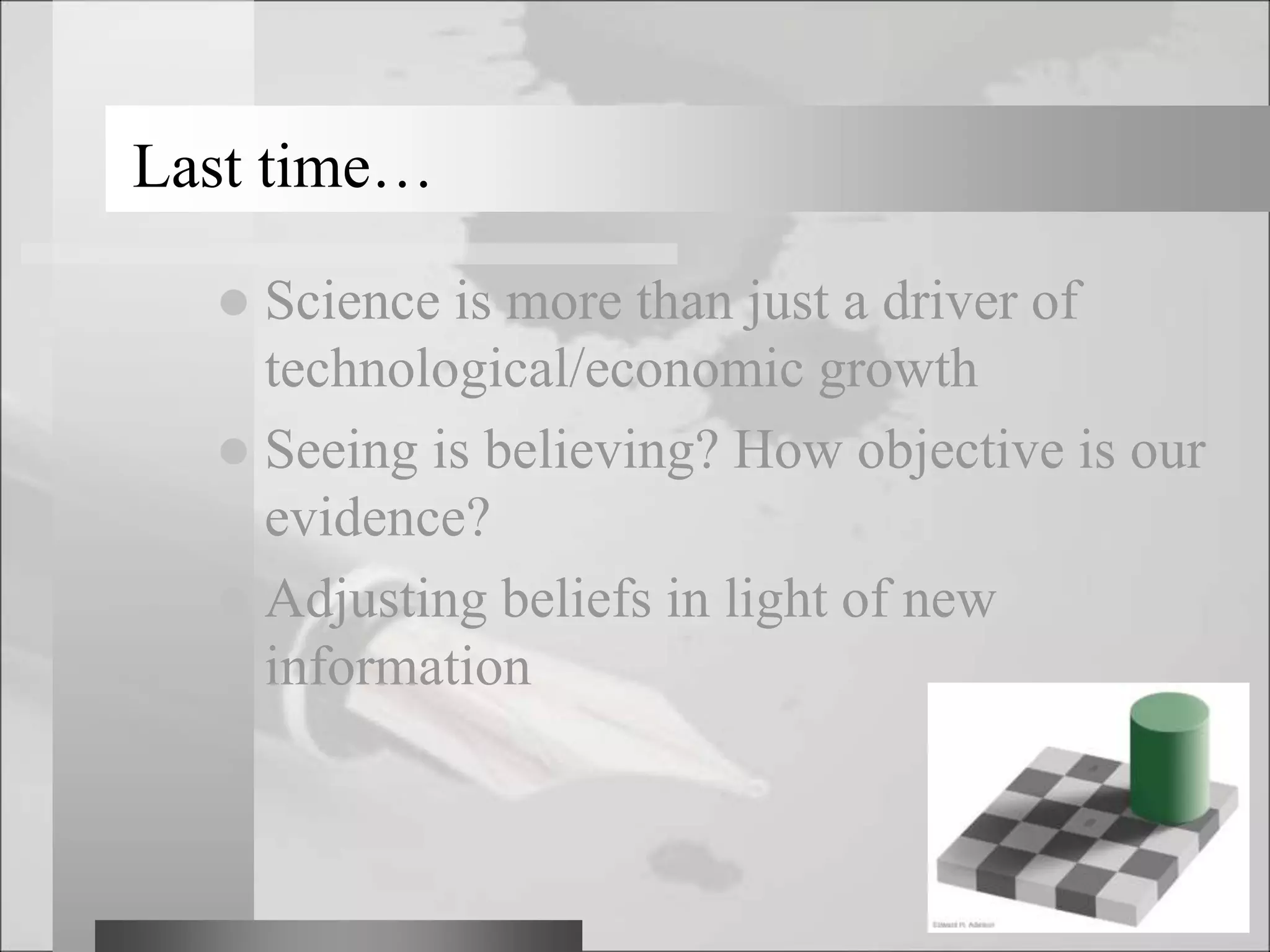
 Science is more than just a driver of
technological/economic growth
 Seeing is believing? How objective is our
evidence?
 Adjusting beliefs in light of new
information
Today
 Inductive vs deductive reasoning
 Bacon and inductivism
 Is science really “organised scepticism”?
 The scientific method
 Popper and falsification
F34PPP in brief -- assessment
 An opinion piece (along the lines of a one-page Physics World
article, 1000-1500 words) [Deadline: Nov. 15] 30%
 A "feature article" (2000-2500 words, in the style of a
broadsheet article) [Deadline: Dec. 20] 70%
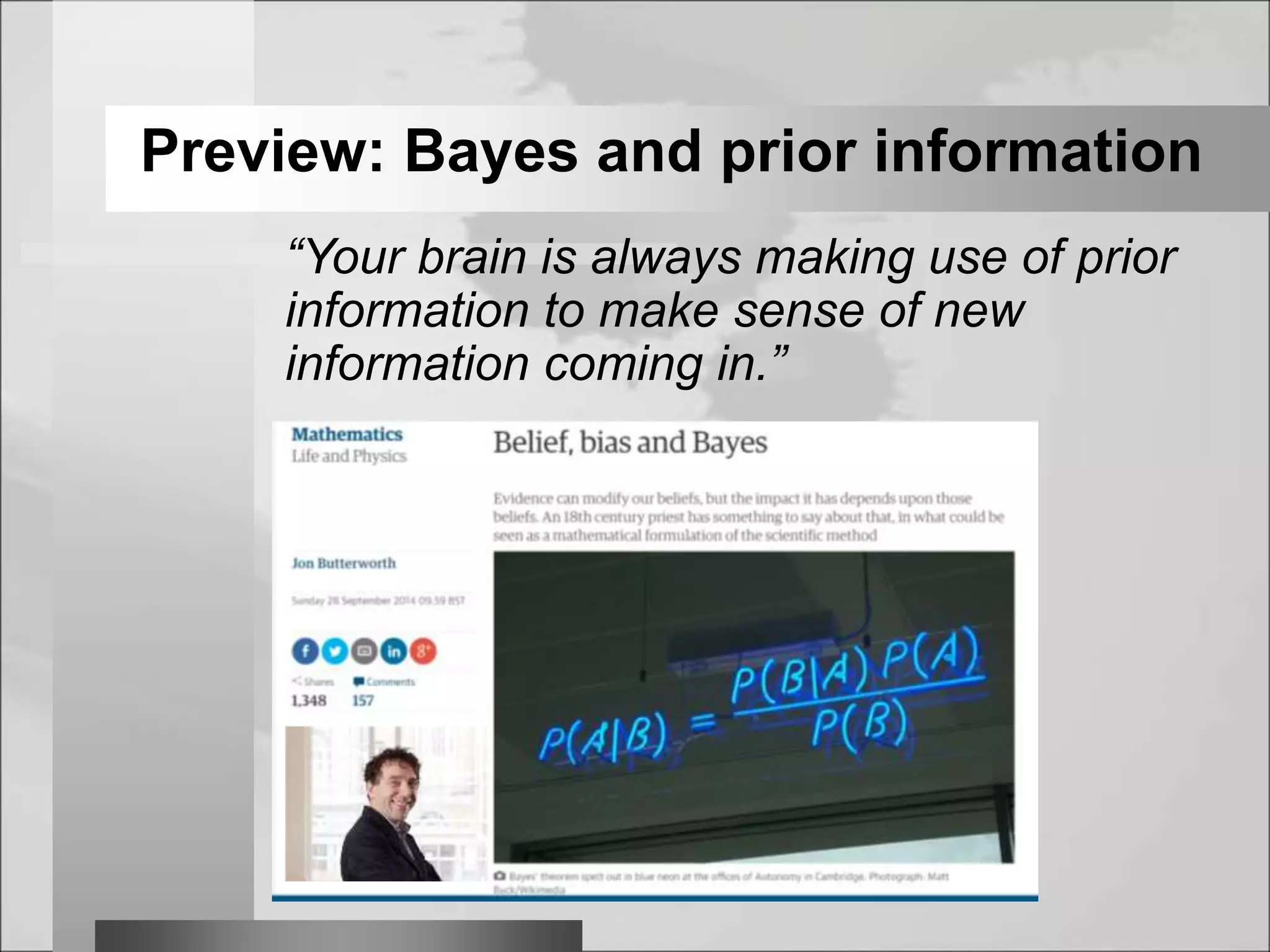
“Your brain is always making use of prior
information to make sense of new
information coming in.”
Preview: Bayes and prior information
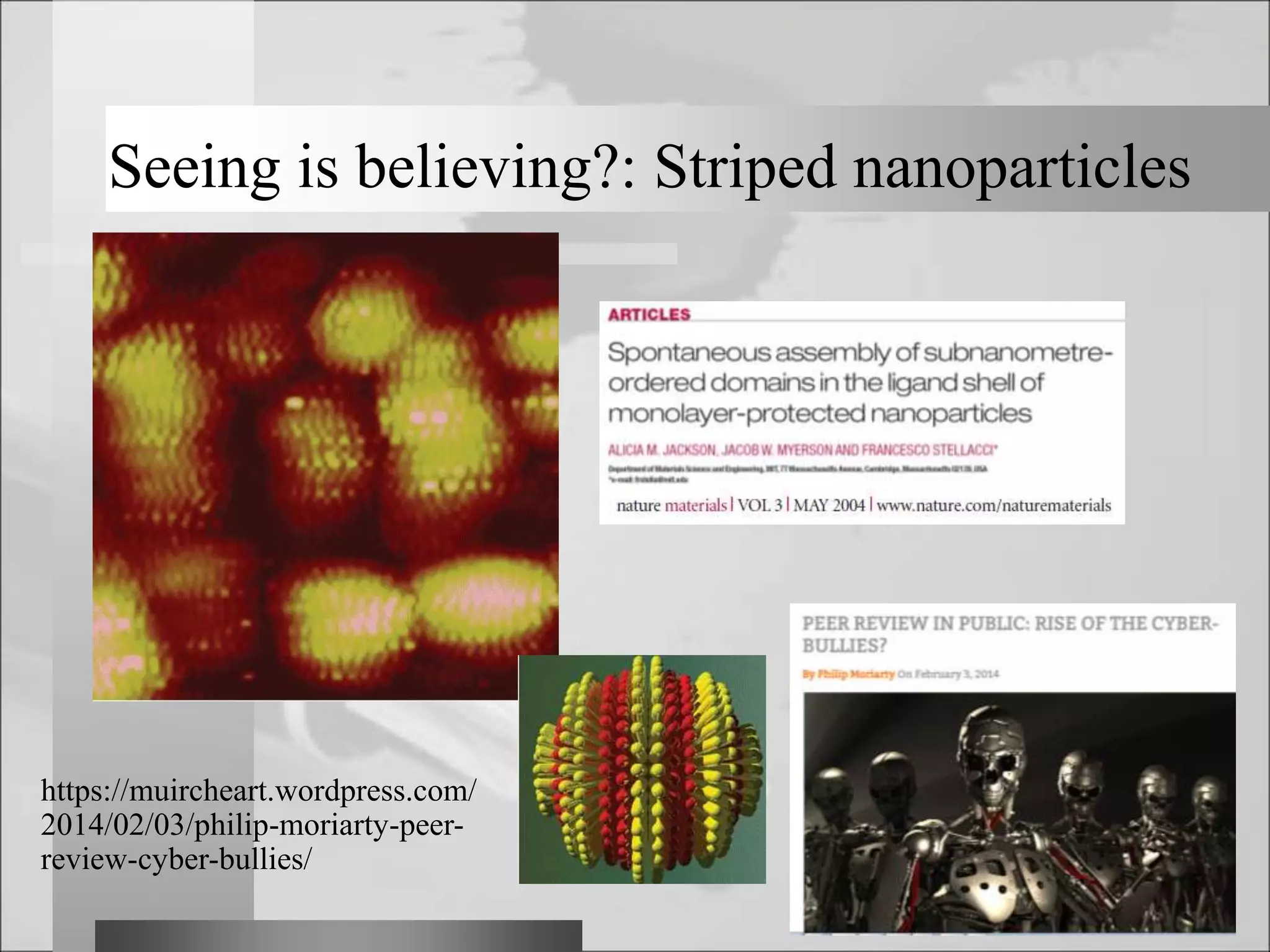
Seeing is believing?: Striped nanoparticles
https://muircheart.wordpress.com/
2014/02/03/philip-moriarty-peer-
review-cyber-bullies/
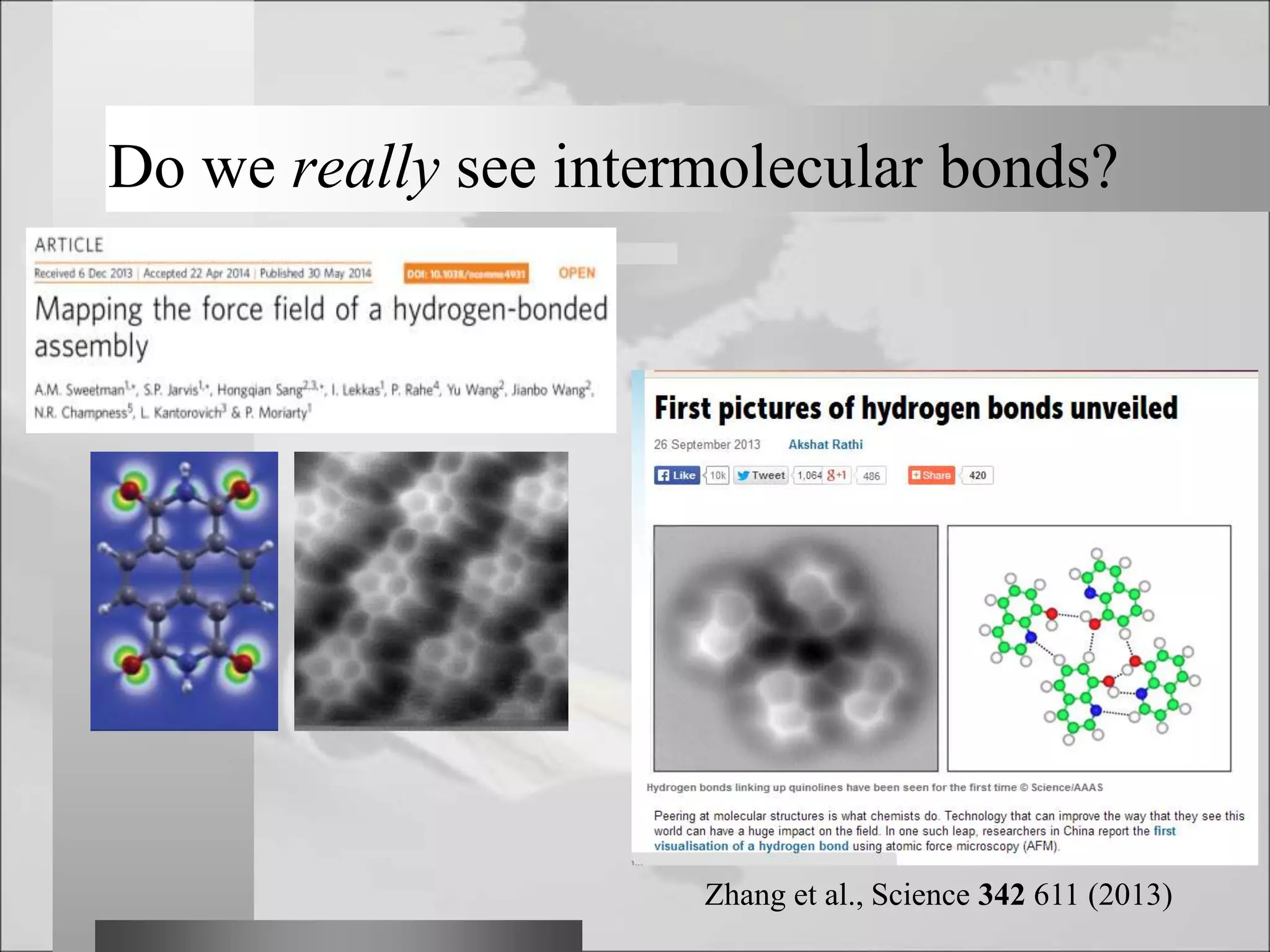
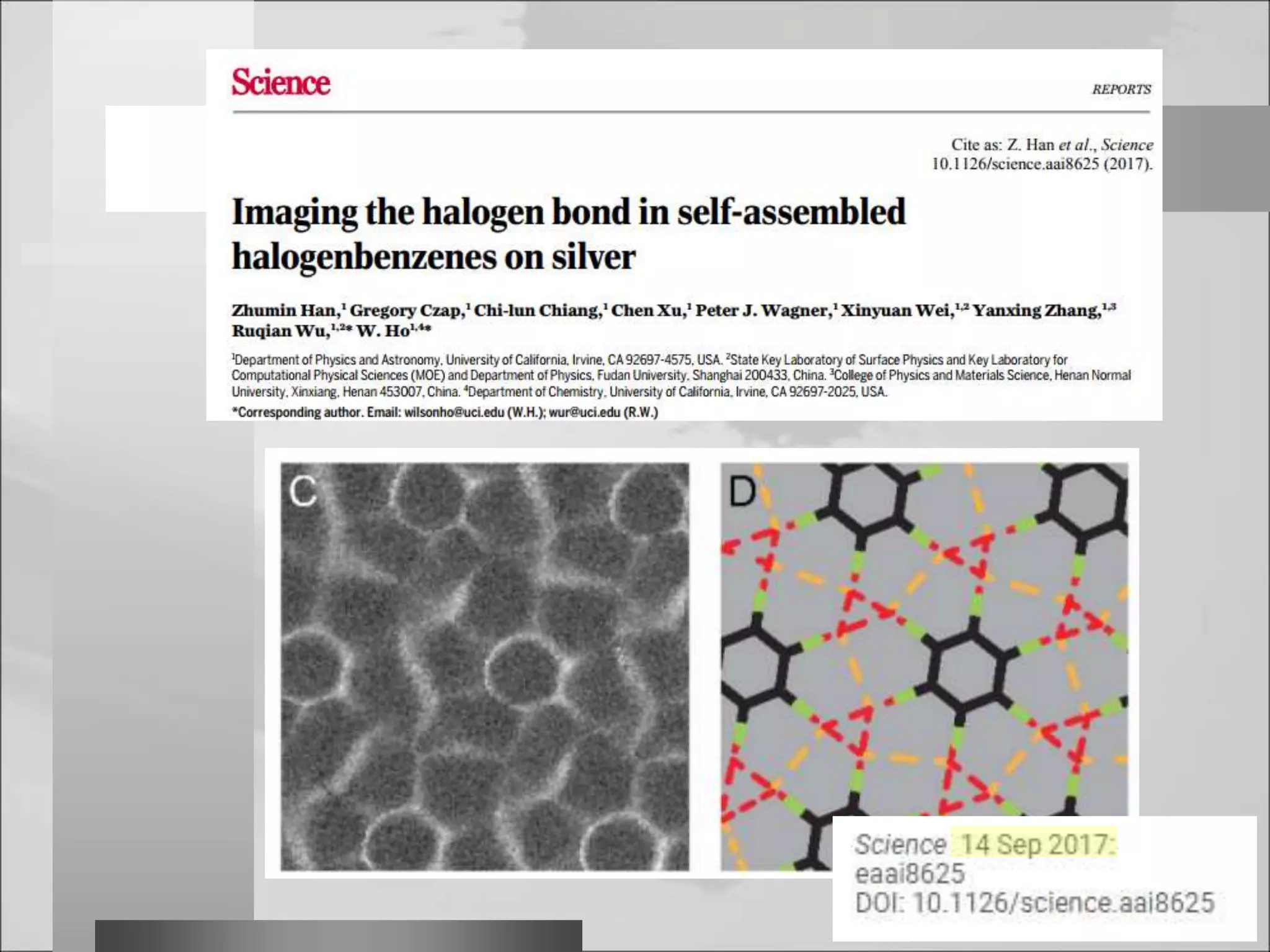
Do we really see intermolecular bonds?
Zhang et al., Science 342 611 (2013)
Logic and reason
“Logic is the study of reasoning abstracted
from what that reasoning is about.”
[Ladyman]

All dachshunds are good physicists.
Daisy is a dachshund.
Therefore Daisy is a good physicist.
Both are valid arguments!
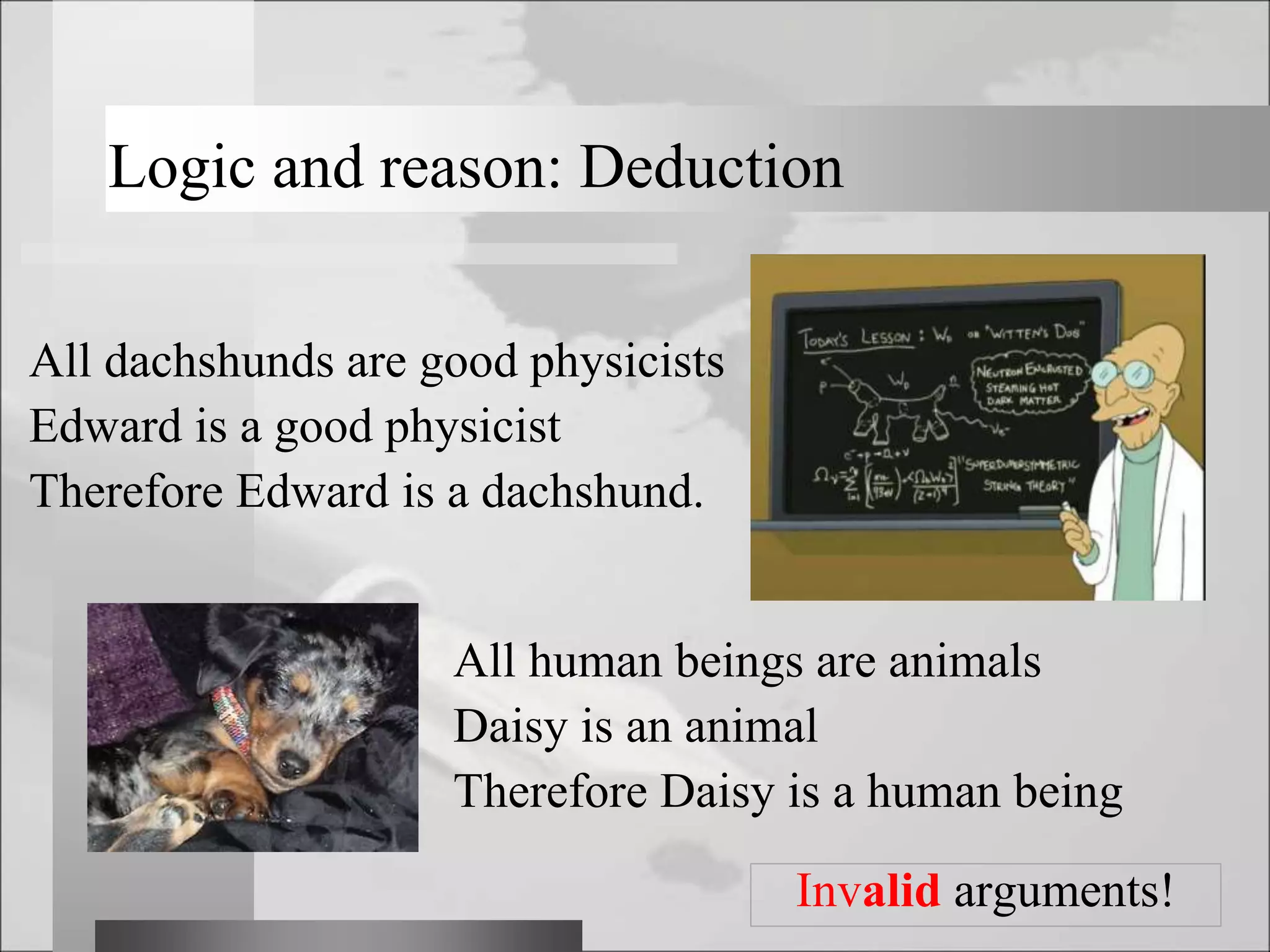
Logic and reason: Deduction
Invalid arguments!
All dachshunds are good physicists
Edward is a good physicist
Therefore Edward is a dachshund.
All human beings are animals
Daisy is an animal
Therefore Daisy is a human being
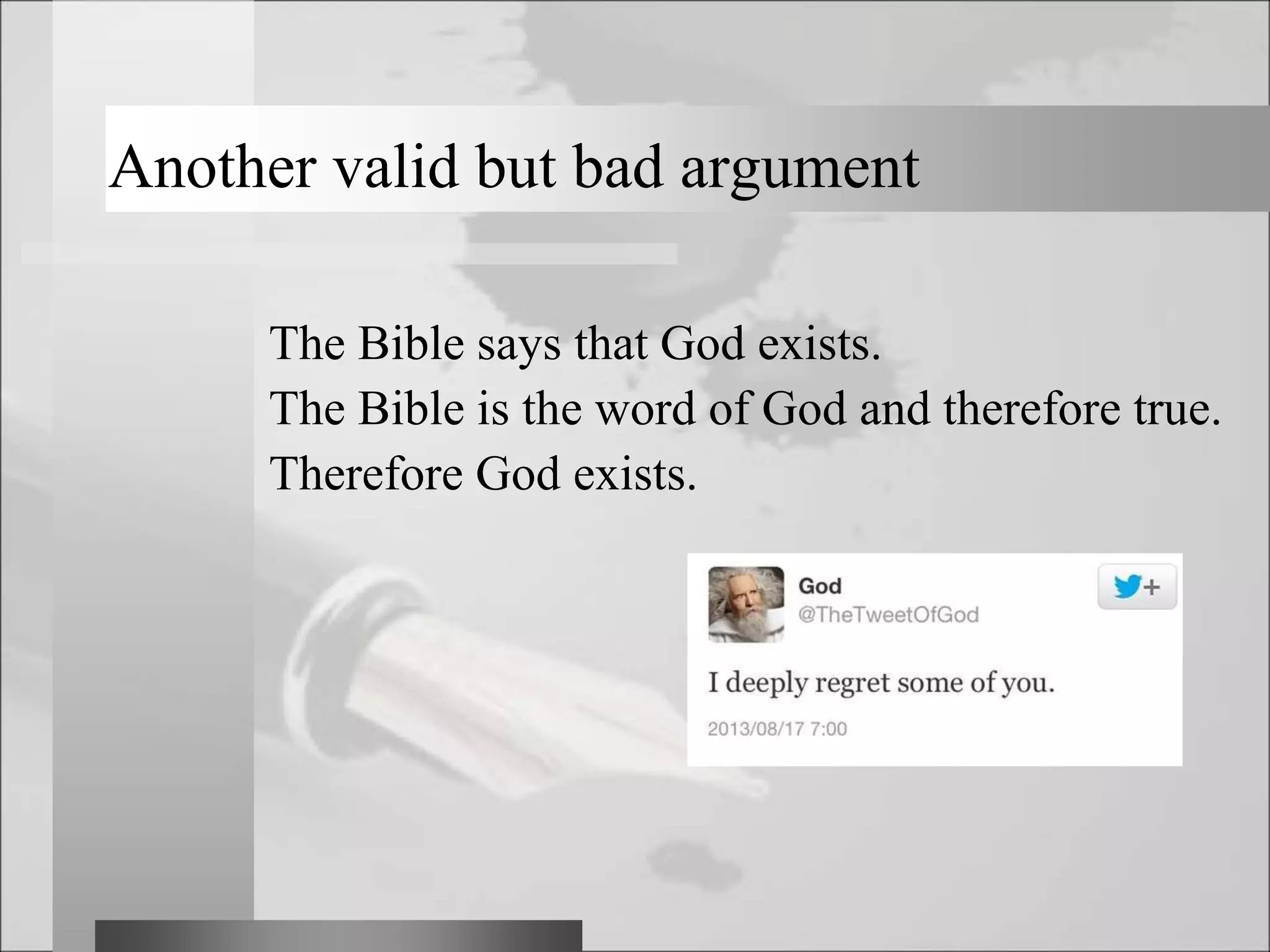
Another valid but bad argument
The Bible says that God exists.
The Bible is the word of God and therefore true.
Therefore God exists.
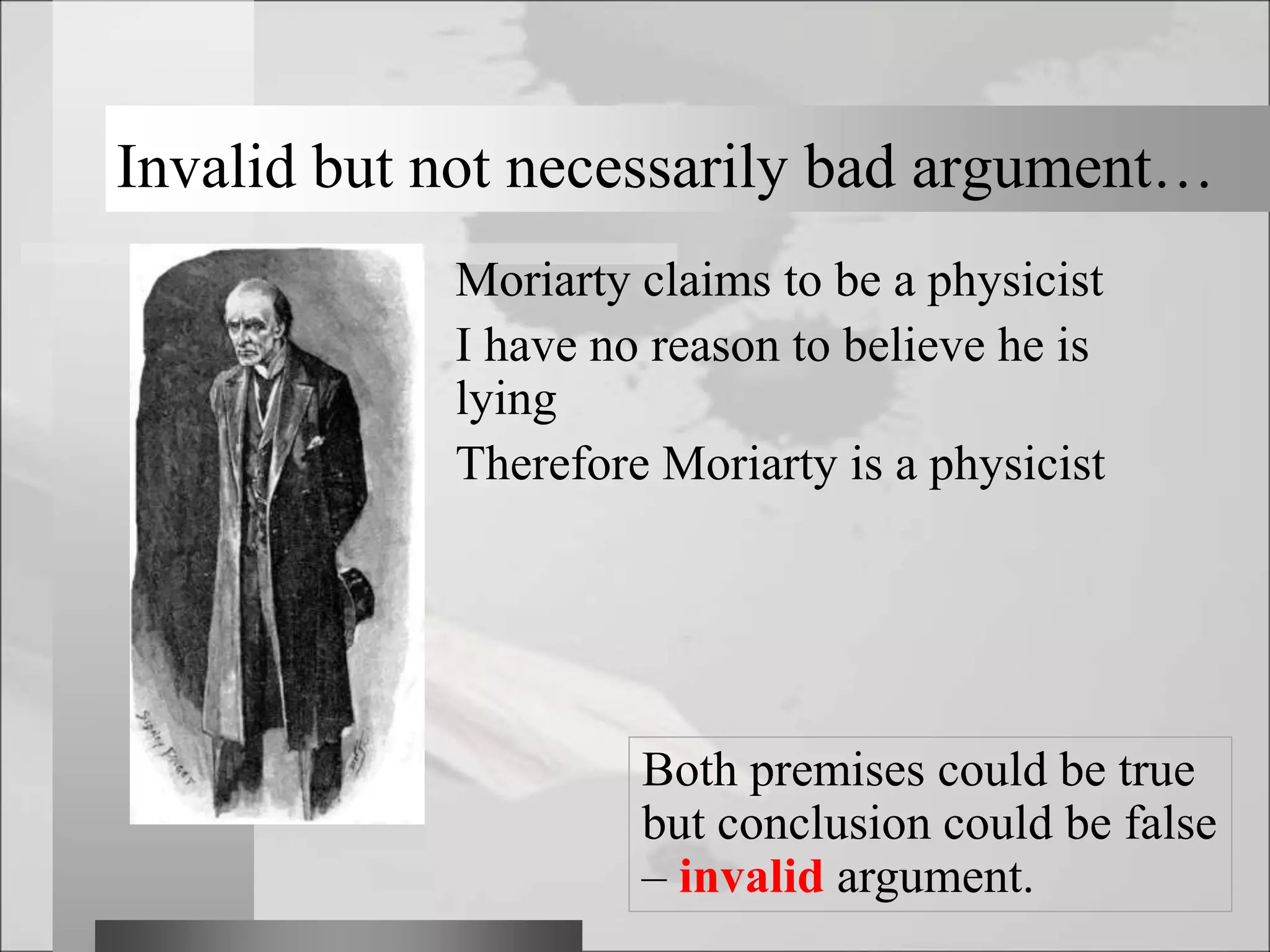
Invalid but not necessarily bad argument…
Moriarty claims to be a physicist
I have no reason to believe he is
lying
Therefore Moriarty is a physicist
Both premises could be true
but conclusion could be false
– invalid argument.
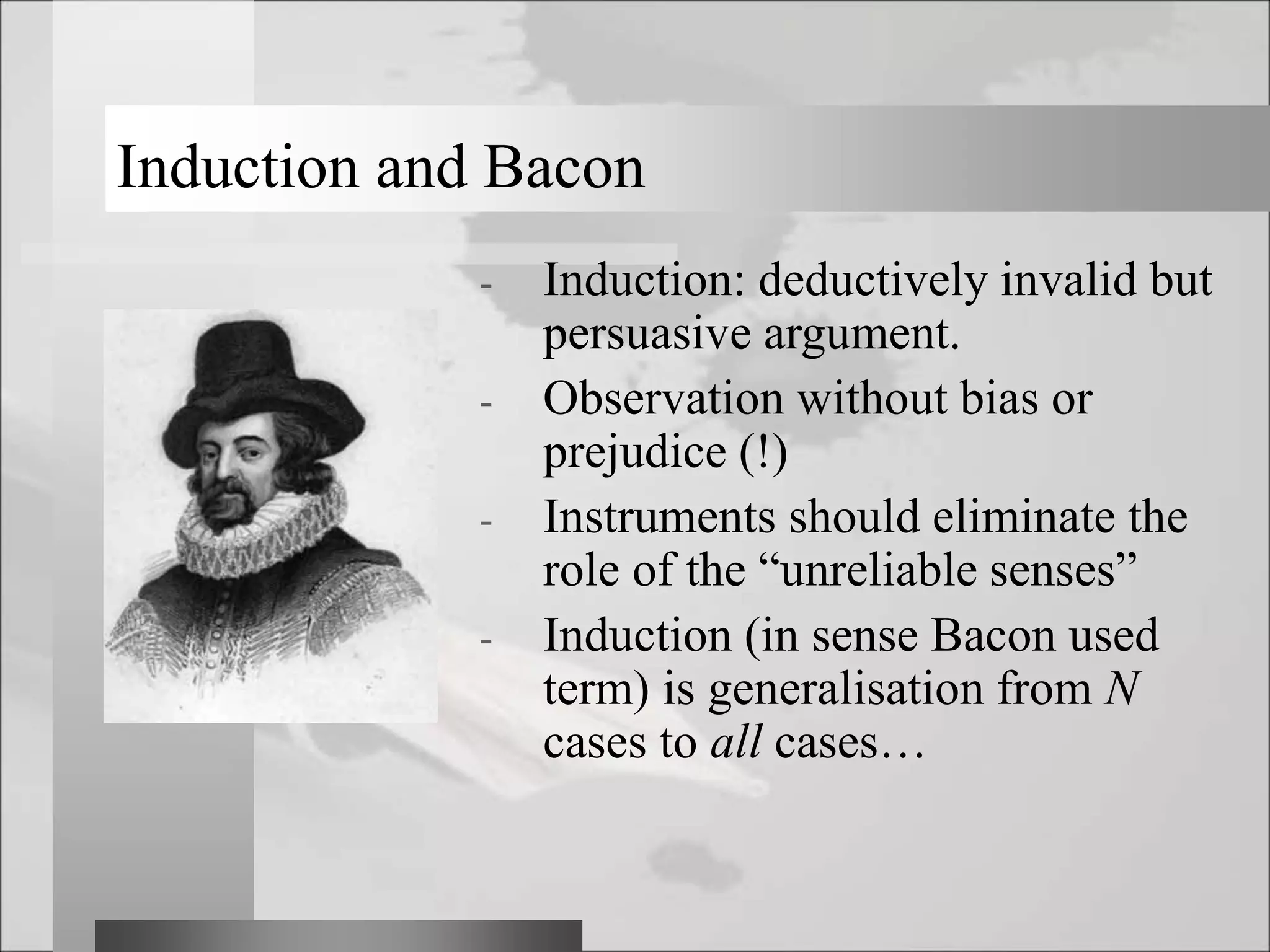
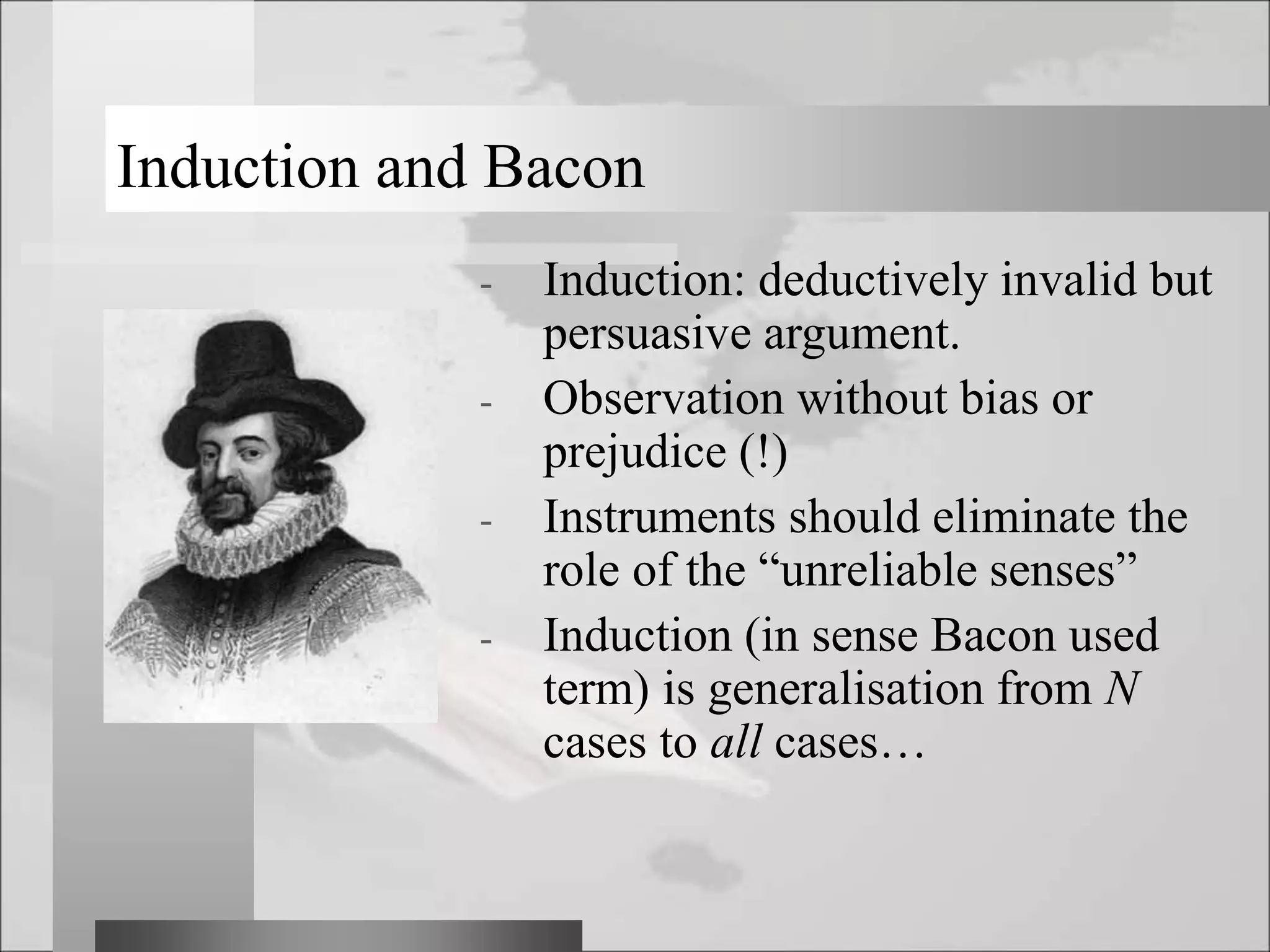
Induction and Bacon
- Induction: deductively invalid but
persuasive argument.
- Observation without bias or
prejudice (!)
- Instruments should eliminate the
role of the “unreliable senses”
- Induction (in sense Bacon used
term) is generalisation from N
cases to all cases…
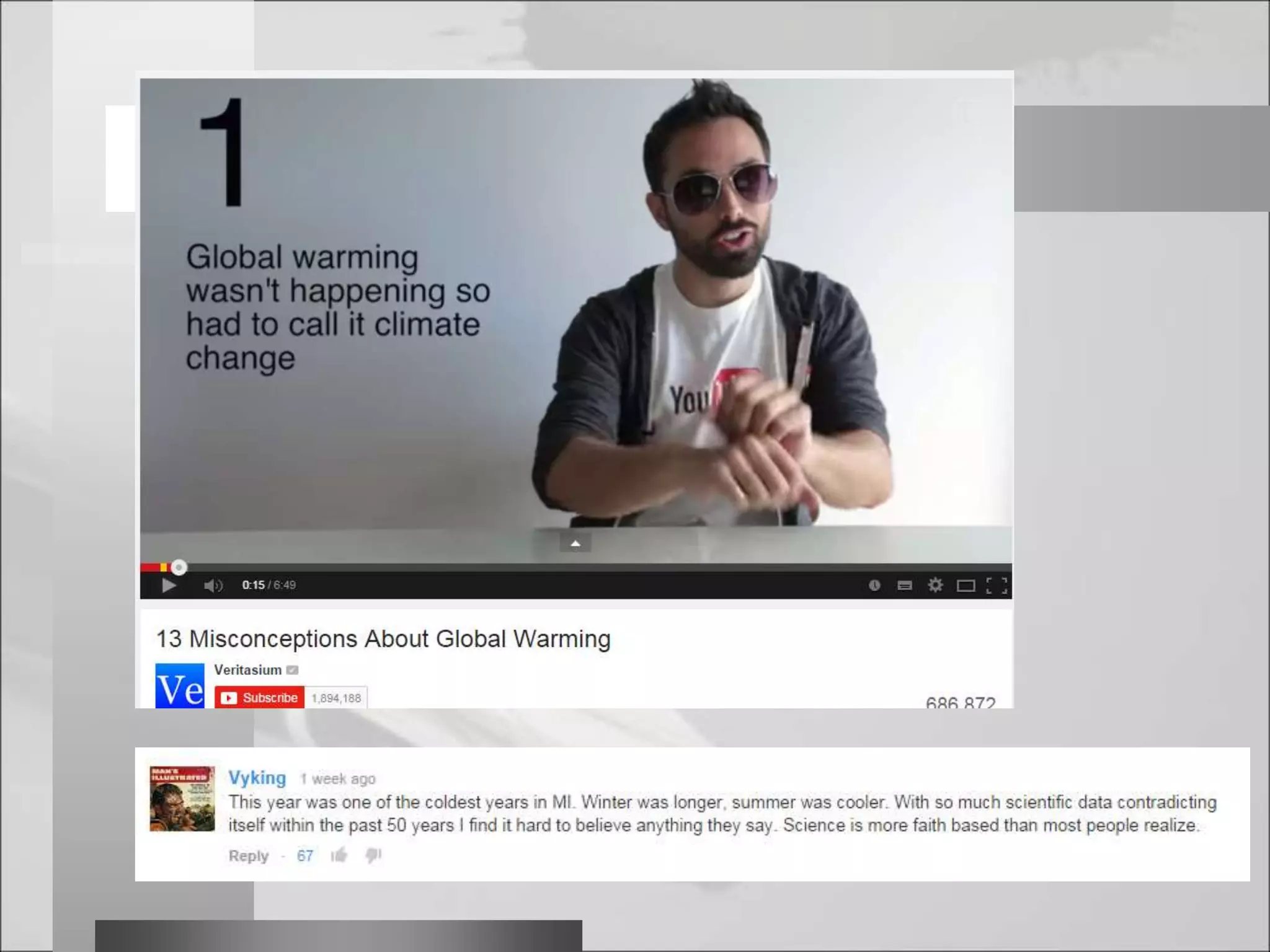
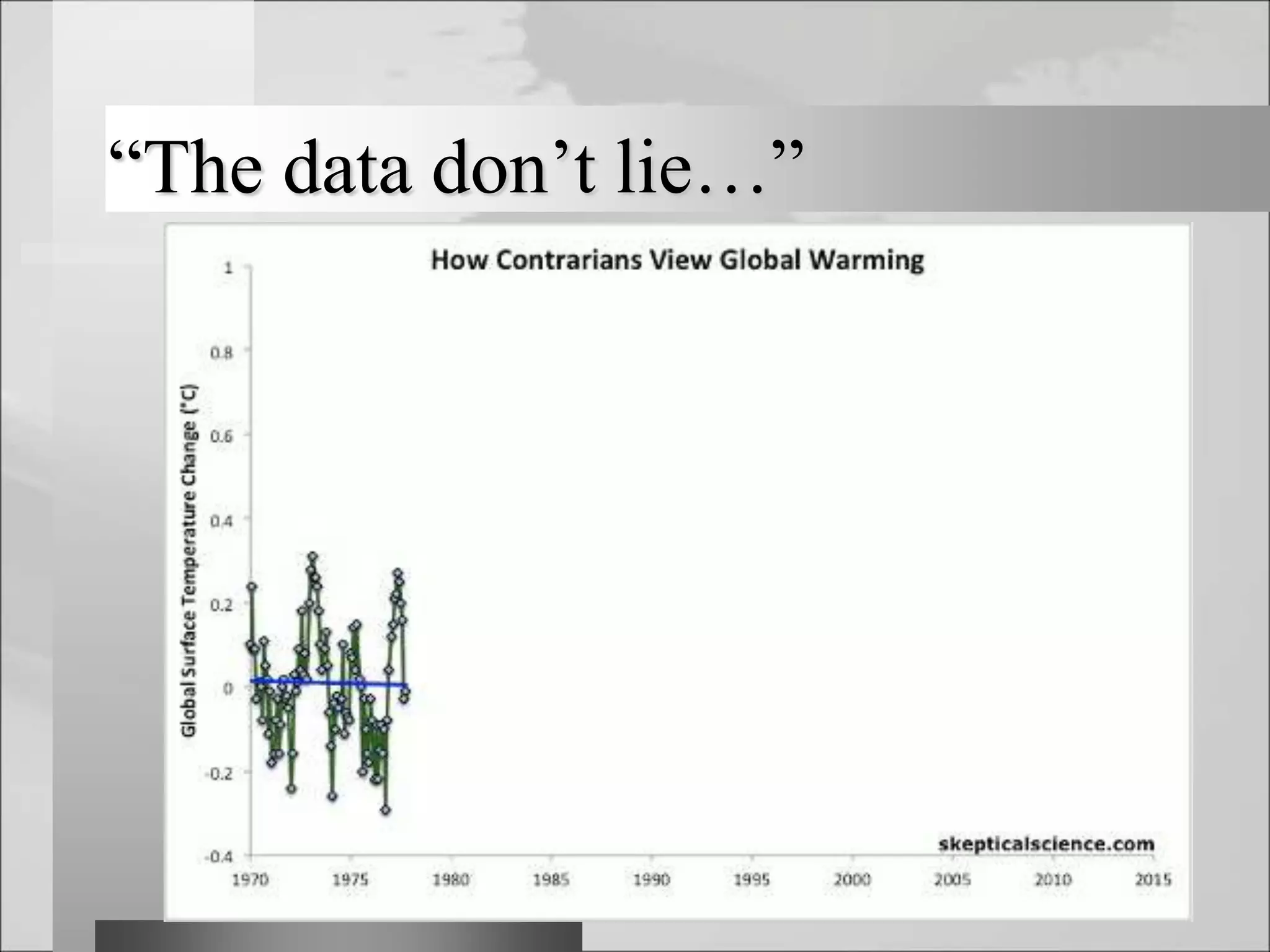
“The data don’t lie…”
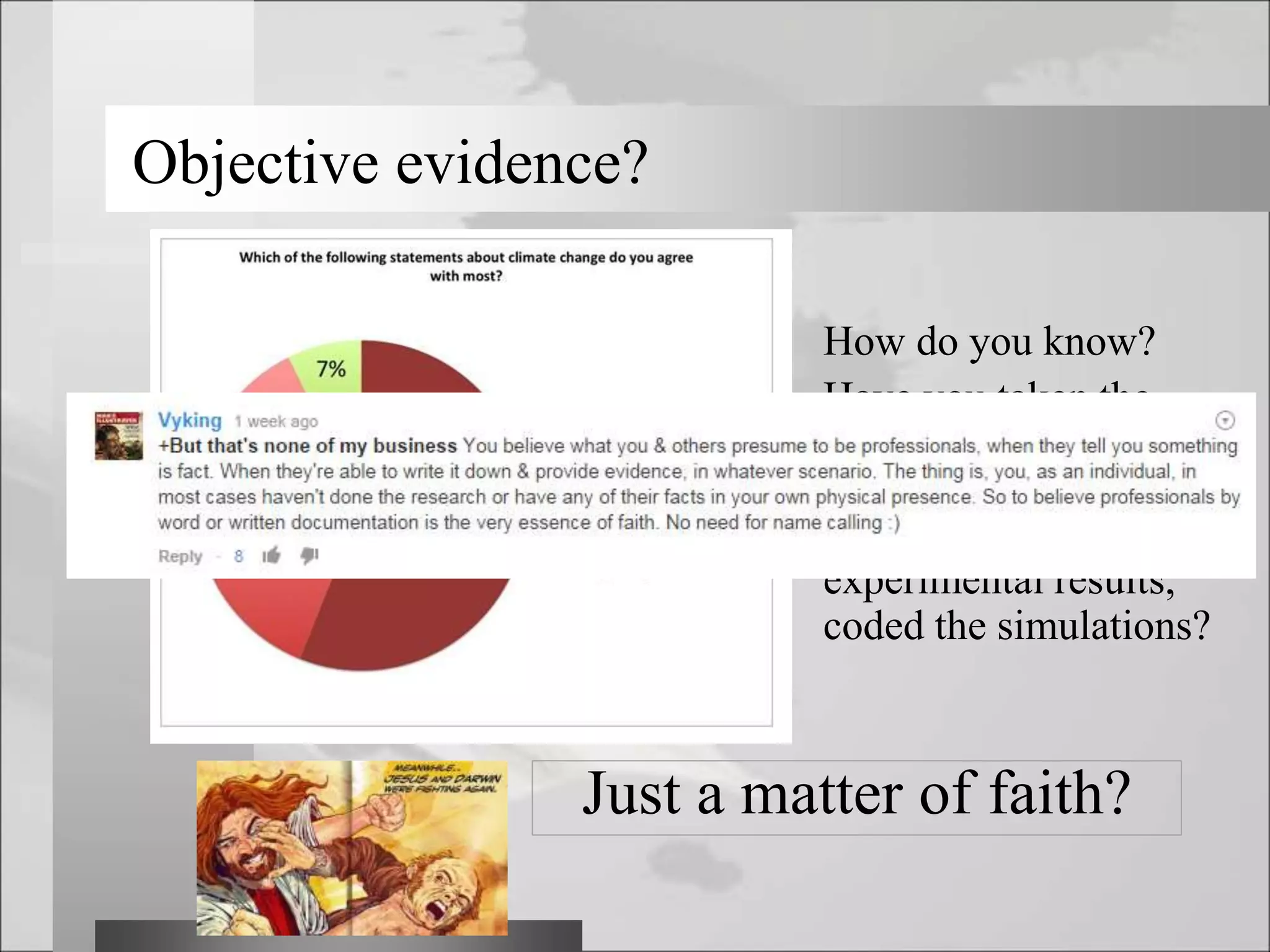
How do you know?
Have you taken the
measurements, analysed
the raw data, compared
theory with the
experimental results,
coded the simulations?
Objective evidence?
Just a matter of faith?
 Aristotle – first formal study of logic.
 Aristotelian logic entirely revolves around
deductive reasoning.
 He has very little to say on inductive
reasoning, i.e. arguing from “the
particular to the universal”
 Inductive reasoning is “reasoning in
which the premises seek to supply strong
evidence for (not absolute proof of) the
truth of the conclusion. “ [Wikipedia]
 No place for experimentation in
Aristotle’s logic.
Aristotle vs Bacon
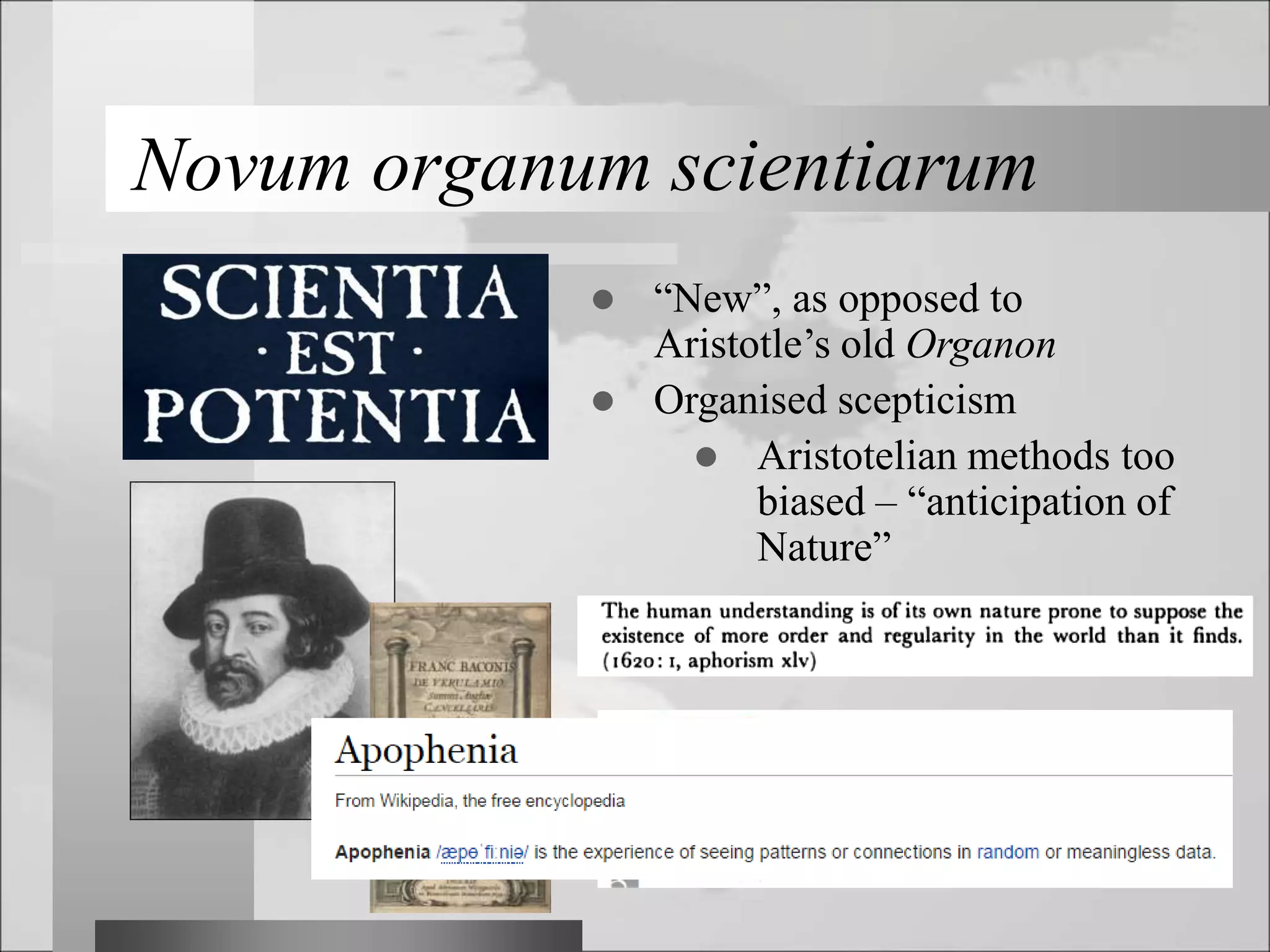
Novum organum scientiarum
 “New”, as opposed to
Aristotle’s old Organon
 Organised scepticism
 Aristotelian methods too
biased – “anticipation of
Nature”
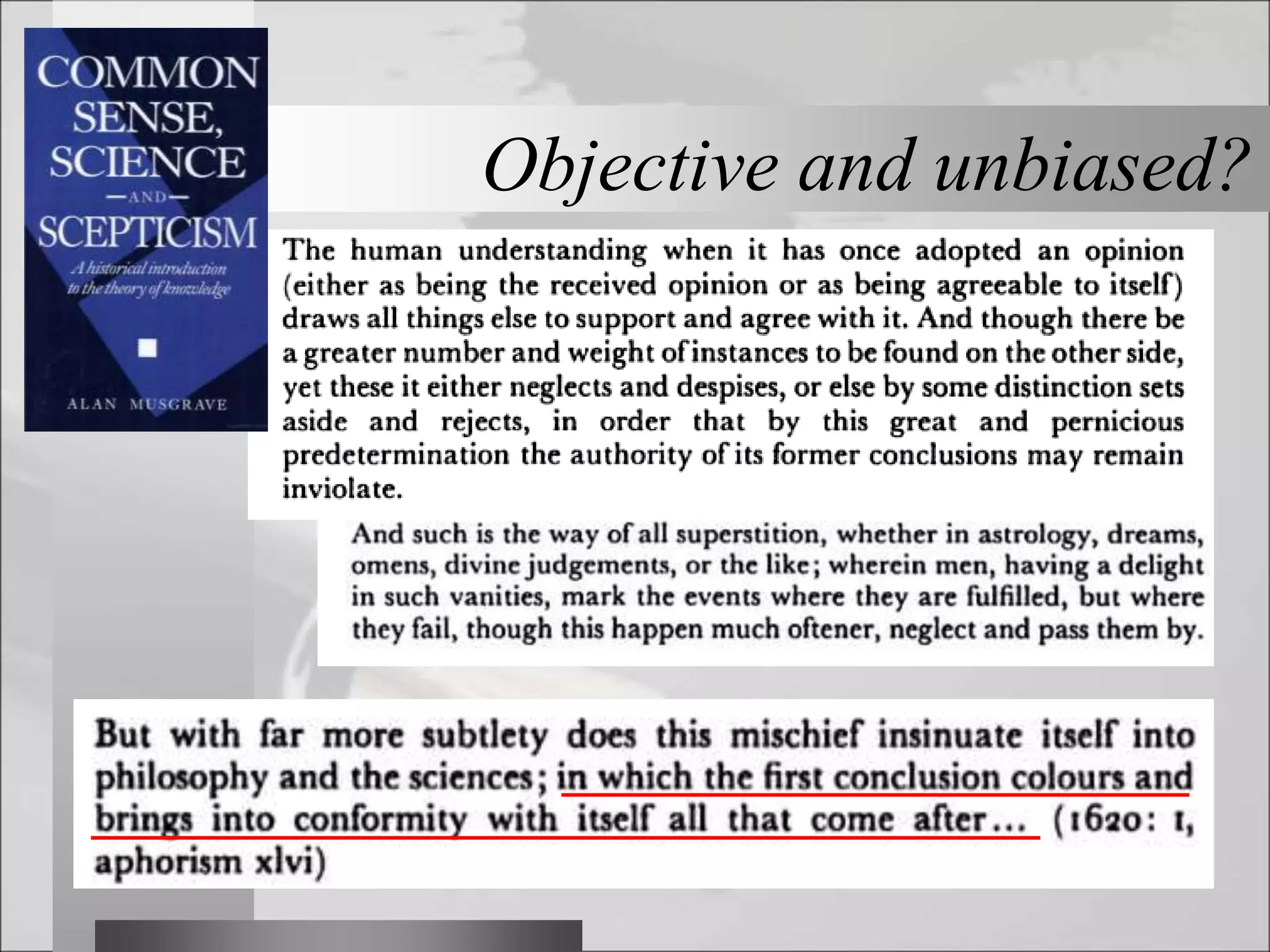
Objective and unbiased?
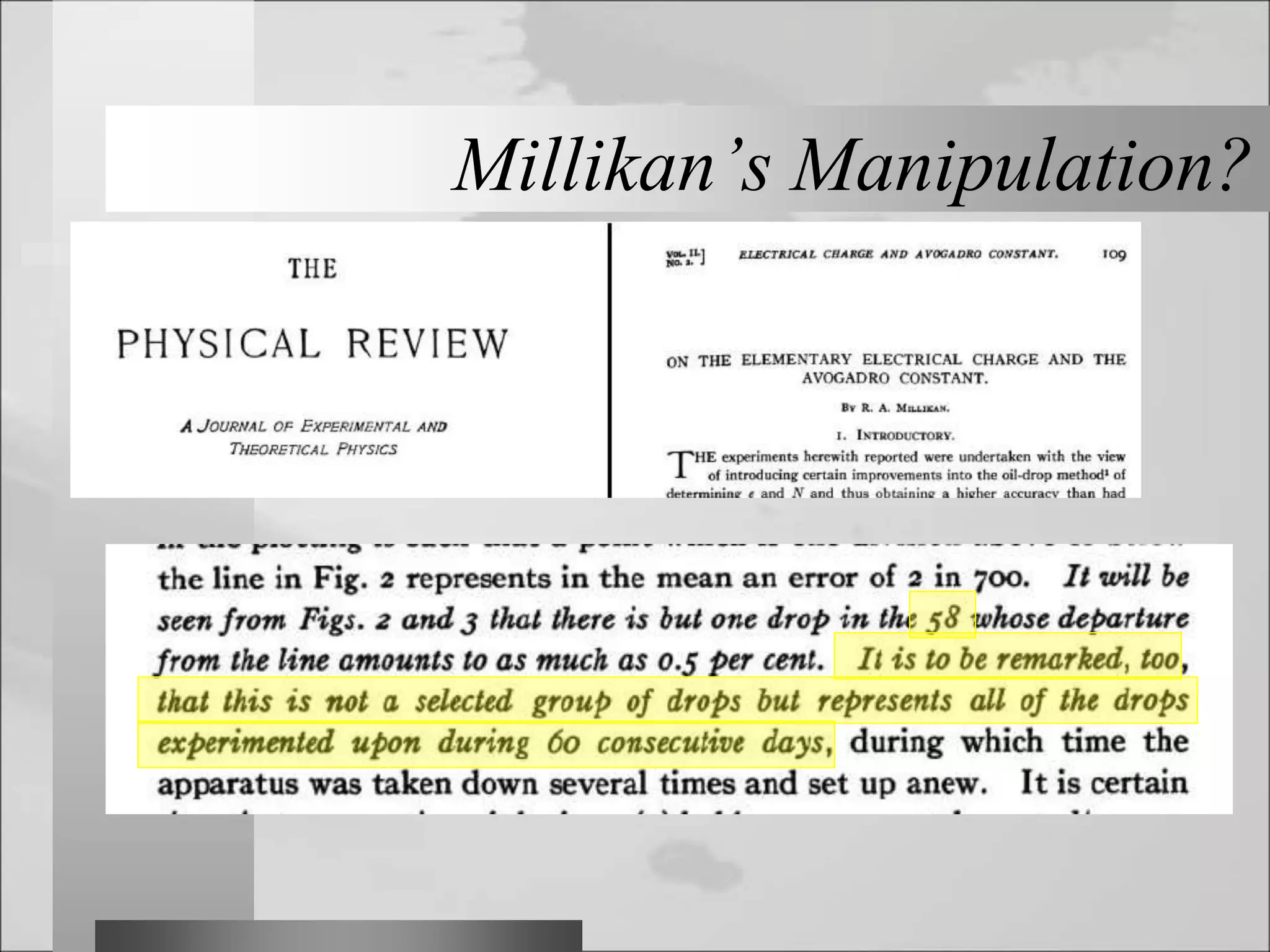
Millikan’s Manipulation?
But Millikan’s notebooks show that 175 drops
were measured, with many measurements
rejected because they didn’t “meet
expectations”….
“This is almost exactly right & the best one I
ever had!!! [20 December 1911]
Exactly right [3 February 1912]
Publish this Beautiful one [24 February 1912]
Publish this surely / Beautiful !! [15
Mar1912]
Error high will not use [15 March 1912, #2]
Perfect Publish [11 April 1912]
Won't work [16 April 1912, #2]
Too high by 1½% [16 April 1912, #3]
1% low
Too high e by 1¼%”
“Flirting with Fraud: Millikan, Mendel and the Fringes of
Integrity” -- https://www1.umn.edu/ships/ethics/millikan.htm
M. Niaz, J. Res. Sci. Teching 37 480
RP Kirschner, PNAS 101 8 (2004)
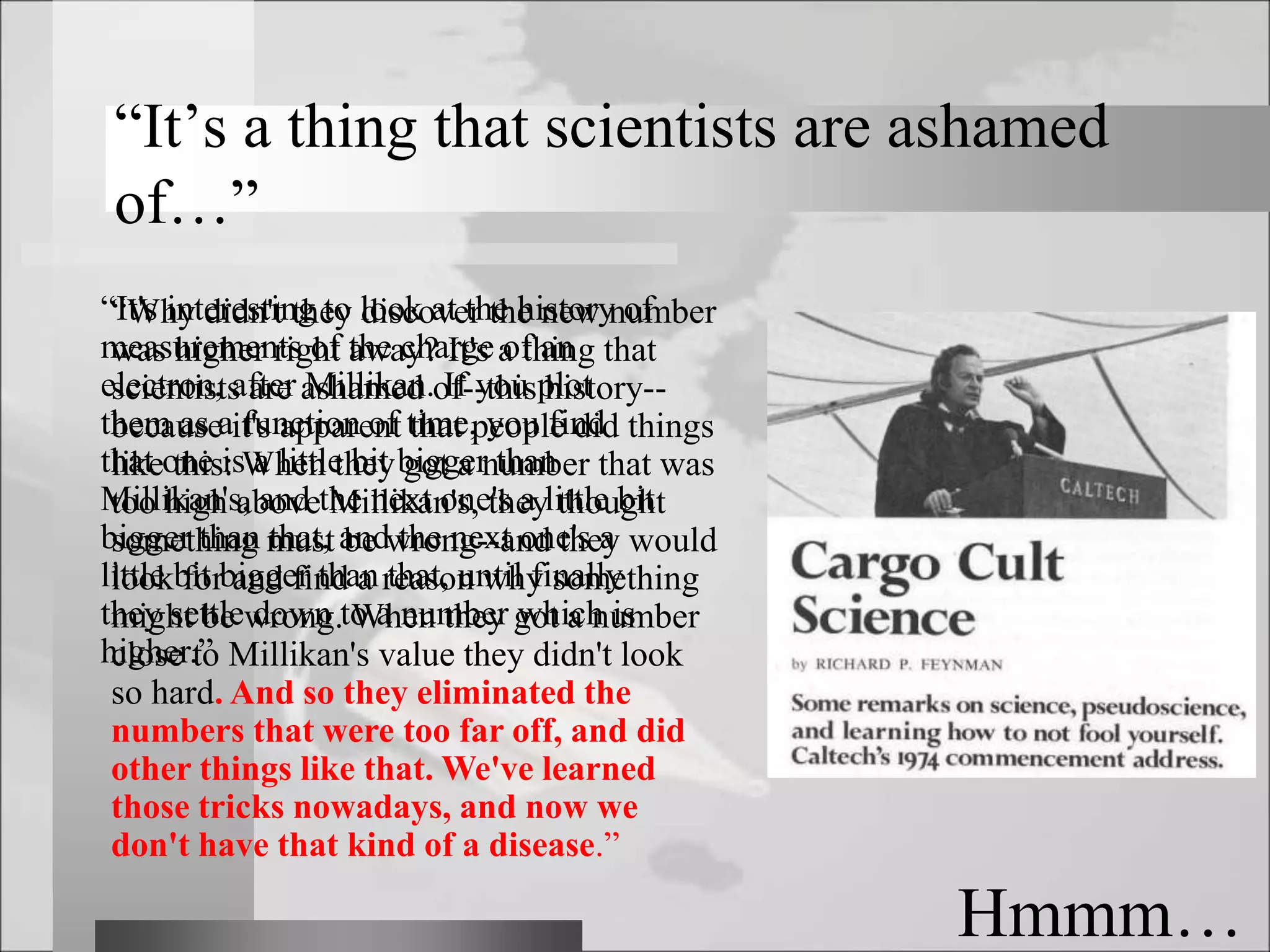
“It's interesting to look at the history of
measurements of the charge of an
electron, after Millikan. If you plot
them as a function of time, you find
that one is a little bit bigger than
Millikan's, and the next one's a little bit
bigger than that, and the next one's a
little bit bigger than that, until finally
they settle down to a number which is
higher.”
“It’s a thing that scientists are ashamed
of…”
Hmmm…
“Why didn't they discover the new number
was higher right away? It's a thing that
scientists are ashamed of--this history--
because it's apparent that people did things
like this: When they got a number that was
too high above Millikan's, they thought
something must be wrong--and they would
look for and find a reason why something
might be wrong. When they got a number
close to Millikan's value they didn't look
so hard. And so they eliminated the
numbers that were too far off, and did
other things like that. We've learned
those tricks nowadays, and now we
don't have that kind of a disease.”
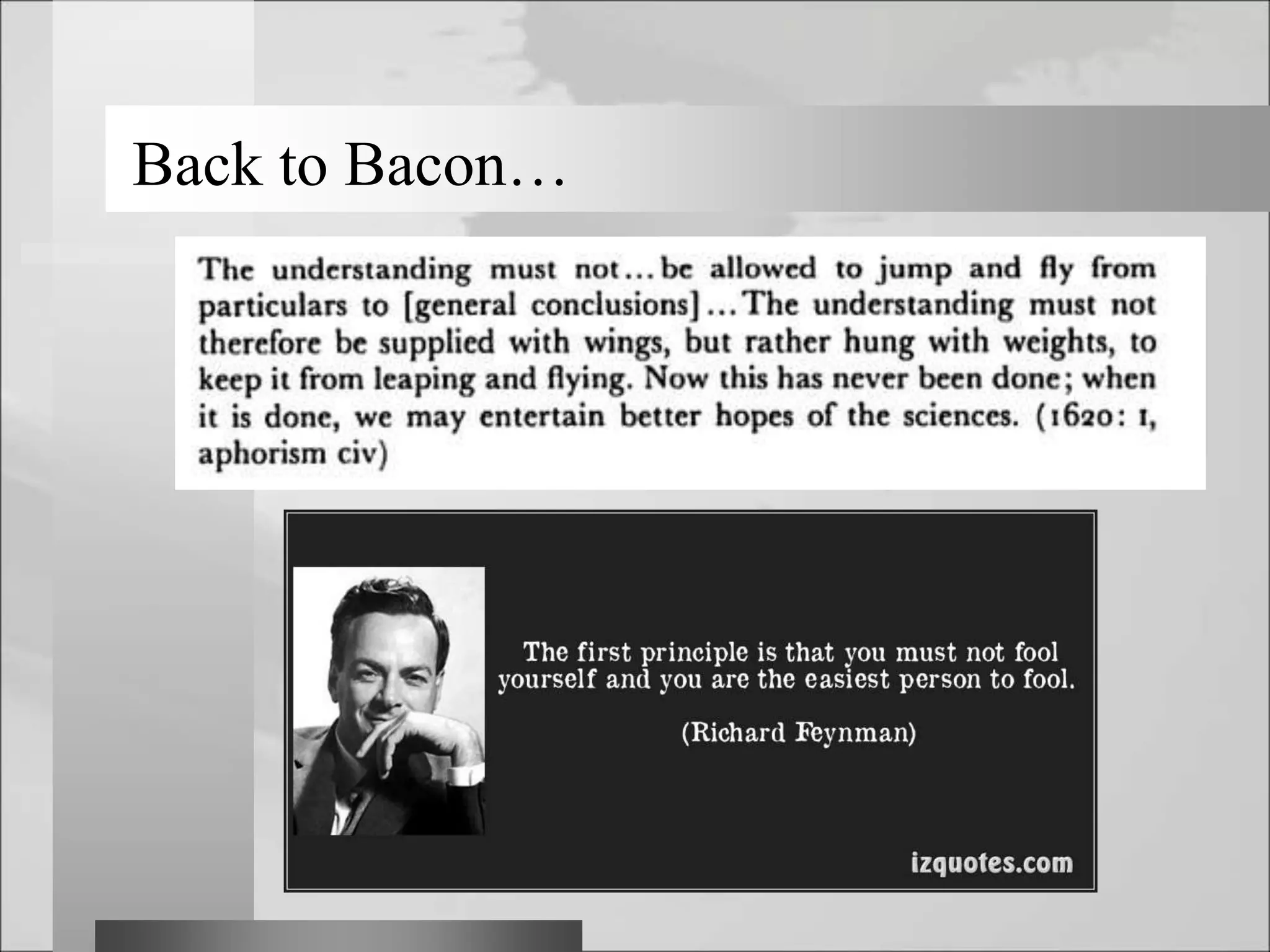
Back to Bacon…
The Idols of the Mind
Idols of the Tribe – seeing order/patterns
where there are none (cf “patternicity”!);
wishful thinking; jumping to conclusions.
Idols of the Cave – personal/ideological
preferences.
Idols of the Marketplace – fallacies in
reasoning due to jargon and language.
(Nothing to do with markets in “free
market” sense, but we’ll come back to that
topic…)
Idols of the Theatre – being wedded to a
particular (philosophical) framework.
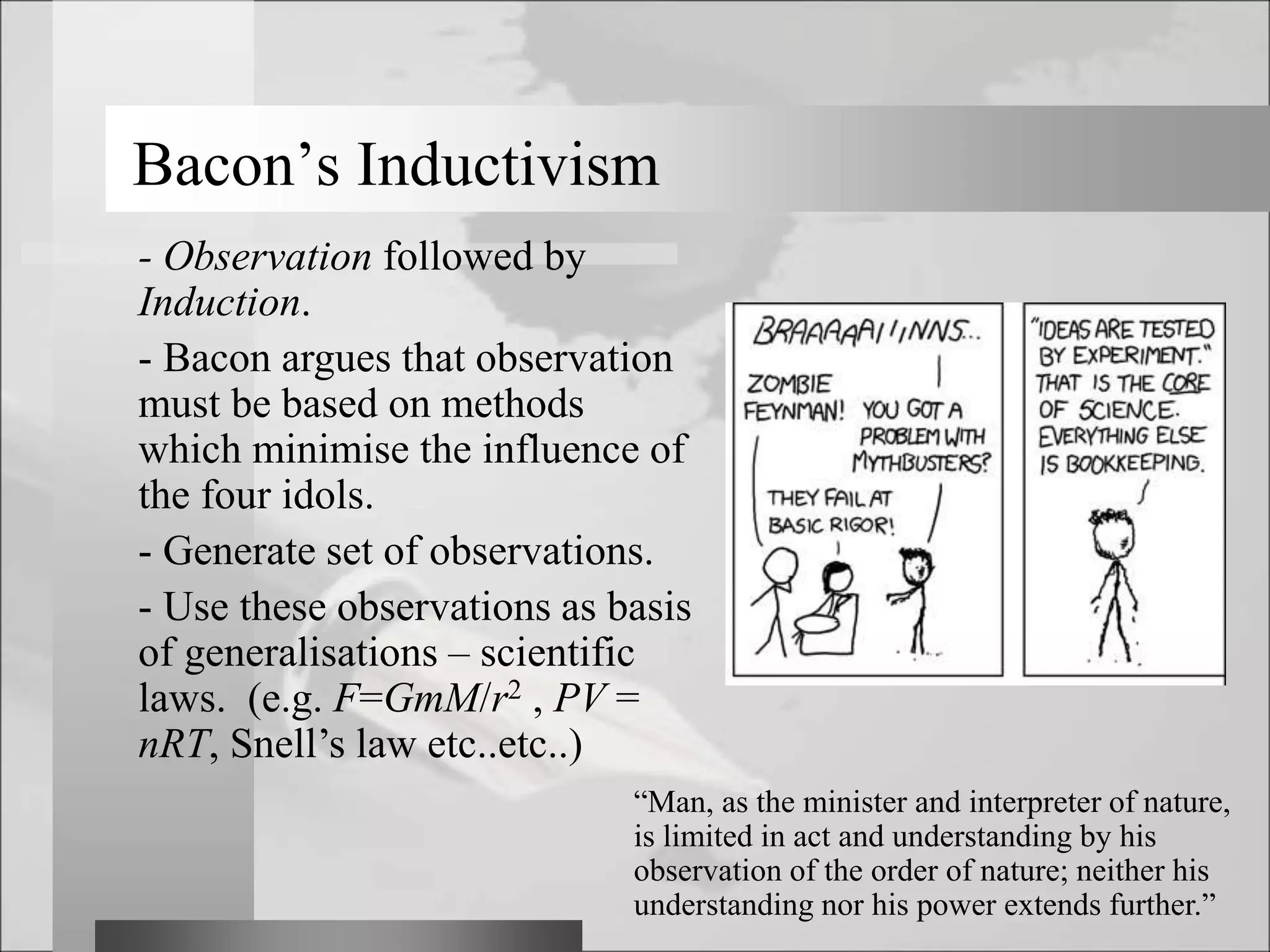
Bacon’s Inductivism
- Observation followed by
Induction.
- Bacon argues that observation
must be based on methods
which minimise the influence of
the four idols.
- Generate set of observations.
- Use these observations as basis
of generalisations – scientific
laws. (e.g. F=GmM/r2 , PV =
nRT, Snell’s law etc..etc..)
“Man, as the minister and interpreter of nature,
is limited in act and understanding by his
observation of the order of nature; neither his
understanding nor his power extends further.”
Induction and Bacon
- Induction: deductively invalid but
persuasive argument.
- Observation without bias or
prejudice (!)
- Instruments should eliminate the
role of the “unreliable senses”
- Induction (in sense Bacon used
term) is generalisation from N
cases to all cases…
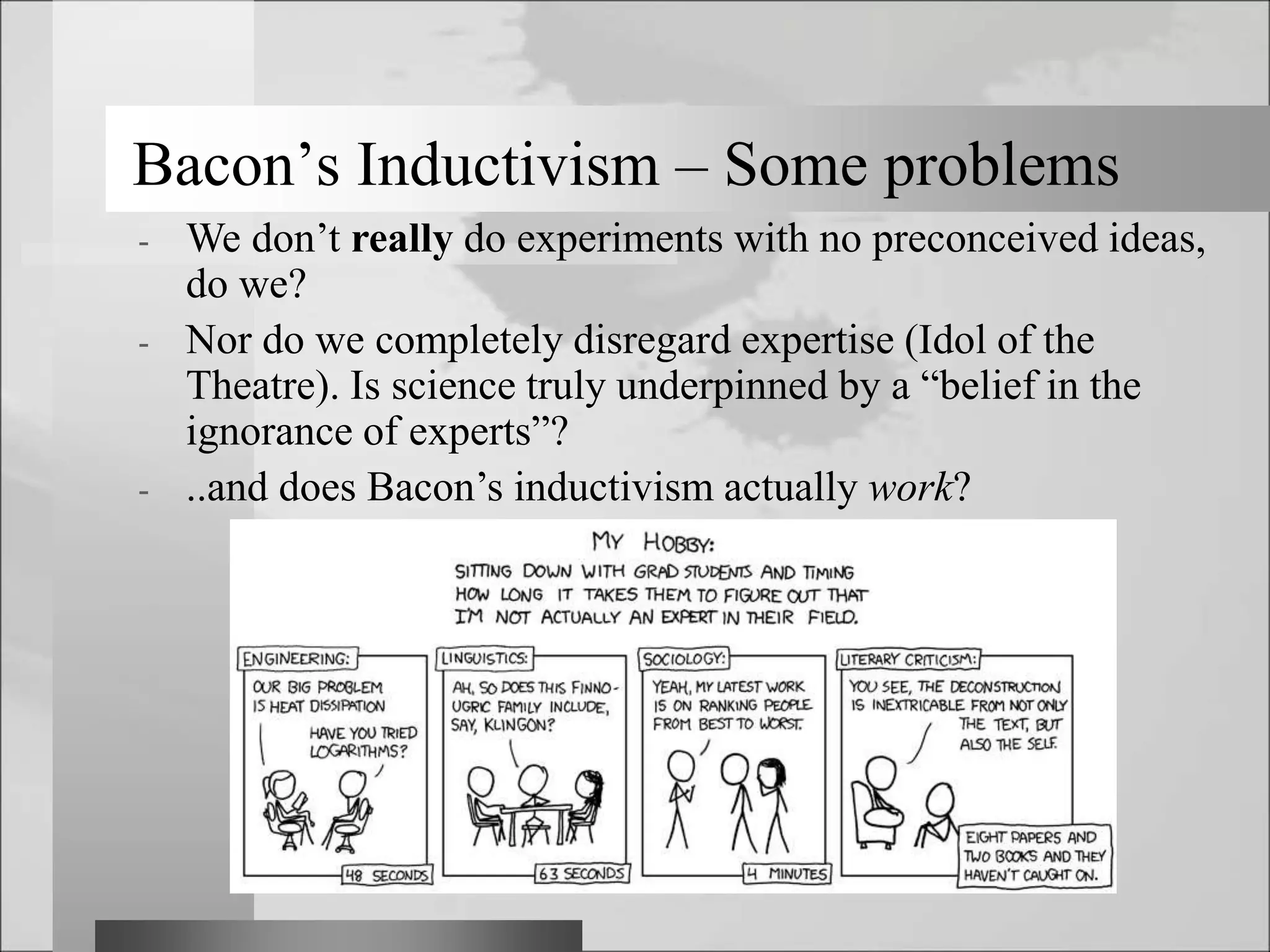
Bacon’s Inductivism – Some problems
- We don’t really do experiments with no preconceived ideas,
do we?
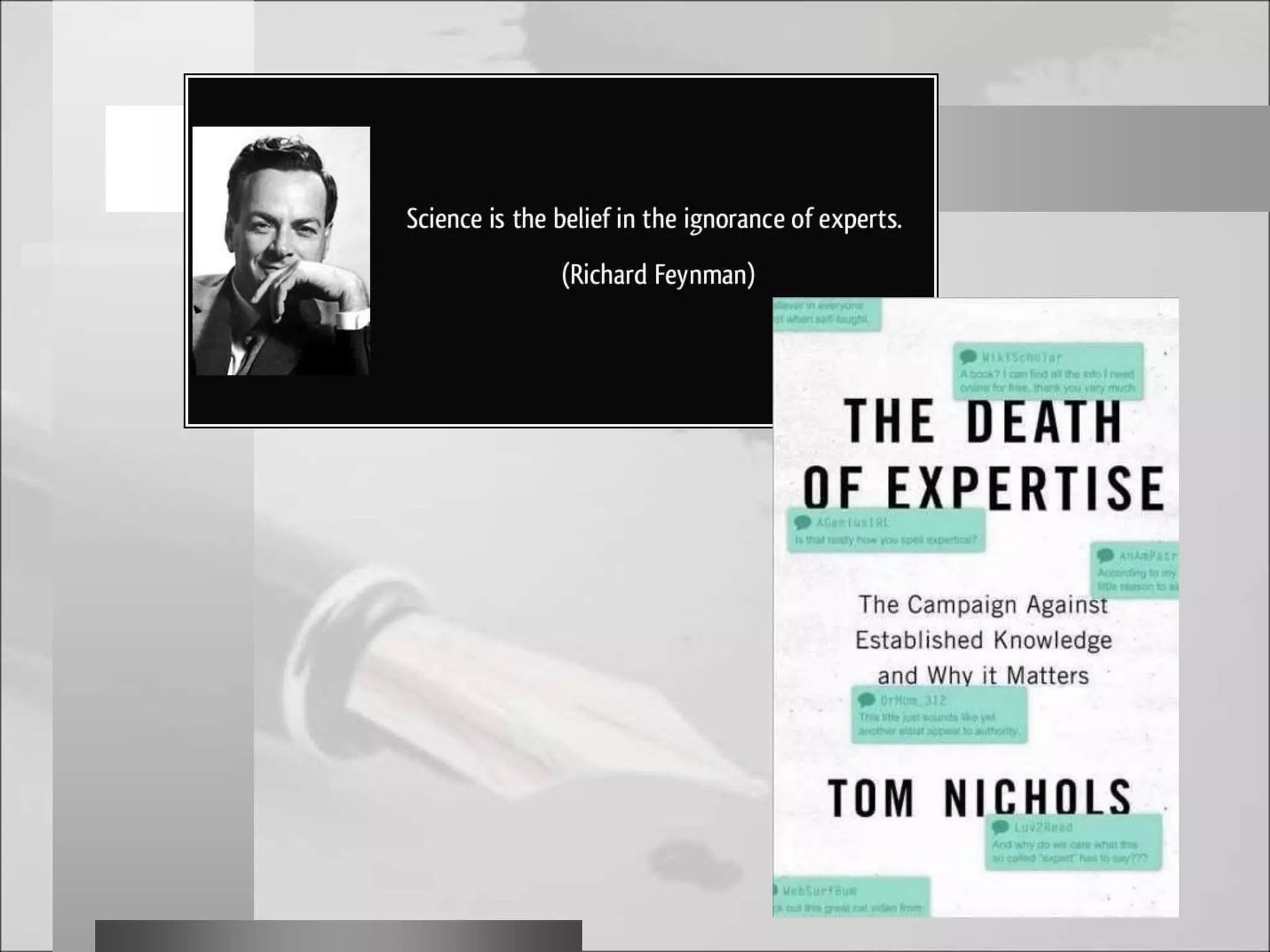
- Nor do we completely disregard expertise (Idol of the
Theatre). Is science truly underpinned by a “belief in the
ignorance of experts”?
- ..and does Bacon’s inductivism actually work?

Induction, Deduction, Reduction

  • 1.
    Philip Moriarty School ofPhysics & Astronomy philip.moriarty@nottingham.ac.uk muircheartblog.wordpress.com F34PPP Lecture 2: Induction, Deduction, Reduction
  • 2.
    DATE TITLE TYPE Sept30 Science Proves Nothing. Lecture Oct. 07 Induction, Deduction, Reduction. Lecture Oct. 14 The Truth, The Whole Truth, and…? NO LECTURE Video lecture + blog post Oct. 21 Is Peer Review Peerless? Seminar and discussion Oct. 28 The Science Wars Rebooted Seminar and discussion Nov. 4 Maybe, Minister? Seminar and discussion Nov. 11 “The Death of Expertise” Seminar and discussion Nov. 18 Communication Breakdown Seminar and discussion Nov. 25 Invited Speaker: Harry Collins Seminar and discussion Dec. 2 Invited speaker: Karen Lumsden Seminar and discussion Dec. 9 The real world… Seminar and discussion F34PPP in brief All sessions in A16 Psychology, 15:00, Mondays (Autumn semester)
  • 3.
    Last time…  Scienceis more than just a driver of technological/economic growth  Seeing is believing? How objective is our evidence?  Adjusting beliefs in light of new information
  • 4.
    Today  Inductive vsdeductive reasoning  Bacon and inductivism  Is science really “organised scepticism”?  The scientific method  Popper and falsification
  • 5.
    F34PPP in brief-- assessment  An opinion piece (along the lines of a one-page Physics World article, 1000-1500 words) [Deadline: Nov. 15] 30%  A "feature article" (2000-2500 words, in the style of a broadsheet article) [Deadline: Dec. 20] 70%
  • 6.
    “Your brain isalways making use of prior information to make sense of new information coming in.” Preview: Bayes and prior information
  • 7.
    Seeing is believing?:Striped nanoparticles https://muircheart.wordpress.com/ 2014/02/03/philip-moriarty-peer- review-cyber-bullies/
  • 8.
    Do we reallysee intermolecular bonds? Zhang et al., Science 342 611 (2013)
  • 10.
    Logic and reason “Logicis the study of reasoning abstracted from what that reasoning is about.” [Ladyman]  All dachshunds are good physicists. Daisy is a dachshund. Therefore Daisy is a good physicist. Both are valid arguments!
  • 11.
    Logic and reason:Deduction Invalid arguments! All dachshunds are good physicists Edward is a good physicist Therefore Edward is a dachshund. All human beings are animals Daisy is an animal Therefore Daisy is a human being
  • 12.
    Another valid butbad argument The Bible says that God exists. The Bible is the word of God and therefore true. Therefore God exists.
  • 13.
    Invalid but notnecessarily bad argument… Moriarty claims to be a physicist I have no reason to believe he is lying Therefore Moriarty is a physicist Both premises could be true but conclusion could be false – invalid argument.
  • 14.
    Induction and Bacon -Induction: deductively invalid but persuasive argument. - Observation without bias or prejudice (!) - Instruments should eliminate the role of the “unreliable senses” - Induction (in sense Bacon used term) is generalisation from N cases to all cases…
  • 16.
  • 17.
    How do youknow? Have you taken the measurements, analysed the raw data, compared theory with the experimental results, coded the simulations? Objective evidence? Just a matter of faith?
  • 19.
     Aristotle –first formal study of logic.  Aristotelian logic entirely revolves around deductive reasoning.  He has very little to say on inductive reasoning, i.e. arguing from “the particular to the universal”  Inductive reasoning is “reasoning in which the premises seek to supply strong evidence for (not absolute proof of) the truth of the conclusion. “ [Wikipedia]  No place for experimentation in Aristotle’s logic. Aristotle vs Bacon
  • 21.
    Novum organum scientiarum “New”, as opposed to Aristotle’s old Organon  Organised scepticism  Aristotelian methods too biased – “anticipation of Nature”
  • 22.
  • 23.
  • 24.
    Millikan’s Manipulation? But Millikan’snotebooks show that 175 drops were measured, with many measurements rejected because they didn’t “meet expectations”…. “This is almost exactly right & the best one I ever had!!! [20 December 1911] Exactly right [3 February 1912] Publish this Beautiful one [24 February 1912] Publish this surely / Beautiful !! [15 Mar1912] Error high will not use [15 March 1912, #2] Perfect Publish [11 April 1912] Won't work [16 April 1912, #2] Too high by 1½% [16 April 1912, #3] 1% low Too high e by 1¼%” “Flirting with Fraud: Millikan, Mendel and the Fringes of Integrity” -- https://www1.umn.edu/ships/ethics/millikan.htm M. Niaz, J. Res. Sci. Teching 37 480
  • 25.
    RP Kirschner, PNAS101 8 (2004)
  • 26.
    “It's interesting tolook at the history of measurements of the charge of an electron, after Millikan. If you plot them as a function of time, you find that one is a little bit bigger than Millikan's, and the next one's a little bit bigger than that, and the next one's a little bit bigger than that, until finally they settle down to a number which is higher.” “It’s a thing that scientists are ashamed of…” Hmmm… “Why didn't they discover the new number was higher right away? It's a thing that scientists are ashamed of--this history-- because it's apparent that people did things like this: When they got a number that was too high above Millikan's, they thought something must be wrong--and they would look for and find a reason why something might be wrong. When they got a number close to Millikan's value they didn't look so hard. And so they eliminated the numbers that were too far off, and did other things like that. We've learned those tricks nowadays, and now we don't have that kind of a disease.”
  • 30.
  • 31.
    The Idols ofthe Mind Idols of the Tribe – seeing order/patterns where there are none (cf “patternicity”!); wishful thinking; jumping to conclusions. Idols of the Cave – personal/ideological preferences. Idols of the Marketplace – fallacies in reasoning due to jargon and language. (Nothing to do with markets in “free market” sense, but we’ll come back to that topic…) Idols of the Theatre – being wedded to a particular (philosophical) framework.
  • 32.
    Bacon’s Inductivism - Observationfollowed by Induction. - Bacon argues that observation must be based on methods which minimise the influence of the four idols. - Generate set of observations. - Use these observations as basis of generalisations – scientific laws. (e.g. F=GmM/r2 , PV = nRT, Snell’s law etc..etc..) “Man, as the minister and interpreter of nature, is limited in act and understanding by his observation of the order of nature; neither his understanding nor his power extends further.”
  • 33.
    Induction and Bacon -Induction: deductively invalid but persuasive argument. - Observation without bias or prejudice (!) - Instruments should eliminate the role of the “unreliable senses” - Induction (in sense Bacon used term) is generalisation from N cases to all cases…
  • 34.
    Bacon’s Inductivism –Some problems - We don’t really do experiments with no preconceived ideas, do we? - Nor do we completely disregard expertise (Idol of the Theatre). Is science truly underpinned by a “belief in the ignorance of experts”? - ..and does Bacon’s inductivism actually work?