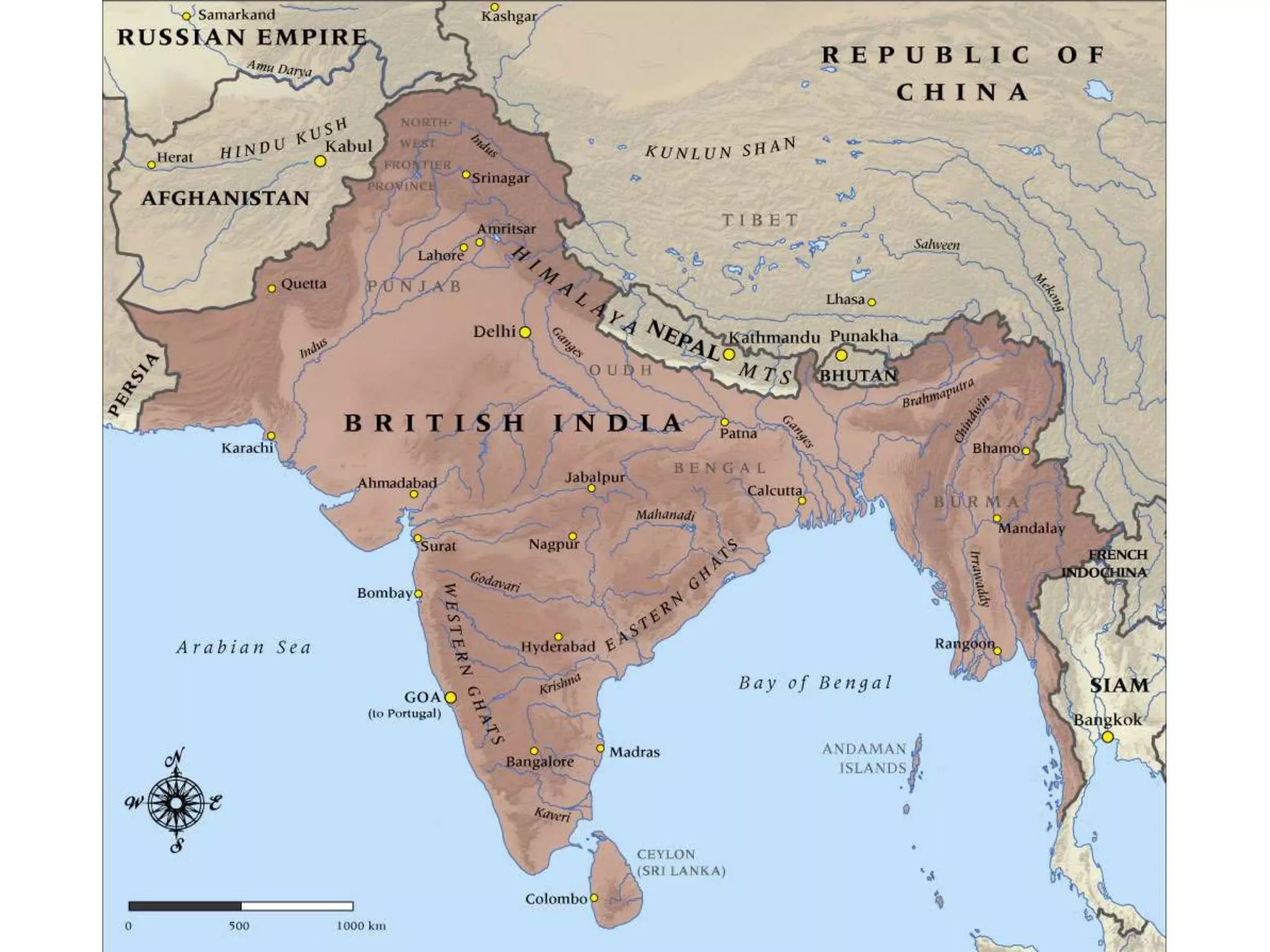
3 stages of British Rule in India
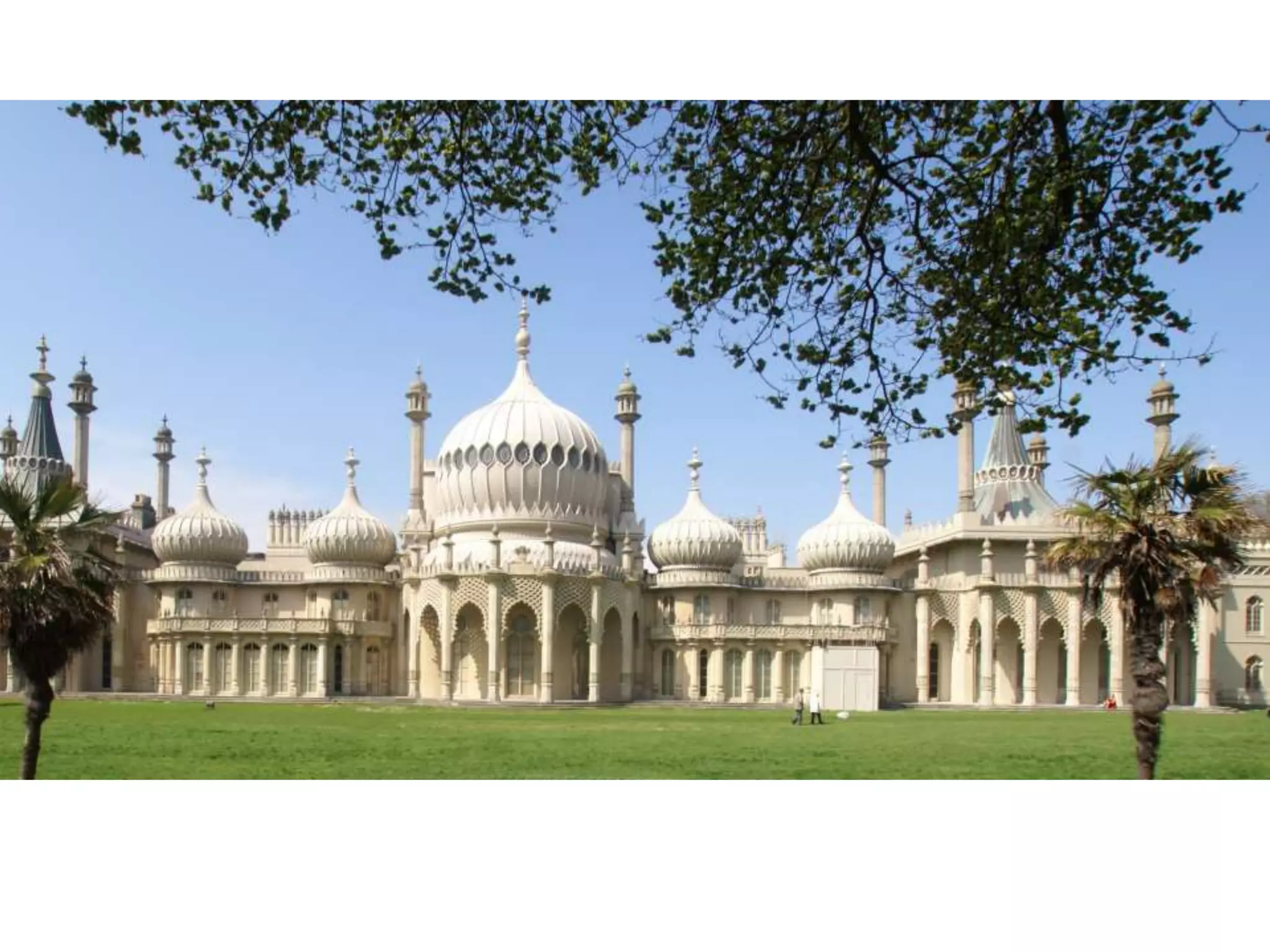
1. 1612-1757 East India Company slowly sets up trading and factory towns: Madras,
Bombay, Calcutta
2. 1757-1857 The East India Company gains control other regions. It shares sovereignty
with the ‘Crown’, the British Government
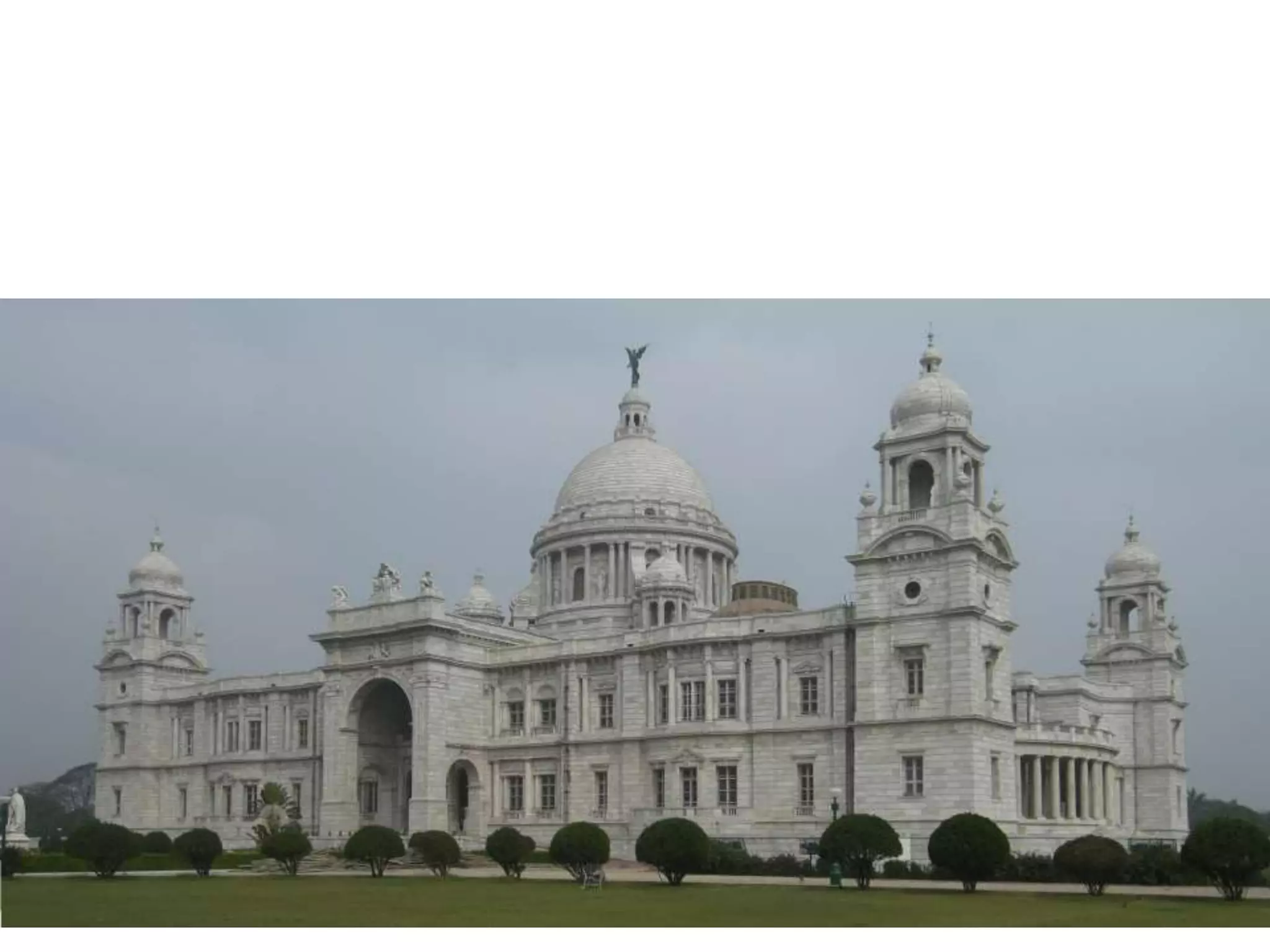
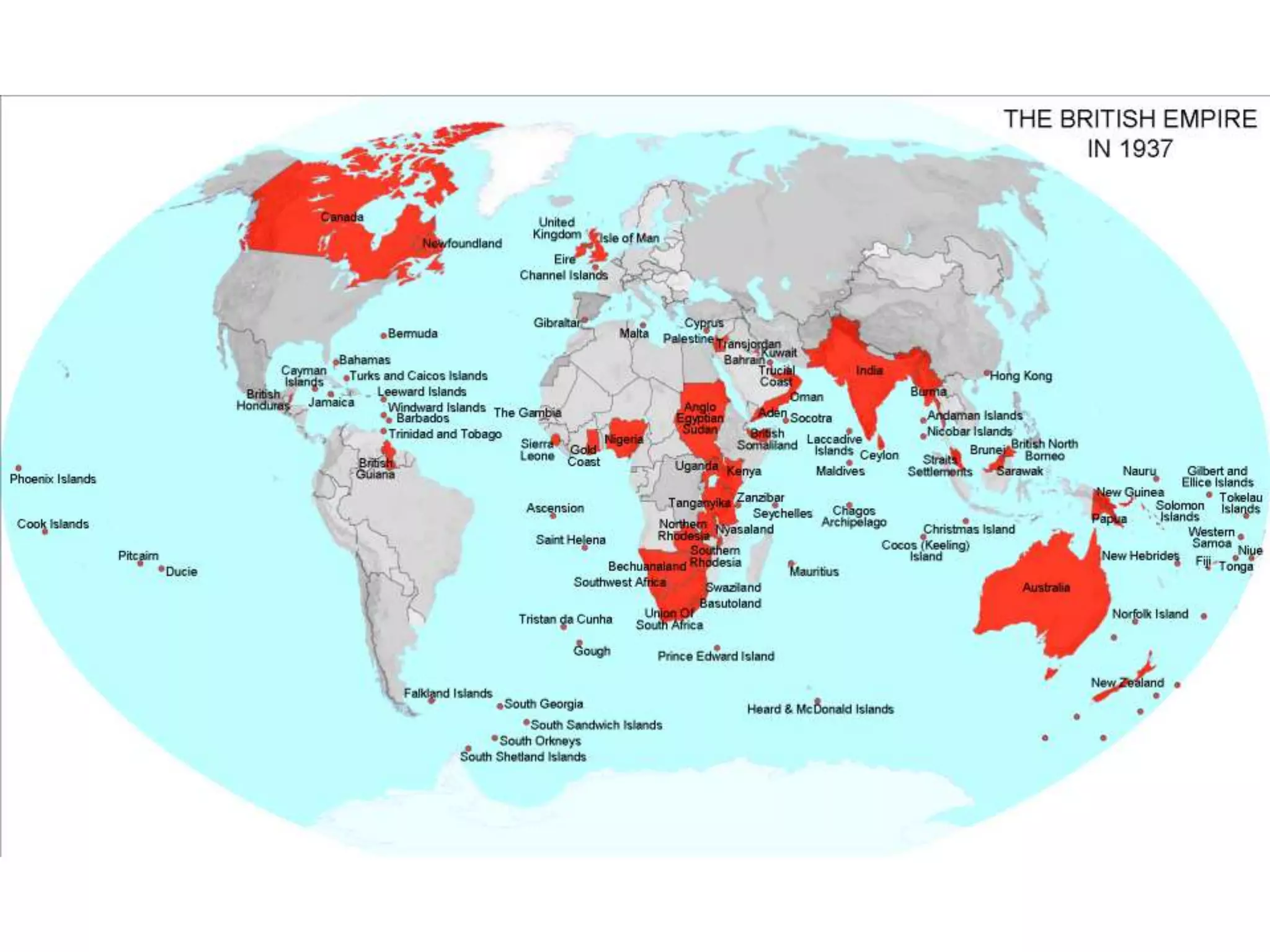
3. 1858-1947 The British Raj/British India. The British Government exerts sole control over Ind
Following the rebellion of 1857
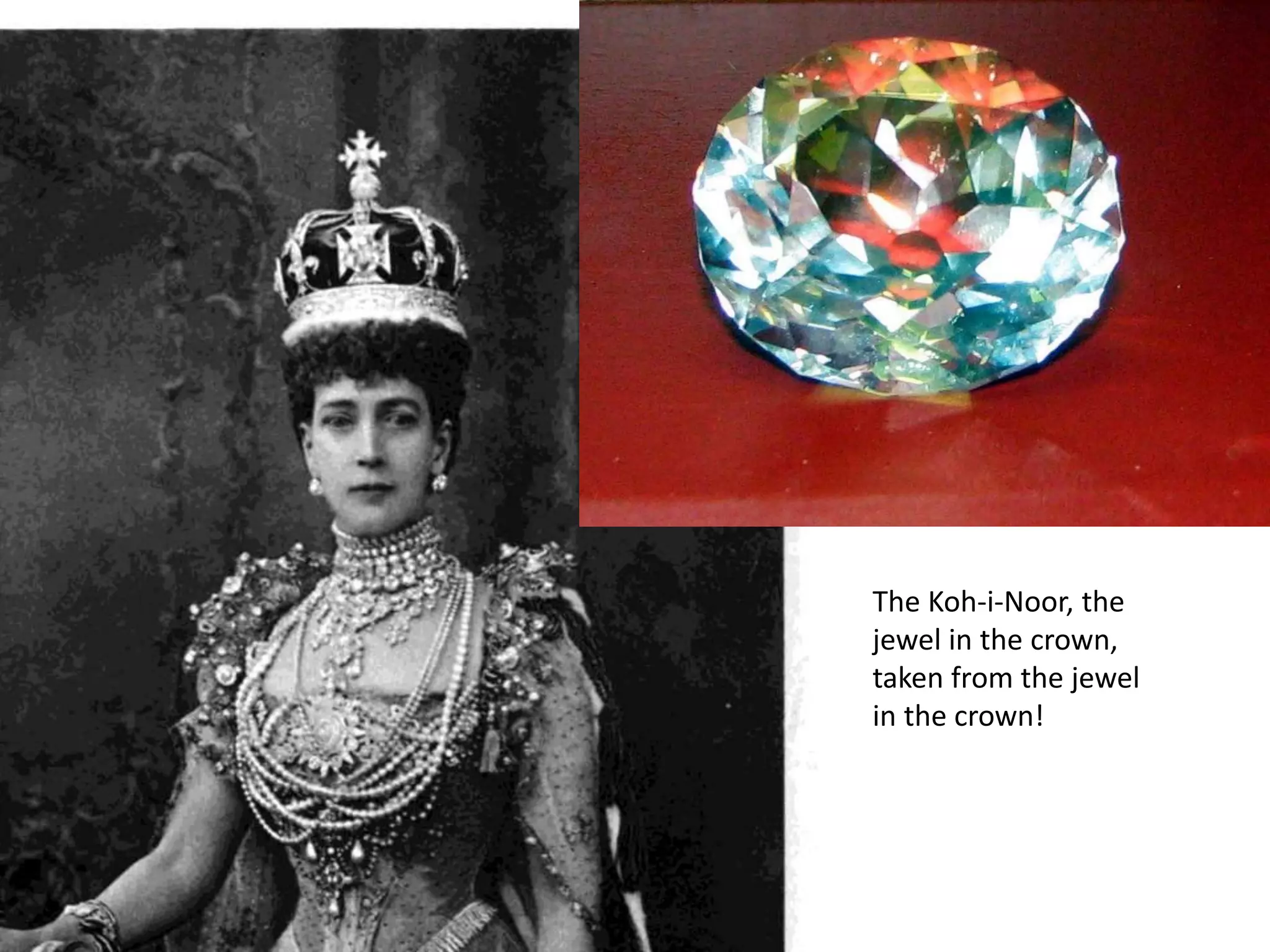
The Koh-i-Noor, the
jewel in the crown,
taken from the jewel
in the crown!
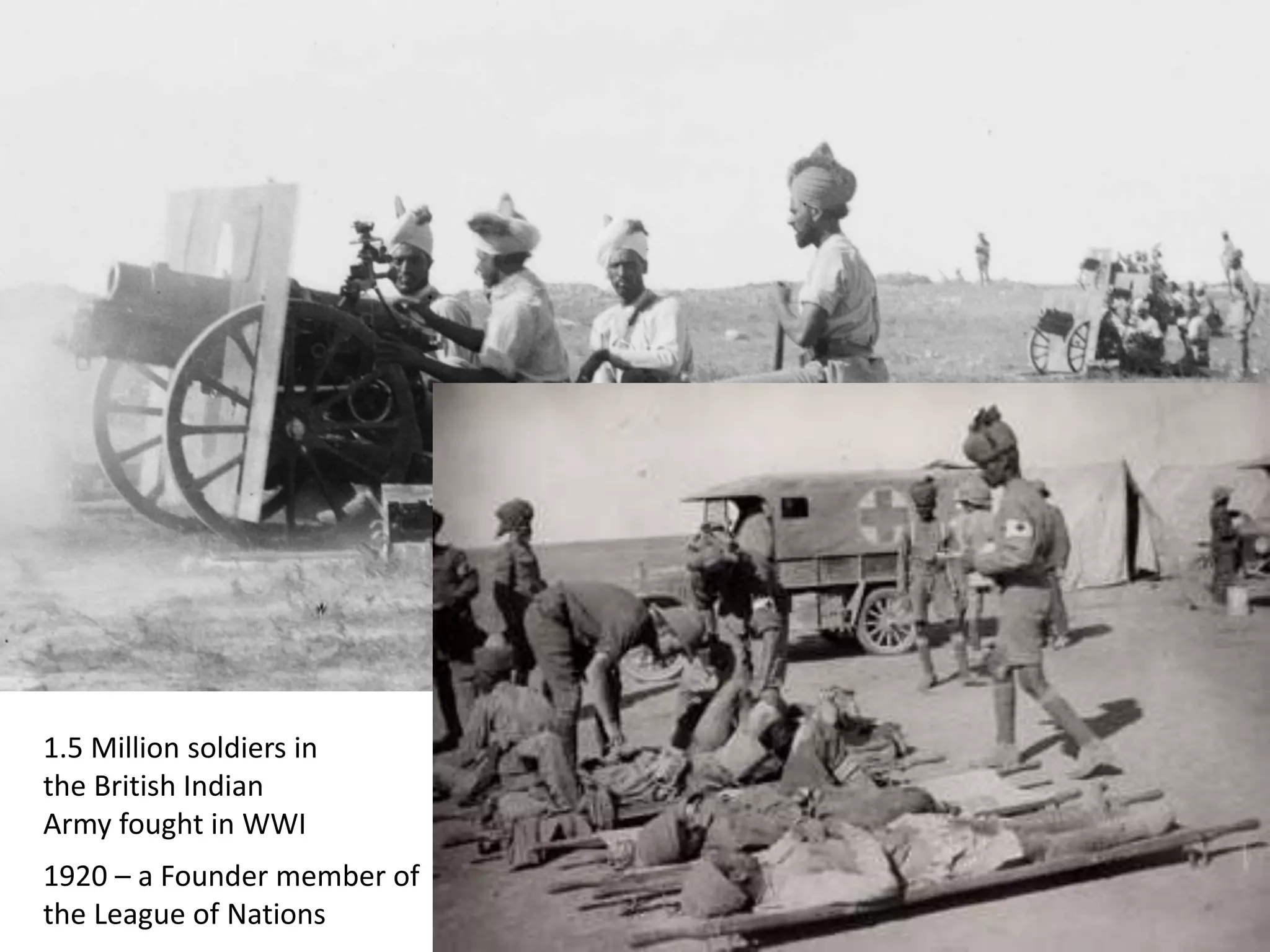
1.5 Million soldiers in
the British Indian
Army fought in WWI
1920 – a Founder member of
the League of Nations
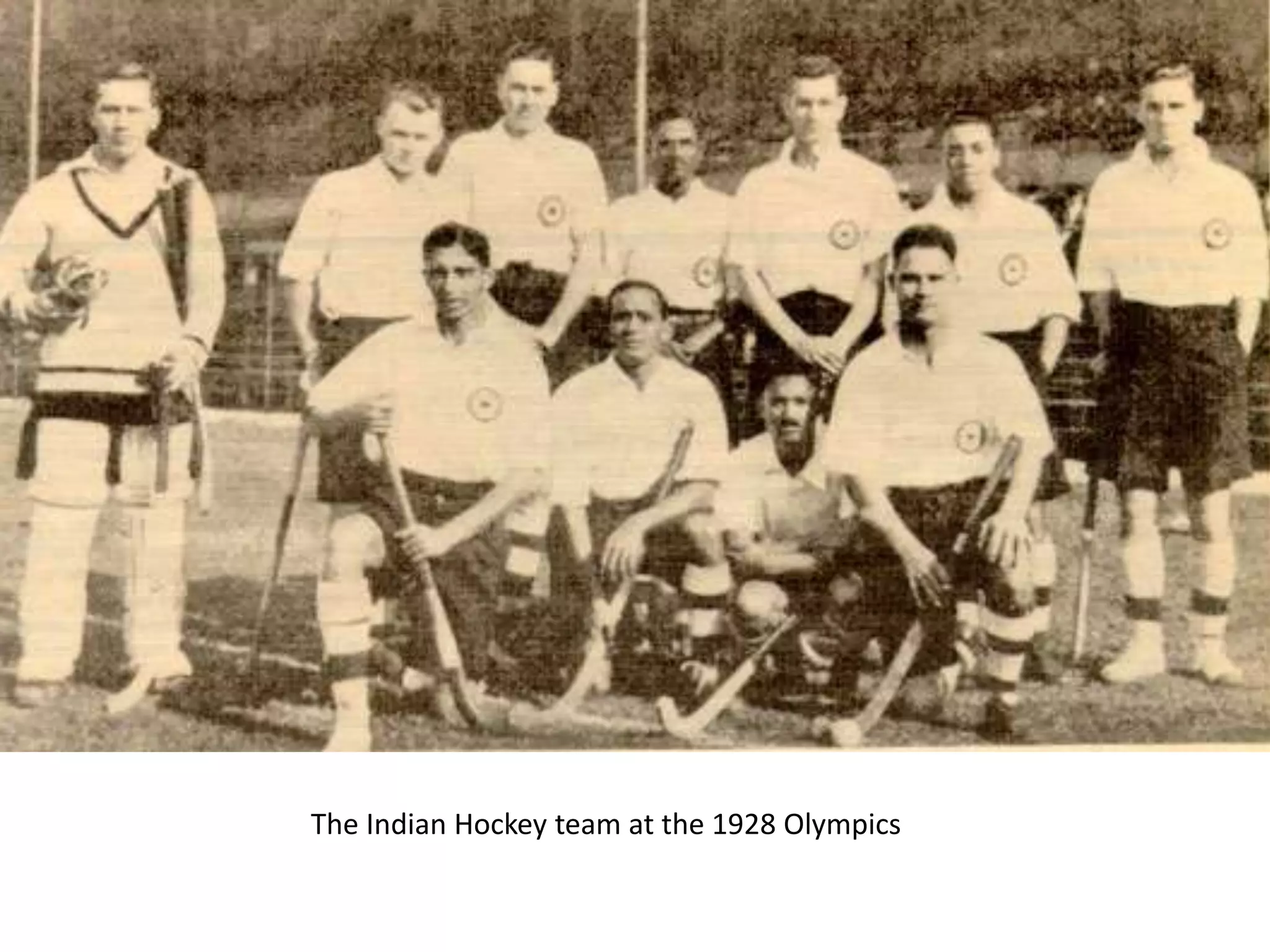
The Indian Hockey team at the 1928 Olympics
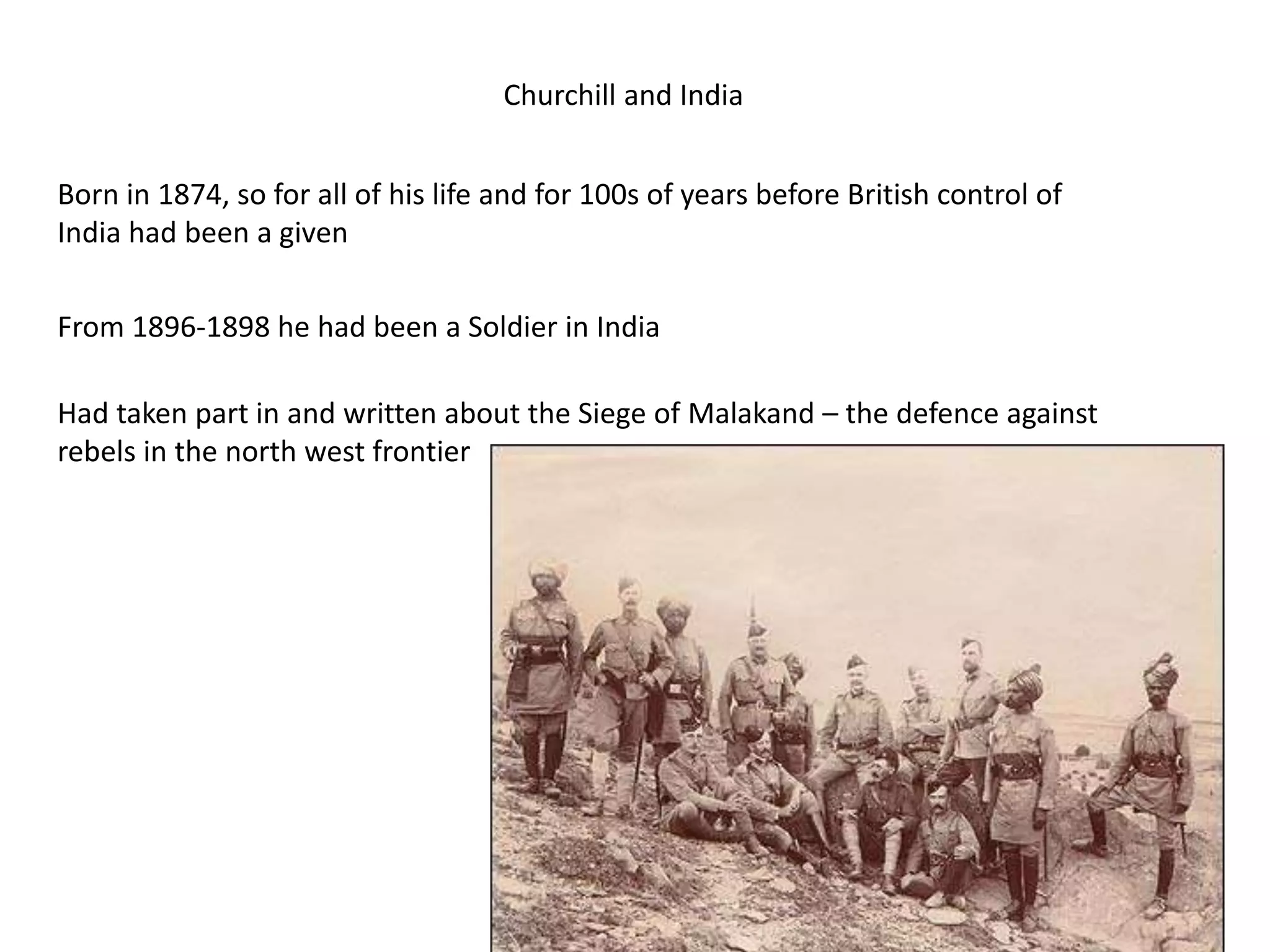
Churchill and India
Born in 1874, so for all of his life and for 100s of years before British control of
India had been a given
From 1896-1898 he had been a Soldier in India
Had taken part in and written about the Siege of Malakand – the defence against
rebels in the north west frontier
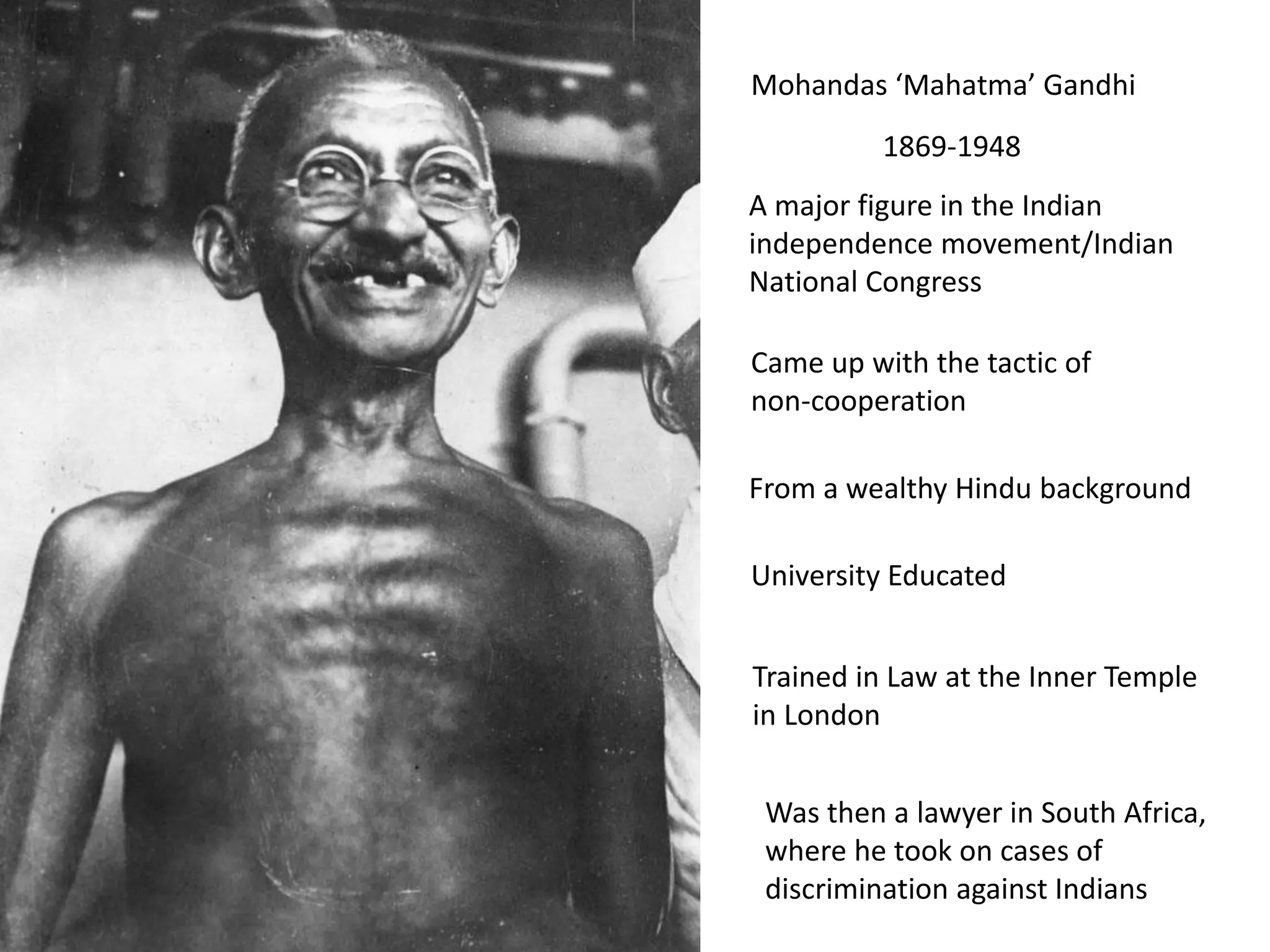
Mohandas ‘Mahatma’ Gandhi
1869-1948
A major figure in the Indian
independence movement/Indian
National Congress
Came up with the tactic of
non-cooperation
From a wealthy Hindu background
University Educated
Trained in Law at the Inner Temple
in London
Was then a lawyer in South Africa,
where he took on cases of
discrimination against Indians
“It is alarming and also nauseating to see Mr.
Gandhi, a seditious Middle Temple lawyer of the
type well known in the East, now posing as a fakir,
striding half naked up the steps of the Vice Regal
palace to parley on equal terms with the
representative of the King-Emperor.”
Churchill on Gandhi
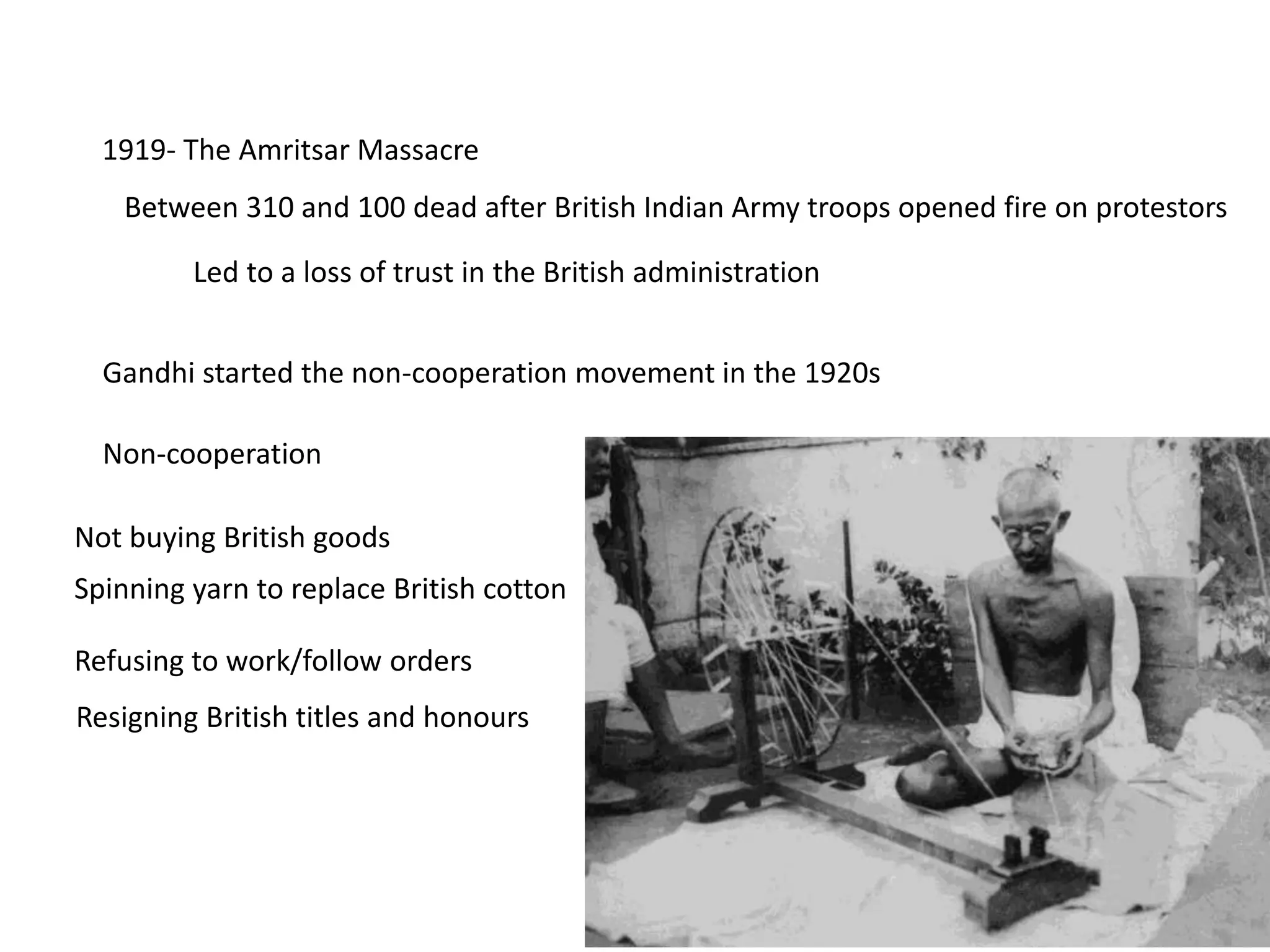
1919- The Amritsar Massacre
Between 310 and 100 dead after British Indian Army troops opened fire on protestors
Led to a loss of trust in the British administration
Gandhi started the non-cooperation movement in the 1920s
Non-cooperation
Not buying British goods
Refusing to work/follow orders
Spinning yarn to replace British cotton
Resigning British titles and honours
!!!!!!!!!!!!!!!!PAPERS!!!!!!!!!!!!
The Trouble in India
http://www.britishpathe.com/video/the-trouble-in-india/query/India
Churchill becomes PM in 1940
The war with Japan from Christmas 1941 threatens British India
Britain had already lost control of Singapore in February 1942
Indian National Congress announced a ‘Quit India’ campaign in August 1942
March 1942- Cripps Mission, led by Sir Stafford Cripps
Promised full self government after the war for cooperation
Churchill rejects Cripps proposals as too radical
He was not entitled to!
However Britain can’t now withdraw the offer
1943 – The Bengal Famine
Churchill refused to send extra food to India
Only sent 1/3 of what was requested
3 Million people died
If food was so scarce ‘Why hadn’t Gandhi died yet?’
India eventually granted independence in 1947 by Attlee’s Labour government

India intro2

  • 2.
    3 stages ofBritish Rule in India 1. 1612-1757 East India Company slowly sets up trading and factory towns: Madras, Bombay, Calcutta 2. 1757-1857 The East India Company gains control other regions. It shares sovereignty with the ‘Crown’, the British Government 3. 1858-1947 The British Raj/British India. The British Government exerts sole control over Ind Following the rebellion of 1857
  • 6.
    The Koh-i-Noor, the jewelin the crown, taken from the jewel in the crown!
  • 8.
    1.5 Million soldiersin the British Indian Army fought in WWI 1920 – a Founder member of the League of Nations
  • 9.
    The Indian Hockeyteam at the 1928 Olympics
  • 10.
    Churchill and India Bornin 1874, so for all of his life and for 100s of years before British control of India had been a given From 1896-1898 he had been a Soldier in India Had taken part in and written about the Siege of Malakand – the defence against rebels in the north west frontier
  • 11.
    Mohandas ‘Mahatma’ Gandhi 1869-1948 Amajor figure in the Indian independence movement/Indian National Congress Came up with the tactic of non-cooperation From a wealthy Hindu background University Educated Trained in Law at the Inner Temple in London Was then a lawyer in South Africa, where he took on cases of discrimination against Indians
  • 12.
    “It is alarmingand also nauseating to see Mr. Gandhi, a seditious Middle Temple lawyer of the type well known in the East, now posing as a fakir, striding half naked up the steps of the Vice Regal palace to parley on equal terms with the representative of the King-Emperor.” Churchill on Gandhi
  • 13.
    1919- The AmritsarMassacre Between 310 and 100 dead after British Indian Army troops opened fire on protestors Led to a loss of trust in the British administration Gandhi started the non-cooperation movement in the 1920s Non-cooperation Not buying British goods Refusing to work/follow orders Spinning yarn to replace British cotton Resigning British titles and honours
  • 14.
  • 15.
    The Trouble inIndia http://www.britishpathe.com/video/the-trouble-in-india/query/India Churchill becomes PM in 1940 The war with Japan from Christmas 1941 threatens British India Britain had already lost control of Singapore in February 1942 Indian National Congress announced a ‘Quit India’ campaign in August 1942 March 1942- Cripps Mission, led by Sir Stafford Cripps Promised full self government after the war for cooperation Churchill rejects Cripps proposals as too radical He was not entitled to! However Britain can’t now withdraw the offer
  • 16.
    1943 – TheBengal Famine Churchill refused to send extra food to India Only sent 1/3 of what was requested 3 Million people died If food was so scarce ‘Why hadn’t Gandhi died yet?’ India eventually granted independence in 1947 by Attlee’s Labour government