TECHNICAL DRAWING
Why do we draw?
To communicate!!!
Why does it matter?
What’s the use of a great idea if you
cant convey it to any one else.
No one is an expert at everything,
so we must collaborate to reach a
common goal.
Picture is worth a 1000 words!!!
WORDS are pretty effective for some situations,
often in Engineering and design, pictures are much
more effective.

Importance of communication
What’s the worth of your ideas if you cant share
it with others?
In the real world you have to collaborate, so you
need to know how to communicate your ideas
or they are not very useful to you
Communication with Drawing
(things to consider)
Subject – what you are trying to convey
(Process, structure, function, material,
etc….)
Audience – who you are communicating
with
(designer, client, manager, public, other
engineers)
Types of Technical Drawing
Drawing types
◦ Sketches
◦ Isometric Drawings
◦ Orthographic Projections
When is a sketch useful?
Think about
◦ What (subject)
◦ Who (audience)
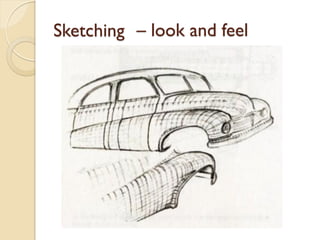
Sketching – look and feel
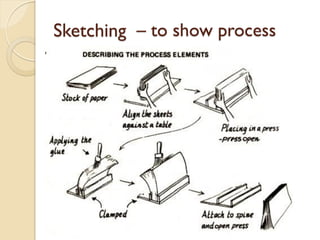
Sketching – to show process
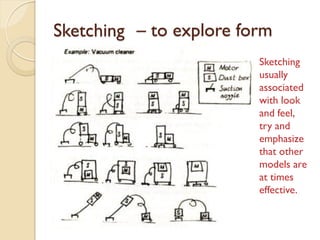
Sketching – to explore form
Sketching
usually
associated
with look
and feel,
try and
emphasize
that other
models are
at times
effective.
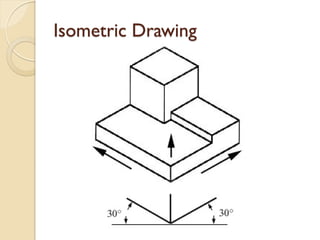
Isometric Drawing
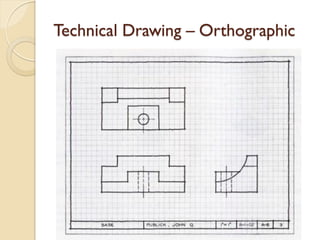
Technical Drawing – Orthographic

Importance of technical drawing

  • 1.
  • 2.
    Why do wedraw? To communicate!!!
  • 3.
    Why does itmatter? What’s the use of a great idea if you cant convey it to any one else. No one is an expert at everything, so we must collaborate to reach a common goal.
  • 4.
    Picture is wortha 1000 words!!! WORDS are pretty effective for some situations, often in Engineering and design, pictures are much more effective. Importance of communication What’s the worth of your ideas if you cant share it with others? In the real world you have to collaborate, so you need to know how to communicate your ideas or they are not very useful to you
  • 5.
    Communication with Drawing (thingsto consider) Subject – what you are trying to convey (Process, structure, function, material, etc….) Audience – who you are communicating with (designer, client, manager, public, other engineers)
  • 6.
    Types of TechnicalDrawing Drawing types ◦ Sketches ◦ Isometric Drawings ◦ Orthographic Projections
  • 7.
    When is asketch useful? Think about ◦ What (subject) ◦ Who (audience)
  • 8.
  • 9.
    Sketching – toshow process
  • 10.
    Sketching – toexplore form Sketching usually associated with look and feel, try and emphasize that other models are at times effective.
  • 11.
  • 12.