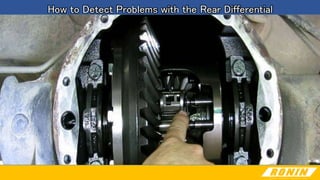
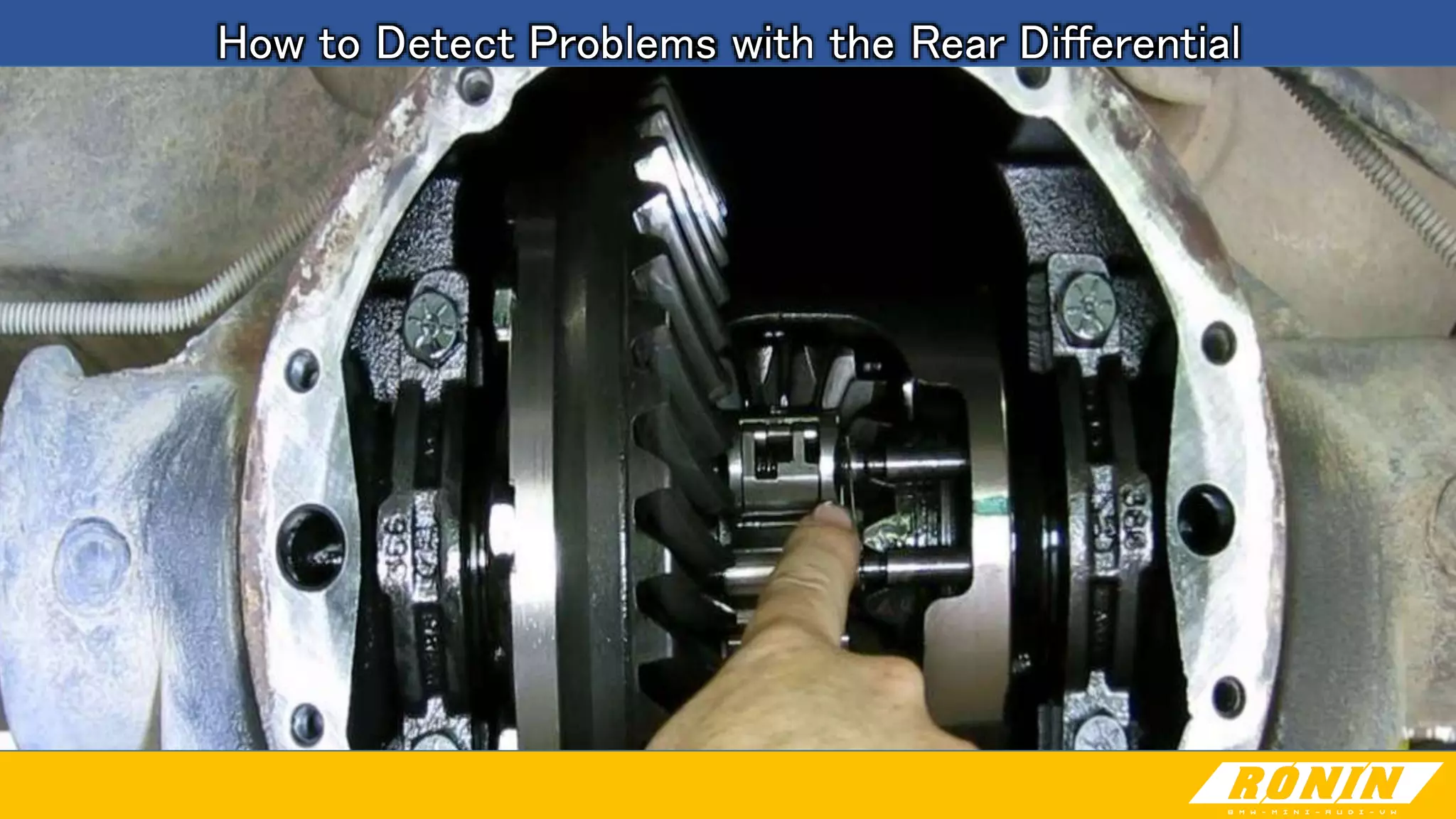
How to Detect Problems with the Rear Differential
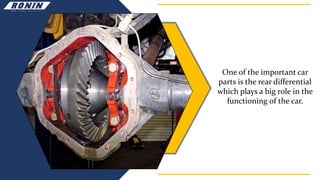
One of the important car
parts is the rear differential
which plays a big role in the
functioning of the car.
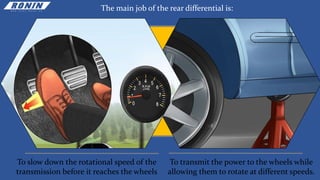
The main job of the rear differential is:
To slow down the rotational speed of the
transmission before it reaches the wheels
To transmit the power to the wheels while
allowing them to rotate at different speeds.
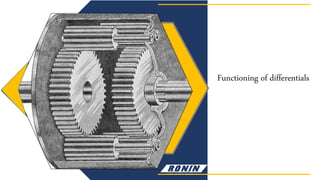
Functioning of differentials
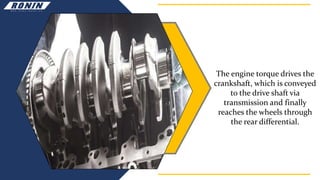
The engine torque drives the
crankshaft, which is conveyed
to the drive shaft via
transmission and finally
reaches the wheels through
the rear differential.
It is made of gears and it
works to control the speed of
the wheel rotation.
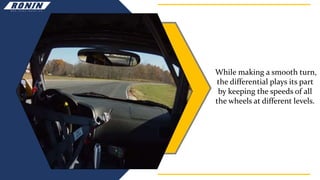
While making a smooth turn,
the differential plays its part
by keeping the speeds of all
the wheels at different levels.
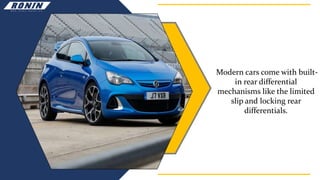
Modern cars come with built-
in rear differential
mechanisms like the limited
slip and locking rear
differentials.
Types of differentials
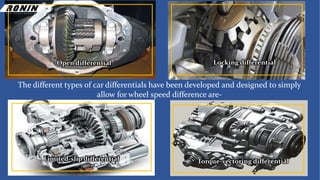
The different types of car differentials have been developed and designed to simply
allow for wheel speed difference are-
Open differential Locking differential
Limited-slip differential Torque-vectoring differential
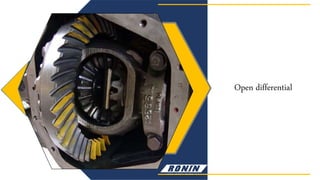
Open differential
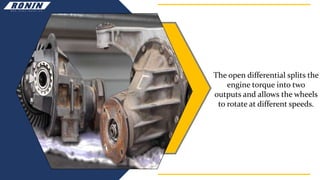
The open differential splits the
engine torque into two
outputs and allows the wheels
to rotate at different speeds.
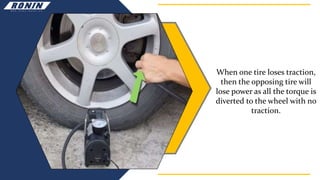
When one tire loses traction,
then the opposing tire will
lose power as all the torque is
diverted to the wheel with no
traction.
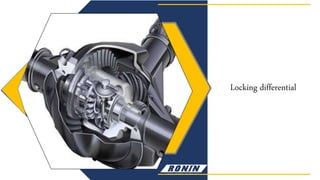
Locking differential
In case of locking differential,
the connected wheels always
spin at the same speed as
equal torque is sent to all
wheels.
The only problem with this
type of differential is turning
the car can be very difficult.
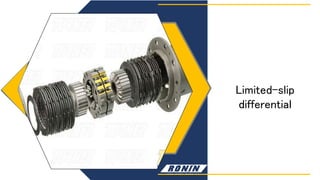
Limited-slip
differential
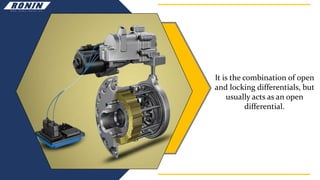
It is the combination of open
and locking differentials, but
usually acts as an open
differential.
Under heavy acceleration and
hard cornering, the
differential automatically gets
locked when slipping occurs.
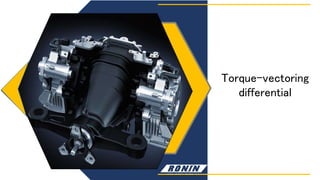
Torque-vectoring
differential
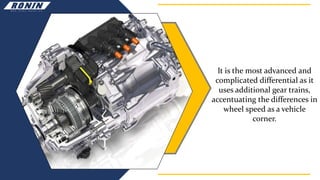
It is the most advanced and
complicated differential as it
uses additional gear trains,
accentuating the differences in
wheel speed as a vehicle
corner.
They modulate torque delivery
on demand resulting in better
dynamic driving experience
but lower fuel economy.
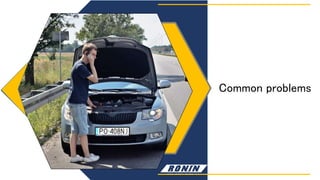
Common problems
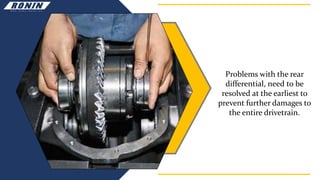
Problems with the rear
differential, need to be
resolved at the earliest to
prevent further damages to
the entire drivetrain.
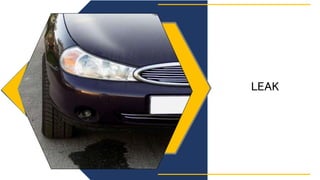
LEAK
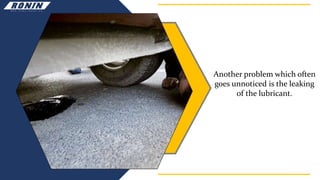
Another problem which often
goes unnoticed is the leaking
of the lubricant.
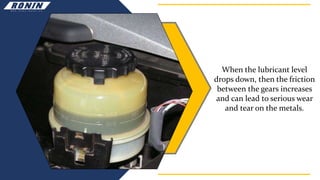
When the lubricant level
drops down, then the friction
between the gears increases
and can lead to serious wear
and tear on the metals.
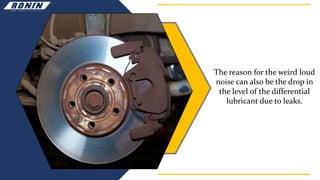
The reason for the weird loud
noise can also be the drop in
the level of the differential
lubricant due to leaks.
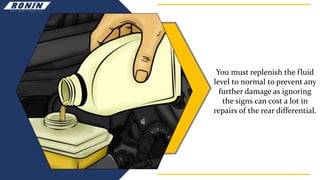
You must replenish the fluid
level to normal to prevent any
further damage as ignoring
the signs can cost a lot in
repairs of the rear differential.
NOISE
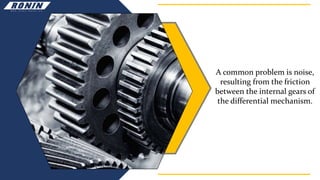
A common problem is noise,
resulting from the friction
between the internal gears of
the differential mechanism.
The noise is more of a
growling kind and becomes
louder while you take a turn.
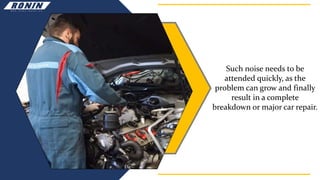
Such noise needs to be
attended quickly, as the
problem can grow and finally
result in a complete
breakdown or major car repair.
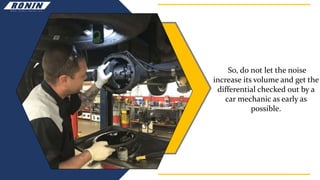
So, do not let the noise
increase its volume and get the
differential checked out by a
car mechanic as early as
possible.
https://roninautowerks.com/
https://www.facebook.com/roninautowerks/
https://www.instagram.com/roninautowerks/ THANK YOU!

How to Detect Problems With the Rear Differential

  • 1.
    How to DetectProblems with the Rear Differential
  • 2.
    One of theimportant car parts is the rear differential which plays a big role in the functioning of the car.
  • 3.
    The main jobof the rear differential is: To slow down the rotational speed of the transmission before it reaches the wheels To transmit the power to the wheels while allowing them to rotate at different speeds.
  • 4.
  • 5.
    The engine torquedrives the crankshaft, which is conveyed to the drive shaft via transmission and finally reaches the wheels through the rear differential.
  • 6.
    It is madeof gears and it works to control the speed of the wheel rotation.
  • 7.
    While making asmooth turn, the differential plays its part by keeping the speeds of all the wheels at different levels.
  • 8.
    Modern cars comewith built- in rear differential mechanisms like the limited slip and locking rear differentials.
  • 9.
  • 10.
    The different typesof car differentials have been developed and designed to simply allow for wheel speed difference are- Open differential Locking differential Limited-slip differential Torque-vectoring differential
  • 11.
  • 12.
    The open differentialsplits the engine torque into two outputs and allows the wheels to rotate at different speeds.
  • 13.
    When one tireloses traction, then the opposing tire will lose power as all the torque is diverted to the wheel with no traction.
  • 14.
  • 15.
    In case oflocking differential, the connected wheels always spin at the same speed as equal torque is sent to all wheels.
  • 16.
    The only problemwith this type of differential is turning the car can be very difficult.
  • 17.
  • 18.
    It is thecombination of open and locking differentials, but usually acts as an open differential.
  • 19.
    Under heavy accelerationand hard cornering, the differential automatically gets locked when slipping occurs.
  • 20.
  • 21.
    It is themost advanced and complicated differential as it uses additional gear trains, accentuating the differences in wheel speed as a vehicle corner.
  • 22.
    They modulate torquedelivery on demand resulting in better dynamic driving experience but lower fuel economy.
  • 23.
  • 24.
    Problems with therear differential, need to be resolved at the earliest to prevent further damages to the entire drivetrain.
  • 25.
  • 26.
    Another problem whichoften goes unnoticed is the leaking of the lubricant.
  • 27.
    When the lubricantlevel drops down, then the friction between the gears increases and can lead to serious wear and tear on the metals.
  • 28.
    The reason forthe weird loud noise can also be the drop in the level of the differential lubricant due to leaks.
  • 29.
    You must replenishthe fluid level to normal to prevent any further damage as ignoring the signs can cost a lot in repairs of the rear differential.
  • 30.
  • 31.
    A common problemis noise, resulting from the friction between the internal gears of the differential mechanism.
  • 32.
    The noise ismore of a growling kind and becomes louder while you take a turn.
  • 33.
    Such noise needsto be attended quickly, as the problem can grow and finally result in a complete breakdown or major car repair.
  • 34.
    So, do notlet the noise increase its volume and get the differential checked out by a car mechanic as early as possible.
  • 35.