
# 
Mark Lambert 
VP Product Management and Support
# 
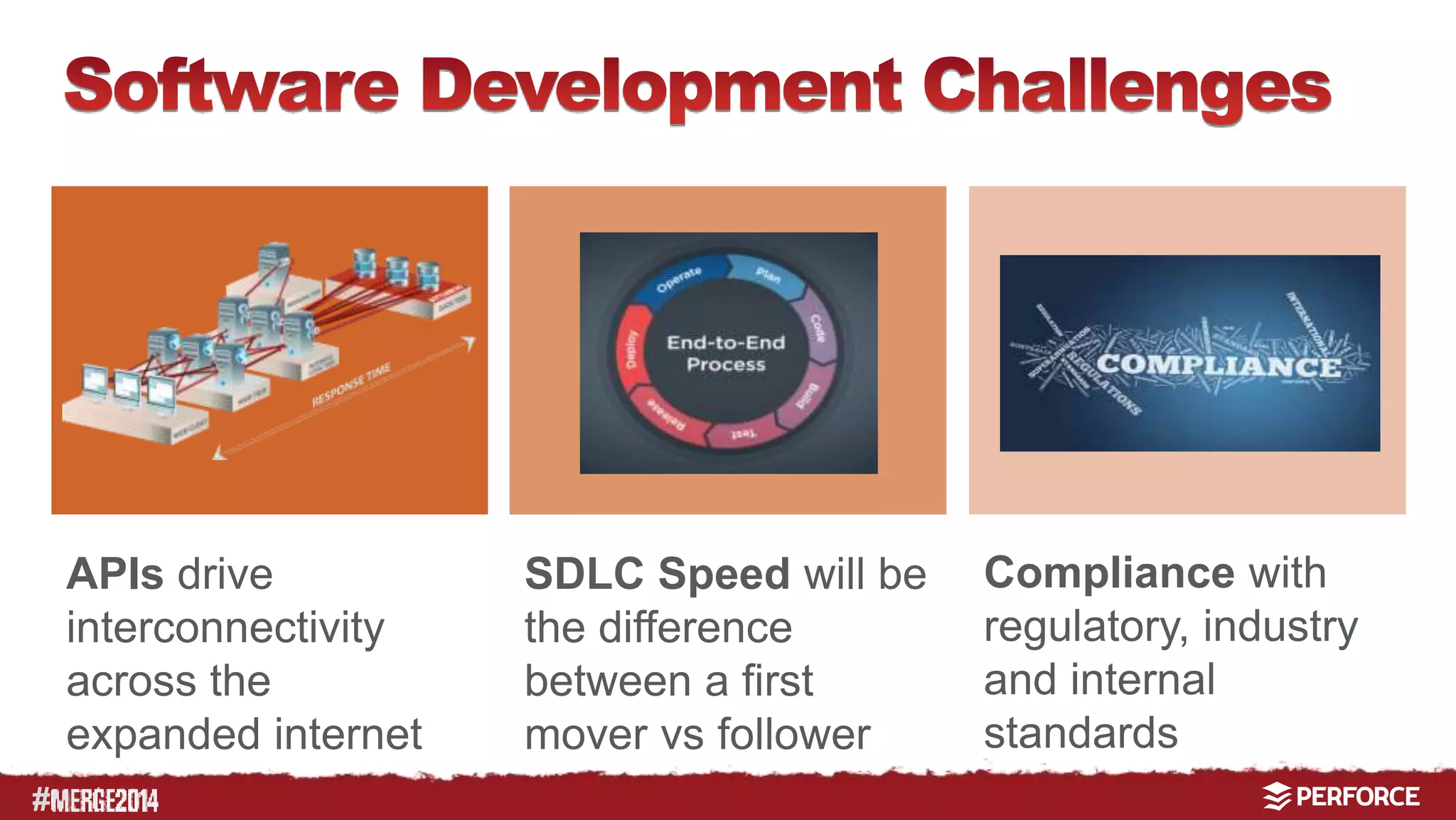
APIs drive 
interconnectivity 
across the 
expanded internet 
Compliance with 
regulatory, industry 
and internal 
standards 
SDLC Speed will be 
the difference 
between a first 
mover vs follower
# 
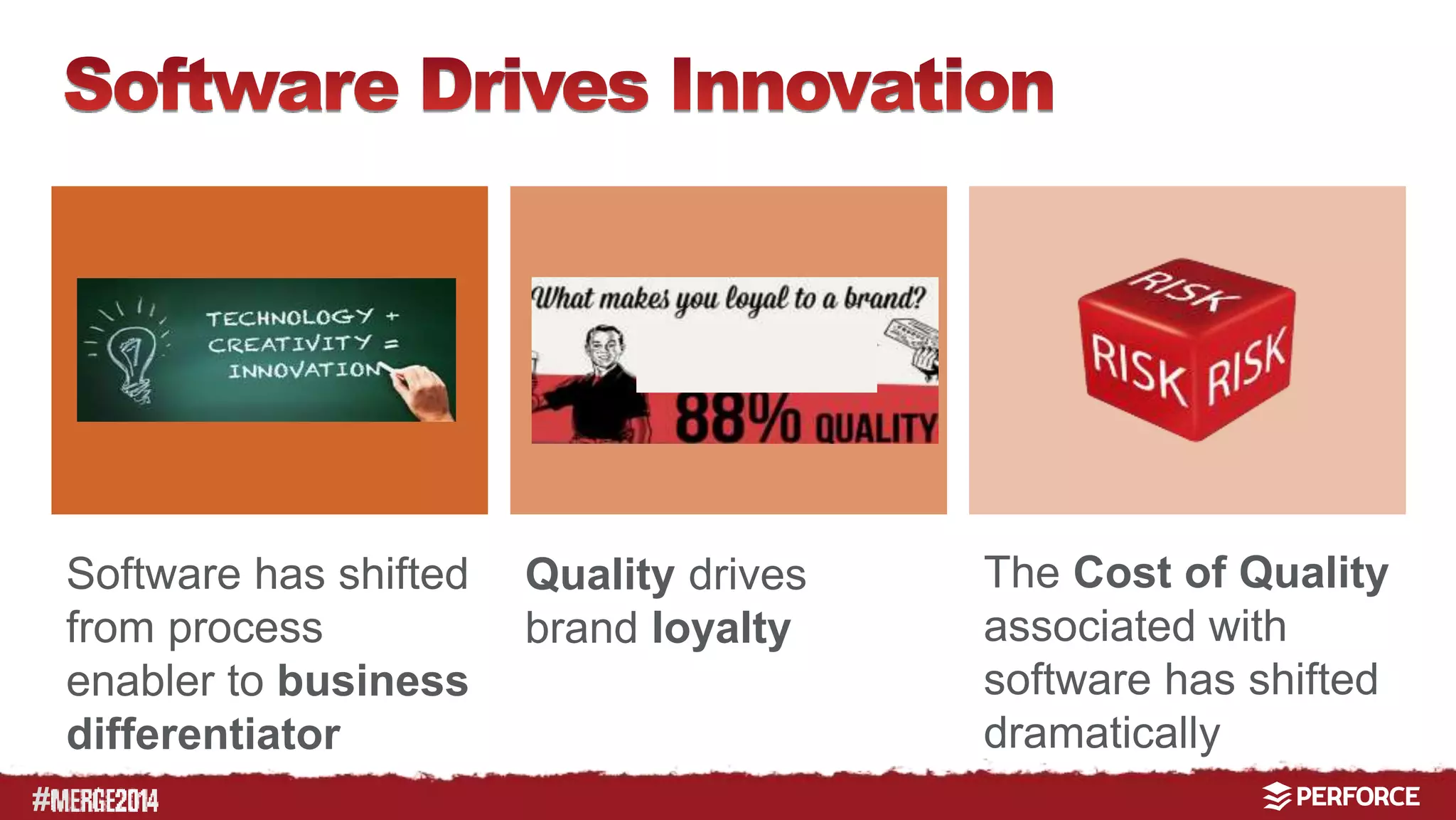
The Cost of Quality 
associated with 
software has shifted 
dramatically 
Software has shifted 
from process 
enabler to business 
differentiator 
Quality drives 
brand loyalty
# 
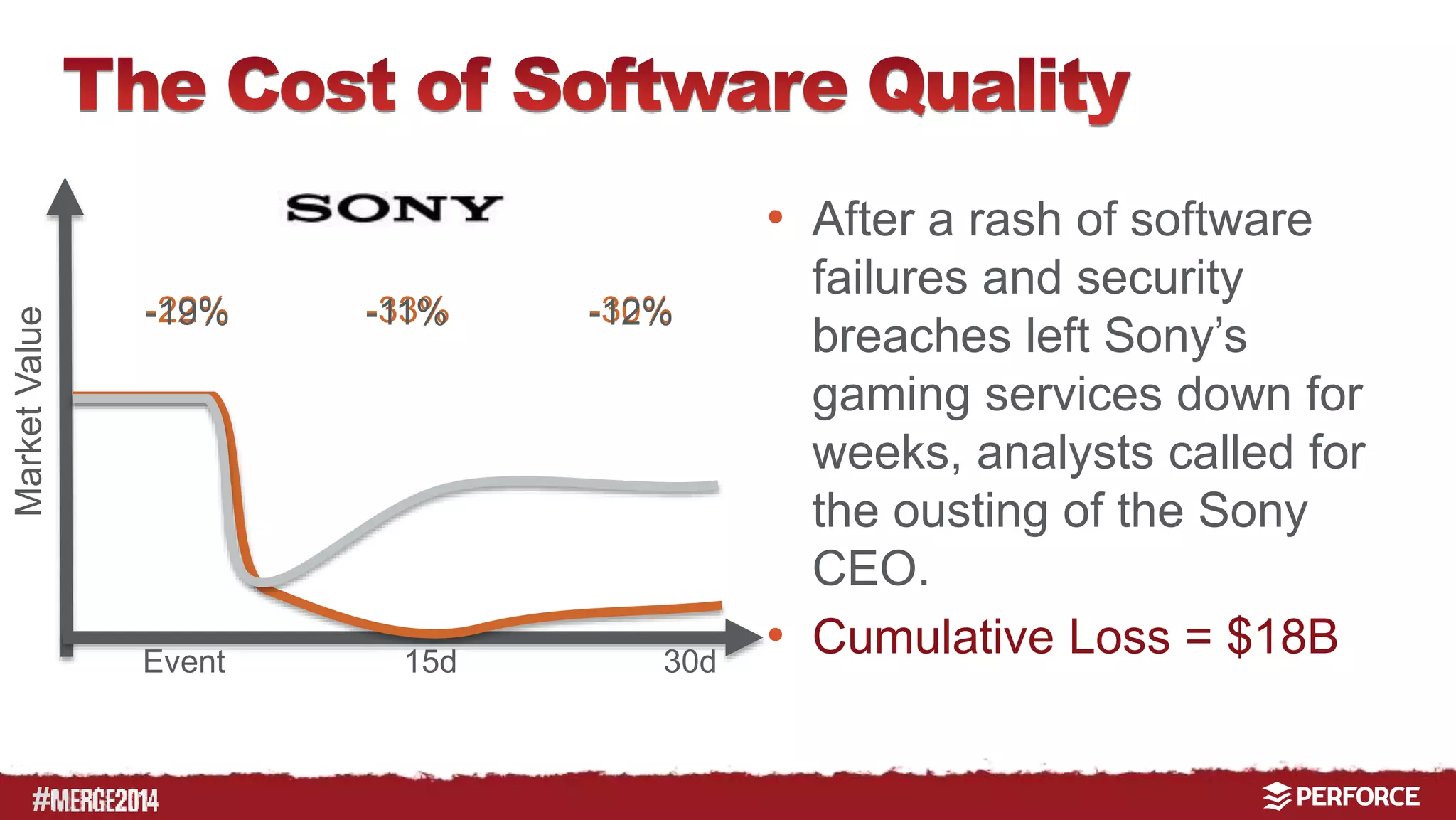
• After a rash of software 
failures and security 
breaches left Sony’s 
gaming services down for 
weeks, analysts called for 
the ousting of the Sony 
CEO. 
• Cumulative Loss = $18B 
Market Value 
--1229% --1313% --1302% 
Event 15d 30d
# 
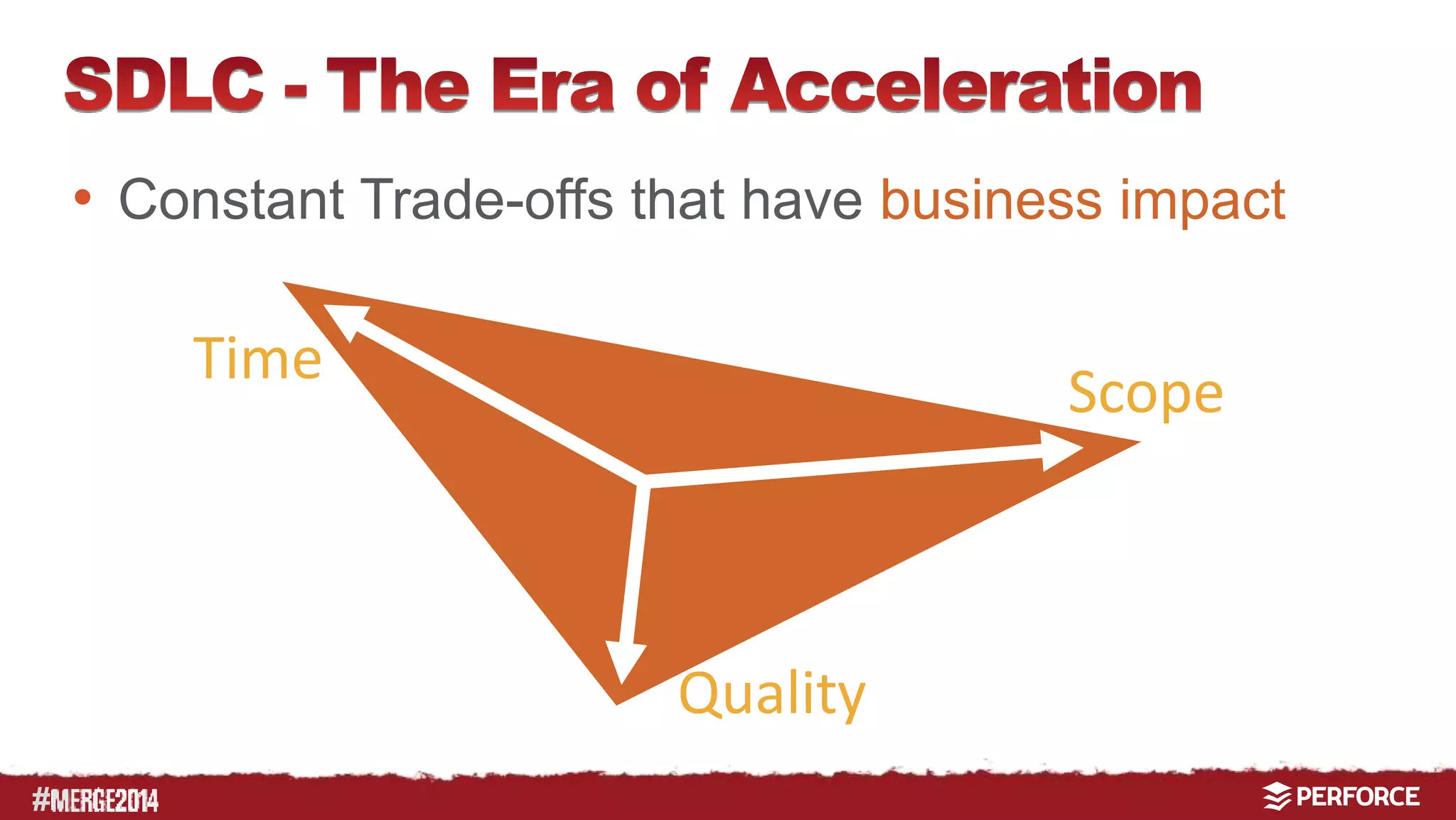
• Constant Trade-offs that have business impact 
Time 
Quality 
Scope
# 
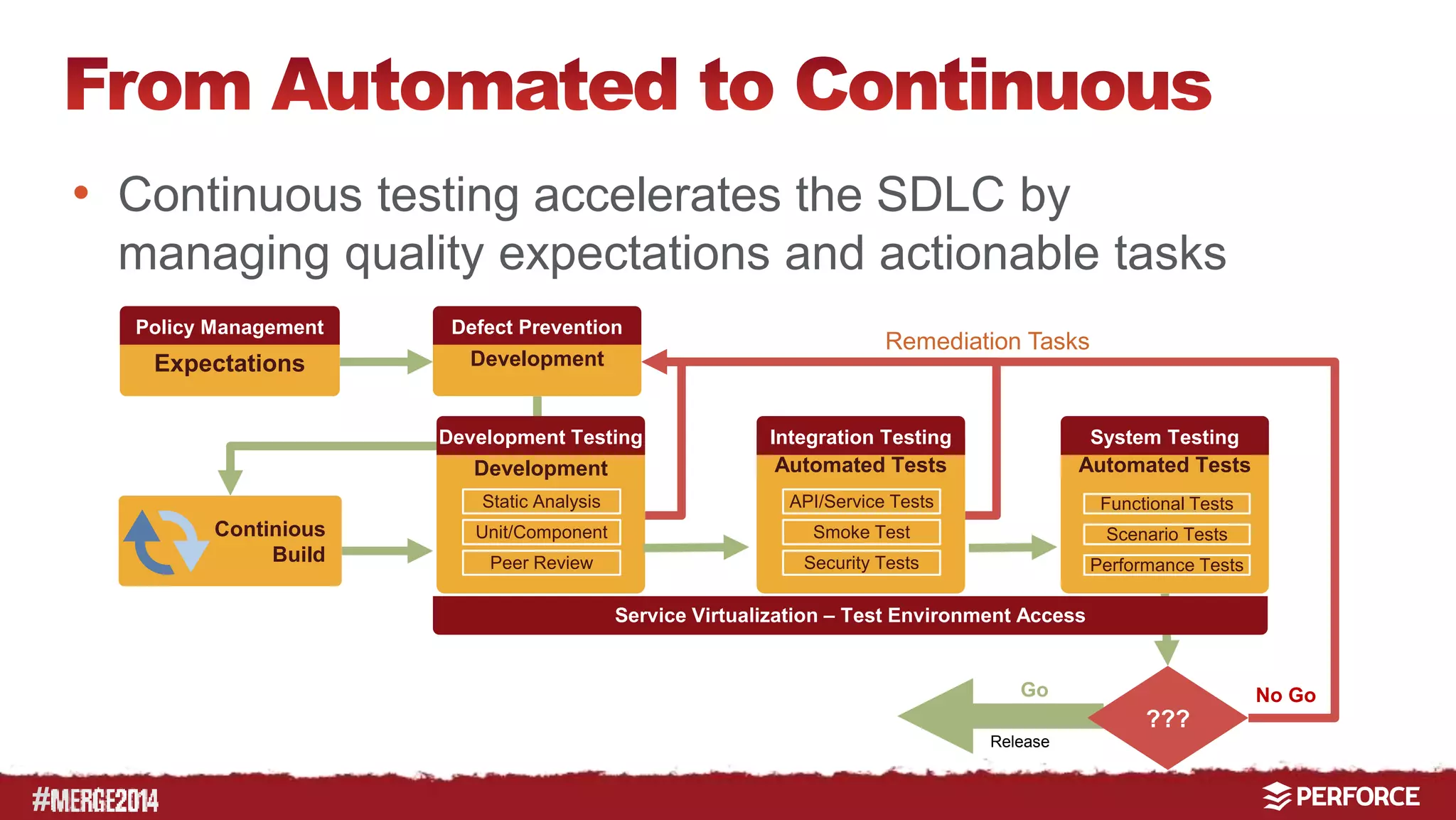
• Continuous testing accelerates the SDLC by 
managing quality expectations and actionable tasks 
Policy Management 
Expectations 
Defect Prevention 
Development 
Development Testing 
Development 
Static Analysis 
Unit/Component 
Peer Review 
Integration Testing 
Automated Tests 
API/Service Tests 
Smoke Test 
Security Tests 
System Testing 
Automated Tests 
Functional Tests 
Scenario Tests 
Performance Tests 
Continious 
Build 
Remediation Tasks 
Go 
Release 
No Go 
??? 
Service Virtualization – Test Environment Access
# 
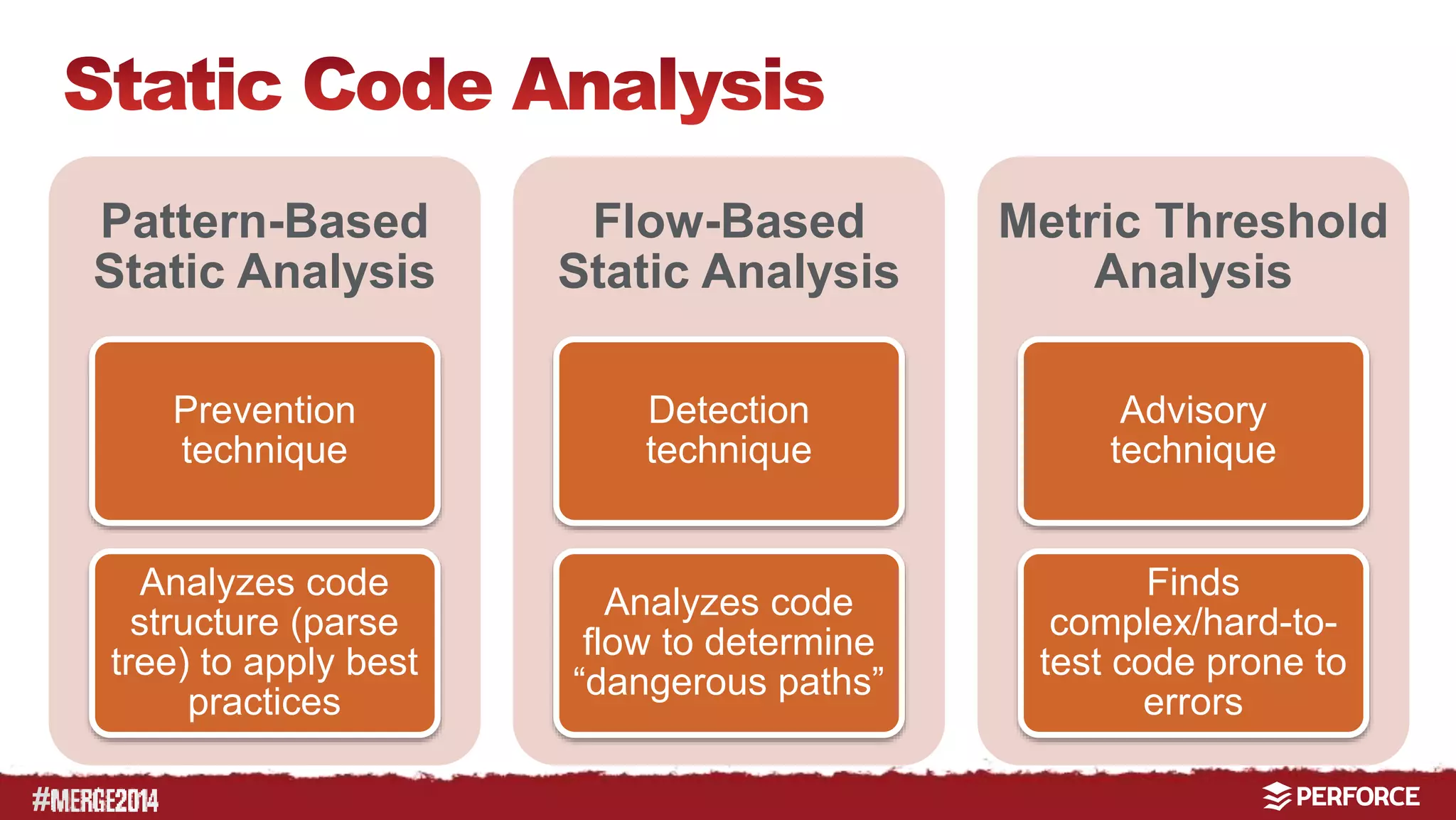
Pattern-Based 
Static Analysis 
Prevention 
technique 
Analyzes code 
structure (parse 
tree) to apply best 
practices 
Flow-Based 
Static Analysis 
Detection 
technique 
Analyzes code 
flow to determine 
“dangerous paths” 
Metric Threshold 
Analysis 
Advisory 
technique 
Finds 
complex/hard-to-test 
code prone to 
errors
# 
• Well understood often under valued 
• Define the goal of the analysis and the Policy for 
compliance 
• Focus on reduction of business risk not pursuit of 
perfection 
• Start small to promote adoption and monitor for areas of 
improvement
# 
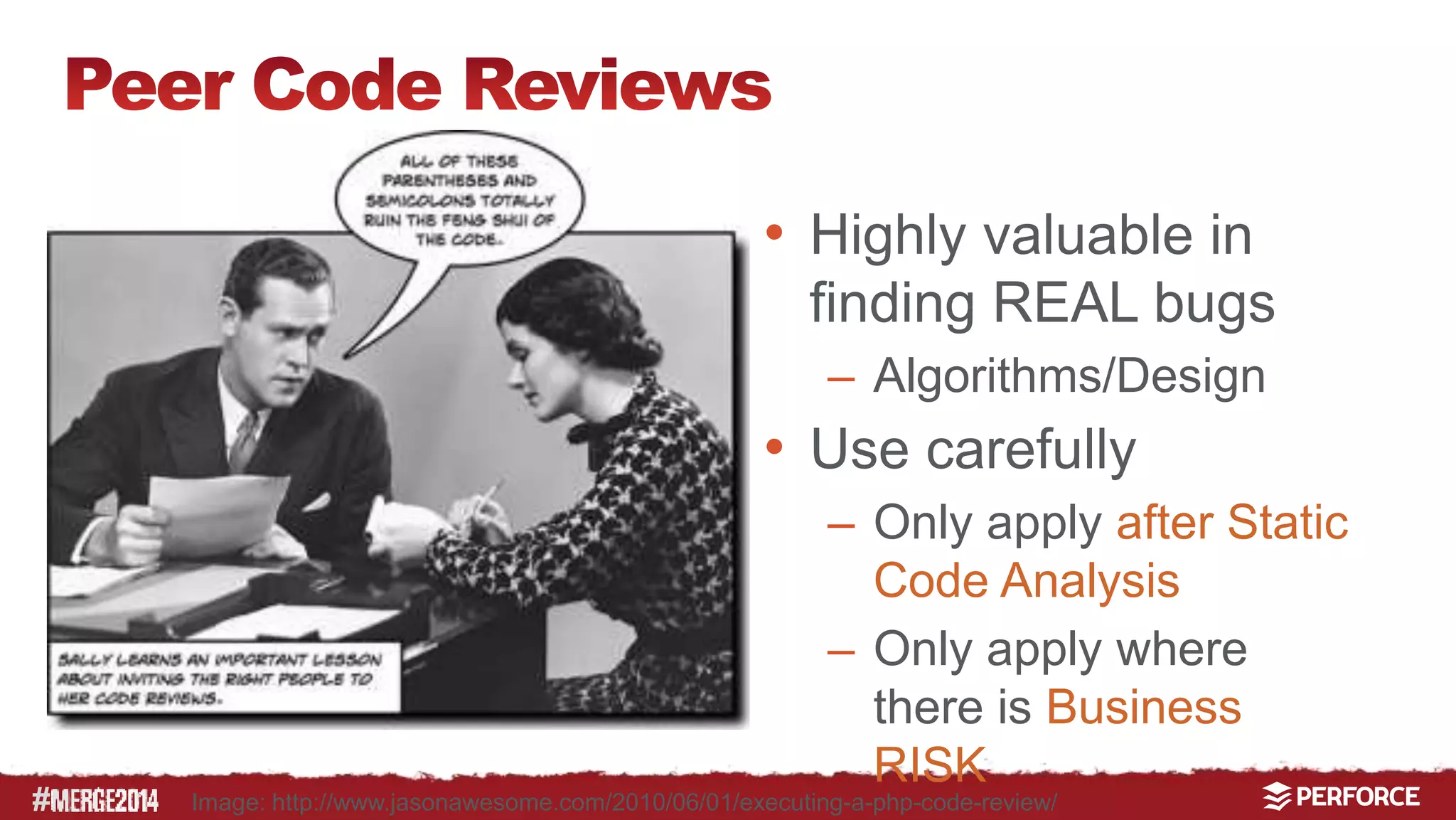
• Highly valuable in 
finding REAL bugs 
– Algorithms/Design 
• Use carefully 
– Only apply after Static 
Code Analysis 
– Only apply where 
there is Business 
RISK 
Image: http://www.jasonawesome.com/2010/06/01/executing-a-php-code-review/
# 
• Unit Testing 
– Developer focuses on the code 
– Typically not true Unit Test 
– Code needs to be built to be testable 
• Where is the ROI? 
– Did we design it properly 
• How much is enough? 
– Code Coverage + Peer Review
# 
• Functional Testing 
– QA focused on the user-story/function 
• Where is the ROI? 
– Does it function correctly 
– Did we break functionality 
• How much is enough? 
– User-story coverage 
• Assoc. code coverage provides additional insight
# 
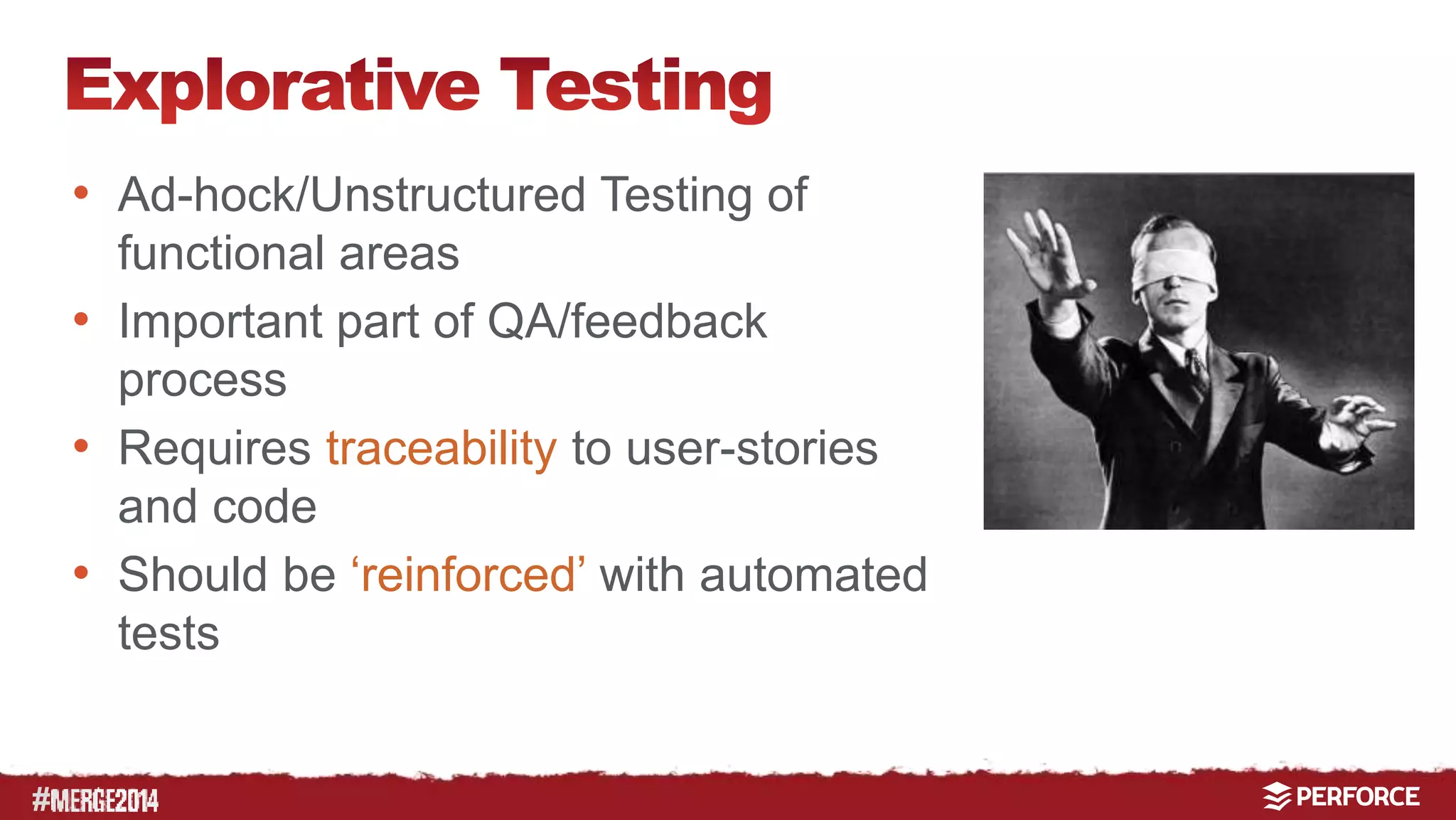
• Ad-hock/Unstructured Testing of 
functional areas 
• Important part of QA/feedback 
process 
• Requires traceability to user-stories 
and code 
• Should be ‘reinforced’ with automated 
tests
# 
• Limitations 
– Often at the end of the cycle 
• Wait until the whole system is ready 
– Requires specialized skills and specialized tools 
• Often not “real tests” 
– Too late for cost effective remediation 
• “Shift Left” Performance and Security 
– Reuse automated functional tests and tooling 
– Eliminated the system constraints … Service Virtualization …
# 
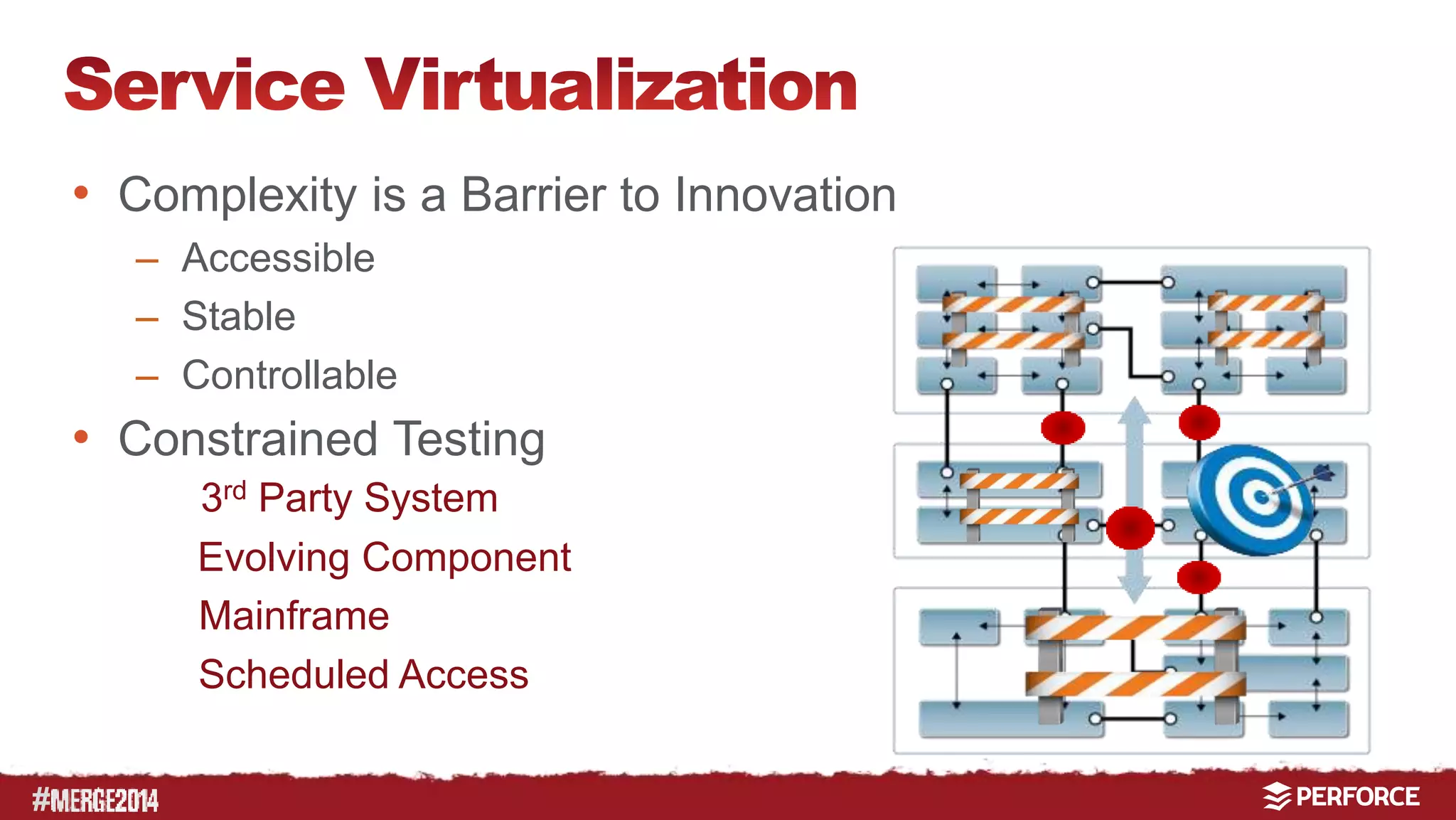
• Complexity is a Barrier to Innovation 
– Accessible 
– Stable 
– Controllable 
• Constrained Testing 
3rd Party System 
Evolving Component 
Mainframe 
Scheduled Access
# 
• Emulates dependencies for the Test Environment 
– Reduces the complexity for early stage testing 
– Increases predictability 
• Enables “Test Anytime, Anywhere, Anyway” 
– Automated Provisioning for different use-cases 
– Automated Test Data Management/Simulation 
• Does not eliminate the need for System/Integration 
Testing
# 
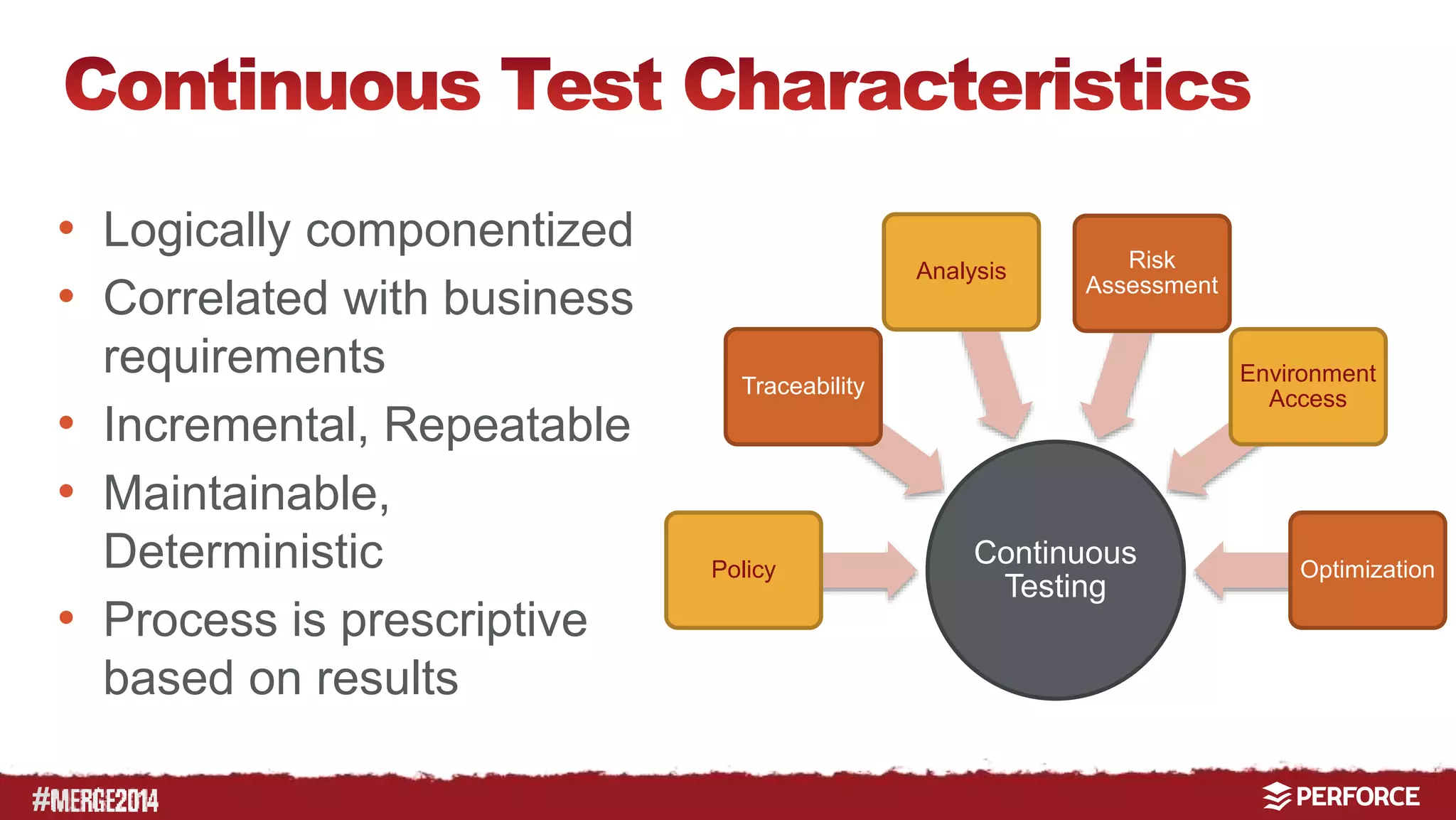
• Logically componentized 
• Correlated with business 
requirements 
• Incremental, Repeatable 
• Maintainable, 
Deterministic 
• Process is prescriptive 
based on results 
Continuous 
Testing 
Traceability 
Policy 
Analysis Risk 
Assessment 
Environment 
Access 
Optimization
# 
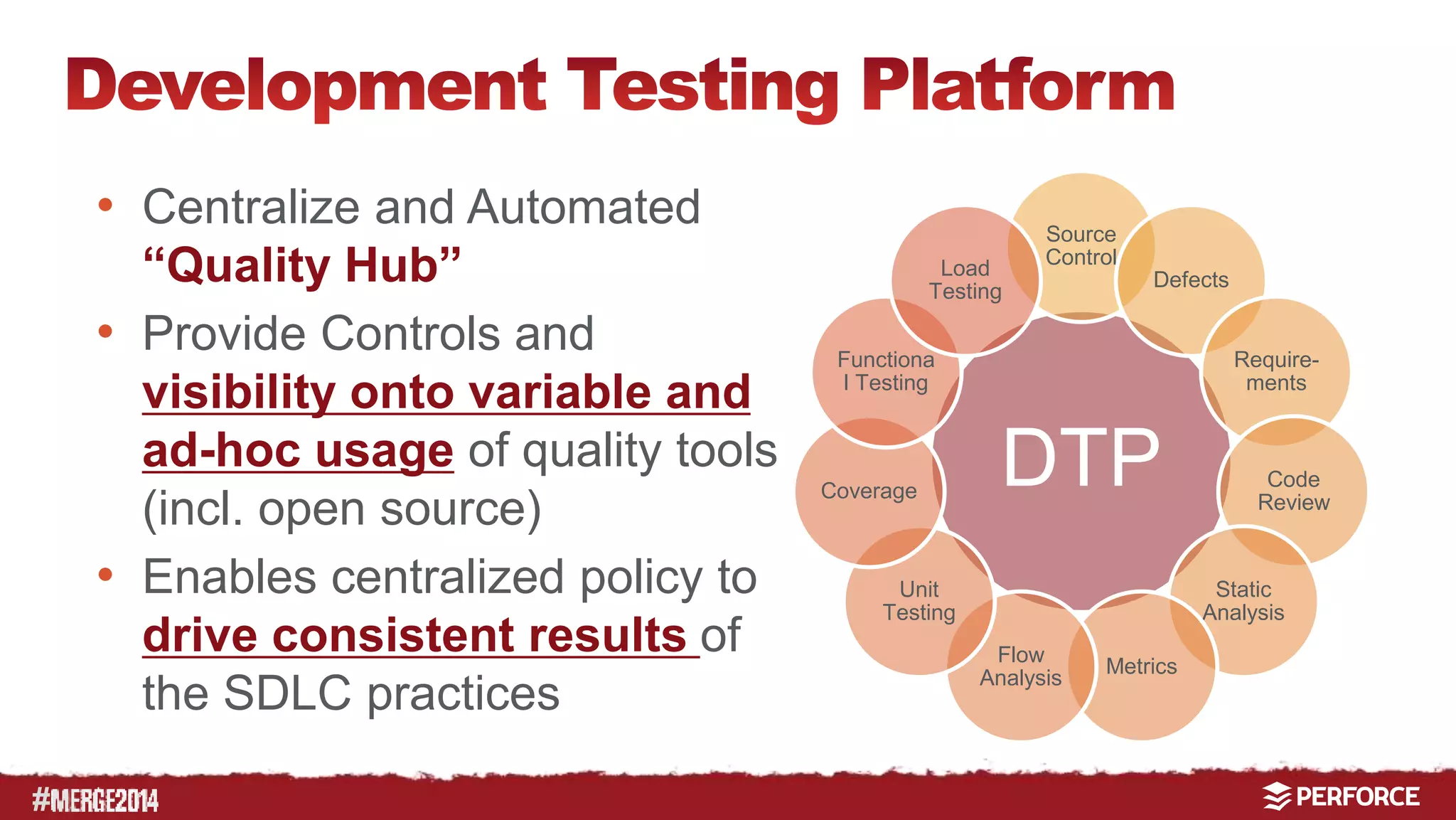
• Centralize and Automated 
“Quality Hub” 
• Provide Controls and 
visibility onto variable and 
ad-hoc usage of quality tools 
(incl. open source) 
• Enables centralized policy to 
drive consistent results of 
the SDLC practices 
Source 
Control 
Defects 
Load 
Testing 
DTP 
Require-ments 
Code 
Review 
Static 
Analysis 
Metrics 
Flow 
Analysis 
Functiona 
l Testing 
Coverage 
Unit 
Testing
# 
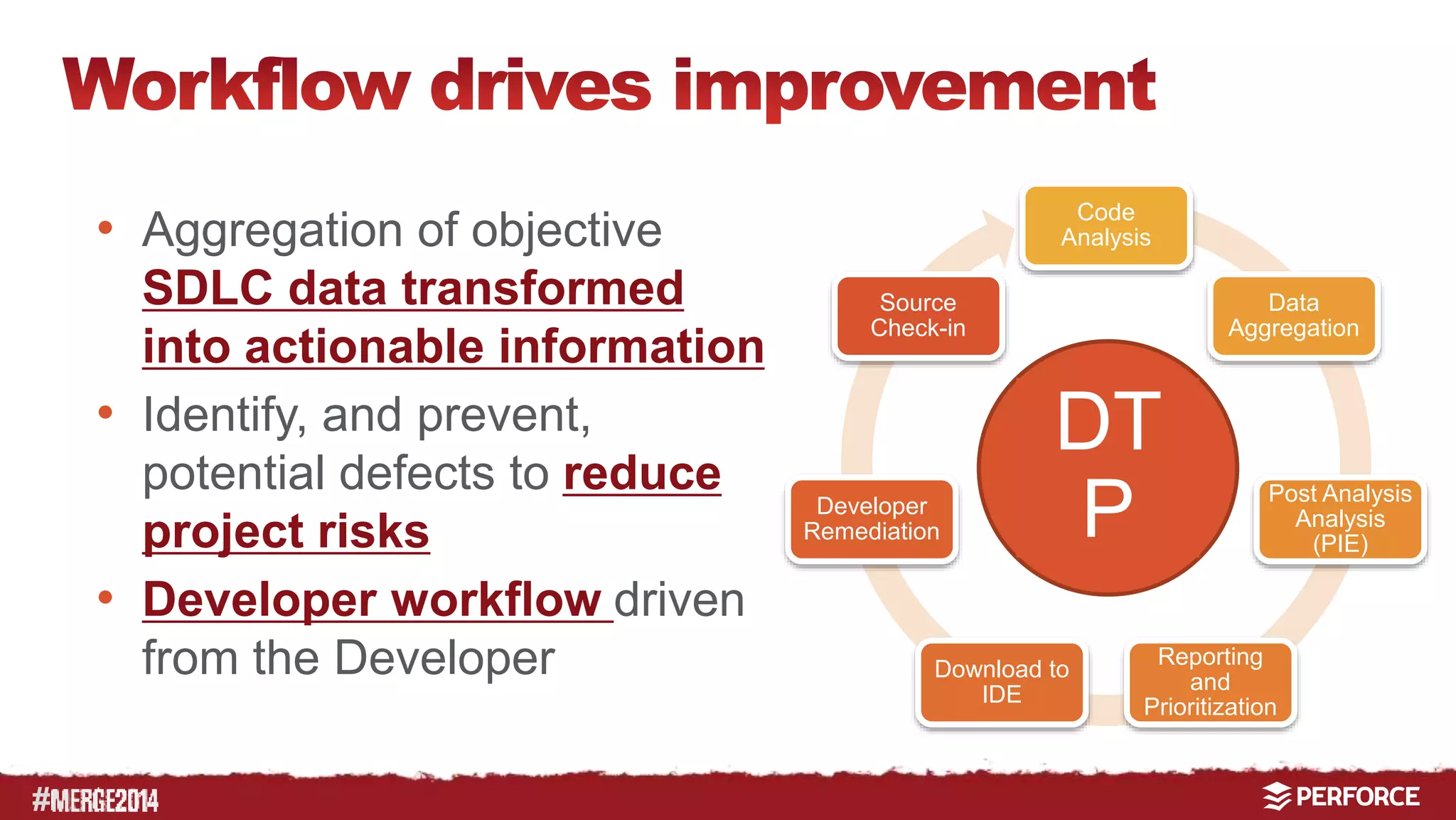
• Aggregation of objective 
SDLC data transformed 
into actionable information 
• Identify, and prevent, 
potential defects to reduce 
project risks 
• Developer workflow driven 
from the Developer 
Code 
Analysis 
Data 
Aggregation 
Post Analysis 
Analysis 
(PIE) 
Reporting 
and 
Prioritization 
Source 
Check-in 
Download to 
IDE 
Developer 
Remediation 
DT 
P
# 
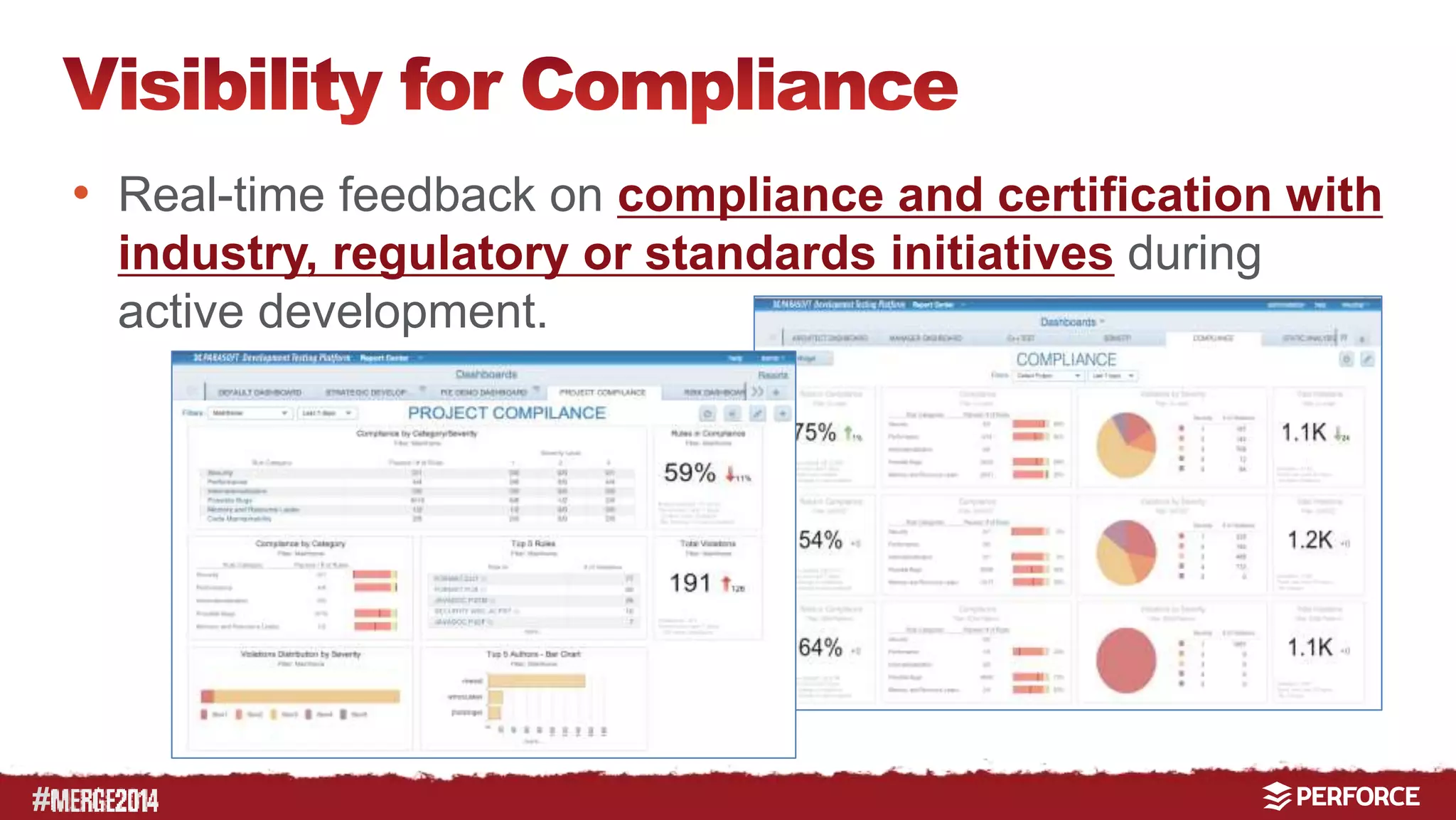
• Real-time feedback on compliance and certification with 
industry, regulatory or standards initiatives during 
active development.
# 
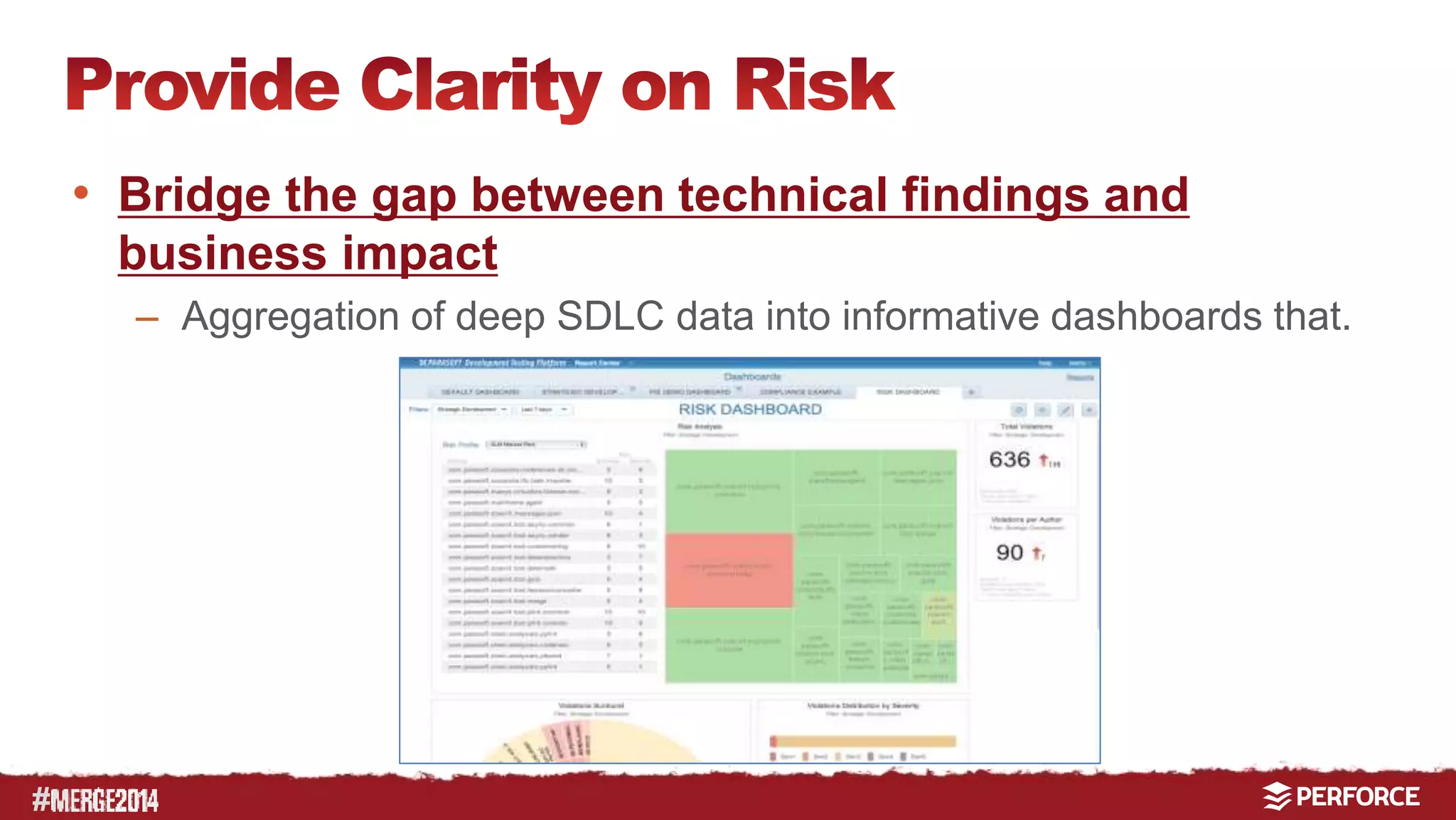
• Bridge the gap between technical findings and 
business impact 
– Aggregation of deep SDLC data into informative dashboards that.
#
# 
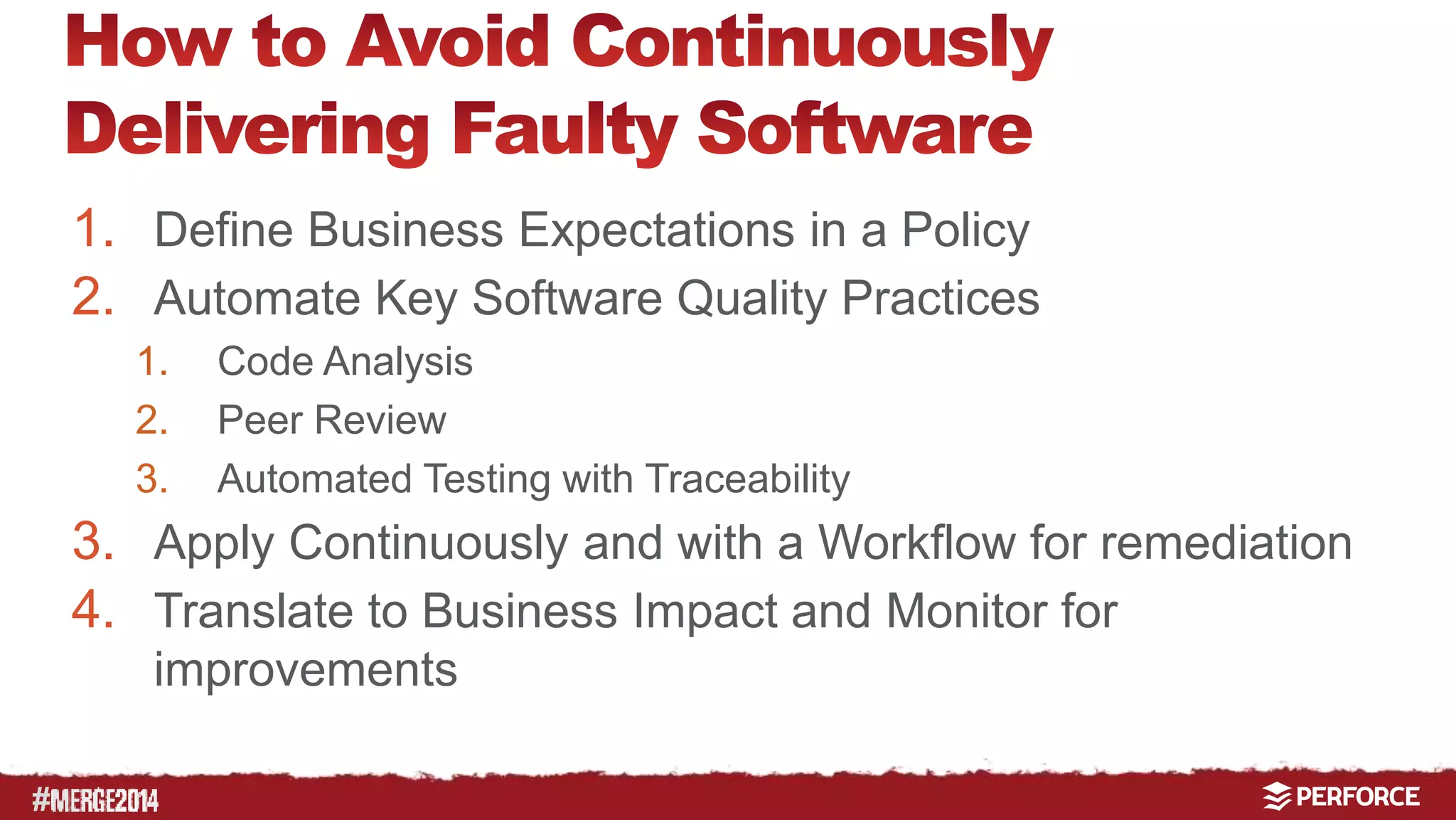
1. Define Business Expectations in a Policy 
2. Automate Key Software Quality Practices 
1. Code Analysis 
2. Peer Review 
3. Automated Testing with Traceability 
3. Apply Continuously and with a Workflow for remediation 
4. Translate to Business Impact and Monitor for 
improvements
# 
Mark Lambert 
Mark.Lambert@parasoft.com 
@mark_l_lambert

How to Avoid Continuously Delivering Faulty Software

  • 1.
    # Mark Lambert VP Product Management and Support
  • 2.
    # APIs drive interconnectivity across the expanded internet Compliance with regulatory, industry and internal standards SDLC Speed will be the difference between a first mover vs follower
  • 3.
    # The Costof Quality associated with software has shifted dramatically Software has shifted from process enabler to business differentiator Quality drives brand loyalty
  • 4.
    # • Aftera rash of software failures and security breaches left Sony’s gaming services down for weeks, analysts called for the ousting of the Sony CEO. • Cumulative Loss = $18B Market Value --1229% --1313% --1302% Event 15d 30d
  • 5.
    # • ConstantTrade-offs that have business impact Time Quality Scope
  • 6.
    # • Continuoustesting accelerates the SDLC by managing quality expectations and actionable tasks Policy Management Expectations Defect Prevention Development Development Testing Development Static Analysis Unit/Component Peer Review Integration Testing Automated Tests API/Service Tests Smoke Test Security Tests System Testing Automated Tests Functional Tests Scenario Tests Performance Tests Continious Build Remediation Tasks Go Release No Go ??? Service Virtualization – Test Environment Access
  • 7.
    # Pattern-Based StaticAnalysis Prevention technique Analyzes code structure (parse tree) to apply best practices Flow-Based Static Analysis Detection technique Analyzes code flow to determine “dangerous paths” Metric Threshold Analysis Advisory technique Finds complex/hard-to-test code prone to errors
  • 8.
    # • Wellunderstood often under valued • Define the goal of the analysis and the Policy for compliance • Focus on reduction of business risk not pursuit of perfection • Start small to promote adoption and monitor for areas of improvement
  • 9.
    # • Highlyvaluable in finding REAL bugs – Algorithms/Design • Use carefully – Only apply after Static Code Analysis – Only apply where there is Business RISK Image: http://www.jasonawesome.com/2010/06/01/executing-a-php-code-review/
  • 10.
    # • UnitTesting – Developer focuses on the code – Typically not true Unit Test – Code needs to be built to be testable • Where is the ROI? – Did we design it properly • How much is enough? – Code Coverage + Peer Review
  • 11.
    # • FunctionalTesting – QA focused on the user-story/function • Where is the ROI? – Does it function correctly – Did we break functionality • How much is enough? – User-story coverage • Assoc. code coverage provides additional insight
  • 12.
    # • Ad-hock/UnstructuredTesting of functional areas • Important part of QA/feedback process • Requires traceability to user-stories and code • Should be ‘reinforced’ with automated tests
  • 13.
    # • Limitations – Often at the end of the cycle • Wait until the whole system is ready – Requires specialized skills and specialized tools • Often not “real tests” – Too late for cost effective remediation • “Shift Left” Performance and Security – Reuse automated functional tests and tooling – Eliminated the system constraints … Service Virtualization …
  • 14.
    # • Complexityis a Barrier to Innovation – Accessible – Stable – Controllable • Constrained Testing 3rd Party System Evolving Component Mainframe Scheduled Access
  • 15.
    # • Emulatesdependencies for the Test Environment – Reduces the complexity for early stage testing – Increases predictability • Enables “Test Anytime, Anywhere, Anyway” – Automated Provisioning for different use-cases – Automated Test Data Management/Simulation • Does not eliminate the need for System/Integration Testing
  • 16.
    # • Logicallycomponentized • Correlated with business requirements • Incremental, Repeatable • Maintainable, Deterministic • Process is prescriptive based on results Continuous Testing Traceability Policy Analysis Risk Assessment Environment Access Optimization
  • 17.
    # • Centralizeand Automated “Quality Hub” • Provide Controls and visibility onto variable and ad-hoc usage of quality tools (incl. open source) • Enables centralized policy to drive consistent results of the SDLC practices Source Control Defects Load Testing DTP Require-ments Code Review Static Analysis Metrics Flow Analysis Functiona l Testing Coverage Unit Testing
  • 18.
    # • Aggregationof objective SDLC data transformed into actionable information • Identify, and prevent, potential defects to reduce project risks • Developer workflow driven from the Developer Code Analysis Data Aggregation Post Analysis Analysis (PIE) Reporting and Prioritization Source Check-in Download to IDE Developer Remediation DT P
  • 19.
    # • Real-timefeedback on compliance and certification with industry, regulatory or standards initiatives during active development.
  • 20.
    # • Bridgethe gap between technical findings and business impact – Aggregation of deep SDLC data into informative dashboards that.
  • 21.
  • 22.
    # 1. DefineBusiness Expectations in a Policy 2. Automate Key Software Quality Practices 1. Code Analysis 2. Peer Review 3. Automated Testing with Traceability 3. Apply Continuously and with a Workflow for remediation 4. Translate to Business Impact and Monitor for improvements
  • 23.
    # Mark Lambert Mark.Lambert@parasoft.com @mark_l_lambert

Editor's Notes

  • #4 In my humble opinion this is a fantastic time to be a software professional. The great part about being in our industry is that things change rapidly. TODAY the significance of software is shifting from a process enabler into ‘THE’ primary business differentiator. And when we look at software as a business differentiator, we must look at the SDLC through a different lenses. With software as a primary interface to the business, the cost of software quality is a dramatically different equation from the years past AND your organizations SDLC speed could the critical difference of either being recognized as a first mover or simply a follower. Switching costs – for the consumer of software is low and will only decrease In the cloud economy the impact is dramatic. Damages – associated with faulty software are very real and increasing as customers with lower switching costs vote with their dollar.