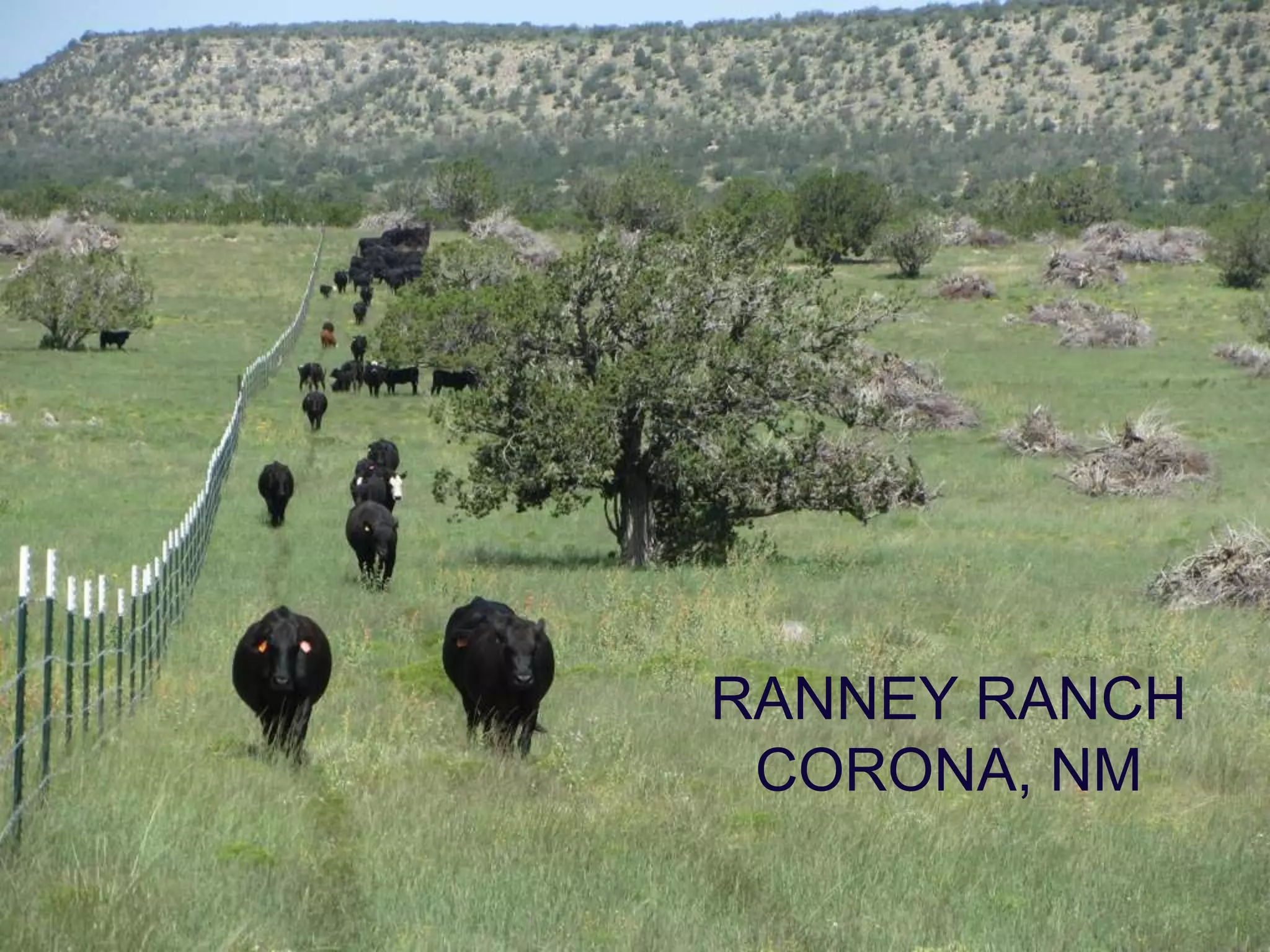
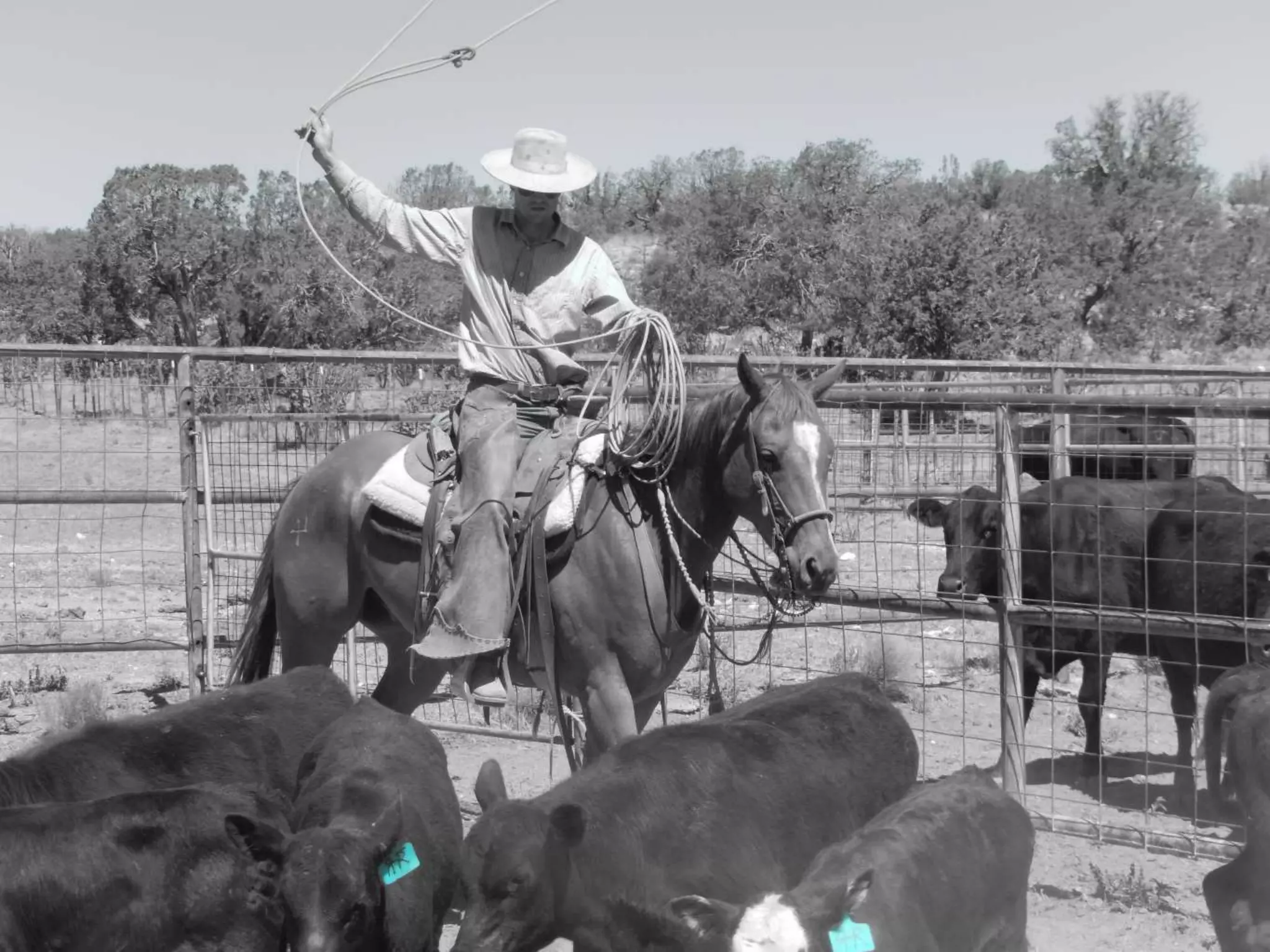
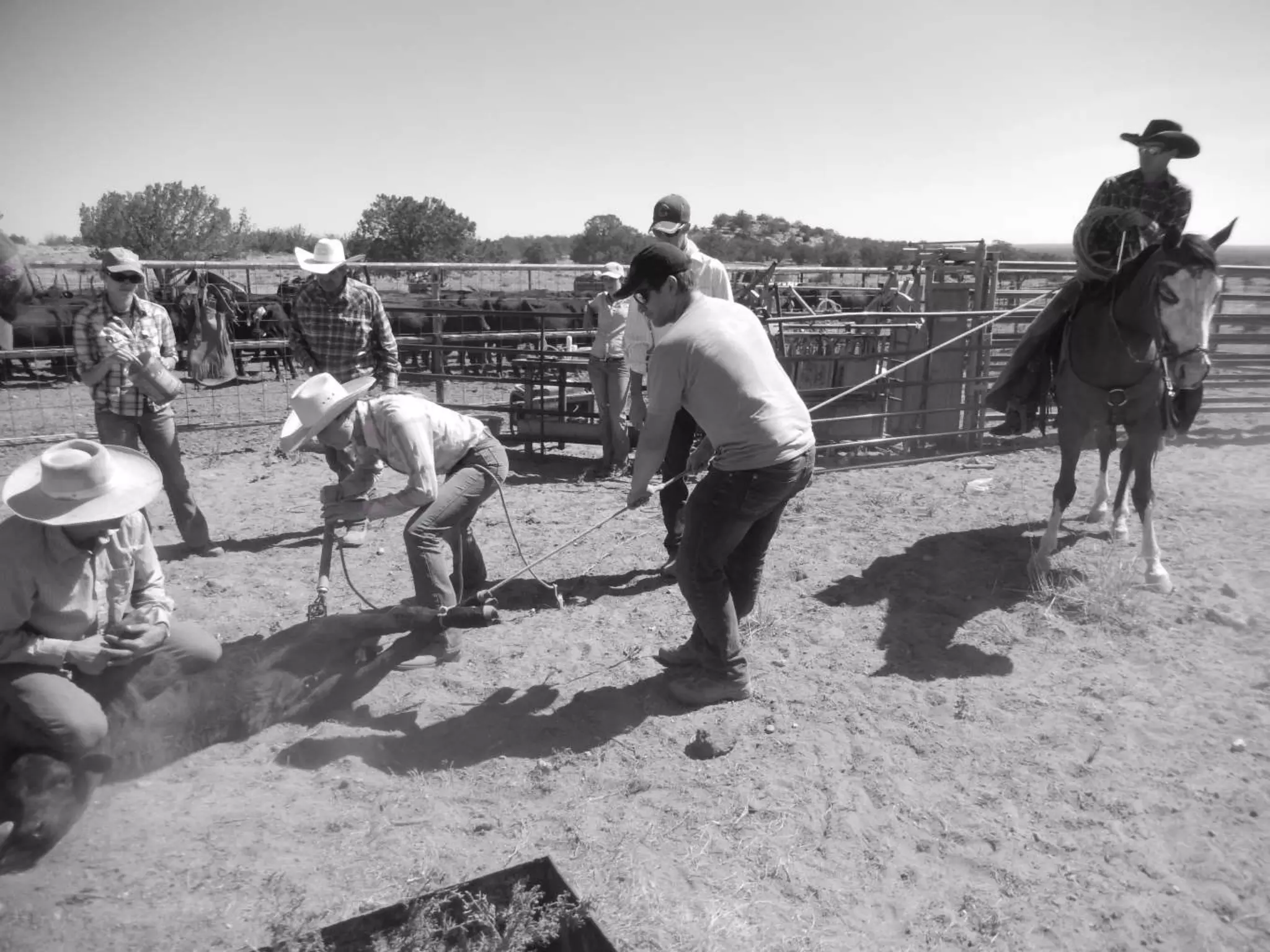
RANNEY RANCH
CORONA, NM
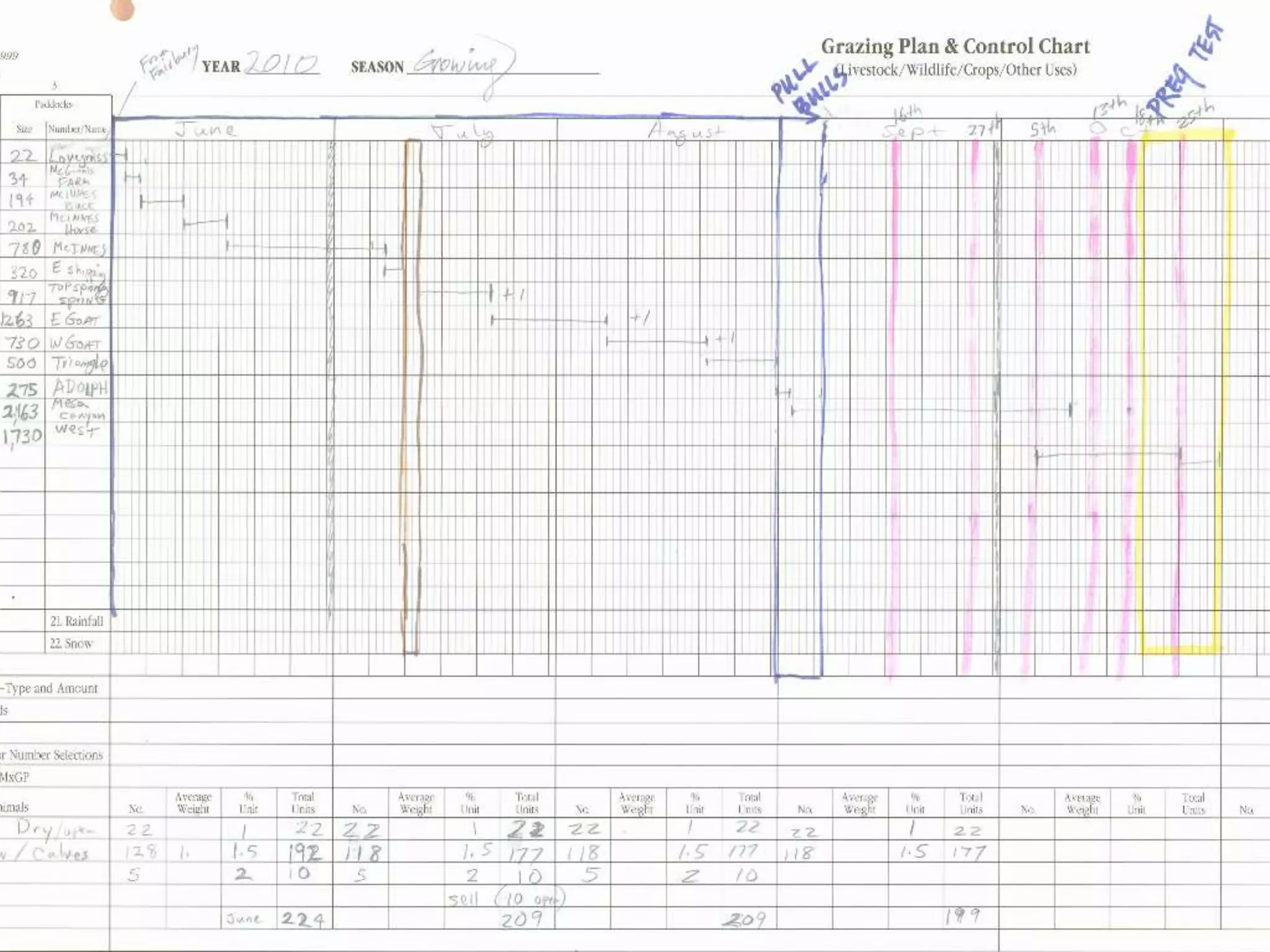
GRAZING
MANAGEMENT
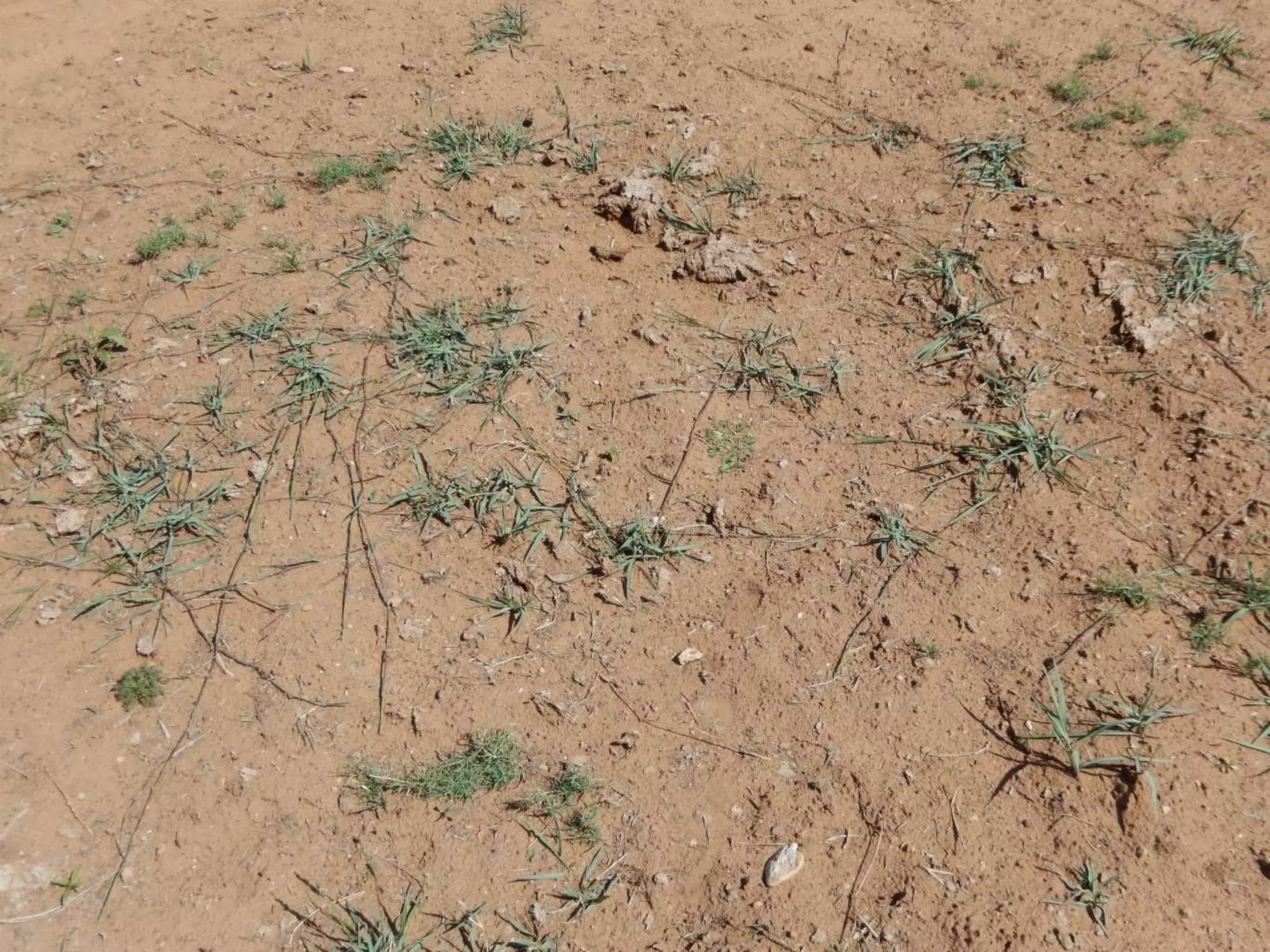
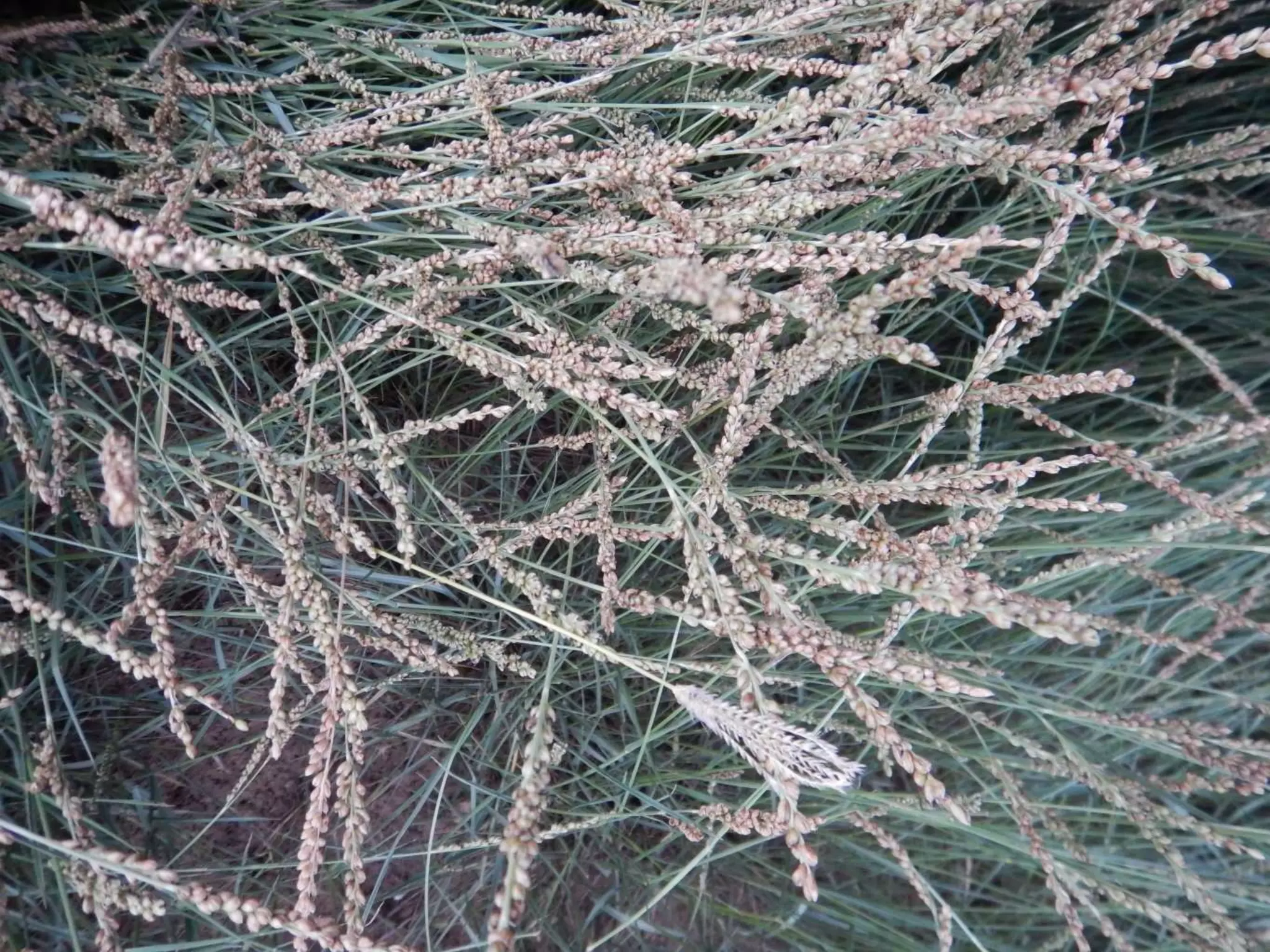
Continuous grazing Holistic Planned Grazing
Neil Dennis, 2014
Benefits of Rotational Grazing
Management
• Lower costs (feed, labor, fuel, few bulls)
• Increased animal productivity
• Higher stock density
• Increased biodiversity & resilience
• Opportunity for grassfed beef program
Home
About Us
Information
Benefits
Recipes
Order
"That was some of the best beef I've ever eaten" -Theresa, Norman, OK
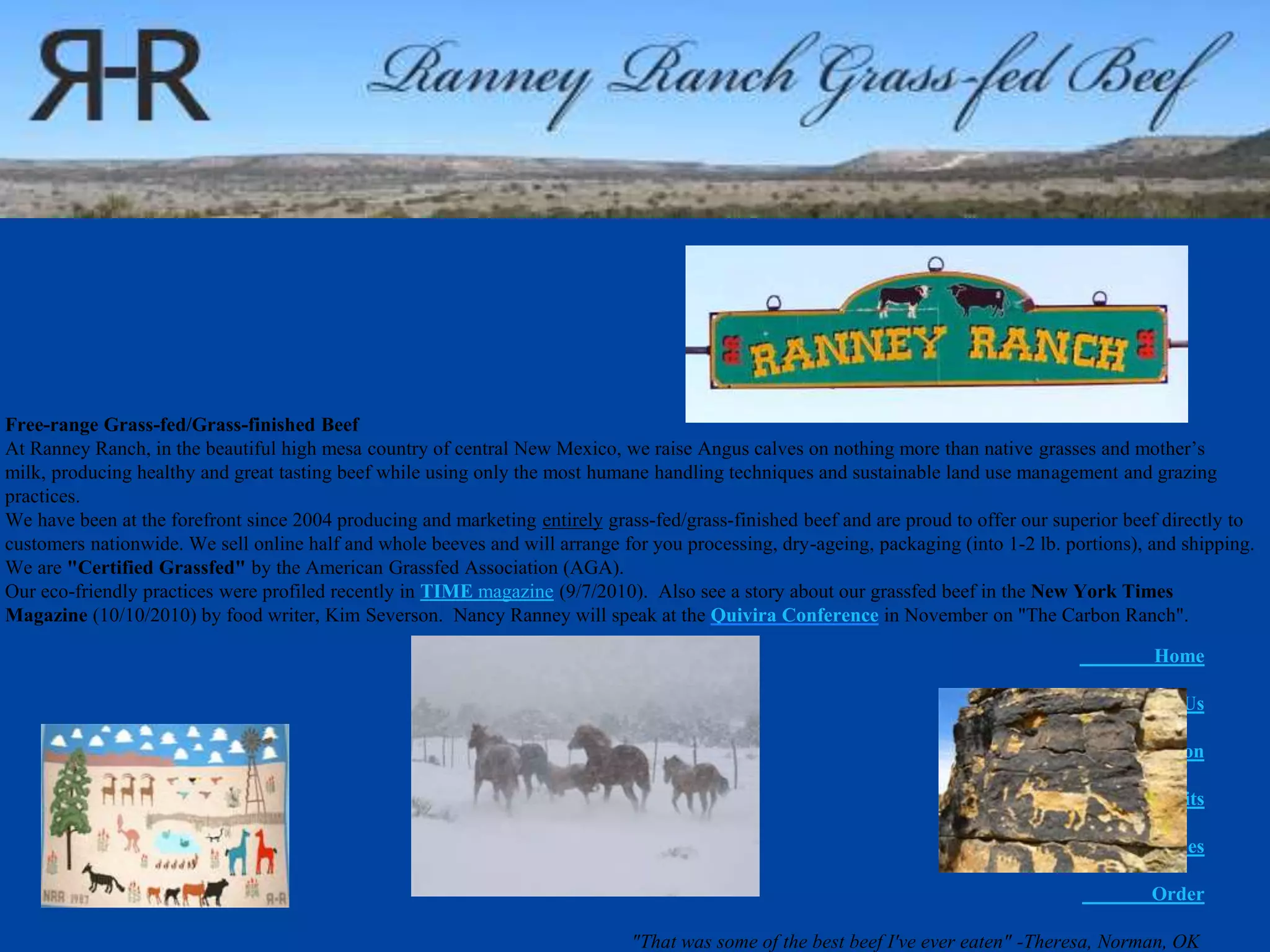
Free-range Grass-fed/Grass-finished Beef
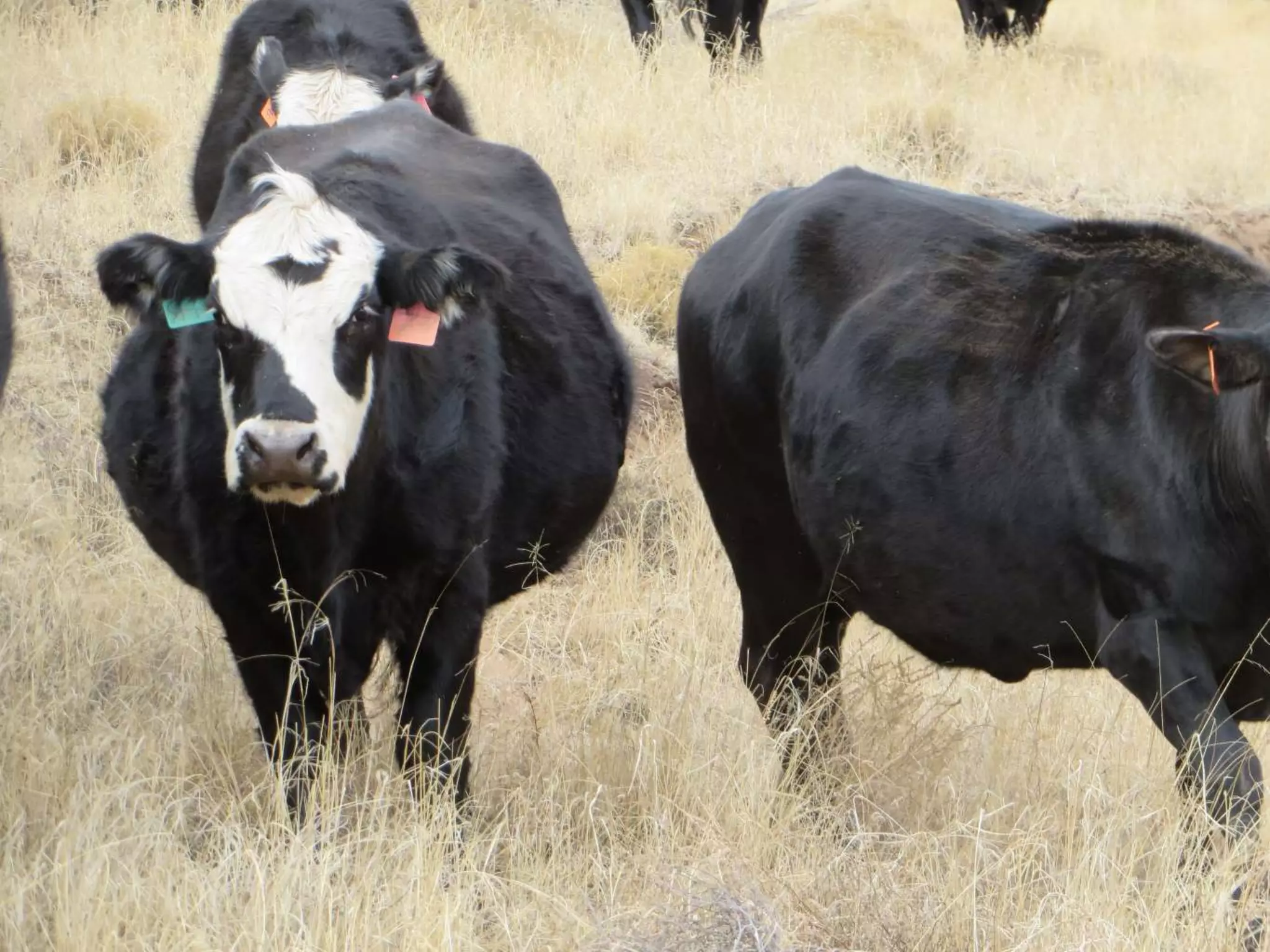
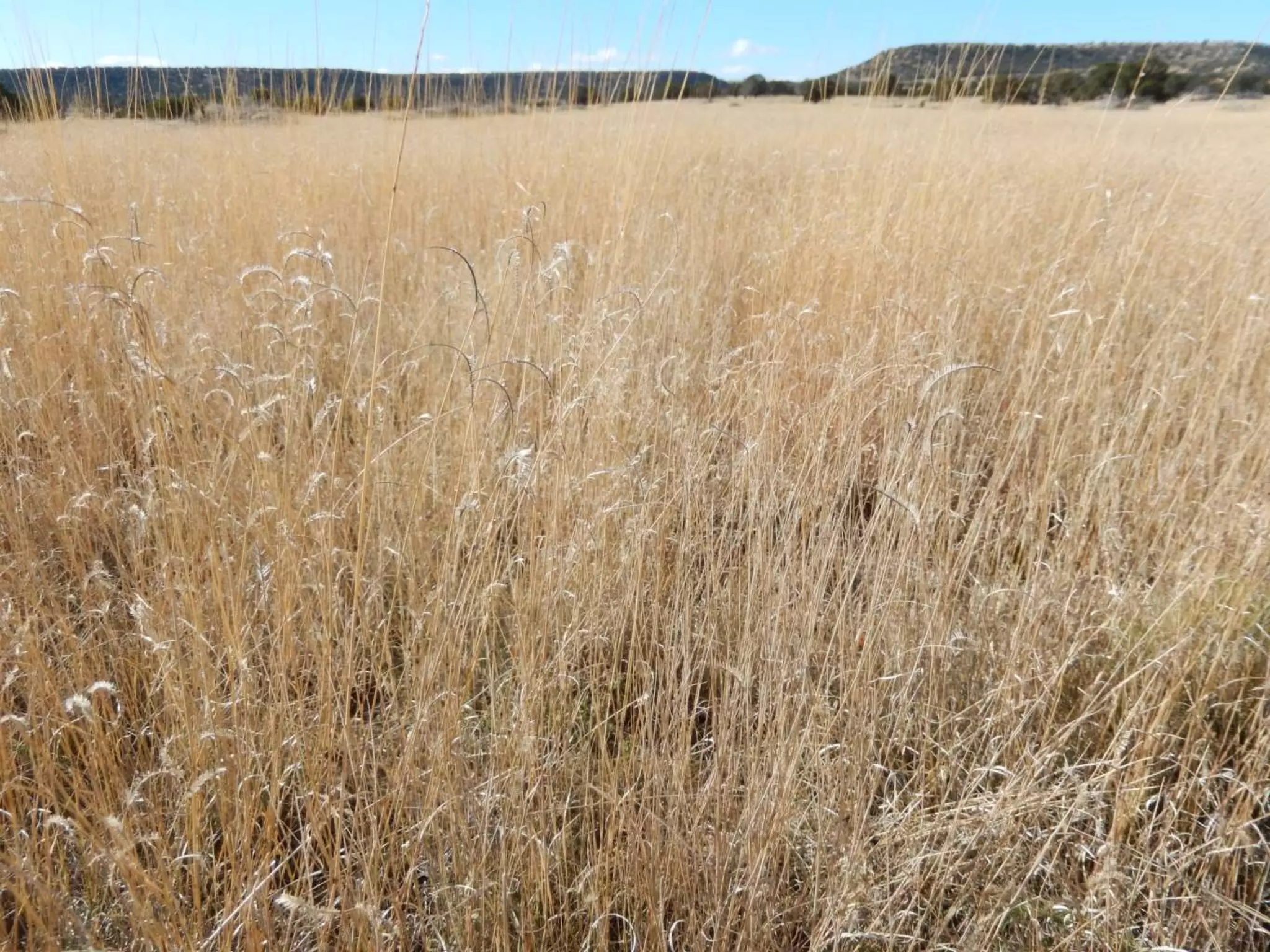
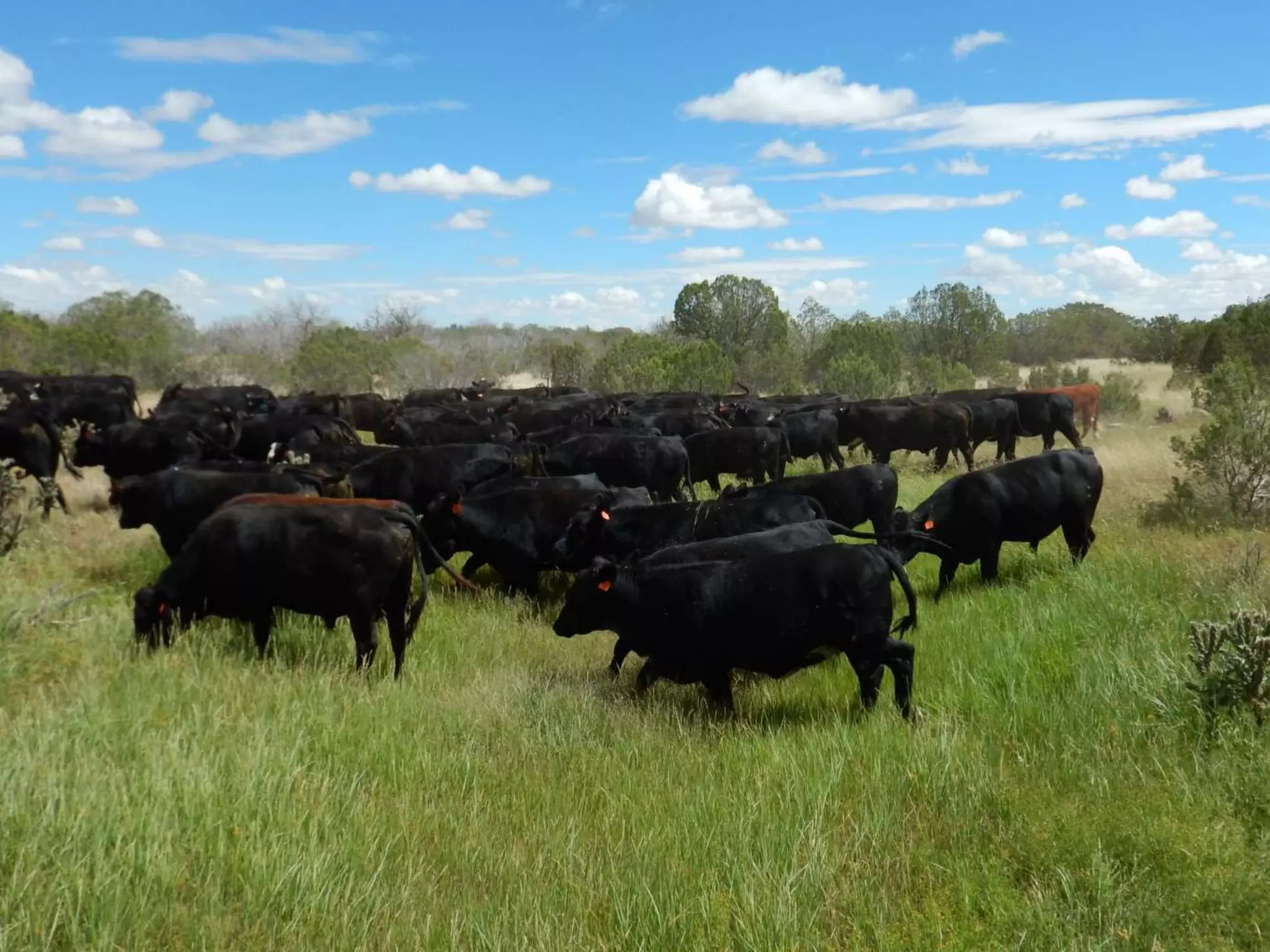
At Ranney Ranch, in the beautiful high mesa country of central New Mexico, we raise Angus calves on nothing more than native grasses and mother’s
milk, producing healthy and great tasting beef while using only the most humane handling techniques and sustainable land use management and grazing
practices.
We have been at the forefront since 2004 producing and marketing entirely grass-fed/grass-finished beef and are proud to offer our superior beef directly to
customers nationwide. We sell online half and whole beeves and will arrange for you processing, dry-ageing, packaging (into 1-2 lb. portions), and shipping.
We are "Certified Grassfed" by the American Grassfed Association (AGA).
Our eco-friendly practices were profiled recently in TIME magazine (9/7/2010). Also see a story about our grassfed beef in the New York Times
Magazine (10/10/2010) by food writer, Kim Severson. Nancy Ranney will speak at the Quivira Conference in November on "The Carbon Ranch".
90% of Soil
function is
mediated by
microbes
Microbes
depend on
plants
So how we
manage plants
is critical
Soil is to the plant what the rumen is to the cow
Parameter
Grazing Management
Heavy
continuous
Light
continuous
Multi-
paddock
Grazing
exclosure
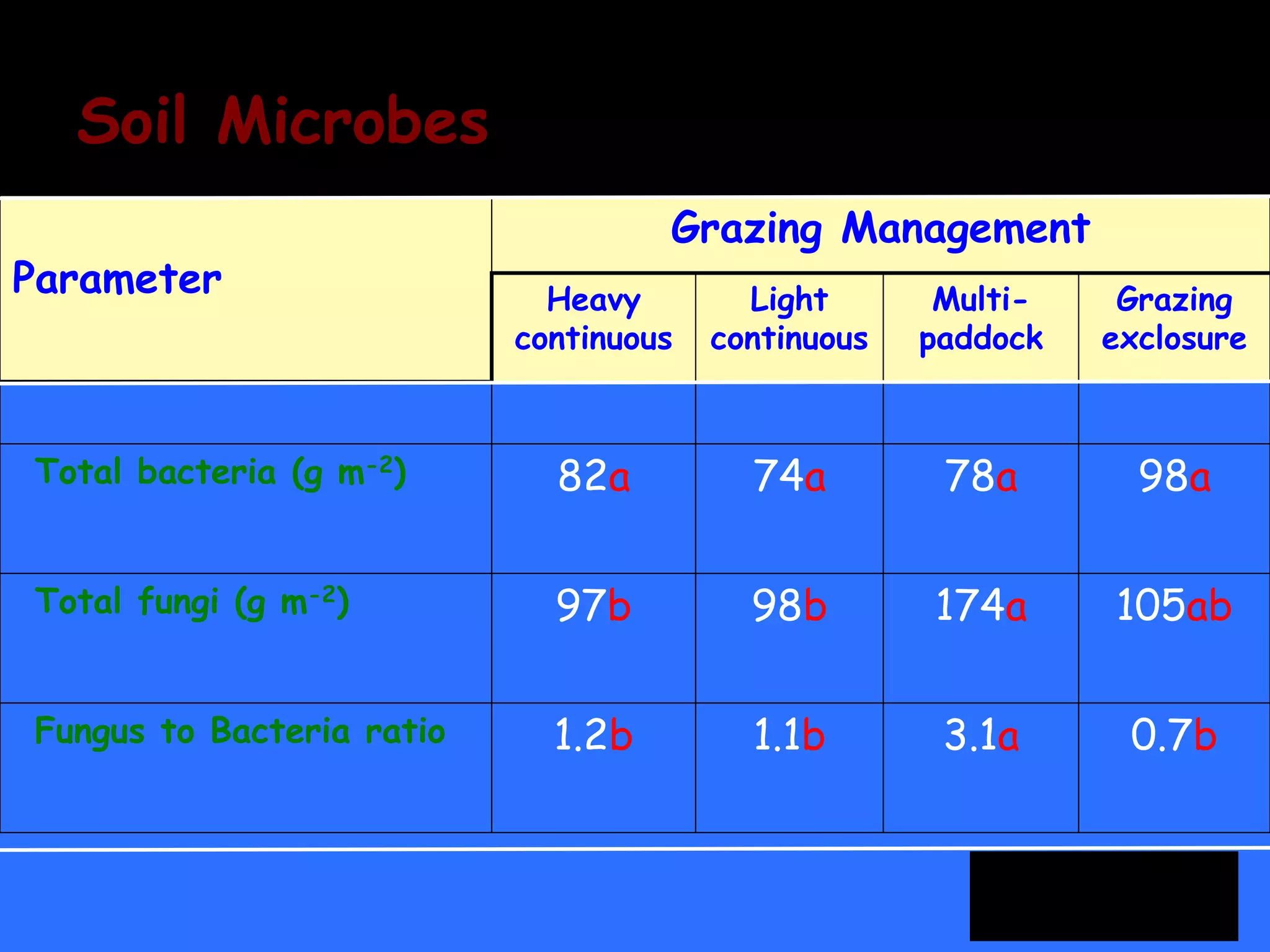
Total bacteria (g m-2) 82a 74a 78a 98a
Total fungi (g m-2) 97b 98b 174a 105ab
Fungus to Bacteria ratio 1.2b 1.1b 3.1a 0.7b
Soil Microbes
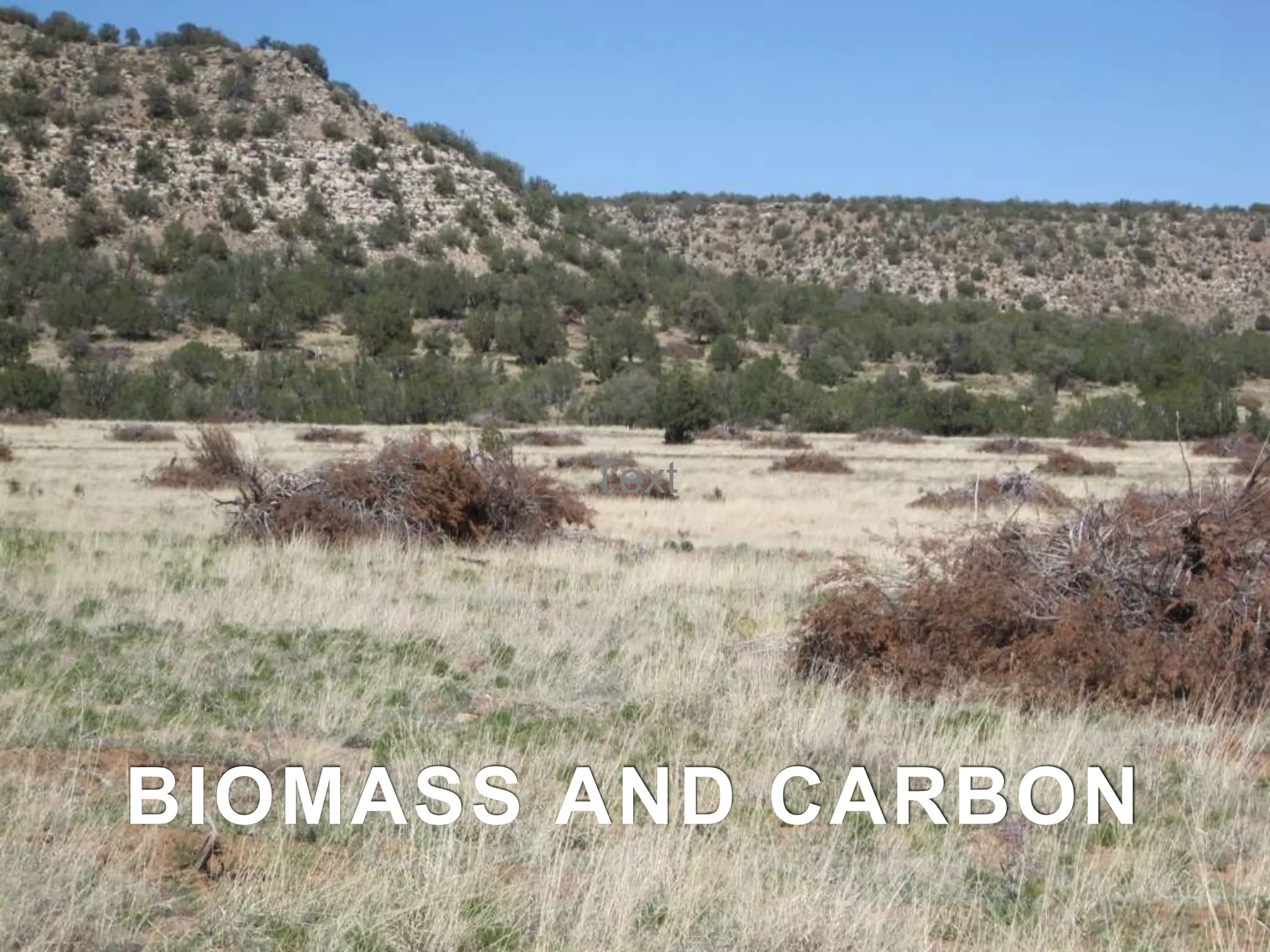
BIOMASS AND CARBON
Text
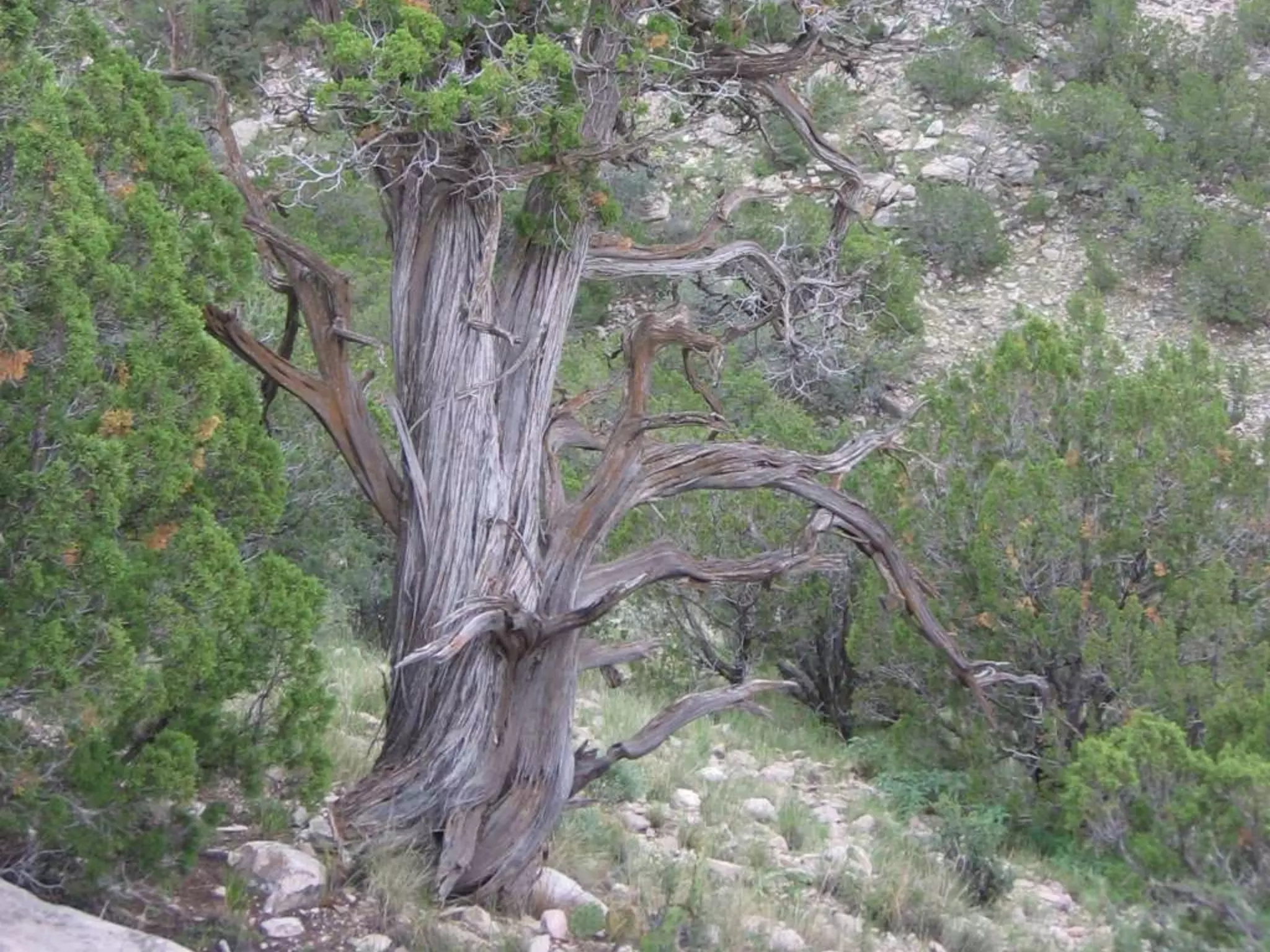
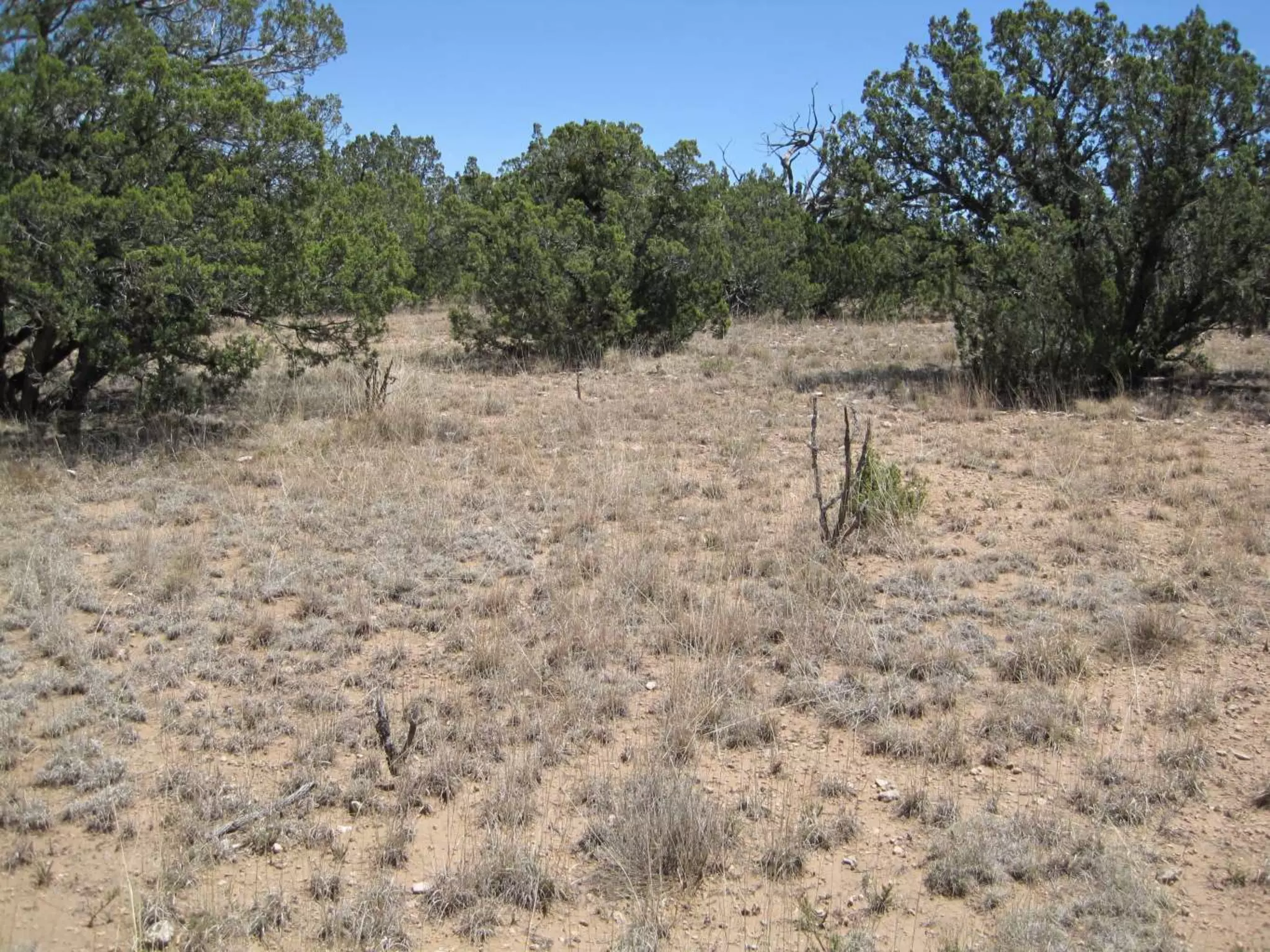
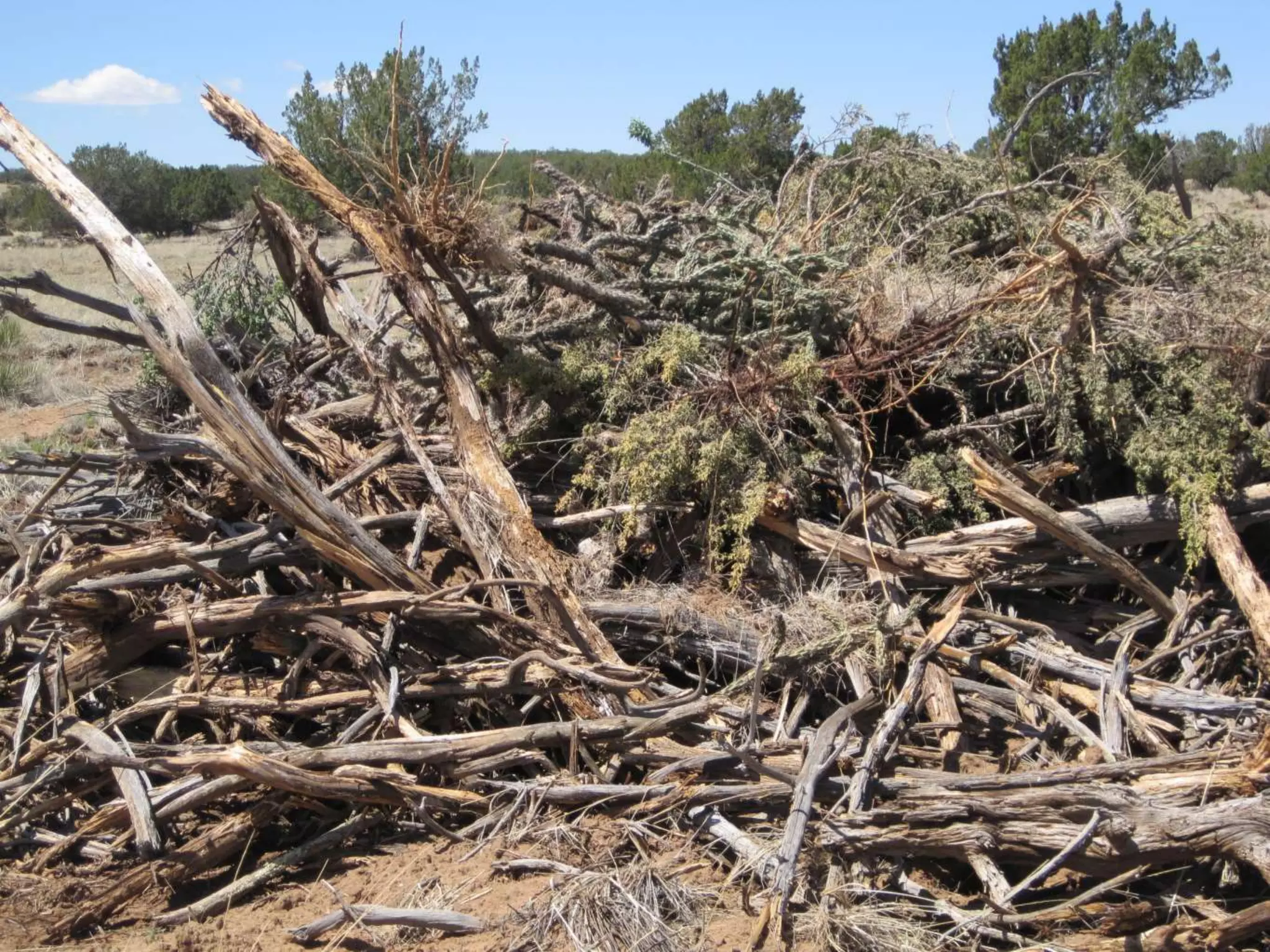
One-seeded Juniper
• Av. tree consumes 40-80 gal/day,
or upwards of 8-12,000 gal/yr
• Tests show SOC levels plummet in
soil horizons below litter layer
• Water holding capacity of soil
greatly reduced
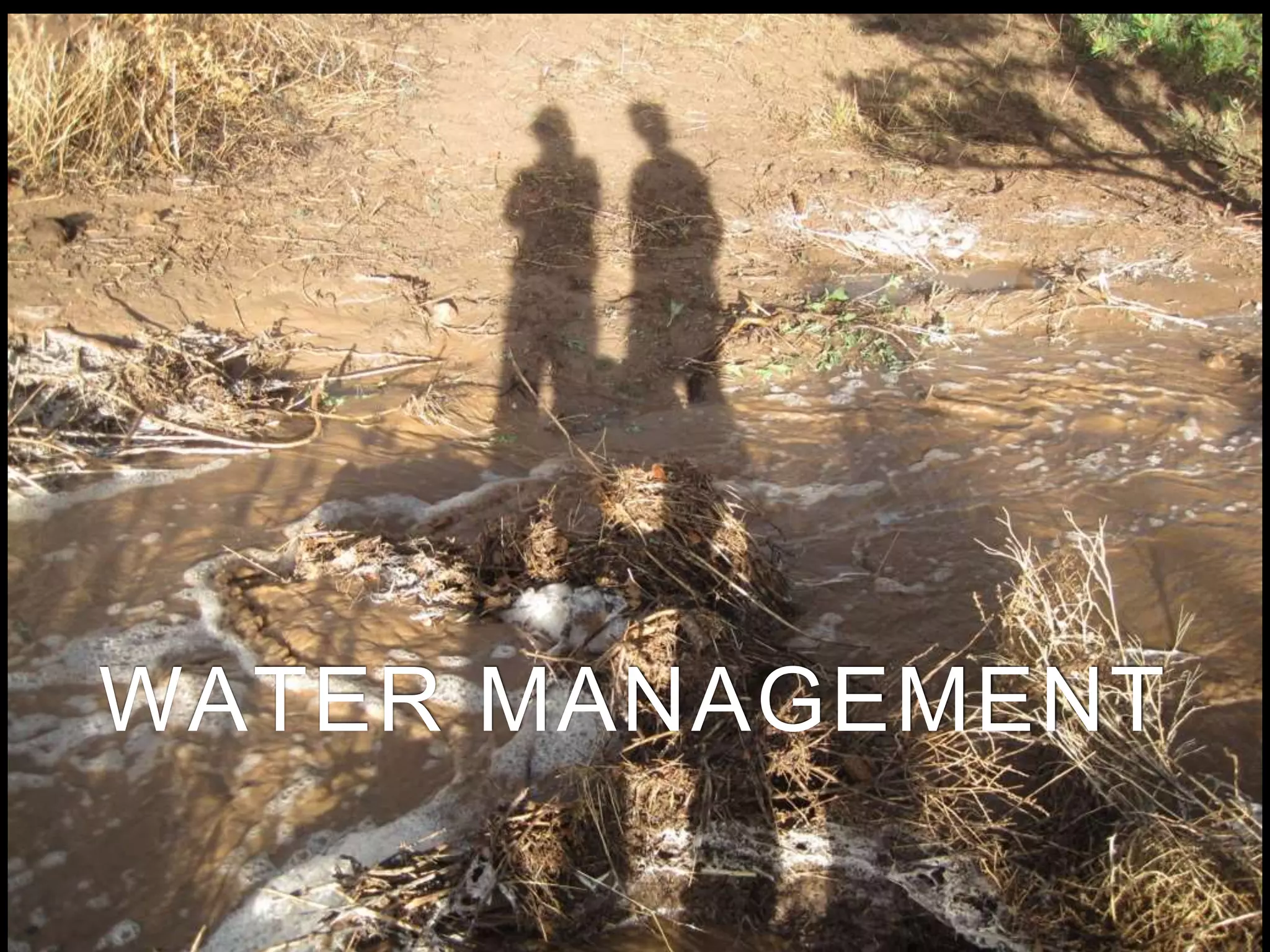
WATER MANAGEMENT
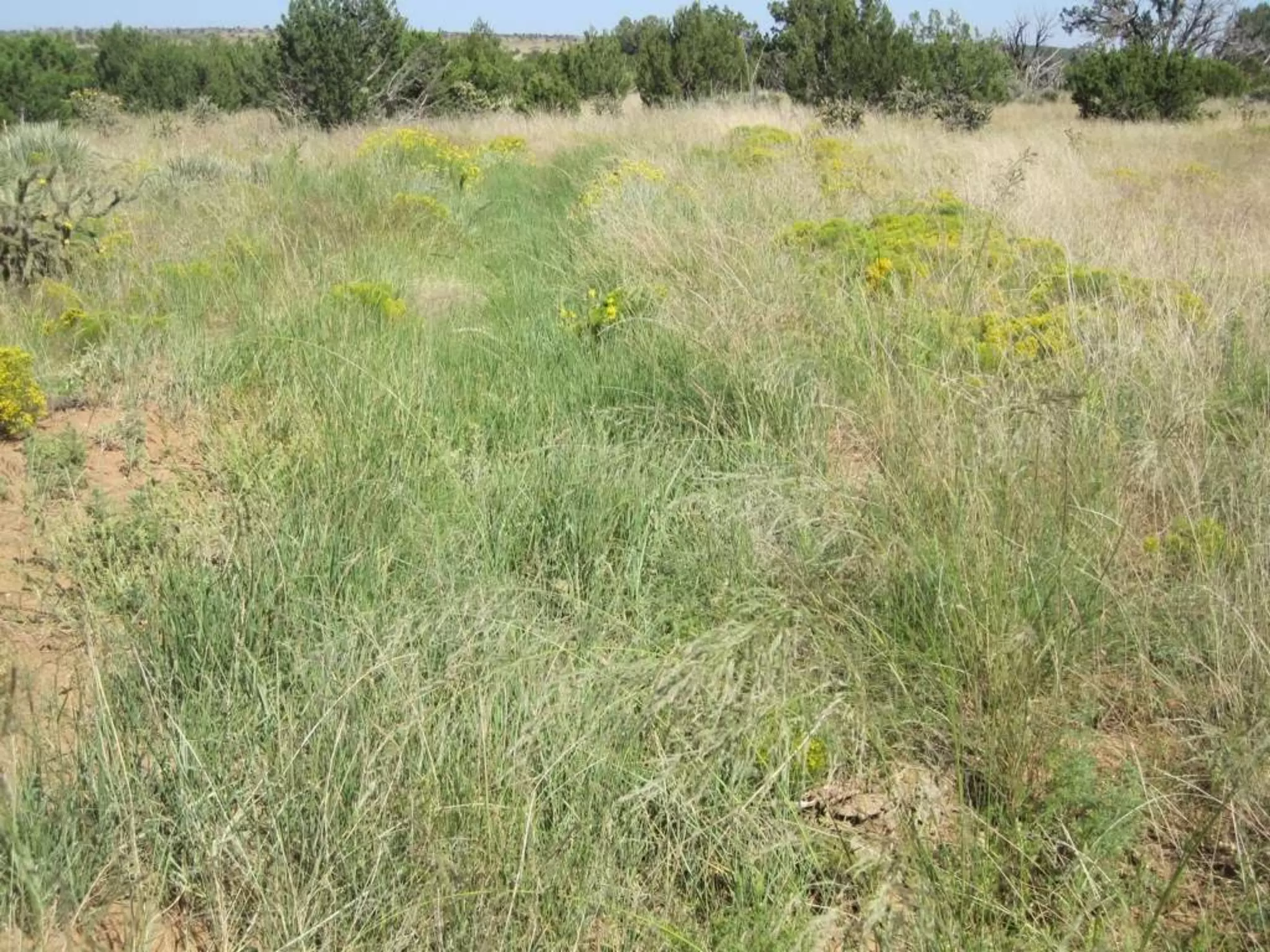
• Increased permeability, organic
content & water holding capacity
• Healthier roots (30’’ v 4”)
• Cooler soil temp; incr biodiversity
• Measured 25%+ SOC
• Increased microbial activity
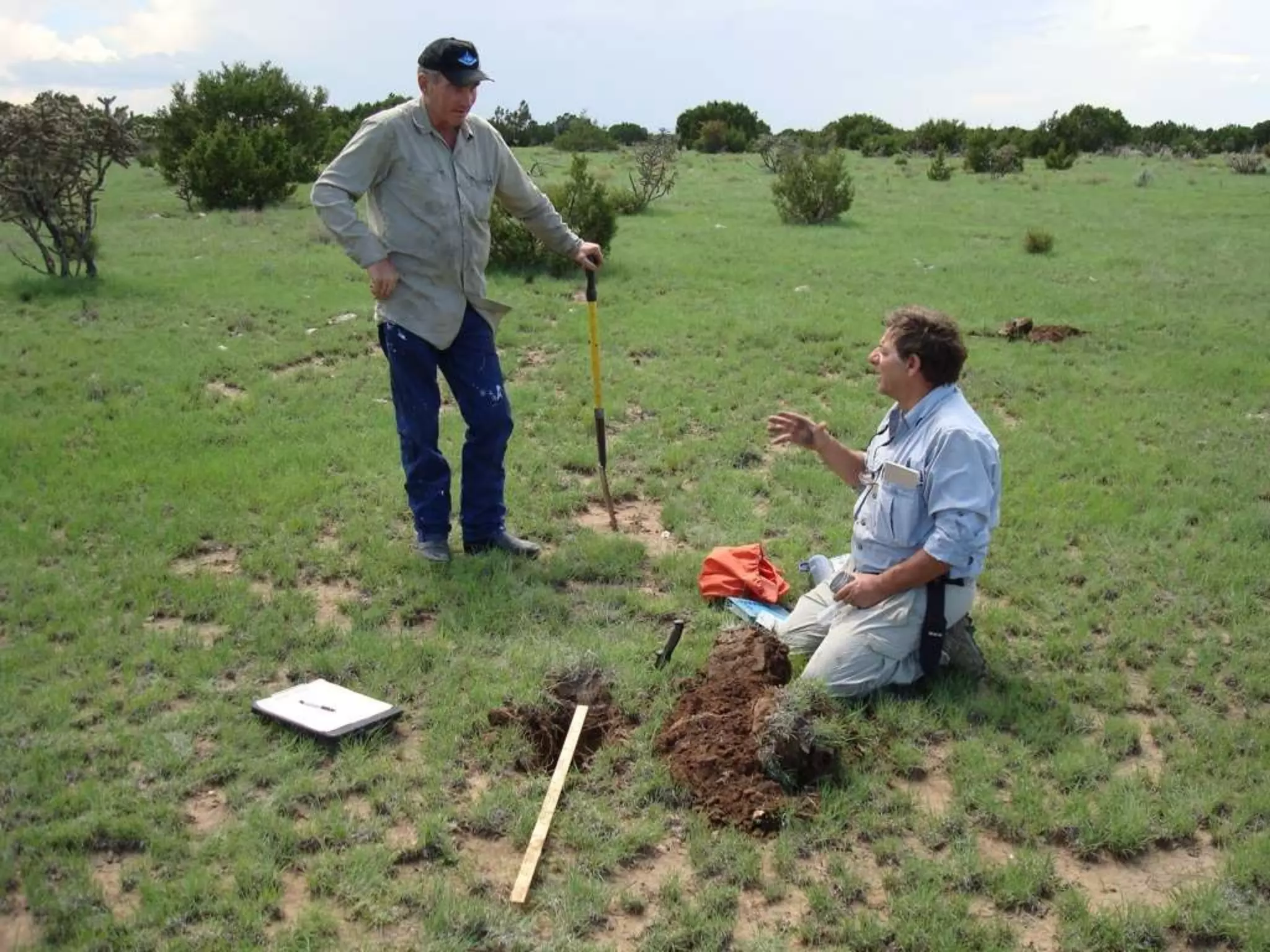
Soil Testing at 5 Yrs
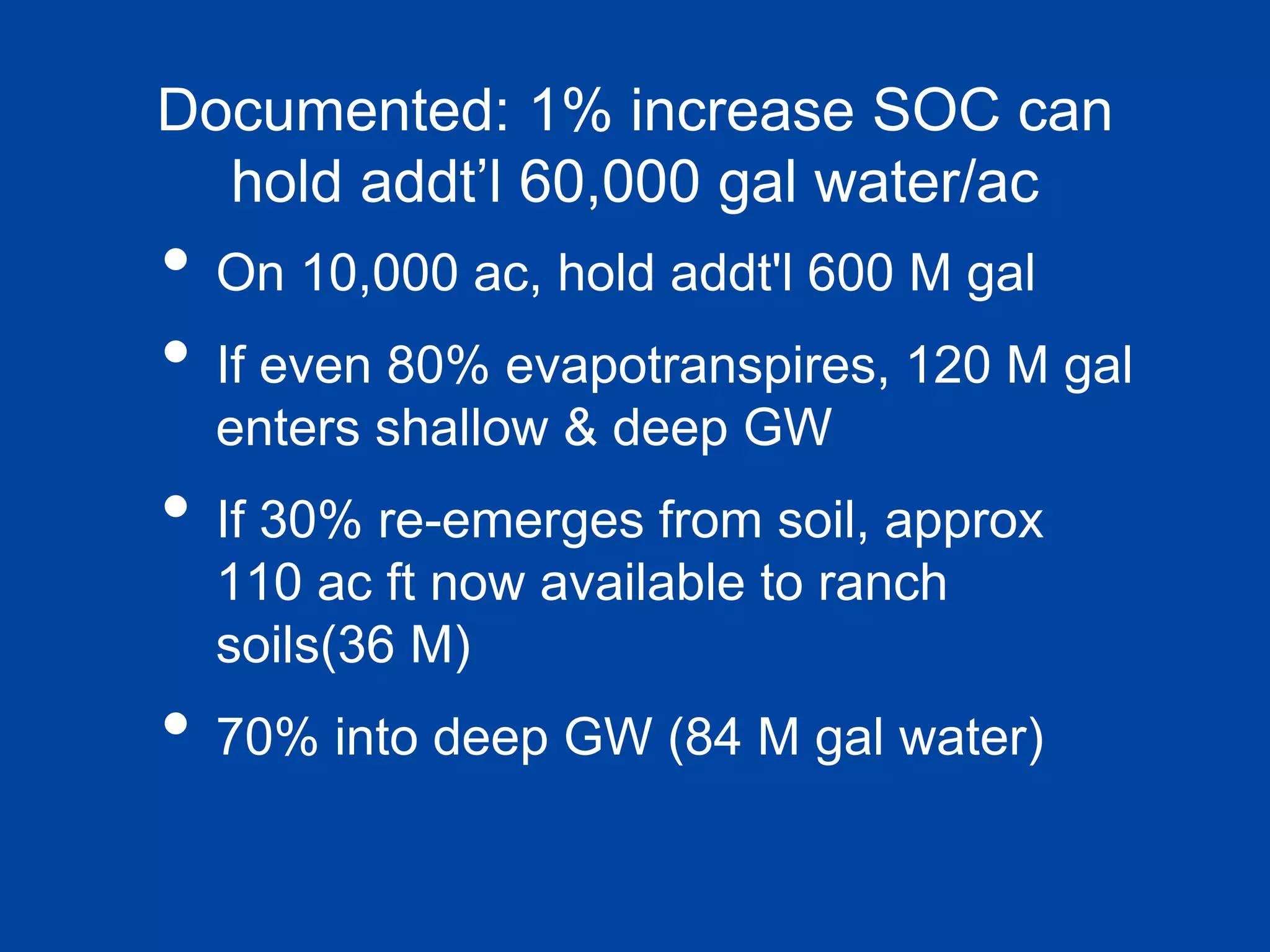
Documented: 1% increase SOC can
hold addt’l 60,000 gal water/ac
• On 10,000 ac, hold addt'l 600 M gal
• If even 80% evapotranspires, 120 M gal
enters shallow & deep GW
• If 30% re-emerges from soil, approx
110 ac ft now available to ranch
soils(36 M)
• 70% into deep GW (84 M gal water)
ASU/Shell Preliminary Results 2016
• Potential: build SOC in grassland soils
by short-term/rotational grazing AMP
• Accrues 9 TCO2 equiv/ha-yr more than
continuous grazing practices
• More methane taken up than emitted
• 30% increased infiltration rates
• Grasslands 40% of global land mass,
significant potential for net GHG sink
0
0.05
0.1
0.15
0.2
0.25
0.3
Total agriculture Cropping + erosion Cropping Soil erosion Ruminants
Netemissions(GtCYear-1
Lal 2003
O’Mara 2011
Vermeulen et al. 2012
Ripple et al. 2013
Agricultural Sources of Emissions: North America
Importance for climate change mitigation
Emissions with adopting regenerative cropping
practices and regenerative grazing practices
Teague et al. 2015
Opportunities
• Grassfed Beef (ranch sales/processing
plants/distribution facilities)
• Pelletizing plant/biomass/energy/jobs
• Watershed mgmt (NRCS/low tech)
• Wind Energy dev’t (jobs/ranch income)
• Compensation for ecosystem services
(inc Carbon offset sales)
• Large-scale climate mitigation (Carbon,
methane, cooling/water holding cap
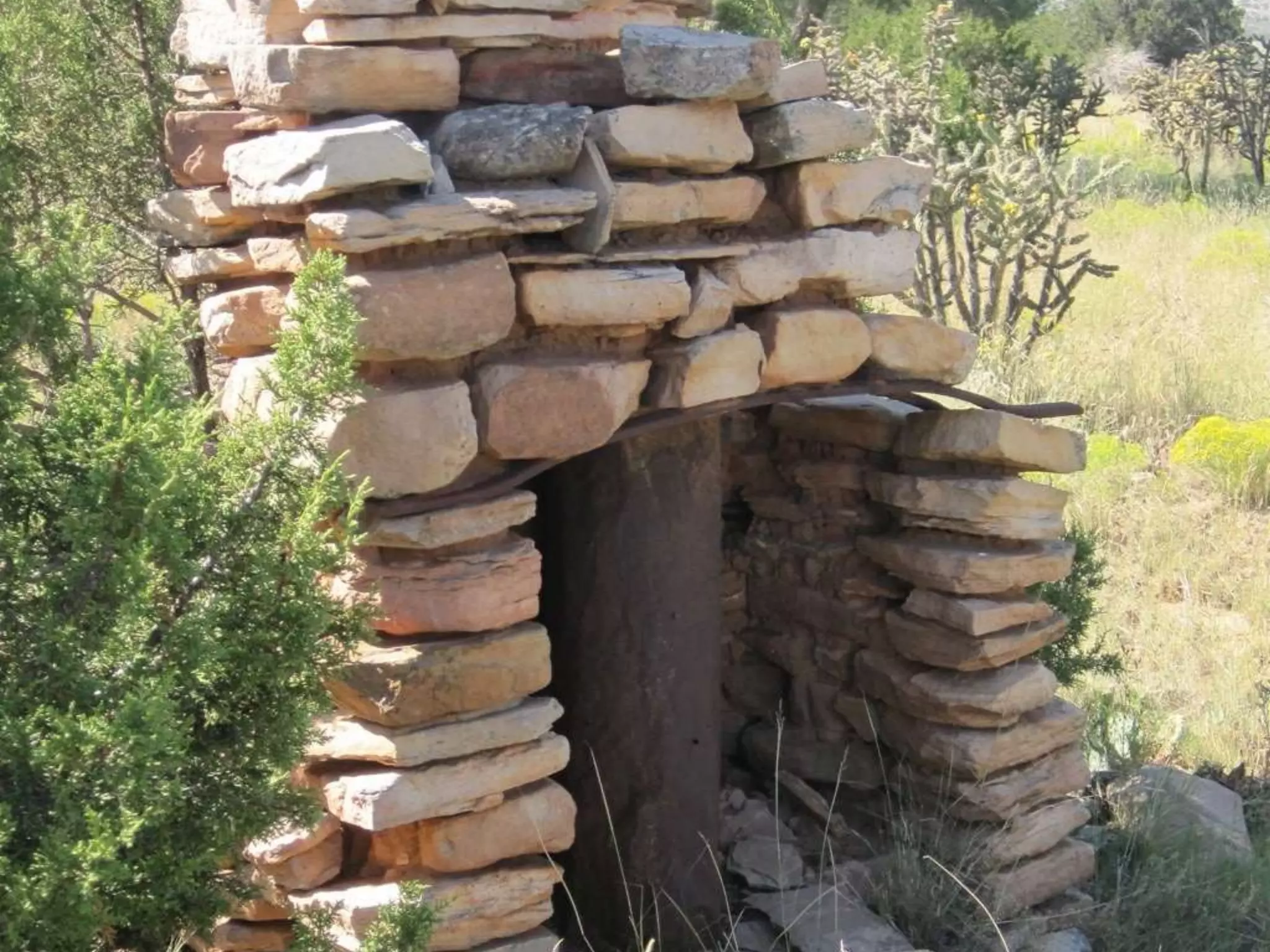
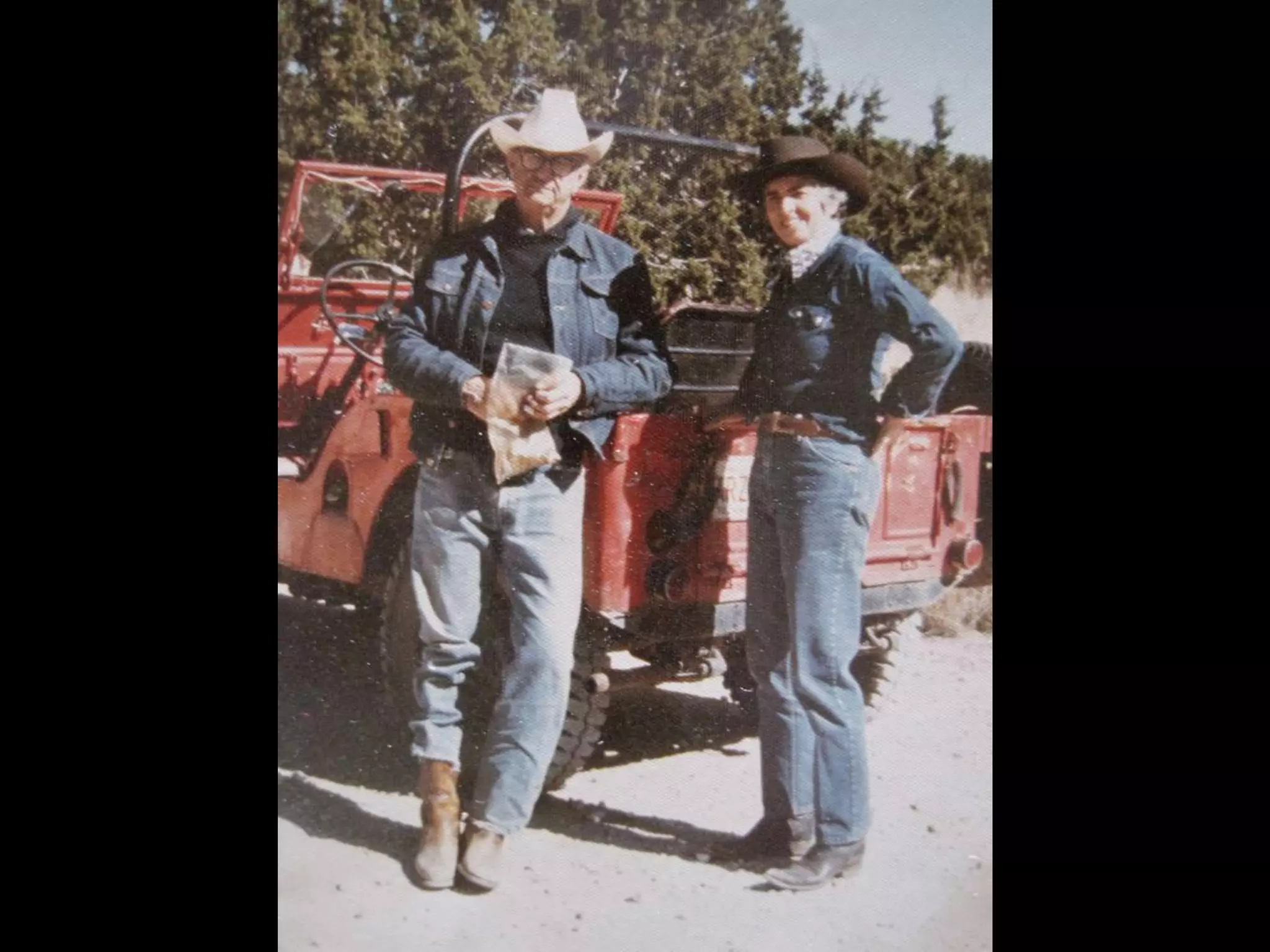
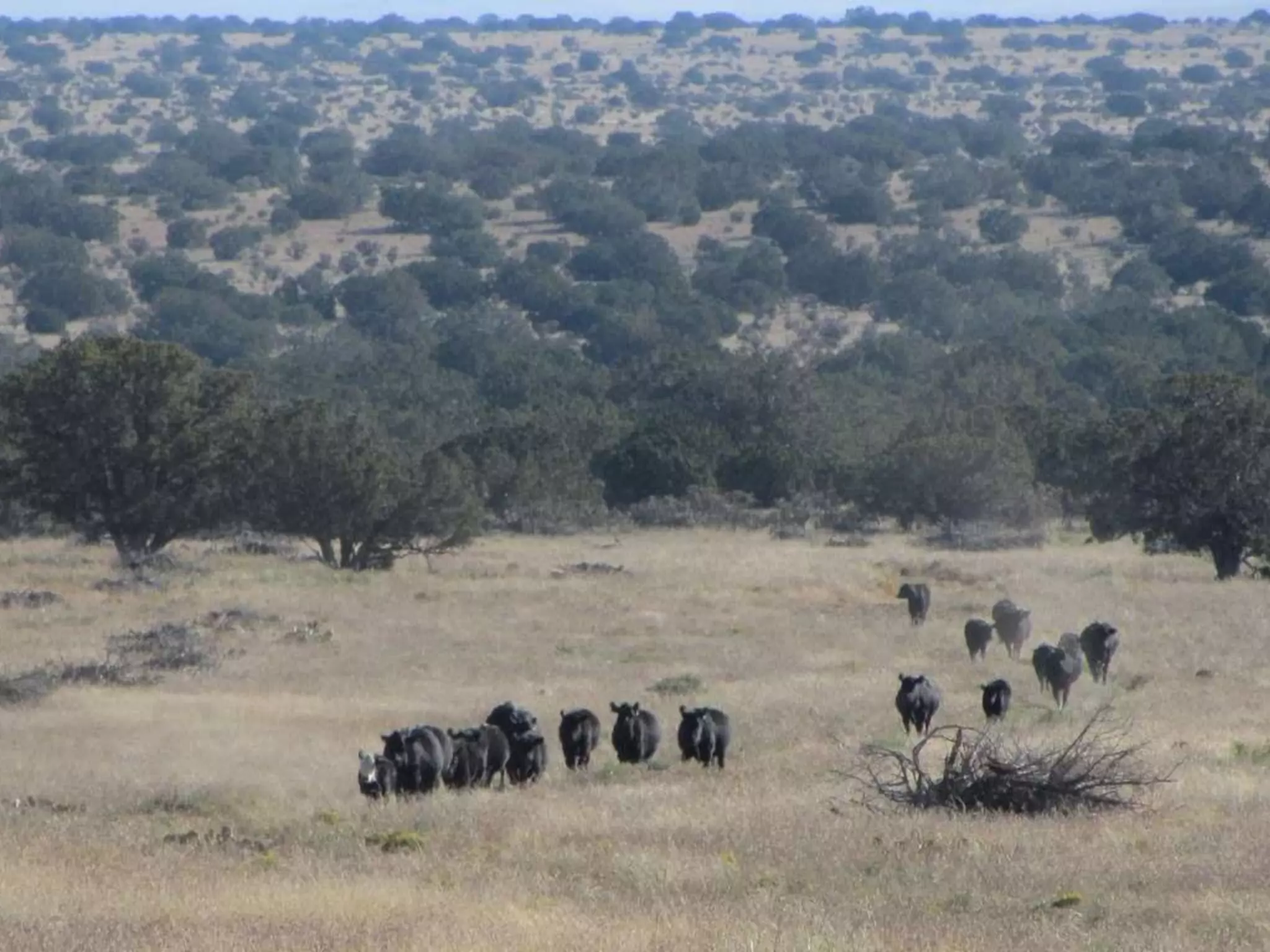
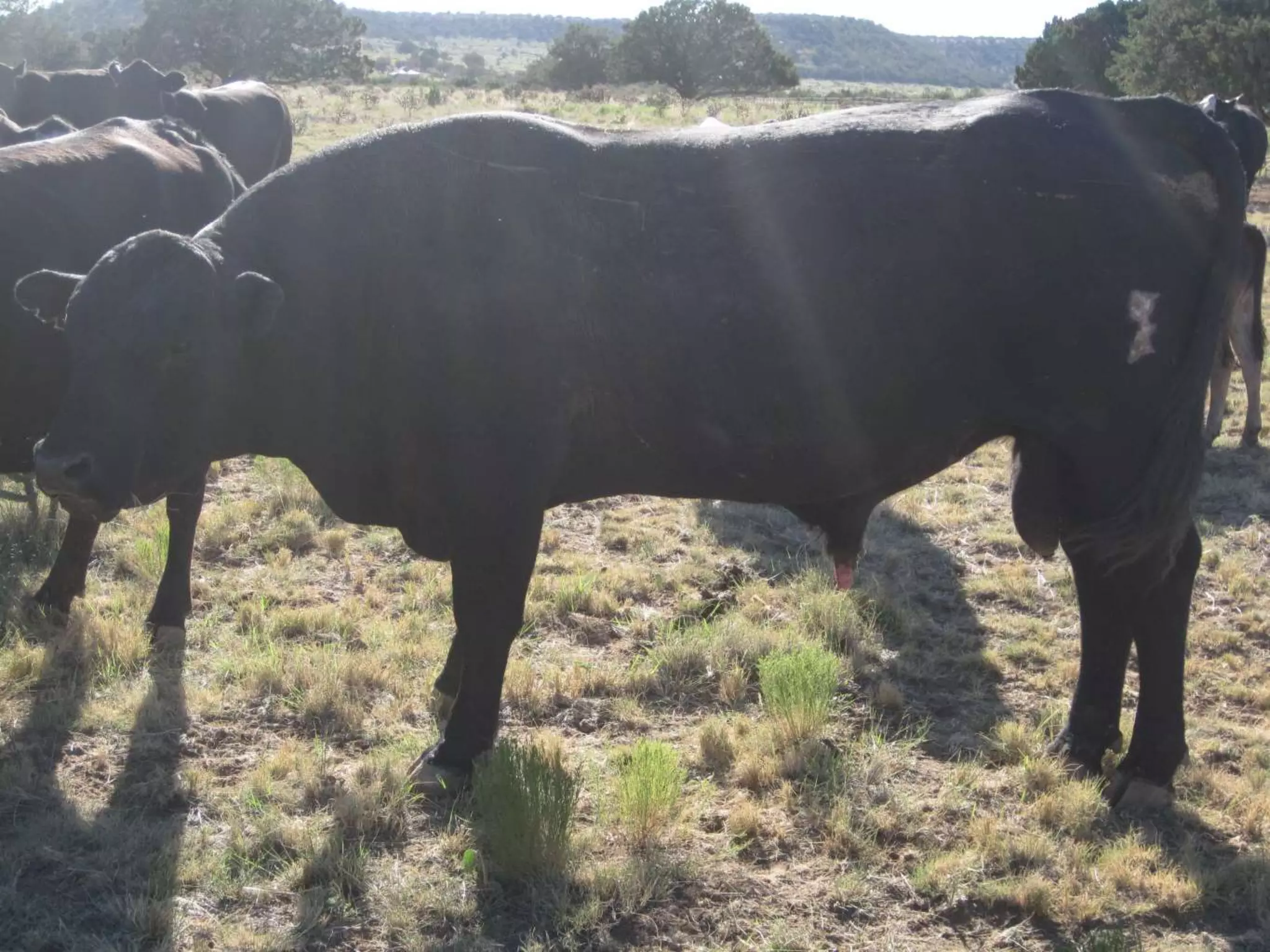
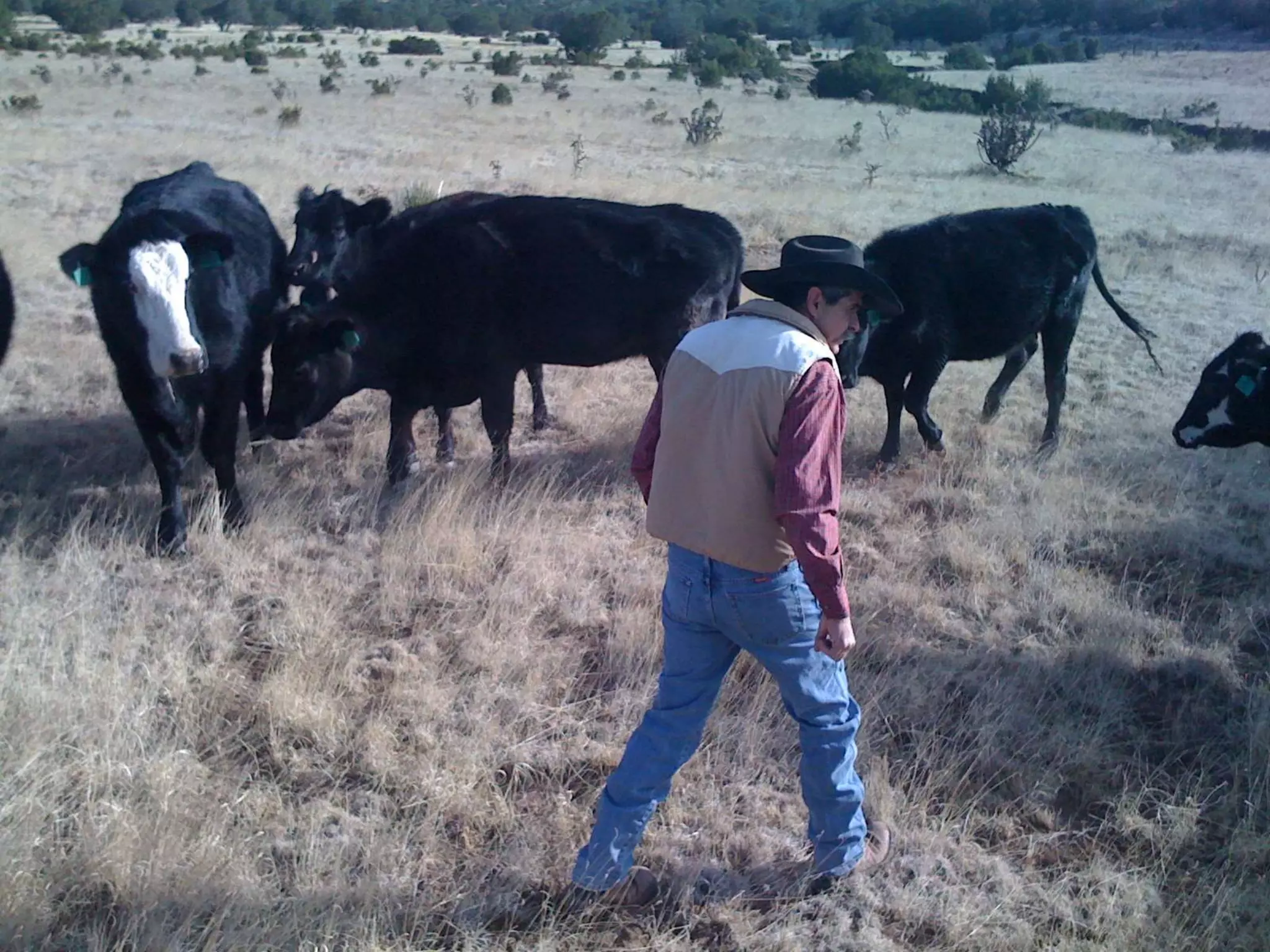
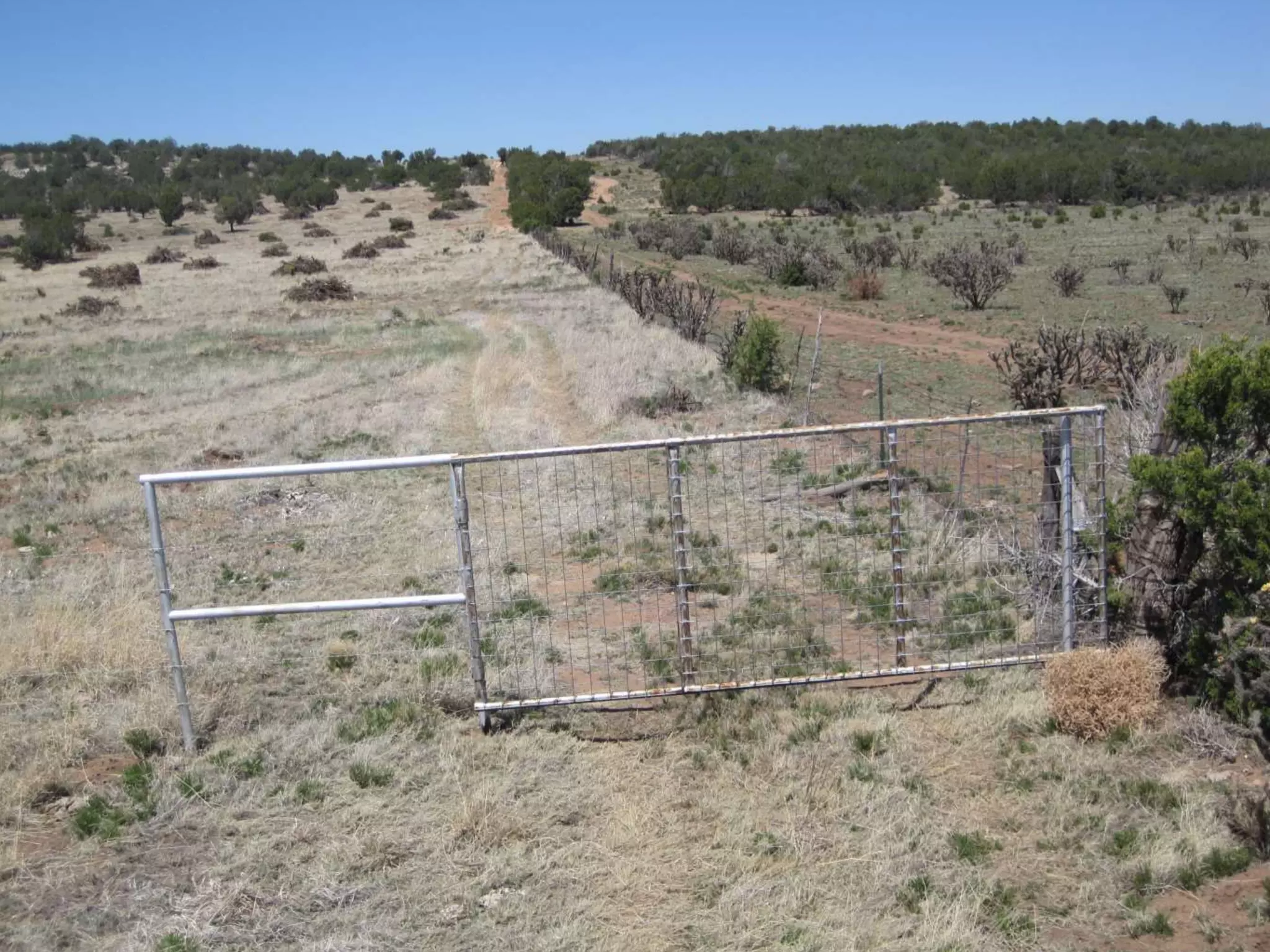
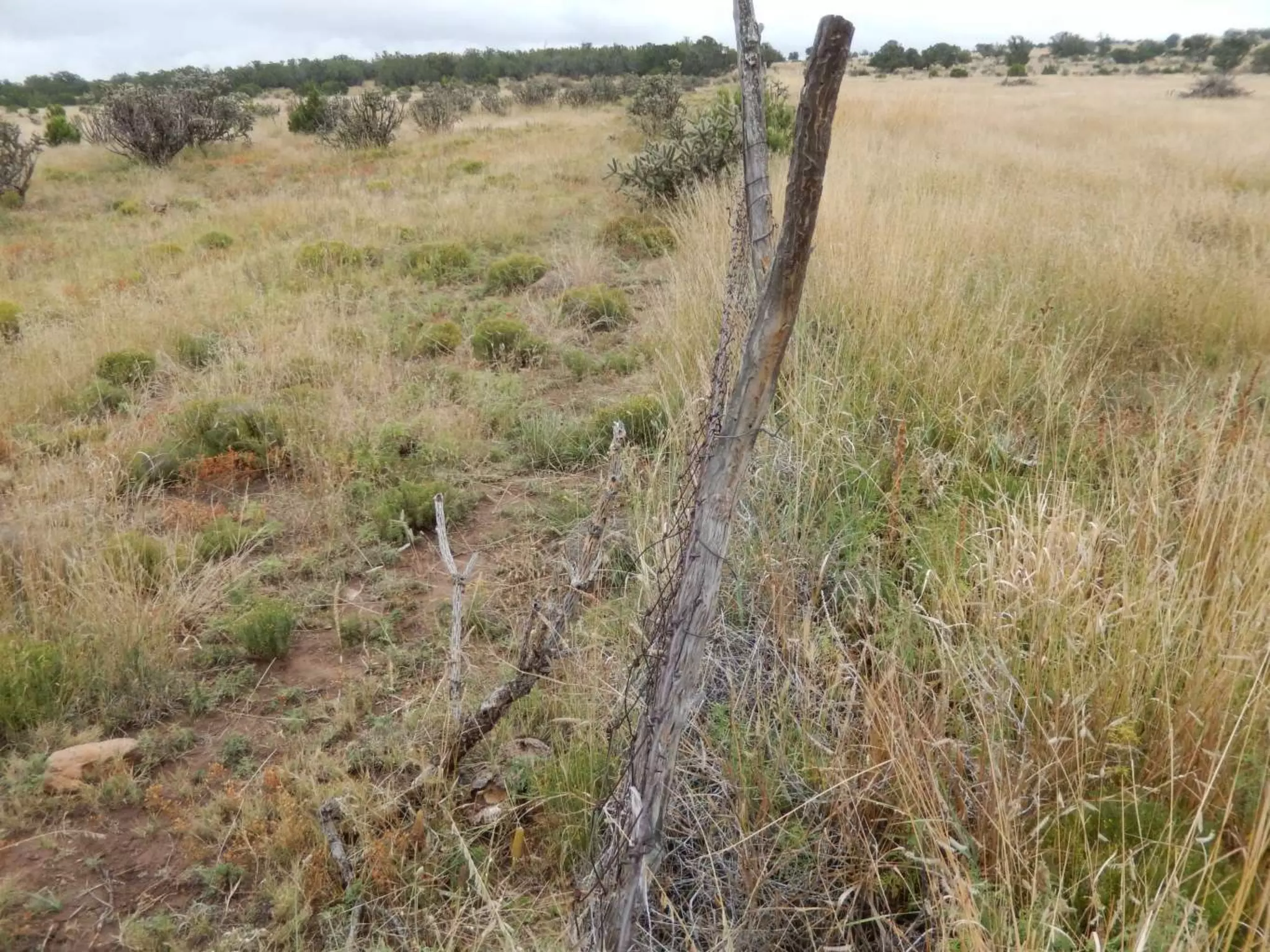
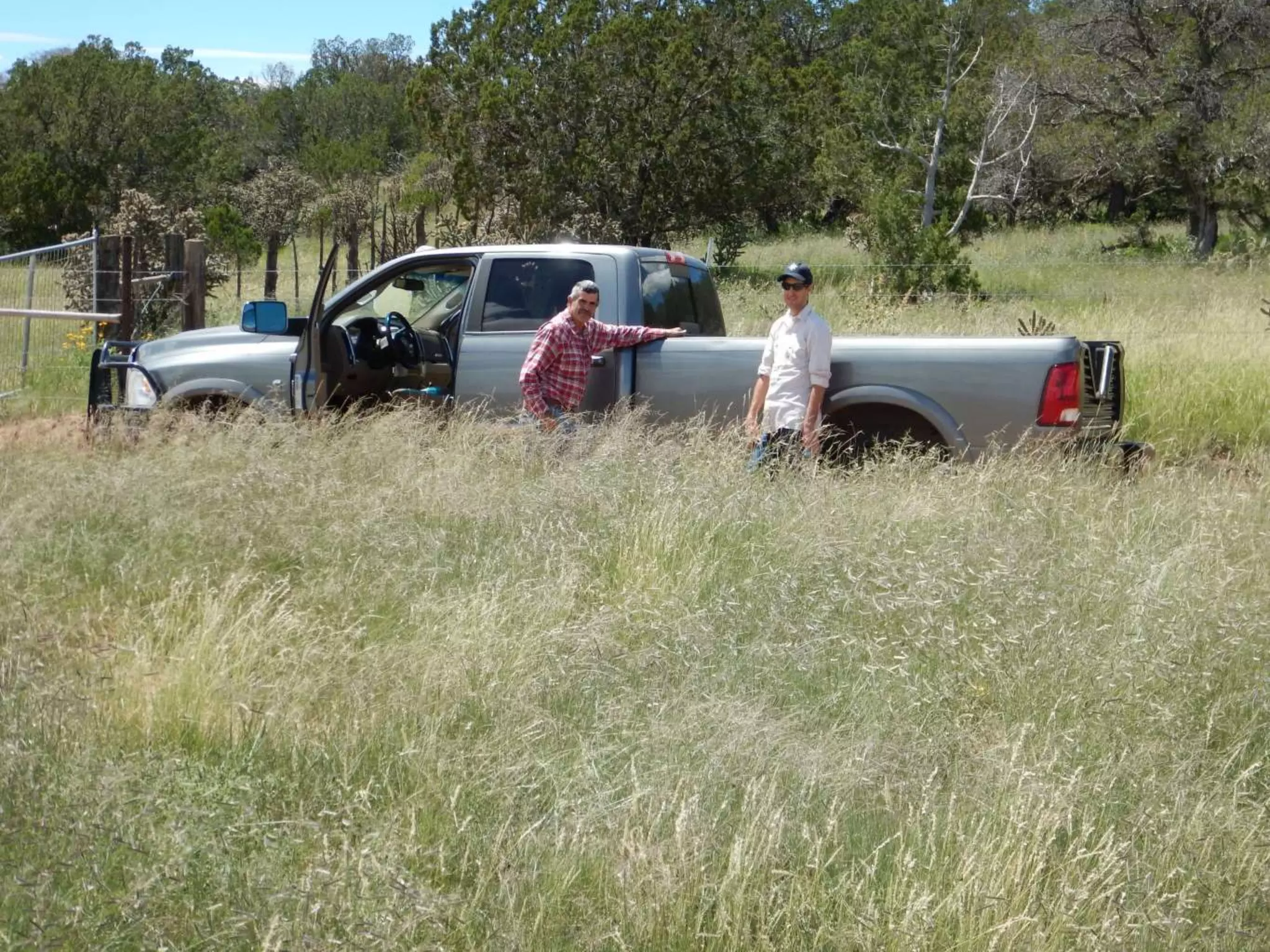
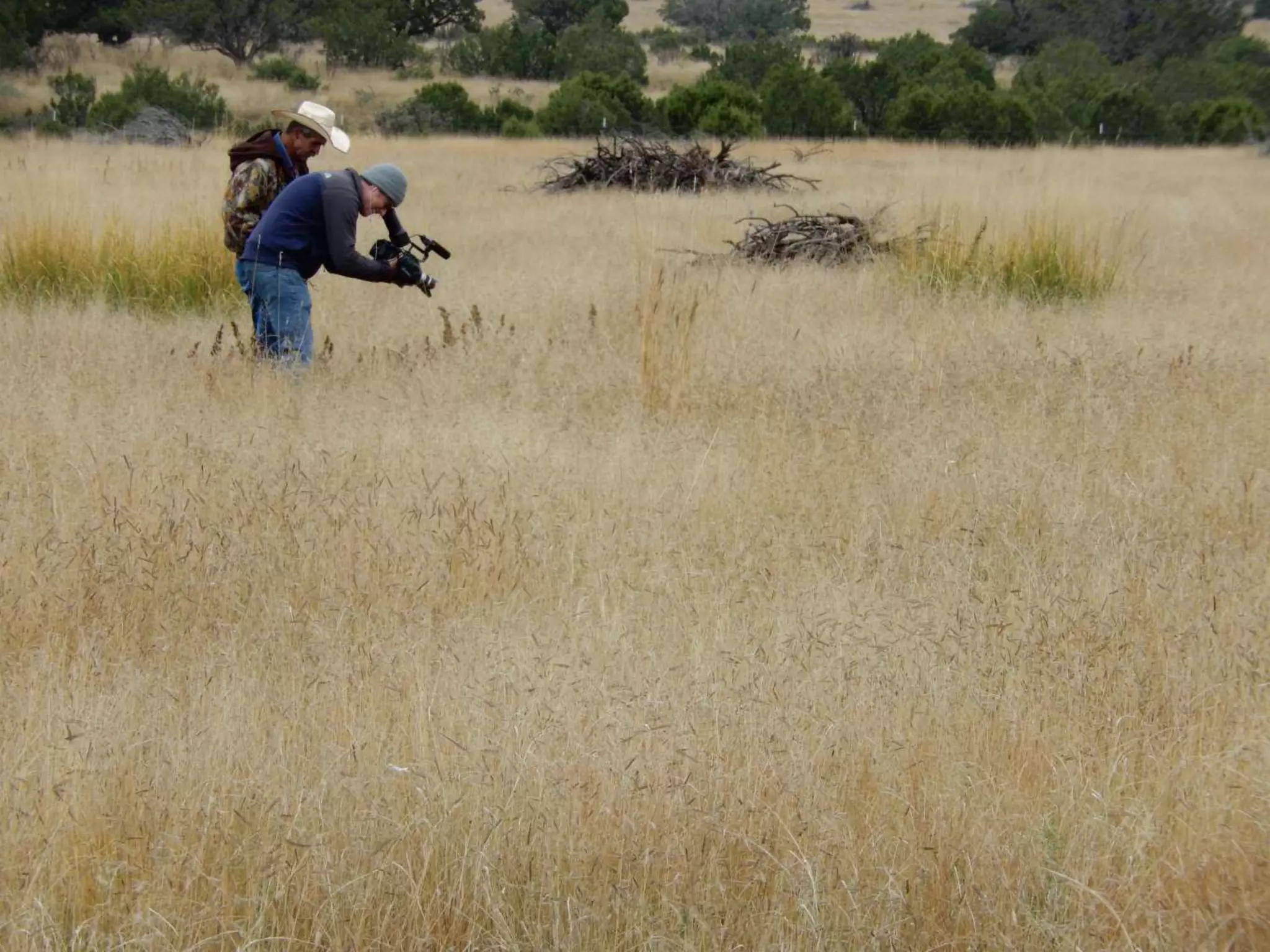
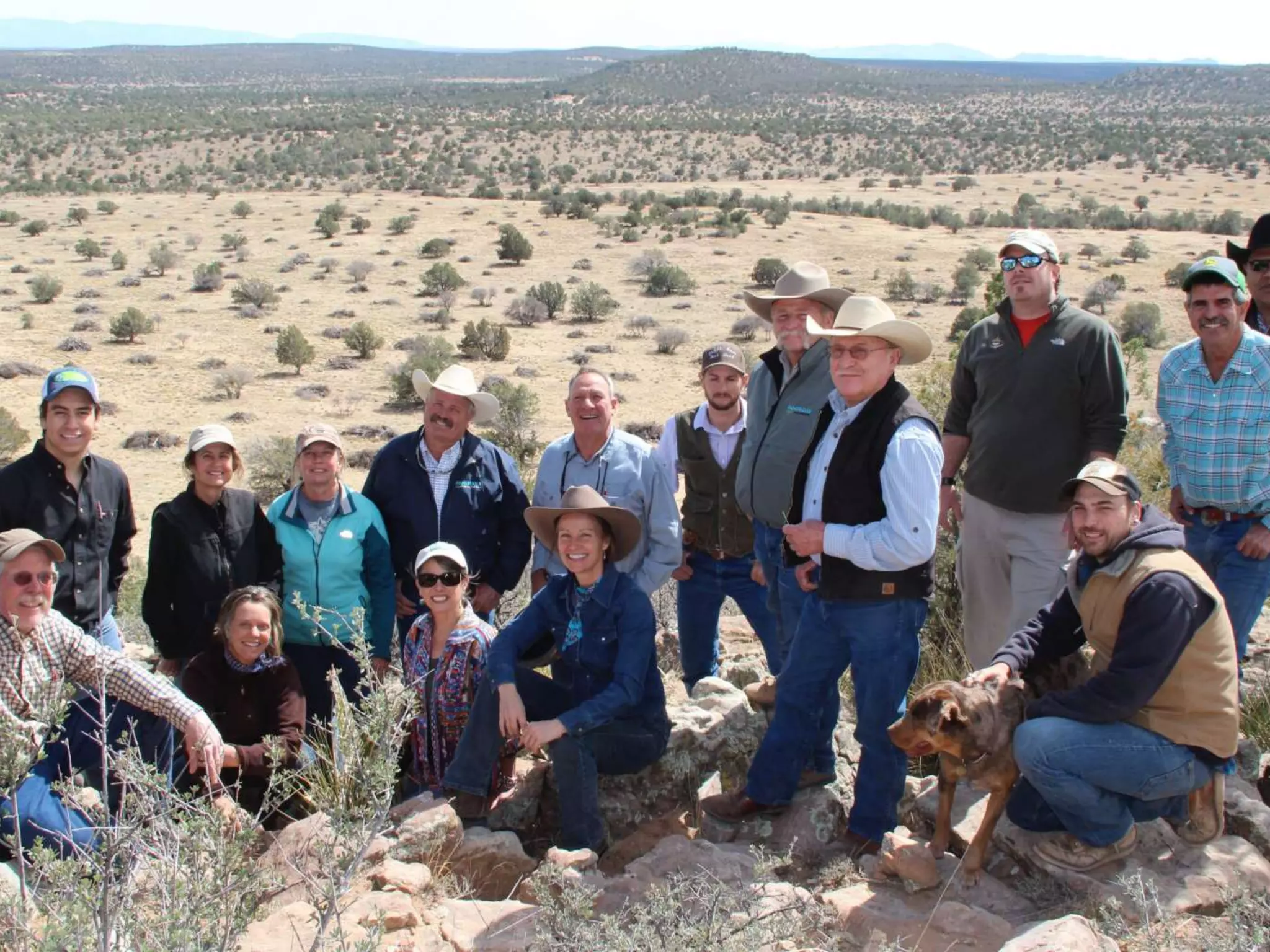
Holistic Management Practices in Action at the Ranney Ranch

Holistic Management Practices in Action at the Ranney Ranch

  • 1.
  • 25.
  • 44.
    Continuous grazing HolisticPlanned Grazing Neil Dennis, 2014
  • 49.
    Benefits of RotationalGrazing Management • Lower costs (feed, labor, fuel, few bulls) • Increased animal productivity • Higher stock density • Increased biodiversity & resilience • Opportunity for grassfed beef program
  • 50.
    Home About Us Information Benefits Recipes Order "That wassome of the best beef I've ever eaten" -Theresa, Norman, OK Free-range Grass-fed/Grass-finished Beef At Ranney Ranch, in the beautiful high mesa country of central New Mexico, we raise Angus calves on nothing more than native grasses and mother’s milk, producing healthy and great tasting beef while using only the most humane handling techniques and sustainable land use management and grazing practices. We have been at the forefront since 2004 producing and marketing entirely grass-fed/grass-finished beef and are proud to offer our superior beef directly to customers nationwide. We sell online half and whole beeves and will arrange for you processing, dry-ageing, packaging (into 1-2 lb. portions), and shipping. We are "Certified Grassfed" by the American Grassfed Association (AGA). Our eco-friendly practices were profiled recently in TIME magazine (9/7/2010). Also see a story about our grassfed beef in the New York Times Magazine (10/10/2010) by food writer, Kim Severson. Nancy Ranney will speak at the Quivira Conference in November on "The Carbon Ranch".
  • 51.
    90% of Soil functionis mediated by microbes Microbes depend on plants So how we manage plants is critical Soil is to the plant what the rumen is to the cow
  • 52.
    Parameter Grazing Management Heavy continuous Light continuous Multi- paddock Grazing exclosure Total bacteria(g m-2) 82a 74a 78a 98a Total fungi (g m-2) 97b 98b 174a 105ab Fungus to Bacteria ratio 1.2b 1.1b 3.1a 0.7b Soil Microbes
  • 60.
  • 64.
    One-seeded Juniper • Av.tree consumes 40-80 gal/day, or upwards of 8-12,000 gal/yr • Tests show SOC levels plummet in soil horizons below litter layer • Water holding capacity of soil greatly reduced
  • 70.
  • 81.
    • Increased permeability,organic content & water holding capacity • Healthier roots (30’’ v 4”) • Cooler soil temp; incr biodiversity • Measured 25%+ SOC • Increased microbial activity Soil Testing at 5 Yrs
  • 82.
    Documented: 1% increaseSOC can hold addt’l 60,000 gal water/ac • On 10,000 ac, hold addt'l 600 M gal • If even 80% evapotranspires, 120 M gal enters shallow & deep GW • If 30% re-emerges from soil, approx 110 ac ft now available to ranch soils(36 M) • 70% into deep GW (84 M gal water)
  • 84.
    ASU/Shell Preliminary Results2016 • Potential: build SOC in grassland soils by short-term/rotational grazing AMP • Accrues 9 TCO2 equiv/ha-yr more than continuous grazing practices • More methane taken up than emitted • 30% increased infiltration rates • Grasslands 40% of global land mass, significant potential for net GHG sink
  • 86.
    0 0.05 0.1 0.15 0.2 0.25 0.3 Total agriculture Cropping+ erosion Cropping Soil erosion Ruminants Netemissions(GtCYear-1 Lal 2003 O’Mara 2011 Vermeulen et al. 2012 Ripple et al. 2013 Agricultural Sources of Emissions: North America Importance for climate change mitigation
  • 87.
    Emissions with adoptingregenerative cropping practices and regenerative grazing practices Teague et al. 2015
  • 89.
    Opportunities • Grassfed Beef(ranch sales/processing plants/distribution facilities) • Pelletizing plant/biomass/energy/jobs • Watershed mgmt (NRCS/low tech) • Wind Energy dev’t (jobs/ranch income) • Compensation for ecosystem services (inc Carbon offset sales) • Large-scale climate mitigation (Carbon, methane, cooling/water holding cap

Editor's Notes

  • #52 Plants feed the animals and the soil microbes that drive ecosystem processes. The rumen is to the cow what the soil is to the plant.
  • #53 Richard Teague Quivira Coalition presentation Nov 2015
  • #88 Teague Quivira Conference Nov 2015