Human Development in Historical
Perspective
PRESENTED BY: RABIA JAVED IQBAL
THE SCIENTIFIC STUDY OF
HUMAN DEVELOPMENT
 Developmental psychology is the scientific study
of age-related changes in behavior, thinking,
emotion, and personality
 Many Western beliefs about human development
are based on philosophers' explanations for
differences they observed in individuals of
different ages
History of developmental
psychology
 Developmental psychology first appeared as an area
of study in the late 19th century (Baltes,
Lindenberger, & Staudinger, 2007).
 Developmental psychology focused initially on child
and adolescent development, and was concerned
about children’s minds and learning (Hall, 1883).
There are several key figures in developmental
psychology.
 In 1877, the famous evolutionary biologist
Charles Darwin undertook the first study of
developmental psychology on innate
communication forms.
 Not long after, physiologist William Preyer
(1888) published a book on the abilities of
an infant.
The 1900s saw many significant people dominating the
developmental psychology field with their detailed
theories of development:
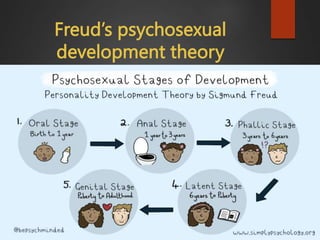
 Sigmund Freud (1923, 1961),
 Jean Piaget (1928),
 Erik Erikson (1959),
 Lev Vygotsky (1978),
 John Bowlby (1958),
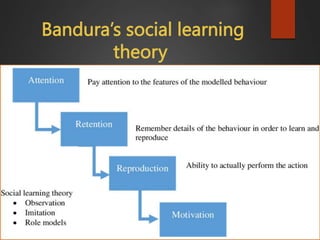
 and Albert Bandura (1977).
 By the 1920s, the scope of developmental psychology
had begun to include adult development and the aging
process (Thompson, 2016).
 In more recent years, it has broadened further to include
prenatal development (Brandon et al., 2009).
 Developmental psychology is now understood to
encompass the complete lifespan (Baltes et al., 2007).
Theories & Models
The key figures in the history of developmental
psychology are predominantly known for their own
theories and models.
 Each of these models has contributed to the
understanding of the process of human development
and growth.
 Furthermore, each theory and model focuses on
different aspects of development: social, emotional,
psychosexual, behavioral, attachment, social
learning, and many more.
 Here are some of the most popular models of
development that have heavily contributed to the field
of developmental psychology.
Bowlby’s attachment styles
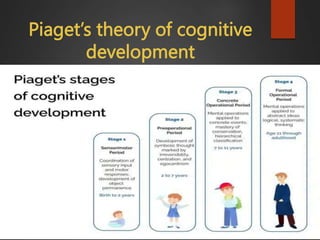
Piaget’s theory of cognitive
development
Freud’s psychosexual
development theory
Bandura’s social learning
theory
RESEARCH
METHODS FOR
DEVELOPMENTAL
CHANGES
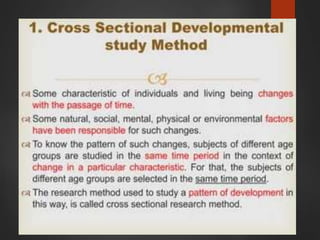
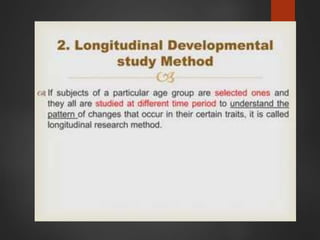
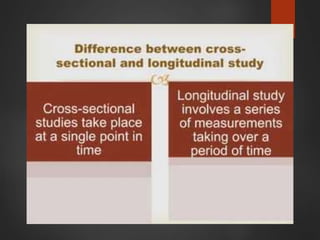
There are many different developmental psychology
research methods, including cross-sectional,
longitudinal, correlational, and experimental.
Each has its own specific advantages and
disadvantages.
The one that a scientist chooses depends largely on the
aim of the study and the nature of the phenomenon
being studied.
Research design provides a standardized framework to
test a hypothesis and evaluate whether the hypothesis
is correct, incorrect, or inconclusive.
history & methods in developmental psychology

history & methods in developmental psychology

  • 1.
    Human Development inHistorical Perspective PRESENTED BY: RABIA JAVED IQBAL
  • 2.
    THE SCIENTIFIC STUDYOF HUMAN DEVELOPMENT  Developmental psychology is the scientific study of age-related changes in behavior, thinking, emotion, and personality  Many Western beliefs about human development are based on philosophers' explanations for differences they observed in individuals of different ages
  • 3.
    History of developmental psychology Developmental psychology first appeared as an area of study in the late 19th century (Baltes, Lindenberger, & Staudinger, 2007).  Developmental psychology focused initially on child and adolescent development, and was concerned about children’s minds and learning (Hall, 1883).
  • 4.
    There are severalkey figures in developmental psychology.  In 1877, the famous evolutionary biologist Charles Darwin undertook the first study of developmental psychology on innate communication forms.  Not long after, physiologist William Preyer (1888) published a book on the abilities of an infant.
  • 5.
    The 1900s sawmany significant people dominating the developmental psychology field with their detailed theories of development:  Sigmund Freud (1923, 1961),  Jean Piaget (1928),  Erik Erikson (1959),  Lev Vygotsky (1978),  John Bowlby (1958),  and Albert Bandura (1977).
  • 6.
     By the1920s, the scope of developmental psychology had begun to include adult development and the aging process (Thompson, 2016).  In more recent years, it has broadened further to include prenatal development (Brandon et al., 2009).  Developmental psychology is now understood to encompass the complete lifespan (Baltes et al., 2007).
  • 7.
    Theories & Models Thekey figures in the history of developmental psychology are predominantly known for their own theories and models.  Each of these models has contributed to the understanding of the process of human development and growth.  Furthermore, each theory and model focuses on different aspects of development: social, emotional, psychosexual, behavioral, attachment, social learning, and many more.  Here are some of the most popular models of development that have heavily contributed to the field of developmental psychology.
  • 8.
  • 9.
    Piaget’s theory ofcognitive development
  • 10.
  • 11.
  • 12.
  • 13.
    There are manydifferent developmental psychology research methods, including cross-sectional, longitudinal, correlational, and experimental. Each has its own specific advantages and disadvantages. The one that a scientist chooses depends largely on the aim of the study and the nature of the phenomenon being studied. Research design provides a standardized framework to test a hypothesis and evaluate whether the hypothesis is correct, incorrect, or inconclusive.