BY: DR NAJIBULLAH SUHRABY
       FMR FIRST YEAR
Definition
 HUS, is a disease characterized by :
   Hemolytic anemia
   Uremia
   Low platelet count


 It predominantly, but not exclusively, affects children.
Types HUS
 Typical HUS


 Atypical HUS


 HUS due to Complement abnormalities
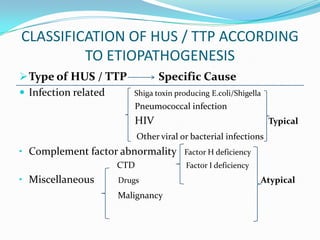
CLASSIFICATION OF HUS / TTP ACCORDING
         TO ETIOPATHOGENESIS
 Type of HUS / TTP            Specific Cause
 Infection related   Shiga toxin producing E.coli/Shigella
                      Pneumococcal infection
                      HIV                                      Typical
                         Other viral or bacterial infections
• Complement factor abnormality       Factor H deficiency
                   CTD                Factor I deficiency
• Miscellaneous    Drugs                                    Atypical
                   Malignancy
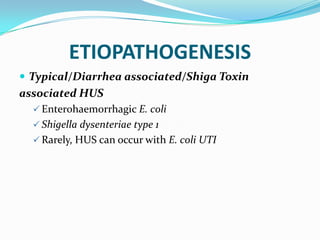
ETIOPATHOGENESIS
 Typical/Diarrhea associated/Shiga Toxin
associated HUS
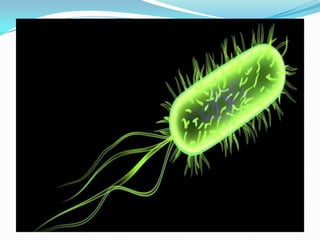
   Enterohaemorrhagic E. coli
   Shigella dysenteriae type 1
   Rarely, HUS can occur with E. coli UTI
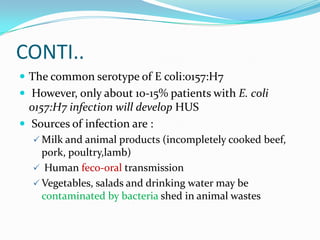
CONTI..
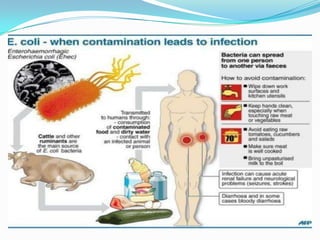
 The common serotype of E coli:0157:H7
 However, only about 10-15% patients with E. coli
  0157:H7 infection will develop HUS
 Sources of infection are :
   Milk and animal products (incompletely cooked beef,
    pork, poultry,lamb)
   Human feco-oral transmission
   Vegetables, salads and drinking water may be
    contaminated by bacteria shed in animal wastes
CAN THIS FEEDING TRANSMIT?
Atypical/Non-Diarrhea Related HUS
 Pneumococcal HUS

 HUS due to Complement abnormalities

 Miscellaneous Causes of HUS / TTP
     Abnormalities in intracellular vitamin B12 metabolism
     HIV
     Systemic lupus erythromatosus
     Malignancies
     Radiation
     Certain drugs
Other infections associated with HUS
 Include viruses like :
    Influenza
    Cytomegalovirus
    Infectious mononucleosis
 Bacteria like:
    Streptococcii
    Salmonella
CONTI…
 The typical pathophysiology involves the shiga-toxin
 binding to proteins on the surface of glomerular
 endothelium and inactivating a metalloproteinase
 called ADAMTS13, which is also involved in the closely
 related TTP
CONTI..
 The arterioles and capillaries of the body become
  obstructed by the resulting complexes of activated
  platelets which have adhered to endothelium via large
  multimeric vWF.
 The growing thrombi lodged in smaller vessels destroy
  RBCs as they squeeze through the narrowed blood
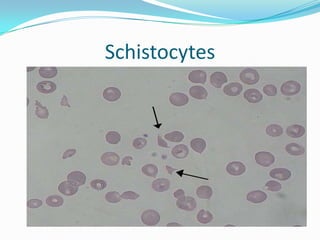
  vessels, forming schistocytes, or fragments of sheared
  RBCs.
CONTI…
 The consumption of platelets as they adhere to the
 thrombi lodged in the small vessels typically leads to
 mild or moderate thrombocytopaenia

 However, in comparison to TTP, the kidneys tend to
 be more severely affected in HUS, and the central
 nervous system is less commonly affected
CLINICAL FEATURES
 The commonest clinical presentation of HUS is :
    Acute pallor
    Oliguria
    Diarrhea or dysentery
 It occurs commonly in children between 1-5 years
  of age
 HUS develops about 5-10 days after onset of diarrhea
CONTI..
 Hematuria and hypertension are common.
 Complications of fluid overload may present with:
    Pulmonary edema
    Hypertensive encephalopathy
 Despite thrombocytopenia, bleeding manifestations
  are rare
 Neurological symptoms like:
   Irritability
   Encephalopathy
   Seizures
INVESTIGATIONS
   CBC
   Peripheral blood smears
   Reticulocyte count
   LDH
   Bili unconjigated
   Cr & BUN
   Urine analysis
         Hemoglobinuria
         Hematuria
         Proteinuria
Schistocytes
Investigations to Identify Cause
 In patients with dirrhea, the identification of
  pathogenic EHEC or Shigella is performed by:
   Stool culture
   Further serotyping by agglutination or enzyme
    immunoassay
 Rarely HUS can occur with E. coli UTI:
   Urine cultures are indicated in non-diarrheal patients
Conti..
 Bacteriological cultures of body fluids are indicated in
  suspected pneumococcal disease.
   Sputum
   CSF
   Blood
   Pus
Diagnosis
 Clinically, HUS can be very hard to distinguish from
  TTP
 The laboratory features are almost identical, and not
  every case of HUS is preceded by diarrhea
 HUS is characterized by the triad of:
   Hemolytic anemia
   Thrombocytopenia
   Acute renal failure
Cont…
 The only distinguishing feature is that in TTP fever and
  neurological symptoms are often present, but this is not
  always the case

 A pericardial friction rub can also sometimes be heard on
  auscultation

 The two conditions are sometimes treated as a single entity
  called TTP/HUS.
MANAGEMENT
 Supportive Therapy
 Antibiotics
 Plasma Therapy
 Miscellaneous
Supportive Therapy
 In all patients, supportive treatment is primary.
 Close clinical monitoring of :
    Fluid status
    Blood pressure
    Neurological
    Ventilatory parameters
 Blood levels of glucose, electrolytes, creatinine and
  hemogram need frequent monitoring
CONTI..
 The use of antimotility therapy for diarrhea has been
  associated with a higher risk of developing HUS

 With the onset of acute renal failure :
   Fluid restriction
   Diuretics
Antibiotics
 E. coli


 Shigellosis


 pneumococcal HUS
Plasma Therapy
 In aHUS due to :
    complement factor abnormality
    ADAMTS13 deficiency
       The replacement of the deficient factor with FFP
 Daily plasma infusions (10 to 20 mL/kg/day)


 Exchange of 1.5 times plasma volume ( 60 to 75

 mL/kg/day) using FFP
Miscellaneous
 In infants with HUS associated with cobalamin
 abnormalities:
   Treatment with hydroxycobalamin
   Oral betaine
   Folic acid
 Normalizes the metabolic abnormalities can help to
 prevent further episodes.
CONTI..
 In patients with persistent ADAMTS13 antibodies and
 poor response to plasma exchange:
   Immunosuppressive therapy with high dose
   steroids/cyclophosphamide/ cyclosporin/rituximab
   Splenectomy
Prognosis
 With aggressive treatment, more than 90% survive the
  acute phase.
 About 9% may develop end stage renal disease.
 About one-third of persons with HUS have abnormal
  kidney function many years later, and a few require long-
  term dialysis.
 Another 8% of persons with HUS have other lifelong
  complications, such as :
   High blood pressure
   Seizures
   Blindness
   Paralysis
KEY MESSAGES
 Good sanitation and maintenance of food hygiene can
  prevent diarrhea associated HUS.
 Supportive care with early dialysis support remains the
  cornerstone of management.
 Non-infective atypical HUS should be treated rapidly
  with plasma therapy.
 Efforts should be made to make an etiological
  diagnosis in cases of atypical HUS as treatment and
  prognosis is affected.
Hemolytic uremic syndrome

Hemolytic uremic syndrome

  • 1.
    BY: DR NAJIBULLAHSUHRABY FMR FIRST YEAR
  • 2.
    Definition  HUS, isa disease characterized by :  Hemolytic anemia  Uremia  Low platelet count  It predominantly, but not exclusively, affects children.
  • 3.
    Types HUS  TypicalHUS  Atypical HUS  HUS due to Complement abnormalities
  • 4.
    CLASSIFICATION OF HUS/ TTP ACCORDING TO ETIOPATHOGENESIS  Type of HUS / TTP Specific Cause  Infection related Shiga toxin producing E.coli/Shigella Pneumococcal infection HIV Typical Other viral or bacterial infections • Complement factor abnormality Factor H deficiency CTD Factor I deficiency • Miscellaneous Drugs Atypical Malignancy
  • 5.
    ETIOPATHOGENESIS  Typical/Diarrhea associated/ShigaToxin associated HUS  Enterohaemorrhagic E. coli  Shigella dysenteriae type 1  Rarely, HUS can occur with E. coli UTI
  • 7.
    CONTI..  The commonserotype of E coli:0157:H7  However, only about 10-15% patients with E. coli 0157:H7 infection will develop HUS  Sources of infection are :  Milk and animal products (incompletely cooked beef, pork, poultry,lamb)  Human feco-oral transmission  Vegetables, salads and drinking water may be contaminated by bacteria shed in animal wastes
  • 9.
  • 10.
    Atypical/Non-Diarrhea Related HUS Pneumococcal HUS  HUS due to Complement abnormalities  Miscellaneous Causes of HUS / TTP  Abnormalities in intracellular vitamin B12 metabolism  HIV  Systemic lupus erythromatosus  Malignancies  Radiation  Certain drugs
  • 11.
    Other infections associatedwith HUS  Include viruses like :  Influenza  Cytomegalovirus  Infectious mononucleosis  Bacteria like:  Streptococcii  Salmonella
  • 12.
    CONTI…  The typicalpathophysiology involves the shiga-toxin binding to proteins on the surface of glomerular endothelium and inactivating a metalloproteinase called ADAMTS13, which is also involved in the closely related TTP
  • 13.
    CONTI..  The arteriolesand capillaries of the body become obstructed by the resulting complexes of activated platelets which have adhered to endothelium via large multimeric vWF.  The growing thrombi lodged in smaller vessels destroy RBCs as they squeeze through the narrowed blood vessels, forming schistocytes, or fragments of sheared RBCs.
  • 14.
    CONTI…  The consumptionof platelets as they adhere to the thrombi lodged in the small vessels typically leads to mild or moderate thrombocytopaenia  However, in comparison to TTP, the kidneys tend to be more severely affected in HUS, and the central nervous system is less commonly affected
  • 15.
    CLINICAL FEATURES  Thecommonest clinical presentation of HUS is :  Acute pallor  Oliguria  Diarrhea or dysentery  It occurs commonly in children between 1-5 years of age  HUS develops about 5-10 days after onset of diarrhea
  • 16.
    CONTI..  Hematuria andhypertension are common.  Complications of fluid overload may present with:  Pulmonary edema  Hypertensive encephalopathy  Despite thrombocytopenia, bleeding manifestations are rare  Neurological symptoms like:  Irritability  Encephalopathy  Seizures
  • 17.
    INVESTIGATIONS  CBC  Peripheral blood smears  Reticulocyte count  LDH  Bili unconjigated  Cr & BUN  Urine analysis  Hemoglobinuria  Hematuria  Proteinuria
  • 18.
  • 19.
    Investigations to IdentifyCause  In patients with dirrhea, the identification of pathogenic EHEC or Shigella is performed by:  Stool culture  Further serotyping by agglutination or enzyme immunoassay  Rarely HUS can occur with E. coli UTI:  Urine cultures are indicated in non-diarrheal patients
  • 20.
    Conti..  Bacteriological culturesof body fluids are indicated in suspected pneumococcal disease.  Sputum  CSF  Blood  Pus
  • 21.
    Diagnosis  Clinically, HUScan be very hard to distinguish from TTP  The laboratory features are almost identical, and not every case of HUS is preceded by diarrhea  HUS is characterized by the triad of:  Hemolytic anemia  Thrombocytopenia  Acute renal failure
  • 22.
    Cont…  The onlydistinguishing feature is that in TTP fever and neurological symptoms are often present, but this is not always the case  A pericardial friction rub can also sometimes be heard on auscultation  The two conditions are sometimes treated as a single entity called TTP/HUS.
  • 23.
    MANAGEMENT  Supportive Therapy Antibiotics  Plasma Therapy  Miscellaneous
  • 24.
    Supportive Therapy  Inall patients, supportive treatment is primary.  Close clinical monitoring of :  Fluid status  Blood pressure  Neurological  Ventilatory parameters  Blood levels of glucose, electrolytes, creatinine and hemogram need frequent monitoring
  • 25.
    CONTI..  The useof antimotility therapy for diarrhea has been associated with a higher risk of developing HUS  With the onset of acute renal failure :  Fluid restriction  Diuretics
  • 26.
    Antibiotics  E. coli Shigellosis  pneumococcal HUS
  • 27.
    Plasma Therapy  InaHUS due to :  complement factor abnormality  ADAMTS13 deficiency  The replacement of the deficient factor with FFP  Daily plasma infusions (10 to 20 mL/kg/day)  Exchange of 1.5 times plasma volume ( 60 to 75 mL/kg/day) using FFP
  • 28.
    Miscellaneous  In infantswith HUS associated with cobalamin abnormalities:  Treatment with hydroxycobalamin  Oral betaine  Folic acid  Normalizes the metabolic abnormalities can help to prevent further episodes.
  • 29.
    CONTI..  In patientswith persistent ADAMTS13 antibodies and poor response to plasma exchange:  Immunosuppressive therapy with high dose steroids/cyclophosphamide/ cyclosporin/rituximab  Splenectomy
  • 30.
    Prognosis  With aggressivetreatment, more than 90% survive the acute phase.  About 9% may develop end stage renal disease.  About one-third of persons with HUS have abnormal kidney function many years later, and a few require long- term dialysis.  Another 8% of persons with HUS have other lifelong complications, such as :  High blood pressure  Seizures  Blindness  Paralysis
  • 32.
    KEY MESSAGES  Goodsanitation and maintenance of food hygiene can prevent diarrhea associated HUS.  Supportive care with early dialysis support remains the cornerstone of management.  Non-infective atypical HUS should be treated rapidly with plasma therapy.  Efforts should be made to make an etiological diagnosis in cases of atypical HUS as treatment and prognosis is affected.