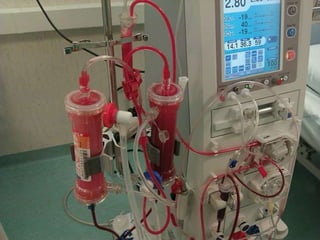
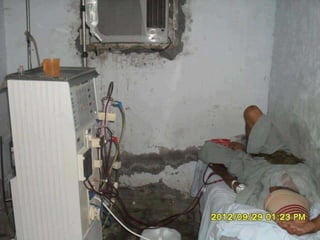
HEMODIALYSIS
COMPLICATIONS
Intradialytic Hypotension
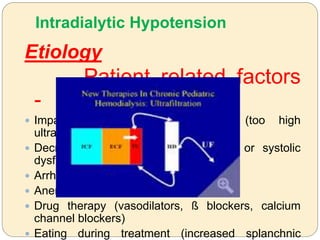
Etiology
Patient related factors
-
 Impaired plasma volume refilling (too high
ultrafiltration, autonomic dysfunction)
 Decreased cardiac reserve (diastolic or systolic
dysfunction)
 Arrhythmias
 Anemia
 Drug therapy (vasodilators, ß blockers, calcium
channel blockers)
 Eating during treatment (increased splanchnic
Intradialytic Hypotension
Etiology
Patient related factors
-
 Impaired plasma volume refilling (too high
ultrafiltration, autonomic dysfunction)
 Decreased cardiac reserve (diastolic or systolic
dysfunction)
 Arrhythmias
 Anemia
 Drug therapy (vasodilators, ß blockers, calcium
channel blockers)
 Eating during treatment (increased splanchnic
Intradialytic Hypotension
Etiology
Procedure related factors
 Rapid decrease in plasma osmolality (relatively
large surface area membrane, high starting
BUN)
 Excess absolute volume and rate of fluid
removal (for fluid overload)
 Change in serum electrolytes (hypocalcemia,
hypokalemia)
 Dialysate – acetate, warm dialysate
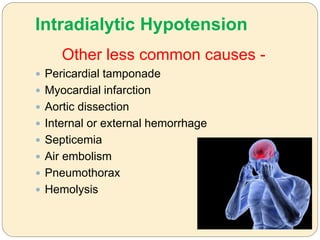
Intradialytic Hypotension
Other less common causes -
 Pericardial tamponade
 Myocardial infarction
 Aortic dissection
 Internal or external hemorrhage
 Septicemia
 Air embolism
 Pneumothorax
 Hemolysis
Treatment of Intradialytic Hypotension
 Stop or reduce ultrafiltration
 Place patient in Trendelenburg position
 Administration of saline and hypertonic agents.
However, excess fluid replacement should be
avoided to prevent sodium overload.
 Continuous infusion of pressor agents
(meteraminol, norepinephrine) are very rarely
needed
Intradialytic Hypertension
Etiology
 Genetic predisposition
 Pre existing hypertension
 Increased renin- angiotensin system activity
(possibly in the presence of increased sodium
overload)
 Increased sympathetic activity
 Uremic toxins (ADMA)
 Blood hyperviscosity
 Increased dialysate sodium
 Secondary hyperparathyroidism
 Dialyzable anti-hypertensive medications.
Intradialytic Hypertension
Treatment and Prevention
 Lifestyle modifications such as weight reduction, dietary
modification, sodium restriction, physical activity and
STOP alcohol consumption can reduce systolic blood
pressure from 2-14 mm Hg
 Adjustment of target weight on a regular basis. Gradual
reduction of interdialytic weight gain over a few weeks
using zero sodium balance, salt restriction, longer
dialysis or extra dialysis sessions may yield a significant
benefit
 Reducing erythropoeitin dose in patients with severe
hypertension
 Nephrectomy in resistant cases
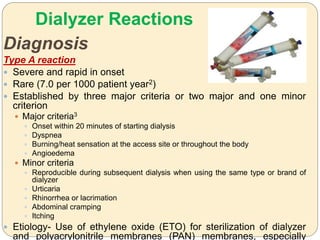
Dialyzer Reactions
Reactions attributed to the hemodialyzer are
generally divided into two types:
 Type A - anaphylactoid reaction
Increased risk in patients with a history of
atopy, high IgE levels, eosinophilia and
allergic reactions during dialysis1
 Type B - mild reaction
Dialyzer Reactions
Diagnosis
Type A reaction
 Severe and rapid in onset
 Rare (7.0 per 1000 patient year2)
 Established by three major criteria or two major and one minor
criterion
 Major criteria3
 Onset within 20 minutes of starting dialysis
 Dyspnea
 Burning/heat sensation at the access site or throughout the body
 Angioedema
 Minor criteria
 Reproducible during subsequent dialysis when using the same type or brand of
dialyzer
 Urticaria
 Rhinorrhea or lacrimation
 Abdominal cramping
 Itching
 Etiology- Use of ethylene oxide (ETO) for sterilization of dialyzer
and polyacrylonitrile membranes (PAN) membranes, especially
Dialyzer Reactions
Type B reaction
 Primary symptoms are chest and back pain
 Occurs 20-40 minutes into the dialysis treatment
 Disappears or lessens dramatically during the
subsequent hours of dialysis4
 Pathogenesis of type B reaction is not clear
 May be related to complement activation
 Current data do not support the role of membrane
biocompatibility in development of type B
reactions
Dialyzer Reactions
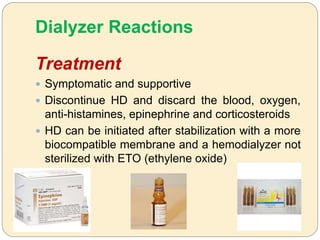
Treatment
 Symptomatic and supportive
 Discontinue HD and discard the blood, oxygen,
anti-histamines, epinephrine and corticosteroids
 HD can be initiated after stabilization with a more
biocompatible membrane and a hemodialyzer not
sterilized with ETO (ethylene oxide)
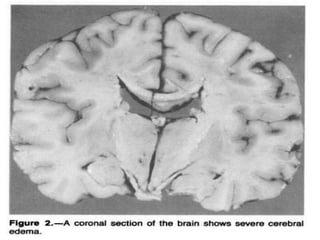
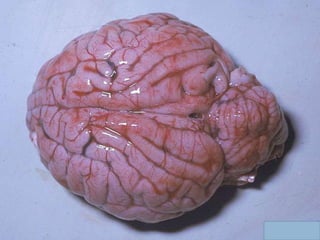
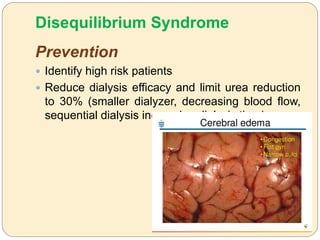
Disequilibrium Syndrome
Def: Cerebral edema resulting from urea removal from
the blood more rapidly than from the CSF and brain
tissue generating a urea osmotic gradient
responsible for water moving into brain cells.
Disequilibrium syndrome most commonly occurs
in:
 First few dialysis sessions
 Elderly and pediatric patients
 Patients with pre-existing CNS lesions (recent stroke,
head trauma) or conditions characterized by cerebral
edema (malignant hypertension, hyponatremia, hepatic
encephalopathy)
 High pre-dialysis BUN
 Severe metabolic acidosis
00000000000000000000000000000
000000
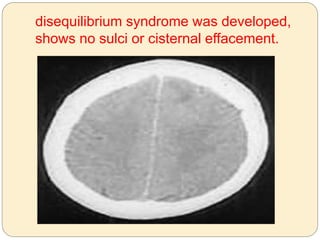
disequilibrium syndrome was developed,
shows no sulci or cisternal effacement.
Disequilibrium Syndrome
Treatment
 Usually self-limited. HD should be stopped.
 If seizures occur, glucose, diazepam, phenytoin
loading followed by infusion
 Osmotically active agents in dialysate have been
tried- albumin, glycerol, mannitol
Disequilibrium Syndrome
Prevention
 Identify high risk patients
 Reduce dialysis efficacy and limit urea reduction
to 30% (smaller dialyzer, decreasing blood flow,
sequential dialysis increasing dialysis time).
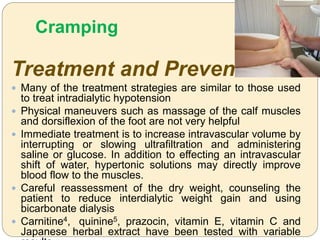
Cramping
 Cramps are more pronounced in patients who require
high ultrafitration rates and are possibly dialyzed below
their dry weight. They are presumably related to
reduction in muscle perfusion that occurs in response to
hypovolemia.
 Compensatory vasoconstrictive responses may shunt
blood centrally during treatment, and could play a role in
promoting muscle cramps.
 Changes in intra or extracellular balance of potassium
and concentration of ionized calcium can disturb
neuromuscular transmission and produce cramps.
Cramping
Treatment and Prevention
 Many of the treatment strategies are similar to those used
to treat intradialytic hypotension
 Physical maneuvers such as massage of the calf muscles
and dorsiflexion of the foot are not very helpful
 Immediate treatment is to increase intravascular volume by
interrupting or slowing ultrafiltration and administering
saline or glucose. In addition to effecting an intravascular
shift of water, hypertonic solutions may directly improve
blood flow to the muscles.
 Careful reassessment of the dry weight, counseling the
patient to reduce interdialytic weight gain and using
bicarbonate dialysis
 Carnitine4, quinine5, prazocin, vitamin E, vitamin C and
Japanese herbal extract have been tested with variable
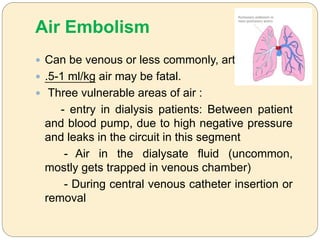
Air Embolism
 Can be venous or less commonly, arterial
 .5-1 ml/kg air may be fatal.
 Three vulnerable areas of air :
- entry in dialysis patients: Between patient
and blood pump, due to high negative pressure
and leaks in the circuit in this segment
- Air in the dialysate fluid (uncommon,
mostly gets trapped in venous chamber)
- During central venous catheter insertion or
removal
Air Embolism
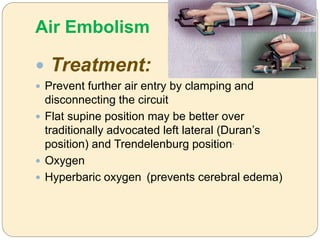
 Treatment:
 Prevent further air entry by clamping and
disconnecting the circuit
 Flat supine position may be better over
traditionally advocated left lateral (Duran’s
position) and Trendelenburg position.
 Oxygen
 Hyperbaric oxygen (prevents cerebral edema)
Air Embolism
Prevention:
 Test machine prior to use to ensure that the air
detector alarm system is working effectively
 Catheter insertion or removal should be in a head
low position (insertion site 5 cm below right
atrium). Patient can assist by holding their breath
or doing a Valsalva maneuver that will increase
central venous pressure
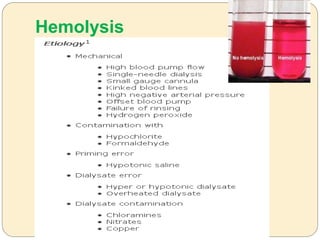
Hemolysis
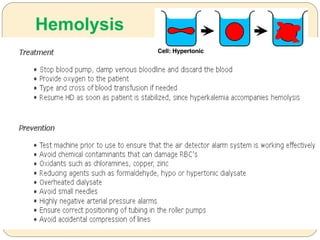
Hemolysis
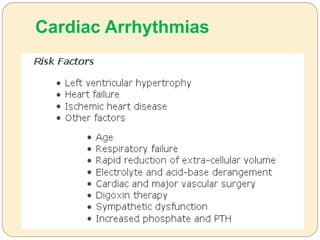
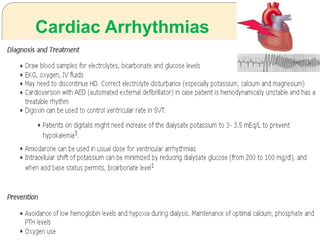
Cardiac Arrhythmias
Cardiac Arrhythmias
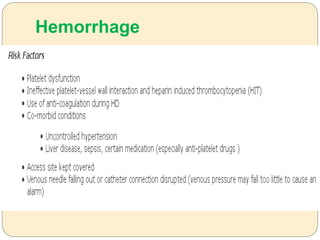
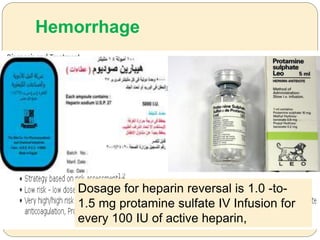
Hemorrhage
Hemorrhage
Dosage for heparin reversal is 1.0 -to-
1.5 mg protamine sulfate IV Infusion for
every 100 IU of active heparin,
Pruritus
 Prevalence in dialysis patients is approximately 25%1.
 Etiology:
 Common abnormalities in ESRD play a role in
pathogenesis:
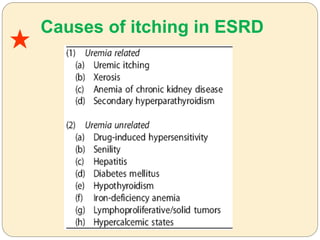
 Xerosis (dry skin)
 Peripheral neuropathy
 Hypercalcemia
 Hyperphosphatemia
 Hypermagnesemia
 Zinc depletion
 Hypervitaminosis A
Causes of itching in ESRD
★
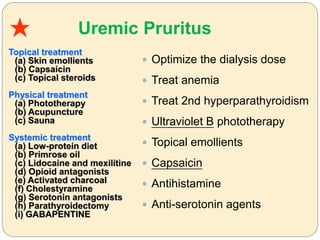
Uremic Pruritus
 Optimize the dialysis dose
 Treat anemia
 Treat 2nd hyperparathyroidism
 Ultraviolet B phototherapy
 Topical emollients
 Capsaicin
 Antihistamine
 Anti-serotonin agents
★
Topical treatment
(a) Skin emollients
(b) Capsaicin
(c) Topical steroids
Physical treatment
(a) Phototherapy
(b) Acupuncture
(c) Sauna
Systemic treatment
(a) Low-protein diet
(b) Primrose oil
(c) Lidocaine and mexilitine
(d) Opioid antagonists
(e) Activated charcoal
(f) Cholestyramine
(g) Serotonin antagonists
(h) Parathyroidectomy
(i) GABAPENTINE
Febrile Reactions
 Febrile reactions are defined as a rise in
temperature during HD of at least 0.5° C or a
rectal or axillary temperature during dialysis of at
least 38.0 or 37.5° C respectively1. The majority
(70%) of febrile reactions are associated with
preexisting infections (vascular access, urinary
and respiratory).
 HD related febrile reactions can be associated
with localized infection of the vascular access site
(especially catheters and grafts) or products from
the dialysate and/or the apparatus used for HD
treatment
Febrile Reactions
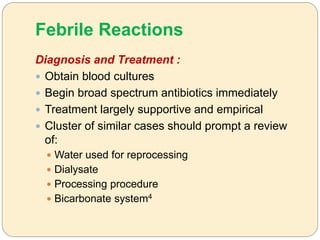
Diagnosis and Treatment :
 Obtain blood cultures
 Begin broad spectrum antibiotics immediately
 Treatment largely supportive and empirical
 Cluster of similar cases should prompt a review
of:
 Water used for reprocessing
 Dialysate
 Processing procedure
 Bicarbonate system4
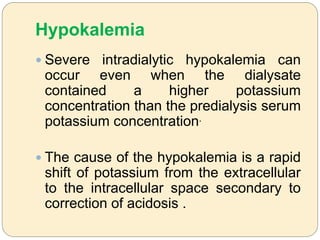
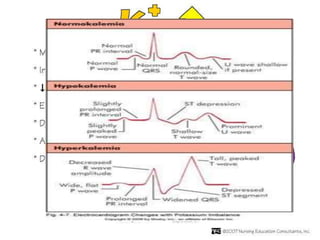
Hypokalemia
 Severe intradialytic hypokalemia can
occur even when the dialysate
contained a higher potassium
concentration than the predialysis serum
potassium concentration.
 The cause of the hypokalemia is a rapid
shift of potassium from the extracellular
to the intracellular space secondary to
correction of acidosis .
Hypokalemia
Prevention and Treatment:
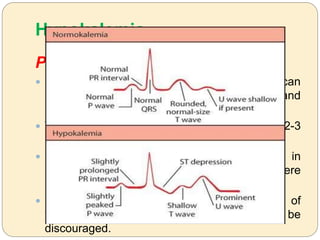
 Excess potassium removal during HD can
prolong QTc interval on EKG preferentially and
predispose to arrhythmia2
 Try to keep post dialysis serum potassium 2-3
mEq/L
 Use dialysate with 3.0 mEq/l of potassium in
patients with CAD and/or on digoxin, unless there
is chronic, severe hyperkalemia
 Never use 0 mE/L potassium dialysate. Use of
very low dialysate potassium (1 mEq/L) should be
discouraged.
Hypokalemia
Prevention and Treatment:
 Excess potassium removal during HD can
prolong QTc interval on EKG preferentially and
predispose to arrhythmia2
 Try to keep post dialysis serum potassium 2-3
mEq/L
 Use dialysate with 3.0 mEq/l of potassium in
patients with CAD and/or on digoxin, unless there
is chronic, severe hyperkalemia
 Never use 0 mE/L potassium dialysate. Use of
very low dialysate potassium (1 mEq/L) should be
discouraged.
Hyperkalemia
 Common in ESRD (around 10% of HD patients)
 Contributes to 3-5% of deaths
Etiology
 Excessive dietary potassium intake
 Metabolic acidosis
 Acute infection with marked catabolism
 Rhabdomyolysis
 Mineralocorticoid deficiency
 Medications
 Dialysis induced hyperkalemia (rare)
 High dialysate potassium concentration
 Hemolysis
 Accidental potassium infusions
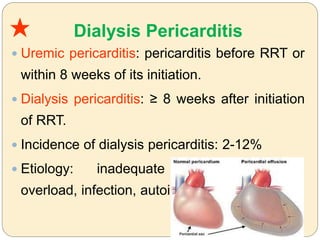
Dialysis Pericarditis
 Uremic pericarditis: pericarditis before RRT or
within 8 weeks of its initiation.
 Dialysis pericarditis: ≥ 8 weeks after initiation
of RRT.
 Incidence of dialysis pericarditis: 2-12%
 Etiology: inadequate dialysis, volume
overload, infection, autoimmune, drugs
★
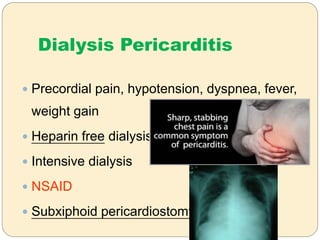
 Precordial pain, hypotension, dyspnea, fever,
weight gain
 Heparin free dialysis
 Intensive dialysis
 NSAID
 Subxiphoid pericardiostomy
Dialysis Pericarditis
Hemodialysis complications

Hemodialysis complications

  • 1.
  • 7.
    Intradialytic Hypotension Etiology Patient relatedfactors -  Impaired plasma volume refilling (too high ultrafiltration, autonomic dysfunction)  Decreased cardiac reserve (diastolic or systolic dysfunction)  Arrhythmias  Anemia  Drug therapy (vasodilators, ß blockers, calcium channel blockers)  Eating during treatment (increased splanchnic
  • 8.
    Intradialytic Hypotension Etiology Patient relatedfactors -  Impaired plasma volume refilling (too high ultrafiltration, autonomic dysfunction)  Decreased cardiac reserve (diastolic or systolic dysfunction)  Arrhythmias  Anemia  Drug therapy (vasodilators, ß blockers, calcium channel blockers)  Eating during treatment (increased splanchnic
  • 9.
    Intradialytic Hypotension Etiology Procedure relatedfactors  Rapid decrease in plasma osmolality (relatively large surface area membrane, high starting BUN)  Excess absolute volume and rate of fluid removal (for fluid overload)  Change in serum electrolytes (hypocalcemia, hypokalemia)  Dialysate – acetate, warm dialysate
  • 10.
    Intradialytic Hypotension Other lesscommon causes -  Pericardial tamponade  Myocardial infarction  Aortic dissection  Internal or external hemorrhage  Septicemia  Air embolism  Pneumothorax  Hemolysis
  • 11.
    Treatment of IntradialyticHypotension  Stop or reduce ultrafiltration  Place patient in Trendelenburg position  Administration of saline and hypertonic agents. However, excess fluid replacement should be avoided to prevent sodium overload.  Continuous infusion of pressor agents (meteraminol, norepinephrine) are very rarely needed
  • 13.
    Intradialytic Hypertension Etiology  Geneticpredisposition  Pre existing hypertension  Increased renin- angiotensin system activity (possibly in the presence of increased sodium overload)  Increased sympathetic activity  Uremic toxins (ADMA)  Blood hyperviscosity  Increased dialysate sodium  Secondary hyperparathyroidism  Dialyzable anti-hypertensive medications.
  • 14.
    Intradialytic Hypertension Treatment andPrevention  Lifestyle modifications such as weight reduction, dietary modification, sodium restriction, physical activity and STOP alcohol consumption can reduce systolic blood pressure from 2-14 mm Hg  Adjustment of target weight on a regular basis. Gradual reduction of interdialytic weight gain over a few weeks using zero sodium balance, salt restriction, longer dialysis or extra dialysis sessions may yield a significant benefit  Reducing erythropoeitin dose in patients with severe hypertension  Nephrectomy in resistant cases
  • 16.
    Dialyzer Reactions Reactions attributedto the hemodialyzer are generally divided into two types:  Type A - anaphylactoid reaction Increased risk in patients with a history of atopy, high IgE levels, eosinophilia and allergic reactions during dialysis1  Type B - mild reaction
  • 17.
    Dialyzer Reactions Diagnosis Type Areaction  Severe and rapid in onset  Rare (7.0 per 1000 patient year2)  Established by three major criteria or two major and one minor criterion  Major criteria3  Onset within 20 minutes of starting dialysis  Dyspnea  Burning/heat sensation at the access site or throughout the body  Angioedema  Minor criteria  Reproducible during subsequent dialysis when using the same type or brand of dialyzer  Urticaria  Rhinorrhea or lacrimation  Abdominal cramping  Itching  Etiology- Use of ethylene oxide (ETO) for sterilization of dialyzer and polyacrylonitrile membranes (PAN) membranes, especially
  • 18.
    Dialyzer Reactions Type Breaction  Primary symptoms are chest and back pain  Occurs 20-40 minutes into the dialysis treatment  Disappears or lessens dramatically during the subsequent hours of dialysis4  Pathogenesis of type B reaction is not clear  May be related to complement activation  Current data do not support the role of membrane biocompatibility in development of type B reactions
  • 19.
    Dialyzer Reactions Treatment  Symptomaticand supportive  Discontinue HD and discard the blood, oxygen, anti-histamines, epinephrine and corticosteroids  HD can be initiated after stabilization with a more biocompatible membrane and a hemodialyzer not sterilized with ETO (ethylene oxide)
  • 20.
    Disequilibrium Syndrome Def: Cerebraledema resulting from urea removal from the blood more rapidly than from the CSF and brain tissue generating a urea osmotic gradient responsible for water moving into brain cells. Disequilibrium syndrome most commonly occurs in:  First few dialysis sessions  Elderly and pediatric patients  Patients with pre-existing CNS lesions (recent stroke, head trauma) or conditions characterized by cerebral edema (malignant hypertension, hyponatremia, hepatic encephalopathy)  High pre-dialysis BUN  Severe metabolic acidosis
  • 21.
  • 22.
    disequilibrium syndrome wasdeveloped, shows no sulci or cisternal effacement.
  • 24.
    Disequilibrium Syndrome Treatment  Usuallyself-limited. HD should be stopped.  If seizures occur, glucose, diazepam, phenytoin loading followed by infusion  Osmotically active agents in dialysate have been tried- albumin, glycerol, mannitol
  • 25.
    Disequilibrium Syndrome Prevention  Identifyhigh risk patients  Reduce dialysis efficacy and limit urea reduction to 30% (smaller dialyzer, decreasing blood flow, sequential dialysis increasing dialysis time).
  • 26.
    Cramping  Cramps aremore pronounced in patients who require high ultrafitration rates and are possibly dialyzed below their dry weight. They are presumably related to reduction in muscle perfusion that occurs in response to hypovolemia.  Compensatory vasoconstrictive responses may shunt blood centrally during treatment, and could play a role in promoting muscle cramps.  Changes in intra or extracellular balance of potassium and concentration of ionized calcium can disturb neuromuscular transmission and produce cramps.
  • 27.
    Cramping Treatment and Prevention Many of the treatment strategies are similar to those used to treat intradialytic hypotension  Physical maneuvers such as massage of the calf muscles and dorsiflexion of the foot are not very helpful  Immediate treatment is to increase intravascular volume by interrupting or slowing ultrafiltration and administering saline or glucose. In addition to effecting an intravascular shift of water, hypertonic solutions may directly improve blood flow to the muscles.  Careful reassessment of the dry weight, counseling the patient to reduce interdialytic weight gain and using bicarbonate dialysis  Carnitine4, quinine5, prazocin, vitamin E, vitamin C and Japanese herbal extract have been tested with variable
  • 28.
    Air Embolism  Canbe venous or less commonly, arterial  .5-1 ml/kg air may be fatal.  Three vulnerable areas of air : - entry in dialysis patients: Between patient and blood pump, due to high negative pressure and leaks in the circuit in this segment - Air in the dialysate fluid (uncommon, mostly gets trapped in venous chamber) - During central venous catheter insertion or removal
  • 29.
    Air Embolism  Treatment: Prevent further air entry by clamping and disconnecting the circuit  Flat supine position may be better over traditionally advocated left lateral (Duran’s position) and Trendelenburg position.  Oxygen  Hyperbaric oxygen (prevents cerebral edema)
  • 30.
    Air Embolism Prevention:  Testmachine prior to use to ensure that the air detector alarm system is working effectively  Catheter insertion or removal should be in a head low position (insertion site 5 cm below right atrium). Patient can assist by holding their breath or doing a Valsalva maneuver that will increase central venous pressure
  • 31.
  • 32.
  • 34.
  • 35.
  • 36.
  • 37.
    Hemorrhage Dosage for heparinreversal is 1.0 -to- 1.5 mg protamine sulfate IV Infusion for every 100 IU of active heparin,
  • 38.
    Pruritus  Prevalence indialysis patients is approximately 25%1.  Etiology:  Common abnormalities in ESRD play a role in pathogenesis:  Xerosis (dry skin)  Peripheral neuropathy  Hypercalcemia  Hyperphosphatemia  Hypermagnesemia  Zinc depletion  Hypervitaminosis A
  • 39.
    Causes of itchingin ESRD ★
  • 40.
    Uremic Pruritus  Optimizethe dialysis dose  Treat anemia  Treat 2nd hyperparathyroidism  Ultraviolet B phototherapy  Topical emollients  Capsaicin  Antihistamine  Anti-serotonin agents ★ Topical treatment (a) Skin emollients (b) Capsaicin (c) Topical steroids Physical treatment (a) Phototherapy (b) Acupuncture (c) Sauna Systemic treatment (a) Low-protein diet (b) Primrose oil (c) Lidocaine and mexilitine (d) Opioid antagonists (e) Activated charcoal (f) Cholestyramine (g) Serotonin antagonists (h) Parathyroidectomy (i) GABAPENTINE
  • 42.
    Febrile Reactions  Febrilereactions are defined as a rise in temperature during HD of at least 0.5° C or a rectal or axillary temperature during dialysis of at least 38.0 or 37.5° C respectively1. The majority (70%) of febrile reactions are associated with preexisting infections (vascular access, urinary and respiratory).  HD related febrile reactions can be associated with localized infection of the vascular access site (especially catheters and grafts) or products from the dialysate and/or the apparatus used for HD treatment
  • 43.
    Febrile Reactions Diagnosis andTreatment :  Obtain blood cultures  Begin broad spectrum antibiotics immediately  Treatment largely supportive and empirical  Cluster of similar cases should prompt a review of:  Water used for reprocessing  Dialysate  Processing procedure  Bicarbonate system4
  • 44.
    Hypokalemia  Severe intradialytichypokalemia can occur even when the dialysate contained a higher potassium concentration than the predialysis serum potassium concentration.  The cause of the hypokalemia is a rapid shift of potassium from the extracellular to the intracellular space secondary to correction of acidosis .
  • 46.
    Hypokalemia Prevention and Treatment: Excess potassium removal during HD can prolong QTc interval on EKG preferentially and predispose to arrhythmia2  Try to keep post dialysis serum potassium 2-3 mEq/L  Use dialysate with 3.0 mEq/l of potassium in patients with CAD and/or on digoxin, unless there is chronic, severe hyperkalemia  Never use 0 mE/L potassium dialysate. Use of very low dialysate potassium (1 mEq/L) should be discouraged.
  • 47.
    Hypokalemia Prevention and Treatment: Excess potassium removal during HD can prolong QTc interval on EKG preferentially and predispose to arrhythmia2  Try to keep post dialysis serum potassium 2-3 mEq/L  Use dialysate with 3.0 mEq/l of potassium in patients with CAD and/or on digoxin, unless there is chronic, severe hyperkalemia  Never use 0 mE/L potassium dialysate. Use of very low dialysate potassium (1 mEq/L) should be discouraged.
  • 48.
    Hyperkalemia  Common inESRD (around 10% of HD patients)  Contributes to 3-5% of deaths Etiology  Excessive dietary potassium intake  Metabolic acidosis  Acute infection with marked catabolism  Rhabdomyolysis  Mineralocorticoid deficiency  Medications  Dialysis induced hyperkalemia (rare)  High dialysate potassium concentration  Hemolysis  Accidental potassium infusions
  • 50.
    Dialysis Pericarditis  Uremicpericarditis: pericarditis before RRT or within 8 weeks of its initiation.  Dialysis pericarditis: ≥ 8 weeks after initiation of RRT.  Incidence of dialysis pericarditis: 2-12%  Etiology: inadequate dialysis, volume overload, infection, autoimmune, drugs ★
  • 51.
     Precordial pain,hypotension, dyspnea, fever, weight gain  Heparin free dialysis  Intensive dialysis  NSAID  Subxiphoid pericardiostomy Dialysis Pericarditis