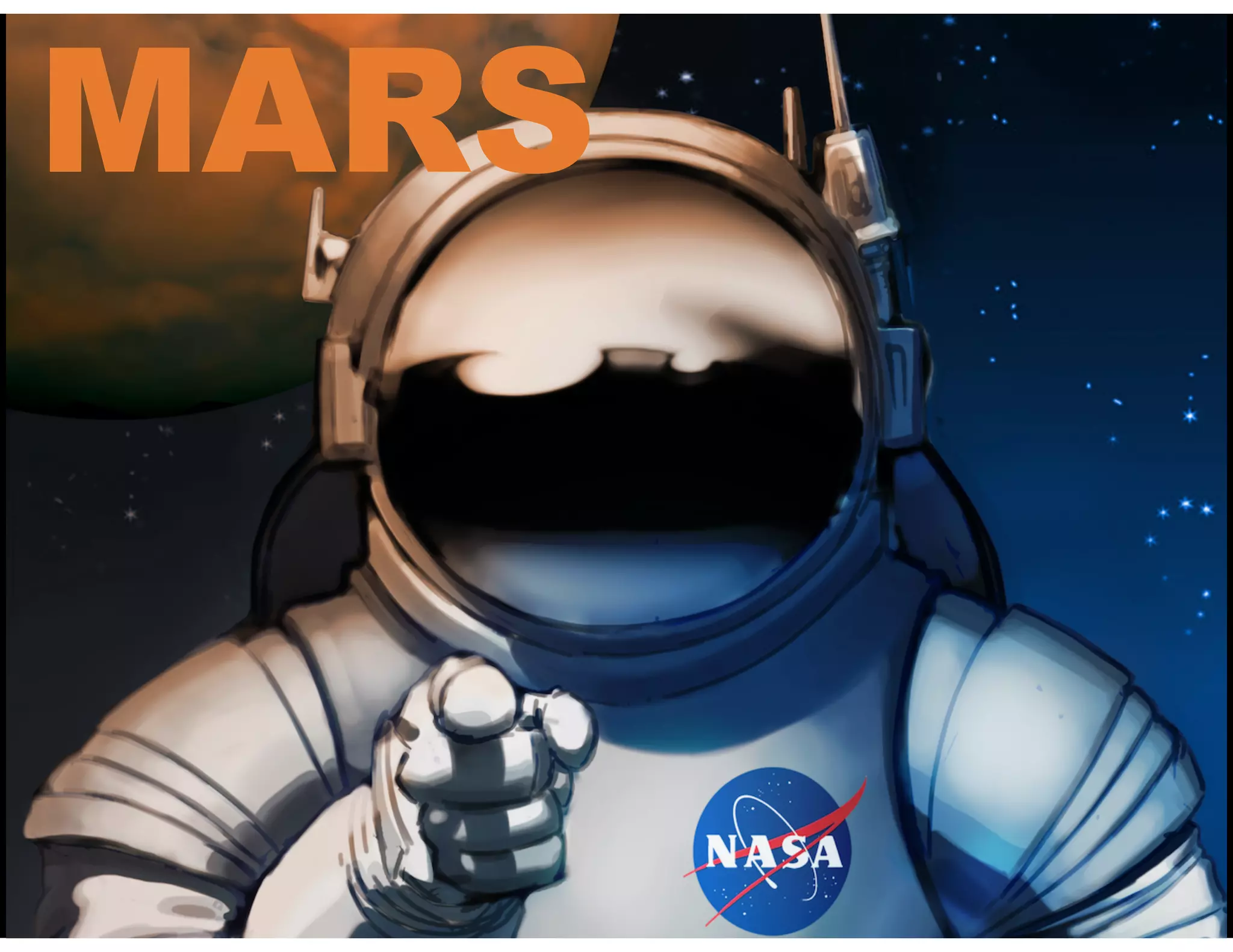





















MARS
&
AngelaHousand.com
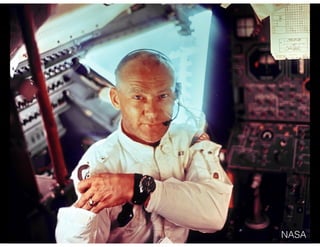
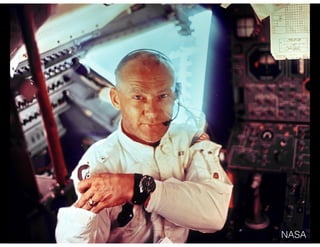
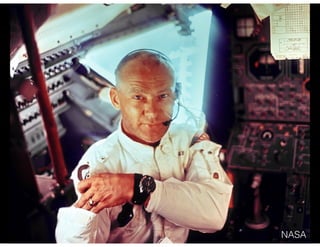
NASA
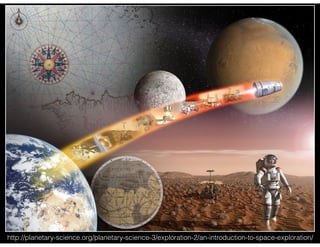
http://planetary-science.org/planetary-science-3/exploration-2/an-introduction-to-space-exploration/
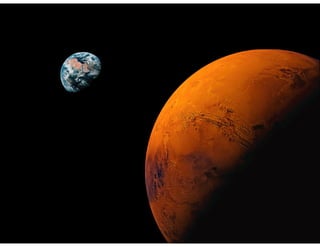
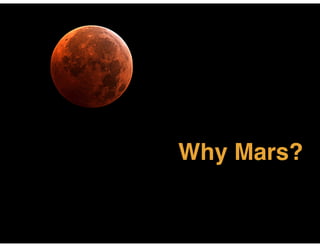
Why Mars?
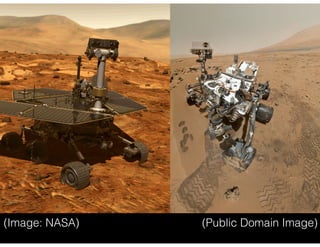
(Image: NASA) (Public Domain Image)
NASA
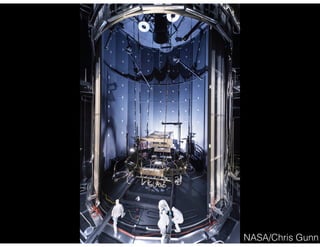
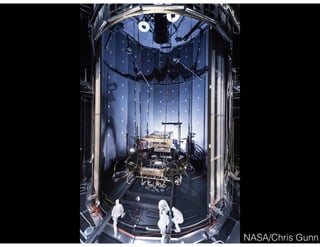
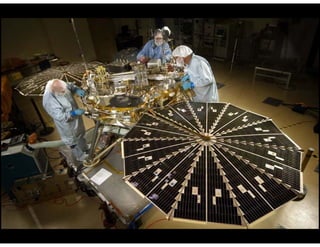
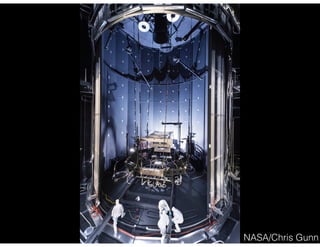
NASA/Chris Gunn
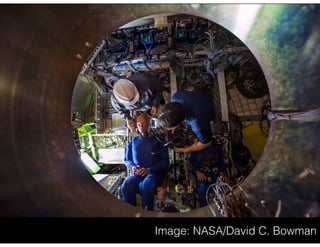
Image: NASA/David C. Bowman
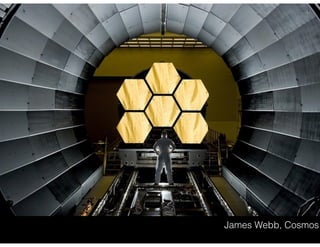
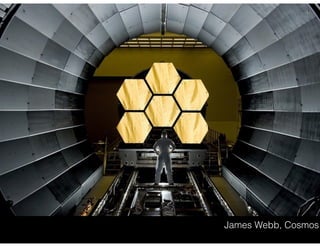
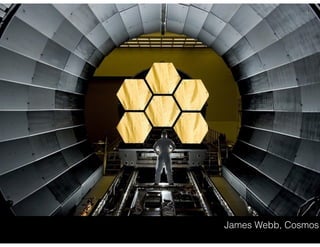
James Webb, Cosmos
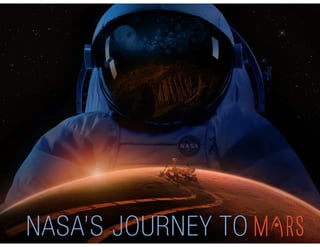
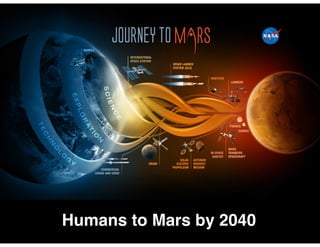
Humans to Mars by 2040
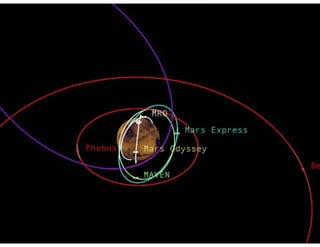
Simulation of Orbital System
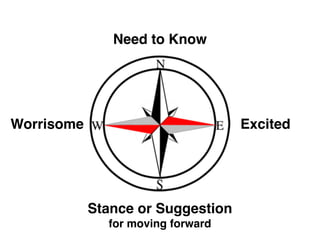
Stance or Suggestion
for moving forward
Worrisome
Need to Know
Excited
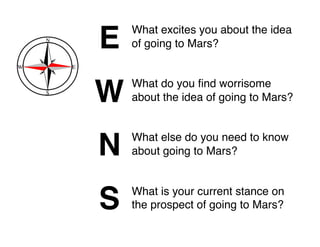
What excites you about the idea
of going to Mars?
What do you find worrisome
about the idea of going to Mars?
What else do you need to know
about going to Mars?
What is your current stance on
the prospect of going to Mars?S
N
W
E
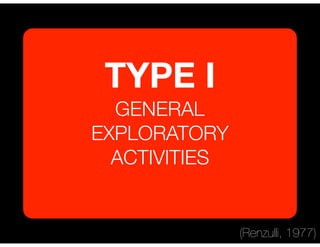
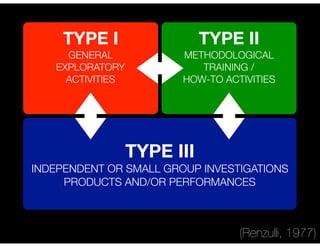
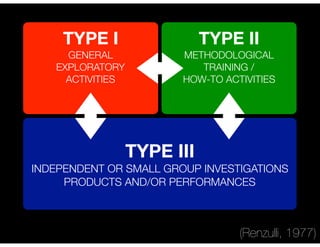
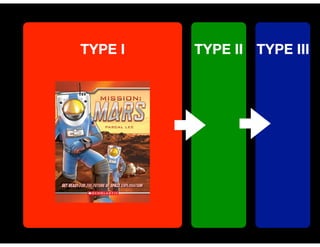
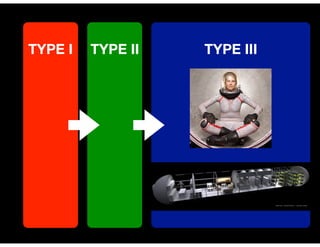
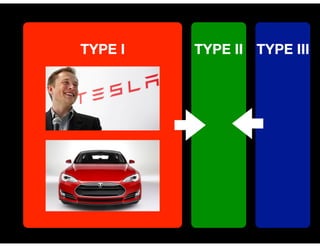
TYPE I
GENERAL
EXPLORATORY
ACTIVITIES
(Renzulli, 1977)
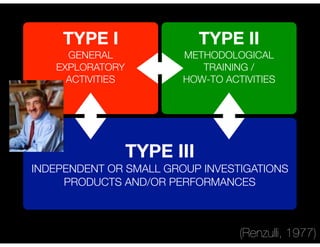
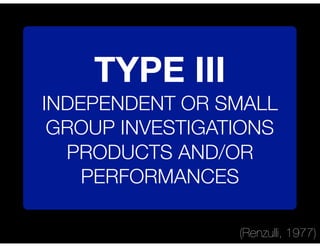
TYPE III
INDEPENDENT OR SMALL GROUP INVESTIGATIONS
PRODUCTS AND/OR PERFORMANCES
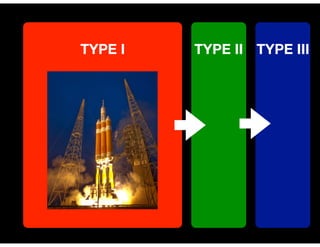
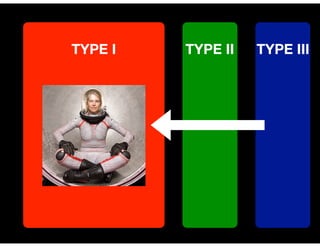
TYPE I
GENERAL
EXPLORATORY
ACTIVITIES
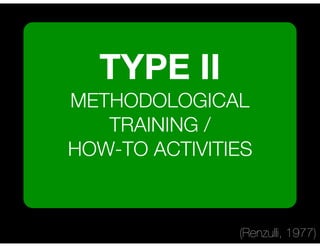
TYPE II
METHODOLOGICAL
TRAINING /
HOW-TO ACTIVITIES
(Renzulli, 1977)
TYPE I
HEIGHTEN ANTICIPATION
STIMULATE INTEREST
CREATE CONNECTION
(Renzulli, 1977)
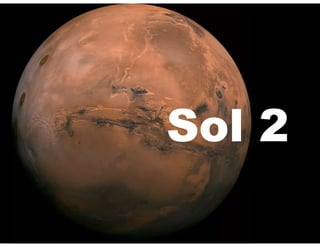
Sol 2
www.distancetomars.com
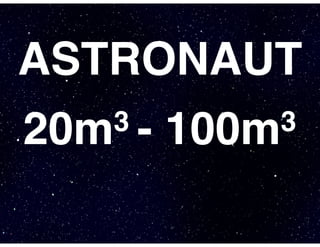
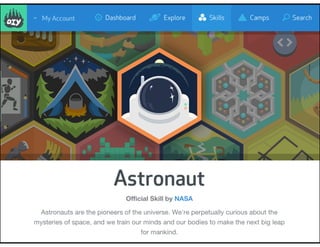
ASTRONAUT
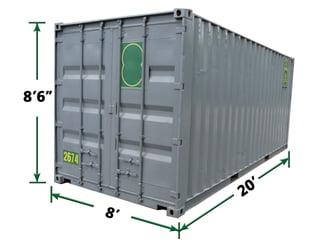
20m3 - 100m3
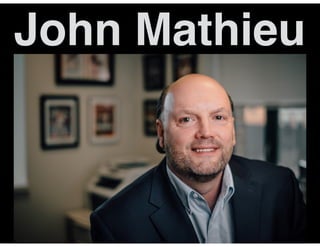
John Mathieu
V I S I B L E
T H I N K I N G
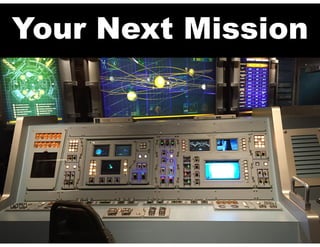
Your Next Mission
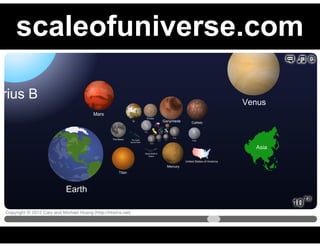
scaleofuniverse.com
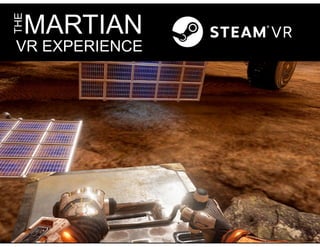
MARTIAN
VR EXPERIENCE
THE
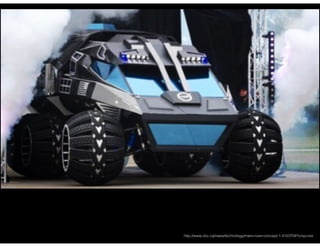
http://www.cbc.ca/news/technology/mars-rover-concept-1.4153758?cmp=rss
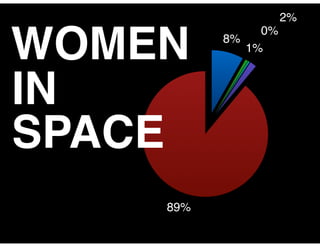
WOMEN
89%
2%
0%
1%
8%
IN
SPACE
TYPE I
CURIOSITY & CONNECTION
(Renzulli, 1977)
Sol 3
Your Next Mission
ASTRONAUTS
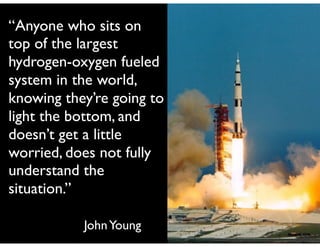
“Anyone who sits on
top of the largest
hydrogen-oxygen fueled
system in the world,
knowing they’re going to
light the bottom, and
doesn’t get a little
worried, does not fully
understand the
situation.”
JohnYoung
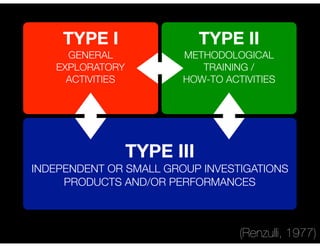
TYPE III
INDEPENDENT OR SMALL GROUP INVESTIGATIONS
PRODUCTS AND/OR PERFORMANCES
TYPE I
GENERAL
EXPLORATORY
ACTIVITIES
TYPE II
METHODOLOGICAL
TRAINING /
HOW-TO ACTIVITIES
(Renzulli, 1977)
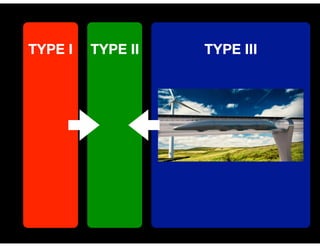
TYPE II
METHODOLOGICAL
TRAINING /
HOW-TO ACTIVITIES
(Renzulli, 1977)
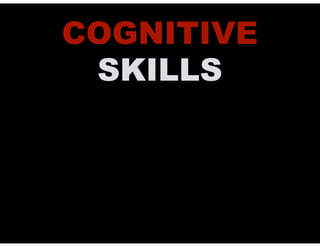
COGNITIVE
SKILLS
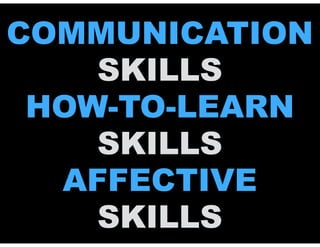
COMMUNICATION
SKILLS
HOW-TO-LEARN
SKILLS
AFFECTIVE
SKILLS
TYPE III
INDEPENDENT OR SMALL GROUP INVESTIGATIONS
PRODUCTS AND/OR PERFORMANCES
TYPE I
GENERAL
EXPLORATORY
ACTIVITIES
TYPE II
METHODOLOGICAL
TRAINING /
HOW-TO ACTIVITIES
(Renzulli, 1977)
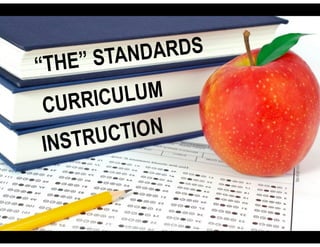
“THE” STANDARDS
CURRICULUM
INSTRUCTION
SkillsSkills
CurriculumCurriculum
SKILLS
SKILLS
SKILLS
SKILLS
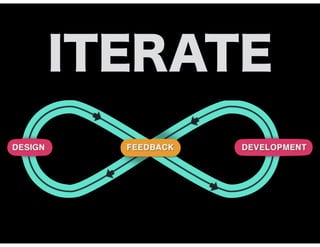
ITERATE
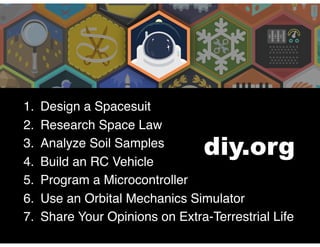
1. Design a Spacesuit
2. Research Space Law
3. Analyze Soil Samples
4. Build an RC Vehicle
5. Program a Microcontroller
6. Use an Orbital Mechanics Simulator
7. Share Your Opinions on Extra-Terrestrial Life
diy.org
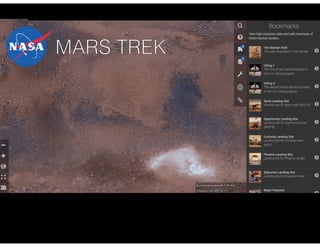
MARS TREKMARS TREK
Don’t
you
think
if I were
wrong,
I’d
KNOW it?
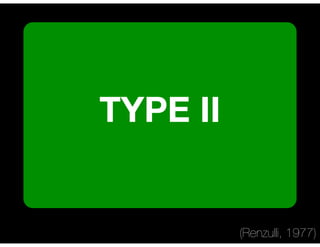
TYPE II
(Renzulli, 1977)
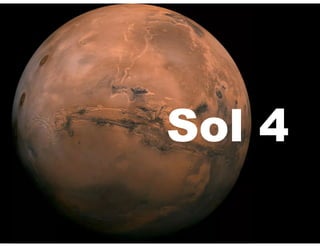
Sol 4
TYPE III
INDEPENDENT OR SMALL GROUP INVESTIGATIONS
PRODUCTS AND/OR PERFORMANCES
TYPE I
GENERAL
EXPLORATORY
ACTIVITIES
TYPE II
METHODOLOGICAL
TRAINING /
HOW-TO ACTIVITIES
(Renzulli, 1977)
TYPE III
INDEPENDENT OR SMALL
GROUP INVESTIGATIONS
PRODUCTS AND/OR
PERFORMANCES
(Renzulli, 1977)
TEACHER
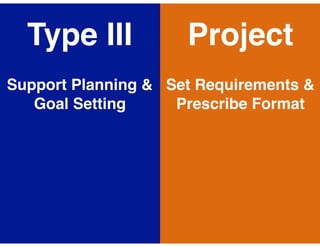
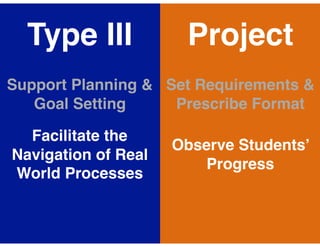
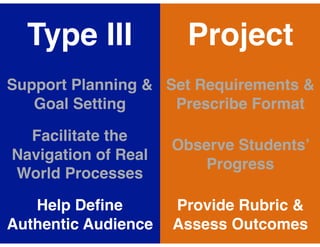
Type III Project
Support Planning &
Goal Setting
Set Requirements &
Prescribe Format
Facilitate the
Navigation of Real
World Processes
Observe Students’
Progress
Help Define
Authentic Audience
Provide Rubric &
Assess Outcomes
Type III Project
Support Planning &
Goal Setting
Set Requirements &
Prescribe Format
Facilitate the
Navigation of Real
World Processes
Observe Students’
Progress
Type III Project
Support Planning &
Goal Setting
Set Requirements &
Prescribe Format
Facilitate the
Navigation of Real
World Processes
Observe Students’
Progress
Help Define
Authentic Audience
Provide Rubric &
Assess Outcomes
Image Credit: 774 ABC Melbourne: Simon Leo Brown
STUDENT
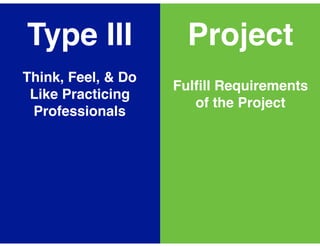
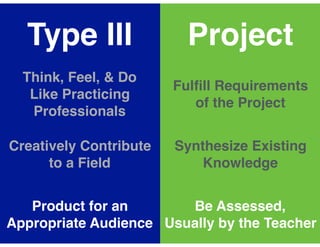
Type III Project
Think, Feel, & Do
Like Practicing
Professionals
Fulfill Requirements
of the Project
Creatively Contribute
to a Field
Synthesize Existing
Knowledge
Product for an
Appropriate Audience
Be Assessed,
Usually by the Teacher
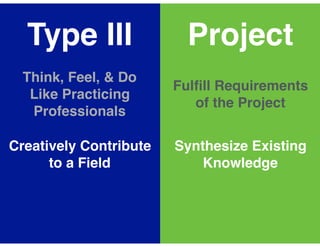
Type III Project
Think, Feel, & Do
Like Practicing
Professionals
Fulfill Requirements
of the Project
Creatively Contribute
to a Field
Synthesize Existing
Knowledge
Product for an
Appropriate Audience
Be Assessed,
Usually by the Teacher
Type III Project
Think, Feel, & Do
Like Practicing
Professionals
Fulfill Requirements
of the Project
Creatively Contribute
to a Field
Synthesize Existing
Knowledge
Product for an
Appropriate Audience
Be Assessed,
Usually by the Teacher
TYPE IIITYPE I TYPE II
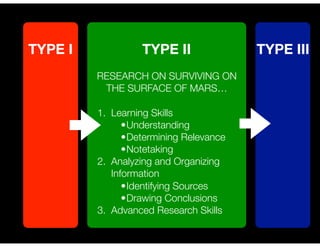
RESEARCH ON SURVIVING ON
THE SURFACE OF MARS…
1. Learning Skills
•Understanding
•Determining Relevance
•Notetaking
2. Analyzing and Organizing
Information
•Identifying Sources
•Drawing Conclusions
3. Advanced Research Skills
TYPE IIITYPE I TYPE II
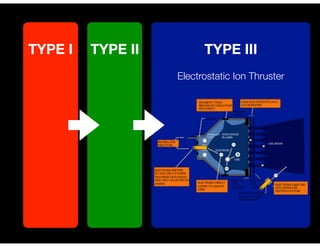
TYPE III
Electrostatic Ion Thruster
TYPE I TYPE II
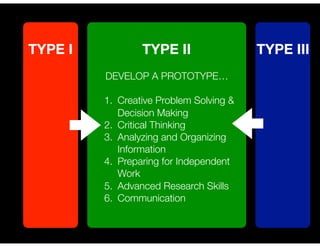
TYPE IIITYPE I TYPE II
DEVELOP A PROTOTYPE…
1. Creative Problem Solving &
Decision Making
2. Critical Thinking
3. Analyzing and Organizing
Information
4. Preparing for Independent
Work
5. Advanced Research Skills
6. Communication
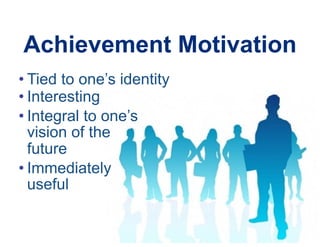
• Interesting
• Integral to one’s
vision of the
future
• Immediately
useful
• Tied to one’s identity
Achievement Motivation
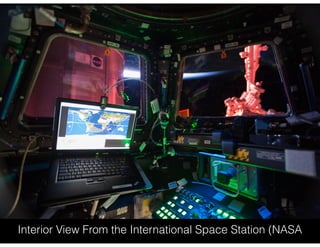
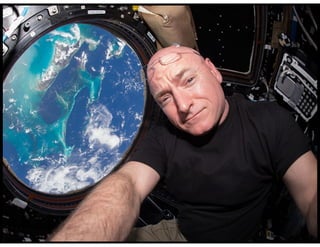
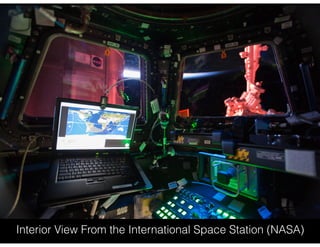
Interior View From the International Space Station (NASA)
Image: NASA/KSC
NASA
NASA/Chris Gunn
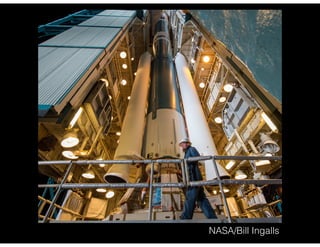
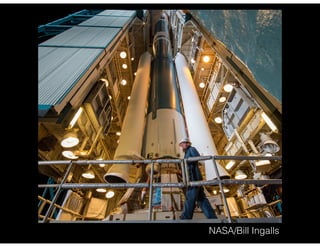
NASA/Bill Ingalls
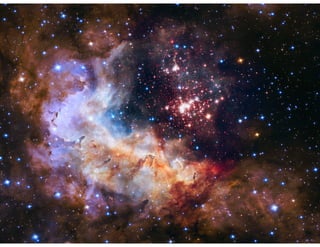
James Webb, Cosmos
Thank you.
It’s not a matter of if,
but when, we will deal
with such a situation
[asteroid impact].
Thomas Zurbuchen,
Associate Administrator
NASA’s Science Mission Directorate
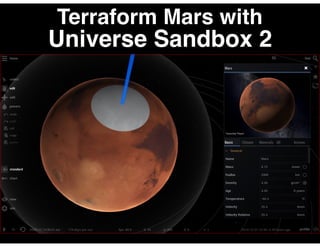
Terraform Mars with
Universe Sandbox 2
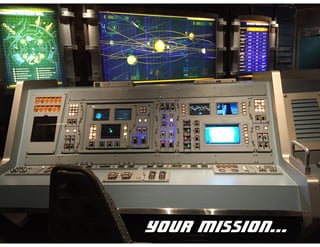
YOUR Mission…
http://btc.montana.edu/ceres/html/EdActivities.html
http://marsed.asu.edu/lesson_plans/marsbound
Interior View From the International Space Station (NASA
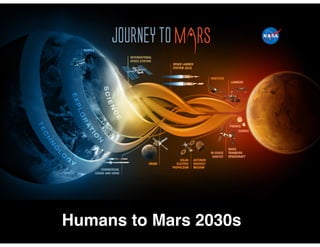
Humans to Mars 2030s
NASA
NASA/Chris Gunn
NASA/Bill Ingalls
James Webb, Cosmos
Thank you.

Helping Students Prepare for the Future Using the Enrichment Triad Model