






















ContingencyManagement.weebly.com
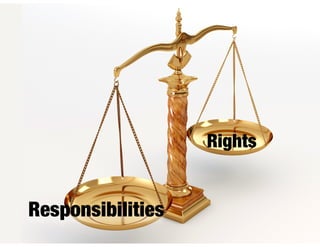
Rights
Responsibilities
Classroom Rights &
Responsibilities
• Keep the room clean - Return your tools and materials
• Respect each others time - be on time - Manage your time
properly - Respect
• Be mindful of peoples language, ideas, cultural, and
religious backgrounds - Support your classmates -
appreciate - support - Reach out for help
• Make positive contributions - Positive attitude - be positive
• Keep your mind open - learn and listen
• Be flexible with changes
• Feel free to express ideas and opinions
• Stay focused on your task - focus
• Maintain a safe zone
Activity Time:
I Have the Power
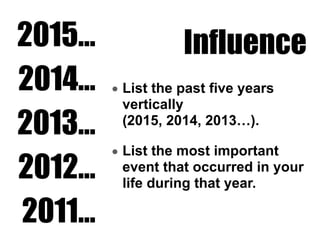
Influence
• List the past five years
vertically
(2015, 2014, 2013…).
• List the most important
event that occurred in your
life during that year.
2015…
2014…
2013…
2012…
2011…
Influence
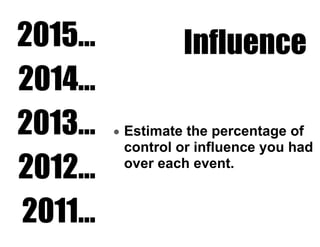
• Estimate the percentage of
control or influence you had
over each event.
2015…
2014…
2013…
2012…
2011…
Influence
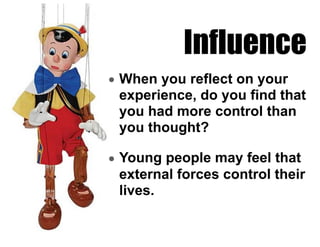
• When you reflect on your
experience, do you find that
you had more control than
you thought?
• Young people may feel that
external forces control their
lives.
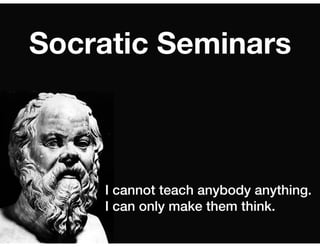
I cannot teach anybody anything.
I can only make them think.
Socratic Seminars
9 Guidelines for Participants in a Socratic
Seminar
1. Refer to the big idea during the discussion.
2. It's OK to pass when asked to contribute.
3. Do not stay confused; ask for clarification.
4. Stick to the point.
5. Don't raise hands; take turns speaking.
6. Listen carefully.
7. Speak up so that all can hear you.
8. Talk to each other, not just to the leader.
9. Discuss ideas rather than each other's opinions.
Sample questions that demonstrate
constructive participation in Socratic
Seminars.
■ Here is my view and how I arrived at it. How does it
sound to you?
■ Do you see gaps in my reasoning?
■ Do you have different data?
■ Do you have different conclusions?
■ How did you arrive at your view?
■ Are you taking into account something different from
what I have considered?
What does Socratic mean?
Socratic comes from the name
Socrates
Socrates believed the answers to
all human questions and
problems reside within us.
What was Socrates' Theory of Knowledge?
Socrates was convinced that the surest way attain
reliable knowledge was through the practice of
disciplined
conversation
He called this method dialectic.
What does dialectic mean?
di-a-lec-tic (noun) means the art or practice of
examining opinions or ideas logically,
often by the method of
Question and Answer
so as to determine their validity.
How did Socrates use the dialectic? 


He would begin with a discussion of the obvious
aspects of any
problem
Socrates would feign ignorance about a subject
and try to draw out from the other person his
fullest possible knowledge about it.
What is a Socratic Seminar?
A Socratic Seminar is a method used to understand
information by creating dialectic in class regarding a
Big idea
Participants seek deeper understanding of complex
ideas in text through rigorous thoughtful dialogue,
rather than by memorizing bits of information.
The Text:
Socratic Seminars are used for richness in ideas, issues,
values and their ability to stimulate dialogue.
A good big idea raises important
questions
There are no right or wrong answers.
At the end of successful Socratic Seminars, participants
often leave with more questions than they brought
with them.
The Question:
A Socratic Seminar opens with a
Question
posed by the leader or solicited from participants as
they acquire more experience in seminars.
Responses to the opening question generate new
questions from the leader and participants, leading
to new responses.
The Leader:
In a Socratic Seminar, the leader plays a dual role as
Leader and Participant
Keeps the discussion focused on the text by
■ asking follow-up questions
■ helping clarify positions when
arguments become confused
■ involving reluctant participants
The Leader:
As a seminar participant, the leader actively
engages in the group's exploration of the
BIG IDEA
To do this effectively, the leader must know
the text well enough to anticipate varied
interpretations and recognize important
possibilities
The Participants
In a Socratic Seminar, participants carry the burden
of responsibility for the quality of the seminar.
There are three ways to do this:
Studying
Participating
Sharing
Expectations of Participants
Did I…..
■ Speak loudly and clearly?
■ Cite reasons and evidence for my statements?
■ Use the text to find support?
■ Listen to others respectfully?
■ Stick with the subject?
■ Talk to others, not just to the leader?
■ Paraphrase accurately?
■ Avoid inappropriate language?
■ Ask questions to clear up confusion?
■ Support others?
■ Avoid hostile exchanges?
■ Question others in a civil manner?
■ Seem prepared?
Information for this cite came from the following sources: 


■ Jeannie Murphy. "Professional Development: Socratic
Seminars." Regions 8 and 11 Professional Development
Consortia, Los Angeles County Office of Education 6 Dec.
2000<http://www.lacoe.edu/pdc/professional/socratic.html>
■ Stumpf, Samuel Enoch. Socrates to Sartre: A History of
Philosophy, 6th ed. McGraw-Hill, 1999. 

Let us try one….:
A Socratic Seminar opens with a
Question
posed by the leader or solicited from participants as
they acquire more experience in seminars.
Responses to the opening question generate new
questions from the leader and participants, leading
to new responses.
Does education matter?
Kohlberg’s Stages
of
Moral Development
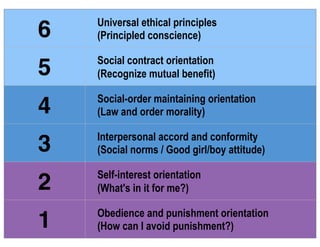
6 Universal ethical principles
(Principled conscience)
5 Social contract orientation
(Recognize mutual benefit)
4 Social-order maintaining orientation
(Law and order morality)
3 Interpersonal accord and conformity
(Social norms / Good girl/boy attitude)
2 Self-interest orientation
(What's in it for me?)
1 Obedience and punishment orientation
(How can I avoid punishment?)
A Dilemma...
Is it okay to use
work supplies for
personal purposes?
You find $20 setting
on the seat of the
bus. Do you ask
around to see if
anyone dropped it?
The clerk at the
grocery store gives
you too much
change.
Do you tell him?
You’re about to serve food
to guests at a dinner party,
and you drop a
serving or two on the
floor. It’s salvageable,
and no one sees.
Do you still serve it?
Identity and Morality in a
Digital Landscape
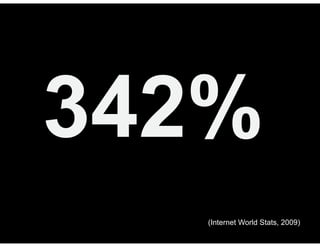
(Internet World Stats, 2009)
342%
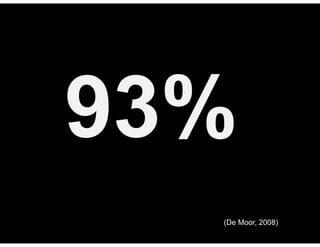
(De Moor, 2008)
93%
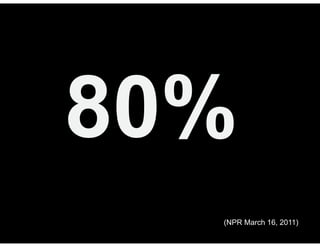
(NPR March 16, 2011)
80%
4276
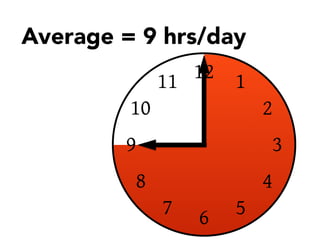
Average = 9 hrs/day
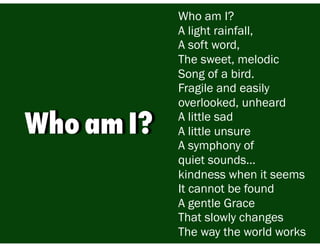
Who am I?
Writing
Activities
Who am I?
A light rainfall,
A soft word,
The sweet, melodic
Song of a bird.
Fragile and easily
overlooked, unheard
A little sad
A little unsure
A symphony of
quiet sounds…
kindness when it seems
It cannot be found
A gentle Grace
That slowly changes
The way the world works
Who am I?
Public Domain Image by kid-josh https://www.flickr.com/photos/48112820@N05/6784102187
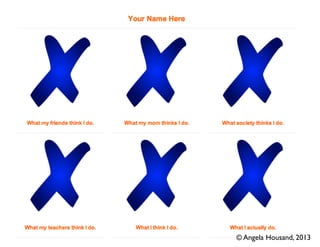
Activity Time:
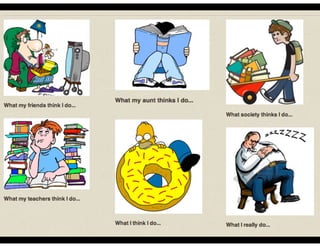
Meme in
Relation to the World
© Angela Housand, 2013
Contingency Management Lecture 4

Contingency Management Lecture 4

  • 1.
  • 3.
  • 4.
    Classroom Rights & Responsibilities •Keep the room clean - Return your tools and materials • Respect each others time - be on time - Manage your time properly - Respect • Be mindful of peoples language, ideas, cultural, and religious backgrounds - Support your classmates - appreciate - support - Reach out for help • Make positive contributions - Positive attitude - be positive • Keep your mind open - learn and listen • Be flexible with changes • Feel free to express ideas and opinions • Stay focused on your task - focus • Maintain a safe zone
  • 5.
  • 6.
    Influence • List thepast five years vertically (2015, 2014, 2013…). • List the most important event that occurred in your life during that year. 2015… 2014… 2013… 2012… 2011…
  • 7.
    Influence • Estimate thepercentage of control or influence you had over each event. 2015… 2014… 2013… 2012… 2011…
  • 8.
    Influence • When youreflect on your experience, do you find that you had more control than you thought? • Young people may feel that external forces control their lives.
  • 9.
    I cannot teachanybody anything. I can only make them think. Socratic Seminars
  • 10.
    9 Guidelines forParticipants in a Socratic Seminar 1. Refer to the big idea during the discussion. 2. It's OK to pass when asked to contribute. 3. Do not stay confused; ask for clarification. 4. Stick to the point. 5. Don't raise hands; take turns speaking. 6. Listen carefully. 7. Speak up so that all can hear you. 8. Talk to each other, not just to the leader. 9. Discuss ideas rather than each other's opinions.
  • 11.
    Sample questions thatdemonstrate constructive participation in Socratic Seminars. ■ Here is my view and how I arrived at it. How does it sound to you? ■ Do you see gaps in my reasoning? ■ Do you have different data? ■ Do you have different conclusions? ■ How did you arrive at your view? ■ Are you taking into account something different from what I have considered?
  • 12.
    What does Socraticmean? Socratic comes from the name Socrates Socrates believed the answers to all human questions and problems reside within us.
  • 13.
    What was Socrates'Theory of Knowledge? Socrates was convinced that the surest way attain reliable knowledge was through the practice of disciplined conversation He called this method dialectic.
  • 14.
    What does dialecticmean? di-a-lec-tic (noun) means the art or practice of examining opinions or ideas logically, often by the method of Question and Answer so as to determine their validity.
  • 15.
    How did Socratesuse the dialectic? 
 
 He would begin with a discussion of the obvious aspects of any problem Socrates would feign ignorance about a subject and try to draw out from the other person his fullest possible knowledge about it.
  • 16.
    What is aSocratic Seminar? A Socratic Seminar is a method used to understand information by creating dialectic in class regarding a Big idea Participants seek deeper understanding of complex ideas in text through rigorous thoughtful dialogue, rather than by memorizing bits of information.
  • 17.
    The Text: Socratic Seminarsare used for richness in ideas, issues, values and their ability to stimulate dialogue. A good big idea raises important questions There are no right or wrong answers. At the end of successful Socratic Seminars, participants often leave with more questions than they brought with them.
  • 18.
    The Question: A SocraticSeminar opens with a Question posed by the leader or solicited from participants as they acquire more experience in seminars. Responses to the opening question generate new questions from the leader and participants, leading to new responses.
  • 19.
    The Leader: In aSocratic Seminar, the leader plays a dual role as Leader and Participant Keeps the discussion focused on the text by ■ asking follow-up questions ■ helping clarify positions when arguments become confused ■ involving reluctant participants
  • 20.
    The Leader: As aseminar participant, the leader actively engages in the group's exploration of the BIG IDEA To do this effectively, the leader must know the text well enough to anticipate varied interpretations and recognize important possibilities
  • 21.
    The Participants In aSocratic Seminar, participants carry the burden of responsibility for the quality of the seminar. There are three ways to do this: Studying Participating Sharing
  • 22.
    Expectations of Participants DidI….. ■ Speak loudly and clearly? ■ Cite reasons and evidence for my statements? ■ Use the text to find support? ■ Listen to others respectfully? ■ Stick with the subject? ■ Talk to others, not just to the leader? ■ Paraphrase accurately? ■ Avoid inappropriate language? ■ Ask questions to clear up confusion? ■ Support others? ■ Avoid hostile exchanges? ■ Question others in a civil manner? ■ Seem prepared?
  • 23.
    Information for thiscite came from the following sources: 
 
 ■ Jeannie Murphy. "Professional Development: Socratic Seminars." Regions 8 and 11 Professional Development Consortia, Los Angeles County Office of Education 6 Dec. 2000<http://www.lacoe.edu/pdc/professional/socratic.html> ■ Stumpf, Samuel Enoch. Socrates to Sartre: A History of Philosophy, 6th ed. McGraw-Hill, 1999. 

  • 24.
    Let us tryone….: A Socratic Seminar opens with a Question posed by the leader or solicited from participants as they acquire more experience in seminars. Responses to the opening question generate new questions from the leader and participants, leading to new responses.
  • 26.
  • 28.
  • 30.
    6 Universal ethicalprinciples (Principled conscience) 5 Social contract orientation (Recognize mutual benefit) 4 Social-order maintaining orientation (Law and order morality) 3 Interpersonal accord and conformity (Social norms / Good girl/boy attitude) 2 Self-interest orientation (What's in it for me?) 1 Obedience and punishment orientation (How can I avoid punishment?)
  • 33.
  • 34.
    Is it okayto use work supplies for personal purposes?
  • 35.
    You find $20setting on the seat of the bus. Do you ask around to see if anyone dropped it?
  • 36.
    The clerk atthe grocery store gives you too much change. Do you tell him?
  • 37.
    You’re about toserve food to guests at a dinner party, and you drop a serving or two on the floor. It’s salvageable, and no one sees. Do you still serve it?
  • 38.
    Identity and Moralityin a Digital Landscape
  • 39.
  • 40.
  • 41.
    (NPR March 16,2011) 80%
  • 42.
  • 43.
    Average = 9hrs/day
  • 45.
  • 48.
  • 49.
    Who am I? Alight rainfall, A soft word, The sweet, melodic Song of a bird. Fragile and easily overlooked, unheard A little sad A little unsure A symphony of quiet sounds… kindness when it seems It cannot be found A gentle Grace That slowly changes The way the world works Who am I?
  • 50.
    Public Domain Imageby kid-josh https://www.flickr.com/photos/48112820@N05/6784102187
  • 52.
  • 56.