By 
PRADEEP.S 
BSC (N), MBA
DEFINITION 
 A medical procedure to remove fluid and waste 
products from the blood and to correct electrolyte 
imbalances. This is accomplished using a machine 
and a dialyzer, also referred to as an "artificial kidney."
Dr. WILLEM KOLFF 
 FATHER OF DIALYSIS 
 HE WAS THE FIRST TO CONSTRUCT A WORKING 
DIALYSER IN 1943
CONDITIONS WHICH LEADS TO 
HAEMODIALYSIS 
1. ARF 
a. Decreased renal blood flow 
b. Damage to kidneys 
c. Hydronephrosis 
2. CRF 
a. DM (40%) 
b. Hypertension (25%) 
c. Glomerulonephritis
INDICATIONS 
 Acid base imbalance ( pH< 7.1) 
 Electrolyte imbalance ( K+ > 6.5 mEq/ L) 
 Intoxication (Alcohol or drug intoxication) 
 Overload of fluids ( pulmonary oedema) 
 Uremic syndrome (↑ed level of urea & CR)
GOAL OF HAEMODIALYSIS 
1. Solute clearance 
2. Fluid removal
PRINCIPLES OF HAEMODIALYSIS 
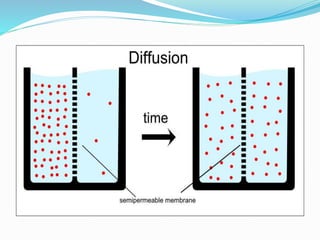
1. DIFFUSION : Passive movement of solute across a 
semipermeable membrane 
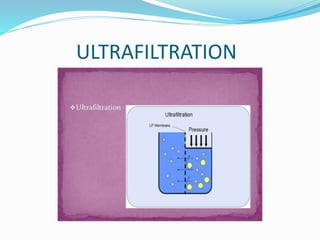
2. ULTRAFILTRATION : Solute + fluid removal across 
semipermeable membrane down a pressure gradient
ULTRAFILTRATION
HAEMODIALYSIS APPARATUS 
a. Dialyser 
b. Dialysis solution ( dialysate) 
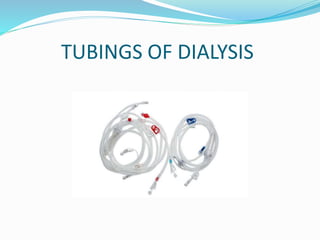
c. Tubings for transport of blood 
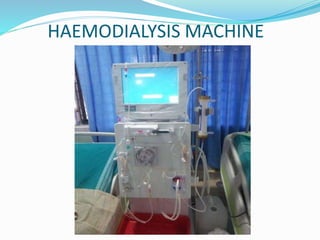
d. Dialysis Machine
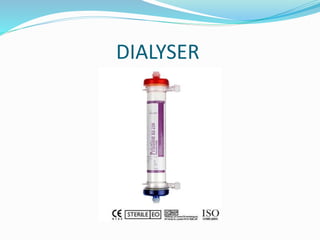
DIALYSER
DIALYSATE 
A solution used in dialysis to draw fluids and 
toxins out of the blood stream and supply electrolytes 
and other chemicals to the blood stream. 
Contents of dialysate 
Na+ : 137 mEq/L 
K+ : 2 mEq/L 
Ca++ : 7 mg/dl 
Mg++ : 0.75 mEq/L 
Cl- : 108 mEq/L 
HCO3-- : 35 mEq/L
TUBINGS OF DIALYSIS
HAEMODIALYSIS MACHINE
ACCESS FOR HAEMODIALYSIS 
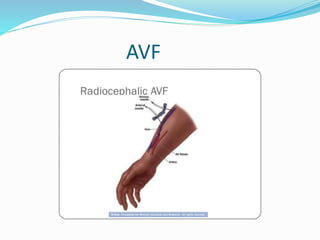
1. Arterio venous fistula ( AVF ) 
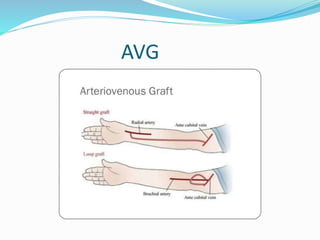
2. Arterio venous graft ( AVG ) 
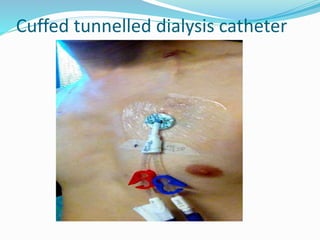
3. Cuffed, tunneled dialysis catheter 
4. Temporary access sites 
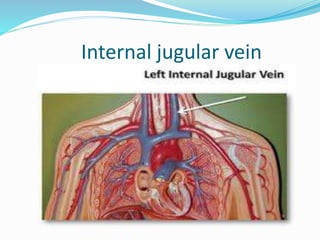
a. Internal jugular vein 
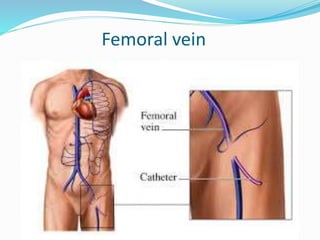
b. Femoral vein
AVF
AVG
Cuffed tunnelled dialysis catheter
Internal jugular vein
Femoral vein
Assessment of patient before 
dialysis 
1. Weight 
2. Serum biochemistry , serology and haematology 
3. Blood pressure 
4. Temperature and pulse 
5. Assessing Hepatitis B vaccination status 
BEFORE HD 
 Take consent 
 Verification of physician’s order
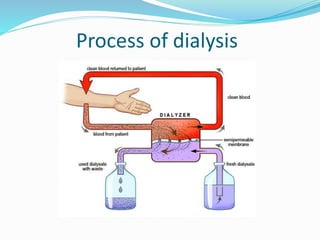
Process of dialysis
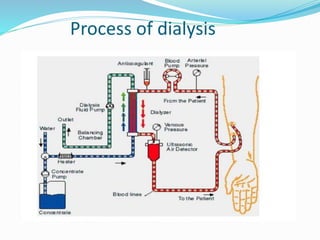
Process of dialysis
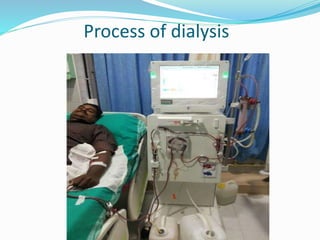
Process of dialysis
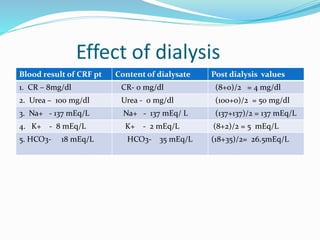
Effect of dialysis 
Blood result of CRF pt Content of dialysate Post dialysis values 
1. CR – 8mg/dl CR- 0 mg/dl (8+0)/2 = 4 mg/dl 
2. Urea – 100 mg/dl Urea - 0 mg/dl (100+0)/2 = 50 mg/dl 
3. Na+ - 137 mEq/L Na+ - 137 mEq/ L (137+137)/2 = 137 mEq/L 
4. K+ - 8 mEq/L K+ - 2 mEq/L (8+2)/2 = 5 mEq/L 
5. HCO3- 18 mEq/L HCO3- 35 mEq/L (18+35)/2= 26.5mEq/L
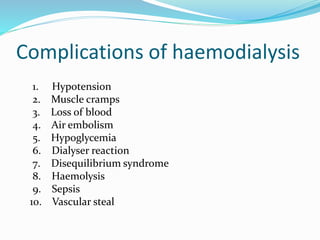
Complications of haemodialysis 
1. Hypotension 
2. Muscle cramps 
3. Loss of blood 
4. Air embolism 
5. Hypoglycemia 
6. Dialyser reaction 
7. Disequilibrium syndrome 
8. Haemolysis 
9. Sepsis 
10. Vascular steal
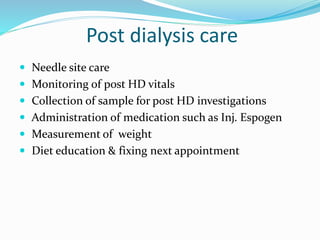
Post dialysis care 
 Needle site care 
 Monitoring of post HD vitals 
 Collection of sample for post HD investigations 
 Administration of medication such as Inj. Espogen 
 Measurement of weight 
 Diet education & fixing next appointment
THANK 
YOU……...

Haemodialysis , The end of searching

  • 1.
  • 2.
    DEFINITION  Amedical procedure to remove fluid and waste products from the blood and to correct electrolyte imbalances. This is accomplished using a machine and a dialyzer, also referred to as an "artificial kidney."
  • 3.
    Dr. WILLEM KOLFF  FATHER OF DIALYSIS  HE WAS THE FIRST TO CONSTRUCT A WORKING DIALYSER IN 1943
  • 4.
    CONDITIONS WHICH LEADSTO HAEMODIALYSIS 1. ARF a. Decreased renal blood flow b. Damage to kidneys c. Hydronephrosis 2. CRF a. DM (40%) b. Hypertension (25%) c. Glomerulonephritis
  • 5.
    INDICATIONS  Acidbase imbalance ( pH< 7.1)  Electrolyte imbalance ( K+ > 6.5 mEq/ L)  Intoxication (Alcohol or drug intoxication)  Overload of fluids ( pulmonary oedema)  Uremic syndrome (↑ed level of urea & CR)
  • 6.
    GOAL OF HAEMODIALYSIS 1. Solute clearance 2. Fluid removal
  • 7.
    PRINCIPLES OF HAEMODIALYSIS 1. DIFFUSION : Passive movement of solute across a semipermeable membrane 2. ULTRAFILTRATION : Solute + fluid removal across semipermeable membrane down a pressure gradient
  • 9.
  • 10.
    HAEMODIALYSIS APPARATUS a.Dialyser b. Dialysis solution ( dialysate) c. Tubings for transport of blood d. Dialysis Machine
  • 11.
  • 12.
    DIALYSATE A solutionused in dialysis to draw fluids and toxins out of the blood stream and supply electrolytes and other chemicals to the blood stream. Contents of dialysate Na+ : 137 mEq/L K+ : 2 mEq/L Ca++ : 7 mg/dl Mg++ : 0.75 mEq/L Cl- : 108 mEq/L HCO3-- : 35 mEq/L
  • 13.
  • 14.
  • 15.
    ACCESS FOR HAEMODIALYSIS 1. Arterio venous fistula ( AVF ) 2. Arterio venous graft ( AVG ) 3. Cuffed, tunneled dialysis catheter 4. Temporary access sites a. Internal jugular vein b. Femoral vein
  • 16.
  • 17.
  • 18.
  • 19.
  • 20.
  • 21.
    Assessment of patientbefore dialysis 1. Weight 2. Serum biochemistry , serology and haematology 3. Blood pressure 4. Temperature and pulse 5. Assessing Hepatitis B vaccination status BEFORE HD  Take consent  Verification of physician’s order
  • 22.
  • 23.
  • 24.
  • 25.
    Effect of dialysis Blood result of CRF pt Content of dialysate Post dialysis values 1. CR – 8mg/dl CR- 0 mg/dl (8+0)/2 = 4 mg/dl 2. Urea – 100 mg/dl Urea - 0 mg/dl (100+0)/2 = 50 mg/dl 3. Na+ - 137 mEq/L Na+ - 137 mEq/ L (137+137)/2 = 137 mEq/L 4. K+ - 8 mEq/L K+ - 2 mEq/L (8+2)/2 = 5 mEq/L 5. HCO3- 18 mEq/L HCO3- 35 mEq/L (18+35)/2= 26.5mEq/L
  • 26.
    Complications of haemodialysis 1. Hypotension 2. Muscle cramps 3. Loss of blood 4. Air embolism 5. Hypoglycemia 6. Dialyser reaction 7. Disequilibrium syndrome 8. Haemolysis 9. Sepsis 10. Vascular steal
  • 27.
    Post dialysis care  Needle site care  Monitoring of post HD vitals  Collection of sample for post HD investigations  Administration of medication such as Inj. Espogen  Measurement of weight  Diet education & fixing next appointment
  • 28.