Used to
"Used to" is most commonly used in the habitual 
past. That is, to talk about things someone or 
something did in the past but does not do 
anymore. In this usage, used is always followed by 
the infinitive form (to do, to talk, to live, etc.) 
and never followed by the gerund (doing, talking, 
living, etc.) 
 When I was little, we used to go camping a lot. 
 When my father was in school, they used to 
hate children who were noisy. 
 I used to work days, but now I work the night 
shift.
 I used to ride the bus to work but I don't 
anymore. 
This means that I no longer ride the bus. I may 
have bought a car or maybe I now get a ride to 
work. 
 Sarik used to live in Georgia but she doesn't 
anymore. 
Sarik now lives in California. 
 Peter used to smoke a lot in Indonesia but he 
doesn't anymore. 
Peter no longer smokes cigarettes.
Use the correct form to complete 
these sentences. 
 People ...... ……… computers to work with, 
but now we do. 
 Football players ...... ………. so much 
money but advertising has changed the 
game completely. 
 Jim ...... …….. to that school but now he's 
at university. 
 I ...... ………..a lot of chips. I don't any 
more. 
 My daughter ...... ……… to Macdonald's but 
she doesn't any more because she believes 
that the food is unhealthy.
 I drive a small, economical car now 
although I ...... ………. a large, gas-guzzling, 
four-wheel drive. 
 He ...... ………. swimming but he goes every 
day now. 
 ...... we ...... have a pet snake when I was 
small? 
 I ...... …………..in God but now I don't. 
 ...... you ...... sit in the row behind me at 
school?
Complete this passage using the correct 
expressions. 
 When he wasn't away because he was ill, he was away 
because he had a problem at home. I ...... worry about it 
at first but gradually I became annoyed. He ...... turn up 
late and give an excuse. Sometimes he ...... come at all. I 
had to do my own work and most of his. That didn't 
seem fair to me so I did something about it. I ...... do the 
urgent work and leave the rest for him. I also ...... give 
people his mobile number so they could contact him at 
home. I ...... leave filing work for him to finish. After a 
while, he got the message and left. I was pleased 
because we employed Emma, who worked much 
harder. I saw him a few years later. He came up to me in 
a restaurant. "Didn't you ...... work at Emerson's?' he 
asked me. "Yes, I did, and I still do!' I said. "Now I own 
the company. It's doing very well." "Oh," he said. "I'm 
looking for a job." "Sorry," I said. "You ...... be very lazy 
and I doubt if you've changed."
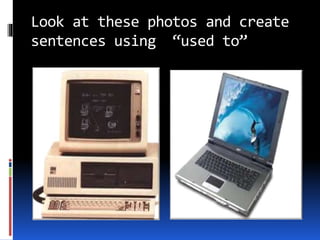
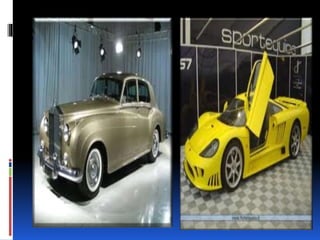
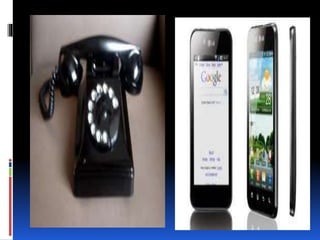
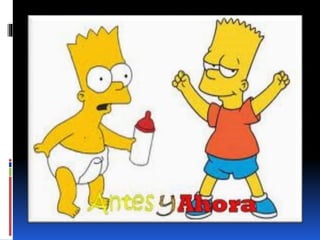
Look at these photos and create 
sentences using “used to”
Practice 
 Choose any person, object, place, 
animal, etc, and write 6 
sentences about its differences in 
the past and in the present. 
 Draw photos, pictures or 
drawings.

Habitual past

  • 1.
  • 2.
    "Used to" ismost commonly used in the habitual past. That is, to talk about things someone or something did in the past but does not do anymore. In this usage, used is always followed by the infinitive form (to do, to talk, to live, etc.) and never followed by the gerund (doing, talking, living, etc.)  When I was little, we used to go camping a lot.  When my father was in school, they used to hate children who were noisy.  I used to work days, but now I work the night shift.
  • 3.
     I usedto ride the bus to work but I don't anymore. This means that I no longer ride the bus. I may have bought a car or maybe I now get a ride to work.  Sarik used to live in Georgia but she doesn't anymore. Sarik now lives in California.  Peter used to smoke a lot in Indonesia but he doesn't anymore. Peter no longer smokes cigarettes.
  • 4.
    Use the correctform to complete these sentences.  People ...... ……… computers to work with, but now we do.  Football players ...... ………. so much money but advertising has changed the game completely.  Jim ...... …….. to that school but now he's at university.  I ...... ………..a lot of chips. I don't any more.  My daughter ...... ……… to Macdonald's but she doesn't any more because she believes that the food is unhealthy.
  • 5.
     I drivea small, economical car now although I ...... ………. a large, gas-guzzling, four-wheel drive.  He ...... ………. swimming but he goes every day now.  ...... we ...... have a pet snake when I was small?  I ...... …………..in God but now I don't.  ...... you ...... sit in the row behind me at school?
  • 6.
    Complete this passageusing the correct expressions.  When he wasn't away because he was ill, he was away because he had a problem at home. I ...... worry about it at first but gradually I became annoyed. He ...... turn up late and give an excuse. Sometimes he ...... come at all. I had to do my own work and most of his. That didn't seem fair to me so I did something about it. I ...... do the urgent work and leave the rest for him. I also ...... give people his mobile number so they could contact him at home. I ...... leave filing work for him to finish. After a while, he got the message and left. I was pleased because we employed Emma, who worked much harder. I saw him a few years later. He came up to me in a restaurant. "Didn't you ...... work at Emerson's?' he asked me. "Yes, I did, and I still do!' I said. "Now I own the company. It's doing very well." "Oh," he said. "I'm looking for a job." "Sorry," I said. "You ...... be very lazy and I doubt if you've changed."
  • 7.
    Look at thesephotos and create sentences using “used to”
  • 11.
    Practice  Chooseany person, object, place, animal, etc, and write 6 sentences about its differences in the past and in the present.  Draw photos, pictures or drawings.