TOPIC: LEARNING AND INSTRUCTIONAL
ELECTRONIC RESOURCES FOR
NURSERY / PRIMARY SCHOOLS.
What is Learning?
 How can Learning be seen?
 Factors that influence Learning?
 What is an instructional resources?
 What are the 3(three) classifications of instructional
resource?
 Types of Instructional resources?
 What is an Instructional electronic resources?
 Examples of Instructional electronic resources.
 Advantages and Disadvantages of e – resources.
What is Learning?
Learning can be defined as any
change of behaviour which is as a
result of experiences and which
causes people o face later situations
differently; is a process by which we
acquire and retain attitudes,
knowledge, understanding, skills and
capabilities. It can sometimes results
from trial and error.
 Learning can be seen as a (1) process
 (2) product
 As a process, it is the acquisition of useful
knowledge, values and skills.
 As a product, it is the observed attitudinal
charge latitude here refers to the
IGNORANT position one was before the
learning, but which change with the new
knowledge.
Learning can be influenced by so many factors like
a) Readiness
b) Interest
c) Maturity
d) Motivation
e) Drive
 Instructional Resources for N/P Schools
 Are human and non-human materials which
supports a teacher to pass information to
learners process of acquiring information,
knowledge and learning that are used by
both the pupils and teachers. Instructional
resources are of different forms of
information which are use to store, record,
transmit or retrieve information for the
purpose of teaching and learning.

Things to know about instructional resources for N/P
schools include:
a) classify them by their forms
b) classify them by their functions
c) classify them as a projected (as in slides,
filmstrip or non-projected (as in models, puppets,
books, journal) Instructional resources are a) Human
and non-human resources
Instructional resources are
(i) Human and Non- human resources
(ii) Audio, Visual and audio-visual resources
Meaning of Instructional e-resources
These are resources that involve the use of
electricity for their starts, without the suply of
electricity they can work be used as an instructional
resources for learners
Examples of instructional e- resources are:
Television
Projector
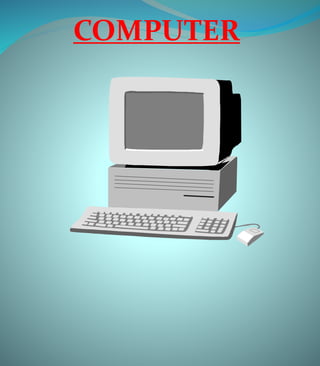
Computer
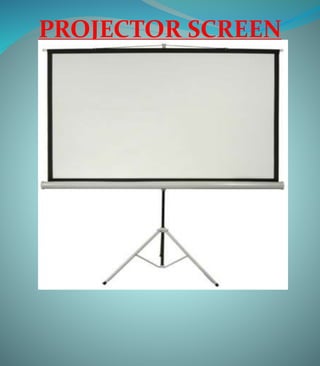
Projector screen
Radio
TELEVISION
COMPUTER
RADIO
PROJECTOR
PROJECTOR SCREEN
Advantages of e-resources
1. It is use to receive a paper work, assignment from
learners which are not written with the help of
computer.
2. It help pupils to have a considerable experience with
internet
3. It appends to the senses like sight, feels, feeling,
hearing
4. It makes learning easier and retains knowledge
5. It bright color (I.e pictures, images, shown) attracts
learner attention
6. Electronic resources makes class more efficient
Disadvantages of e-resources
1. Cost is unbearable for pupils
2. Lack of training for operation
3. Lack of specialist personnel
4. Instability of power supply (electricity supply)
5. It exposes pupils to crime

Learning and Instructional Electronic Resources for Nusery/Primary Schools

  • 1.
    TOPIC: LEARNING ANDINSTRUCTIONAL ELECTRONIC RESOURCES FOR NURSERY / PRIMARY SCHOOLS.
  • 2.
    What is Learning? How can Learning be seen?  Factors that influence Learning?  What is an instructional resources?  What are the 3(three) classifications of instructional resource?  Types of Instructional resources?  What is an Instructional electronic resources?  Examples of Instructional electronic resources.  Advantages and Disadvantages of e – resources.
  • 3.
    What is Learning? Learningcan be defined as any change of behaviour which is as a result of experiences and which causes people o face later situations differently; is a process by which we acquire and retain attitudes, knowledge, understanding, skills and capabilities. It can sometimes results from trial and error.
  • 4.
     Learning canbe seen as a (1) process  (2) product  As a process, it is the acquisition of useful knowledge, values and skills.  As a product, it is the observed attitudinal charge latitude here refers to the IGNORANT position one was before the learning, but which change with the new knowledge.
  • 5.
    Learning can beinfluenced by so many factors like a) Readiness b) Interest c) Maturity d) Motivation e) Drive
  • 6.
     Instructional Resourcesfor N/P Schools  Are human and non-human materials which supports a teacher to pass information to learners process of acquiring information, knowledge and learning that are used by both the pupils and teachers. Instructional resources are of different forms of information which are use to store, record, transmit or retrieve information for the purpose of teaching and learning. 
  • 7.
    Things to knowabout instructional resources for N/P schools include: a) classify them by their forms b) classify them by their functions c) classify them as a projected (as in slides, filmstrip or non-projected (as in models, puppets, books, journal) Instructional resources are a) Human and non-human resources Instructional resources are (i) Human and Non- human resources (ii) Audio, Visual and audio-visual resources
  • 8.
    Meaning of Instructionale-resources These are resources that involve the use of electricity for their starts, without the suply of electricity they can work be used as an instructional resources for learners Examples of instructional e- resources are: Television Projector Computer Projector screen Radio
  • 9.
  • 10.
  • 11.
  • 12.
  • 13.
  • 14.
    Advantages of e-resources 1.It is use to receive a paper work, assignment from learners which are not written with the help of computer. 2. It help pupils to have a considerable experience with internet 3. It appends to the senses like sight, feels, feeling, hearing 4. It makes learning easier and retains knowledge 5. It bright color (I.e pictures, images, shown) attracts learner attention 6. Electronic resources makes class more efficient
  • 15.
    Disadvantages of e-resources 1.Cost is unbearable for pupils 2. Lack of training for operation 3. Lack of specialist personnel 4. Instability of power supply (electricity supply) 5. It exposes pupils to crime