By: Rahul KULKARNI
What is Graphic Design ?
“Effective use of the Language of Form”
– Paul Rand
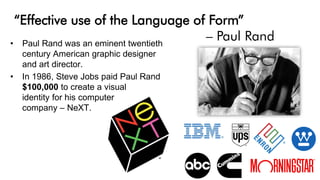
“Effective use of the Language of Form”
– Paul Rand• Paul Rand was an eminent twentieth
century American graphic designer
and art director.
• In 1986, Steve Jobs paid Paul Rand
$100,000 to create a visual
identity for his computer
company – NeXT.
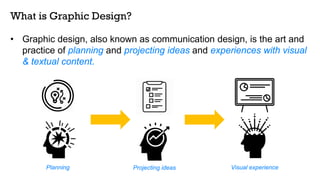
What is Graphic Design?
• Graphic design, also known as communication design, is the art and
practice of planning and projecting ideas and experiences with visual
& textual content.
Planning Projecting ideas Visual experience
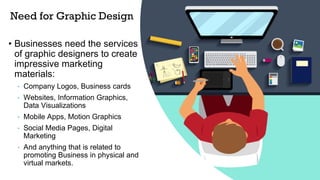
Need for Graphic Design
• Businesses need the services
of graphic designers to create
impressive marketing
materials:
• Company Logos, Business cards
• Websites, Information Graphics,
Data Visualizations
• Mobile Apps, Motion Graphics
• Social Media Pages, Digital
Marketing
• And anything that is related to
promoting Business in physical and
virtual markets.
Graphic Design helps to !
• Enhances Sales
• Establish Company Name
• Build Goodwill In The Market
• Convey A Brand Message
• Unite The Employees
• Encourage Professionalism
• Persuasion Power
• Customer Engagement
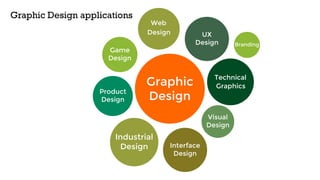
Graphic
Design
Web
Design UX
Design
Technical
Graphics
Branding
Visual
Design
Industrial
Design
Product
Design
Interface
Design
Game
Design
Graphic Design applications
Graphic Design for Branding
• One of the aims of Graphic Design is to create a brand identity for
the organization.
• Can you identify the companies from the below logos?
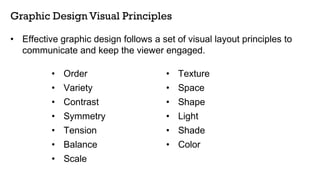
• Order • Texture
• Variety • Space
• Contrast • Shape
• Symmetry • Light
• Tension • Shade
• Balance • Color
• Scale
Graphic Design Visual Principles
• Effective graphic design follows a set of visual layout principles to
communicate and keep the viewer engaged.
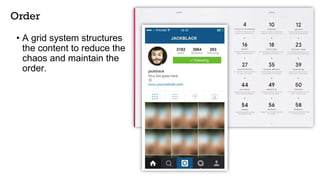
Order
• A grid system structures
the content to reduce the
chaos and maintain the
order.
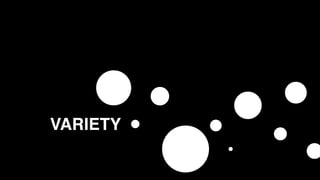
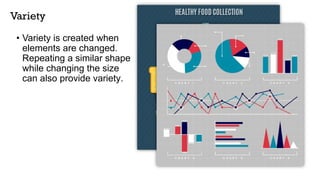
Variety
• Variety is created when
elements are changed.
Repeating a similar shape
while changing the size
can also provide variety.
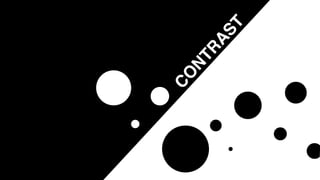
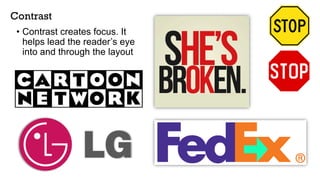
Contrast
• Contrast creates focus. It
helps lead the reader’s eye
into and through the layout
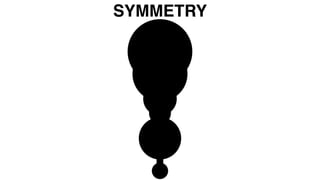
Symmetry
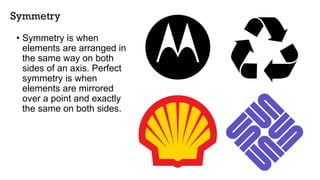
• Symmetry is when
elements are arranged in
the same way on both
sides of an axis. Perfect
symmetry is when
elements are mirrored
over a point and exactly
the same on both sides.
Tension
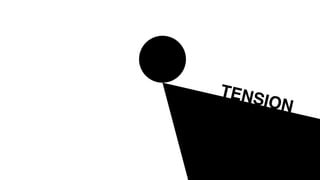
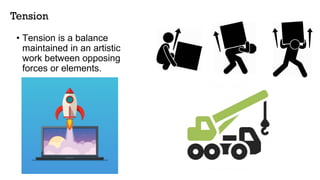
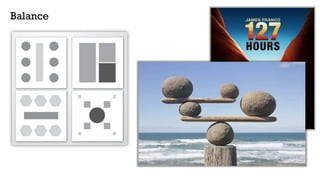
• Tension is a balance
maintained in an artistic
work between opposing
forces or elements.
Balance
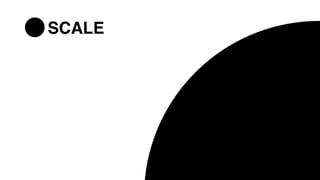
Scale
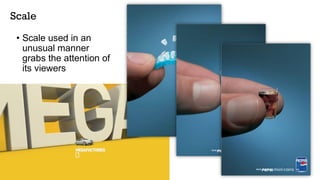
• Scale used in an
unusual manner
grabs the attention of
its viewers
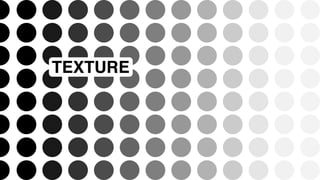
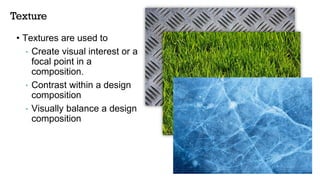
Texture
• Textures are used to
• Create visual interest or a
focal point in a
composition.
• Contrast within a design
composition
• Visually balance a design
composition
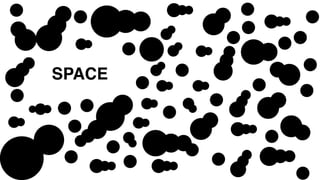
Space
• A visual element such as a
shape or a line can be
considered space.
• The artboard on a graphic
processing program like
Illustrator can be considered
as a space.
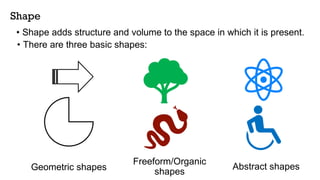
Shape
• Shape adds structure and volume to the space in which it is present.
Geometric shapes
Freeform/Organic
shapes
Abstract shapes
• There are three basic shapes:
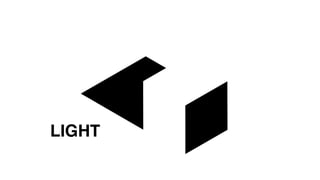
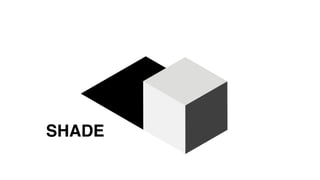
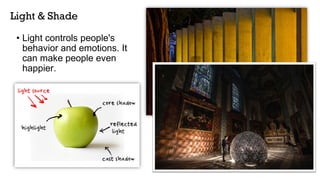
Light & Shade
• Light controls people's
behavior and emotions. It
can make people even
happier.
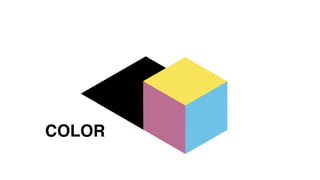
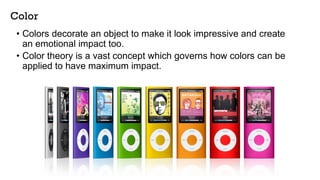
Color
• Colors decorate an object to make it look impressive and create
an emotional impact too.
• Color theory is a vast concept which governs how colors can be
applied to have maximum impact.
Questions?
THANK YOU

Graphic Design Essentials by Rahul KULKARNI.

  • 1.
  • 2.
    What is GraphicDesign ? “Effective use of the Language of Form” – Paul Rand
  • 3.
    “Effective use ofthe Language of Form” – Paul Rand• Paul Rand was an eminent twentieth century American graphic designer and art director. • In 1986, Steve Jobs paid Paul Rand $100,000 to create a visual identity for his computer company – NeXT.
  • 4.
    What is GraphicDesign? • Graphic design, also known as communication design, is the art and practice of planning and projecting ideas and experiences with visual & textual content. Planning Projecting ideas Visual experience
  • 5.
    Need for GraphicDesign • Businesses need the services of graphic designers to create impressive marketing materials: • Company Logos, Business cards • Websites, Information Graphics, Data Visualizations • Mobile Apps, Motion Graphics • Social Media Pages, Digital Marketing • And anything that is related to promoting Business in physical and virtual markets.
  • 6.
    Graphic Design helpsto ! • Enhances Sales • Establish Company Name • Build Goodwill In The Market • Convey A Brand Message • Unite The Employees • Encourage Professionalism • Persuasion Power • Customer Engagement
  • 7.
  • 8.
    Graphic Design forBranding • One of the aims of Graphic Design is to create a brand identity for the organization. • Can you identify the companies from the below logos?
  • 9.
    • Order •Texture • Variety • Space • Contrast • Shape • Symmetry • Light • Tension • Shade • Balance • Color • Scale Graphic Design Visual Principles • Effective graphic design follows a set of visual layout principles to communicate and keep the viewer engaged.
  • 11.
    Order • A gridsystem structures the content to reduce the chaos and maintain the order.
  • 13.
    Variety • Variety iscreated when elements are changed. Repeating a similar shape while changing the size can also provide variety.
  • 15.
    Contrast • Contrast createsfocus. It helps lead the reader’s eye into and through the layout
  • 17.
    Symmetry • Symmetry iswhen elements are arranged in the same way on both sides of an axis. Perfect symmetry is when elements are mirrored over a point and exactly the same on both sides.
  • 19.
    Tension • Tension isa balance maintained in an artistic work between opposing forces or elements.
  • 21.
  • 23.
    Scale • Scale usedin an unusual manner grabs the attention of its viewers
  • 25.
    Texture • Textures areused to • Create visual interest or a focal point in a composition. • Contrast within a design composition • Visually balance a design composition
  • 27.
    Space • A visualelement such as a shape or a line can be considered space. • The artboard on a graphic processing program like Illustrator can be considered as a space.
  • 29.
    Shape • Shape addsstructure and volume to the space in which it is present. Geometric shapes Freeform/Organic shapes Abstract shapes • There are three basic shapes:
  • 33.
    Light & Shade •Light controls people's behavior and emotions. It can make people even happier.
  • 34.
    Color • Colors decoratean object to make it look impressive and create an emotional impact too. • Color theory is a vast concept which governs how colors can be applied to have maximum impact.
  • 35.
  • 36.