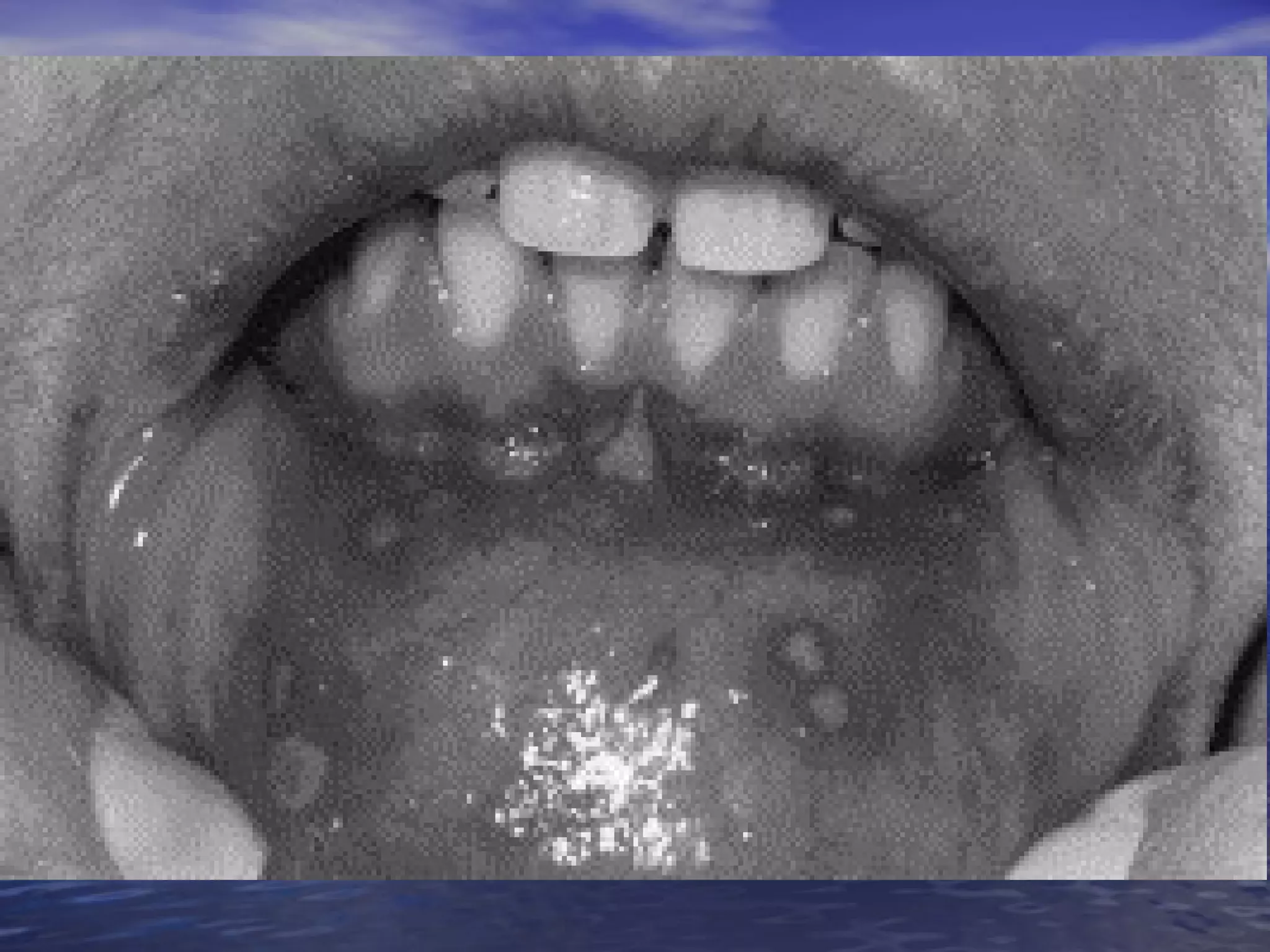
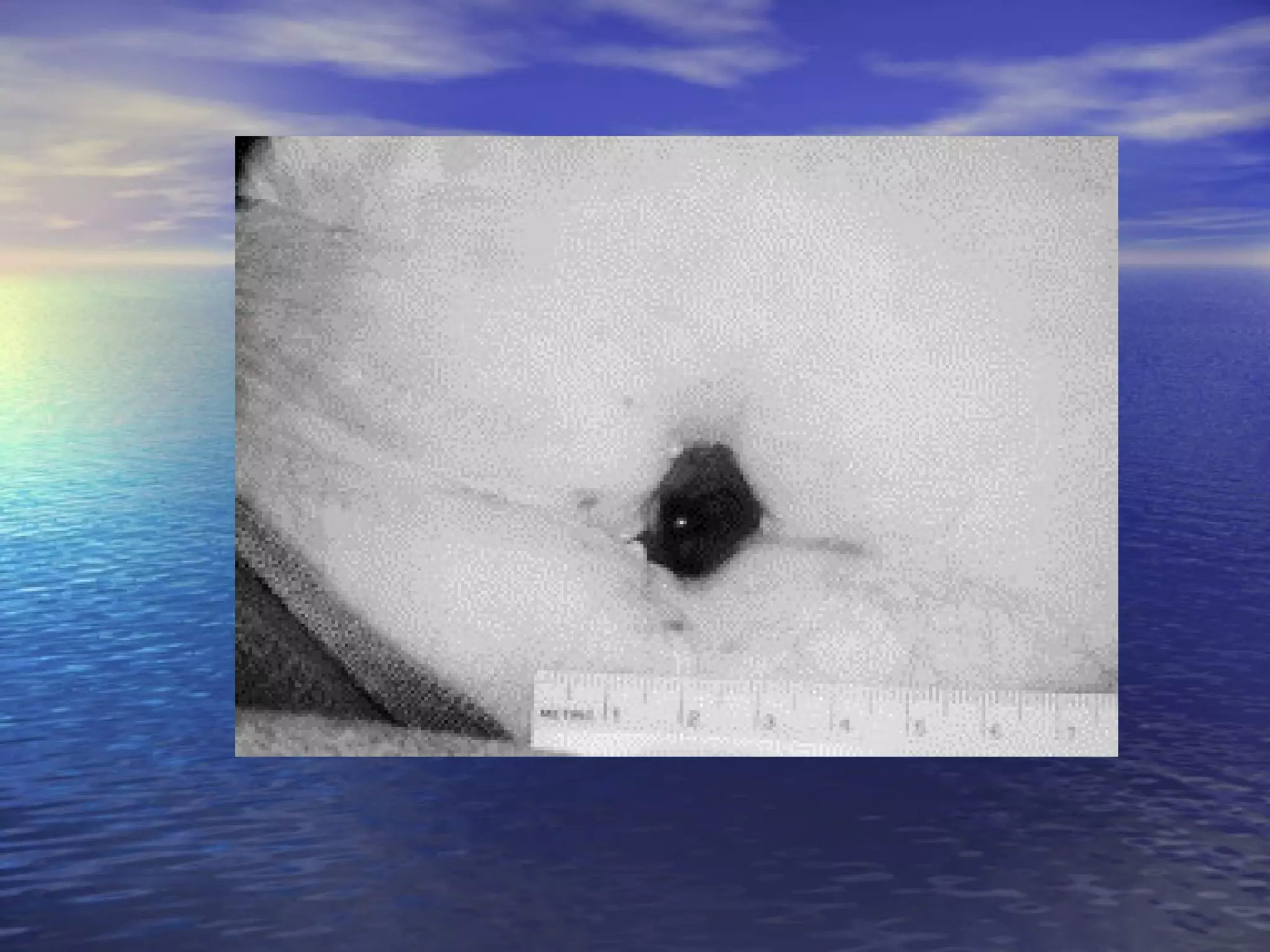
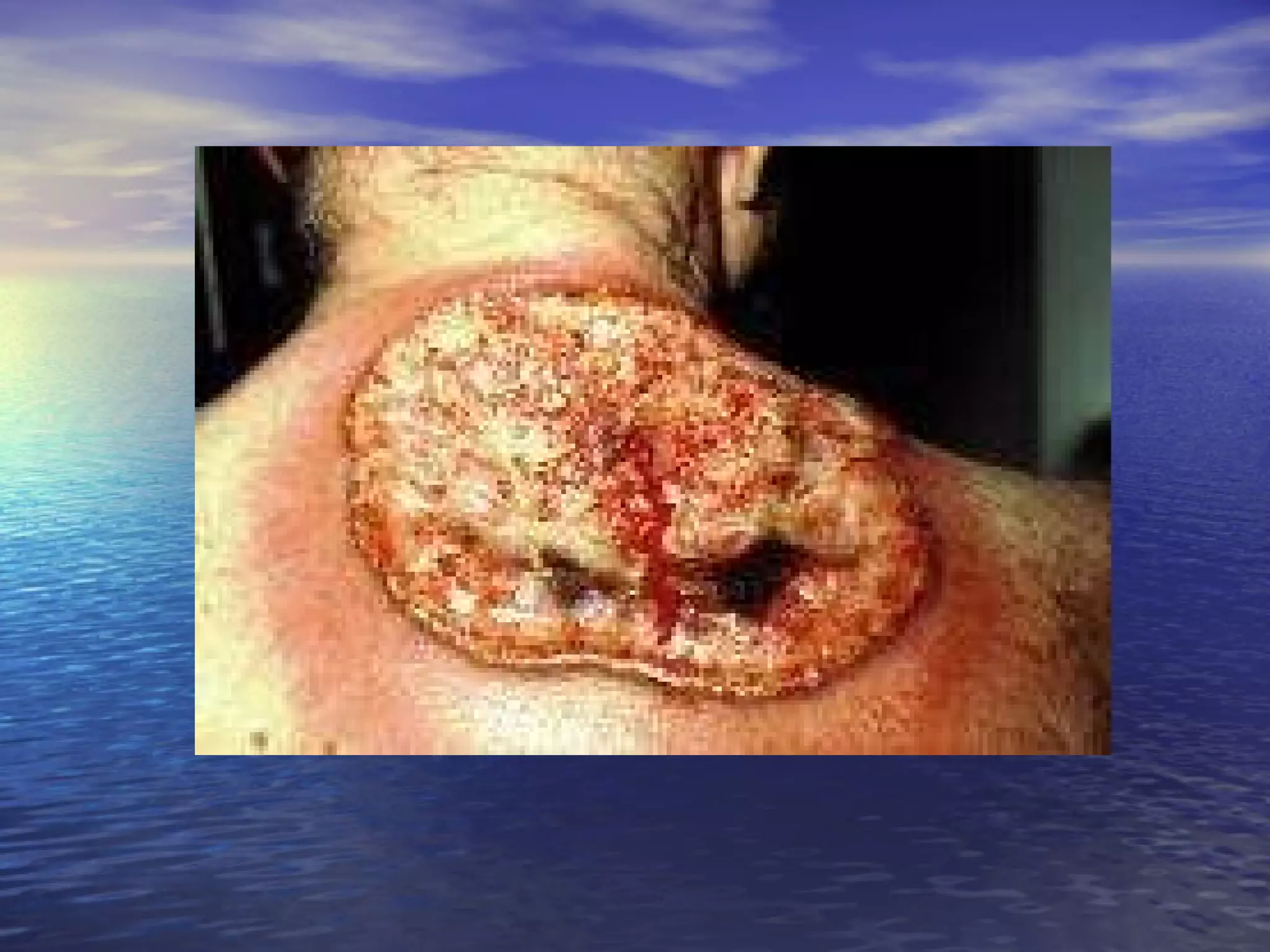
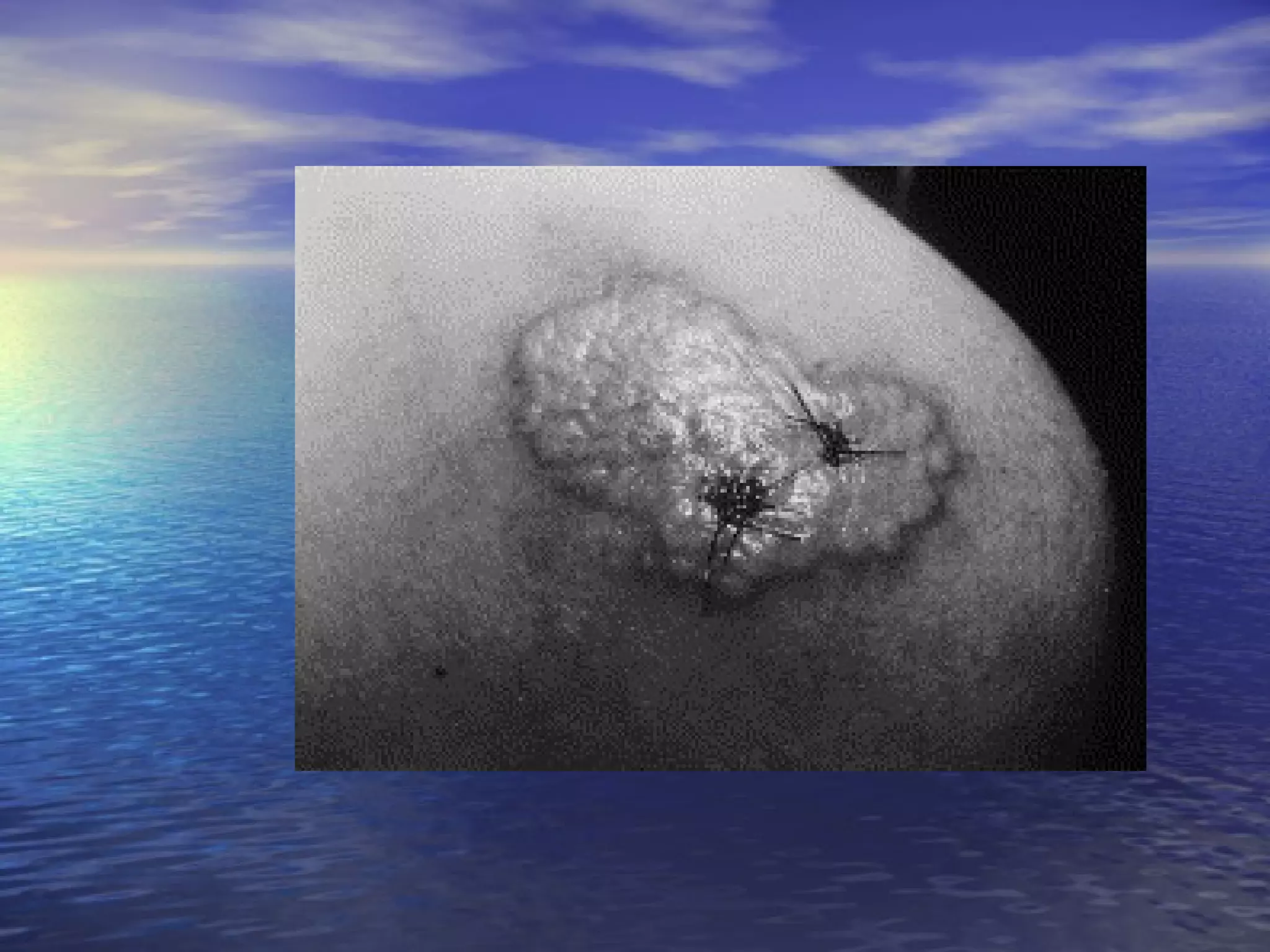
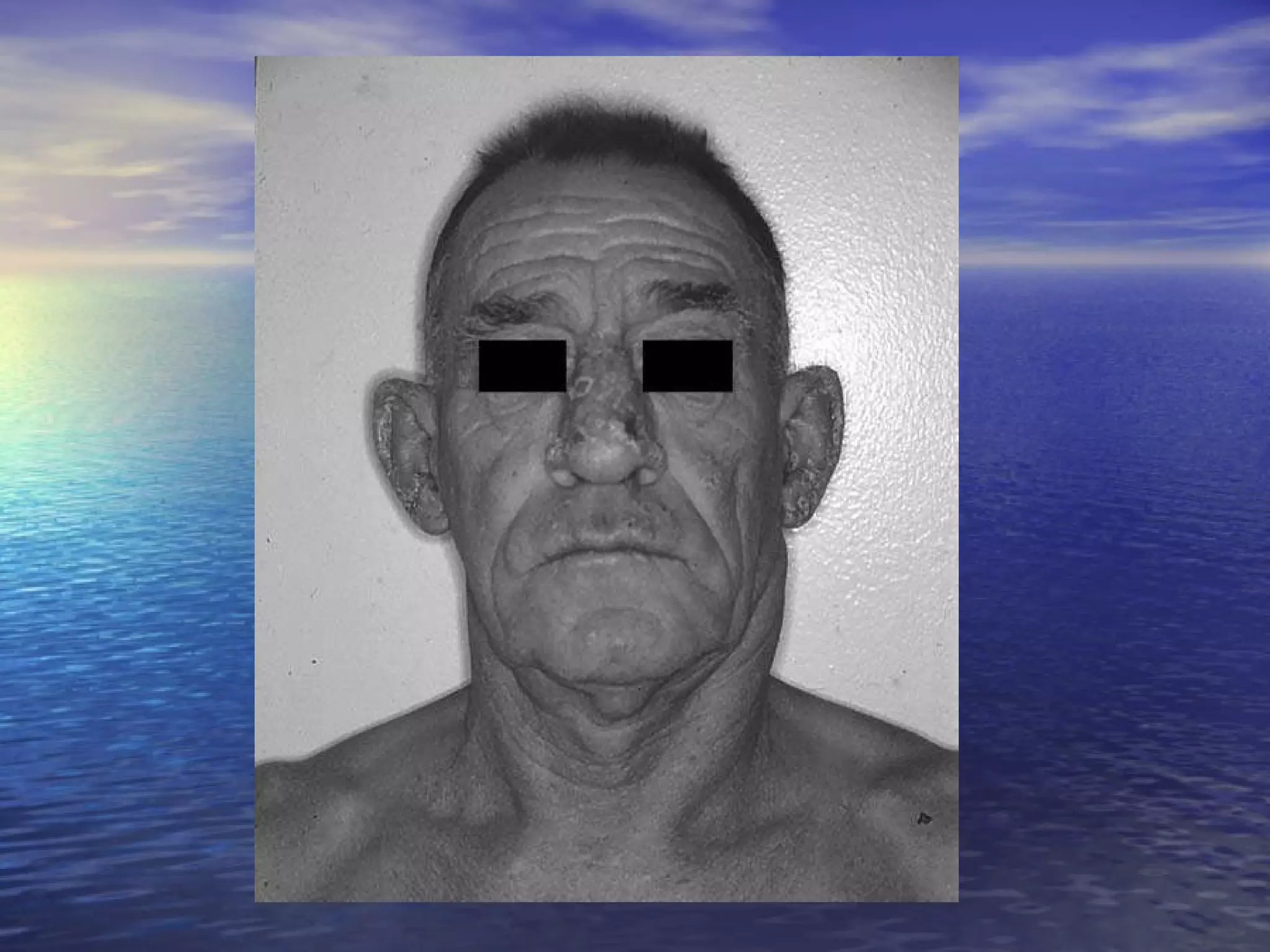
PROFESSOR  M. YOUSRY ABDEL-MAWLA,MD Skin manifestations of some gastrointestinal disorders
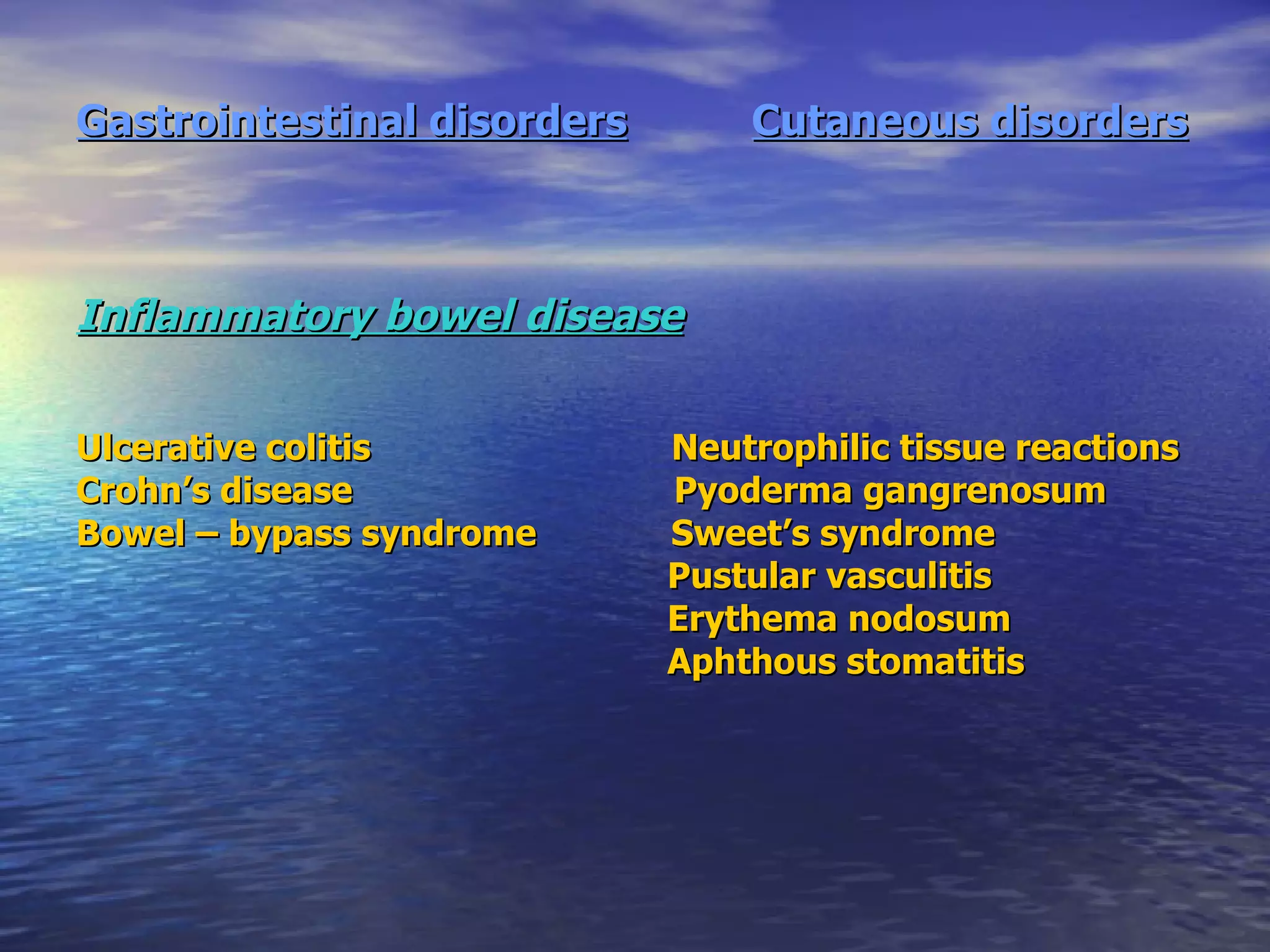
Gastrointestinal disorders   Cutaneous disorders   Inflammatory bowel disease   Ulcerative colitis  Neutrophilic tissue reactions  Crohn’s disease  Pyoderma gangrenosum Bowel – bypass syndrome  Sweet’s syndrome  Pustular vasculitis  Erythema nodosum Aphthous stomatitis
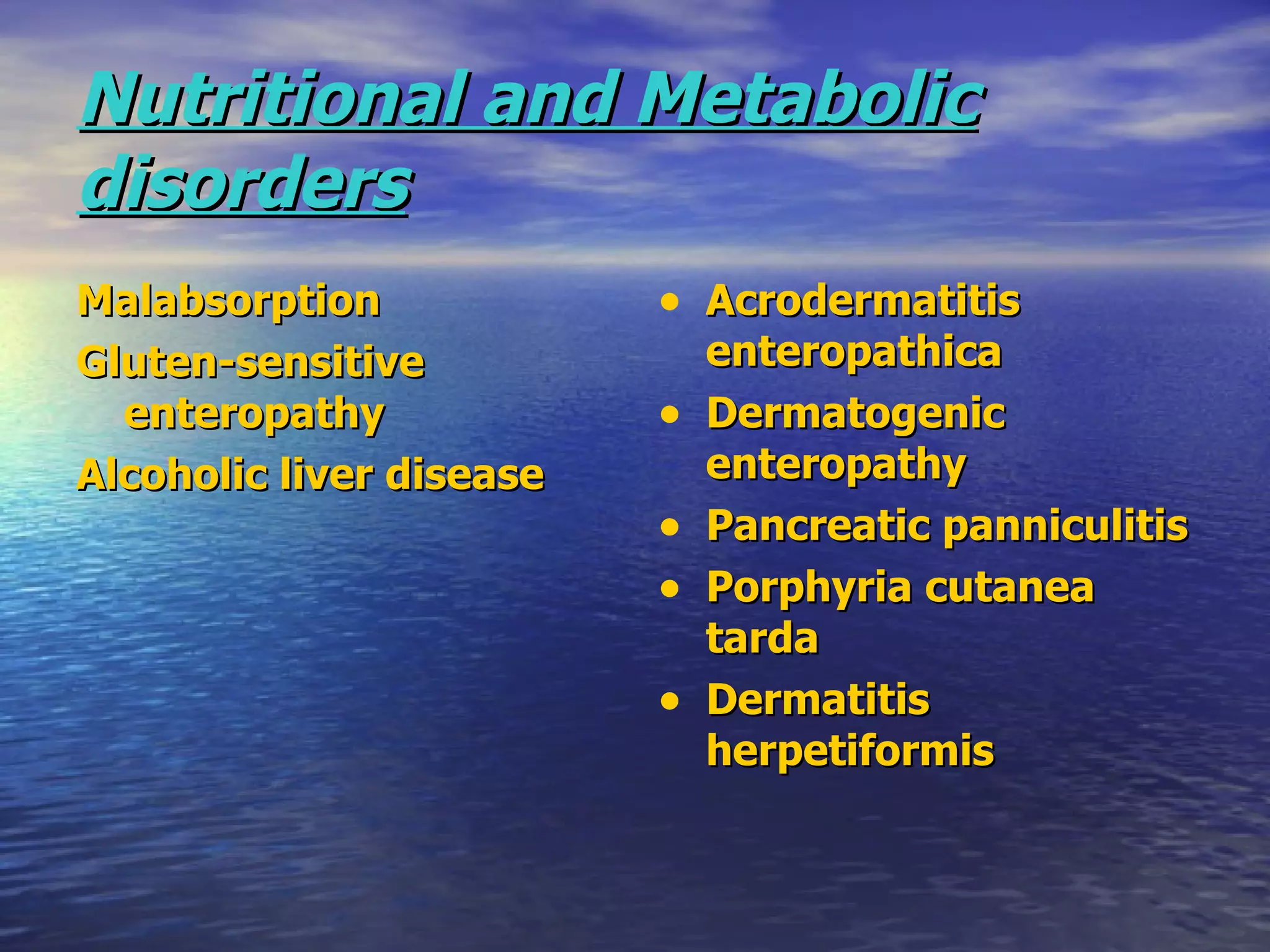
Malabsorption Gluten-sensitive enteropathy Alcoholic liver disease Acrodermatitis enteropathica Dermatogenic enteropathy Pancreatic panniculitis Porphyria cutanea tarda Dermatitis herpetiformis Nutritional and Metabolic disorders
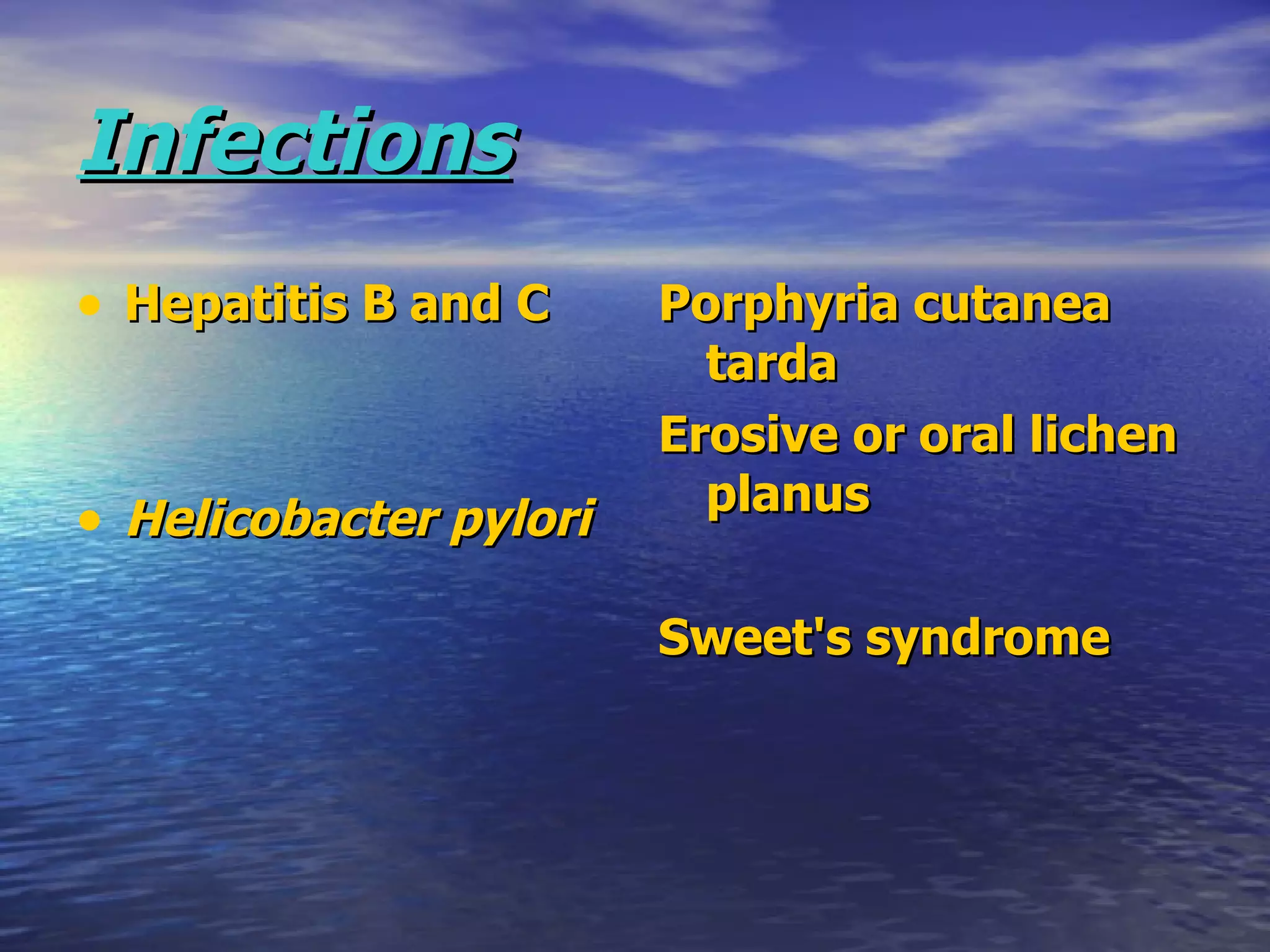
Infections Hepatitis B and C Helicobacter pylori   Porphyria cutanea tarda Erosive or oral lichen planus Sweet's syndrome
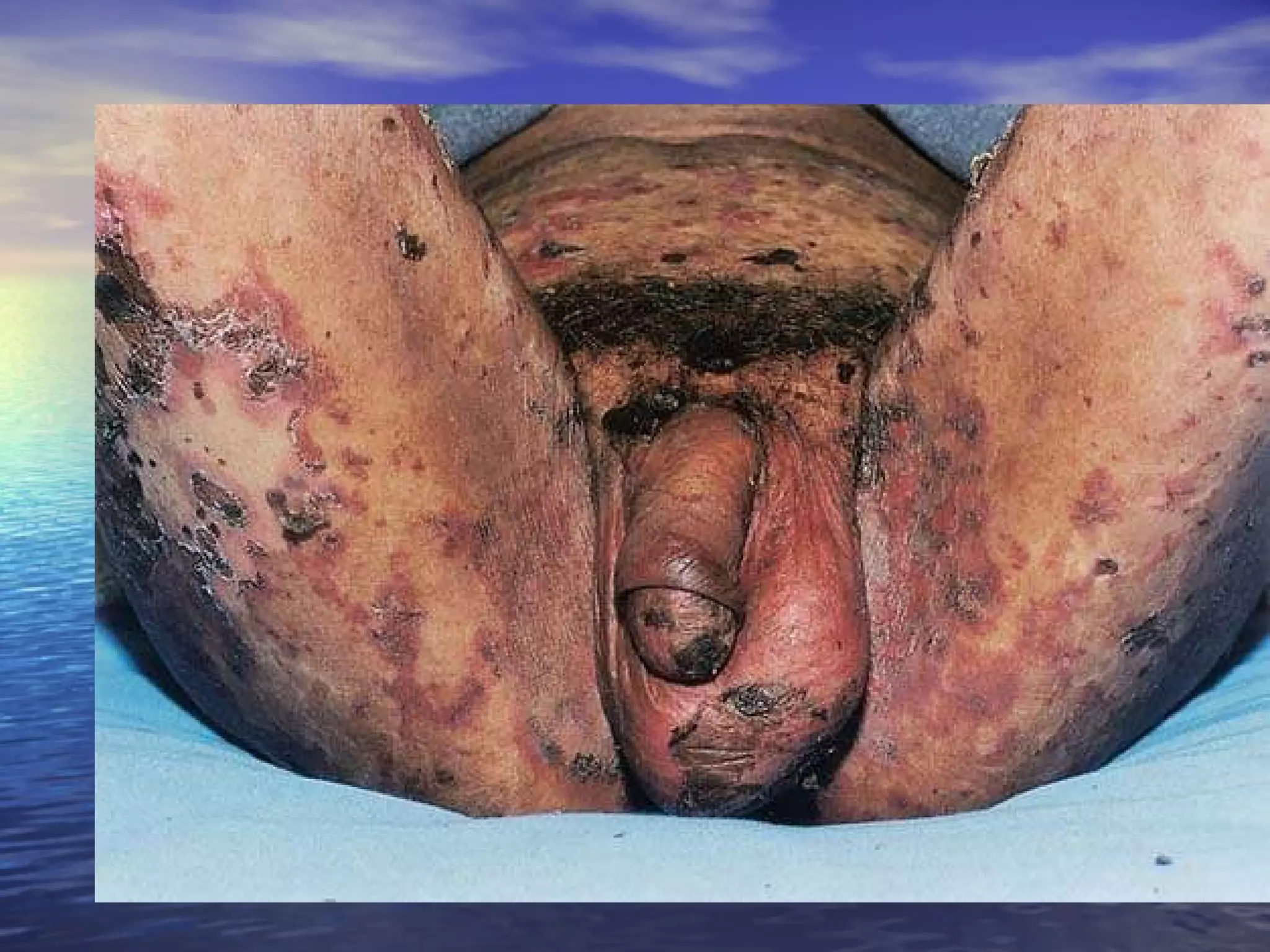
Malignancies   Glucagonoma Carcinoid Esophageal carcinoma   Nonspecific cutaneous signs of gastrointestinal malignancy Necrolytic migratory erythema Flushing Bazex's syndrome Palmar-plantar hyperkeratosis Koilyonychia Glossitis Acanthosis nigricans Erythema nodosum Metastatic skin lesions (eg adenocarcinoma of colon Sister Mary Joseph's nodules)
Malignancies   Gastrointestinal polyposis syndromes and gastrointestinal cancer   Gardner's syndrome Cronkhite-Canada syndrome Peutz-Jeghers syndrome Cowden disease Muir-Torre syndrome
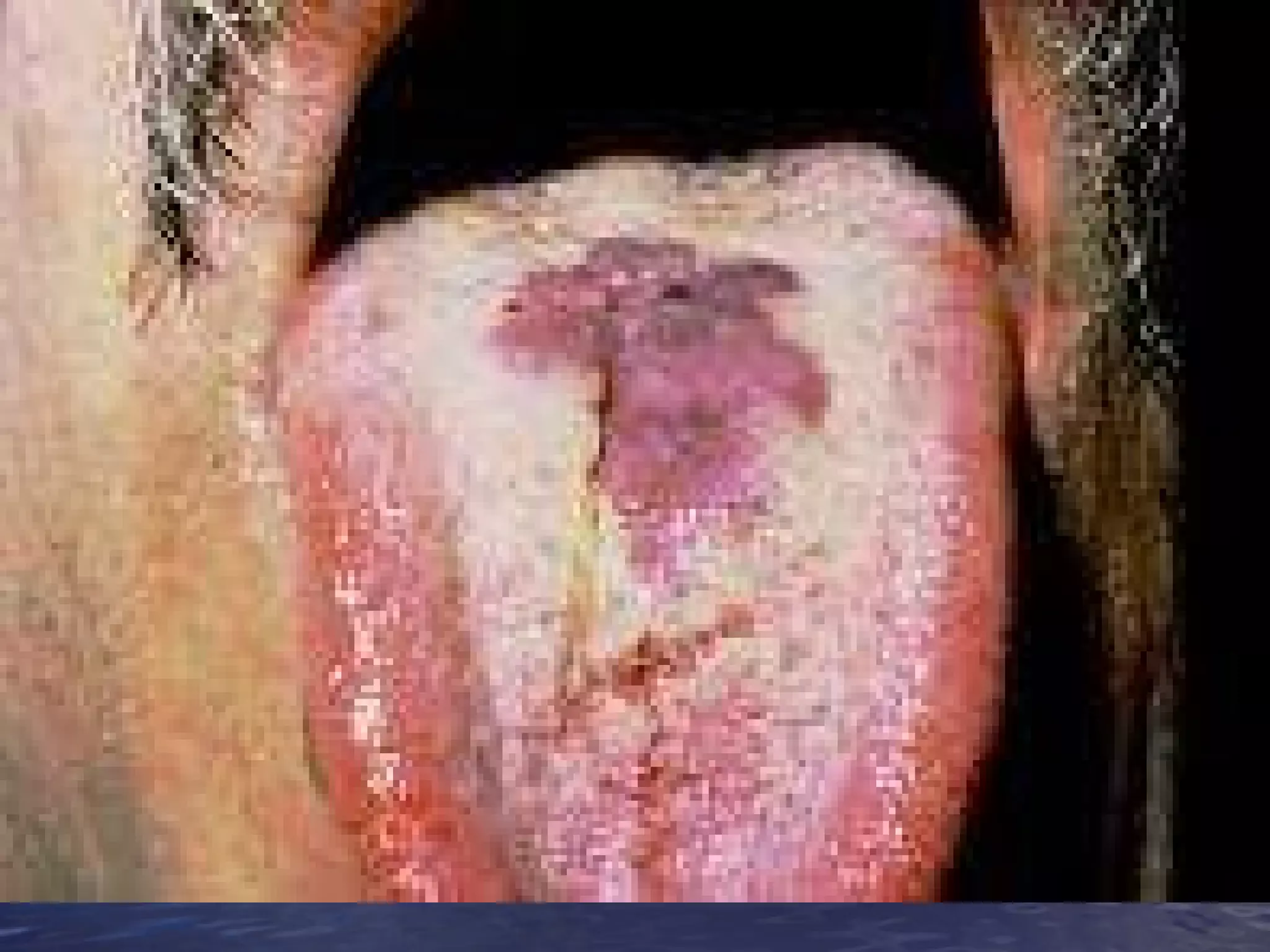
Gastrointestinal hemorrhage   Vascular disorders   Hereditary hemorrhagic telangiectasia (Osler-Weber-Rendu disease) Kaposi's sarcoma Necrotizing angiitis Pseudoxanthoma elasticum Ehlers-Danlos syndrome Degos, disease Henoch-Schönlein purpura
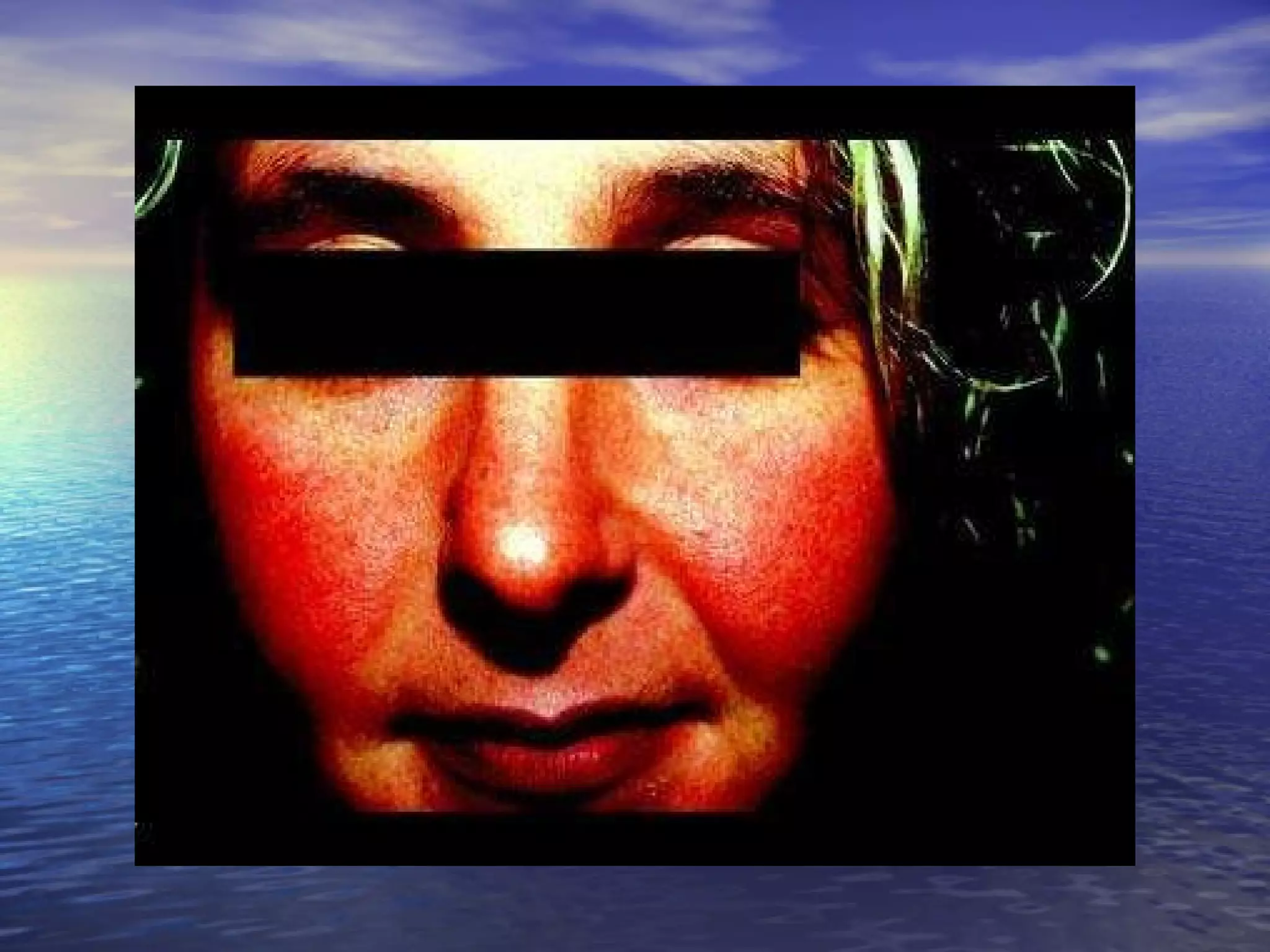
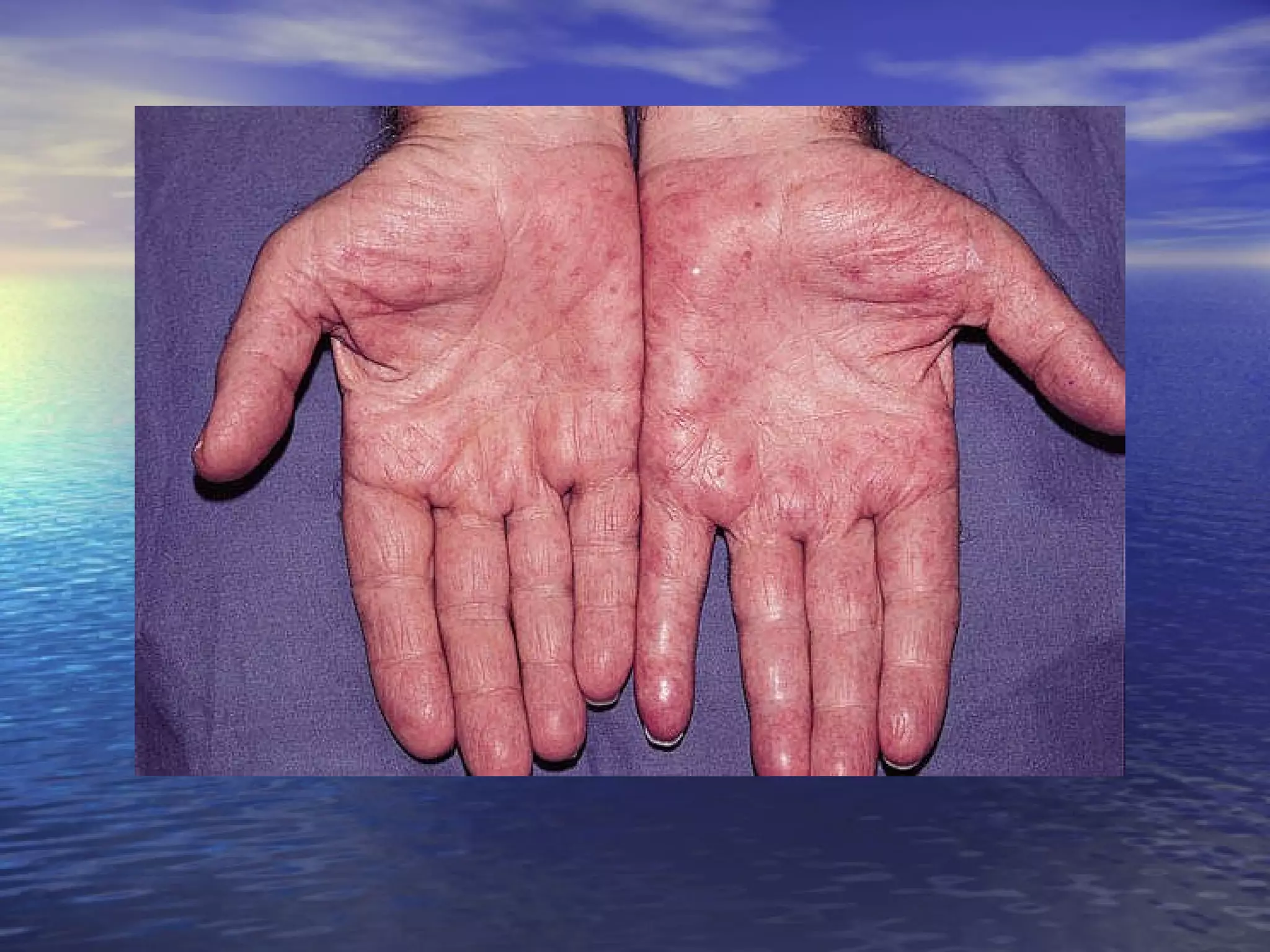
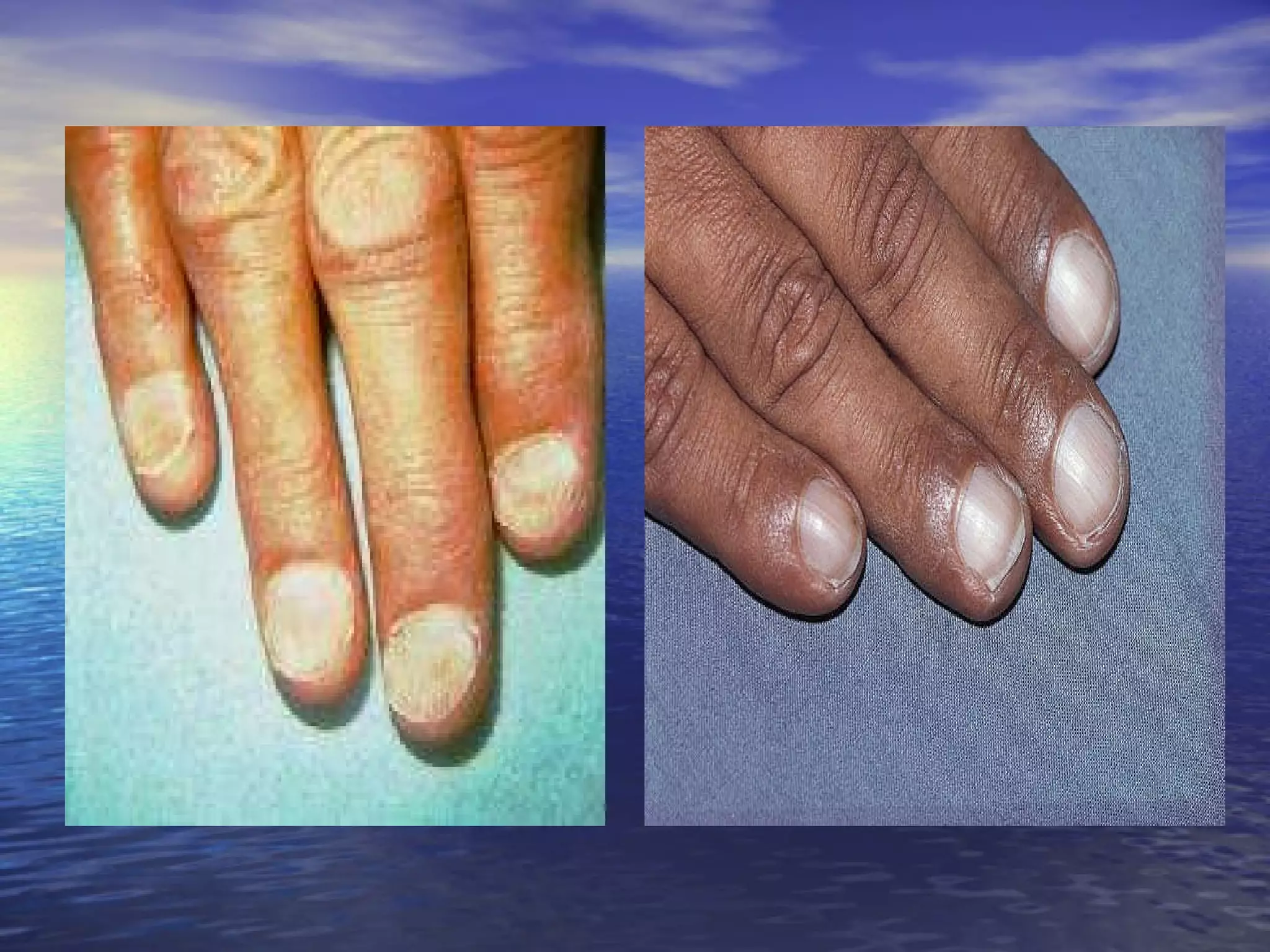
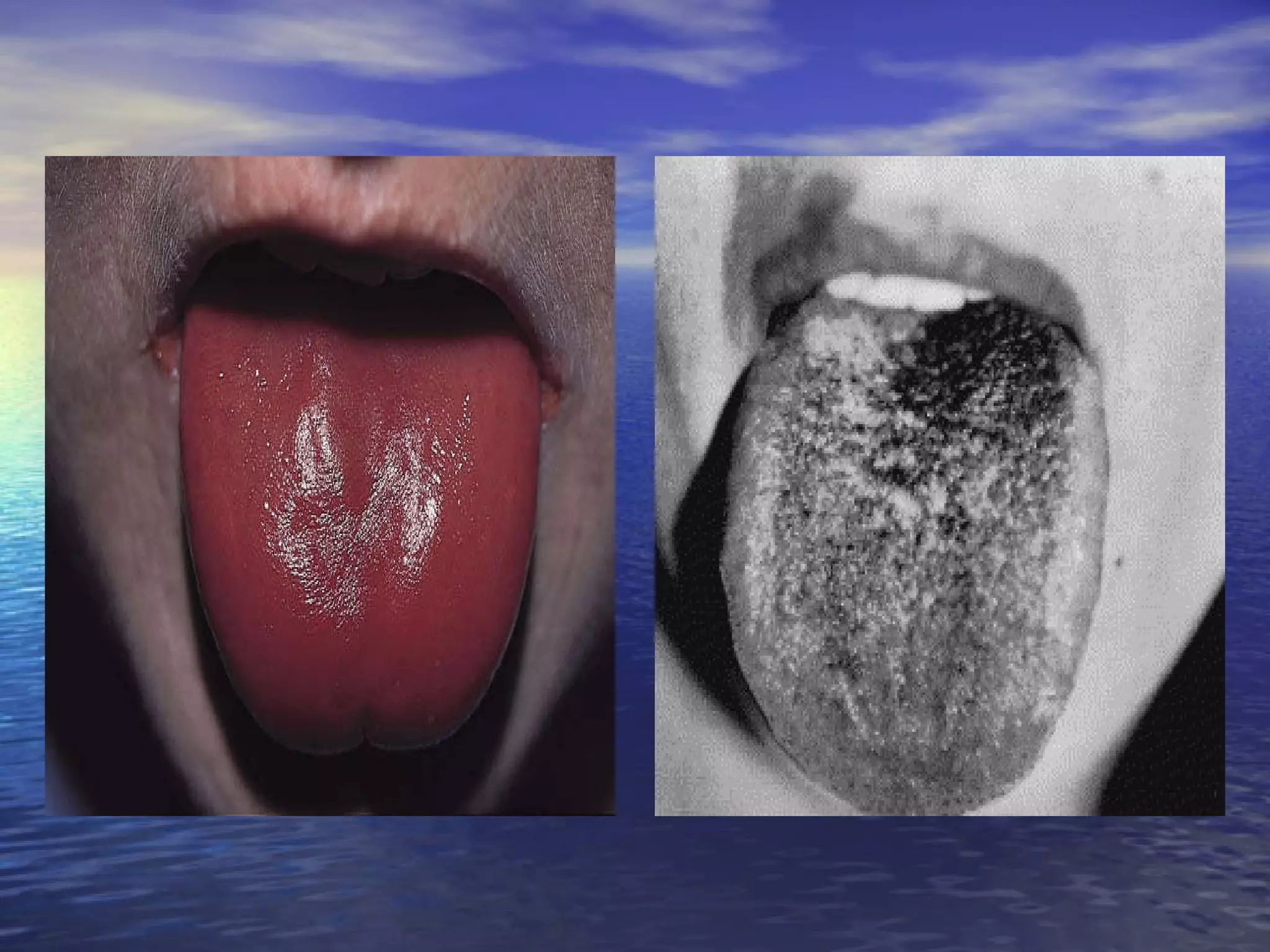
Dermatologic Manifestations of liver disease Vascular  a.  Spider telangiectasia, b.  Palmer erythema,  c.  Corkscrew scleral vessels,  d.  Caput medusae,  e.  Plethoric facies,  f.  Flushing,  g.  Unilateral nevoid telangiectasia.  Jaundice,  Pruritus,  Urticaria, Nail changes –  Terry’s nails,  b. Red lunulae,  c. Koilonychia,  Clubbing. Hyperpigmentation, Skin cancer, Lichenoid dermatitis, Oral Changes –  Black hairy tongue,  b. Glossitis


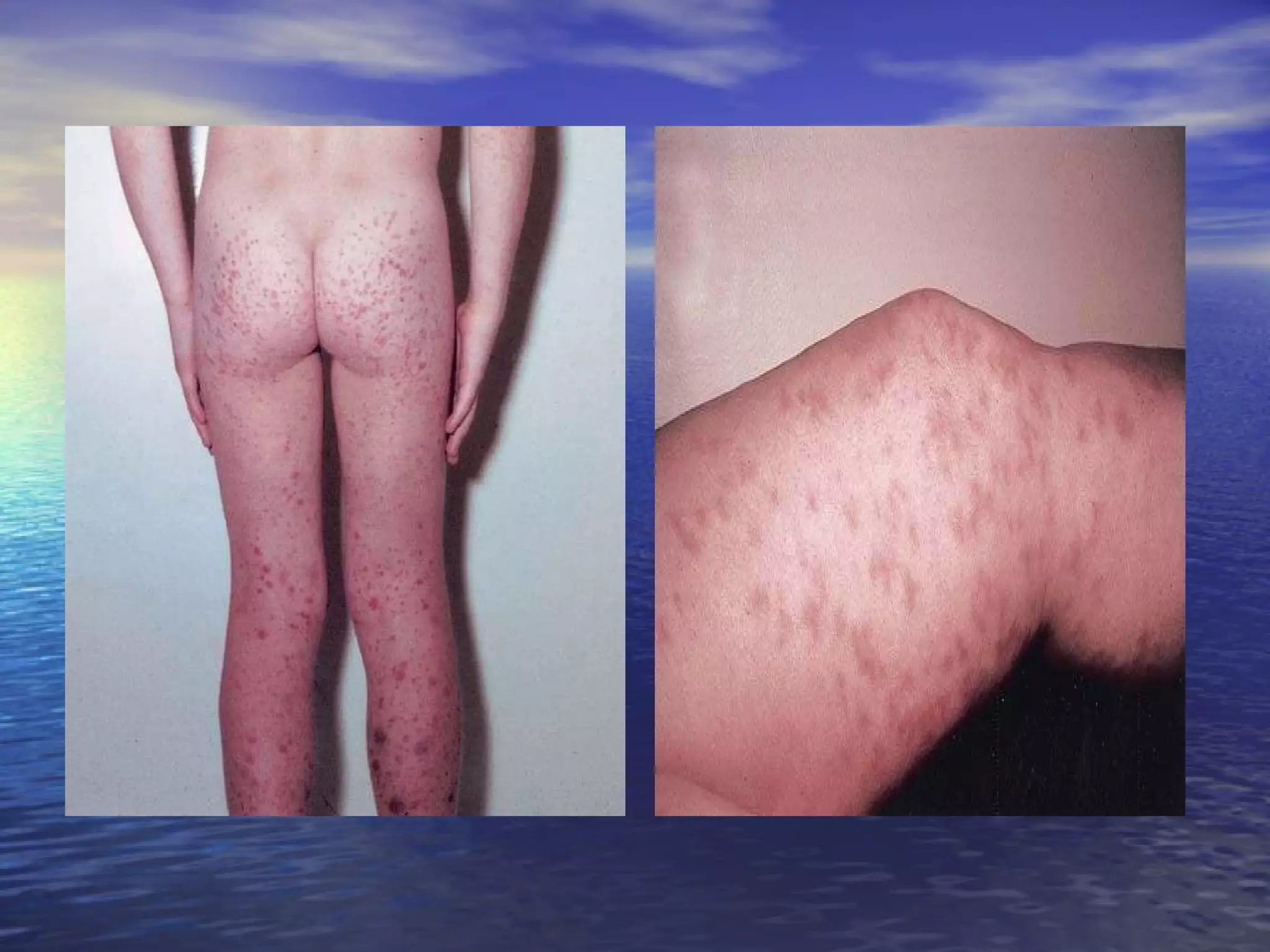
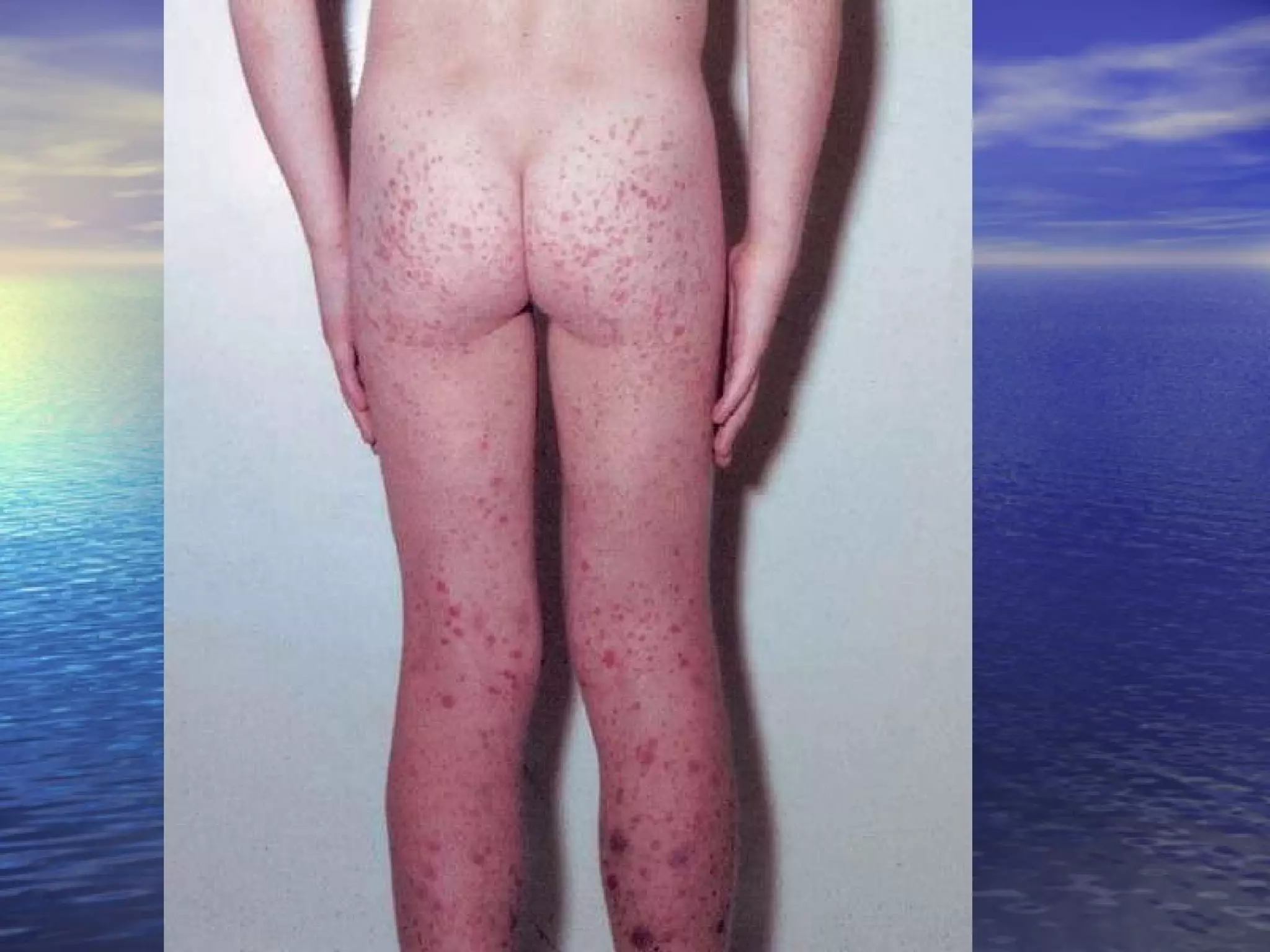
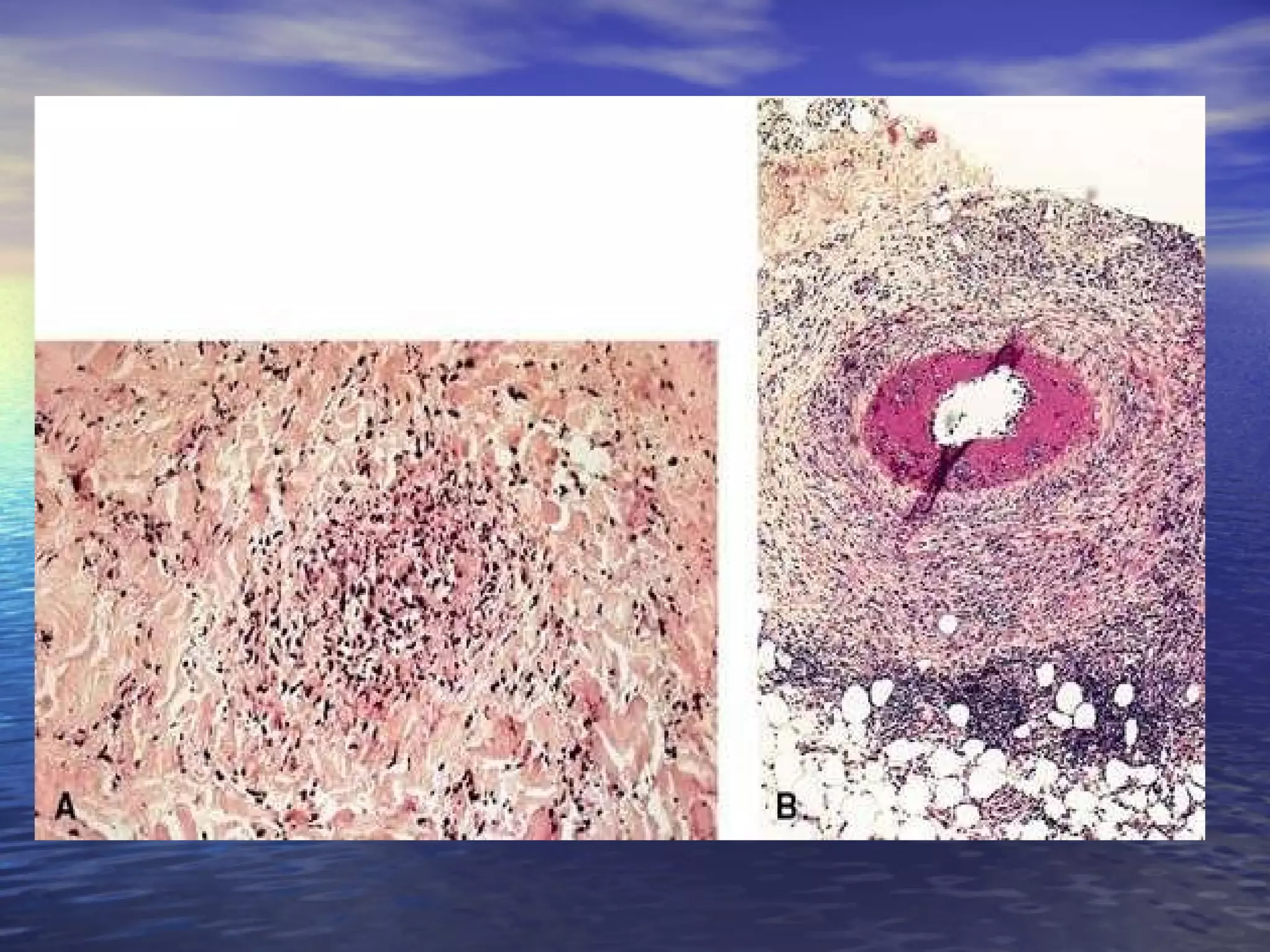
SKIN MANIFESTATIONS OF VIRAL HEPATITIS HEPATITIS B Polyarteritis nodosa (PAN)   The pathogenesis :deposition of immune complexes in the vessel walls including IgM, complement factors (C3), and HBsAg Papular acrodermatitis of childhood (PAC ) A non-relapsing, erythemato-papular dermatitis localized to the face and limbs, lymphadenopathy, , acute hepatitis (mostly anicteric), and HBsAg antigenaemia Serum sickness-like syndrome (SSLP) It  is associated with the prodromal phase of the disease . Manifestations: urticaria, angioedema, arthropathy, proteinuria or hematuria, and rash.  The pathogenesis : deposition of immune complexes: H BsAg, IgG, IgM, and C3
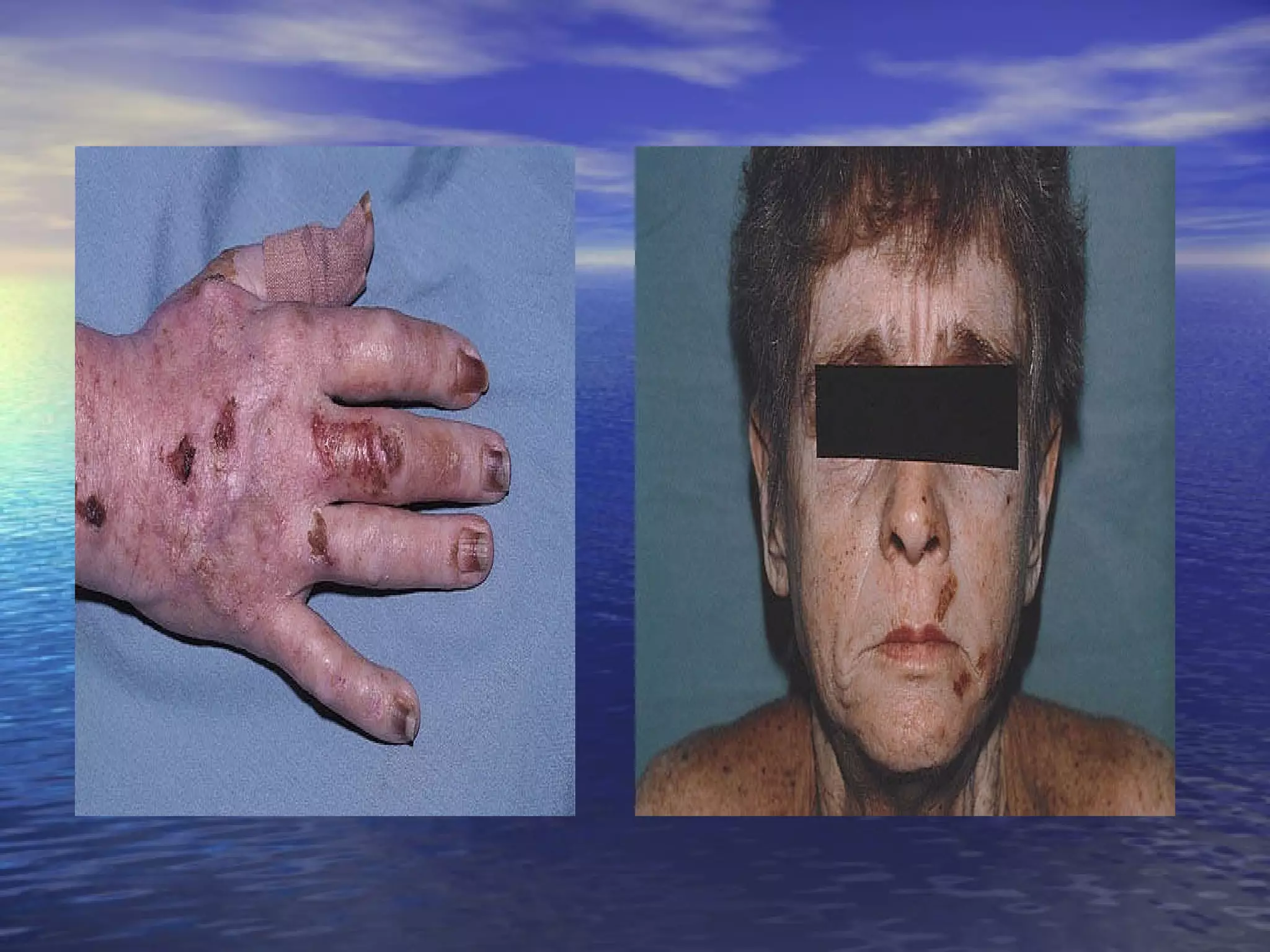
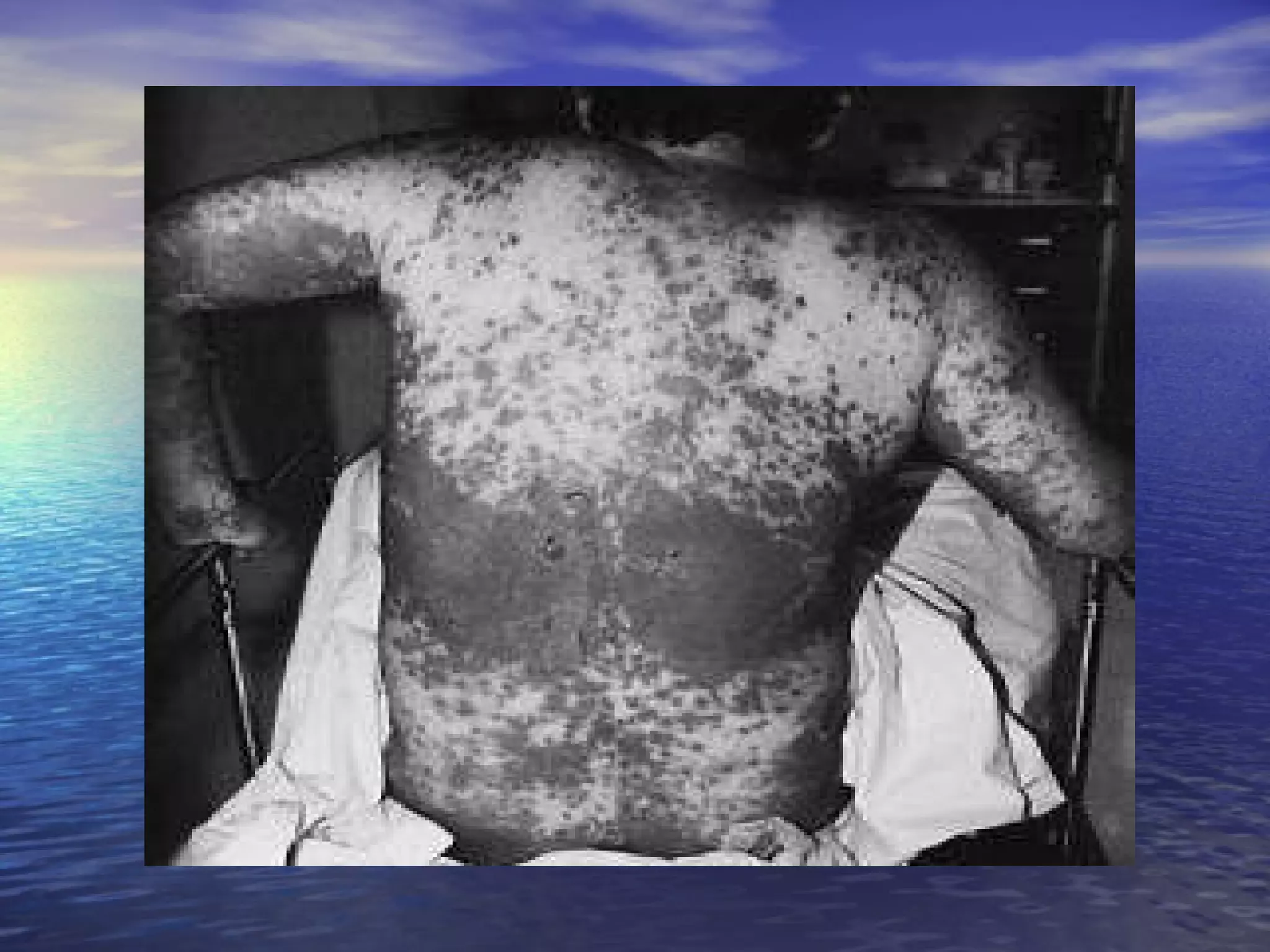
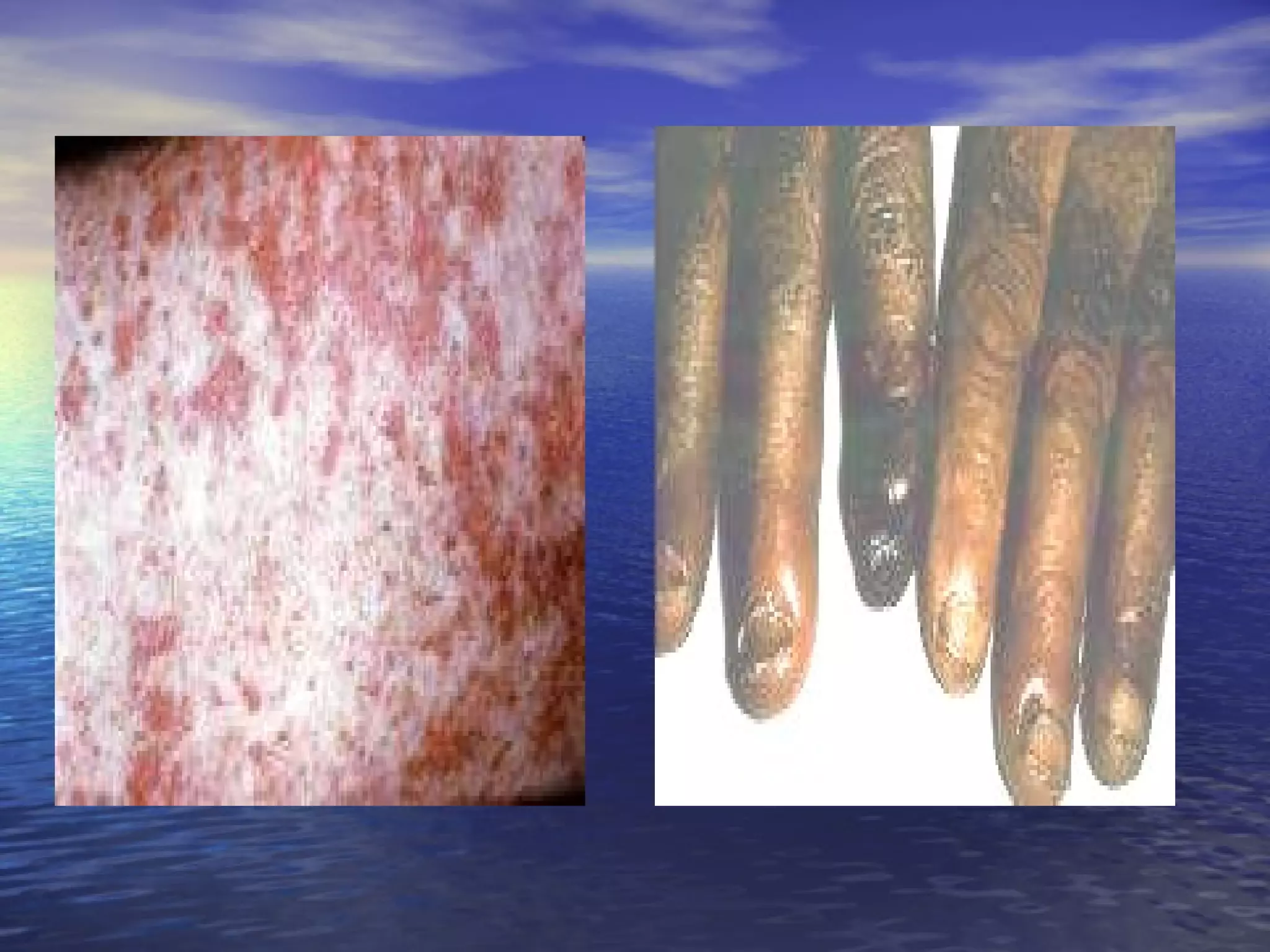
SKIN MANIFESTATIONS OF VIRAL HEPATITIS HEPATITIS C   Mixed cryoglobulinemia   Cryoglobulins are anti-immunoglobulin immunoglobulins (Igs) that precipitate at temperatures less than 37°C. Mixed cryoglobulins : rheumatoid factors (RF) (usually IgM) complexed with IgG which form immune complexes. Mixed cryoglobulinemia : considered essential if it is not associated with any disease other than Sjogrens syndrome Porphyria cutanea tarda   Porphyria cutanea tarda (PCT) is characterized by an abnormal porphyrin metabolism secondary to decreased activity of uroporphyrinogen decarboxylase (URO-D).  The cutaneous findings: skin fragility, blister formation, hyperpigmentation and hypertrichosis, by the photosensitizing action of accumulated porphyrins Lichen planus   Lichen planus is a chronic inflammatory mucocutaneous disease process. It usually presents as small, pruritic, purple, planar, polygonal papules with superimposed fine, reticulated white lines called Wickham's striae.  Mucous membrane lesions are typically lacy white or ulcerative.
Other cutaneous associations   of HCV Erythema multiforme,  Erythema nodosum  ,  Henoch-Schonlein purpura Bechet's syndrome  Necrolytic acral erythema  Polyarteritis nodosa  ,  Prurigo nodularis ,  Pyoderma gangrenosum  ,  Urticaria  , and  Urticarial vasculitis
Inflammatory bowel diseases Inflammatory disorders of the bowel discussed here include ulcerative colitis (UC), Crohn's disease, and bowel bypass syndrome Both UC and Crohn's disease (the traditional inflammatory bowel diseases [IBD]) can present with abdominal pain, GI bleeding, or diarrhea. Bowel bypass syndrome : a bacterial overgrowth in the blind loop associated with a dermatosis-arthritis syndrome


Inflammatory bowel diseases Inflammatory disorders of the bowel discussed here include ulcerative colitis (UC), Crohn's disease, and bowel bypass syndrome Both UC and Crohn's disease (the traditional inflammatory bowel diseases [IBD]) can present with abdominal pain, GI bleeding, or diarrhea. Bowel bypass syndrome : a bacterial overgrowth in the blind loop associated with a dermatosis-arthritis syndrome
Pathogenesis of extraintestinal manifestations of inflammatory bowel syndrome Immunologic mechanisms  The mucosa from the underlying bowel disease provides associated immune responses for the inflammatory process in the extraintestinal sites. Autoimmune response increases with the presence of foreign proteins or bacterial products in the intestinal mucosa. Shared epitopes between bacterial proteins and host self-antigens. Microbial peptides cross-reactive to the cellular autoantigenic epitope may initiate the autoimmune response
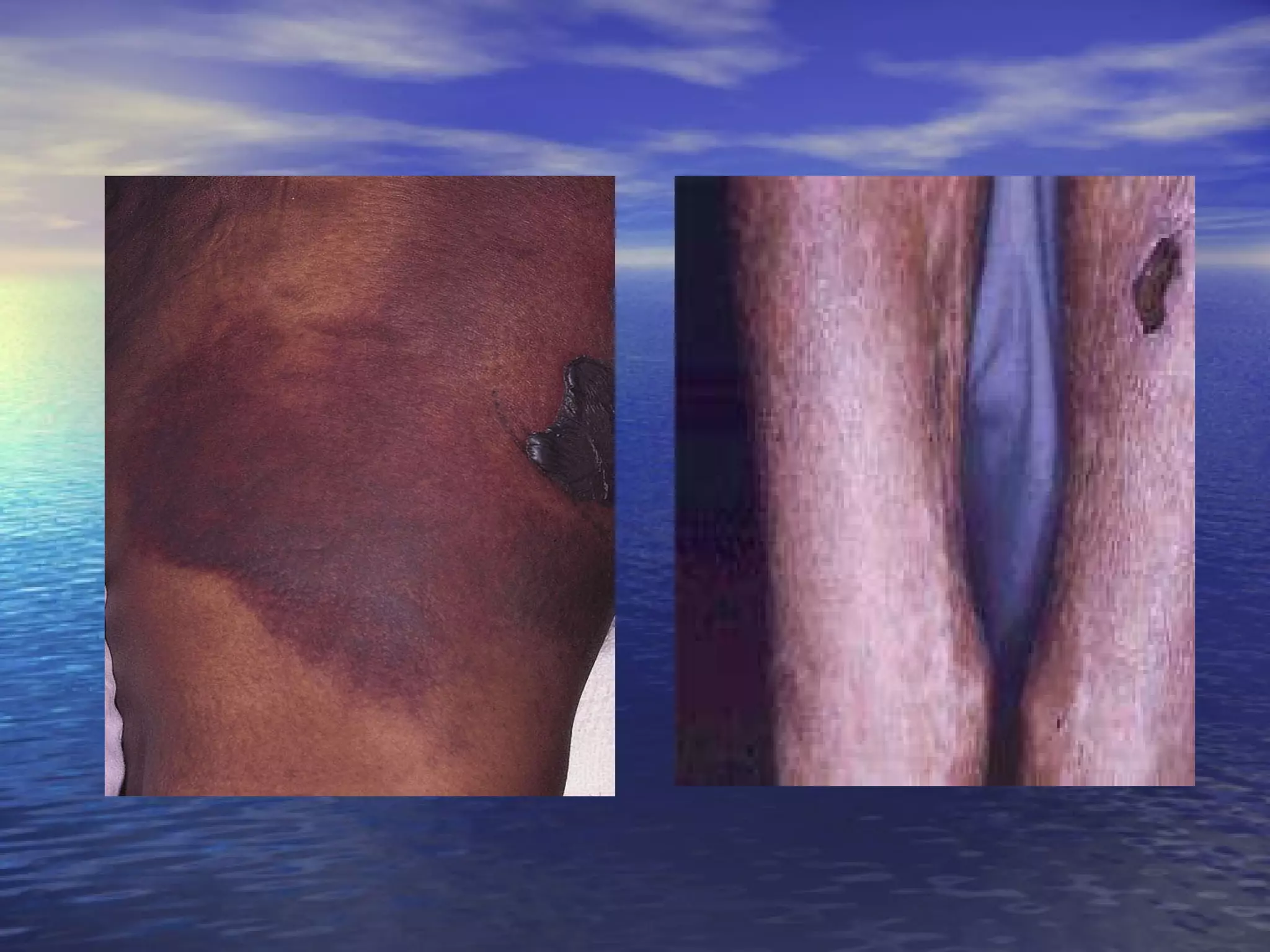
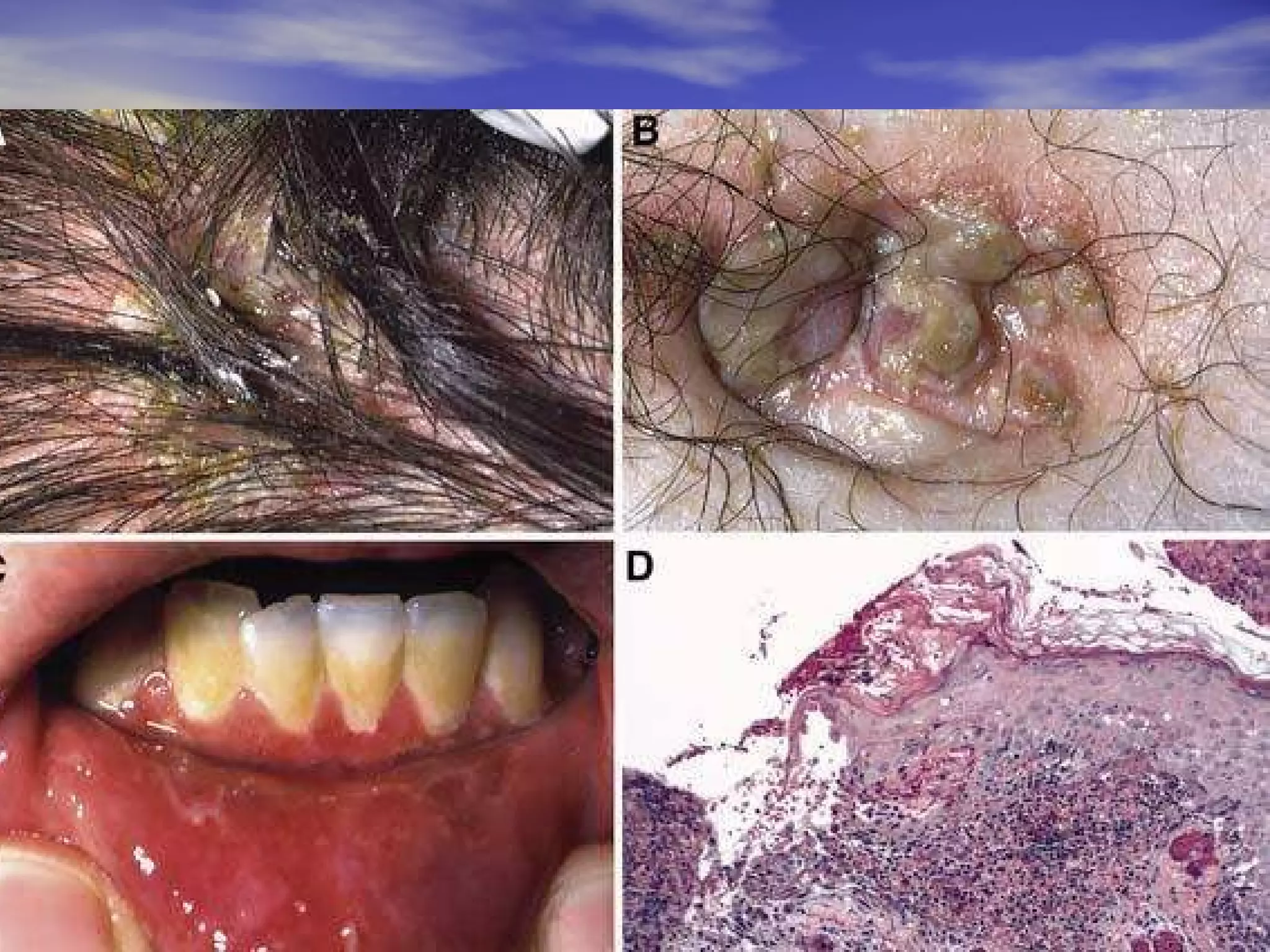
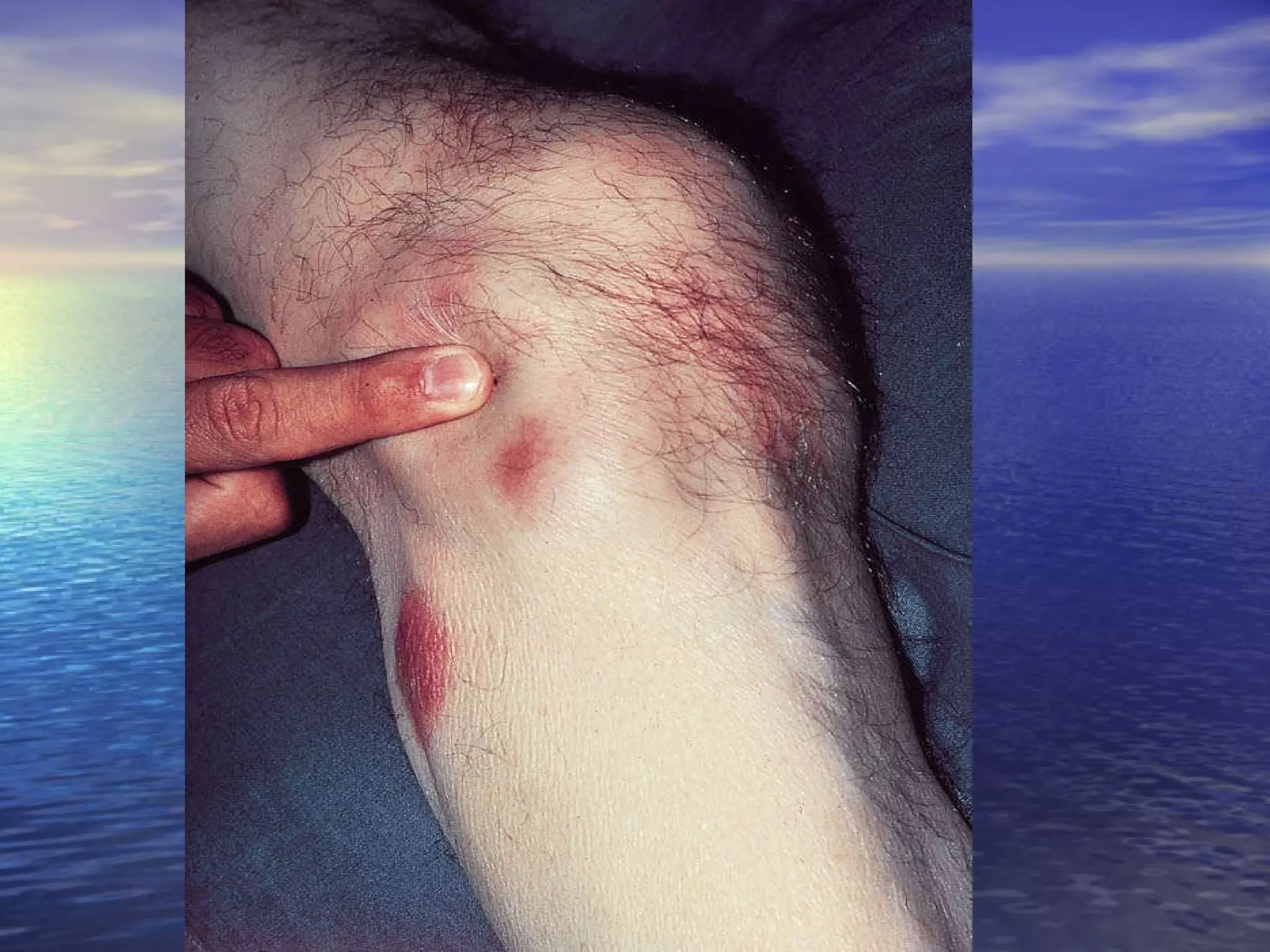
Skin findings   Erythema nodosum  Pyoderma gangrenosum  Angular stomatitis  Aphthous stomatitis  Pyostomatitis vegetans  Psoriasis  Erythema multiforme  Epidermolysis bullosa acquisita  Sweet's syndrome  Metastatic Crohn's disease Nonspecific skin findings Fistulas and fissures, are found commonly in Crohn's disease. Painless anal fissures occur.  Crohn's disease oral findings:cobblestoning, ulcerations, and nodules. Pustular reactions including pustular vasculitis


Nutritional and metabolic disorders ALCOHOL ABUSE AND SKIN   1-  Nutritional deficiencies a-  Marasmus  b- Kwashiorkor  c- Pellagra  d- Scurvy   2- Endocrine diseases  a- Hypogonadism  b- Hyperestrogenism  c- Pseudo-Cushing's syndrome   3- Porphyria cutanea tarda   4- Infections   5- Acquired purpura fulminans 6-Exacerbations of skin disease   a-  Psoriasis   b- Rosacea  c-Discoid eczema
Cutaneous eruptions associated with malabsorption   Nonspecific Acquired ichthyosis Hair changes Nail changes Hyperpigmentation Altered skin texture Eczematous eruptions Specific Zinc deficiency Acrodermatitis enteropathica Vitamin B deficiency Dermatogenic enteropathy Dermatitis herpetiformis


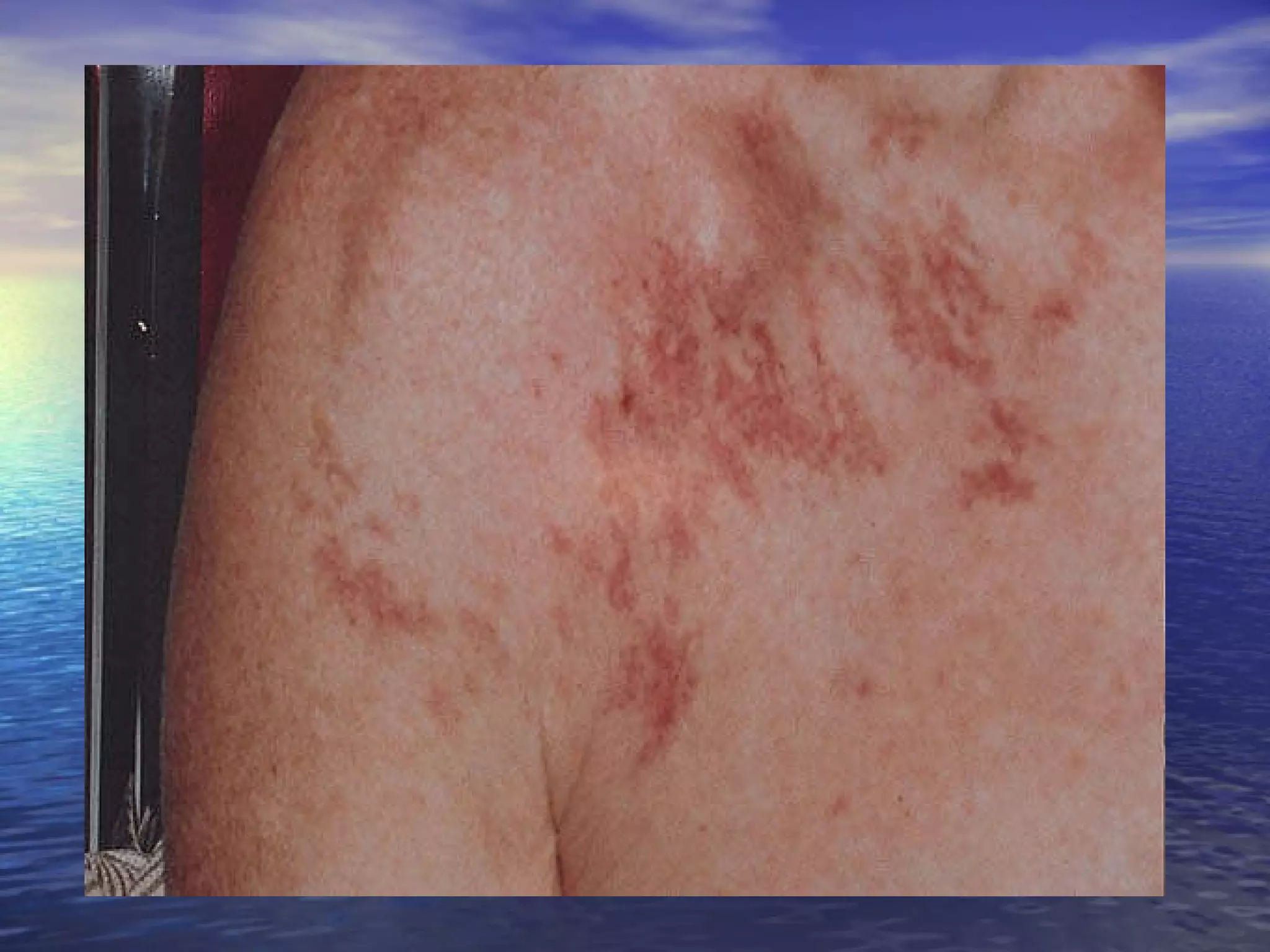
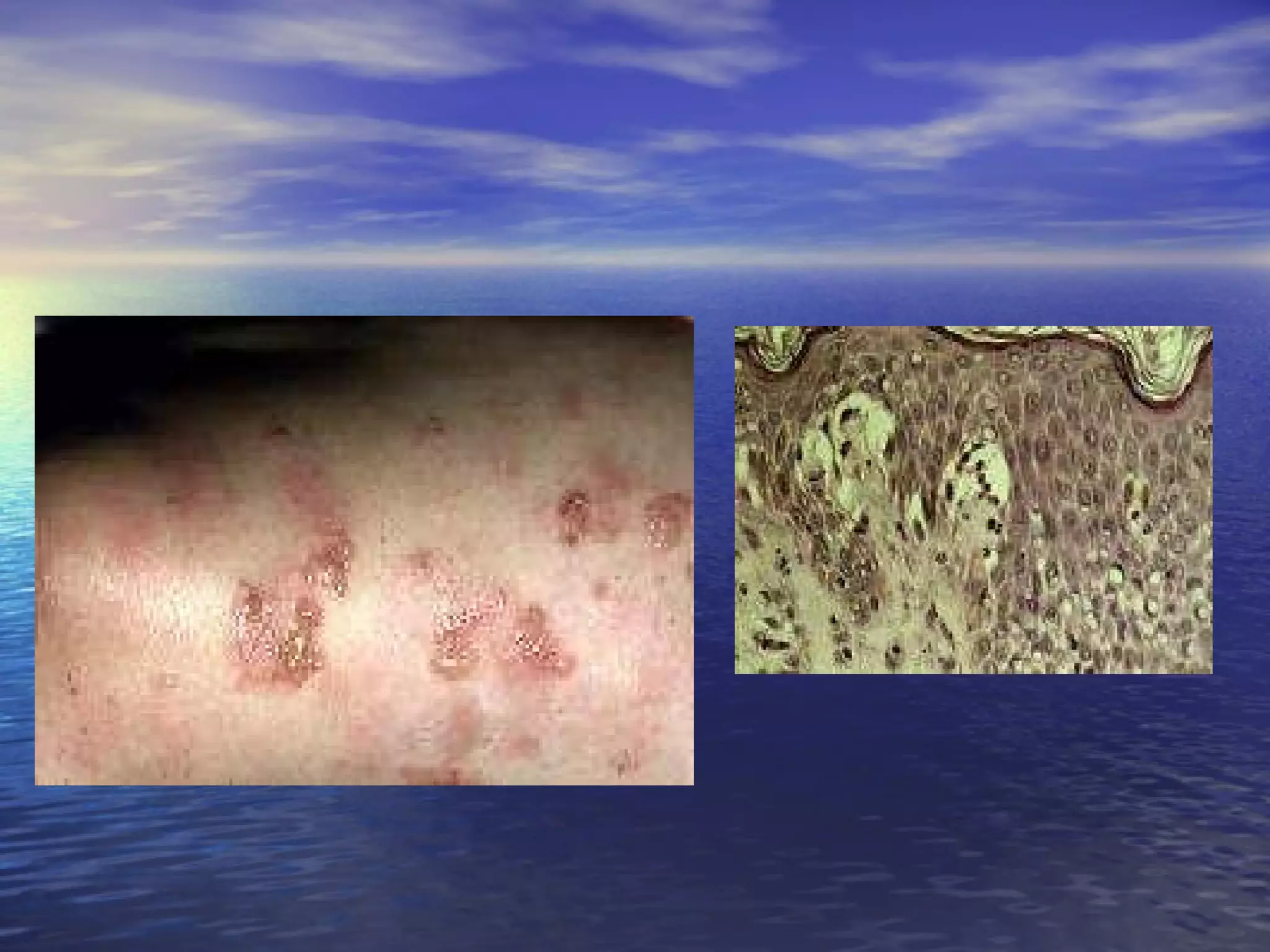
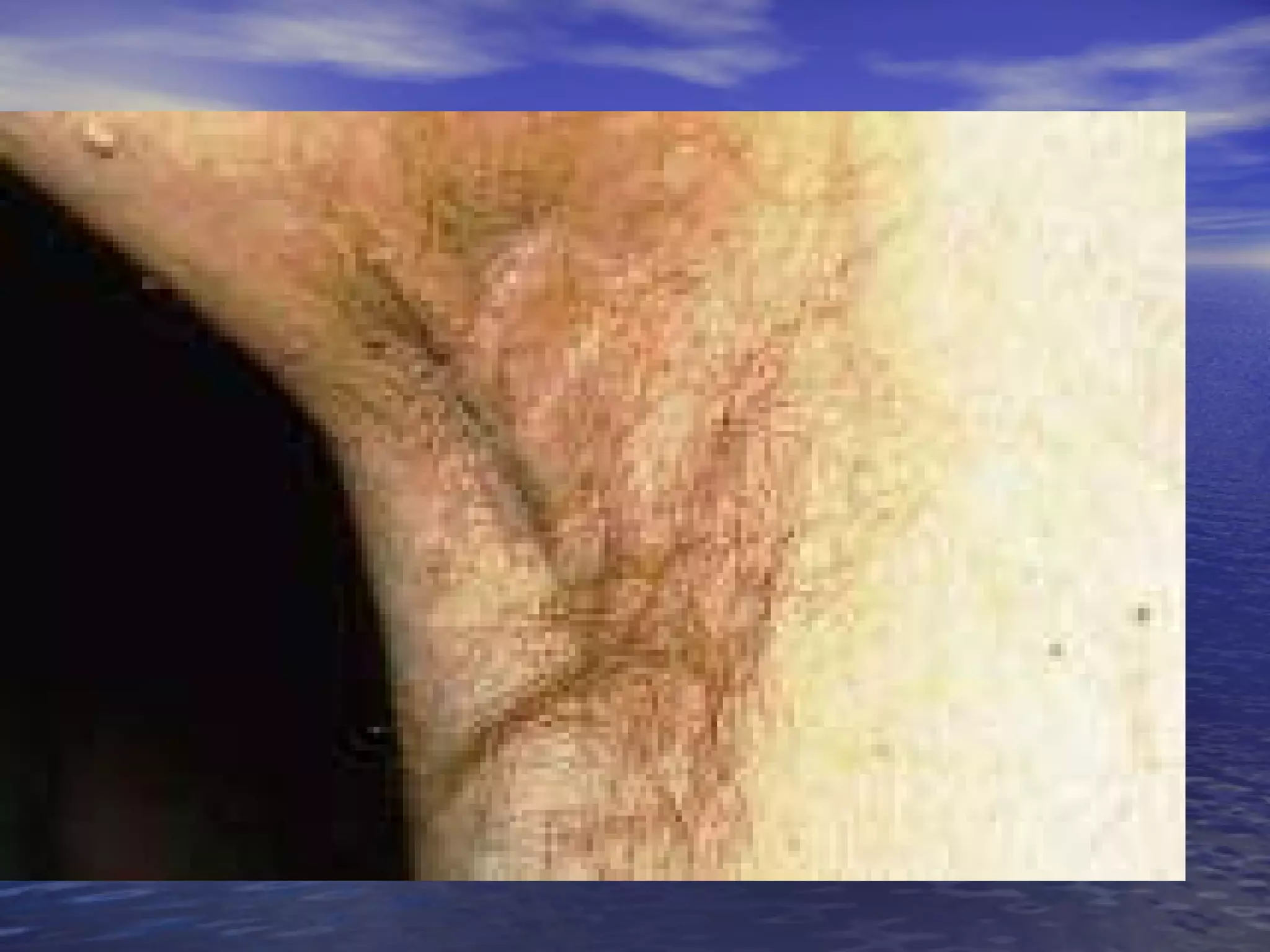
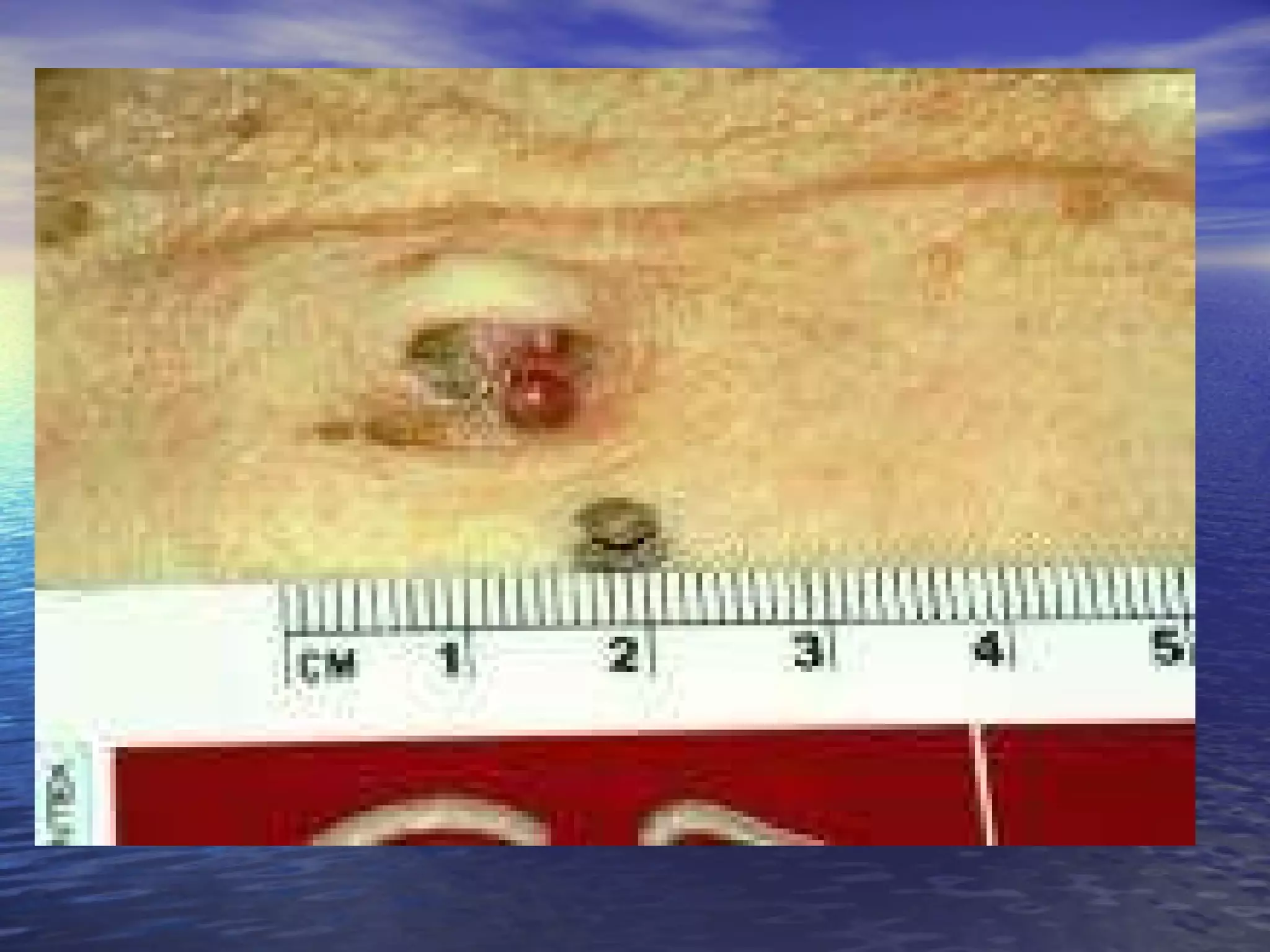
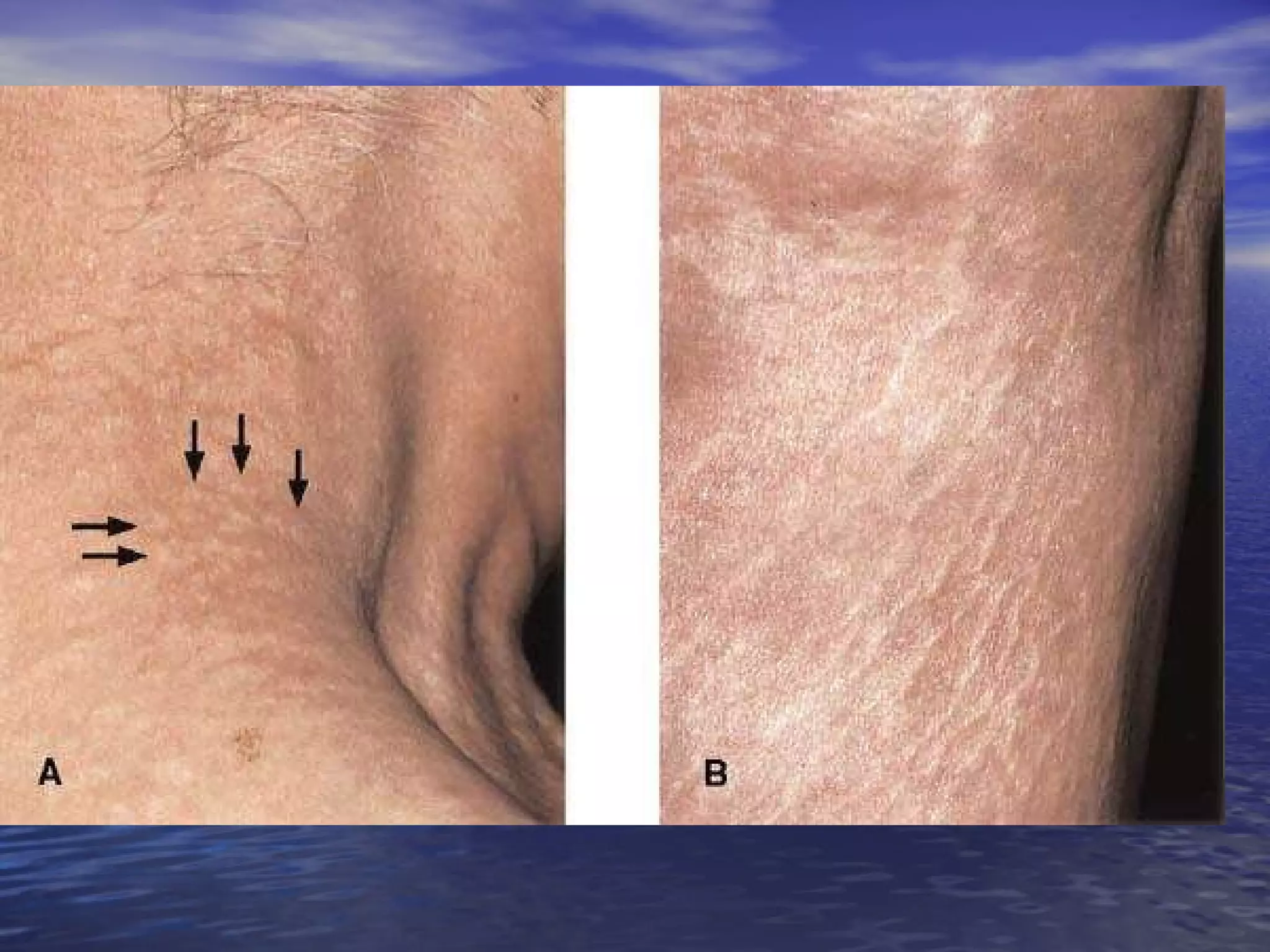
SOME SKIN  MANIFESTATIONS OF MALIGNANCY IN G IT Acanthosis nigricans  This appears as a brown-to-black, smooth, velvety plaque found in areas of skin folds, most commonly the neck, axillae, and groin. Possibility of an intra-abdominal malignancy should be considered especially if there is large number of plaques,  Weight loss,  Rapid progression of lesions,  The discovery of plaques in unusual locations( lips, oral mucosa, hands, and genitalia)
SOME SKIN  MANIFESTATIONS OF MALIGNANCY IN G IT Pancreatic panniculitis Pancreatic panniculitis(inflammation of subcutaneous fat) : predominately in alcoholic  ,pancreatitis and pancreatic cancer. Erythematous painful plaques and nodules on the extremities or trunk


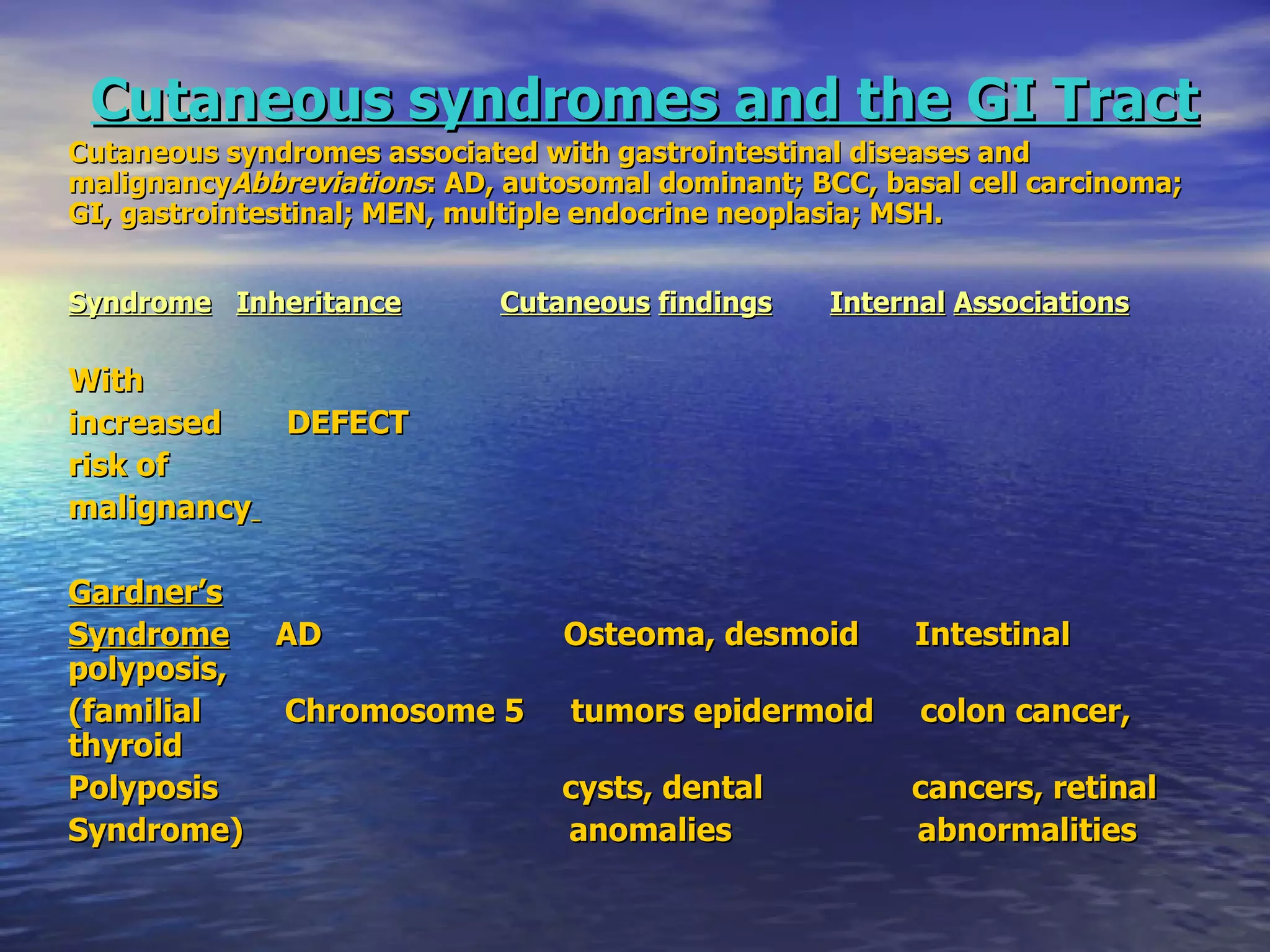
Cutaneous syndromes and the GI Tract Cutaneous syndromes associated with gastrointestinal diseases and malignancy Abbreviations : AD, autosomal dominant; BCC, basal cell carcinoma; GI, gastrointestinal; MEN, multiple endocrine neoplasia; MSH. Syndrome   Inheritance   Cutaneous   findings   Internal   Associations With increased  DEFECT  risk of  malignancy   Gardner’s Syndrome   AD  Osteoma, desmoid  Intestinal polyposis,  (familial  Chromosome 5  tumors epidermoid  colon cancer, thyroid Polyposis  cysts, dental  cancers, retinal Syndrome)  anomalies  abnormalities
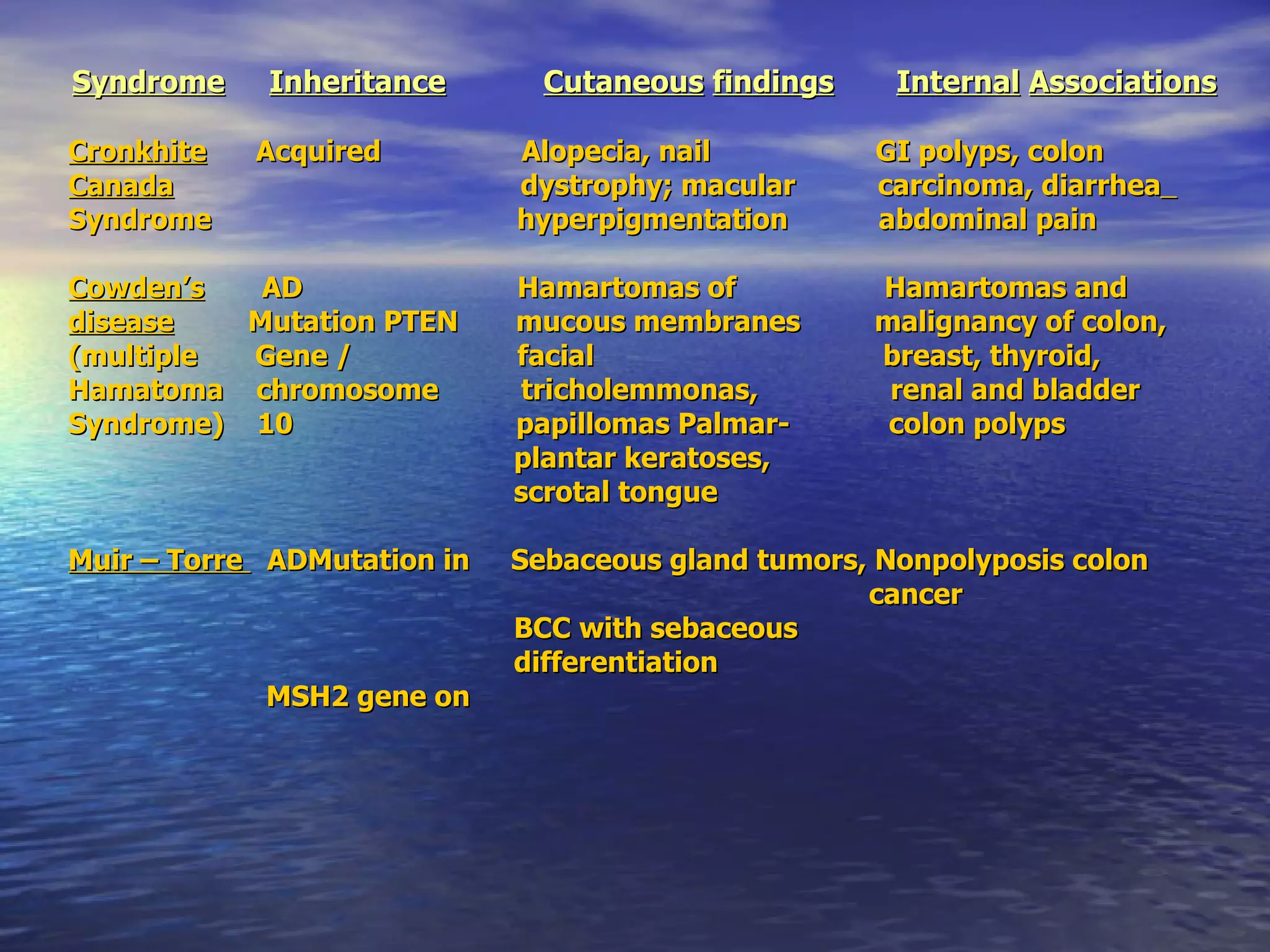
Syndrome   Inheritance   Cutaneous   findings   Internal   Associations Cronkhite   Acquired  Alopecia, nail  GI polyps, colon Canada   dystrophy; macular  carcinoma, diarrhea   Syndrome  hyperpigmentation  abdominal pain Cowden’s   AD  Hamartomas of  Hamartomas and disease   Mutation PTEN  mucous membranes  malignancy of colon, (multiple  Gene /  facial  breast, thyroid,  Hamatoma  chromosome  tricholemmonas,  renal and bladder Syndrome)  10  papillomas Palmar-  colon polyps plantar keratoses, scrotal tongue  Muir – Torre  ADMutation in  Sebaceous gland tumors, Nonpolyposis colon cancer BCC with sebaceous differentiation MSH2 gene on
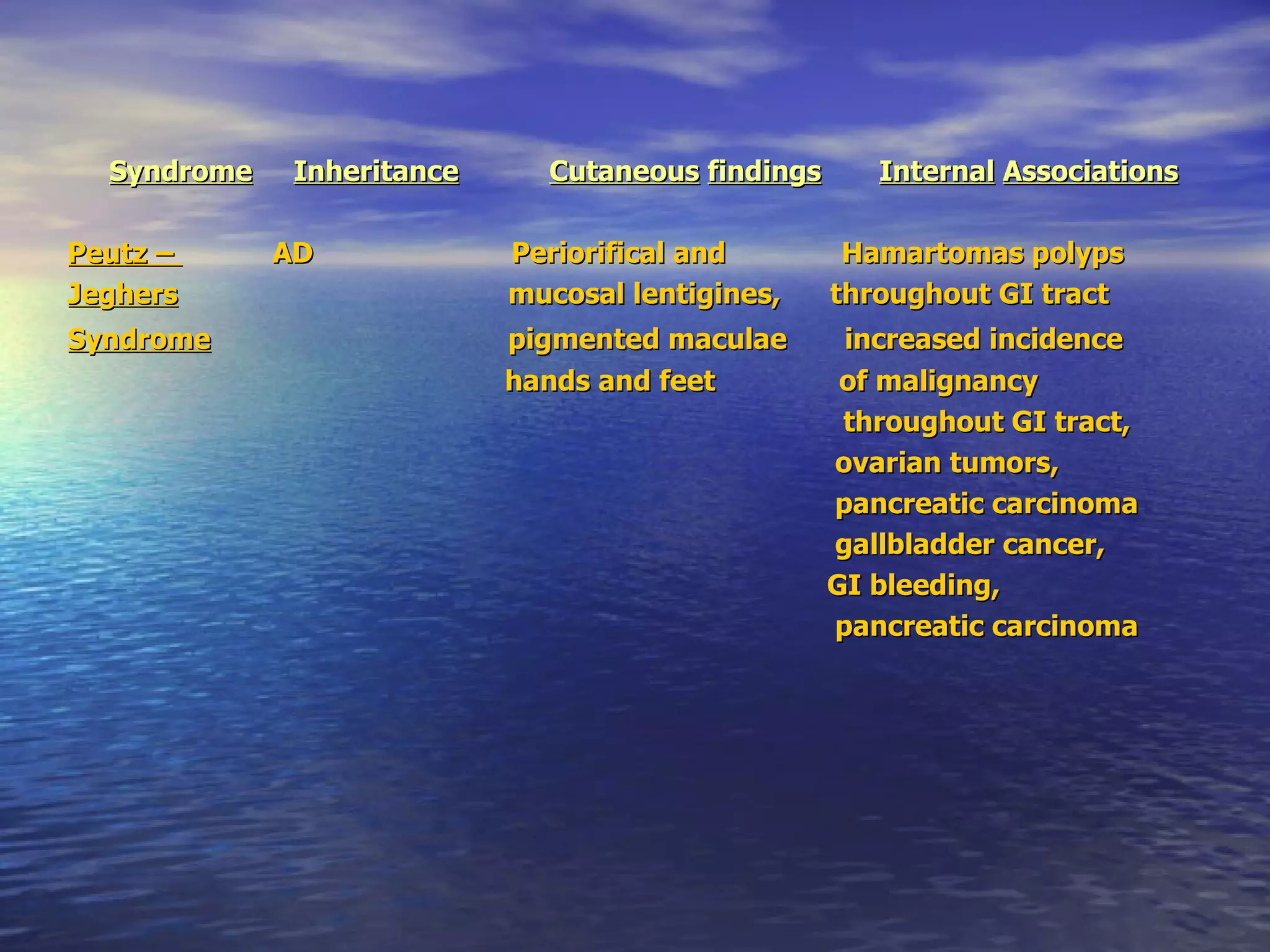
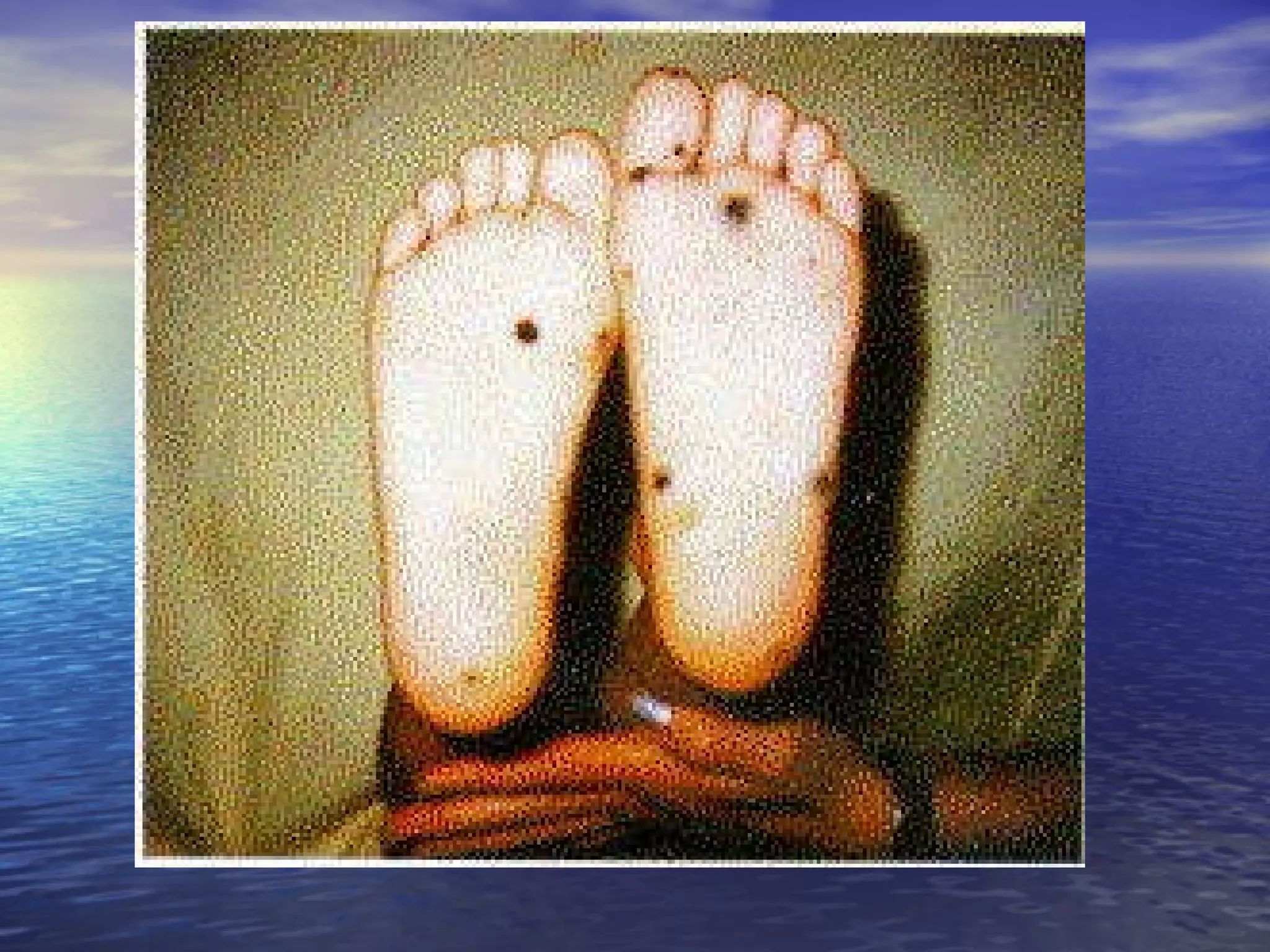
Syndrome   Inheritance   Cutaneous   findings   Internal   Associations Peutz –  AD  Periorifical and  Hamartomas polyps Jeghers   mucosal lentigines,  throughout GI tract  Syndrome   pigmented maculae  increased incidence   hands and feet  of malignancy  throughout GI tract,  ovarian tumors, pancreatic carcinoma gallbladder cancer, GI bleeding, pancreatic carcinoma
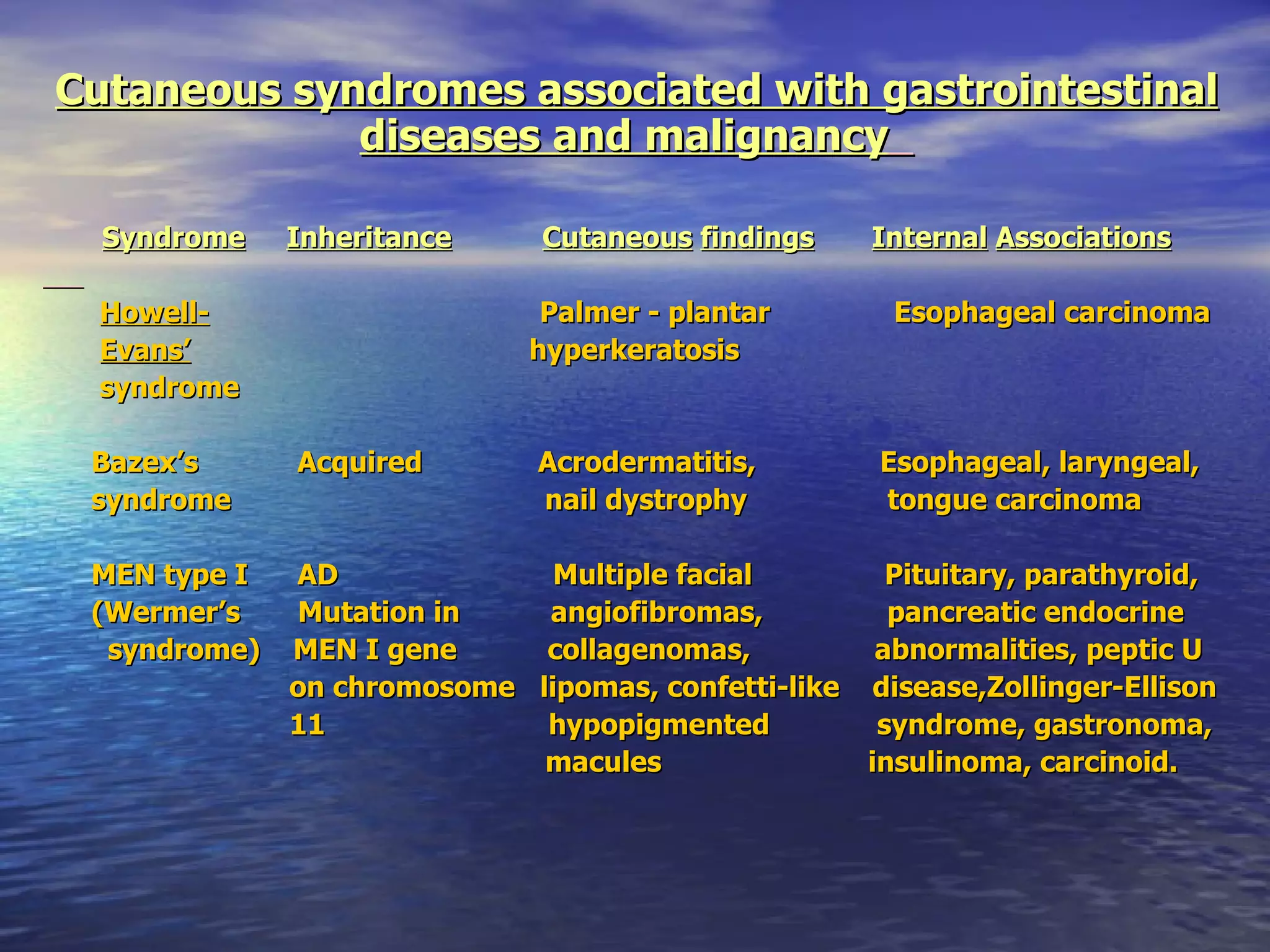
Cutaneous syndromes associated with gastrointestinal diseases and malignancy   Syndrome   Inheritance   Cutaneous   findings   Internal   Associations Howell-   Palmer - plantar  Esophageal carcinoma  Evans’   hyperkeratosis syndrome Bazex’s  Acquired  Acrodermatitis,  Esophageal, laryngeal,  syndrome  nail dystrophy  tongue carcinoma MEN type I  AD  Multiple facial  Pituitary, parathyroid,  (Wermer’s  Mutation in  angiofibromas,  pancreatic endocrine syndrome)  MEN I gene  collagenomas,  abnormalities, peptic U  on chromosome  lipomas, confetti-like  disease,Zollinger-Ellison 11  hypopigmented  syndrome, gastronoma, macules  insulinoma, carcinoid.
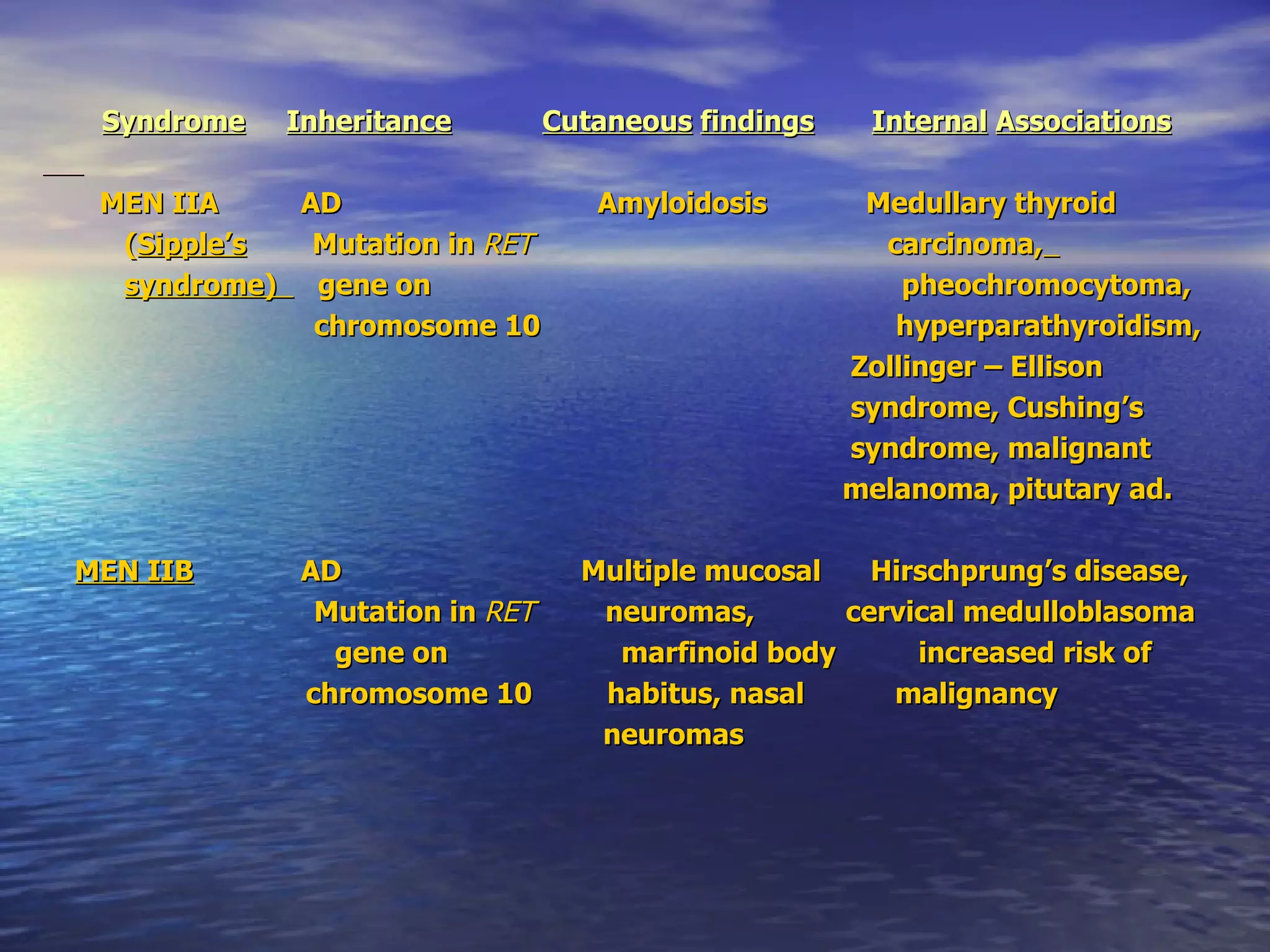
Syndrome   Inheritance   Cutaneous   findings   Internal   Associations MEN IIA  AD  Amyloidosis  Medullary thyroid  ( Sipple’s   Mutation in  RET   carcinoma,   syndrome)  gene on  pheochromocytoma,  chromosome 10  hyperparathyroidism, Zollinger – Ellison syndrome, Cushing’s syndrome, malignant melanoma, pitutary ad.  MEN IIB   AD  Multiple mucosal  Hirschprung’s disease, Mutation in  RET  neuromas,  cervical medulloblasoma  gene on  marfinoid body  increased risk of  chromosome 10  habitus, nasal  malignancy neuromas


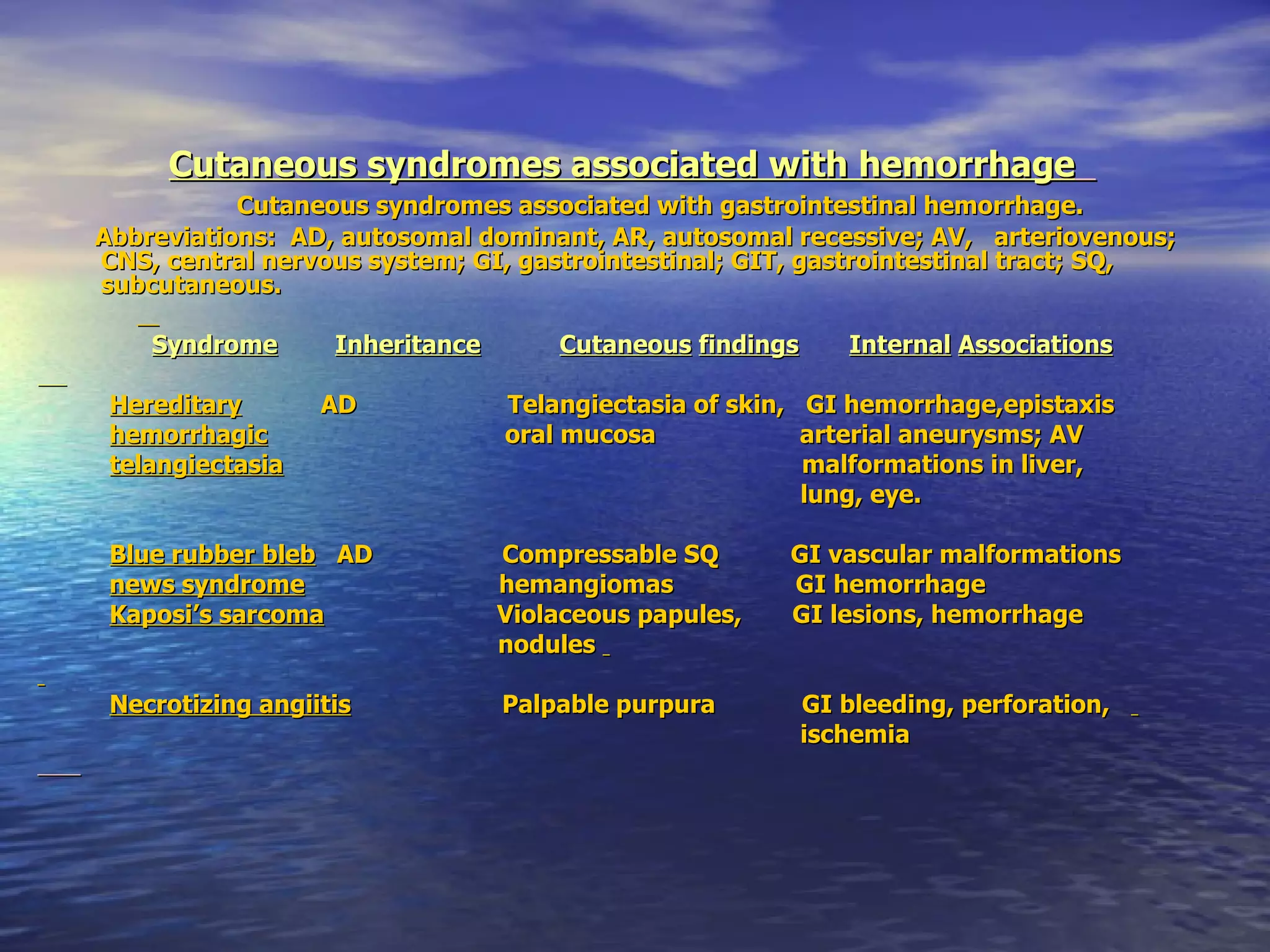
Cutaneous syndromes associated with hemorrhage   Cutaneous syndromes associated with gastrointestinal hemorrhage. Abbreviations:  AD, autosomal dominant, AR, autosomal recessive; AV,  arteriovenous; CNS, central nervous system; GI, gastrointestinal; GIT, gastrointestinal tract; SQ, subcutaneous.   Syndrome   Inheritance   Cutaneous   findings   Internal   Associations Hereditary   AD  Telangiectasia of skin,  GI hemorrhage,epistaxis hemorrhagic   oral mucosa  arterial aneurysms; AV  telangiectasia   malformations in liver, lung, eye. Blue rubber bleb   AD  Compressable SQ  GI vascular malformations news syndrome   hemangiomas  GI hemorrhage  Kaposi’s sarcoma   Violaceous papules,  GI lesions, hemorrhage nodules  Necrotizing angiitis   Palpable purpura  GI bleeding, perforation,  ischemia
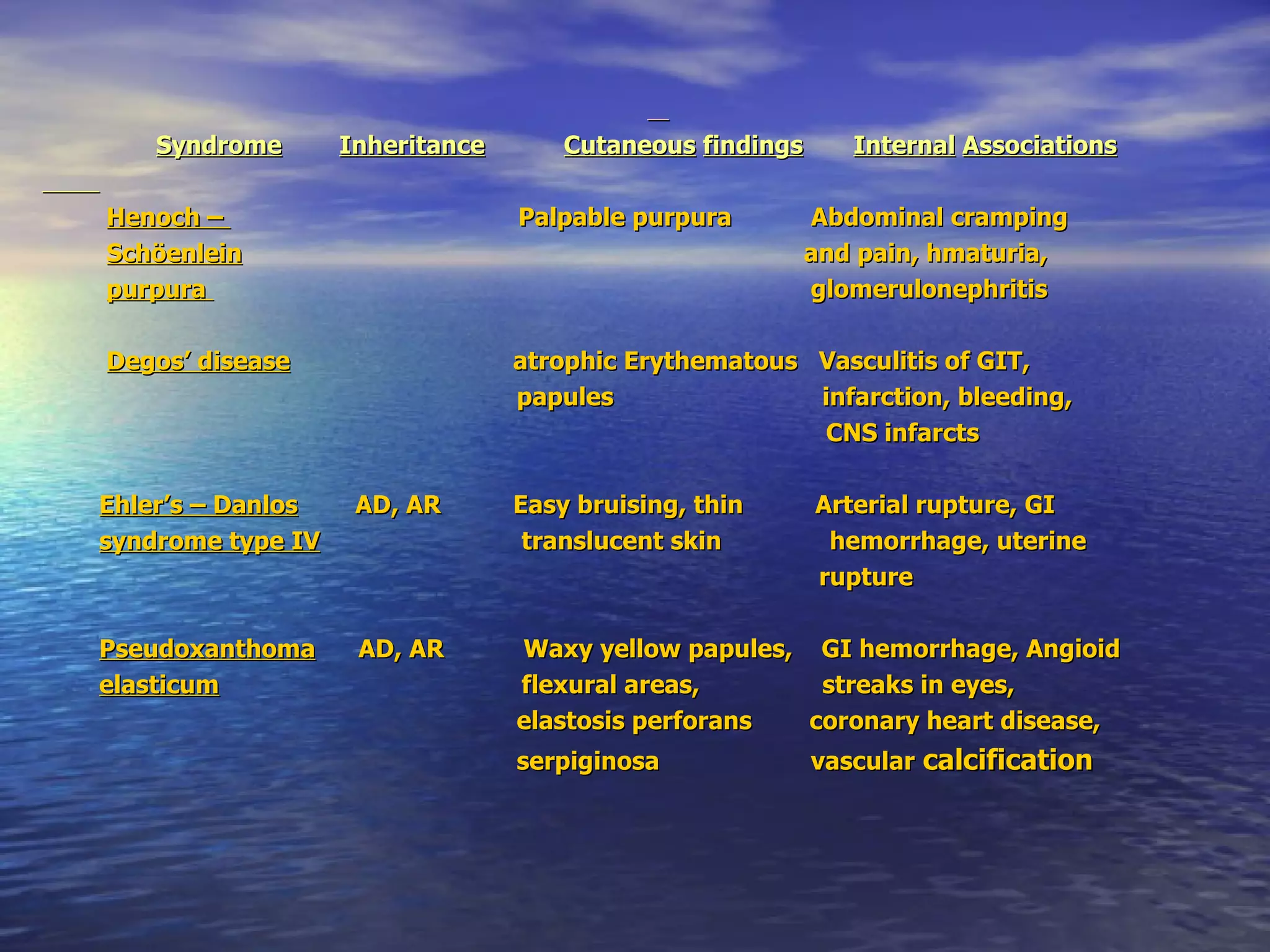
Syndrome   Inheritance   Cutaneous   findings   Internal   Associations Henoch –  Palpable purpura  Abdominal cramping Sch öenlein   and pain, hmaturia,  purpura   glomerulonephritis Degos’ disease   atrophic Erythematous  Vasculitis of GIT,  papules  infarction, bleeding, CNS infarcts Ehler’s – Danlos   AD, AR  Easy bruising, thin  Arterial rupture, GI  syndrome type IV   translucent skin  hemorrhage, uterine  rupture Pseudoxanthoma   AD, AR  Waxy yellow papules,  GI hemorrhage, Angioid  elasticum   flexural areas,  streaks in eyes,  elastosis perforans  coronary heart disease, serpiginosa  vascular   calcification


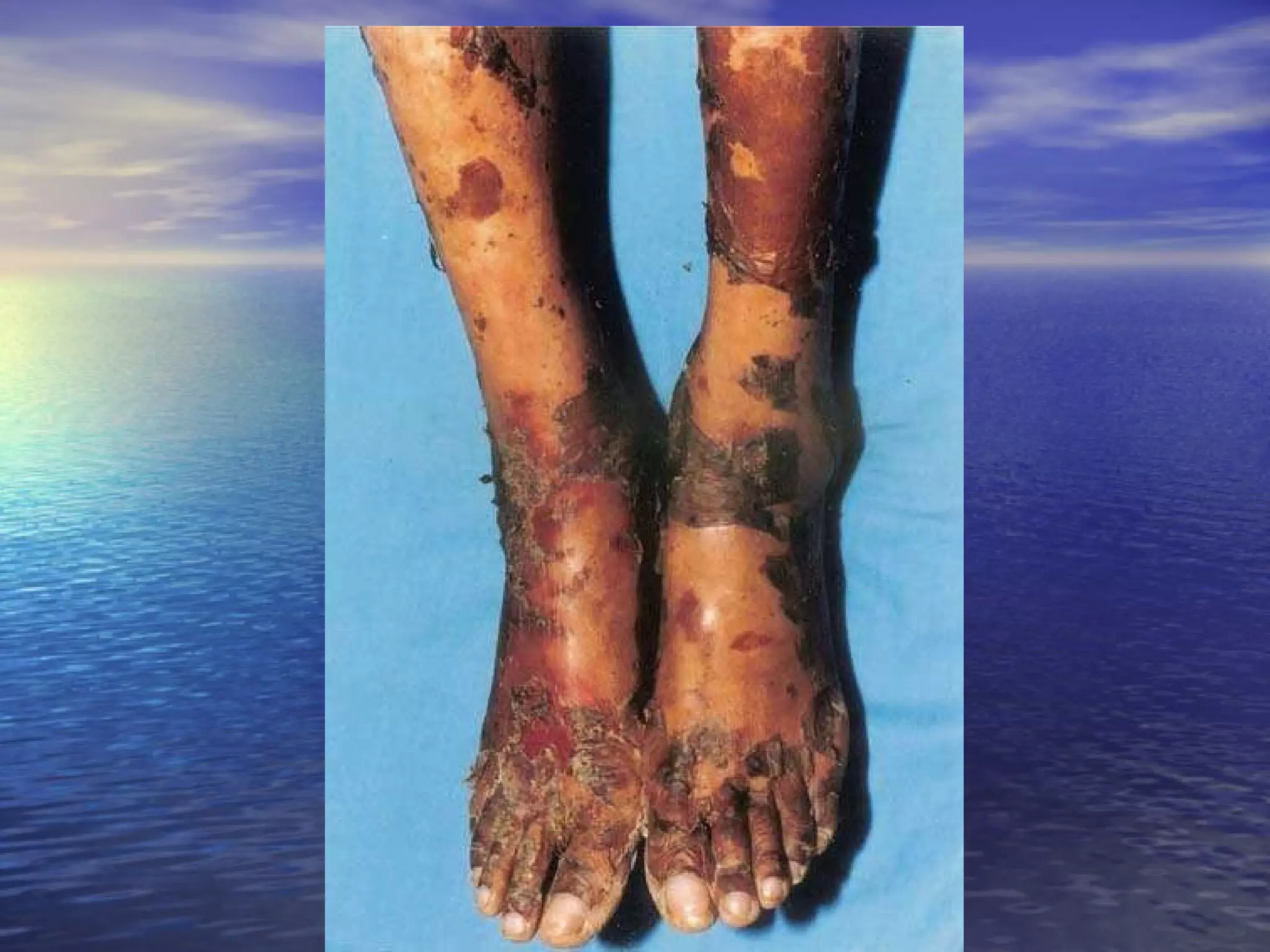
Miscellaneous cutaneous diseases associated with GI disorders; Scleroderma (systemic sclerosis   The dermatologic changes: sclerotic changes that eventually involve the entire body, telangiectases, hyperpigmentation and hypopigmentation GIT Manifestations  The esophageal symptoms :feeling of premature fullness, reflux esophagitis, dysphagia, and epigastric pain.  Stomach and small bowel :anorexia, early fullness, diarrhea, nausea/vomiting, and obstipation  caused by impaired motility, which, in turn, leading to chronic intestinal  pseudo-obstruction, malnutrition, and bacterial overgrowth
 
 
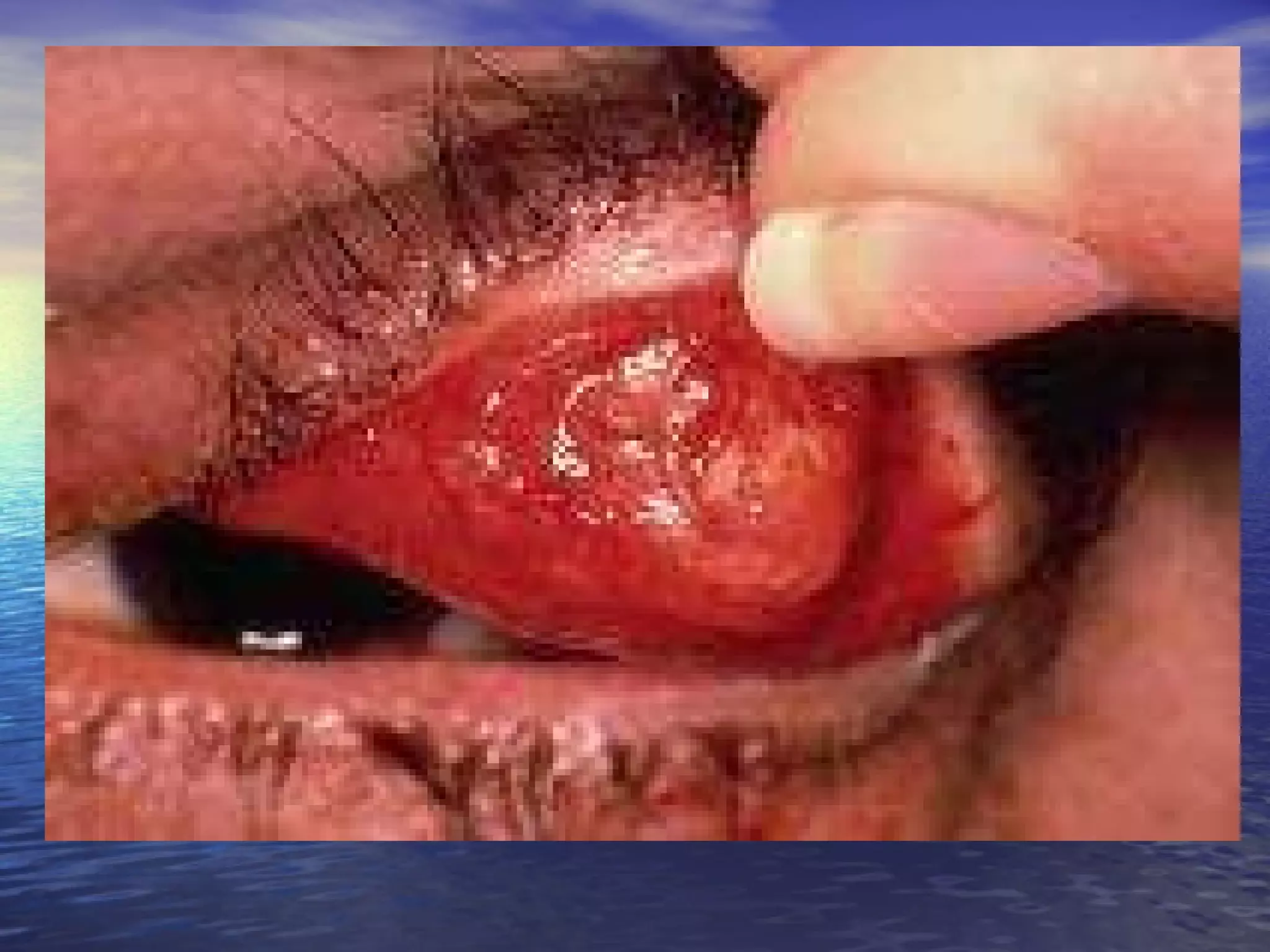
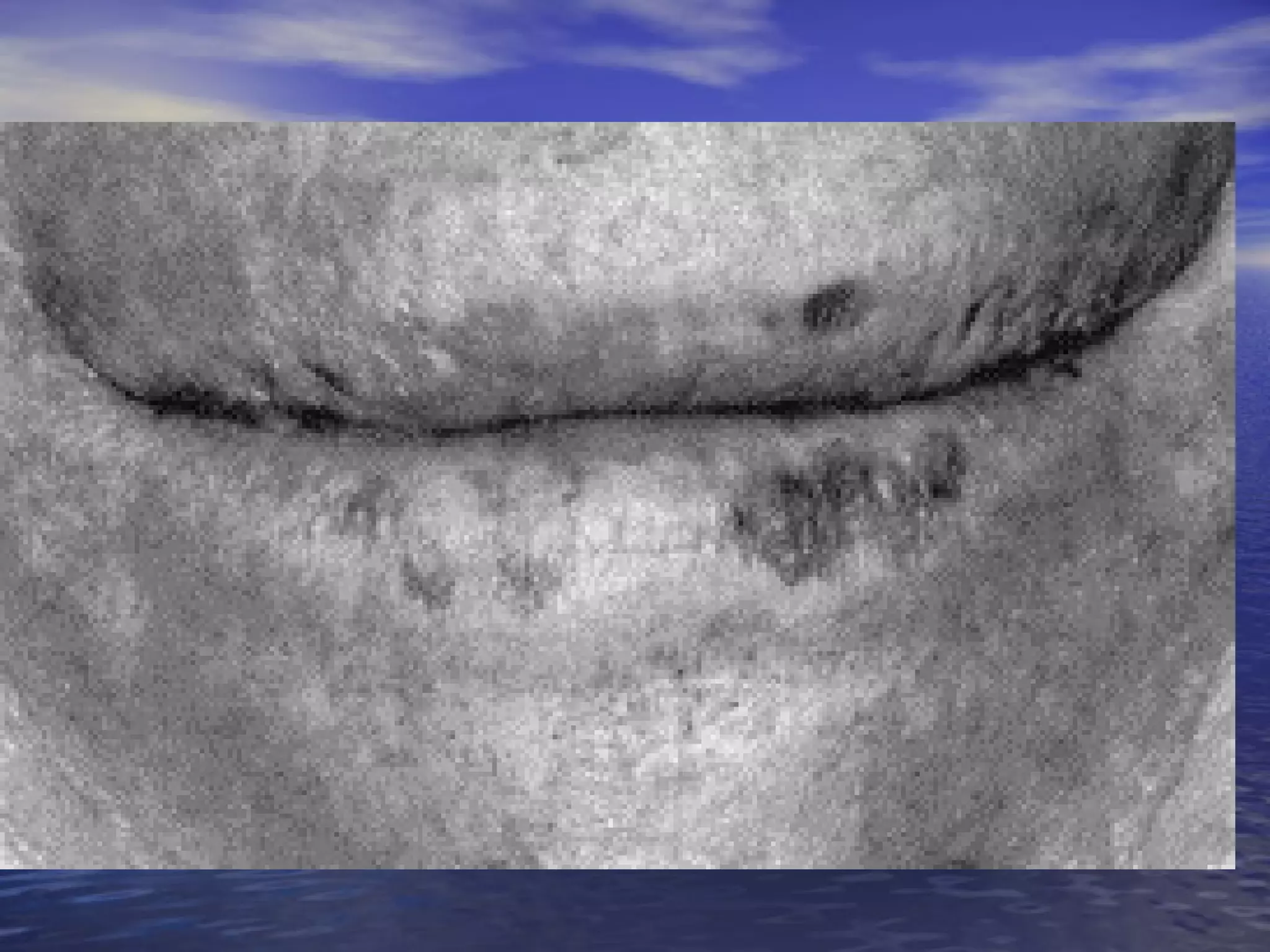
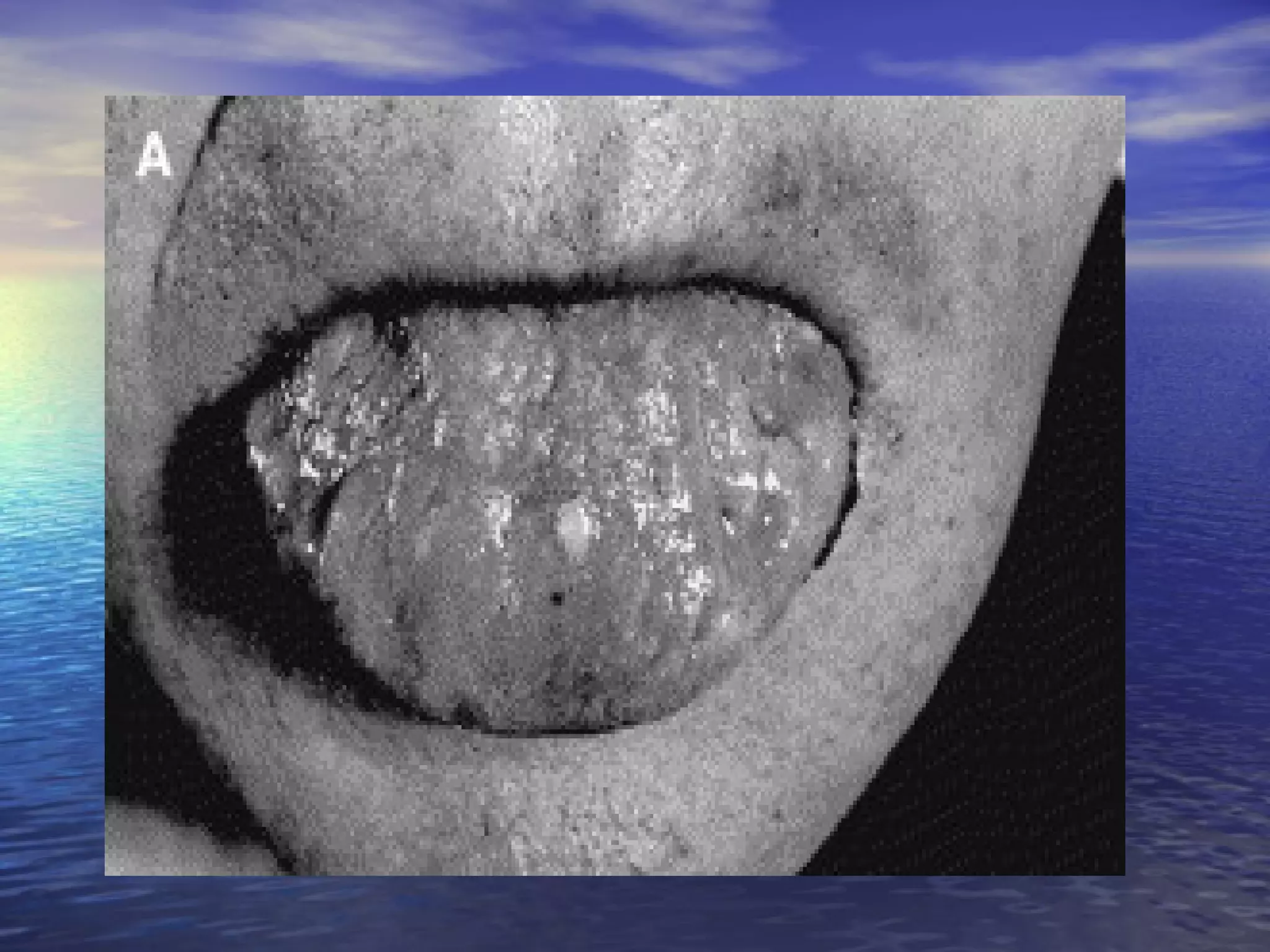
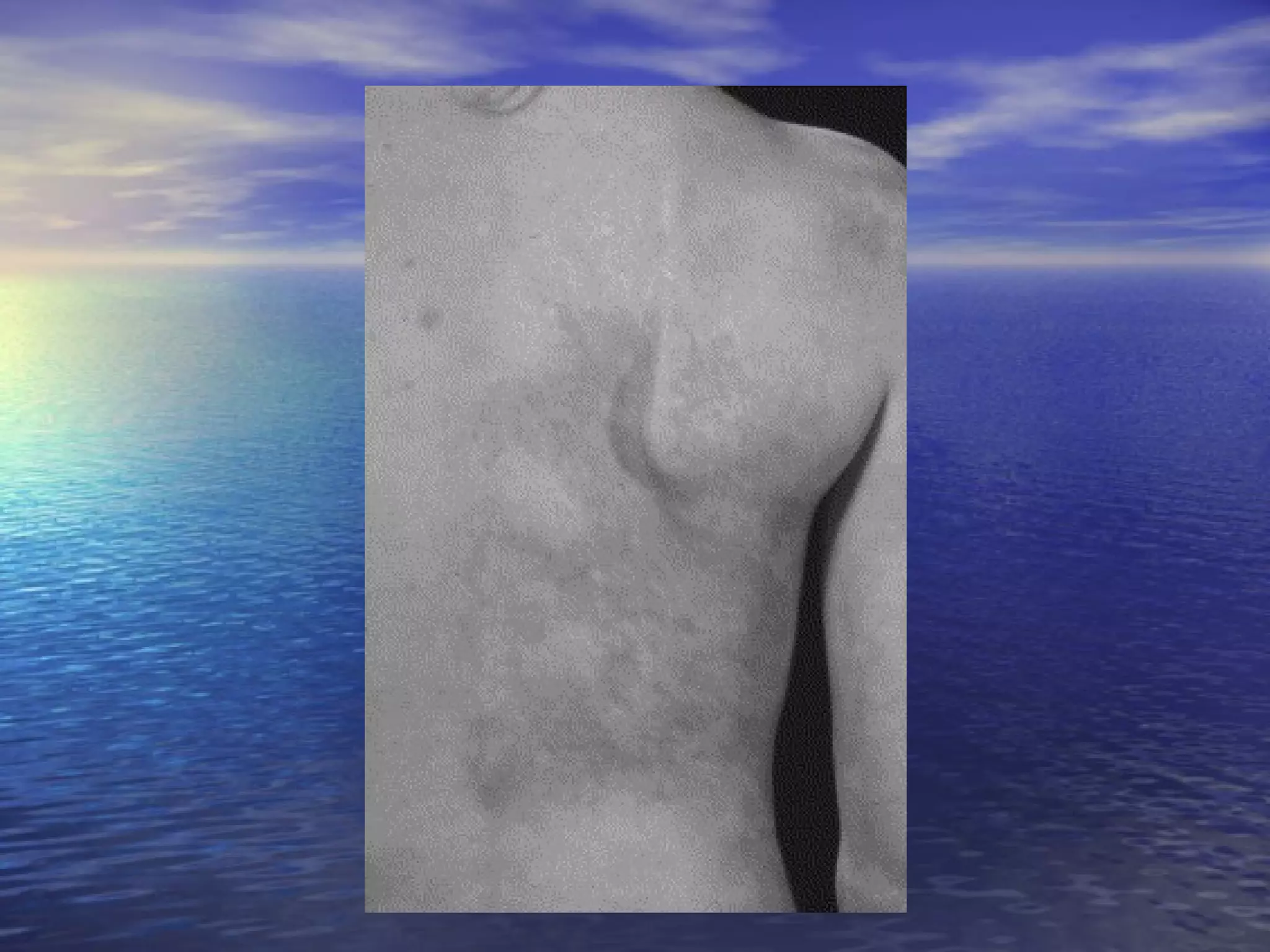
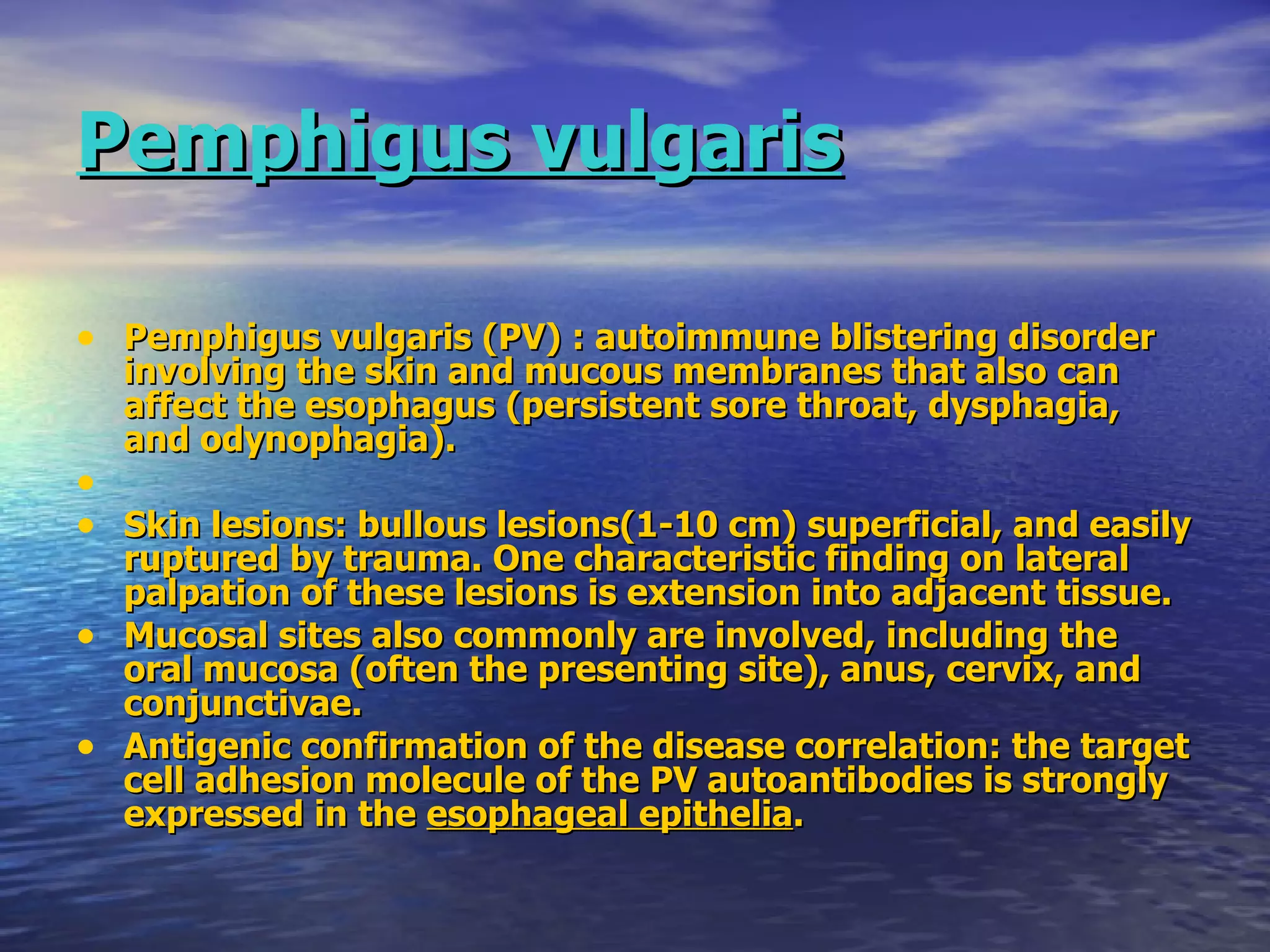
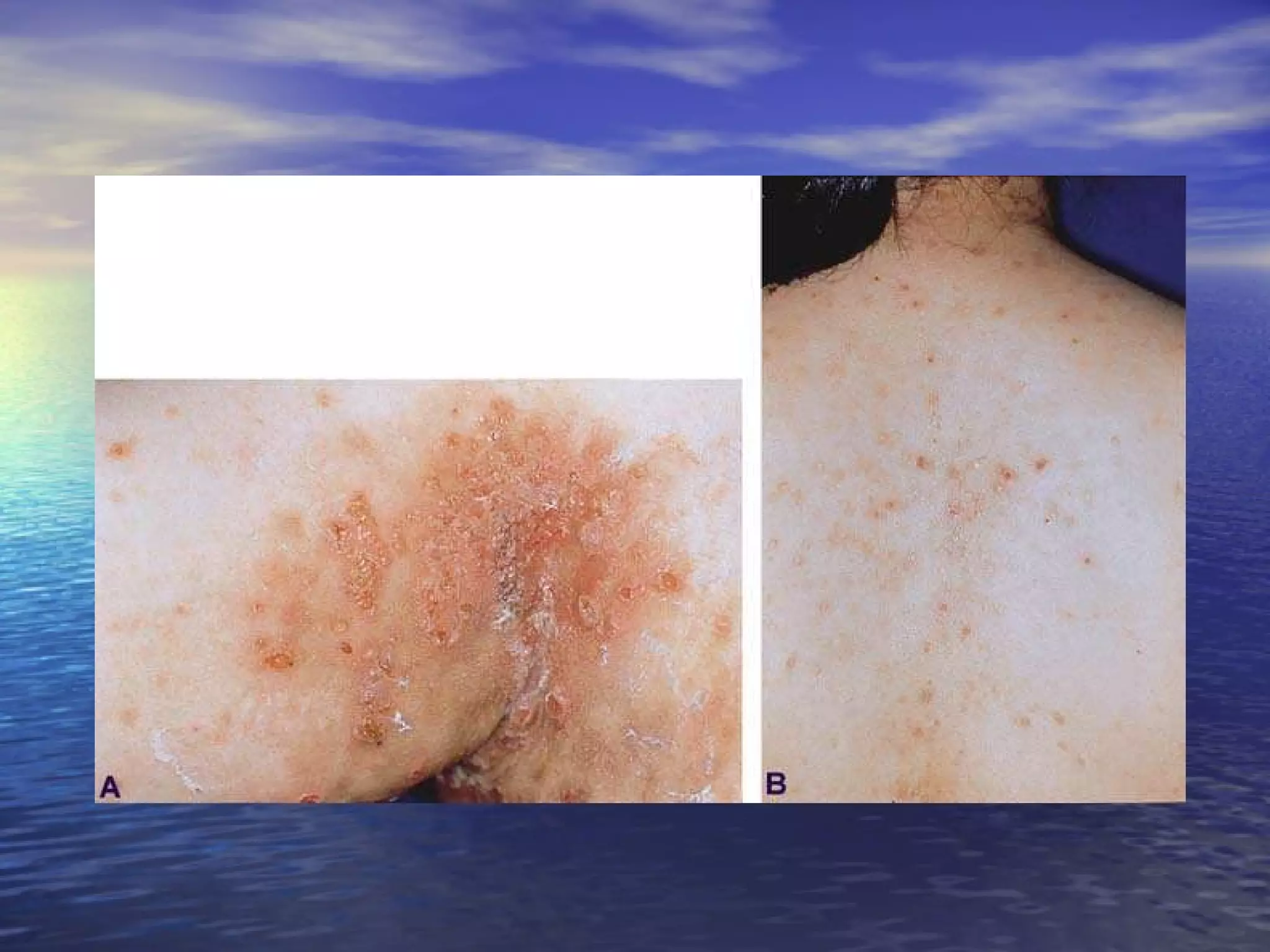
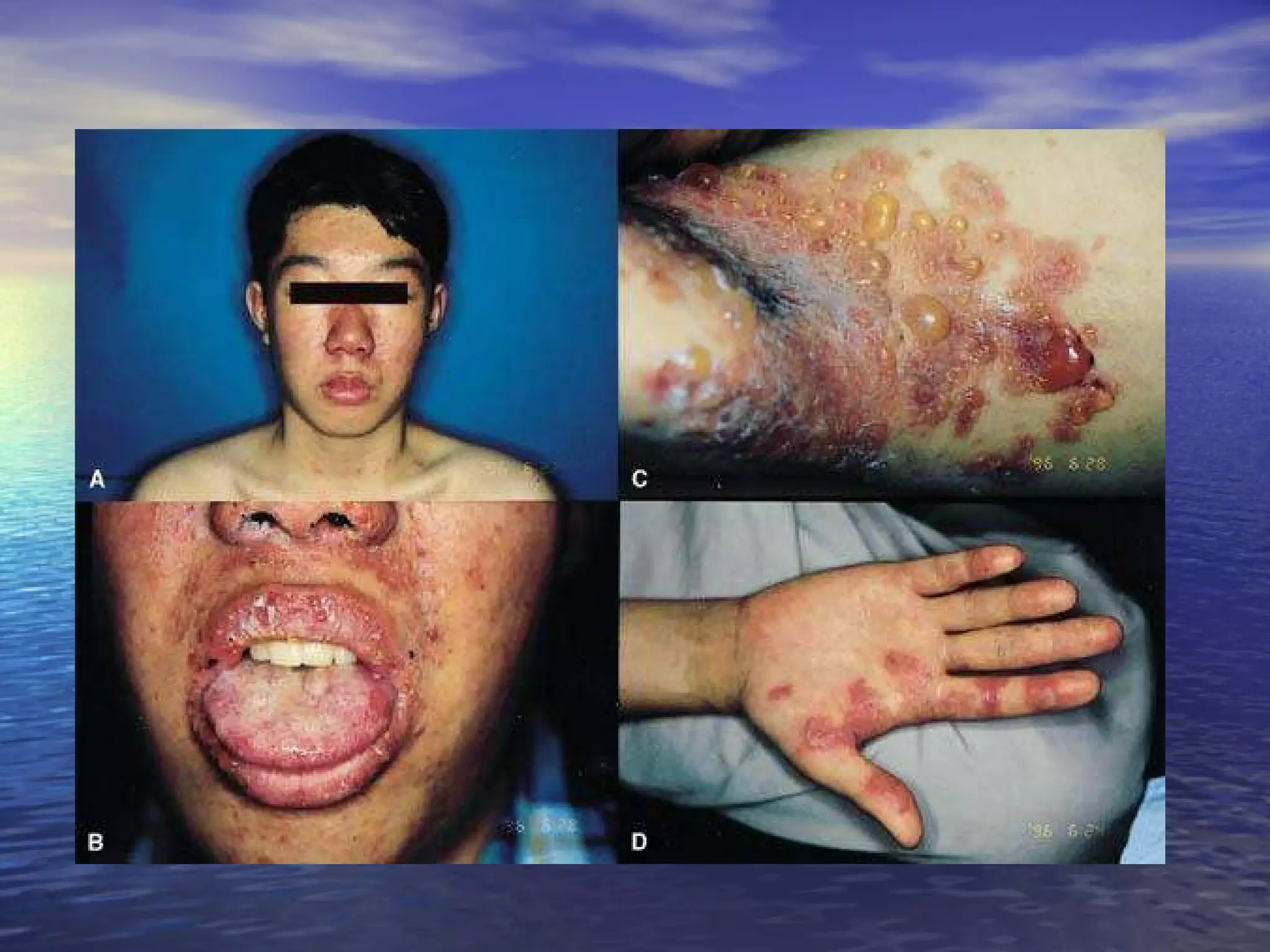
Pemphigus vulgaris Pemphigus vulgaris (PV) : autoimmune blistering disorder involving the skin and mucous membranes that also can affect the esophagus (persistent sore throat, dysphagia, and odynophagia). Skin lesions: bullous lesions(1-10 cm) superficial, and easily ruptured by trauma. One characteristic finding on lateral palpation of these lesions is extension into adjacent tissue.  Mucosal sites also commonly are involved, including the oral mucosa (often the presenting site), anus, cervix, and conjunctivae.  Antigenic confirmation of the disease correlation: the target cell adhesion molecule of the PV autoantibodies is strongly expressed in the  esophageal epithelia .


Summary Early recognition of cutaneous diseases or manifestations associated with the gastrointestinal tract  disorders may be lifesaving at times, and may lead to early preventive intervention to decrease risk of morbidity or mortality.

Git And Skinnn Ppt

  • 1.
    PROFESSOR M.YOUSRY ABDEL-MAWLA,MD Skin manifestations of some gastrointestinal disorders
  • 2.
    Gastrointestinal disorders Cutaneous disorders Inflammatory bowel disease Ulcerative colitis Neutrophilic tissue reactions Crohn’s disease Pyoderma gangrenosum Bowel – bypass syndrome Sweet’s syndrome Pustular vasculitis Erythema nodosum Aphthous stomatitis
  • 3.
    Malabsorption Gluten-sensitive enteropathyAlcoholic liver disease Acrodermatitis enteropathica Dermatogenic enteropathy Pancreatic panniculitis Porphyria cutanea tarda Dermatitis herpetiformis Nutritional and Metabolic disorders
  • 4.
    Infections Hepatitis Band C Helicobacter pylori Porphyria cutanea tarda Erosive or oral lichen planus Sweet's syndrome
  • 5.
    Malignancies Glucagonoma Carcinoid Esophageal carcinoma   Nonspecific cutaneous signs of gastrointestinal malignancy Necrolytic migratory erythema Flushing Bazex's syndrome Palmar-plantar hyperkeratosis Koilyonychia Glossitis Acanthosis nigricans Erythema nodosum Metastatic skin lesions (eg adenocarcinoma of colon Sister Mary Joseph's nodules)
  • 6.
    Malignancies Gastrointestinal polyposis syndromes and gastrointestinal cancer Gardner's syndrome Cronkhite-Canada syndrome Peutz-Jeghers syndrome Cowden disease Muir-Torre syndrome
  • 7.
    Gastrointestinal hemorrhage Vascular disorders Hereditary hemorrhagic telangiectasia (Osler-Weber-Rendu disease) Kaposi's sarcoma Necrotizing angiitis Pseudoxanthoma elasticum Ehlers-Danlos syndrome Degos, disease Henoch-Schönlein purpura
  • 8.
    Dermatologic Manifestations ofliver disease Vascular a. Spider telangiectasia, b. Palmer erythema, c. Corkscrew scleral vessels, d. Caput medusae, e. Plethoric facies, f. Flushing, g. Unilateral nevoid telangiectasia. Jaundice, Pruritus, Urticaria, Nail changes – Terry’s nails, b. Red lunulae, c. Koilonychia, Clubbing. Hyperpigmentation, Skin cancer, Lichenoid dermatitis, Oral Changes – Black hairy tongue, b. Glossitis
  • 9.
  • 10.
  • 11.
  • 12.
  • 13.
  • 14.
    SKIN MANIFESTATIONS OFVIRAL HEPATITIS HEPATITIS B Polyarteritis nodosa (PAN) The pathogenesis :deposition of immune complexes in the vessel walls including IgM, complement factors (C3), and HBsAg Papular acrodermatitis of childhood (PAC ) A non-relapsing, erythemato-papular dermatitis localized to the face and limbs, lymphadenopathy, , acute hepatitis (mostly anicteric), and HBsAg antigenaemia Serum sickness-like syndrome (SSLP) It is associated with the prodromal phase of the disease . Manifestations: urticaria, angioedema, arthropathy, proteinuria or hematuria, and rash. The pathogenesis : deposition of immune complexes: H BsAg, IgG, IgM, and C3
  • 15.
    SKIN MANIFESTATIONS OFVIRAL HEPATITIS HEPATITIS C Mixed cryoglobulinemia Cryoglobulins are anti-immunoglobulin immunoglobulins (Igs) that precipitate at temperatures less than 37°C. Mixed cryoglobulins : rheumatoid factors (RF) (usually IgM) complexed with IgG which form immune complexes. Mixed cryoglobulinemia : considered essential if it is not associated with any disease other than Sjogrens syndrome Porphyria cutanea tarda Porphyria cutanea tarda (PCT) is characterized by an abnormal porphyrin metabolism secondary to decreased activity of uroporphyrinogen decarboxylase (URO-D). The cutaneous findings: skin fragility, blister formation, hyperpigmentation and hypertrichosis, by the photosensitizing action of accumulated porphyrins Lichen planus Lichen planus is a chronic inflammatory mucocutaneous disease process. It usually presents as small, pruritic, purple, planar, polygonal papules with superimposed fine, reticulated white lines called Wickham's striae. Mucous membrane lesions are typically lacy white or ulcerative.
  • 16.
    Other cutaneous associations of HCV Erythema multiforme, Erythema nodosum , Henoch-Schonlein purpura Bechet's syndrome Necrolytic acral erythema Polyarteritis nodosa , Prurigo nodularis , Pyoderma gangrenosum , Urticaria , and Urticarial vasculitis
  • 17.
    Inflammatory bowel diseasesInflammatory disorders of the bowel discussed here include ulcerative colitis (UC), Crohn's disease, and bowel bypass syndrome Both UC and Crohn's disease (the traditional inflammatory bowel diseases [IBD]) can present with abdominal pain, GI bleeding, or diarrhea. Bowel bypass syndrome : a bacterial overgrowth in the blind loop associated with a dermatosis-arthritis syndrome
  • 18.
  • 19.
  • 20.
  • 21.
  • 22.
  • 23.
  • 24.
  • 25.
  • 26.
  • 27.
    Inflammatory bowel diseasesInflammatory disorders of the bowel discussed here include ulcerative colitis (UC), Crohn's disease, and bowel bypass syndrome Both UC and Crohn's disease (the traditional inflammatory bowel diseases [IBD]) can present with abdominal pain, GI bleeding, or diarrhea. Bowel bypass syndrome : a bacterial overgrowth in the blind loop associated with a dermatosis-arthritis syndrome
  • 28.
    Pathogenesis of extraintestinalmanifestations of inflammatory bowel syndrome Immunologic mechanisms The mucosa from the underlying bowel disease provides associated immune responses for the inflammatory process in the extraintestinal sites. Autoimmune response increases with the presence of foreign proteins or bacterial products in the intestinal mucosa. Shared epitopes between bacterial proteins and host self-antigens. Microbial peptides cross-reactive to the cellular autoantigenic epitope may initiate the autoimmune response
  • 29.
    Skin findings Erythema nodosum Pyoderma gangrenosum Angular stomatitis Aphthous stomatitis Pyostomatitis vegetans Psoriasis Erythema multiforme Epidermolysis bullosa acquisita Sweet's syndrome Metastatic Crohn's disease Nonspecific skin findings Fistulas and fissures, are found commonly in Crohn's disease. Painless anal fissures occur. Crohn's disease oral findings:cobblestoning, ulcerations, and nodules. Pustular reactions including pustular vasculitis
  • 30.
  • 31.
  • 32.
  • 33.
  • 34.
  • 35.
    Nutritional and metabolicdisorders ALCOHOL ABUSE AND SKIN   1-  Nutritional deficiencies a-  Marasmus  b- Kwashiorkor  c- Pellagra  d- Scurvy   2- Endocrine diseases  a- Hypogonadism  b- Hyperestrogenism  c- Pseudo-Cushing's syndrome   3- Porphyria cutanea tarda   4- Infections   5- Acquired purpura fulminans 6-Exacerbations of skin disease   a-  Psoriasis   b- Rosacea c-Discoid eczema
  • 36.
    Cutaneous eruptions associatedwith malabsorption Nonspecific Acquired ichthyosis Hair changes Nail changes Hyperpigmentation Altered skin texture Eczematous eruptions Specific Zinc deficiency Acrodermatitis enteropathica Vitamin B deficiency Dermatogenic enteropathy Dermatitis herpetiformis
  • 37.
  • 38.
  • 39.
  • 40.
    SOME SKIN MANIFESTATIONS OF MALIGNANCY IN G IT Acanthosis nigricans This appears as a brown-to-black, smooth, velvety plaque found in areas of skin folds, most commonly the neck, axillae, and groin. Possibility of an intra-abdominal malignancy should be considered especially if there is large number of plaques, Weight loss, Rapid progression of lesions, The discovery of plaques in unusual locations( lips, oral mucosa, hands, and genitalia)
  • 41.
    SOME SKIN MANIFESTATIONS OF MALIGNANCY IN G IT Pancreatic panniculitis Pancreatic panniculitis(inflammation of subcutaneous fat) : predominately in alcoholic ,pancreatitis and pancreatic cancer. Erythematous painful plaques and nodules on the extremities or trunk
  • 42.
  • 43.
  • 44.
  • 45.
    Cutaneous syndromes andthe GI Tract Cutaneous syndromes associated with gastrointestinal diseases and malignancy Abbreviations : AD, autosomal dominant; BCC, basal cell carcinoma; GI, gastrointestinal; MEN, multiple endocrine neoplasia; MSH. Syndrome Inheritance Cutaneous findings Internal Associations With increased DEFECT risk of malignancy Gardner’s Syndrome AD Osteoma, desmoid Intestinal polyposis, (familial Chromosome 5 tumors epidermoid colon cancer, thyroid Polyposis cysts, dental cancers, retinal Syndrome) anomalies abnormalities
  • 46.
    Syndrome Inheritance Cutaneous findings Internal Associations Cronkhite Acquired Alopecia, nail GI polyps, colon Canada dystrophy; macular carcinoma, diarrhea Syndrome hyperpigmentation abdominal pain Cowden’s AD Hamartomas of Hamartomas and disease Mutation PTEN mucous membranes malignancy of colon, (multiple Gene / facial breast, thyroid, Hamatoma chromosome tricholemmonas, renal and bladder Syndrome) 10 papillomas Palmar- colon polyps plantar keratoses, scrotal tongue Muir – Torre ADMutation in Sebaceous gland tumors, Nonpolyposis colon cancer BCC with sebaceous differentiation MSH2 gene on
  • 47.
    Syndrome Inheritance Cutaneous findings Internal Associations Peutz – AD Periorifical and Hamartomas polyps Jeghers mucosal lentigines, throughout GI tract Syndrome pigmented maculae increased incidence hands and feet of malignancy throughout GI tract, ovarian tumors, pancreatic carcinoma gallbladder cancer, GI bleeding, pancreatic carcinoma
  • 48.
    Cutaneous syndromes associatedwith gastrointestinal diseases and malignancy Syndrome Inheritance Cutaneous findings Internal Associations Howell- Palmer - plantar Esophageal carcinoma Evans’ hyperkeratosis syndrome Bazex’s Acquired Acrodermatitis, Esophageal, laryngeal, syndrome nail dystrophy tongue carcinoma MEN type I AD Multiple facial Pituitary, parathyroid, (Wermer’s Mutation in angiofibromas, pancreatic endocrine syndrome) MEN I gene collagenomas, abnormalities, peptic U on chromosome lipomas, confetti-like disease,Zollinger-Ellison 11 hypopigmented syndrome, gastronoma, macules insulinoma, carcinoid.
  • 49.
    Syndrome Inheritance Cutaneous findings Internal Associations MEN IIA AD Amyloidosis Medullary thyroid ( Sipple’s Mutation in RET carcinoma, syndrome) gene on pheochromocytoma, chromosome 10 hyperparathyroidism, Zollinger – Ellison syndrome, Cushing’s syndrome, malignant melanoma, pitutary ad. MEN IIB AD Multiple mucosal Hirschprung’s disease, Mutation in RET neuromas, cervical medulloblasoma gene on marfinoid body increased risk of chromosome 10 habitus, nasal malignancy neuromas
  • 50.
  • 51.
  • 52.
  • 53.
  • 54.
  • 55.
  • 56.
  • 57.
  • 58.
  • 59.
    Cutaneous syndromes associatedwith hemorrhage Cutaneous syndromes associated with gastrointestinal hemorrhage. Abbreviations: AD, autosomal dominant, AR, autosomal recessive; AV, arteriovenous; CNS, central nervous system; GI, gastrointestinal; GIT, gastrointestinal tract; SQ, subcutaneous. Syndrome Inheritance Cutaneous findings Internal Associations Hereditary AD Telangiectasia of skin, GI hemorrhage,epistaxis hemorrhagic oral mucosa arterial aneurysms; AV telangiectasia malformations in liver, lung, eye. Blue rubber bleb AD Compressable SQ GI vascular malformations news syndrome hemangiomas GI hemorrhage Kaposi’s sarcoma Violaceous papules, GI lesions, hemorrhage nodules Necrotizing angiitis Palpable purpura GI bleeding, perforation, ischemia
  • 60.
    Syndrome Inheritance Cutaneous findings Internal Associations Henoch – Palpable purpura Abdominal cramping Sch öenlein and pain, hmaturia, purpura glomerulonephritis Degos’ disease atrophic Erythematous Vasculitis of GIT, papules infarction, bleeding, CNS infarcts Ehler’s – Danlos AD, AR Easy bruising, thin Arterial rupture, GI syndrome type IV translucent skin hemorrhage, uterine rupture Pseudoxanthoma AD, AR Waxy yellow papules, GI hemorrhage, Angioid elasticum flexural areas, streaks in eyes, elastosis perforans coronary heart disease, serpiginosa vascular calcification
  • 61.
  • 62.
  • 63.
  • 64.
  • 65.
  • 66.
  • 67.
    Miscellaneous cutaneous diseasesassociated with GI disorders; Scleroderma (systemic sclerosis The dermatologic changes: sclerotic changes that eventually involve the entire body, telangiectases, hyperpigmentation and hypopigmentation GIT Manifestations The esophageal symptoms :feeling of premature fullness, reflux esophagitis, dysphagia, and epigastric pain. Stomach and small bowel :anorexia, early fullness, diarrhea, nausea/vomiting, and obstipation caused by impaired motility, which, in turn, leading to chronic intestinal pseudo-obstruction, malnutrition, and bacterial overgrowth
  • 68.
  • 69.
  • 70.
    Pemphigus vulgaris Pemphigusvulgaris (PV) : autoimmune blistering disorder involving the skin and mucous membranes that also can affect the esophagus (persistent sore throat, dysphagia, and odynophagia). Skin lesions: bullous lesions(1-10 cm) superficial, and easily ruptured by trauma. One characteristic finding on lateral palpation of these lesions is extension into adjacent tissue. Mucosal sites also commonly are involved, including the oral mucosa (often the presenting site), anus, cervix, and conjunctivae. Antigenic confirmation of the disease correlation: the target cell adhesion molecule of the PV autoantibodies is strongly expressed in the esophageal epithelia .
  • 71.
  • 72.
  • 73.
  • 74.
    Summary Early recognitionof cutaneous diseases or manifestations associated with the gastrointestinal tract disorders may be lifesaving at times, and may lead to early preventive intervention to decrease risk of morbidity or mortality.