HUMAN GENETICS
Dr. D.A.R.K. Dayarathna
MD (medicine –col),
MSc (medical genetics –Ncl - UK)
Genetics
• Human genetics- scientific study of
  human variation and Heredity
• Medical genetics - study of the hereditary
  nature of human disease
• Clinical genetics- Care, diagnosis and
  counseling of patients with congenital
  malformations or genetic diseases
Causes of diseases
•   Accidents
•   Infections
•   Genetic diseases
•   Complex traits
Genetic diseases
• Inherited diseases
• Diseases due to mutations in somatic
  cells- cancer
Inherited diseases
• Due to genetic mutations- nuclear,
  Mitochondrial
• Chromosomal abnormalities
• Complex traits, multifactorial disorders
Mutations
• Deletions- ranging from 1 bp to mega
  base
• Insertions- including duplications
• Single base substitution-
• Missense mutations- replace one amino
  acid with another in the gene product
• Nonsense mutations replace one amino
  acid codon with a stop codon
• Splice site mutations create or destroy
  signals for exon/intron splicing
• Frame shifts can be produced by
Mutation- functional change
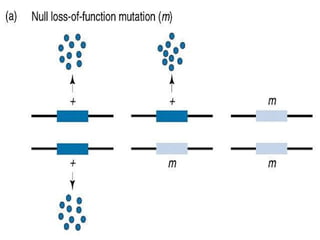
• Loss of function mutations
• Gain of function mutations
Loss of function
• Autosomal recessive disorders
Autosomal dominant
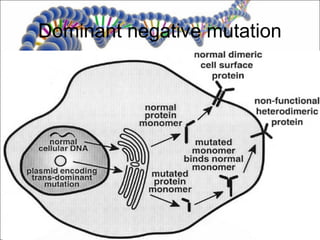
• Dominant negative
• Haplo insufficiency
Dominant negative mutation
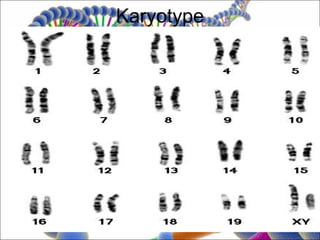
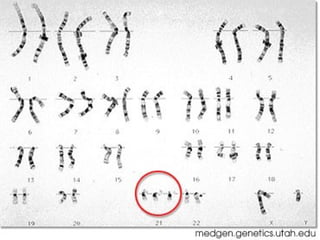
Karyotype
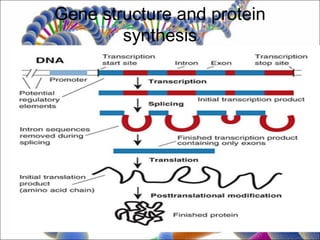
Gene structure and protein
        synthesis
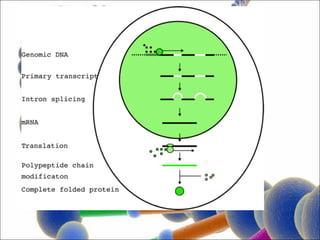
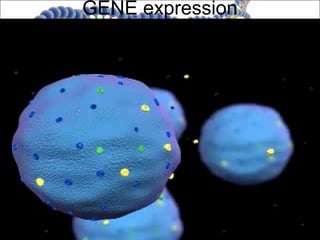
GENE expression
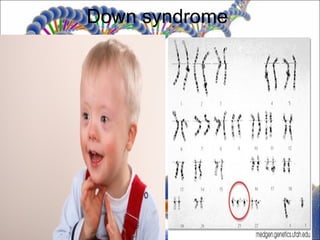
Down syndrome
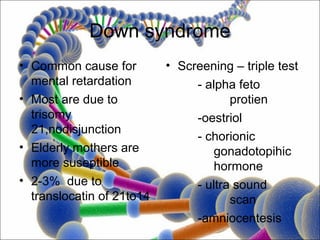
Down syndrome
• Common cause for         • Screening – triple test
  mental retardation            - alpha feto
• Most are due to                      protien
  trisomy                       -oestriol
  21,nodisjunction
                                - chorionic
• Elderly mothers are               gonadotopihic
  more suseptible                   hormone
• 2-3% due to                   - ultra sound
  translocatin of 21to14               scan
                                -amniocentesis
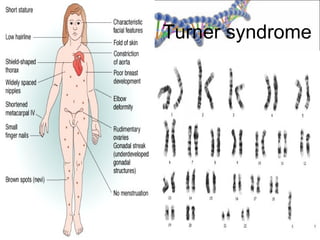
Turner syndrome
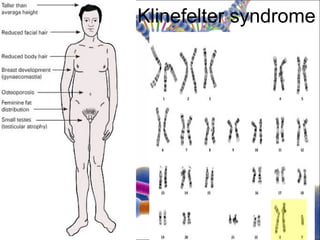
Klinefelter syndrome
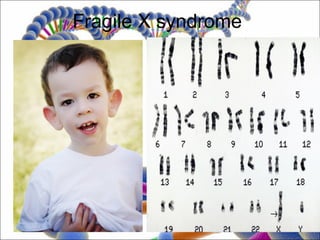
Fragile X syndrome
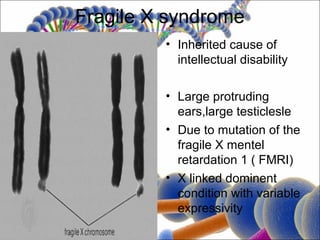
Fragile X syndrome
         • Inherited cause of
           intellectual disability

         • Large protruding
           ears,large testiclesle
         • Due to mutation of the
           fragile X mentel
           retardation 1 ( FMRI)
         • X linked dominent
           condition with variable
           expressivity
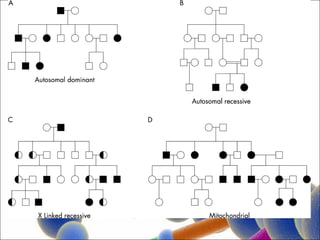
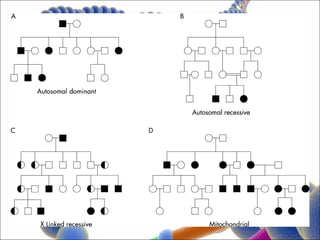
Autosomal dominant inheritance
• Males and females are equally affected
• Transmission between all sexes are
  observed . Male to male, female to male
• Symptoms usually appear later in life
• Pleiotrophy- single gene disorder produce
  multiple phenotypic effect
• Variable expressivity of gene

• Reduced or incomplete penetrance, the
Autosomal dominant ctd
• Codominance- when both traits are
  expressed fully in heterozygous state. Ex-
  AB blood group
• Intermediate inheritance
• Ex- sickle cell trait
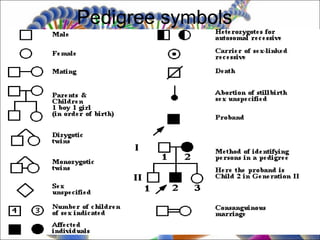
Pedigree symbols
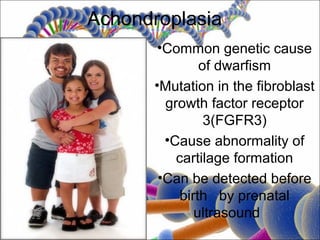
Achondroplasia
       •Common genetic cause
               of dwarfism
      •Mutation in the fibroblast
        growth factor receptor
                3(FGFR3)
        •Cause abnormality of
          cartilage formation
       •Can be detected before
           birth by prenatal
              ultrasound
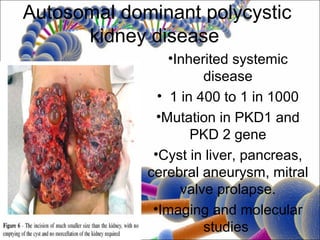
Autosomal dominant polycystic
      kidney disease
                 •Inherited systemic
                       disease
               • 1 in 400 to 1 in 1000
               •Mutation in PKD1 and
                     PKD 2 gene
              •Cyst in liver, pancreas,
             cerebral aneurysm, mitral
                   valve prolapse.
              •Imaging and molecular
                       studies
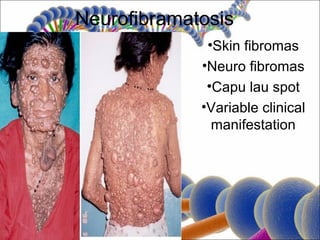
Neurofibramatosis
              •Skin fibromas
             •Neuro fibromas
              •Capu lau spot
             •Variable clinical
               manifestation
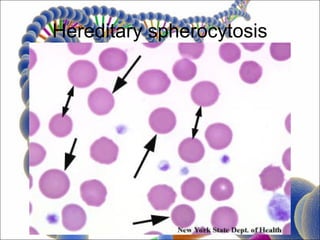
Hereditary spherocytosis
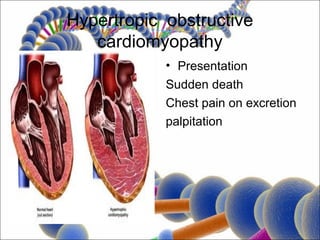
Hypertropic obstructive
   cardiomyopathy
            • Presentation
            Sudden death
            Chest pain on excretion
            palpitation
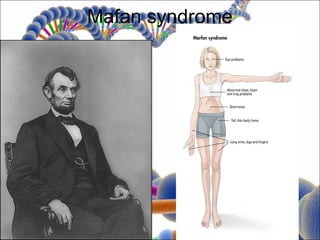
Mafan syndrome
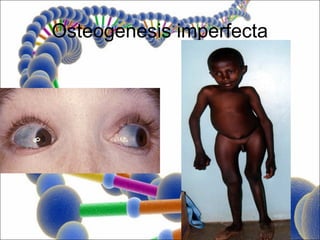
Osteogenesis imperfecta
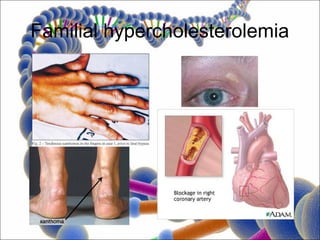
Familial hypercholesterolemia
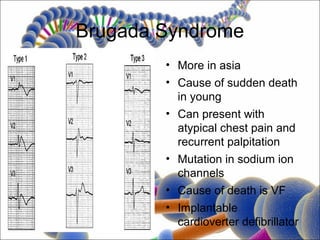
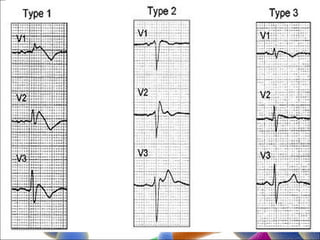
Brugada Syndrome
        • More in asia
        • Cause of sudden death
          in young
        • Can present with
          atypical chest pain and
          recurrent palpitation
        • Mutation in sodium ion
          channels
        • Cause of death is VF
        • Implantable
          cardioverter defibrillator
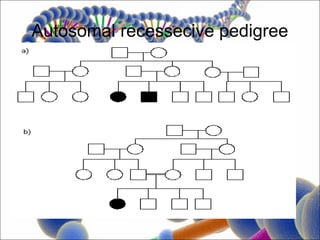
Autosomal recessive
            inheritance
• Presentation - in early age, usually with
  severe symptoms
• Affect either sex
• Affected people are usually born to
  unaffected parents
• Parents are usually asymptomatic carriers
• Increase incidence of parental consanguinity
• After the birth of an effected child, each
  subsequent child has a 25% of being
  Affected
Autosomal recessecive pedigree
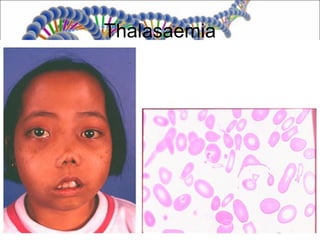
Thalasaemia
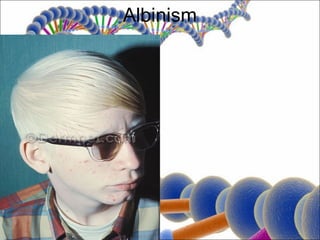
Albinism
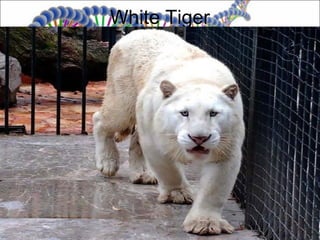
White Tiger
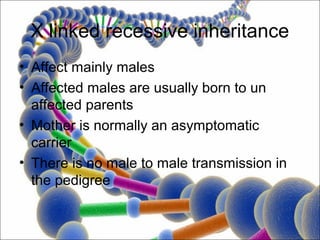
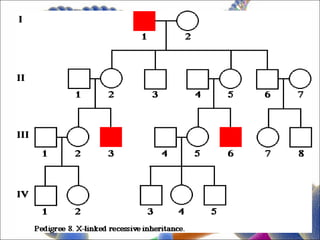
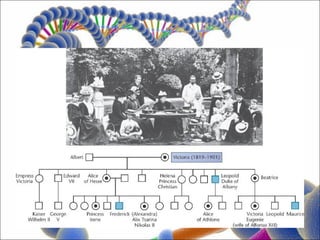
X linked recessive inheritance
• Affect mainly males
• Affected males are usually born to un
  affected parents
• Mother is normally an asymptomatic
  carrier
• There is no male to male transmission in
  the pedigree
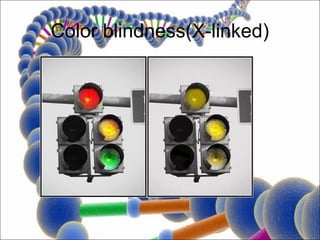
Color blindness(X-linked)
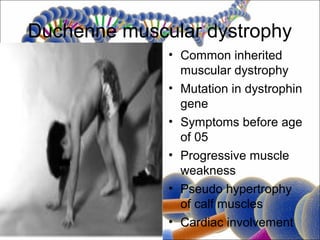
Duchenne muscular dystrophy
              • Common inherited
                muscular dystrophy
              • Mutation in dystrophin
                gene
              • Symptoms before age
                of 05
              • Progressive muscle
                weakness
              • Pseudo hypertrophy
                of calf muscles
              • Cardiac involvement
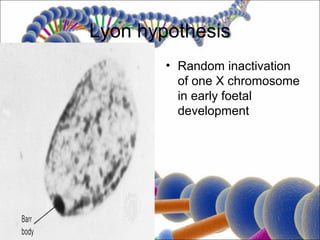
Lyon hypothesis
        • Random inactivation
          of one X chromosome
          in early foetal
          development
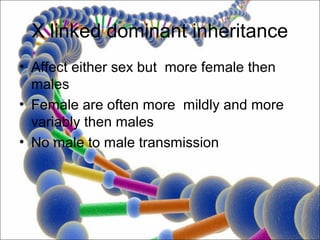
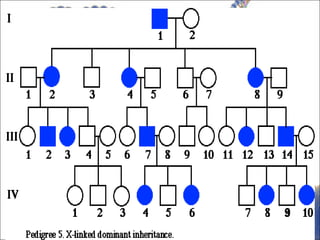
X linked dominant inheritance
• Affect either sex but more female then
  males
• Female are often more mildly and more
  variably then males
• No male to male transmission
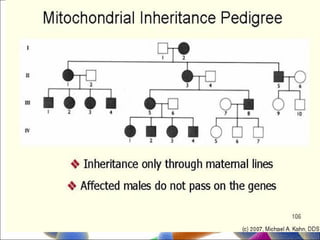
Mitochondrial inheritance
• Matrineal inheritance
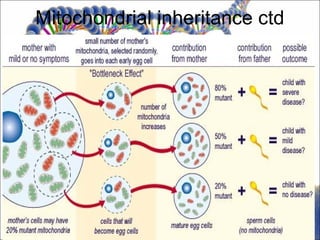
• Variable clinical manifestation due to
  heteroplasmy
Mitochondrial inheritance ctd
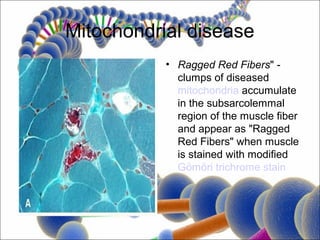
Mitochondrial disease
           • Ragged Red Fibers" -
             clumps of diseased
             mitochondria accumulate
             in the subsarcolemmal
             region of the muscle fiber
             and appear as "Ragged
             Red Fibers" when muscle
             is stained with modified
             Gömöri trichrome stain
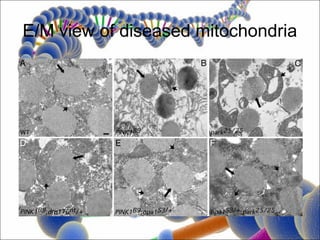
E/M view of diseased mitochondria
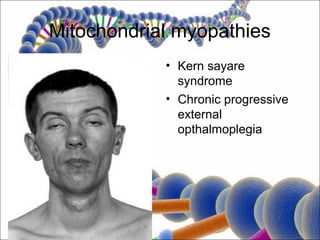
Mitochondrial myopathies
            • Kern sayare
              syndrome
            • Chronic progressive
              external
              opthalmoplegia
Complex traits

Diabetes mellitus, Hypertension,
     mental disorders etc
Complex traits ctd
•   Gene and environment interaction
•   Population studies
•   Family studies
•   Twin studies

genetics ppt 01

  • 1.
    HUMAN GENETICS Dr. D.A.R.K.Dayarathna MD (medicine –col), MSc (medical genetics –Ncl - UK)
  • 2.
    Genetics • Human genetics-scientific study of human variation and Heredity • Medical genetics - study of the hereditary nature of human disease • Clinical genetics- Care, diagnosis and counseling of patients with congenital malformations or genetic diseases
  • 3.
    Causes of diseases • Accidents • Infections • Genetic diseases • Complex traits
  • 4.
    Genetic diseases • Inheriteddiseases • Diseases due to mutations in somatic cells- cancer
  • 5.
    Inherited diseases • Dueto genetic mutations- nuclear, Mitochondrial • Chromosomal abnormalities • Complex traits, multifactorial disorders
  • 6.
    Mutations • Deletions- rangingfrom 1 bp to mega base • Insertions- including duplications • Single base substitution- • Missense mutations- replace one amino acid with another in the gene product • Nonsense mutations replace one amino acid codon with a stop codon • Splice site mutations create or destroy signals for exon/intron splicing • Frame shifts can be produced by
  • 7.
    Mutation- functional change •Loss of function mutations • Gain of function mutations
  • 8.
    Loss of function •Autosomal recessive disorders
  • 10.
    Autosomal dominant • Dominantnegative • Haplo insufficiency
  • 11.
  • 13.
  • 15.
    Gene structure andprotein synthesis
  • 17.
  • 18.
  • 20.
    Down syndrome • Commoncause for • Screening – triple test mental retardation - alpha feto • Most are due to protien trisomy -oestriol 21,nodisjunction - chorionic • Elderly mothers are gonadotopihic more suseptible hormone • 2-3% due to - ultra sound translocatin of 21to14 scan -amniocentesis
  • 21.
  • 22.
  • 23.
  • 24.
    Fragile X syndrome • Inherited cause of intellectual disability • Large protruding ears,large testiclesle • Due to mutation of the fragile X mentel retardation 1 ( FMRI) • X linked dominent condition with variable expressivity
  • 25.
    Autosomal dominant inheritance •Males and females are equally affected • Transmission between all sexes are observed . Male to male, female to male • Symptoms usually appear later in life • Pleiotrophy- single gene disorder produce multiple phenotypic effect • Variable expressivity of gene • Reduced or incomplete penetrance, the
  • 26.
    Autosomal dominant ctd •Codominance- when both traits are expressed fully in heterozygous state. Ex- AB blood group • Intermediate inheritance • Ex- sickle cell trait
  • 27.
  • 29.
    Achondroplasia •Common genetic cause of dwarfism •Mutation in the fibroblast growth factor receptor 3(FGFR3) •Cause abnormality of cartilage formation •Can be detected before birth by prenatal ultrasound
  • 30.
    Autosomal dominant polycystic kidney disease •Inherited systemic disease • 1 in 400 to 1 in 1000 •Mutation in PKD1 and PKD 2 gene •Cyst in liver, pancreas, cerebral aneurysm, mitral valve prolapse. •Imaging and molecular studies
  • 31.
    Neurofibramatosis •Skin fibromas •Neuro fibromas •Capu lau spot •Variable clinical manifestation
  • 32.
  • 33.
    Hypertropic obstructive cardiomyopathy • Presentation Sudden death Chest pain on excretion palpitation
  • 34.
  • 35.
  • 36.
  • 37.
    Brugada Syndrome • More in asia • Cause of sudden death in young • Can present with atypical chest pain and recurrent palpitation • Mutation in sodium ion channels • Cause of death is VF • Implantable cardioverter defibrillator
  • 39.
    Autosomal recessive inheritance • Presentation - in early age, usually with severe symptoms • Affect either sex • Affected people are usually born to unaffected parents • Parents are usually asymptomatic carriers • Increase incidence of parental consanguinity • After the birth of an effected child, each subsequent child has a 25% of being Affected
  • 40.
  • 41.
  • 43.
  • 44.
  • 45.
    X linked recessiveinheritance • Affect mainly males • Affected males are usually born to un affected parents • Mother is normally an asymptomatic carrier • There is no male to male transmission in the pedigree
  • 47.
  • 49.
    Duchenne muscular dystrophy • Common inherited muscular dystrophy • Mutation in dystrophin gene • Symptoms before age of 05 • Progressive muscle weakness • Pseudo hypertrophy of calf muscles • Cardiac involvement
  • 50.
    Lyon hypothesis • Random inactivation of one X chromosome in early foetal development
  • 52.
    X linked dominantinheritance • Affect either sex but more female then males • Female are often more mildly and more variably then males • No male to male transmission
  • 54.
    Mitochondrial inheritance • Matrinealinheritance • Variable clinical manifestation due to heteroplasmy
  • 57.
  • 58.
    Mitochondrial disease • Ragged Red Fibers" - clumps of diseased mitochondria accumulate in the subsarcolemmal region of the muscle fiber and appear as "Ragged Red Fibers" when muscle is stained with modified Gömöri trichrome stain
  • 59.
    E/M view ofdiseased mitochondria
  • 60.
    Mitochondrial myopathies • Kern sayare syndrome • Chronic progressive external opthalmoplegia
  • 61.
    Complex traits Diabetes mellitus,Hypertension, mental disorders etc
  • 62.
    Complex traits ctd • Gene and environment interaction • Population studies • Family studies • Twin studies