GENETICALLY MODIFIED ORGANISM
AND PUBLIC PERCEPTION
Presented by:
Manjushri A
(201703015)
M.Sc. Molecular Biology and Human Genetics
Key words: GMO, Transgenic plants, Gene, Biosafety, Selective Breeding, Pollen Drift, transgene,
Recombinant DNA technology, Bt toxin
GENETICALLY MODIFIED ORGANISMS
A Genetically Modified Organism (GMO) is any organism whose genetic material has been
altered using genetic engineering techniques i.e it has been altered in a way that does not
occur naturally by mating and/or natural recombination.
They are also known as Transgenic organisms.
GMOs can be bacteria, fungi, animal, plant and viruses, with the exception of human beings
due to legal constraints.
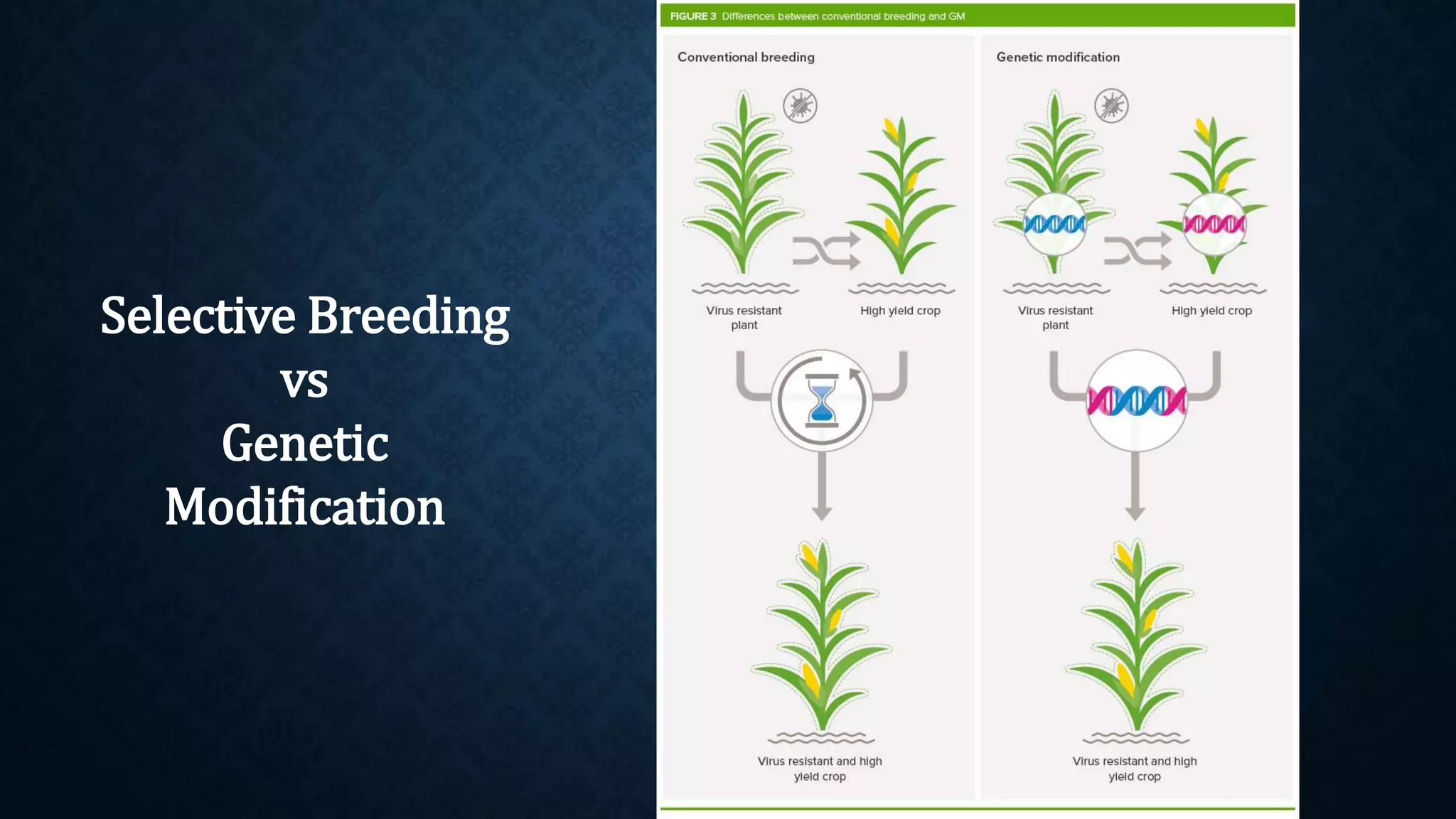
Selective Breeding
vs
Genetic
Modification
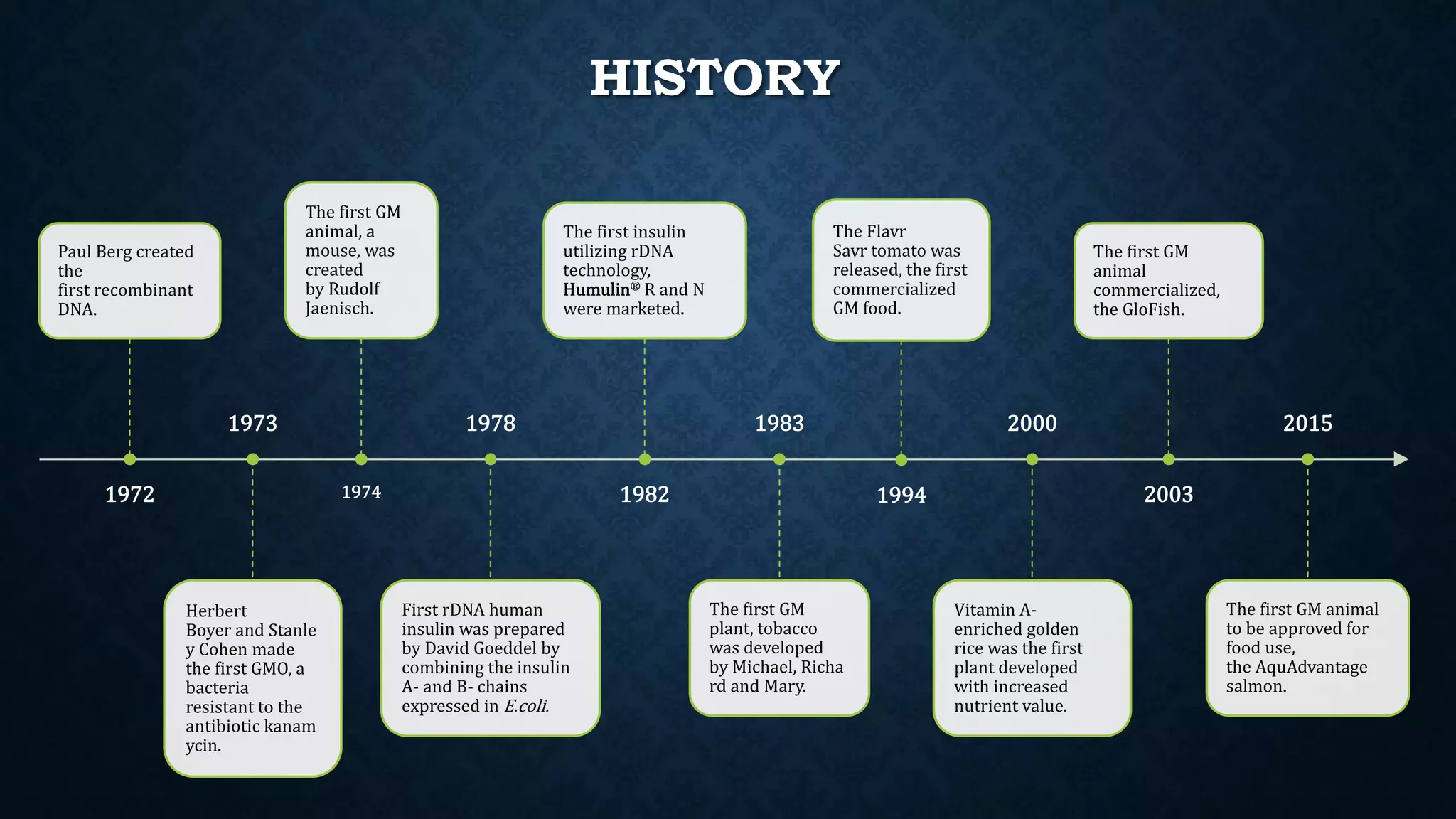
HISTORY
1972
Paul Berg created
the
first recombinant
DNA.
1973
Herbert
Boyer and Stanle
y Cohen made
the first GMO, a
bacteria
resistant to the
antibiotic kanam
ycin.
1974
The first GM
animal, a
mouse, was
created
by Rudolf
Jaenisch.
1978
First rDNA human
insulin was prepared
by David Goeddel by
combining the insulin
A- and B- chains
expressed in E.coli.
1982
The first insulin
utilizing rDNA
technology,
Humulin® R and N
were marketed.
1983
The first GM
plant, tobacco
was developed
by Michael, Richa
rd and Mary.
1994
The Flavr
Savr tomato was
released, the first
commercialized
GM food.
2000
Vitamin A-
enriched golden
rice was the first
plant developed
with increased
nutrient value.
2003
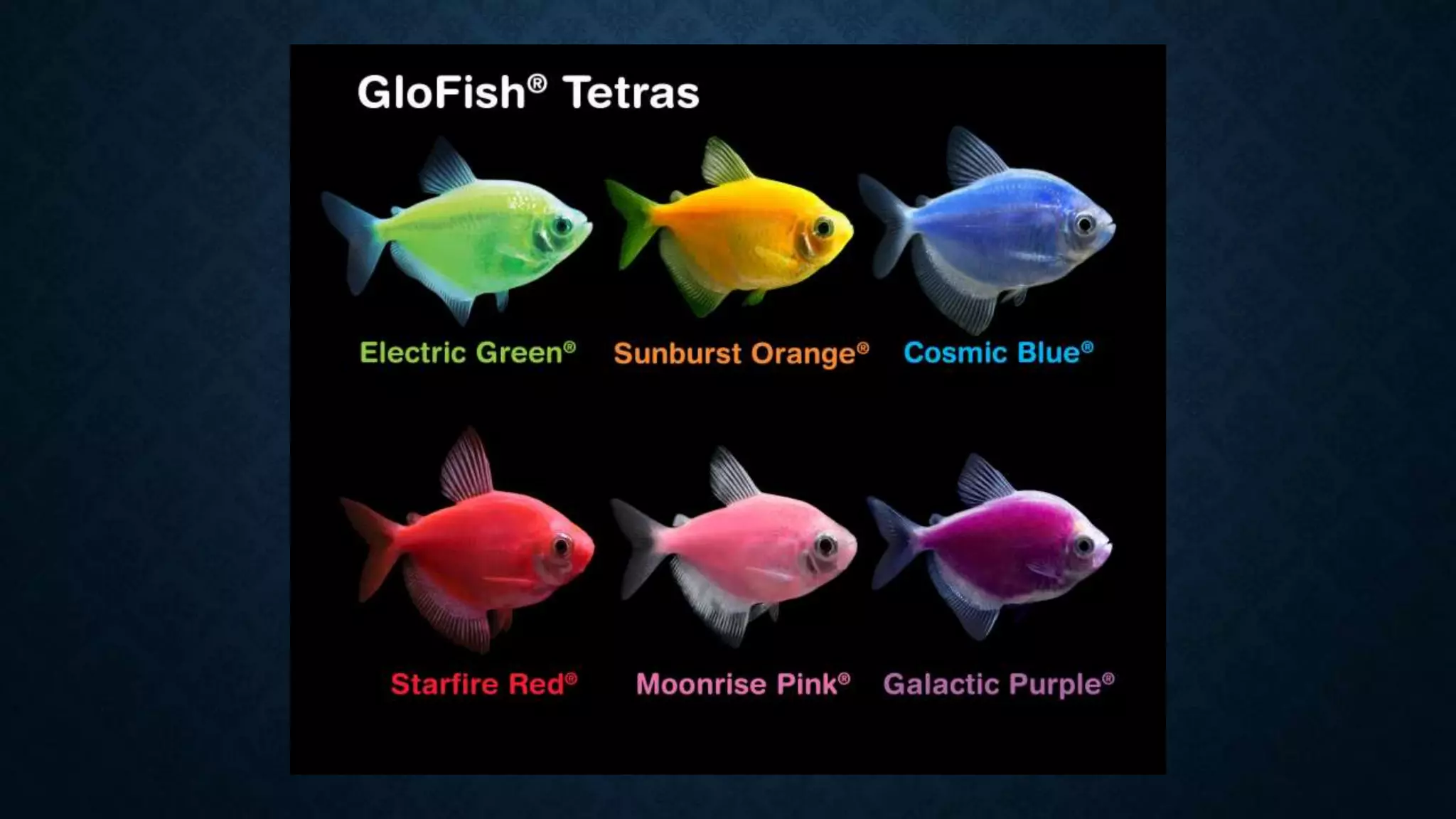
The first GM
animal
commercialized,
the GloFish.
2015
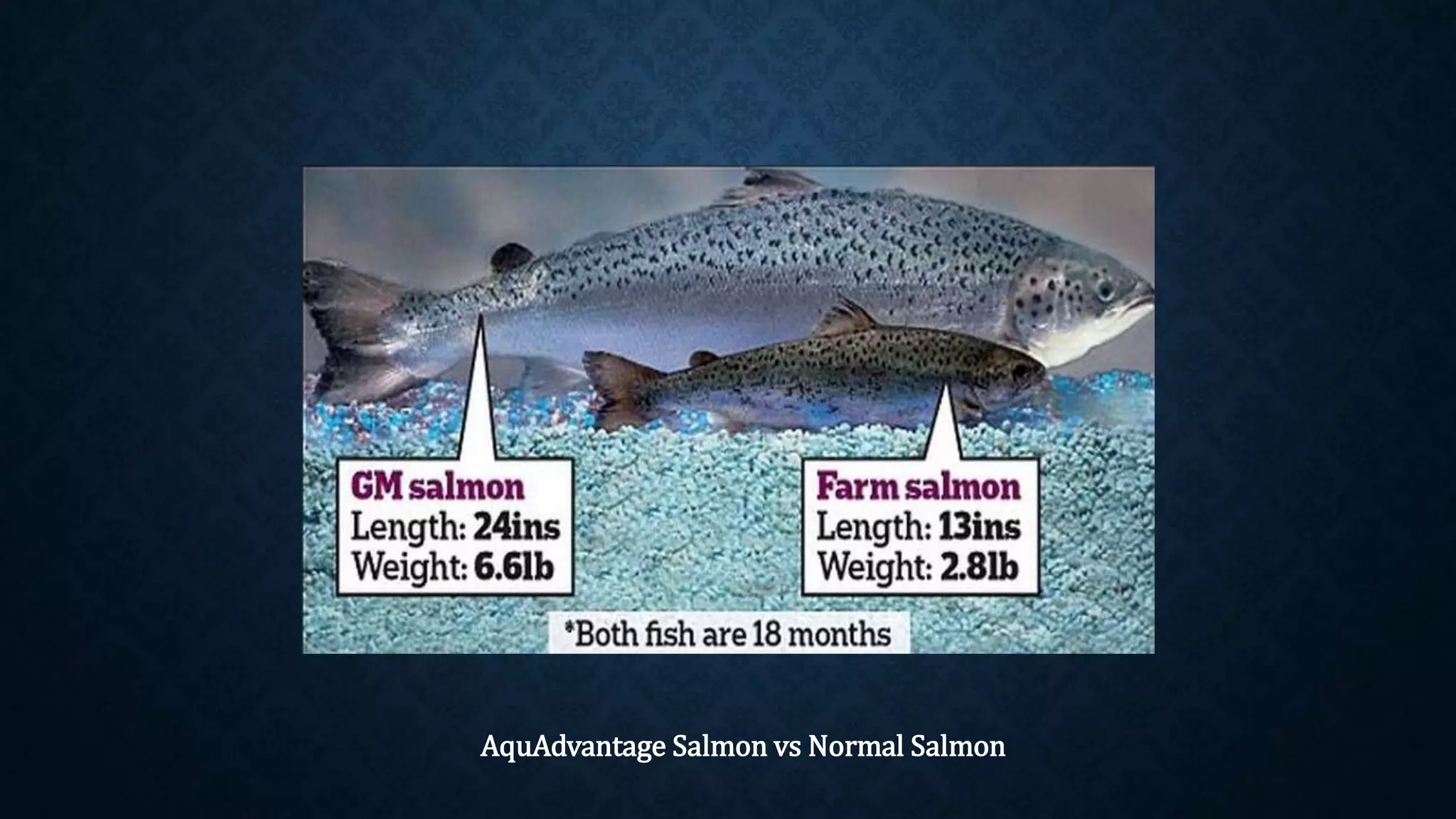
The first GM animal
to be approved for
food use,
the AquAdvantage
salmon.
DEVELOPING A GMO
1. Identification and cloning of a particular gene.
2. Incorporation of modified gene construct into target genome
(Plant or Animal).
3. The gene is expressed in the target organism.
4. The whole organism is capable of transmitting the incorporated
target gene to next generation.
CONCERNS REGARDING TRANSGENIC
PLANTS AND GMO
• In GMOs, genes coding for specific properties and characteristics unrelated to the
natural plant, become an integral part of the transgenic plant genome.
• In the process, the newly incorporated genetic material is adopted through
generations in a different genetic environment. This is expected to manifest as
newer behavioral characteristics, which cannot be predicted over a short span of
time.
• Transgenes expressed in specific genotypes may show variations in expression when
back-crossed with their near relatives. Therefore, the level of expression could vary
in different ‘near relatives’, although the genes may be the same.
• Environment (heat, humidity and light) also has a role to play in controlling the
level of expression.
• Therefore, the results of assessment of transgenic plants containing specific genes in
one environment may not be valid in another
• The use of some of these plants and their products in the human food chain could
prove allergic or toxic to some people. Consequently, food safety issues are in the
forefront of societal concerns while accepting transgenic plants in food or animal
feed.
• Transgenic soyabean plants coding for allergenic Brazilian nut 2S seed storage
proteins were found to retain the allergenic properties.

• Viral disease-resistant transgenic plants may provide opportunities for the evolution
of newer virulent strains of plant viruses against which the target plants are not
protected, leading to their destruction.
• Excessive deployment of pest-resistant transgenic plants in the open environment
may lead to the development of resistant pests faster.
• There are also concerns that transgenic DNA pieces could get integrated along with
marker genes into microbes which are present in the animal and human gut leading
to a fresh set of health problems.
POLLEN DRIFT
• Pollens are known to travel long distances in the open environment assisted by
pollinator insects and the wind.
• Pollen drift is the accidental cross-pollination of different varieties of crops through
natural dispersal methods especially between GMO crops and non – GMOs.
• The maintenance of proper isolation distances would prevent the dissemination of
transgenic pollens into the wild.
• This would decrease the concerns about uncontrolled contamination of natural
plants and the associated safety issues.
BIOSAFETY
“Biosafety is the mechanism developed through policy and procedures to ensure the
environmentally safe application of biotechnology to develop GMOs.”
Why is it necessary?
CLASSIFICATION OF GMO
Local and EU legislation classify GMOs into 4 classes
Class 1 – Activity of low or Negligible risk
Class 2 – Activity of low risk
Class 3 – Activity of moderate risk
Class 4 - Activity of High risk
SAFETY ASSESSMENT OF GM PRODUCTS
• Currently, the Genetic Engineering Approvals Committee, a body under
the Ministry of Environment and Forests (India) is responsible for approval of
genetically engineered products in India.
• Extensive testing and a long approval process accompany every GM crop
introduction. The approval process includes comprehensive analyses to ensure
food, feed, and environmental safety before entering the marketplace.
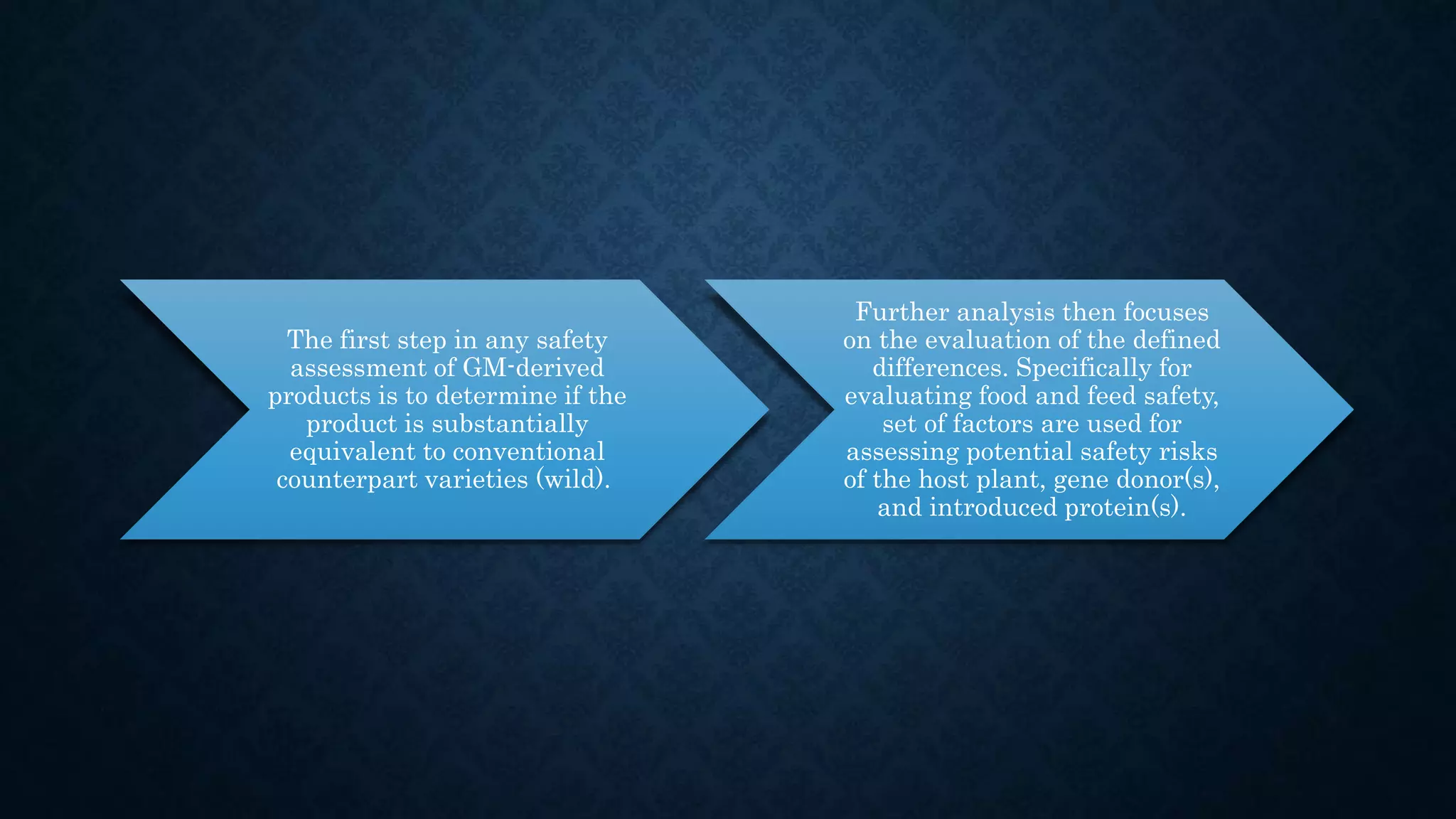
The first step in any safety
assessment of GM-derived
products is to determine if the
product is substantially
equivalent to conventional
counterpart varieties (wild).
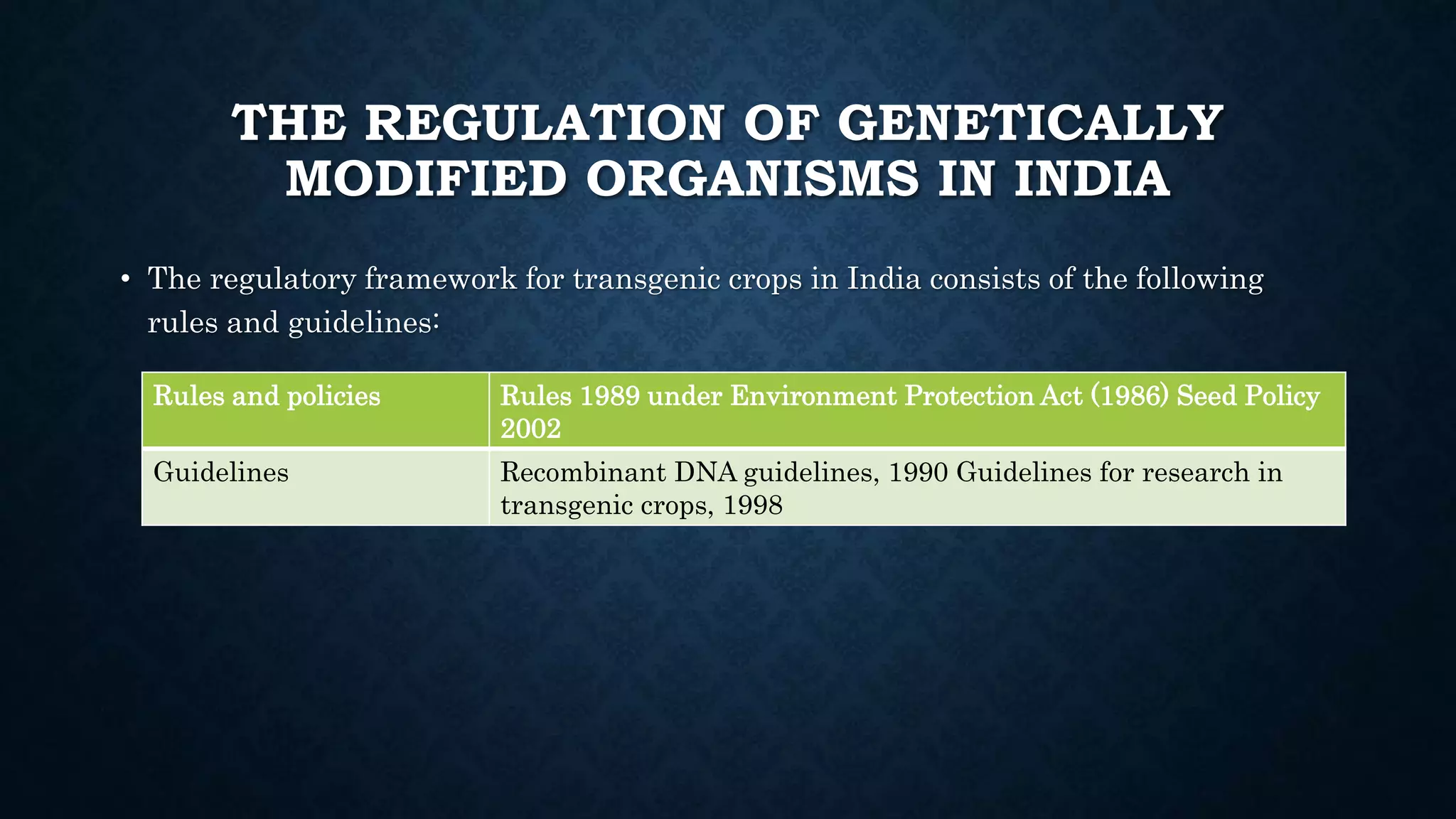
Further analysis then focuses
on the evaluation of the defined
differences. Specifically for
evaluating food and feed safety,
set of factors are used for
assessing potential safety risks
of the host plant, gene donor(s),
and introduced protein(s).
THE REGULATION OF GENETICALLY
MODIFIED ORGANISMS IN INDIA
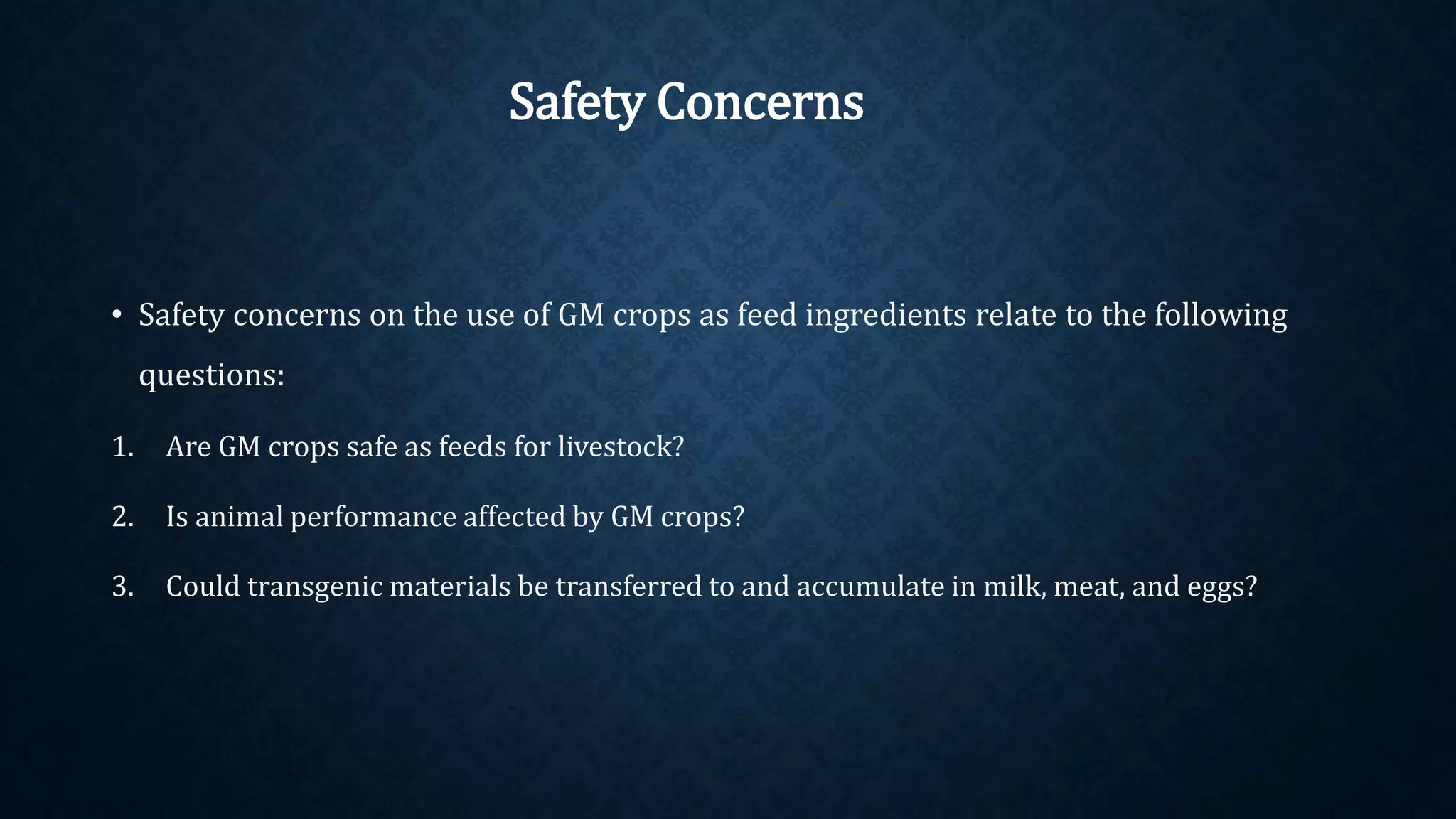
• The regulatory framework for transgenic crops in India consists of the following
rules and guidelines:
Rules and policies Rules 1989 under Environment Protection Act (1986) Seed Policy
2002
Guidelines Recombinant DNA guidelines, 1990 Guidelines for research in
transgenic crops, 1998
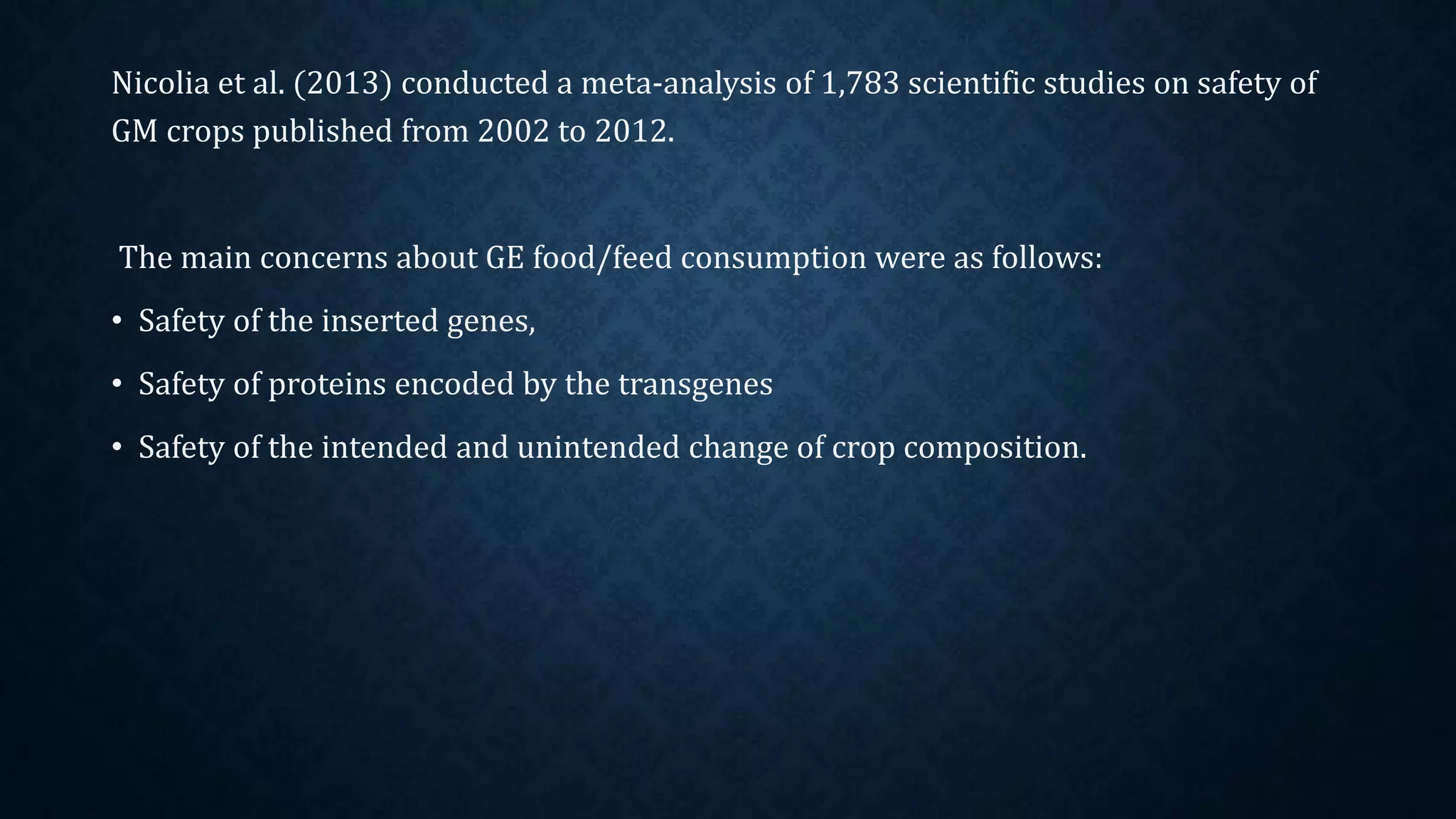
• Safety concerns on the use of GM crops as feed ingredients relate to the following
questions:
1. Are GM crops safe as feeds for livestock?
2. Is animal performance affected by GM crops?
3. Could transgenic materials be transferred to and accumulate in milk, meat, and eggs?
Safety Concerns
Nicolia et al. (2013) conducted a meta-analysis of 1,783 scientific studies on safety of
GM crops published from 2002 to 2012.
The main concerns about GE food/feed consumption were as follows:
• Safety of the inserted genes,
• Safety of proteins encoded by the transgenes
• Safety of the intended and unintended change of crop composition.
Here are some key points from the study:
1.Transgenic DNA is enormously diluted by the total amount of ingested DNA (from 0.00006%
to 0.00009%) and is digested like any other DNA. Furthermore, processing usually leads to
DNA degradation.
2.No study have shown that DNA absorbed in the digestive tract can be transferred into the
cells of the host organism.
3.RNA has the same history of safe-use as DNA, since it is a normal component of the diet.
4.The proteins are degraded during digestion, leading to loss of activity.
5.Evaluation of GE crops includes determination of substantial equivalence wherein the GE
crop must be as safe as their conventional counterparts.
WHY ARE GMO PRODUCED?
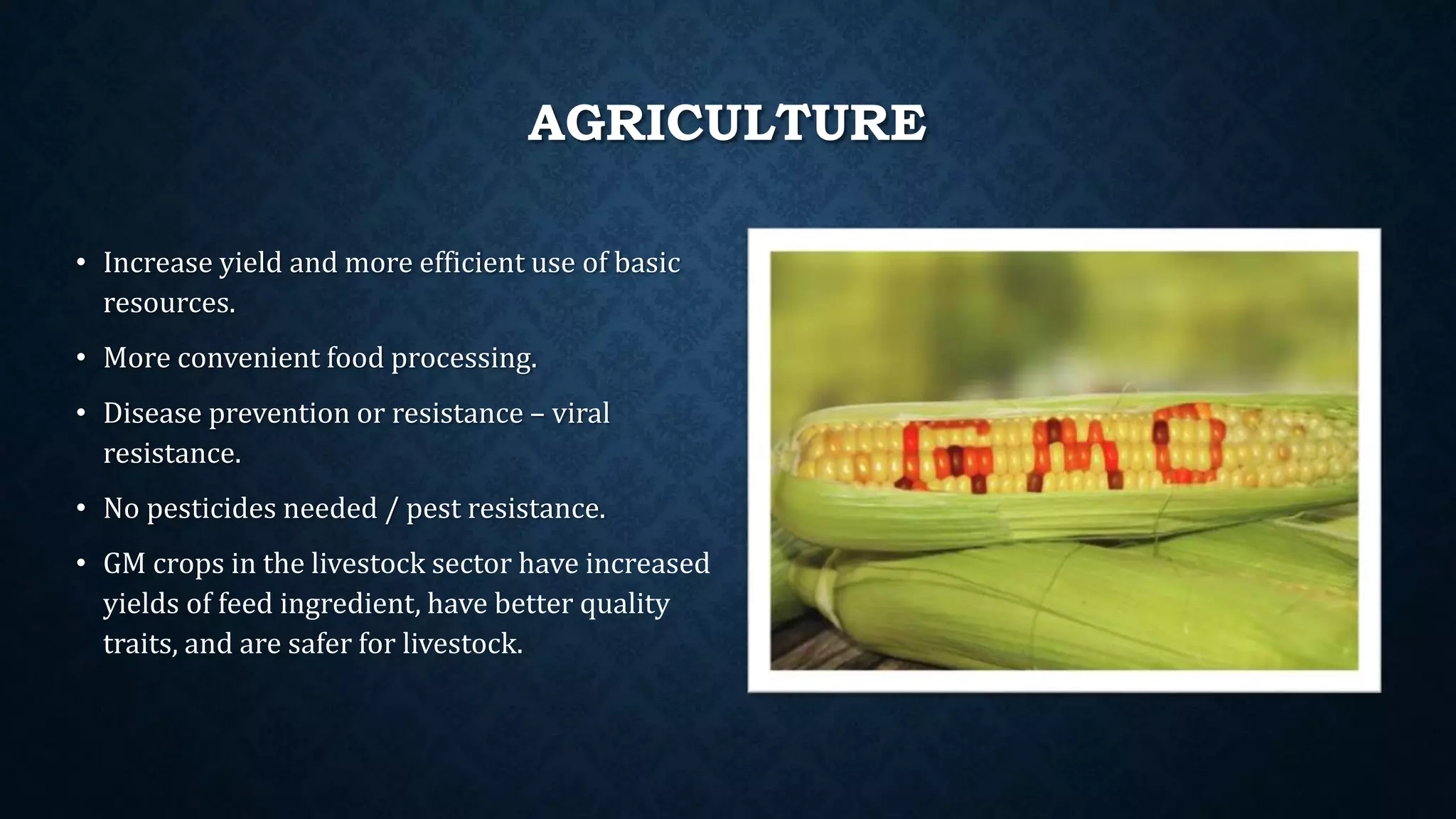
AGRICULTURE
• Increase yield and more efficient use of basic
resources.
• More convenient food processing.
• Disease prevention or resistance – viral
resistance.
• No pesticides needed / pest resistance.
• GM crops in the livestock sector have increased
yields of feed ingredient, have better quality
traits, and are safer for livestock.
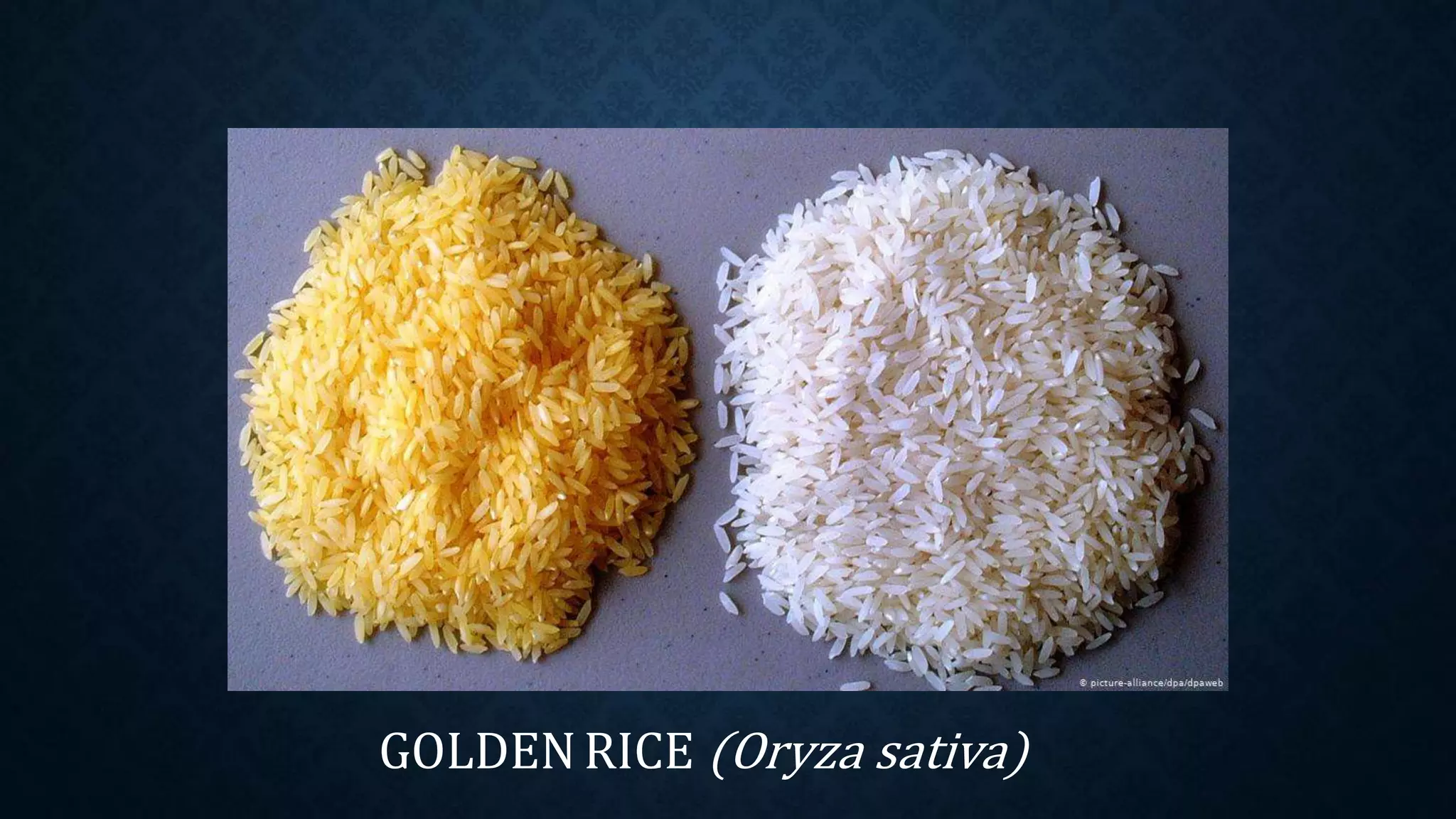
GOLDENRICE (Oryza sativa)
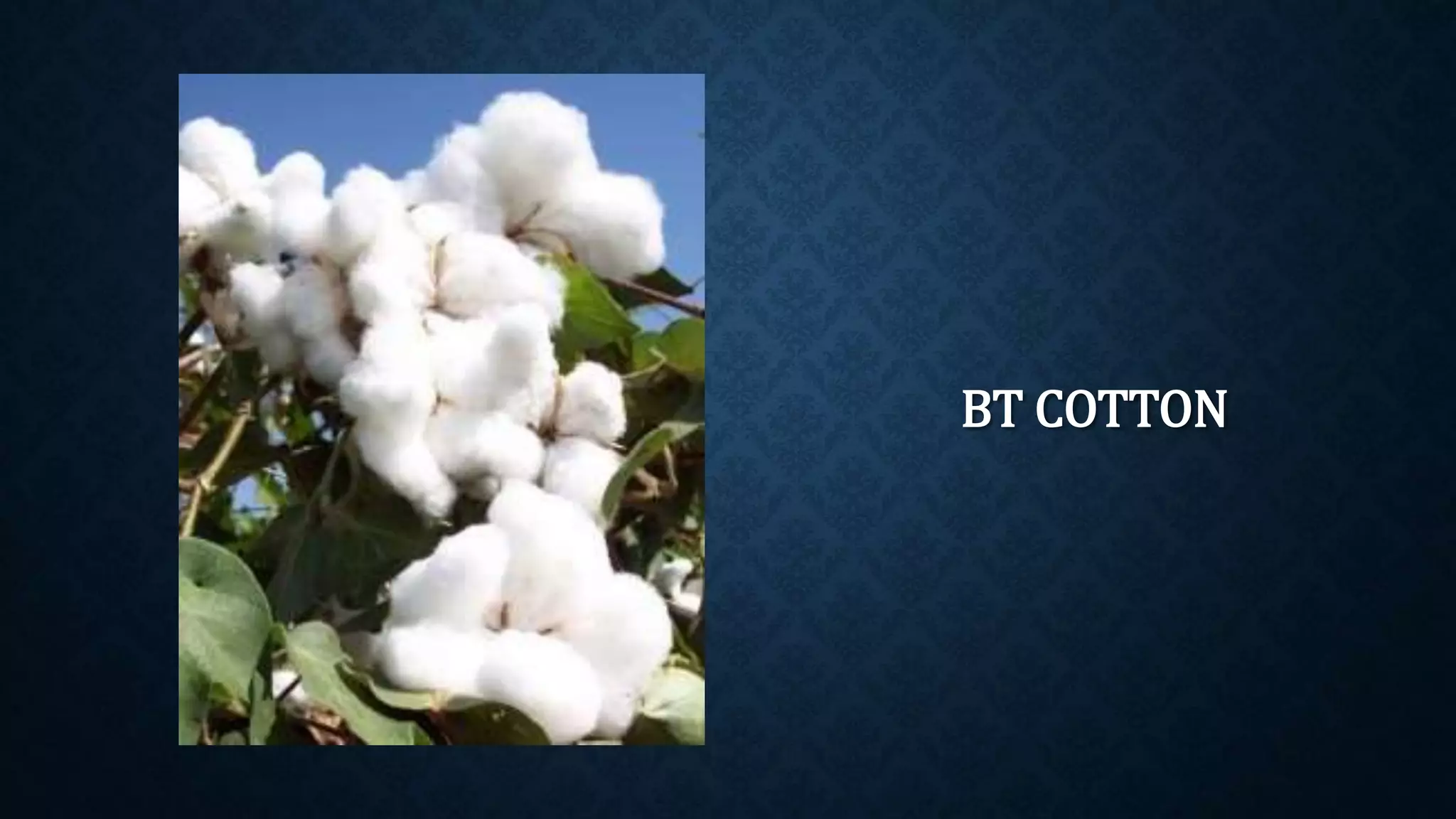
BT COTTON
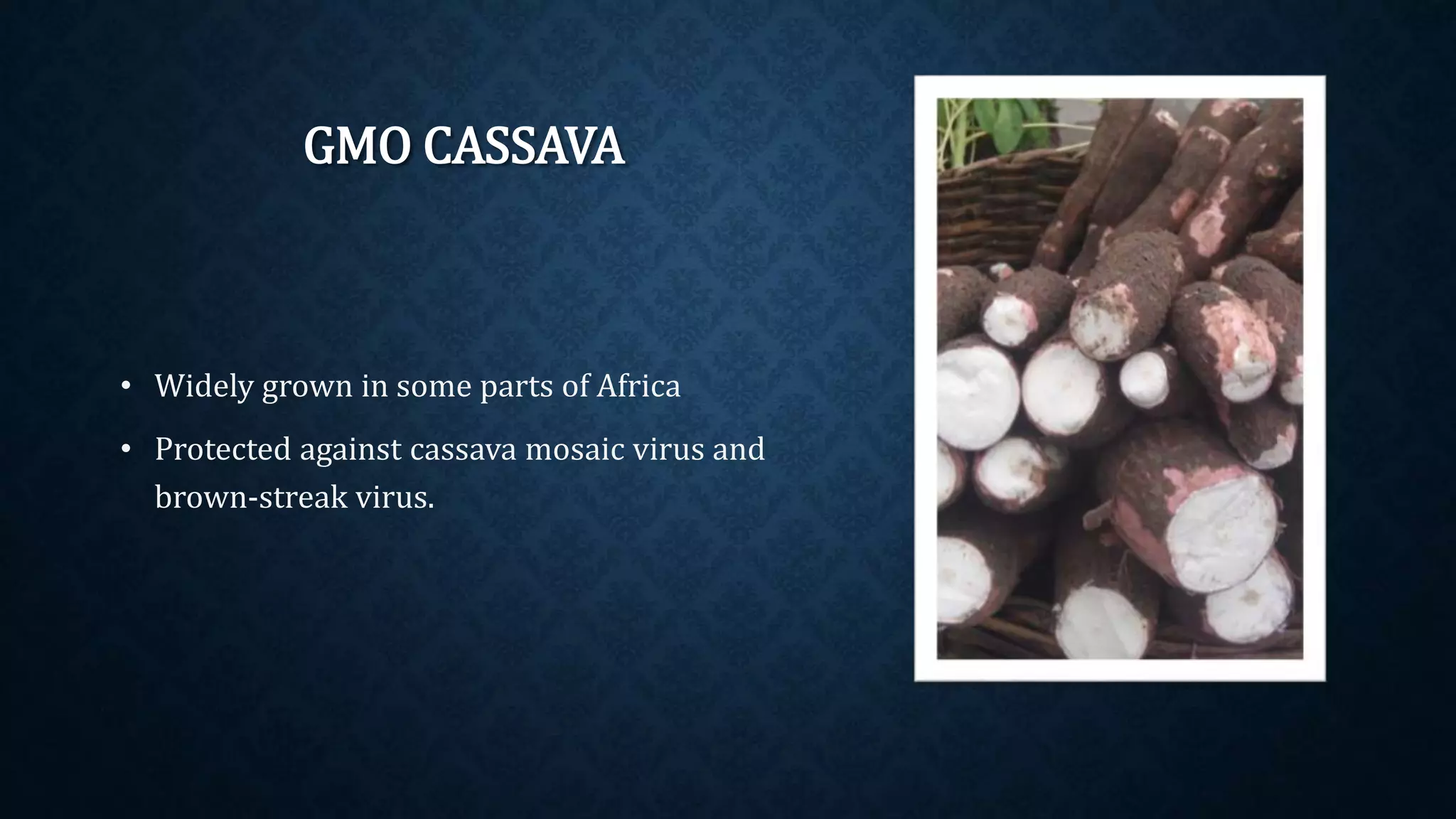
GMO CASSAVA
• Widely grown in some parts of Africa
• Protected against cassava mosaic virus and
brown-streak virus.
MEDICINE
Insulin, one of the most widely used medications and an
essential lifeline for diabetics, was the first-ever GE drug
approve for use.
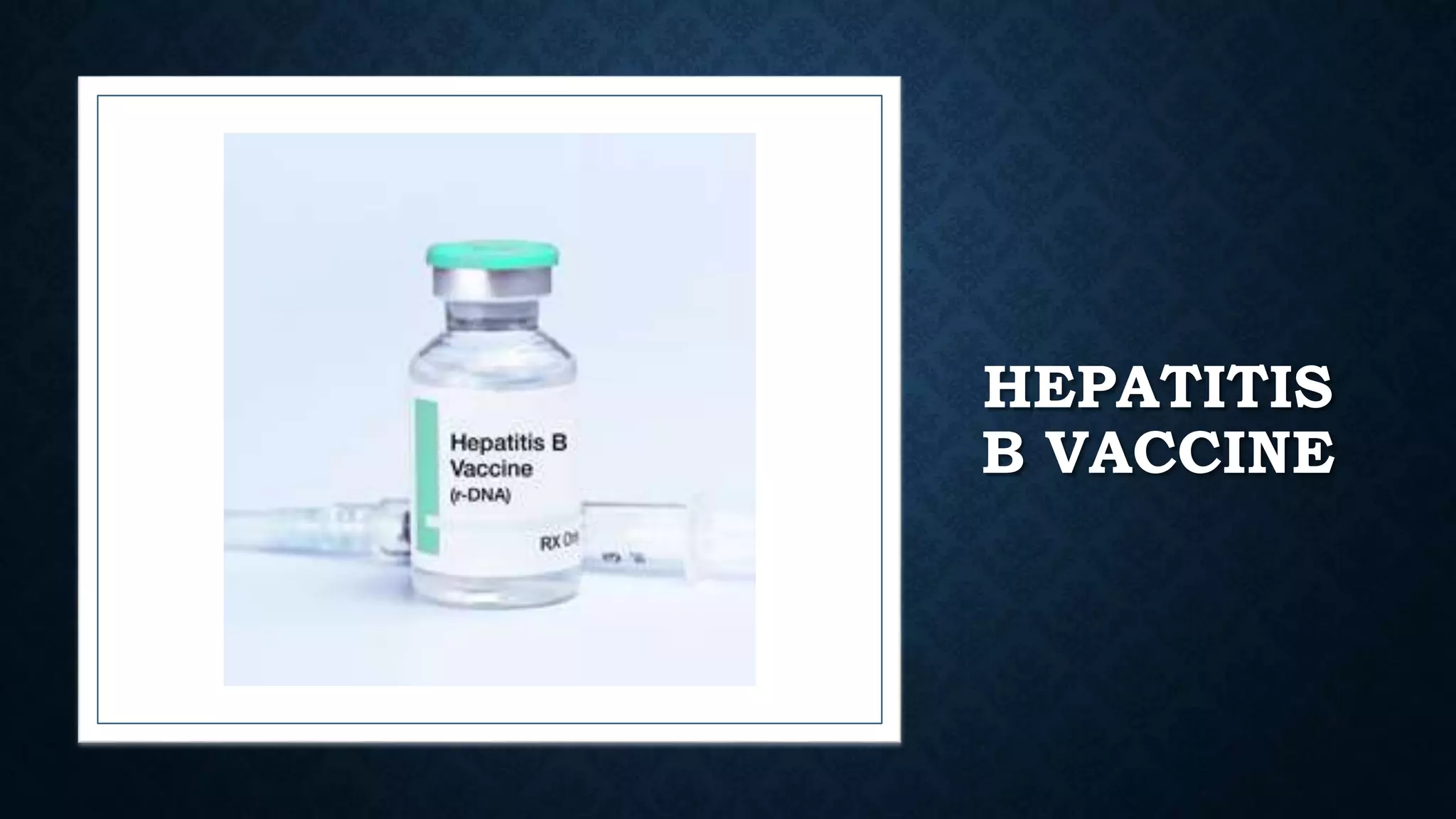
GMOs have played a major role in the development of
several vaccines that are either in use or in development
HEPATITIS
B VACCINE
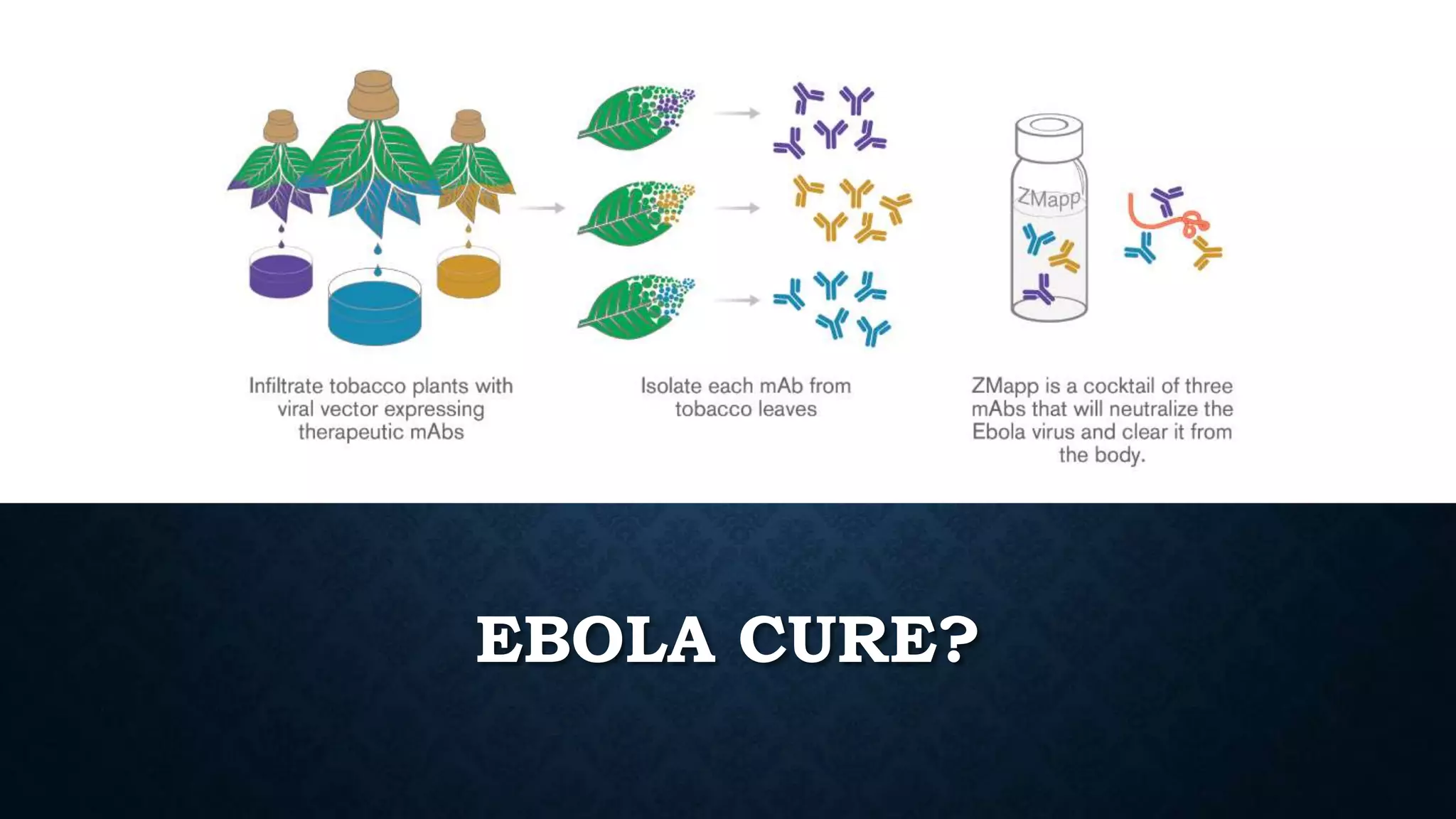
EBOLA CURE?
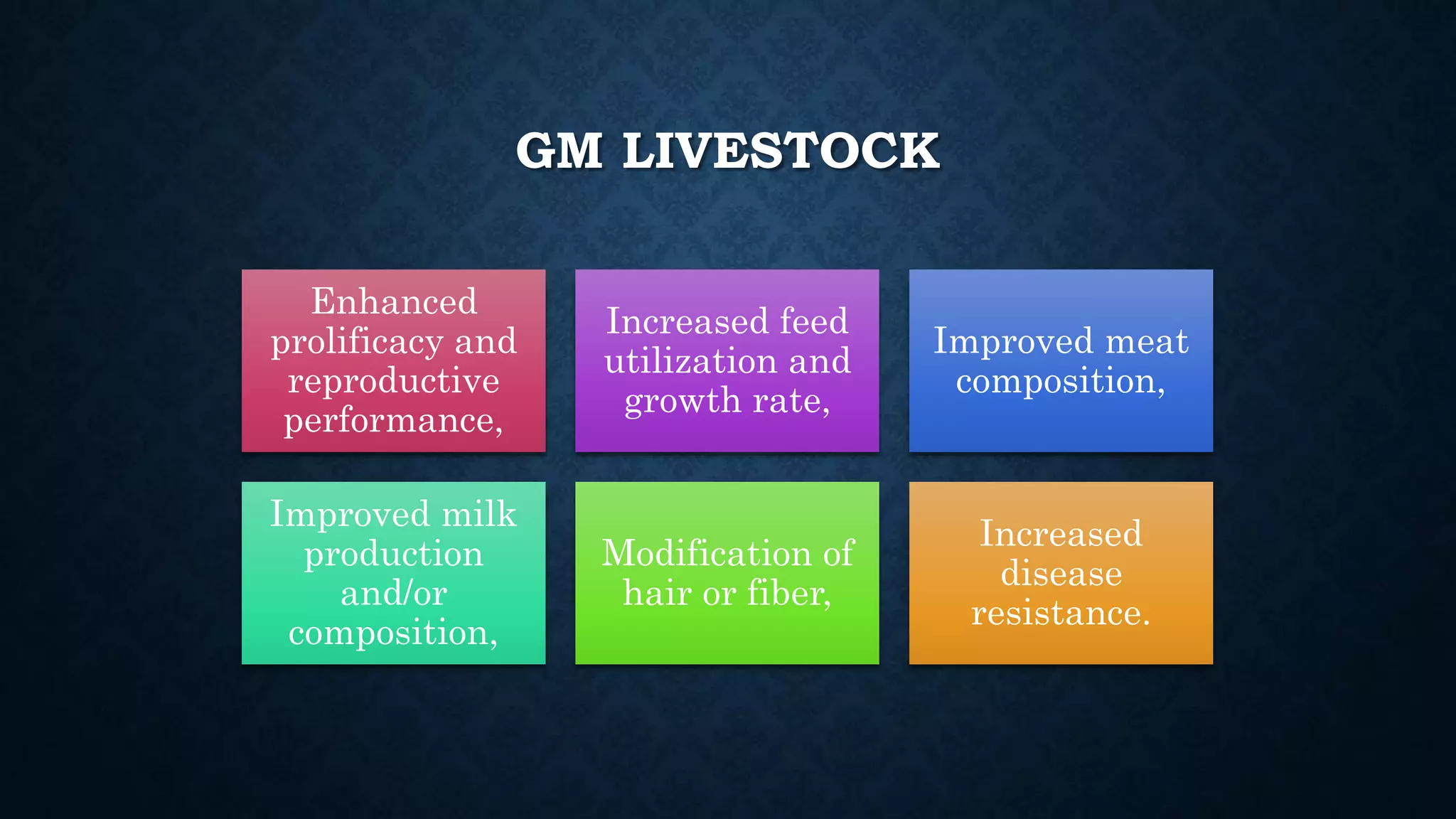
GM LIVESTOCK
Enhanced
prolificacy and
reproductive
performance,
Increased feed
utilization and
growth rate,
Improved meat
composition,
Improved milk
production
and/or
composition,
Modification of
hair or fiber,
Increased
disease
resistance.
AquAdvantage Salmon vs Normal Salmon
CONS OF
GMO
• Reduction of biodiversity – genetic depression
• Pollen pollution
• Contamination of non – GMO crops.
• May pose threat to human health and
environment.
• Excess GMO will become ineffective over time as
pests evolve.
• Dominance of corporate industry over farmers
with patents for GMO.
PUBLIC
OPINION
While GM techniques enable scientists to quickly alter the genetic makeup of
organisms and do away with the laborious and time-consuming task of traditional
selective breeding, they do result in organisms that probably would not have occurred
naturally.
Hence, Many opponents of GM food argue that they are somehow dangerous to the
environment or are unhealthy.
GM products undergo rigorous tests to ascertain their risk to human health and the
natural environment prior to being released to the market. Of course, not every
product can be declared absolutely safe, and unforeseen or unexpected dangers can
arise, but these tests certainly reduce the risk of GM crops being unsafe.
Reducing the amount of food that is lost to pests and disease is the main reason for
developing GM food.
Resistant crops are not without their problems, as eventually the pests and diseases are
likely to evolve to overcome the resistance gene. This process locks genetically modified
organisms (GMOs) into an ever escalating battle against harmful organisms.
An overreliance on the technology, however, is likely to be self-defeating in the long-term.
GENETIC USE RESTRICTION TECHNOLOGY (GURT)
• A more pertinent argument relates to intellectual property and the right to own
and propagate seed. Some biotechnology companies have developed genetic use
restriction technology (GURT), colloquially called “terminator genes”.
• A major argument against GM food maintains that farmers will become overly
dependent on a handful of biotechnology companies that could adopt extortionate
practices.
REFERENCES
1. Phillips, T. (2008) Genetically modified organisms (GMOs): Transgenic crops and recombinant DNA
technology. Nature Education 1(1):213
2. Yao, J., Weng, Y., Dickey, A., & Wang, K. Y. (2015). Plants as Factories for Human Pharmaceuticals:
Applications and Challenges. International journal of molecular sciences, 16(12), 28549–28565.
https://doi.org/10.3390/ijms161226122
3. From Corgis to Corn: A Brief Look at the Long History of GMO Technology
(http://sitn.hms.harvard.edu/flash/2015/from-corgis-to-corn-a-brief-look-at-the-long-history-of-gmo-
technology/)
4. Contribution of GM Technology to the Livestock Sector
(http://www.isaaa.org/resources/publications/pocketk/11/default.asp)
5. TRIPATHI K. K. (2002) Genetically Modified Organisms: Concerns and biosafety issues. THE NATIONAL MEDICAL
JOURNAL OF INDIA 15(4):187-191
6. Ruchir Raman (2017) The impact of Genetically Modified (GM) crops in modern agriculture: A review, GM
Crops & Food, 8:4, 195-208, DOI: 10.1080/21645698.2017.1413522
THANK YOU

Genetically Modified Organisms (GMO) & Public Perception

  • 1.
    GENETICALLY MODIFIED ORGANISM ANDPUBLIC PERCEPTION Presented by: Manjushri A (201703015) M.Sc. Molecular Biology and Human Genetics Key words: GMO, Transgenic plants, Gene, Biosafety, Selective Breeding, Pollen Drift, transgene, Recombinant DNA technology, Bt toxin
  • 2.
    GENETICALLY MODIFIED ORGANISMS AGenetically Modified Organism (GMO) is any organism whose genetic material has been altered using genetic engineering techniques i.e it has been altered in a way that does not occur naturally by mating and/or natural recombination. They are also known as Transgenic organisms. GMOs can be bacteria, fungi, animal, plant and viruses, with the exception of human beings due to legal constraints.
  • 3.
  • 4.
    HISTORY 1972 Paul Berg created the firstrecombinant DNA. 1973 Herbert Boyer and Stanle y Cohen made the first GMO, a bacteria resistant to the antibiotic kanam ycin. 1974 The first GM animal, a mouse, was created by Rudolf Jaenisch. 1978 First rDNA human insulin was prepared by David Goeddel by combining the insulin A- and B- chains expressed in E.coli. 1982 The first insulin utilizing rDNA technology, Humulin® R and N were marketed. 1983 The first GM plant, tobacco was developed by Michael, Richa rd and Mary. 1994 The Flavr Savr tomato was released, the first commercialized GM food. 2000 Vitamin A- enriched golden rice was the first plant developed with increased nutrient value. 2003 The first GM animal commercialized, the GloFish. 2015 The first GM animal to be approved for food use, the AquAdvantage salmon.
  • 5.
    DEVELOPING A GMO 1.Identification and cloning of a particular gene. 2. Incorporation of modified gene construct into target genome (Plant or Animal). 3. The gene is expressed in the target organism. 4. The whole organism is capable of transmitting the incorporated target gene to next generation.
  • 6.
  • 7.
    • In GMOs,genes coding for specific properties and characteristics unrelated to the natural plant, become an integral part of the transgenic plant genome. • In the process, the newly incorporated genetic material is adopted through generations in a different genetic environment. This is expected to manifest as newer behavioral characteristics, which cannot be predicted over a short span of time. • Transgenes expressed in specific genotypes may show variations in expression when back-crossed with their near relatives. Therefore, the level of expression could vary in different ‘near relatives’, although the genes may be the same. • Environment (heat, humidity and light) also has a role to play in controlling the level of expression. • Therefore, the results of assessment of transgenic plants containing specific genes in one environment may not be valid in another
  • 8.
    • The useof some of these plants and their products in the human food chain could prove allergic or toxic to some people. Consequently, food safety issues are in the forefront of societal concerns while accepting transgenic plants in food or animal feed. • Transgenic soyabean plants coding for allergenic Brazilian nut 2S seed storage proteins were found to retain the allergenic properties. • Viral disease-resistant transgenic plants may provide opportunities for the evolution of newer virulent strains of plant viruses against which the target plants are not protected, leading to their destruction. • Excessive deployment of pest-resistant transgenic plants in the open environment may lead to the development of resistant pests faster. • There are also concerns that transgenic DNA pieces could get integrated along with marker genes into microbes which are present in the animal and human gut leading to a fresh set of health problems.
  • 9.
    POLLEN DRIFT • Pollensare known to travel long distances in the open environment assisted by pollinator insects and the wind. • Pollen drift is the accidental cross-pollination of different varieties of crops through natural dispersal methods especially between GMO crops and non – GMOs. • The maintenance of proper isolation distances would prevent the dissemination of transgenic pollens into the wild. • This would decrease the concerns about uncontrolled contamination of natural plants and the associated safety issues.
  • 10.
    BIOSAFETY “Biosafety is themechanism developed through policy and procedures to ensure the environmentally safe application of biotechnology to develop GMOs.” Why is it necessary?
  • 11.
    CLASSIFICATION OF GMO Localand EU legislation classify GMOs into 4 classes Class 1 – Activity of low or Negligible risk Class 2 – Activity of low risk Class 3 – Activity of moderate risk Class 4 - Activity of High risk
  • 12.
    SAFETY ASSESSMENT OFGM PRODUCTS • Currently, the Genetic Engineering Approvals Committee, a body under the Ministry of Environment and Forests (India) is responsible for approval of genetically engineered products in India. • Extensive testing and a long approval process accompany every GM crop introduction. The approval process includes comprehensive analyses to ensure food, feed, and environmental safety before entering the marketplace.
  • 13.
    The first stepin any safety assessment of GM-derived products is to determine if the product is substantially equivalent to conventional counterpart varieties (wild). Further analysis then focuses on the evaluation of the defined differences. Specifically for evaluating food and feed safety, set of factors are used for assessing potential safety risks of the host plant, gene donor(s), and introduced protein(s).
  • 14.
    THE REGULATION OFGENETICALLY MODIFIED ORGANISMS IN INDIA • The regulatory framework for transgenic crops in India consists of the following rules and guidelines: Rules and policies Rules 1989 under Environment Protection Act (1986) Seed Policy 2002 Guidelines Recombinant DNA guidelines, 1990 Guidelines for research in transgenic crops, 1998
  • 15.
    • Safety concernson the use of GM crops as feed ingredients relate to the following questions: 1. Are GM crops safe as feeds for livestock? 2. Is animal performance affected by GM crops? 3. Could transgenic materials be transferred to and accumulate in milk, meat, and eggs? Safety Concerns
  • 16.
    Nicolia et al.(2013) conducted a meta-analysis of 1,783 scientific studies on safety of GM crops published from 2002 to 2012. The main concerns about GE food/feed consumption were as follows: • Safety of the inserted genes, • Safety of proteins encoded by the transgenes • Safety of the intended and unintended change of crop composition.
  • 17.
    Here are somekey points from the study: 1.Transgenic DNA is enormously diluted by the total amount of ingested DNA (from 0.00006% to 0.00009%) and is digested like any other DNA. Furthermore, processing usually leads to DNA degradation. 2.No study have shown that DNA absorbed in the digestive tract can be transferred into the cells of the host organism. 3.RNA has the same history of safe-use as DNA, since it is a normal component of the diet. 4.The proteins are degraded during digestion, leading to loss of activity. 5.Evaluation of GE crops includes determination of substantial equivalence wherein the GE crop must be as safe as their conventional counterparts.
  • 18.
    WHY ARE GMOPRODUCED?
  • 19.
    AGRICULTURE • Increase yieldand more efficient use of basic resources. • More convenient food processing. • Disease prevention or resistance – viral resistance. • No pesticides needed / pest resistance. • GM crops in the livestock sector have increased yields of feed ingredient, have better quality traits, and are safer for livestock.
  • 20.
  • 21.
  • 22.
    GMO CASSAVA • Widelygrown in some parts of Africa • Protected against cassava mosaic virus and brown-streak virus.
  • 23.
    MEDICINE Insulin, one ofthe most widely used medications and an essential lifeline for diabetics, was the first-ever GE drug approve for use. GMOs have played a major role in the development of several vaccines that are either in use or in development
  • 24.
  • 25.
  • 26.
    GM LIVESTOCK Enhanced prolificacy and reproductive performance, Increasedfeed utilization and growth rate, Improved meat composition, Improved milk production and/or composition, Modification of hair or fiber, Increased disease resistance.
  • 27.
  • 29.
    CONS OF GMO • Reductionof biodiversity – genetic depression • Pollen pollution • Contamination of non – GMO crops. • May pose threat to human health and environment. • Excess GMO will become ineffective over time as pests evolve. • Dominance of corporate industry over farmers with patents for GMO.
  • 30.
  • 31.
    While GM techniquesenable scientists to quickly alter the genetic makeup of organisms and do away with the laborious and time-consuming task of traditional selective breeding, they do result in organisms that probably would not have occurred naturally. Hence, Many opponents of GM food argue that they are somehow dangerous to the environment or are unhealthy. GM products undergo rigorous tests to ascertain their risk to human health and the natural environment prior to being released to the market. Of course, not every product can be declared absolutely safe, and unforeseen or unexpected dangers can arise, but these tests certainly reduce the risk of GM crops being unsafe.
  • 32.
    Reducing the amountof food that is lost to pests and disease is the main reason for developing GM food. Resistant crops are not without their problems, as eventually the pests and diseases are likely to evolve to overcome the resistance gene. This process locks genetically modified organisms (GMOs) into an ever escalating battle against harmful organisms. An overreliance on the technology, however, is likely to be self-defeating in the long-term.
  • 33.
    GENETIC USE RESTRICTIONTECHNOLOGY (GURT) • A more pertinent argument relates to intellectual property and the right to own and propagate seed. Some biotechnology companies have developed genetic use restriction technology (GURT), colloquially called “terminator genes”. • A major argument against GM food maintains that farmers will become overly dependent on a handful of biotechnology companies that could adopt extortionate practices.
  • 34.
    REFERENCES 1. Phillips, T.(2008) Genetically modified organisms (GMOs): Transgenic crops and recombinant DNA technology. Nature Education 1(1):213 2. Yao, J., Weng, Y., Dickey, A., & Wang, K. Y. (2015). Plants as Factories for Human Pharmaceuticals: Applications and Challenges. International journal of molecular sciences, 16(12), 28549–28565. https://doi.org/10.3390/ijms161226122 3. From Corgis to Corn: A Brief Look at the Long History of GMO Technology (http://sitn.hms.harvard.edu/flash/2015/from-corgis-to-corn-a-brief-look-at-the-long-history-of-gmo- technology/) 4. Contribution of GM Technology to the Livestock Sector (http://www.isaaa.org/resources/publications/pocketk/11/default.asp)
  • 35.
    5. TRIPATHI K.K. (2002) Genetically Modified Organisms: Concerns and biosafety issues. THE NATIONAL MEDICAL JOURNAL OF INDIA 15(4):187-191 6. Ruchir Raman (2017) The impact of Genetically Modified (GM) crops in modern agriculture: A review, GM Crops & Food, 8:4, 195-208, DOI: 10.1080/21645698.2017.1413522
  • 36.