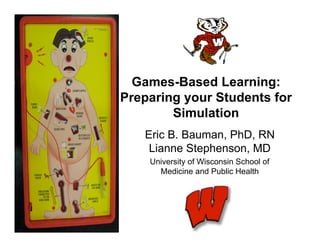


Games-Based Learning:
Preparing your Students for
        Simulation
   Eric B. Bauman, PhD, RN
    Lianne Stephenson, MD
    University of Wisconsin School of
      Medicine and Public Health
Disclosures/COI

Eric B. Bauman, PhD, RN - None

Lianne Stephenson, MD - None


Neither presenter have relevant financial
   disclosures or conflicts of interest
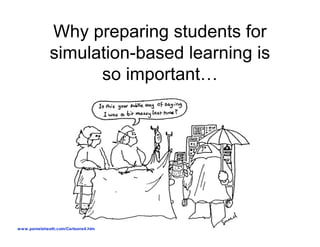
Why preparing students for
               simulation-based learning is
                     so important…


w w w .pamelaheath.com/Cartoons4.htm
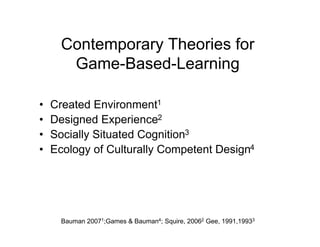
Contemporary Theories for
       Game-Based-Learning

•   Created Environment1
•   Designed Experience2
•   Socially Situated Cognition3
•   Ecology of Culturally Competent Design4


      Bauman 20071;Games & Bauman4; Squire, 20062 Gee, 1991,19933
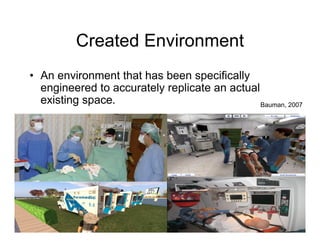
Created Environment
• An environment that has been specifically
  engineered to accurately replicate an actual
  existing space.                              Bauman, 2007
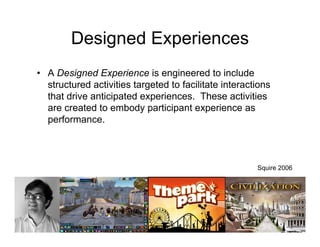
Designed Experiences
• A Designed Experience is engineered to include
  structured activities targeted to facilitate interactions
  that drive anticipated experiences. These activities
  are created to embody participant experience as
  performance.


                                                       Squire 2006
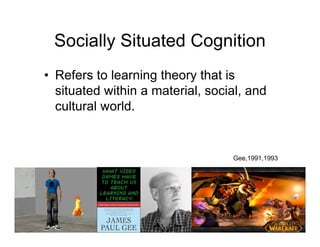
Socially Situated Cognition
• Refers to learning theory that is
  situated within a material, social, and
  cultural world.


                                  Gee,1991,1993
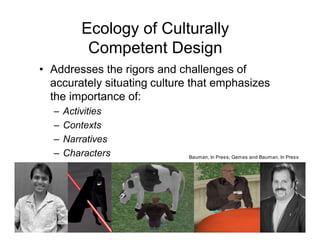
Ecology of Culturally
          Competent Design
• Addresses the rigors and challenges of
  accurately situating culture that emphasizes
  the importance of:
  –   Activities
  –   Contexts
  –   Narratives
  –   Characters             Bauman, In Press; Games and Bauman, In Press
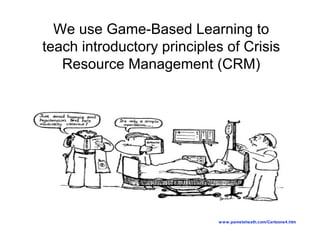
We use Game-Based Learning to
teach introductory principles of Crisis
   Resource Management (CRM)


                            w w w .pamelaheath.com/Cartoons4.htm
Principles in CRM
•   Know Your Environment         •   Prevent & Manage Fixation
•   Anticipate & Plan                 Errors
                                  •   Cross & Double Check -
•   Call for Help Early
                                      Never assume Anything!
•   Exercise Leadership &         •   Use Cognitive Aids (and
    Follower-ship assertiveness       know them!)
•   Distribute Workload (10 Sec   •   Reevaluate repeatedly
    for 10 Min)                   •   Use Good Teamwork -
•   Mobilize all Available            Coordinate & Support
    resources                     •   Allocate Attention Wisely
•   Communicate Effectively -     •   Set Priorities Dynamically
    Speak Up
•   Use all Available Info
                                              Gaba et al, 1993 & Gaba et al, 2001
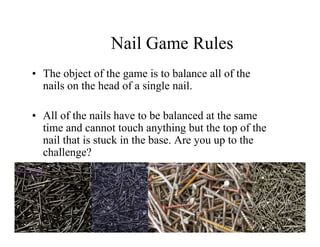
Nail Game Rules
• The object of the game is to balance all of the
  nails on the head of a single nail.

• All of the nails have to be balanced at the same
  time and cannot touch anything but the top of the
  nail that is stuck in the base. Are you up to the
  challenge?
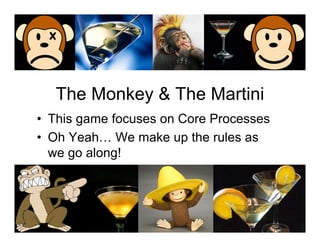
The Monkey & The Martini
• This game focuses on Core Processes
• Oh Yeah… We make up the rules as
  we go along!
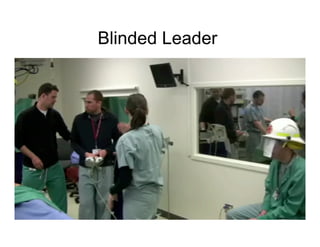
Blinded Leader
Special Thanks
•   Michael Betzner, MD
•   Alex Games, PhD
•   Sergei Lopukin, MD
•   Jeff Taekman, MD
• Students: M. Hinderaker, M Oelstrom, S.Leadley,
    J. Sunbland, J. Stafani, B. Longlais
• Jone Tiffany, MS, RN        http://www.nightingaleisle.blogspot.com/
References
Bauman, E. (2007). High fidelity simulation in healthcare. Ph.D. dissertation, The University of Wisconsin-
   Madison, United States. Dissertations & Thesis @ CIC Institutions database. (Publication no. AAT
   3294196)

Bauman, E, (In Press). Virtual reality and game-based clinical education. In Gaberson, K.B., & Oermann, M.H.
   (Eds) Clinical teaching strategies in nursing education (3rd ed).New York, Springer Publishing Company.

Gaba, D. M., Howard, S. K., Fish, K., Smith, B., & Sowb, Y. (2001). Simulation-based training in anesthesia
    crisis resource management (ACRM): A decade of experience. Simulation & Gaming, 32(2), 175-193.

Gaba, D.M., Fish, K.J. ,and Howard, S.K. (1993). Crisis Management in Anesthesia. Churchill Livingstone.

Games, I. and Bauman, E. (In Press). Virtual worlds: An environment for cultural sensitivity education in the
   health sciences. International Journal of Web Based Communities.

Gee, J.P. (2003) What Videogames Have to Teach Us Ab out Learning and Literacy. New York, NY: Palgrave-
    McMillan.

Miller, R.D., Eriksson, L.I., Fleisher, L.A.., Wiender-Kronish, J.P., and Young, W.L. (Eds) (2009). Miller’s
      Anesthesia, 7th Ed. Churchill Livingstone.

Squire, K. (2006). From content to context: Videogames as designed experience. Educational Researcher.
     35(8), 19-29.

Taekman J.M., Segall N., Hobbs G., and Wright, M.C. (2007). 3DiTeams: Healthcare team training in a virtual
    environment. Anesthesiology. 2007: 107: A2145.

Thiagarajan, S. (1992). Using games for debriefing. Simulation and Gaming, 23(2), 161-173.
Contact Information
• Eric B. Bauman, PhD, RN
  – Email: ebauman@wisc.edu
  – Linkedin: http://www.linkedin.com/in/ericbbauman

• Lianne Stephenson, MD
  – Email: llstephenson@wisc.edu

              Department of Anesthesiology
                      B6/319 CSC
                 600 Highland Avenue
                Madison, WI 53792-3272
                    (608) 263-8100

Games-Based Learning: Preparing your Students for Simulation © Bauman 2010

  • 1.
    Games-Based Learning: Preparing yourStudents for Simulation Eric B. Bauman, PhD, RN Lianne Stephenson, MD University of Wisconsin School of Medicine and Public Health
  • 2.
    Disclosures/COI Eric B. Bauman,PhD, RN - None Lianne Stephenson, MD - None Neither presenter have relevant financial disclosures or conflicts of interest
  • 3.
    Why preparing studentsfor simulation-based learning is so important… w w w .pamelaheath.com/Cartoons4.htm
  • 4.
    Contemporary Theories for Game-Based-Learning • Created Environment1 • Designed Experience2 • Socially Situated Cognition3 • Ecology of Culturally Competent Design4 Bauman 20071;Games & Bauman4; Squire, 20062 Gee, 1991,19933
  • 5.
    Created Environment • Anenvironment that has been specifically engineered to accurately replicate an actual existing space. Bauman, 2007
  • 6.
    Designed Experiences • ADesigned Experience is engineered to include structured activities targeted to facilitate interactions that drive anticipated experiences. These activities are created to embody participant experience as performance. Squire 2006
  • 7.
    Socially Situated Cognition •Refers to learning theory that is situated within a material, social, and cultural world. Gee,1991,1993
  • 8.
    Ecology of Culturally Competent Design • Addresses the rigors and challenges of accurately situating culture that emphasizes the importance of: – Activities – Contexts – Narratives – Characters Bauman, In Press; Games and Bauman, In Press
  • 9.
    We use Game-BasedLearning to teach introductory principles of Crisis Resource Management (CRM) w w w .pamelaheath.com/Cartoons4.htm
  • 10.
    Principles in CRM • Know Your Environment • Prevent & Manage Fixation • Anticipate & Plan Errors • Cross & Double Check - • Call for Help Early Never assume Anything! • Exercise Leadership & • Use Cognitive Aids (and Follower-ship assertiveness know them!) • Distribute Workload (10 Sec • Reevaluate repeatedly for 10 Min) • Use Good Teamwork - • Mobilize all Available Coordinate & Support resources • Allocate Attention Wisely • Communicate Effectively - • Set Priorities Dynamically Speak Up • Use all Available Info Gaba et al, 1993 & Gaba et al, 2001
  • 11.
    Nail Game Rules •The object of the game is to balance all of the nails on the head of a single nail. • All of the nails have to be balanced at the same time and cannot touch anything but the top of the nail that is stuck in the base. Are you up to the challenge?
  • 12.
    The Monkey &The Martini • This game focuses on Core Processes • Oh Yeah… We make up the rules as we go along!
  • 14.
  • 15.
    Special Thanks • Michael Betzner, MD • Alex Games, PhD • Sergei Lopukin, MD • Jeff Taekman, MD • Students: M. Hinderaker, M Oelstrom, S.Leadley, J. Sunbland, J. Stafani, B. Longlais • Jone Tiffany, MS, RN http://www.nightingaleisle.blogspot.com/
  • 16.
    References Bauman, E. (2007).High fidelity simulation in healthcare. Ph.D. dissertation, The University of Wisconsin- Madison, United States. Dissertations & Thesis @ CIC Institutions database. (Publication no. AAT 3294196) Bauman, E, (In Press). Virtual reality and game-based clinical education. In Gaberson, K.B., & Oermann, M.H. (Eds) Clinical teaching strategies in nursing education (3rd ed).New York, Springer Publishing Company. Gaba, D. M., Howard, S. K., Fish, K., Smith, B., & Sowb, Y. (2001). Simulation-based training in anesthesia crisis resource management (ACRM): A decade of experience. Simulation & Gaming, 32(2), 175-193. Gaba, D.M., Fish, K.J. ,and Howard, S.K. (1993). Crisis Management in Anesthesia. Churchill Livingstone. Games, I. and Bauman, E. (In Press). Virtual worlds: An environment for cultural sensitivity education in the health sciences. International Journal of Web Based Communities. Gee, J.P. (2003) What Videogames Have to Teach Us Ab out Learning and Literacy. New York, NY: Palgrave- McMillan. Miller, R.D., Eriksson, L.I., Fleisher, L.A.., Wiender-Kronish, J.P., and Young, W.L. (Eds) (2009). Miller’s Anesthesia, 7th Ed. Churchill Livingstone. Squire, K. (2006). From content to context: Videogames as designed experience. Educational Researcher. 35(8), 19-29. Taekman J.M., Segall N., Hobbs G., and Wright, M.C. (2007). 3DiTeams: Healthcare team training in a virtual environment. Anesthesiology. 2007: 107: A2145. Thiagarajan, S. (1992). Using games for debriefing. Simulation and Gaming, 23(2), 161-173.
  • 17.
    Contact Information • EricB. Bauman, PhD, RN – Email: ebauman@wisc.edu – Linkedin: http://www.linkedin.com/in/ericbbauman • Lianne Stephenson, MD – Email: llstephenson@wisc.edu Department of Anesthesiology B6/319 CSC 600 Highland Avenue Madison, WI 53792-3272 (608) 263-8100