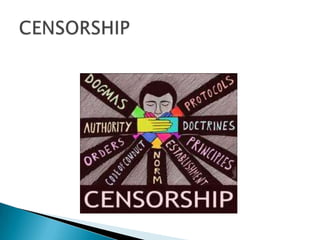
1)   Censorship
2)   Political affiliation
3)   Objectivity and impartiality
4)   Media laws
5)   PEMRA
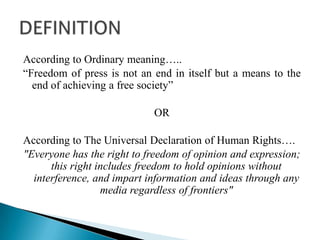
According to Ordinary meaning…..
“Freedom of press is not an end in itself but a means to the
  end of achieving a free society”

                            OR

According to The Universal Declaration of Human Rights….
"Everyone has the right to freedom of opinion and expression;
      this right includes freedom to hold opinions without
  interference, and impart information and ideas through any
                  media regardless of frontiers"
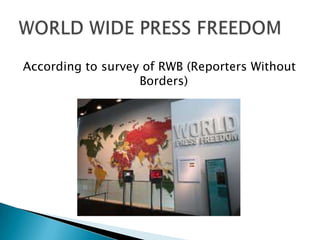
According to survey of RWB (Reporters Without
                   Borders)
   The country with the “Highest degree” of press
    freedom was
   Finland
   Iceland
   Netherlands
   Norway
   Sweden
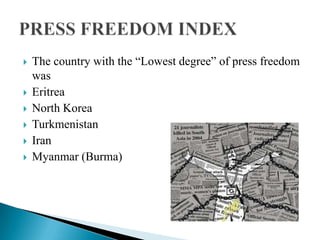
   The country with the “Lowest degree” of press freedom
    was
   Eritrea
   North Korea
   Turkmenistan
   Iran
   Myanmar (Burma)
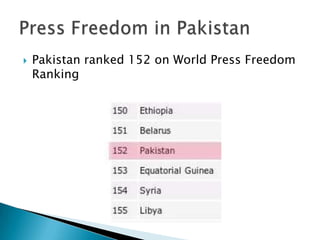
   Pakistan ranked 152 on World Press Freedom
    Ranking
 What is censorship
 Types of censorship
 Effetc of censorship on the freedom of press
Definition & meanings
    “Censorship is the suppression of speech or other
     public communication which may be considered:
 Objectionable
 Harmful
 Sensitive
                          OR
 inconvenient to the general body of people as
  determined by a government, media outlet, or other
  controlling body”
 Cooperate censorship
 Military censorship
 Moral censorship
 Religious censorship
 Political censorship
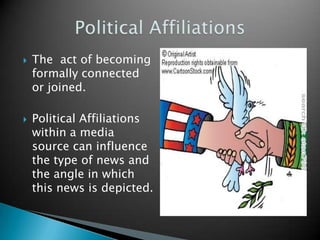
   The act of becoming
    formally connected
    or joined.

   Political Affiliations
    within a media
    source can influence
    the type of news and
    the angle in which
    this news is depicted.
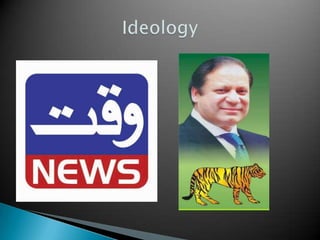
   Ideology

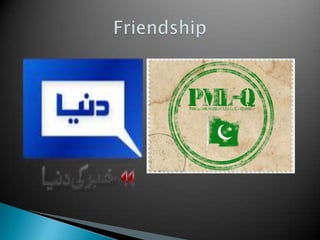
   Friendship

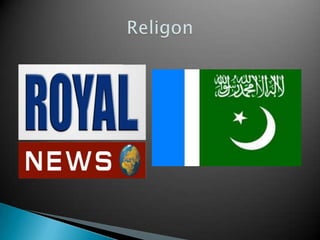
   Religion

   Sect

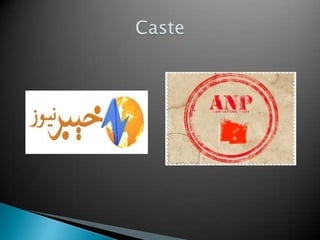
   Caste

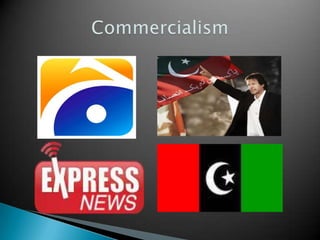
   Commercialism
    Political affiliation leads to media bias.
   Corrupted mass media leads to plutocracy .
   Due to media bias ideology is superseded by
    popularity.
   Change the Voters mind.
   Impact on turn out.
Impatiality:
“Impartial as not being biased and as unprejudiced.”
Objectivity:
 “It defines objective as uninfluenced by emotional,
  surmise, or personal prejudice; based on observable
             phenomena; presented factually”
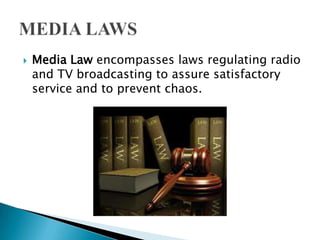
   Media Law encompasses laws regulating radio
    and TV broadcasting to assure satisfactory
    service and to prevent chaos.
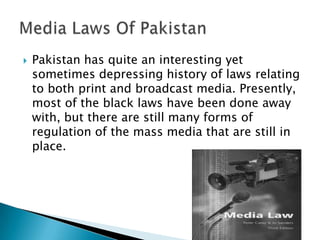
   Pakistan has quite an interesting yet
    sometimes depressing history of laws relating
    to both print and broadcast media. Presently,
    most of the black laws have been done away
    with, but there are still many forms of
    regulation of the mass media that are still in
    place.
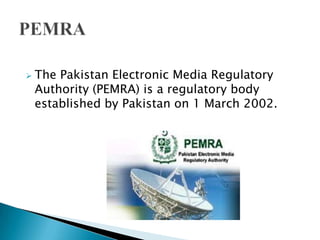
   The Pakistan Electronic Media Regulatory
    Authority (PEMRA) is a regulatory body
    established by Pakistan on 1 March 2002.
   Functions of the Authority.

   PEMRA's Mandate.

   An Overview of Electronic Media Development
    in the country.

   Is PEMRA give freedom to press?
Freedom of press presentation

Freedom of press presentation

  • 3.
    1) Censorship 2) Political affiliation 3) Objectivity and impartiality 4) Media laws 5) PEMRA
  • 4.
    According to Ordinarymeaning….. “Freedom of press is not an end in itself but a means to the end of achieving a free society” OR According to The Universal Declaration of Human Rights…. "Everyone has the right to freedom of opinion and expression; this right includes freedom to hold opinions without interference, and impart information and ideas through any media regardless of frontiers"
  • 5.
    According to surveyof RWB (Reporters Without Borders)
  • 6.
    The country with the “Highest degree” of press freedom was  Finland  Iceland  Netherlands  Norway  Sweden
  • 7.
    The country with the “Lowest degree” of press freedom was  Eritrea  North Korea  Turkmenistan  Iran  Myanmar (Burma)
  • 8.
    Pakistan ranked 152 on World Press Freedom Ranking
  • 10.
     What iscensorship  Types of censorship  Effetc of censorship on the freedom of press
  • 11.
    Definition & meanings  “Censorship is the suppression of speech or other public communication which may be considered:  Objectionable  Harmful  Sensitive OR  inconvenient to the general body of people as determined by a government, media outlet, or other controlling body”
  • 12.
     Cooperate censorship Military censorship  Moral censorship  Religious censorship  Political censorship
  • 13.
    The act of becoming formally connected or joined.  Political Affiliations within a media source can influence the type of news and the angle in which this news is depicted.
  • 14.
    Ideology  Friendship  Religion  Sect  Caste  Commercialism
  • 20.
    Political affiliation leads to media bias.  Corrupted mass media leads to plutocracy .  Due to media bias ideology is superseded by popularity.  Change the Voters mind.  Impact on turn out.
  • 21.
    Impatiality: “Impartial as notbeing biased and as unprejudiced.” Objectivity: “It defines objective as uninfluenced by emotional, surmise, or personal prejudice; based on observable phenomena; presented factually”
  • 22.
    Media Law encompasses laws regulating radio and TV broadcasting to assure satisfactory service and to prevent chaos.
  • 23.
    Pakistan has quite an interesting yet sometimes depressing history of laws relating to both print and broadcast media. Presently, most of the black laws have been done away with, but there are still many forms of regulation of the mass media that are still in place.
  • 24.
    The Pakistan Electronic Media Regulatory Authority (PEMRA) is a regulatory body established by Pakistan on 1 March 2002.
  • 25.
    Functions of the Authority.  PEMRA's Mandate.  An Overview of Electronic Media Development in the country.  Is PEMRA give freedom to press?