Gerald R. FordGerald R. Ford
August 9, 1974 - January 20, 1977August 9, 1974 - January 20, 1977
The only president not elected asThe only president not elected as
either Vice-President or Presidenteither Vice-President or President
Created & edited by Steve ArmstrongCreated & edited by Steve Armstrong
SHS, 1994-2006SHS, 1994-2006
President Gerald R. FordPresident Gerald R. Ford
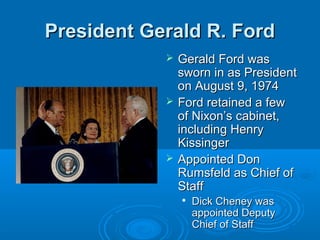
 Gerald Ford wasGerald Ford was
sworn in as Presidentsworn in as President
on August 9, 1974on August 9, 1974
 Ford retained a fewFord retained a few
of Nixon’s cabinet,of Nixon’s cabinet,
including Henryincluding Henry
KissingerKissinger
 Appointed DonAppointed Don
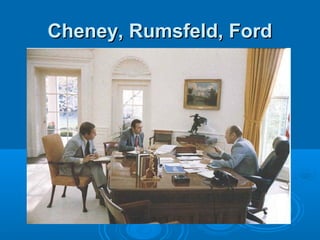
Rumsfeld as Chief ofRumsfeld as Chief of
StaffStaff

Dick Cheney wasDick Cheney was
appointed Deputyappointed Deputy
Chief of StaffChief of Staff
Vice-President RockefellerVice-President Rockefeller
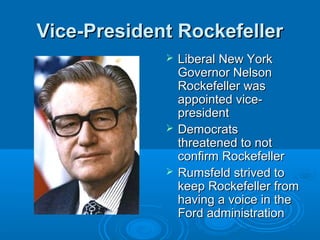
 Liberal New YorkLiberal New York
Governor NelsonGovernor Nelson
Rockefeller wasRockefeller was
appointed vice-appointed vice-
presidentpresident
 DemocratsDemocrats
threatened to notthreatened to not
confirm Rockefellerconfirm Rockefeller
 Rumsfeld strived toRumsfeld strived to
keep Rockefeller fromkeep Rockefeller from
having a voice in thehaving a voice in the
Ford administrationFord administration
Cheney, Rumsfeld, FordCheney, Rumsfeld, Ford
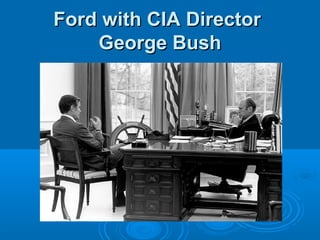
Ford with CIA DirectorFord with CIA Director
George BushGeorge Bush
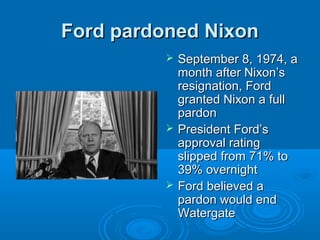
Ford pardoned NixonFord pardoned Nixon
 September 8, 1974, aSeptember 8, 1974, a
month after Nixon’smonth after Nixon’s
resignation, Fordresignation, Ford
granted Nixon a fullgranted Nixon a full
pardonpardon
 President Ford’sPresident Ford’s
approval ratingapproval rating
slipped from 71% toslipped from 71% to
39% overnight39% overnight
 Ford believed aFord believed a
pardon would endpardon would end
WatergateWatergate
President Ford’s early actionsPresident Ford’s early actions
 President Ford issued aPresident Ford issued a clemency orderclemency order
to those who evaded the draft during theto those who evaded the draft during the
Vietnam WarVietnam War

Clemency order issued September 16, 1974Clemency order issued September 16, 1974
 Draft evaders and military deserters couldDraft evaders and military deserters could
now return to the USA and performnow return to the USA and perform
alternative (community) servicealternative (community) service
President Ford’s early actionsPresident Ford’s early actions
 Freedom of Information Act was passedFreedom of Information Act was passed
by the Democratically controlled Congressby the Democratically controlled Congress

Ford vetoed the lawFord vetoed the law

Veto overridden on November 21, 1974Veto overridden on November 21, 1974
 The FOIA allowed for more public accessThe FOIA allowed for more public access
to alleged government secretsto alleged government secrets
President Ford’s veto penPresident Ford’s veto pen
 President Ford vetoed 39 bills in the firstPresident Ford vetoed 39 bills in the first
few months of his administrationfew months of his administration

5656 total vetoes were issued by President Fordtotal vetoes were issued by President Ford
 Most vetoes were against spendingMost vetoes were against spending
increases proposed by the Democraticallyincreases proposed by the Democratically
controlled Congresscontrolled Congress

Ford vetoed a 1976 $6.1 billion spendingFord vetoed a 1976 $6.1 billion spending
proposal, which he viewed as an election ployproposal, which he viewed as an election ploy

The veto was upheld by the U.S. SenateThe veto was upheld by the U.S. Senate
 President Ford wanted to control federalPresident Ford wanted to control federal
spendingspending
Sen. Frank Church’sSen. Frank Church’s
CommitteeCommittee
 Sen. Church’sSen. Church’s
CommitteeCommittee
investigated abusesinvestigated abuses
of the nationalof the national
government since thegovernment since the
start of the Cold Warstart of the Cold War
 Recommended thatRecommended that
restrictions be placedrestrictions be placed
on government coverton government covert
operations andoperations and
domestic spyingdomestic spying
Ford’s economic dilemmaFord’s economic dilemma
 American economy began to falter in 1971American economy began to falter in 1971
 President Nixon removed USA from thePresident Nixon removed USA from the
gold standardgold standard
 Post-war inflation rose from 5.9% in 1970Post-war inflation rose from 5.9% in 1970
to 9.1% in 1975to 9.1% in 1975
 President Ford advocated hisPresident Ford advocated his WhipWhip
InflationInflation NowNow (WIN) program in 1975(WIN) program in 1975

The public viewed Ford as ineffectiveThe public viewed Ford as ineffective
 Chicago & Detroit lost half of theirChicago & Detroit lost half of their
manufacturing jobsmanufacturing jobs
Role of the Twin TowersRole of the Twin Towers
 New York’s WorldNew York’s World
Trade Center twinTrade Center twin
towers weretowers were
completed in 1977completed in 1977
 Signified a shift in theSignified a shift in the
American economyAmerican economy
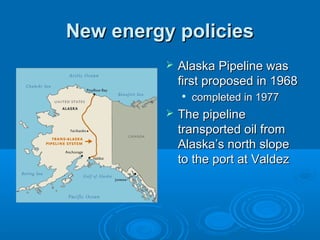
New energy policiesNew energy policies
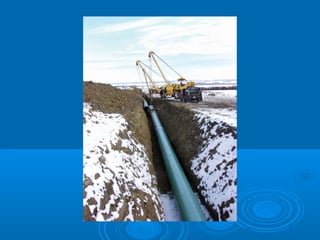
 Alaska Pipeline wasAlaska Pipeline was
first proposed in 1968first proposed in 1968

completed in 1977completed in 1977
 The pipelineThe pipeline
transported oil fromtransported oil from
Alaska’s north slopeAlaska’s north slope
to the port at Valdezto the port at Valdez
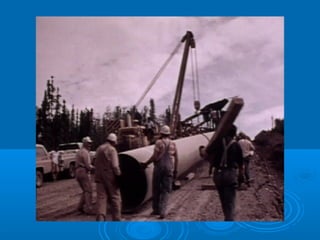
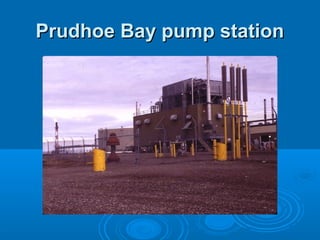
Prudhoe Bay pump stationPrudhoe Bay pump station
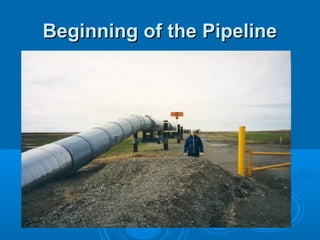
Beginning of the PipelineBeginning of the Pipeline
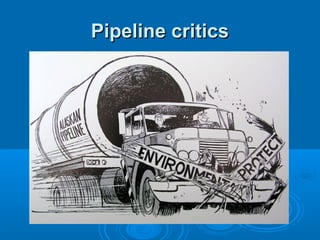
Pipeline criticsPipeline critics
Other regulationsOther regulations
 55-mph speed limit forced on all states55-mph speed limit forced on all states

This was the second most disobeyed lawThis was the second most disobeyed law
since prohibitionsince prohibition
Ford’s Foreign PolicyFord’s Foreign Policy
 Ford met with Brezhnev in 1974 to lay theFord met with Brezhnev in 1974 to lay the
groundwork for a new SALT II agreementgroundwork for a new SALT II agreement
 Kissinger continued his shuttle diplomacy,Kissinger continued his shuttle diplomacy,
laying the groundwork for a future peacelaying the groundwork for a future peace
agreement between Israel and Egyptagreement between Israel and Egypt
Fall of Saigon, 1975Fall of Saigon, 1975
Angolan Civil WarAngolan Civil War
Helsinki Accords, August 1975Helsinki Accords, August 1975
 Helsinki Accords were a series ofHelsinki Accords were a series of
agreements between the USA, Russia andagreements between the USA, Russia and
several other nationsseveral other nations
 USA & USSR agreed to the post-WW IIUSA & USSR agreed to the post-WW II
division of Europedivision of Europe
 Signatory nations agreed to respect theSignatory nations agreed to respect the
human rights of citizenshuman rights of citizens

The may have led to more anti-communistThe may have led to more anti-communist
agitation in eastern Europeagitation in eastern Europe
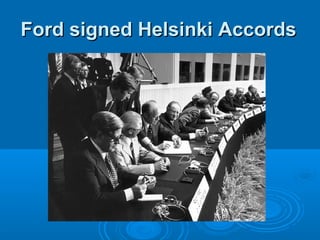
Ford signed Helsinki AccordsFord signed Helsinki Accords
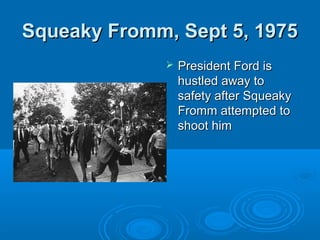
Squeaky Fromm, Sept 5, 1975Squeaky Fromm, Sept 5, 1975
 President Ford isPresident Ford is
hustled away tohustled away to
safety after Squeakysafety after Squeaky
Fromm attempted toFromm attempted to
shoot himshoot him
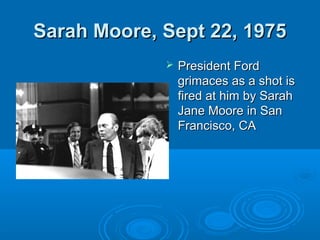
Sarah Moore, Sept 22, 1975Sarah Moore, Sept 22, 1975
 President FordPresident Ford
grimaces as a shot isgrimaces as a shot is
fired at him by Sarahfired at him by Sarah
Jane Moore in SanJane Moore in San
Francisco, CAFrancisco, CA
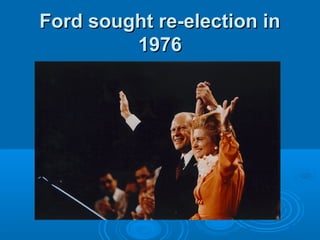
Ford sought re-election inFord sought re-election in
19761976
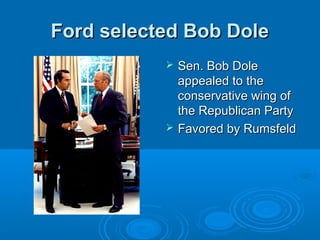
Ford selected Bob DoleFord selected Bob Dole
 Sen. Bob DoleSen. Bob Dole
appealed to theappealed to the
conservative wing ofconservative wing of
the Republican Partythe Republican Party
 Favored by RumsfeldFavored by Rumsfeld
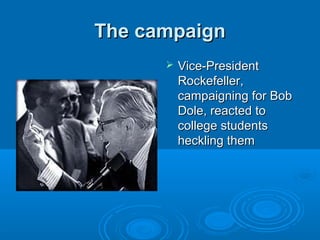
The campaignThe campaign
 Vice-PresidentVice-President
Rockefeller,Rockefeller,
campaigning for Bobcampaigning for Bob
Dole, reacted toDole, reacted to
college studentscollege students
heckling themheckling them
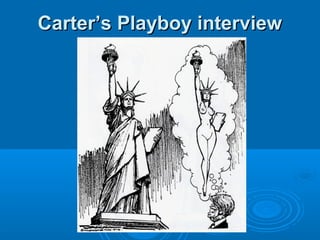
Carter’s Playboy interviewCarter’s Playboy interview
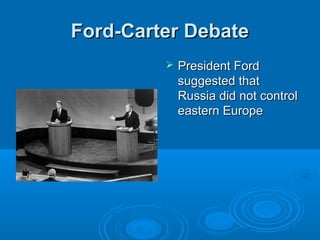
Ford-Carter DebateFord-Carter Debate
 President FordPresident Ford
suggested thatsuggested that
Russia did not controlRussia did not control
eastern Europeeastern Europe

Ford

  • 1.
    Gerald R. FordGeraldR. Ford August 9, 1974 - January 20, 1977August 9, 1974 - January 20, 1977 The only president not elected asThe only president not elected as either Vice-President or Presidenteither Vice-President or President Created & edited by Steve ArmstrongCreated & edited by Steve Armstrong SHS, 1994-2006SHS, 1994-2006
  • 2.
    President Gerald R.FordPresident Gerald R. Ford  Gerald Ford wasGerald Ford was sworn in as Presidentsworn in as President on August 9, 1974on August 9, 1974  Ford retained a fewFord retained a few of Nixon’s cabinet,of Nixon’s cabinet, including Henryincluding Henry KissingerKissinger  Appointed DonAppointed Don Rumsfeld as Chief ofRumsfeld as Chief of StaffStaff  Dick Cheney wasDick Cheney was appointed Deputyappointed Deputy Chief of StaffChief of Staff
  • 3.
    Vice-President RockefellerVice-President Rockefeller Liberal New YorkLiberal New York Governor NelsonGovernor Nelson Rockefeller wasRockefeller was appointed vice-appointed vice- presidentpresident  DemocratsDemocrats threatened to notthreatened to not confirm Rockefellerconfirm Rockefeller  Rumsfeld strived toRumsfeld strived to keep Rockefeller fromkeep Rockefeller from having a voice in thehaving a voice in the Ford administrationFord administration
  • 4.
  • 5.
    Ford with CIADirectorFord with CIA Director George BushGeorge Bush
  • 6.
    Ford pardoned NixonFordpardoned Nixon  September 8, 1974, aSeptember 8, 1974, a month after Nixon’smonth after Nixon’s resignation, Fordresignation, Ford granted Nixon a fullgranted Nixon a full pardonpardon  President Ford’sPresident Ford’s approval ratingapproval rating slipped from 71% toslipped from 71% to 39% overnight39% overnight  Ford believed aFord believed a pardon would endpardon would end WatergateWatergate
  • 7.
    President Ford’s earlyactionsPresident Ford’s early actions  President Ford issued aPresident Ford issued a clemency orderclemency order to those who evaded the draft during theto those who evaded the draft during the Vietnam WarVietnam War  Clemency order issued September 16, 1974Clemency order issued September 16, 1974  Draft evaders and military deserters couldDraft evaders and military deserters could now return to the USA and performnow return to the USA and perform alternative (community) servicealternative (community) service
  • 8.
    President Ford’s earlyactionsPresident Ford’s early actions  Freedom of Information Act was passedFreedom of Information Act was passed by the Democratically controlled Congressby the Democratically controlled Congress  Ford vetoed the lawFord vetoed the law  Veto overridden on November 21, 1974Veto overridden on November 21, 1974  The FOIA allowed for more public accessThe FOIA allowed for more public access to alleged government secretsto alleged government secrets
  • 9.
    President Ford’s vetopenPresident Ford’s veto pen  President Ford vetoed 39 bills in the firstPresident Ford vetoed 39 bills in the first few months of his administrationfew months of his administration  5656 total vetoes were issued by President Fordtotal vetoes were issued by President Ford  Most vetoes were against spendingMost vetoes were against spending increases proposed by the Democraticallyincreases proposed by the Democratically controlled Congresscontrolled Congress  Ford vetoed a 1976 $6.1 billion spendingFord vetoed a 1976 $6.1 billion spending proposal, which he viewed as an election ployproposal, which he viewed as an election ploy  The veto was upheld by the U.S. SenateThe veto was upheld by the U.S. Senate  President Ford wanted to control federalPresident Ford wanted to control federal spendingspending
  • 11.
    Sen. Frank Church’sSen.Frank Church’s CommitteeCommittee  Sen. Church’sSen. Church’s CommitteeCommittee investigated abusesinvestigated abuses of the nationalof the national government since thegovernment since the start of the Cold Warstart of the Cold War  Recommended thatRecommended that restrictions be placedrestrictions be placed on government coverton government covert operations andoperations and domestic spyingdomestic spying
  • 12.
    Ford’s economic dilemmaFord’seconomic dilemma  American economy began to falter in 1971American economy began to falter in 1971  President Nixon removed USA from thePresident Nixon removed USA from the gold standardgold standard  Post-war inflation rose from 5.9% in 1970Post-war inflation rose from 5.9% in 1970 to 9.1% in 1975to 9.1% in 1975  President Ford advocated hisPresident Ford advocated his WhipWhip InflationInflation NowNow (WIN) program in 1975(WIN) program in 1975  The public viewed Ford as ineffectiveThe public viewed Ford as ineffective  Chicago & Detroit lost half of theirChicago & Detroit lost half of their manufacturing jobsmanufacturing jobs
  • 13.
    Role of theTwin TowersRole of the Twin Towers  New York’s WorldNew York’s World Trade Center twinTrade Center twin towers weretowers were completed in 1977completed in 1977  Signified a shift in theSignified a shift in the American economyAmerican economy
  • 14.
    New energy policiesNewenergy policies  Alaska Pipeline wasAlaska Pipeline was first proposed in 1968first proposed in 1968  completed in 1977completed in 1977  The pipelineThe pipeline transported oil fromtransported oil from Alaska’s north slopeAlaska’s north slope to the port at Valdezto the port at Valdez
  • 17.
    Prudhoe Bay pumpstationPrudhoe Bay pump station
  • 18.
    Beginning of thePipelineBeginning of the Pipeline
  • 19.
  • 20.
    Other regulationsOther regulations 55-mph speed limit forced on all states55-mph speed limit forced on all states  This was the second most disobeyed lawThis was the second most disobeyed law since prohibitionsince prohibition
  • 21.
    Ford’s Foreign PolicyFord’sForeign Policy  Ford met with Brezhnev in 1974 to lay theFord met with Brezhnev in 1974 to lay the groundwork for a new SALT II agreementgroundwork for a new SALT II agreement  Kissinger continued his shuttle diplomacy,Kissinger continued his shuttle diplomacy, laying the groundwork for a future peacelaying the groundwork for a future peace agreement between Israel and Egyptagreement between Israel and Egypt
  • 22.
    Fall of Saigon,1975Fall of Saigon, 1975
  • 23.
  • 24.
    Helsinki Accords, August1975Helsinki Accords, August 1975  Helsinki Accords were a series ofHelsinki Accords were a series of agreements between the USA, Russia andagreements between the USA, Russia and several other nationsseveral other nations  USA & USSR agreed to the post-WW IIUSA & USSR agreed to the post-WW II division of Europedivision of Europe  Signatory nations agreed to respect theSignatory nations agreed to respect the human rights of citizenshuman rights of citizens  The may have led to more anti-communistThe may have led to more anti-communist agitation in eastern Europeagitation in eastern Europe
  • 25.
    Ford signed HelsinkiAccordsFord signed Helsinki Accords
  • 26.
    Squeaky Fromm, Sept5, 1975Squeaky Fromm, Sept 5, 1975  President Ford isPresident Ford is hustled away tohustled away to safety after Squeakysafety after Squeaky Fromm attempted toFromm attempted to shoot himshoot him
  • 27.
    Sarah Moore, Sept22, 1975Sarah Moore, Sept 22, 1975  President FordPresident Ford grimaces as a shot isgrimaces as a shot is fired at him by Sarahfired at him by Sarah Jane Moore in SanJane Moore in San Francisco, CAFrancisco, CA
  • 28.
    Ford sought re-electioninFord sought re-election in 19761976
  • 29.
    Ford selected BobDoleFord selected Bob Dole  Sen. Bob DoleSen. Bob Dole appealed to theappealed to the conservative wing ofconservative wing of the Republican Partythe Republican Party  Favored by RumsfeldFavored by Rumsfeld
  • 30.
    The campaignThe campaign Vice-PresidentVice-President Rockefeller,Rockefeller, campaigning for Bobcampaigning for Bob Dole, reacted toDole, reacted to college studentscollege students heckling themheckling them
  • 31.
  • 32.
    Ford-Carter DebateFord-Carter Debate President FordPresident Ford suggested thatsuggested that Russia did not controlRussia did not control eastern Europeeastern Europe