Open Access
Research article
Search for a ‘Tree of Life’ in the thicket of the phylogenetic forest
Pere Puigbò, Yuri I Wolf and Eugene V Koonin
Address: National Center for Biotechnology Information, National Library of Medicine, National Institutes of Health, Bethesda, MD 20894, USA.

Correspondence: Eugene V Koonin. Email: koonin@ncbi.nlm.nih.gov


Published: 13 July 2009                                                      Received: 25 April 2009
                                                                             Revised: 19 May 2009
Journal of Biology 2009, 8:59 (doi:10.1186/jbiol159)
                                                                             Accepted: 12 June 2009
The electronic version of this article is the complete one and can be
found online at http://jbiol.com/content/8/6/59
© 2009 Puigbò et al.; licensee BioMed Central Ltd.
This is an Open Access article distributed under the terms of the Creative Commons Attribution License (http://creativecommons.org/licenses/by/2.0),
which permits unrestricted use, distribution, and reproduction in any medium, provided the original work is properly cited.


                 Abstract

                 Background: Comparative genomics has revealed extensive horizontal gene transfer among
                 prokaryotes, a development that is often considered to undermine the ‘tree of life’ concept.
                 However, the possibility remains that a statistical central trend still exists in the phylogenetic
                 ‘forest of life’.

                 Results: A comprehensive comparative analysis of a ‘forest’ of 6,901 phylogenetic trees for
                 prokaryotic genes revealed a consistent phylogenetic signal, particularly among 102 nearly
                 universal trees, despite high levels of topological inconsistency, probably due to horizontal
                 gene transfer. Horizontal transfers seemed to be distributed randomly and did not obscure
                 the central trend. The nearly universal trees were topologically similar to numerous other
                 trees. Thus, the nearly universal trees might reflect a significant central tendency, although
                 they cannot represent the forest completely. However, topological consistency was seen
                 mostly at shallow tree depths and abruptly dropped at the level of the radiation of archaeal
                 and bacterial phyla, suggesting that early phases of evolution could be non-tree-like (Biological
                 Big Bang). Simulations of evolution under compressed cladogenesis or Biological Big Bang
                 yielded a better fit to the observed dependence between tree inconsistency and phylogenetic
                 depth for the compressed cladogenesis model.

                 Conclusions: Horizontal gene transfer is pervasive among prokaryotes: very few gene trees
                 are fully consistent, making the original tree of life concept obsolete. A central trend that
                 most probably represents vertical inheritance is discernible throughout the evolution of
                 archaea and bacteria, although compressed cladogenesis complicates unambiguous resolution
                 of the relationships between the major archaeal and bacterial clades.


Background                                                                   from the famous single illustration in Darwin’s On the
The tree of life is, probably, the single dominating meta-                   Origin of Species [1] to 21st-century textbooks. For about a
phor that permeates the discourse of evolutionary biology,                   century, from the publication of the Origin to the founding

                                                            Journal of Biology 2009, 8:59
59.2 Journal of Biology 2009,   Volume 8, Article 59   Puigbò et al.                                               http://jbiol.com/content/8/6/59


     work in molecular evolution carried out by Zuckerkandl                  from the actual tree of cells. It should be kept in mind that
     and Pauling in the early 1960s [2,3], phylogenetic trees                the evolutionary history of genes also describes the evolu-
     were constructed on the basis of phenotypic differences                 tion of the encoded molecular functions, so the phylo-
     between organisms. Accordingly, every tree constructed                  genomic analyses have clear biological connotations. In this
     during that century was an ‘organismal’ or ‘species’ tree by            article we discuss the phylogenomic tree of life with this
     definition; that is, it was assumed to reflect the evolutionary         implicit understanding.
     history of the corresponding species. Zuckerkandl and
     Pauling introduced molecular phylogeny, but for the next                The views of evolutionary biologists on the changing status
     two decades or so it was viewed simply as another, perhaps              of the tree of life (see [23] for a conceptual discussion) span
     most powerful, approach to the construction of species trees            the entire range from persistent denial of the major
     and, ultimately, the tree of life that would embody the                 importance of HGT for evolutionary biology [26,27]; to
     evolutionary relationships between all lineages of cellular             ‘moderate’ overhaul of the tree of life concept [28-33]; to
     life forms. The introduction of rRNA as the molecule of                 radical uprooting whereby the representation of the evolu-
     choice for the reconstruction of the phylogeny of                       tion of organisms (or genomes) as a tree of life is declared
     prokaryotes by Woese and co-workers [4,5], which was                    meaningless [34-36]. The moderate approach maintains
     accompanied by the discovery of a new domain of life - the              that all the differences between individual gene trees
     Archaea - boosted hopes that the detailed, definitive topo-             notwithstanding, the tree of life concept still makes sense as
     logy of the tree of life could be within sight.                         a representation of a central trend (consensus) that, at least
                                                                             in principle, could be elucidated by comprehensive com-
     Even before the advent of extensive genomic sequencing, it              parison of tree topologies. The radical view counters that
     had become clear that biologically important common                     the reality of massive HGT renders illusory the very distinc-
     genes of prokaryotes had experienced multiple horizontal                tion between the vertical and horizontal transmission of
     gene transfers (HGTs), so the idea of a ‘net of life’                   genetic information, so that the tree of life concept should
     potentially replacing the tree of life was introduced [6,7].            be abandoned altogether in favor of a (broadly defined)
     Advances in comparative genomics revealed that different                network representation of evolution [17]. Perhaps the tree
     genes very often had distinct tree topologies and, accordingly,         of life conundrum is epitomized in the recent debate on the
     that HGT seemed to be extremely common among pro-                       tree that was generated from a concatenation of alignments
     karyotes (bacteria and archaea) [8-17], and could also have             of 31 highly conserved proteins and touted as an auto-
     been important in the evolution of eukaryotes, especially as            matically constructed, highly resolved tree of life [37], only
     a consequence of endosymbiotic events [18-21]. These                    to be dismissed with the label of a ‘tree of one percent’ (of
     findings indicate that a true, perfect tree of life does not            the genes in any given genome) [38].
     exist because HGT prevents any single gene tree from being
     an accurate representation of the evolution of entire                   Here we report an exhaustive comparison of approximately
     genomes. The nearly universal realization that HGT among                7,000 phylogenetic trees for individual genes that collec-
     prokaryotes is common and extensive, rather than rare and               tively comprise the ‘forest of life’ and show that this set of
     inconsequential, led to the idea of ‘uprooting’ the tree of             trees does gravitate to a single tree topology, but that the
     life, a development that is often viewed as a paradigm shift            deep splits in this topology cannot be unambiguously
     in evolutionary biology [11,22,23].                                     resolved, probably due to both extensive HGT and
                                                                             methodological problems of tree reconstruction. Neverthe-
     Of course, no amount of inconsistency between gene phylo-               less, computer simulations indicate that the observed pattern
     genies caused by HGT or other processes can alter the fact              of evolution of archaea and bacteria better corresponds to a
     that all cellular life forms are linked by a tree of cell               compressed cladogenesis model [39,40] than to a ‘Big Bang’
     divisions (Omnis cellula e cellula, quoting the famous motto            model that includes non-tree-like phases of evolution [36].
     of Rudolf Virchow - paradoxically, an anti-evolutionist [24])           Together, these findings seem to be compatible with the
     that goes back to the earliest stages of evolution and is only          ‘tree of life as a central trend’ concept.
     violated by endosymbiotic events that were key to the
     evolution of eukaryotes but not prokaryotes [25]. Thus, the
     travails of the tree of life concept in the era of comparative          Results and discussion
     genomics concern the tree as it can be derived by the phylo-            The forest of life: finding paths in the thicket
     genetic (phylogenomic) analysis of genes and genomes. The               Altogether, we analyzed 6,901 maximum likelihood phylo-
     claim that HGT uproots the tree of life more accurately has             genetic trees that were built for clusters of orthologous groups
     to be read to mean that extensive HGT has the potential to              of proteins (COGs) from the COG [41,42] and EggNOG [43]
     result in the complete decoupling of molecular phylogenies              databases that included a selected, representative set of 100

                                                            Journal of Biology 2009, 8:59
http://jbiol.com/content/8/6/59                                                            Journal of Biology 2009,   Volume 8, Article 59   Puigbò et al. 59.3


                     2,000
                                                                                      few trees that could be considered to represent the ‘core of
                                                                                      life’, we analyzed, along with the complete set of trees, a
                                                                                      subset of nearly universal trees (NUTs). As the strictly uni-
                                                                                      versal gene core of cellular life is very small and continues
                                                                                      to shrink (owing to the loss of generally ‘essential’ genes in
   Number of trees


                                                                                      some organisms with small genomes, and to errors of
                     1,000
                                                                                      genome annotation) [45,46], we defined NUTs as trees for
                                                                                      those COGs that were represented in more than 90% of the
                                                                                      included prokaryotes; this definition yielded 102 NUTs. Not
                                                                                      surprisingly, the great majority of the NUTs are genes
                                                                                      encoding proteins involved in translation and the core
                       0
                                                                                      aspects of transcription (Additional data file 3). For most of
                           0   20      40          60           80      100
                                                                                      the analyses described below, we analyzed the NUTs in
                                    Number of species in tree
                                                                                      parallel with the complete set of trees in the forest of life or
                                                                                      else traced the position of the NUTs in the results of the
Figure 1                                                                              global analysis; however, this approach does not amount to
The distribution of the trees in the forest of life by the number of
species.                                                                              using the NUTs as an a priori standard against which to
                                                                                      compare the rest of the trees.

prokaryotes (41 archaea and 59 bacteria; Additional data                              The NUTs contain a strong, consistent phylogenetic signal,
files 1 and 2). The majority of these trees include only a                            with independent HGT events
small number of species (less than 20): the distribution of                           We begin the systematic exploration of the forest of life with
the number of species in trees shows an exponential decay,                            the grove of 102 NUTs. Figure 2a shows the network of
with only 2,040 trees including more than 20 species                                  connections between the NUTs on the basis of topological
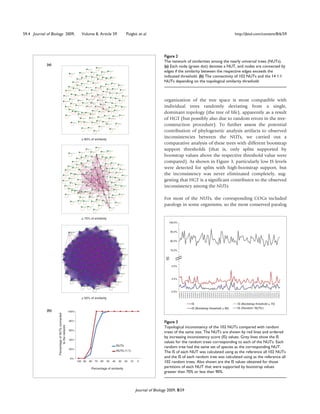
(Figure 1). We attempted to identify patterns in this collec-                         similarity. The results of this analysis indicated that the
tion of trees (forest of life) and, in particular, to address the                     topologies of the NUTs were, in general, highly coherent,
question whether or not there exists a central trend among                            with a nearly full connectivity reached at 50% similarity
the trees that, perhaps, could be considered an approxi-                              ((1 - BSD) × 100) cutoff (BSD is boot split distance; see
mation of a tree of life. The principal object of this analysis                       Materials and methods for details; Figure 2b).
was a complete, all-against-all matrix of the topological
distances between the trees (see Materials and methods for                            In 56% of the NUTs, archaea and bacteria were perfectly
details). This matrix was represented as a network of trees                           separated, whereas the remaining 44% showed indications
and was also subject to classical multidimensional scaling                            of HGT between archaea and bacteria (13% from archaea to
(CMDS) analysis aimed at the detection of distinct clusters                           bacteria, 23% from bacteria to archaea and 8% in both
of trees. We further introduced the inconsistency score (IS),                         directions; see Materials and methods for details and
a measure of how representative the topology of the given                             Additional data file 3). In the rest of the NUTs, there was no
tree is of the entire forest of life (the IS is the fraction of the                   sign of such interdomain gene transfer but there were many
times the splits from a given tree are found in all trees of the                      probable HGT events within one or both domains (data not
forest). The key aspect of the tree analysis using the IS is that                     shown).
we objectively examine trends in the forest of life, without
relying on the topology of a preselected ‘species tree’ such as                       The inconsistency among the NUTs ranged from 1.4 to
a supertree used in the most comprehensive previous study                             4.3%, whereas the mean value of inconsistency for an
of HGT [31] or a tree of concatenated highly conserved                                equal-sized set (102) of randomly generated trees with the
proteins or rRNAs [17,37,44].                                                         same number of species was approximately 80%
                                                                                      (Figure 3), indicating that the topologies of the NUTs are
In general, trees consist of different sets of species, mostly                        highly consistent and non-random. We explored the
small numbers (Figure 1), so the comparison of the tree                               relationships among the 102 NUTs by embedding them
topologies involves a pruning step where the trees are                                into a 30-dimensional tree space using the CMDS proce-
reduced to the overlap in the species sets; in many cases, the                        dure [47,48] (see Materials and methods for details). The
species sets do not overlap, so the distance between the                              gap statistics analysis [49] reveals a lack of significant
corresponding trees cannot be calculated (see Materials and                           clustering among the NUTs in the tree space. Thus, all the
methods). To avoid the uncertainty associated with the                                NUTs seem to belong to a single, unstructured cloud of
pruning procedure and to explore the properties of those                              points scattered around a single centroid (Figure 4a). This

                                                                     Journal of Biology 2009, 8:59
59.4 Journal of Biology 2009,                                Volume 8, Article 59                    Puigbò et al.                                                                                                                                                                                                                                                                                                                    http://jbiol.com/content/8/6/59


                                                                                                                               Figure 2
                                                                                                                               The network of similarities among the nearly universal trees (NUTs).
             (a)                                                                                                               (a) Each node (green dot) denotes a NUT, and nodes are connected by
                                                                                                                               edges if the similarity between the respective edges exceeds the
                                                                                                                               indicated threshold. (b) The connectivity of 102 NUTs and the 14 1:1
                                                                                                                               NUTs depending on the topological similarity threshold.


                                                                                                                               organization of the tree space is most compatible with
                                                                                                                               individual trees randomly deviating from a single,
                                                                                                                               dominant topology (the tree of life), apparently as a result
                                                                                                                               of HGT (but possibly also due to random errors in the tree-
                                                                                                                               construction procedure). To further assess the potential
                                                                                                                               contribution of phylogenetic analysis artifacts to observed
                                                             ≥ 80% of similarity
                                                                                                                               inconsistencies between the NUTs, we carried out a
                                                                                                                               comparative analysis of these trees with different bootstrap
                                                                                                                               support thresholds (that is, only splits supported by
                                                                                                                               bootstrap values above the respective threshold value were
                                                                                                                               compared). As shown in Figure 3, particularly low IS levels
                                                                                                                               were detected for splits with high-bootstrap support, but
                                                                                                                               the inconsistency was never eliminated completely, sug-
                                                                                                                               gesting that HGT is a significant contributor to the observed
                                                                                                                               inconsistency among the NUTs.

                                                                                                                               For most of the NUTs, the corresponding COGs included
                                                                                                                               paralogs in some organisms, so the most conserved paralog

                                                             ≥ 75% of similarity
                                                                                                                                 100.0%


                                                                                                                                     90.0%


                                                                                                                                     80.0%


                                                                                                                                     70.0%
                                                                                                                                IS


                                                                                                                                     5.0%


                                                                                                                                     2.5%


                                                                                                                                     0.0%
                                                                                                                                                                                                                                                                               COG0090


                                                                                                                                                                                                                                                                                                                                                                                                                                               COG0195


                                                                                                                                                                                                                                                                                                                                                                                                                                                                                                                                                                                                               COG0528
                                                                                                                                             COG0006
                                                                                                                                                       COG0009
                                                                                                                                                                 COG0013
                                                                                                                                                                           COG0018
                                                                                                                                                                                     COG0024
                                                                                                                                                                                               COG0037
                                                                                                                                                                                                         COG0049
                                                                                                                                                                                                                   COG0052
                                                                                                                                                                                                                             COG0060
                                                                                                                                                                                                                                       COG0071
                                                                                                                                                                                                                                                 COG0081
                                                                                                                                                                                                                                                           COG0086
                                                                                                                                                                                                                                                                     COG0088


                                                                                                                                                                                                                                                                                         COG0092
                                                                                                                                                                                                                                                                                                   COG0094
                                                                                                                                                                                                                                                                                                             COG0097
                                                                                                                                                                                                                                                                                                                       COG0099
                                                                                                                                                                                                                                                                                                                                 COG0102
                                                                                                                                                                                                                                                                                                                                           COG0105
                                                                                                                                                                                                                                                                                                                                                     COG0124
                                                                                                                                                                                                                                                                                                                                                               COG0126
                                                                                                                                                                                                                                                                                                                                                                         COG0130
                                                                                                                                                                                                                                                                                                                                                                                   COG0142
                                                                                                                                                                                                                                                                                                                                                                                             COG0148
                                                                                                                                                                                                                                                                                                                                                                                                       COG0164
                                                                                                                                                                                                                                                                                                                                                                                                                 COG0171
                                                                                                                                                                                                                                                                                                                                                                                                                           COG0177
                                                                                                                                                                                                                                                                                                                                                                                                                                     COG0185


                                                                                                                                                                                                                                                                                                                                                                                                                                                         COG0198
                                                                                                                                                                                                                                                                                                                                                                                                                                                                   COG0201
                                                                                                                                                                                                                                                                                                                                                                                                                                                                             COG0231
                                                                                                                                                                                                                                                                                                                                                                                                                                                                                       COG0244
                                                                                                                                                                                                                                                                                                                                                                                                                                                                                                 COG0256
                                                                                                                                                                                                                                                                                                                                                                                                                                                                                                           COG0329
                                                                                                                                                                                                                                                                                                                                                                                                                                                                                                                     COG0358
                                                                                                                                                                                                                                                                                                                                                                                                                                                                                                                               COG0441
                                                                                                                                                                                                                                                                                                                                                                                                                                                                                                                                         COG0452
                                                                                                                                                                                                                                                                                                                                                                                                                                                                                                                                                   COG0459
                                                                                                                                                                                                                                                                                                                                                                                                                                                                                                                                                             COG0462
                                                                                                                                                                                                                                                                                                                                                                                                                                                                                                                                                                       COG0480
                                                                                                                                                                                                                                                                                                                                                                                                                                                                                                                                                                                 COG0495
                                                                                                                                                                                                                                                                                                                                                                                                                                                                                                                                                                                           COG0519
                                                                                                                                                                                                                                                                                                                                                                                                                                                                                                                                                                                                     COG0525


                                                                                                                                                                                                                                                                                                                                                                                                                                                                                                                                                                                                                         COG0537
                                                                                                                                                                                                                                                                                                                                                                                                                                                                                                                                                                                                                                   COG0541
                                                                                                                                                                                                                                                                                                                                                                                                                                                                                                                                                                                                                                             COG0621
                                                                                                                                                                                                                                                                                                                                                                                                                                                                                                                                                                                                                                                       COG1080
                                                                                                                                                                                                                                                                                                                                                                                                                                                                                                                                                                                                                                                                 COG2812


                                                             ≥ 50% of similarity
                                                                                                                                                                                                            IS                                                                                                                                                                                                                                      IS (Bootstrap threshold ≥ 70)
                                                                                                                                                                                                            IS (Bootstrap threshold ≥ 90)                                                                                                                                                                                                           IS (Random ‘NUTs’)
             (b)                                   100%
                    Percentage of NUTs connected


                                                   80%
                                                                                                                               Figure 3
                           to the network


                                                                                                                               Topological inconsistency of the 102 NUTs compared with random
                                                   60%
                                                                                                                               trees of the same size. The NUTs are shown by red lines and ordered
                                                                                                                               by increasing inconsistency score (IS) values. Grey lines show the IS
                                                   40%
                                                                                                                               values for the random trees corresponding to each of the NUTs. Each
                                                                                             NUTs                              random tree had the same set of species as the corresponding NUT.
                                                   20%
                                                                                             NUTs (1:1)                        The IS of each NUT was calculated using as the reference all 102 NUTs
                                                    0%
                                                                                                                               and the IS of each random tree was calculated using as the reference all
                                                          100 90   80   70   60    50   40    30    20   10    0               102 random trees. Also shown are the IS values obtained for those
                                                                    Percentage of similarity                                   partitions of each NUT that were supported by bootstrap values
                                                                                                                               greater than 70% or less than 90%.


                                                                                                              Journal of Biology 2009, 8:59
http://jbiol.com/content/8/6/59                                                                                                         Journal of Biology 2009,                  Volume 8, Article 59             Puigbò et al. 59.5


           (a)                                                                                                                    (b)
                                                           0.15
                                                                                                                                                   0.5

                                                                                                                                                   0.4
                                                            0.1
                                                                                                                                                   0.3                                            1
                                                           0.05                                                                                    0.2                                            2
                                                                                                                                                                                                  3
                                                                                                                                                   0.1
                                     V2


                                                                0                                                                                                                                 4
                                          -0.3    -0.2   -0.1       0       0.1              0.2          0.3   0.4                                  0
                                                                                                                                                                                                  5
                                                          -0.05                                                                         -0.5       -0.1 0             0.5                 1
                                                                                                                                                                                                  6
                                                                                                                                                   -0.2                                           7
                                                            -0.1
                                                                                                                                                   -0.3                                           NUTs
                                                          -0.15                                                                                    -0.4
                                                                        V1
                                                                                                                                                   -0.5


           (c)                                                               (d)                                                                              (e)
                                                                                                        100%                                              S
                                                                                                                                                          R                     (6)
                                                                                  Percentage of trees
                 Number of COGs


                                  1000                                                                                                                    Q                  48.6 % **       (2)
                                                                                                        80%                                               P                               63.34 % *
                                  800                                                                                                                     O
                                                                                                                                                                   (1)
                                                                                                                                                          N
                                                                                                        60%                                                     42.43 % *
                                  600                                                                                                                     M
                                                                                                                                                                                                        (3)
                                                                        B                                                                                 L                                           62.11 % **
                                  400                                                                                                                     K
                                                                        A                               40%                                               J
                                  200                                                                                                                     I
                                                                        A&B                                                                                        (4)
                                                                                                        20%                                               H     56.21 % **                       (7)
                                    0                                                                                                                     G                     (5)           49.66 % **
                                                                                                                                                                             50.17 % **
                                          2 3 1 4 5 6 7                                                                                                   F
                                                                                                         0%                                               E
                                                 Clusters                                                                                                 D
                                                                                                                1     2   3   4     5     6    7          C
                                                                                                                      CMDS clusters                       B
                                                                                                                                                          A                                   * p = 0.0014
                                                                                                                                                                                              ** p < 0.000001


Figure 4
Clustering of the NUTs and the trees in the forest of life using the classical multidimensional scaling (CMDS) method. (a) The best two-dimensional
projection of the clustering of 102 NUTs (brown squares) in a 30-dimensional space. The 14 1:1 NUTs (corresponding to COGs consisting of 1:1
orthologs) are shown as black circles. V1, V2, variables 1 and 2, respectively. (b) The best two-dimensional projection of the clustering of the 3,789
COG trees in a 669-dimensional space. The seven clusters are color-coded and the NUTs are shown by red circles. (c) Partitioning of the trees in
each cluster between the two prokaryotic domains: blue, archaea-only (A); green, bacteria-only (B); brown, COGs including both archaea and
bacteria (A&B). (d) Classification of the trees in each cluster by COG functional categories [41,42]: A, RNA processing and modification; B,
chromatin structure and dynamics; C, energy transformation; D, cell division and chromosome partitioning; E, amino acid metabolism and transport;
F, nucleotide metabolism and transport; G, carbohydrate metabolism and transport; H, coenzyme metabolism and transport; I, lipid metabolism; J,
translation and ribosome biogenesis; K, transcription; L, replication and repair; M, cell envelope and outer membrane biogenesis; N, cell motility and
secretion; O, post-translational modification, protein turnover, chaperones; P, inorganic ion transport and metabolism; Q, secondary metabolism; R,
general functional prediction only; S, uncharacterized. (e) The mean similarity values between the 102 NUTs and each of the seven tree clusters in
the forest of life (colors as in (b)).


was used for tree construction (see Materials and methods                                                                         The NUTs include highly conserved genes whose phylogenies
for details). However, 14 NUTs corresponded to COGs                                                                               have been extensively studied previously. It is not our aim
consisting strictly of 1:1 orthologs (all of them ribosomal                                                                       here to compare these phylogenies in detail and to discuss
proteins). These 1:1 NUTs were similar to others in terms of                                                                      the implications of particular tree topologies. Nevertheless,
connectivity in the networks of trees, although their                                                                             it is worth noting, by way of a reality check, that the
characteristic connectivity was somewhat greater than that                                                                        putative HGT events between archaea and bacteria detected
of the rest of the NUTs (Figure 2b) or their positions in the                                                                     here by the separation score analysis (see Materials and
single cluster of NUTs obtained using CMDS (Figure 4a),                                                                           methods for details) are compatible with previous observa-
indicating that the selection of conserved paralogs for tree                                                                      tions (Additional data file 3). In particular, HGT was inferred
analysis in the other NUTs did not substantially affect the                                                                       for 83% of the genes encoding aminoacyl-tRNA synthetases
results of topology comparison.                                                                                                   (compared with the overall 44%), essential components of

                                                                                                            Journal of Biology 2009, 8:59
59.6 Journal of Biology 2009,    Volume 8, Article 59       Puigbò et al.                                                   http://jbiol.com/content/8/6/59


     Table 1

     Distances between the NUTs and the ‘universal tree of life’

                                          TOL                            NUTs                       NUTs (1:1)                  Random NUTs

     TOL                                   0
     NUTs                             0.604 ± 0.096                   0.659 ± 0.076
     NUTs (1:1)                       0.554 ± 0.050                   0.639 ± 0.065                0.607 ± 0.065
     Random NUTs                      0.994 ± 0.011                   0.998 ± 0.004                0.999 ± 0.004                  0.998 ± 0.005

     The table shows the mean split distance ± standard deviation for the three sets of NUTs and the ‘universal tree of life’ (TOL) [37]. The overlap
     between the tree of life and the NUTs consisted of 47 species, so the distances were computed after pruning the NUTs to that set of species.


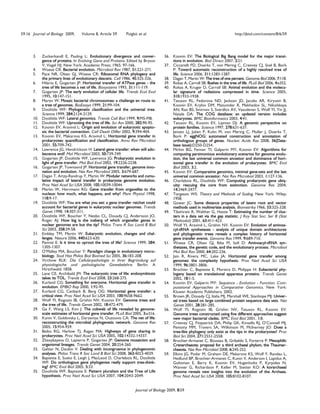
     the translation machinery that are known for their horizontal                  supernetwork built from the 102 NUTs suggests that the
     mobility [50,51], whereas no HGT was predicted for any of                      incongruence among these trees is mainly concentrated at
     the ribosomal proteins, which belong to an elaborate                           the deepest levels (except for the clean archaeal-bacterial
     molecular complex, the ribosome, and hence appear to be                        split), with a much greater congruence at shallow phylo-
     non-exchangeable between the two prokaryotic domains                           genetic depths (Figure 5). Of course, one should keep in
     [52,53]. In addition to the aminoacyl-tRNA synthetases, and                    mind that the unequivocal separation of archaea and bac-
     in agreement with many previous observations ([54] and                         teria in the supernetwork is obtained despite the apparent
     references therein), evidence of HGT between archaea and                       substantial interdomain HGT (in around 44% of the NUTs;
     bacteria was seen also for the majority of the metabolic                       see above), with the implication that HGT is likely to be
     enzymes that belonged to the NUTs, including undecaprenyl                      even more common between the major branches within the
     pyrophosphate synthase, glyceraldehyde-3-phosphate de-                         archaeal and bacterial domains. These results are congruent
     hydrogenase, nucleoside diphosphate kinase, thymidylate                        with previous reports on the apparently random distri-
     kinase, and others (Additional data file 3).                                   bution of HGT events in the history of highly conserved
                                                                                    genes, in particular those encoding proteins involved in
     Most of the NUTs, as well as the supertree, also showed a                      translation [29,53], and on the difficulty of resolving the
     good topological agreement with trees produced by                              phylogenetic relationships between the major branches of
     analysis of concatenations of universal proteins [37,55];                      bacteria [28,56,57] and archaea [58,59].
     notably, the mean distance from the NUTs to the tree of 31
     concatenated (nearly) universal proteins [37] was very                         The NUTs versus the forest of life
     similar to the mean distance among the 102 NUTs and that                       We analyzed the structure of the forest of life by embedding
     between the full set of NUTs and the 14 1:1 NUTs                               the 3,789 COG trees into a 669-dimensional space (see
     (Table 1). In other words, the ‘Universal Tree of Life’                        Materials and methods for details) using the CMDS proce-
     constructed by Ciccarelli et al. [37] was statistically                        dure [47,48] (a CMDS analysis of the entire set of 6,901
     indistinguishable from the NUTs but did show obvious                           trees in the forest was beyond the capacity of the R software
     properties of a consensus topology (the 1:1 ribosomal                          package used for this analysis; however, the set of COG trees
     protein NUTs were more similar to the universal tree than                      included most of the trees with a large number of species for
     the rest of the NUTs, in part because these proteins were                      which the topology comparison is most informative). A gap
     used for the construction of the universal tree and, in part,                  statistics analysis [49] of K-means clustering of these trees in
     presumably because of the low level of HGT among                               the tree space did reveal distinct clusters of trees in the
     ribosomal proteins).                                                           forest. The partitioning of the forest into seven clusters of
                                                                                    trees (the smallest number of clusters for which the gap
     The overall conclusion on the evolutionary trends among                        function did not significantly increase with the increase of
     the NUTs is unequivocal. Although the topologies of the                        the number of clusters; Figure 4b) produces groups of trees
     NUTs were, for the most part, not identical, so that the                       that differed in terms of the distribution of the trees by the
     NUTs could be separated by their degree of inconsistency (a                    number of species, the partitioning of archaea-only and
     proxy for the amount of HGT), the overall high consistency                     bacteria-only trees, and the functional classification of the
     level indicated that the NUTs are scattered in the close                       respective COGs (Figure 4c,d). For instance, clusters 1, 4, 5
     vicinity of a consensus tree, with the HGT events distributed                  and 6 were enriched for bacterial-only trees, all archaeal-
     randomly, at least approximately. Examination of a                             only trees belong to clusters 2 and 3, and cluster 7 consists

                                                                   Journal of Biology 2009, 8:59
http://jbiol.com/content/8/6/59                                                                 Journal of Biology 2009,                       Volume 8, Article 59   Puigbò et al. 59.7


                                                                                        Cyanobacteria


                                                                                                                                xi
                                                                                                                           fle
                                                                                                                     o  ro
                                                                                                                  hl
                                                                                                                 C


                                                                     Ac
                                                                        ine
                                                                                                                          e

                                                              De
                                                                                                                       ra


                                                                           to
                                                                                                                    e

                                                                 in
                                              Th                                                                                                 ia
                                                                                                                 ha


                                                                             ba
                                                                    o
                                                 er                                                                                         ob

                                                                     co
                                                      mo                                                      p                           cr


                                                                                cte
                                                                                                           tis                         mi

                                                                        cc
                                                          tog                                             n                          co


                                                                                  ria
                                                                          i
                                   Firm
                                         icute                  ae                                   Le                        rru
                                                 s                                                                      Ve
                    ε-Prote
                            obacte
                                  ria
            α-Proteobacter
                           ia
         γ-Proteobacteria

 β-Proteobacteria
                                                                                                                                                                Crenarchaeota
                               acteria
                       Acidob          ria
                                obacte
                        δ-Prote
                                    s
                              haete
                       Spiroc
                                    s
                                   te


                                                                                                                                                              Nanoarchaeota
                                  de
                              oi


                                             i
                                          rob
                             er
                           ct


                                                        e
                                        olo
                         Ba


                                                         ia
                                                     myd
                                        Ch


                                                                                                                                                      Euryarchaeota
                                                                     es
                                                 Chla


                                                                   ycet
                                                               ctom
                                                              Plan


Figure 5
The supernetwork of the NUTs. For spcies abbreviations see Additional File 1.


entirely of mixed archaeal-bacterial clusters; notably, all the                            set of the trees, are not partitioned into distinct clusters by
NUTs form a compact group inside cluster 6 (Figure 4b).                                    the CMDS procedure (Figure 4a).
The results of the CMDS clustering support the existence of
several distinct ‘attractors’ in the forest; however, we have to                           Not unexpectedly, the trees in the forest show a strong
emphasize caution in the interpretation of this clustering                                 signal of numerous HGT events, including interdomain
because trivial separation of the trees by size could be an                                gene transfers. Specifically, in the group of 1,473 trees that
important contribution. The approaches to the delineation                                  include at least five archaeal species and at least five
of distinct ‘groves’ within the forest merit further investi-                              bacterial species, perfect separation of archaea and bacteria
gation. The most salient observation for the purpose of the                                was seen in only 13%. This value is the low bound of the
present study is that all the NUTs occupy a compact and                                    fraction of trees that are free of interdomain HGT because,
contiguous region of the tree space and, unlike the complete                               even when archaea and bacteria are perfectly separated, such

                                                                          Journal of Biology 2009, 8:59
59.8 Journal of Biology 2009,                          Volume 8, Article 59                       Puigbò et al.                                                                         http://jbiol.com/content/8/6/59


                    (a)                                         (b)
                                                                                      100%
                               100%


                                               2,177
                                                                                      75%
                                                                Percentage of trees
         Percentage of trees


                                               257
                                               898
                               50%                                                    50%
                                               952


                                                                                      25%
                                               2,617


                                0%
                                                                                       0%
                                                                                              A   B   C     D    E    F    G    H    I     J    K    L    M    N   NOG O      P    Q     R    S     T    U    V    NUT
                                                IS                                       VH   0   0   54    7    39   11   86   13   17   7     25   64   55   6 1,141 19     64   30   144 293     22   9    22   2
                                      VL   L    M      H   VH                            H    0   0   10    0    9    3    10   4    3    0     2    7    11   2   95    5    12   2     29   28    9    2    4    1
                                                                                         M    1   0   44    3    53   10   40   14   20   8     14   28   29   8   250 23     48   7    102 114     22   5    8    4
                                                                                         L    0   1   49    7    64   23   28   49   17   44    15   36   27   5   235   29   31   8     94   119   14   12   6    20
                                                                                         VL   1   0   59    12   54   34   26   64   17   143   48   49   27   6 1,390 43     19   14   179 361     12   11   1    84


     Figure 6
     Distribution of the trees in the forest of life by topological inconsistency. (a) All trees. (b) Trees partitioned into COG functional categories. The
     data for the NUTs are also shown. The IS values are classified as very low (VL; values less than 40% of mean IS), low (L; values less than 20% of mean
     IS), medium (M; values around mean IS ± 20%), high (H; more than 20% of mean IS), and very high (VH; values more than 40% of mean IS).


     HGT cannot be ruled out, for instance, in cases when a                                                                     here, such as the very low inconsistency values among genes
     small, compact archaeal branch is embedded within a                                                                        for enzymes of nucleotide and coenzyme biosynthesis, do
     bacterial lineage (or vice versa). We further explored the                                                                 not readily fit the framework of the complexity hypothesis.
     distribution of ISs among the trees. Rather unexpectedly,
     the majority of the trees (about 70%) had either a very high                                                               We constructed a network of all 6,901 trees that collectively
     or a very low level of inconsistency, suggestive of a bimodal                                                              comprise the forest and examined the position and the
     distribution of the level of HGT (Figure 6a). Furthermore,                                                                 connectivity of the 102 NUTs in this network (Figure 7). At
     the distribution of the ISs across functional classes of genes                                                             the 50% similarity cutoff and a P-value <0.05, the 102 NUTs
     was distinctly non-random: some categories, in particular,                                                                 were connected to 2,615 trees (38% of all trees in the forest;
     all those related to transcription and translation, but also                                                               Figure 7), and the mean similarity of the trees to the NUTs
     some classes of metabolic enzymes, were strongly enriched                                                                  was approximately 50%, with similar distributions of
     in trees with very low ISs, whereas others, such as genes for                                                              strongly, moderately and weakly similar trees seen for most
     enzymes of carbohydrate metabolism or proteins involved                                                                    of the NUTs (Figure 8a). In sharp contrast, using the same
     in inorganic ion transport, were characterized by very high                                                                similarity cutoff, 102 randomized NUTs were connected to
     inconsistency (Figure 6b). The great majority of the NUTs                                                                  only 33 trees (about 0.5% of the trees) and the mean
     that include, primarily, genes for proteins involved in                                                                    similarity to the trees in the forest was approximately 28%.
     translation have very low ISs (Figure 6b). These observa-                                                                  Accordingly, the random trees showed completely different
     tions, in part, overlap with the predictions of the well-                                                                  distributions of similarity to the trees in the forest, with the
     known complexity hypothesis [52], according to which the                                                                   consistent predominance of moderately and weakly similar
     rate of HGT is low for those genes that encode subunits of                                                                 trees (Figure 8b). These findings emphasize the highly non-
     large macromolecular complexes, such as the ribosome, and                                                                  random topological similarity between the NUTs and a
     much higher for those genes whose products do not form                                                                     large part of the forest of life, and show that this similarity is
     such complexes. However, some of the findings reported                                                                     not an artifact of the large number of species in the NUTs.

                                                                                                           Journal of Biology 2009, 8:59
http://jbiol.com/content/8/6/59                                                      Journal of Biology 2009,   Volume 8, Article 59   Puigbò et al. 59.9


                                                                                significantly differ from the random values at greater depths
                                                                                (Figure 9b). The only deep signal that was apparent within
                                                                                the entire forest was seen at depth 40 and corresponded to
                                                                                the split between archaea and bacteria (Figure 9b); when
                                                                                only the NUTs were similarly analyzed, an additional signal
                                                                                was seen at depth 12, which corresponds to the separation
                                                                                between Crenarchaeota and Euryarchaeota (Figure 9c).
                                                                                These findings indicate that most of the edges that support
                                                                                the network of trees are based on the congruence of the
                                    NUTs
                                                                                topologies in the crowns of trees whereas the deep splits are,
                                                                                mostly, inconsistent. Together with a previous report that
                                                                                the congruence between phylogenetic trees of conserved
                                                                                prokaryotic proteins at deep levels is no greater than
                                                                                random [57], these findings cast doubt on the feasibility of
                                                                                identification of a central trend in the forest that could
                                                                                qualify as a tree of life.

                                                                                Testing the Biological Big Bang model
                                                                                The sharply increasing inconsistency at the deep levels of
                                                                                the forest of life suggests the possibility that the evolu-
Figure 7                                                                        tionary processes that were responsible for the formation of
Network representation of the 6,901 trees of the forest of life. The 102        this part of the forest could be much different from those
NUTs are shown as red circles in the middle. The NUTs are connected
                                                                                that were in operation at lesser phylogenetic depths. More
to trees with similar topologies: trees with at least 50% of similarity with
at least one NUT (P-value <0.05) are shown as purple circles and                specifically, we considered two models of early evolution at
connected to the NUTs. The rest of the trees are shown as green circles.        the level of archaeal and bacterial phyla: a compressed
                                                                                cladogenesis (CC) model, whereby there is a tree structure
                                                                                even at the deepest levels but the internal branches are
A comparison between the NUTs and the seven clusters                            extremely short [39]; and a Biological Big Bang (BBB)
revealed by the CMDS analysis also showed comparable                            model under which the early phase of evolution involved
average levels of similarity (close to 50%) to each of the                      horizontal gene exchange so intensive that there is no signal
clusters (Figure 4e). Considering this relatively high and                      of vertical inheritance in principle [36].
uniform level of connectivity between the NUTs and the rest
of the trees in the forest, and the lack of a pronounced                        We simulated the evolutionary processes that produced the
structure within the set of the NUTs themselves (see above),                    forest of life under each of these models. To this end, it was
it appears that the NUTs potentially could be a reasonable                      necessary to represent the phylogenetic depth as a con-
representation of a central trend in the forest of life, despite                tinuous value that would be comparable between different
the apparent existence of distinct ‘groves’ and the high                        branches (as opposed to the discrete levels unique for each
prevalence of HGT.                                                              tree that were used to generate the plots in Figure 9). This
                                                                                task was achieved using an ultrametric tree that was
The dependence of tree inconsistency on the phylogenetic                        produced from the supertree of the 102 NUTs (see Materials
depth                                                                           and methods; Figure 10). The inconsistency of the forest of
An important issue that could potentially affect the status of                  life sharply increases, in a phase-transition-like fashion,
the NUTs as a representation of a central trend in the forest                   between the depths of 0.7 and 0.8 (Figure 10). We attemp-
of life is the dependence of the inconsistency between trees                    ted to fit this empirically observed curve with the respective
on the phylogenetic depth. As suggested by the structure of                     curves produced by simulating the BBB at different
the supernetwork of the NUTs (Figure 4), the inconsistency                      phylogenetic depths by randomly shuffling the tree
of the trees notably increased with phylogenetic depth. We                      branches at the given depth and modeling the subsequent
examined this problem quantitatively by tallying the IS                         evolution as a tree-like process with different numbers of
values separately for each depth (the split depth that was                      HGT events. The results indicate that only by simulating the
determined by counting splits from the leaves to the center                     BBB at the depth of 0.8 could a good fit with the empirical
of the tree; see Materials and methods; Figure 9a) and found                    curve be reached (Figures 11c and 12). This depth is below
that the inconsistency of the forest was substantially lower                    the divergence of the major bacterial and archaeal phyla
than that of random trees at the top levels but did not                         (Figure 10). Simulation of the BBB at the critical depth of

                                                               Journal of Biology 2009, 8:59
59.10 Journal of Biology 2009,                                                             Volume 8, Article 59                                                                                                         Puigbò et al.                                                                                                                                                                                                                                                                                      http://jbiol.com/content/8/6/59


            (a)                                                                                                                                                                                                                                                                                   Similarity
                                                                                                                                                                                                           >80%                                            >60%                                    40-60%                                               <40%                                        <20%
                      100%

                      80%
         Percentage
          of trees


                      60%

                      40%

                      20%

                       0%
                             COG0006
                                              COG0012
                                                               COG0018
                                                                                COG0030
                                                                                                 COG0049
                                                                                                                  COG0057
                                                                                                                                   COG0071
                                                                                                                                                    COG0085
                                                                                                                                                                     COG0088
                                                                                                                                                                                      COG0091
                                                                                                                                                                                                       COG0094
                                                                                                                                                                                                                         COG0098
                                                                                                                                                                                                                                          COG0102
                                                                                                                                                                                                                                                           COG0112
                                                                                                                                                                                                                                                                            COG0126
                                                                                                                                                                                                                                                                                             COG0136


                                                                                                                                                                                                                                                                                                                                COG0167


                                                                                                                                                                                                                                                                                                                                                                  COG0186


                                                                                                                                                                                                                                                                                                                                                                                                    COG0215


                                                                                                                                                                                                                                                                                                                                                                                                                                      COG0284


                                                                                                                                                                                                                                                                                                                                                                                                                                                                        COG0449
                                                                                                                                                                                                                                                                                                                                                                                                                                                                                         COG0459
                                                                                                                                                                                                                                                                                                                                                                                                                                                                                                          COG0468
                                                                                                                                                                                                                                                                                                                                                                                                                                                                                                                           COG0495
                                                                                                                                                                                                                                                                                                                                                                                                                                                                                                                                            COG0522
                                                                                                                                                                                                                                                                                                                                                                                                                                                                                                                                                             COG0528
                                                                                                                                                                                                                                                                                                                                                                                                                                                                                                                                                                              COG0540
                                                                                                                                                                                                                                                                                                                                                                                                                                                                                                                                                                                               COG0621
                                                                                                                                                                                                                                                                                                                                                                                                                                                                                                                                                                                                                COG1109
                                                                                                                                                                                                                                                                                                              COG0148


                                                                                                                                                                                                                                                                                                                                                 COG0177


                                                                                                                                                                                                                                                                                                                                                                                   COG0198


                                                                                                                                                                                                                                                                                                                                                                                                                     COG0244


                                                                                                                                                                                                                                                                                                                                                                                                                                                       COG0358
                                                                                                                                                                                                                                                                                                              NUTs
            (b)                                                                                                                                                                                                                                                                                   Similarity
                                                                                                                                                                                                        >80%                                               >60%                                 40-60%                                               <40%                                           <20%
                      100%
         Percentage


                       80%
          of trees


                       60%
                       40%
                       20%
                        0%
                             Random_COG0006
                                              Random_COG0012
                                                               Random_COG0018
                                                                                Random_COG0030
                                                                                                 Random_COG0049
                                                                                                                  Random_COG0057
                                                                                                                                   Random_COG0071
                                                                                                                                                    Random_COG0085
                                                                                                                                                                     Random_COG0088
                                                                                                                                                                                      Random_COG0091
                                                                                                                                                                                                       Random_COG0094
                                                                                                                                                                                                                         Random_COG0098
                                                                                                                                                                                                                                          Random_COG0102
                                                                                                                                                                                                                                                           Random_COG0112
                                                                                                                                                                                                                                                                            Random_COG0126
                                                                                                                                                                                                                                                                                             Random_COG0136


                                                                                                                                                                                                                                                                                                                                Random_COG0167


                                                                                                                                                                                                                                                                                                                                                                  Random_COG0186


                                                                                                                                                                                                                                                                                                                                                                                                    Random_COG0215


                                                                                                                                                                                                                                                                                                                                                                                                                                      Random_COG0284


                                                                                                                                                                                                                                                                                                                                                                                                                                                                        Random_COG0449
                                                                                                                                                                                                                                                                                                                                                                                                                                                                                         Random_COG0459
                                                                                                                                                                                                                                                                                                                                                                                                                                                                                                          Random_COG0468
                                                                                                                                                                                                                                                                                                                                                                                                                                                                                                                           Random_COG0495
                                                                                                                                                                                                                                                                                                                                                                                                                                                                                                                                            Random_COG0522
                                                                                                                                                                                                                                                                                                                                                                                                                                                                                                                                                             Random_COG0528
                                                                                                                                                                                                                                                                                                                                                                                                                                                                                                                                                                              Random_COG0540
                                                                                                                                                                                                                                                                                                                                                                                                                                                                                                                                                                                               Random_COG0621
                                                                                                                                                                                                                                                                                                                                                                                                                                                                                                                                                                                                                Random_COG1109
                                                                                                                                                                                                                                                                                                              Random_COG0148


                                                                                                                                                                                                                                                                                                                                                 Random_COG0177


                                                                                                                                                                                                                                                                                                                                                                                   Random_COG0198


                                                                                                                                                                                                                                                                                                                                                                                                                     Random_COG0244


                                                                                                                                                                                                                                                                                                                                                                                                                                                       Random_COG0358


                                                                                                                                                                                                                                                                                     Random ‘NUTs’

      Figure 8
      Similarity of the trees in the forest of life to the NUTs. (a) For each of the 102 NUTs, the breakdown of the rest of the trees in the forest by
      percent similarity is shown. (b) The same breakdown for 102 random trees generated from the NUTs.


      0.7 or above (completely erasing the phylogenetic signal                                                                                                                                                                                                                                                                 Finally, when we compared the dependence of the
      below the phylum level) did not yield a satisfactory fit                                                                                                                                                                                                                                                                 inconsistency on phylogenetic depth for the 102 NUTs and
      (Figures 11a,b and 12), suggesting that the CC model is a                                                                                                                                                                                                                                                                the complete FOL, the NUTs showed a comparable level of
      more appropriate representation of the early phases of                                                                                                                                                                                                                                                                   inconsistency at low depths but did not display the sharp
      evolution of archaea and bacteria than the BBB model. In                                                                                                                                                                                                                                                                 transition at greater depths, so that below the transition (the
      other words, the signal of vertical inheritance (a central                                                                                                                                                                                                                                                               CC phase of evolution) seen in the forest of life, the
      trend in the forest of life) is detectable even at these phylo-                                                                                                                                                                                                                                                          inconsistency of the NUTs was approximately tenfold lower
      genetic depths, although given the high level of inconsis-                                                                                                                                                                                                                                                               (Figure 13). These results emphasize the relatively strong
      tency, the determination of the correct tree topology of the                                                                                                                                                                                                                                                             (compared to the rest of the trees in the forest) vertical
      deepest branches in the tree is problematic at best. The                                                                                                                                                                                                                                                                 signal that is present in the NUTs throughout the entire
      results of this analysis do not rule out the BBB model as the                                                                                                                                                                                                                                                            range of phylogenetic depths.
      generative mechanism underlying the divergence of archaea
      and bacteria, but this scenario cannot be tested in the
      manner described above because of the absence of an out-                                                                                                                                                                                                                                                                 Conclusions
      group. Effectively, simulation of a BBB at a depth of 0.8 or                                                                                                                                                                                                                                                             Recent developments in prokaryotic genomics reveal the
      greater is meaningless within the context of the present                                                                                                                                                                                                                                                                 omnipresence of HGT in the prokaryotic world and are
      analysis or any imaginable further analysis, because the                                                                                                                                                                                                                                                                 often considered to undermine the tree of life concept -
      archaea and bacteria are thought to be the primary lineages                                                                                                                                                                                                                                                              uprooting the tree of life [9,11,22,35,60]. There is no doubt
      in the evolution of life on Earth.                                                                                                                                                                                                                                                                                       that the now well-established observations that HGT spares

                                                                                                                                                                                                                                           Journal of Biology 2009, 8:59
http://jbiol.com/content/8/6/59                                                         Journal of Biology 2009,     Volume 8, Article 59          Puigbò et al. 59.11


                                                (b)
                                                           1.0                                                                    10


                                                           0.8                                                                    8


                                                           0.6                                                                    6
         (a)


                                                                                                                                       Z
                                                      IS
                                                           0.4                                                                    4
                              1
                                                           0.2                                                                    2     P < 0.05

                                  2
                                      1                    0.0                                                                    0
                          1                                      1                 16                 31                  46

                                                                                         Split depth
                              2

                                                (c)
                                                           1.0                                                                    10
                      1           1

                                                           0.8                                                                    8


                                                           0.6                                                                    6
                                                      IS


                                                                                                                                       Z
                                                           0.4                                                                    4


                                                           0.2                                                                    2      P < 0.05


                                                           0.0                                                                    0
                                                                 1                 16                 31                  46

                                                                                         Split depth

Figure 9
The dependence of tree inconsistency on the split depth. The mean inconsistency value (IS) is shown for each split depth (1 to 46), which was
determined by counting the splits in the trees from leaves to the center of the tree. (a) Schematic of the procedure used to determine the split
depth. (b) IS plotted against split depth for all 6,901 trees of the forest of life. (c) IS plotted against split depth for the 102 NUTs. The vertical axis on
the right in (b,c) shows the z-score, and the grey bars show the z-score values for the respective depths.


virtually no genes at some stages in their history [15,16]                        archaea and bacteria. On the other hand, we detected a
overthrow a ‘strong’ tree of life concept under which all (or                     distinct signal of a consensus topology that was particularly
the substantial majority) of the genes would tell a consistent                    strong in the NUTs. Although the NUTs showed a substan-
story of genome evolution (the species tree, or the tree of life)                 tial amount of apparent HGT, the transfer events seemed to
if analyzed using appropriate methods. However, is there any                      be distributed randomly and did not obscure the vertical
hope of salvaging the tree of life as a statistical central trend                 signal. Moreover, the topology of the NUTs was quite simi-
[28]? The results of a comprehensive comparative analysis of                      lar to those of numerous other trees in the forest, so
phylogenetic trees for prokaryotic genes described here                           although the NUTs certainly cannot represent the forest
suggest a positive answer to this crucial question.                               completely, this set of largely consistent, nearly universal
                                                                                  trees is a reasonable candidate for representing a central
The message from this analysis is twofold. On the one hand,                       trend. However, the opposite side of the coin is that the
we detected high levels of inconsistency among the trees                          consistency between the trees in the forest is high at shallow
comprising the forest of life, most probably due to extensive                     depths of the trees and abruptly drops, almost down to the
HGT, a conclusion that is supported by more direct observa-                       level of random trees, at greater phylogenetic depths that
tions of numerous probable transfers of genes between                             correspond to the radiation of archaeal and bacterial phyla.

                                                                 Journal of Biology 2009, 8:59
59.12 Journal of Biology 2009,                  Volume 8, Article 59                  Puigbò et al.                                                                http://jbiol.com/content/8/6/59


                                                                                               Desvu01Bp
                                                                                               Deira01Bd

                                                                                               Ricpr01Bp
                                                                                                      1 Bp
                                                                                                         p
                                                                                                        p
                                                                                                   x01B
                                                                                                  e01B


                                                                                      Me pe0 1 p
                                                                                                    Bp
                                                                                              Agrtu0


                                                                                                 01B
                                                                                                 Bp
                            Sta u


                                                                                               fl01
                                                                                              Mete
                                                                                             Neim


                                                                                         01 p
                             H yp c


                                                                                              ma


                                                                                              1B
                               ma
                                                                   0.0


                                                                                             Bp
                                                                                          Me t
                                S u to


                                                                                   P s t ca 0
                                                                                         B ur
                                  b
                                   Su o


                                                                            s n a0 1 p
                                   la


                                                                                           t


                                                                         F u y xx 0 1 B
                                                                                       Me
                                     Su


                                                                                Es eae


                                                                                  1B p
                                      l


                                                                                       B
                                  Ae
                                        ls


                                                                            M cco


                                                                                    u
                                           rp
                                            P y ae


                                                                   0.2
                                              e


                                                                                                                 Bp


                                                                               u0
                                               Py

                                                ris


                           Py
                                                                                                               02 Bp                                                 Real
                                                   r


                              r                                                                             sp
                        T h ca                                                                           u l y0 1
                    Ca ete                                                                              S lp         1B
                                                                                                                         s                       0.030
                  Th
                       lm
                          a
                                                                   0.4
                                                                                                          He rbu0 Bv
                                                                                                                         1
                     ep                                                                                       Bo Pr0
                Py      e                                                                                          n         v
                   ra                                                                                           Ca r01B
              Pyr b                                                                                                 hlt        Bv
                  ho                                               0.6                                            C
                                                                                                                        lp n01
             Pyr                                                                                                    Ch         1B s
                 fu                                                                                                        pa0
          T he                                                                                                       Tre        1 Bv
               ko
                                                                   0.8                                                  Le nar0
         C e ns                                                                                                                       v
                                                                                                                               a0 1 B
        Metma
               y                                                                                                         Opib
                                                                                                                                 b01B o
                                                                                                                                                 0.020
                                                                                                                          Gemo
        Metac                                                                                                                           o
                                                                                                                           Plama01B


                                                                                                                                            IS
        Metba                                                                                                              Blama01Bo
        Metbu                                                                                                              Rhoba01Bo
         Metla                                                                                                             Vicva01Bv
         Arcfu                                                                                                             Versp01Bv
         Methu                                                                                                            Provi01
                                                                                                                                   Bb            0.010
         Metcu                                                                                                           Chlte
                                                                                                                                01Bb
               h                                                                                                        Cyth
          Natp                                                                                                                u01B
                a                                                                                                     Bac           b
           Halw                                                                                                             th01
                                                                                                                                 Bb
                  p                                                                                                  Fla
             Hals                                                                                                        jo
                                                                                                                   T h 01B b
                 lma                                                                                                  e
              Ha                                                                                                Clo th01B
                    t ka                                                                                                       d
                Me tth                                                                                       Le ac01
                   Me t s t                                                                                Ac
                                                                                                                 pin
                                                                                                                     01 f
                                                                                                                           B                     0.000
                       Me C                                                                             So iba0 Bs

                        M
                            m
                          et mp
                                                                                                      Th lus 1Bi
                                                                                                        e m 0 1B
                                                                                                                                                         0            0.5                   1
                             et                                                                                    i
                                                                   R u o t h 1B c


                                                                                                           a0
                                        Th etja


                            M                                                                                 1B
                                                                      M o vi 0 1 B c
                                      Th ac


                                                                      b x 01
                                            M


                                                                         o


                                                                                                                 t
                                           o


                                                                         y0 B f
                                          e


                                                                         G l ma0 B c


                                                                                                                                                             Phylogenetic depth
                                        ev


                                                                            1B
                                                                            P r sp 01
                               Un icto


                                                                              S y r0 1 B c


                                                                               a
                                                                               o
                                      e
                                  cm


                                                                                 T ri e a 0 1 B c
                                    P


                            N an a


                                                                                  n
                                                                                  A na
                                eq
                                 ts

                                               F e rn 0 1 B q


                                                                                     N os
                                                A qu


                                                                                       A c am
                              Me


                                                 L ac c a


                                                                                        Theel0
                                                  B acsu01


                                                                                        Dehsp01
                                                                                         Mesfl01Bf


                                                                                         Myctu01Ba
                                                                                         Chlau01Bh
                                                                                         Biflo01Ba


                                                                                         v
                                                                                           sp0
                                                     o0 1
                                                     ae


                                                                                              a 01 B
                                                          0 1B f


                                                                                               1 Bc
                                                          Bt


                                                                                                 1B c
                                                              Bf


                                                                                                    Bh


                                                                                                     c


      Figure 10
      Ultrametric tree produced from the supertree of the 102 NUTs (left) and the dependence of mean inconsistency on phylogenetic depth in this tree
      (right). The inconsistency versus depth plot is for all 6,901 trees in the forest of life. Species abbreviations as in Figure 5.


      This observation casts doubt on the existence of a central                                                       high levels of similarity between the NUTs and different
      trend in the forest of life and suggests the possibility that the                                                clusters of trees in the forest suggest that the trend, even if
      early phases of evolution might have been non-tree-like (a                                                       relatively weak, is primarily vertical.
      Biological Big Bang [36]). To address this problem directly,
      we simulated evolution under the CC model [39,40] and                                                            In summary, HGT is pervasive in the prokaryotic world, so
      under the BBB model, and found that the CC scenario                                                              that there are very few fully consistent NUTs. Thus, the
      better approximates the observed dependence between tree                                                         original tree of life concept is obsolete: it would not even be
      inconsistency and phylogenetic depth. Thus, a consistent                                                         a ‘tree of one percent’ [38]. Nevertheless, there seems to be a
      phylogenetic signal seems to be discernible throughout the                                                       discernible signal of consistency between the trees in the
      evolution of archaea and bacteria but, under the CC model,                                                       forest of life, down to the deepest branching levels. Whether
      the prospect of unequivocally resolving the relationships                                                        or not this central trend is denoted a tree of life could be a
      between the major archaeal and bacterial clades is bleak.                                                        matter of convention and convenience, but the nature of
                                                                                                                       this trend as well as the other trends that can be discerned
      The most straightforward interpretation of the detected                                                          in the forest merit further investigation.
      central trend in the forest of life is that it represents vertical
      inheritance permeating the entire history of archaea and
      bacteria. A contribution from ‘highways’ of HGT (that is,                                                        Materials and methods
      preferential HGT between certain groups of archaea and                                                           Clusters of orthologous genes for phylogenetic tree analysis
      bacteria) that could mimic vertical evolution [15] cannot be                                                     The analyzed dataset consisted of representatives of 6,901
      ruled out. However, in our view, the lack of significant                                                         clusters of likely orthologs from the COGs database [41,42]
      clustering within the group of NUTs and the comparable                                                           or the EggNOG database [43] from 100 prokaryotic species -

                                                                                            Journal of Biology 2009, 8:59
http://jbiol.com/content/8/6/59                                                      Journal of Biology 2009,    Volume 8, Article 59       Puigbò et al. 59.13


                                      (a)                                     (b)                                     (c)


                 0.030
            IS


                 0.015


                 0.000
                         0             0.5                1        0                0.5            1       0             0.5            1
                              Phylogenetic depth                        Phylogenetic depth                      Phylogenetic depth


Figure 11
Evolutionary simulations of a Biological Big Bang at different phylogenetic depths and with different numbers of HGT events. Each panel is a plot of
the mean tree inconsistency versus phylogenetic depth (in the ultrametric tree). The empirical dependence is shown by a thick blue line, and the
results of simulations with 1 to 200 HGT events are shown by thin lines along a color gradient. (a) BBB simulated at depth 0.6; (b) BBB simulated at
depth 0.7; (c) BBB simulated at depth 0.8.


59 bacteria and 41 archaea - that were manually selected to                    positions, and the maximum number of allowed
represent all the major divisions of the two prokaryotic                       contiguous non-conserved amino acid positions set at 20.
domains (Additional data file 1). The BeTs algorithm [41]                      The maximum likelihood phylogenetic trees were construc-
was used to identify the orthologs with the highest mean                       ted under the best substitution model using the Multiphyl
similarity to the other members of a cluster (‘index’ ortho-                   program, which was also used for bootstrap analysis [64].
logs [61]), so that each of the final clusters contained a                     The Multiphyl program employs methods from the
maximum of 100 sequences (no more than one from each                           ModelGenerator program to choose, for each alignment, the
of the included organisms). The rationale behind the                           best of 88 models of amino acid substitution [65]. The
selection of index orthologs for phylogenetic analysis is that                 entire set of 6,901 trees used in this study is contained in
this procedure identifies the members of co-orthologous                        Additional data file 2, and all alignments used for the tree
gene sets that experienced minimal (if any) acceleration of                    construction are available at [66].
evolution as a result of gene duplication, and accordingly
minimizes the potential long-branch artifacts. A group of                      Supernetwork construction and analysis
102 COGs that were represented in more than 90 organisms                       The phylogenetic supernetwork from the 102 NUTs was built
was defined as the subset of NUTs (Additional data file 3).                    following the method developed by Huson et al. [67] and
Finally, 12 COGs containing more than 300 sequences each                       implemented in the SplitsTree4 program [68] with default
were excluded from the subsequent analysis.                                    parameters. The supernetwork was used for an initial
                                                                               overview of the 102 NUTs set to identify signals and
Protein sequence alignment and tree construction                               incongruence at different phylogenetic depths. The signals
The protein sequences from each COG were aligned using                         identified by the examination of the supernetwork were
the Muscle program [62] with default parameters and all                        verified by the comparative analysis of the tree topologies and
alignments were refined using the Gblocks program [63]                         by the calculation of the IS against the phylogenetic depth.
with the minimal length of a block set at six amino acid

                                                              Journal of Biology 2009, 8:59
59.14 Journal of Biology 2009,            Volume 8, Article 59   Puigbò et al.                                                    http://jbiol.com/content/8/6/59


                         0.025                                                           (a)
                                                                                                    0.030


                         0.020


                                                                                               IS
                                                                                                    0.015
         IS0.8 - IS0.6


                         0.015
                                                                        Real data
                                                                                                    0.000

                         0.010
                                                                        D0 = 0.8         (b)

                                                                        D0 = 0.7                    0.004


                                                                                               IS
                         0.005                                          D0 = 0.6
                                                                                                    0.002


                         0.000                                                                         0
                                 0   50       100       150      200
                                                                                         (c)
                                               HGT                                                  0.040


                                                                                               IS
                                                                                                    0.020
      Figure 12
      Drop in IS values between phylogenetic depths of 0.6 and 0.8 for the
                                                                                                    0.000
      real data and three simulations of the Biological Big Bang (BBB). Red,
                                                                                                            0    0.2        0.4        0.6        0.8         1
      real data; blue, BBB simulated at the depth of 0.6; green, BBB simulated
      at the depth of 0.7; violet, BBB simulated at the depth of 0.8. The                                                 Phylogenetic depth
      horizontal axis shows the number of simulated HGT events and the
      vertical axis shows the differences between IS values at the
      phylogenetic depths of 0.8 and 0.6.                                               Figure 13
                                                                                        Drop in IS values between phylogenetic depths of 0.6 and 0.8 for the
                                                                                        real data and three simulations of the Biological Big Bang (BBB). Red,
                                                                                        real data; blue, BBB simulated at the depth of 0.6; green, BBB simulated
      Ultrametric tree                                                                  at the depth of 0.7; violet, BBB simulated at the depth of 0.8. The
                                                                                        horizontal axis shows the number of simulated HGT events and the
      The topology of the ultrametric tree was obtained from the
                                                                                        vertical axis shows the differences between IS values at the
      supertree of the 102 NUTs using the CLANN program [69].                           phylogenetic depths of 0.8 and 0.6.
      The branch lengths from each of the 6,901 trees was used to
      calculate the average distance between each pair of species.
      The matrix obtained was used to calculate the branch                              of all splits, x is the mean bootstrap value of equal splits,
      lengths of the supertree. This supertree with branch lengths                      and y is the mean bootstrap value of different splits.
      was then used to construct an ultrametric tree using the
      program KITSCH from the Phylip package [70] and rescaled                          The pairwise comparison was made for trees with leaf sets
      to a depth range of 0 to 1. This tree was used to compute                         that either completely or partially overlap. If trees partially
      phylogenetic depth in the analysis of the dependence of tree                      overlap in at least four species, they are pruned to their
      inconsistency on phylogenetic depth.                                              common leaf set in order to compare the topologies. If two
                                                                                        trees cannot be compared because they overlap by fewer
      Tree comparison                                                                   than four species, a maximum BSD of 1 was assigned.
      An all-against-all comparison of the trees was performed
      using a new method that we denoted BSD. The BSD method                            Classical multidimensional scaling analysis
      is a modification of the split distance (SD) method for tree                      CMDS, also known as principal coordinate analysis,
      comparison [71] that additionally takes into account the                          embeds n data points implied by a [n × n] distance matrix
      bootstrap values of the trees. Both indices range from 0 to 1                     into an m-dimensional space (m < n) in such a manner that,
      but the SD method assigns equal weights to all branches in                        for any k ∈ [1,m], the embedding into the first k dimensions
      a tree, whereas under the BSD method the distance between                         is the best in terms of preserving the original distances
      two trees depends on the level of bootstrap support for the                       between the points [47,48]. Given that in this work the
      branches of each tree. The BSD corresponds to the average                         relationships between phylogenetic trees are defined in
      [BSD = (eBSD + dBSD)/2] of the BSD of equal splits bet-                           terms of tree-to-tree distance, CMDS is the natural approach
      ween two trees (eBSD = 1 - [(e/a)·x]) and the BSD of the                          to analyze the structure of the tree space. The function
      different splits (dBSD =(d/a)·y). Here e is the sum of                            cmdscale of the R package was used to perform CMDS on
      bootstrap values of equal splits, d is the sum of bootstrap                       BSD distances between the trees. The number of dimensions
      values of different splits, a is the sum of the bootstrap values                  corresponding to preserving 75% of the total inertia

                                                                       Journal of Biology 2009, 8:59
http://jbiol.com/content/8/6/59                                             Journal of Biology 2009,    Volume 8, Article 59      Puigbò et al. 59.15


(30 dimensions for 102 NUTs and 669 dimensions for                     given tree, and Y is the number of times the splits from the
3,789 COG trees) was chosen for further analysis.                      given tree are found in all trees of the forest. Under this
                                                                       formula, ISmin = 1/(XN) and ISmax = [1/(X)] - ISmin. Thus, IS
Clustering of data points in multidimensional space was                is a measure of how representative the topology of the given
performed using the kmeans function of the R package that              tree is of the entire forest of life.
implements the K-means algorithm [72]. The choice of the
optimal number of clusters was performed using an R script             Split depth and phylogenetic depth
implementing the gap statistics algorithm [49]. In the case            The IS was calculated along the depth of the trees, namely,
of the 102 NUTs, the highest value of the gap function was             split depth and phylogenetic depth. The split depth was
observed at K = 1, for K ∈ [1,30], indicating a single cluster         calculated for each phylogenetic tree according to the
in the tree space. In the case of the 3,789 COG trees, the gap         number of splits from the tips to the center of the tree. The
function was increasing for K ∈ [1,30], suggesting a strong            value of split depth ranged from 1 (2 species - 1) to 49
tendency of these trees to form multiple clusters. Following           ((100 species/2) - 1). The phylogenetic depth was obtained
the recommendations of Tibshirani et al. [49], K = 7 was               from the branch lengths of the rescaled ultrametric tree and
chosen as the lowest number of clusters for which the value            ranged from 0 to 1.
of the gap function for K = k + 1 was not significantly higher
than that for K = k (z-score below 1.96, corresponding to              Simulation of Biological Big Bang and HGT
0.05 significance level).                                              The simulation of a BBB was performed by cutting the
                                                                       ultrametric tree at different levels of depth (D0) and
Inference of horizontal gene transfer                                  reassembling the bottom part of the tree to simulate
To analyze all possible cases of HGT between bacteria and              infinite numbers of HGT events. The BBB simulation was
archaea in the NUTs, we used the score of separation B/A               made at D0 = 0.6, D0 = 0.7 and D0 = 0.8, and repeated 100
(SSB/A) that was calculated, for each branch in a tree, by             times each. The different levels of depth simulated are D0
subtracting the number of bacteria or archaea on one side              = 0.6, corresponding to the depth just after the
of the tree from the number of bacteria or archaea on the              hypothetical BBB, that is, in the hypothetical tree-like
other side (SSB/A= ⏐pAleft-pAright⏐ = ⏐pBleft-pBright⏐) where          phase; D0 = 0.7, which corresponds to the hypothetical
pA and pB are the percentages of archaeal and bacterial                BBB; and D0 = 0.8, which corresponds to the hypothetical
species, respectively. The tree was assigned the highest               biological inflation phase. Each tree obtained after the
value of the separation score obtained for all its branches.           simulation of the BBB was processed to simulate an
This score was also used to analyze possible cases of HGT              increasing number of HGT events from 1 to 200. These
between bacteria and archaea in those trees that include               HGT simulations were performed by cutting the tree at
at least five archaeal species and at least five bacterial             random depth DR (DR < D0) and swapping a random pair
species.                                                               of branches.

The value of the B/A score ranges from 0 to 1. A tree is
considered free of archaeal-bacterial HGT if the B/A score
                                                                       Additional data files
                                                                       Additional data file 1 contains a list of species (59 bacterial
equals 1, that is, archaea and bacteria are perfectly separated
                                                                       and 41 archaeal) used for the FOL construction. Additional
in the given tree. The B/A score values of less than 1 are
                                                                       data file 2 contains all the phylogenetic trees. Additional
considered indicative of HGT. These cases can be classified
                                                                       data file 3 contains a list of the 102 COGs that are
into three categories: first, HGT from bacteria to archaea
                                                                       represented in at least 90 of the100 selected archaea and
(B → A) when there is a nearly perfect separation of these
                                                                       bacteria.
two groups but inside the bacteria there is a small group of
archaeal species; second, HGT from archaea to bacteria
(A → B) when there is a small group of bacterial species               Acknowledgements
                                                                       We are grateful to Liran Carmel (Hebrew University, Israel) for helpful
inside the archaeal domain; and third, bidirectional HGT               discussions of multidimensional analysis and clustering. EVK is grateful
events (A ↔ B) when the greatest score of separation B/A is            to Michael Gelfand, Andrei Mironov and members of the Moscow
obtained by mixing archaeal and bacterial species (pAleft,             Seminar on Bioinformatics for an inspiring discussion. The authors’
                                                                       research is supported by the Department of Health and Human Ser-
pAright, pBleft and pBright <100%).                                    vices intramural program (NIH, National Library of Medicine).

Inconsistency score                                                    References
IS is the fraction of the times that the splits from a given tree      1.   Darwin C: On the Origin of Species. London: John Murray; 1859.
                                                                       2.   Zuckerkandl E, Pauling L: Molecular evolution. In Horizons in Bio-
are found in all N trees that comprise the forest of life: IS =             chemistry. Edited by Kasha MBP. New York: Academic Press;
[(1/Y - ISmin]/ISmax, where X is the number of splits in the                1962: 189-225.


                                                      Journal of Biology 2009, 8:59
59.16 Journal of Biology 2009,     Volume 8, Article 59       Puigbò et al.                                                     http://jbiol.com/content/8/6/59


      3.    Zuckerkandl E, Pauling L: Evolutionary divergence and conver-            36. Koonin EV: The Biological Big Bang model for the major transi -
            gence of proteins. In Evolving Gene and Proteins. Edited by Bryson           tions in evolution. Biol Direct 2007, 2:21.
            V, Vogel HJ. New York: Academic Press; 1965: 97-166.                     37. Ciccarelli FD, Doerks T, von Mering C, Creevey CJ, Snel B, Bork
      4.    Woese CR: Bacterial evolution. Microbiol Rev 1987, 51:221-271.               P: Toward automatic reconstruction of a highly resolved tree of
      5.    Pace NR, Olsen GJ, Woese CR: Ribosomal RNA phylogeny and                     life. Science 2006, 311:1283-1287.
            the primary lines of evolutionary descent. Cell 1986, 45:325-326.        38. Dagan T, Martin W: The tree of one percent. Genome Biol 2006, 7:118.
      6.    Hilario E, Gogarten JP: Horizontal transfer of ATPase genes - the        39. Rokas A, Carroll SB: Bushes in the tree of life. PLoS Biol 2006, 4:e352.
            tree of life becomes a net of life. Biosystems 1993, 31:111-119.         40. Rokas A, Kruger D, Carroll SB: Animal evolution and the molecu-
      7.    Gogarten JP: The early evolution of cellular life. Trends Ecol Evol          lar signature of radiations compressed in time. Science 2005,
            1995, 10:147-151.                                                            310:1933-1938.
      8.    Martin W: Mosaic bacterial chromosomes: a challenge en route to          41. Tatusov RL, Fedorova ND, Jackson JD, Jacobs AR, Kiryutin B,
            a tree of genomes. BioEssays 1999, 21:99-104.                                Koonin EV, Krylov DM, Mazumder R, Mekhedov SL, Nikolskaya
      9.    Doolittle WF: Phylogenetic classification and the universal tree.            AN, Rao BS, Smirnov S, Sverdlov AV, Vasudevan S, Wolf YI, Yin JJ,
            Science 1999, 284:2124-2129.                                                 Natale DA: The COG database: an updated version includes
      10.   Doolittle WF: Lateral genomics. Trends Cell Biol 1999, 9:M5-M8.              eukaryotes. BMC Bioinformatics 2003, 4:41.
      11.   Doolittle WF: Uprooting the tree of life. Sci Am 2000, 282:90-95.        42. Tatusov RL, Koonin EV, Lipman DJ: A genomic perspective on
      12.   Koonin EV, Aravind L: Origin and evolution of eukaryotic apopto -            protein families. Science 1997, 278:631-637.
            sis: the bacterial connection. Cell Death Differ 2002, 9:394-404.        43. Jensen LJ, Julien P, Kuhn M, von Mering C, Muller J, Doerks T,
      13.   Koonin EV, Makarova KS, Aravind L: Horizontal gene transfer in               Bork P: eggNOG: automated construction and annotation of
            prokaryotes: quantification and classification. Annu Rev Microbiol           orthologous groups of genes. Nucleic Acids Res 2008, 36(Data-
            2001, 55:709-742.                                                            base issue):D250-D254.
      14.   Lawrence JG, Hendrickson H: Lateral gene transfer: when will ado -       44. Mirkin BG, Fenner TI, Galperin MY, Koonin EV: Algorithms for
            lescence end? Mol Microbiol 2003, 50:739-749.                                computing parsimonious evolutionary scenarios for genome evolu -
      15.   Gogarten JP, Doolittle WF, Lawrence JG: Prokaryotic evolution in             tion, the last universal common ancestor and dominance of hori -
            light of gene transfer. Mol Biol Evol 2002, 19:2226-2238.                    zontal gene transfer in the evolution of prokaryotes. BMC Evol
      16.   Gogarten JP, Townsend JP: Horizontal gene transfer, genome inno -            Biol 2003, 3:2.
            vation and evolution. Nat Rev Microbiol 2005, 3:679-687.                 45. Koonin EV: Comparative genomics, minimal gene-sets and the last
      17.   Dagan T, Artzy-Randrup Y, Martin W: Modular networks and cumu-               universal common ancestor. Nat Rev Microbiol 2003, 1:127-136.
            lative impact of lateral transfer in prokaryote genome evolution.        46. Charlebois RL, Doolittle WF: Computing prokaryotic gene ubiq -
            Proc Natl Acad Sci USA 2008, 105:10039-10044.                                uity: rescuing the core from extinction. Genome Res 2004,
      18.   Martin W, Herrmann RG: Gene transfer from organelles to the                  14:2469-2477.
            nucleus: how much, what happens, and why? Plant Physiol 1998,            47. Torgeson WS: Theory and Methods of Scaling. New York: Wiley;
            118:9-17.                                                                    1958.
      19.   Doolittle WF: You are what you eat: a gene transfer ratchet could        48. Gower JC: Some distance properties of latent root and vector
            account for bacterial genes in eukaryotic nuclear genomes. Trends            methods used in multivariate analysis. Biometrika 1966, 53:325-328.
            Genet 1998, 14:307-311.                                                  49. Tibshirani R, Walther G, Hastie T: Estimating the number of clus -
      20.   Doolittle WF, Boucher Y, Nesbo CL, Douady CJ, Andersson JO,                  ters in a data set via the gap statistic. J Roy Stat Soc: Ser B (Stat
            Roger AJ: How big is the iceberg of which organellar genes in                Methodol) 2001, 63:411-423.
            nuclear genomes are but the tip? Philos Trans R Soc Lond B Biol          50. Wolf YI, Aravind L, Grishin NV, Koonin EV: Evolution of aminoa-
            Sci 2003, 358:39-58.                                                         cyl-tRNA synthetases - analysis of unique domain architectures
      21.   Embley TM, Martin W: Eukaryotic evolution, changes and chal -                and phylogenetic trees reveals a complex history of horizontal
            lenges. Nature 2006, 440:623-630.                                            gene transfer events. Genome Res 1999, 9:689-710.
      22.   Pennisi E: Is it time to uproot the tree of life? Science 1999, 284:     51. Woese CR, Olsen GJ, Ibba M, Soll D: Aminoacyl-tRNA syn -
            1305-1307.                                                                   thetases, the genetic code, and the evolutionary process. Microbiol
      23.   O’Malley MA, Boucher Y: Paradigm change in evolutionary micro -              Mol Biol Rev 2000, 64:202-236.
            biology. Stud Hist Philos Biol Biomed Sci 2005, 36:183-208.              52. Jain R, Rivera MC, Lake JA: Horizontal gene transfer among
      24.   Virchow RLK: Die Cellularpathologie in ihrer Begründung auf                  genomes: the complexity hypothesis. Proc Natl Acad Sci USA
            physiologische und pathologische Gewebelehre. Berlin: A                      1999, 96:3801-3806.
            Hirschwald; 1858.                                                        53. Brochier C, Bapteste E, Moreira D, Philippe H: Eubacterial phy-
      25.   Lane CE, Archibald JM: The eukaryotic tree of life: endosymbiosis            logeny based on translational apparatus proteins. Trends Genet
            takes its TOL. Trends Ecol Evol 2008, 23:268-275.                            2002, 18:1-5.
      26.   Kurland CG: Something for everyone. Horizontal gene transfer in          54. Koonin EV, Galperin MY: Sequence - Evolution - Function. Com-
            evolution. EMBO Rep 2000, 1:92-95.                                           putational Approaches in Comparative Genomics. New York:
      27.   Kurland CG, Canback B, Berg OG: Horizontal gene transfer: a                  Kluwer Academic Publishers; 2002.
            critical view. Proc Natl Acad Sci USA 2003, 100:9658-9662.               55. Brown JR, Douady CJ, Italia MJ, Marshall WE, Stanhope MJ: Univer -
      28.   Wolf YI, Rogozin IB, Grishin NV, Koonin EV: Genome trees and                 sal trees based on large combined protein sequence data sets. Nat
            the tree of life. Trends Genet 2002, 18:472-479.                             Genet 2001, 28:281-285.
      29.   Ge F, Wang LS, Kim J: The cobweb of life revealed by genome-             56. Wolf YI, Rogozin IB, Grishin NV, Tatusov RL, Koonin EV:
            scale estimates of horizontal gene transfer. PLoS Biol 2005, 3:e316.         Genome trees constructed using five different approaches suggest
      30.   Kunin V, Goldovsky L, Darzentas N, Ouzounis CA: The net of life:             new major bacterial clades. BMC Evol Biol 2001, 1:8.
            reconstructing the microbial phylogenetic network. Genome Res            57. Creevey CJ, Fitzpatrick DA, Philip GK, Kinsella RJ, O’Connell MJ,
            2005, 15:954-959.                                                            Pentony MM, Travers SA, Wilkinson M, McInerney JO: Does a
      31.   Beiko RG, Harlow TJ, Ragan MA: Highways of gene sharing in                   tree-like phylogeny only exist at the tips in the prokaryotes? Proc
            prokaryotes. Proc Natl Acad Sci USA 2005, 102:14332-14337.                   Biol Sci 2004, 271:2551-2558.
      32.   Zhaxybayeva O, Lapierre P, Gogarten JP: Genome mosaicism and             58. Brochier-Armanet C, Boussau B, Gribaldo S, Forterre P: Mesophilic
            organismal lineages. Trends Genet 2004, 20:254-260.                          Crenarchaeota: proposal for a third archaeal phylum, the Thaumar-
      33.   Galtier N, Daubin V: Dealing with incongruence in phylogenomic               chaeota. Nat Rev Microbiol 2008, 6:245-252.
            analyses. Philos Trans R Soc Lond B Biol Sci 2008, 363:4023-4029.        59. Elkins JG, Podar M, Graham DE, Makarova KS, Wolf Y, Randau L,
      34.   Bapteste E, Susko E, Leigh J, MacLeod D, Charlebois RL, Doolittle            Hedlund BP, Brochier-Armanet C, Kunin V, Anderson I, Lapidus A,
            WF: Do orthologous gene phylogenies really support tree-think -              Goltsman E, Barry K, Koonin EV, Hugenholtz P, Kyrpides N,
            ing? BMC Evol Biol 2005, 5:33.                                               Wanner G, Richardson P, Keller M, Stetter KO: A korarchaeal
      35.   Doolittle WF, Bapteste E: Pattern pluralism and the Tree of Life             genome reveals new insights into the evolution of the Archaea.
            hypothesis. Proc Natl Acad Sci USA 2007, 104: 2043-2049.                     Proc Natl Acad Sci USA 2008, 105:8102-8107.


                                                                    Journal of Biology 2009, 8:59
http://jbiol.com/content/8/6/59                                                Journal of Biology 2009,    Volume 8, Article 59      Puigbò et al. 59.17


60. Koonin EV: Darwinian evolution in the light of genomics. Nucleic      66. Alignments for tree construction [ftp://ftp.ncbi.nih.gov/pub/koonin/
    Acids Res 2009, 37:1011-1034.                                             FOL]
61. Krylov DM, Wolf YI, Rogozin IB, Koonin EV: Gene loss, protein         67. Huson DH, Dezulian T, Klopper T, Steel MA: Phylogenetic super-
    sequence divergence, gene dispensability, expression level, and           networks from partial trees. IEEE/ACM Trans Comput Biol Bioin-
    interactivity are correlated in eukaryotic evolution. Genome Res          form 2004, 1:151-158.
    2003, 13:2229-2235.                                                   68. Huson DH, Bryant D: Application of phylogenetic networks in
62. Edgar RC: MUSCLE: multiple sequence alignment with high accu -            evolutionary studies. Mol Biol Evol 2006, 23:254-267.
    racy and high throughput. Nucleic Acids Res 2004, 32:1792-1797.       69. Creevey CJ, McInerney JO: Clann: investigating phylogenetic infor -
63. Talavera G, Castresana J: Improvement of phylogenies after                mation through supertree analyses. Bioinformatics 2005, 21:390-
    removing divergent and ambiguously aligned blocks from protein            392.
    sequence alignments. Syst Biol 2007, 56:564-577.                      70. Felsenstein J: Inferring phylogenies from protein sequences by par -
64. Keane TM, Naughton TJ, McInerney JO: MultiPhyl: a high-through -          simony, distance, and likelihood methods. Methods Enzymol 1996,
    put phylogenomics webserver using distributed computing.                  266:418-427.
    Nucleic Acids Res 2007, 35(Web Server issue):W33-W37.                 71. Puigbo P, Garcia-Vallve S, McInerney JO: TOPD/FMTS: a new soft -
65. Keane TM, Creevey CJ, Pentony MM, Naughton TJ, McLnerney JO:              ware to compare phylogenetic trees. Bioinformatics 2007, 23:
    Assessment of methods for amino acid matrix selection and their           1556-1558.
    use on empirical data shows that ad hoc assumptions for choice of     72. Hartigan JA, Wong MA: A K-means clustering algorithm. Appl Stat
    matrix are not justified. BMC Evol Biol 2006, 6:29.                       1979, 28:100-108.


                                                         Journal of Biology 2009, 8:59

For Activity 2 Pa Din

  • 1.
    Open Access Research article Searchfor a ‘Tree of Life’ in the thicket of the phylogenetic forest Pere Puigbò, Yuri I Wolf and Eugene V Koonin Address: National Center for Biotechnology Information, National Library of Medicine, National Institutes of Health, Bethesda, MD 20894, USA. Correspondence: Eugene V Koonin. Email: koonin@ncbi.nlm.nih.gov Published: 13 July 2009 Received: 25 April 2009 Revised: 19 May 2009 Journal of Biology 2009, 8:59 (doi:10.1186/jbiol159) Accepted: 12 June 2009 The electronic version of this article is the complete one and can be found online at http://jbiol.com/content/8/6/59 © 2009 Puigbò et al.; licensee BioMed Central Ltd. This is an Open Access article distributed under the terms of the Creative Commons Attribution License (http://creativecommons.org/licenses/by/2.0), which permits unrestricted use, distribution, and reproduction in any medium, provided the original work is properly cited. Abstract Background: Comparative genomics has revealed extensive horizontal gene transfer among prokaryotes, a development that is often considered to undermine the ‘tree of life’ concept. However, the possibility remains that a statistical central trend still exists in the phylogenetic ‘forest of life’. Results: A comprehensive comparative analysis of a ‘forest’ of 6,901 phylogenetic trees for prokaryotic genes revealed a consistent phylogenetic signal, particularly among 102 nearly universal trees, despite high levels of topological inconsistency, probably due to horizontal gene transfer. Horizontal transfers seemed to be distributed randomly and did not obscure the central trend. The nearly universal trees were topologically similar to numerous other trees. Thus, the nearly universal trees might reflect a significant central tendency, although they cannot represent the forest completely. However, topological consistency was seen mostly at shallow tree depths and abruptly dropped at the level of the radiation of archaeal and bacterial phyla, suggesting that early phases of evolution could be non-tree-like (Biological Big Bang). Simulations of evolution under compressed cladogenesis or Biological Big Bang yielded a better fit to the observed dependence between tree inconsistency and phylogenetic depth for the compressed cladogenesis model. Conclusions: Horizontal gene transfer is pervasive among prokaryotes: very few gene trees are fully consistent, making the original tree of life concept obsolete. A central trend that most probably represents vertical inheritance is discernible throughout the evolution of archaea and bacteria, although compressed cladogenesis complicates unambiguous resolution of the relationships between the major archaeal and bacterial clades. Background from the famous single illustration in Darwin’s On the The tree of life is, probably, the single dominating meta- Origin of Species [1] to 21st-century textbooks. For about a phor that permeates the discourse of evolutionary biology, century, from the publication of the Origin to the founding Journal of Biology 2009, 8:59
  • 2.
    59.2 Journal ofBiology 2009, Volume 8, Article 59 Puigbò et al. http://jbiol.com/content/8/6/59 work in molecular evolution carried out by Zuckerkandl from the actual tree of cells. It should be kept in mind that and Pauling in the early 1960s [2,3], phylogenetic trees the evolutionary history of genes also describes the evolu- were constructed on the basis of phenotypic differences tion of the encoded molecular functions, so the phylo- between organisms. Accordingly, every tree constructed genomic analyses have clear biological connotations. In this during that century was an ‘organismal’ or ‘species’ tree by article we discuss the phylogenomic tree of life with this definition; that is, it was assumed to reflect the evolutionary implicit understanding. history of the corresponding species. Zuckerkandl and Pauling introduced molecular phylogeny, but for the next The views of evolutionary biologists on the changing status two decades or so it was viewed simply as another, perhaps of the tree of life (see [23] for a conceptual discussion) span most powerful, approach to the construction of species trees the entire range from persistent denial of the major and, ultimately, the tree of life that would embody the importance of HGT for evolutionary biology [26,27]; to evolutionary relationships between all lineages of cellular ‘moderate’ overhaul of the tree of life concept [28-33]; to life forms. The introduction of rRNA as the molecule of radical uprooting whereby the representation of the evolu- choice for the reconstruction of the phylogeny of tion of organisms (or genomes) as a tree of life is declared prokaryotes by Woese and co-workers [4,5], which was meaningless [34-36]. The moderate approach maintains accompanied by the discovery of a new domain of life - the that all the differences between individual gene trees Archaea - boosted hopes that the detailed, definitive topo- notwithstanding, the tree of life concept still makes sense as logy of the tree of life could be within sight. a representation of a central trend (consensus) that, at least in principle, could be elucidated by comprehensive com- Even before the advent of extensive genomic sequencing, it parison of tree topologies. The radical view counters that had become clear that biologically important common the reality of massive HGT renders illusory the very distinc- genes of prokaryotes had experienced multiple horizontal tion between the vertical and horizontal transmission of gene transfers (HGTs), so the idea of a ‘net of life’ genetic information, so that the tree of life concept should potentially replacing the tree of life was introduced [6,7]. be abandoned altogether in favor of a (broadly defined) Advances in comparative genomics revealed that different network representation of evolution [17]. Perhaps the tree genes very often had distinct tree topologies and, accordingly, of life conundrum is epitomized in the recent debate on the that HGT seemed to be extremely common among pro- tree that was generated from a concatenation of alignments karyotes (bacteria and archaea) [8-17], and could also have of 31 highly conserved proteins and touted as an auto- been important in the evolution of eukaryotes, especially as matically constructed, highly resolved tree of life [37], only a consequence of endosymbiotic events [18-21]. These to be dismissed with the label of a ‘tree of one percent’ (of findings indicate that a true, perfect tree of life does not the genes in any given genome) [38]. exist because HGT prevents any single gene tree from being an accurate representation of the evolution of entire Here we report an exhaustive comparison of approximately genomes. The nearly universal realization that HGT among 7,000 phylogenetic trees for individual genes that collec- prokaryotes is common and extensive, rather than rare and tively comprise the ‘forest of life’ and show that this set of inconsequential, led to the idea of ‘uprooting’ the tree of trees does gravitate to a single tree topology, but that the life, a development that is often viewed as a paradigm shift deep splits in this topology cannot be unambiguously in evolutionary biology [11,22,23]. resolved, probably due to both extensive HGT and methodological problems of tree reconstruction. Neverthe- Of course, no amount of inconsistency between gene phylo- less, computer simulations indicate that the observed pattern genies caused by HGT or other processes can alter the fact of evolution of archaea and bacteria better corresponds to a that all cellular life forms are linked by a tree of cell compressed cladogenesis model [39,40] than to a ‘Big Bang’ divisions (Omnis cellula e cellula, quoting the famous motto model that includes non-tree-like phases of evolution [36]. of Rudolf Virchow - paradoxically, an anti-evolutionist [24]) Together, these findings seem to be compatible with the that goes back to the earliest stages of evolution and is only ‘tree of life as a central trend’ concept. violated by endosymbiotic events that were key to the evolution of eukaryotes but not prokaryotes [25]. Thus, the travails of the tree of life concept in the era of comparative Results and discussion genomics concern the tree as it can be derived by the phylo- The forest of life: finding paths in the thicket genetic (phylogenomic) analysis of genes and genomes. The Altogether, we analyzed 6,901 maximum likelihood phylo- claim that HGT uproots the tree of life more accurately has genetic trees that were built for clusters of orthologous groups to be read to mean that extensive HGT has the potential to of proteins (COGs) from the COG [41,42] and EggNOG [43] result in the complete decoupling of molecular phylogenies databases that included a selected, representative set of 100 Journal of Biology 2009, 8:59
  • 3.
    http://jbiol.com/content/8/6/59 Journal of Biology 2009, Volume 8, Article 59 Puigbò et al. 59.3 2,000 few trees that could be considered to represent the ‘core of life’, we analyzed, along with the complete set of trees, a subset of nearly universal trees (NUTs). As the strictly uni- versal gene core of cellular life is very small and continues to shrink (owing to the loss of generally ‘essential’ genes in Number of trees some organisms with small genomes, and to errors of 1,000 genome annotation) [45,46], we defined NUTs as trees for those COGs that were represented in more than 90% of the included prokaryotes; this definition yielded 102 NUTs. Not surprisingly, the great majority of the NUTs are genes encoding proteins involved in translation and the core 0 aspects of transcription (Additional data file 3). For most of 0 20 40 60 80 100 the analyses described below, we analyzed the NUTs in Number of species in tree parallel with the complete set of trees in the forest of life or else traced the position of the NUTs in the results of the Figure 1 global analysis; however, this approach does not amount to The distribution of the trees in the forest of life by the number of species. using the NUTs as an a priori standard against which to compare the rest of the trees. prokaryotes (41 archaea and 59 bacteria; Additional data The NUTs contain a strong, consistent phylogenetic signal, files 1 and 2). The majority of these trees include only a with independent HGT events small number of species (less than 20): the distribution of We begin the systematic exploration of the forest of life with the number of species in trees shows an exponential decay, the grove of 102 NUTs. Figure 2a shows the network of with only 2,040 trees including more than 20 species connections between the NUTs on the basis of topological (Figure 1). We attempted to identify patterns in this collec- similarity. The results of this analysis indicated that the tion of trees (forest of life) and, in particular, to address the topologies of the NUTs were, in general, highly coherent, question whether or not there exists a central trend among with a nearly full connectivity reached at 50% similarity the trees that, perhaps, could be considered an approxi- ((1 - BSD) × 100) cutoff (BSD is boot split distance; see mation of a tree of life. The principal object of this analysis Materials and methods for details; Figure 2b). was a complete, all-against-all matrix of the topological distances between the trees (see Materials and methods for In 56% of the NUTs, archaea and bacteria were perfectly details). This matrix was represented as a network of trees separated, whereas the remaining 44% showed indications and was also subject to classical multidimensional scaling of HGT between archaea and bacteria (13% from archaea to (CMDS) analysis aimed at the detection of distinct clusters bacteria, 23% from bacteria to archaea and 8% in both of trees. We further introduced the inconsistency score (IS), directions; see Materials and methods for details and a measure of how representative the topology of the given Additional data file 3). In the rest of the NUTs, there was no tree is of the entire forest of life (the IS is the fraction of the sign of such interdomain gene transfer but there were many times the splits from a given tree are found in all trees of the probable HGT events within one or both domains (data not forest). The key aspect of the tree analysis using the IS is that shown). we objectively examine trends in the forest of life, without relying on the topology of a preselected ‘species tree’ such as The inconsistency among the NUTs ranged from 1.4 to a supertree used in the most comprehensive previous study 4.3%, whereas the mean value of inconsistency for an of HGT [31] or a tree of concatenated highly conserved equal-sized set (102) of randomly generated trees with the proteins or rRNAs [17,37,44]. same number of species was approximately 80% (Figure 3), indicating that the topologies of the NUTs are In general, trees consist of different sets of species, mostly highly consistent and non-random. We explored the small numbers (Figure 1), so the comparison of the tree relationships among the 102 NUTs by embedding them topologies involves a pruning step where the trees are into a 30-dimensional tree space using the CMDS proce- reduced to the overlap in the species sets; in many cases, the dure [47,48] (see Materials and methods for details). The species sets do not overlap, so the distance between the gap statistics analysis [49] reveals a lack of significant corresponding trees cannot be calculated (see Materials and clustering among the NUTs in the tree space. Thus, all the methods). To avoid the uncertainty associated with the NUTs seem to belong to a single, unstructured cloud of pruning procedure and to explore the properties of those points scattered around a single centroid (Figure 4a). This Journal of Biology 2009, 8:59
  • 4.
    59.4 Journal ofBiology 2009, Volume 8, Article 59 Puigbò et al. http://jbiol.com/content/8/6/59 Figure 2 The network of similarities among the nearly universal trees (NUTs). (a) (a) Each node (green dot) denotes a NUT, and nodes are connected by edges if the similarity between the respective edges exceeds the indicated threshold. (b) The connectivity of 102 NUTs and the 14 1:1 NUTs depending on the topological similarity threshold. organization of the tree space is most compatible with individual trees randomly deviating from a single, dominant topology (the tree of life), apparently as a result of HGT (but possibly also due to random errors in the tree- construction procedure). To further assess the potential contribution of phylogenetic analysis artifacts to observed ≥ 80% of similarity inconsistencies between the NUTs, we carried out a comparative analysis of these trees with different bootstrap support thresholds (that is, only splits supported by bootstrap values above the respective threshold value were compared). As shown in Figure 3, particularly low IS levels were detected for splits with high-bootstrap support, but the inconsistency was never eliminated completely, sug- gesting that HGT is a significant contributor to the observed inconsistency among the NUTs. For most of the NUTs, the corresponding COGs included paralogs in some organisms, so the most conserved paralog ≥ 75% of similarity 100.0% 90.0% 80.0% 70.0% IS 5.0% 2.5% 0.0% COG0090 COG0195 COG0528 COG0006 COG0009 COG0013 COG0018 COG0024 COG0037 COG0049 COG0052 COG0060 COG0071 COG0081 COG0086 COG0088 COG0092 COG0094 COG0097 COG0099 COG0102 COG0105 COG0124 COG0126 COG0130 COG0142 COG0148 COG0164 COG0171 COG0177 COG0185 COG0198 COG0201 COG0231 COG0244 COG0256 COG0329 COG0358 COG0441 COG0452 COG0459 COG0462 COG0480 COG0495 COG0519 COG0525 COG0537 COG0541 COG0621 COG1080 COG2812 ≥ 50% of similarity IS IS (Bootstrap threshold ≥ 70) IS (Bootstrap threshold ≥ 90) IS (Random ‘NUTs’) (b) 100% Percentage of NUTs connected 80% Figure 3 to the network Topological inconsistency of the 102 NUTs compared with random 60% trees of the same size. The NUTs are shown by red lines and ordered by increasing inconsistency score (IS) values. Grey lines show the IS 40% values for the random trees corresponding to each of the NUTs. Each NUTs random tree had the same set of species as the corresponding NUT. 20% NUTs (1:1) The IS of each NUT was calculated using as the reference all 102 NUTs 0% and the IS of each random tree was calculated using as the reference all 100 90 80 70 60 50 40 30 20 10 0 102 random trees. Also shown are the IS values obtained for those Percentage of similarity partitions of each NUT that were supported by bootstrap values greater than 70% or less than 90%. Journal of Biology 2009, 8:59
  • 5.
    http://jbiol.com/content/8/6/59 Journal of Biology 2009, Volume 8, Article 59 Puigbò et al. 59.5 (a) (b) 0.15 0.5 0.4 0.1 0.3 1 0.05 0.2 2 3 0.1 V2 0 4 -0.3 -0.2 -0.1 0 0.1 0.2 0.3 0.4 0 5 -0.05 -0.5 -0.1 0 0.5 1 6 -0.2 7 -0.1 -0.3 NUTs -0.15 -0.4 V1 -0.5 (c) (d) (e) 100% S R (6) Percentage of trees Number of COGs 1000 Q 48.6 % ** (2) 80% P 63.34 % * 800 O (1) N 60% 42.43 % * 600 M (3) B L 62.11 % ** 400 K A 40% J 200 I A&B (4) 20% H 56.21 % ** (7) 0 G (5) 49.66 % ** 50.17 % ** 2 3 1 4 5 6 7 F 0% E Clusters D 1 2 3 4 5 6 7 C CMDS clusters B A * p = 0.0014 ** p < 0.000001 Figure 4 Clustering of the NUTs and the trees in the forest of life using the classical multidimensional scaling (CMDS) method. (a) The best two-dimensional projection of the clustering of 102 NUTs (brown squares) in a 30-dimensional space. The 14 1:1 NUTs (corresponding to COGs consisting of 1:1 orthologs) are shown as black circles. V1, V2, variables 1 and 2, respectively. (b) The best two-dimensional projection of the clustering of the 3,789 COG trees in a 669-dimensional space. The seven clusters are color-coded and the NUTs are shown by red circles. (c) Partitioning of the trees in each cluster between the two prokaryotic domains: blue, archaea-only (A); green, bacteria-only (B); brown, COGs including both archaea and bacteria (A&B). (d) Classification of the trees in each cluster by COG functional categories [41,42]: A, RNA processing and modification; B, chromatin structure and dynamics; C, energy transformation; D, cell division and chromosome partitioning; E, amino acid metabolism and transport; F, nucleotide metabolism and transport; G, carbohydrate metabolism and transport; H, coenzyme metabolism and transport; I, lipid metabolism; J, translation and ribosome biogenesis; K, transcription; L, replication and repair; M, cell envelope and outer membrane biogenesis; N, cell motility and secretion; O, post-translational modification, protein turnover, chaperones; P, inorganic ion transport and metabolism; Q, secondary metabolism; R, general functional prediction only; S, uncharacterized. (e) The mean similarity values between the 102 NUTs and each of the seven tree clusters in the forest of life (colors as in (b)). was used for tree construction (see Materials and methods The NUTs include highly conserved genes whose phylogenies for details). However, 14 NUTs corresponded to COGs have been extensively studied previously. It is not our aim consisting strictly of 1:1 orthologs (all of them ribosomal here to compare these phylogenies in detail and to discuss proteins). These 1:1 NUTs were similar to others in terms of the implications of particular tree topologies. Nevertheless, connectivity in the networks of trees, although their it is worth noting, by way of a reality check, that the characteristic connectivity was somewhat greater than that putative HGT events between archaea and bacteria detected of the rest of the NUTs (Figure 2b) or their positions in the here by the separation score analysis (see Materials and single cluster of NUTs obtained using CMDS (Figure 4a), methods for details) are compatible with previous observa- indicating that the selection of conserved paralogs for tree tions (Additional data file 3). In particular, HGT was inferred analysis in the other NUTs did not substantially affect the for 83% of the genes encoding aminoacyl-tRNA synthetases results of topology comparison. (compared with the overall 44%), essential components of Journal of Biology 2009, 8:59
  • 6.
    59.6 Journal ofBiology 2009, Volume 8, Article 59 Puigbò et al. http://jbiol.com/content/8/6/59 Table 1 Distances between the NUTs and the ‘universal tree of life’ TOL NUTs NUTs (1:1) Random NUTs TOL 0 NUTs 0.604 ± 0.096 0.659 ± 0.076 NUTs (1:1) 0.554 ± 0.050 0.639 ± 0.065 0.607 ± 0.065 Random NUTs 0.994 ± 0.011 0.998 ± 0.004 0.999 ± 0.004 0.998 ± 0.005 The table shows the mean split distance ± standard deviation for the three sets of NUTs and the ‘universal tree of life’ (TOL) [37]. The overlap between the tree of life and the NUTs consisted of 47 species, so the distances were computed after pruning the NUTs to that set of species. the translation machinery that are known for their horizontal supernetwork built from the 102 NUTs suggests that the mobility [50,51], whereas no HGT was predicted for any of incongruence among these trees is mainly concentrated at the ribosomal proteins, which belong to an elaborate the deepest levels (except for the clean archaeal-bacterial molecular complex, the ribosome, and hence appear to be split), with a much greater congruence at shallow phylo- non-exchangeable between the two prokaryotic domains genetic depths (Figure 5). Of course, one should keep in [52,53]. In addition to the aminoacyl-tRNA synthetases, and mind that the unequivocal separation of archaea and bac- in agreement with many previous observations ([54] and teria in the supernetwork is obtained despite the apparent references therein), evidence of HGT between archaea and substantial interdomain HGT (in around 44% of the NUTs; bacteria was seen also for the majority of the metabolic see above), with the implication that HGT is likely to be enzymes that belonged to the NUTs, including undecaprenyl even more common between the major branches within the pyrophosphate synthase, glyceraldehyde-3-phosphate de- archaeal and bacterial domains. These results are congruent hydrogenase, nucleoside diphosphate kinase, thymidylate with previous reports on the apparently random distri- kinase, and others (Additional data file 3). bution of HGT events in the history of highly conserved genes, in particular those encoding proteins involved in Most of the NUTs, as well as the supertree, also showed a translation [29,53], and on the difficulty of resolving the good topological agreement with trees produced by phylogenetic relationships between the major branches of analysis of concatenations of universal proteins [37,55]; bacteria [28,56,57] and archaea [58,59]. notably, the mean distance from the NUTs to the tree of 31 concatenated (nearly) universal proteins [37] was very The NUTs versus the forest of life similar to the mean distance among the 102 NUTs and that We analyzed the structure of the forest of life by embedding between the full set of NUTs and the 14 1:1 NUTs the 3,789 COG trees into a 669-dimensional space (see (Table 1). In other words, the ‘Universal Tree of Life’ Materials and methods for details) using the CMDS proce- constructed by Ciccarelli et al. [37] was statistically dure [47,48] (a CMDS analysis of the entire set of 6,901 indistinguishable from the NUTs but did show obvious trees in the forest was beyond the capacity of the R software properties of a consensus topology (the 1:1 ribosomal package used for this analysis; however, the set of COG trees protein NUTs were more similar to the universal tree than included most of the trees with a large number of species for the rest of the NUTs, in part because these proteins were which the topology comparison is most informative). A gap used for the construction of the universal tree and, in part, statistics analysis [49] of K-means clustering of these trees in presumably because of the low level of HGT among the tree space did reveal distinct clusters of trees in the ribosomal proteins). forest. The partitioning of the forest into seven clusters of trees (the smallest number of clusters for which the gap The overall conclusion on the evolutionary trends among function did not significantly increase with the increase of the NUTs is unequivocal. Although the topologies of the the number of clusters; Figure 4b) produces groups of trees NUTs were, for the most part, not identical, so that the that differed in terms of the distribution of the trees by the NUTs could be separated by their degree of inconsistency (a number of species, the partitioning of archaea-only and proxy for the amount of HGT), the overall high consistency bacteria-only trees, and the functional classification of the level indicated that the NUTs are scattered in the close respective COGs (Figure 4c,d). For instance, clusters 1, 4, 5 vicinity of a consensus tree, with the HGT events distributed and 6 were enriched for bacterial-only trees, all archaeal- randomly, at least approximately. Examination of a only trees belong to clusters 2 and 3, and cluster 7 consists Journal of Biology 2009, 8:59
  • 7.
    http://jbiol.com/content/8/6/59 Journal of Biology 2009, Volume 8, Article 59 Puigbò et al. 59.7 Cyanobacteria xi fle o ro hl C Ac ine e De ra to e in Th ia ha ba o er ob co mo p cr cte tis mi cc tog n co ria i Firm icute ae Le rru s Ve ε-Prote obacte ria α-Proteobacter ia γ-Proteobacteria β-Proteobacteria Crenarchaeota acteria Acidob ria obacte δ-Prote s haete Spiroc s te Nanoarchaeota de oi i rob er ct e olo Ba ia myd Ch Euryarchaeota es Chla ycet ctom Plan Figure 5 The supernetwork of the NUTs. For spcies abbreviations see Additional File 1. entirely of mixed archaeal-bacterial clusters; notably, all the set of the trees, are not partitioned into distinct clusters by NUTs form a compact group inside cluster 6 (Figure 4b). the CMDS procedure (Figure 4a). The results of the CMDS clustering support the existence of several distinct ‘attractors’ in the forest; however, we have to Not unexpectedly, the trees in the forest show a strong emphasize caution in the interpretation of this clustering signal of numerous HGT events, including interdomain because trivial separation of the trees by size could be an gene transfers. Specifically, in the group of 1,473 trees that important contribution. The approaches to the delineation include at least five archaeal species and at least five of distinct ‘groves’ within the forest merit further investi- bacterial species, perfect separation of archaea and bacteria gation. The most salient observation for the purpose of the was seen in only 13%. This value is the low bound of the present study is that all the NUTs occupy a compact and fraction of trees that are free of interdomain HGT because, contiguous region of the tree space and, unlike the complete even when archaea and bacteria are perfectly separated, such Journal of Biology 2009, 8:59
  • 8.
    59.8 Journal ofBiology 2009, Volume 8, Article 59 Puigbò et al. http://jbiol.com/content/8/6/59 (a) (b) 100% 100% 2,177 75% Percentage of trees Percentage of trees 257 898 50% 50% 952 25% 2,617 0% 0% A B C D E F G H I J K L M N NOG O P Q R S T U V NUT IS VH 0 0 54 7 39 11 86 13 17 7 25 64 55 6 1,141 19 64 30 144 293 22 9 22 2 VL L M H VH H 0 0 10 0 9 3 10 4 3 0 2 7 11 2 95 5 12 2 29 28 9 2 4 1 M 1 0 44 3 53 10 40 14 20 8 14 28 29 8 250 23 48 7 102 114 22 5 8 4 L 0 1 49 7 64 23 28 49 17 44 15 36 27 5 235 29 31 8 94 119 14 12 6 20 VL 1 0 59 12 54 34 26 64 17 143 48 49 27 6 1,390 43 19 14 179 361 12 11 1 84 Figure 6 Distribution of the trees in the forest of life by topological inconsistency. (a) All trees. (b) Trees partitioned into COG functional categories. The data for the NUTs are also shown. The IS values are classified as very low (VL; values less than 40% of mean IS), low (L; values less than 20% of mean IS), medium (M; values around mean IS ± 20%), high (H; more than 20% of mean IS), and very high (VH; values more than 40% of mean IS). HGT cannot be ruled out, for instance, in cases when a here, such as the very low inconsistency values among genes small, compact archaeal branch is embedded within a for enzymes of nucleotide and coenzyme biosynthesis, do bacterial lineage (or vice versa). We further explored the not readily fit the framework of the complexity hypothesis. distribution of ISs among the trees. Rather unexpectedly, the majority of the trees (about 70%) had either a very high We constructed a network of all 6,901 trees that collectively or a very low level of inconsistency, suggestive of a bimodal comprise the forest and examined the position and the distribution of the level of HGT (Figure 6a). Furthermore, connectivity of the 102 NUTs in this network (Figure 7). At the distribution of the ISs across functional classes of genes the 50% similarity cutoff and a P-value <0.05, the 102 NUTs was distinctly non-random: some categories, in particular, were connected to 2,615 trees (38% of all trees in the forest; all those related to transcription and translation, but also Figure 7), and the mean similarity of the trees to the NUTs some classes of metabolic enzymes, were strongly enriched was approximately 50%, with similar distributions of in trees with very low ISs, whereas others, such as genes for strongly, moderately and weakly similar trees seen for most enzymes of carbohydrate metabolism or proteins involved of the NUTs (Figure 8a). In sharp contrast, using the same in inorganic ion transport, were characterized by very high similarity cutoff, 102 randomized NUTs were connected to inconsistency (Figure 6b). The great majority of the NUTs only 33 trees (about 0.5% of the trees) and the mean that include, primarily, genes for proteins involved in similarity to the trees in the forest was approximately 28%. translation have very low ISs (Figure 6b). These observa- Accordingly, the random trees showed completely different tions, in part, overlap with the predictions of the well- distributions of similarity to the trees in the forest, with the known complexity hypothesis [52], according to which the consistent predominance of moderately and weakly similar rate of HGT is low for those genes that encode subunits of trees (Figure 8b). These findings emphasize the highly non- large macromolecular complexes, such as the ribosome, and random topological similarity between the NUTs and a much higher for those genes whose products do not form large part of the forest of life, and show that this similarity is such complexes. However, some of the findings reported not an artifact of the large number of species in the NUTs. Journal of Biology 2009, 8:59
  • 9.
    http://jbiol.com/content/8/6/59 Journal of Biology 2009, Volume 8, Article 59 Puigbò et al. 59.9 significantly differ from the random values at greater depths (Figure 9b). The only deep signal that was apparent within the entire forest was seen at depth 40 and corresponded to the split between archaea and bacteria (Figure 9b); when only the NUTs were similarly analyzed, an additional signal was seen at depth 12, which corresponds to the separation between Crenarchaeota and Euryarchaeota (Figure 9c). These findings indicate that most of the edges that support the network of trees are based on the congruence of the NUTs topologies in the crowns of trees whereas the deep splits are, mostly, inconsistent. Together with a previous report that the congruence between phylogenetic trees of conserved prokaryotic proteins at deep levels is no greater than random [57], these findings cast doubt on the feasibility of identification of a central trend in the forest that could qualify as a tree of life. Testing the Biological Big Bang model The sharply increasing inconsistency at the deep levels of the forest of life suggests the possibility that the evolu- Figure 7 tionary processes that were responsible for the formation of Network representation of the 6,901 trees of the forest of life. The 102 this part of the forest could be much different from those NUTs are shown as red circles in the middle. The NUTs are connected that were in operation at lesser phylogenetic depths. More to trees with similar topologies: trees with at least 50% of similarity with at least one NUT (P-value <0.05) are shown as purple circles and specifically, we considered two models of early evolution at connected to the NUTs. The rest of the trees are shown as green circles. the level of archaeal and bacterial phyla: a compressed cladogenesis (CC) model, whereby there is a tree structure even at the deepest levels but the internal branches are A comparison between the NUTs and the seven clusters extremely short [39]; and a Biological Big Bang (BBB) revealed by the CMDS analysis also showed comparable model under which the early phase of evolution involved average levels of similarity (close to 50%) to each of the horizontal gene exchange so intensive that there is no signal clusters (Figure 4e). Considering this relatively high and of vertical inheritance in principle [36]. uniform level of connectivity between the NUTs and the rest of the trees in the forest, and the lack of a pronounced We simulated the evolutionary processes that produced the structure within the set of the NUTs themselves (see above), forest of life under each of these models. To this end, it was it appears that the NUTs potentially could be a reasonable necessary to represent the phylogenetic depth as a con- representation of a central trend in the forest of life, despite tinuous value that would be comparable between different the apparent existence of distinct ‘groves’ and the high branches (as opposed to the discrete levels unique for each prevalence of HGT. tree that were used to generate the plots in Figure 9). This task was achieved using an ultrametric tree that was The dependence of tree inconsistency on the phylogenetic produced from the supertree of the 102 NUTs (see Materials depth and methods; Figure 10). The inconsistency of the forest of An important issue that could potentially affect the status of life sharply increases, in a phase-transition-like fashion, the NUTs as a representation of a central trend in the forest between the depths of 0.7 and 0.8 (Figure 10). We attemp- of life is the dependence of the inconsistency between trees ted to fit this empirically observed curve with the respective on the phylogenetic depth. As suggested by the structure of curves produced by simulating the BBB at different the supernetwork of the NUTs (Figure 4), the inconsistency phylogenetic depths by randomly shuffling the tree of the trees notably increased with phylogenetic depth. We branches at the given depth and modeling the subsequent examined this problem quantitatively by tallying the IS evolution as a tree-like process with different numbers of values separately for each depth (the split depth that was HGT events. The results indicate that only by simulating the determined by counting splits from the leaves to the center BBB at the depth of 0.8 could a good fit with the empirical of the tree; see Materials and methods; Figure 9a) and found curve be reached (Figures 11c and 12). This depth is below that the inconsistency of the forest was substantially lower the divergence of the major bacterial and archaeal phyla than that of random trees at the top levels but did not (Figure 10). Simulation of the BBB at the critical depth of Journal of Biology 2009, 8:59
  • 10.
    59.10 Journal ofBiology 2009, Volume 8, Article 59 Puigbò et al. http://jbiol.com/content/8/6/59 (a) Similarity >80% >60% 40-60% <40% <20% 100% 80% Percentage of trees 60% 40% 20% 0% COG0006 COG0012 COG0018 COG0030 COG0049 COG0057 COG0071 COG0085 COG0088 COG0091 COG0094 COG0098 COG0102 COG0112 COG0126 COG0136 COG0167 COG0186 COG0215 COG0284 COG0449 COG0459 COG0468 COG0495 COG0522 COG0528 COG0540 COG0621 COG1109 COG0148 COG0177 COG0198 COG0244 COG0358 NUTs (b) Similarity >80% >60% 40-60% <40% <20% 100% Percentage 80% of trees 60% 40% 20% 0% Random_COG0006 Random_COG0012 Random_COG0018 Random_COG0030 Random_COG0049 Random_COG0057 Random_COG0071 Random_COG0085 Random_COG0088 Random_COG0091 Random_COG0094 Random_COG0098 Random_COG0102 Random_COG0112 Random_COG0126 Random_COG0136 Random_COG0167 Random_COG0186 Random_COG0215 Random_COG0284 Random_COG0449 Random_COG0459 Random_COG0468 Random_COG0495 Random_COG0522 Random_COG0528 Random_COG0540 Random_COG0621 Random_COG1109 Random_COG0148 Random_COG0177 Random_COG0198 Random_COG0244 Random_COG0358 Random ‘NUTs’ Figure 8 Similarity of the trees in the forest of life to the NUTs. (a) For each of the 102 NUTs, the breakdown of the rest of the trees in the forest by percent similarity is shown. (b) The same breakdown for 102 random trees generated from the NUTs. 0.7 or above (completely erasing the phylogenetic signal Finally, when we compared the dependence of the below the phylum level) did not yield a satisfactory fit inconsistency on phylogenetic depth for the 102 NUTs and (Figures 11a,b and 12), suggesting that the CC model is a the complete FOL, the NUTs showed a comparable level of more appropriate representation of the early phases of inconsistency at low depths but did not display the sharp evolution of archaea and bacteria than the BBB model. In transition at greater depths, so that below the transition (the other words, the signal of vertical inheritance (a central CC phase of evolution) seen in the forest of life, the trend in the forest of life) is detectable even at these phylo- inconsistency of the NUTs was approximately tenfold lower genetic depths, although given the high level of inconsis- (Figure 13). These results emphasize the relatively strong tency, the determination of the correct tree topology of the (compared to the rest of the trees in the forest) vertical deepest branches in the tree is problematic at best. The signal that is present in the NUTs throughout the entire results of this analysis do not rule out the BBB model as the range of phylogenetic depths. generative mechanism underlying the divergence of archaea and bacteria, but this scenario cannot be tested in the manner described above because of the absence of an out- Conclusions group. Effectively, simulation of a BBB at a depth of 0.8 or Recent developments in prokaryotic genomics reveal the greater is meaningless within the context of the present omnipresence of HGT in the prokaryotic world and are analysis or any imaginable further analysis, because the often considered to undermine the tree of life concept - archaea and bacteria are thought to be the primary lineages uprooting the tree of life [9,11,22,35,60]. There is no doubt in the evolution of life on Earth. that the now well-established observations that HGT spares Journal of Biology 2009, 8:59
  • 11.
    http://jbiol.com/content/8/6/59 Journal of Biology 2009, Volume 8, Article 59 Puigbò et al. 59.11 (b) 1.0 10 0.8 8 0.6 6 (a) Z IS 0.4 4 1 0.2 2 P < 0.05 2 1 0.0 0 1 1 16 31 46 Split depth 2 (c) 1.0 10 1 1 0.8 8 0.6 6 IS Z 0.4 4 0.2 2 P < 0.05 0.0 0 1 16 31 46 Split depth Figure 9 The dependence of tree inconsistency on the split depth. The mean inconsistency value (IS) is shown for each split depth (1 to 46), which was determined by counting the splits in the trees from leaves to the center of the tree. (a) Schematic of the procedure used to determine the split depth. (b) IS plotted against split depth for all 6,901 trees of the forest of life. (c) IS plotted against split depth for the 102 NUTs. The vertical axis on the right in (b,c) shows the z-score, and the grey bars show the z-score values for the respective depths. virtually no genes at some stages in their history [15,16] archaea and bacteria. On the other hand, we detected a overthrow a ‘strong’ tree of life concept under which all (or distinct signal of a consensus topology that was particularly the substantial majority) of the genes would tell a consistent strong in the NUTs. Although the NUTs showed a substan- story of genome evolution (the species tree, or the tree of life) tial amount of apparent HGT, the transfer events seemed to if analyzed using appropriate methods. However, is there any be distributed randomly and did not obscure the vertical hope of salvaging the tree of life as a statistical central trend signal. Moreover, the topology of the NUTs was quite simi- [28]? The results of a comprehensive comparative analysis of lar to those of numerous other trees in the forest, so phylogenetic trees for prokaryotic genes described here although the NUTs certainly cannot represent the forest suggest a positive answer to this crucial question. completely, this set of largely consistent, nearly universal trees is a reasonable candidate for representing a central The message from this analysis is twofold. On the one hand, trend. However, the opposite side of the coin is that the we detected high levels of inconsistency among the trees consistency between the trees in the forest is high at shallow comprising the forest of life, most probably due to extensive depths of the trees and abruptly drops, almost down to the HGT, a conclusion that is supported by more direct observa- level of random trees, at greater phylogenetic depths that tions of numerous probable transfers of genes between correspond to the radiation of archaeal and bacterial phyla. Journal of Biology 2009, 8:59
  • 12.
    59.12 Journal ofBiology 2009, Volume 8, Article 59 Puigbò et al. http://jbiol.com/content/8/6/59 Desvu01Bp Deira01Bd Ricpr01Bp 1 Bp p p x01B e01B Me pe0 1 p Bp Agrtu0 01B Bp Sta u fl01 Mete Neim 01 p H yp c ma 1B ma 0.0 Bp Me t S u to P s t ca 0 B ur b Su o s n a0 1 p la t F u y xx 0 1 B Me Su Es eae 1B p l B Ae ls M cco u rp P y ae 0.2 e Bp u0 Py ris Py 02 Bp Real r r sp T h ca u l y0 1 Ca ete S lp 1B s 0.030 Th lm a 0.4 He rbu0 Bv 1 ep Bo Pr0 Py e n v ra Ca r01B Pyr b hlt Bv ho 0.6 C lp n01 Pyr Ch 1B s fu pa0 T he Tre 1 Bv ko 0.8 Le nar0 C e ns v a0 1 B Metma y Opib b01B o 0.020 Gemo Metac o Plama01B IS Metba Blama01Bo Metbu Rhoba01Bo Metla Vicva01Bv Arcfu Versp01Bv Methu Provi01 Bb 0.010 Metcu Chlte 01Bb h Cyth Natp u01B a Bac b Halw th01 Bb p Fla Hals jo T h 01B b lma e Ha Clo th01B t ka d Me tth Le ac01 Me t s t Ac pin 01 f B 0.000 Me C So iba0 Bs M m et mp Th lus 1Bi e m 0 1B 0 0.5 1 et i R u o t h 1B c a0 Th etja M 1B M o vi 0 1 B c Th ac b x 01 M o t o y0 B f e G l ma0 B c Phylogenetic depth ev 1B P r sp 01 Un icto S y r0 1 B c a o e cm T ri e a 0 1 B c P N an a n A na eq ts F e rn 0 1 B q N os A qu A c am Me L ac c a Theel0 B acsu01 Dehsp01 Mesfl01Bf Myctu01Ba Chlau01Bh Biflo01Ba v sp0 o0 1 ae a 01 B 0 1B f 1 Bc Bt 1B c Bf Bh c Figure 10 Ultrametric tree produced from the supertree of the 102 NUTs (left) and the dependence of mean inconsistency on phylogenetic depth in this tree (right). The inconsistency versus depth plot is for all 6,901 trees in the forest of life. Species abbreviations as in Figure 5. This observation casts doubt on the existence of a central high levels of similarity between the NUTs and different trend in the forest of life and suggests the possibility that the clusters of trees in the forest suggest that the trend, even if early phases of evolution might have been non-tree-like (a relatively weak, is primarily vertical. Biological Big Bang [36]). To address this problem directly, we simulated evolution under the CC model [39,40] and In summary, HGT is pervasive in the prokaryotic world, so under the BBB model, and found that the CC scenario that there are very few fully consistent NUTs. Thus, the better approximates the observed dependence between tree original tree of life concept is obsolete: it would not even be inconsistency and phylogenetic depth. Thus, a consistent a ‘tree of one percent’ [38]. Nevertheless, there seems to be a phylogenetic signal seems to be discernible throughout the discernible signal of consistency between the trees in the evolution of archaea and bacteria but, under the CC model, forest of life, down to the deepest branching levels. Whether the prospect of unequivocally resolving the relationships or not this central trend is denoted a tree of life could be a between the major archaeal and bacterial clades is bleak. matter of convention and convenience, but the nature of this trend as well as the other trends that can be discerned The most straightforward interpretation of the detected in the forest merit further investigation. central trend in the forest of life is that it represents vertical inheritance permeating the entire history of archaea and bacteria. A contribution from ‘highways’ of HGT (that is, Materials and methods preferential HGT between certain groups of archaea and Clusters of orthologous genes for phylogenetic tree analysis bacteria) that could mimic vertical evolution [15] cannot be The analyzed dataset consisted of representatives of 6,901 ruled out. However, in our view, the lack of significant clusters of likely orthologs from the COGs database [41,42] clustering within the group of NUTs and the comparable or the EggNOG database [43] from 100 prokaryotic species - Journal of Biology 2009, 8:59
  • 13.
    http://jbiol.com/content/8/6/59 Journal of Biology 2009, Volume 8, Article 59 Puigbò et al. 59.13 (a) (b) (c) 0.030 IS 0.015 0.000 0 0.5 1 0 0.5 1 0 0.5 1 Phylogenetic depth Phylogenetic depth Phylogenetic depth Figure 11 Evolutionary simulations of a Biological Big Bang at different phylogenetic depths and with different numbers of HGT events. Each panel is a plot of the mean tree inconsistency versus phylogenetic depth (in the ultrametric tree). The empirical dependence is shown by a thick blue line, and the results of simulations with 1 to 200 HGT events are shown by thin lines along a color gradient. (a) BBB simulated at depth 0.6; (b) BBB simulated at depth 0.7; (c) BBB simulated at depth 0.8. 59 bacteria and 41 archaea - that were manually selected to positions, and the maximum number of allowed represent all the major divisions of the two prokaryotic contiguous non-conserved amino acid positions set at 20. domains (Additional data file 1). The BeTs algorithm [41] The maximum likelihood phylogenetic trees were construc- was used to identify the orthologs with the highest mean ted under the best substitution model using the Multiphyl similarity to the other members of a cluster (‘index’ ortho- program, which was also used for bootstrap analysis [64]. logs [61]), so that each of the final clusters contained a The Multiphyl program employs methods from the maximum of 100 sequences (no more than one from each ModelGenerator program to choose, for each alignment, the of the included organisms). The rationale behind the best of 88 models of amino acid substitution [65]. The selection of index orthologs for phylogenetic analysis is that entire set of 6,901 trees used in this study is contained in this procedure identifies the members of co-orthologous Additional data file 2, and all alignments used for the tree gene sets that experienced minimal (if any) acceleration of construction are available at [66]. evolution as a result of gene duplication, and accordingly minimizes the potential long-branch artifacts. A group of Supernetwork construction and analysis 102 COGs that were represented in more than 90 organisms The phylogenetic supernetwork from the 102 NUTs was built was defined as the subset of NUTs (Additional data file 3). following the method developed by Huson et al. [67] and Finally, 12 COGs containing more than 300 sequences each implemented in the SplitsTree4 program [68] with default were excluded from the subsequent analysis. parameters. The supernetwork was used for an initial overview of the 102 NUTs set to identify signals and Protein sequence alignment and tree construction incongruence at different phylogenetic depths. The signals The protein sequences from each COG were aligned using identified by the examination of the supernetwork were the Muscle program [62] with default parameters and all verified by the comparative analysis of the tree topologies and alignments were refined using the Gblocks program [63] by the calculation of the IS against the phylogenetic depth. with the minimal length of a block set at six amino acid Journal of Biology 2009, 8:59
  • 14.
    59.14 Journal ofBiology 2009, Volume 8, Article 59 Puigbò et al. http://jbiol.com/content/8/6/59 0.025 (a) 0.030 0.020 IS 0.015 IS0.8 - IS0.6 0.015 Real data 0.000 0.010 D0 = 0.8 (b) D0 = 0.7 0.004 IS 0.005 D0 = 0.6 0.002 0.000 0 0 50 100 150 200 (c) HGT 0.040 IS 0.020 Figure 12 Drop in IS values between phylogenetic depths of 0.6 and 0.8 for the 0.000 real data and three simulations of the Biological Big Bang (BBB). Red, 0 0.2 0.4 0.6 0.8 1 real data; blue, BBB simulated at the depth of 0.6; green, BBB simulated at the depth of 0.7; violet, BBB simulated at the depth of 0.8. The Phylogenetic depth horizontal axis shows the number of simulated HGT events and the vertical axis shows the differences between IS values at the phylogenetic depths of 0.8 and 0.6. Figure 13 Drop in IS values between phylogenetic depths of 0.6 and 0.8 for the real data and three simulations of the Biological Big Bang (BBB). Red, real data; blue, BBB simulated at the depth of 0.6; green, BBB simulated Ultrametric tree at the depth of 0.7; violet, BBB simulated at the depth of 0.8. The horizontal axis shows the number of simulated HGT events and the The topology of the ultrametric tree was obtained from the vertical axis shows the differences between IS values at the supertree of the 102 NUTs using the CLANN program [69]. phylogenetic depths of 0.8 and 0.6. The branch lengths from each of the 6,901 trees was used to calculate the average distance between each pair of species. The matrix obtained was used to calculate the branch of all splits, x is the mean bootstrap value of equal splits, lengths of the supertree. This supertree with branch lengths and y is the mean bootstrap value of different splits. was then used to construct an ultrametric tree using the program KITSCH from the Phylip package [70] and rescaled The pairwise comparison was made for trees with leaf sets to a depth range of 0 to 1. This tree was used to compute that either completely or partially overlap. If trees partially phylogenetic depth in the analysis of the dependence of tree overlap in at least four species, they are pruned to their inconsistency on phylogenetic depth. common leaf set in order to compare the topologies. If two trees cannot be compared because they overlap by fewer Tree comparison than four species, a maximum BSD of 1 was assigned. An all-against-all comparison of the trees was performed using a new method that we denoted BSD. The BSD method Classical multidimensional scaling analysis is a modification of the split distance (SD) method for tree CMDS, also known as principal coordinate analysis, comparison [71] that additionally takes into account the embeds n data points implied by a [n × n] distance matrix bootstrap values of the trees. Both indices range from 0 to 1 into an m-dimensional space (m < n) in such a manner that, but the SD method assigns equal weights to all branches in for any k ∈ [1,m], the embedding into the first k dimensions a tree, whereas under the BSD method the distance between is the best in terms of preserving the original distances two trees depends on the level of bootstrap support for the between the points [47,48]. Given that in this work the branches of each tree. The BSD corresponds to the average relationships between phylogenetic trees are defined in [BSD = (eBSD + dBSD)/2] of the BSD of equal splits bet- terms of tree-to-tree distance, CMDS is the natural approach ween two trees (eBSD = 1 - [(e/a)·x]) and the BSD of the to analyze the structure of the tree space. The function different splits (dBSD =(d/a)·y). Here e is the sum of cmdscale of the R package was used to perform CMDS on bootstrap values of equal splits, d is the sum of bootstrap BSD distances between the trees. The number of dimensions values of different splits, a is the sum of the bootstrap values corresponding to preserving 75% of the total inertia Journal of Biology 2009, 8:59
  • 15.
    http://jbiol.com/content/8/6/59 Journal of Biology 2009, Volume 8, Article 59 Puigbò et al. 59.15 (30 dimensions for 102 NUTs and 669 dimensions for given tree, and Y is the number of times the splits from the 3,789 COG trees) was chosen for further analysis. given tree are found in all trees of the forest. Under this formula, ISmin = 1/(XN) and ISmax = [1/(X)] - ISmin. Thus, IS Clustering of data points in multidimensional space was is a measure of how representative the topology of the given performed using the kmeans function of the R package that tree is of the entire forest of life. implements the K-means algorithm [72]. The choice of the optimal number of clusters was performed using an R script Split depth and phylogenetic depth implementing the gap statistics algorithm [49]. In the case The IS was calculated along the depth of the trees, namely, of the 102 NUTs, the highest value of the gap function was split depth and phylogenetic depth. The split depth was observed at K = 1, for K ∈ [1,30], indicating a single cluster calculated for each phylogenetic tree according to the in the tree space. In the case of the 3,789 COG trees, the gap number of splits from the tips to the center of the tree. The function was increasing for K ∈ [1,30], suggesting a strong value of split depth ranged from 1 (2 species - 1) to 49 tendency of these trees to form multiple clusters. Following ((100 species/2) - 1). The phylogenetic depth was obtained the recommendations of Tibshirani et al. [49], K = 7 was from the branch lengths of the rescaled ultrametric tree and chosen as the lowest number of clusters for which the value ranged from 0 to 1. of the gap function for K = k + 1 was not significantly higher than that for K = k (z-score below 1.96, corresponding to Simulation of Biological Big Bang and HGT 0.05 significance level). The simulation of a BBB was performed by cutting the ultrametric tree at different levels of depth (D0) and Inference of horizontal gene transfer reassembling the bottom part of the tree to simulate To analyze all possible cases of HGT between bacteria and infinite numbers of HGT events. The BBB simulation was archaea in the NUTs, we used the score of separation B/A made at D0 = 0.6, D0 = 0.7 and D0 = 0.8, and repeated 100 (SSB/A) that was calculated, for each branch in a tree, by times each. The different levels of depth simulated are D0 subtracting the number of bacteria or archaea on one side = 0.6, corresponding to the depth just after the of the tree from the number of bacteria or archaea on the hypothetical BBB, that is, in the hypothetical tree-like other side (SSB/A= ⏐pAleft-pAright⏐ = ⏐pBleft-pBright⏐) where phase; D0 = 0.7, which corresponds to the hypothetical pA and pB are the percentages of archaeal and bacterial BBB; and D0 = 0.8, which corresponds to the hypothetical species, respectively. The tree was assigned the highest biological inflation phase. Each tree obtained after the value of the separation score obtained for all its branches. simulation of the BBB was processed to simulate an This score was also used to analyze possible cases of HGT increasing number of HGT events from 1 to 200. These between bacteria and archaea in those trees that include HGT simulations were performed by cutting the tree at at least five archaeal species and at least five bacterial random depth DR (DR < D0) and swapping a random pair species. of branches. The value of the B/A score ranges from 0 to 1. A tree is considered free of archaeal-bacterial HGT if the B/A score Additional data files Additional data file 1 contains a list of species (59 bacterial equals 1, that is, archaea and bacteria are perfectly separated and 41 archaeal) used for the FOL construction. Additional in the given tree. The B/A score values of less than 1 are data file 2 contains all the phylogenetic trees. Additional considered indicative of HGT. These cases can be classified data file 3 contains a list of the 102 COGs that are into three categories: first, HGT from bacteria to archaea represented in at least 90 of the100 selected archaea and (B → A) when there is a nearly perfect separation of these bacteria. two groups but inside the bacteria there is a small group of archaeal species; second, HGT from archaea to bacteria (A → B) when there is a small group of bacterial species Acknowledgements We are grateful to Liran Carmel (Hebrew University, Israel) for helpful inside the archaeal domain; and third, bidirectional HGT discussions of multidimensional analysis and clustering. EVK is grateful events (A ↔ B) when the greatest score of separation B/A is to Michael Gelfand, Andrei Mironov and members of the Moscow obtained by mixing archaeal and bacterial species (pAleft, Seminar on Bioinformatics for an inspiring discussion. The authors’ research is supported by the Department of Health and Human Ser- pAright, pBleft and pBright <100%). vices intramural program (NIH, National Library of Medicine). Inconsistency score References IS is the fraction of the times that the splits from a given tree 1. Darwin C: On the Origin of Species. London: John Murray; 1859. 2. Zuckerkandl E, Pauling L: Molecular evolution. In Horizons in Bio- are found in all N trees that comprise the forest of life: IS = chemistry. Edited by Kasha MBP. New York: Academic Press; [(1/Y - ISmin]/ISmax, where X is the number of splits in the 1962: 189-225. Journal of Biology 2009, 8:59
  • 16.
    59.16 Journal ofBiology 2009, Volume 8, Article 59 Puigbò et al. http://jbiol.com/content/8/6/59 3. Zuckerkandl E, Pauling L: Evolutionary divergence and conver- 36. Koonin EV: The Biological Big Bang model for the major transi - gence of proteins. In Evolving Gene and Proteins. Edited by Bryson tions in evolution. Biol Direct 2007, 2:21. V, Vogel HJ. New York: Academic Press; 1965: 97-166. 37. Ciccarelli FD, Doerks T, von Mering C, Creevey CJ, Snel B, Bork 4. Woese CR: Bacterial evolution. Microbiol Rev 1987, 51:221-271. P: Toward automatic reconstruction of a highly resolved tree of 5. Pace NR, Olsen GJ, Woese CR: Ribosomal RNA phylogeny and life. Science 2006, 311:1283-1287. the primary lines of evolutionary descent. Cell 1986, 45:325-326. 38. Dagan T, Martin W: The tree of one percent. Genome Biol 2006, 7:118. 6. Hilario E, Gogarten JP: Horizontal transfer of ATPase genes - the 39. Rokas A, Carroll SB: Bushes in the tree of life. PLoS Biol 2006, 4:e352. tree of life becomes a net of life. Biosystems 1993, 31:111-119. 40. Rokas A, Kruger D, Carroll SB: Animal evolution and the molecu- 7. Gogarten JP: The early evolution of cellular life. Trends Ecol Evol lar signature of radiations compressed in time. Science 2005, 1995, 10:147-151. 310:1933-1938. 8. Martin W: Mosaic bacterial chromosomes: a challenge en route to 41. Tatusov RL, Fedorova ND, Jackson JD, Jacobs AR, Kiryutin B, a tree of genomes. BioEssays 1999, 21:99-104. Koonin EV, Krylov DM, Mazumder R, Mekhedov SL, Nikolskaya 9. Doolittle WF: Phylogenetic classification and the universal tree. AN, Rao BS, Smirnov S, Sverdlov AV, Vasudevan S, Wolf YI, Yin JJ, Science 1999, 284:2124-2129. Natale DA: The COG database: an updated version includes 10. Doolittle WF: Lateral genomics. Trends Cell Biol 1999, 9:M5-M8. eukaryotes. BMC Bioinformatics 2003, 4:41. 11. Doolittle WF: Uprooting the tree of life. Sci Am 2000, 282:90-95. 42. Tatusov RL, Koonin EV, Lipman DJ: A genomic perspective on 12. Koonin EV, Aravind L: Origin and evolution of eukaryotic apopto - protein families. Science 1997, 278:631-637. sis: the bacterial connection. Cell Death Differ 2002, 9:394-404. 43. Jensen LJ, Julien P, Kuhn M, von Mering C, Muller J, Doerks T, 13. Koonin EV, Makarova KS, Aravind L: Horizontal gene transfer in Bork P: eggNOG: automated construction and annotation of prokaryotes: quantification and classification. Annu Rev Microbiol orthologous groups of genes. Nucleic Acids Res 2008, 36(Data- 2001, 55:709-742. base issue):D250-D254. 14. Lawrence JG, Hendrickson H: Lateral gene transfer: when will ado - 44. Mirkin BG, Fenner TI, Galperin MY, Koonin EV: Algorithms for lescence end? Mol Microbiol 2003, 50:739-749. computing parsimonious evolutionary scenarios for genome evolu - 15. Gogarten JP, Doolittle WF, Lawrence JG: Prokaryotic evolution in tion, the last universal common ancestor and dominance of hori - light of gene transfer. Mol Biol Evol 2002, 19:2226-2238. zontal gene transfer in the evolution of prokaryotes. BMC Evol 16. Gogarten JP, Townsend JP: Horizontal gene transfer, genome inno - Biol 2003, 3:2. vation and evolution. Nat Rev Microbiol 2005, 3:679-687. 45. Koonin EV: Comparative genomics, minimal gene-sets and the last 17. Dagan T, Artzy-Randrup Y, Martin W: Modular networks and cumu- universal common ancestor. Nat Rev Microbiol 2003, 1:127-136. lative impact of lateral transfer in prokaryote genome evolution. 46. Charlebois RL, Doolittle WF: Computing prokaryotic gene ubiq - Proc Natl Acad Sci USA 2008, 105:10039-10044. uity: rescuing the core from extinction. Genome Res 2004, 18. Martin W, Herrmann RG: Gene transfer from organelles to the 14:2469-2477. nucleus: how much, what happens, and why? Plant Physiol 1998, 47. Torgeson WS: Theory and Methods of Scaling. New York: Wiley; 118:9-17. 1958. 19. Doolittle WF: You are what you eat: a gene transfer ratchet could 48. Gower JC: Some distance properties of latent root and vector account for bacterial genes in eukaryotic nuclear genomes. Trends methods used in multivariate analysis. Biometrika 1966, 53:325-328. Genet 1998, 14:307-311. 49. Tibshirani R, Walther G, Hastie T: Estimating the number of clus - 20. Doolittle WF, Boucher Y, Nesbo CL, Douady CJ, Andersson JO, ters in a data set via the gap statistic. J Roy Stat Soc: Ser B (Stat Roger AJ: How big is the iceberg of which organellar genes in Methodol) 2001, 63:411-423. nuclear genomes are but the tip? Philos Trans R Soc Lond B Biol 50. Wolf YI, Aravind L, Grishin NV, Koonin EV: Evolution of aminoa- Sci 2003, 358:39-58. cyl-tRNA synthetases - analysis of unique domain architectures 21. Embley TM, Martin W: Eukaryotic evolution, changes and chal - and phylogenetic trees reveals a complex history of horizontal lenges. Nature 2006, 440:623-630. gene transfer events. Genome Res 1999, 9:689-710. 22. Pennisi E: Is it time to uproot the tree of life? Science 1999, 284: 51. Woese CR, Olsen GJ, Ibba M, Soll D: Aminoacyl-tRNA syn - 1305-1307. thetases, the genetic code, and the evolutionary process. Microbiol 23. O’Malley MA, Boucher Y: Paradigm change in evolutionary micro - Mol Biol Rev 2000, 64:202-236. biology. Stud Hist Philos Biol Biomed Sci 2005, 36:183-208. 52. Jain R, Rivera MC, Lake JA: Horizontal gene transfer among 24. Virchow RLK: Die Cellularpathologie in ihrer Begründung auf genomes: the complexity hypothesis. Proc Natl Acad Sci USA physiologische und pathologische Gewebelehre. Berlin: A 1999, 96:3801-3806. Hirschwald; 1858. 53. Brochier C, Bapteste E, Moreira D, Philippe H: Eubacterial phy- 25. Lane CE, Archibald JM: The eukaryotic tree of life: endosymbiosis logeny based on translational apparatus proteins. Trends Genet takes its TOL. Trends Ecol Evol 2008, 23:268-275. 2002, 18:1-5. 26. Kurland CG: Something for everyone. Horizontal gene transfer in 54. Koonin EV, Galperin MY: Sequence - Evolution - Function. Com- evolution. EMBO Rep 2000, 1:92-95. putational Approaches in Comparative Genomics. New York: 27. Kurland CG, Canback B, Berg OG: Horizontal gene transfer: a Kluwer Academic Publishers; 2002. critical view. Proc Natl Acad Sci USA 2003, 100:9658-9662. 55. Brown JR, Douady CJ, Italia MJ, Marshall WE, Stanhope MJ: Univer - 28. Wolf YI, Rogozin IB, Grishin NV, Koonin EV: Genome trees and sal trees based on large combined protein sequence data sets. Nat the tree of life. Trends Genet 2002, 18:472-479. Genet 2001, 28:281-285. 29. Ge F, Wang LS, Kim J: The cobweb of life revealed by genome- 56. Wolf YI, Rogozin IB, Grishin NV, Tatusov RL, Koonin EV: scale estimates of horizontal gene transfer. PLoS Biol 2005, 3:e316. Genome trees constructed using five different approaches suggest 30. Kunin V, Goldovsky L, Darzentas N, Ouzounis CA: The net of life: new major bacterial clades. BMC Evol Biol 2001, 1:8. reconstructing the microbial phylogenetic network. Genome Res 57. Creevey CJ, Fitzpatrick DA, Philip GK, Kinsella RJ, O’Connell MJ, 2005, 15:954-959. Pentony MM, Travers SA, Wilkinson M, McInerney JO: Does a 31. Beiko RG, Harlow TJ, Ragan MA: Highways of gene sharing in tree-like phylogeny only exist at the tips in the prokaryotes? Proc prokaryotes. Proc Natl Acad Sci USA 2005, 102:14332-14337. Biol Sci 2004, 271:2551-2558. 32. Zhaxybayeva O, Lapierre P, Gogarten JP: Genome mosaicism and 58. Brochier-Armanet C, Boussau B, Gribaldo S, Forterre P: Mesophilic organismal lineages. Trends Genet 2004, 20:254-260. Crenarchaeota: proposal for a third archaeal phylum, the Thaumar- 33. Galtier N, Daubin V: Dealing with incongruence in phylogenomic chaeota. Nat Rev Microbiol 2008, 6:245-252. analyses. Philos Trans R Soc Lond B Biol Sci 2008, 363:4023-4029. 59. Elkins JG, Podar M, Graham DE, Makarova KS, Wolf Y, Randau L, 34. Bapteste E, Susko E, Leigh J, MacLeod D, Charlebois RL, Doolittle Hedlund BP, Brochier-Armanet C, Kunin V, Anderson I, Lapidus A, WF: Do orthologous gene phylogenies really support tree-think - Goltsman E, Barry K, Koonin EV, Hugenholtz P, Kyrpides N, ing? BMC Evol Biol 2005, 5:33. Wanner G, Richardson P, Keller M, Stetter KO: A korarchaeal 35. Doolittle WF, Bapteste E: Pattern pluralism and the Tree of Life genome reveals new insights into the evolution of the Archaea. hypothesis. Proc Natl Acad Sci USA 2007, 104: 2043-2049. Proc Natl Acad Sci USA 2008, 105:8102-8107. Journal of Biology 2009, 8:59
  • 17.
    http://jbiol.com/content/8/6/59 Journal of Biology 2009, Volume 8, Article 59 Puigbò et al. 59.17 60. Koonin EV: Darwinian evolution in the light of genomics. Nucleic 66. Alignments for tree construction [ftp://ftp.ncbi.nih.gov/pub/koonin/ Acids Res 2009, 37:1011-1034. FOL] 61. Krylov DM, Wolf YI, Rogozin IB, Koonin EV: Gene loss, protein 67. Huson DH, Dezulian T, Klopper T, Steel MA: Phylogenetic super- sequence divergence, gene dispensability, expression level, and networks from partial trees. IEEE/ACM Trans Comput Biol Bioin- interactivity are correlated in eukaryotic evolution. Genome Res form 2004, 1:151-158. 2003, 13:2229-2235. 68. Huson DH, Bryant D: Application of phylogenetic networks in 62. Edgar RC: MUSCLE: multiple sequence alignment with high accu - evolutionary studies. Mol Biol Evol 2006, 23:254-267. racy and high throughput. Nucleic Acids Res 2004, 32:1792-1797. 69. Creevey CJ, McInerney JO: Clann: investigating phylogenetic infor - 63. Talavera G, Castresana J: Improvement of phylogenies after mation through supertree analyses. Bioinformatics 2005, 21:390- removing divergent and ambiguously aligned blocks from protein 392. sequence alignments. Syst Biol 2007, 56:564-577. 70. Felsenstein J: Inferring phylogenies from protein sequences by par - 64. Keane TM, Naughton TJ, McInerney JO: MultiPhyl: a high-through - simony, distance, and likelihood methods. Methods Enzymol 1996, put phylogenomics webserver using distributed computing. 266:418-427. Nucleic Acids Res 2007, 35(Web Server issue):W33-W37. 71. Puigbo P, Garcia-Vallve S, McInerney JO: TOPD/FMTS: a new soft - 65. Keane TM, Creevey CJ, Pentony MM, Naughton TJ, McLnerney JO: ware to compare phylogenetic trees. Bioinformatics 2007, 23: Assessment of methods for amino acid matrix selection and their 1556-1558. use on empirical data shows that ad hoc assumptions for choice of 72. Hartigan JA, Wong MA: A K-means clustering algorithm. Appl Stat matrix are not justified. BMC Evol Biol 2006, 6:29. 1979, 28:100-108. Journal of Biology 2009, 8:59