EVE 161:

Microbial Phylogenomics
Class #10:
Earth Microbiome Project
UC Davis, Winter 2018
Instructor: Cassie Ettinger
Sick Teaching Assistant: Jonathan Eisen
!1
ARTICLE doi:10.1038/nature24621
A communal catalogue reveals Earth’s
multiscale microbial diversity
Luke R. Thompson1,2,3
, Jon G. Sanders1
, Daniel McDonald1
, Amnon Amir1
, Joshua Ladau4
, Kenneth J. Locey5
, Robert J. Prill6
,
Anupriya Tripathi1,7,8
, Sean M. Gibbons9,10
, Gail Ackermann1
, Jose A. Navas-Molina1,11
, Stefan Janssen1
, Evguenia Kopylova1
,
Yoshiki Vázquez-Baeza1,11
, Antonio González1
, James T. Morton1,11
, Siavash Mirarab12
, Zhenjiang Zech Xu1
, Lingjing Jiang1,13
,
Mohamed F. Haroon14
, Jad Kanbar1
, Qiyun Zhu1
, Se Jin Song1
, Tomasz Kosciolek1
, Nicholas A. Bokulich15
, Joshua Lefler1
,
Colin J. Brislawn16
, Gregory Humphrey1
, Sarah M. Owens17
, Jarrad Hampton-Marcell17,18
, Donna Berg-Lyons19
,
Valerie McKenzie20
, Noah Fierer20,21
, Jed A. Fuhrman22
, Aaron Clauset19,23
, Rick L. Stevens24,25
, Ashley Shade26,27,28
,
Katherine S. Pollard4
, Kelly D. Goodwin3
, Janet K. Jansson16
, Jack A. Gilbert17,29
, Rob Knight1,11,30
& The Earth Microbiome
Project Consortium*
Our growing awareness of the microbial world’s importance and diversity contrasts starkly with our limited
understanding of its fundamental structure. Despite recent advances in DNA sequencing, a lack of standardized protocols
and common analytical frameworks impedes comparisons among studies, hindering the development of global inferences
about microbial life on Earth. Here we present a meta-analysis of microbial community samples collected by hundreds
of researchers for the Earth Microbiome Project. Coordinated protocols and new analytical methods, particularly the use
of exact sequences instead of clustered operational taxonomic units, enable bacterial and archaeal ribosomal RNA gene
sequences to be followed across multiple studies and allow us to explore patterns of diversity at an unprecedented scale.
The result is both a reference database giving global context to DNA sequence data and a framework for incorporating
data from future studies, fostering increasingly complete characterization of Earth’s microbial diversity.
OPEN
Our growing awareness of the microbial world’s importance and diversity
contrasts starkly with our limited understanding of its fundamental
structure. Despite recent advances in DNA sequencing, a lack of
standardized protocols and common analytical frameworks impedes
comparisons among studies, hindering the development of global inferences
about microbial life on Earth. Here we present a meta-analysis of microbial
community samples collected by hundreds of researchers for the Earth
Microbiome Project. Coordinated protocols and new analytical methods,
particularly the use of exact sequences instead of clustered operational
taxonomic units, enable bacterial and archaeal ribosomal RNA gene
sequences to be followed across multiple studies and allow us to explore
patterns of diversity at an unprecedented scale. The result is both a
reference database giving global context to DNA sequence data and a
framework for incorporating data from future studies, fostering
increasingly complete characterization of Earth’s microbial diversity.
ARTICLERESEARCH
tool, we present a meta-analysis of the EMP archive, tracking individual
sequences across diverse samples and studies with standardized envi-
ronmental descriptors, investigating large-scale ecological patterns,
and exploring key hypotheses in ecological theory to serve as seeds
for future research.
and sample types are added to the EMP and as additional patterns of
beta-diversity are revealed.
We surveyed bacterial and archaeal diversity using amplicon
sequencing of the 16S rRNA gene, a common taxonomic marker for
bacteria and archaea12
that remains a valuable tool for microbial ecology
EMPO level 2
EMPO level 1
a
Distal gut
Proximal gut
Surface
Secretion
Corpus Surface
Rhizosphere
Water
Sediment
Corpus
Surface
Hypersaline
Water
Sediment
Surface
Soil
Aerosol
Non-saline
684
559
13
117
4,915
544
4,279
1,271
85
4,158
367
1,257
2,961
328
1,611
554
125
EMPO level 3
b
Saline
Animal Plant
Saline
Sediment (saline)
Hypersaline (saline)
Water (non-saline)
Sediment (non-saline)
Soil (non-saline)
Surface (non-saline)
Aerosol (non-saline)
Animal distal gut
Animal proximal gut
Animal secretion
Animal surface
Animal corpus
Plant surface
Plant rhizosphere
Plant corpus
Surface (saline)
Plant
Animal
Non-saline
Host-associated
Free-living
Water (saline)
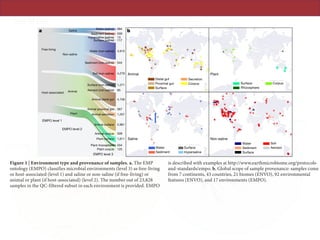
Figure 1 | Environment type and provenance of samples. a, The EMP
ontology (EMPO) classifies microbial environments (level 3) as free-living
or host-associated (level 1) and saline or non-saline (if free-living) or
animal or plant (if host-associated) (level 2). The number out of 23,828
samples in the QC-filtered subset in each environment is provided. EMPO
is described with examples at http://www.earthmicrobiome.org/protocols-
and-standards/empo. b, Global scope of sample provenance: samples come
from 7 continents, 43 countries, 21 biomes (ENVO), 92 environmental
features (ENVO), and 17 environments (EMPO).
ARTICLERESEARCH
Free-livingHost-associated EMPO level 2
Predicted average community 16S rRNA copy number
EMPO level 2 EMPO level 3 Animal surface
Animal corpus
Animal secretion
Animal proximal gut
Animal distal gut
Plant surface
Plant corpus
Plant rhizosphere
Soil (non-saline)
Sediment (non-saline)
Sediment (saline)
Surface (non-saline)
Surface (saline)
Aerosol (non-saline)
Water (non-saline)
Water (saline)
Hypersaline (saline)
Saline
Non-saline
Animal
Plant
d
a c
b
Observedtagsequences
Temperature (°C)pH
Observedtagsequences
PC2 (5.45%) PC3 (4.11%)
PC1(9.60%)
PC2 (5.45%) PC3 (4.11%)
PC1(9.60%)
EMPO level 3
Predicted average community 16S rRNA copy number
Sedim
ent(non-sal.)
Anim
alcorpus
Soil(non-saline)
W
ater(non-saline)
Surface
(saline)
H
ypersaline
(saline)
W
ater(saline)
Plantrhizosphere
Anim
aldistalgut
Anim
alsurface
Anim
alproxim
algut
Plantsurface
Plantcorpus
Anim
alsecretion
Aerosol(non-saline)
Sedim
ent(saline)
Surface
(non-saline)
0
3,000
2,500
2,000
1,500
1,000
500
0
3,000
2,500
2,000
1,500
1,000
5,00
6 122 4 8 10 400 20 60 80
Numberofsamples
0
600
500
400
300
200
100
150
450
400
350
300
250
200
0
50
100
0 81 2 3 4 5 6 7 0 81 2 3 4 5 6 7
Laplace
Gaussian
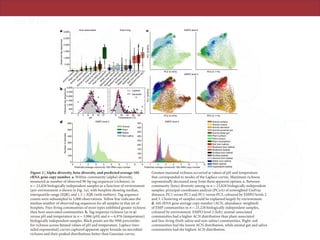
Figure 2 | Alpha-diversity, beta-diversity, and predicted average 16S
rRNA gene copy number. a, Within-community (alpha) diversity,
measured as number of observed 90-bp tag sequences (richness), in
n=23,828 biologically independent samples as a function of environment
(per-environment n shown in Fig. 1a), with boxplots showing median,
interquartile range (IQR), and 1.5×IQR (with outliers). Tag sequence
counts were subsampled to 5,000 observations. Yellow line indicates the
median number of observed tag sequences for all samples in that set of
boxplots. Free-living communities of most types exhibited greater richness
than host-associated communities. b, Tag sequence richness (as in a)
versus pH and temperature in n=3,986 (pH) and n=6,976 (temperature)
biologically independent samples. Black points are the 99th percentiles
for richness across binned values of pH and temperature. Laplace (two-
sided exponential) curves captured apparent upper bounds on microbial
richness and their peaked distributions better than Gaussian curves.
Greatest maximal richness occurred at values of pH and temperature
that corresponded to modes of the Laplace curves. Maximum richness
exponentially decreased away from these apparent optima. c, Between-
community (beta) diversity among in n=23,828 biologically independent
samples: principal coordinates analysis (PCoA) of unweighted UniFrac
distance, PC1 versus PC2 and PC1 versus PC3, coloured by EMPO levels 2
and 3. Clustering of samples could be explained largely by environment.
d, 16S rRNA gene average copy number (ACN, abundance-weighted)
of EMP communities in n=23,228 biologically independent samples,
coloured by environment. EMPO level 2 (left): animal-associated
communities had a higher ACN distribution than plant-associated
and free-living (both saline and non-saline) communities. Right: soil
communities had the lowest ACN distribution, while animal gut and saliva
communities had the highest ACN distribution.
ARTICLE RESEARCH
the tendency of larger habitat patches to support more rare taxa with
lower prevalence42
. Notably, finer taxonomic groupings showed less
nestedness (Fig. 3c), indicating that the processes that underlie nested
patterns of turnover are likely to reflect conserved aspects of micro-
phylogeny and visualized it as a function of maximum tip-to-tip branch
length (Fig. 4c). While entropy decreased gradually at finer phyloge-
netic resolution, it dropped sharply at the tips of the tree. We conclude
that environment specificity is best captured by individual 16S rRNA
b
a c
All samples (sorted by richness)
Phylum
C
lass
O
rder
Fam
ily
G
enusSequence
Observed
All
Animal
Plant
Saline
Non-saline
Null model
All
Animal
Plant
Saline
Non-saline
Nestedness(NODF)
0
0.2
0.4
0.6
0.8
1.0
Animal samples (sorted by richness) Plant samples (sorted by richness)
Saline samples (sorted by richness) Non-saline samples (sorted by richness)
Taxonomic level
2,0000 500 1,000 1,500
0 600300100 200 400 500
0 300100 200 400 5000 250 300100 20050 150 350
0 250 300100 20050 150 350
Phyla(sortedbyprevalence)Phyla(sortedbyprevalence)
0
50
60
20
40
10
30
70
80
0
50
60
20
40
10
30
70
80
0
50
60
20
40
10
30
70
80
0
50
60
20
40
10
30
0
50
60
20
40
10
30
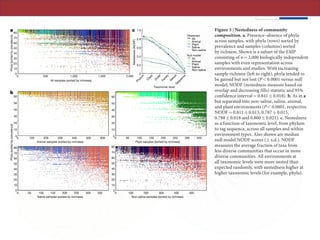
Figure 3 | Nestedness of community
composition. a, Presence–absence of phyla
across samples, with phyla (rows) sorted by
prevalence and samples (columns) sorted
by richness. Shown is a subset of the EMP
consisting of n=2,000 biologically independent
samples with even representation across
environments and studies. With increasing
sample richness (left to right), phyla tended to
be gained but not lost (P<0.0001 versus null
model; NODF (nestedness measure based on
overlap and decreasing fills) statistic and 95%
confidence interval=0.841±0.018). b, As in a
but separated into non-saline, saline, animal,
and plant environments (P<0.0001, respective
NODF=0.811±0.013, 0.787±0.015,
0.788±0.018 and 0.860±0.021). c, Nestedness
as a function of taxonomic level, from phylum
to tag sequence, across all samples and within
environment types. Also shown are median
null model NODF scores (± s.d.). NODF
measures the average fraction of taxa from
less diverse communities that occur in more
diverse communities. All environments at
all taxonomic levels were more nested than
expected randomly, with nestedness higher at
higher taxonomic levels (for example, phyla).
ARTICLERESEARCH
Phylum(n=132)
Class(n=346)
Order(n=540)
Family(n=588)
Genus(n=506)
Species(n=50)
Tagsequences(n=18,407)
0
1
2
3
4
Taxonomy level
Entropy
Phylum
Class
Order
Family
Genus
Species
97%
Tagsequences
0
1
2
3
4
–0.5 0 0.5 1.0 1.5 2.0
Entropy
Relativeoccurrencefrequency
Distribution of tag sequences
Distribution of generaa
c
b
EntropyEntropy
Taxonomy level
Maximum tip-to-tip branch length
2.5
Permuted
Real
Plant surface
Plant corpus
Plant rhizosphere
Water (non-saline)
Water (saline)
Hypersaline (saline)
Animal surface
Animal corpus
Animal secretion
Soil (non-saline)
Sediment (non-saline)
Sediment (saline)
Surface (non-saline)
Surface (saline)
Aerosol (non-saline)
Animal proximal
Animal distal gut
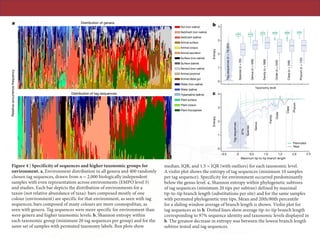
Figure 4 | Specificity of sequences and higher taxonomic groups for
environment. a, Environment distribution in all genera and 400 randomly
chosen tag sequences, drawn from n=2,000 biologically independent
samples with even representation across environments (EMPO level 3)
and studies. Each bar depicts the distribution of environments for a
taxon (not relative abundance of taxa): bars composed mostly of one
colour (environment) are specific for that environment, as seen with tag
sequences; bars composed of many colours are more cosmopolitan, as
seen with genera. Tag sequences were more specific for environment than
were genera and higher taxonomic levels. b, Shannon entropy within
each taxonomic group (minimum 20 tag sequences per group) and for the
same set of samples with permuted taxonomy labels. Box plots show
median, IQR, and 1.5 ×IQR (with outliers) for each taxonomic level.
A violin plot shows the entropy of tag sequences (minimum 10 samples
per tag sequence). Specificity for environment occurred predominantly
below the genus level. c, Shannon entropy within phylogenetic subtrees
of tag sequences (minimum 20 tips per subtree) defined by maximal
tip-to-tip branch length (substitutions per site) and for the same samples
with permuted phylogenetic tree tips. Mean and 20th/80th percentile
for a sliding window average of branch length is shown. Violin plot for
tag sequences as in b. Dotted lines show average tip-to-tip branch length
corresponding to 97% sequence identity and taxonomic levels displayed in
b. The greatest decrease in entropy was between the lowest branch length
subtree tested and tag sequences.
ARTICLERESEARCH
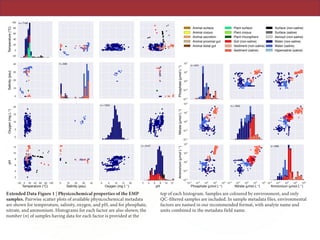
Extended Data Figure 1 | Physicochemical properties of the EMP
samples. Pairwise scatter plots of available physicochemical metadata
are shown for temperature, salinity, oxygen, and pH, and for phosphate,
nitrate, and ammonium. Histograms for each factor are also shown; the
number (n) of samples having data for each factor is provided at the
top of each histogram. Samples are coloured by environment, and only
QC-filtered samples are included. In sample metadata files, environmental
factors are named in our recommended format, with analyte name and
units combined in the metadata field name.
ARTICLE RESEARCH
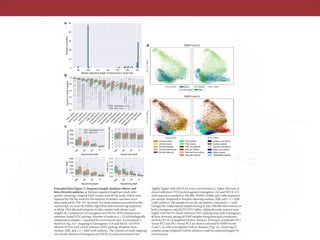
Extended Data Figure 2 | Sequence length, database effects, and
beta-diversity patterns. a, Median sequence length per study after
quality trimming. Original EMP studies used 90-bp reads, which were
replaced by 100-bp reads for the majority of studies, and have since
been replaced by 150–151-bp reads. For most analyses presented in this
manuscript, we used the Deblur algorithm and trimmed tag sequences
to 90 bp. This allowed inclusion of older studies with shorter read
lengths. b, Comparison of Greengenes and SILVA rRNA databases for
reference-based OTU picking. Fraction of reads in n=23,828 biologically
independent samples—separated by environment (per-environment n
shown in Fig. 1a)—mapping to Greengenes 13.8 and SILVA 123 (97%
identity OTUs) with closed-reference OTU picking. Boxplots show
median, IQR, and 1.5×IQR (with outliers). The fraction of reads mapping
was similar between Greengenes and SILVA in each environment but
slightly higher with SILVA for every environment. c, Alpha-diversity in
closed-reference OTUs picked against Greengenes 13.8 and SILVA 123,
with sequences rarefied to 100,000, 30,000, 10,000, and 1,000 sequences
per sample, displayed as boxplots showing median, IQR, and 1.5×IQR
(with outliers). The sample set for all calculations contained n=4,667
biologically independent samples having at least 100,000 observations in
both Greengenes and SILVA OTU tables. Alpha-diversity metrics were
higher with SILVA closed-reference OTU picking than with Greengenes.
d, Beta-diversity among all EMP samples using principal coordinates
analysis (PCA) of weighted UniFrac distance. Principal coordinates PC1
versus PC2 and PC1 versus PC3 are shown coloured by EMPO levels
2 and 3. As with unweighted UniFrac distance (Fig. 2c), clustering of
samples using weighted UniFrac distance could be explained largely by
environment.
ARTICLERESEARCH
Observed tag sequences (90 bp) Observed tag sequences (100 bp) Observed tag sequences (150 bp)
100
101
102
103
104
100
101
102
103
104
100
101
102
103
104
0
500
1000
1500
2000
2500
0
500
1000
1500
2000
2500
0
500
1000
1500
2000
2500
Numberofsamples
a
b
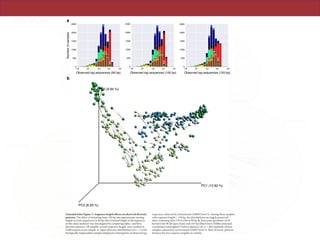
Extended Data Figure 3 | Sequence length effects on observed diversity
patterns. The effect of trimming from 150 bp (the approximate starting
length of some sequences) to 90 bp (the trimmed length of all sequences
in this meta-analysis) was investigated by comparing alpha- and beta-
diversity patterns. All samples, at each sequence length, were rarefied to
5,000 sequences per sample. a, Alpha-diversity distributions of n=12,538
biologically independent samples displayed as histograms of observed tag
sequences coloured by environment (EMPO level 3). Among these samples
with sequence length≥150 bp, the distributions are largely preserved
when trimming from 150 to 100 to 90 bp. b, Procrustes goodness-of-fit
between the 90-bp (grey lines) and 150-bp (black lines) Deblur principal
coordinates (unweighted UniFrac distance) for n=200 randomly chosen
samples coloured by environment (EMPO level 2). Beta-diversity patterns
between the two sequence lengths are similar.
ARTICLE RESEARCH
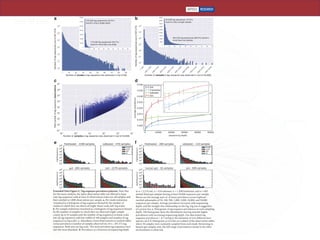
Extended Data Figure 4 | Tag sequence prevalence patterns. Note that
for this meta-analysis, the input observation table was filtered to keep
only tag sequences with at least 25 observations total over all samples and
then rarefied to 5,000 observations per sample. a, Per-study endemism
visualized as a histogram of tag sequences binned by the number of
studies in which they are observed (right: linear scale; left: log scale).
b, Per-sample endemism visualized as a histogram of tag sequences binned
by the number of samples in which they are observed (right: sample
counts up to 92 samples and the number of tag sequences in linear scale;
left: all tag sequences with bin widths of 100 samples and number of tag
sequences in log scale). c, Abundance (total observations in rarefied table)
versus prevalence (number of samples observed in) of n=307,572 tag
sequences. Both axes are log scale. The most prevalent tag sequences were
also the most abundant. d, Prevalence as a function of sequencing depth
in n=2,279 soil, n=478 saltwater, n=1,508 freshwater, and n=695
animal distal gut samples having at least 50,000 sequences per sample.
Shown are the average and s.d. of mean prevalence across triplicate
rarefied subsamples of 50, 100, 500, 1,000, 5,000, 10,000, and 50,000
sequences per sample. Average prevalence increases with sequencing
depth, and the straight-line relationship on the log–log axis is suggestive
of a power law. e, Histograms of tag sequence prevalences at each sampling
depth. The histograms show the distribution moving towards higher
prevalences with increasing sequencing depth. Gut data lacked tag
sequence prevalences>0.7 owing to the inclusion of very different host
species; see f. f, Histograms as in e but on a subset of the observation tables
where 30 samples were randomly sampled from each study. Restricting to
human gut samples only, the full range of prevalences found in the other
environments is observed.
ARTICLERESEARCH
Extended Data Figure 5 | See next page for caption.
ARTICLE RESEARCH
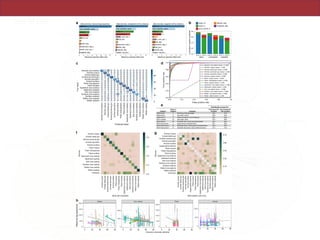
Extended Data Figure 5 | Environmental effect sizes, sample
classification, and correlation patterns. a, Effect sizes of predictors
on alpha- and beta-diversity. Maximum pairwise effect size (difference
between means divided by standard deviation) between categories of
each predictor plotted for observed tag sequences (alpha-diversity) and
unweighted and weighted UniFrac distance (beta-diversity). Response
variables (alpha- and beta-diversity) were derived from the QC-filtered
subset of the 90-bp Deblur table containing n=23,828 biologically
independent samples. Numeric predictor variables were converted to
quartiles (categorical predictors). Categories within each predictor
had a minimum of 75 samples per category. b, Cumulative variation
explained by the optimal model of stepwise redundancy analysis (RDA)
of predictors: study ID, EMPO level 3, ENVO biome level 3, latitude, and
longitude (predictors with values for less than half of samples, including
host scientific name, were excluded). Environment (EMPO level 3) and
biome (ENVO biome level 3) explained as much variation as study ID
when study ID was excluded from the RDA. c, Confusion matrix for
random forest classifier of samples to environment (EMPO level 3).
The classifier was trained on the 2,000-sample subset, which was then
tested on the remaining samples (QC-filtered samples minus 2,000-sample
subset). Squares are coloured relative to 100 classification attempts for
each true label. Overall success rate was 84%, with the most commonly
misclassified sample environments being Surface (non-saline), Animal
secretion, Soil (non-saline), and Aerosol (non-saline). d, Receiver
operating characteristic (ROC) curve for classification of samples to
environment (EMPO level 3). The AUC (area under curve) indicates the
probability that the classifier will rank a randomly chosen sample of the
given class higher than a randomly chosen sample of other classes.
e, Classification success, using a random forest classifier, to EMPO
levels 1–3, ENVO material, ENVO feature, and ENVO biome levels 1–3.
f, Microbial source tracking: mean predicted proportion of tag sequences
from each source environment (EMPO level 3) that occurs in each sink
environment. The model was trained on a subset of samples (∼20% of
each environment), and tested to predict tag sequence source composition
in all remaining samples. Aerosol (non-saline), Surface (saline), and
Hypersaline samples were not included in this analysis because there were
insufficient sample numbers. g, Microbial source tracking: which other
environments a sample type most resembles. The model was trained on
all source environments except one using a leave-one-out cross-validated
model, and then used to classify each sample included in that group.
Hence, the predicted classification proportion of environment X to
environment X is zero. h, Correlation of microbial richness with latitude.
Richness of 16S rRNA tag sequences per sample across EMPO level 2
environmental categories as a function of absolute latitude. Samples from
studies that span at least 10° latitude are highlighted in colour, with linear
fits displayed per-study as matching coloured lines. Samples from studies
with narrower latitudinal origins are shown in grey. The global fit for all
samples per category is indicated by a dashed black line.
ARTICLERESEARCH
b
a
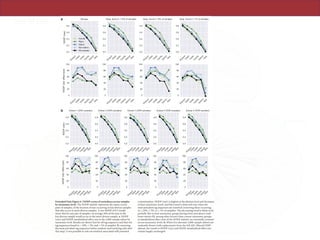
Extended Data Figure 6 | NODF scores of nestedness across samples
by taxonomic level. The NODF statistic represents the mean, across
pairs of samples, of the fraction of taxa occurring in less diverse samples
that also occur in more diverse samples. A raw NODF of 0.5 would
mean that for any pair of samples, on average 50% of the taxa in the
less diverse sample would occur in the more diverse sample. a, NODF
(raw) and NODF standardized effect size in the 2,000-sample subset by
taxonomic level. Results are shown first for all tag sequences and then for
tag sequences found in <10%,<5%, and <1% of samples. By removing
the most prevalent tag sequences before analysis (and rarefying only after
this step), it was possible to rule out artefacts associated with potential
contamination. NODF (raw) is highest at the phylum level and decreases
at finer taxonomic levels, and this trend is observed even when the
most prevalent tag sequences are removed (removing those occurring
in≥10%,≥5%, or≥1% of samples). The decreasing trend is likely to be
partially due to finer taxonomic groups having lower prevalence (and
lower matrix fill, among other factors) than coarser taxonomic groups,
as standardized effect sizes of the NODF statistic are essentially constant
across taxonomic levels. b, When five alternate 2,000-sample subsets are
randomly drawn (with replacement) from the full (QC-filtered) EMP
dataset, the trends in NODF (raw) and NODF standardized effect size
remain largely unchanged.
ARTICLE RESEARCH
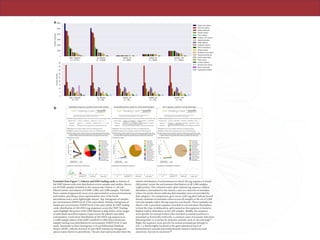
Extended Data Figure 7 | Subsets and EMP trading cards. a, Subsets of
the EMP dataset with even distribution across samples and studies. Shown
are all EMP samples included in this manuscript (release 1), the QC-
filtered subset, and subsets of 10,000, 5,000, and 2,000 samples. The latter
three contain progressively more even representation across environments
and studies, providing a more representative view of the Earth
microbiome and a more lightweight dataset. Top, histograms of samples
per environment (EMPO level 3) for each subset. Bottom, histograms of
studies per environment (EMPO level 3) for each subset. b, EMP trading
cards: distribution of 16S rRNA tag sequences across the EMP. Trading
cards highlight the power of the EMP dataset to help define niche ranges
of individual microbial sequence types across the planet’s microbial
communities. Cards show distribution of 16S rRNA tag sequences in
a 2,000-sample subset of the EMP (rarefied to 5,000 observations per
sample) having even distribution by environment (EMPO level 3) and
study. Taxonomy is from Greengenes 13.8 and Ribosomal Database
Project (RDP), with the fraction of exact RDP matches by lineage and
species name shown in parentheses. The pie chart and point plot show the
relative distribution of environments in which the tag sequence is found
(left points) versus the environment distribution of all 2,000 samples
(right points). The coloured scatter plots indicate tag sequence relative
abundance (normalized to the shared y axis) as a function of metadata
values (no points shown indicates that metadata were not provided for
that category). For comparison, grey curves with rug plots indicate kernel
density estimates of metadata values across all samples in the set of 2,000
(not just samples where the tag sequence was found). Three examples are
shown. Left, a prevalent sequence enriched in soil and plant rhizosphere
is from the class Acidobacteria, aptly named as this sequence is found at
highest relative abundance in low-pH samples. Middle, the sequence
most specific for animal surface (also enriched in animal secretion) is
annotated as Pasteurella multocida, a common cause of zoonotic infections
following bites or scratches by domestic animals, such as cats and dogs83
.
Right, the sequence most specific for animal proximal gut belongs to
S24-7, a family highly localized to the gastrointestinal tracts of
homeothermic animals and predominantly found in herbivores and
omnivores, but not in carnivores84
.

EVE 161 Winter 2018 Class 10

  • 1.
    EVE 161:
 Microbial Phylogenomics Class#10: Earth Microbiome Project UC Davis, Winter 2018 Instructor: Cassie Ettinger Sick Teaching Assistant: Jonathan Eisen !1
  • 2.
    ARTICLE doi:10.1038/nature24621 A communalcatalogue reveals Earth’s multiscale microbial diversity Luke R. Thompson1,2,3 , Jon G. Sanders1 , Daniel McDonald1 , Amnon Amir1 , Joshua Ladau4 , Kenneth J. Locey5 , Robert J. Prill6 , Anupriya Tripathi1,7,8 , Sean M. Gibbons9,10 , Gail Ackermann1 , Jose A. Navas-Molina1,11 , Stefan Janssen1 , Evguenia Kopylova1 , Yoshiki Vázquez-Baeza1,11 , Antonio González1 , James T. Morton1,11 , Siavash Mirarab12 , Zhenjiang Zech Xu1 , Lingjing Jiang1,13 , Mohamed F. Haroon14 , Jad Kanbar1 , Qiyun Zhu1 , Se Jin Song1 , Tomasz Kosciolek1 , Nicholas A. Bokulich15 , Joshua Lefler1 , Colin J. Brislawn16 , Gregory Humphrey1 , Sarah M. Owens17 , Jarrad Hampton-Marcell17,18 , Donna Berg-Lyons19 , Valerie McKenzie20 , Noah Fierer20,21 , Jed A. Fuhrman22 , Aaron Clauset19,23 , Rick L. Stevens24,25 , Ashley Shade26,27,28 , Katherine S. Pollard4 , Kelly D. Goodwin3 , Janet K. Jansson16 , Jack A. Gilbert17,29 , Rob Knight1,11,30 & The Earth Microbiome Project Consortium* Our growing awareness of the microbial world’s importance and diversity contrasts starkly with our limited understanding of its fundamental structure. Despite recent advances in DNA sequencing, a lack of standardized protocols and common analytical frameworks impedes comparisons among studies, hindering the development of global inferences about microbial life on Earth. Here we present a meta-analysis of microbial community samples collected by hundreds of researchers for the Earth Microbiome Project. Coordinated protocols and new analytical methods, particularly the use of exact sequences instead of clustered operational taxonomic units, enable bacterial and archaeal ribosomal RNA gene sequences to be followed across multiple studies and allow us to explore patterns of diversity at an unprecedented scale. The result is both a reference database giving global context to DNA sequence data and a framework for incorporating data from future studies, fostering increasingly complete characterization of Earth’s microbial diversity. OPEN
  • 3.
    Our growing awarenessof the microbial world’s importance and diversity contrasts starkly with our limited understanding of its fundamental structure. Despite recent advances in DNA sequencing, a lack of standardized protocols and common analytical frameworks impedes comparisons among studies, hindering the development of global inferences about microbial life on Earth. Here we present a meta-analysis of microbial community samples collected by hundreds of researchers for the Earth Microbiome Project. Coordinated protocols and new analytical methods, particularly the use of exact sequences instead of clustered operational taxonomic units, enable bacterial and archaeal ribosomal RNA gene sequences to be followed across multiple studies and allow us to explore patterns of diversity at an unprecedented scale. The result is both a reference database giving global context to DNA sequence data and a framework for incorporating data from future studies, fostering increasingly complete characterization of Earth’s microbial diversity.
  • 4.
    ARTICLERESEARCH tool, we presenta meta-analysis of the EMP archive, tracking individual sequences across diverse samples and studies with standardized envi- ronmental descriptors, investigating large-scale ecological patterns, and exploring key hypotheses in ecological theory to serve as seeds for future research. and sample types are added to the EMP and as additional patterns of beta-diversity are revealed. We surveyed bacterial and archaeal diversity using amplicon sequencing of the 16S rRNA gene, a common taxonomic marker for bacteria and archaea12 that remains a valuable tool for microbial ecology EMPO level 2 EMPO level 1 a Distal gut Proximal gut Surface Secretion Corpus Surface Rhizosphere Water Sediment Corpus Surface Hypersaline Water Sediment Surface Soil Aerosol Non-saline 684 559 13 117 4,915 544 4,279 1,271 85 4,158 367 1,257 2,961 328 1,611 554 125 EMPO level 3 b Saline Animal Plant Saline Sediment (saline) Hypersaline (saline) Water (non-saline) Sediment (non-saline) Soil (non-saline) Surface (non-saline) Aerosol (non-saline) Animal distal gut Animal proximal gut Animal secretion Animal surface Animal corpus Plant surface Plant rhizosphere Plant corpus Surface (saline) Plant Animal Non-saline Host-associated Free-living Water (saline) Figure 1 | Environment type and provenance of samples. a, The EMP ontology (EMPO) classifies microbial environments (level 3) as free-living or host-associated (level 1) and saline or non-saline (if free-living) or animal or plant (if host-associated) (level 2). The number out of 23,828 samples in the QC-filtered subset in each environment is provided. EMPO is described with examples at http://www.earthmicrobiome.org/protocols- and-standards/empo. b, Global scope of sample provenance: samples come from 7 continents, 43 countries, 21 biomes (ENVO), 92 environmental features (ENVO), and 17 environments (EMPO).
  • 5.
    ARTICLERESEARCH Free-livingHost-associated EMPO level2 Predicted average community 16S rRNA copy number EMPO level 2 EMPO level 3 Animal surface Animal corpus Animal secretion Animal proximal gut Animal distal gut Plant surface Plant corpus Plant rhizosphere Soil (non-saline) Sediment (non-saline) Sediment (saline) Surface (non-saline) Surface (saline) Aerosol (non-saline) Water (non-saline) Water (saline) Hypersaline (saline) Saline Non-saline Animal Plant d a c b Observedtagsequences Temperature (°C)pH Observedtagsequences PC2 (5.45%) PC3 (4.11%) PC1(9.60%) PC2 (5.45%) PC3 (4.11%) PC1(9.60%) EMPO level 3 Predicted average community 16S rRNA copy number Sedim ent(non-sal.) Anim alcorpus Soil(non-saline) W ater(non-saline) Surface (saline) H ypersaline (saline) W ater(saline) Plantrhizosphere Anim aldistalgut Anim alsurface Anim alproxim algut Plantsurface Plantcorpus Anim alsecretion Aerosol(non-saline) Sedim ent(saline) Surface (non-saline) 0 3,000 2,500 2,000 1,500 1,000 500 0 3,000 2,500 2,000 1,500 1,000 5,00 6 122 4 8 10 400 20 60 80 Numberofsamples 0 600 500 400 300 200 100 150 450 400 350 300 250 200 0 50 100 0 81 2 3 4 5 6 7 0 81 2 3 4 5 6 7 Laplace Gaussian Figure 2 | Alpha-diversity, beta-diversity, and predicted average 16S rRNA gene copy number. a, Within-community (alpha) diversity, measured as number of observed 90-bp tag sequences (richness), in n=23,828 biologically independent samples as a function of environment (per-environment n shown in Fig. 1a), with boxplots showing median, interquartile range (IQR), and 1.5×IQR (with outliers). Tag sequence counts were subsampled to 5,000 observations. Yellow line indicates the median number of observed tag sequences for all samples in that set of boxplots. Free-living communities of most types exhibited greater richness than host-associated communities. b, Tag sequence richness (as in a) versus pH and temperature in n=3,986 (pH) and n=6,976 (temperature) biologically independent samples. Black points are the 99th percentiles for richness across binned values of pH and temperature. Laplace (two- sided exponential) curves captured apparent upper bounds on microbial richness and their peaked distributions better than Gaussian curves. Greatest maximal richness occurred at values of pH and temperature that corresponded to modes of the Laplace curves. Maximum richness exponentially decreased away from these apparent optima. c, Between- community (beta) diversity among in n=23,828 biologically independent samples: principal coordinates analysis (PCoA) of unweighted UniFrac distance, PC1 versus PC2 and PC1 versus PC3, coloured by EMPO levels 2 and 3. Clustering of samples could be explained largely by environment. d, 16S rRNA gene average copy number (ACN, abundance-weighted) of EMP communities in n=23,228 biologically independent samples, coloured by environment. EMPO level 2 (left): animal-associated communities had a higher ACN distribution than plant-associated and free-living (both saline and non-saline) communities. Right: soil communities had the lowest ACN distribution, while animal gut and saliva communities had the highest ACN distribution.
  • 6.
    ARTICLE RESEARCH the tendencyof larger habitat patches to support more rare taxa with lower prevalence42 . Notably, finer taxonomic groupings showed less nestedness (Fig. 3c), indicating that the processes that underlie nested patterns of turnover are likely to reflect conserved aspects of micro- phylogeny and visualized it as a function of maximum tip-to-tip branch length (Fig. 4c). While entropy decreased gradually at finer phyloge- netic resolution, it dropped sharply at the tips of the tree. We conclude that environment specificity is best captured by individual 16S rRNA b a c All samples (sorted by richness) Phylum C lass O rder Fam ily G enusSequence Observed All Animal Plant Saline Non-saline Null model All Animal Plant Saline Non-saline Nestedness(NODF) 0 0.2 0.4 0.6 0.8 1.0 Animal samples (sorted by richness) Plant samples (sorted by richness) Saline samples (sorted by richness) Non-saline samples (sorted by richness) Taxonomic level 2,0000 500 1,000 1,500 0 600300100 200 400 500 0 300100 200 400 5000 250 300100 20050 150 350 0 250 300100 20050 150 350 Phyla(sortedbyprevalence)Phyla(sortedbyprevalence) 0 50 60 20 40 10 30 70 80 0 50 60 20 40 10 30 70 80 0 50 60 20 40 10 30 70 80 0 50 60 20 40 10 30 0 50 60 20 40 10 30 Figure 3 | Nestedness of community composition. a, Presence–absence of phyla across samples, with phyla (rows) sorted by prevalence and samples (columns) sorted by richness. Shown is a subset of the EMP consisting of n=2,000 biologically independent samples with even representation across environments and studies. With increasing sample richness (left to right), phyla tended to be gained but not lost (P<0.0001 versus null model; NODF (nestedness measure based on overlap and decreasing fills) statistic and 95% confidence interval=0.841±0.018). b, As in a but separated into non-saline, saline, animal, and plant environments (P<0.0001, respective NODF=0.811±0.013, 0.787±0.015, 0.788±0.018 and 0.860±0.021). c, Nestedness as a function of taxonomic level, from phylum to tag sequence, across all samples and within environment types. Also shown are median null model NODF scores (± s.d.). NODF measures the average fraction of taxa from less diverse communities that occur in more diverse communities. All environments at all taxonomic levels were more nested than expected randomly, with nestedness higher at higher taxonomic levels (for example, phyla).
  • 7.
    ARTICLERESEARCH Phylum(n=132) Class(n=346) Order(n=540) Family(n=588) Genus(n=506) Species(n=50) Tagsequences(n=18,407) 0 1 2 3 4 Taxonomy level Entropy Phylum Class Order Family Genus Species 97% Tagsequences 0 1 2 3 4 –0.5 00.5 1.0 1.5 2.0 Entropy Relativeoccurrencefrequency Distribution of tag sequences Distribution of generaa c b EntropyEntropy Taxonomy level Maximum tip-to-tip branch length 2.5 Permuted Real Plant surface Plant corpus Plant rhizosphere Water (non-saline) Water (saline) Hypersaline (saline) Animal surface Animal corpus Animal secretion Soil (non-saline) Sediment (non-saline) Sediment (saline) Surface (non-saline) Surface (saline) Aerosol (non-saline) Animal proximal Animal distal gut Figure 4 | Specificity of sequences and higher taxonomic groups for environment. a, Environment distribution in all genera and 400 randomly chosen tag sequences, drawn from n=2,000 biologically independent samples with even representation across environments (EMPO level 3) and studies. Each bar depicts the distribution of environments for a taxon (not relative abundance of taxa): bars composed mostly of one colour (environment) are specific for that environment, as seen with tag sequences; bars composed of many colours are more cosmopolitan, as seen with genera. Tag sequences were more specific for environment than were genera and higher taxonomic levels. b, Shannon entropy within each taxonomic group (minimum 20 tag sequences per group) and for the same set of samples with permuted taxonomy labels. Box plots show median, IQR, and 1.5 ×IQR (with outliers) for each taxonomic level. A violin plot shows the entropy of tag sequences (minimum 10 samples per tag sequence). Specificity for environment occurred predominantly below the genus level. c, Shannon entropy within phylogenetic subtrees of tag sequences (minimum 20 tips per subtree) defined by maximal tip-to-tip branch length (substitutions per site) and for the same samples with permuted phylogenetic tree tips. Mean and 20th/80th percentile for a sliding window average of branch length is shown. Violin plot for tag sequences as in b. Dotted lines show average tip-to-tip branch length corresponding to 97% sequence identity and taxonomic levels displayed in b. The greatest decrease in entropy was between the lowest branch length subtree tested and tag sequences.
  • 8.
    ARTICLERESEARCH Extended Data Figure1 | Physicochemical properties of the EMP samples. Pairwise scatter plots of available physicochemical metadata are shown for temperature, salinity, oxygen, and pH, and for phosphate, nitrate, and ammonium. Histograms for each factor are also shown; the number (n) of samples having data for each factor is provided at the top of each histogram. Samples are coloured by environment, and only QC-filtered samples are included. In sample metadata files, environmental factors are named in our recommended format, with analyte name and units combined in the metadata field name.
  • 9.
    ARTICLE RESEARCH Extended DataFigure 2 | Sequence length, database effects, and beta-diversity patterns. a, Median sequence length per study after quality trimming. Original EMP studies used 90-bp reads, which were replaced by 100-bp reads for the majority of studies, and have since been replaced by 150–151-bp reads. For most analyses presented in this manuscript, we used the Deblur algorithm and trimmed tag sequences to 90 bp. This allowed inclusion of older studies with shorter read lengths. b, Comparison of Greengenes and SILVA rRNA databases for reference-based OTU picking. Fraction of reads in n=23,828 biologically independent samples—separated by environment (per-environment n shown in Fig. 1a)—mapping to Greengenes 13.8 and SILVA 123 (97% identity OTUs) with closed-reference OTU picking. Boxplots show median, IQR, and 1.5×IQR (with outliers). The fraction of reads mapping was similar between Greengenes and SILVA in each environment but slightly higher with SILVA for every environment. c, Alpha-diversity in closed-reference OTUs picked against Greengenes 13.8 and SILVA 123, with sequences rarefied to 100,000, 30,000, 10,000, and 1,000 sequences per sample, displayed as boxplots showing median, IQR, and 1.5×IQR (with outliers). The sample set for all calculations contained n=4,667 biologically independent samples having at least 100,000 observations in both Greengenes and SILVA OTU tables. Alpha-diversity metrics were higher with SILVA closed-reference OTU picking than with Greengenes. d, Beta-diversity among all EMP samples using principal coordinates analysis (PCA) of weighted UniFrac distance. Principal coordinates PC1 versus PC2 and PC1 versus PC3 are shown coloured by EMPO levels 2 and 3. As with unweighted UniFrac distance (Fig. 2c), clustering of samples using weighted UniFrac distance could be explained largely by environment.
  • 10.
    ARTICLERESEARCH Observed tag sequences(90 bp) Observed tag sequences (100 bp) Observed tag sequences (150 bp) 100 101 102 103 104 100 101 102 103 104 100 101 102 103 104 0 500 1000 1500 2000 2500 0 500 1000 1500 2000 2500 0 500 1000 1500 2000 2500 Numberofsamples a b Extended Data Figure 3 | Sequence length effects on observed diversity patterns. The effect of trimming from 150 bp (the approximate starting length of some sequences) to 90 bp (the trimmed length of all sequences in this meta-analysis) was investigated by comparing alpha- and beta- diversity patterns. All samples, at each sequence length, were rarefied to 5,000 sequences per sample. a, Alpha-diversity distributions of n=12,538 biologically independent samples displayed as histograms of observed tag sequences coloured by environment (EMPO level 3). Among these samples with sequence length≥150 bp, the distributions are largely preserved when trimming from 150 to 100 to 90 bp. b, Procrustes goodness-of-fit between the 90-bp (grey lines) and 150-bp (black lines) Deblur principal coordinates (unweighted UniFrac distance) for n=200 randomly chosen samples coloured by environment (EMPO level 2). Beta-diversity patterns between the two sequence lengths are similar.
  • 11.
    ARTICLE RESEARCH Extended DataFigure 4 | Tag sequence prevalence patterns. Note that for this meta-analysis, the input observation table was filtered to keep only tag sequences with at least 25 observations total over all samples and then rarefied to 5,000 observations per sample. a, Per-study endemism visualized as a histogram of tag sequences binned by the number of studies in which they are observed (right: linear scale; left: log scale). b, Per-sample endemism visualized as a histogram of tag sequences binned by the number of samples in which they are observed (right: sample counts up to 92 samples and the number of tag sequences in linear scale; left: all tag sequences with bin widths of 100 samples and number of tag sequences in log scale). c, Abundance (total observations in rarefied table) versus prevalence (number of samples observed in) of n=307,572 tag sequences. Both axes are log scale. The most prevalent tag sequences were also the most abundant. d, Prevalence as a function of sequencing depth in n=2,279 soil, n=478 saltwater, n=1,508 freshwater, and n=695 animal distal gut samples having at least 50,000 sequences per sample. Shown are the average and s.d. of mean prevalence across triplicate rarefied subsamples of 50, 100, 500, 1,000, 5,000, 10,000, and 50,000 sequences per sample. Average prevalence increases with sequencing depth, and the straight-line relationship on the log–log axis is suggestive of a power law. e, Histograms of tag sequence prevalences at each sampling depth. The histograms show the distribution moving towards higher prevalences with increasing sequencing depth. Gut data lacked tag sequence prevalences>0.7 owing to the inclusion of very different host species; see f. f, Histograms as in e but on a subset of the observation tables where 30 samples were randomly sampled from each study. Restricting to human gut samples only, the full range of prevalences found in the other environments is observed.
  • 12.
    ARTICLERESEARCH Extended Data Figure5 | See next page for caption.
  • 13.
    ARTICLE RESEARCH Extended DataFigure 5 | Environmental effect sizes, sample classification, and correlation patterns. a, Effect sizes of predictors on alpha- and beta-diversity. Maximum pairwise effect size (difference between means divided by standard deviation) between categories of each predictor plotted for observed tag sequences (alpha-diversity) and unweighted and weighted UniFrac distance (beta-diversity). Response variables (alpha- and beta-diversity) were derived from the QC-filtered subset of the 90-bp Deblur table containing n=23,828 biologically independent samples. Numeric predictor variables were converted to quartiles (categorical predictors). Categories within each predictor had a minimum of 75 samples per category. b, Cumulative variation explained by the optimal model of stepwise redundancy analysis (RDA) of predictors: study ID, EMPO level 3, ENVO biome level 3, latitude, and longitude (predictors with values for less than half of samples, including host scientific name, were excluded). Environment (EMPO level 3) and biome (ENVO biome level 3) explained as much variation as study ID when study ID was excluded from the RDA. c, Confusion matrix for random forest classifier of samples to environment (EMPO level 3). The classifier was trained on the 2,000-sample subset, which was then tested on the remaining samples (QC-filtered samples minus 2,000-sample subset). Squares are coloured relative to 100 classification attempts for each true label. Overall success rate was 84%, with the most commonly misclassified sample environments being Surface (non-saline), Animal secretion, Soil (non-saline), and Aerosol (non-saline). d, Receiver operating characteristic (ROC) curve for classification of samples to environment (EMPO level 3). The AUC (area under curve) indicates the probability that the classifier will rank a randomly chosen sample of the given class higher than a randomly chosen sample of other classes. e, Classification success, using a random forest classifier, to EMPO levels 1–3, ENVO material, ENVO feature, and ENVO biome levels 1–3. f, Microbial source tracking: mean predicted proportion of tag sequences from each source environment (EMPO level 3) that occurs in each sink environment. The model was trained on a subset of samples (∼20% of each environment), and tested to predict tag sequence source composition in all remaining samples. Aerosol (non-saline), Surface (saline), and Hypersaline samples were not included in this analysis because there were insufficient sample numbers. g, Microbial source tracking: which other environments a sample type most resembles. The model was trained on all source environments except one using a leave-one-out cross-validated model, and then used to classify each sample included in that group. Hence, the predicted classification proportion of environment X to environment X is zero. h, Correlation of microbial richness with latitude. Richness of 16S rRNA tag sequences per sample across EMPO level 2 environmental categories as a function of absolute latitude. Samples from studies that span at least 10° latitude are highlighted in colour, with linear fits displayed per-study as matching coloured lines. Samples from studies with narrower latitudinal origins are shown in grey. The global fit for all samples per category is indicated by a dashed black line.
  • 14.
    ARTICLERESEARCH b a Extended Data Figure6 | NODF scores of nestedness across samples by taxonomic level. The NODF statistic represents the mean, across pairs of samples, of the fraction of taxa occurring in less diverse samples that also occur in more diverse samples. A raw NODF of 0.5 would mean that for any pair of samples, on average 50% of the taxa in the less diverse sample would occur in the more diverse sample. a, NODF (raw) and NODF standardized effect size in the 2,000-sample subset by taxonomic level. Results are shown first for all tag sequences and then for tag sequences found in <10%,<5%, and <1% of samples. By removing the most prevalent tag sequences before analysis (and rarefying only after this step), it was possible to rule out artefacts associated with potential contamination. NODF (raw) is highest at the phylum level and decreases at finer taxonomic levels, and this trend is observed even when the most prevalent tag sequences are removed (removing those occurring in≥10%,≥5%, or≥1% of samples). The decreasing trend is likely to be partially due to finer taxonomic groups having lower prevalence (and lower matrix fill, among other factors) than coarser taxonomic groups, as standardized effect sizes of the NODF statistic are essentially constant across taxonomic levels. b, When five alternate 2,000-sample subsets are randomly drawn (with replacement) from the full (QC-filtered) EMP dataset, the trends in NODF (raw) and NODF standardized effect size remain largely unchanged.
  • 15.
    ARTICLE RESEARCH Extended DataFigure 7 | Subsets and EMP trading cards. a, Subsets of the EMP dataset with even distribution across samples and studies. Shown are all EMP samples included in this manuscript (release 1), the QC- filtered subset, and subsets of 10,000, 5,000, and 2,000 samples. The latter three contain progressively more even representation across environments and studies, providing a more representative view of the Earth microbiome and a more lightweight dataset. Top, histograms of samples per environment (EMPO level 3) for each subset. Bottom, histograms of studies per environment (EMPO level 3) for each subset. b, EMP trading cards: distribution of 16S rRNA tag sequences across the EMP. Trading cards highlight the power of the EMP dataset to help define niche ranges of individual microbial sequence types across the planet’s microbial communities. Cards show distribution of 16S rRNA tag sequences in a 2,000-sample subset of the EMP (rarefied to 5,000 observations per sample) having even distribution by environment (EMPO level 3) and study. Taxonomy is from Greengenes 13.8 and Ribosomal Database Project (RDP), with the fraction of exact RDP matches by lineage and species name shown in parentheses. The pie chart and point plot show the relative distribution of environments in which the tag sequence is found (left points) versus the environment distribution of all 2,000 samples (right points). The coloured scatter plots indicate tag sequence relative abundance (normalized to the shared y axis) as a function of metadata values (no points shown indicates that metadata were not provided for that category). For comparison, grey curves with rug plots indicate kernel density estimates of metadata values across all samples in the set of 2,000 (not just samples where the tag sequence was found). Three examples are shown. Left, a prevalent sequence enriched in soil and plant rhizosphere is from the class Acidobacteria, aptly named as this sequence is found at highest relative abundance in low-pH samples. Middle, the sequence most specific for animal surface (also enriched in animal secretion) is annotated as Pasteurella multocida, a common cause of zoonotic infections following bites or scratches by domestic animals, such as cats and dogs83 . Right, the sequence most specific for animal proximal gut belongs to S24-7, a family highly localized to the gastrointestinal tracts of homeothermic animals and predominantly found in herbivores and omnivores, but not in carnivores84 .