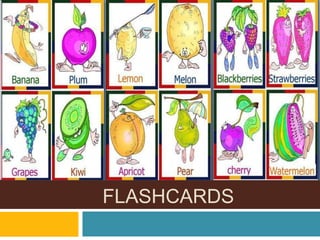
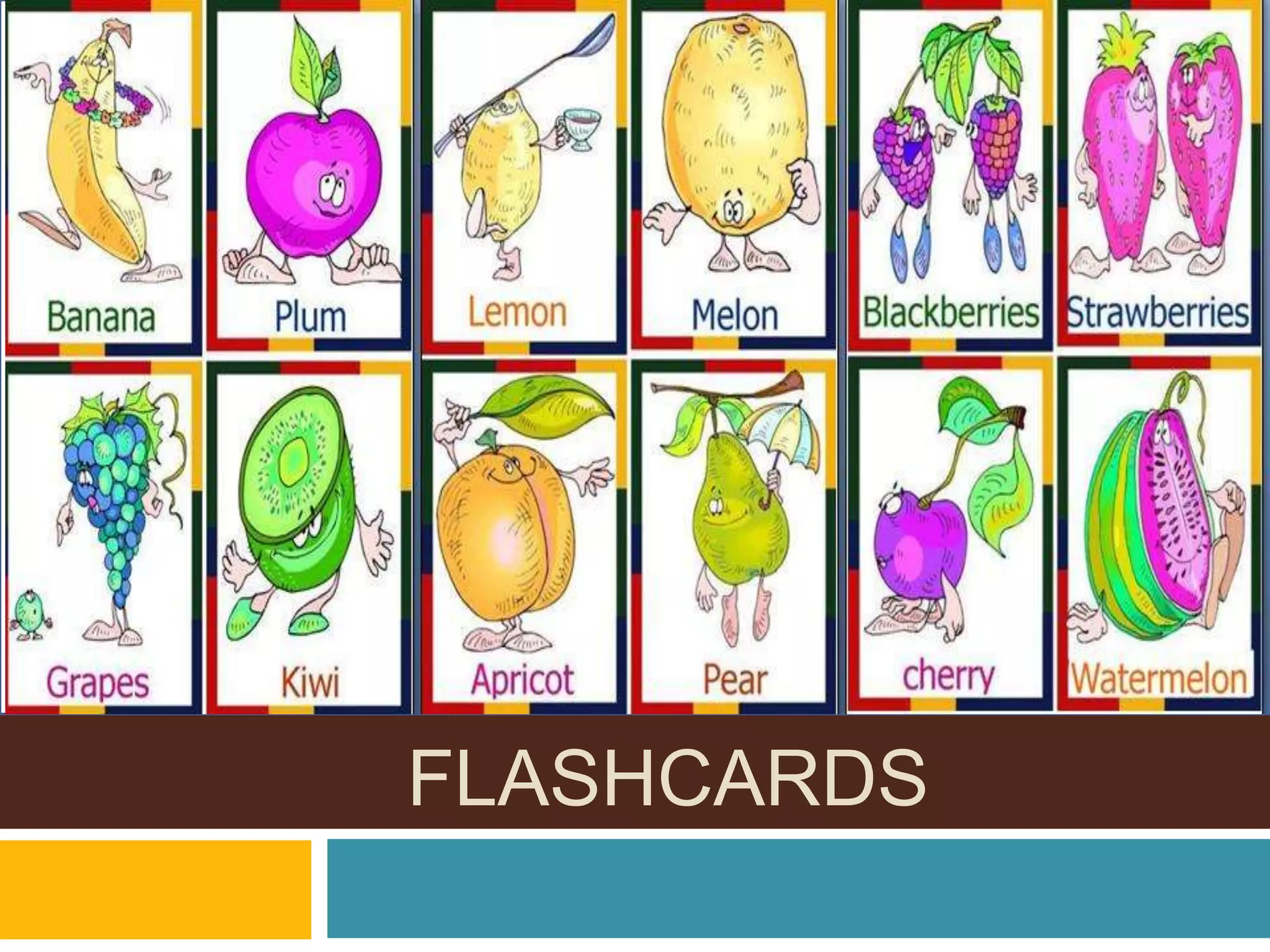
Flashcards
What are theflashcards? A
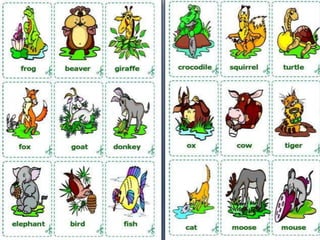
Theflashcardsneedstobe… You can devise your own set of flashcards, or use the sets provided by some publishers. If you make your own set, make sure: The drawings are clear and unambiguous The cards are drawn on cardboard paper, and can’t be torn They are sorted out (for instance in colour groups) to be easily found : you can group them in topics (toys, animals, food,…) or code them according to your teaching sequences, or any other classification you may find suitable and useful.  
Advantages of flashcards1 You can use them as an introduction/warm-up to reactivate students’ language. Example2 You can use the flashcards as cues for substitution in dialogues, e.g. a lexical set of pictures of drinks on the board. A
Examples• Get students in pairs to guess the words or phrases that the pictures represent. • Make a team game. Partially cover each picture (with black card with a shaped cut-out which gives a keyhole effect) and challenge teams to guess the word. Further points can be added or gained by making a sentence about the picture or asking a question about it.• You can use sets of pictures and ask what they have in common, e.g. all modes of transport; all objects you might find in a bedroom; all uncountable foodstuffs; all countries in the Southern Hemisphere; all spare time activities, etc.
Small cardsNearly all the activities possible with a whole class using a flashcard or set of flashcards can also be done as a card game with students working in pairs or small groups. Pictures, photos and postcards• ‘Describe what you can see.’• ‘Find someone who is ...’
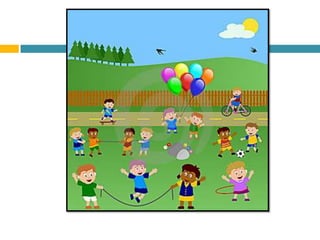
Other uses of flashcardsUsing information gap activitiesUsing two very similar pictures These could illustrate: rooms; people; machines; busy scenes (e.g. airport, classroom).This works very well with the whole class or pairs working back to back so that they cannot see each others’ picture, and have to ask questions to find differences or exchange details.TASKS -- *Spot the difference      *Find the missing things to complete a picture
ClassAs a review class you can make an activity using flashcards with the words taught in class. As a result of this activity the students will consolidate what they have learned.  ACTIVITYFindunderyour set of flashcardsGettogetherwith a partnerTry toformsentenceswithwordsPresenttothegroupyourwork

Flashcards(1)

  • 1.
  • 2.
  • 3.
    Theflashcardsneedstobe… You candevise your own set of flashcards, or use the sets provided by some publishers. If you make your own set, make sure: The drawings are clear and unambiguous The cards are drawn on cardboard paper, and can’t be torn They are sorted out (for instance in colour groups) to be easily found : you can group them in topics (toys, animals, food,…) or code them according to your teaching sequences, or any other classification you may find suitable and useful.  
  • 4.
    Advantages of flashcards1You can use them as an introduction/warm-up to reactivate students’ language. Example2 You can use the flashcards as cues for substitution in dialogues, e.g. a lexical set of pictures of drinks on the board. A
  • 5.
    Examples• Get studentsin pairs to guess the words or phrases that the pictures represent. • Make a team game. Partially cover each picture (with black card with a shaped cut-out which gives a keyhole effect) and challenge teams to guess the word. Further points can be added or gained by making a sentence about the picture or asking a question about it.• You can use sets of pictures and ask what they have in common, e.g. all modes of transport; all objects you might find in a bedroom; all uncountable foodstuffs; all countries in the Southern Hemisphere; all spare time activities, etc.
  • 6.
    Small cardsNearly allthe activities possible with a whole class using a flashcard or set of flashcards can also be done as a card game with students working in pairs or small groups. Pictures, photos and postcards• ‘Describe what you can see.’• ‘Find someone who is ...’
  • 9.
    Other uses offlashcardsUsing information gap activitiesUsing two very similar pictures These could illustrate: rooms; people; machines; busy scenes (e.g. airport, classroom).This works very well with the whole class or pairs working back to back so that they cannot see each others’ picture, and have to ask questions to find differences or exchange details.TASKS -- *Spot the difference *Find the missing things to complete a picture
  • 10.
    ClassAs a reviewclass you can make an activity using flashcards with the words taught in class. As a result of this activity the students will consolidate what they have learned. ACTIVITYFindunderyour set of flashcardsGettogetherwith a partnerTry toformsentenceswithwordsPresenttothegroupyourwork