• About one-third of the world catch of fish is not used for
direct human consumption but for the production of fishery
by-products.
• Fishery by-products are the products that are not regarded
as ordinary saleable products (fillets, round, eviscerated or
beheaded fish), but which can be recycled after treatment.
• Fish by products have often been regarded as fish offal or
waste, but this is not how it should be.
• The term by-products indicate something that can be
utilized.
• Today the most common understanding of by-products is
all raw materials, edible or inedible, left during the
production of the main products.
• When producing fish fillets- fillet cuts, backbone, head,
liver, gonads and guts are all by-products.
Fish By-products
Utilization of by-products
1. Fishery by-products as human food
2. Fishery by-products as animal feed
3. Industrial uses
4. Fertilizer from seafood by-products
5. Biochemical and pharmaceutical
products
Fish By-products
1. Fish meal
2. Fish silage
3. Fish oil
4. Fish glue
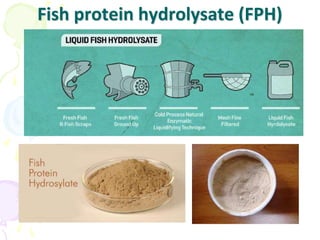
5. Fish protein hydrolyzate (FPH)
6. Fish insulin
7. Pearl essence
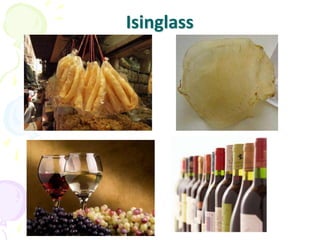
8. Isinglass
9. Fish skin leather
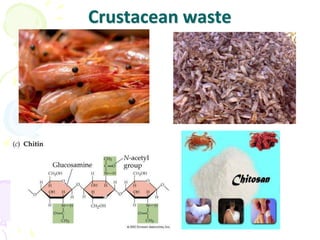
10. Crustacean waste
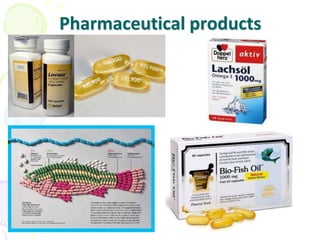
11. Pharmaceutical products
Fish meal
• Fish meal is the crude flour obtained after milling and
drying fish flesh. Due to its poor sensory quality and its lack
of functional properties, its use is almost limited to animal
feed.
• Fish meal is a highly concentrated, nutritious feed
supplement consisting principally of high quality proteins,
minerals and B complex vitamins. It also contains other
ingredients which contribute to animal growth and which
are usually referred to as ‘unknown growth factors’
(Stansby and Dassow, 1963)
• According to EU regulation 92/87 of 1992, fish meal is
define as ‘a product processed from fishes or part of them
of which oil has been partly extracted and the fish soluble
may be added to the product’.
Importance of fish meal
• Recently, fish meal is incorporated into compound feeds for
livestock such as poultry, pigs and fish due to the high
protein content. The world catch is currently about 100
million t/year, of which about one third is used for the
production of fish meal.
• More recently, fish meal has become too valuable for use
as a fertilizer as the high protein content makes it
particularly suitable for animal feed.
• Fish meal of high grade quality was used also for human
consumption in countries where there is lack of protein in
malnourished children diets.
• Fish meal is exceptionally well balanced as regards the
amino acid distribution of its protein and it is particularly
high in lysine. Thus, fish meal is a great source of protein
and essential amino acids.
• Fish meal is particularly high in the bone and
tooth building minerals, i.e. calcium and
phosphorus. It also contains most of the minerals
that are necessary for building up and
maintaining the animal body, namely, iron,
copper and some trace elements.
• Fish meal is low in fiber content. Thus, the
biological value of fish is very high. Protein
digestibility 80-90% and fish meal digestibility is
90-95%.
• Fish meal of high grade quality was used also for
human consumption in countries where there is
lack of protein in malnourished children diets.
Species used for fish meal
preparation
• Practically all fish species as well as most other marine
animal life may, in principle, be converted into fish meal. A
wide variety of fish species is used for the production of fish
meal in different countries. Generally low cost, under utilized
fish is used. Most commercially fish meals are produced from
a mixture of various fish species of herring family. Usually
the species used for fish meal preparation are named below:
Anchovy
Bream/Red fish
Cod
Conger
Carp
Chilean hake
Croaker
Haddock
Halibut
Herring
Horse mackerel
Pilchard
Pollack
Sardine
Dog fish shark
Species used for fish
meal preparation
• But for the production of fish meal, Anchovy is
most widely used throughout the world (about 10
m ton).
• Bombay duck, Jew fish, Mackerel are mostly used
for fish meal production in Bangladesh.
• Generally if fish meal is produced using 50% of a
single species then it is named after the species,
e.g. herring meal.
• Usually herring meal contains 65-70% crude
protein.
• Fish meal from mixed fish and offal contain
slightly less protein and of lower quality.
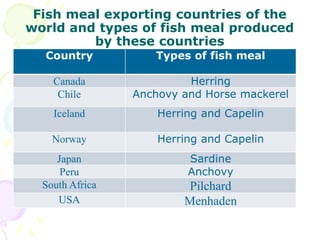
Fish meal exporting countries of the
world and types of fish meal produced
by these countries
Country Types of fish meal
Canada Herring
Chile Anchovy and Horse mackerel
Iceland Herring and Capelin
Norway Herring and Capelin
Japan Sardine
Peru Anchovy
South Africa Pilchard
USA Menhaden
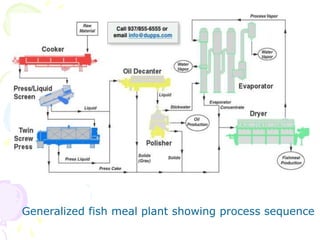
Generalized fish meal plant showing process sequence
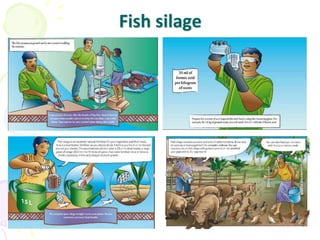
Fish silage
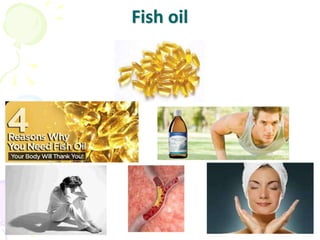
Fish oil
Fish glue
Fish protein hydrolysate (FPH)
Fish insulin
Pearl essence
Isinglass
Fish skin leather
Crustacean waste
Pharmaceutical products

Fish By-products

  • 1.
    • About one-thirdof the world catch of fish is not used for direct human consumption but for the production of fishery by-products. • Fishery by-products are the products that are not regarded as ordinary saleable products (fillets, round, eviscerated or beheaded fish), but which can be recycled after treatment. • Fish by products have often been regarded as fish offal or waste, but this is not how it should be. • The term by-products indicate something that can be utilized. • Today the most common understanding of by-products is all raw materials, edible or inedible, left during the production of the main products. • When producing fish fillets- fillet cuts, backbone, head, liver, gonads and guts are all by-products. Fish By-products
  • 2.
    Utilization of by-products 1.Fishery by-products as human food 2. Fishery by-products as animal feed 3. Industrial uses 4. Fertilizer from seafood by-products 5. Biochemical and pharmaceutical products
  • 3.
    Fish By-products 1. Fishmeal 2. Fish silage 3. Fish oil 4. Fish glue 5. Fish protein hydrolyzate (FPH) 6. Fish insulin 7. Pearl essence 8. Isinglass 9. Fish skin leather 10. Crustacean waste 11. Pharmaceutical products
  • 4.
    Fish meal • Fishmeal is the crude flour obtained after milling and drying fish flesh. Due to its poor sensory quality and its lack of functional properties, its use is almost limited to animal feed. • Fish meal is a highly concentrated, nutritious feed supplement consisting principally of high quality proteins, minerals and B complex vitamins. It also contains other ingredients which contribute to animal growth and which are usually referred to as ‘unknown growth factors’ (Stansby and Dassow, 1963) • According to EU regulation 92/87 of 1992, fish meal is define as ‘a product processed from fishes or part of them of which oil has been partly extracted and the fish soluble may be added to the product’.
  • 5.
    Importance of fishmeal • Recently, fish meal is incorporated into compound feeds for livestock such as poultry, pigs and fish due to the high protein content. The world catch is currently about 100 million t/year, of which about one third is used for the production of fish meal. • More recently, fish meal has become too valuable for use as a fertilizer as the high protein content makes it particularly suitable for animal feed. • Fish meal of high grade quality was used also for human consumption in countries where there is lack of protein in malnourished children diets. • Fish meal is exceptionally well balanced as regards the amino acid distribution of its protein and it is particularly high in lysine. Thus, fish meal is a great source of protein and essential amino acids.
  • 6.
    • Fish mealis particularly high in the bone and tooth building minerals, i.e. calcium and phosphorus. It also contains most of the minerals that are necessary for building up and maintaining the animal body, namely, iron, copper and some trace elements. • Fish meal is low in fiber content. Thus, the biological value of fish is very high. Protein digestibility 80-90% and fish meal digestibility is 90-95%. • Fish meal of high grade quality was used also for human consumption in countries where there is lack of protein in malnourished children diets.
  • 7.
    Species used forfish meal preparation • Practically all fish species as well as most other marine animal life may, in principle, be converted into fish meal. A wide variety of fish species is used for the production of fish meal in different countries. Generally low cost, under utilized fish is used. Most commercially fish meals are produced from a mixture of various fish species of herring family. Usually the species used for fish meal preparation are named below: Anchovy Bream/Red fish Cod Conger Carp Chilean hake Croaker Haddock Halibut Herring Horse mackerel Pilchard Pollack Sardine Dog fish shark
  • 8.
    Species used forfish meal preparation • But for the production of fish meal, Anchovy is most widely used throughout the world (about 10 m ton). • Bombay duck, Jew fish, Mackerel are mostly used for fish meal production in Bangladesh. • Generally if fish meal is produced using 50% of a single species then it is named after the species, e.g. herring meal. • Usually herring meal contains 65-70% crude protein. • Fish meal from mixed fish and offal contain slightly less protein and of lower quality.
  • 9.
    Fish meal exportingcountries of the world and types of fish meal produced by these countries Country Types of fish meal Canada Herring Chile Anchovy and Horse mackerel Iceland Herring and Capelin Norway Herring and Capelin Japan Sardine Peru Anchovy South Africa Pilchard USA Menhaden
  • 10.
    Generalized fish mealplant showing process sequence
  • 11.
  • 12.
  • 13.
  • 14.
  • 15.
  • 16.
  • 17.
  • 18.
  • 19.
  • 20.