FERROUS METAL
AND
NON-FERROUS METAL
Ar. Rino D.A. Fernandez, uap
Class Instructor
A metal containing iron as a primary material
FERROUS METAL
- Iron
- Cast Iron
- Steel
- Stainless Steel
- Wrought Iron
A metal containing little or no iron
NON-FERROUS METAL
- Aluminum
- Bronze
- Brass
- Copper
- Lead
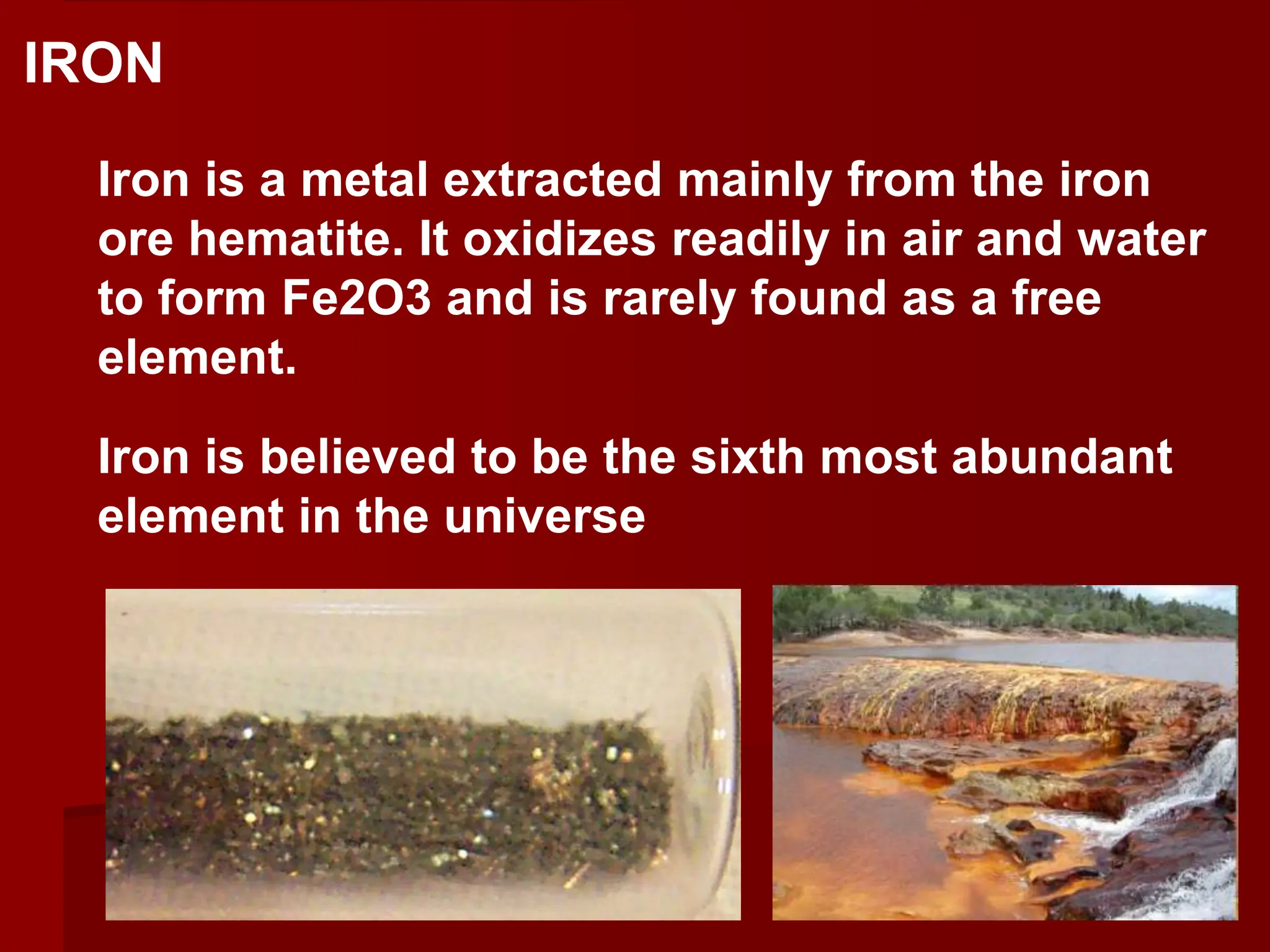
Iron is a metal extracted mainly from the iron
ore hematite. It oxidizes readily in air and water
to form Fe2O3 and is rarely found as a free
element.
Iron is believed to be the sixth most abundant
element in the universe
IRON
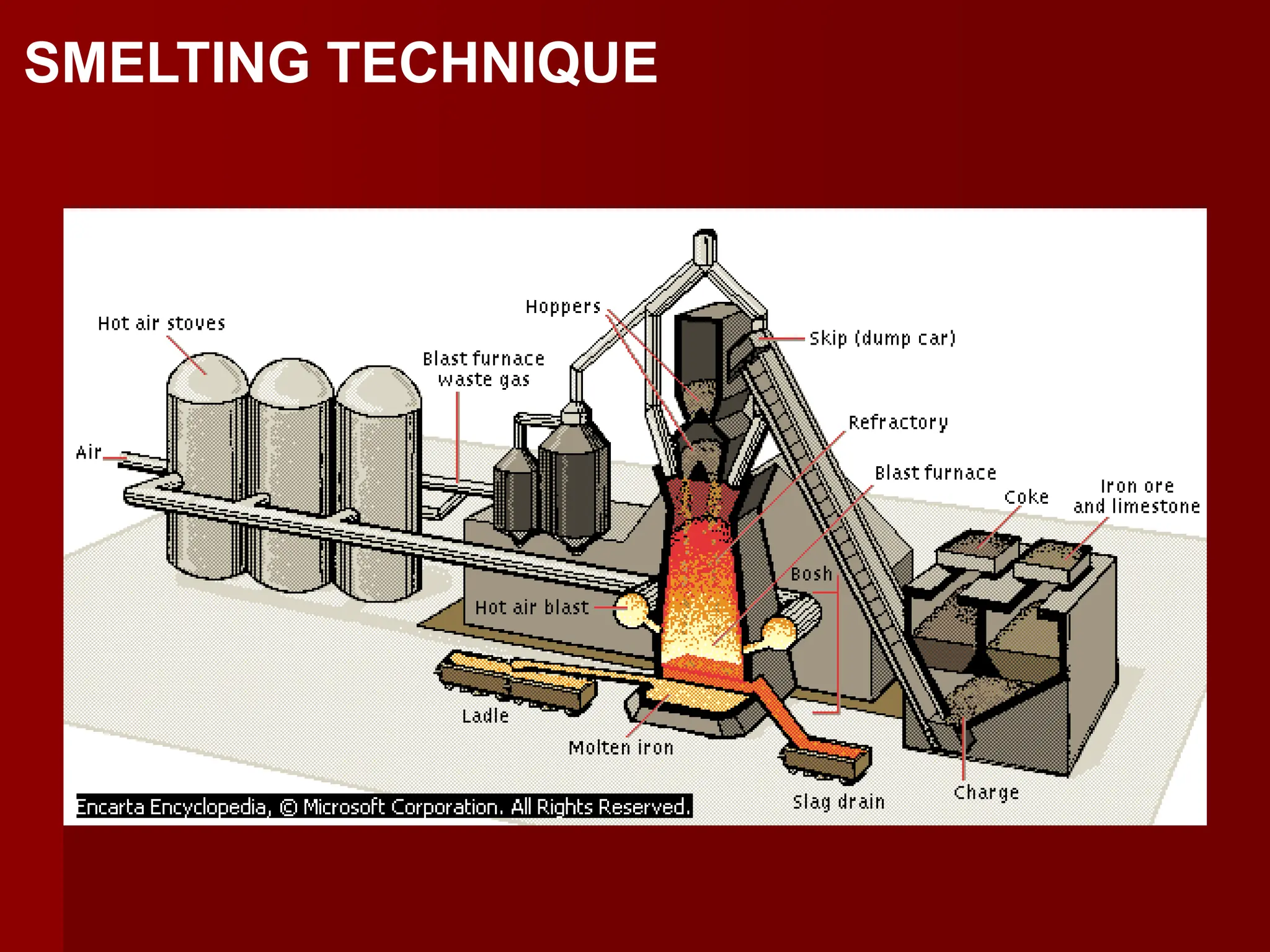
SMELTING TECHNIQUE
Pig iron is the intermediate product of smelting
iron ore with coke and resin
Cast into pigs in preparation for conversion into
cast iron, wrought iron or steel
Pig iron has a very high carbon content,
typically 3.5 - 4.5%, which makes it very brittle
and not useful directly as a material except for
limited applications
FERROUS METALS
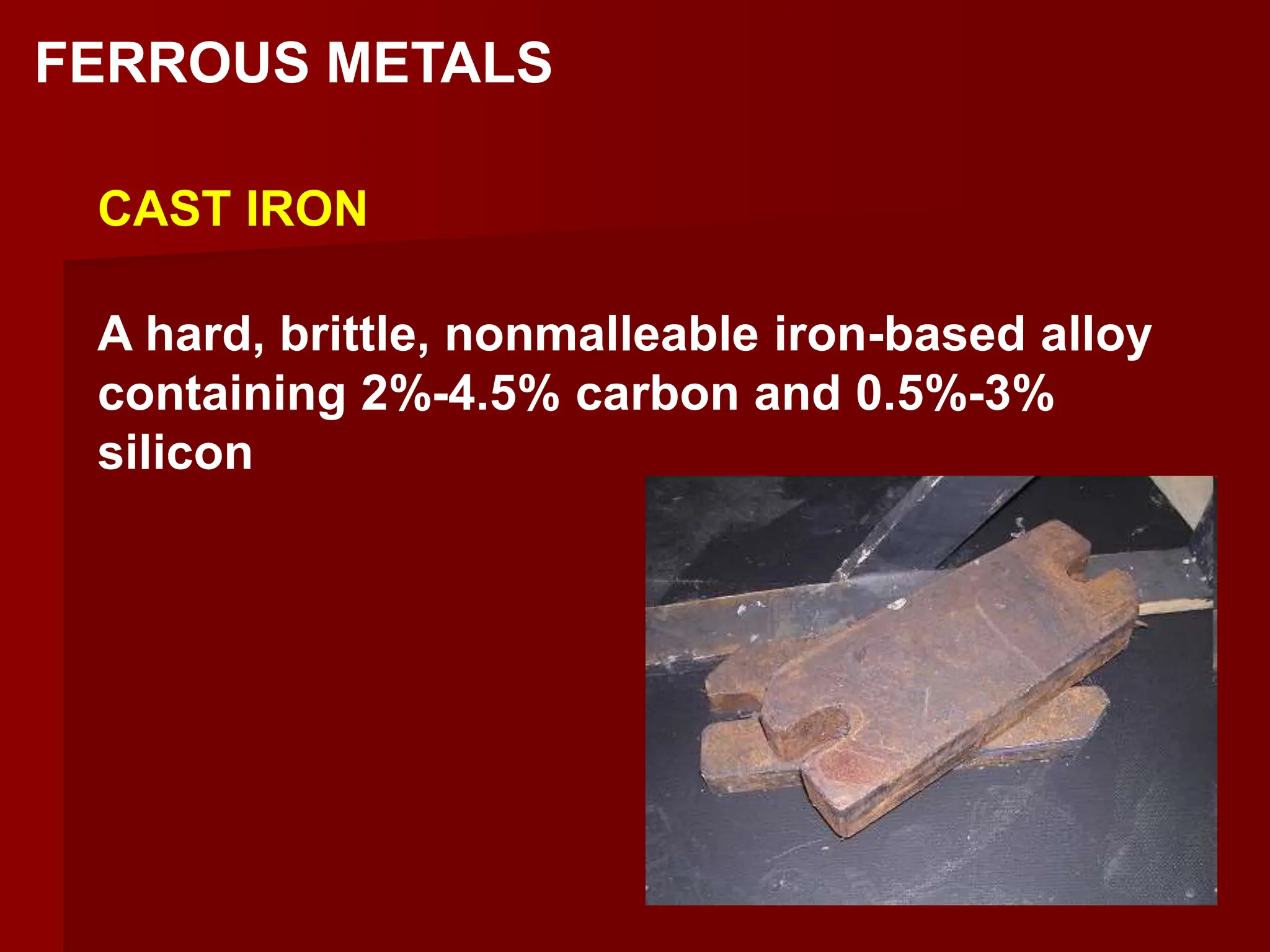
CAST IRON
A hard, brittle, nonmalleable iron-based alloy
containing 2%-4.5% carbon and 0.5%-3%
silicon
FERROUS METALS
CAST IRON
APPLICATION:
- Piping & Fittings
- Ornamental Ironwork
- Hardware
- Base Metal for Porcelain Enameled Plumbing Fixtures
- Floor & Wall Brackets for Railings
- Circular Stairs
- Manhole Cover
- Gratings
FERROUS METALS
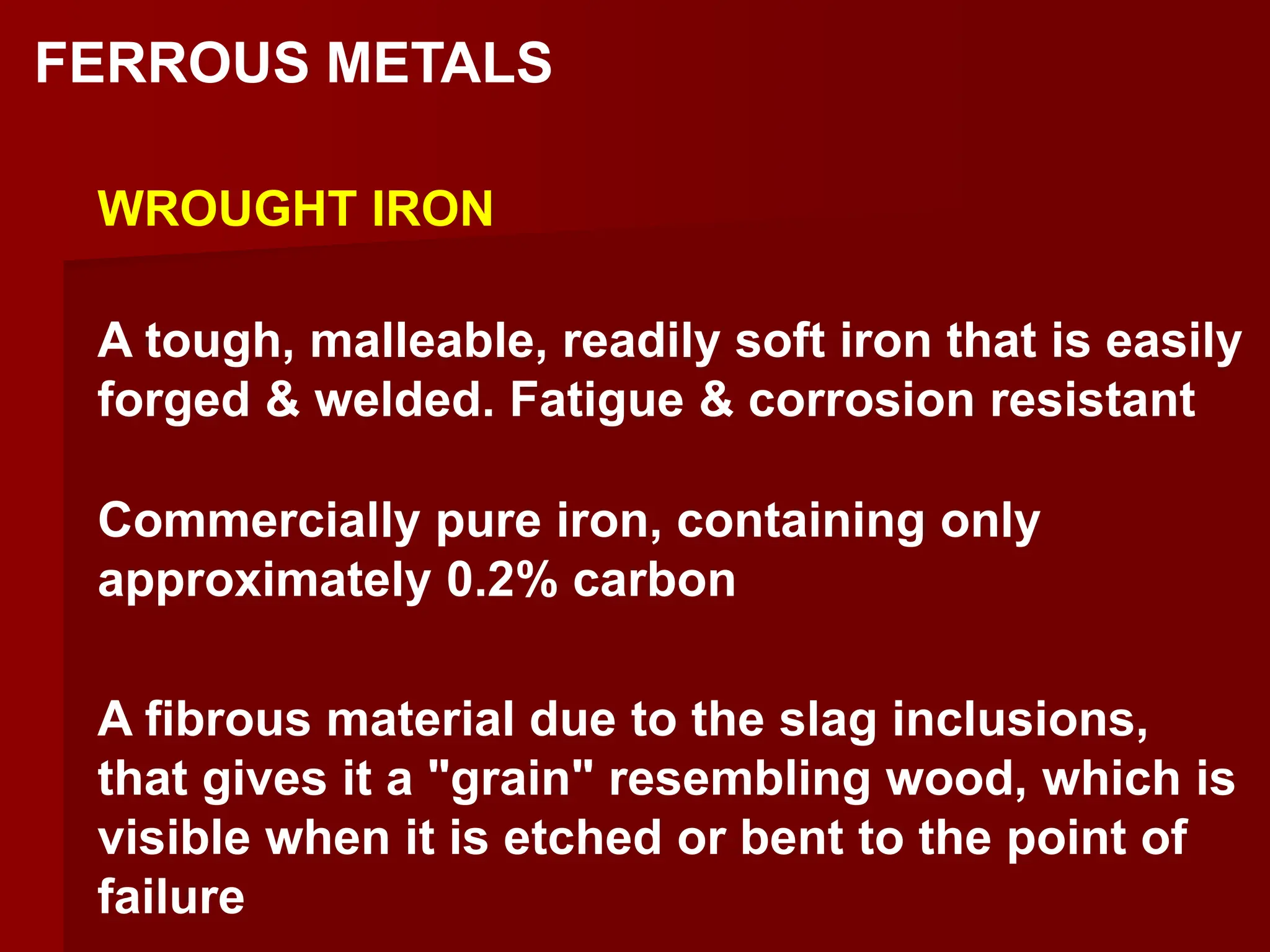
WROUGHT IRON
Commercially pure iron, containing only
approximately 0.2% carbon
A fibrous material due to the slag inclusions,
that gives it a "grain" resembling wood, which is
visible when it is etched or bent to the point of
failure
A tough, malleable, readily soft iron that is easily
forged & welded. Fatigue & corrosion resistant
FERROUS METALS
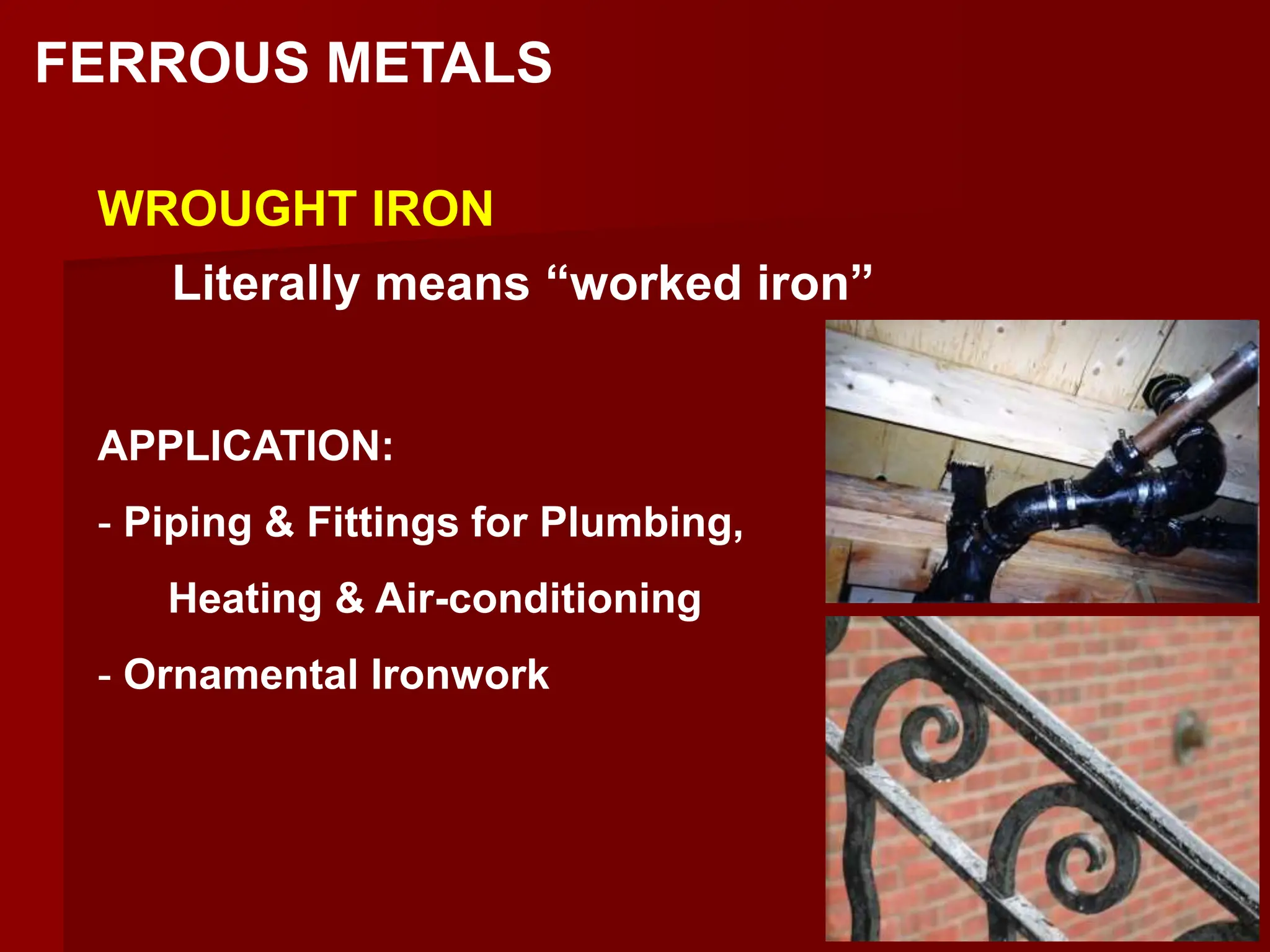
WROUGHT IRON
Literally means “worked iron”
APPLICATION:
- Piping & Fittings for Plumbing,
Heating & Air-conditioning
- Ornamental Ironwork
FERROUS METALS
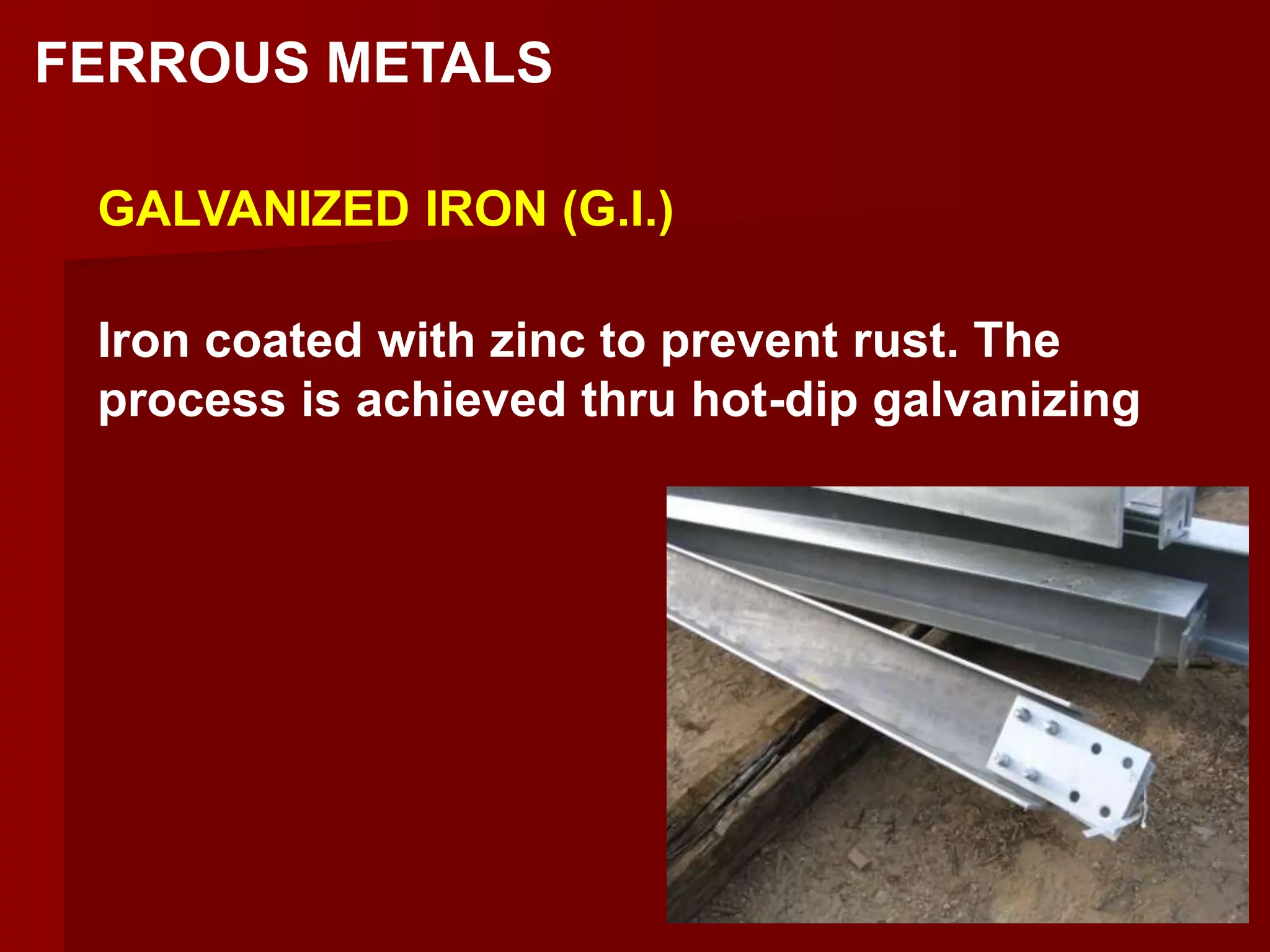
GALVANIZED IRON (G.I.)
Iron coated with zinc to prevent rust. The
process is achieved thru hot-dip galvanizing
FERROUS METALS
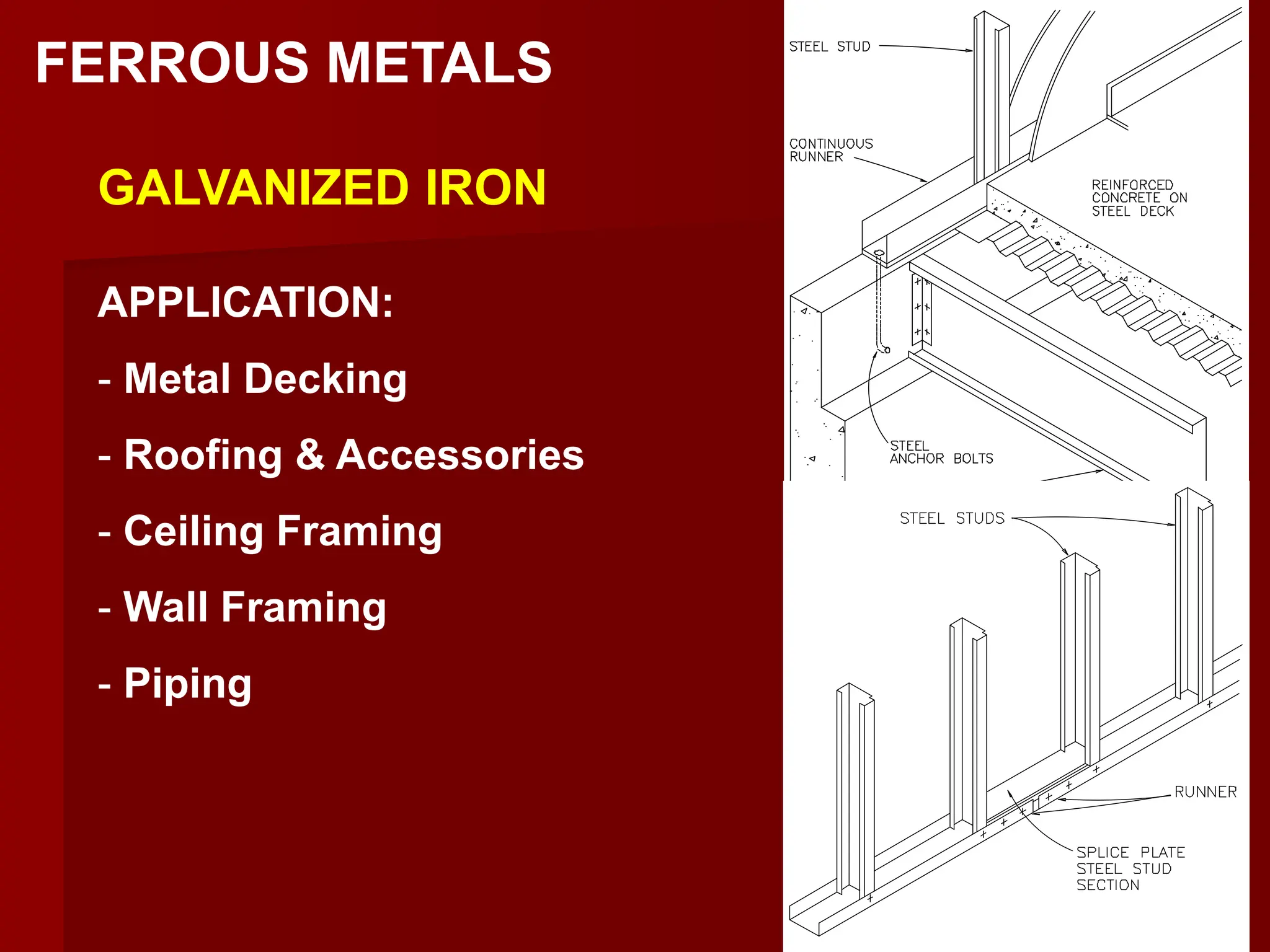
GALVANIZED IRON
APPLICATION:
- Metal Decking
- Roofing & Accessories
- Ceiling Framing
- Wall Framing
- Piping
FERROUS METALS
STEEL
Alloys of iron and carbon
Carbon content is no more than 2%
Alloy elements is composed of phosphorous,
sulfur, oxygen, nitrogen, manganese, silicon,
aluminum, copper, nickel, etc.
Can be wrought, rolled, cast, and welded, but
not extruded
ALLOY ELEMENTS & IT’S PURPOSE/S:
1. Aluminum for surface hardening
2. Chromium for corrosion resistance
3. Copper for resistance to atmospheric corrosion
4. Manganese in small amounts for hardening; in larger
amounts for wear resistance
5. Molybdenum, combined with other alloying metals
such as chromium & nickel, to increase corrosion
resistance and to raise tensile strength without reducing
ductility.
FERROUS METALS
ALLOY ELEMENTS & IT’S PURPOSE/S:
6. Nickel to increase tensile strength without reducing
ductility; in high concentrations, to improve corrosion
resistance
7. Silicon to strengthen low alloy steels and improve
oxidation resistance; in larger amounts to provide hard,
brittle castings resistant to corrosive chemicals
8. Sulfur for free machining, especially in mild steels
9. Titanium to prevent intergranular corrosion of
stainless steels
10. Tungsten, vanadium, and cobalt for hardness and
abrasion resistance
FERROUS METALS
Types of Steel:
Carbon Steel
Alloy Steel
- Stainless Steel
- HSLA Steel (high-strength low-alloy)
- Weathering Steel
Unalloyed steel in which the residual element
as carbon, manganese, phosphorus, sulfur and
silicon are controlled.
Any increase in carbon content increase the
strength and hardness but reduces its ductility
and weldability.
Carbon Steel
FERROUS METALS
FERROUS METALS
Carbon Steel
APPLICATION:
- Structural Steel
- Concrete Reinforcement
- Decking and Panels
- Roofing & Accessories
- Windows & Doors
- Hardware
FERROUS METALS
Carbon Steel
APPLICATION:
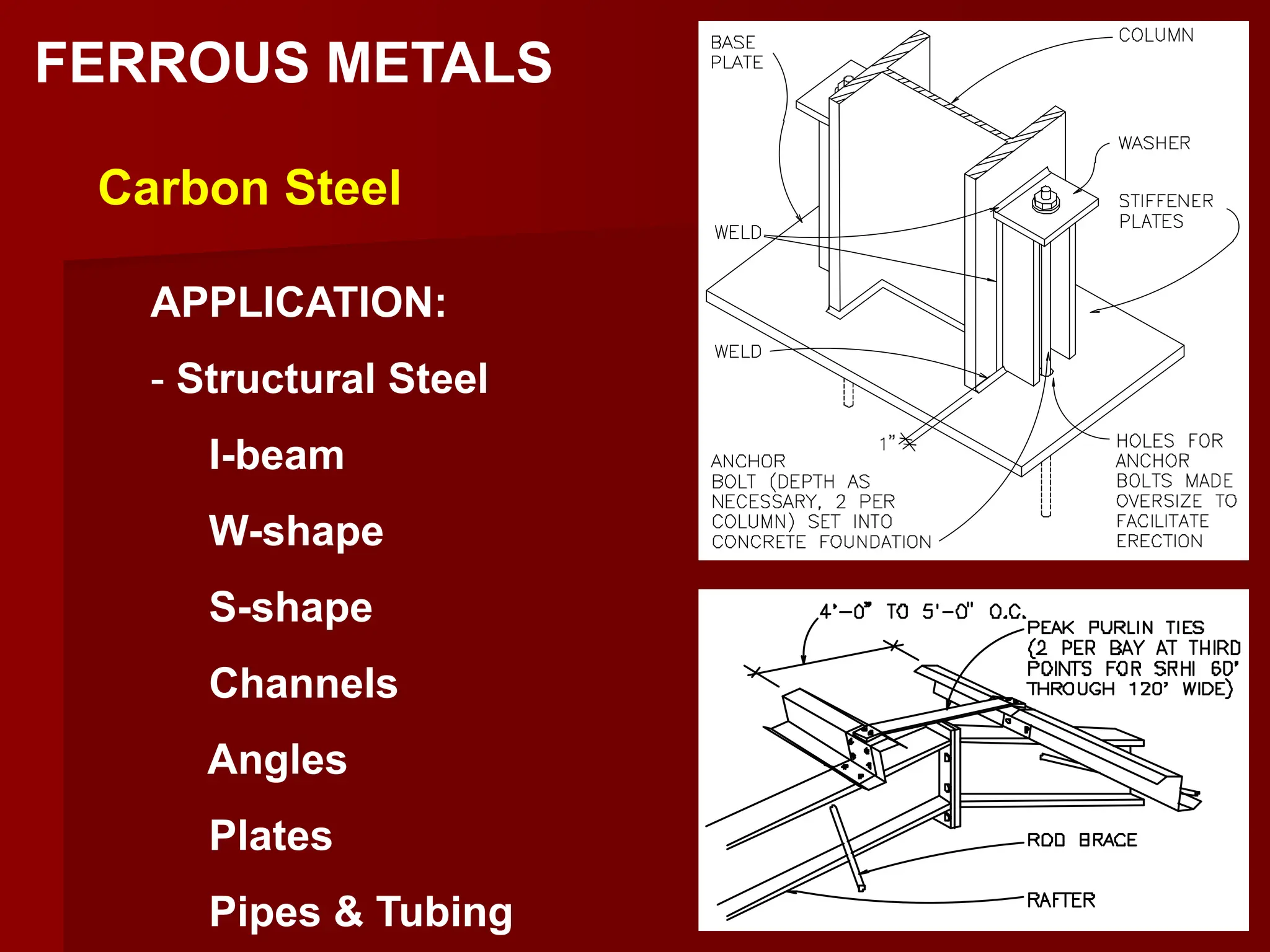
- Structural Steel
I-beam
W-shape
S-shape
Channels
Angles
Plates
Pipes & Tubing
An alloy steel containing a minimum of 12%
chromium & additional nickel, manganese, and
molybdenum alloy elements
Resistance to heat, oxidation & corrosion
Does not stain, corrode or rust as ordinary steel,
but not stain-proof
Stainless Steel
FERROUS METALS
FERROUS METALS
Stainless Steel
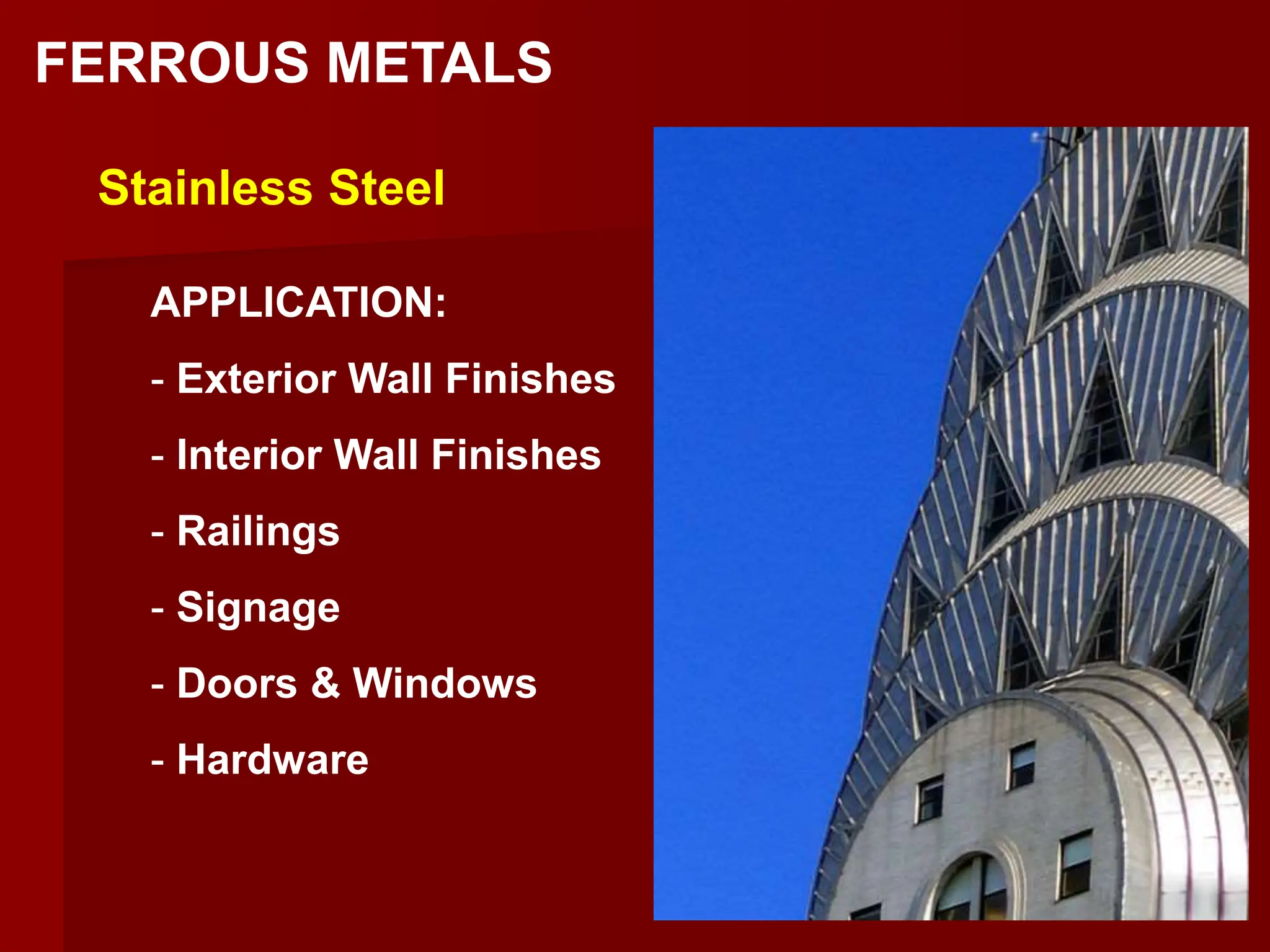
APPLICATION:
- Exterior Wall Finishes
- Interior Wall Finishes
- Railings
- Signage
- Doors & Windows
- Hardware
A group of low-carbon steels containing less
than 2% alloys in a chemical composition
specifically developed for increase strength,
ductility, & resistance to corrosion
Much stronger & tougher than ordinary carbon
steel
HSLA (High-Strength Low-Alloy) Steel
FERROUS METALS
FERROUS METALS
HSLA Steel
APPLICATION:
- Reinforcement for Pre-stressed Concrete
- High-strength Bolts
- Special Structural Steel
- Cables for Elevators
A high-strength, low-alloy steel that forms an
oxide coating when exposed to rain or moisture
in the atmosphere
Best-known under the trademark COR-TEN steel
Weathering Steel
FERROUS METALS
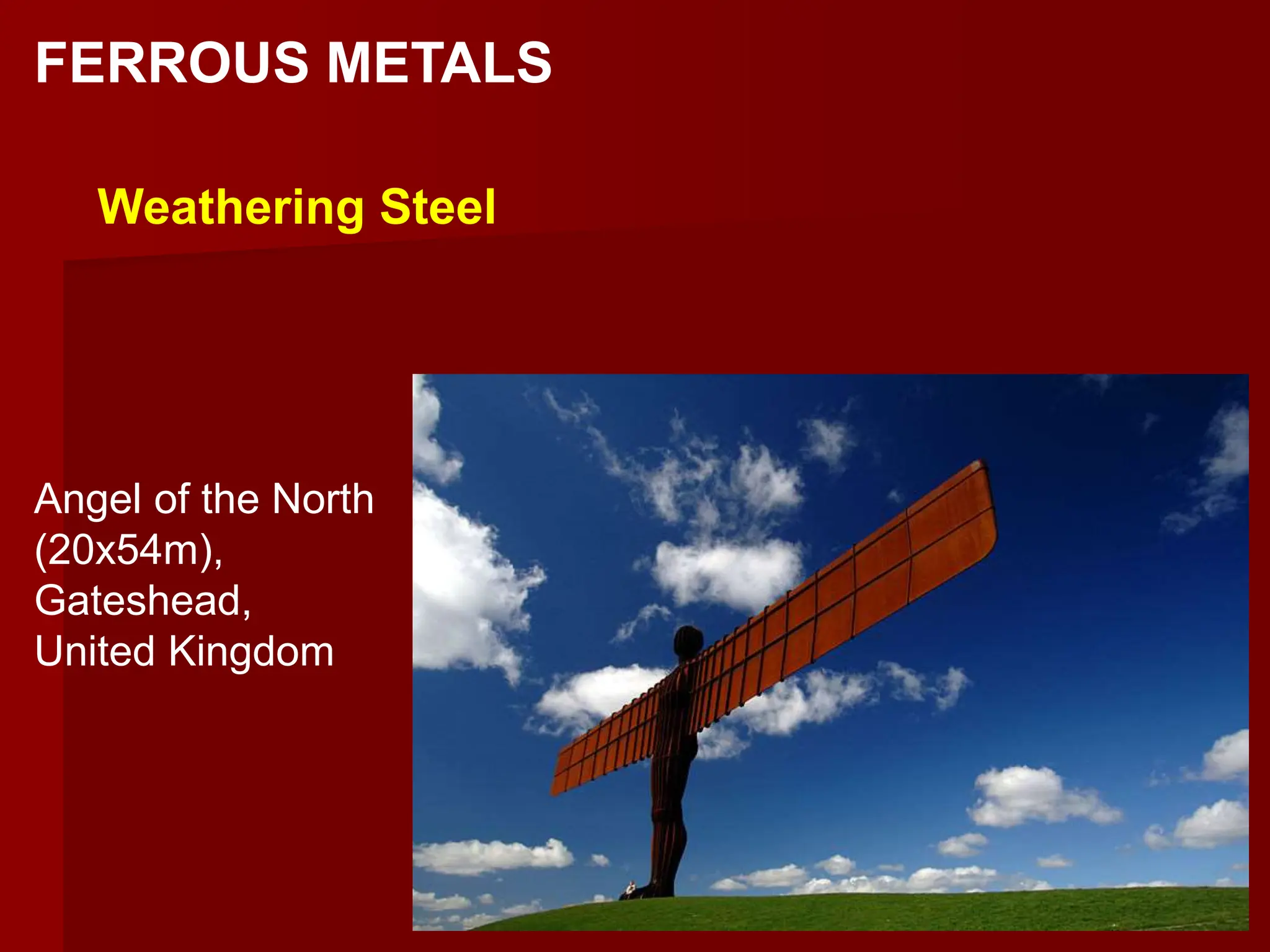
Angel of the North
(20x54m),
Gateshead,
United Kingdom
FERROUS METALS
Weathering Steel
refers to a variety of carbon and alloy steels
that are particularly suited to be made into tools
Distinctively hard, resistance to abrasion and
deformation, and has ability to hold a cutting
edge
Tools Steel
FERROUS METALS
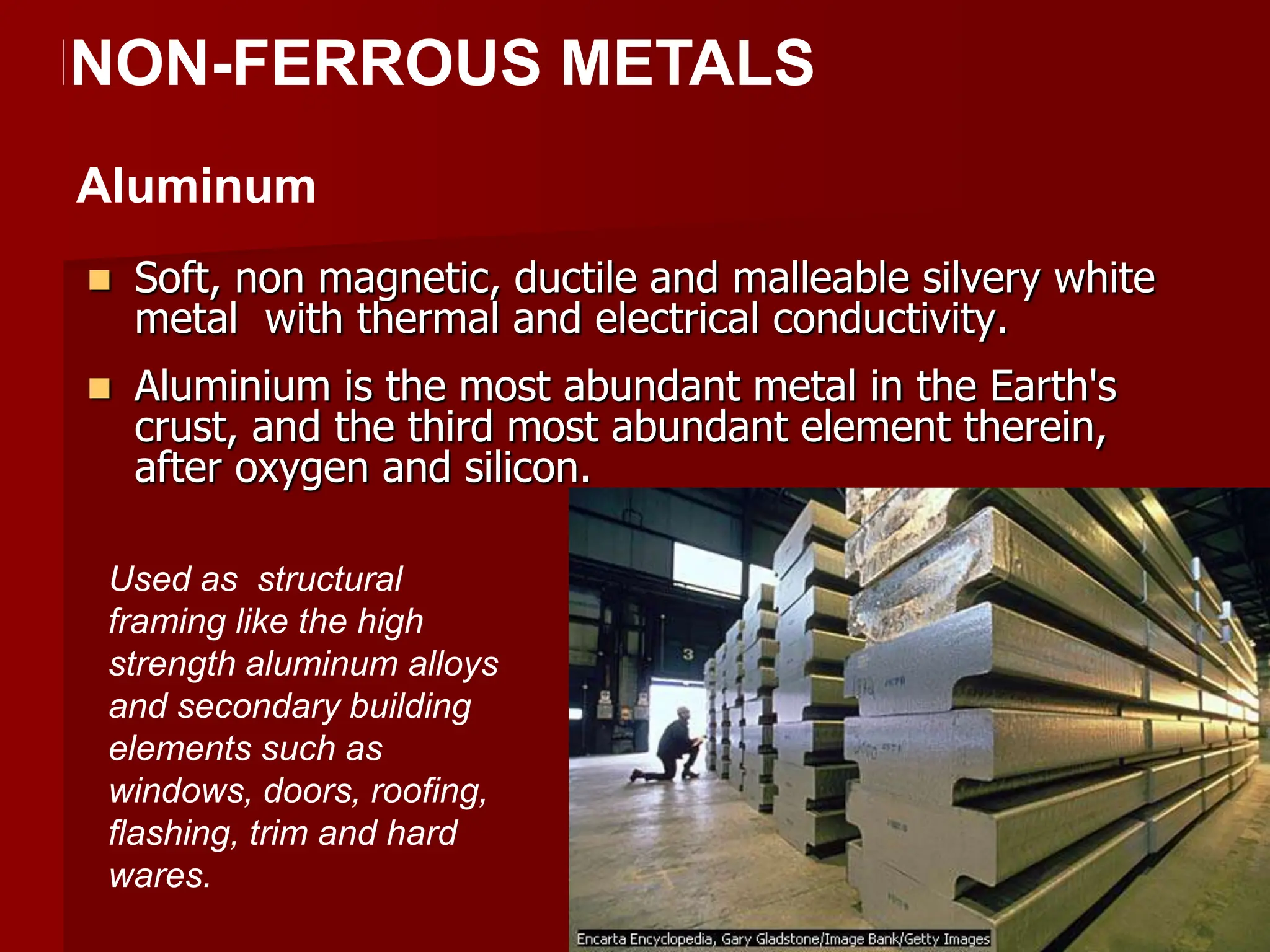
 Soft, non magnetic, ductile and malleable silvery white
metal with thermal and electrical conductivity.
 Aluminium is the most abundant metal in the Earth's
crust, and the third most abundant element therein,
after oxygen and silicon.
NNON-FERROUS METALS
Aluminum
Used as structural
framing like the high
strength aluminum alloys
and secondary building
elements such as
windows, doors, roofing,
flashing, trim and hard
wares.
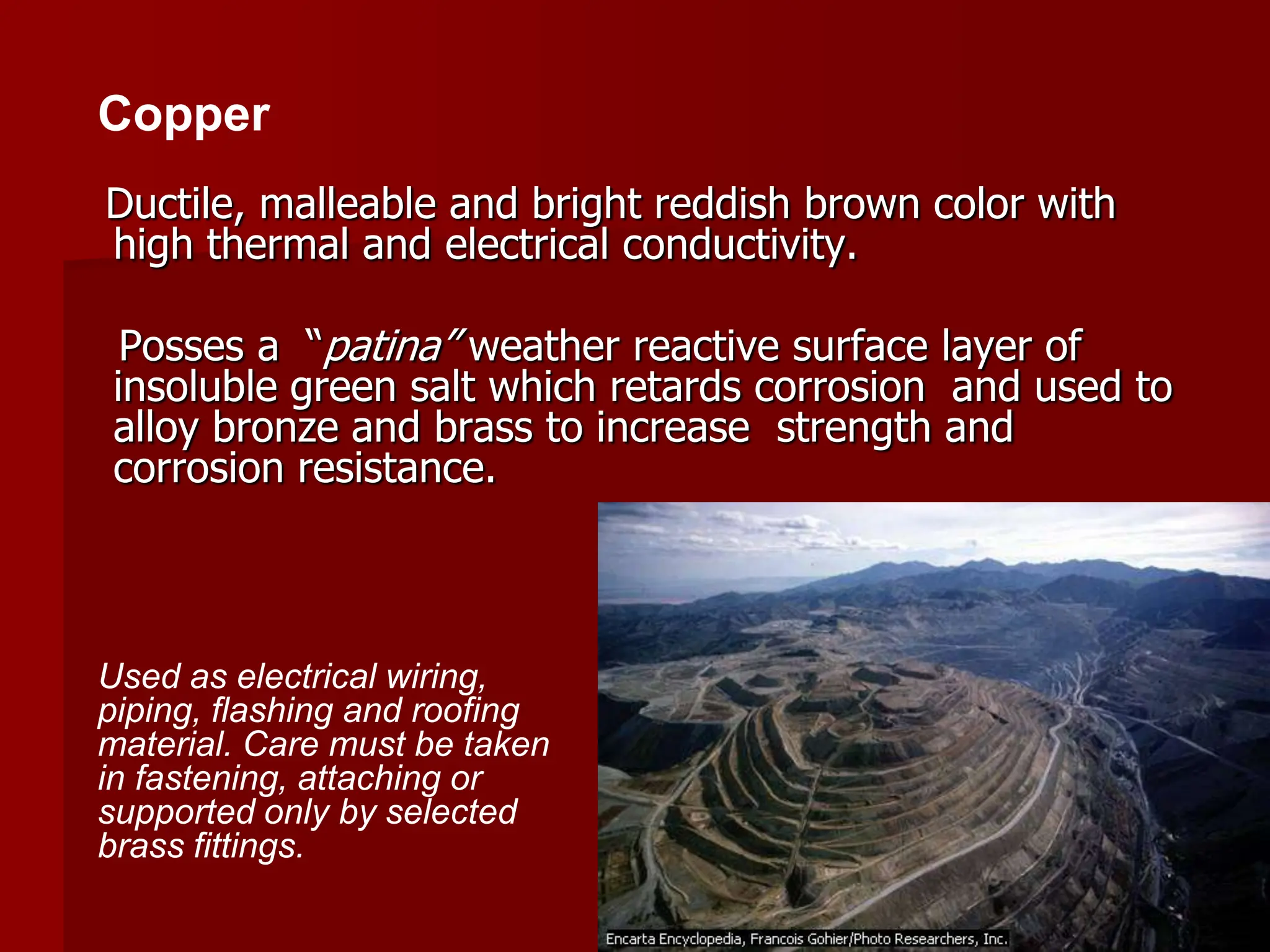
Ductile, malleable and bright reddish brown color with
high thermal and electrical conductivity.
Posses a “patina” weather reactive surface layer of
insoluble green salt which retards corrosion and used to
alloy bronze and brass to increase strength and
corrosion resistance.
Copper
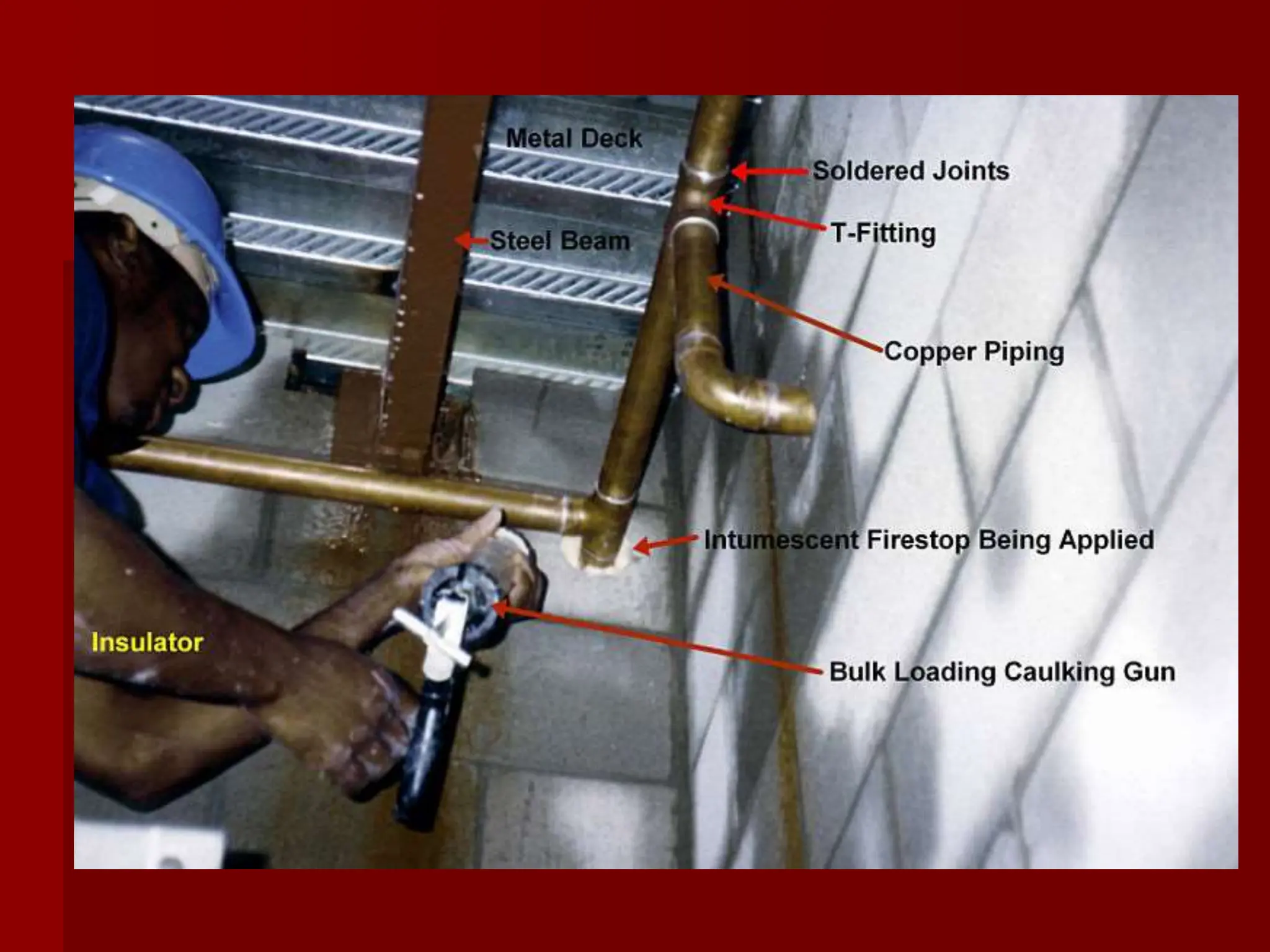
Used as electrical wiring,
piping, flashing and roofing
material. Care must be taken
in fastening, attaching or
supported only by selected
brass fittings.
Lead is a soft, malleable poor metal, also considered to
be one of the heavy metals. Lead has a bluish white
color when freshly cut, but tarnishes to a dull grayish
color when it is exposed to air and is a shiny chrome
silver when melted into a liquid. .
Brass
Lead
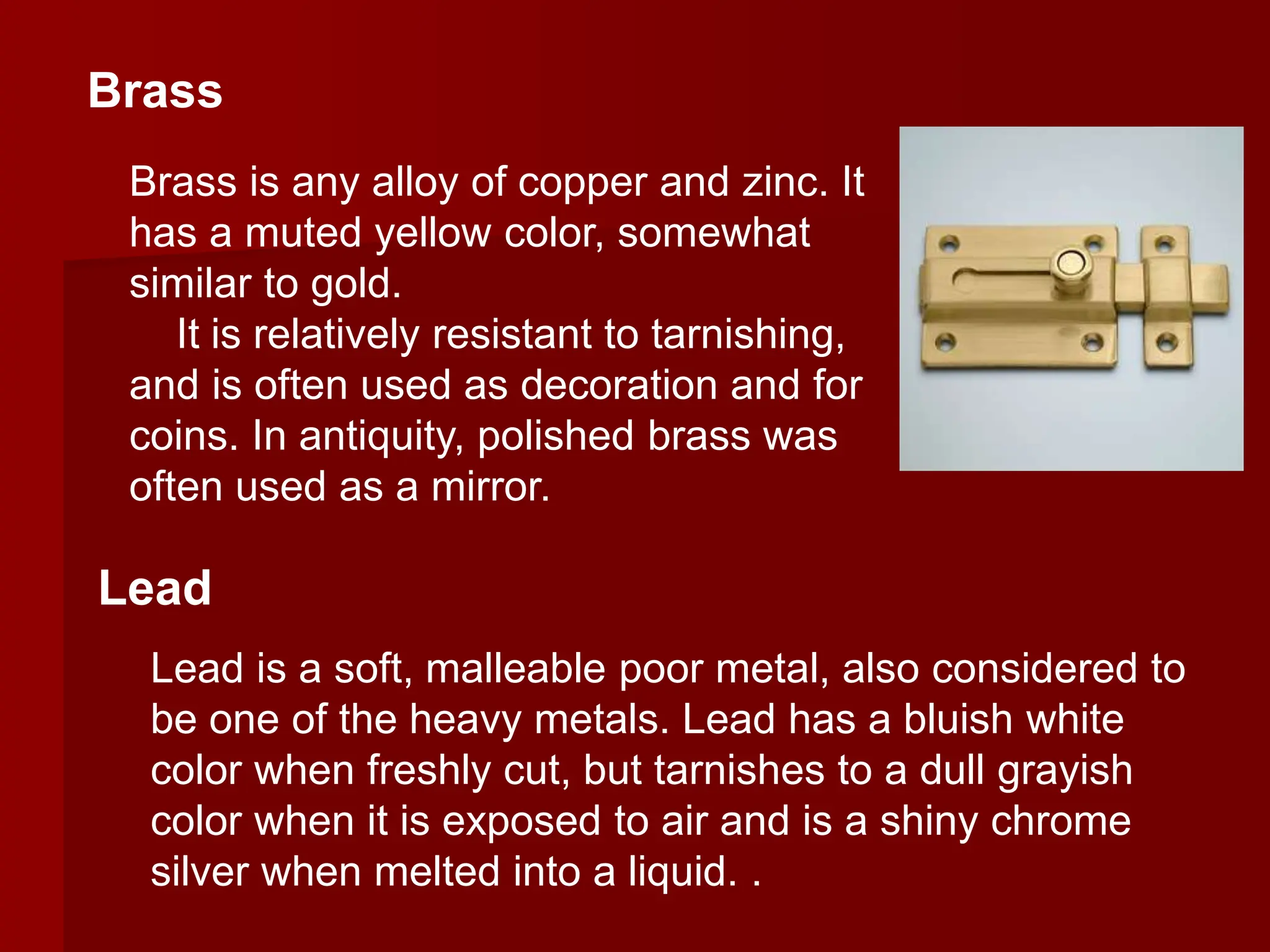
Brass is any alloy of copper and zinc. It
has a muted yellow color, somewhat
similar to gold.
It is relatively resistant to tarnishing,
and is often used as decoration and for
coins. In antiquity, polished brass was
often used as a mirror.
Lead pipe in
Roman baths
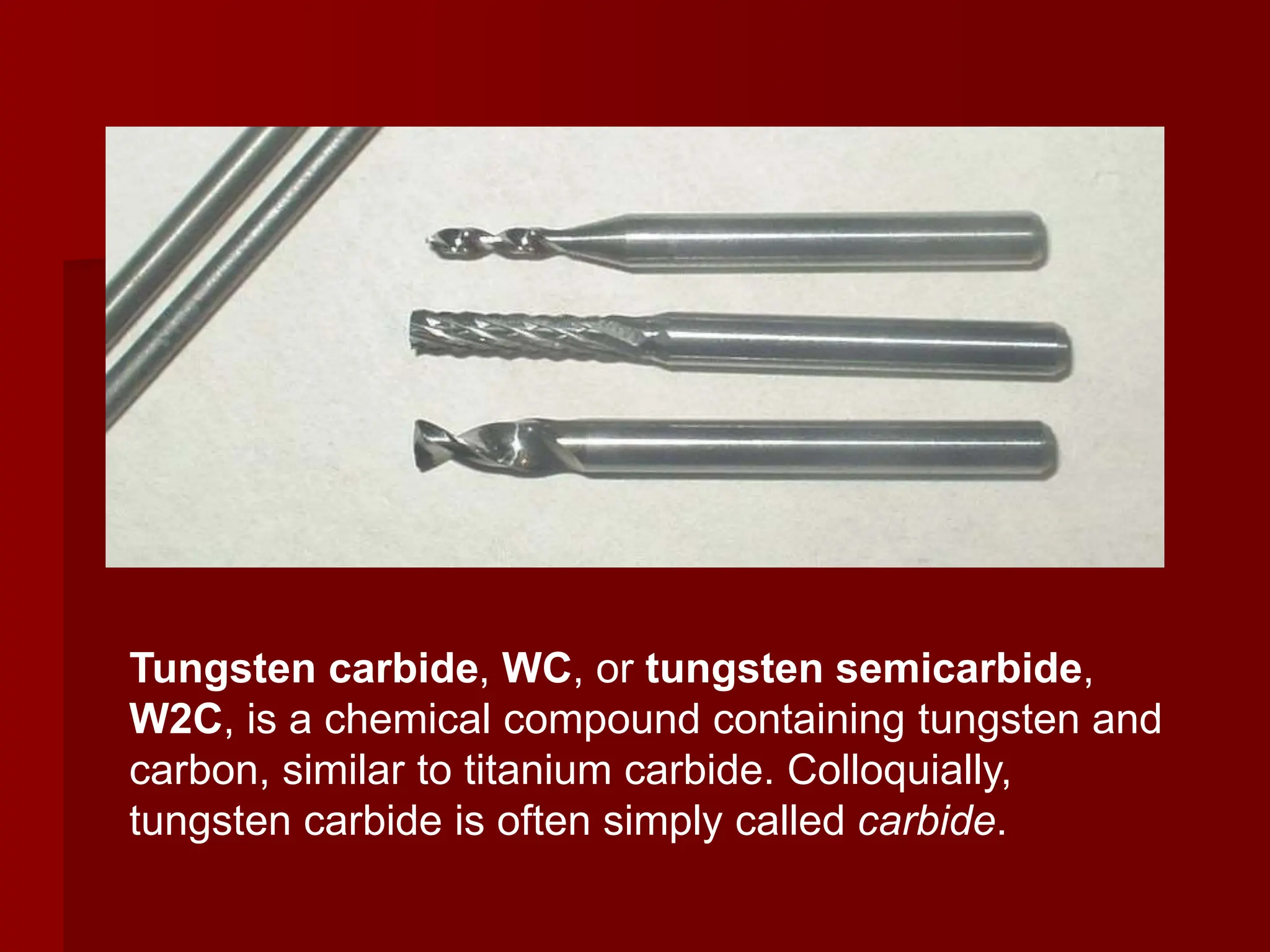
Tungsten carbide, WC, or tungsten semicarbide,
W2C, is a chemical compound containing tungsten and
carbon, similar to titanium carbide. Colloquially,
tungsten carbide is often simply called carbide.
METAL JOINERY
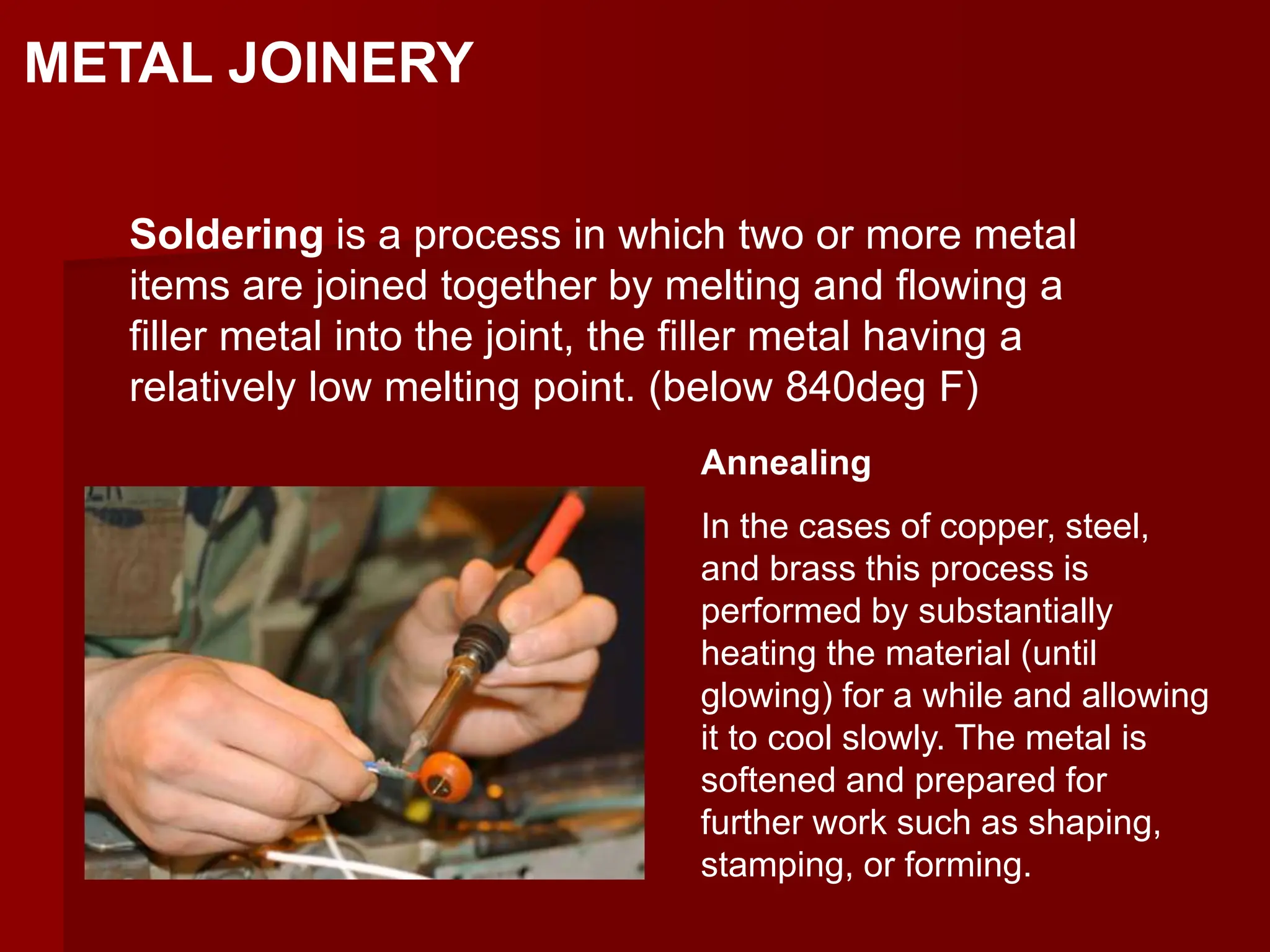
Soldering is a process in which two or more metal
items are joined together by melting and flowing a
filler metal into the joint, the filler metal having a
relatively low melting point. (below 840deg F)
Annealing
In the cases of copper, steel,
and brass this process is
performed by substantially
heating the material (until
glowing) for a while and allowing
it to cool slowly. The metal is
softened and prepared for
further work such as shaping,
stamping, or forming.
Brazing is a joining process whereby a filler metal or
alloy is heated to melting temperature above 450°C
(842°F), or, by the traditional definition that has been
used in the United States, above 800°F (425°C) and
distributed between two or more close-fitting parts by
capillary action.
Soldering is distinguished from brazing by use of a
lower melting-temperature filler metal; it is
distinguished from welding by the base metals not
being melted during the joining process.
Welding is a fabrication process that joins materials,
usually metals or thermoplastics, by causing coalescence.
This is often done by
melting the workpieces
and adding a filler material
to form a pool of molten
material (the weld puddle)
that cools to become a
strong joint, with pressure
sometimes used in
conjunction with heat, or
by itself, to produce the
weld.
A rivet is a mechanical
fastener. Before it is installed it
consists of a smooth cylindrical
shaft with a head on one end.
The end opposite the head is
called the buck-tail.
Blind rivets (also known as pop
rivets) The rivet assembly is inserted
into a hole drilled through the parts to
be joined and a specially designed
tool used to draw the mandrel into
the rivet.
Alclad is a trademark of Alcoa used as a generic term to
describe corrosion resistant Aluminum sheet formed from
high-purity aluminum surface layers metallurgically
bonded to high strength Aluminum Alloy core material.
These sheets commonly used by the aircraft industry
Sherardising is a method of galvanizing also called vapor
galvanizing. A layer of zinc is applied to the metal target
object by heating the object in an airtight container with
zinc powder. The temperature that the container reaches
does not exceed the melting point of zinc. Another method
of sherardisation is to expose the intended objects to vapor
from molten zinc using a reducing gas to prevent oxidation.
PROTECTING METALS

Ferrous and non ferrous Metals Engineering.ppt

  • 1.
    FERROUS METAL AND NON-FERROUS METAL Ar.Rino D.A. Fernandez, uap Class Instructor
  • 2.
    A metal containingiron as a primary material FERROUS METAL - Iron - Cast Iron - Steel - Stainless Steel - Wrought Iron
  • 3.
    A metal containinglittle or no iron NON-FERROUS METAL - Aluminum - Bronze - Brass - Copper - Lead
  • 4.
    Iron is ametal extracted mainly from the iron ore hematite. It oxidizes readily in air and water to form Fe2O3 and is rarely found as a free element. Iron is believed to be the sixth most abundant element in the universe IRON
  • 5.
  • 6.
    Pig iron isthe intermediate product of smelting iron ore with coke and resin Cast into pigs in preparation for conversion into cast iron, wrought iron or steel Pig iron has a very high carbon content, typically 3.5 - 4.5%, which makes it very brittle and not useful directly as a material except for limited applications
  • 7.
    FERROUS METALS CAST IRON Ahard, brittle, nonmalleable iron-based alloy containing 2%-4.5% carbon and 0.5%-3% silicon
  • 8.
    FERROUS METALS CAST IRON APPLICATION: -Piping & Fittings - Ornamental Ironwork - Hardware - Base Metal for Porcelain Enameled Plumbing Fixtures - Floor & Wall Brackets for Railings - Circular Stairs - Manhole Cover - Gratings
  • 9.
    FERROUS METALS WROUGHT IRON Commerciallypure iron, containing only approximately 0.2% carbon A fibrous material due to the slag inclusions, that gives it a "grain" resembling wood, which is visible when it is etched or bent to the point of failure A tough, malleable, readily soft iron that is easily forged & welded. Fatigue & corrosion resistant
  • 10.
    FERROUS METALS WROUGHT IRON Literallymeans “worked iron” APPLICATION: - Piping & Fittings for Plumbing, Heating & Air-conditioning - Ornamental Ironwork
  • 11.
    FERROUS METALS GALVANIZED IRON(G.I.) Iron coated with zinc to prevent rust. The process is achieved thru hot-dip galvanizing
  • 12.
    FERROUS METALS GALVANIZED IRON APPLICATION: -Metal Decking - Roofing & Accessories - Ceiling Framing - Wall Framing - Piping
  • 13.
    FERROUS METALS STEEL Alloys ofiron and carbon Carbon content is no more than 2% Alloy elements is composed of phosphorous, sulfur, oxygen, nitrogen, manganese, silicon, aluminum, copper, nickel, etc. Can be wrought, rolled, cast, and welded, but not extruded
  • 14.
    ALLOY ELEMENTS &IT’S PURPOSE/S: 1. Aluminum for surface hardening 2. Chromium for corrosion resistance 3. Copper for resistance to atmospheric corrosion 4. Manganese in small amounts for hardening; in larger amounts for wear resistance 5. Molybdenum, combined with other alloying metals such as chromium & nickel, to increase corrosion resistance and to raise tensile strength without reducing ductility. FERROUS METALS
  • 15.
    ALLOY ELEMENTS &IT’S PURPOSE/S: 6. Nickel to increase tensile strength without reducing ductility; in high concentrations, to improve corrosion resistance 7. Silicon to strengthen low alloy steels and improve oxidation resistance; in larger amounts to provide hard, brittle castings resistant to corrosive chemicals 8. Sulfur for free machining, especially in mild steels 9. Titanium to prevent intergranular corrosion of stainless steels 10. Tungsten, vanadium, and cobalt for hardness and abrasion resistance
  • 16.
    FERROUS METALS Types ofSteel: Carbon Steel Alloy Steel - Stainless Steel - HSLA Steel (high-strength low-alloy) - Weathering Steel
  • 17.
    Unalloyed steel inwhich the residual element as carbon, manganese, phosphorus, sulfur and silicon are controlled. Any increase in carbon content increase the strength and hardness but reduces its ductility and weldability. Carbon Steel FERROUS METALS
  • 18.
    FERROUS METALS Carbon Steel APPLICATION: -Structural Steel - Concrete Reinforcement - Decking and Panels - Roofing & Accessories - Windows & Doors - Hardware
  • 19.
    FERROUS METALS Carbon Steel APPLICATION: -Structural Steel I-beam W-shape S-shape Channels Angles Plates Pipes & Tubing
  • 20.
    An alloy steelcontaining a minimum of 12% chromium & additional nickel, manganese, and molybdenum alloy elements Resistance to heat, oxidation & corrosion Does not stain, corrode or rust as ordinary steel, but not stain-proof Stainless Steel FERROUS METALS
  • 21.
    FERROUS METALS Stainless Steel APPLICATION: -Exterior Wall Finishes - Interior Wall Finishes - Railings - Signage - Doors & Windows - Hardware
  • 22.
    A group oflow-carbon steels containing less than 2% alloys in a chemical composition specifically developed for increase strength, ductility, & resistance to corrosion Much stronger & tougher than ordinary carbon steel HSLA (High-Strength Low-Alloy) Steel FERROUS METALS
  • 23.
    FERROUS METALS HSLA Steel APPLICATION: -Reinforcement for Pre-stressed Concrete - High-strength Bolts - Special Structural Steel - Cables for Elevators
  • 24.
    A high-strength, low-alloysteel that forms an oxide coating when exposed to rain or moisture in the atmosphere Best-known under the trademark COR-TEN steel Weathering Steel FERROUS METALS
  • 25.
    Angel of theNorth (20x54m), Gateshead, United Kingdom FERROUS METALS Weathering Steel
  • 26.
    refers to avariety of carbon and alloy steels that are particularly suited to be made into tools Distinctively hard, resistance to abrasion and deformation, and has ability to hold a cutting edge Tools Steel FERROUS METALS
  • 27.
     Soft, nonmagnetic, ductile and malleable silvery white metal with thermal and electrical conductivity.  Aluminium is the most abundant metal in the Earth's crust, and the third most abundant element therein, after oxygen and silicon. NNON-FERROUS METALS Aluminum Used as structural framing like the high strength aluminum alloys and secondary building elements such as windows, doors, roofing, flashing, trim and hard wares.
  • 28.
    Ductile, malleable andbright reddish brown color with high thermal and electrical conductivity. Posses a “patina” weather reactive surface layer of insoluble green salt which retards corrosion and used to alloy bronze and brass to increase strength and corrosion resistance. Copper Used as electrical wiring, piping, flashing and roofing material. Care must be taken in fastening, attaching or supported only by selected brass fittings.
  • 30.
    Lead is asoft, malleable poor metal, also considered to be one of the heavy metals. Lead has a bluish white color when freshly cut, but tarnishes to a dull grayish color when it is exposed to air and is a shiny chrome silver when melted into a liquid. . Brass Lead Brass is any alloy of copper and zinc. It has a muted yellow color, somewhat similar to gold. It is relatively resistant to tarnishing, and is often used as decoration and for coins. In antiquity, polished brass was often used as a mirror.
  • 31.
  • 32.
    Tungsten carbide, WC,or tungsten semicarbide, W2C, is a chemical compound containing tungsten and carbon, similar to titanium carbide. Colloquially, tungsten carbide is often simply called carbide.
  • 33.
    METAL JOINERY Soldering isa process in which two or more metal items are joined together by melting and flowing a filler metal into the joint, the filler metal having a relatively low melting point. (below 840deg F) Annealing In the cases of copper, steel, and brass this process is performed by substantially heating the material (until glowing) for a while and allowing it to cool slowly. The metal is softened and prepared for further work such as shaping, stamping, or forming.
  • 34.
    Brazing is ajoining process whereby a filler metal or alloy is heated to melting temperature above 450°C (842°F), or, by the traditional definition that has been used in the United States, above 800°F (425°C) and distributed between two or more close-fitting parts by capillary action. Soldering is distinguished from brazing by use of a lower melting-temperature filler metal; it is distinguished from welding by the base metals not being melted during the joining process.
  • 35.
    Welding is afabrication process that joins materials, usually metals or thermoplastics, by causing coalescence. This is often done by melting the workpieces and adding a filler material to form a pool of molten material (the weld puddle) that cools to become a strong joint, with pressure sometimes used in conjunction with heat, or by itself, to produce the weld.
  • 36.
    A rivet isa mechanical fastener. Before it is installed it consists of a smooth cylindrical shaft with a head on one end. The end opposite the head is called the buck-tail. Blind rivets (also known as pop rivets) The rivet assembly is inserted into a hole drilled through the parts to be joined and a specially designed tool used to draw the mandrel into the rivet.
  • 38.
    Alclad is atrademark of Alcoa used as a generic term to describe corrosion resistant Aluminum sheet formed from high-purity aluminum surface layers metallurgically bonded to high strength Aluminum Alloy core material. These sheets commonly used by the aircraft industry Sherardising is a method of galvanizing also called vapor galvanizing. A layer of zinc is applied to the metal target object by heating the object in an airtight container with zinc powder. The temperature that the container reaches does not exceed the melting point of zinc. Another method of sherardisation is to expose the intended objects to vapor from molten zinc using a reducing gas to prevent oxidation. PROTECTING METALS