Linda Jones, DNP, CRNP
Assistant Professor of Nursing and Medicine
University of Alabama at Birmingham
We build on foundations, we did not lay.
We warm ourselves at fires, we did not light.
We sit in the shade of trees, we did not plant.
We drink from wells, we did not dig.
We profit from persons, we did not know.
(adapted from Deut. 6:10-12)
“She is temporarily the
consciousness of the unconscious,
the love of life for the suicidal, the
leg of the amputee, the eyes of the
newly blind, a means of locomotion
for the infant, knowledge and
confidence for the young mother, the
mouthpiece for those too weak or
withdrawn to speak, and so on.”
 Parish nursing is a recognized specialty practice that
combines professional nursing and health ministry.
 Parish nursing is rooted in the Judeo-Christian tradition,
and the historic practice of professional nursing, and is
consistent with the basic assumptions of many faiths that
we care for self and others as an expression of God's
love.
 …in collaboration with the pastoral staff and
congregants, participates in the ongoing
transformation of the faith community into sources
of health and healing.
 Through partnership with other community health
resources, parish nursing fosters new and creative
responses to health and wellness concerns.
 The parish nurse serves the faith community and
advocates with compassion, mercy, and dignity.
 “One Size does not fit all”
 Varying needs
 Needs are not necessarily age related
 People age in a very individualized manner
 Complexity of needs of older adults
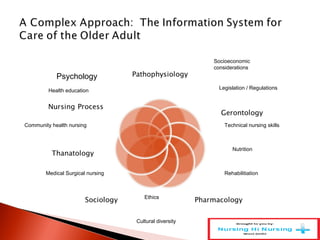
Psychology
Socioeconomic
considerations
Technical nursing skills
Nutrition
Rehabilitiation
Ethics
Medical Surgical nursing
Community health nursing
Health education
Legislation / Regulations
Cultural diversity
 African American population often has a distrust of
the medical community
 African Americans are generally very trusting of
their faith community
 This gives the faith based community a unique
OPPORTUNITY
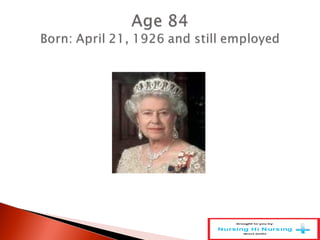
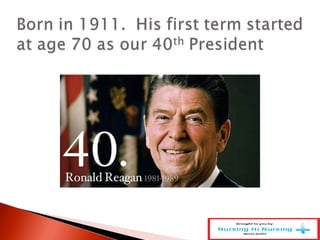
Myths that persist are a type of ageism. These
myths / attitudes often relate to an elders:
 Cognitive function
 Benefit to society
 Not teachable
 Ready to die
 Smelly
 Societal drain
 Resources
 Personnel
 Commitment
 Vision
 Resources
 Personnel
 Commitment
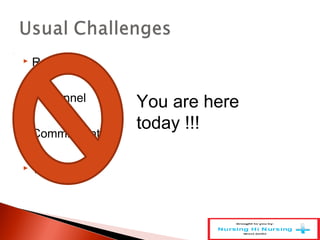
 Vision
You are here
today !!!
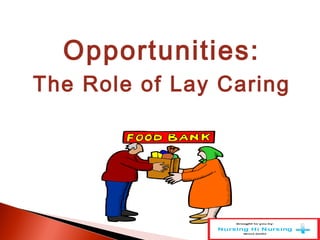
Opportunities:
The Role of Lay Caring
 Like professional caring, lay caring is
 embedded in social structures
 exercised as a normative practice in family, church and
benevolent organizations
 characterized by respect and compassion/empathy
 Lay caring is distinctly characterized by
 trustworthiness
 reliability/availability
 mutuality/reciprocity
 similarity in background and experiences
 Religious individuals may practice moderation and avoid
risky behaviors based on
 specific religious doctrine
 literal interpretation of Scripture
 belief that body is a temple of God, to be respected
 Religious people have healthier lifestyles and perform
fewer unhealthy behaviors
 risky sexual practices
 alcohol
 illegal drugs
 tobacco
 Religiously involved individuals may have less exposure to
unhealthy lifestyles/deviant behaviors
 social groups do not engage in deviant behaviors
 social circles do not frequent places with unhealthy lifestyles
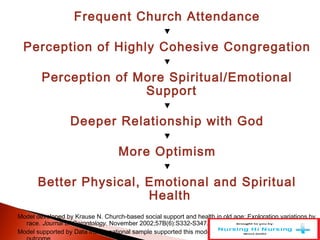
Frequent Church Attendance
▼
Perception of Highly Cohesive Congregation
▼
Perception of More Spiritual/Emotional
Support
▼
Deeper Relationship with God
▼
More Optimism
▼
Better Physical, Emotional and Spiritual
Health
Model developed by Krause N. Church-based social support and health in old age: Exploration variations by
race. Journal of Gerontology. November 2002;57B(6):S332-S347.
Model supported by Data from a national sample supported this model, using global self-rated health as the
Seeing the faith community as a vital link
Knowing that your programs will have an impact
Expanding collaborations
Partnering with other resources to make a
difference
 What are the older adults’ service needs?
 Does the older adult want services?
 NOTE: Cognitively intact?
 Is this something appropriate for congregational
care, or do professionals need to be enlisted?
 Is this elder at risk?
 Who is/are the caregiver(s)?
 Role changes
 Ageism (societal prejudice)
 Retirement
 Grief and loss
 Increasing health risks
 Awareness of mortality
 Reduced Income
 Shrinking social world
 Community very important in encouraging and achieving
optimal health
 Cultural factors influence the way people understand diseases
such as hypertension and diabetes
 May involve education, counseling, transportation, assessing
risks, improving nutrition, exercise, cognitive and social
stimulation, etc.
 Promotion of maximum independence
 Community very important in encouraging and achieving
optimal health
 Cultural factors influence the way people understand diseases
such as hypertension and diabetes
 May involve education, counseling, transportation, assessing
risks, improving nutrition, exercise, cognitive and social
stimulation, etc.
 Promotion of maximum independence
 Older adults need to maintain as much
independence as they can for as long as they can.
 Many aspects of congregational care should be
directed by this.
 Spiritual
 Social
 Helping others
 Mentoring opportunities
 Innovative programs: life review, journaling,
forgiveness, transcendence, meaning and
purpose, helping the older person to find pleasure
and enjoyment in current life activities and
circumstances.
 In our society, one is often judged by appearance
and productivity.
 Every human has intrinsic worth.
 When the elderly lack the attributes that command
dignity for most of secular society, they can derive
a sense of value and worth through their
connection with God.
 Eliopoulos, C. Gerontological Nursing.6th
ed. (2005) Philadelphia, PA. Lippincott Williams &
Wilkins.
 Slides on Lay Caring
Beverly Rosa Williams, PhD
Assistant Professor
UAB School of Medicine
Division of Gerontology, Geriatrics and Palliative Care
 Also,
Kelly Flood, MD
Assistant Professor
UAB School of Medicine
Division of Gerontology, Geriatrics and Palliative Care
Contact us:- 011-25464531, 9818569476
E-mail:- nursingnursing@yahoo.in
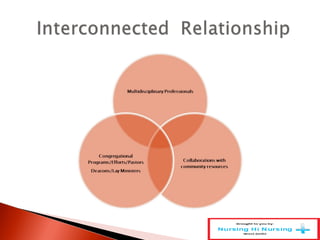
Faith based community

Faith based community

  • 1.
    Linda Jones, DNP,CRNP Assistant Professor of Nursing and Medicine University of Alabama at Birmingham
  • 2.
    We build onfoundations, we did not lay. We warm ourselves at fires, we did not light. We sit in the shade of trees, we did not plant. We drink from wells, we did not dig. We profit from persons, we did not know. (adapted from Deut. 6:10-12)
  • 3.
    “She is temporarilythe consciousness of the unconscious, the love of life for the suicidal, the leg of the amputee, the eyes of the newly blind, a means of locomotion for the infant, knowledge and confidence for the young mother, the mouthpiece for those too weak or withdrawn to speak, and so on.”
  • 4.
     Parish nursingis a recognized specialty practice that combines professional nursing and health ministry.  Parish nursing is rooted in the Judeo-Christian tradition, and the historic practice of professional nursing, and is consistent with the basic assumptions of many faiths that we care for self and others as an expression of God's love.
  • 5.
     …in collaborationwith the pastoral staff and congregants, participates in the ongoing transformation of the faith community into sources of health and healing.  Through partnership with other community health resources, parish nursing fosters new and creative responses to health and wellness concerns.  The parish nurse serves the faith community and advocates with compassion, mercy, and dignity.
  • 7.
     “One Sizedoes not fit all”  Varying needs  Needs are not necessarily age related  People age in a very individualized manner  Complexity of needs of older adults
  • 8.
    Psychology Socioeconomic considerations Technical nursing skills Nutrition Rehabilitiation Ethics MedicalSurgical nursing Community health nursing Health education Legislation / Regulations Cultural diversity
  • 9.
     African Americanpopulation often has a distrust of the medical community  African Americans are generally very trusting of their faith community  This gives the faith based community a unique OPPORTUNITY
  • 10.
    Myths that persistare a type of ageism. These myths / attitudes often relate to an elders:  Cognitive function  Benefit to society  Not teachable  Ready to die  Smelly  Societal drain
  • 15.
     Resources  Personnel Commitment  Vision
  • 16.
     Resources  Personnel Commitment  Vision You are here today !!!
  • 17.
  • 18.
     Like professionalcaring, lay caring is  embedded in social structures  exercised as a normative practice in family, church and benevolent organizations  characterized by respect and compassion/empathy  Lay caring is distinctly characterized by  trustworthiness  reliability/availability  mutuality/reciprocity  similarity in background and experiences
  • 19.
     Religious individualsmay practice moderation and avoid risky behaviors based on  specific religious doctrine  literal interpretation of Scripture  belief that body is a temple of God, to be respected  Religious people have healthier lifestyles and perform fewer unhealthy behaviors  risky sexual practices  alcohol  illegal drugs  tobacco  Religiously involved individuals may have less exposure to unhealthy lifestyles/deviant behaviors  social groups do not engage in deviant behaviors  social circles do not frequent places with unhealthy lifestyles
  • 20.
    Frequent Church Attendance ▼ Perceptionof Highly Cohesive Congregation ▼ Perception of More Spiritual/Emotional Support ▼ Deeper Relationship with God ▼ More Optimism ▼ Better Physical, Emotional and Spiritual Health Model developed by Krause N. Church-based social support and health in old age: Exploration variations by race. Journal of Gerontology. November 2002;57B(6):S332-S347. Model supported by Data from a national sample supported this model, using global self-rated health as the
  • 22.
    Seeing the faithcommunity as a vital link Knowing that your programs will have an impact Expanding collaborations Partnering with other resources to make a difference
  • 23.
     What arethe older adults’ service needs?  Does the older adult want services?  NOTE: Cognitively intact?  Is this something appropriate for congregational care, or do professionals need to be enlisted?  Is this elder at risk?  Who is/are the caregiver(s)?
  • 24.
     Role changes Ageism (societal prejudice)  Retirement  Grief and loss  Increasing health risks  Awareness of mortality  Reduced Income  Shrinking social world
  • 25.
     Community veryimportant in encouraging and achieving optimal health  Cultural factors influence the way people understand diseases such as hypertension and diabetes  May involve education, counseling, transportation, assessing risks, improving nutrition, exercise, cognitive and social stimulation, etc.  Promotion of maximum independence
  • 26.
     Community veryimportant in encouraging and achieving optimal health  Cultural factors influence the way people understand diseases such as hypertension and diabetes  May involve education, counseling, transportation, assessing risks, improving nutrition, exercise, cognitive and social stimulation, etc.  Promotion of maximum independence
  • 27.
     Older adultsneed to maintain as much independence as they can for as long as they can.  Many aspects of congregational care should be directed by this.
  • 28.
     Spiritual  Social Helping others  Mentoring opportunities  Innovative programs: life review, journaling, forgiveness, transcendence, meaning and purpose, helping the older person to find pleasure and enjoyment in current life activities and circumstances.
  • 29.
     In oursociety, one is often judged by appearance and productivity.  Every human has intrinsic worth.  When the elderly lack the attributes that command dignity for most of secular society, they can derive a sense of value and worth through their connection with God.  Eliopoulos, C. Gerontological Nursing.6th ed. (2005) Philadelphia, PA. Lippincott Williams & Wilkins.
  • 30.
     Slides onLay Caring Beverly Rosa Williams, PhD Assistant Professor UAB School of Medicine Division of Gerontology, Geriatrics and Palliative Care  Also, Kelly Flood, MD Assistant Professor UAB School of Medicine Division of Gerontology, Geriatrics and Palliative Care
  • 32.
    Contact us:- 011-25464531,9818569476 E-mail:- nursingnursing@yahoo.in