Fairy Tales
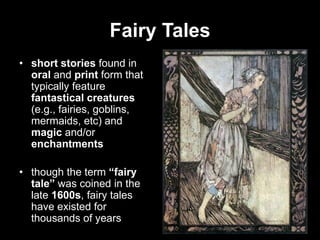
• short stories found in
  oral and print form that
  typically feature
  fantastical creatures
  (e.g., fairies, goblins,
  mermaids, etc) and
  magic and/or
  enchantments

• though the term “fairy
  tale” was coined in the
  late 1600s, fairy tales
  have existed for
  thousands of years
Key Characteristics
• “timeless”: often begin with “Once upon a time”
  and feature a happy ending
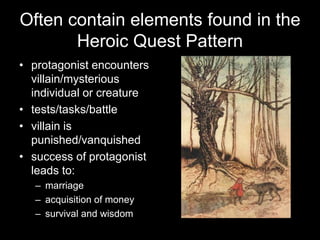
• have instructional/cautionary elements (e.g., Little
  Red Riding Hood)
• supernatural creatures/objects/occurrences
• conflict and resolution of conflict
• may include objects, people, or events in 3s
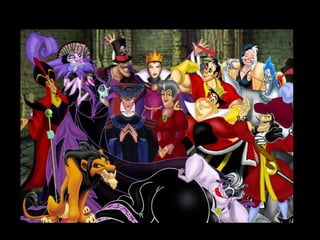
• theme of good vs. evil is prominent
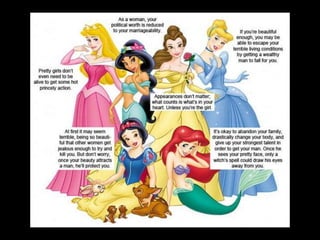
• beautiful people
• females are often in distress
• women are beautiful or evil (not average)
• repetition
• they evolve over time (multiple versions!)
Often contain elements found in the
       Heroic Quest Pattern
• protagonist encounters
  villain/mysterious
  individual or creature
• tests/tasks/battle
• villain is
  punished/vanquished
• success of protagonist
  leads to:
  – marriage
  – acquisition of money
  – survival and wisdom
Other Common Motifs
•   Talking animals / objects
•   Cleverness / trickster / word games
•   Traveler’s tales
•   Origins ~ where do we come from?
•   Triumph of the poor
•   Human weakness explored (i.e., curiosity, gluttony, pride, laziness, etc.)
•   Human strengths glorified (i.e., kindness, generosity, patience, etc.)
•   Trickster (sometimes a hero, sometimes on the side of evil but humans benefit)
•   Tall story (slight exaggeration – hyperbole)
•   Magic words or phrases; repetition of phrases/words (abracadabra!)
•   Guardians (fairy godmothers, mentors, magical helpers, guides, etc.)
•   Monsters (dragons, ogres, evil creatures, etc.)
•   Struggle between good and evil, light and dark
•   Youngest vs. Oldest (sons, daughters, sibling rivalry)
•   Sleep (extended sleep, death-like trances)
•   Impossible tasks (ridiculously mind-numbing, fantastic effort needed to complete, etc.)
•   Quests
•   Gluttony / Starvation (there’s a fine line between eating for survival and succumbing to
    temptation)
•   Keys, passes (opening new doors)
•   Donors, Benefactors, Helpers
Narrative Midpoint Feedback
• Feedback from Ms. Ingram:

  – I have circled (not corrected) areas in which you are:
     • missing punctuation
     • using punctuation incorrectly
     • spelling/grammatical issues

  – underlining/writing in the margins (me making note
    of descriptive details, devices, striking passages)

  – marked up rubric: “AOI” means Area/s of
    Improvement”
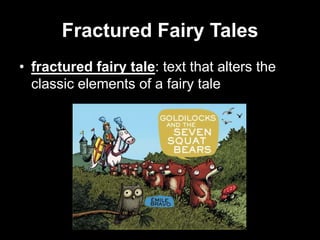
Fractured Fairy Tales
• fractured fairy tale: text that alters the
  classic elements of a fairy tale
(Some) strategies to “fragment” a
           fairy tale:
- CHANGE                  - INTRODUCE/
                             EXPERIMENT WITH:

  • main character/s      • characters/plot lines from
  • setting/time (e.g.,     other stories
    set in modern         • plot twists
    place/time)           • humour
  • key items             • elements of other genres
  • key conflict          • different P.O.V (e.g., tell
  • characterization        from perspective of
  • ending                  villain)
Fairy tales8[1]

Fairy tales8[1]

  • 1.
    Fairy Tales • shortstories found in oral and print form that typically feature fantastical creatures (e.g., fairies, goblins, mermaids, etc) and magic and/or enchantments • though the term “fairy tale” was coined in the late 1600s, fairy tales have existed for thousands of years
  • 2.
    Key Characteristics • “timeless”:often begin with “Once upon a time” and feature a happy ending • have instructional/cautionary elements (e.g., Little Red Riding Hood) • supernatural creatures/objects/occurrences • conflict and resolution of conflict • may include objects, people, or events in 3s • theme of good vs. evil is prominent • beautiful people • females are often in distress • women are beautiful or evil (not average) • repetition • they evolve over time (multiple versions!)
  • 3.
    Often contain elementsfound in the Heroic Quest Pattern • protagonist encounters villain/mysterious individual or creature • tests/tasks/battle • villain is punished/vanquished • success of protagonist leads to: – marriage – acquisition of money – survival and wisdom
  • 4.
    Other Common Motifs • Talking animals / objects • Cleverness / trickster / word games • Traveler’s tales • Origins ~ where do we come from? • Triumph of the poor • Human weakness explored (i.e., curiosity, gluttony, pride, laziness, etc.) • Human strengths glorified (i.e., kindness, generosity, patience, etc.) • Trickster (sometimes a hero, sometimes on the side of evil but humans benefit) • Tall story (slight exaggeration – hyperbole) • Magic words or phrases; repetition of phrases/words (abracadabra!) • Guardians (fairy godmothers, mentors, magical helpers, guides, etc.) • Monsters (dragons, ogres, evil creatures, etc.) • Struggle between good and evil, light and dark • Youngest vs. Oldest (sons, daughters, sibling rivalry) • Sleep (extended sleep, death-like trances) • Impossible tasks (ridiculously mind-numbing, fantastic effort needed to complete, etc.) • Quests • Gluttony / Starvation (there’s a fine line between eating for survival and succumbing to temptation) • Keys, passes (opening new doors) • Donors, Benefactors, Helpers
  • 8.
    Narrative Midpoint Feedback •Feedback from Ms. Ingram: – I have circled (not corrected) areas in which you are: • missing punctuation • using punctuation incorrectly • spelling/grammatical issues – underlining/writing in the margins (me making note of descriptive details, devices, striking passages) – marked up rubric: “AOI” means Area/s of Improvement”
  • 9.
    Fractured Fairy Tales •fractured fairy tale: text that alters the classic elements of a fairy tale
  • 10.
    (Some) strategies to“fragment” a fairy tale: - CHANGE - INTRODUCE/ EXPERIMENT WITH: • main character/s • characters/plot lines from • setting/time (e.g., other stories set in modern • plot twists place/time) • humour • key items • elements of other genres • key conflict • different P.O.V (e.g., tell • characterization from perspective of • ending villain)

Editor's Notes

  • #2 Genre has existed for thousands of years; “fairy tale” first spoken about in late 1600s; appear in multiple cultures around the world; still written today…often contain patterns SIMILAR to the heroic questA fairy tale (pronounced /ˈfeəriˌteɪl/) is a type of short story that typically features folkloricfantasy characters, such as fairies, goblins, elves, trolls, dwarves, giants, mermaids or gnomes, and usually magic or enchantments. However, only a small number of the stories refer to fairies. The stories may nonetheless be distinguished from other folk narratives such as legends (which generally involve belief in the veracity of the events described)[1] and explicitly moral tales, including beast fables.In less technical contexts, the term is also used to describe something blessed with unusual happiness, as in "fairy tale ending" (a happy ending)[2] or "fairy tale romance" (though not all fairy tales end happily). Colloquially, a "fairy tale" or "fairy story" can also mean any far-fetched story or tall tale.In cultures where demons and witches are perceived as real, fairy tales may merge into legends, where the narrative is perceived both by teller and hearers as being grounded in historical truth. However, unlike legends and epics, they usually do not contain more than superficial references to religion and actual places, people, and events; they take place once upon a time rather than in actual times.[3]Fairy tales are found in oral and in literary form. The history of the fairy tale is particularly difficult to trace because only the literary forms can survive. Still, the evidence of literary works at least indicates that fairy tales have existed for thousands of years, although not perhaps recognized as a genre; the name "fairy tale" was first ascribed to them by Madame d'Aulnoy in the late 17th century. Many of today's fairy tales have evolved from centuries-old stories that have appeared, with variations, in multiple cultures around the world.[4] Fairy tales, and works derived from fairy tales, are still written today.The older fairy tales were intended for an audience of adults, as well as children, but they were associated with children as early as the writings of the précieuses; the Brothers Grimm titled their collection Children's and Household Tales, and the link with children has only grown stronger with time.Folklorists have classified fairy tales in various ways. The Aarne-Thompson classification system and the morphological analysis of Vladimir Propp are among the most notable. Other folklorists have interpreted the tales' significance, but no school has been definitively established for the meaning of the tales.
  • #3 Spells/enchantments-in the 15th, 16th, 17th centuries, more amnd more were written down-timelessness; universalDo NOT need to include fairies. •Set in the past—usually significantly long ago. May bepresented as historical fact from the past.•Include fantasy, supernatural or make-believe aspects.•Typically incorporate clearly defined good characters and evil characters.•Involves magic elements, which may be magical people, animals, or objects. Magic may be postive or negative.•May include objects, people, or events in threes. •Focus the plot on a problem or conflict that needs to besolved.•Often have happy endings, based on the resolution of the conflict or problem.•Usually teach a lesson or demonstrate values important to the culture.
  • #5 Source: http://www.surfturk.com/mythology/fairytaleelements.html
  • #6 http://www.feministfrequency.com/2009/12/the-bechdel-test-for-women-in-movies/
  • #8 http://www.nationalgeographic.com/grimm/index2.html
  • #9 8As: 10 min read; Hand back narrative MP; explain; give them time to read (5 min), touch base with meDebrief from guest speaker: You are going to be asked to do the same thing in individuals/pairs: What did she do to make her story-telling effective? (gesture; pauses; emphasis; eye-contact around room; SIMILE/METAPHOR..vivid details; repetition/rhyme; sound-effects)-Elements you noticed/struck you…?-Fractured fairy tale exerice: Take tales from yesterday: images-give strategy sheet on how to FRACTURE fairy tales-pass the portrait; egg timer; 2-3 min