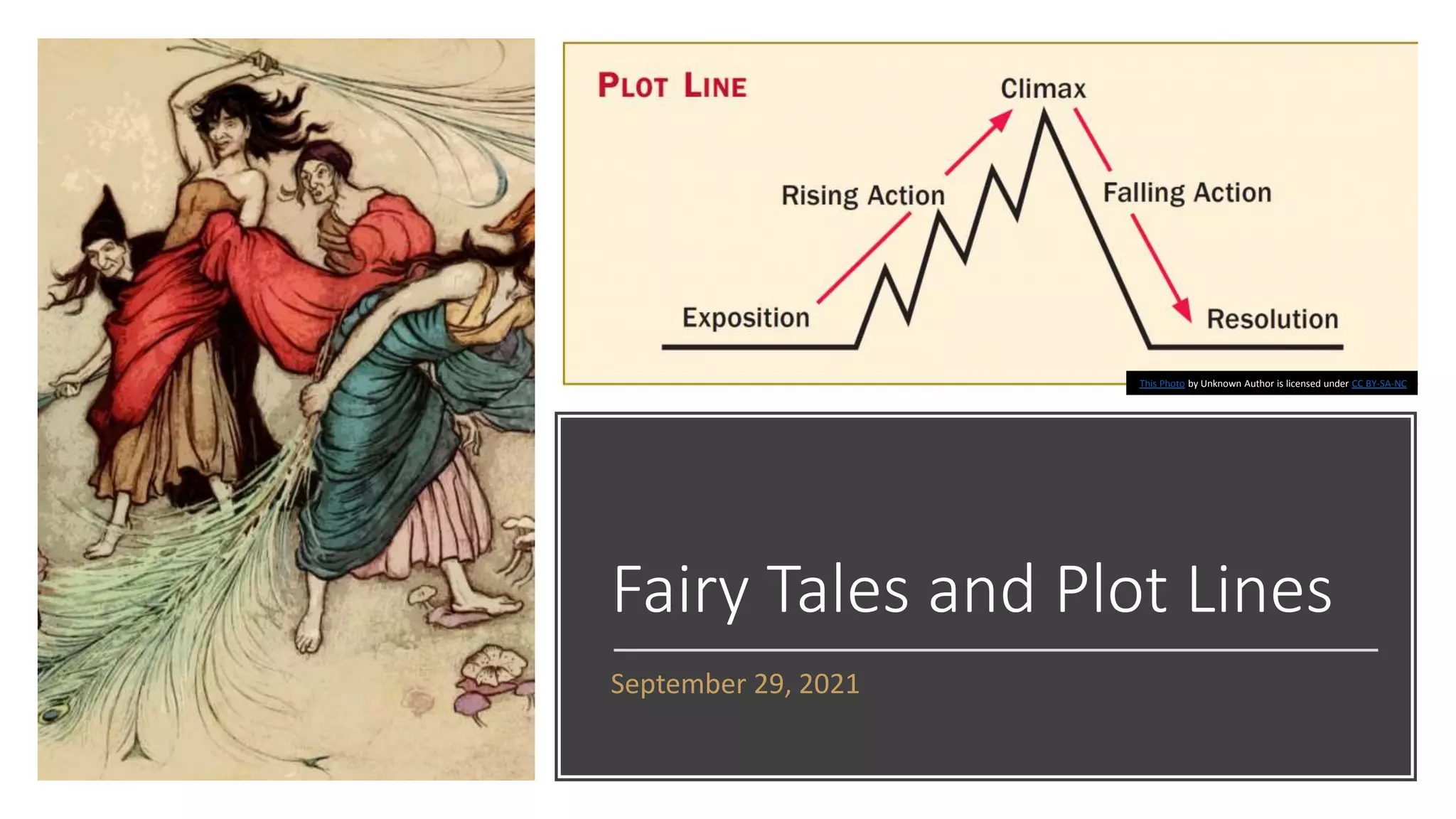
Fairy Tales and Plot Lines
September 29, 2021
This Photo by Unknown Author is licensed under CC BY-SA-NC
Common
Elements
of Fairy
Tales
• Do NOT need to include fairies.
• Set in the past—usually significantly long ago. May be presented as historical fact
from the past.
• Include fantasy, supernatural or make-believe aspects.
• Typically incorporate clearly defined good characters and evil characters.
• Involves magic elements, which may be magical people, animals, or objects. Magic
may be postive or negative.
• May include objects, people, or events in threes.
• Focus the plot on a problem or conflict that needs to be solved.
• Often have happy endings, based on the resolution of the conflict or problem.
• Usually teach a lesson or demonstrate values important to the culture.
A character
• In a short story you can often get away with characters being larger than life, or having
distinctive qualities that are more exuberant, because the reader won’t be experiencing
the character for so long that these characteristics begin to become tiresome or irritating.
This Photo by Unknown Author is licensed under CC BY-SA
Is in a situation
• Very quickly you need to introduce the character’s world and their place in it. What is
interesting about this character and their life? Make sure the reader feels excited and
intrigued.
This Photo by Unknown Author is licensed under CC BY-NC-ND
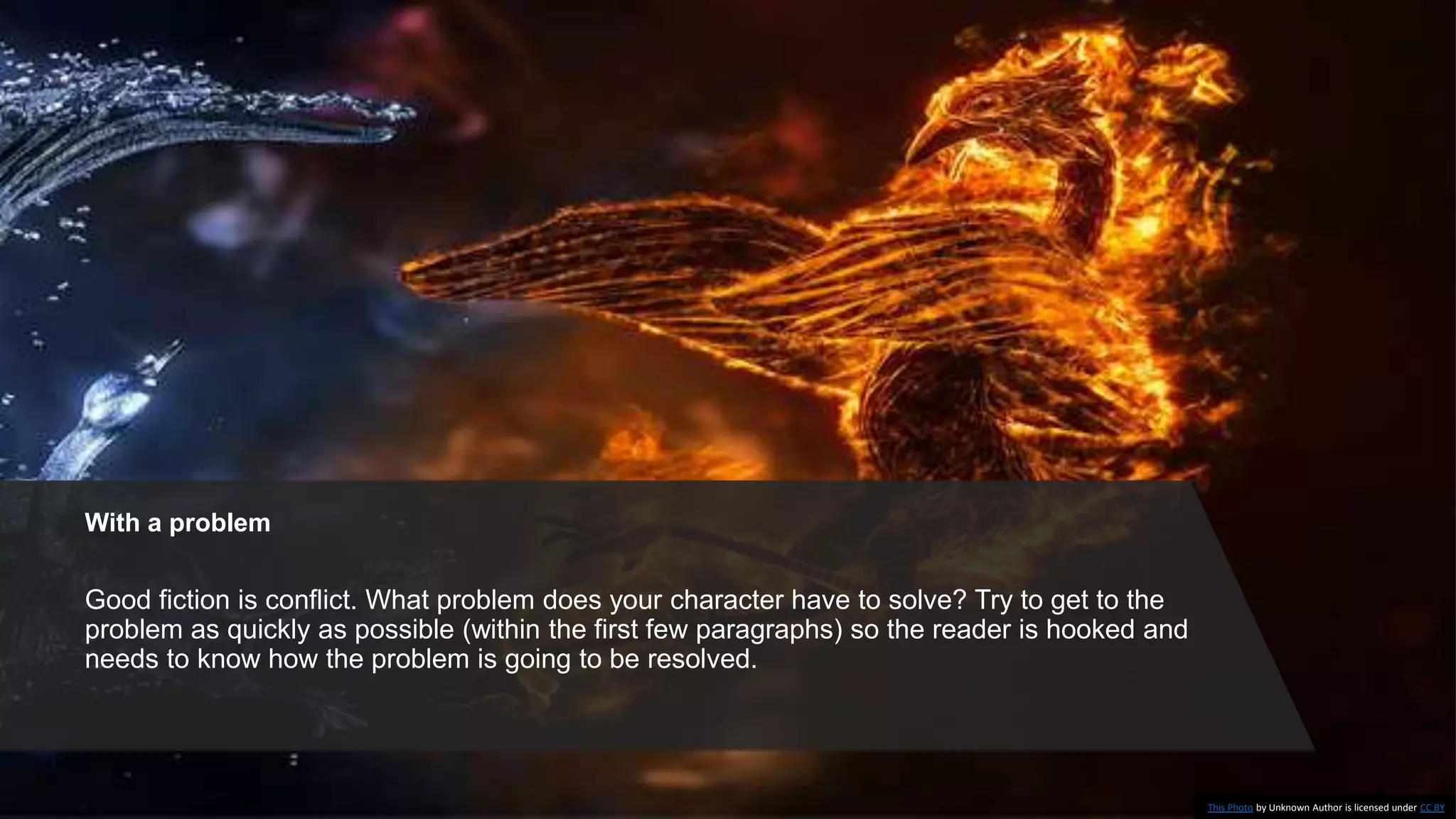
With a problem
Good fiction is conflict. What problem does your character have to solve? Try to get to the
problem as quickly as possible (within the first few paragraphs) so the reader is hooked and
needs to know how the problem is going to be resolved.
This Photo by Unknown Author is licensed under CC BY
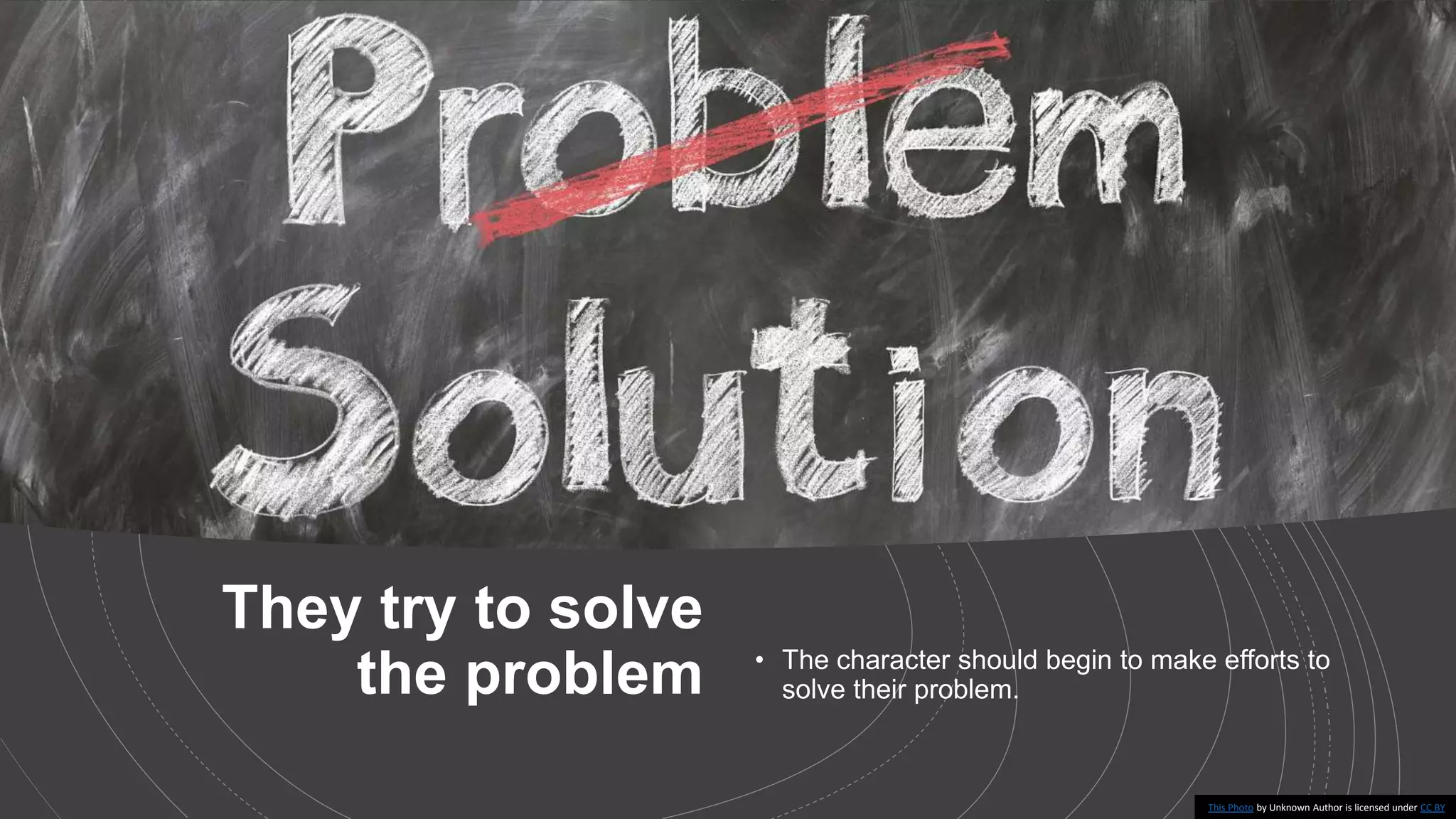
They try to solve
the problem • The character should begin to make efforts to
solve their problem.
This Photo by Unknown Author is licensed under CC BY
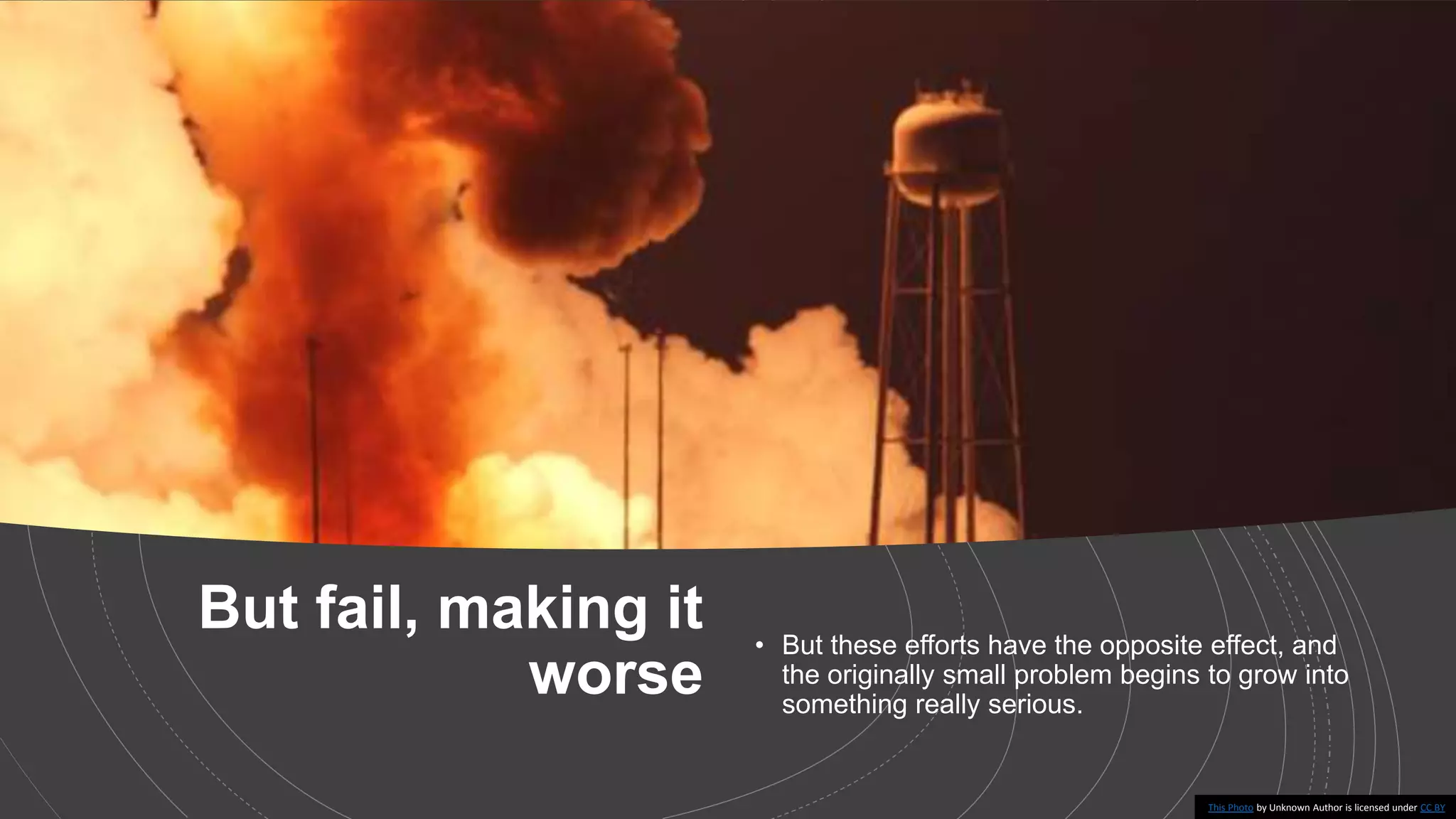
But fail, making it
worse
• But these efforts have the opposite effect, and
the originally small problem begins to grow into
something really serious.
This Photo by Unknown Author is licensed under CC BY
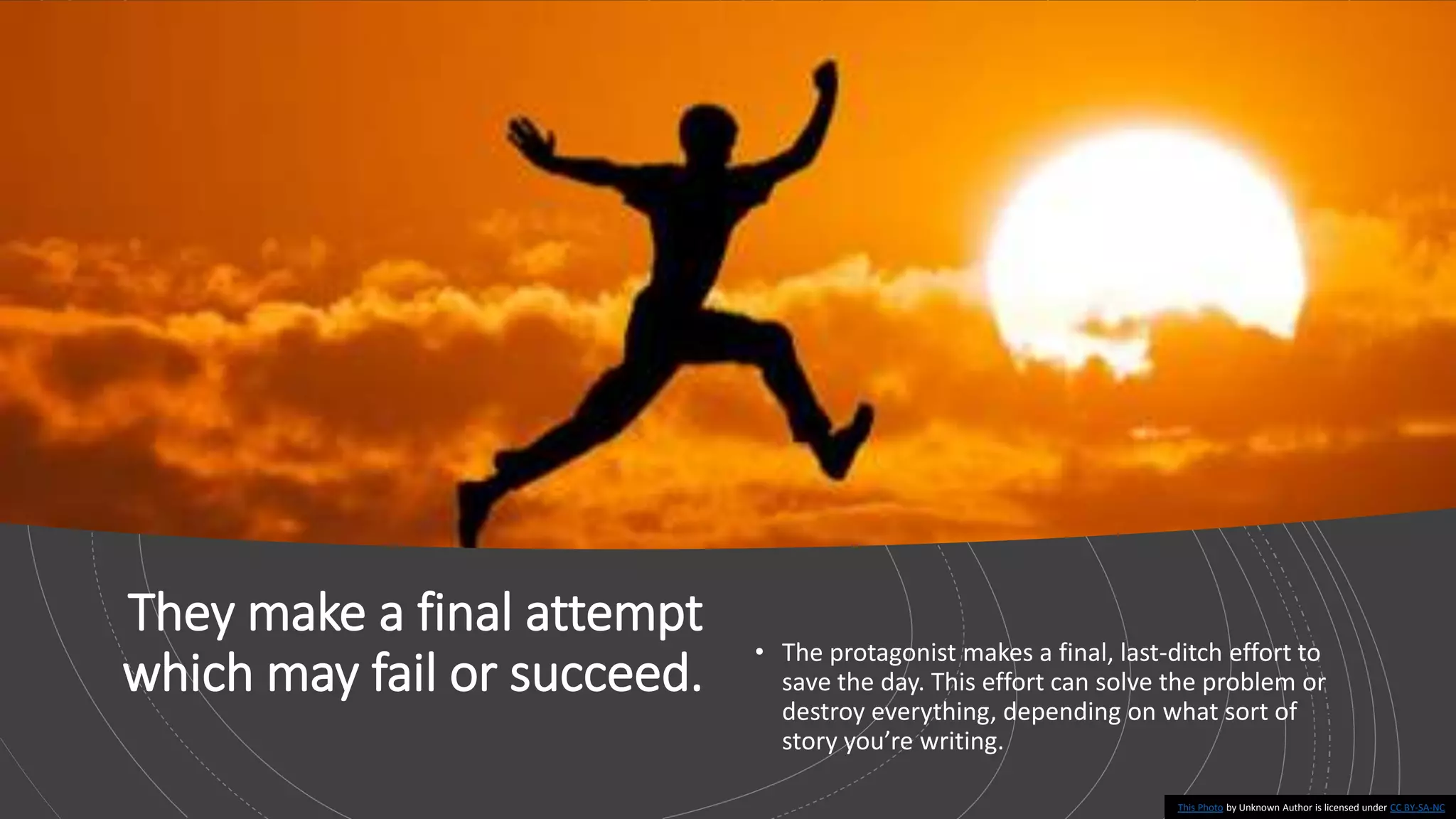
They make a final attempt
which may fail or succeed.
• The protagonist makes a final, last-ditch effort to
save the day. This effort can solve the problem or
destroy everything, depending on what sort of
story you’re writing.
This Photo by Unknown Author is licensed under CC BY-SA-NC
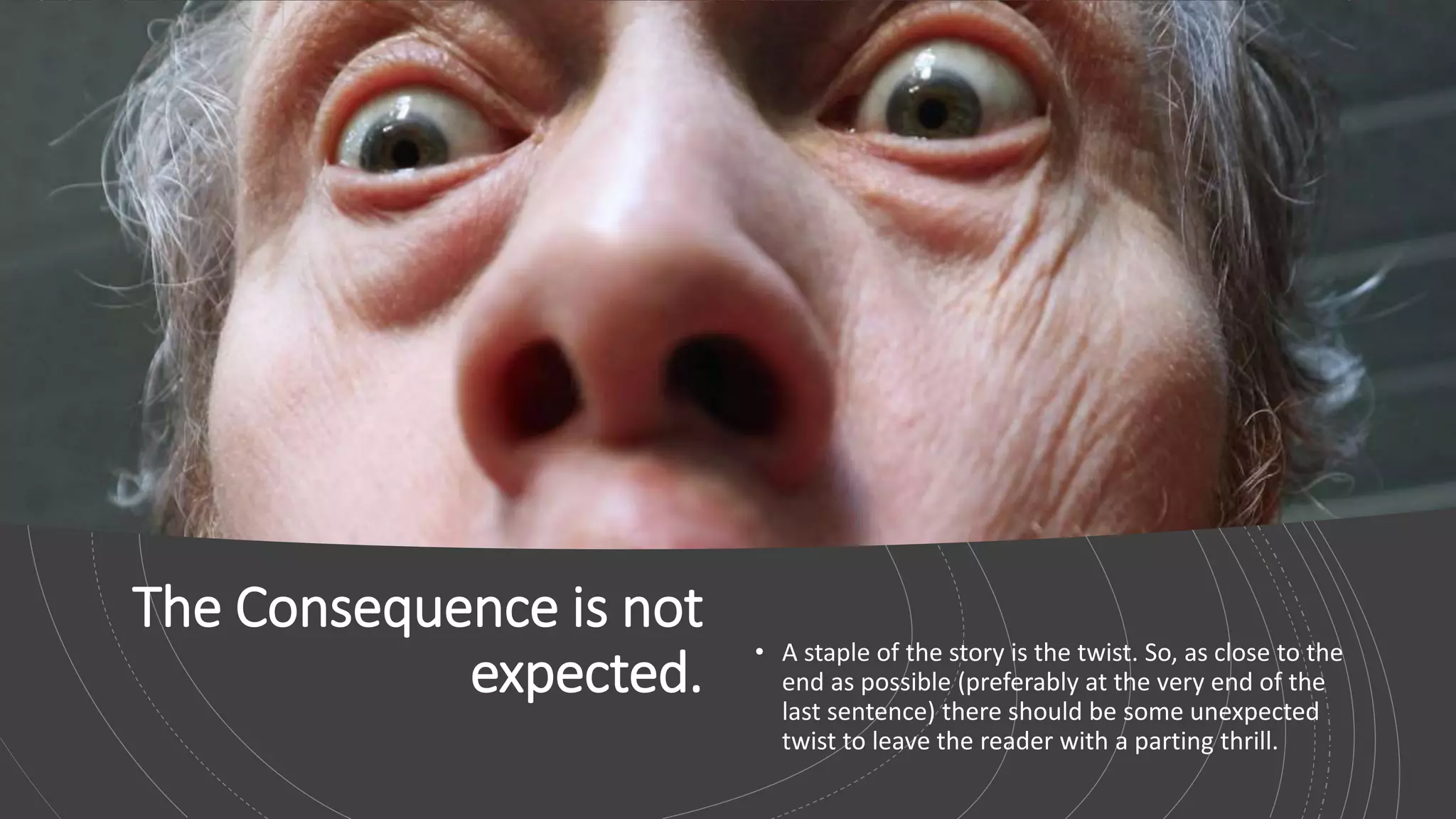
The Consequence is not
expected.
• A staple of the story is the twist. So, as close to the
end as possible (preferably at the very end of the
last sentence) there should be some unexpected
twist to leave the reader with a parting thrill.

Fairy tales and plot lines

  • 1.
    Fairy Tales andPlot Lines September 29, 2021 This Photo by Unknown Author is licensed under CC BY-SA-NC
  • 2.
    Common Elements of Fairy Tales • DoNOT need to include fairies. • Set in the past—usually significantly long ago. May be presented as historical fact from the past. • Include fantasy, supernatural or make-believe aspects. • Typically incorporate clearly defined good characters and evil characters. • Involves magic elements, which may be magical people, animals, or objects. Magic may be postive or negative. • May include objects, people, or events in threes. • Focus the plot on a problem or conflict that needs to be solved. • Often have happy endings, based on the resolution of the conflict or problem. • Usually teach a lesson or demonstrate values important to the culture.
  • 3.
    A character • Ina short story you can often get away with characters being larger than life, or having distinctive qualities that are more exuberant, because the reader won’t be experiencing the character for so long that these characteristics begin to become tiresome or irritating. This Photo by Unknown Author is licensed under CC BY-SA
  • 4.
    Is in asituation • Very quickly you need to introduce the character’s world and their place in it. What is interesting about this character and their life? Make sure the reader feels excited and intrigued. This Photo by Unknown Author is licensed under CC BY-NC-ND
  • 5.
    With a problem Goodfiction is conflict. What problem does your character have to solve? Try to get to the problem as quickly as possible (within the first few paragraphs) so the reader is hooked and needs to know how the problem is going to be resolved. This Photo by Unknown Author is licensed under CC BY
  • 6.
    They try tosolve the problem • The character should begin to make efforts to solve their problem. This Photo by Unknown Author is licensed under CC BY
  • 7.
    But fail, makingit worse • But these efforts have the opposite effect, and the originally small problem begins to grow into something really serious. This Photo by Unknown Author is licensed under CC BY
  • 8.
    They make afinal attempt which may fail or succeed. • The protagonist makes a final, last-ditch effort to save the day. This effort can solve the problem or destroy everything, depending on what sort of story you’re writing. This Photo by Unknown Author is licensed under CC BY-SA-NC
  • 9.
    The Consequence isnot expected. • A staple of the story is the twist. So, as close to the end as possible (preferably at the very end of the last sentence) there should be some unexpected twist to leave the reader with a parting thrill.