EthUX

Seven deadly sins that keep us from
building a better world
Eric Reiss
@elreiss
UX Sofia

November 9, 2018
Sofia, Bulgaria
Disclaimer
Absolutely no attempt has been made
to make this presentation politically correct.
No animals were harmed during the production
of this PowerPoint (even though I tried).
Made entirely of recycled electrons.
Disclaimer #2
If you’ve heard this all before, my apologies.
If you’ve ignored these issues, step up and take a stand.
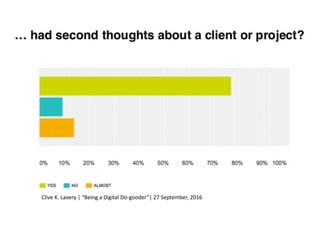
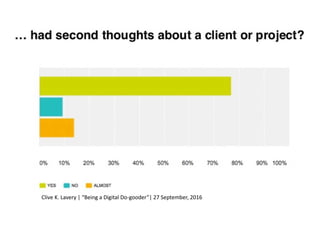
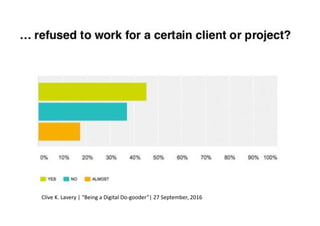
Clive K. Lavery | “Being a Digital Do-gooder”| 27 September, 2016
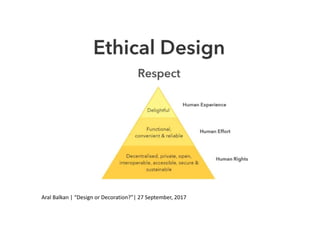
Aral Balkan | “Design or Decoration?”| 27 September, 2017
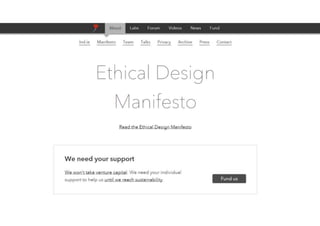
Leyla Nasib and Jonna Ratanen| “Children’s Rights and Ethics in Design”| 17 April, 2018
What are “ethics”?
What are “morals”?
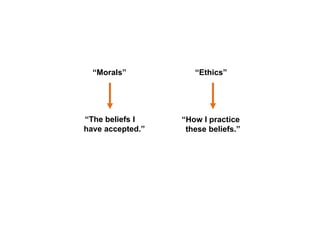
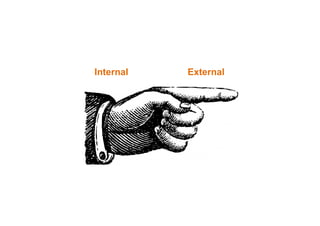
“Morals” “Ethics”
“The beliefs I
have accepted.”
“How I practice
these beliefs.”
“Thou shalt not kill.”
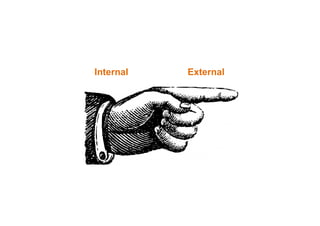
Internal External
Johann and his iPhone
Johann and the lost letter
Johann, Albert, Clara
(and Leo)
Clara
Clara
1983 - 2018
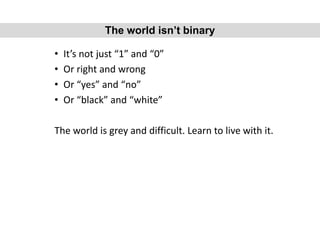
• It’s not just “1” and “0”
• Or right and wrong
• Or “yes” and “no”
• Or “black” and “white”
The world is grey and difficult. Learn to live with it.
The world isn’t binary
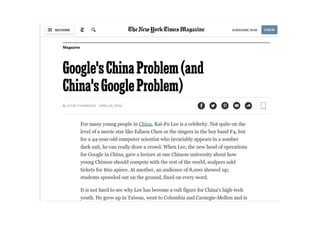
“Do no evil”
“Make money”
“Make money”
“Do no evil”
“Make money”
“Keep the government off our back”
Eric, stop bashing Google!
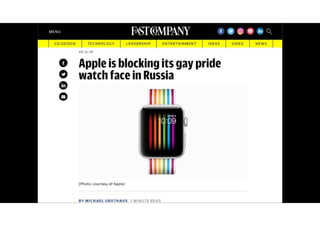
Sister Dorothy and the Vatican
Internal External
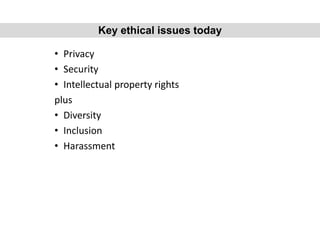
• Privacy
• Security
• Intellectual property rights
plus
• Diversity
• Inclusion
• Harassment
Key ethical issues today
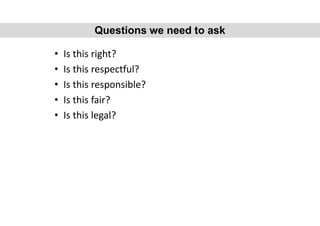
• Is this right?
• Is this respectful?
• Is this responsible?
• Is this fair?
• Is this legal?
Questions we need to ask
Small compromises can add up to big problems!
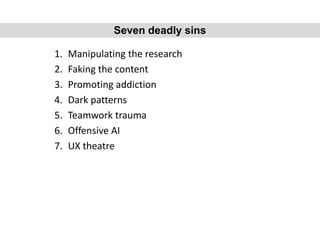
1. Manipulating the research
2. Faking the content
3. Promoting addiction
4. Dark patterns
5. Teamwork trauma
6. Offensive AI
7. UX theatre
Seven deadly sins
Manipulating the research
Lies, damned lies, and statistics
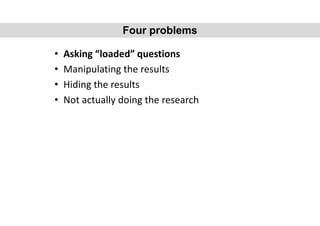
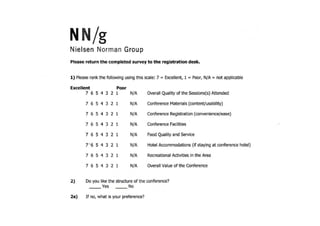
• Asking “loaded” questions
• Manipulating the results
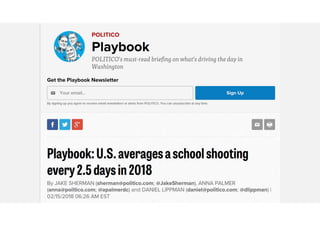
• Hiding the results
• Not actually doing the research
Four problems
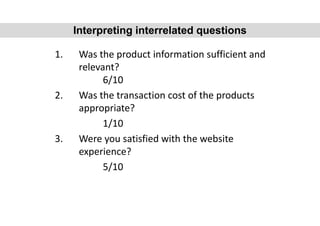
1. Was the product information sufficient and
relevant?
6/10
2. Was the transaction cost of the products
appropriate?
1/10
3. Were you satisfied with the website
experience?
5/10
Interpreting interrelated questions
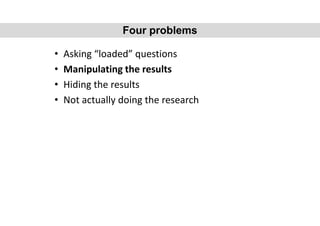
• Asking “loaded” questions
• Manipulating the results
• Hiding the results
• Not actually doing the research
Four problems
• Asking “loaded” questions
• Manipulating the results
• Hiding the results
• Not actually doing the research
Four problems
• Asking “loaded” questions
• Manipulating the results
• Hiding the results
• Not actually doing the research
Four problems
District heating plants in Poland
“Return on Investment is based on historic
data. It is a backward-looking metric that
yields no insights into how to improve
business results in the future.”
www.maxi-pedia.com
• Examine the research sources
• Ask relevant follow-up questions
• Don’t trust client research. Verify it.
• Watch out for personal or political agendas
• Call bullshit when you see it (diplomatically)
What you can do
• Being principled is challenging
• There are consequences to your actions
• Be gentle if you can
• The greater the ethical violation, the harder
you need to push
• Sometimes, it’s good to get fired
Some thoughts on “calling bullshit”
Faking the content
Hits and bruises
• Fake testimonials
• Fake photos
• Misleading metadata
• Fake referral sites
• Clueless social-media managers
What to look out for
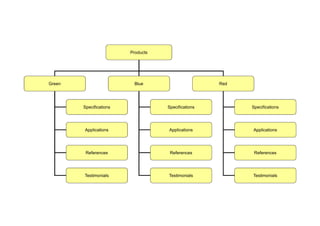
Products
Green Blue Red
Specifications Specifications Specifications
Applications Applications
References
Testimonials
Applications
References
Testimonials
References
Testimonials
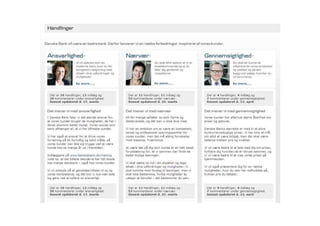
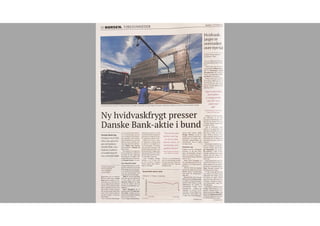
Danske Bank
• Ask yourself if the content is honest
• Ask yourself if this is really in the user’s best
interests
• Ask yourself if this is in the business’s best
interests
• Don’t force content providers to publish
information they cannot provide
What you can do
Promoting addiction
Digital drugs
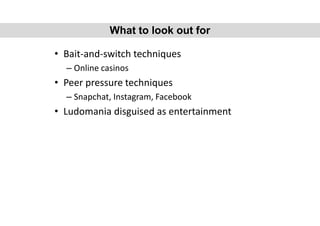
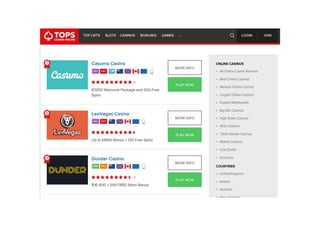
• Bait-and-switch techniques
– Online casinos
• Peer pressure techniques
– Snapchat, Instagram, Facebook
• Ludomania disguised as entertainment
What to look out for
“100 free spins…”
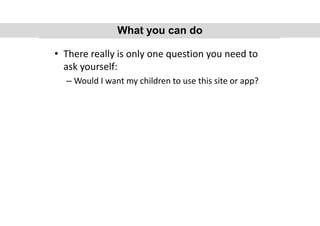
• There really is only one question you need to
ask yourself:
– Would I want my children to use this site or app?
What you can doWhat you can do
Dark patterns
Asterisks and after-risks
• Sites that trick you to:
– Opt in to something you do not want
– Buy something you do not want
• Sites that require information they are not
entitled to:
– Telephone number
– Personal details (e.g. gender)
What to look out for
• People do not read very carefully
• People will often accept that they have been
tricked because it takes too long to put things
right again
Some sad facts
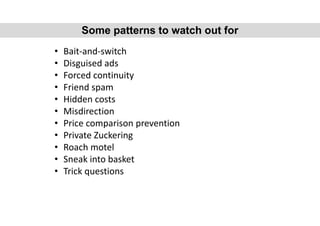
• Bait-and-switch
• Disguised ads
• Forced continuity
• Friend spam
• Hidden costs
• Misdirection
• Price comparison prevention
• Private Zuckering
• Roach motel
• Sneak into basket
• Trick questions
Some patterns to watch out for
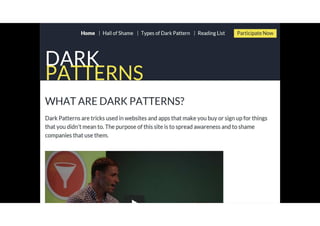
https://darkpatterns.org/
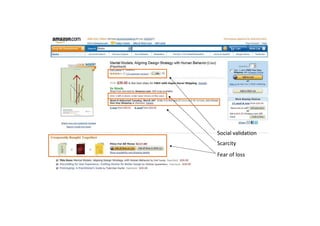
Frequently bought together…
Scarcity
Social validation
Fear of loss
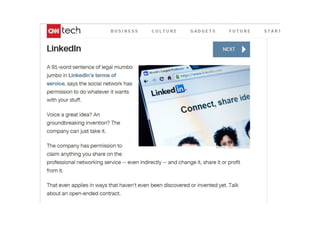
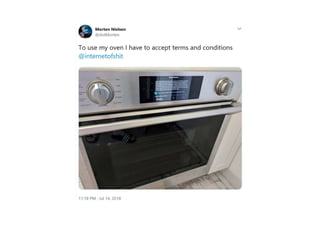
Sneaky terms and conditions
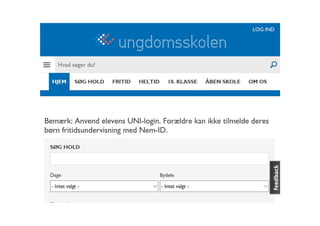
An exception to the rule
• Make sure the behaviour of your design is not
misleading people
• Do not trick or cheat people
• Keep the user’s needs in focus
What you can do
Teamwork trauma
Design thinking or design terror?
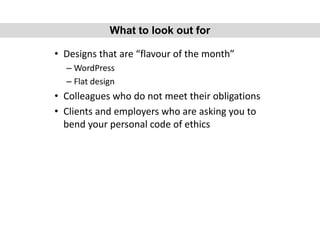
• Designs that are “flavour of the month”
– WordPress
– Flat design
• Colleagues who do not meet their obligations
• Clients and employers who are asking you to
bend your personal code of ethics
What to look out for
The Czech brothel project
Clive K. Lavery | “Being a Digital Do-gooder”| 27 September, 2016
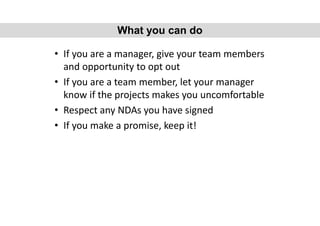
• If you are a manager, give your team members
and opportunity to opt out
• If you are a team member, let your manager
know if the projects makes you uncomfortable
• Respect any NDAs you have signed
• If you make a promise, keep it!
What you can do
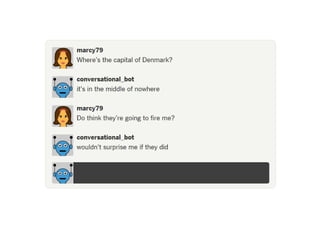
Offensive AI
Tay, Siri, Alexa, and Bixby
• Validate your assumptions
• Test your prototypes, apps, and existing sites
with real users
• Mine the existing data for genuine insights
• Check for cultural bias
– Racist, religious, and sexist discrimination
• Train your algorithm with unbiased data
• Monitor your AI bot regularly
What you can do
UX theatre
Brainstorming and bullshit
https://twitter.com/i/moments/955234060
951048192
• So-called UX projects where no one has
actually ever talked to a user
• Fake personas
• Projects where assumptions are given the
same weight as actual research
• Team members who exhibit strong cognitive
bias
• Civil servants and mediocre managers who
just want an impressive report, but do not
actually want to improve UX
What to look out for
The Copenhagen Letter
Taking a moral stand
Highland Park High School Math Club
1969
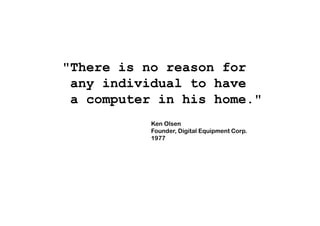
"There is no reason for
any individual to have
a computer in his home."
Ken Olsen
Founder, Digital Equipment Corp.
1977
TRS-80
1977
Apple II
1977
IBM PC
1981
Apple Macintosh
1984
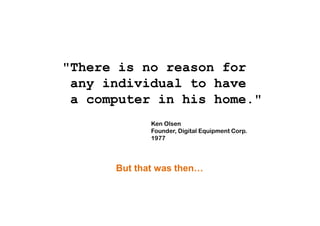
"There is no reason for
any individual to have
a computer in his home."
Ken Olsen
Founder, Digital Equipment Corp.
1977
But that was then…
With power comes responsibility…
The Copenhagen Letter
Today, over 4,400 people have signed.
These aren’t merely Facebook likes.
These signatures represent a commitment.
https://copenhagenletter.org/
Join us!
A few parting comments about “tribalism”
commons.wikimedia.org
“In fascism, the idea is that we’re not
individual human beings who have
thoughts and reflect before we speak, the
idea is that we are tribes. And the politics
begin with deciding who the enemy is.”
Timothy Snyder
Historian, Author “The Road to Unfreedom”
“Lock her up!”
“Build the wall!”
“Fake news!”
“Mobile first!”
“Build the app!”
“Sprint! Sprint! Sprint! Sprint!”
Tribes exclude.
Communities welcome.
We live in dangerous times.
We can make a difference.
We designers must remain inclusive!
Bonus material
We didn’t invent this discipline
Give credit where credit is due
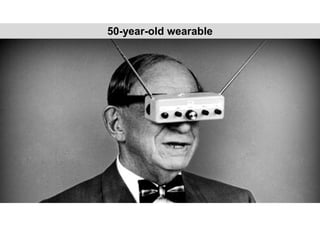
50-year-old wearable
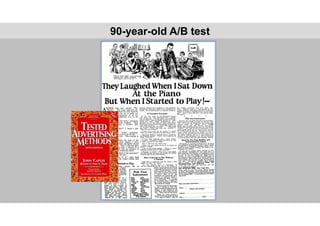
90-year-old A/B test
150-year-old infographic
170-year-old sitemap
220-year-old SEO project
250-year-old knowledge map
300-year-old taxonomy
A 400-year-old content inventory
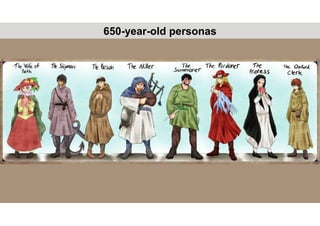
650-year-old personas
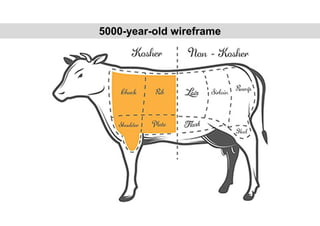
5000-year-old wireframe
15000-year-old storyboard
Gestural interfaces - 1935
• You are unique!
• You hold incredible power!
• You can change the world!
Some of you will…and thank goodness for that!
A few parting words
благодаря!
The FatDUX Group ApS
Strandøre 15
2100 Copenhagen
Denmark
Office: (+45) 39 29 07 07
Mobil: (+45) 20 12 88 44
Twitter: @elreiss
er@fatdux.com
www.fatdux.com
Eric Reiss can (usually) be found at:

Ethics and ux ux sofia nov 2018