EpiPen Administration Newberg School District  Revised 5/2010
You may feel like this now….
But after this presentation, you’ll feel like this… .
Introduction Anaphylaxis  is a sudden severe allergic reaction Sensitive individuals can experience reactions from: Food Medication Insect stings Exercise Other
Introduction, cont’d. In the US each year there are: Approximately 50 deaths due to insect stings Approximately 100 deaths related to food allergies
Immediate injection of epinephrine is the single factor most likely to save a life during anaphylaxis!
Explanation of Laws Person must meet qualifications for training Be 21 years of age or older Reasonable expectation to come into contact with sensitive individuals Complete approved training program
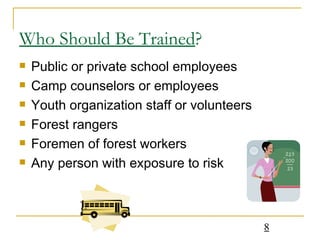
Who Should Be Trained ? Public or private school employees Camp counselors or employees Youth organization staff or volunteers Forest rangers Foremen of forest workers Any person with exposure to risk
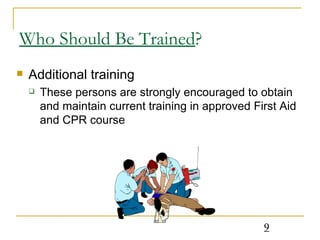
Who Should Be Trained ? Additional training These persons are strongly encouraged to obtain and maintain current training in approved First Aid and CPR course
Training Overview Recognizing Anaphylaxis What can trigger anaphylaxis? Insect stings, food, medication, other For each allergen: Avoidance measures Developing an Emergency Plan
Training Overview, continued Treatment for Anaphylaxis Basic information about epinephrine How to give epinephrine Sequence of steps for responding to anaphylaxis Quiz Demonstration
What is ANAPHYLAXIS? Anaphylaxis is a generalized, immediate life-threatening reaction to a foreign protein or allergen Insect’s venom Food Medication Pollen Other
What is Anaphylaxis? Severe life-threatening allergic reactions are rare Immediate administration of epinephrine is vital Person may be unable to self-administer Person may have no history of allergic response
What is Anaphylaxis? The 2 key steps in saving a life are: Recognition of anaphylaxis when it occurs; and Swift administration of epinephrine
Recognizing Anaphylaxis There are many possible symptoms There may be only one symptom, or there may be many! What symptoms has the person experienced before Reactions vary from person to person
Recognizing Anaphylaxis Anaphylaxis usually occurs quickly Reaction can start within seconds Death can occur within minutes Delayed reactions are also possible It is never safe to assume just because a allergic reaction did not occur with pervious allergen exposure that one will not develop a serious reaction in the future.
Symptoms Of Anaphylaxis   (slide 1 of 3) Sneezing, wheezing, or coughing Shortness of breath / Difficulty breathing Tightness in chest Difficulty swallowing Hoarseness Swelling of eyes, lips, face, tongue or elsewhere
Symptoms Of Anaphylaxis   (slide 2 of 3) Sweating and anxiety Nausea, abdominal pain, vomiting and diarrhea Dizziness and/or fainting Loss of bowel or bladder control Sense of impending doom or death Rapid or weak pulse
Symptoms Of Anaphylaxis   (slide 3 of 3) Flushed skin or extreme pallor Itching, with or without hives Raised red rash in any area of the body Burning sensation, especially in face or chest Blueness around lips, inside lips, or eyelids Loss of consciousness
Possible Allergens - Insects It is estimated that 8 in every 1,000 people are allergic to insect stings Stinging insects account for 40 to 100 deaths per year in the U.S.
Possible Allergens - Insects Bees, wasps, hornets and yellow jackets cause most fatal reactions Yellow jackets are most common in the Pacific Northwest Insects are more likely to sting during the late summer and fall Bees are more likely to sting on warm, bright days
Insect Identification If possible, it is important to identify stinging insects,  but this should never delay treatment! Only the honey bee leaves a “stinger”
How to Avoid Insect Stings Stinging insects are attracted to: Light yellow and blue colors Sweet drinks (soft drinks, juice, beer) Cosmetics, lotions, perfumes, and hair spray Paint fumes Food odors Heat given off by dark colors
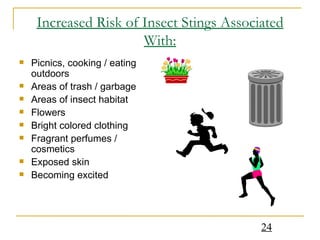
Increased Risk of Insect Stings Associated With: Picnics, cooking / eating outdoors Areas of trash / garbage Areas of insect habitat Flowers Bright colored clothing Fragrant perfumes / cosmetics Exposed skin Becoming excited
How To Avoid  Insect Stings Sensitive or suspected sensitive person should wear: Smooth, hard finish white or tan clothing Hats Long sleeved shirts and slacks Socks and shoes Gently brush insects away - don’t swat
Four types of insect sting reactions Normal Localized Toxic Anaphlatic
What is   not  an anaphylactic reaction to insect sting?
What is  not  an anaphylactic reaction to insect sting?  Continued  Localized Reactions To Insect Stings   Allergic reaction to allergen  Involves pain, itching and swelling Larger area of swelling than normal reaction Swelling extends and crosses major joint line Swelling does not involve other areas of body May be delayed Symptoms may last up to one week or more
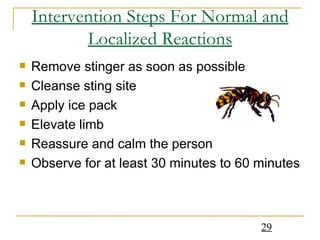
Intervention Steps For Normal and Localized Reactions Remove stinger as soon as possible Cleanse sting site Apply ice pack Elevate limb Reassure and calm the person Observe for at least 30 minutes to 60 minutes
Toxic Reactions To Stings Systemic reaction results from multiple stings (usually 10 or more) Symptoms may include: Gastrointestinal, diarrhea, vomiting Drowsiness, fainting, or unconsciousness Generalized swelling Headache and fever Muscle spasms or convulsions
Intervention Steps For Toxic Reactions Stay with person - delegate call to 9-1-1 Observe for symptoms of anaphylaxis Give epinephrine if necessary Remove stingers promptly Reassure and calm person Have person transported for medical help
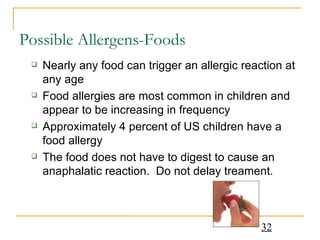
Possible Allergens-Foods Nearly any food can trigger an allergic reaction at any age Food allergies are most common in children and appear to be increasing in frequency Approximately 4 percent of US children have a food allergy The food does not have to digest to cause an anaphalatic reaction.  Do not delay treament.
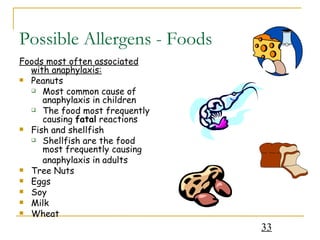
Possible Allergens - Foods Foods most often associated with anaphylaxis: Peanuts Most common cause of anaphylaxis in children The food most frequently causing  fatal  reactions Fish and shellfish Shellfish are the food most frequently causing  anaphylaxis in adults Tree Nuts Eggs Soy Milk Wheat
Food Avoidance Avoid exposure to known allergens Inform food preparation personnel of known allergies Lunch swapping or sharing should be avoided Read labels on food & skin-care products Avoid cross-contamination
Possible Allergens -  Medications A person may experience reactions to any medication at any time Most common medications to cause reactions: Penicillin Aspirin Allergy injections
Other Possible Allergens Pollens Latex Gloves, balloons, rubber bands,  ace wraps, first aid tape, erasers, bungee cord Unknown substances Excerise
EMERGENCY PLAN Prepare for identified and unidentified individuals Know where the epinephrine is kept Who is trained to give epinephrine Who is 1 st  aid/CPR trained Review the plan yearly
Identifying the sensitive individual Steps to take BEFOREHAND:  Who in your group has a history of severe allergic reactions? Get signed consent for emergency treatment. Know how to get emergency help Where is the nearest hospital?  EMT unit? Determine ahead of time how to call for help
Treatment For Anaphylaxis Administer epinephrine at the first sign of a systemic reaction Timing is essential The sooner that epinephrine is given, the greater the chance for survival
Epinephrine Powerful drug used for treatment of anaphylaxis Must be obtained by prescription  Most immediate and effective treatment available Can  only  be injected into fatty area under the skin, usually the lateral thigh May have side effects
What does epinephrine do in the body? It quickly constricts blood vessels, raising blood pressure It relaxes smooth muscles in the lungs to improve breathing
Epinephrine continued… It stimulates the heart beat It works to reverse the hives and swelling around the face and lips
Possible Side Effects/Risks Of Epinephrine Rapid heart rate Nervousness or anxiety Nausea Vomiting Sweating Pallor Tremors Headache
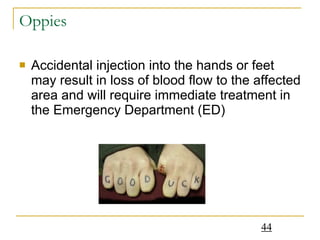
Oppies Accidental injection into the hands or feet may result in loss of blood flow to the affected area and will require immediate treatment in the Emergency Department (ED)
Storage And Handling Of Epinephrine Store in dark place at room temperature Do not allow syringe to freeze Keep away from sunlight Check medication for discoloration  Solution should be clear Check expiration date
The 5 “RIGHTS” of epinephrine administration… Right student Right medication Right dose Right route Right time Every Student Every Time
Right student… Identify the student with the known allergy.  Use the photo on the IHP  Introduce yourself personally to the student prior to allergen exposure Explain to the student that you will assist him/her with an EpiPen in the event of an allergen exposure. The student should be able to identify you as a resource in the event of allergen exposure.
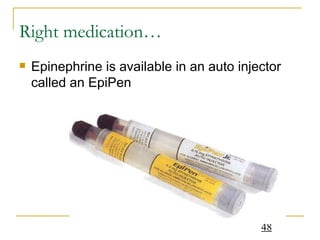
Right medication… Epinephrine is available in an auto injector called an EpiPen
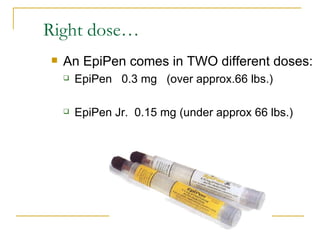
Right dose… An EpiPen comes in TWO   different doses: EpiPen  0.3 mg  (over approx.66 lbs.) EpiPen Jr.  0.15 mg (under approx 66 lbs.)
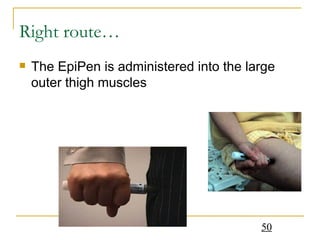
Right route… The EpiPen is administered into the large outer thigh muscles
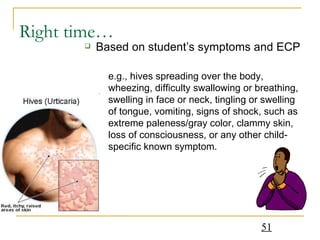
Right time… Based on student’s symptoms and ECP  e.g., hives spreading over the body, wheezing, difficulty swallowing or breathing, swelling in face or neck, tingling or swelling of tongue, vomiting, signs of shock, such as extreme paleness/gray color, clammy skin, loss of consciousness, or any other child-specific known symptom.
Steps in EpiPen administration… Breathe… Have student lie down  Look at the directions on the EpiPen  It states: Form fist around autoinjector (black tip down) With your other hand, pull off gray cap. Hold black tip near outer thigh Swing and  jab firmly  into outer thigh so  auto-injector is perpendicular (at 90 degree angle) to thigh. Hold firmly in thigh for several 10 seconds. Gently rub injection site for 10 seconds. Call for HELP! 911
Responding to Anaphylaxis:  How to Give Epinephrine, cont’d. Carefully place the used EPIPEN®, needle-end first, into the storage tube of the carrying case, using one hand only to avoid a needle stick.  Screw the cap of the storage tube back on completely.  If possible, write the time that the medication was given on the carrying case; this can be given to the emergency medical personnel when they arrive.
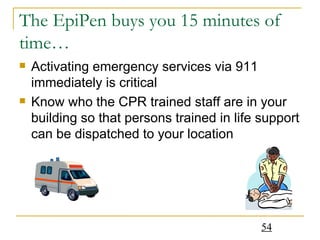
The EpiPen buys you 15 minutes of time… Activating emergency services via 911 immediately is critical Know who the CPR trained staff are in your building so that persons trained in life support can be dispatched to your location
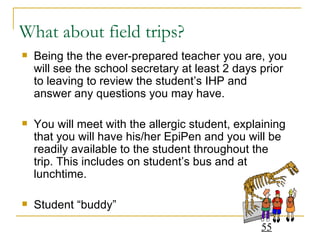
What about field trips? Being the the ever-prepared teacher you are, you will see the school secretary at least 2 days prior to leaving to review the student’s IHP and answer any questions you may have. You will meet with the allergic student, explaining that you will have his/her EpiPen and you will be readily available to the student throughout the trip. This includes on student’s bus and at lunchtime. Student “buddy”
You are now prepared to administer an EpiPen in a life-threatening allergic emergency!
One more thing: You must pass the EpiPen post test and demonstrate competency by being evaluated on the  EpiPen trainer by your school nurse. This training is good for one year only and must be repeated annually in order to remain current. “ I thought I was done…”

Epipen

  • 1.
    EpiPen Administration NewbergSchool District Revised 5/2010
  • 2.
    You may feellike this now….
  • 3.
    But after thispresentation, you’ll feel like this… .
  • 4.
    Introduction Anaphylaxis is a sudden severe allergic reaction Sensitive individuals can experience reactions from: Food Medication Insect stings Exercise Other
  • 5.
    Introduction, cont’d. Inthe US each year there are: Approximately 50 deaths due to insect stings Approximately 100 deaths related to food allergies
  • 6.
    Immediate injection ofepinephrine is the single factor most likely to save a life during anaphylaxis!
  • 7.
    Explanation of LawsPerson must meet qualifications for training Be 21 years of age or older Reasonable expectation to come into contact with sensitive individuals Complete approved training program
  • 8.
    Who Should BeTrained ? Public or private school employees Camp counselors or employees Youth organization staff or volunteers Forest rangers Foremen of forest workers Any person with exposure to risk
  • 9.
    Who Should BeTrained ? Additional training These persons are strongly encouraged to obtain and maintain current training in approved First Aid and CPR course
  • 10.
    Training Overview RecognizingAnaphylaxis What can trigger anaphylaxis? Insect stings, food, medication, other For each allergen: Avoidance measures Developing an Emergency Plan
  • 11.
    Training Overview, continuedTreatment for Anaphylaxis Basic information about epinephrine How to give epinephrine Sequence of steps for responding to anaphylaxis Quiz Demonstration
  • 12.
    What is ANAPHYLAXIS?Anaphylaxis is a generalized, immediate life-threatening reaction to a foreign protein or allergen Insect’s venom Food Medication Pollen Other
  • 13.
    What is Anaphylaxis?Severe life-threatening allergic reactions are rare Immediate administration of epinephrine is vital Person may be unable to self-administer Person may have no history of allergic response
  • 14.
    What is Anaphylaxis?The 2 key steps in saving a life are: Recognition of anaphylaxis when it occurs; and Swift administration of epinephrine
  • 15.
    Recognizing Anaphylaxis Thereare many possible symptoms There may be only one symptom, or there may be many! What symptoms has the person experienced before Reactions vary from person to person
  • 16.
    Recognizing Anaphylaxis Anaphylaxisusually occurs quickly Reaction can start within seconds Death can occur within minutes Delayed reactions are also possible It is never safe to assume just because a allergic reaction did not occur with pervious allergen exposure that one will not develop a serious reaction in the future.
  • 17.
    Symptoms Of Anaphylaxis (slide 1 of 3) Sneezing, wheezing, or coughing Shortness of breath / Difficulty breathing Tightness in chest Difficulty swallowing Hoarseness Swelling of eyes, lips, face, tongue or elsewhere
  • 18.
    Symptoms Of Anaphylaxis (slide 2 of 3) Sweating and anxiety Nausea, abdominal pain, vomiting and diarrhea Dizziness and/or fainting Loss of bowel or bladder control Sense of impending doom or death Rapid or weak pulse
  • 19.
    Symptoms Of Anaphylaxis (slide 3 of 3) Flushed skin or extreme pallor Itching, with or without hives Raised red rash in any area of the body Burning sensation, especially in face or chest Blueness around lips, inside lips, or eyelids Loss of consciousness
  • 20.
    Possible Allergens -Insects It is estimated that 8 in every 1,000 people are allergic to insect stings Stinging insects account for 40 to 100 deaths per year in the U.S.
  • 21.
    Possible Allergens -Insects Bees, wasps, hornets and yellow jackets cause most fatal reactions Yellow jackets are most common in the Pacific Northwest Insects are more likely to sting during the late summer and fall Bees are more likely to sting on warm, bright days
  • 22.
    Insect Identification Ifpossible, it is important to identify stinging insects, but this should never delay treatment! Only the honey bee leaves a “stinger”
  • 23.
    How to AvoidInsect Stings Stinging insects are attracted to: Light yellow and blue colors Sweet drinks (soft drinks, juice, beer) Cosmetics, lotions, perfumes, and hair spray Paint fumes Food odors Heat given off by dark colors
  • 24.
    Increased Risk ofInsect Stings Associated With: Picnics, cooking / eating outdoors Areas of trash / garbage Areas of insect habitat Flowers Bright colored clothing Fragrant perfumes / cosmetics Exposed skin Becoming excited
  • 25.
    How To Avoid Insect Stings Sensitive or suspected sensitive person should wear: Smooth, hard finish white or tan clothing Hats Long sleeved shirts and slacks Socks and shoes Gently brush insects away - don’t swat
  • 26.
    Four types ofinsect sting reactions Normal Localized Toxic Anaphlatic
  • 27.
    What is not an anaphylactic reaction to insect sting?
  • 28.
    What is not an anaphylactic reaction to insect sting? Continued Localized Reactions To Insect Stings Allergic reaction to allergen Involves pain, itching and swelling Larger area of swelling than normal reaction Swelling extends and crosses major joint line Swelling does not involve other areas of body May be delayed Symptoms may last up to one week or more
  • 29.
    Intervention Steps ForNormal and Localized Reactions Remove stinger as soon as possible Cleanse sting site Apply ice pack Elevate limb Reassure and calm the person Observe for at least 30 minutes to 60 minutes
  • 30.
    Toxic Reactions ToStings Systemic reaction results from multiple stings (usually 10 or more) Symptoms may include: Gastrointestinal, diarrhea, vomiting Drowsiness, fainting, or unconsciousness Generalized swelling Headache and fever Muscle spasms or convulsions
  • 31.
    Intervention Steps ForToxic Reactions Stay with person - delegate call to 9-1-1 Observe for symptoms of anaphylaxis Give epinephrine if necessary Remove stingers promptly Reassure and calm person Have person transported for medical help
  • 32.
    Possible Allergens-Foods Nearlyany food can trigger an allergic reaction at any age Food allergies are most common in children and appear to be increasing in frequency Approximately 4 percent of US children have a food allergy The food does not have to digest to cause an anaphalatic reaction. Do not delay treament.
  • 33.
    Possible Allergens -Foods Foods most often associated with anaphylaxis: Peanuts Most common cause of anaphylaxis in children The food most frequently causing fatal reactions Fish and shellfish Shellfish are the food most frequently causing anaphylaxis in adults Tree Nuts Eggs Soy Milk Wheat
  • 34.
    Food Avoidance Avoidexposure to known allergens Inform food preparation personnel of known allergies Lunch swapping or sharing should be avoided Read labels on food & skin-care products Avoid cross-contamination
  • 35.
    Possible Allergens - Medications A person may experience reactions to any medication at any time Most common medications to cause reactions: Penicillin Aspirin Allergy injections
  • 36.
    Other Possible AllergensPollens Latex Gloves, balloons, rubber bands, ace wraps, first aid tape, erasers, bungee cord Unknown substances Excerise
  • 37.
    EMERGENCY PLAN Preparefor identified and unidentified individuals Know where the epinephrine is kept Who is trained to give epinephrine Who is 1 st aid/CPR trained Review the plan yearly
  • 38.
    Identifying the sensitiveindividual Steps to take BEFOREHAND: Who in your group has a history of severe allergic reactions? Get signed consent for emergency treatment. Know how to get emergency help Where is the nearest hospital? EMT unit? Determine ahead of time how to call for help
  • 39.
    Treatment For AnaphylaxisAdminister epinephrine at the first sign of a systemic reaction Timing is essential The sooner that epinephrine is given, the greater the chance for survival
  • 40.
    Epinephrine Powerful drugused for treatment of anaphylaxis Must be obtained by prescription Most immediate and effective treatment available Can only be injected into fatty area under the skin, usually the lateral thigh May have side effects
  • 41.
    What does epinephrinedo in the body? It quickly constricts blood vessels, raising blood pressure It relaxes smooth muscles in the lungs to improve breathing
  • 42.
    Epinephrine continued… Itstimulates the heart beat It works to reverse the hives and swelling around the face and lips
  • 43.
    Possible Side Effects/RisksOf Epinephrine Rapid heart rate Nervousness or anxiety Nausea Vomiting Sweating Pallor Tremors Headache
  • 44.
    Oppies Accidental injectioninto the hands or feet may result in loss of blood flow to the affected area and will require immediate treatment in the Emergency Department (ED)
  • 45.
    Storage And HandlingOf Epinephrine Store in dark place at room temperature Do not allow syringe to freeze Keep away from sunlight Check medication for discoloration Solution should be clear Check expiration date
  • 46.
    The 5 “RIGHTS”of epinephrine administration… Right student Right medication Right dose Right route Right time Every Student Every Time
  • 47.
    Right student… Identifythe student with the known allergy. Use the photo on the IHP Introduce yourself personally to the student prior to allergen exposure Explain to the student that you will assist him/her with an EpiPen in the event of an allergen exposure. The student should be able to identify you as a resource in the event of allergen exposure.
  • 48.
    Right medication… Epinephrineis available in an auto injector called an EpiPen
  • 49.
    Right dose… AnEpiPen comes in TWO different doses: EpiPen 0.3 mg (over approx.66 lbs.) EpiPen Jr. 0.15 mg (under approx 66 lbs.)
  • 50.
    Right route… TheEpiPen is administered into the large outer thigh muscles
  • 51.
    Right time… Basedon student’s symptoms and ECP e.g., hives spreading over the body, wheezing, difficulty swallowing or breathing, swelling in face or neck, tingling or swelling of tongue, vomiting, signs of shock, such as extreme paleness/gray color, clammy skin, loss of consciousness, or any other child-specific known symptom.
  • 52.
    Steps in EpiPenadministration… Breathe… Have student lie down Look at the directions on the EpiPen It states: Form fist around autoinjector (black tip down) With your other hand, pull off gray cap. Hold black tip near outer thigh Swing and jab firmly into outer thigh so auto-injector is perpendicular (at 90 degree angle) to thigh. Hold firmly in thigh for several 10 seconds. Gently rub injection site for 10 seconds. Call for HELP! 911
  • 53.
    Responding to Anaphylaxis: How to Give Epinephrine, cont’d. Carefully place the used EPIPEN®, needle-end first, into the storage tube of the carrying case, using one hand only to avoid a needle stick. Screw the cap of the storage tube back on completely. If possible, write the time that the medication was given on the carrying case; this can be given to the emergency medical personnel when they arrive.
  • 54.
    The EpiPen buysyou 15 minutes of time… Activating emergency services via 911 immediately is critical Know who the CPR trained staff are in your building so that persons trained in life support can be dispatched to your location
  • 55.
    What about fieldtrips? Being the the ever-prepared teacher you are, you will see the school secretary at least 2 days prior to leaving to review the student’s IHP and answer any questions you may have. You will meet with the allergic student, explaining that you will have his/her EpiPen and you will be readily available to the student throughout the trip. This includes on student’s bus and at lunchtime. Student “buddy”
  • 56.
    You are nowprepared to administer an EpiPen in a life-threatening allergic emergency!
  • 57.
    One more thing:You must pass the EpiPen post test and demonstrate competency by being evaluated on the EpiPen trainer by your school nurse. This training is good for one year only and must be repeated annually in order to remain current. “ I thought I was done…”