ENDOTHELIAL   DYSFUNCTION ( ED )  in   ERECTILE DYSFUNCTION( ED ) ED = ED M.Y.ABDEL_MAWLA,MD Zagazig Faculty of Medicine,EGYPT
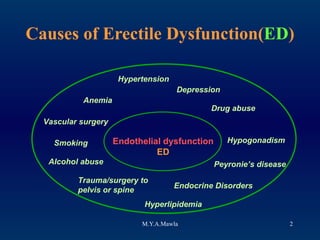
Causes of Erectile Dysfunction( ED ) Endothelial dysfunction ED Smoking Hypogonadism Endocrine Disorders Hypertension Hyperlipidemia Alcohol abuse Drug abuse Anemia Trauma/surgery to pelvis or spine Peyronie’s disease Vascular surgery Depression
 
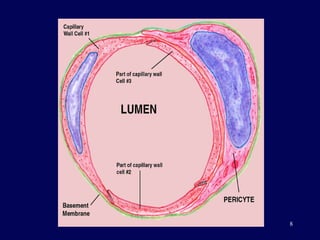
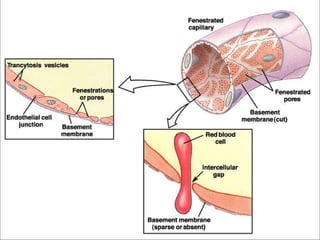
The Endothelium
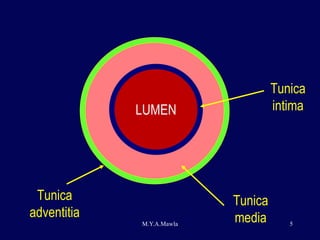
LUMEN Tunica adventitia Tunica media Tunica intima
 
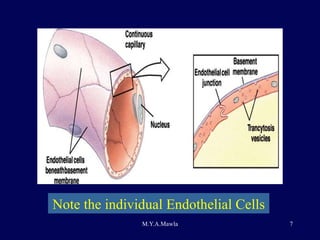
Note the individual Endothelial Cells
 
 
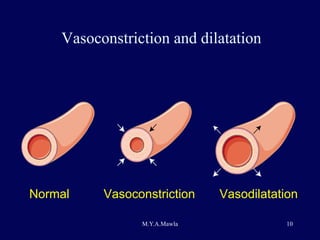
Vasoconstriction and dilatation Normal Vasoconstriction Vasodilatation
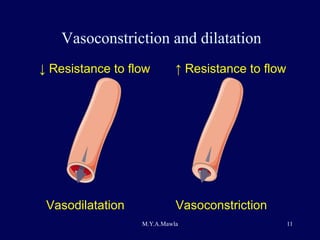
Vasoconstriction Vasodilatation Vasoconstriction and dilatation ↓   Resistance to flow ↑  Resistance to flow
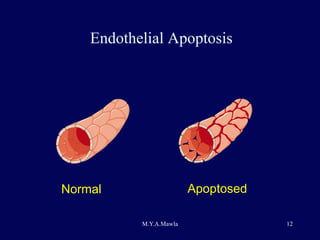
Endothelial Apoptosis Normal Apoptosed
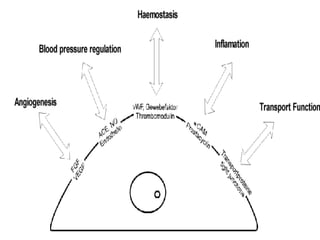
The Endothelium As an Endocrine Organ
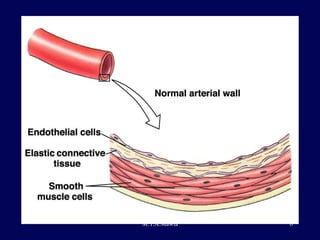
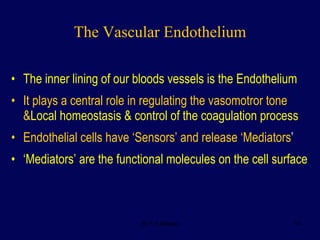
The inner lining of our bloods vessels is the Endothelium It plays a central role in regulating the vasomotror tone & Local homeostasis & control of the coagulation process Endothelial cells have ‘Sensors’ and release ‘Mediators ’ ‘ Mediators’ are the functional molecules on the cell surface The Vascular Endothelium
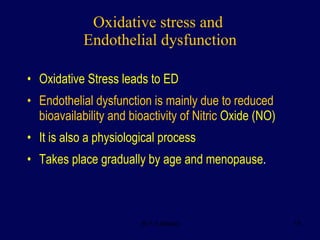
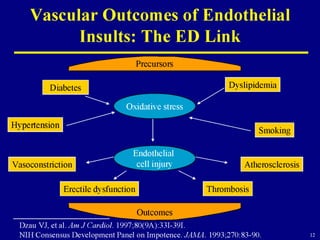
Oxidative stress and  Endothelial dysfunction Oxidative Stress leads to ED Endothelial dysfunction is mainly due to reduced bioavailability and bioactivity of Nitric  Oxide (NO) It is also a physiological process  Takes place gradually by age and menopause .
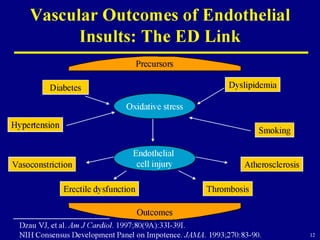
Oxidant stress and Endothelial dysfunction are major factors for atherosclerosis – the common pathway   –   for most of the cardiovascular risk factors including Hypertension, DM, Dyslipidemia and Smoking.  Both endothelial dysfunction and oxidant stress result  in clinical conditions - Heart failure, IHD and MI The Effects of ED
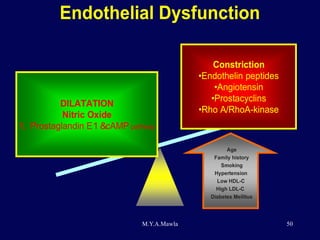
Nitric oxide (NO) Cycloxygenase (CxO) Endothelin-1 (ET-1) Endothelium Depolarisation Factor (EDF) Prostanoids Angiotensin Rho/Rho-kinase Prostaglandin E &prostacyclin (cAMP pathway). Vascular Endothelial Mediators
Half-life of NO, is affected by its chemical reaction  and inactivation by superoxide anion  NO is the most abundant free-radical in the body It is the only biological molecule in high concentrations to out-compete superoxide dismutase for superoxide NO has an anti-thrombogenic & anti-atherogenic role Nitric Oxide (NO)
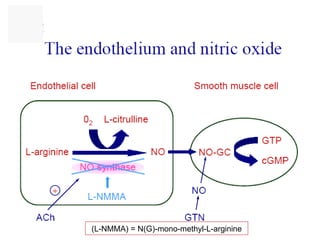
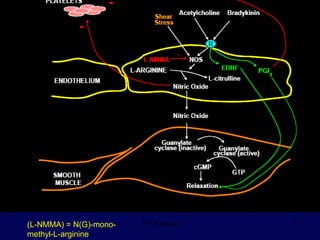
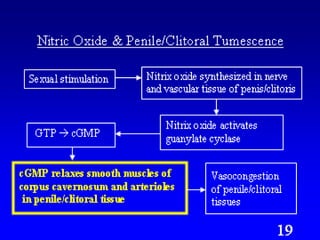
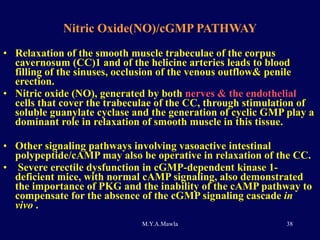
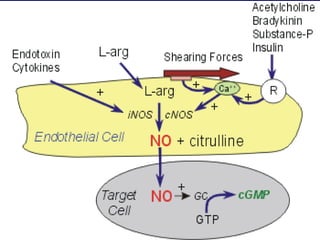
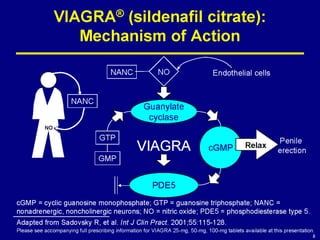
Nitric Oxide(NO)/cGMP PATHWAY Relaxation of the smooth muscle trabeculae of the corpus cavernosum (CC)1 and of the helicine arteries leads to blood filling of the sinuses, occlusion of the venous outflow& penile erection.  Nitric oxide (NO), generated by both  nerves & the endothelial  cells that cover the trabeculae of the CC, through stimulation of soluble guanylate cyclase and the generation of cyclic GMP play a dominant role in relaxation of smooth muscle in this tissue.  Other signaling pathways involving vasoactive intestinal polypeptide/cAMP may also be operative in relaxation of the CC. Severe erectile dysfunction ((ED)  in  cGMP -dependent kinase 1-deficient mice, with normal cAMP signaling, shows the importance of PKG and the inability of the  cAMP  pathway to compensate for the absence of the  cGMP  signaling cascade  in vivo  .
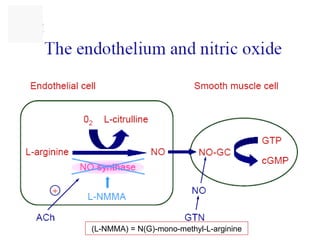
(L-NMMA) =   N(G)-mono-methyl-L-arginine
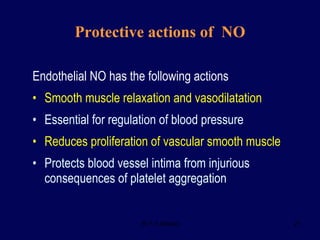
Endothelial NO has the following actions Smooth muscle relaxation and vasodilatation Essential for regulation of blood pressure Reduces proliferation of vascular smooth muscle Protects blood vessel intima from injurious consequences of platelet aggregation Protective actions of  NO
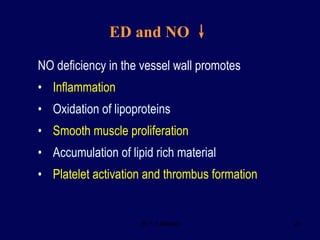
NO deficiency in the vessel wall promotes Inflammation Oxidation of lipoproteins Smooth muscle proliferation Accumulation of lipid rich material Platelet activation and thrombus formation   ED and NO  ↓
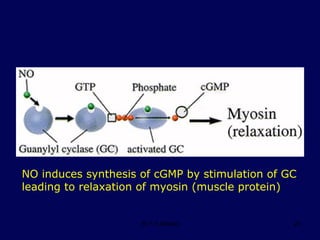
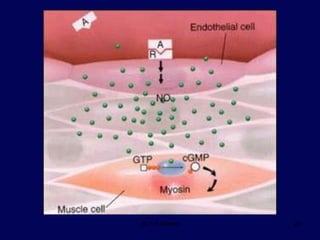
NO induces synthesis of cGMP by stimulation of GC leading to relaxation of myosin (muscle protein)                                                                                                                                             
                                                                                        
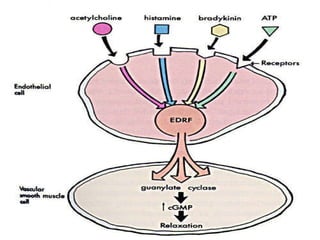
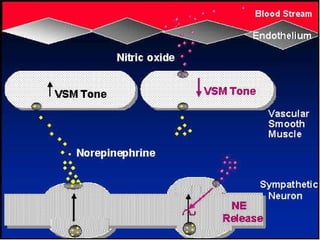
Acetylcholine stimulates the endothelial cells to produce NO, which penetrates into and activates the muscle cells causing relaxation.
(L-NMMA) =   N(G)-mono-methyl-L-arginine
(L-NMMA) =   N(G)-mono-methyl-L-arginine (L-NMMA) = N(G)-mono-methyl-L-arginine
 
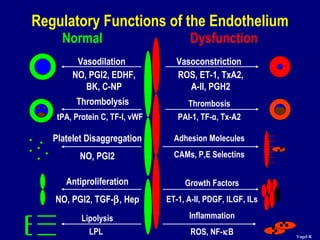
Regulatory Functions of the Endothelium Normal Dysfunction Vasodilation Vasoconstriction NO, PGI2, EDHF, BK, C-NP ROS, ET-1, TxA2, A-II, PGH2 Thrombolysis Thrombosis Platelet Disaggregation NO, PGI2 Adhesion Molecules CAMs, P,E Selectins Antiproliferation NO, PGI2, TGF-  , Hep Growth Factors ET-1, A-II, PDGF, ILGF, ILs Lipolysis Inflammation ROS, NF-  B PAI-1, TF- α , Tx-A2 tPA, Protein C, TF-I, vWF LPL Vogel R
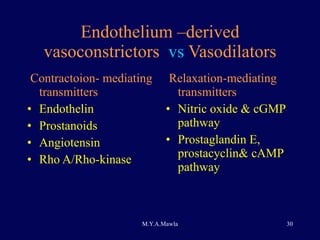
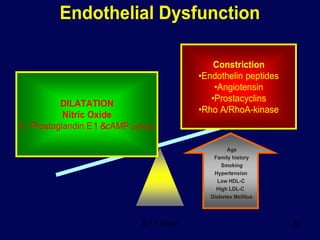
Endothelium –derived vasoconstrictors  vs  Vasodilators Contractoion- mediating transmitters Endothelin Prostanoids Angiotensin Rho A/Rho-kinase Relaxation-mediating transmitters Nitric oxide & cGMP pathway Prostaglandin E, prostacyclin& cAMP pathway
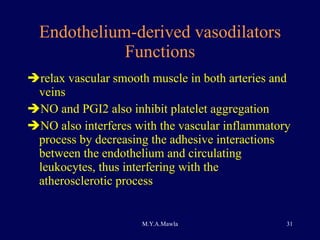
Endothelium-derived vasodilators Functions relax vascular smooth muscle in both arteries and veins  NO and PGI2 also inhibit platelet aggregation NO also interferes with the vascular inflammatory process by decreasing the adhesive interactions between the endothelium and circulating leukocytes, thus interfering with the atherosclerotic process
Endothelin peptides Endothelin-1(ET-1):synthesied by lacunar endothelium & trabecular muscle It induces contraction,via ETA receptors in penile smooth muscles( corpus cavernosa&cavernosal artery). Contraction : dependent upon increased intracellular calcium via: Transmembrane calcium flux Mobilization of inositol,1,4,5-triphosphate (IP3)-dependent calcium stores
Endothelin peptides Endothelin-1, a 21-amino-acid peptide, is the predominant isoform of the endothelin peptide family that includes ET-2, ET-3, and ET-4 Endothelin-1 is produced primarily by endothelial cells but can also be synthesized by vascular smooth muscle cells (VSMCs) and by macrophages The action of ET-1 are mediated by 2 receptor subtypes,  ETA  and  E TB receptors
Endothelin ET A  receptor  mediate the  vasoconstrictor effects  of the peptide,  ET B  receptors  on the endothelium stimulates  synthesis of NO Increased ET-1  associated with decreased endothelium-dependent vasodilation, a reduction in the biologic actions of NO, and an increased production of oxygen-derived free radicals These effects are thought to contribute to  heightened vasoconstriction and increased blood pressure  increased monocyte adhesion to the vascular wall increased thrombosis a vascular inflammatory response augmented proliferation of VSMCs
Prostanoids Several prostanoids:PGI &thromboxane Synthesized from arachidonic acid via activity of cycloxygenase in human corpus cavernosa. Synthesis :modulated by oxygen tension &hypoxia. They are responsible for tone & spontaneous activity of trabecular muscle.
Rho A/Rho-kinase Rho A: a member of Ras low molecular weight of GTP-binding protein. Both Rho A &Rho –kinase :in different cellular functions including smooth muscle contraction. Human endothelial &corpus cavernosa smooth muscle cells express these proteins. RhoA/Rho-kinase  signal transduction pathway:signal mediator of endothelial cell function.  Rho-mediated Ca2+sensitization of cavernosal smooth muscle maintains the flaccid (contracted) state.  This pathway supppresses eNOS gene expression  in endothelium.
Angiotesin Renin-angiotensinsystem maintains penile smooth muscle tone. Angiotensin 11 evokes smoth muscle contraction of human corpus cavernosa muscle via relevent receptor & increased IP3 &increased intracellular calcium
Nitric Oxide(NO)/cGMP PATHWAY Relaxation of the smooth muscle trabeculae of the corpus cavernosum (CC)1 and of the helicine arteries leads to blood filling of the sinuses, occlusion of the venous outflow& penile erection.  Nitric oxide (NO), generated by both  nerves & the endothelial  cells that cover the trabeculae of the CC, through stimulation of soluble guanylate cyclase and the generation of cyclic GMP play a dominant role in relaxation of smooth muscle in this tissue.  Other signaling pathways involving vasoactive intestinal polypeptide/cAMP may also be operative in relaxation of the CC. Severe erectile dysfunction in cGMP-dependent kinase 1-deficient mice, with normal cAMP signaling, also demonstrated the importance of PKG and the inability of the cAMP pathway to compensate for the absence of the cGMP signaling cascade  in vivo  .
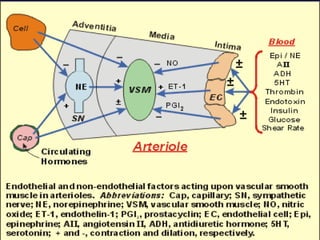
Endothelial production of vasoactive factors Normal endothelium is pivotal in the maintenance of normal vascular homeostasis through a balanced production of vasodilator and vasoconstrictor substances Endothelium-derived vasodilators Endothelium-derived vasoconstrictors
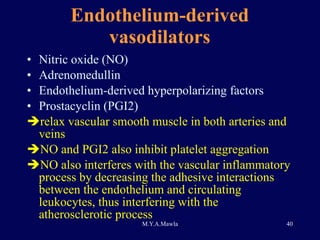
Endothelium-derived vasodilators Nitric oxide (NO) Adrenomedullin Endothelium-derived hyperpolarizing factors Prostacyclin (PGI2) relax vascular smooth muscle in both arteries and veins  NO and PGI2 also inhibit platelet aggregation NO also interferes with the vascular inflammatory process by decreasing the adhesive interactions between the endothelium and circulating leukocytes, thus interfering with the atherosclerotic process
Vasoconstrictors From the sympathetic nerves, circulation, endothelium Norepinephrine (NE) Angiotensin II Thromoxane A2 5-hydroxyeicosatetaraenoic acid (5-HETE) Endothelin (ET)-1
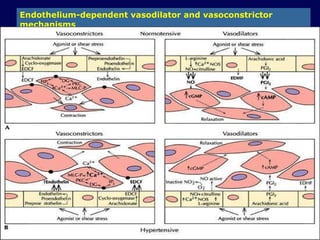
Endothelium-dependent vasodilator and vasoconstrictor mechanisms
Endothelium-derived NO & vascular tone NO-a potent mediator of vascular relaxation through action on soluble cGMP in VSMC to inhibit ca-dependent contraction NO synthesis & release occurs continuously under basal conditions & can be increased through activation of  muscarinic, thrombin, purinergic, and ET B  receptors  in the endothelial-cell plasma membrane that mediate the actions of  acetylcholine, thrombin, ADP, and ET-1  respectively Changes in vascular wall shear forces associated with increased flow also increase NO release Sustained increase in BP-by continuous administration of stereoselective inhibitors of NO synthase further indicates-NO is important in maintenance a vasodilated state.


ENOTHELIUM DYSFUNCTION(ED)
 
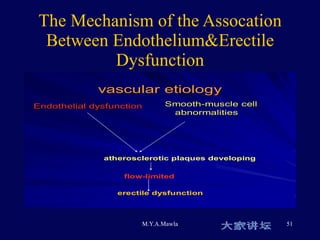
The Mechanism of the Assocation Between Endothelium&Erectile Dysfunction
 
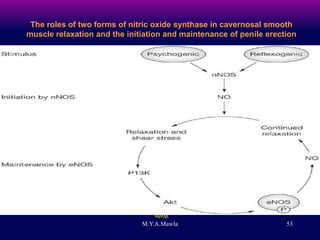
The roles of two forms of nitric oxide synthase in cavernosal smooth muscle relaxation and the initiation and maintenance of penile erection Watts Permission obtained from National Academy of Sciences © Hurt KJ  et al . (2002) Proc Natl Acad Sci USA  99: 4061–4066.
Risk Factors for Development of Endothelium& Erectile Dysfunction Diabetes Mellitus (DM)  Insulin Resistance Syndrome. Cigarette Smoking Hypertension Atherosclerosis &Hyperlipidemia
Endothelial dysfunction in DM
NO and endothelial dysfunction in diabetes Type 1 diabetes- -impaired endothelium-dependent vasodilation  in response to  acetylcholine  and similar agonists that stimulate the release of NO Type 1 and 2 diabetes—endothelium-dependent vasodilatory responses to brachial artery infusions of  acetylcholine, methacholine, and similar agonists  are impaired in the forearm In normotensive type 2 diabetes—demonstration of blunted endothelium-dependent vasodilation suggests that the endothelial abnormalities cannot be ascribed solely to the impaired endothelium-dependent vasodilation Contribution of prostaglandins to abnormalities in endothelial function is minimal
 
Mechanisms of impaired endothelium-derived vasodilation in diabetes Biologic actions  of  NO are diminished  in diabetes, but production of NO is actually increased Increase in the production of ROS  by several vascular components in diabetics Interactions of NO & superoxide anion  within the microenvironment of the vessel wall-- inactivation of NO & formation of the potent oxidant radical,  peroxynitrite (OONO - )
Mechanisms of impaired endothelium-derived vasodilation in diabetes The ratio of  NADH/NAD+ :increased in diabetes reducing the levels of  NADPH which is an essential cofactor for NO synthesase & increase  levels of calcium elevating  messengers, thus increasing smooth muscle contractility. Decreased endothelium –derived hyperpolarization factor( EDHF ) in human penile arteries,hence reduction of endothelium-dependent relaxation
Hyperglycemia in DM Associated with diminished biologic actions of NO Tesfamariam: impaired vasodilatory responses to  high glucose levels- -caused by  increased oxygen-derived free radicals  through a protein kinase C-mediated mechanism that stimulates the formation of vasoconstrictor prostanoids The vasoconstrictor effect can be abolished by aldose reductase inhibitors High glucose increase both NO synthase expression & superoxide anion generation by aortic endothelial cells.
Dyslipidemia in DM (1) Elevated TG, low HDL-c, and elevated IDL—insulin resistance syndrome Hypercholesterolemia is associated with impaired endothelium-dependent vasodilation in human forearm & pig coronary arteries & rabbit aorta These functional vascular changes associated with Increase generation of ROS  Persistence of endothelial NO release Increased generation of OONO- Oxidative modification of LDL
Dyslipidemia in DM (2)   The extent of  ROS formation-also  be a determinant of endothelial NO release-it may affect the proportion of circulating and tissue cholesterol that has been oxidized Oxidatively modified LDL- -impair endothelium-dependent vasodialtion more than native LDL in vascular ring  Hypertriglyceridemia -independent risk factor for CAD  Postprandial hypertriglyceridemia--cause a transient impairment of endothelium-dependent vasodilation in normal volunteers Postprandial hypertriglyceridemia is more exaggerated in type 2 diabetics & associated with higher forearm venous free radical & greater impairment of flow-dependent vasodilation
Increased oxidative stress in diabetes Oxidative stress—imbalance between the production of ROS and the numerous antioxidant defense mechanisms present in biologic systems Reactive oxygen species (ROS) include  superoxide anion  that is converted to hydrogen peroxide both enzymatically and by several isoforms of the enzyme superoxide dismutase  In diabetes,  overproduction of ROS  overwhelms normal antioxidant defenses with consequent alterations in both the function  and the structure of the CV system
Insulin resistance syndrome and endothelial dysfunction Syndrome of insulin resistance may precede the onset of overt type 2 diabetes The clinical features include hyperinsulinemia, truncal obesity, hypertension, and dyslipidemia characterized by elevated serum TG, low HDL-C, and increased IDL These hallmarks are thought to result from relative insensitivity of selected tissues, particularly skeletal muscle, to the action of insulin
Insulin resistance syndrome It is hypothesized that compensatory  hyperinsulinemia  maintains the serum glucose within the normal range until pancreatic islet   -cells can no longer produce sufficient insulin, and overt type 2 diabetes occur Insulin resistance is associated with a clustering of CV risk factors that predispose patients with this metabolic syndrome to later CV events There is evidence of  sympathetic nervous system activation  that may contribute to the hypertension that develops.
Insulin resistance syndrome Insulin itself promotes vasodilation , in part through  stimulation of endothelial NO release This vasodilatory action may be counterbalanced in the insulin resistance syndrome by the development of hypertension, which independently impairs endothelium-dependent vasodilation
Endothelin and endothelial dysfunction in diabetes Endothelin-1, a 21-amino-acid peptide, is the predominant isoform of the endothelin peptide family that includes ET-2, ET-3, and ET-4 Endothelin-1 is produced primarily by endothelial cells but can also be synthesized by vascular smooth muscle cells (VSMCs) and by macrophages The action of ET-1 are mediated by 2 receptor subtypes,  ET A  and  E T B  receptors
Endothelin in DM Plasma ET-1 are increased in type 2 diabetes Most of the ET-1 cause vasoconstriction of VSMCs through a paracrine effect mediated by ET A  receptors Infusion of ET-1 cause sustained increases in BP  Nonselective ET A /ET B  antagonist, bosentan, lowers BP in patients with essential hypertension Plasma ET-1-may be a marker for atherosclerotic disease in type 2 diabetic patients ET-1 participate in the fibrotic process--an essential component of the glomerulosclerosis, cardiac and vascular remodling, and atherosclerosis that occur at an accelerated rate in hypertensive type 2 diabetics.
Advanced glycation end products (AGEs)in Diabetes AGEs formed by the nonenzymatic binding of glucose to lipids or to free amino groups on proteins The formation of AGEs is inhibited by NO, whose biologic actions are blunted in diabetics The increased stiffness of the arterial wall contributes to isolated hypertension The increased systolic pressure in turn produces an increased workload on the left ventricle, resulting in increased left ventricular mass Reduction arterial wall compliance linked to increased CV risk in type 1 & 2 diabetics and occur early in the course of DM before vascular disease is clinically apparent
Adverse consequences associated with endothelial dysfunction in diabetes mellitus Decreased NO formation, release, and action Increased formation of reactive oxygen species Decreased prostacyclin formation and release Increased formation of vasoconstrictor prostanoid Increased formation and release of ET-1 Increased lipid oxidation Increased cytokine and growth factor production Increased adhesion molecule expression Hypertension Changes in heart and vessel wall structure Acceleration of the atherosclerotic process
HYPERTENSION and Risk of Endothelium & Erectile Dysfuction CVS complications of hypertension is associated wit ED. In ED due to arterial insufficiency: low oxygen tensionin corporal blood,reduced PGE1 &PGE2, Increased tranformation of transforming growth factor(TGF)-B-induced fibrillar collagen synthesis in corpus cavernosa. Diffused venous leakage & failure of  veno-occlusive mechanisms. Endothelial –dependent vasodilation:impaired. Age dependent &independent decrease of NO synthesis.
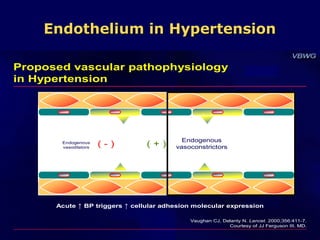
Endothelium in Hypertension
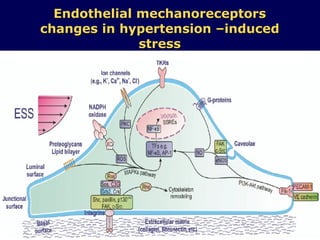
Endothelial mechanoreceptors changes in hypertension –induced stress
Cigarette Smoking Free radicles&aromatic compounds released from cigarette smoke: decrease endothelial NO Synthesae activity and elicit superoxide –mediated NO degradation ,tending to increased penilemisculature & promoting ED. Direct toxic effects of nicotine & CO2 on penile vasculature. Increased hyper- coaglulability agents
ATHEROSCLEOSIS & HYPERLIPIDEMIA :Effect on penile endothelium Chronic ischaemia:reduced  NOS activity,reduced enothelium-dependent & neurogenic NO-mediated relaxation of cavernosal tissue together with elevated thromboxane-mediated contractions. High LDL  : elevated contraction due to increased intracellular inositol & calcium. Chronic hypercholestraemia : Reduced endothelium dependent relaxation in cavernous tissue. 2.Impaired NO/cGMP  pathway due to  elevated superoxides & NOS inhibitors (eg.nitromonomethyl l arginine L_NMMA).
Can We Measure Endothelial Function ??
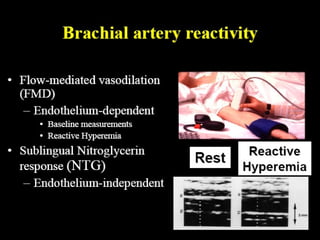
Clinical Methods for Assessing  Endothelium - Dependent Dilation Forearm Brachial Artery Diameter    with Arterial Occlusion FMD Forearm Blood Flow with ACh
 
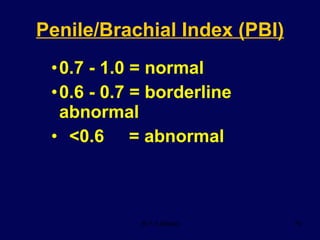
Penile/Brachial Index (PBI) 0.7 - 1.0 = normal 0.6 - 0.7 = borderline abnormal <0.6  = abnormal
What is the Treatment. for Endothelial Dysfunction  ??
Control of all the known CV risk factors Main focus on the big six – DM, HTN, Lipids, Obesity, Smoking, Sedentary life style Diet and physical activity are vital in Rx of ED Statins are the first line treatment for ED Insulin and Rx. Insulin resistance improves ED What is the  Treatment for Endothelial Dysfunction?
Erectile Dysfunction – Today’s concept Penis is the barometer  of Endothelial Health Erectile Dysfunction is a mirror of Cardiovascular Risk ED   =   ED
 
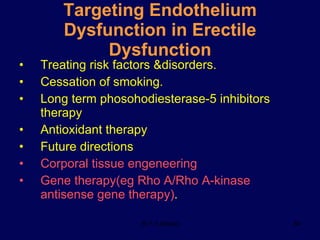
Targeting Endothelium Dysfunction in Erectile Dysfunction Treating risk factors &disorders. Cessation of smoking. Long term phosohodiesterase-5 inhibitors therapy Antioxidant therapy Future directions Corporal tissue engeneering Gene therapy(eg Rho A/Rho A-kinase antisense gene therapy) .
 
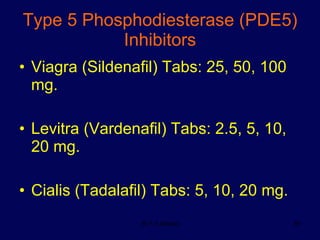
Type 5 Phosphodiesterase (PDE5) Inhibitors Viagra (Sildenafil) Tabs: 25, 50, 100 mg. Levitra (Vardenafil) Tabs: 2.5, 5, 10, 20 mg. Cialis (Tadalafil) Tabs: 5, 10, 20 mg.
Take Home Messages Common under laying pathology is  ED &  ED . Endothelial Dysfunction can be measured Endothelium is the largest endocrine gland ED is diagnostic and prognostic ED can be treated and monitored ED  =  ED  – So careful evaluation is needed Penis is the barometer of CV Risk
THANK YOU

Endothelial Dysfunction Y O U S R Y Y Yeasured

  • 1.
    ENDOTHELIAL DYSFUNCTION ( ED ) in ERECTILE DYSFUNCTION( ED ) ED = ED M.Y.ABDEL_MAWLA,MD Zagazig Faculty of Medicine,EGYPT
  • 2.
    Causes of ErectileDysfunction( ED ) Endothelial dysfunction ED Smoking Hypogonadism Endocrine Disorders Hypertension Hyperlipidemia Alcohol abuse Drug abuse Anemia Trauma/surgery to pelvis or spine Peyronie’s disease Vascular surgery Depression
  • 3.
  • 4.
  • 5.
    LUMEN Tunica adventitiaTunica media Tunica intima
  • 6.
  • 7.
    Note the individualEndothelial Cells
  • 8.
  • 9.
  • 10.
    Vasoconstriction and dilatationNormal Vasoconstriction Vasodilatation
  • 11.
    Vasoconstriction Vasodilatation Vasoconstrictionand dilatation ↓ Resistance to flow ↑ Resistance to flow
  • 12.
  • 13.
    The Endothelium Asan Endocrine Organ
  • 14.
    The inner liningof our bloods vessels is the Endothelium It plays a central role in regulating the vasomotror tone & Local homeostasis & control of the coagulation process Endothelial cells have ‘Sensors’ and release ‘Mediators ’ ‘ Mediators’ are the functional molecules on the cell surface The Vascular Endothelium
  • 15.
    Oxidative stress and Endothelial dysfunction Oxidative Stress leads to ED Endothelial dysfunction is mainly due to reduced bioavailability and bioactivity of Nitric Oxide (NO) It is also a physiological process Takes place gradually by age and menopause .
  • 16.
    Oxidant stress andEndothelial dysfunction are major factors for atherosclerosis – the common pathway – for most of the cardiovascular risk factors including Hypertension, DM, Dyslipidemia and Smoking. Both endothelial dysfunction and oxidant stress result in clinical conditions - Heart failure, IHD and MI The Effects of ED
  • 17.
    Nitric oxide (NO)Cycloxygenase (CxO) Endothelin-1 (ET-1) Endothelium Depolarisation Factor (EDF) Prostanoids Angiotensin Rho/Rho-kinase Prostaglandin E &prostacyclin (cAMP pathway). Vascular Endothelial Mediators
  • 18.
    Half-life of NO,is affected by its chemical reaction and inactivation by superoxide anion NO is the most abundant free-radical in the body It is the only biological molecule in high concentrations to out-compete superoxide dismutase for superoxide NO has an anti-thrombogenic & anti-atherogenic role Nitric Oxide (NO)
  • 19.
    Nitric Oxide(NO)/cGMP PATHWAYRelaxation of the smooth muscle trabeculae of the corpus cavernosum (CC)1 and of the helicine arteries leads to blood filling of the sinuses, occlusion of the venous outflow& penile erection. Nitric oxide (NO), generated by both nerves & the endothelial cells that cover the trabeculae of the CC, through stimulation of soluble guanylate cyclase and the generation of cyclic GMP play a dominant role in relaxation of smooth muscle in this tissue. Other signaling pathways involving vasoactive intestinal polypeptide/cAMP may also be operative in relaxation of the CC. Severe erectile dysfunction ((ED) in cGMP -dependent kinase 1-deficient mice, with normal cAMP signaling, shows the importance of PKG and the inability of the cAMP pathway to compensate for the absence of the cGMP signaling cascade  in vivo  .
  • 20.
    (L-NMMA) = N(G)-mono-methyl-L-arginine
  • 21.
    Endothelial NO hasthe following actions Smooth muscle relaxation and vasodilatation Essential for regulation of blood pressure Reduces proliferation of vascular smooth muscle Protects blood vessel intima from injurious consequences of platelet aggregation Protective actions of NO
  • 22.
    NO deficiency inthe vessel wall promotes Inflammation Oxidation of lipoproteins Smooth muscle proliferation Accumulation of lipid rich material Platelet activation and thrombus formation ED and NO ↓
  • 23.
    NO induces synthesisof cGMP by stimulation of GC leading to relaxation of myosin (muscle protein)                                                                                                                                             
  • 24.
  • 25.
    Acetylcholine stimulates theendothelial cells to produce NO, which penetrates into and activates the muscle cells causing relaxation.
  • 26.
    (L-NMMA) = N(G)-mono-methyl-L-arginine
  • 27.
    (L-NMMA) = N(G)-mono-methyl-L-arginine (L-NMMA) = N(G)-mono-methyl-L-arginine
  • 28.
  • 29.
    Regulatory Functions ofthe Endothelium Normal Dysfunction Vasodilation Vasoconstriction NO, PGI2, EDHF, BK, C-NP ROS, ET-1, TxA2, A-II, PGH2 Thrombolysis Thrombosis Platelet Disaggregation NO, PGI2 Adhesion Molecules CAMs, P,E Selectins Antiproliferation NO, PGI2, TGF-  , Hep Growth Factors ET-1, A-II, PDGF, ILGF, ILs Lipolysis Inflammation ROS, NF-  B PAI-1, TF- α , Tx-A2 tPA, Protein C, TF-I, vWF LPL Vogel R
  • 30.
    Endothelium –derived vasoconstrictors vs Vasodilators Contractoion- mediating transmitters Endothelin Prostanoids Angiotensin Rho A/Rho-kinase Relaxation-mediating transmitters Nitric oxide & cGMP pathway Prostaglandin E, prostacyclin& cAMP pathway
  • 31.
    Endothelium-derived vasodilators Functionsrelax vascular smooth muscle in both arteries and veins NO and PGI2 also inhibit platelet aggregation NO also interferes with the vascular inflammatory process by decreasing the adhesive interactions between the endothelium and circulating leukocytes, thus interfering with the atherosclerotic process
  • 32.
    Endothelin peptides Endothelin-1(ET-1):synthesiedby lacunar endothelium & trabecular muscle It induces contraction,via ETA receptors in penile smooth muscles( corpus cavernosa&cavernosal artery). Contraction : dependent upon increased intracellular calcium via: Transmembrane calcium flux Mobilization of inositol,1,4,5-triphosphate (IP3)-dependent calcium stores
  • 33.
    Endothelin peptides Endothelin-1,a 21-amino-acid peptide, is the predominant isoform of the endothelin peptide family that includes ET-2, ET-3, and ET-4 Endothelin-1 is produced primarily by endothelial cells but can also be synthesized by vascular smooth muscle cells (VSMCs) and by macrophages The action of ET-1 are mediated by 2 receptor subtypes, ETA and E TB receptors
  • 34.
    Endothelin ET A receptor mediate the vasoconstrictor effects of the peptide, ET B receptors on the endothelium stimulates synthesis of NO Increased ET-1 associated with decreased endothelium-dependent vasodilation, a reduction in the biologic actions of NO, and an increased production of oxygen-derived free radicals These effects are thought to contribute to heightened vasoconstriction and increased blood pressure increased monocyte adhesion to the vascular wall increased thrombosis a vascular inflammatory response augmented proliferation of VSMCs
  • 35.
    Prostanoids Several prostanoids:PGI&thromboxane Synthesized from arachidonic acid via activity of cycloxygenase in human corpus cavernosa. Synthesis :modulated by oxygen tension &hypoxia. They are responsible for tone & spontaneous activity of trabecular muscle.
  • 36.
    Rho A/Rho-kinase RhoA: a member of Ras low molecular weight of GTP-binding protein. Both Rho A &Rho –kinase :in different cellular functions including smooth muscle contraction. Human endothelial &corpus cavernosa smooth muscle cells express these proteins. RhoA/Rho-kinase signal transduction pathway:signal mediator of endothelial cell function. Rho-mediated Ca2+sensitization of cavernosal smooth muscle maintains the flaccid (contracted) state. This pathway supppresses eNOS gene expression in endothelium.
  • 37.
    Angiotesin Renin-angiotensinsystem maintainspenile smooth muscle tone. Angiotensin 11 evokes smoth muscle contraction of human corpus cavernosa muscle via relevent receptor & increased IP3 &increased intracellular calcium
  • 38.
    Nitric Oxide(NO)/cGMP PATHWAYRelaxation of the smooth muscle trabeculae of the corpus cavernosum (CC)1 and of the helicine arteries leads to blood filling of the sinuses, occlusion of the venous outflow& penile erection. Nitric oxide (NO), generated by both nerves & the endothelial cells that cover the trabeculae of the CC, through stimulation of soluble guanylate cyclase and the generation of cyclic GMP play a dominant role in relaxation of smooth muscle in this tissue. Other signaling pathways involving vasoactive intestinal polypeptide/cAMP may also be operative in relaxation of the CC. Severe erectile dysfunction in cGMP-dependent kinase 1-deficient mice, with normal cAMP signaling, also demonstrated the importance of PKG and the inability of the cAMP pathway to compensate for the absence of the cGMP signaling cascade  in vivo  .
  • 39.
    Endothelial production ofvasoactive factors Normal endothelium is pivotal in the maintenance of normal vascular homeostasis through a balanced production of vasodilator and vasoconstrictor substances Endothelium-derived vasodilators Endothelium-derived vasoconstrictors
  • 40.
    Endothelium-derived vasodilators Nitricoxide (NO) Adrenomedullin Endothelium-derived hyperpolarizing factors Prostacyclin (PGI2) relax vascular smooth muscle in both arteries and veins NO and PGI2 also inhibit platelet aggregation NO also interferes with the vascular inflammatory process by decreasing the adhesive interactions between the endothelium and circulating leukocytes, thus interfering with the atherosclerotic process
  • 41.
    Vasoconstrictors From thesympathetic nerves, circulation, endothelium Norepinephrine (NE) Angiotensin II Thromoxane A2 5-hydroxyeicosatetaraenoic acid (5-HETE) Endothelin (ET)-1
  • 42.
    Endothelium-dependent vasodilator andvasoconstrictor mechanisms
  • 43.
    Endothelium-derived NO &vascular tone NO-a potent mediator of vascular relaxation through action on soluble cGMP in VSMC to inhibit ca-dependent contraction NO synthesis & release occurs continuously under basal conditions & can be increased through activation of muscarinic, thrombin, purinergic, and ET B receptors in the endothelial-cell plasma membrane that mediate the actions of acetylcholine, thrombin, ADP, and ET-1 respectively Changes in vascular wall shear forces associated with increased flow also increase NO release Sustained increase in BP-by continuous administration of stereoselective inhibitors of NO synthase further indicates-NO is important in maintenance a vasodilated state.
  • 44.
  • 45.
  • 46.
  • 47.
  • 48.
  • 49.
  • 50.
  • 51.
    The Mechanism ofthe Assocation Between Endothelium&Erectile Dysfunction
  • 52.
  • 53.
    The roles oftwo forms of nitric oxide synthase in cavernosal smooth muscle relaxation and the initiation and maintenance of penile erection Watts Permission obtained from National Academy of Sciences © Hurt KJ et al . (2002) Proc Natl Acad Sci USA 99: 4061–4066.
  • 54.
    Risk Factors forDevelopment of Endothelium& Erectile Dysfunction Diabetes Mellitus (DM) Insulin Resistance Syndrome. Cigarette Smoking Hypertension Atherosclerosis &Hyperlipidemia
  • 55.
  • 56.
    NO and endothelialdysfunction in diabetes Type 1 diabetes- -impaired endothelium-dependent vasodilation in response to acetylcholine and similar agonists that stimulate the release of NO Type 1 and 2 diabetes—endothelium-dependent vasodilatory responses to brachial artery infusions of acetylcholine, methacholine, and similar agonists are impaired in the forearm In normotensive type 2 diabetes—demonstration of blunted endothelium-dependent vasodilation suggests that the endothelial abnormalities cannot be ascribed solely to the impaired endothelium-dependent vasodilation Contribution of prostaglandins to abnormalities in endothelial function is minimal
  • 57.
  • 58.
    Mechanisms of impairedendothelium-derived vasodilation in diabetes Biologic actions of NO are diminished in diabetes, but production of NO is actually increased Increase in the production of ROS by several vascular components in diabetics Interactions of NO & superoxide anion within the microenvironment of the vessel wall-- inactivation of NO & formation of the potent oxidant radical, peroxynitrite (OONO - )
  • 59.
    Mechanisms of impairedendothelium-derived vasodilation in diabetes The ratio of NADH/NAD+ :increased in diabetes reducing the levels of NADPH which is an essential cofactor for NO synthesase & increase levels of calcium elevating messengers, thus increasing smooth muscle contractility. Decreased endothelium –derived hyperpolarization factor( EDHF ) in human penile arteries,hence reduction of endothelium-dependent relaxation
  • 60.
    Hyperglycemia in DMAssociated with diminished biologic actions of NO Tesfamariam: impaired vasodilatory responses to high glucose levels- -caused by increased oxygen-derived free radicals through a protein kinase C-mediated mechanism that stimulates the formation of vasoconstrictor prostanoids The vasoconstrictor effect can be abolished by aldose reductase inhibitors High glucose increase both NO synthase expression & superoxide anion generation by aortic endothelial cells.
  • 61.
    Dyslipidemia in DM(1) Elevated TG, low HDL-c, and elevated IDL—insulin resistance syndrome Hypercholesterolemia is associated with impaired endothelium-dependent vasodilation in human forearm & pig coronary arteries & rabbit aorta These functional vascular changes associated with Increase generation of ROS Persistence of endothelial NO release Increased generation of OONO- Oxidative modification of LDL
  • 62.
    Dyslipidemia in DM(2) The extent of ROS formation-also be a determinant of endothelial NO release-it may affect the proportion of circulating and tissue cholesterol that has been oxidized Oxidatively modified LDL- -impair endothelium-dependent vasodialtion more than native LDL in vascular ring Hypertriglyceridemia -independent risk factor for CAD Postprandial hypertriglyceridemia--cause a transient impairment of endothelium-dependent vasodilation in normal volunteers Postprandial hypertriglyceridemia is more exaggerated in type 2 diabetics & associated with higher forearm venous free radical & greater impairment of flow-dependent vasodilation
  • 63.
    Increased oxidative stressin diabetes Oxidative stress—imbalance between the production of ROS and the numerous antioxidant defense mechanisms present in biologic systems Reactive oxygen species (ROS) include superoxide anion that is converted to hydrogen peroxide both enzymatically and by several isoforms of the enzyme superoxide dismutase In diabetes, overproduction of ROS overwhelms normal antioxidant defenses with consequent alterations in both the function and the structure of the CV system
  • 64.
    Insulin resistance syndromeand endothelial dysfunction Syndrome of insulin resistance may precede the onset of overt type 2 diabetes The clinical features include hyperinsulinemia, truncal obesity, hypertension, and dyslipidemia characterized by elevated serum TG, low HDL-C, and increased IDL These hallmarks are thought to result from relative insensitivity of selected tissues, particularly skeletal muscle, to the action of insulin
  • 65.
    Insulin resistance syndromeIt is hypothesized that compensatory hyperinsulinemia maintains the serum glucose within the normal range until pancreatic islet  -cells can no longer produce sufficient insulin, and overt type 2 diabetes occur Insulin resistance is associated with a clustering of CV risk factors that predispose patients with this metabolic syndrome to later CV events There is evidence of sympathetic nervous system activation that may contribute to the hypertension that develops.
  • 66.
    Insulin resistance syndromeInsulin itself promotes vasodilation , in part through stimulation of endothelial NO release This vasodilatory action may be counterbalanced in the insulin resistance syndrome by the development of hypertension, which independently impairs endothelium-dependent vasodilation
  • 67.
    Endothelin and endothelialdysfunction in diabetes Endothelin-1, a 21-amino-acid peptide, is the predominant isoform of the endothelin peptide family that includes ET-2, ET-3, and ET-4 Endothelin-1 is produced primarily by endothelial cells but can also be synthesized by vascular smooth muscle cells (VSMCs) and by macrophages The action of ET-1 are mediated by 2 receptor subtypes, ET A and E T B receptors
  • 68.
    Endothelin in DMPlasma ET-1 are increased in type 2 diabetes Most of the ET-1 cause vasoconstriction of VSMCs through a paracrine effect mediated by ET A receptors Infusion of ET-1 cause sustained increases in BP Nonselective ET A /ET B antagonist, bosentan, lowers BP in patients with essential hypertension Plasma ET-1-may be a marker for atherosclerotic disease in type 2 diabetic patients ET-1 participate in the fibrotic process--an essential component of the glomerulosclerosis, cardiac and vascular remodling, and atherosclerosis that occur at an accelerated rate in hypertensive type 2 diabetics.
  • 69.
    Advanced glycation endproducts (AGEs)in Diabetes AGEs formed by the nonenzymatic binding of glucose to lipids or to free amino groups on proteins The formation of AGEs is inhibited by NO, whose biologic actions are blunted in diabetics The increased stiffness of the arterial wall contributes to isolated hypertension The increased systolic pressure in turn produces an increased workload on the left ventricle, resulting in increased left ventricular mass Reduction arterial wall compliance linked to increased CV risk in type 1 & 2 diabetics and occur early in the course of DM before vascular disease is clinically apparent
  • 70.
    Adverse consequences associatedwith endothelial dysfunction in diabetes mellitus Decreased NO formation, release, and action Increased formation of reactive oxygen species Decreased prostacyclin formation and release Increased formation of vasoconstrictor prostanoid Increased formation and release of ET-1 Increased lipid oxidation Increased cytokine and growth factor production Increased adhesion molecule expression Hypertension Changes in heart and vessel wall structure Acceleration of the atherosclerotic process
  • 71.
    HYPERTENSION and Riskof Endothelium & Erectile Dysfuction CVS complications of hypertension is associated wit ED. In ED due to arterial insufficiency: low oxygen tensionin corporal blood,reduced PGE1 &PGE2, Increased tranformation of transforming growth factor(TGF)-B-induced fibrillar collagen synthesis in corpus cavernosa. Diffused venous leakage & failure of veno-occlusive mechanisms. Endothelial –dependent vasodilation:impaired. Age dependent &independent decrease of NO synthesis.
  • 72.
  • 73.
    Endothelial mechanoreceptors changesin hypertension –induced stress
  • 74.
    Cigarette Smoking Freeradicles&aromatic compounds released from cigarette smoke: decrease endothelial NO Synthesae activity and elicit superoxide –mediated NO degradation ,tending to increased penilemisculature & promoting ED. Direct toxic effects of nicotine & CO2 on penile vasculature. Increased hyper- coaglulability agents
  • 75.
    ATHEROSCLEOSIS & HYPERLIPIDEMIA:Effect on penile endothelium Chronic ischaemia:reduced NOS activity,reduced enothelium-dependent & neurogenic NO-mediated relaxation of cavernosal tissue together with elevated thromboxane-mediated contractions. High LDL : elevated contraction due to increased intracellular inositol & calcium. Chronic hypercholestraemia : Reduced endothelium dependent relaxation in cavernous tissue. 2.Impaired NO/cGMP pathway due to elevated superoxides & NOS inhibitors (eg.nitromonomethyl l arginine L_NMMA).
  • 76.
    Can We MeasureEndothelial Function ??
  • 77.
    Clinical Methods forAssessing Endothelium - Dependent Dilation Forearm Brachial Artery Diameter  with Arterial Occlusion FMD Forearm Blood Flow with ACh
  • 78.
  • 79.
    Penile/Brachial Index (PBI)0.7 - 1.0 = normal 0.6 - 0.7 = borderline abnormal <0.6 = abnormal
  • 80.
    What is theTreatment. for Endothelial Dysfunction ??
  • 81.
    Control of allthe known CV risk factors Main focus on the big six – DM, HTN, Lipids, Obesity, Smoking, Sedentary life style Diet and physical activity are vital in Rx of ED Statins are the first line treatment for ED Insulin and Rx. Insulin resistance improves ED What is the Treatment for Endothelial Dysfunction?
  • 82.
    Erectile Dysfunction –Today’s concept Penis is the barometer of Endothelial Health Erectile Dysfunction is a mirror of Cardiovascular Risk ED = ED
  • 83.
  • 84.
    Targeting Endothelium Dysfunctionin Erectile Dysfunction Treating risk factors &disorders. Cessation of smoking. Long term phosohodiesterase-5 inhibitors therapy Antioxidant therapy Future directions Corporal tissue engeneering Gene therapy(eg Rho A/Rho A-kinase antisense gene therapy) .
  • 85.
  • 86.
    Type 5 Phosphodiesterase(PDE5) Inhibitors Viagra (Sildenafil) Tabs: 25, 50, 100 mg. Levitra (Vardenafil) Tabs: 2.5, 5, 10, 20 mg. Cialis (Tadalafil) Tabs: 5, 10, 20 mg.
  • 87.
    Take Home MessagesCommon under laying pathology is ED & ED . Endothelial Dysfunction can be measured Endothelium is the largest endocrine gland ED is diagnostic and prognostic ED can be treated and monitored ED = ED – So careful evaluation is needed Penis is the barometer of CV Risk
  • 88.

Editor's Notes

  • #43 Figure 4-21. Endothelium-dependent vasodilator and vasoconstrictor mechanisms: modification in hypertension. Normal endothelial cells secrete both vasodilators-the most prominent of which are nitric oxide (NO), prostacyclin (PGI2), and endothelium-derived hyperpolarizing factor (EDHF)-and vasoconstrictors, including endothelin and endothelium-derived contracting factor (EDCF) [22]. Vessel tone is dependent on the balance between these factors and on the ability of the smooth muscle cell to respond to them. A, In normotensive vessels there is a predominance of vasodilator secretion. These substances may also contribute to the inhibition of smooth muscle cell growth or hypertrophy. The relative concentrations of the vasoconstricting/vasodilating agents are indicated by the relative sizes of the arrows and bold type in the illustration. B, In hypertension, release of vasoconstrictor substances may predominate [4]. In addition, vasodilator release may be decreased or, alternatively, the vasodilator itself may be inactivated by superoxide anion. Under certain circumstances, endothelin also can be growth-promoting, thereby contributing to smooth muscle cell hypertrophy or hyperplasia and intimal thickening. The biochemical pathways activated by endothelial agonists and by contracting and relaxing factors acting on smooth muscle can also be affected in hypertension. NO, produced by the conversion of L-arginine to citrulline, traverses the endothelial cell membrane, and activates the smooth muscle cell guanylate cyclase to generate intracellular cGMP. PGI2 and EDCF are produced via cyclo-oxygenase action on arachidonic acid. PGI2 relaxes vessels by increasing smooth muscle cell cAMP; the mechanism of action of EDCF is unknown. Endothelin is made and modified by endothelium. It then stimulates the phospholipase C pathway in smooth muscle to produce the second messengers inositol trisphosphate (IP3) and diacylglycerol (DG), which in turn activate the Ca2+ and protein kinase C (PKC) signaling pathways. This leads to phosphorylation of the myosin light chain (MLC-P), causing contraction. Alterations of any of these signals could easily augment contraction or decrease the ability of the vessel to dilate.