Laguna State Polytechnic University
Los Baños Campus
Julie Ann U. Loterte
presented to:
August V. Tuiza Ed.D
Let’s Play!
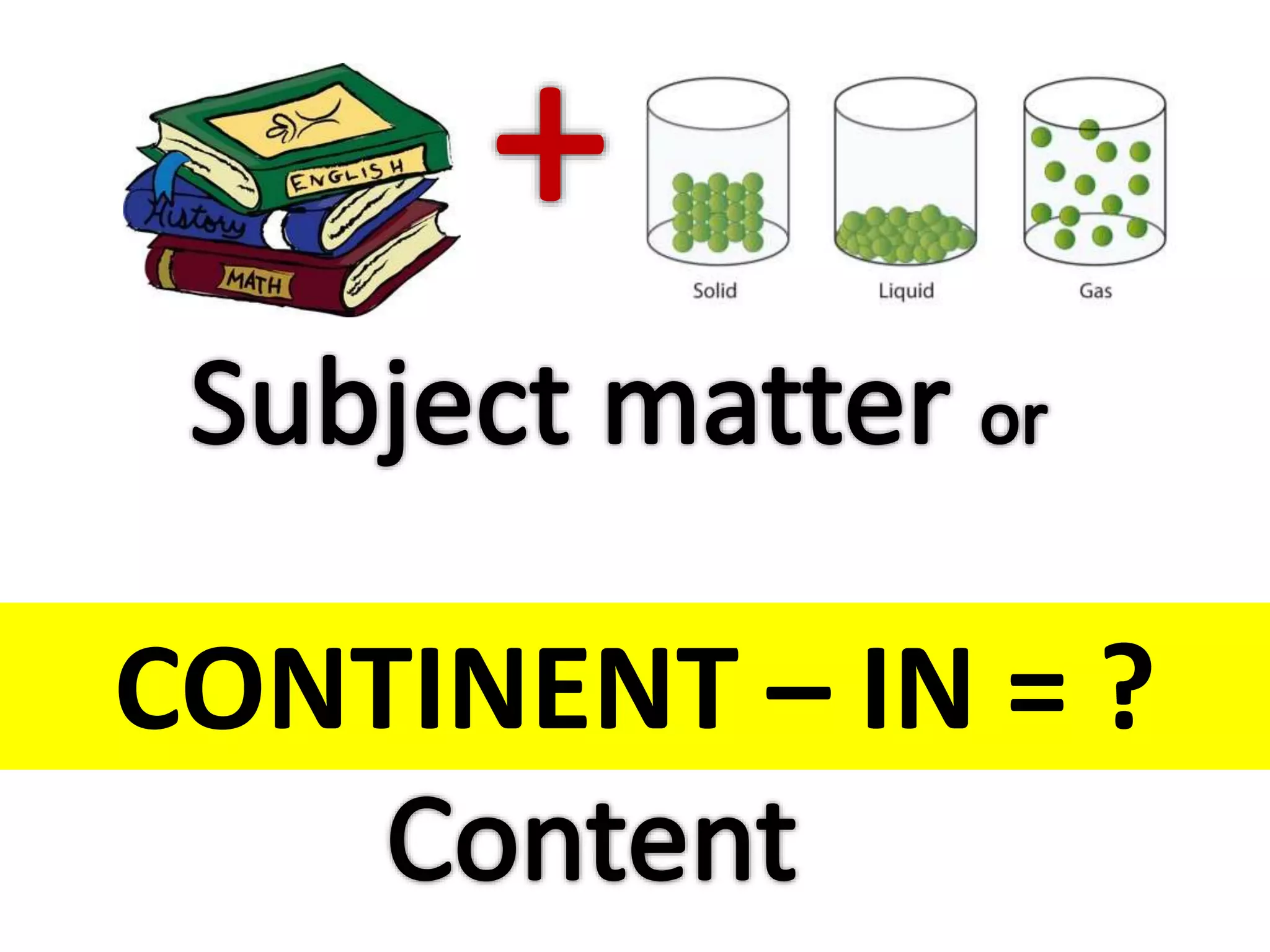
CONTINENT – IN = ?
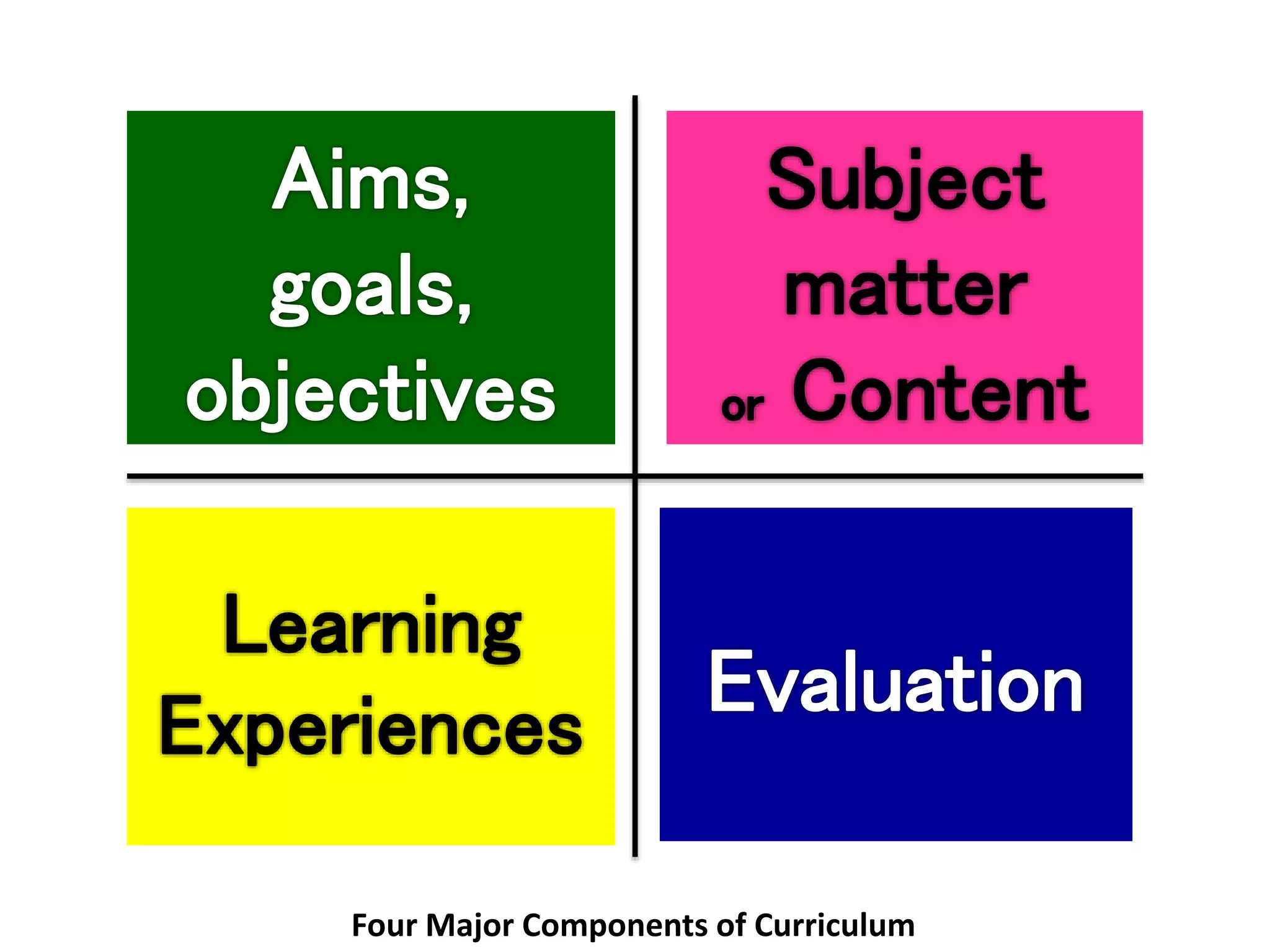
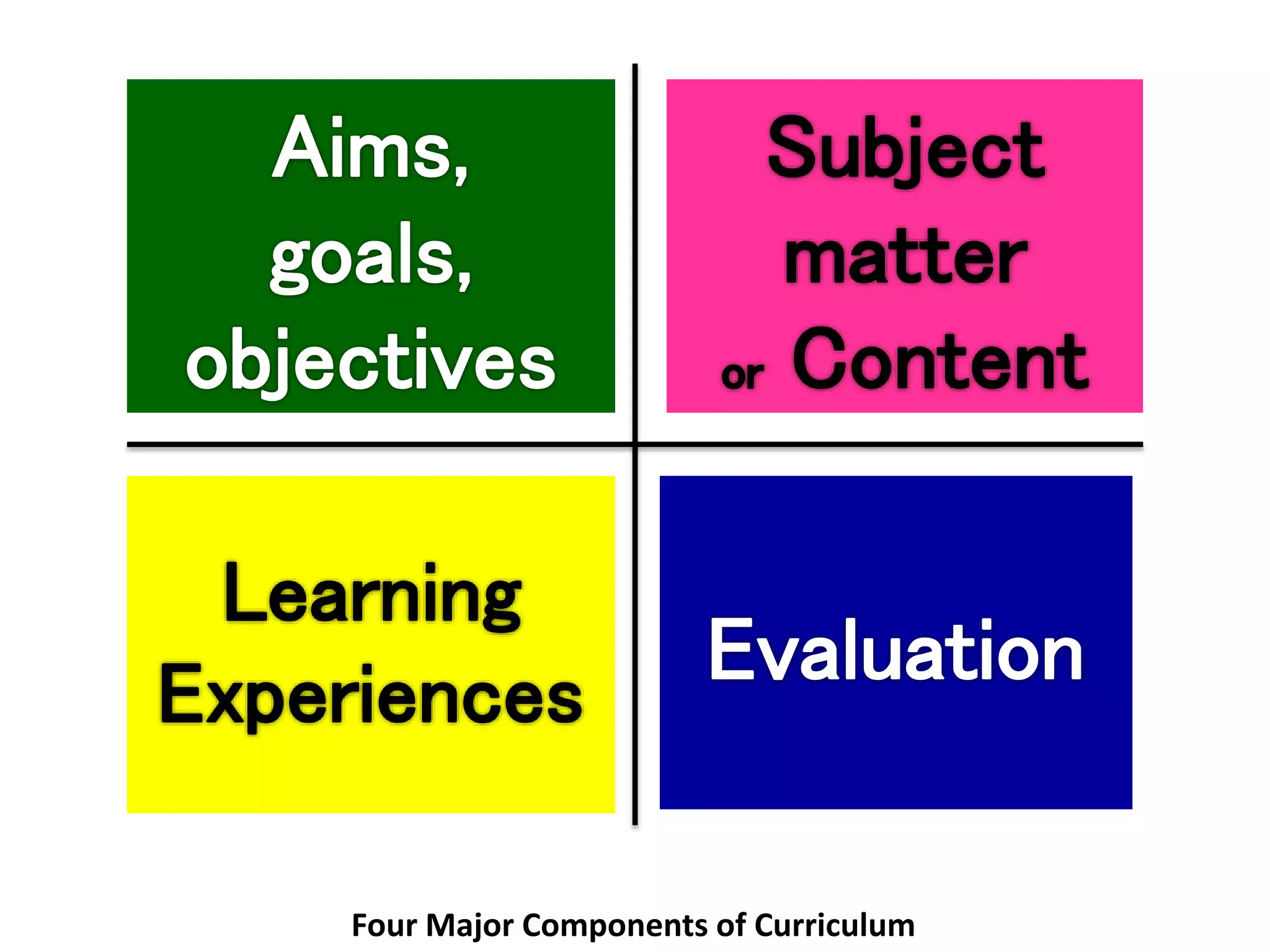
Four Major
of Curriculum
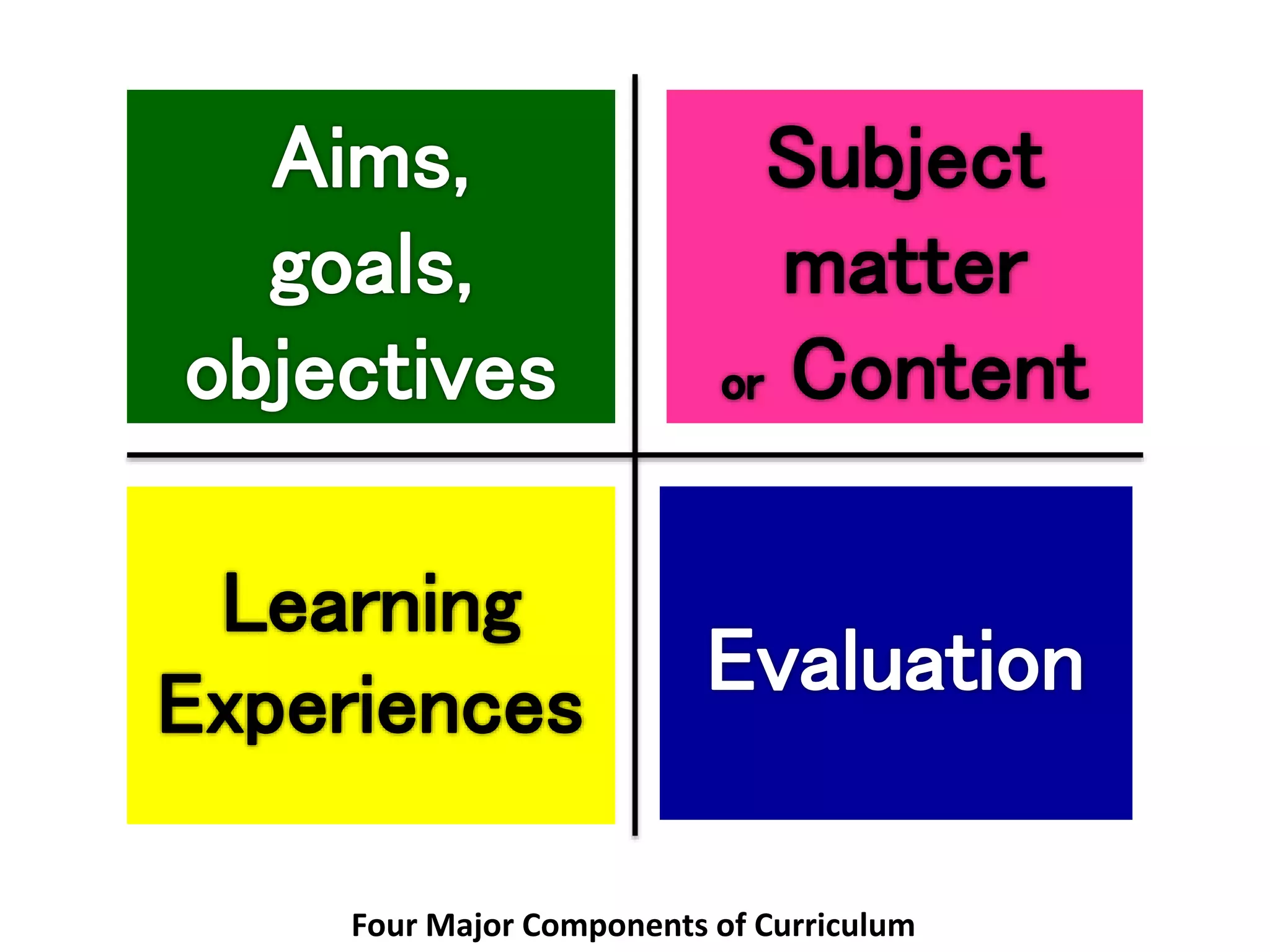
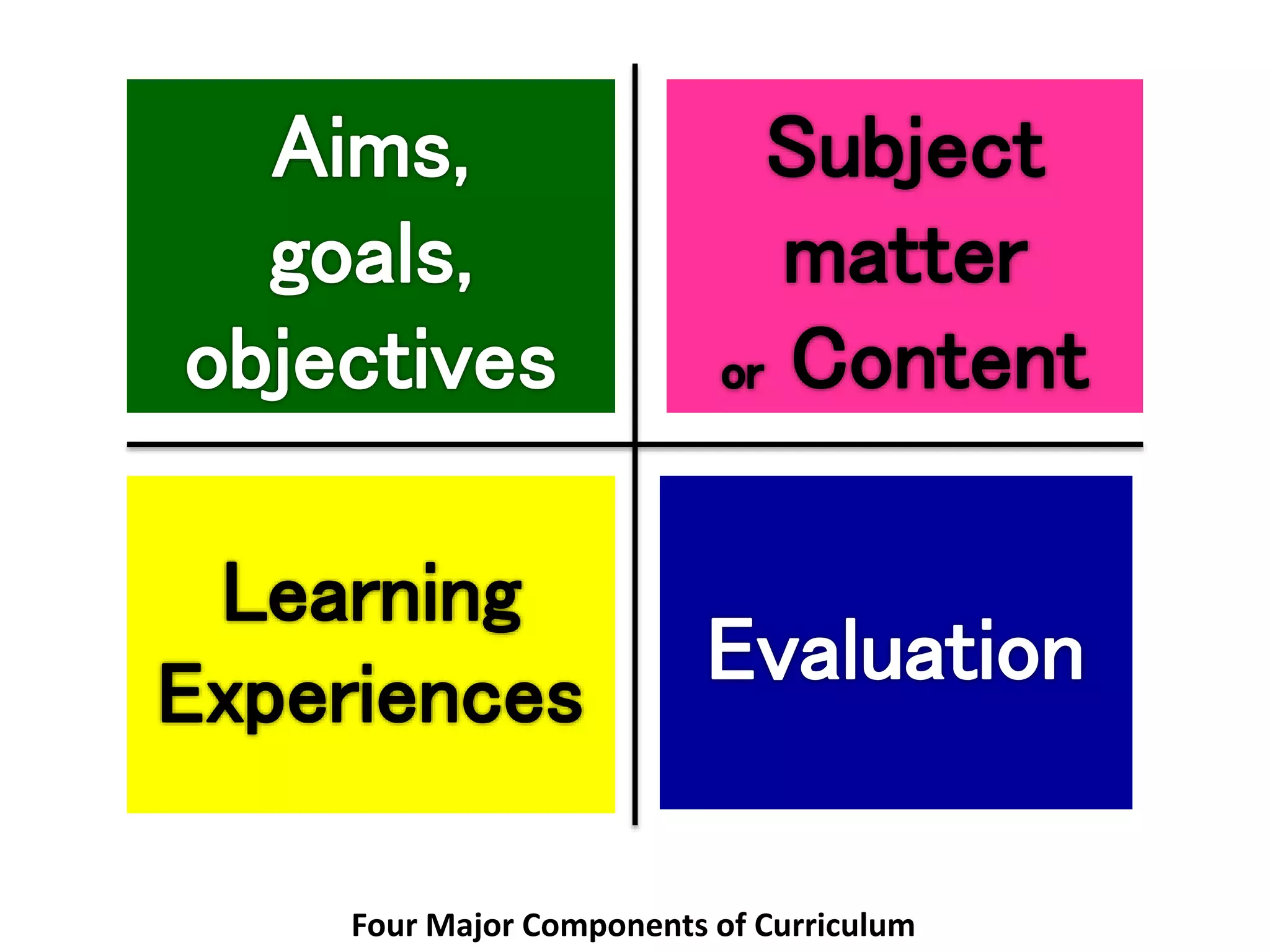
Four Major Components of Curriculum
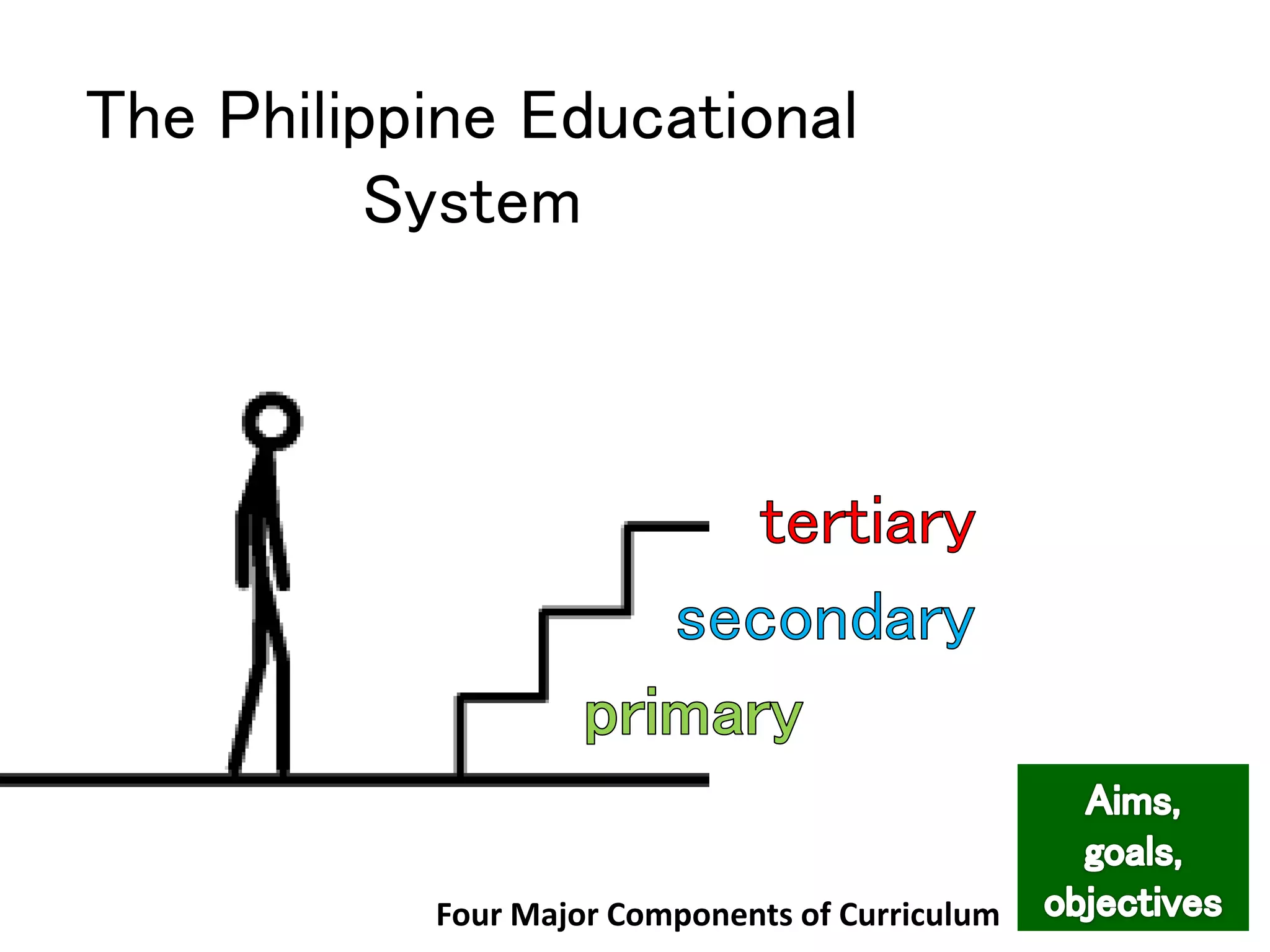
The Philippine Educational
System
Four Major Components of Curriculum
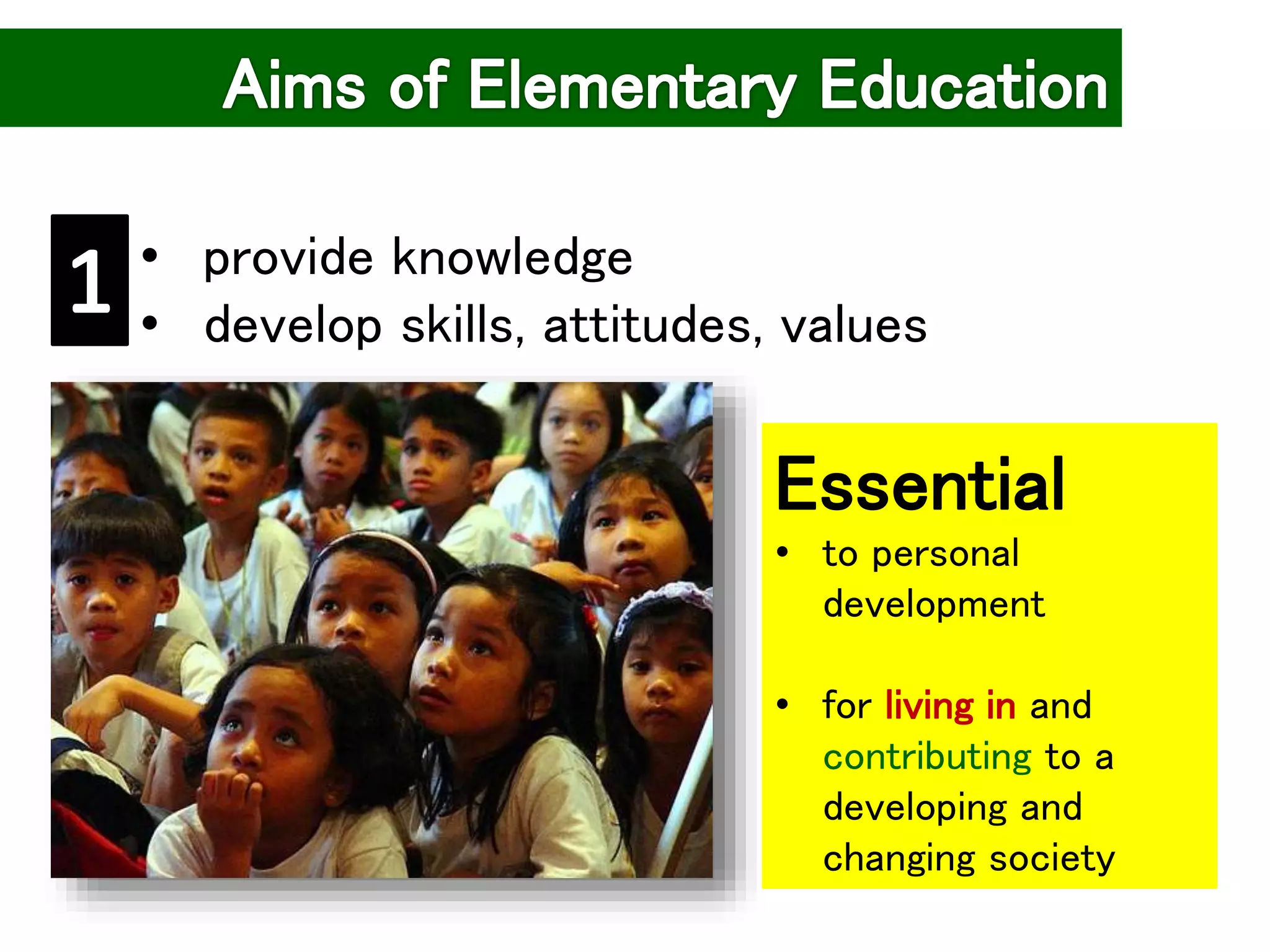
• provide knowledge
• develop skills, attitudes, values
Essential
• to personal
development
• for living in and
contributing to a
developing and
changing society
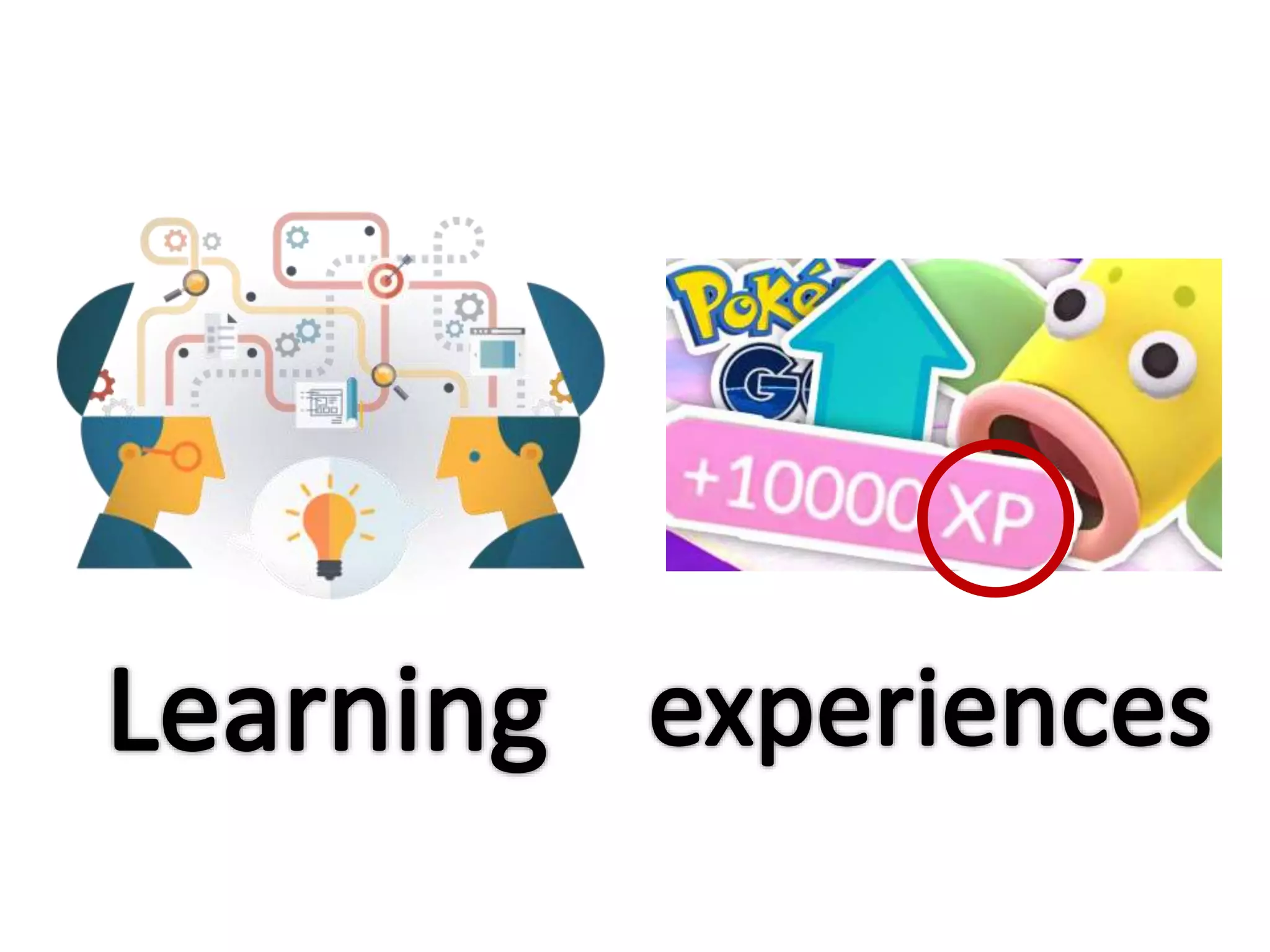
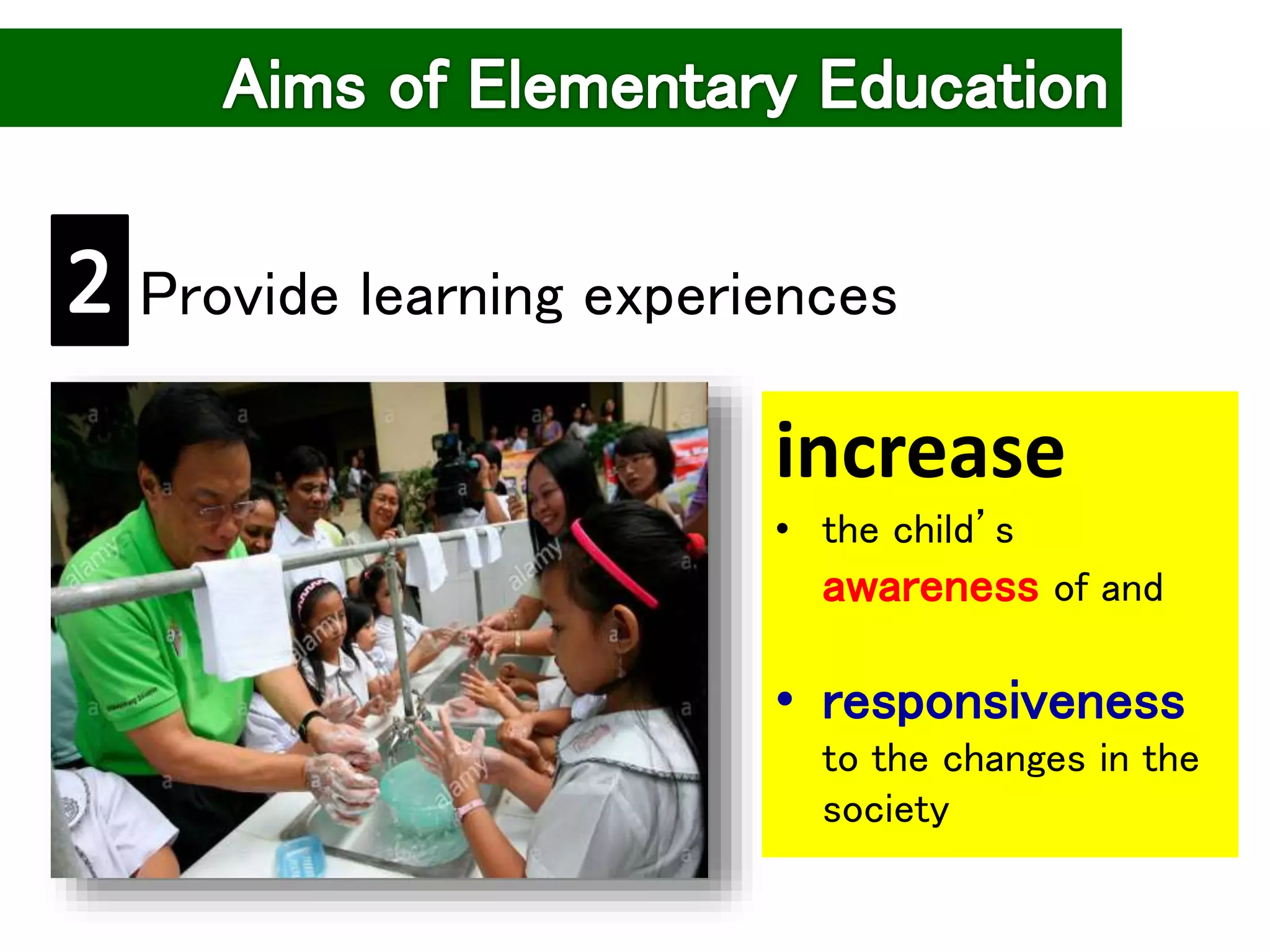
Provide learning experiences
increase
• the child’s
awareness of and
• responsiveness
to the changes in the
society
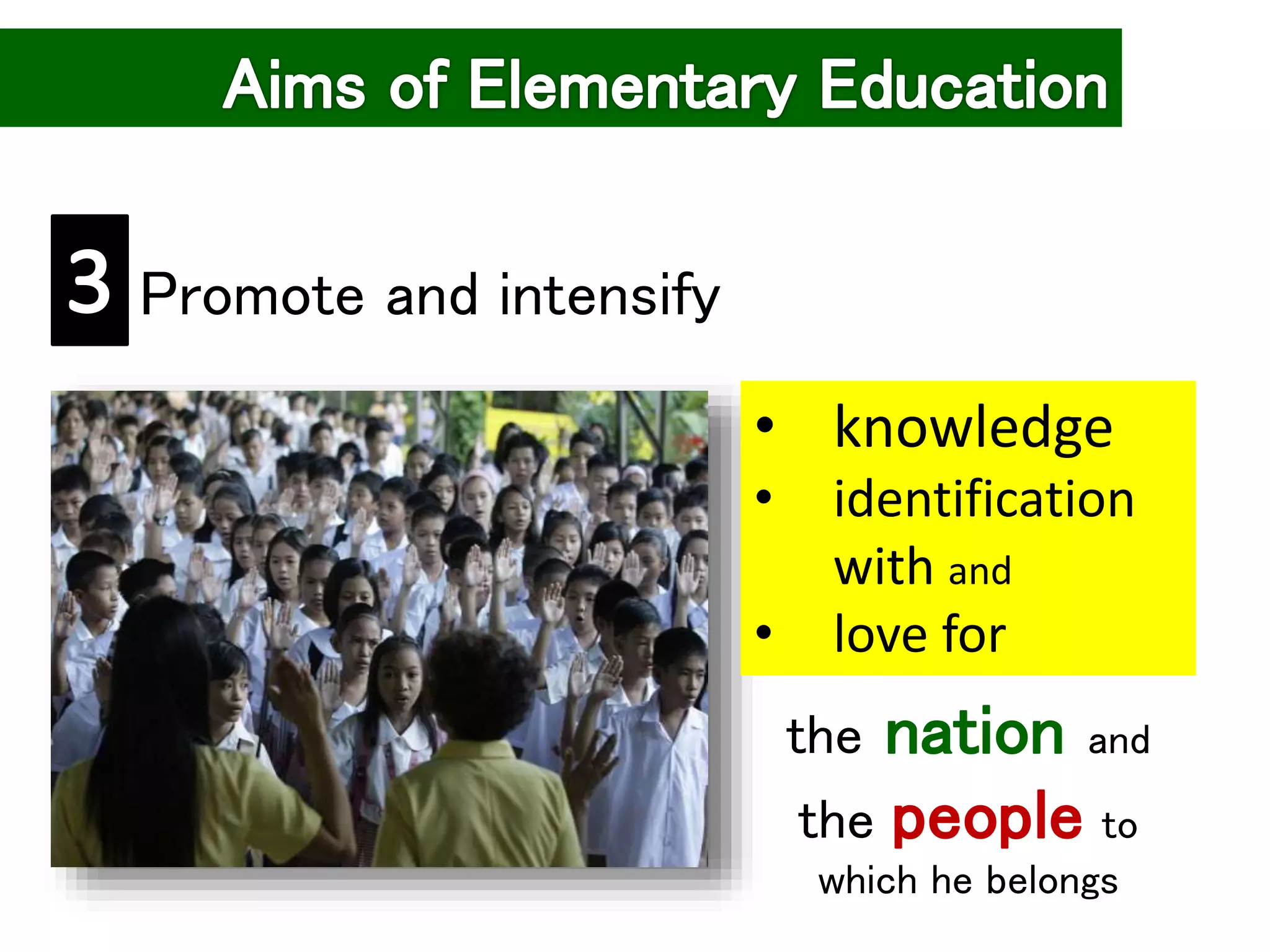
Promote and intensify
• knowledge
• identification
with and
• love for
the nation and
the people to
which he belongs
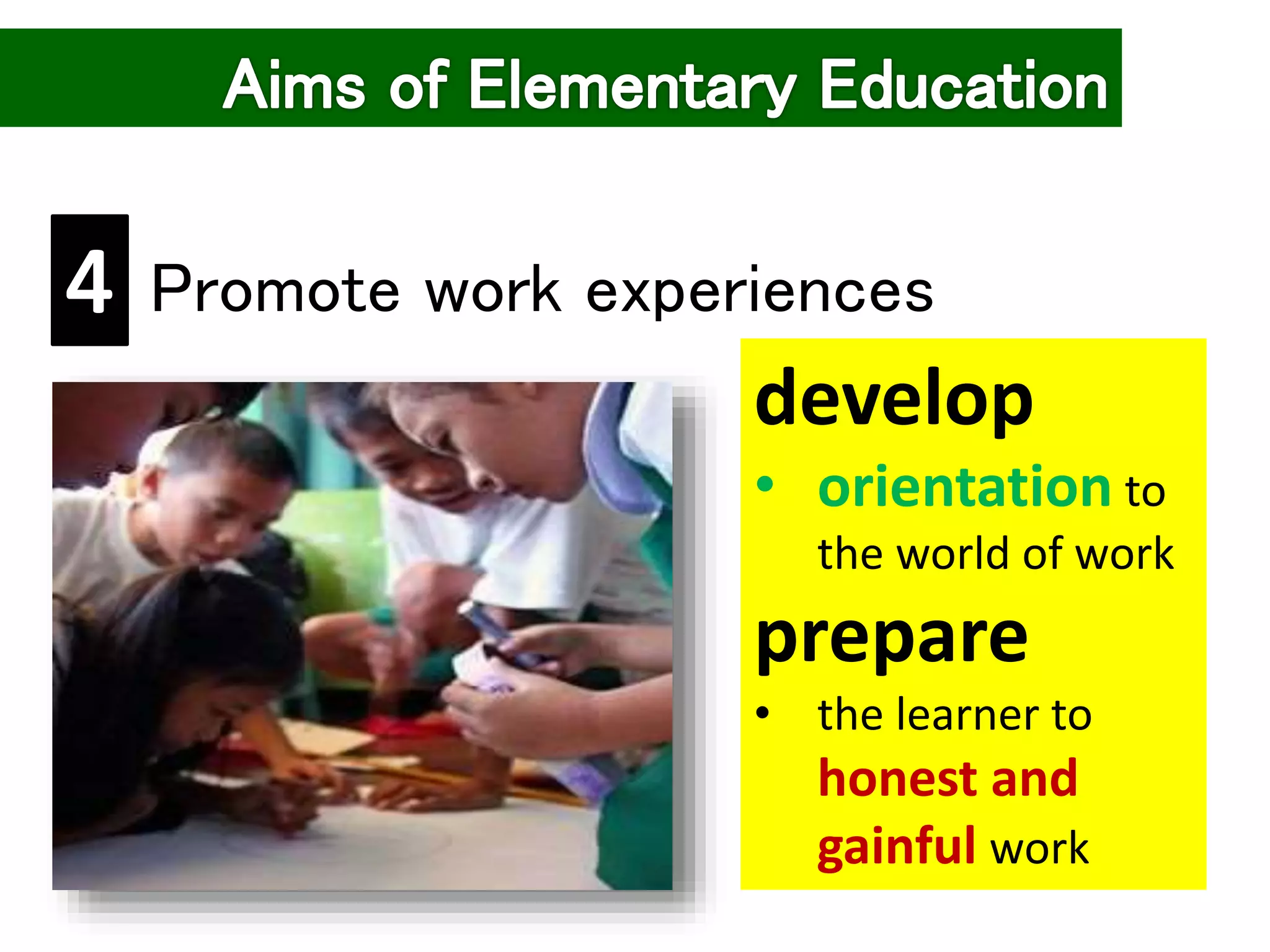
Promote work experiences
develop
• orientation to
the world of work
prepare
• the learner to
honest and
gainful work
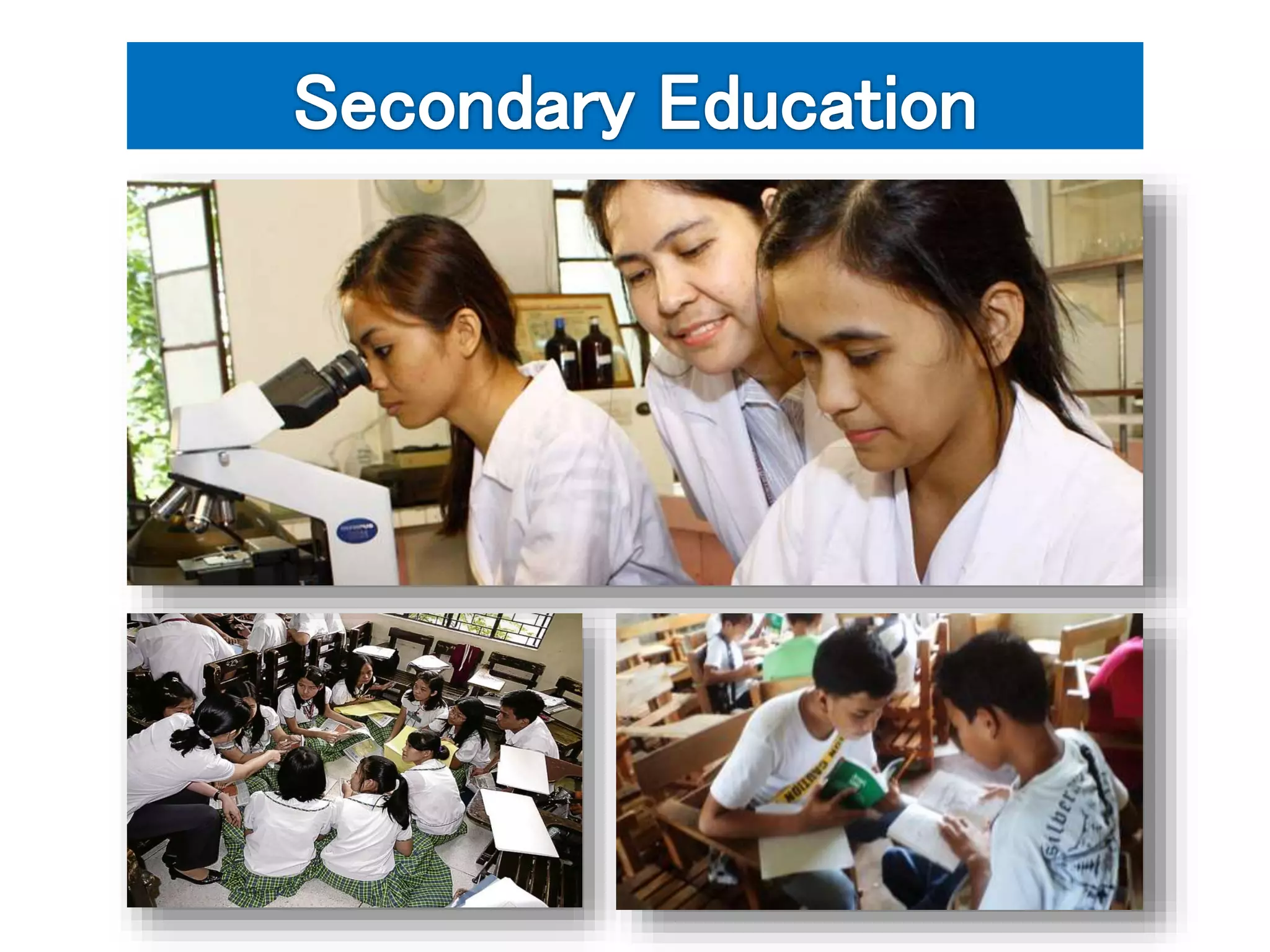
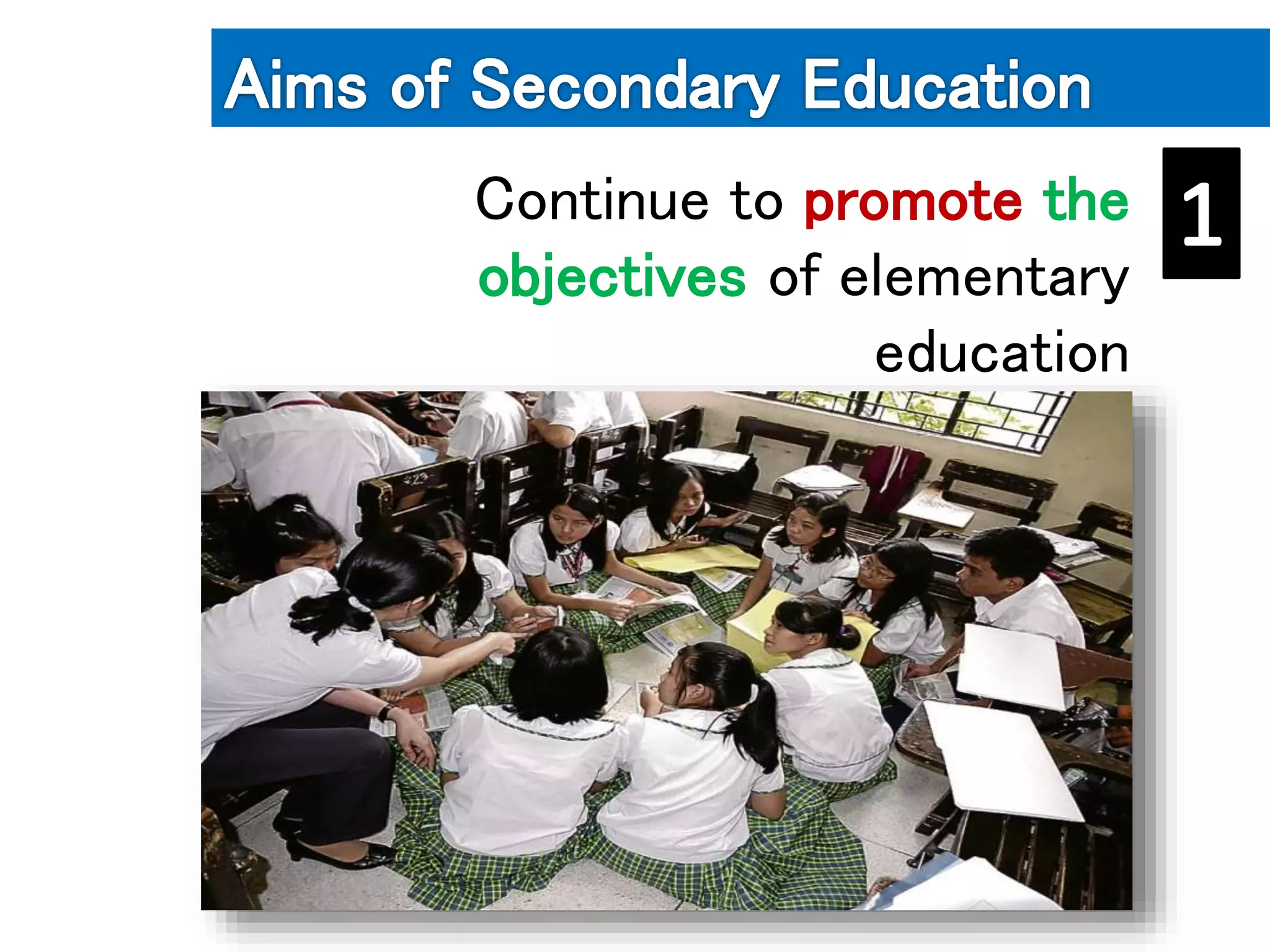
Continue to promote the
objectives of elementary
education
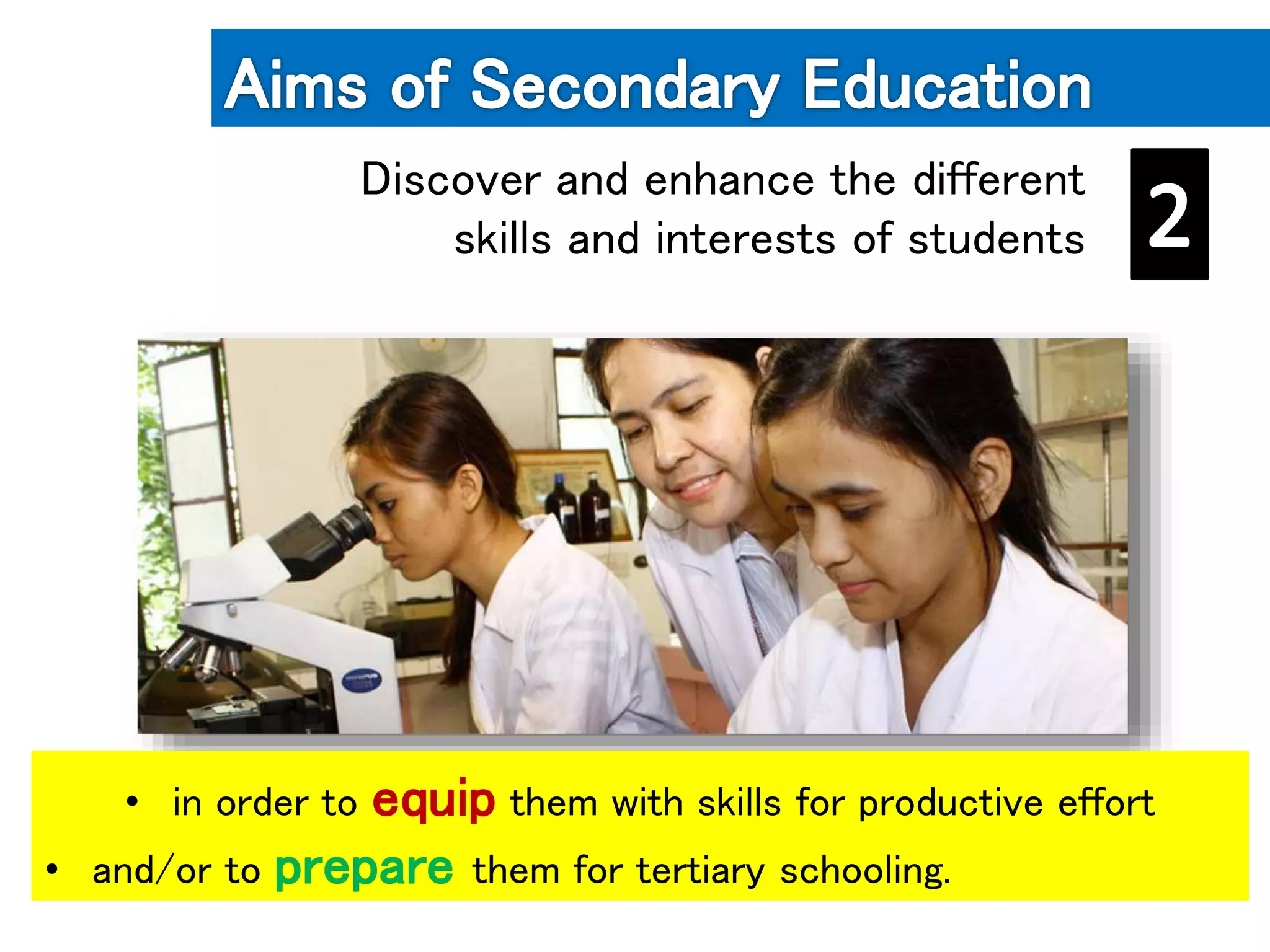
Discover and enhance the different
skills and interests of students
• in order to equip them with skills for productive effort
• and/or to prepare them for tertiary schooling.
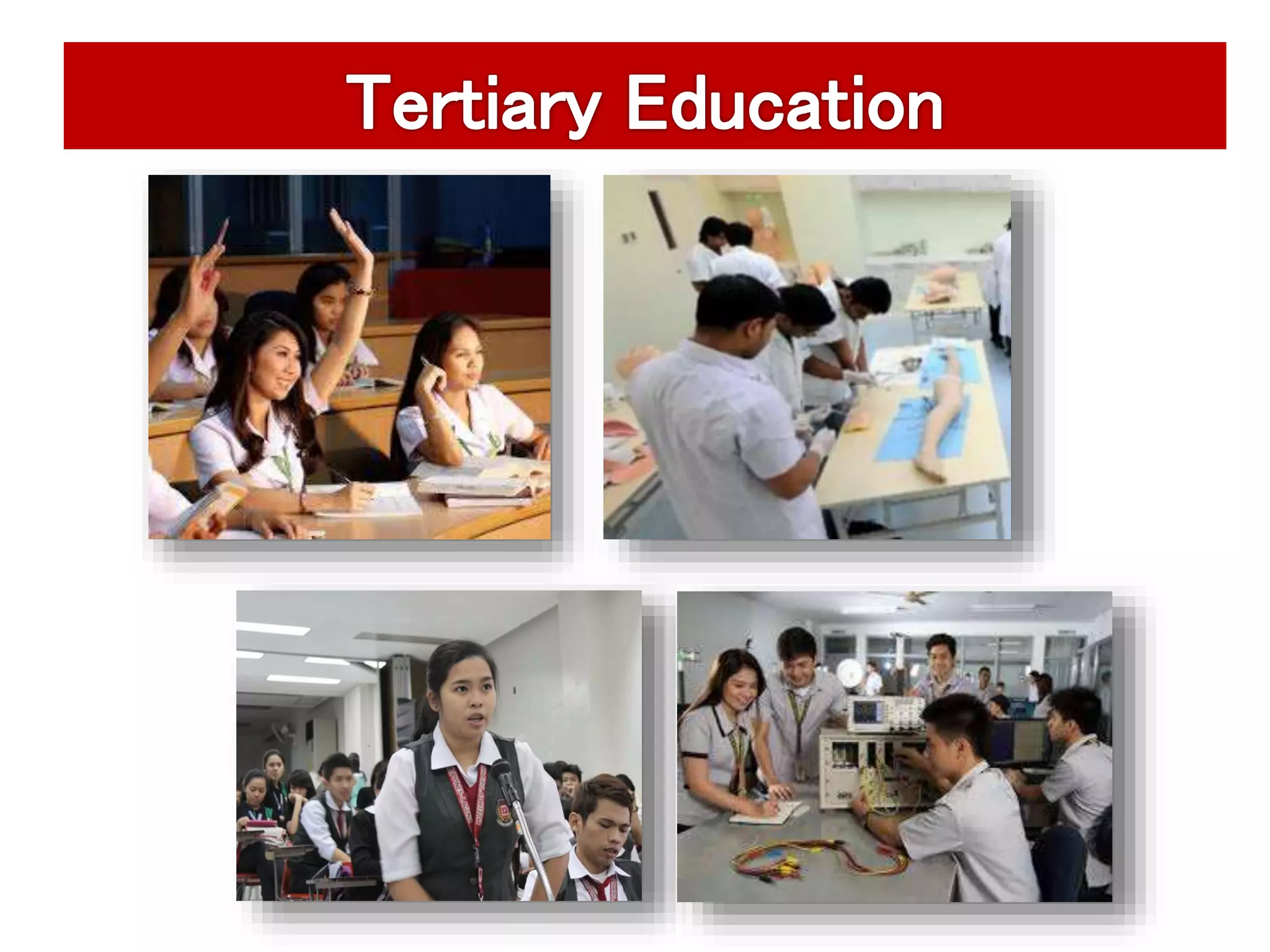
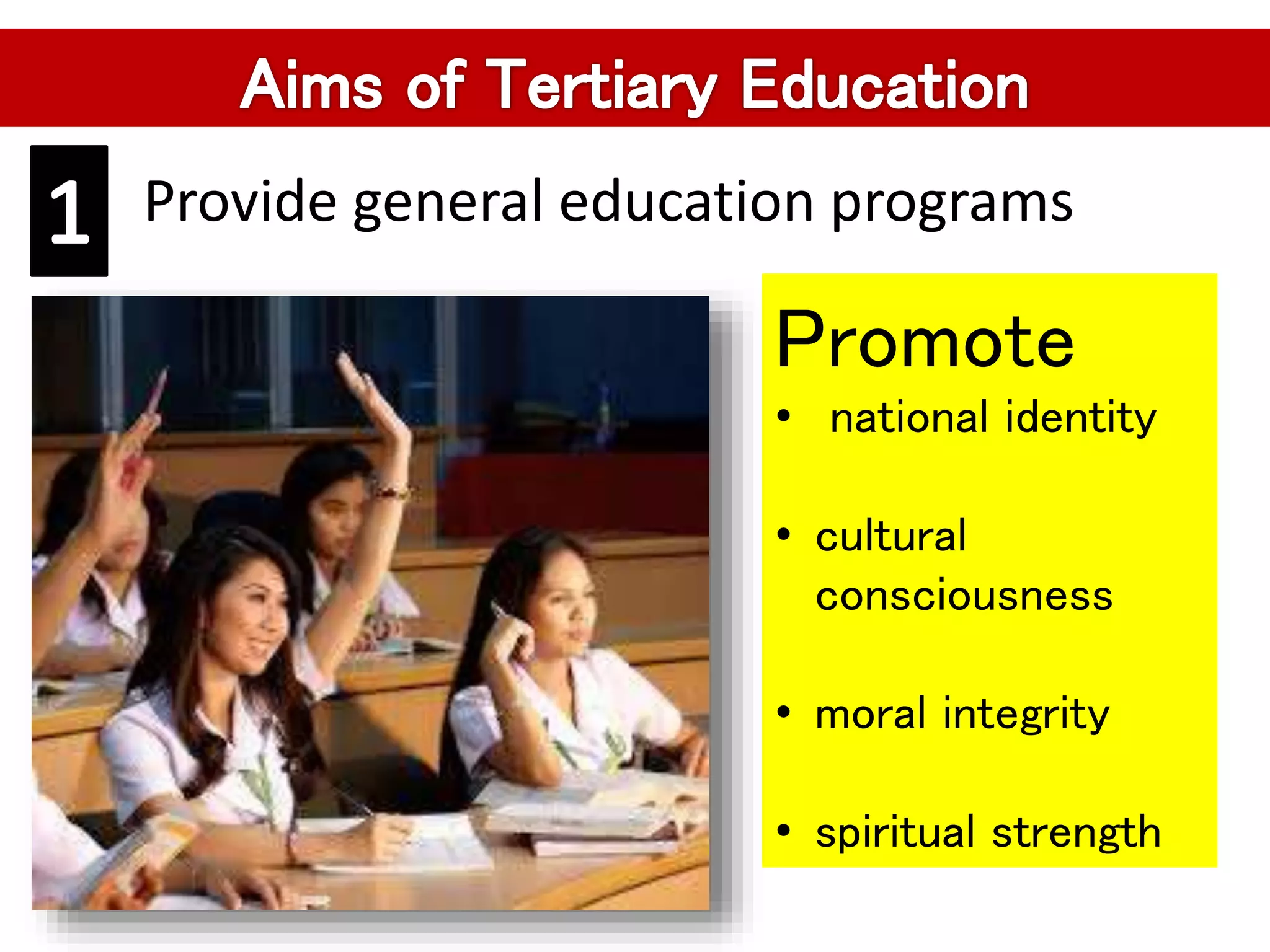
Provide general education programs
Promote
• national identity
• cultural
consciousness
• moral integrity
• spiritual strength
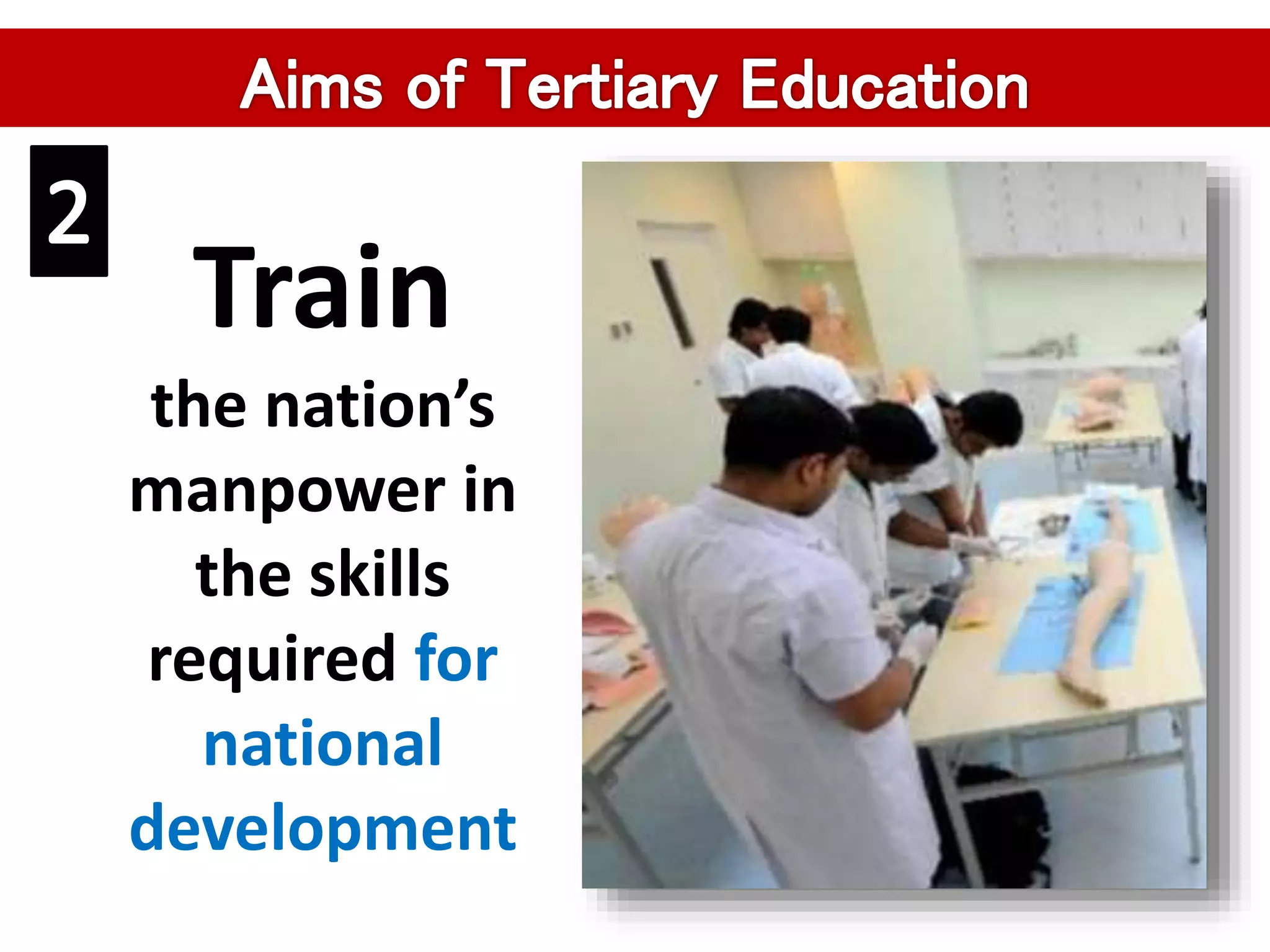
Train
the nation’s
manpower in
the skills
required for
national
development
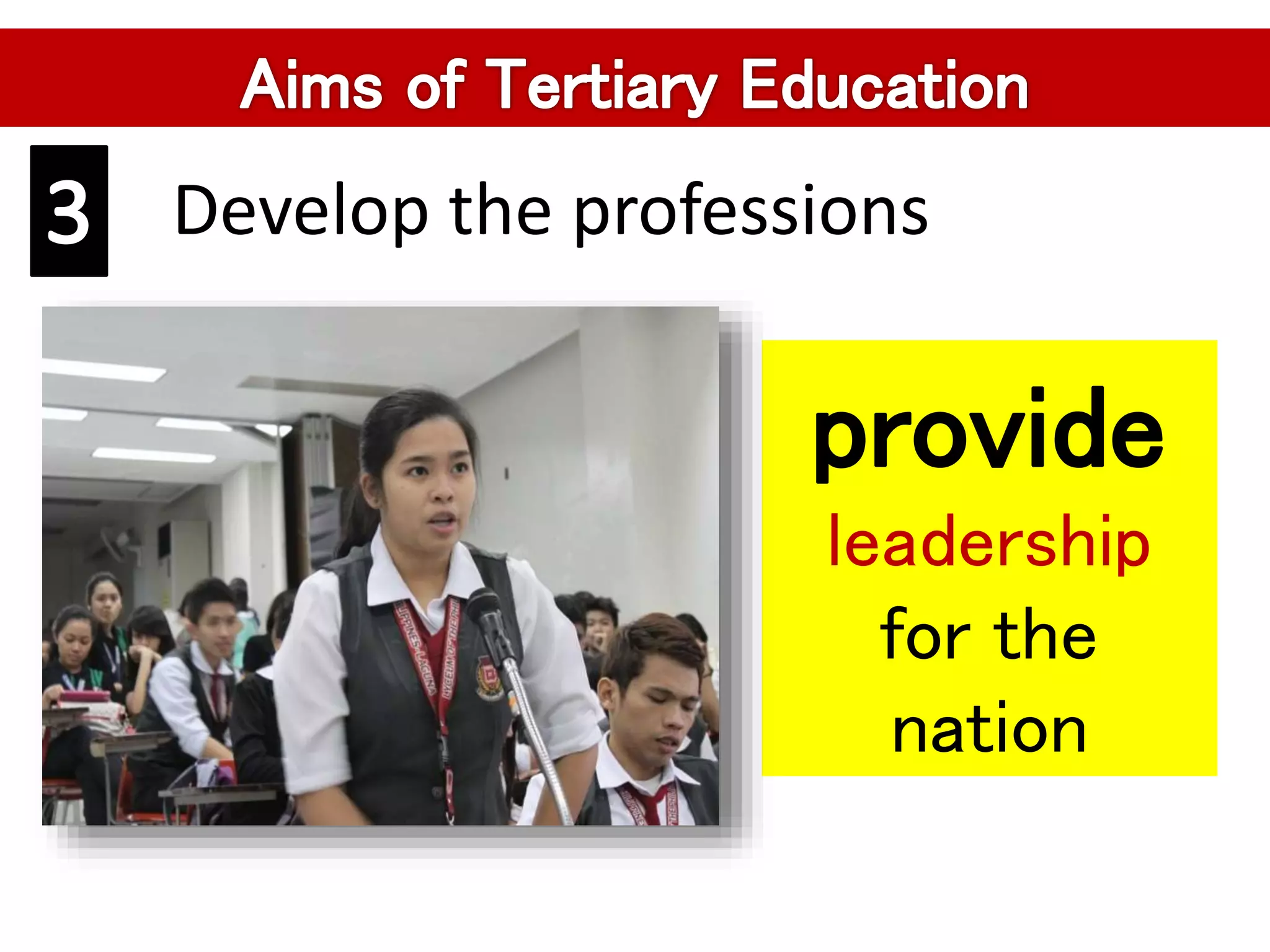
Develop the professions
provide
leadership
for the
nation
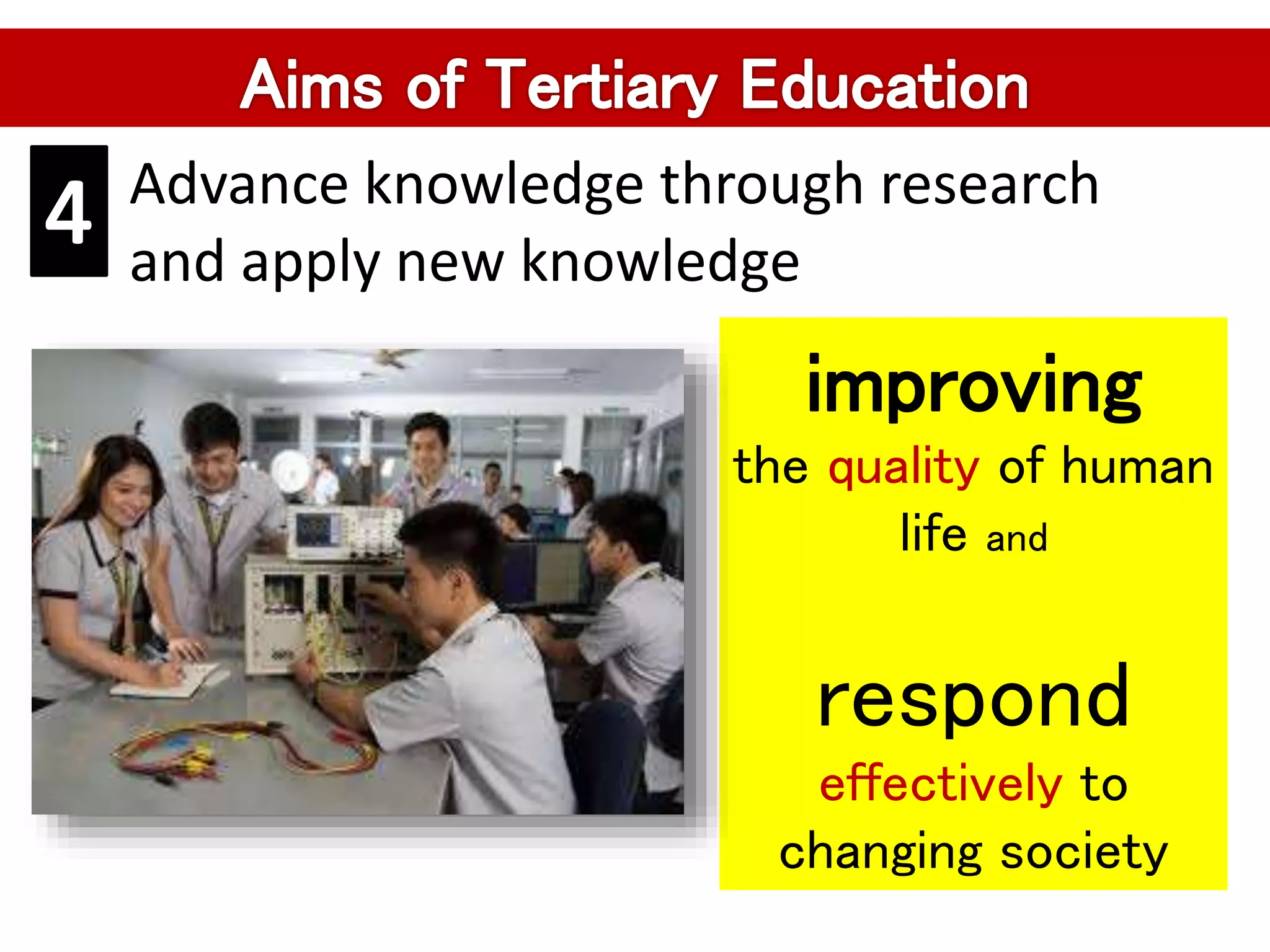
Advance knowledge through research
and apply new knowledge
improving
the quality of human
life and
respond
effectively to
changing society
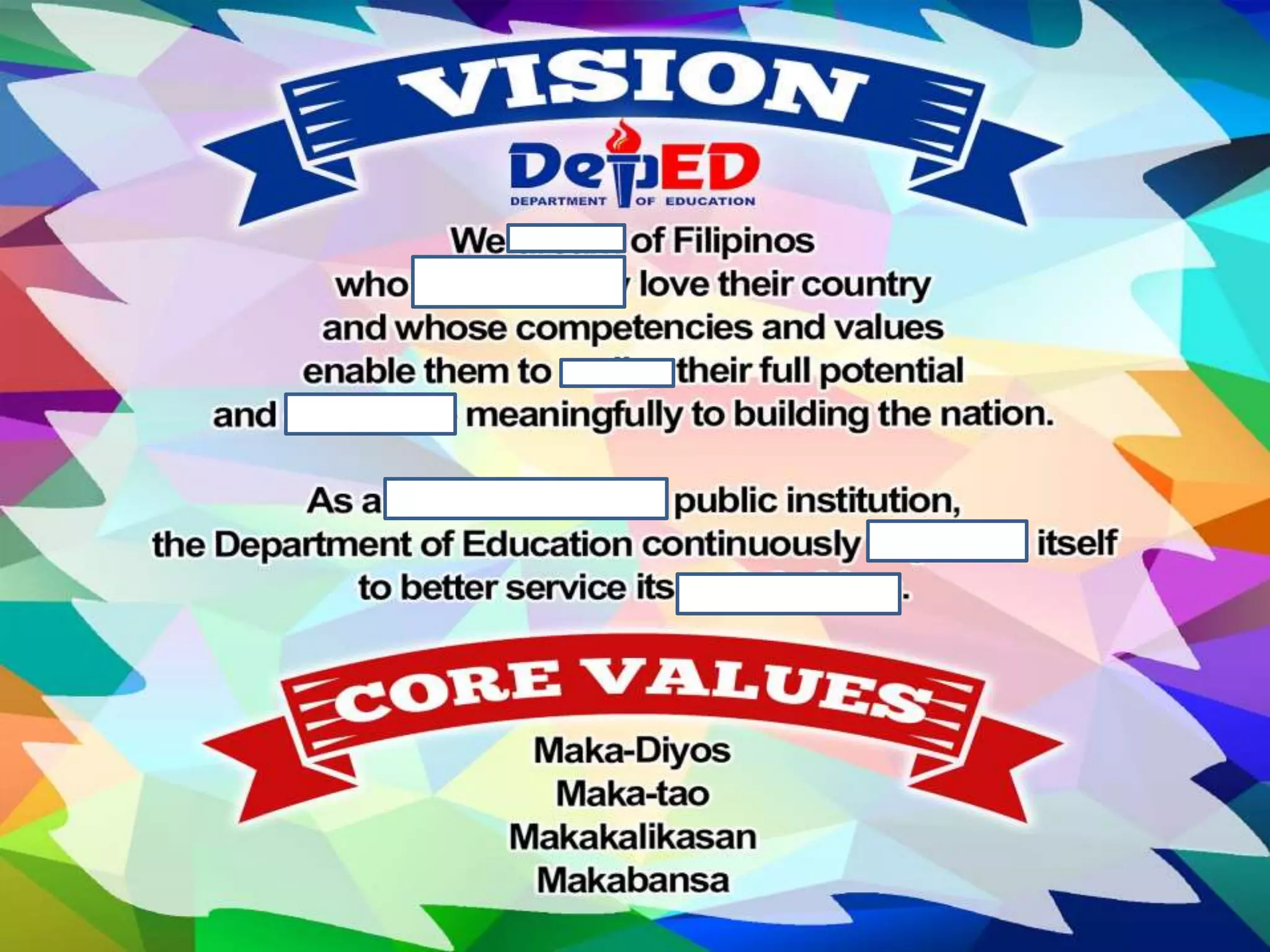
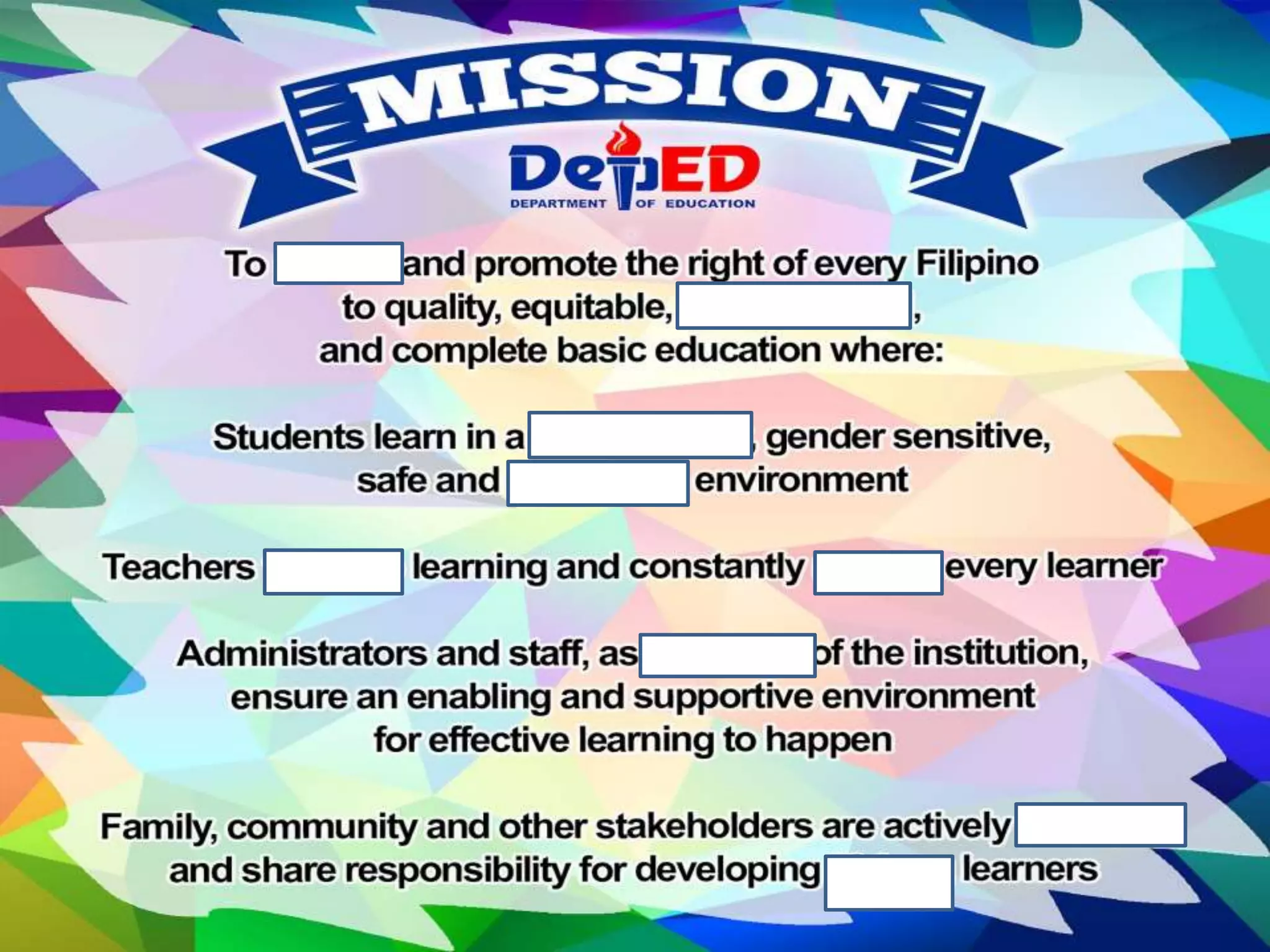
School’s
Vision and Mission
A. perception, set, guided
response, mechanism,
adaptation, origination.
B. knowledge, comprehension,
analysis, synthesis,
evaluation
C. receiving, responding,
valuing, organization,
characterization
Domains
Four Major Components of Curriculum
Subject-
centered view
of curriculum
due to man’s exploration of the world.
The fund of human
knowledge represents
the source
of accumulated
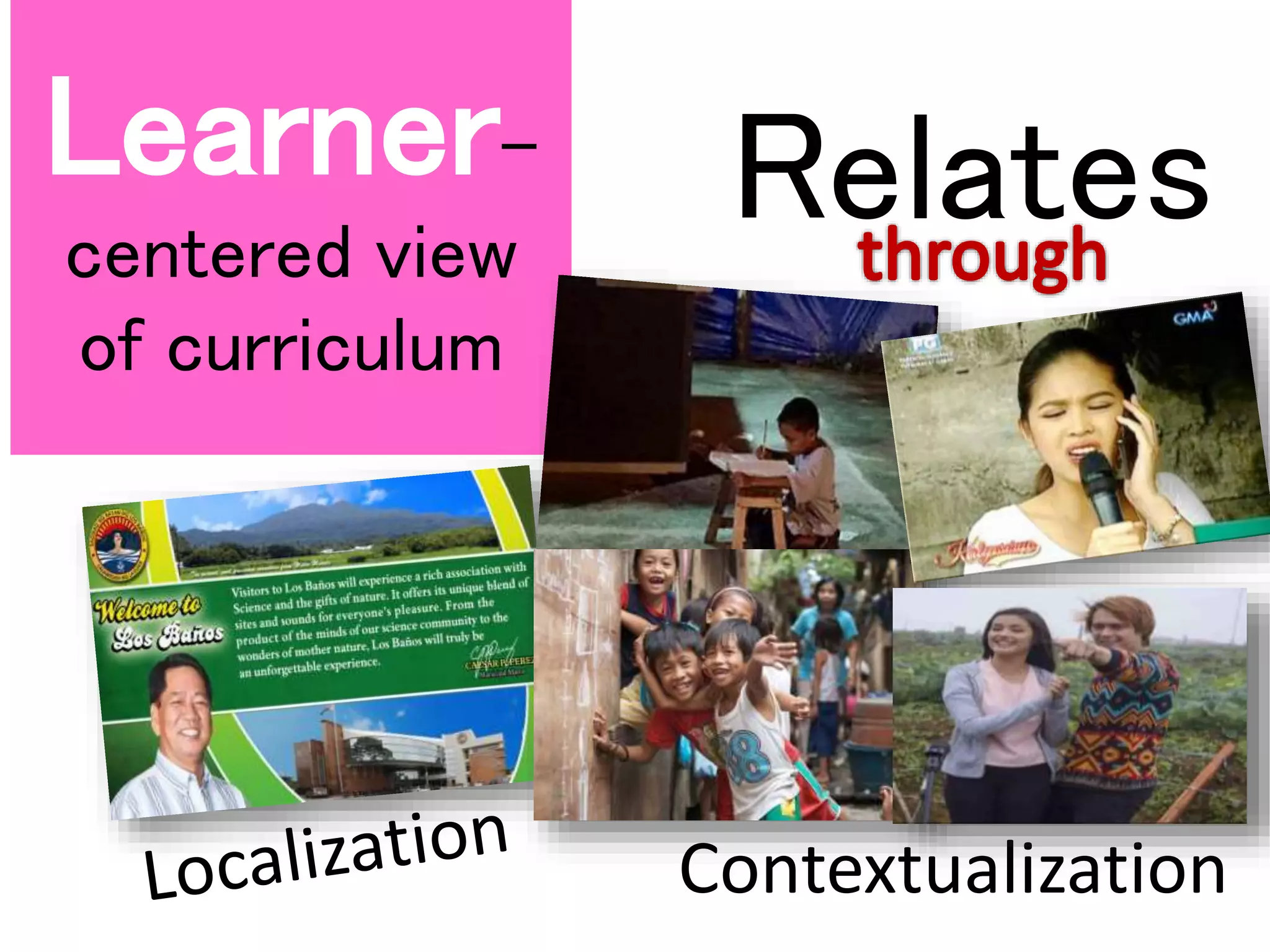
Learner-
centered view
of curriculum
Relates
knowledge to the
individual’s personal and
social world and how he
or she defines reality.
Learner-
centered view
of curriculum
Relates
Contextualization
Learner-
centered view
of curriculum
Relates
Multiple
Intelligences
(M.I.)
used in selection of
Criteria
subject matter
for the curriculum
“less teaching effort and
educational resources, less
learner’s effort but more results
and effective learning outcomes
– most economical manner
(Scheffler, 1970)
Self-sufficiency
Criteria Used in Selection of Subject Matter for the Curriculum
contribute to basic ideas to
achieve overall aim of
curriculum, develop learning
skills
Significance
Criteria Used in Selection of Subject Matter for the Curriculum
meaningful to the learner
based on maturity, prior
experience, educational and
social value
Validity
Criteria Used in Selection of Subject Matter for the Curriculum
usefulness of the content
either for the present or the
future
Utility
Criteria Used in Selection of Subject Matter for the Curriculum
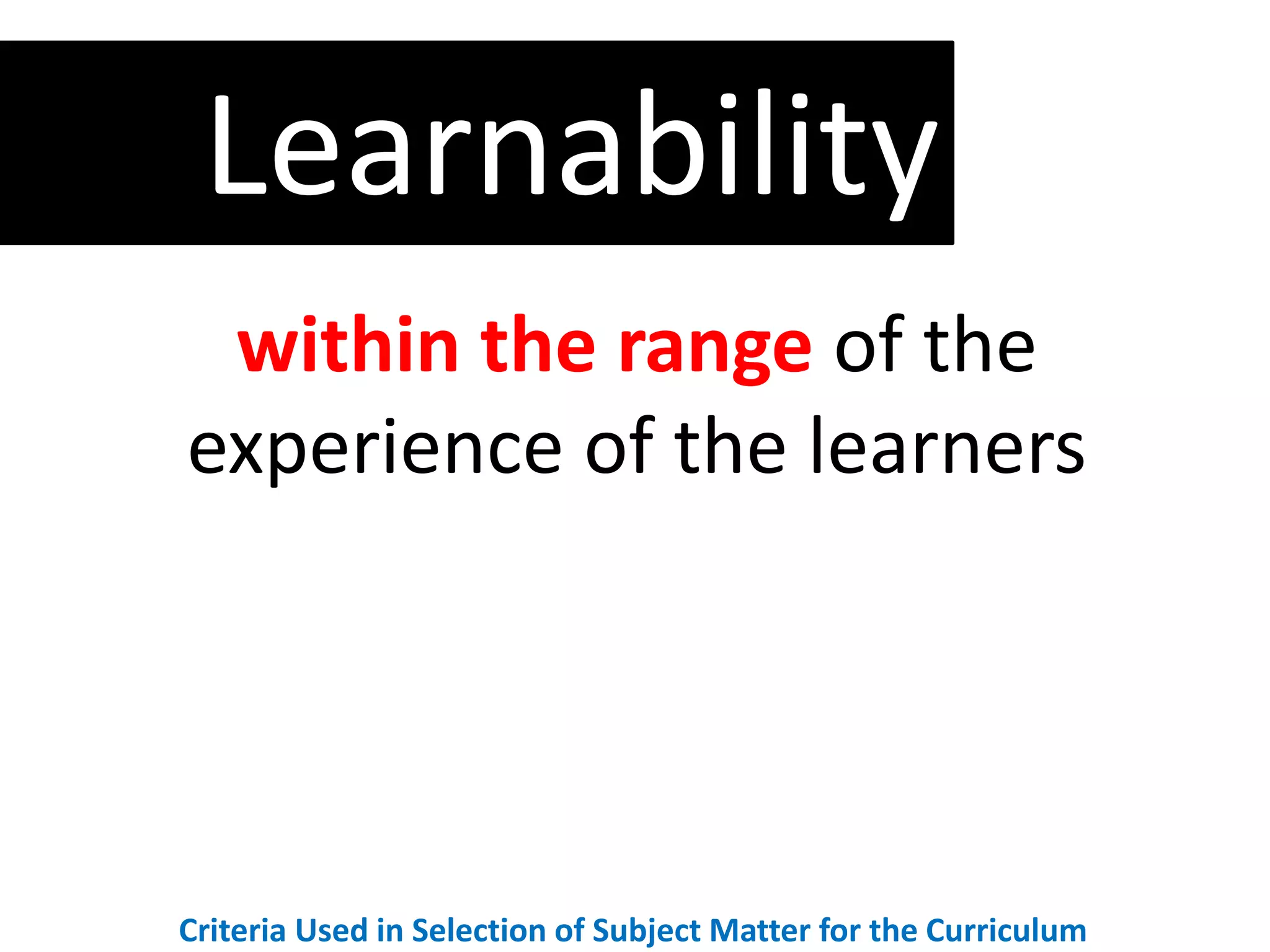
within the range of the
experience of the learners
Learnability
Criteria Used in Selection of Subject Matter for the Curriculum
can be learned within the
time allowed, resources
available, expertise of the
teacher, nature of learner
Feasibility
Criteria Used in Selection of Subject Matter for the Curriculum
to follow in organizing the
Principles
learning contents
(Palma 1992)
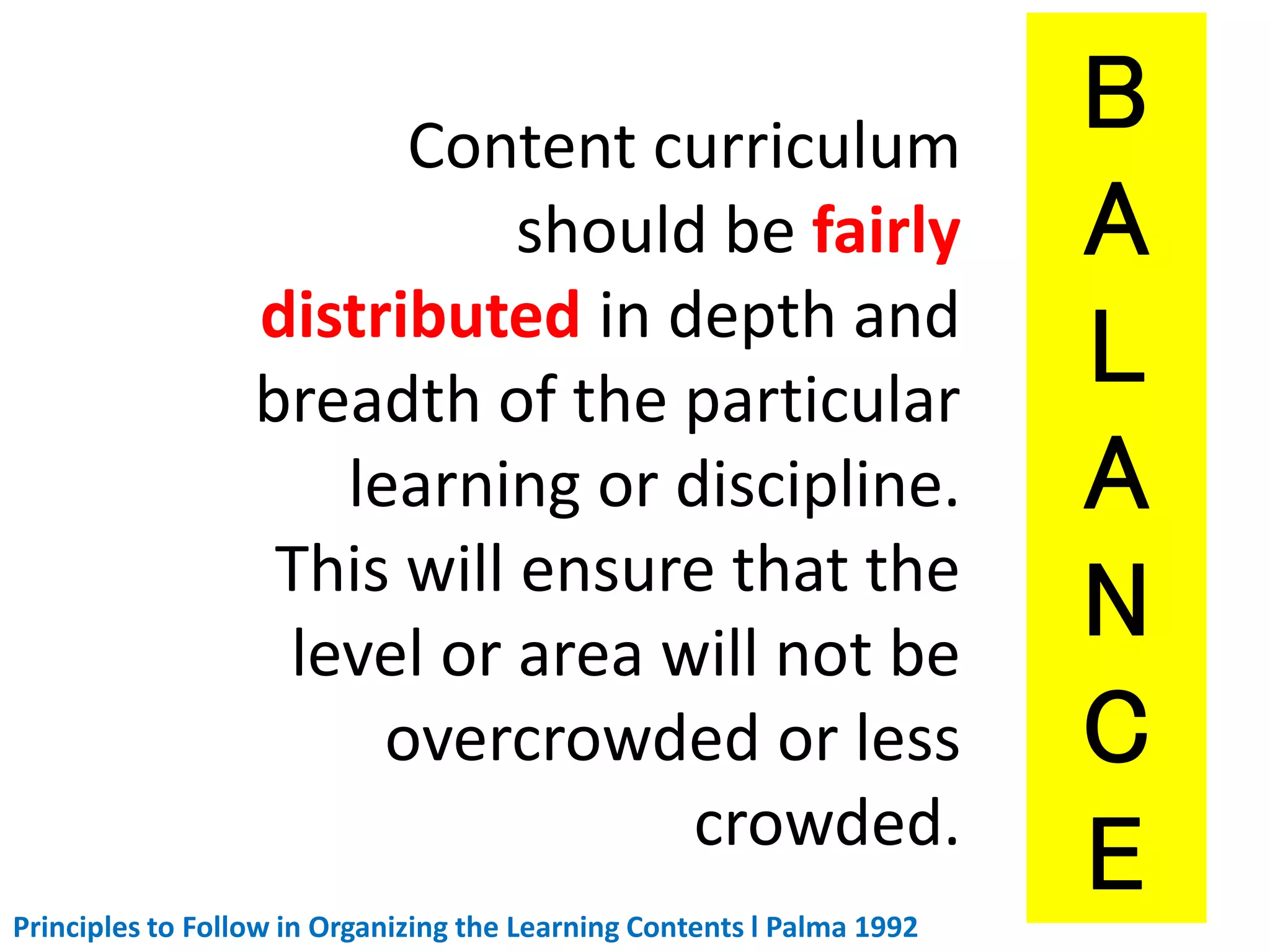
Content curriculum
should be fairly
distributed in depth and
breadth of the particular
learning or discipline.
This will ensure that the
level or area will not be
overcrowded or less
crowded.
Principles to Follow in Organizing the Learning Contents l Palma 1992
Each level of subject matter
should be smoothly
connected to the next,
glaring gaps or wasteful
overlaps in the subject
matter will be avoided.
Principles to Follow in Organizing the Learning Contents l Palma 1992
This is the logical
arrangement of the
subject matter. It
refers to the
deepening and
broadening of content
as it is taken up in the
higher level
S
E
Q
U
E
N
C
EPrinciples to Follow in Organizing the Learning Contents l Palma 1992
The horizontal connections
are needed in subject areas
that are similar so that
learning will be related to one
another. This is….
Principles to Follow in Organizing the Learning Contents l Palma 1992
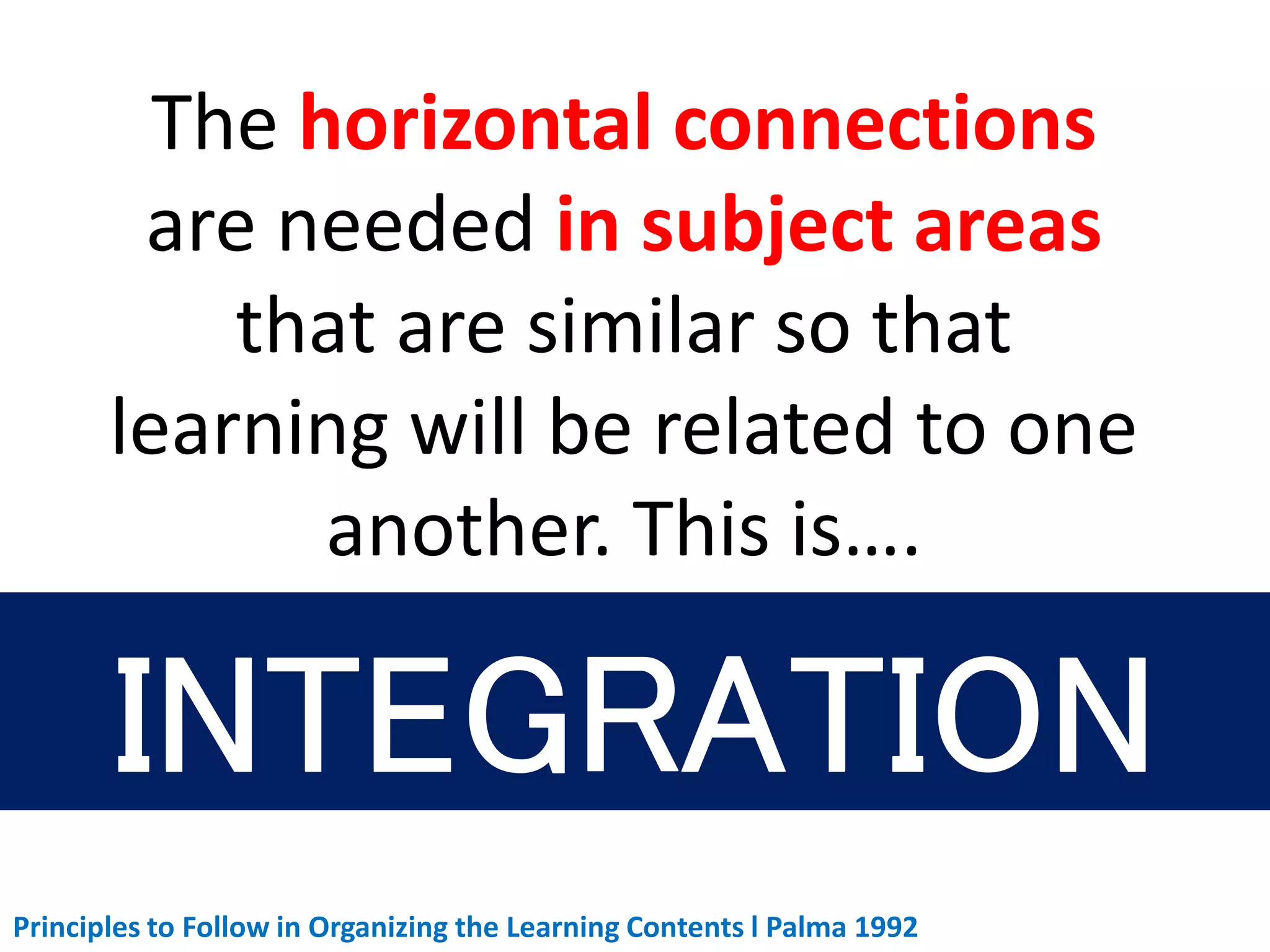
The horizontal connections
are needed in subject areas
that are similar so that
learning will be related to one
another. This is….
Principles to Follow in Organizing the Learning Contents l Palma 1992
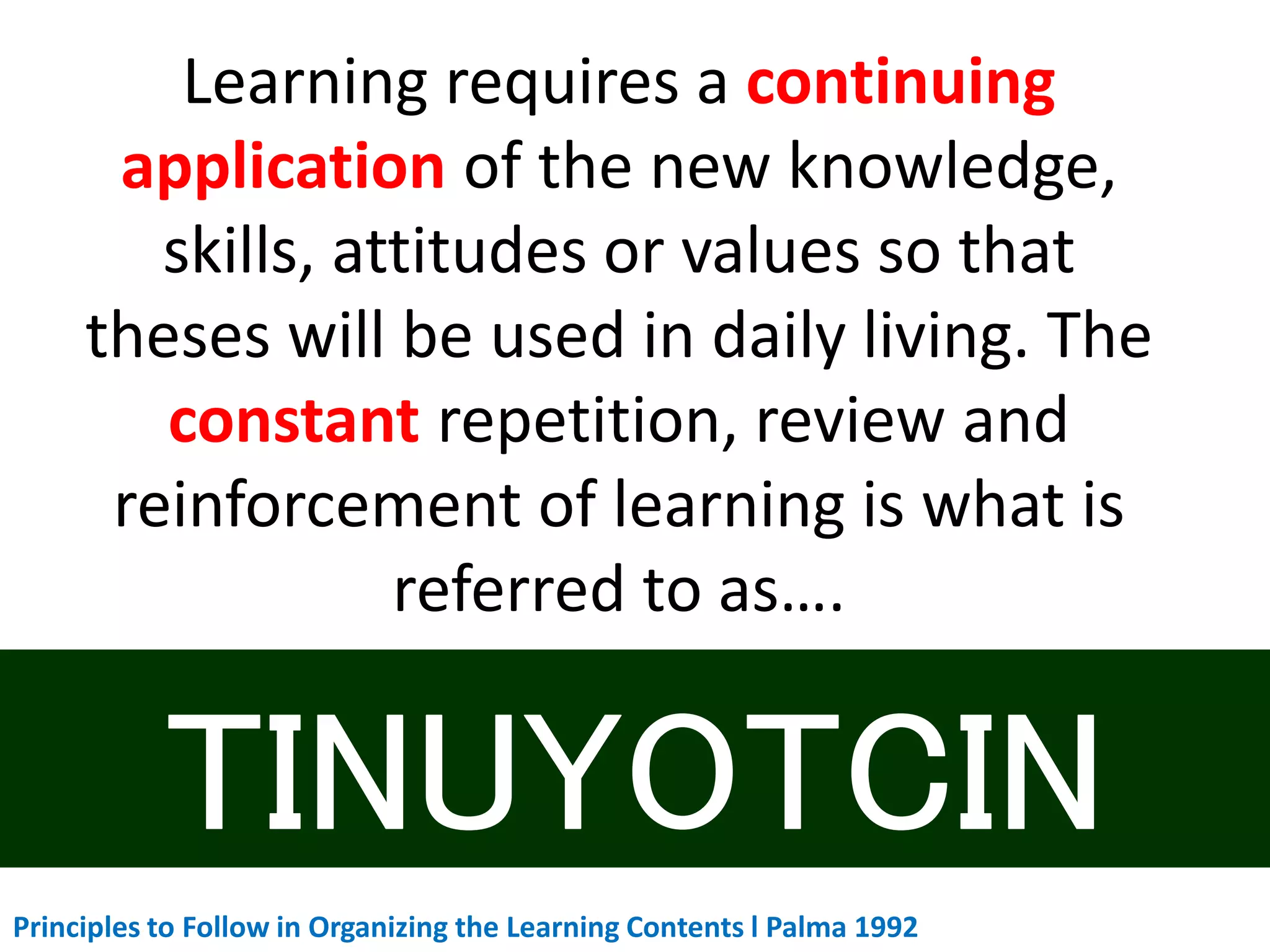
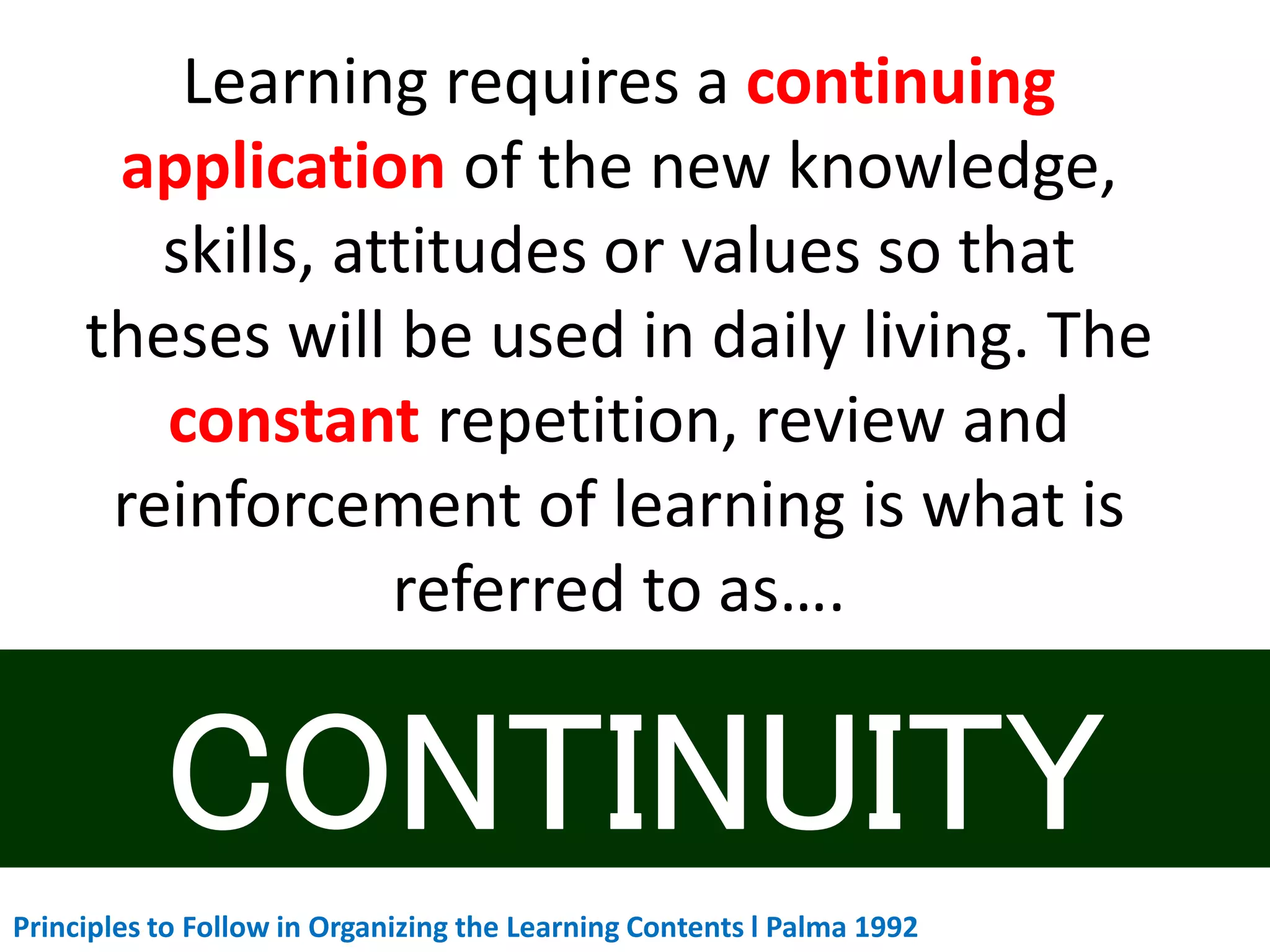
Learning requires a continuing
application of the new knowledge,
skills, attitudes or values so that
theses will be used in daily living. The
constant repetition, review and
reinforcement of learning is what is
referred to as….
Principles to Follow in Organizing the Learning Contents l Palma 1992
Learning requires a continuing
application of the new knowledge,
skills, attitudes or values so that
theses will be used in daily living. The
constant repetition, review and
reinforcement of learning is what is
referred to as….
Principles to Follow in Organizing the Learning Contents l Palma 1992
Four Major Components of Curriculum
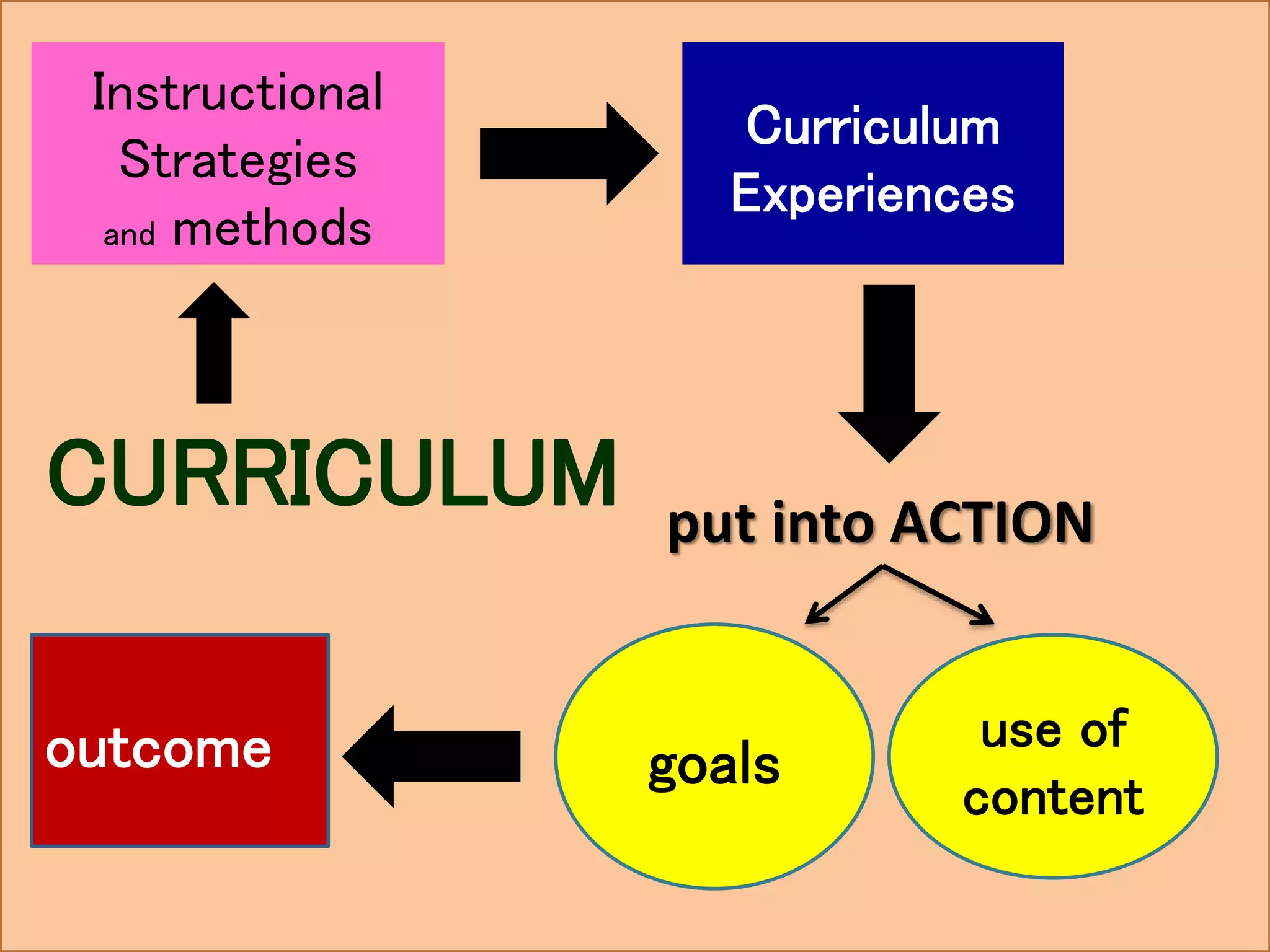
Instructional
Strategies
and methods
put into ACTION
instruction
written curriculum
Teaching strategies
convert the
to
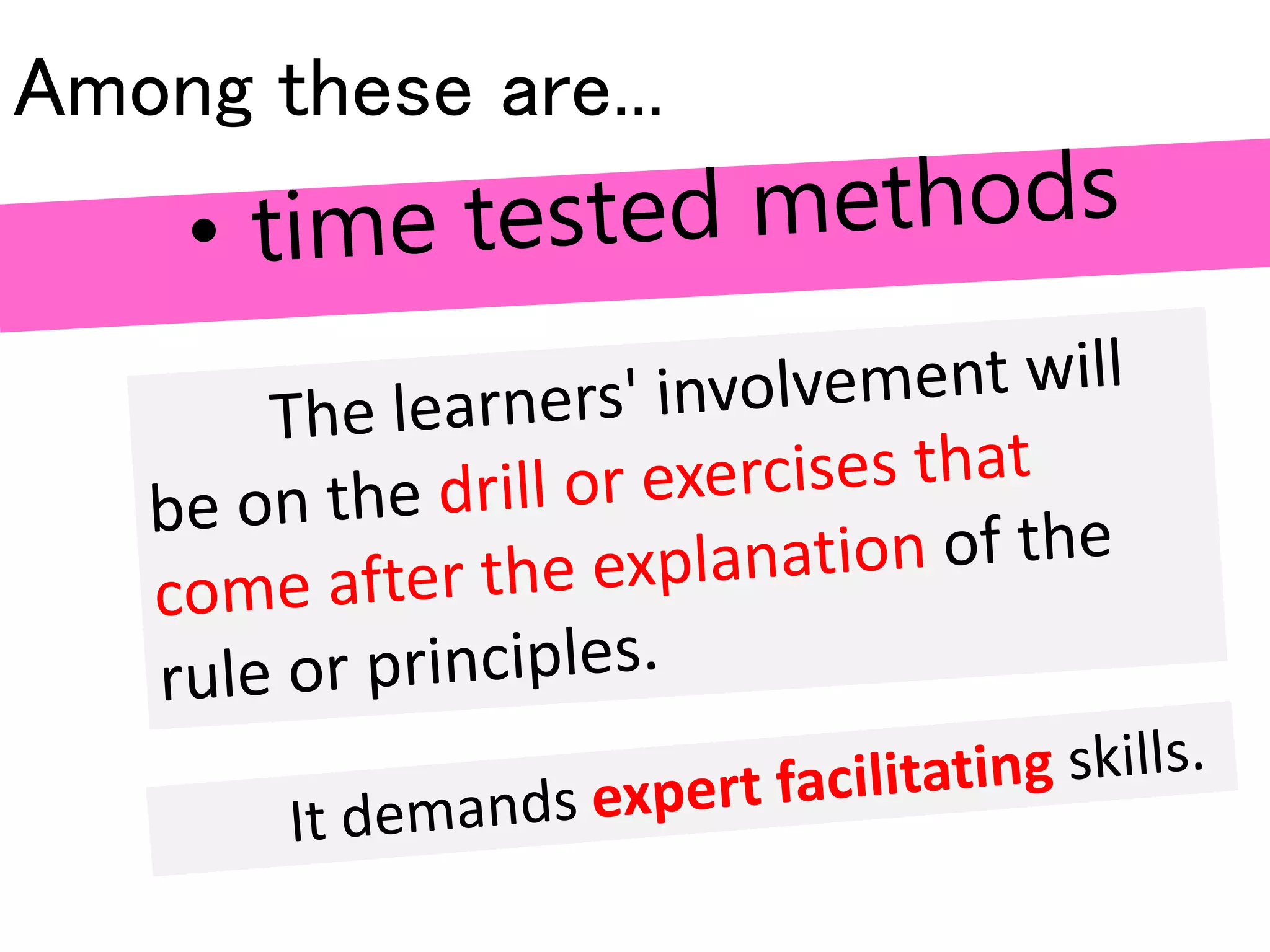
Among these are...
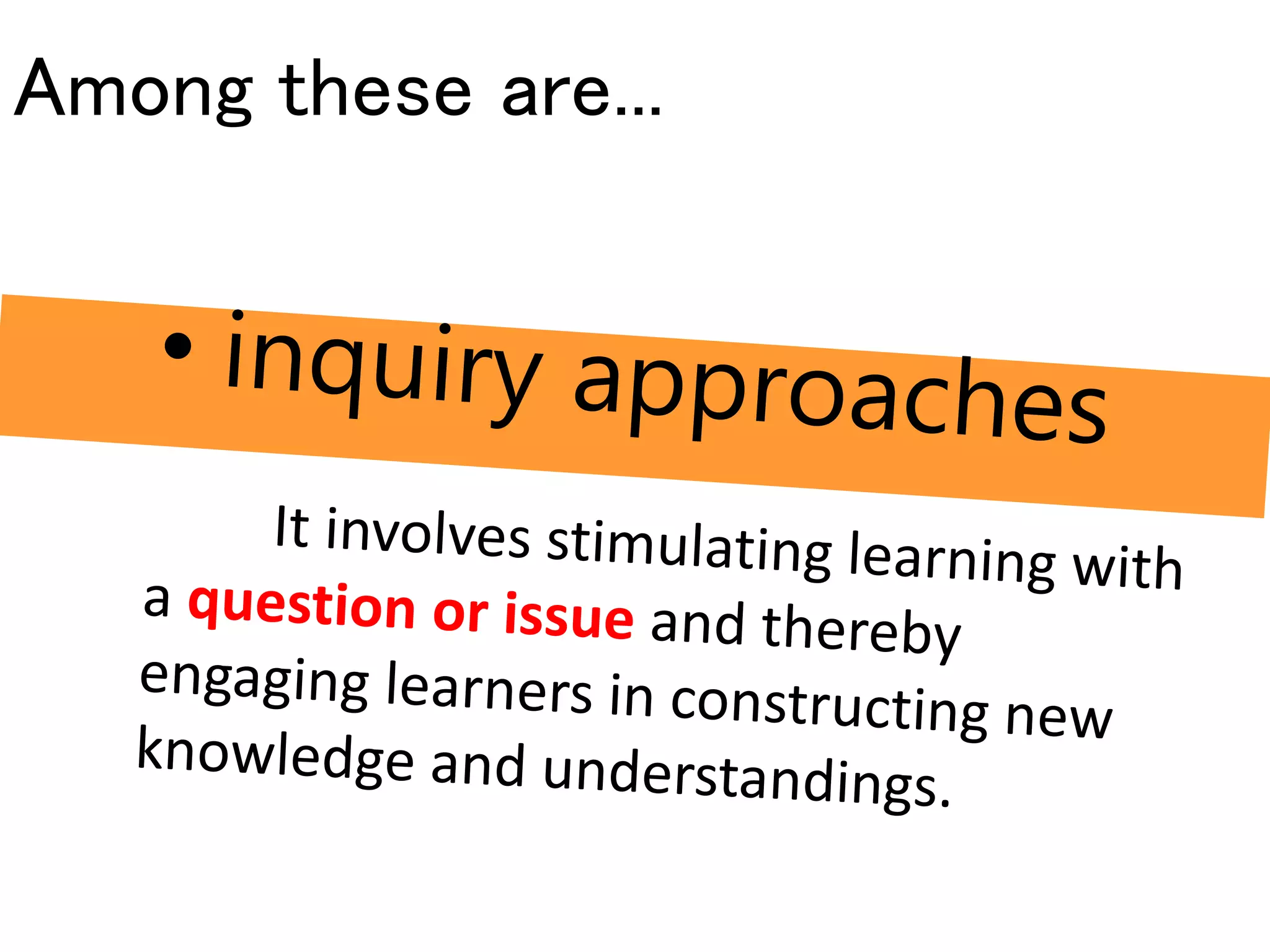
Among these are...
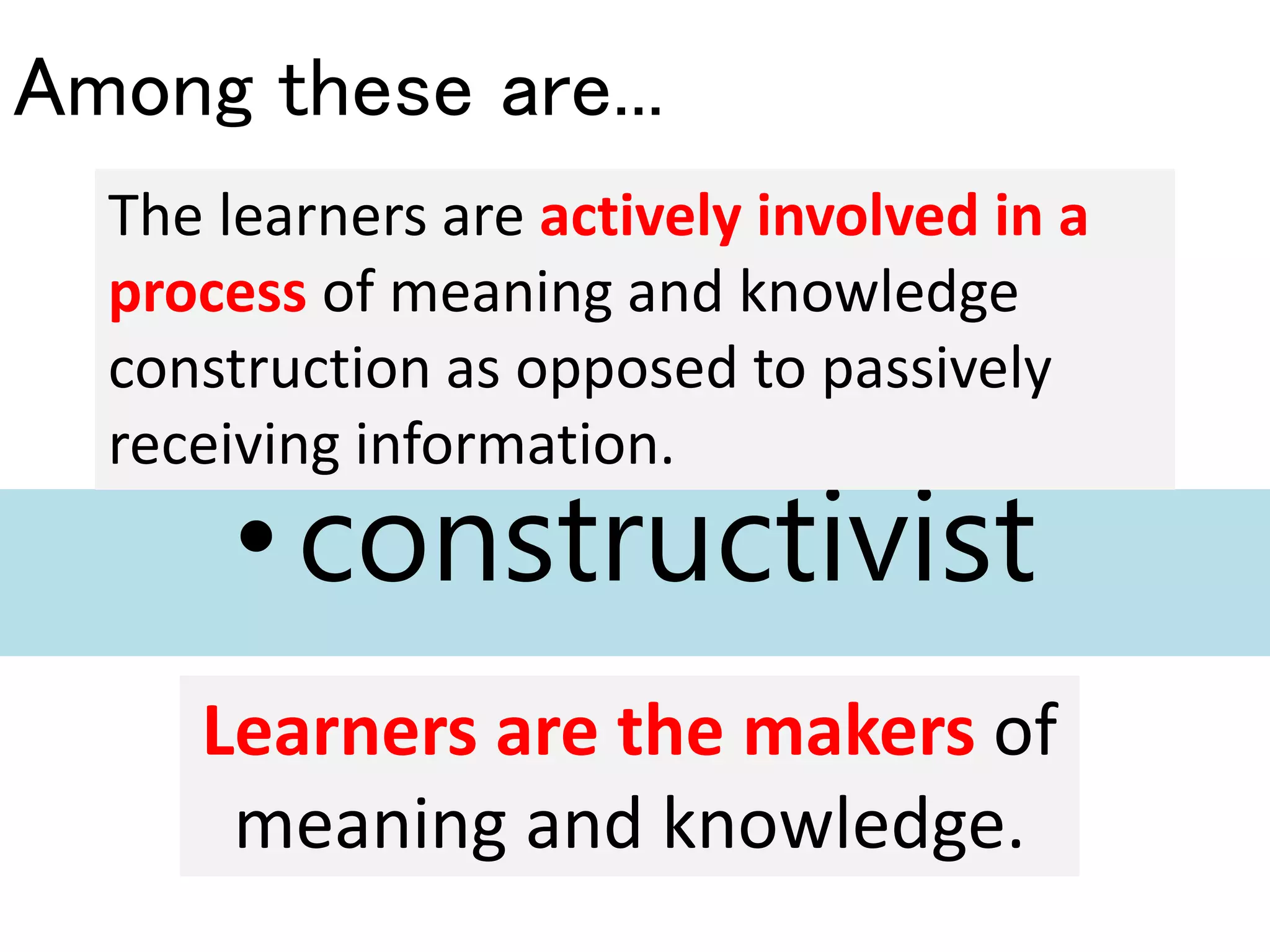
•constructivist
Among these are...
Learners are the makers of
meaning and knowledge.
The learners are actively involved in a
process of meaning and knowledge
construction as opposed to passively
receiving information.
•constructivist
Among these are...
Teaching methods
are means to
achieve the end.
There is a single
best teaching
method.
Teaching methods should
stimulate the learner’s
desire to develop the
cognitive, affective,
psychomotor, social
and spiritual domain of the
individual.
In the choice of
teaching methods,
learning styles
of the students
should be considered.
Every method should
lead to the
development of
the learning
outcome in two
domains
Flexibility should be
a consideration in
the use of
teaching
methods
Four Major Components of Curriculum
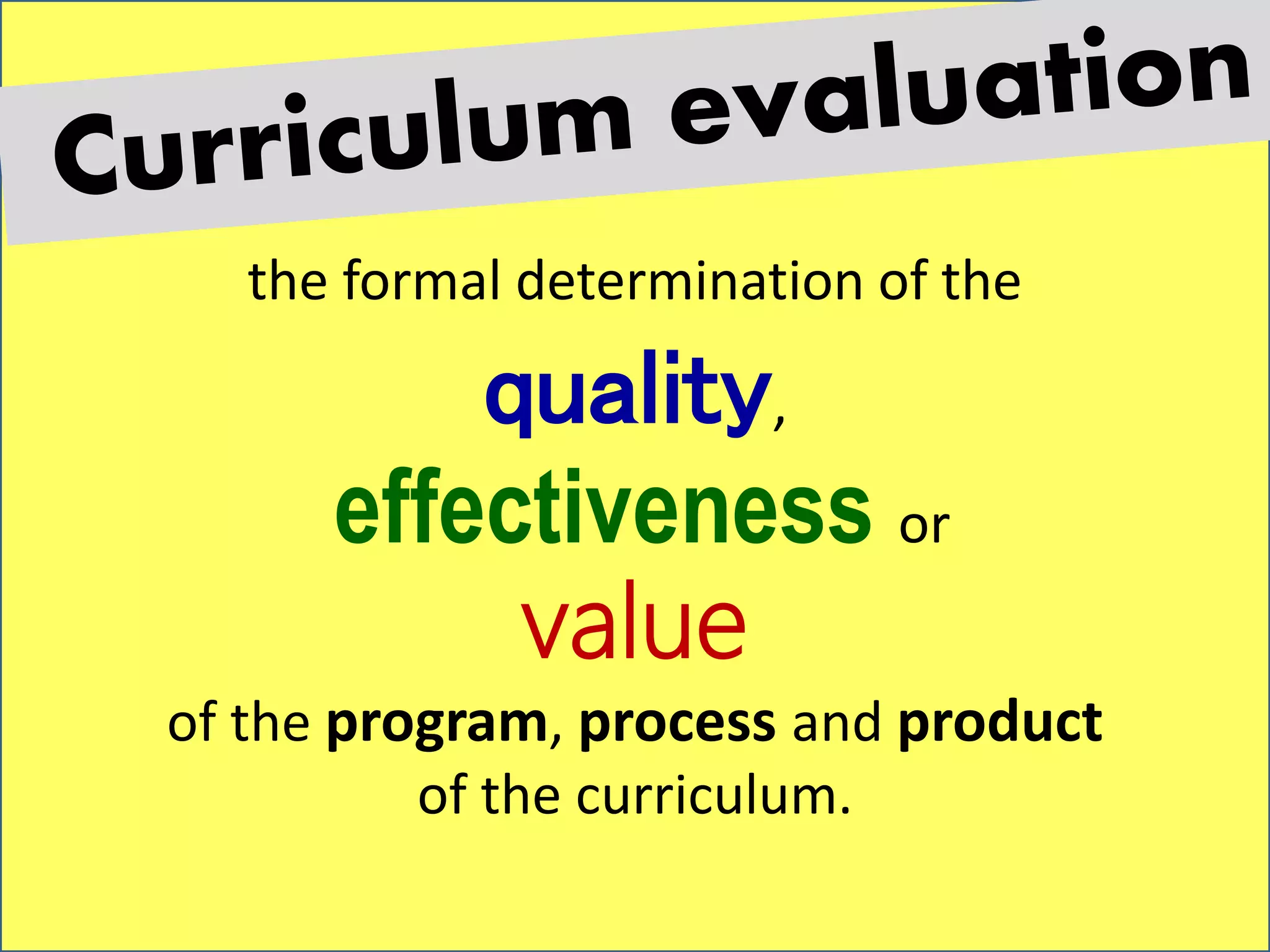
the formal determination of the
quality,
effectiveness or
value
of the program, process and product
of the curriculum.
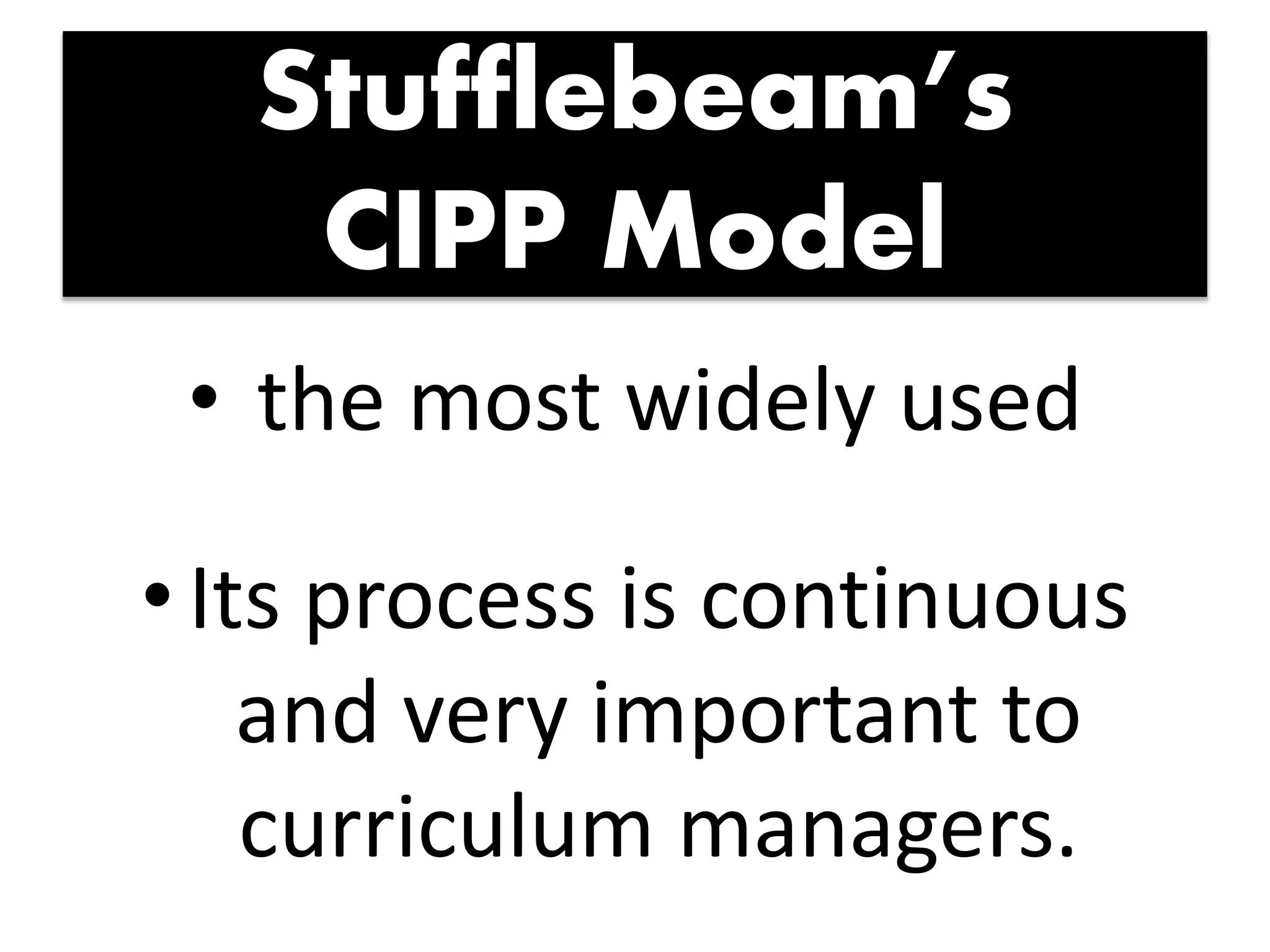
Stufflebeam’s
CIPP Model
• the most widely used
•Its process is continuous
and very important to
curriculum managers.
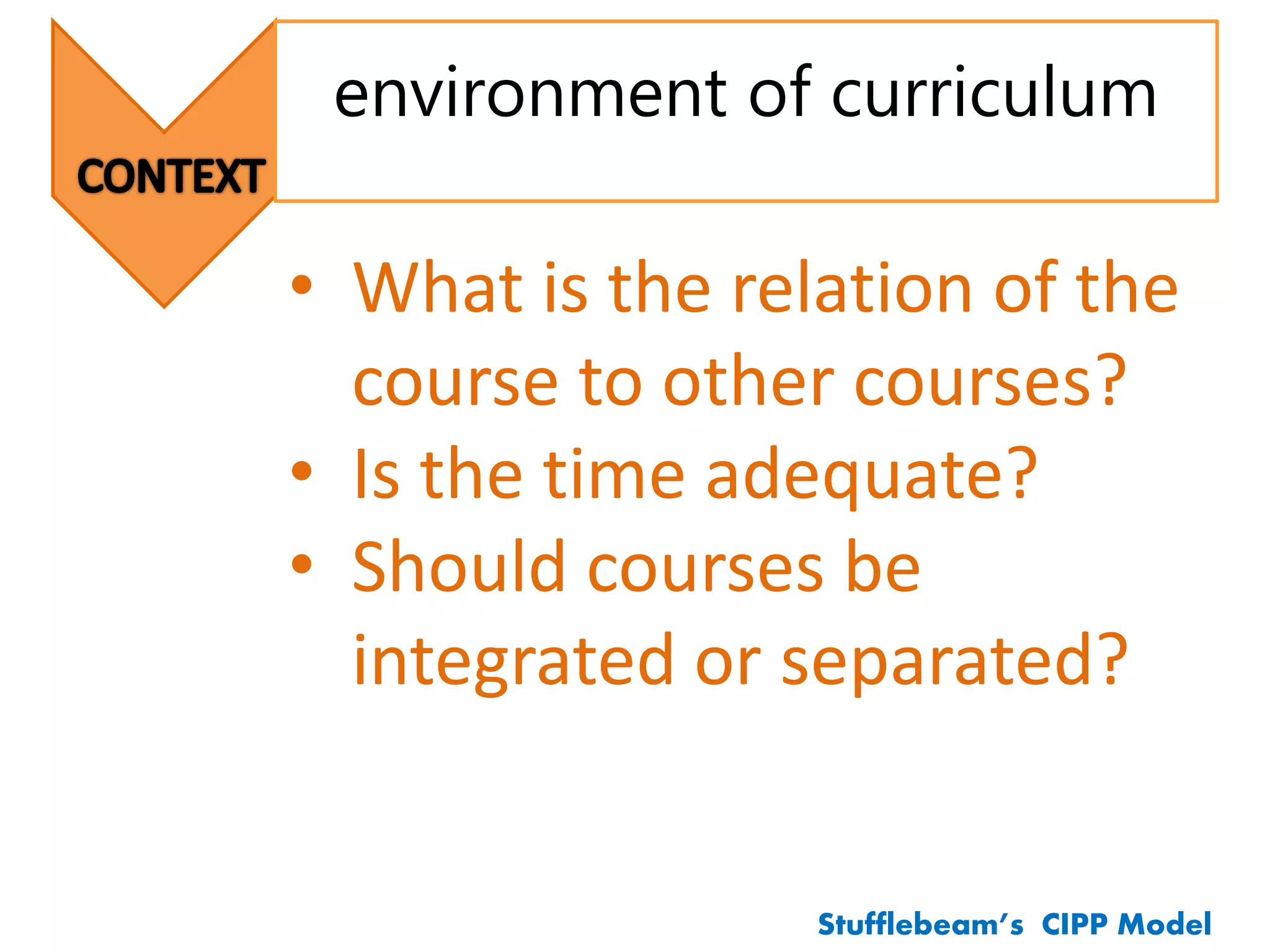
environment of curriculum
Stufflebeam’s CIPP Model
• What is the relation of the
course to other courses?
• Is the time adequate?
• Should courses be
integrated or separated?
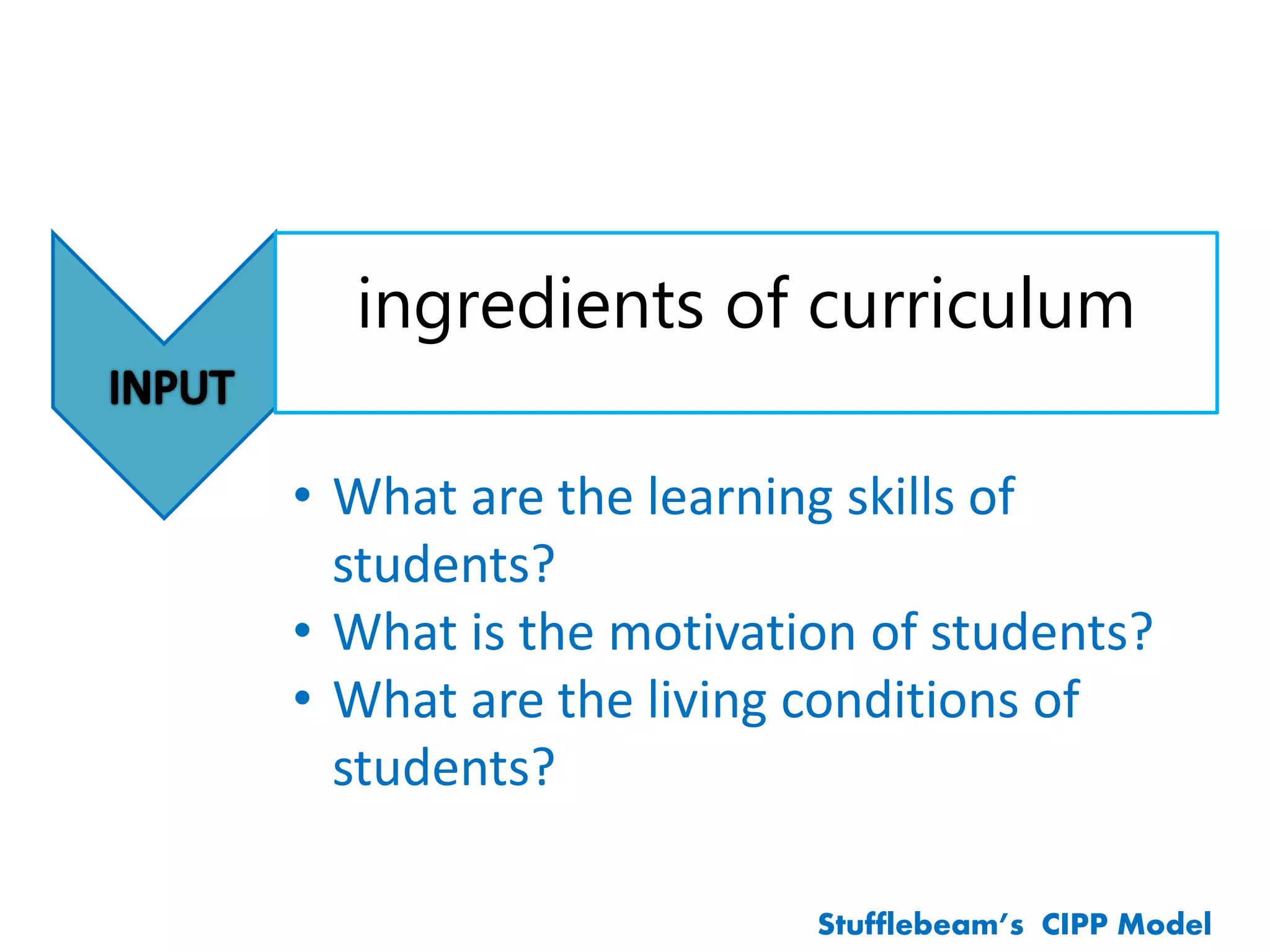
Stufflebeam’s CIPP Model
ingredients of curriculum
• What are the learning skills of
students?
• What is the motivation of students?
• What are the living conditions of
students?
ways and means
of implementing
Stufflebeam’s CIPP Model
• How well/actively do students
participate?
• Is knowledge only transferred to
students, or do they use and apply it?
• Is the teaching and learning process
continuously evaluated?
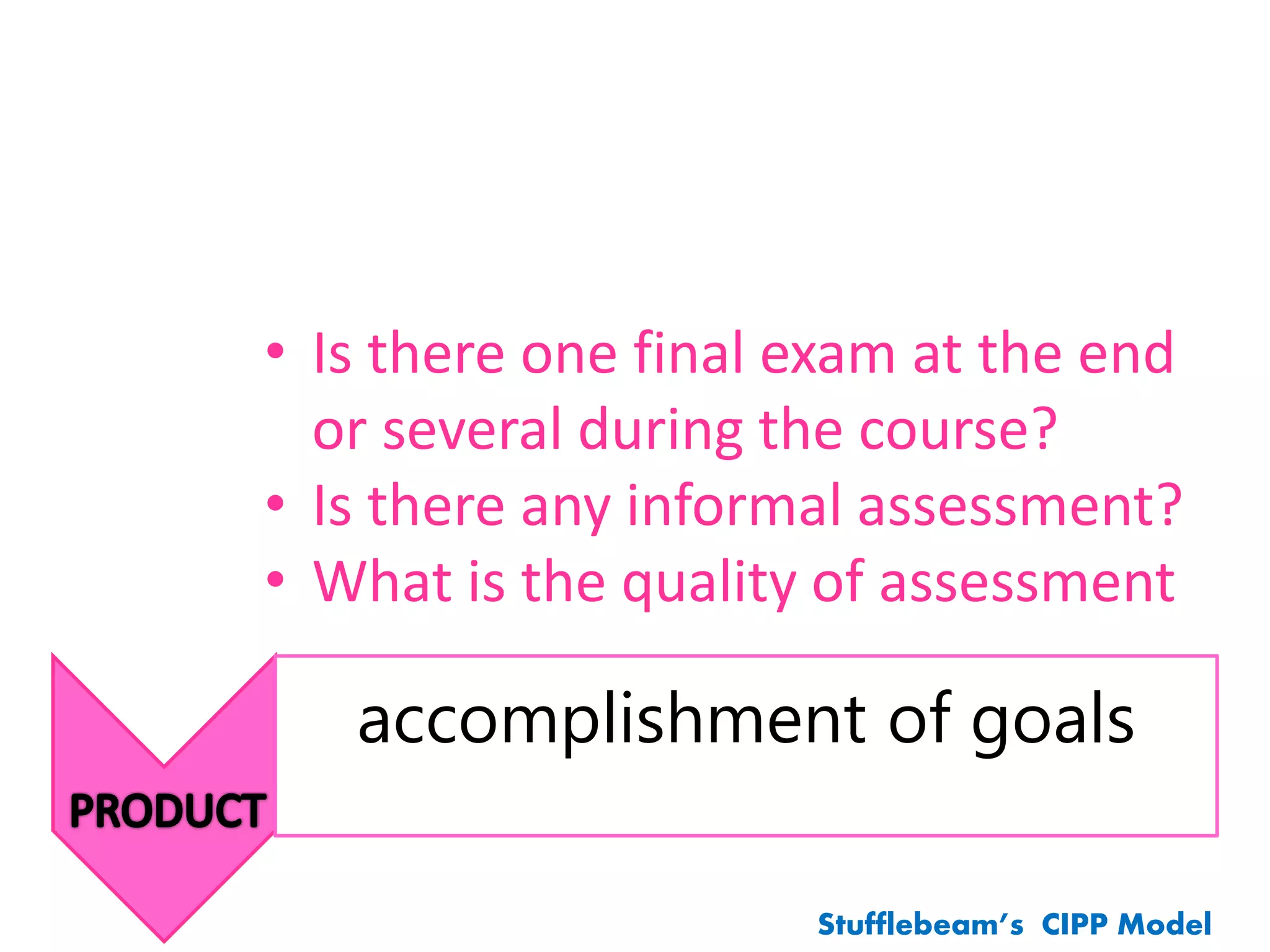
accomplishment of goals
Stufflebeam’s CIPP Model
• Is there one final exam at the end
or several during the course?
• Is there any informal assessment?
• What is the quality of assessment
ingredients of curriculum
environment of curriculum
ways and means
of implementing
accomplishment of goals
Stufflebeam’s CIPP Model
A SUGGESTED PLAN OF ACTION FOR THE
PROCESS OF CURRICULUM EVALUATION
1.Focus on one particular
component of the curriculum.
2.Specify objectives of evaluation.
3.Collect or gather the
information.
4.Organize the information
A SUGGESTED PLAN OF ACTION FOR THE
PROCESS OF CURRICULUM EVALUATION
5. Analyze information.
6. Report the information.
7. Recycle the information.
What are the
COMPONENTS
of curriculum?
Four Major Components of Curriculum
Great job!
REFERENCES
• file:///C:/Users/This%20PC/Desktop/curriculum%20elements.
pdf
• https://www.google.com.ph/search?q=elementary+students+
phil&espv=2&biw=748&bih=598&source=lnms&tbm=isch&sa
=X&ved=0ahUKEwir0ZTRgarSAhUHppQKHWVqBT0Q_AUIBigB
#tbm=isch&q=elementary+students+pinoy&*
• https://www.google.com.ph/search?q=elementary+students+
phil&espv=2&biw=748&bih=598&source=lnms&tbm=isch&sa
=X&ved=0ahUKEwir0ZTRgarSAhUHppQKHWVqBT0Q_AUIBigB
#tbm=isch&q=high+school+students+pinoy&*
• https://www.google.com.ph/search?q=elementary+students+
phil&espv=2&biw=748&bih=598&source=lnms&tbm=isch&sa
=X&ved=0ahUKEwir0ZTRgarSAhUHppQKHWVqBT0Q_AUIBigB
#tbm=isch&q=college+students+pinoy&*
REFERENCES
• https://www.google.com.ph/search?q=elementary+stud
ents+phil&espv=2&biw=748&bih=598&source=lnms&tb
m=isch&sa=X&ved=0ahUKEwir0ZTRgarSAhUHppQKHWV
qBT0Q_AUIBigB#tbm=isch&q=celebrity+bluff+logo&*
• https://johnstown.younglife.org/Pages/A-Time-Tested-
Approach.aspx
• http://www.thirteen.org/edonline/concept2class/constr
uctivism/index_sub2.html
• http://www.facultyfocus.com/articles/teaching-and-
learning/inquiry-based-approaches-what-do-students-
think/
REFERENCES
• https://www.google.com.ph/search?q=pinoy+children&e
spv=2&biw=748&bih=598&source=lnms&tbm=isch&sa=X
&ved=0ahUKEwiK59r9g6rSAhVEE5QKHcPwCqYQ_AUIBig
B
• https://www.google.com.ph/search?q=pinoy+children&e
spv=2&biw=748&bih=598&source=lnms&tbm=isch&sa=X
&ved=0ahUKEwiK59r9g6rSAhVEE5QKHcPwCqYQ_AUIBig
B#tbm=isch&q=maine+mendoza+calling&*
• https://www.google.com.ph/search?q=pinoy+children&e
spv=2&biw=748&bih=598&source=lnms&tbm=isch&sa=X
&ved=0ahUKEwiK59r9g6rSAhVEE5QKHcPwCqYQ_AUIBig
B#tbm=isch&q=los+banos+tourism+video&*
Laguna State Polytechnic University
Los Baños Campus
Julie Ann U. Loterte
Presented to:
August V. Tuiza Ed.D

Elements of curriculum