Our Members
 Bharodiya Nevil 180280113004
 Bhargav Kalsariya 180280113021
 Keshur Jaydeep 180280113023
 Rathod Jaswant 180280113047
 Rathod Vijay 180280113048
 Vinchhi Bharat 180280113063
Content
Introduction of SO2
Properties of SO2
Sources
Effects of SO2 on vegetation
Acid rain
Effects of SO2 on property
Control of SO2
Introduction
• Sulfur dioxide, a compound of one sulfur atom
and two oxygen atoms (SO2), is a gas with a
pungent smell. It is primarily emitted into the
atmosphere from burning fossil fuels—with
coal the main fossil fuel in use globally.
• Since coal and petroleum often contain
Sulphur compounds, their combustion
generates Sulphur dioxide. Further
oxidation of SO2, usually in the
presence of a catalyst such as NO2,
forms H2SO4, and thus acid rain.
Physical properties of SO2
• It is a colorless gas.
• It has a very pungent smell.
• It is heavier than air.
• It is a toxic gas.
• In the presence of defects and water, Sulphur
dioxide can be highly corrosive.
Chemical properties of SO2
 Sulphur dioxide when passed through water, forms a solution of
Sulphurous acid.
SO2 + H2O ⇄ H2SO3
 It reacts readily with sodium hydroxide solution, forming
sodium sulphite which then reacts with more Sulphur dioxide to
form sodium hydrogen sulphite.
SO2 + 2NaOH → Na2SO3 + H2O
Na2CO3 + SO2 → Na2SO3 + CO2
Sources of SO2
There are mainly 2 types of Sources of SO2
 Natural Sources :
Volcanic Eruption, Forest Fire, Decaying Plant and
Matter, Hot Springs.
 Manmade Sources :
Power Plant, Automobiles, Cement Industry, Oil
refineries, Various kinds of Industrial Emissions.
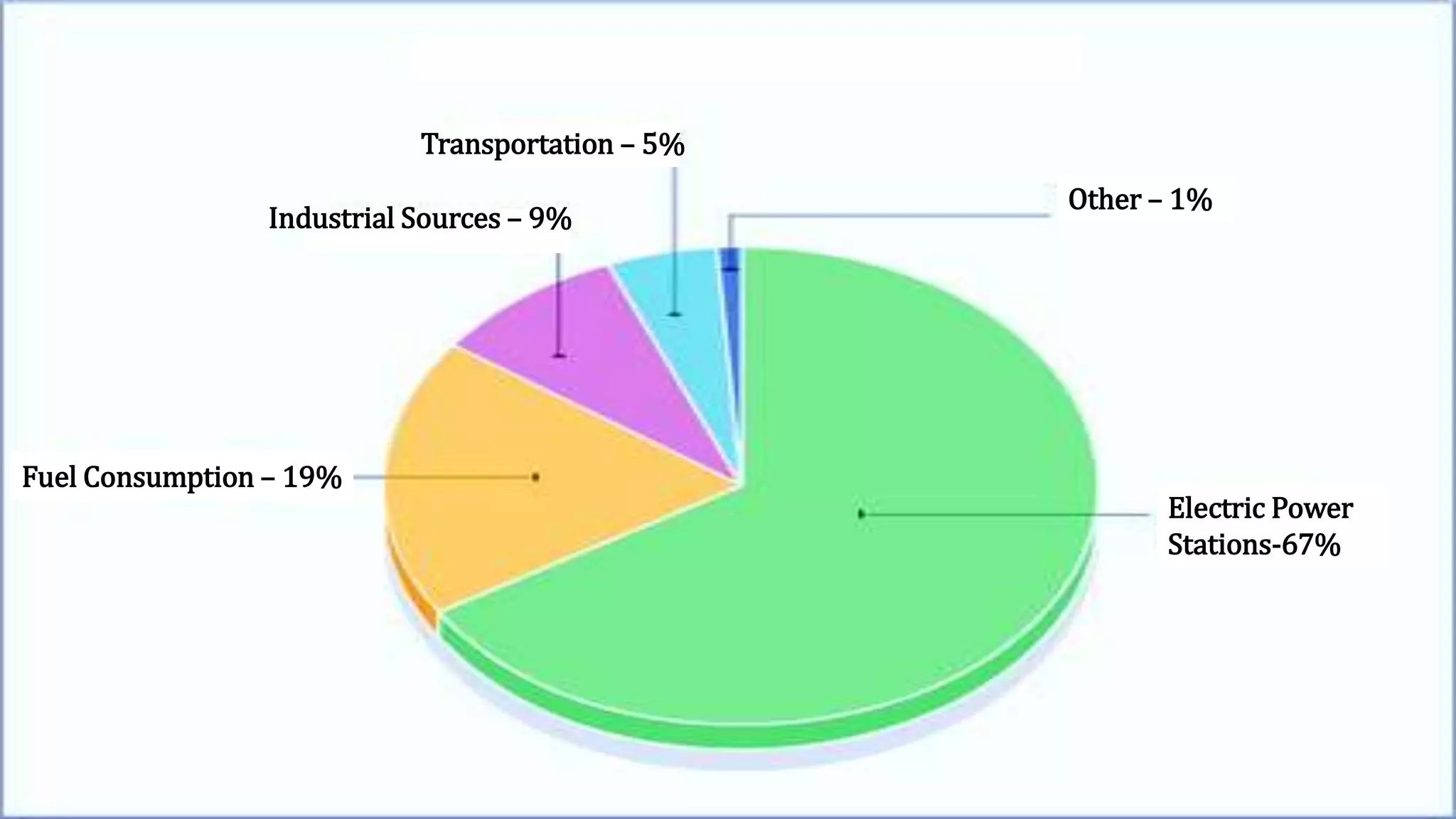
Transportation – 5%
Industrial Sources – 9%
Fuel Consumption – 19%
Electric Power
Stations-67%
Other – 1%
Effects of SO2 on vegetation
 Introduction
• In the optimum growing conditions plants maintain a meta-stable
state in growth and reproduction. This structural organization and
stable state is termed as Homeostasis.
• The disruption of this homeostasis by the changes in the
environmental factors exerts a negative impact on plant physiology
and this can be defined as Stressfor the plants involved.
• The factors responsible for causing stress to plants can be classified
into two broad categories i.e. Biotic and Abiotic stresses.
Stress
• Biotic stress is exerted on the plants by biological organisms e.g.
fungi, bacteria, insects and viruses.
• Abiotic stress which is the physical, chemical and environmental
challenges met by the plants. On the one hand, environmental
factors like light, temperature, radiation can cause stress whereas
on the other hand chemicals and physical factors like water
deficit, overcrowding, and unusually high concentration of heavy
metals, salt, obnoxious gaseous air pollutants also have a negative
impact on plant homeostasis causing stress conditions.
IMPACT OF SO2 ON PLANTS
 Effect on overall morphology and growth of plants:
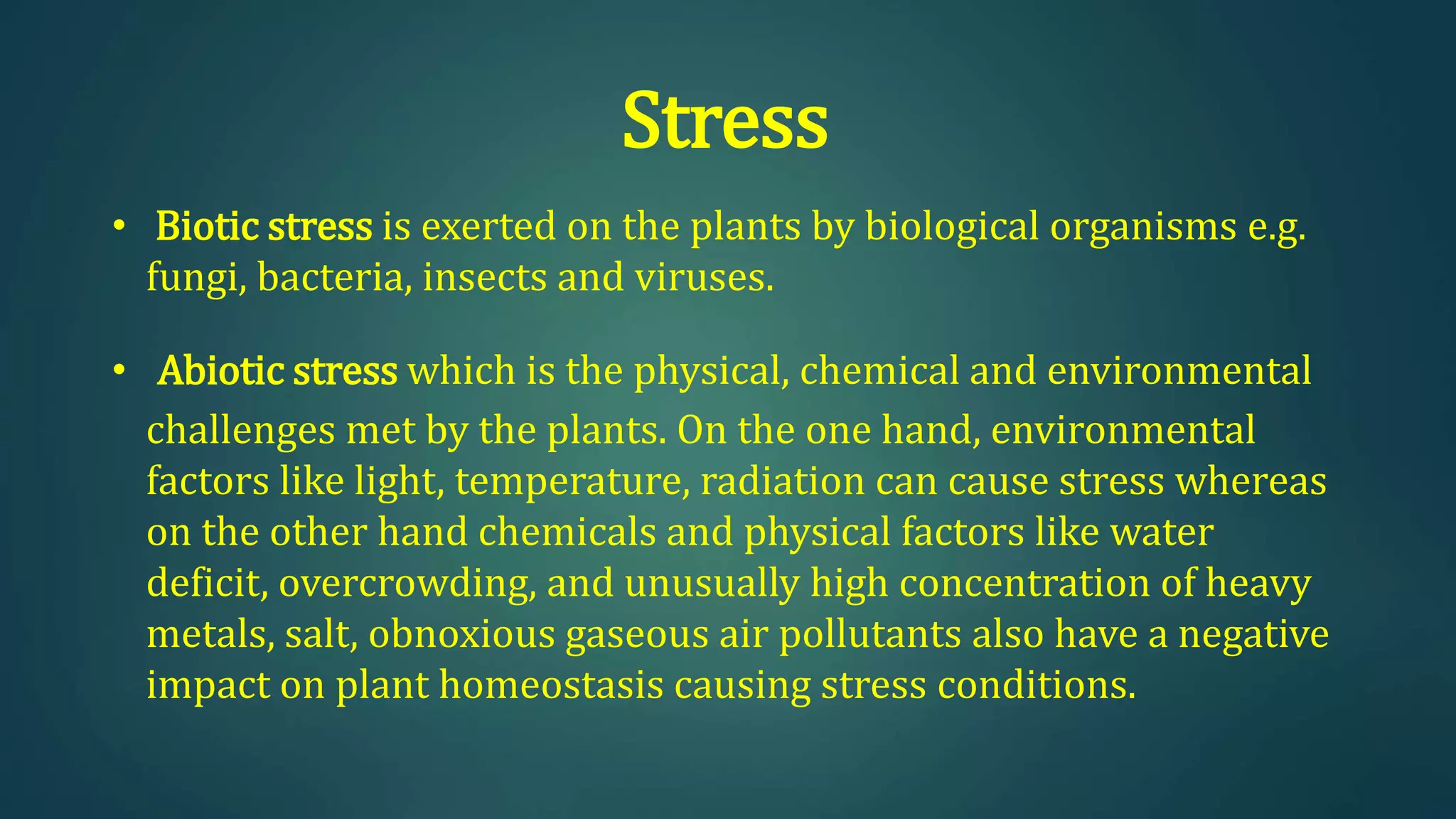
• Prolonged exposure to SO2 fumigation have impact of up
to 50% reduction of annual height and 70% reduction of
diameter increase rate.
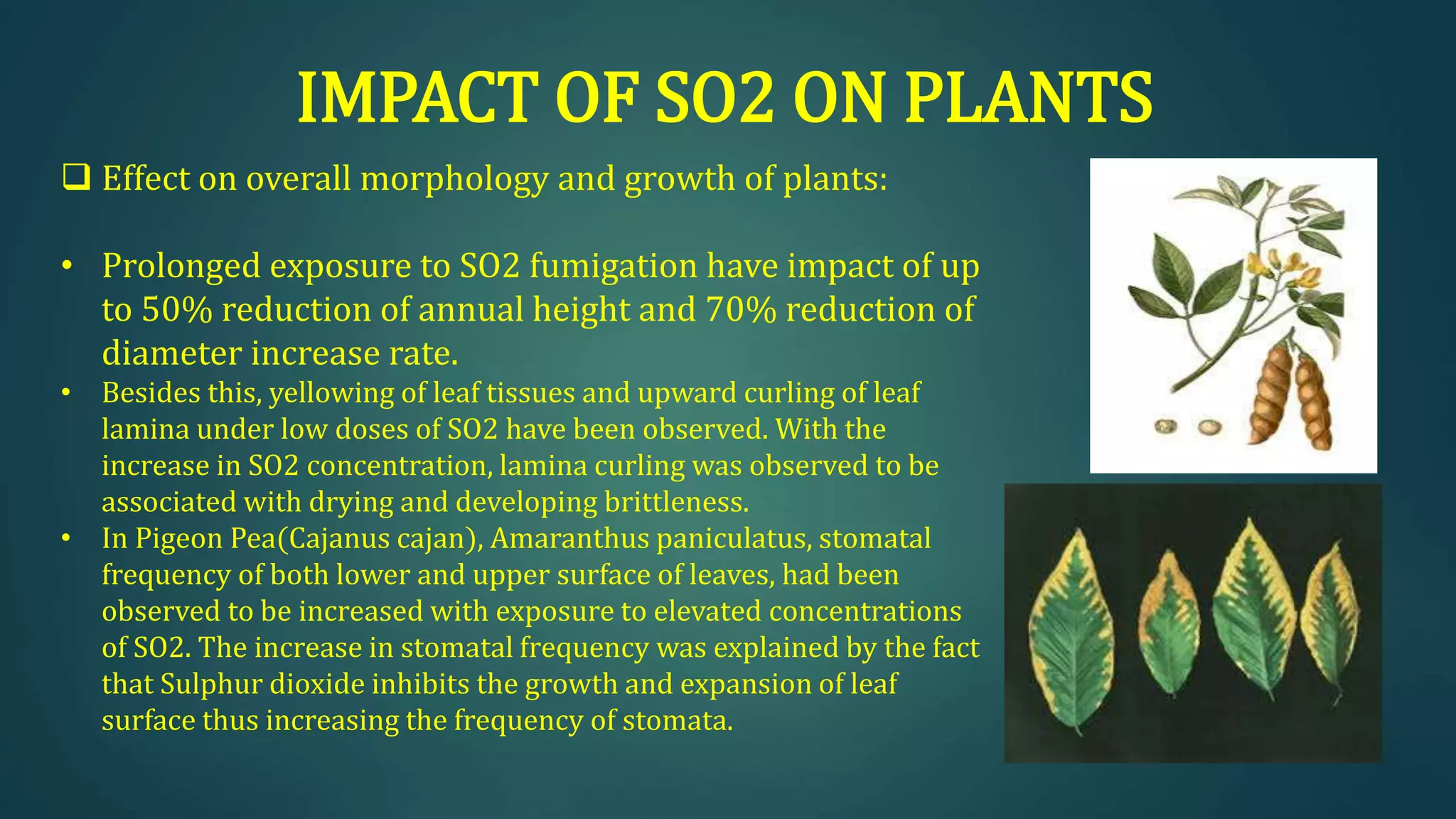
• Besides this, yellowing of leaf tissues and upward curling of leaf
lamina under low doses of SO2 have been observed. With the
increase in SO2 concentration, lamina curling was observed to be
associated with drying and developing brittleness.
• In Pigeon Pea(Cajanus cajan), Amaranthus paniculatus, stomatal
frequency of both lower and upper surface of leaves, had been
observed to be increased with exposure to elevated concentrations
of SO2. The increase in stomatal frequency was explained by the fact
that Sulphur dioxide inhibits the growth and expansion of leaf
surface thus increasing the frequency of stomata.
Effect on photosynthesis, photosystem machinery
and photosynthetic pigments:
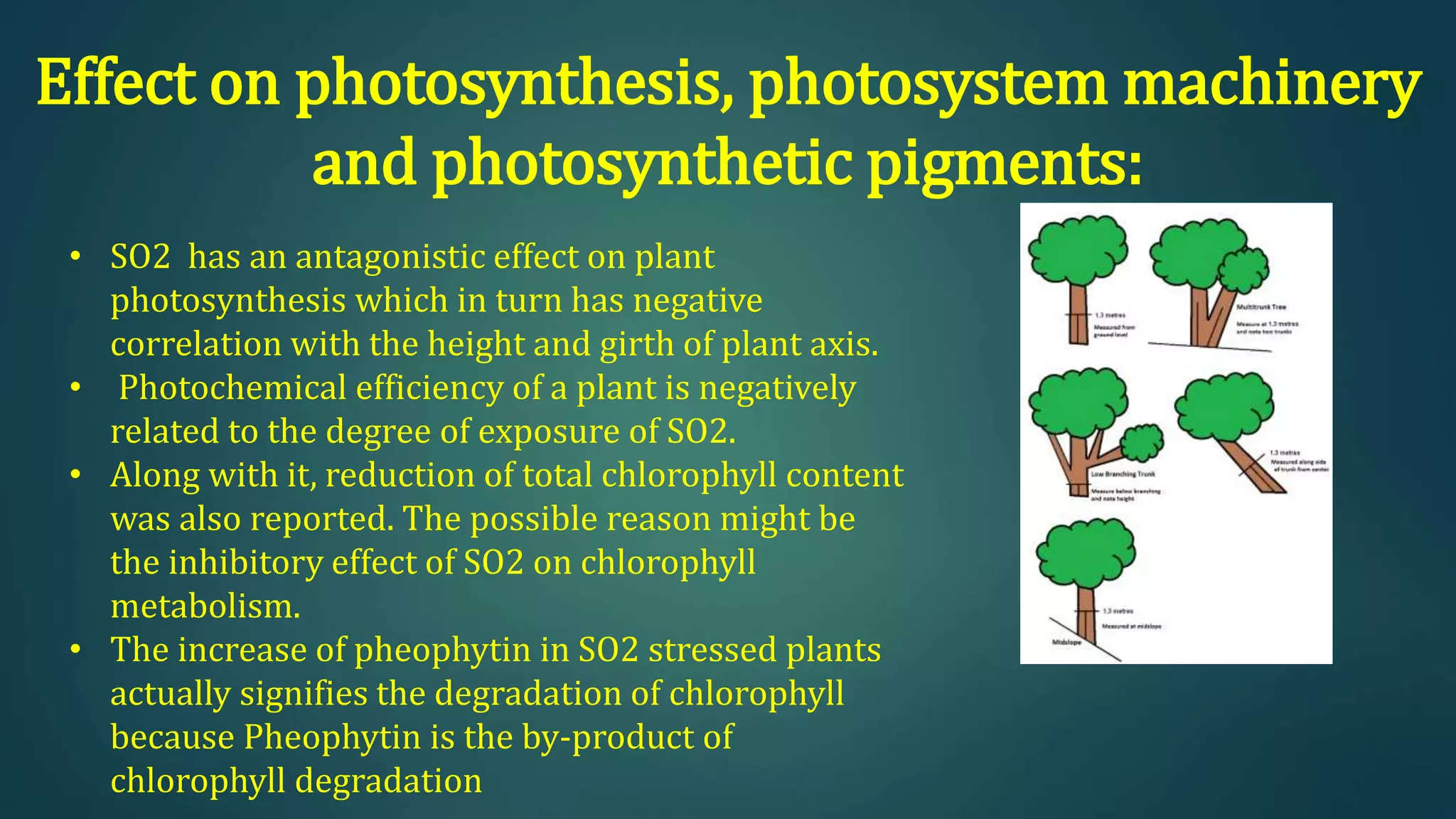
• SO2 has an antagonistic effect on plant
photosynthesis which in turn has negative
correlation with the height and girth of plant axis.
• Photochemical efficiency of a plant is negatively
related to the degree of exposure of SO2.
• Along with it, reduction of total chlorophyll content
was also reported. The possible reason might be
the inhibitory effect of SO2 on chlorophyll
metabolism.
• The increase of pheophytin in SO2 stressed plants
actually signifies the degradation of chlorophyll
because Pheophytin is the by-product of
chlorophyll degradation
Stomatal closure and conductance:
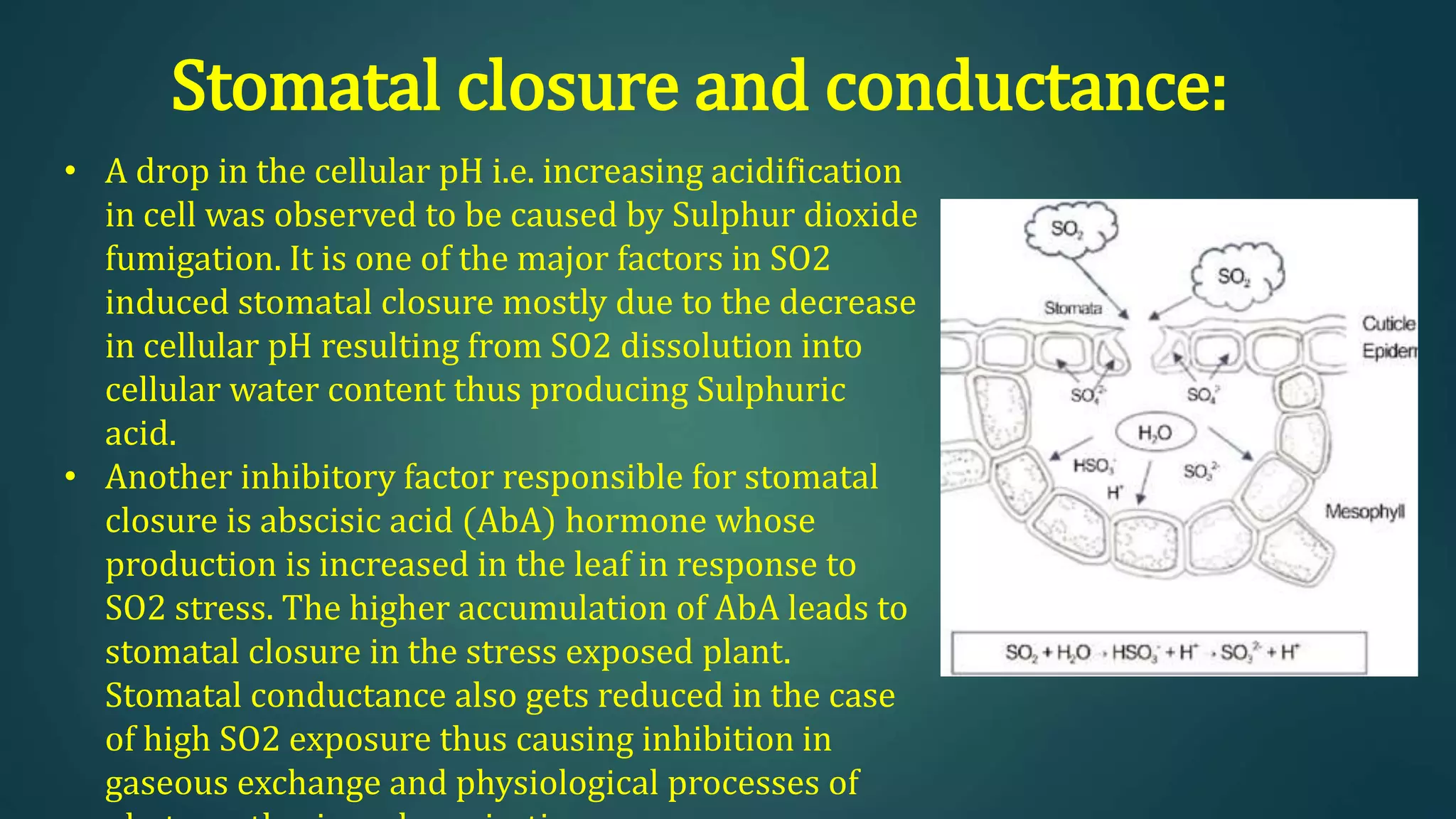
• A drop in the cellular pH i.e. increasing acidification
in cell was observed to be caused by Sulphur dioxide
fumigation. It is one of the major factors in SO2
induced stomatal closure mostly due to the decrease
in cellular pH resulting from SO2 dissolution into
cellular water content thus producing Sulphuric
acid.
• Another inhibitory factor responsible for stomatal
closure is abscisic acid (AbA) hormone whose
production is increased in the leaf in response to
SO2 stress. The higher accumulation of AbA leads to
stomatal closure in the stress exposed plant.
Stomatal conductance also gets reduced in the case
of high SO2 exposure thus causing inhibition in
gaseous exchange and physiological processes of
• Another inhibitory factor responsible for
stomatal closure is abscisic acid (AbA)
hormone whose production is increased
in the leaf in response to SO2 stress. The
higher accumulation of AbA leads to
stomatal closure in the stress exposed
plant. Stomatal conductance also gets
reduced in the case of high SO2 exposure
thus causing inhibition in gaseous
exchange and physiological processes of
photosynthesis and respiration
Production of Reactive oxygen species
• The main toxic effect of Sulphur dioxide is mediated by the
production of Sulphite (SO32-) and Bisulphite (HSO3-) radicals
after dissolution of Sulphur dioxide into cellular water.
• The detoxification process initiated by the plant system,
converts toxic Sulphite to less harmful Sulphate radicals but as a
by-product of the reaction, Reactive Oxygen Species (ROS) like
peroxide (H2O2), superoxide radicals (O2-.) and hydroxyl radical
(OH.) is generated.
• The hyper-accumulation of ROS is detrimental and causes
adversity in normal plant function in several ways. The oxidative
stress exerts negative impact on nucleic acid and proteins. But
the most destructive effect is exerted on cellular and membrane
lipid which gets rapidly peroxidised.
Other Physiological Effects
• Reduction of relative water content (RWC) in
Flannel weed and Periwinkle has been reported to
be the effect of SO2 present in vehicular exhausts.
Higher RWC helps in maintaining water balance
and provides resistance during osmotic stress and
drought stress and it explains the fact that the
plants less resistant to SO2 fumigation tends to
lose more water content than more resistant
varieties.
• Nitrogen content of leaf also gets reduced as a
result of negative impact of SO2 as seen in Alnus
sieboldiana. Reduction of CO2 fixation and more
respiration which lead to breakdown of stored
carbohydrate products have been reported as an
effect of SO2 exposure in Prosopsis sp.
Flannel Weed
Prosopsis spicigera
PLANT DEFENCE RESPONSE TO REDUCE THE
RESULTING STRESS
1. Structural barriers to block entry of SO2:
• Alteration of parameters like striations on stomatal guard cell, thickening of guard cell
wall, occlusion of stomata, increase in the frequency and length of the trichome are
some of the examples of Structural barriers that block the entry of SO2.
2. Detoxification of SO2 and recovery of
Photosynthesis:
• Less susceptible plants tend to detoxify the cellular toxicity thus restoring the
photosynthetic yield. This detoxification process mediated by chlorophyll is observed to
be more efficient in light condition than in dark condition.
3. Increased accumulation and activity of ROS scavenger
molecules:
• As the key role in inflicting damage in SO2 stressed plant- is attributed to
ROS accumulation, increased production of scavenger molecule is one of
the most prominent defense response in SO2 stress. Activity of Catalase
and POD were observed to be increased greatly in flannel weed and
periwinkle.
4. Synthesis of Lignin, Proline and other constituents:
• The increased amount of Lignin plays a vital role to strengthen the leaf and
stem tissues thereby protecting the internal tissue system from SO2
invasion. Proline is a stress induced amino acid that has a multifunctional
role in osmotic balance maintenance, sub-cellular structure stabilization.
Besides all these, Proline also helps in scavenging free radicals. There is a
particular property of Proline that makes it more important in SO2 induced
stress i.e. to reduce cellular acidification which is commonly a result of
dissolving of Sulphur dioxide into the cellular water content.
APPROACHES TOWARDS DEVELOPING SO2
TOLERANT PLANT VARIETIES
• To develop SO2 resistant transgenic lines, focus was initially set
such as to enable the plant to utilize the excess SO2. Cysteine, an
important Sulphur containing amino acid, is synthesized by
Cystine synthase (CSase) gene. Nicotiana tabacum, showed
increased tolerance against Sulphur dioxide stress after
transformation using CSase gene.
• Another strategy is to nullify or reduce the negative impact by
different biochemical components like Ascorbic acid, SOD,
Peroxidases, GSH, GPX, Proline, POD and PR. These biochemical
constituents have been observed to have an anti-oxidative
property which is useful to counter the SO2 induced stress
exerted on plant.
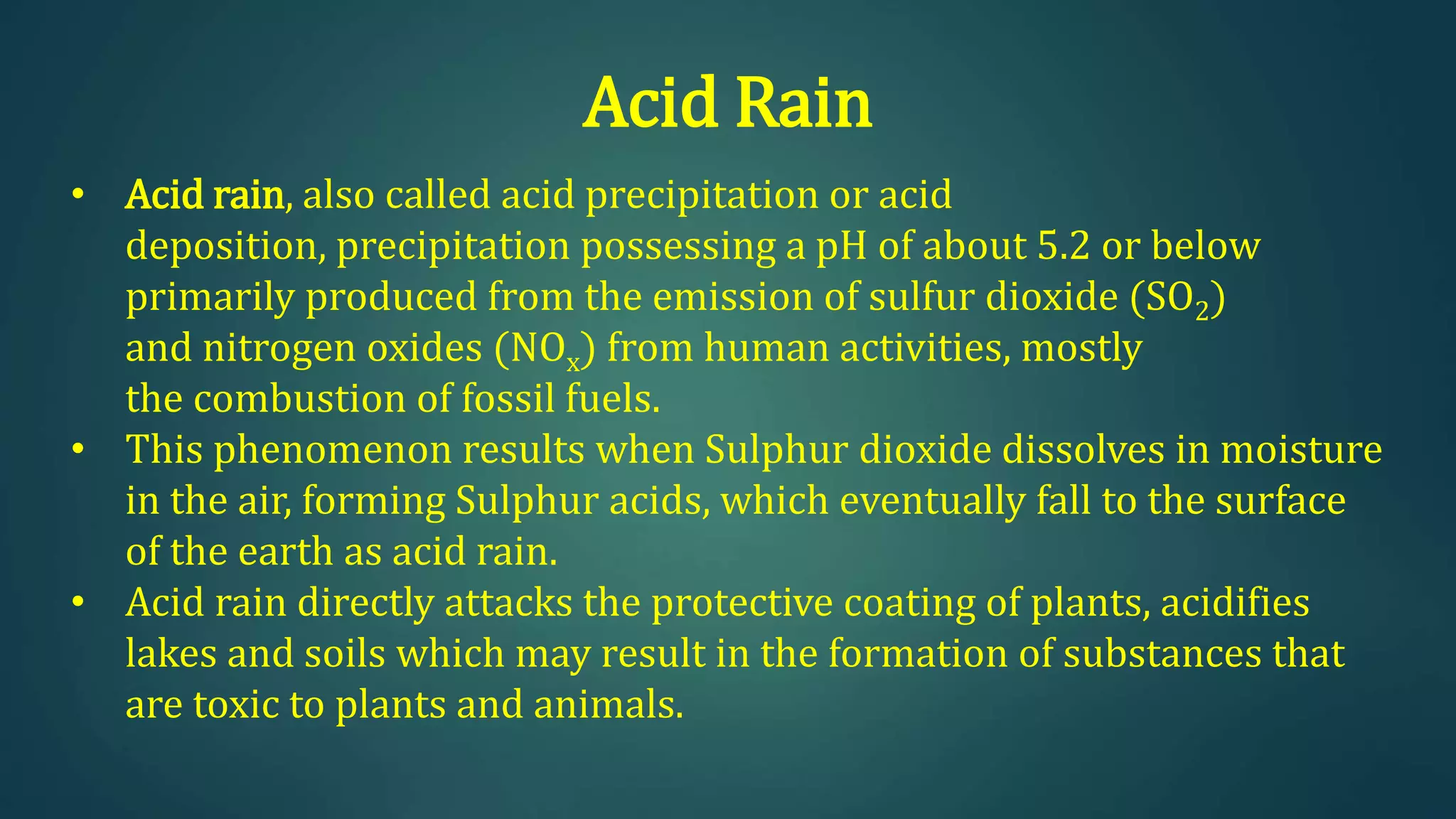
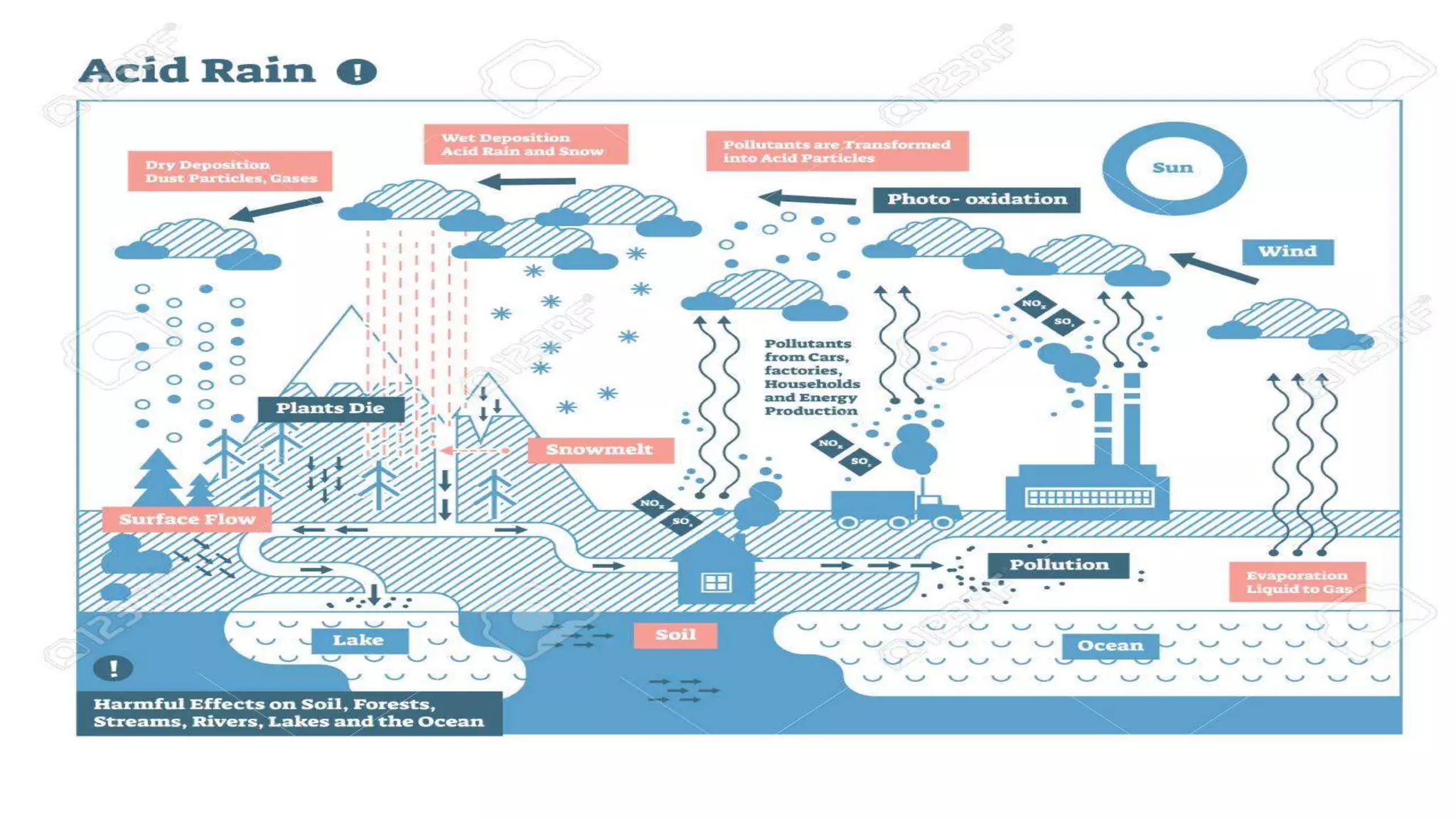
Acid Rain
• Acid rain, also called acid precipitation or acid
deposition, precipitation possessing a pH of about 5.2 or below
primarily produced from the emission of sulfur dioxide (SO2)
and nitrogen oxides (NOx) from human activities, mostly
the combustion of fossil fuels.
• This phenomenon results when Sulphur dioxide dissolves in moisture
in the air, forming Sulphur acids, which eventually fall to the surface
of the earth as acid rain.
• Acid rain directly attacks the protective coating of plants, acidifies
lakes and soils which may result in the formation of substances that
are toxic to plants and animals.
Effects of SO2 on Property
• Deteriorating Buildings
Acid rain damages buildings and structures
because it dissolves the stone or corrodes the
metal that is exposed to the weather. Before
people became aware of the problems that acid
rain caused, they often used metals, limestone and
marble as building materials exposed to rain and
fog. Some of these materials contain calcium
carbonate or calcium-based compounds, which
can be dissolved by acid rain. Sandstone holds up
better to acid rain, but can be marred by black
surface deposits over time.
Effect of Acid Rain on TAJ MAHAL
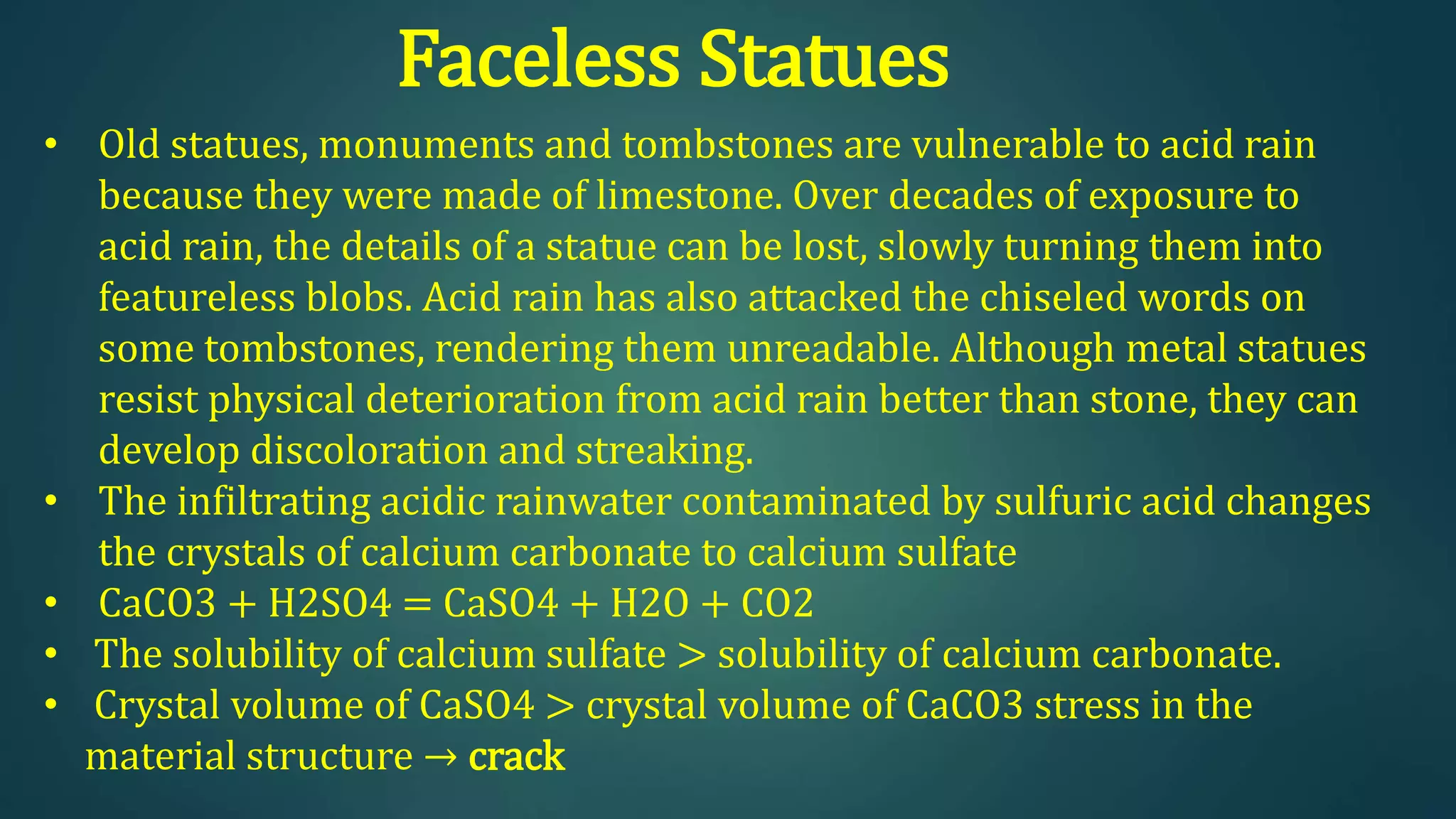
Faceless Statues
• Old statues, monuments and tombstones are vulnerable to acid rain
because they were made of limestone. Over decades of exposure to
acid rain, the details of a statue can be lost, slowly turning them into
featureless blobs. Acid rain has also attacked the chiseled words on
some tombstones, rendering them unreadable. Although metal statues
resist physical deterioration from acid rain better than stone, they can
develop discoloration and streaking.
• The infiltrating acidic rainwater contaminated by sulfuric acid changes
the crystals of calcium carbonate to calcium sulfate
• CaCO3 + H2SO4 = CaSO4 + H2O + CO2
• The solubility of calcium sulfate > solubility of calcium carbonate.
• Crystal volume of CaSO4 > crystal volume of CaCO3 stress in the
material structure → crack
A sandstone statue in Westphalia, Germany,
photographed in 1908 (left) and again in 1968 (right).
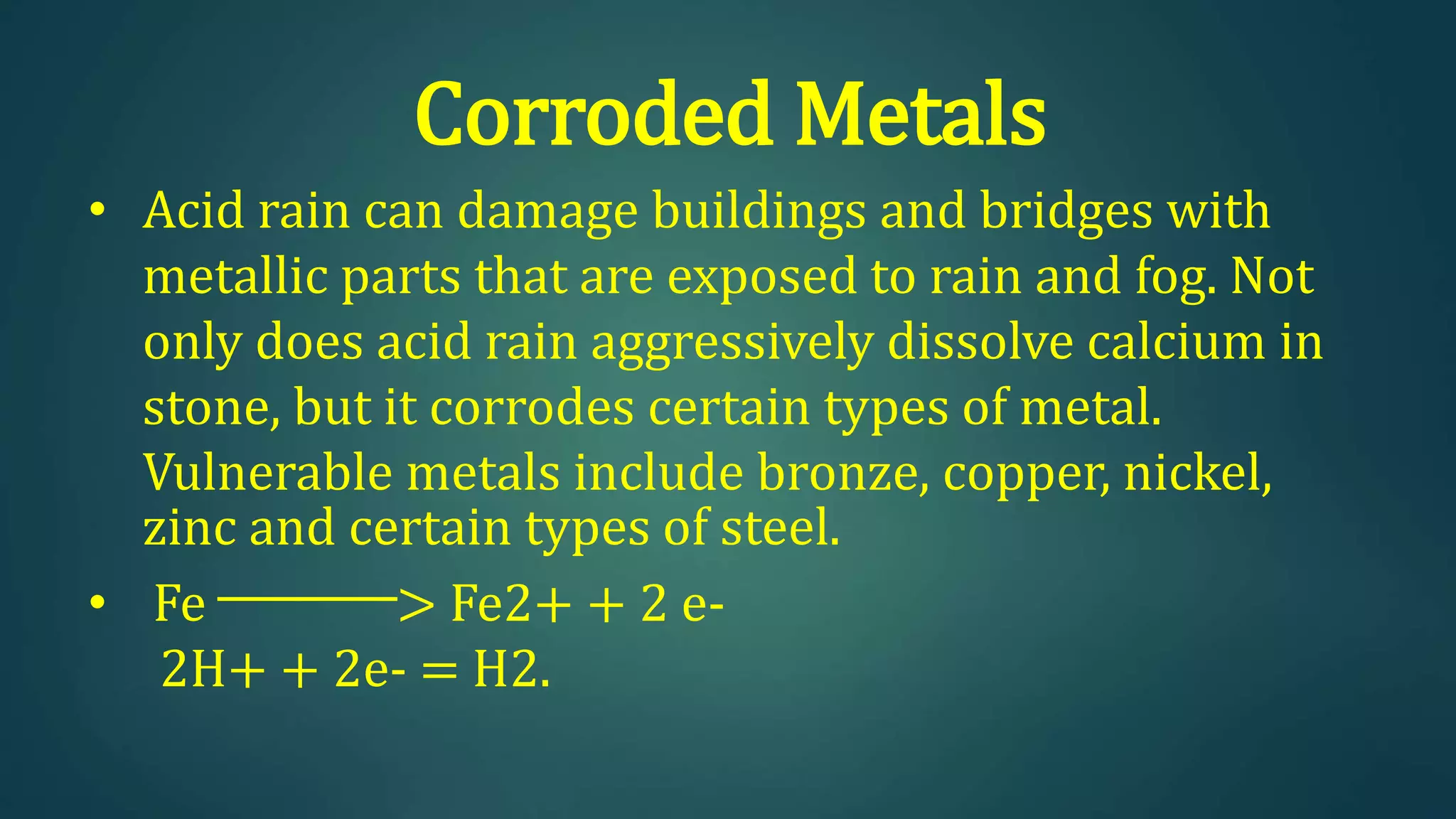
Corroded Metals
• Acid rain can damage buildings and bridges with
metallic parts that are exposed to rain and fog. Not
only does acid rain aggressively dissolve calcium in
stone, but it corrodes certain types of metal.
Vulnerable metals include bronze, copper, nickel,
zinc and certain types of steel.
• Fe ─────> Fe2+ + 2 e-
2H+ + 2e- = H2.
Acid rain: electrolyte and the hydrogen ion serves the
reduction (electron uptake)
Air pollution induced electrochemical corrosion resulted in the
collapse of Silver bridge over Ohio river on 15-th. Dec. 1967.
Effect of atmospheric SO2
on papers
Paper surface H2SO4 formation on
the surface
The result
Control Techniques for SO2
• Air pollution control systems for sulfur dioxide removal are
large and sophisticated. Sulfur dioxide is controlled by
three different techniques: absorption, adsorption, and the
use of low-sulfur fuels.
• The control systems used for sulfur dioxide are usually not
designed to remove sulfuric acid.
• The sulfuric acid concentrations are usually below the levels
where it is not economically feasible or environmentally
necessary to install control systems.
• Absorption processes use the solubility of sulfur dioxide in
aqueous solutions to remove it from the gas stream.
• Once sulfur dioxide has dissolved in solution to form sulfurous
acid (H2SO3), it reacts with oxidizers to form inorganic sulfites
(SO3) and sulfates (SO4).
• This process prevents the dissolved sulfur dioxide from
diffusing out of solution and being re-emitted.
• The most common type of sulfur dioxide absorber is the
limestone (CaCO3) wet scrubber.
Absorption
• Limestone is the alkali most often used to
react with the dissolved sulfur dioxide.
• Limestone slurry is sprayed into the sulfur-
dioxide containing gas stream.
• Gypsum is the by product of Wet Limestone
Scrubbing. Gypsum is a soft sulfate mineral
composed of calcium sulfate dihydrate, with
the chemical formula CaSO4·2H2O.
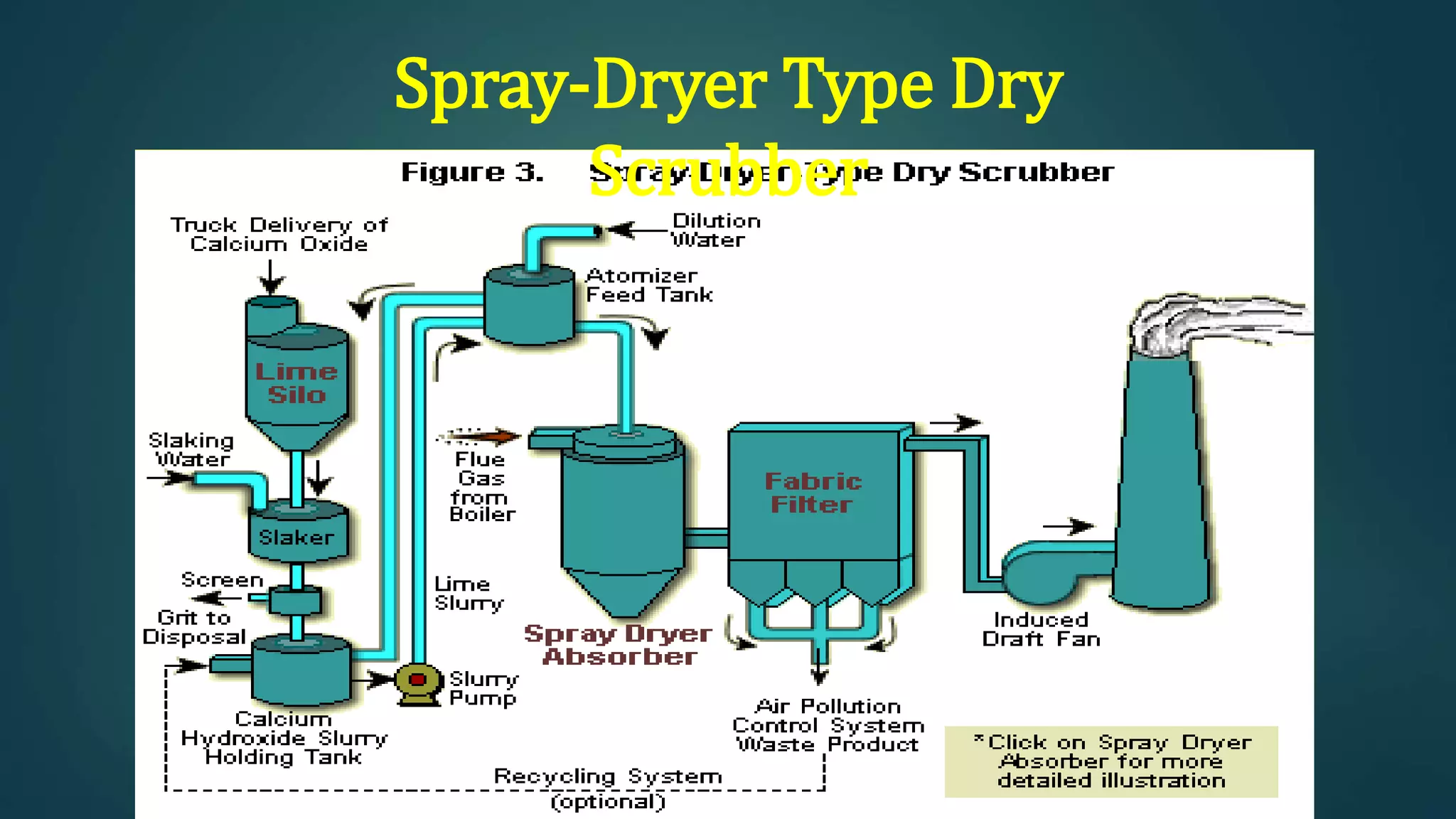
Spray Atomizer Dry Scrubber
• Another type of absorption system is called a spray
atomizer dry scrubber which belongs to a group of
scrubbers called spray-dryer-type dry scrubbers.
• In this case, an alkaline slurry is sprayed into the
hot gas stream at a point upstream from the
particulate control device. As the slurry droplets
are evaporating, sulfur dioxide absorbs into the
droplet and reacts with the dissolved and
suspended alkaline material.
Spray-Dryer Type Dry
Scrubber
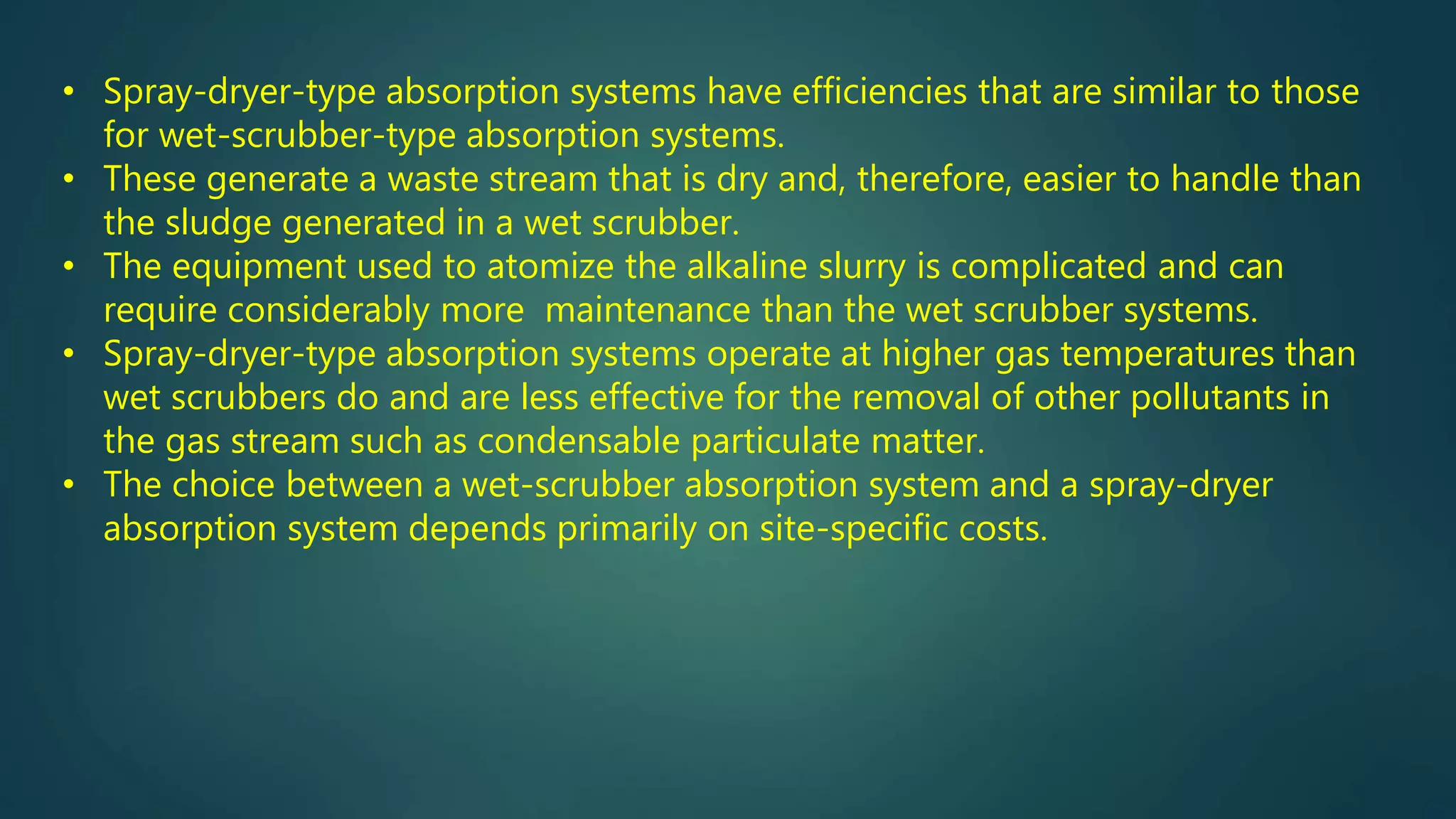
• Spray-dryer-type absorption systems have efficiencies that are similar to those
for wet-scrubber-type absorption systems.
• These generate a waste stream that is dry and, therefore, easier to handle than
the sludge generated in a wet scrubber.
• The equipment used to atomize the alkaline slurry is complicated and can
require considerably more maintenance than the wet scrubber systems.
• Spray-dryer-type absorption systems operate at higher gas temperatures than
wet scrubbers do and are less effective for the removal of other pollutants in
the gas stream such as condensable particulate matter.
• The choice between a wet-scrubber absorption system and a spray-dryer
absorption system depends primarily on site-specific costs.
• Sulfur dioxide can be collected by
adsorption systems.
• In this type of control system, a dry
alkaline powder is injected into the
gas stream. Sulfur dioxide adsorbs
to the surface of the alkaline
particles and reacts to form
compounds that cannot be reemitted
to the gas stream.
Hydrated lime (calcium hydroxide)
is the most commonly used alkali.
Adsorption
Choice of Fuel
• Since sulfur emissions are proportional to the sulfur
content of the fuel, an effective means of reducing SOx
emissions is to burn low-sulfur fuel such as natural gas,
low-sulfur oil, or low-sulfur coal. Natural gas has the
added advantage of emitting no particulate matter when
burned.
• The sulfur dioxide emission rate is directly related to the
sulfur levels in coal, oil, and synthetic fuels. Not all boilers
can use these types of fuels.

Effects of so2 on vegetation

  • 2.
    Our Members  BharodiyaNevil 180280113004  Bhargav Kalsariya 180280113021  Keshur Jaydeep 180280113023  Rathod Jaswant 180280113047  Rathod Vijay 180280113048  Vinchhi Bharat 180280113063
  • 3.
    Content Introduction of SO2 Propertiesof SO2 Sources Effects of SO2 on vegetation Acid rain Effects of SO2 on property Control of SO2
  • 4.
    Introduction • Sulfur dioxide,a compound of one sulfur atom and two oxygen atoms (SO2), is a gas with a pungent smell. It is primarily emitted into the atmosphere from burning fossil fuels—with coal the main fossil fuel in use globally. • Since coal and petroleum often contain Sulphur compounds, their combustion generates Sulphur dioxide. Further oxidation of SO2, usually in the presence of a catalyst such as NO2, forms H2SO4, and thus acid rain.
  • 5.
    Physical properties ofSO2 • It is a colorless gas. • It has a very pungent smell. • It is heavier than air. • It is a toxic gas. • In the presence of defects and water, Sulphur dioxide can be highly corrosive.
  • 6.
    Chemical properties ofSO2  Sulphur dioxide when passed through water, forms a solution of Sulphurous acid. SO2 + H2O ⇄ H2SO3  It reacts readily with sodium hydroxide solution, forming sodium sulphite which then reacts with more Sulphur dioxide to form sodium hydrogen sulphite. SO2 + 2NaOH → Na2SO3 + H2O Na2CO3 + SO2 → Na2SO3 + CO2
  • 7.
    Sources of SO2 Thereare mainly 2 types of Sources of SO2  Natural Sources : Volcanic Eruption, Forest Fire, Decaying Plant and Matter, Hot Springs.  Manmade Sources : Power Plant, Automobiles, Cement Industry, Oil refineries, Various kinds of Industrial Emissions.
  • 8.
    Transportation – 5% IndustrialSources – 9% Fuel Consumption – 19% Electric Power Stations-67% Other – 1%
  • 9.
    Effects of SO2on vegetation  Introduction • In the optimum growing conditions plants maintain a meta-stable state in growth and reproduction. This structural organization and stable state is termed as Homeostasis. • The disruption of this homeostasis by the changes in the environmental factors exerts a negative impact on plant physiology and this can be defined as Stressfor the plants involved. • The factors responsible for causing stress to plants can be classified into two broad categories i.e. Biotic and Abiotic stresses.
  • 10.
    Stress • Biotic stressis exerted on the plants by biological organisms e.g. fungi, bacteria, insects and viruses. • Abiotic stress which is the physical, chemical and environmental challenges met by the plants. On the one hand, environmental factors like light, temperature, radiation can cause stress whereas on the other hand chemicals and physical factors like water deficit, overcrowding, and unusually high concentration of heavy metals, salt, obnoxious gaseous air pollutants also have a negative impact on plant homeostasis causing stress conditions.
  • 11.
    IMPACT OF SO2ON PLANTS  Effect on overall morphology and growth of plants: • Prolonged exposure to SO2 fumigation have impact of up to 50% reduction of annual height and 70% reduction of diameter increase rate. • Besides this, yellowing of leaf tissues and upward curling of leaf lamina under low doses of SO2 have been observed. With the increase in SO2 concentration, lamina curling was observed to be associated with drying and developing brittleness. • In Pigeon Pea(Cajanus cajan), Amaranthus paniculatus, stomatal frequency of both lower and upper surface of leaves, had been observed to be increased with exposure to elevated concentrations of SO2. The increase in stomatal frequency was explained by the fact that Sulphur dioxide inhibits the growth and expansion of leaf surface thus increasing the frequency of stomata.
  • 12.
    Effect on photosynthesis,photosystem machinery and photosynthetic pigments: • SO2 has an antagonistic effect on plant photosynthesis which in turn has negative correlation with the height and girth of plant axis. • Photochemical efficiency of a plant is negatively related to the degree of exposure of SO2. • Along with it, reduction of total chlorophyll content was also reported. The possible reason might be the inhibitory effect of SO2 on chlorophyll metabolism. • The increase of pheophytin in SO2 stressed plants actually signifies the degradation of chlorophyll because Pheophytin is the by-product of chlorophyll degradation
  • 13.
    Stomatal closure andconductance: • A drop in the cellular pH i.e. increasing acidification in cell was observed to be caused by Sulphur dioxide fumigation. It is one of the major factors in SO2 induced stomatal closure mostly due to the decrease in cellular pH resulting from SO2 dissolution into cellular water content thus producing Sulphuric acid. • Another inhibitory factor responsible for stomatal closure is abscisic acid (AbA) hormone whose production is increased in the leaf in response to SO2 stress. The higher accumulation of AbA leads to stomatal closure in the stress exposed plant. Stomatal conductance also gets reduced in the case of high SO2 exposure thus causing inhibition in gaseous exchange and physiological processes of
  • 14.
    • Another inhibitoryfactor responsible for stomatal closure is abscisic acid (AbA) hormone whose production is increased in the leaf in response to SO2 stress. The higher accumulation of AbA leads to stomatal closure in the stress exposed plant. Stomatal conductance also gets reduced in the case of high SO2 exposure thus causing inhibition in gaseous exchange and physiological processes of photosynthesis and respiration
  • 15.
    Production of Reactiveoxygen species • The main toxic effect of Sulphur dioxide is mediated by the production of Sulphite (SO32-) and Bisulphite (HSO3-) radicals after dissolution of Sulphur dioxide into cellular water. • The detoxification process initiated by the plant system, converts toxic Sulphite to less harmful Sulphate radicals but as a by-product of the reaction, Reactive Oxygen Species (ROS) like peroxide (H2O2), superoxide radicals (O2-.) and hydroxyl radical (OH.) is generated. • The hyper-accumulation of ROS is detrimental and causes adversity in normal plant function in several ways. The oxidative stress exerts negative impact on nucleic acid and proteins. But the most destructive effect is exerted on cellular and membrane lipid which gets rapidly peroxidised.
  • 16.
    Other Physiological Effects •Reduction of relative water content (RWC) in Flannel weed and Periwinkle has been reported to be the effect of SO2 present in vehicular exhausts. Higher RWC helps in maintaining water balance and provides resistance during osmotic stress and drought stress and it explains the fact that the plants less resistant to SO2 fumigation tends to lose more water content than more resistant varieties. • Nitrogen content of leaf also gets reduced as a result of negative impact of SO2 as seen in Alnus sieboldiana. Reduction of CO2 fixation and more respiration which lead to breakdown of stored carbohydrate products have been reported as an effect of SO2 exposure in Prosopsis sp. Flannel Weed Prosopsis spicigera
  • 17.
    PLANT DEFENCE RESPONSETO REDUCE THE RESULTING STRESS 1. Structural barriers to block entry of SO2: • Alteration of parameters like striations on stomatal guard cell, thickening of guard cell wall, occlusion of stomata, increase in the frequency and length of the trichome are some of the examples of Structural barriers that block the entry of SO2. 2. Detoxification of SO2 and recovery of Photosynthesis: • Less susceptible plants tend to detoxify the cellular toxicity thus restoring the photosynthetic yield. This detoxification process mediated by chlorophyll is observed to be more efficient in light condition than in dark condition.
  • 18.
    3. Increased accumulationand activity of ROS scavenger molecules: • As the key role in inflicting damage in SO2 stressed plant- is attributed to ROS accumulation, increased production of scavenger molecule is one of the most prominent defense response in SO2 stress. Activity of Catalase and POD were observed to be increased greatly in flannel weed and periwinkle. 4. Synthesis of Lignin, Proline and other constituents: • The increased amount of Lignin plays a vital role to strengthen the leaf and stem tissues thereby protecting the internal tissue system from SO2 invasion. Proline is a stress induced amino acid that has a multifunctional role in osmotic balance maintenance, sub-cellular structure stabilization. Besides all these, Proline also helps in scavenging free radicals. There is a particular property of Proline that makes it more important in SO2 induced stress i.e. to reduce cellular acidification which is commonly a result of dissolving of Sulphur dioxide into the cellular water content.
  • 19.
    APPROACHES TOWARDS DEVELOPINGSO2 TOLERANT PLANT VARIETIES • To develop SO2 resistant transgenic lines, focus was initially set such as to enable the plant to utilize the excess SO2. Cysteine, an important Sulphur containing amino acid, is synthesized by Cystine synthase (CSase) gene. Nicotiana tabacum, showed increased tolerance against Sulphur dioxide stress after transformation using CSase gene. • Another strategy is to nullify or reduce the negative impact by different biochemical components like Ascorbic acid, SOD, Peroxidases, GSH, GPX, Proline, POD and PR. These biochemical constituents have been observed to have an anti-oxidative property which is useful to counter the SO2 induced stress exerted on plant.
  • 20.
    Acid Rain • Acidrain, also called acid precipitation or acid deposition, precipitation possessing a pH of about 5.2 or below primarily produced from the emission of sulfur dioxide (SO2) and nitrogen oxides (NOx) from human activities, mostly the combustion of fossil fuels. • This phenomenon results when Sulphur dioxide dissolves in moisture in the air, forming Sulphur acids, which eventually fall to the surface of the earth as acid rain. • Acid rain directly attacks the protective coating of plants, acidifies lakes and soils which may result in the formation of substances that are toxic to plants and animals.
  • 22.
    Effects of SO2on Property • Deteriorating Buildings Acid rain damages buildings and structures because it dissolves the stone or corrodes the metal that is exposed to the weather. Before people became aware of the problems that acid rain caused, they often used metals, limestone and marble as building materials exposed to rain and fog. Some of these materials contain calcium carbonate or calcium-based compounds, which can be dissolved by acid rain. Sandstone holds up better to acid rain, but can be marred by black surface deposits over time. Effect of Acid Rain on TAJ MAHAL
  • 23.
    Faceless Statues • Oldstatues, monuments and tombstones are vulnerable to acid rain because they were made of limestone. Over decades of exposure to acid rain, the details of a statue can be lost, slowly turning them into featureless blobs. Acid rain has also attacked the chiseled words on some tombstones, rendering them unreadable. Although metal statues resist physical deterioration from acid rain better than stone, they can develop discoloration and streaking. • The infiltrating acidic rainwater contaminated by sulfuric acid changes the crystals of calcium carbonate to calcium sulfate • CaCO3 + H2SO4 = CaSO4 + H2O + CO2 • The solubility of calcium sulfate > solubility of calcium carbonate. • Crystal volume of CaSO4 > crystal volume of CaCO3 stress in the material structure → crack
  • 24.
    A sandstone statuein Westphalia, Germany, photographed in 1908 (left) and again in 1968 (right).
  • 25.
    Corroded Metals • Acidrain can damage buildings and bridges with metallic parts that are exposed to rain and fog. Not only does acid rain aggressively dissolve calcium in stone, but it corrodes certain types of metal. Vulnerable metals include bronze, copper, nickel, zinc and certain types of steel. • Fe ─────> Fe2+ + 2 e- 2H+ + 2e- = H2.
  • 26.
    Acid rain: electrolyteand the hydrogen ion serves the reduction (electron uptake) Air pollution induced electrochemical corrosion resulted in the collapse of Silver bridge over Ohio river on 15-th. Dec. 1967.
  • 27.
    Effect of atmosphericSO2 on papers Paper surface H2SO4 formation on the surface The result
  • 28.
    Control Techniques forSO2 • Air pollution control systems for sulfur dioxide removal are large and sophisticated. Sulfur dioxide is controlled by three different techniques: absorption, adsorption, and the use of low-sulfur fuels. • The control systems used for sulfur dioxide are usually not designed to remove sulfuric acid. • The sulfuric acid concentrations are usually below the levels where it is not economically feasible or environmentally necessary to install control systems.
  • 29.
    • Absorption processesuse the solubility of sulfur dioxide in aqueous solutions to remove it from the gas stream. • Once sulfur dioxide has dissolved in solution to form sulfurous acid (H2SO3), it reacts with oxidizers to form inorganic sulfites (SO3) and sulfates (SO4). • This process prevents the dissolved sulfur dioxide from diffusing out of solution and being re-emitted. • The most common type of sulfur dioxide absorber is the limestone (CaCO3) wet scrubber. Absorption
  • 31.
    • Limestone isthe alkali most often used to react with the dissolved sulfur dioxide. • Limestone slurry is sprayed into the sulfur- dioxide containing gas stream. • Gypsum is the by product of Wet Limestone Scrubbing. Gypsum is a soft sulfate mineral composed of calcium sulfate dihydrate, with the chemical formula CaSO4·2H2O.
  • 32.
    Spray Atomizer DryScrubber • Another type of absorption system is called a spray atomizer dry scrubber which belongs to a group of scrubbers called spray-dryer-type dry scrubbers. • In this case, an alkaline slurry is sprayed into the hot gas stream at a point upstream from the particulate control device. As the slurry droplets are evaporating, sulfur dioxide absorbs into the droplet and reacts with the dissolved and suspended alkaline material.
  • 33.
  • 34.
    • Spray-dryer-type absorptionsystems have efficiencies that are similar to those for wet-scrubber-type absorption systems. • These generate a waste stream that is dry and, therefore, easier to handle than the sludge generated in a wet scrubber. • The equipment used to atomize the alkaline slurry is complicated and can require considerably more maintenance than the wet scrubber systems. • Spray-dryer-type absorption systems operate at higher gas temperatures than wet scrubbers do and are less effective for the removal of other pollutants in the gas stream such as condensable particulate matter. • The choice between a wet-scrubber absorption system and a spray-dryer absorption system depends primarily on site-specific costs.
  • 35.
    • Sulfur dioxidecan be collected by adsorption systems. • In this type of control system, a dry alkaline powder is injected into the gas stream. Sulfur dioxide adsorbs to the surface of the alkaline particles and reacts to form compounds that cannot be reemitted to the gas stream. Hydrated lime (calcium hydroxide) is the most commonly used alkali. Adsorption
  • 36.
    Choice of Fuel •Since sulfur emissions are proportional to the sulfur content of the fuel, an effective means of reducing SOx emissions is to burn low-sulfur fuel such as natural gas, low-sulfur oil, or low-sulfur coal. Natural gas has the added advantage of emitting no particulate matter when burned. • The sulfur dioxide emission rate is directly related to the sulfur levels in coal, oil, and synthetic fuels. Not all boilers can use these types of fuels.