eCommerce:
Security
and Challenges
1
Trends, pitfalls, and where
eCommerce will go in 2016
PRESENTED BY
Inderjit Singh
eCommerce
2016
Outline of the Presentation
• Changing Canvas of E-Commerce
• E-Commerce Challenges
• E-Commerce Security
• Technological Solutions
• Policies and Procedures
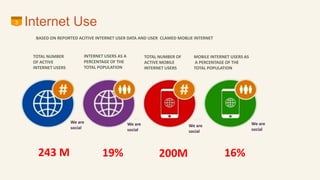
Internet Use3
BASED ON REPORTED ACITIVE INTERNET USER DATA AND USER CLAMED MOBLIE INTERNET
TOTAL NUMBER
OF ACTIVE
INTERNET USERS
INTERNET USERS AS A
PERCENTAGE OF THE
TOTAL POPULATION
TOTAL NUMBER OF
ACTIVE MOBILE
INTERNET USERS
MOBILE INTERNET USERS AS
A PERCENTAGE OF THE
TOTAL POPULATION
We are
social
We are
social
We are
social
We are
social
243 M 19% 200M 16%
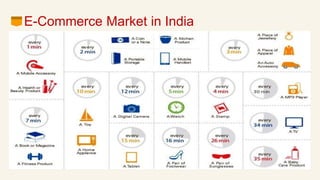
E-Commerce Market in India
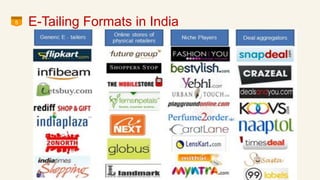
5 E-Tailing Formats in India
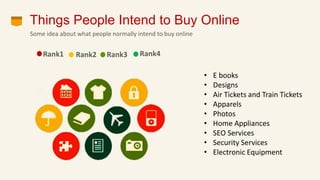
Things People Intend to Buy Online
Some idea about what people normally intend to buy online
Rank2Rank1 Rank3 Rank4
• E books
• Designs
• Air Tickets and Train Tickets
• Apparels
• Photos
• Home Appliances
• SEO Services
• Security Services
• Electronic Equipment
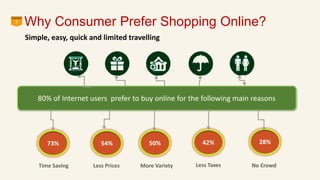
Why Consumer Prefer Shopping Online?7
Simple, easy, quick and limited travelling
73% 54% 50% 42% 28%
Time Saving Less Prices More Variety Less Taxes No Crowd
80% of Internet users prefer to buy online for the following main reasons
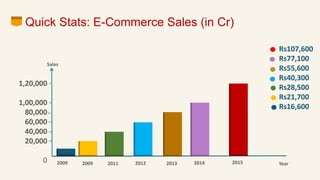
Quick Stats: E-Commerce Sales (in Cr)
1,20,000
1,00,000
80,000
60,000
40,000
20,000
0
Rs107,600
Rs77,100
Rs55,600
Rs40,300
Rs28,500
Rs21,700
Rs16,600
2009 2011 2012 2013 2014 20152009
Sales
Year
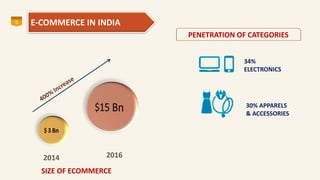
9 E-COMMERCE IN INDIA
PENETRATION OF CATEGORIES
2014 2016
34%
ELECTRONICS
30% APPARELS
& ACCESSORIES
SIZE OF ECOMMERCE
10
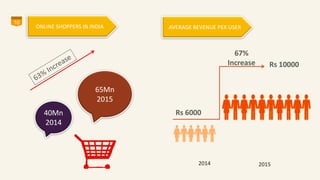
ONLINE SHOPPERS IN INDIA AVERAGE REVENUE PER USER
Rs 6000
67%
Increase Rs 10000
2014 2015
40Mn
2014
65Mn
2015
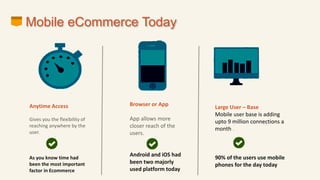
Mobile eCommerce Today
Anytime Access
Gives you the flexibility of
reaching anywhere by the
user.
As you know time had
been the most important
factor in Ecommerce
Browser or App
App allows more
closer reach of the
users.
Android and iOS had
been two majorly
used platform today
Large User – Base
Mobile user base is adding
upto 9 million connections a
month .
90% of the users use mobile
phones for the day today
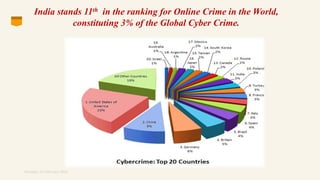
India stands 11th in the ranking for Online Crime in the World,
constituting 3% of the Global Cyber Crime.
Monday, 15 February 2016
eCommerce
Challenges
14
eCommerce
2016
“The economic growth of any nation and its
security whether internal or external and
competitiveness depends on how well is its
cyberspace secured and protected”.
16
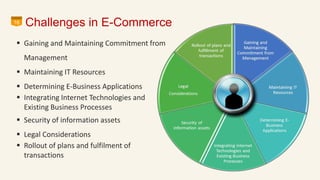
ď‚§ Gaining and Maintaining Commitment from
Management
ď‚§ Maintaining IT Resources
ď‚§ Determining E-Business Applications
ď‚§ Integrating Internet Technologies and
Existing Business Processes
ď‚§ Security of information assets
ď‚§ Legal Considerations
ď‚§ Rollout of plans and fulfilment of
transactions
Challenges in E-Commerce
17 Challenges in E-Commerce in India
E-Commerce: Challenges
Trusting Others
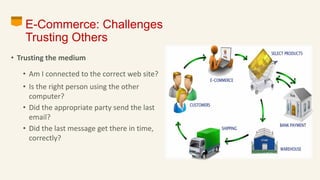
• Trusting the medium
• Am I connected to the correct web site?
• Is the right person using the other
computer?
• Did the appropriate party send the last
email?
• Did the last message get there in time,
correctly?
eCommerce
Security Threats
19
eCommerce
2016
Growing internet penetration and rising popularity
of online banking have made India a favorite
among the cybercriminals, who target online
financial transactions using malware,”.
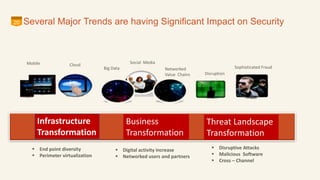
Several Major Trends are having Significant Impact on Security20
ď‚§ End point diversity
ď‚§ Perimeter virtualization
ď‚§ Digital activity increase
ď‚§ Networked users and partners
ď‚§ Disruptive Attacks
ď‚§ Malicious Software
 Cross – Channel
Mobile Cloud
Big Data
Social Media
Networked
Value Chains Disruption
Sophisticated Fraud
Infrastructure
Transformation
Threat Landscape
Transformation
Business
Transformation
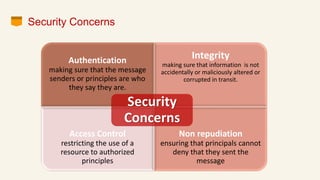
Authentication
making sure that the message
senders or principles are who
they say they are.
Integrity
making sure that information is not
accidentally or maliciously altered or
corrupted in transit.
Access Control
restricting the use of a
resource to authorized
principles
Non repudiation
ensuring that principals cannot
deny that they sent the
message
Security
Concerns
Security Concerns
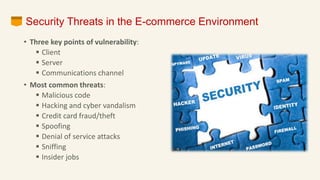
Security Threats in the E-commerce Environment
• Three key points of vulnerability:
ď‚§ Client
ď‚§ Server
ď‚§ Communications channel
• Most common threats:
ď‚§ Malicious code
ď‚§ Hacking and cyber vandalism
ď‚§ Credit card fraud/theft
ď‚§ Spoofing
ď‚§ Denial of service attacks
ď‚§ Sniffing
ď‚§ Insider jobs
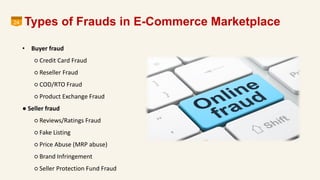
Types of Frauds in E-Commerce Marketplace24
• Buyer fraud
â—‹ Credit Card Fraud
â—‹ Reseller Fraud
â—‹ COD/RTO Fraud
â—‹ Product Exchange Fraud
â—Ź Seller fraud
â—‹ Reviews/Ratings Fraud
â—‹ Fake Listing
â—‹ Price Abuse (MRP abuse)
â—‹ Brand Infringement
â—‹ Seller Protection Fund Fraud
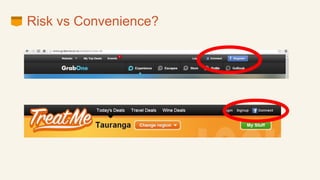
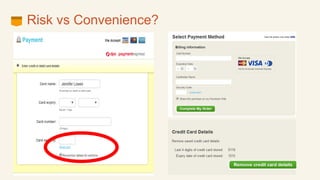
Risk vs Convenience?
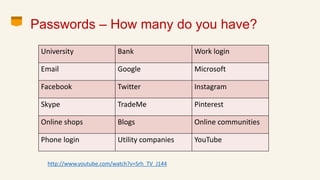
Passwords – How many do you have?
University Bank Work login
Email Google Microsoft
Facebook Twitter Instagram
Skype TradeMe Pinterest
Online shops Blogs Online communities
Phone login Utility companies YouTube
http://www.youtube.com/watch?v=Srh_TV_J144
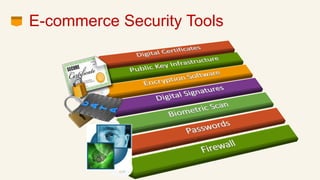
E-commerce Security Tools
eCommerce
Plans and Policies
29
eCommerce
2016
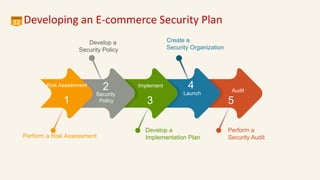
Developing an E-commerce Security Plan32
5
Audit
4
Launch
3
Implement2
Security
Policy1
Risk Assessment
Perform a Risk Assessment
Develop a
Implementation Plan
Perform a
Security Audit
Develop a
Security Policy
Create a
Security Organization

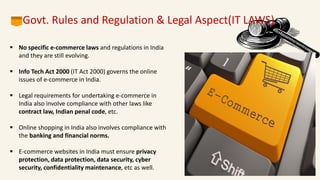
ď‚§ No specific e-commerce laws and regulations in India
and they are still evolving.
ď‚§ Info Tech Act 2000 (IT Act 2000) governs the online
issues of e-commerce in India.
ď‚§ Legal requirements for undertaking e-commerce in
India also involve compliance with other laws like
contract law, Indian penal code, etc.
ď‚§ Online shopping in India also involves compliance with
the banking and financial norms.
ď‚§ E-commerce websites in India must ensure privacy
protection, data protection, data security, cyber
security, confidentiality maintenance, etc as well.
Govt. Rules and Regulation & Legal Aspect(IT LAWS)
• Change the password from time to time.
• Don’t keep the protected and sensitive files in folders
that have revealing name.
• Choose passwords with numbers, lower and upper case
letters, 8 digitals long and have special characters.
• Get regular audits (www.comodo.com) – these services
usually come with an icon that you can put in your store and
they have been known to boost sales.
• Apply updates to your shopping carts whenever available.
Basic Ways To Protect Yourself
• Always use https while navigating through your admin area (if
you have SSL installed on your server.
• If you want (and have the option), consider deleting all the
customer credit card details after purchases.
• Sign up with a managed firewall service (www.able-commerce.com)
these services usually come with an icon that you can put in your
store and they have been known to boost sales.
• Choose a shopping cart that can blacklist (block) IP addresses and
users.
Basic Ways To Protect Yourself
Conclusion
• E-commerce has changed the relative importance of time, but as the
pillars of indicator of the country’s economic state that the
importance of time should not be ignored.
• E-commerce is not a kind of new industry, but it is creating a new
economic model.
THANK YOU
Questions?
Email: inderjit.barara@gmail.com

E Commerce -Security Threats and Challenges

  • 1.
    eCommerce: Security and Challenges 1 Trends, pitfalls,and where eCommerce will go in 2016 PRESENTED BY Inderjit Singh eCommerce 2016
  • 2.
    Outline of thePresentation • Changing Canvas of E-Commerce • E-Commerce Challenges • E-Commerce Security • Technological Solutions • Policies and Procedures
  • 3.
    Internet Use3 BASED ONREPORTED ACITIVE INTERNET USER DATA AND USER CLAMED MOBLIE INTERNET TOTAL NUMBER OF ACTIVE INTERNET USERS INTERNET USERS AS A PERCENTAGE OF THE TOTAL POPULATION TOTAL NUMBER OF ACTIVE MOBILE INTERNET USERS MOBILE INTERNET USERS AS A PERCENTAGE OF THE TOTAL POPULATION We are social We are social We are social We are social 243 M 19% 200M 16%
  • 4.
  • 5.
  • 6.
    Things People Intendto Buy Online Some idea about what people normally intend to buy online Rank2Rank1 Rank3 Rank4 • E books • Designs • Air Tickets and Train Tickets • Apparels • Photos • Home Appliances • SEO Services • Security Services • Electronic Equipment
  • 7.
    Why Consumer PreferShopping Online?7 Simple, easy, quick and limited travelling 73% 54% 50% 42% 28% Time Saving Less Prices More Variety Less Taxes No Crowd 80% of Internet users prefer to buy online for the following main reasons
  • 8.
    Quick Stats: E-CommerceSales (in Cr) 1,20,000 1,00,000 80,000 60,000 40,000 20,000 0 Rs107,600 Rs77,100 Rs55,600 Rs40,300 Rs28,500 Rs21,700 Rs16,600 2009 2011 2012 2013 2014 20152009 Sales Year
  • 9.
    9 E-COMMERCE ININDIA PENETRATION OF CATEGORIES 2014 2016 34% ELECTRONICS 30% APPARELS & ACCESSORIES SIZE OF ECOMMERCE
  • 10.
    10 ONLINE SHOPPERS ININDIA AVERAGE REVENUE PER USER Rs 6000 67% Increase Rs 10000 2014 2015 40Mn 2014 65Mn 2015
  • 11.
    Mobile eCommerce Today AnytimeAccess Gives you the flexibility of reaching anywhere by the user. As you know time had been the most important factor in Ecommerce Browser or App App allows more closer reach of the users. Android and iOS had been two majorly used platform today Large User – Base Mobile user base is adding upto 9 million connections a month . 90% of the users use mobile phones for the day today
  • 12.
    India stands 11thin the ranking for Online Crime in the World, constituting 3% of the Global Cyber Crime. Monday, 15 February 2016
  • 13.
    eCommerce Challenges 14 eCommerce 2016 “The economic growthof any nation and its security whether internal or external and competitiveness depends on how well is its cyberspace secured and protected”.
  • 14.
    16 ď‚§ Gaining andMaintaining Commitment from Management ď‚§ Maintaining IT Resources ď‚§ Determining E-Business Applications ď‚§ Integrating Internet Technologies and Existing Business Processes ď‚§ Security of information assets ď‚§ Legal Considerations ď‚§ Rollout of plans and fulfilment of transactions Challenges in E-Commerce
  • 15.
    17 Challenges inE-Commerce in India
  • 16.
    E-Commerce: Challenges Trusting Others •Trusting the medium • Am I connected to the correct web site? • Is the right person using the other computer? • Did the appropriate party send the last email? • Did the last message get there in time, correctly?
  • 17.
    eCommerce Security Threats 19 eCommerce 2016 Growing internetpenetration and rising popularity of online banking have made India a favorite among the cybercriminals, who target online financial transactions using malware,”.
  • 18.
    Several Major Trendsare having Significant Impact on Security20  End point diversity  Perimeter virtualization  Digital activity increase  Networked users and partners  Disruptive Attacks  Malicious Software  Cross – Channel Mobile Cloud Big Data Social Media Networked Value Chains Disruption Sophisticated Fraud Infrastructure Transformation Threat Landscape Transformation Business Transformation
  • 19.
    Authentication making sure thatthe message senders or principles are who they say they are. Integrity making sure that information is not accidentally or maliciously altered or corrupted in transit. Access Control restricting the use of a resource to authorized principles Non repudiation ensuring that principals cannot deny that they sent the message Security Concerns Security Concerns
  • 20.
    Security Threats inthe E-commerce Environment • Three key points of vulnerability:  Client  Server  Communications channel • Most common threats:  Malicious code  Hacking and cyber vandalism  Credit card fraud/theft  Spoofing  Denial of service attacks  Sniffing  Insider jobs
  • 21.
    Types of Fraudsin E-Commerce Marketplace24 • Buyer fraud ○ Credit Card Fraud ○ Reseller Fraud ○ COD/RTO Fraud ○ Product Exchange Fraud ● Seller fraud ○ Reviews/Ratings Fraud ○ Fake Listing ○ Price Abuse (MRP abuse) ○ Brand Infringement ○ Seller Protection Fund Fraud
  • 22.
  • 23.
  • 24.
    Passwords – Howmany do you have? University Bank Work login Email Google Microsoft Facebook Twitter Instagram Skype TradeMe Pinterest Online shops Blogs Online communities Phone login Utility companies YouTube http://www.youtube.com/watch?v=Srh_TV_J144
  • 25.
  • 26.
  • 27.
    Developing an E-commerceSecurity Plan32 5 Audit 4 Launch 3 Implement2 Security Policy1 Risk Assessment Perform a Risk Assessment Develop a Implementation Plan Perform a Security Audit Develop a Security Policy Create a Security Organization
  • 28.
      No specifice-commerce laws and regulations in India and they are still evolving.  Info Tech Act 2000 (IT Act 2000) governs the online issues of e-commerce in India.  Legal requirements for undertaking e-commerce in India also involve compliance with other laws like contract law, Indian penal code, etc.  Online shopping in India also involves compliance with the banking and financial norms.  E-commerce websites in India must ensure privacy protection, data protection, data security, cyber security, confidentiality maintenance, etc as well. Govt. Rules and Regulation & Legal Aspect(IT LAWS)
  • 29.
    • Change thepassword from time to time. • Don’t keep the protected and sensitive files in folders that have revealing name. • Choose passwords with numbers, lower and upper case letters, 8 digitals long and have special characters. • Get regular audits (www.comodo.com) – these services usually come with an icon that you can put in your store and they have been known to boost sales. • Apply updates to your shopping carts whenever available. Basic Ways To Protect Yourself
  • 30.
    • Always usehttps while navigating through your admin area (if you have SSL installed on your server. • If you want (and have the option), consider deleting all the customer credit card details after purchases. • Sign up with a managed firewall service (www.able-commerce.com) these services usually come with an icon that you can put in your store and they have been known to boost sales. • Choose a shopping cart that can blacklist (block) IP addresses and users. Basic Ways To Protect Yourself
  • 31.
    Conclusion • E-commerce haschanged the relative importance of time, but as the pillars of indicator of the country’s economic state that the importance of time should not be ignored. • E-commerce is not a kind of new industry, but it is creating a new economic model.
  • 32.