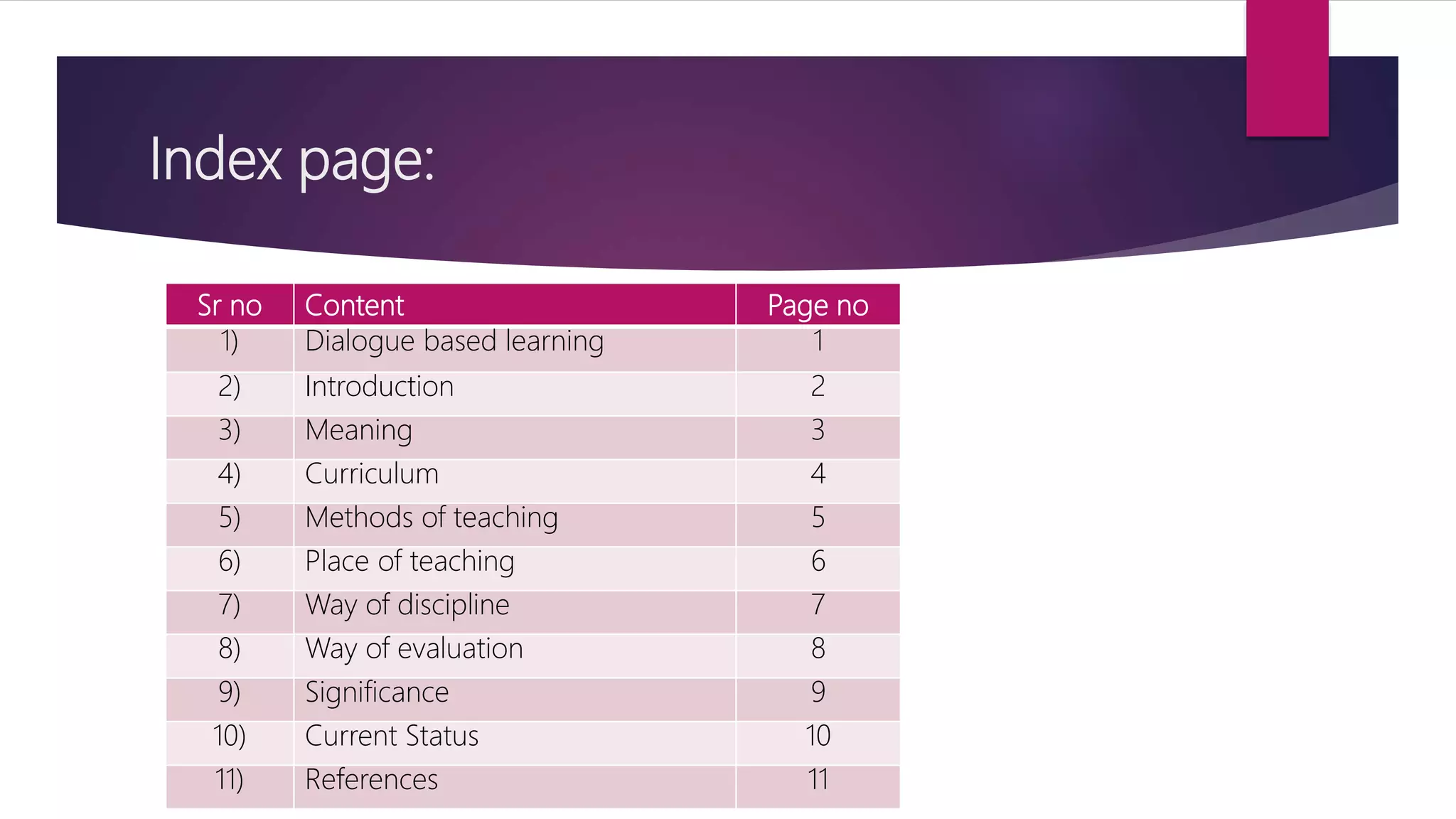
Index page:
Sr no Content Page no
1) Dialogue based learning 1
2) Introduction 2
3) Meaning 3
4) Curriculum 4
5) Methods of teaching 5
6) Place of teaching 6
7) Way of discipline 7
8) Way of evaluation 8
9) Significance 9
10) Current Status 10
11) References 11
DIALOGUE BASED LEARNING
Introduction :
 A dialogue is a forum that draws participants from as many parts of the
community as possible to exchange information face-to-face, share personal
stories and experiences, honestly express perspectives, clarify viewpoints, and
develop solutions to community concerns.
 The word dialogue means “the word between us”.
Meaning:
 Dialogue-based learning, recognizes the unique life experiences each learner
brings to the learning interaction. It learn new knowledge, attitudes, or skills best
when the information presented is relevant to their life experiences.
 "Dialogic Teaching" means using talk most effectively for carrying out teaching
and learning. Dialogic teaching involves ongoing talk between teacher and
students, not just teacher-presentation.
 Through dialogue, teachers can elicit students' everyday, 'common sense‘
perspectives, engage with their developing ideas and help them overcome
misunderstandings.
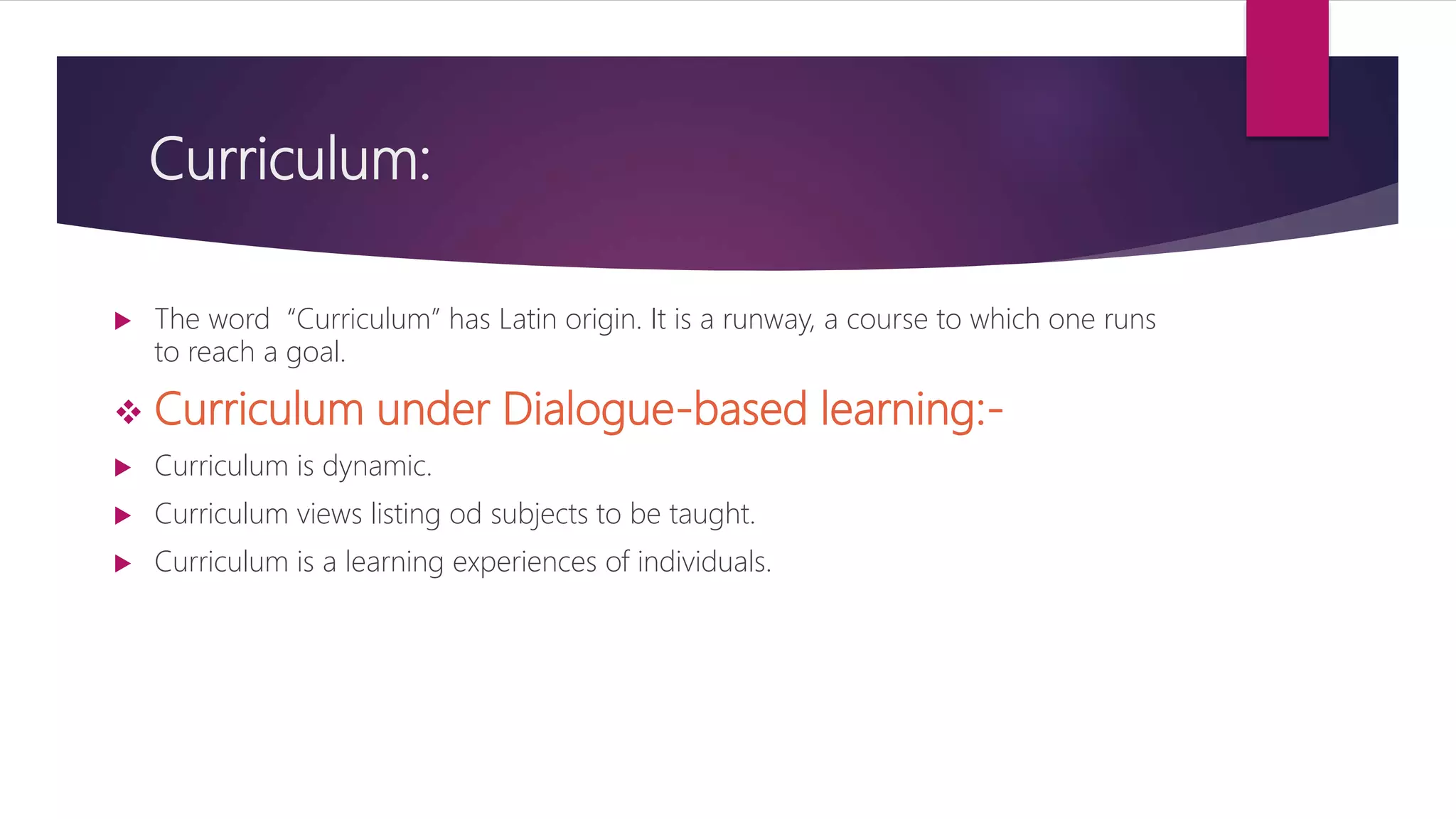
Curriculum:
 The word “Curriculum” has Latin origin. It is a runway, a course to which one runs
to reach a goal.
 Curriculum under Dialogue-based learning:-
 Curriculum is dynamic.
 Curriculum views listing od subjects to be taught.
 Curriculum is a learning experiences of individuals.
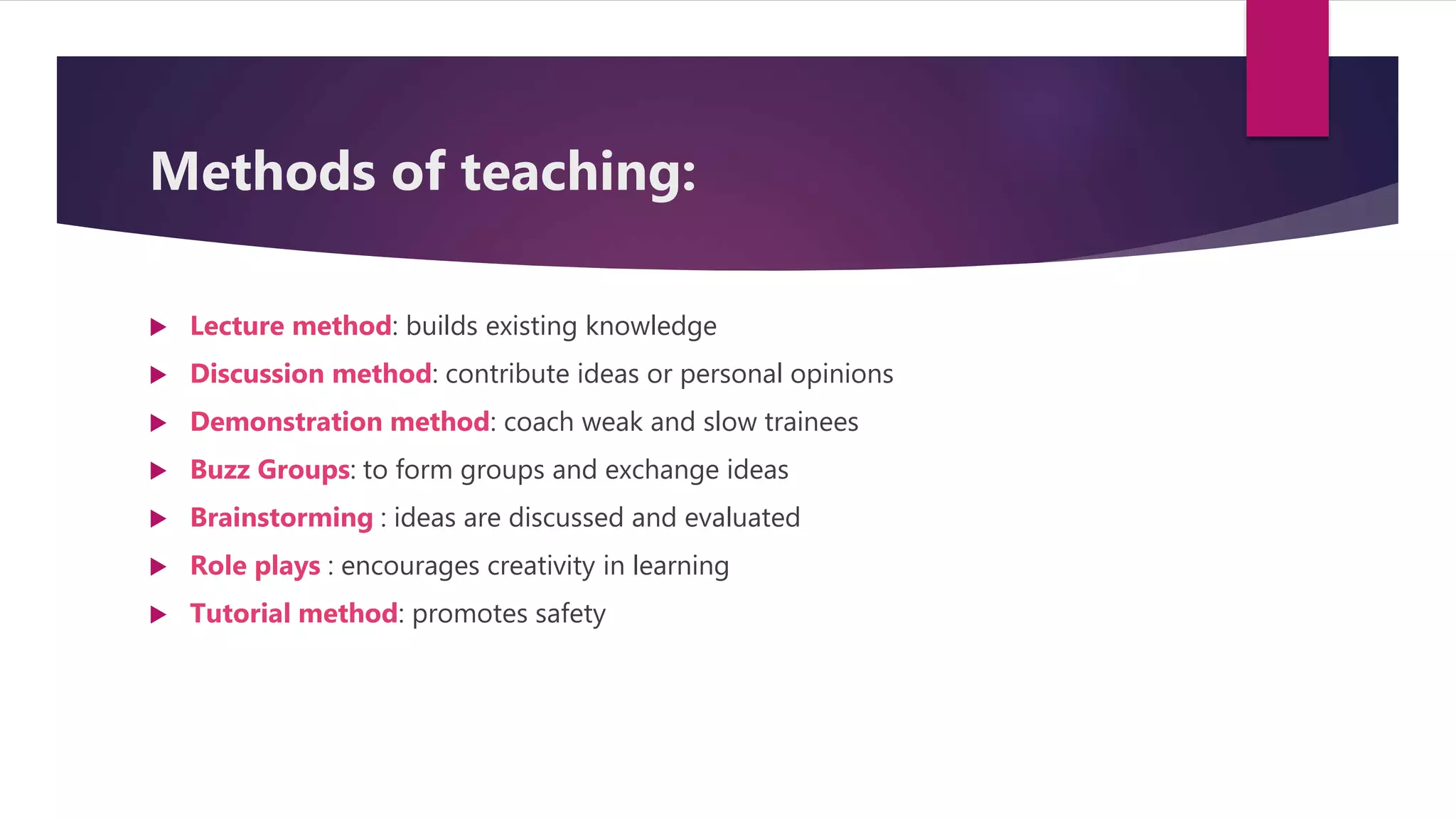
Methods of teaching:
 Lecture method: builds existing knowledge
 Discussion method: contribute ideas or personal opinions
 Demonstration method: coach weak and slow trainees
 Buzz Groups: to form groups and exchange ideas
 Brainstorming : ideas are discussed and evaluated
 Role plays : encourages creativity in learning
 Tutorial method: promotes safety
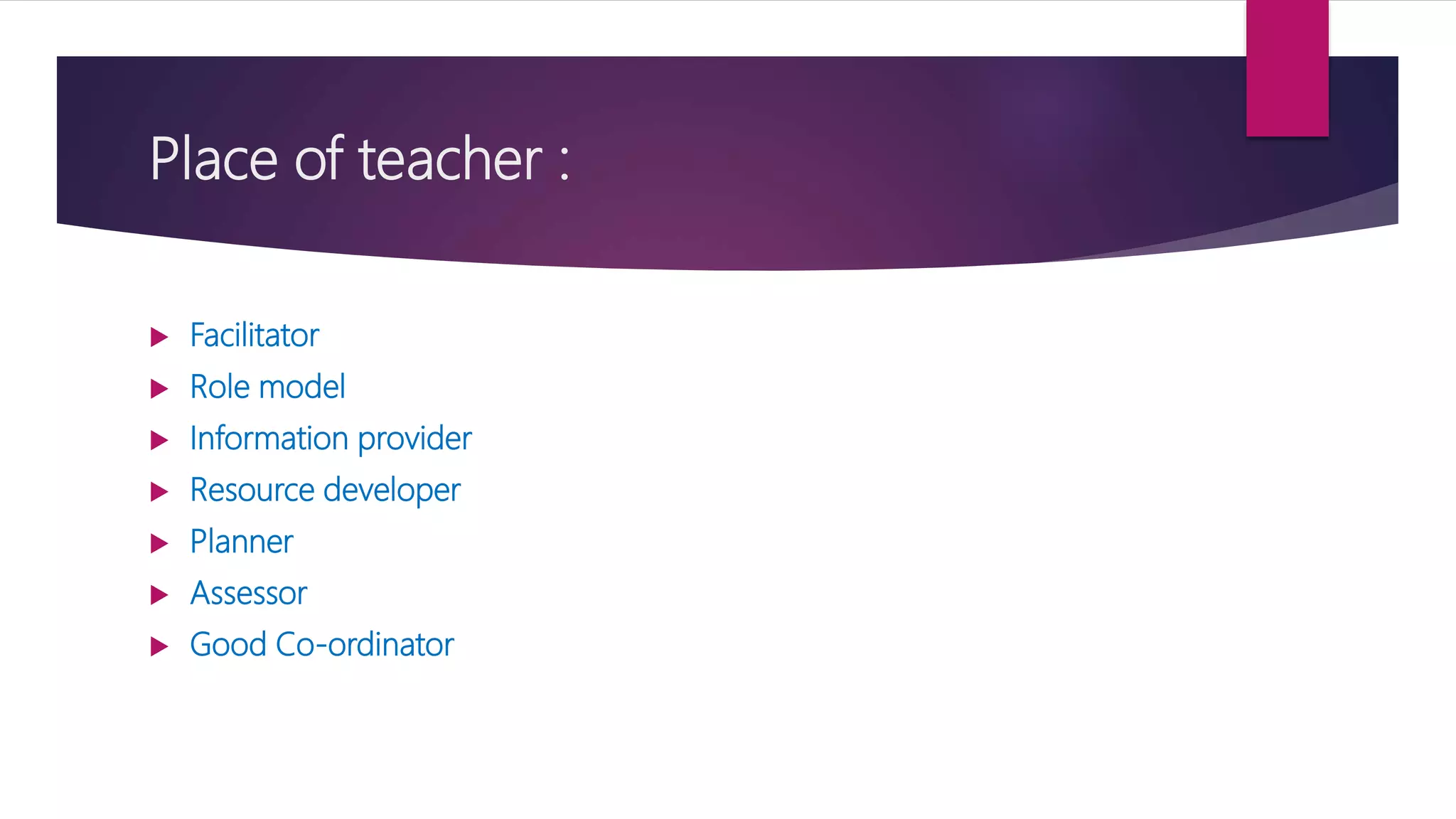
Place of teacher :
 Facilitator
 Role model
 Information provider
 Resource developer
 Planner
 Assessor
 Good Co-ordinator
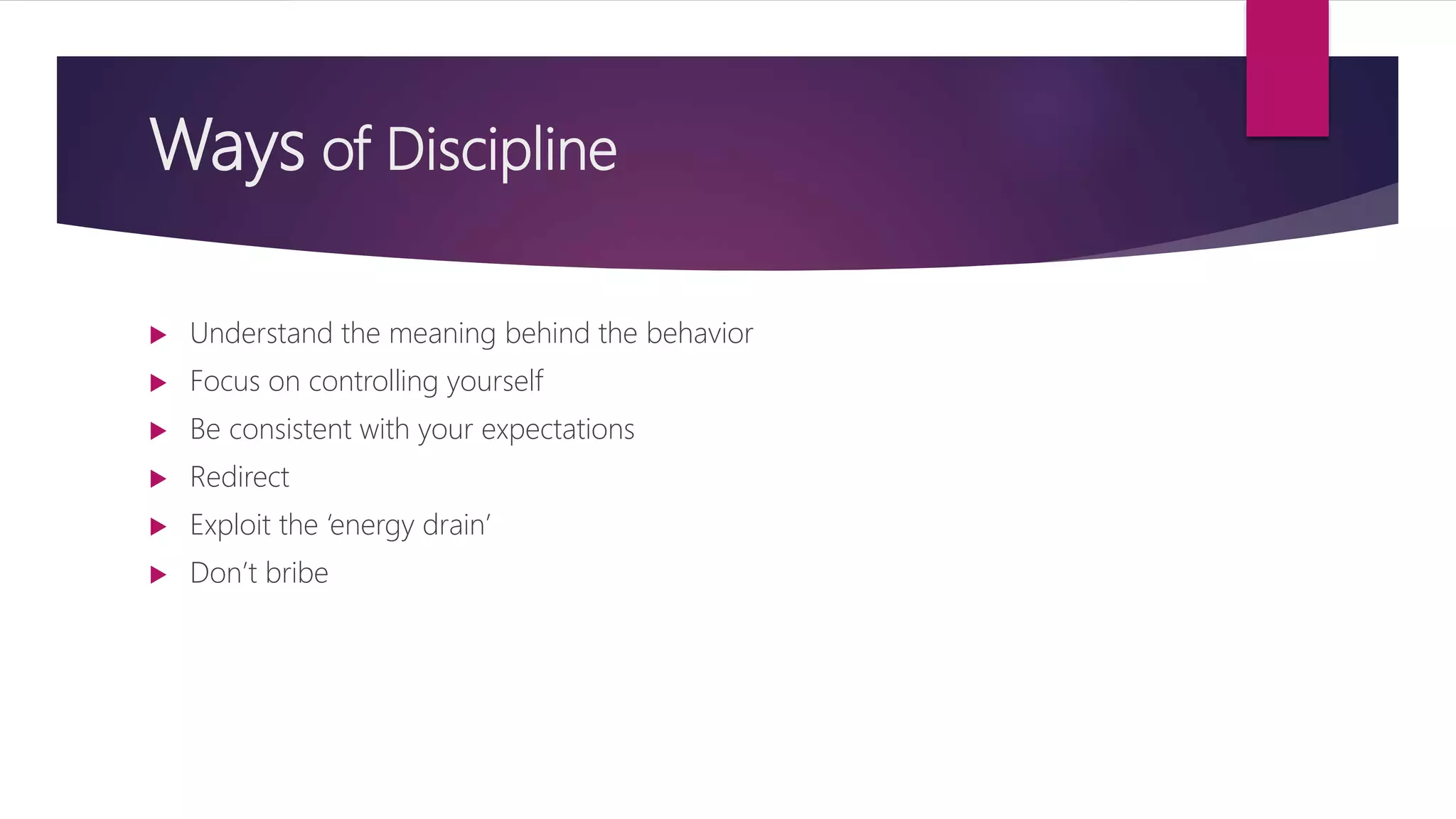
Ways of Discipline
 Understand the meaning behind the behavior
 Focus on controlling yourself
 Be consistent with your expectations
 Redirect
 Exploit the ‘energy drain’
 Don’t bribe
Ways of evaluation:
 Day to Day observation
 Oral Work(Question Answer, loud reading, conversation, role play etc.)
 Practical /Experiments
 Activity (Individual, Group, Self study)
 Projects
 Tests (Open Book Test, Written Test etc.)
 Homework /Classwork (Essay, Descriptive, Report, Stories, Letter, Dialogue etc.
Significance:
 Effective way to resolve issues that threaten social stability and peace.
 It helps to respect and accept diverse views.
 It promotes understanding by exploring the roots of various crisis.
 It reveals the incoherence in our own thoughts.
Current Status of Dialogue based
learning:
 It helps us to give brief description.
 It adds to the readers present knowledge.
 It help to eliminates the routine exchanges of ordinary conversation.
 It helps to convey a sense of spontaneity.
 It helps to keep the story moving forward.
 It helps to be revelatory of the speakers character.
 It helps to show relationship among the people.
References:
 Himalaya Publishing book…
 Vella, jane learning to listen ,learning to teach : The power of dialogue in
education,Jossey-bass publisher ,1994
 Paulo freire’s(1995)
 Kosik,K (1988) La dialectiqe duconcret,Paris:plon

Dialogue based learning

  • 1.
    Index page: Sr noContent Page no 1) Dialogue based learning 1 2) Introduction 2 3) Meaning 3 4) Curriculum 4 5) Methods of teaching 5 6) Place of teaching 6 7) Way of discipline 7 8) Way of evaluation 8 9) Significance 9 10) Current Status 10 11) References 11
  • 2.
  • 3.
    Introduction :  Adialogue is a forum that draws participants from as many parts of the community as possible to exchange information face-to-face, share personal stories and experiences, honestly express perspectives, clarify viewpoints, and develop solutions to community concerns.  The word dialogue means “the word between us”.
  • 4.
    Meaning:  Dialogue-based learning,recognizes the unique life experiences each learner brings to the learning interaction. It learn new knowledge, attitudes, or skills best when the information presented is relevant to their life experiences.  "Dialogic Teaching" means using talk most effectively for carrying out teaching and learning. Dialogic teaching involves ongoing talk between teacher and students, not just teacher-presentation.  Through dialogue, teachers can elicit students' everyday, 'common sense‘ perspectives, engage with their developing ideas and help them overcome misunderstandings.
  • 5.
    Curriculum:  The word“Curriculum” has Latin origin. It is a runway, a course to which one runs to reach a goal.  Curriculum under Dialogue-based learning:-  Curriculum is dynamic.  Curriculum views listing od subjects to be taught.  Curriculum is a learning experiences of individuals.
  • 6.
    Methods of teaching: Lecture method: builds existing knowledge  Discussion method: contribute ideas or personal opinions  Demonstration method: coach weak and slow trainees  Buzz Groups: to form groups and exchange ideas  Brainstorming : ideas are discussed and evaluated  Role plays : encourages creativity in learning  Tutorial method: promotes safety
  • 7.
    Place of teacher:  Facilitator  Role model  Information provider  Resource developer  Planner  Assessor  Good Co-ordinator
  • 8.
    Ways of Discipline Understand the meaning behind the behavior  Focus on controlling yourself  Be consistent with your expectations  Redirect  Exploit the ‘energy drain’  Don’t bribe
  • 9.
    Ways of evaluation: Day to Day observation  Oral Work(Question Answer, loud reading, conversation, role play etc.)  Practical /Experiments  Activity (Individual, Group, Self study)  Projects  Tests (Open Book Test, Written Test etc.)  Homework /Classwork (Essay, Descriptive, Report, Stories, Letter, Dialogue etc.
  • 10.
    Significance:  Effective wayto resolve issues that threaten social stability and peace.  It helps to respect and accept diverse views.  It promotes understanding by exploring the roots of various crisis.  It reveals the incoherence in our own thoughts.
  • 11.
    Current Status ofDialogue based learning:  It helps us to give brief description.  It adds to the readers present knowledge.  It help to eliminates the routine exchanges of ordinary conversation.  It helps to convey a sense of spontaneity.  It helps to keep the story moving forward.  It helps to be revelatory of the speakers character.  It helps to show relationship among the people.
  • 12.
    References:  Himalaya Publishingbook…  Vella, jane learning to listen ,learning to teach : The power of dialogue in education,Jossey-bass publisher ,1994  Paulo freire’s(1995)  Kosik,K (1988) La dialectiqe duconcret,Paris:plon